Tips for Choosing Your Perfect Time of Year to Visit the Galapagos
The Galapagos Islands are one of the most alluring places on earth. The archipelago off the coast of Ecuador plays host to one of the planet’s most unique wildlife and geological locations. With breathtaking scenery and inquisitive animals who have no reason to fear humans, travelers who visit the Galapagos Islands leave feeling a renewed sense of wonder for the earth’s creatures and plant life.
For many of those visitors, a trip to the Galapagos is a bucket-list, once-in-a-lifetime type of journey. Because of that, careful planning commences for those looking to sail to the Galapagos and at the top of that list is figuring out the best time to visit the Galapagos Islands.
Those on a strict vacation schedule at work will be happy to know that there is no Galapagos travel season as cruises sail there year-round. Also, being so close to the equator means the temperature doesn’t differ all that much throughout the year.
Still, the ambiance you’ll experience will change depending on when you visit. We are here to break it down for you with what you need to know about weather patterns in the Galapagos, wildlife migrations, and what to expect in different seasons.
Understanding the Currents and Weather Patterns in the Galapagos Islands
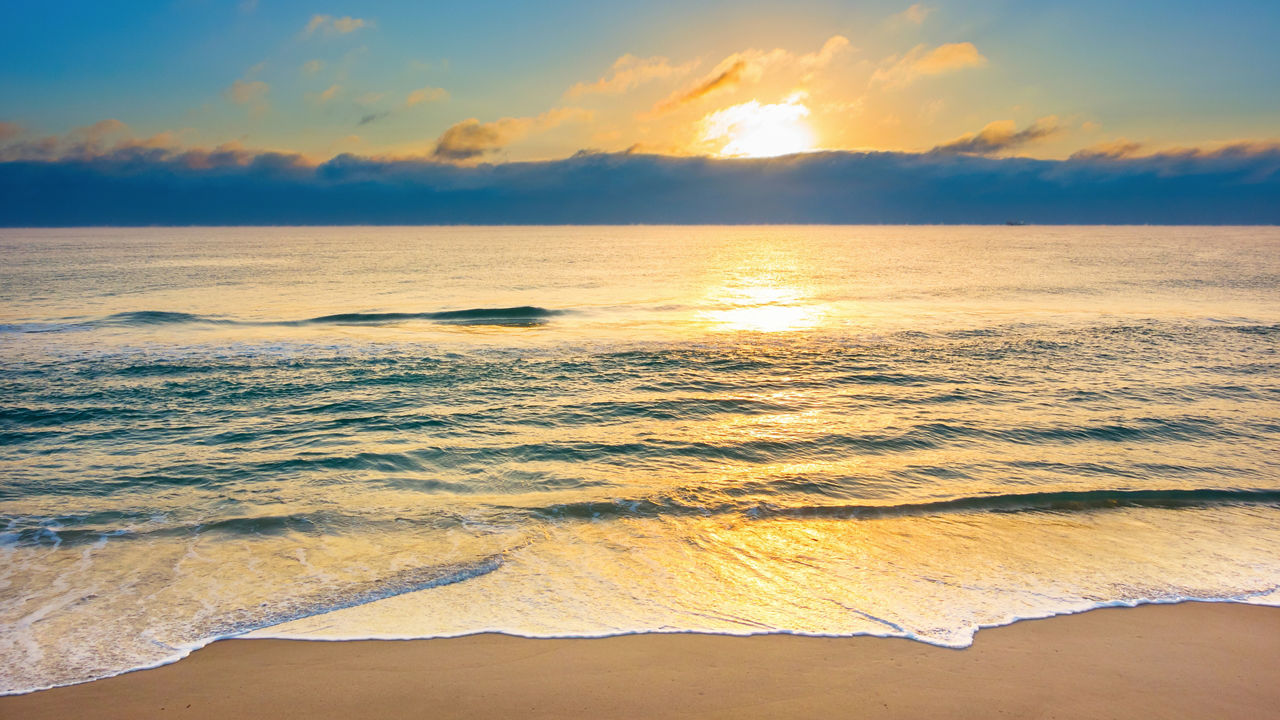
When figuring out the best time to visit the Galapagos Islands, it’s important to understand how the ocean current works in this part of the world. The currents strongly dictate what sort of weather you’ll have while in the Galapagos. It’s also one of the first lessons of many you’ll come to learn during your time in the Galapagos of how the earth operates with subtle changes that can have big effects on weather patterns, wildlife, and the many plants that grow in the area.
The current name you should be familiar with before visiting the Galapagos Islands is the Humboldt Current. This cold current flows north from Antarctica and is a big reason why the Galapagos is so rich in wildlife. The Humboldt Current brings with it an abundance of nutrients that have been swept up in the current from the ocean floor and along the western coastline of South America. The nutrients are deposited in the waters of the Galapagos and feasted upon by phytoplankton, which are an important component of the ocean’s health, making the Humboldt Current the world’s most productive marine ecosystem.
The Humboldt Current is most prominent in the Galapagos from June to October when southern tradewinds increase the magnitude of the current.
Which Season is the Best Time to Visit the Galapagos?
The Humboldt Current influences the seasons of the Galapagos, which are broken into two main seasons: the dry season from June to October and the wet (sometimes called warm) season from November to May. The dry season is a result of the cooler waters, which are less likely to spark rain in the clouds. However, it does result in a low-hanging mist, which can create an almost-mystical feel to the islands as you sail through them. The dry season is also prone to a light afternoon rain so don’t let the terminology fool you into not bringing a rain jacket. While the wet season is indeed rainier, it still has plenty of dry spells throughout the day, letting you tour the islands and see the sights without always needing rain gear.
The temperature also doesn’t fluctuate much in the Galapagos Islands despite these two separate seasons. The dry season averages around 65 degrees Fahrenheit to 75 degrees Fahrenheit while the more tropical wet season can reach into the 80s and rarely dips below 70 degrees Fahrenheit.
The wet season also brings with it warmer water, making it ideal for those who want to go for a dip in the waters without getting too cold. However, divers may want to throw on that thick wetsuit and sink beneath the surface to explore during the dry season. This is because the active Humboldt Current has marine wildlife out and about to feed on the abundance of food and protein brought forth by the current.
The Best Time to Visit the Galapagos Based on Animal Migrations
Depending how important seeing particular wildlife is for you, the timing of your trip should coincide with certain migration patterns for sea life and other animals that call the Galapagos Islands home. There is never a shortage of animals to see in the Galapagos since many species reside their year-round, but there are some animals that only frequent the islands at certain times of the year.
Many people want to see the endemic animals of the Galapagos. Endemic means they can’t be found anywhere else on the earth, so good news – that means they’ll always be around no matter when you decide is the best time to visit the Galapagos for your travel needs.
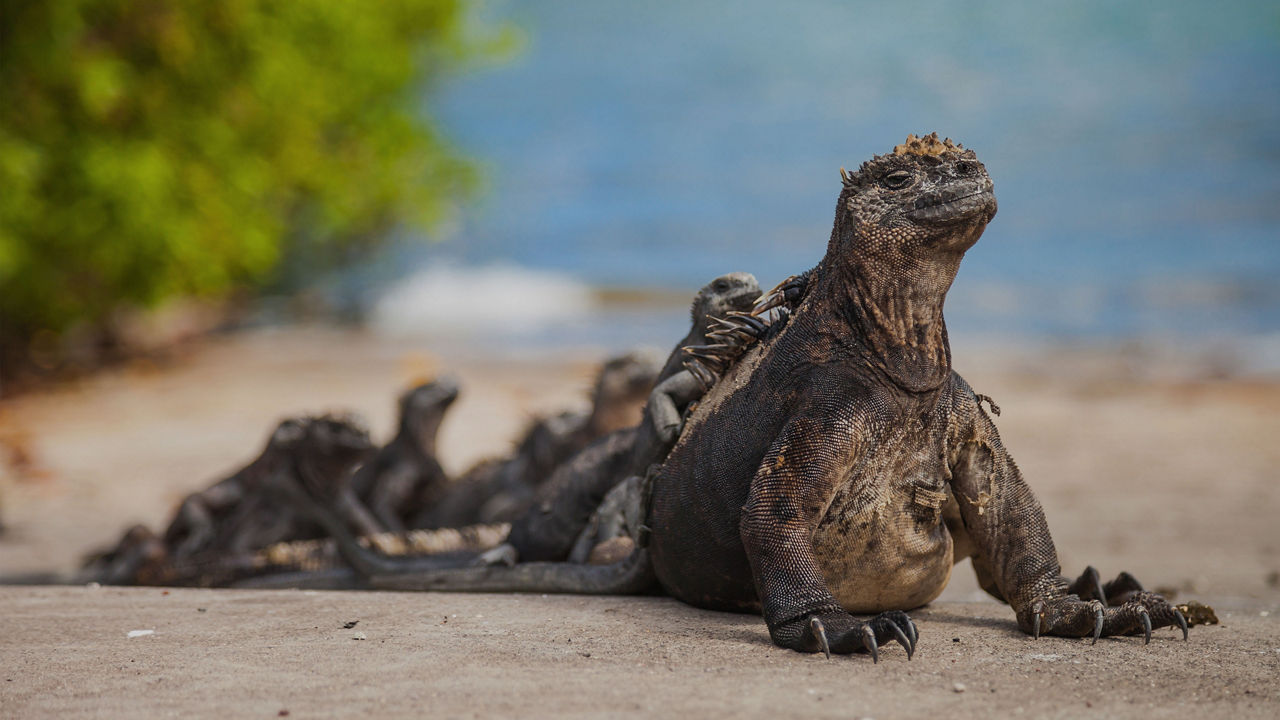
A famous endemic animal you can see is the Galapagos tortoise, which are a giant breed of tortoise that can live to be over 100 years old. Another one is the marine iguana. You’ll see the adults of these two unique species no matter when you visit, but timing your trip to see the nesting or hatching of these animals is tough. This is because Galapagos tortoises rarely breed in the wild, and there are breeding centers set up in the Galapagos to help increase the numbers of this endangered species. The hatching of the marine iguana eggs occur in May – but you’ll have to get lucky in order to get the timing right and be on the right island at the right time.
If you have baby animals on the brain, though, there are definitely ways to see them in the Galapagos Islands.
The endemic Galapagos fur seals will likely stand out from other seals you may have seen around the world because of how interactive your experience with them can be. These seals are popular to see due to their big eyes that seem to implore you with cuteness when you’re near them.
The large-eyed Galapagos fur seals (which help them to see predators better when hunting in waters at night) are often congregated in James Bay on Santiago Island and in Darwin Bay on Genovesa, and can typically be seen anytime of the year in those two places. You also may see them in other locales around the archipelago. The best time to visit the Galapagos if you want to see them with some adorable babies in tow is in October.
When you’re witnessing the baby fur seals (called pups) frolicking around the bay, keep in mind what a rare scene it is that you’re witnessing. Studies have shown that the Galapagos fur seals actually have the lowest reproductive rate of all seals around the world since females only have one pup at a time.
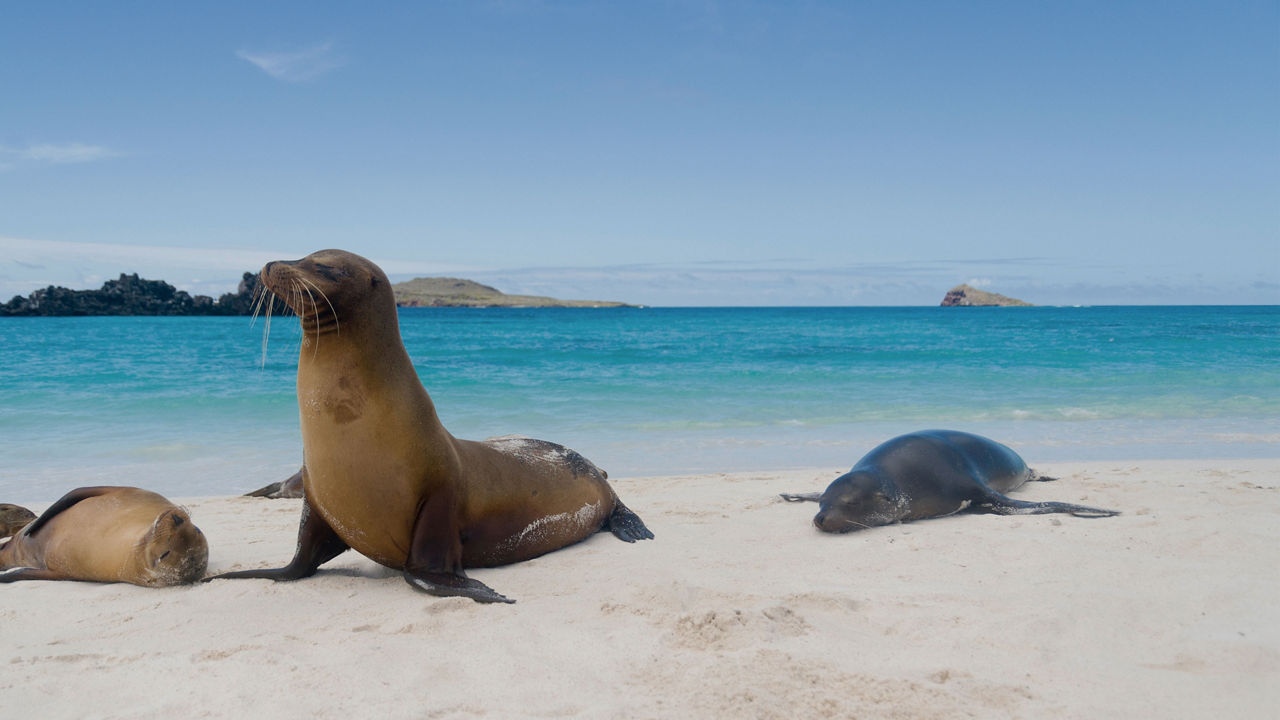
A similar animal you can see in the Galapagos is the Galapagos sea lion. You can tell the difference between the Galapagos sea lion and the Galapagos fur seal based on their heads and coats. Galapagos sea lions don’t have as thick of coat as Galapagos fur seals and they are generally bigger. Also, their heads are typically larger and longer with less prominent eyes and ears compared to the Galapagos fur seal.
The best time to see the Galapagos sea lion is similar to the fur seals: they’re lounging and scampering around the islands year-round, but only certain months are the best time to see pups. For the Galapagos sea lions, that time is August and September, when most are born, though you may see some pups at other times of the year as well due to the mating process which lasts from July to December.
The sea lions that reside in the Galapagos Islands are also beloved by visitors since they are friendly and don’t seem to have a care in the world where humans are concerned. That doesn’t mean you can go right up to them (in fact, there’s a law saying you can’t approach within three feet of them), but it does mean you can swim with them in certain bays if water conditions are right to do so.
If you want to increase your chances of seeing sea lions while swimming, visit when the water is most likely to be calm, which generally is between January and April, since then you can more easily don snorkel goggles and have higher visibility to see them twirling and gliding beneath the surface of the water.
Other marine animals to see in the Galapagos that may not be endemic, but are still one of the top things to see during a Galapagos Islands cruise are whales, dolphins, and penguins.
One of the most popular whales to see in the Galapagos are humpback whales, which are known for their powerful and graceful breaching. The best time to see humpback whales in the waters surrounding the Galapagos Islands are from June to October. June is also when whale sharks typically migrate through the Galapagos Islands. Killer whales also may be seen during this time.
When your ship is moving through the water – especially when in the channel between Isabela and Fernandina island – keep an eye out for dolphins playing in the ship’s wake or by the bow. Both bottlenose dolphins and common dolphins can be seen in the Galapagos.
One more animal you may be surprised to see in the Galapagos is the Galapagos penguin. Typically penguins are only found in Antarctica or the southern tip of South America, but due to the cold waters brought up to the Galapagos from the Humboldt Current, these penguins are able to live close to the equator year-round and are the only penguins you’ll find north of the equator.
One more way to ensure you see as much wildlife as possible no matter the season when you are visiting the Galapagos islands is to sail there on our newest ship, Celebrity Flora.
Why You Should Visit the Galapagos Any Time of Year on Celebrity Flora
Celebrity Flora was specifically designed to sail through the waters of the Galapagos islands. Every detail of the ship was put together knowing she would only be cruising Galapagos itineraries.
This means the ship is uniquely set up to provide both the luxurious amenities and comfort that guests have come to expect from Celebrity Cruises, but also making it an ideal vessel with which to explore the incredible sights of the Galapagos Islands.
Celebrity Flora made her debut in May of 2019. Since then, the ship has astounded both passengers and industry experts alike with its outward facing design and all-suite accommodations.
The outward facing design is the latest innovative concept from Celebrity Cruises. We applied a similar philosophy to the design of our new Edge-class of ships as well. The design of Celebrity Flora aims to bring the feeling of the outdoors onto the ship as much as possible, while also providing wonderful views from nearly every part of the ship.
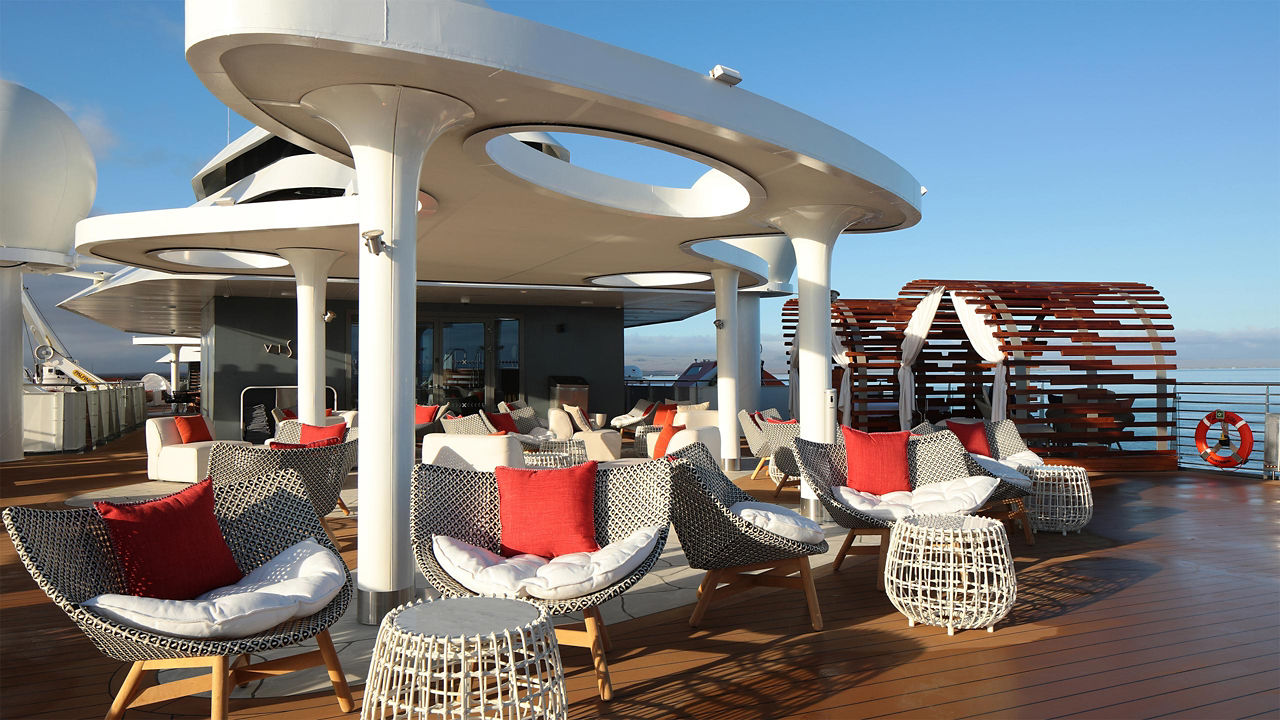
Celebrity Flora has excellent common areas where it’s possible to do some wildlife viewing or take in the morning sunrise or evening sunset from spots like the sun deck with its cabanas or the Discovery Lounge with large windows. The Discovery Lounge is also where you can browse a map on the wall that shows the layout of the Galapagos and where you can talk with the onboard naturalist, which helps you better understand what you’re seeing out those windows.
However, where Celebrity Flora really excels when it comes to not missing any precious seconds of nature viewing when traveling through the islands is in its all-suite set-up. Every passenger sailing on Celebrity Flora will be in a suite with a veranda. The rooms are set up so you can look out onto the ocean whether you’re in your bed, sitting area, or even in the bathroom in some suites.
If you choose one of our suites with an Infinite Veranda, your entire suite will seem to be turned into an alfresco living situation with the press of a button. That is because the cutting-edge technology used for the infinite veranda suites provides guests with a floor-to-ceiling window that seems to be divided horizontally into two panes across the middle.
However, push that aforementioned button and the top pane of the window will gracefully slide down next to the bottom section and turn your window view into an open air veranda. Since the Infinite Veranda is a part of your stateroom as opposed to being a separate outdoor sitting area you have to open a door to access, it will seem as if your entire suite (even the bed!) is part of the veranda when the glass panes open up for unfiltered views of your surroundings.
This helps to ensure you don’t miss the sounds of frolicking seals or breaching whales while you’re getting ready as you’ll always be able to listen to the sounds of the ocean and with a quick glance you’ll see immediately what you are sailing pass. There won’t even be a door to deal with to go out to get a closer view — you can simply walk straight to the edge of the Infinite Veranda and see out into the gorgeous paradise that makes up the Galapagos Islands.
Other Ships That Visit the Galapagos
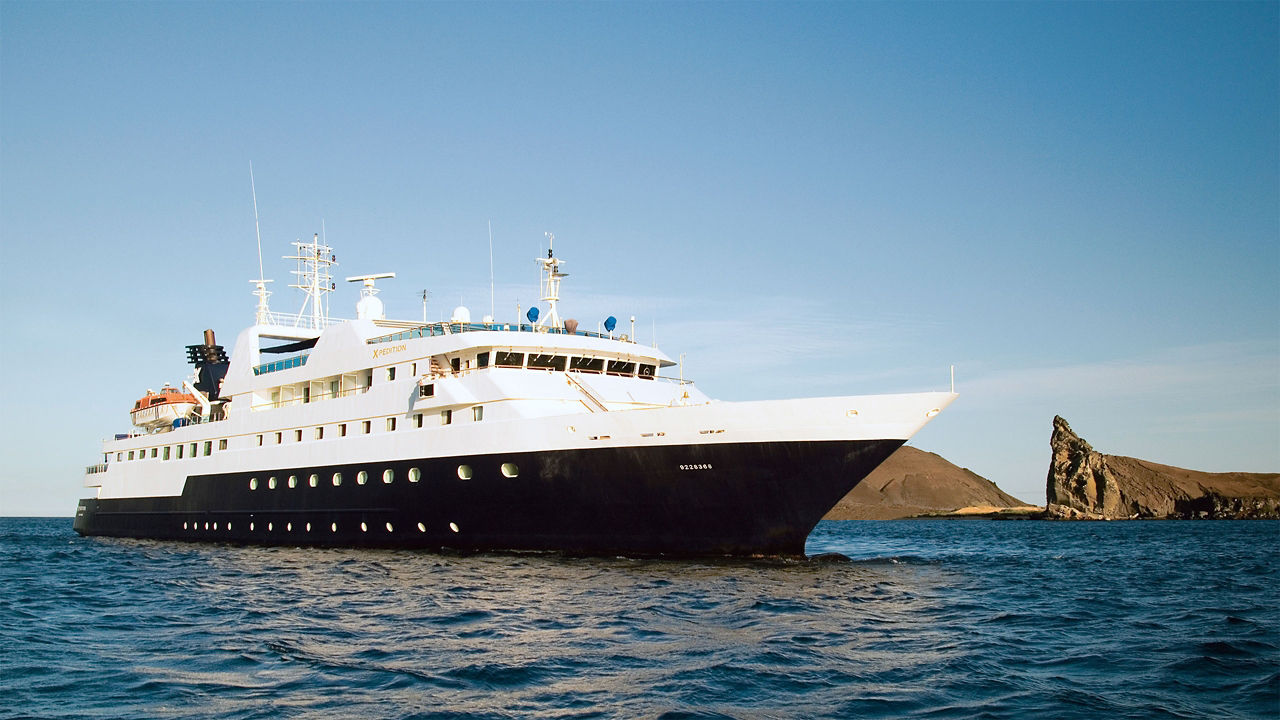
Celebrity Flora isn’t our only ship that visits the Galapagos. We have an entire fleet dedicated solely to the Galapagos Islands. In addition to the Celebrity Flora, this fleet of small cruise ships includes Celebrity Xploration and Celebrity Xpedition.
These three ships that are part of our Galapagos fleet range from 16 to 100 passengers, giving cruisers the option to have a yacht-like experience while sailing through the Galapagos Islands or to still have an intimate small ship experience while still getting extra amenities with onboard spaces that make cruising such a comfortable and memorable way to travel.
You can read all about our ships, see where the sailings depart, and learn more about the type of Galapagos itineraries we offer by visiting the dedicated Galapagos part of our site. There you’ll learn more about the specific islands you’ll visit, what type of excursions you’ll do, and what is included in the cost of your Galapagos cruise with us. (Hint: Pretty much everything!)
You can also learn more about our Galapagos vacation packages and see the dates they’re offered to help you figure out the best time for you to visit the Galapagos if you want to see other parts of South America afterward.
We have vacation packages for our Galapagos cruises that include an escorted tour to Ecuador and Machu Picchu. Traveling to these places aren’t quite as easy for visitors to see year round since certain times of year are much rainier so if seeing Machu Picchu in the sunshine is something you wish for, give yourself better odds by planning your trip to the Galapagos and Machu Picchu in the months of May through September when you are more likely to have sunshine and dry weather.
If you have any questions about your Galapagos vacation or would like to book your trip, you can simply call us at 1-888-751-9303 and our helpful Galapagos specialists will help you put together your perfect Galapagos Islands cruise.
