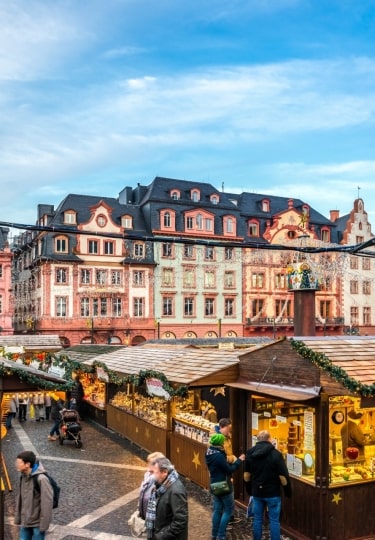
Winter in Germany can feel like a big question mark for many travelers considering a visit. On one hand, yes, the weather will be colder, and you’ll want to pack extra layers to stay warm. At the same time, the German landscape during the winter months can very easily feel like it’s straight out of a fairytale. Baroque buildings, snow-covered hills in the distance, and cozy cafés all make for a truly memorable trip. From Christmas markets and Carnival parades to relaxing thermal baths and winery tours, winter in Germany is whatever you want it to be. Whether wandering through the cobbled streets of the Old Town or warming up with a mug of Glühwein, there’s no shortage of things to see and do in Germany this winter.
Picturesque Winter Landscapes
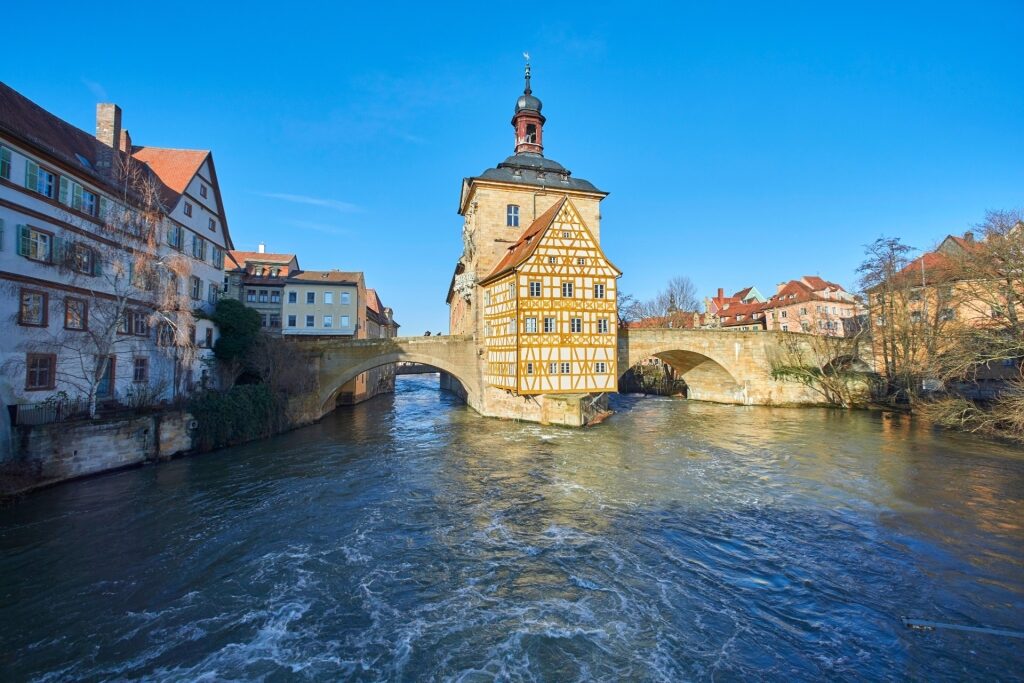
Bamberg
While spring and summer bring warmer days and lush landscapes, there’s a certain magic to Germany in winter. Some travelers might choose to go for an afternoon walk along the river, while some may prefer a half-day hiking trip in the countryside, or a toboggan run in Bavaria. Cities like Bamberg, located in the northern part of Bavaria, are especially scenic, with their canals, centuries-old buildings, and medieval streets. Another notably picturesque city is Passau, known for its confluence of three rivers. Then there’s Breisach, located near the Black Forest and the Rhine River, which boasts sweeping views of vineyards and rolling hills in the distance.
Christmas Markets
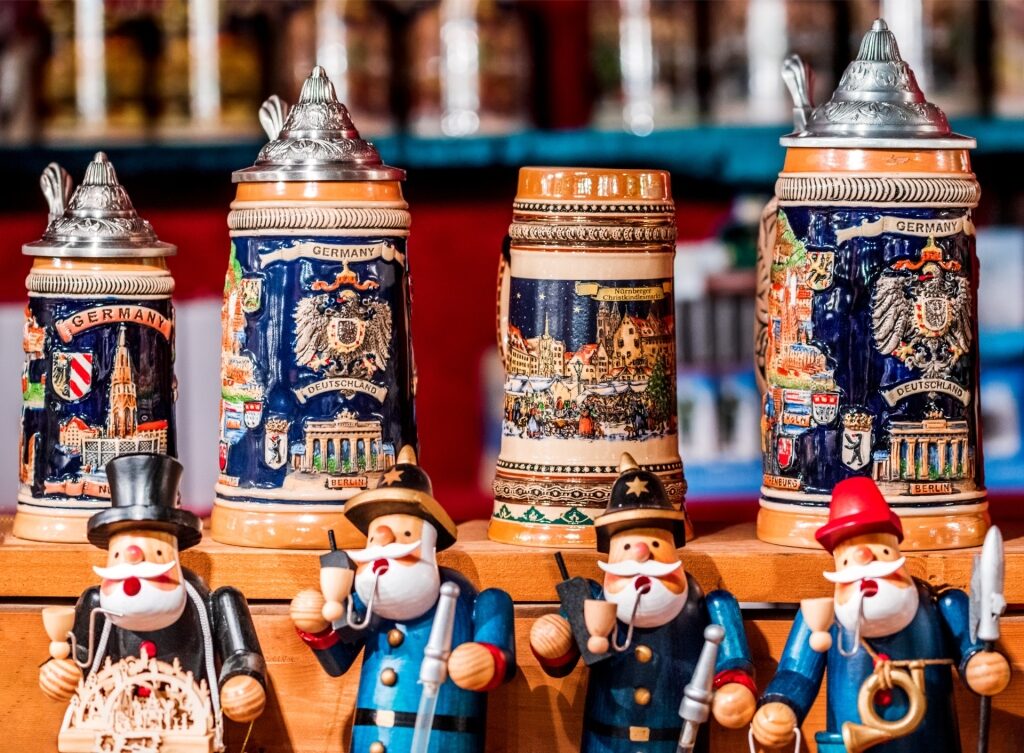
Christmas market in Nuremberg
Beginning in late November, most German cities and towns come alive with festive Christmas markets, often held in the main square or other historical areas. Nuremberg’s Christmas market is one of the most famous in Germany and also one of the longest-running. Warm up with a cup of Glühwein or satisfy your sweet tooth with Nürnberger Lebkuchen, or gingerbread, as you peruse the market stalls. You’ll find everything from handmade nutcrackers to toys for kids and hand-painted Christmas baubles.
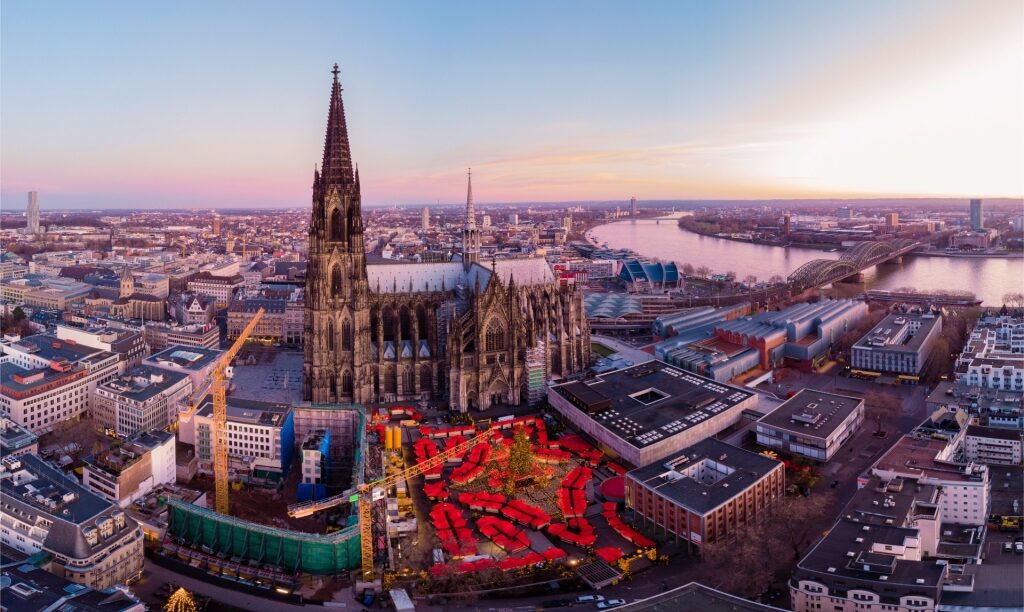
Christmas market in Cologne
Cologne hosts several Christmas markets each year, including the main one set against the city’s Gothic cathedral on Roncalliplatz. Between the towering Christmas tree and the hundreds of artisan and food stalls, the Cologne Christmas market is a sensory overload in the best of ways. I also really enjoy the smaller, more intimate markets like Würzburg’s, which has a cozy, local feel. Although most vendors do accept credit cards, I’ve always found it helpful to have some cash on hand.
Carnival Season
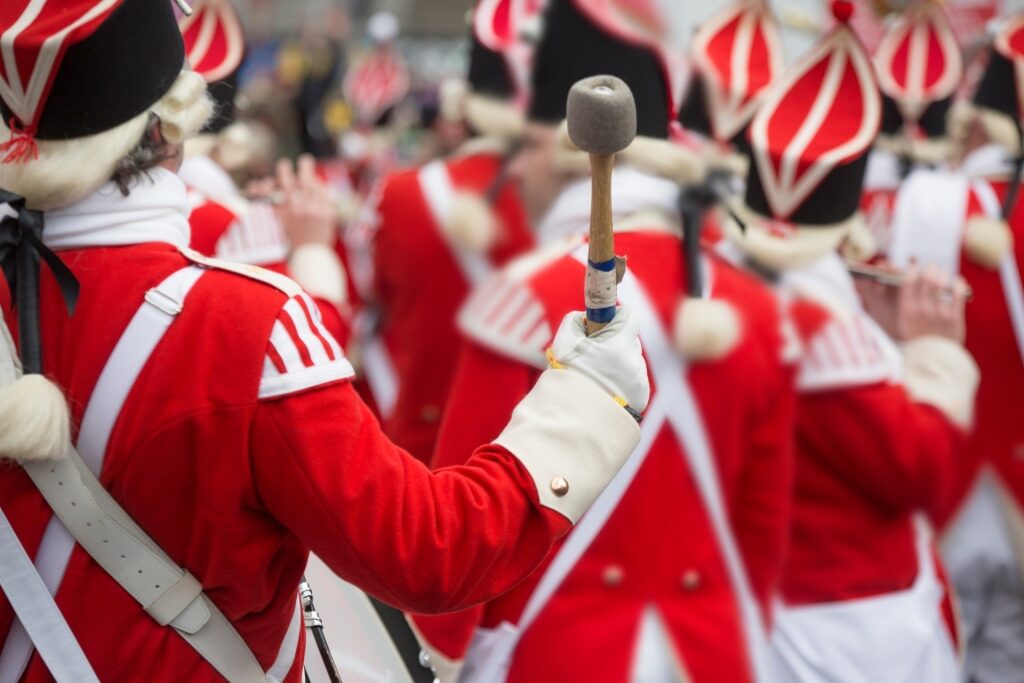
Cologne carnival
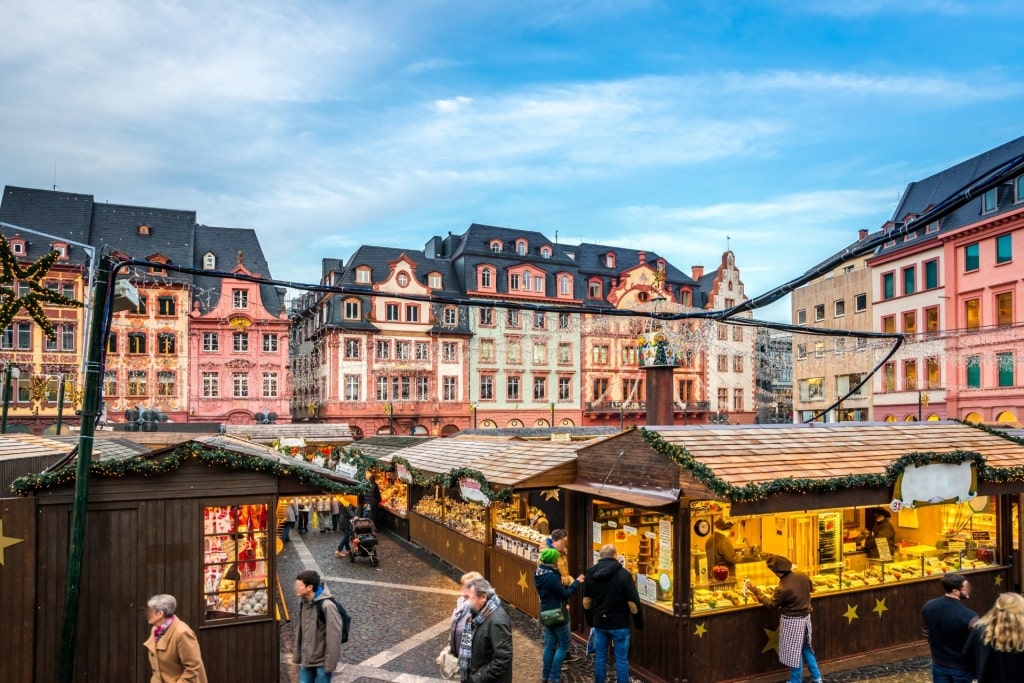
Christmas markets aren’t the only way to celebrate Germany in winter. Carnival is a big event throughout Germany, with some of the bigger celebrations taking place in cities like Cologne and Düsseldorf. Mainz also hosts one of the more lively carnival celebrations, and it’s a really fun way to feel a part of the action. Carnival usually kicks off on November 11 at 11:11 in the morning, and it’s a fun event to experience as a traveler. Although the big festivals happen later in February, the November kick-off involves live music, costumes, street parties, and general good cheer.
Castles and Historical Sites
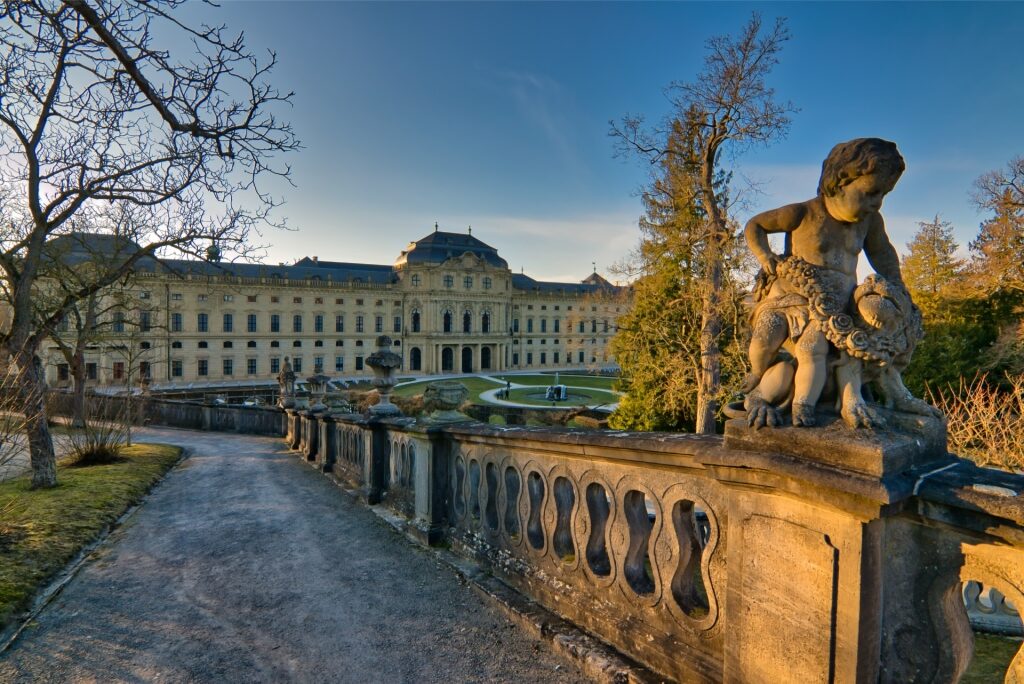
Würzburg Residence
Germany is home to some of the world’s most beautiful castles, as well as many historical sites. Winter can be a wonderful time to visit, as it attracts fewer tourists and offers shorter wait times for entry. The Würzburg Residence is one of the best places to visit in Germany, especially for travelers interested in Baroque architecture. While part of the palace was rebuilt after an air raid during World War II, the Residence remains a shining example of what a luxurious German palace in the 1700s looked like. The façade is impressive, but you should block off some time to tour the interior. The frescoed ceilings and grand staircase are especially beautiful.
Museums and Cultural Attractions
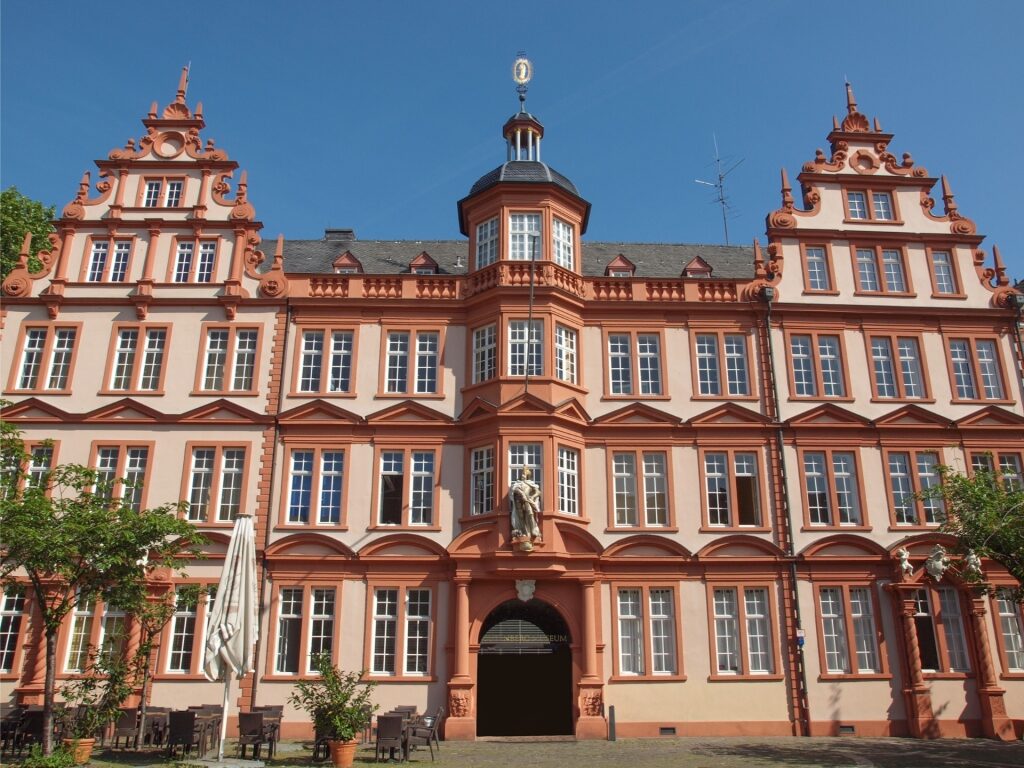
Gutenberg Museum, Mainz
Winter is a great time to visit many of Germany’s museums and cultural attractions. While it can be tempting to spend the whole day outdoors in the spring or summer months, winter temperatures call for more indoor excursions. With numerous museums and cultural attractions across Germany, Mainz’s Gutenberg Museum is definitely one worth visiting. It’s one of the oldest printing museums not only in Europe but in the world, and its permanent collection includes two Gutenberg Bibles and a printshop on the second floor where visitors can learn the art of printmaking.
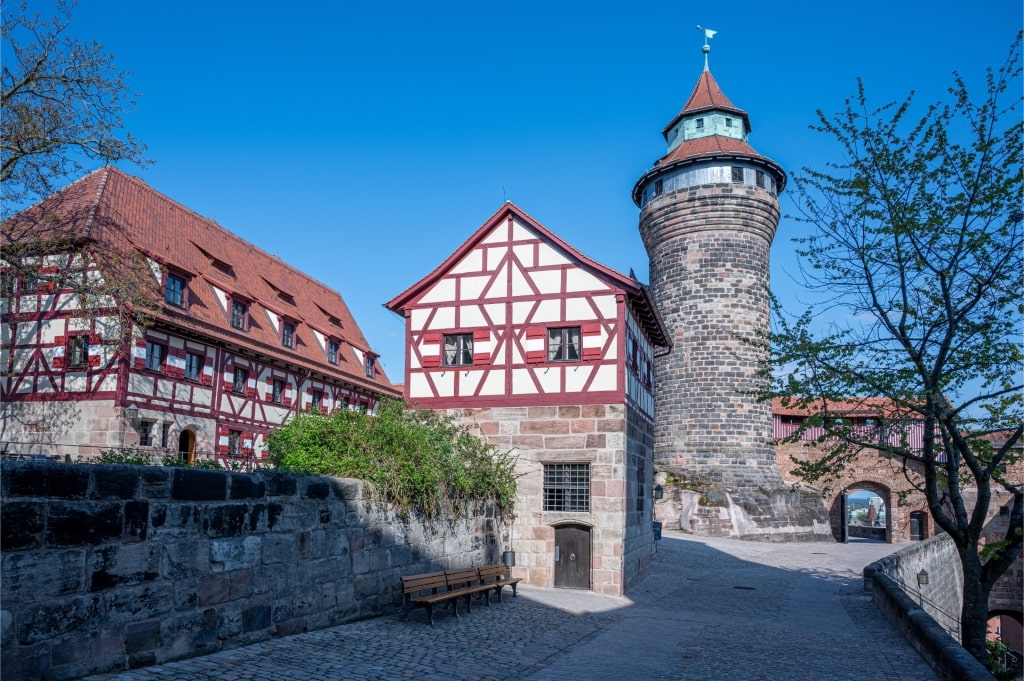
Imperial Castle, Nuremberg
Nuremberg has some interesting museums, such as the Imperial Castle Museum, one of several located within the city’s Imperial Castle. One of the castle museum’s most interesting features is the double chapel, where two sanctuaries with the same layout are built directly above one another. The lower was used by servants, while the upper was reserved for the emperor and his court.
Traditional German Cuisine
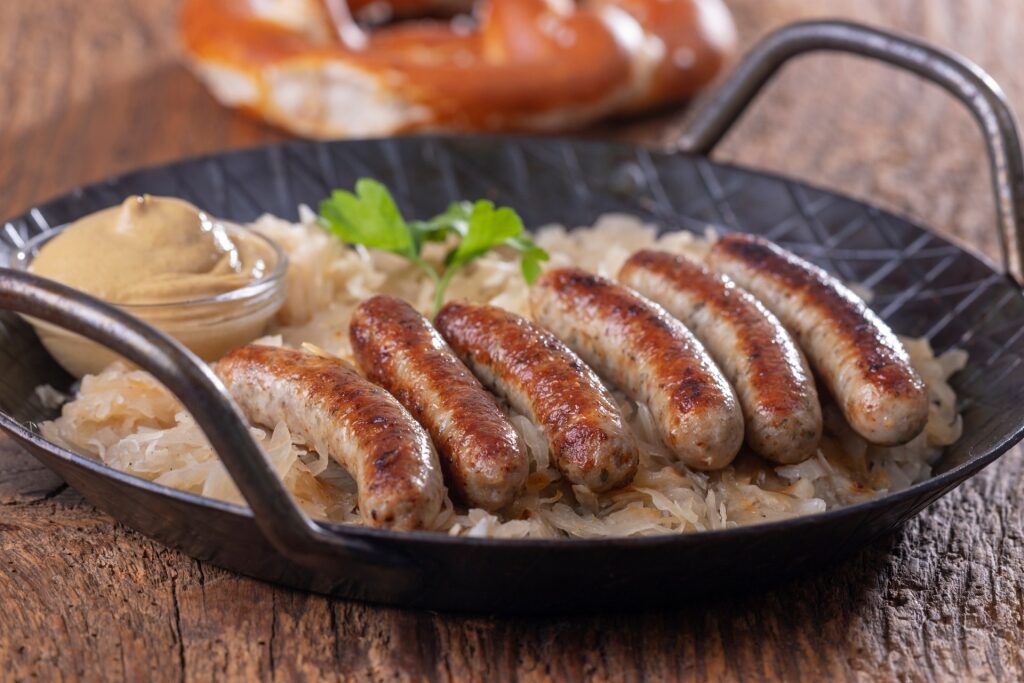
Nürnberger bratwurst
With so much sightseeing, you’re sure to work up an appetite, and winter is the perfect time to enjoy some of Germany’s seasonal cuisine. The Nürnberger bratwurst is a local favorite; the German dish includes thin pork sausages seasoned with marjoram and usually served alongside potato salad or sauerkraut. Sauerbraten is another local dish to try, especially when visiting Koblenz and Mainz. One of the unique aspects of this dish is that the meat is marinated with ingredients including vinegar, wine, spices, and herbs several days before cooking. The result is a really distinct, savory flavor. Sauerbraten is typically made with beef, but you can find other options like chicken and pork at many restaurants.
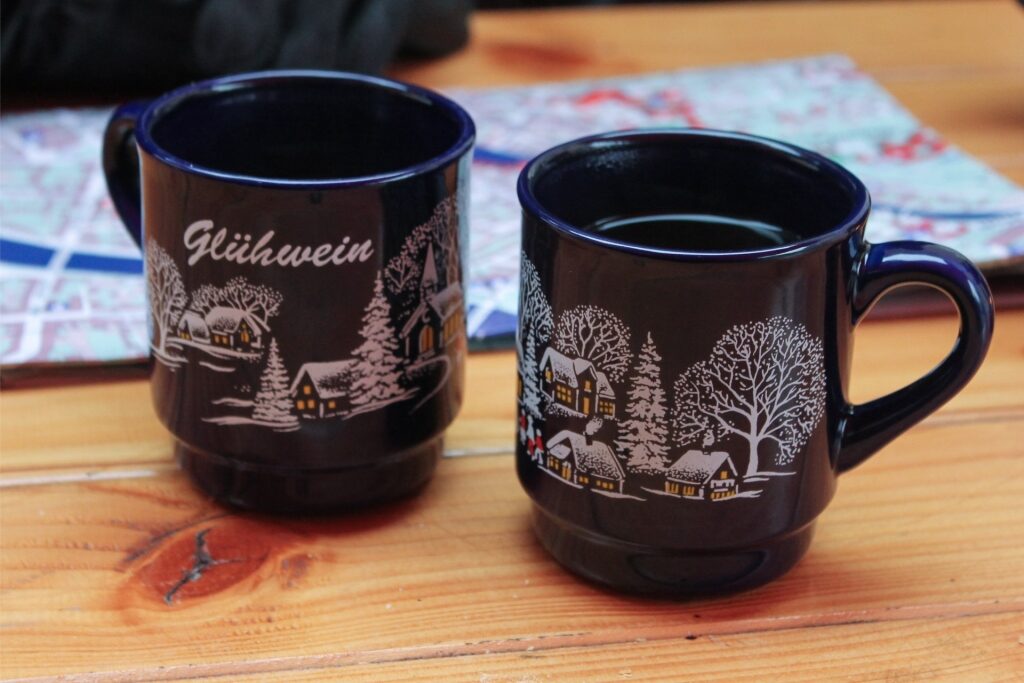
Glühwein
As for wine, Glühwein is a popular spiced mulled wine that really warms you up on a cold day. It’s available at most bars and restaurants and also at outdoor events like Christmas markets and during Carnival celebrations. Wineries are still open in winter for tours and tastings, too.
Thermal Spas and Wellness Experiences

Thermal spa
Germany has a thriving spa culture, ranging from natural thermal spas to establishments offering saunas, facials, and massages. Traveling can get tiring, making it the perfect excuse to slow down and pamper yourself a bit. There are a few thermal spas located near Würzburg and Mainz, such as Emser Therme, which has both indoor and steaming outdoor pools as well as beauty treatments. In cities like Cologne and Düsseldorf, several wellness centers and thermal baths are conveniently located within the city, making it easy to fit in a spa visit during a day of sightseeing.
Impressive Architecture
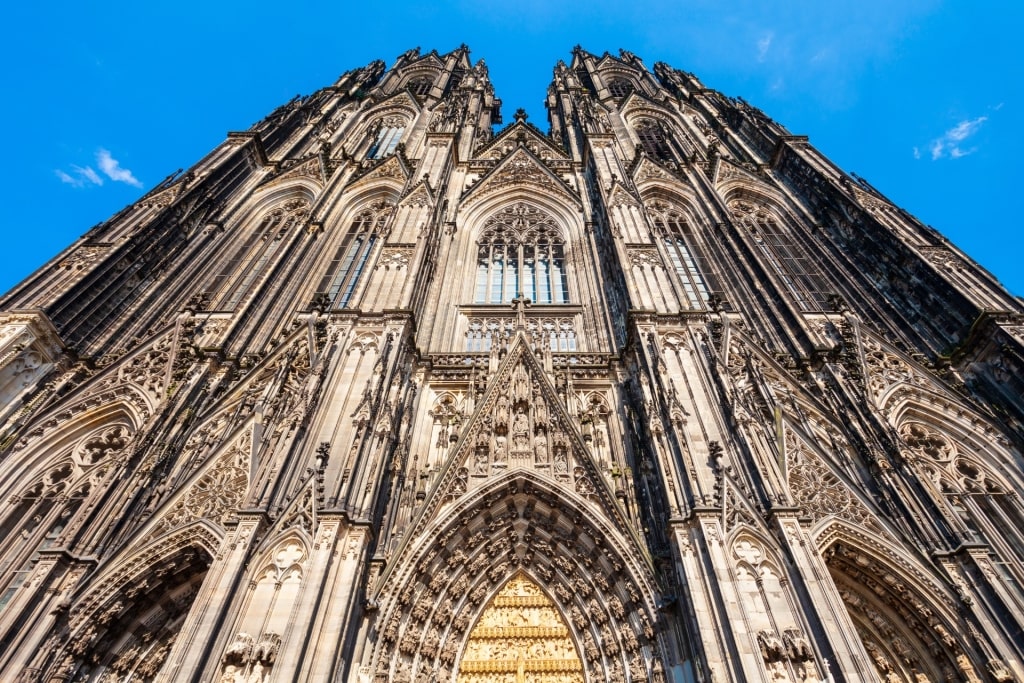
Cologne Cathedral
Walking through a city’s historic Old Town can sometimes feel like stepping back in time. One important thing to note is that many German cities and towns were badly damaged during World War II. Cities located near major rivers were often primary targets, and as a result, many buildings were either reconstructed in their original style or completely rebuilt with a more modern take. Places like Nuremberg and Würzburg focused on restoring buildings to their former glory, including the Würzburg Residence Palace, which was carefully rebuilt and restored. Other cities, like Cologne, prioritized both restoration and modern reconstruction. As a traveler, it’s interesting to see such a mix of architectural styles across these towns, from Romanesque and Gothic to Renaissance and Baroque.
Winter in Germany FAQs
Is Germany worth visiting in winter?
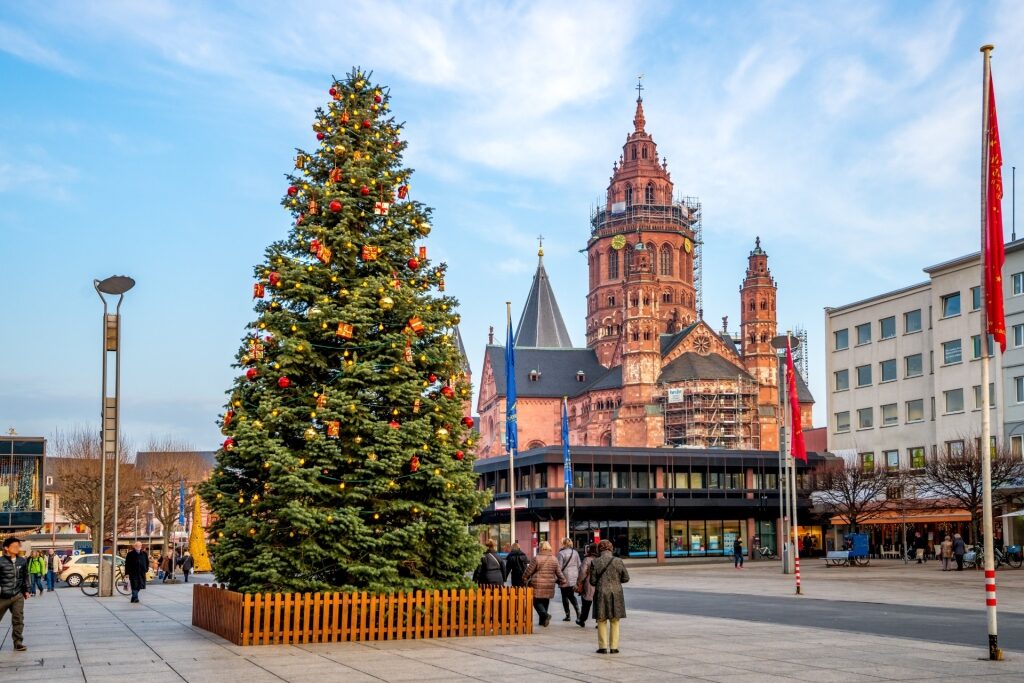
Mainz
Winter is a wonderful time to visit Germany, especially if you’re looking for a winter-wonderland type of travel experience. In the weeks and months leading up to Christmas, many German cities and towns host open-air markets where you can shop for everything from handmade crafts and toys for kids to decorative Christmas baubles to hang on your Christmas tree back home. Twinkling lights, Glühwein, and the smells of sweet and savory German treats all add to the festive atmosphere. If you choose to travel after the holidays, there’s still plenty to see and do. I’ve found that January and February are quieter months throughout Germany and much of Europe, making them ideal for visiting museums without the crowds or indulging in a bit of relaxation at a wellness center.
How cold is Germany in December?
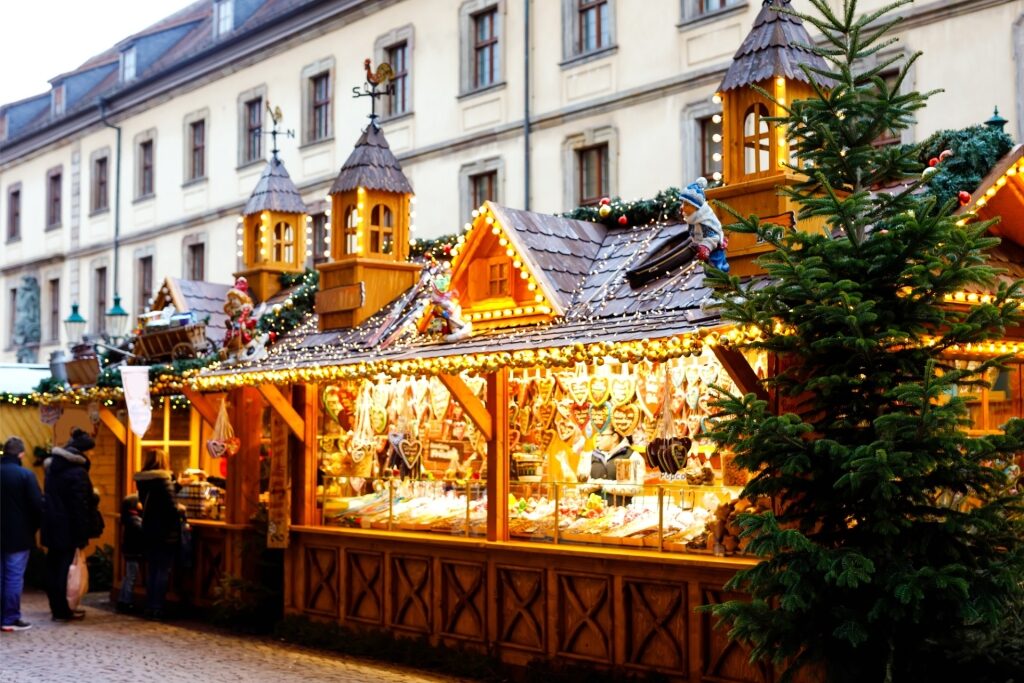
Christmas market in Nuremberg
As with many destinations in Europe, the weather can get chilly in Germany during the winter months. As someone from New York, I find the weather in Germany pretty manageable, and it doesn’t stop me from visiting during this time of year. In general, temperatures range from 30°F to 41°F, and rainy days tend to feel a bit colder and more damp. While cities like Berlin and Hamburg don’t often see snow, it’s definitely possible in areas with higher altitudes, such as Bavaria or the Alps. There’s little more romantic than the decorative wooden huts of a Christmas market draped in snow, or a stroll in the countryside when everything is sparkling white.
What should I pack for winter in Germany?
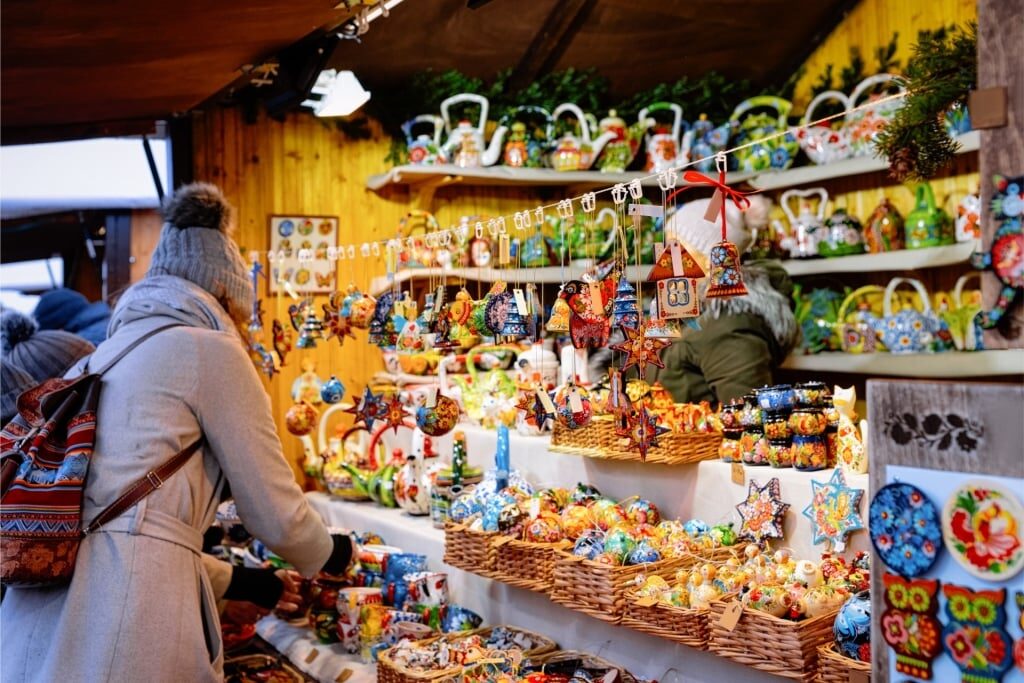
Christmas market in Germany
When packing for Germany in winter, consider taking a larger suitcase than usual to accommodate more winter gear, such as a wool coat, rain jacket, scarves, gloves, and a hat. If you’re planning a day trip to more mountainous areas, expect temperatures to be lower. An umbrella will also come in handy, although you can easily pick one up at a local store once you’re on the ground. Another thing to note is that many German towns have cobblestone streets, especially in pedestrian areas of Miltenberg, Regensburg, or Speyer. Heeled boots are certainly stylish, but they probably won’t be comfortable if you plan to do a lot of walking. I usually pack a pair of sneakers or walking shoes as well as waterproof boots.
What are the best places to visit in winter?
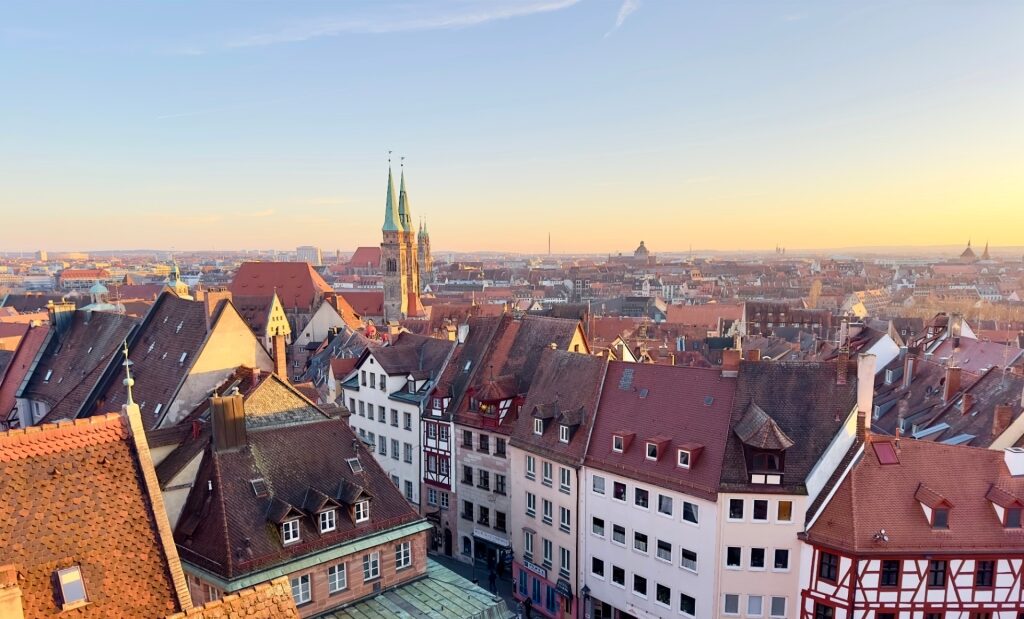
Nuremberg
Where to visit really depends on your personal interests. Cities and towns along the river, whether it’s the Rhine, Main, or Danube, are really charming during the festive winter months. Nuremberg hosts its famous Christmas market every year, as do towns like Bamberg and Regensburg. Everywhere looks even more beautiful if it’s dusted with snow. If you’re hoping to explore Germany’s cultural side, places like Würzburg and Mainz will appeal, while Speyer and Koblenz are home to some historically significant cathedrals. Speyer Cathedral, for example, is a UNESCO World Heritage site and dates back to the year 1030.
Are Christmas markets open all winter in Germany?
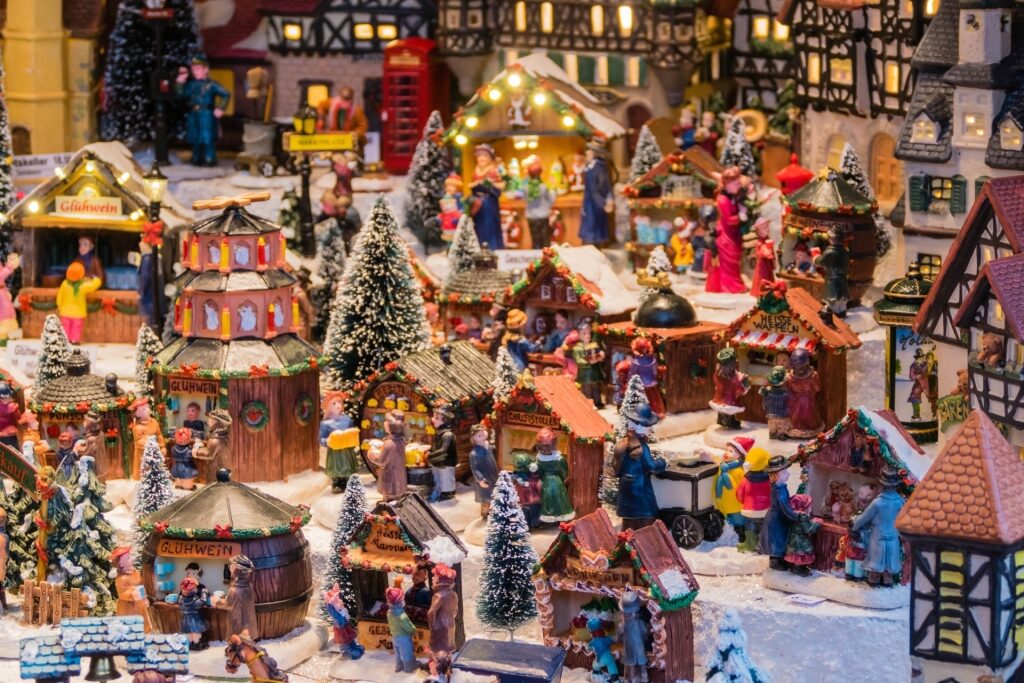
Christmas market in Germany
Most of Germany’s Christmas markets run from late November until just before Christmas. Since dates and times vary, it’s helpful to double-check hours ahead of your visit. If you visit after the Christmas markets close for the season, you can still see many of the city’s decorations and festive pop-ups, such as ice-skating rinks or concerts. Plus, Carnival’s biggest festivities take place in February.
Mainz
Discover the wonders of a European winter wonderland for yourself. Browse Celebrity’s river cruises and book your festive escape today.