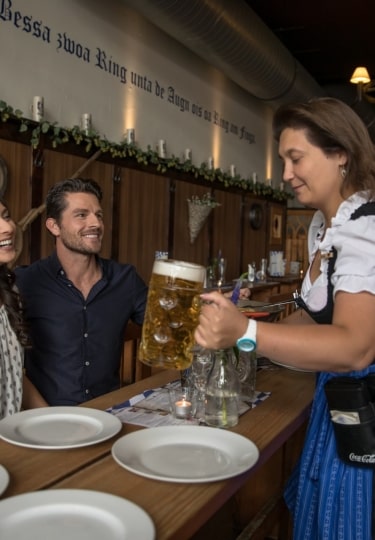
Tipping in Germany is refreshingly uncomplicated once you know the basics. It’s much less about working to strict percentages and more about showing appreciation for truly good service in a way that feels natural and not excessive. The German for “tip” is “Trinkgeld”—drink money—and that’s what it’s seen as, just a token so the server could, if they wanted to, buy a drink.
From cafés and beer gardens to taxis, hotels, and even public restrooms, the general guidance of when and how to tip is easy when you get to know the local customs. If you’ve been wondering whether to tip in Germany, this guide will ensure your gesture is both appropriate and appreciated.
“Aufrunden” Like a Local
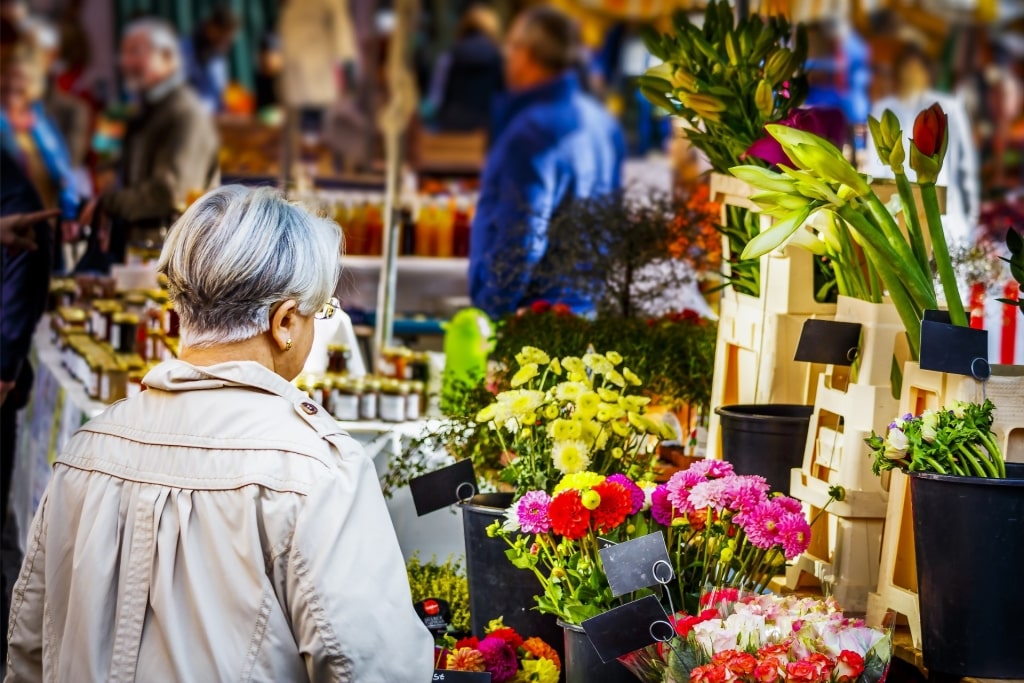
Mainz
When it comes to tipping in Germany, one of the most common approaches is to do what the locals call “aufrunden”—rounding up the bill to an amount that seems sensible.
It’s a really efficient way to do things if you’ve been wondering “do you tip in Germany”. Instead of getting a calculator out and trying to work out a percentage, all you do is round up by a couple of euros.
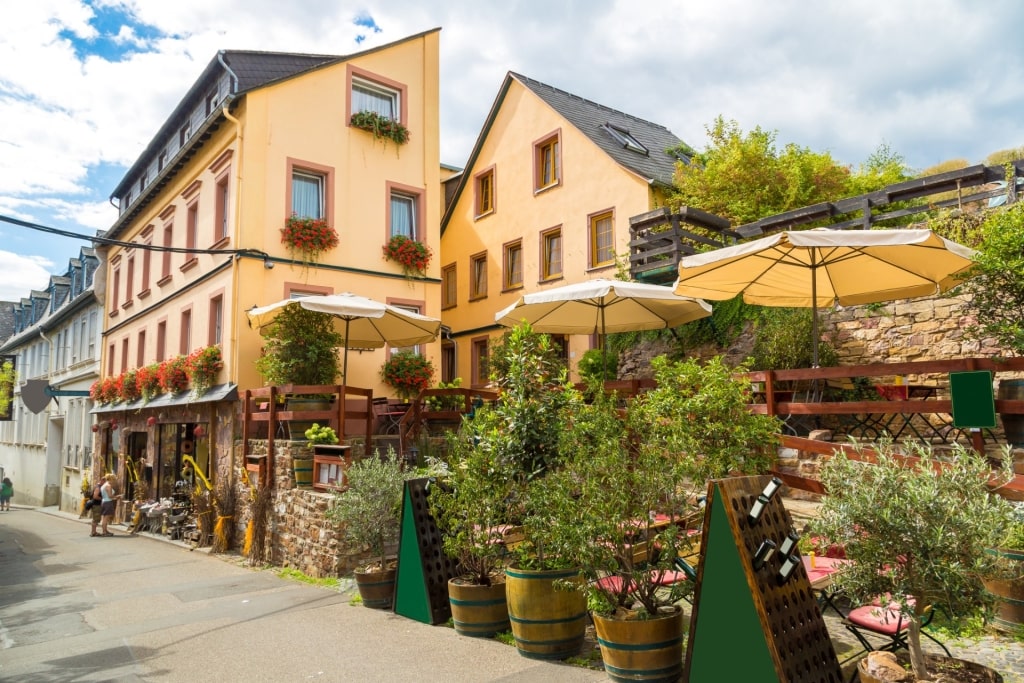
Rüdesheim
Here’s how it works in practice. Say you’ve ordered a couple of nice glasses of Riesling in a Rüdesheim wine tavern and the bill comes to €17.60. You might hand over a €20 note or a bank card and say “zwanzig, bitte,” which means “twenty, please”. That way, you’ve paid for the drinks and tipped all in one go without the server having to dig around for change or you having to find a couple of coins to leave on the table.
Like many things in Germany, it’s simple, functional, and seems to just work without a lot of show and ceremony. How much you round up to depends on the total. A euro or two is fine for smaller amounts, or around 5-10% if it’s a larger bill and you’ve particularly enjoyed the service.
Small Change Goes a Long Way
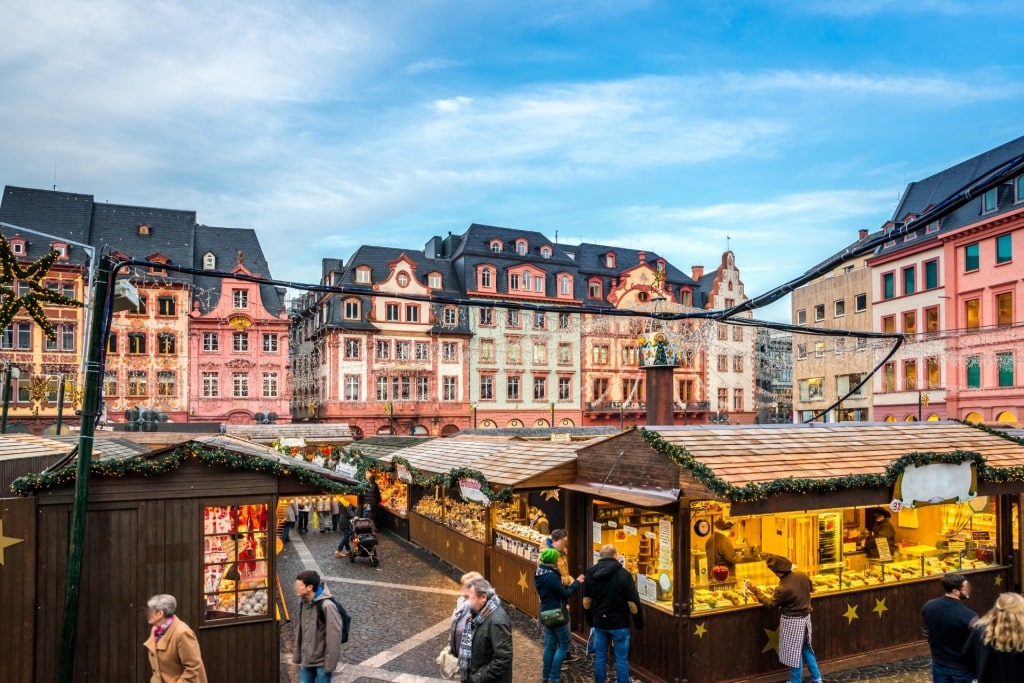
Mainz
If precision was an international sport then Germans would more than likely have multiple world championships to their name. As such, it’s no surprise that small change still plays a big part when it comes to tipping in Germany—because having a few coins handy can make the whole process so much smoother.
This is especially true when paying for smaller amounts like a single coffee or slice of “bienenstich” cake, a classic custard-filled cake with honey on top, where the bill is less than €10. In such cases, adding 50 cents or a euro is perfectly normal. Just remember to hand the cash to the waiter rather than leaving it on the table, which can feel impersonal.
It’s also useful in spots where you might not normally think to tip, such as public restrooms staffed by attendants. It’s also true outside the big German cities.
The 5-10% Sweet Spot
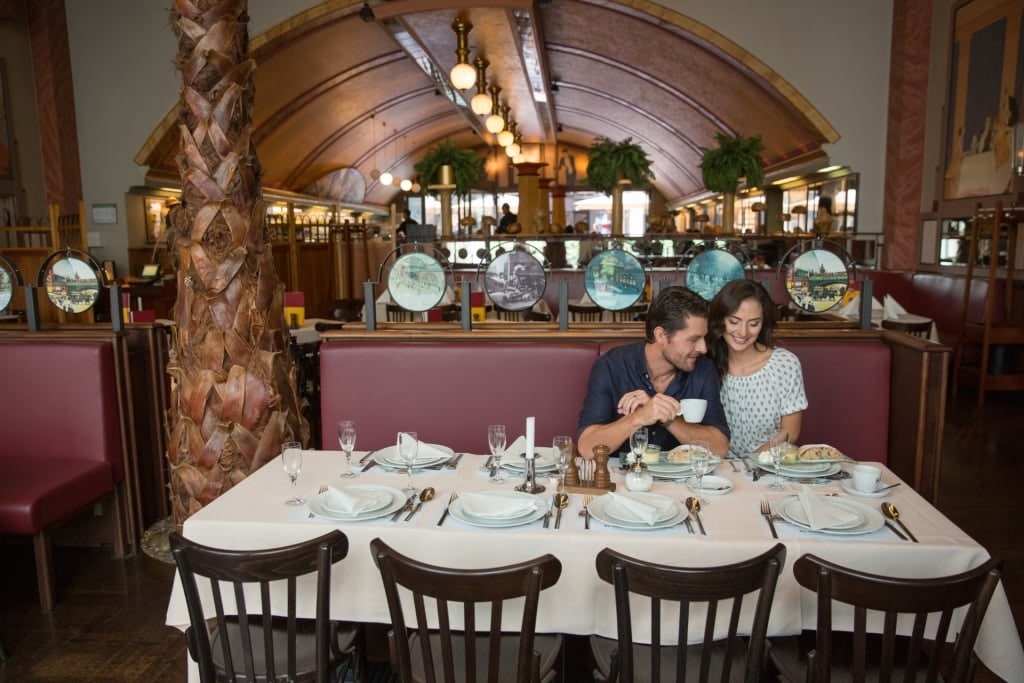
Restaurant in Germany
In some countries, such as the US and the UK, suggested service charges on bills can now often be high, with 25% not an uncommon suggested amount.
When it comes to tipping in Germany, common sense still prevails. Here, wait staff tend to be paid a fair wage and tipping is a way of showing appreciation for exemplary service, rather than a way for them to make a living.
As such, 5-10% is the norm, erring toward the higher end, the better service you receive. This approach works in restaurants, bars, and even for table service at beer gardens.
Tipping in Germany When Dining Out
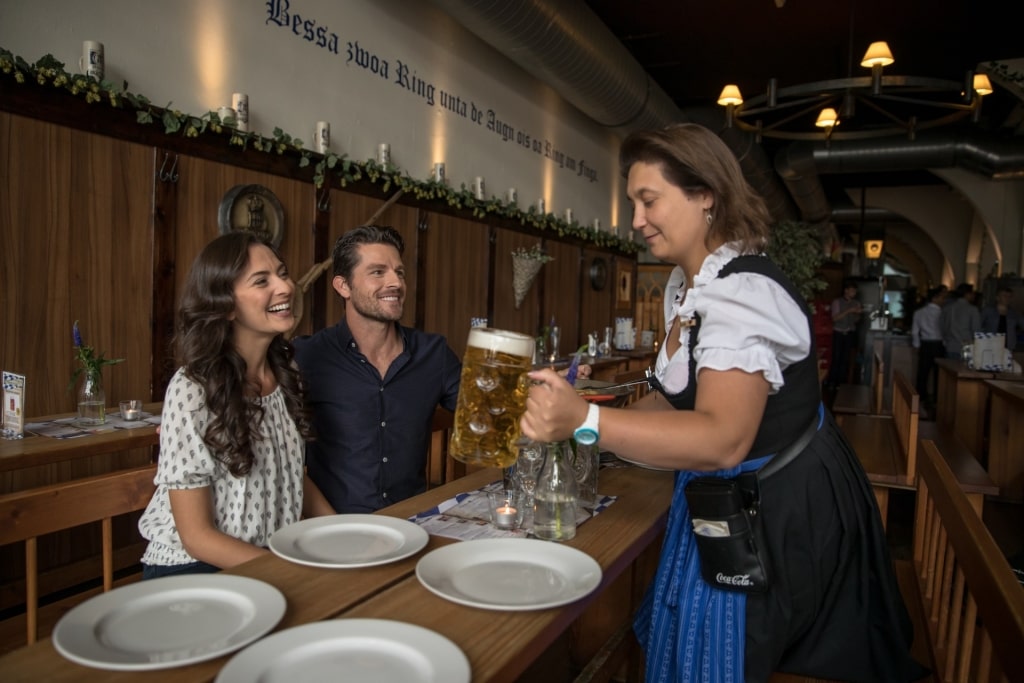
Restaurant in Germany
When it comes to dining out, the etiquette for tipping in Germany has some subtle differences depending on whether you’re enjoying coffee and cake at a “konditorei” café, sipping a beer at a biergarten, or eating at a fancy restaurant.
The café culture here is all about lingering—“kaffee und kuchen” is pretty much a national pastime and can take up a significant chunk of the morning. Despite the time spent chatting away, there’s no expectation to tip any higher than the usual 5–10% or to round up to the nearest euro.
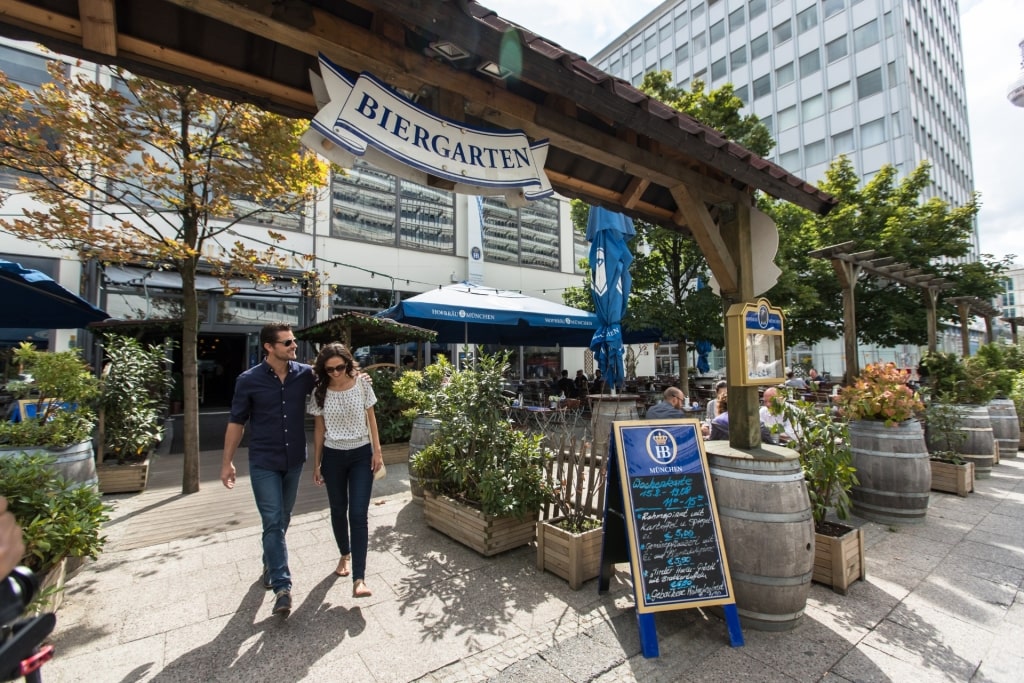
German biergarten
Whether you get table service or not will depend on the venue. If it’s counter service, simply leave something with the person on the till or use the tip jar if there is one. If you have a server, give them the money directly, following the “aufrunden” advice above.
In beer gardens, the service setup can vary. In some, you may order drinks from a roving server and get food from a counter; in others, everything is served at the table. In either case, tip the person who actually serves you, even if it’s just for the drinks.
In modest restaurants, follow the 5–10% rule. In high-end eateries, check the bill or ask—as service can be included. Look out for “Bedienung inkl.” or “Bedienungsgeld,” which indicate an included charge.
Taxis & Ride Shares
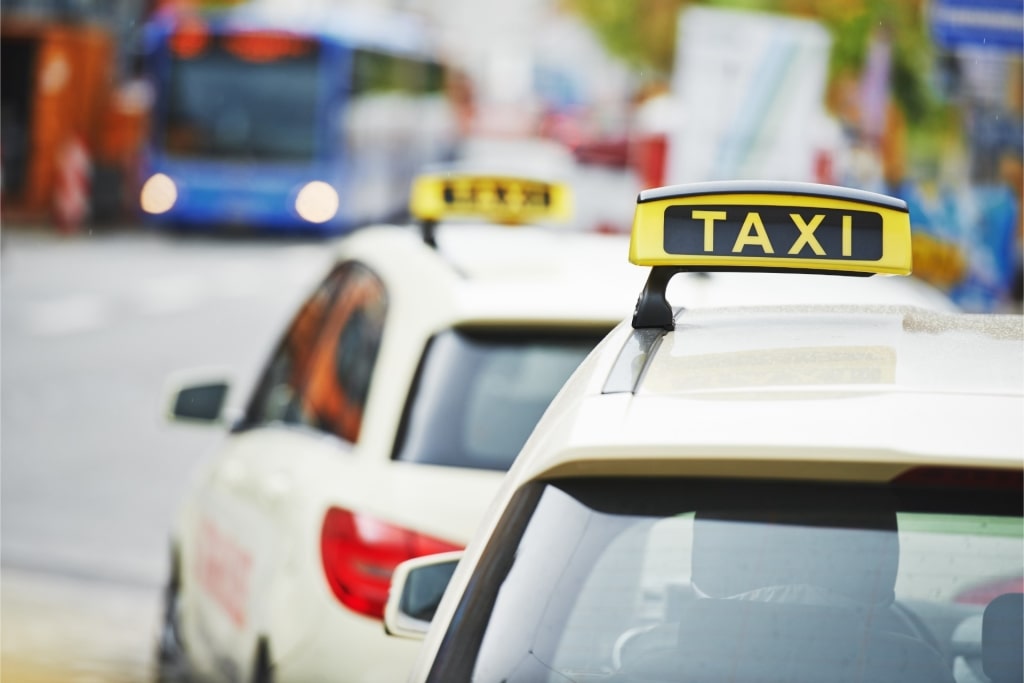
Taxi
Tipping in Germany for taxis is pretty straightforward. Round up to the nearest euro for shorter rides or go for around 10% on longer journeys, especially if the driver has gone beyond the norm with service. That might mean helping with luggage, navigating a tricky route, or waiting for you while you pop into a shop.
In larger cities, many taxis now have card readers that will offer the option to add a tip. In smaller towns such as Bad Füssing or Breisach, taxis are more likely to be locally owned with an owner-driver setup. Check if they accept cards before setting off, or ask for an ATM stop if you need one—tipping follows the same etiquette either way.
Ride-share apps such as Uber and Bolt are available, and most people will use the in-app tipping function for ease.
Guided Day Tours
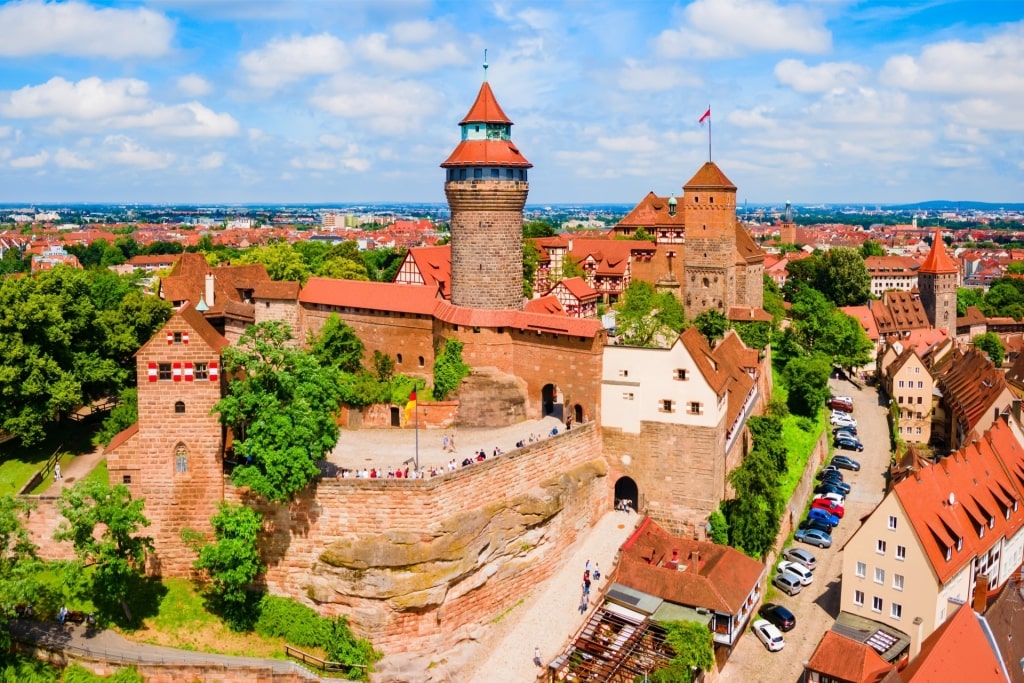
Nuremberg
If you’ve had a good experience, forget calculating percentages of the tour cost. Instead, offering a flat fee per person is appropriate, with a good place to start being €5 for a half-day tour or €10 for a full day. That could be a walking tour of the medieval old town in Nuremberg, a vineyard visit in Rüdesheim, or a bike ride along the Danube.
If the guide has shared insider tips and stories, been helpful with photos, added unexpected stops, or negotiated discounts in shops, feel free to add a little extra.
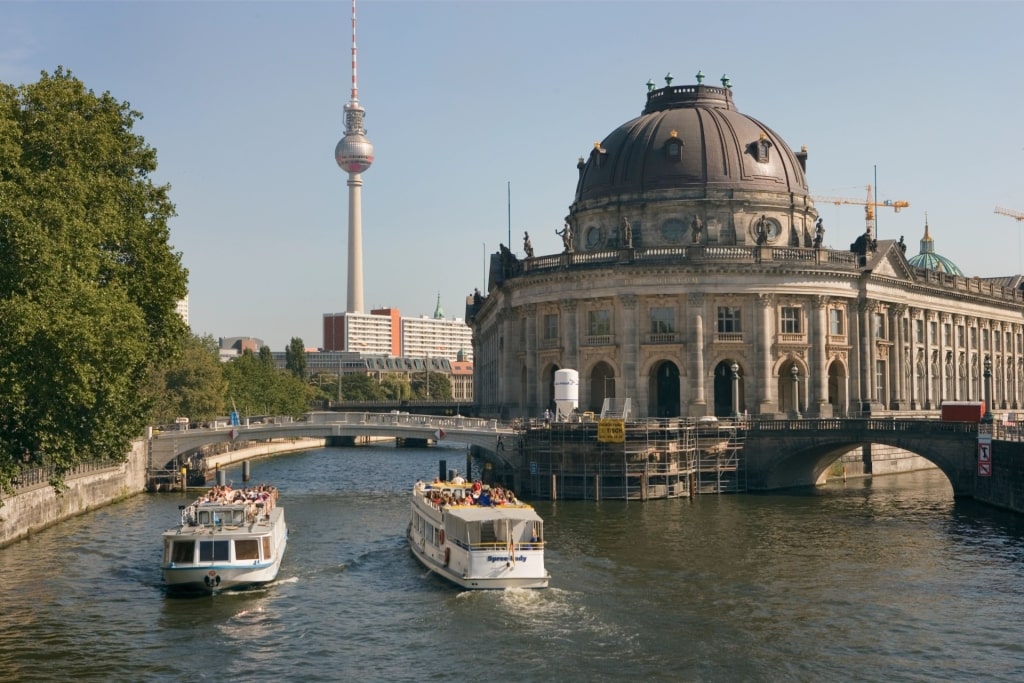
Berlin
Hand the tip in cash directly to the guide. You don’t need an envelope or a speech, just a handshake to show appreciation. It’s worth noting that tipping organized tour guides is not compulsory, but leaving nothing after a really good tour can feel flat.
Free Walking Tours
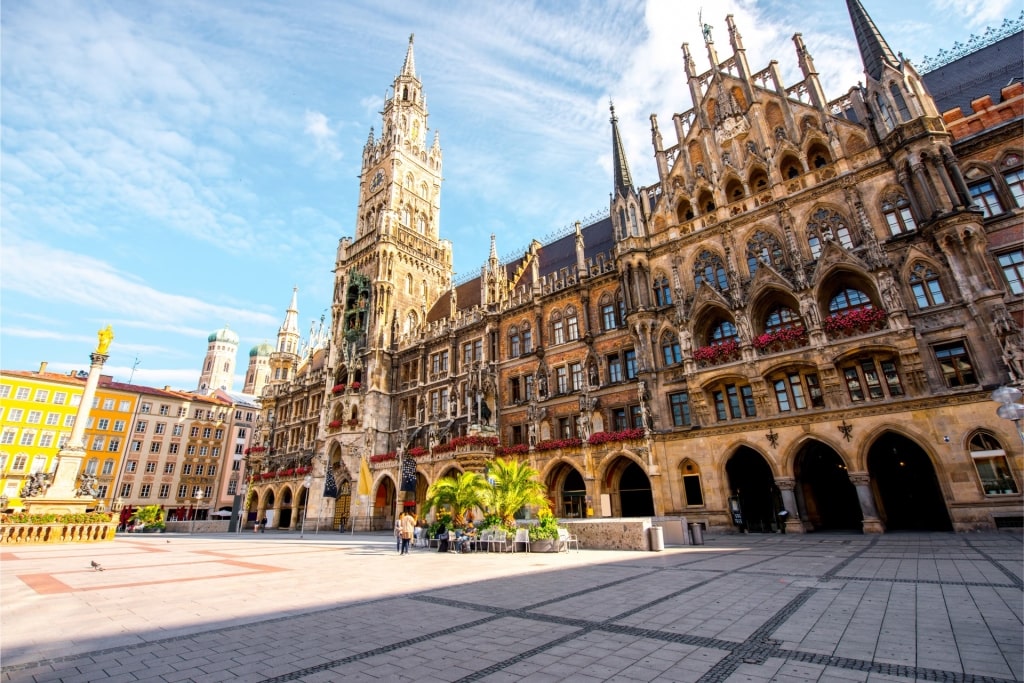
Munich
The name might say “free,” but if you decide to join one, it’s worth knowing that these tours practically run on tips. Essentially, it’s a “pay what you think it’s worth” system. You may not find them as often in smaller locations, but in bigger cities they’re increasingly popular as guides look to expand their income.
Walking tours of Munich’s Old Town or brewery tours in Cologne are among the most popular. These tend to be shorter than paid-for guided tours—usually around 90 minutes—but given there’s no upfront cost, tipping should follow the same guidelines as above: somewhere between €5-€10 per person.
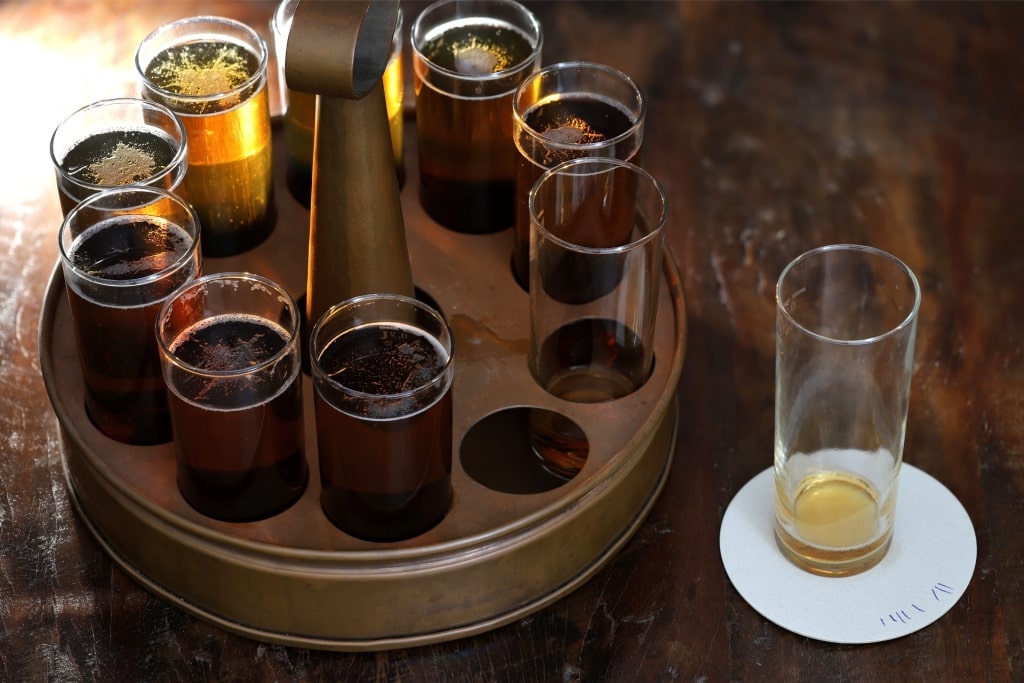
Kölsch beer
If the guide has been particularly informative, made you laugh, kept the group engaged, or shared some nuggets you won’t find in a guidebook, err on the more generous side. As with paid tours, cash is king and some coins are fine—just avoid using the tour as an excuse to unload small change.
Hotels & Guesthouses

Berlin
When it comes to hotels and guesthouses, tipping in Germany is generally considered low-key, but it’s a nice touch for good service.
Starting from the top, concierge service at hotels in the big cities follows a similar pattern to elsewhere in Europe: if the concierge has scored you a table at a fully booked restaurant or secured tickets to a sold-out show, €5–10 is appropriate. There’s no need to tip for simpler requests like calling a cab or giving directions.
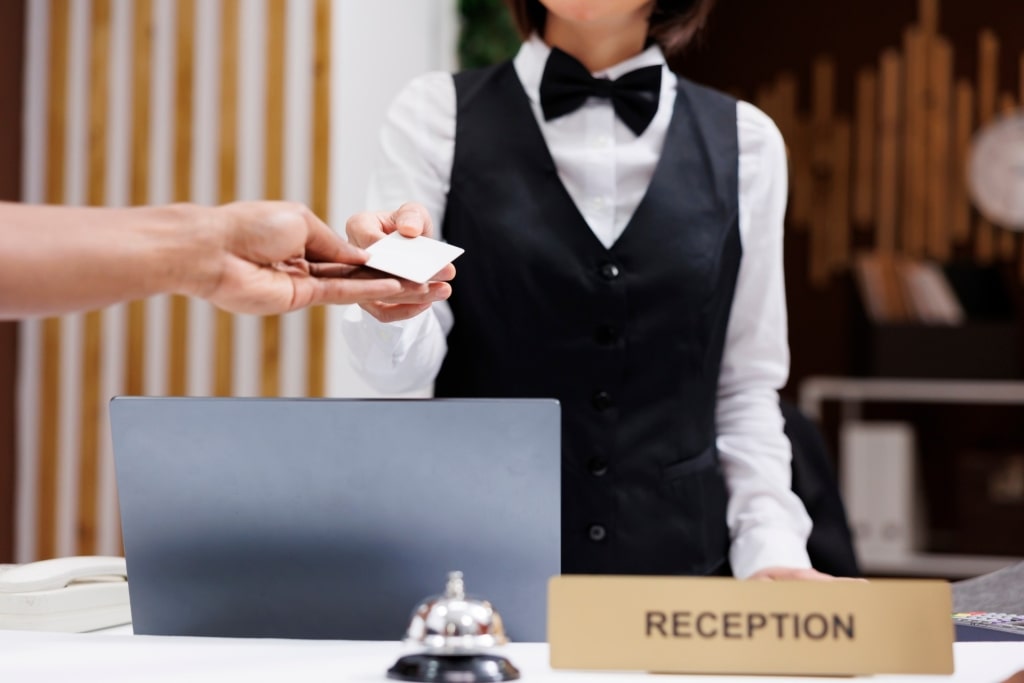
Front desk
If you get luggage assistance from a bellhop, €1-2 per bag is standard, handed over when they drop the bags in your room. Housekeeping tips aren’t expected but are appreciated—for a single-night stay, a euro or two is enough; for several nights with spotless service, leaving €5-10 on the desk or nightstand is appropriate.
In smaller guesthouses, you’ll often find the owner checking you in, helping with cases, and pouring your breakfast coffee. In those cases, leaving €5-10 when checking out is always welcome. As elsewhere, tip for effort rather than out of habit.
Wellness, Spas & Thermal Baths
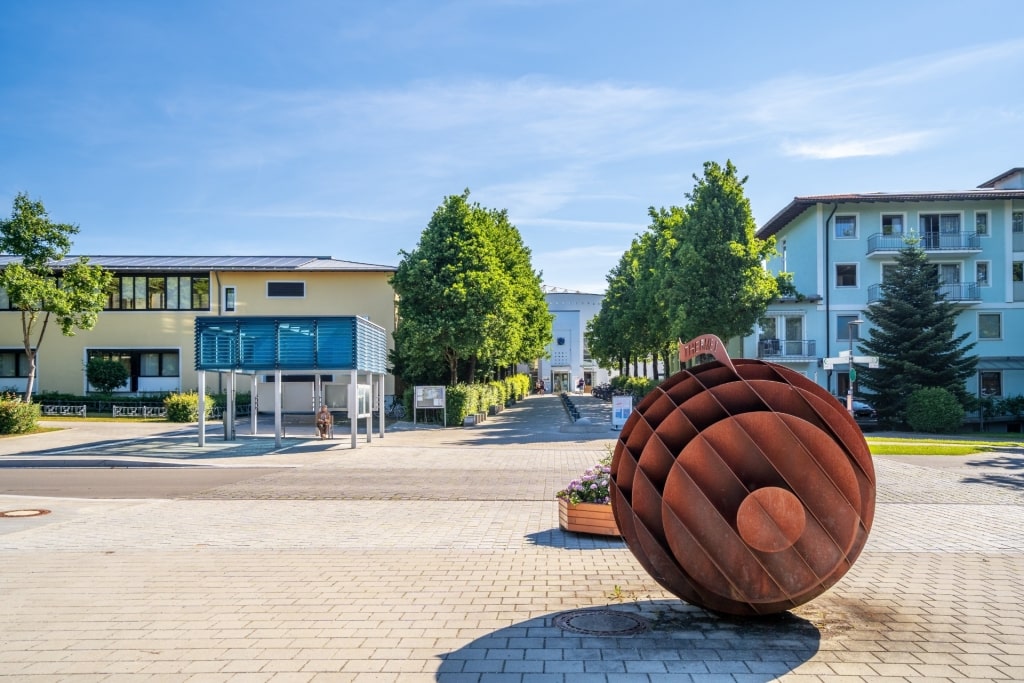
Bad Füssing in Bavaria
Wellness is a serious business in Germany. From historic spa towns such as Bad Füssing or Bad Abbach, to high-end hotel spas in the big cities, treatments are delivered with precision and professionalism. Tipping should reflect that, with 10% being a good rule of thumb for massages, facials, or similar treatments.
In higher-end options, check if service is included in the price—phrases are similar to those used in restaurant menus above. Sometimes this is a facility charge or resort fee that goes to the hotel rather than the therapist. Always ask to clarify. If it’s a facility charge and you enjoyed the treatment, it’s good practice to still tip the therapist. As elsewhere, cash tips are appreciated where possible.
Hairdressers & Beauty Salons
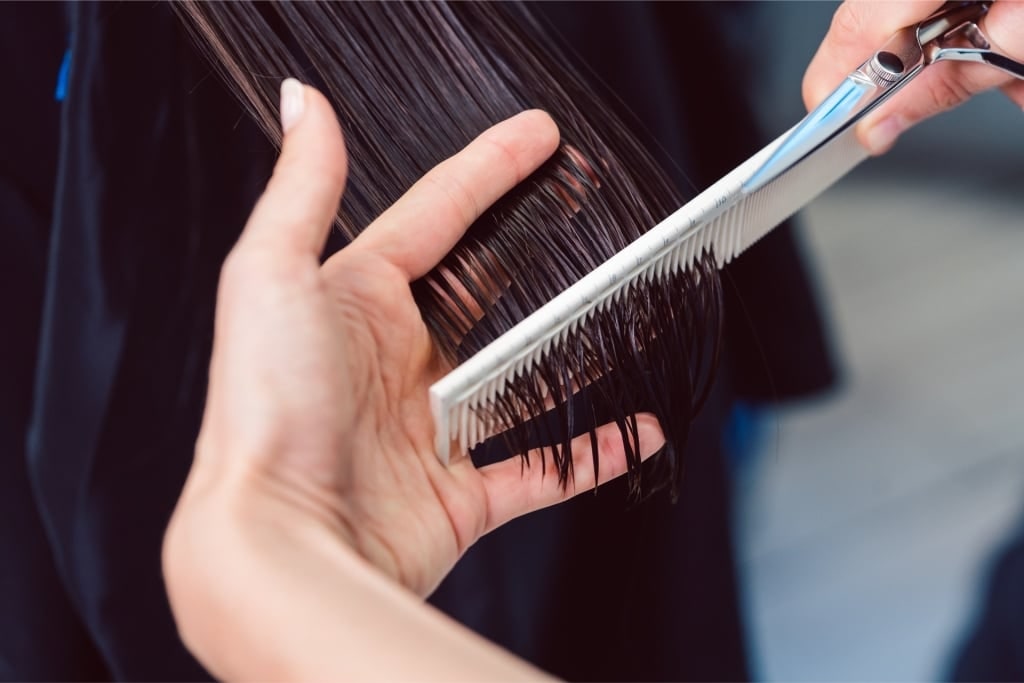
Salon
Do you tip in Germany when it comes to personal grooming? The simple answer is “yes”. For haircuts, coloring, or styling at salons, tipping around 5-10% is standard, with the higher end reserved for results that exceed expectations. Beauty treatments such as manicures, pedicures, or facials follow the same rules.
Barbers often focus on practicality, and for quick trims or beard shaping, rounding up by €1-2 is appropriate. For more time-intensive treatments, such as a shave with a cut-throat razor, it’s customary—and wise—to tip a little extra!
In the bigger cities, both salons and barbers usually have card readers with tipping functions. As elsewhere, however, a cash tip is the surest way to ensure the gesture goes directly to the stylist or barber.
Public Restrooms
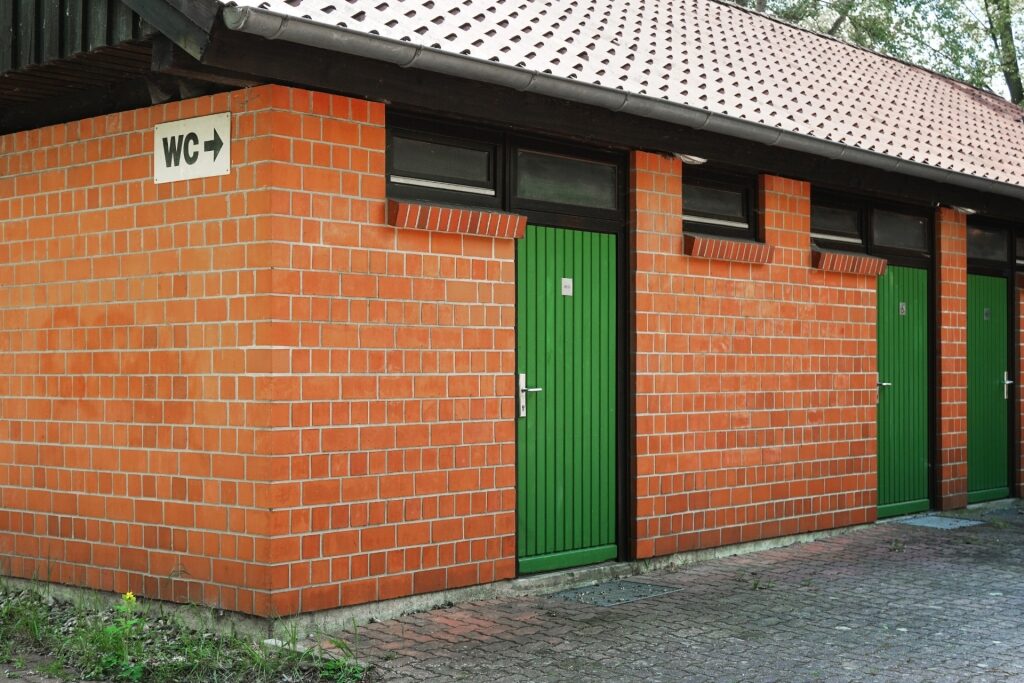
Public restroom
Public restrooms in Germany often have a small entry charge, and many are attended, especially in busy areas such as train or bus stations, market squares, or near major tourist sites.
It’s the attendant’s job to keep the facilities clean and stocked, and if one is present—whether at a counter or with a small plate for coins—it’s customary to leave around €0.50 to €1.
In some places, such as service stations or shopping centers, you may find turnstiles that require €0.50 or €1 for entry. These are sometimes switched off if an attendant is present, in which case you should give the money directly to them.
Common Faux Pas
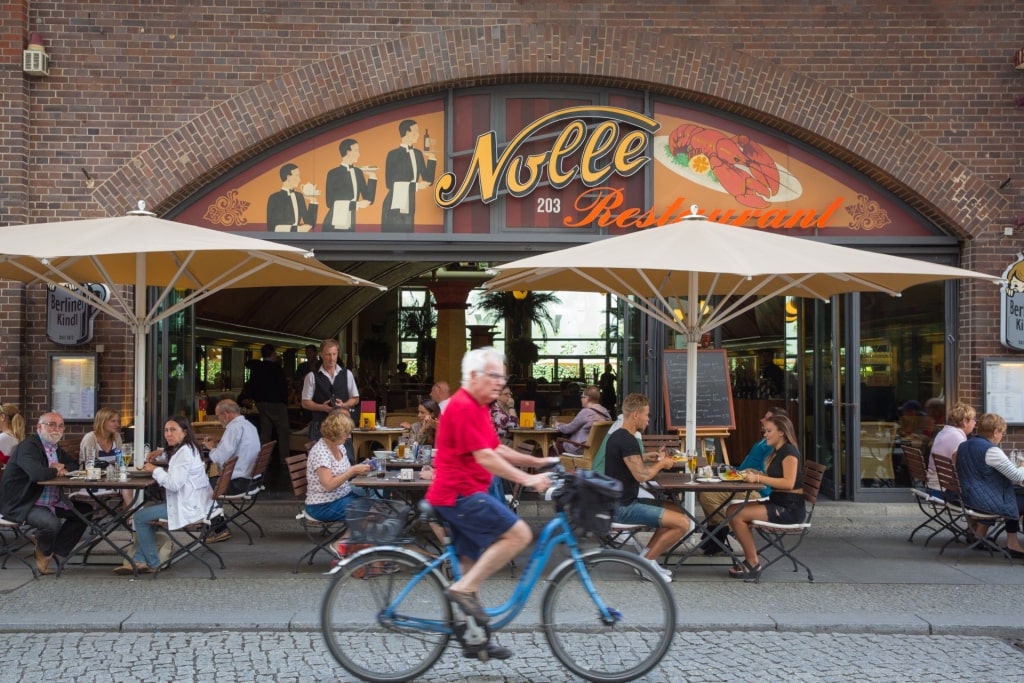
Berlin
Tipping in Germany is relatively easy to grasp if you avoid these few potential missteps. The first is leaving coins on the table and walking away—tips are usually given directly to the person who served you. It’s not just etiquette; it ensures the right person actually gets the money.
Another is over-tipping. While it might be well-meant, adding 20% can feel excessive in Germany, where 5–10% is considered perfectly adequate. Make sure you have cash to hand, particularly in smaller German towns where card readers may not be available.
Finally, if you see “Bedienung inkl.” or “Bedienungsgeld” on your bill, this means service is included in the price—but locals may still round up or leave a small tip for excellent service.
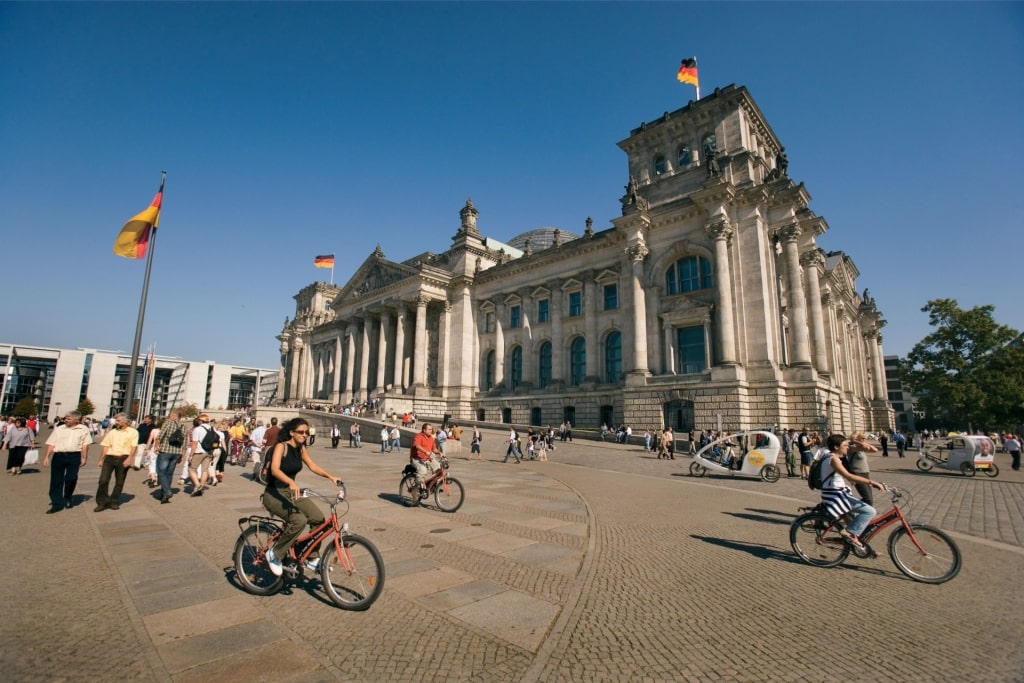
Berlin
Discover Germany’s welcoming culture on a river voyage with Celebrity. Browse Celebrity’s river cruises and book your dream vacation today.