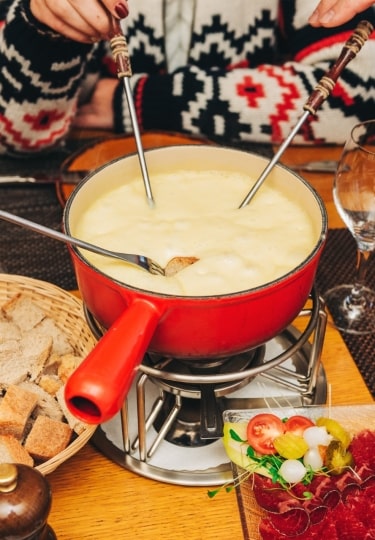
In a country of majestic mountains, crisp Alpine air, and turquoise-blue lakes, dairy is the ubiquitous star of Swiss food. From freshly churned butter to cheeses made from cows herded in verdant pastures, hearty, rustic meals here are meant to nourish and fuel, powering visitors up rewarding trails or down pristine slopes. And then there’s the famous Swiss chocolate, arguably the finest in the world.
Here’s a guide on what not to miss while you’re in Switzerland–and what to bring home in your suitcase.
Cheese Fondue
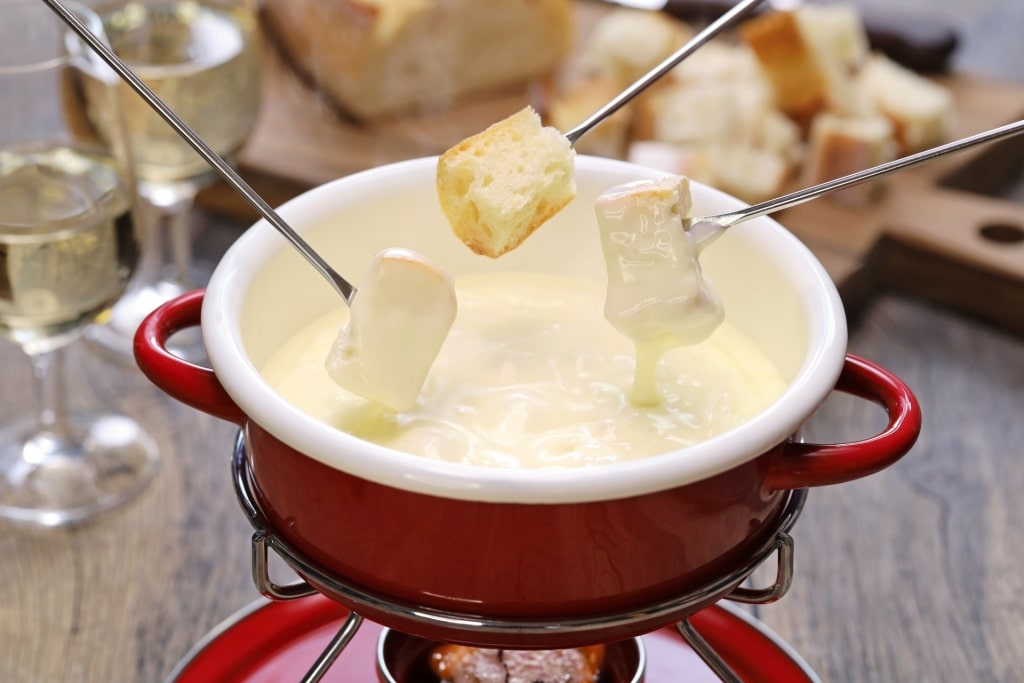
Cheese fondue
If you love cheese, nothing is more heavenly than a bubbling pot of fondue–earthy, golden Gruyère melting into creamy Vacherin Fribourgeois, a nutty, buttery semi-soft cheese.
Served in a traditional fondue pot called caquelon, the dish originates from pragmatic purposes, as mountain villagers would melt leftover bits of cheese into a saucy mix, and dip days-old hardened chunks of bread into the hot concoction to soften.
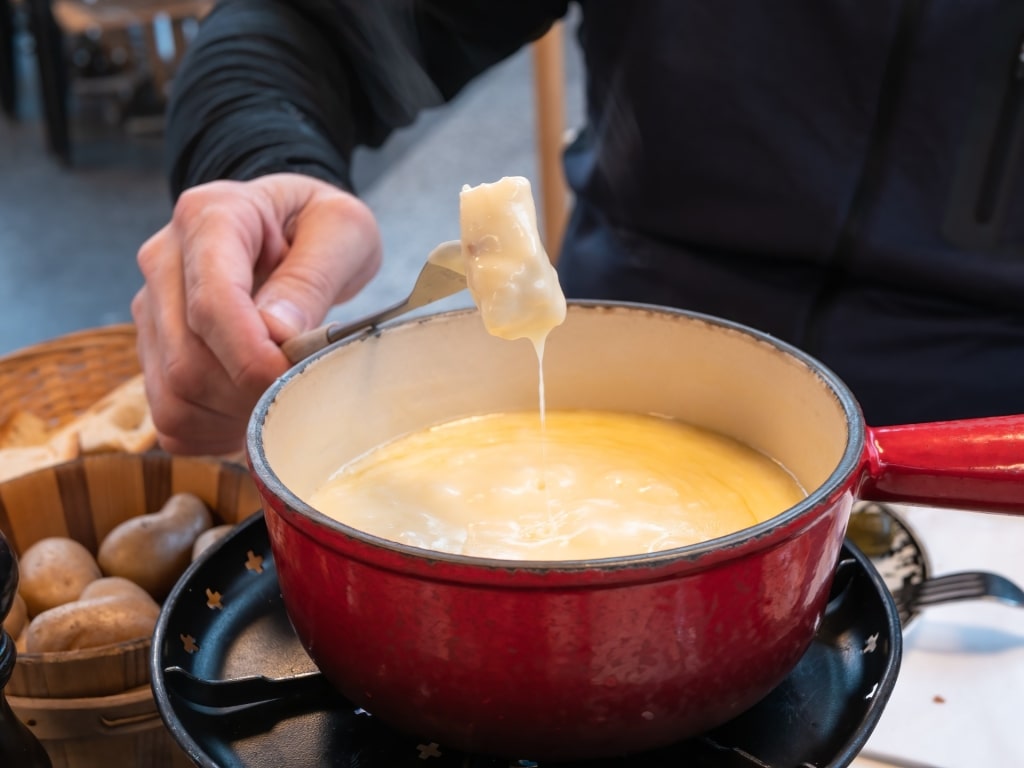
Cheese fondue
Today, you can enjoy elevated versions of fondue seasoned with a splash of wine, garlic, herbs, and sometimes a dash of mustard. Skewer a small cube of rustic bread and spin it in the fondue to coat evenly, enjoy the cheesy morsel, then bite into a crunchy cornichon or pearl onion for contrast.
Don’t forget the crust of cheese at the bottom of the fondue pot–called the religieuse, this crispy delicacy may just be the best part of a fondue meal.
Rösti
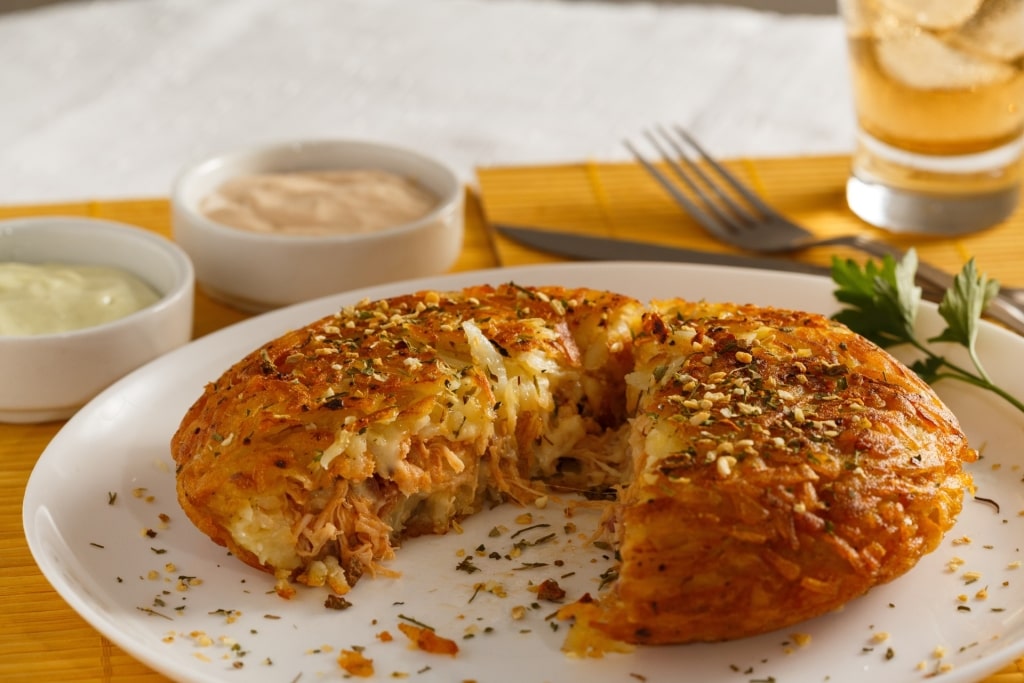
Rösti
Rösti is a fried potato pancake that originated as a Bernese farmers’ breakfast–before becoming the “national dish” of German-speaking Switzerland. Waxy potatoes are pre-cooked and grated in advance to get rid of excess moisture, then molded into a large, thick cake fried in clarified butter, resulting in a silky interior and crispy golden crust.
Enjoy a slice at breakfast with onions, bacon, and eggs like the Alpine hikers fueling up at a mountain hut. If you prefer to save heartier fare for later, order it at most restaurants as a side dish with veal or pork in cream and mushroom sauce, Zurich-style.
Pastetli
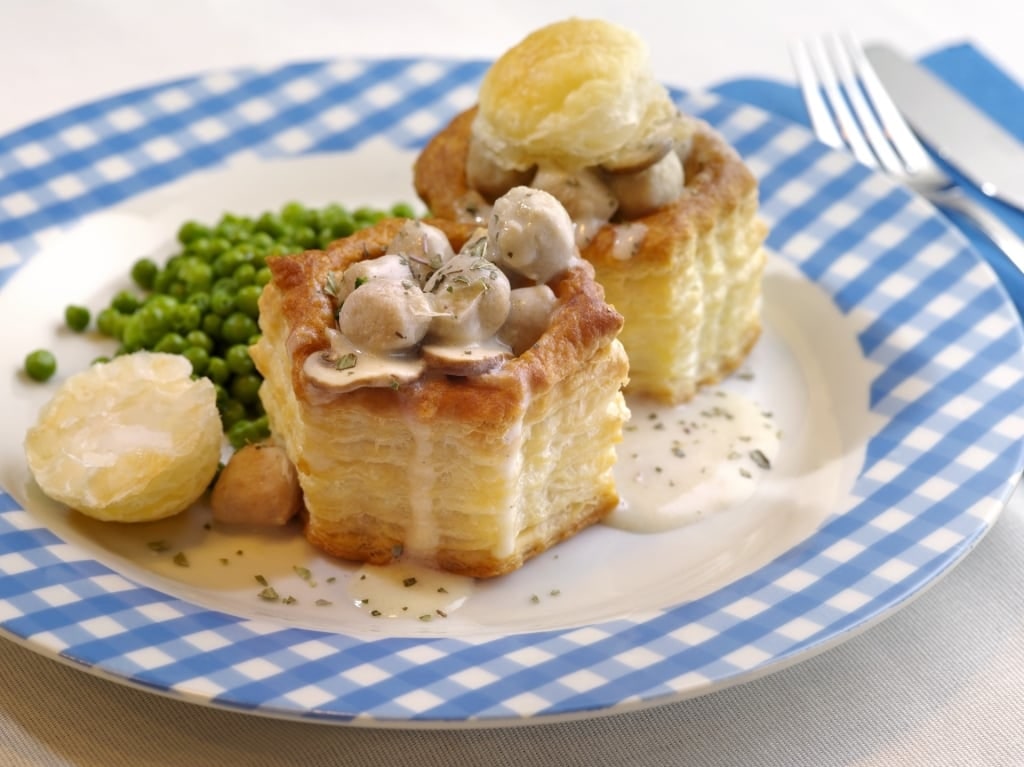
Pastetli
Also known as vol-au-vent, this savory puff pastry dish was historically a Sunday meal or festive favorite in Switzerland, now considered a nostalgic yet popular old-world, retro choice. Filled with a creamy white sauce of mushroom, veal sausage, or sweetbreads, the flaky, buttery pastry earned its French name—vol-au-vent means windblown—for its delicate lightness.
Made with butter, cornstarch, veal stock, onion, and mushroom and peas, the sauce mellows out the veal or sweetbread. Some versions swap in chicken liver. Served with a salad in vinaigrette for acidic contrast, this perfect Sunday lunch dish traces its history all the way back to a French cookbook in 1739.
Malakoffs
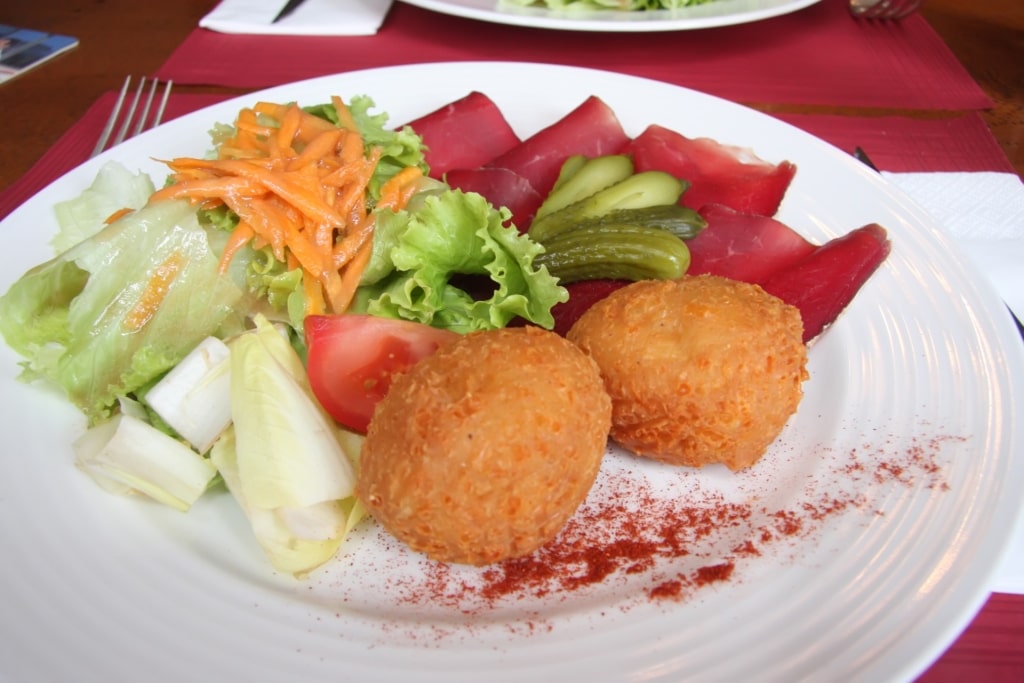
Malakoffs
These deep-fried, breaded cheese balls, often served as hors d’oeuvres, owe their name to the Battle of Malakoff. During this famed episode of the Crimean War, lore has it that Swiss mercenary soldiers would fry up cheese slices in butter, and savor them with bread and plenty of wine to pass the time at their camps during the 14-month siege.
Made with salty Gruyère, garlic, eggs, and white wine, the Swiss fritter recipe you’ll taste nowadays is a chef’s creation for a meal Napoleon hosted for the veterans of the Crimean war at his villa in Prangins. Enjoy this bite of European history with a side of salad, pickles, and pearl onions, especially if your travels take you to western Switzerland or the Vaud and Lake Leman regions.
Zibelechueche
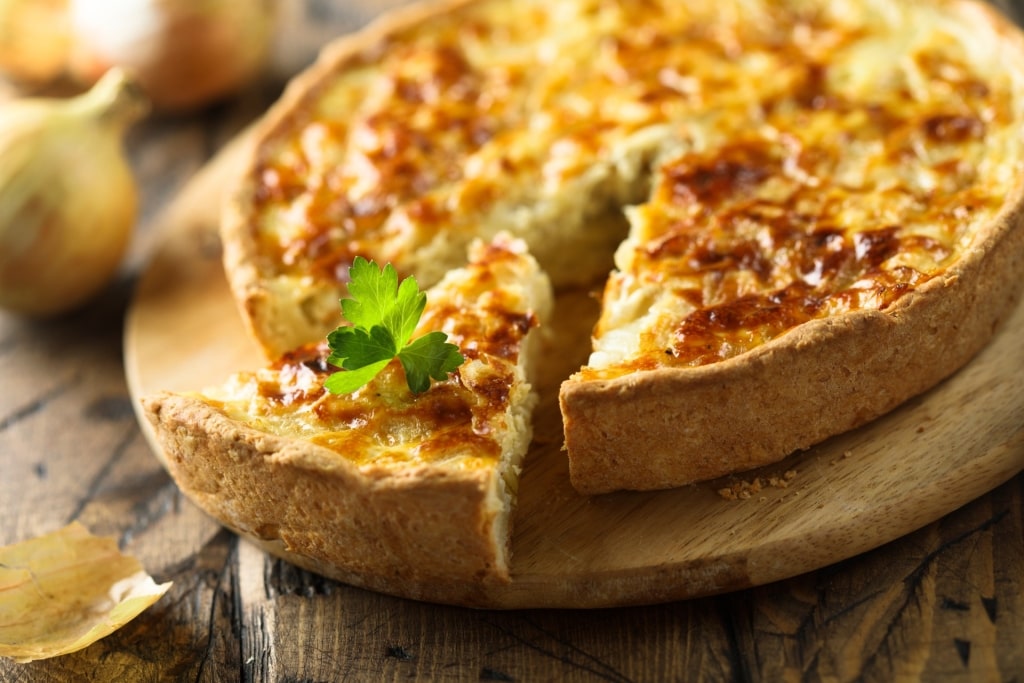
Zibelechueche
The zibelechueche is a Swiss-German onion quiche typical of Swiss food in the Bernese region, and most notably eaten during the Zibelemärit, or “onion market” in November–a festival dedicated to celebrating all things onion.
The quiche uses hefeteig, a yeasty pastry, as crust, and calls for onions slow-cooked in butter until translucent, then submerged in a mixture of milk, cream, eggs, and a pinch of nutmeg. A popular dish for breakfast, it can also be spruced up for lunch or dinner with bacon bits and a mug of glühwein.
Älplermagronen
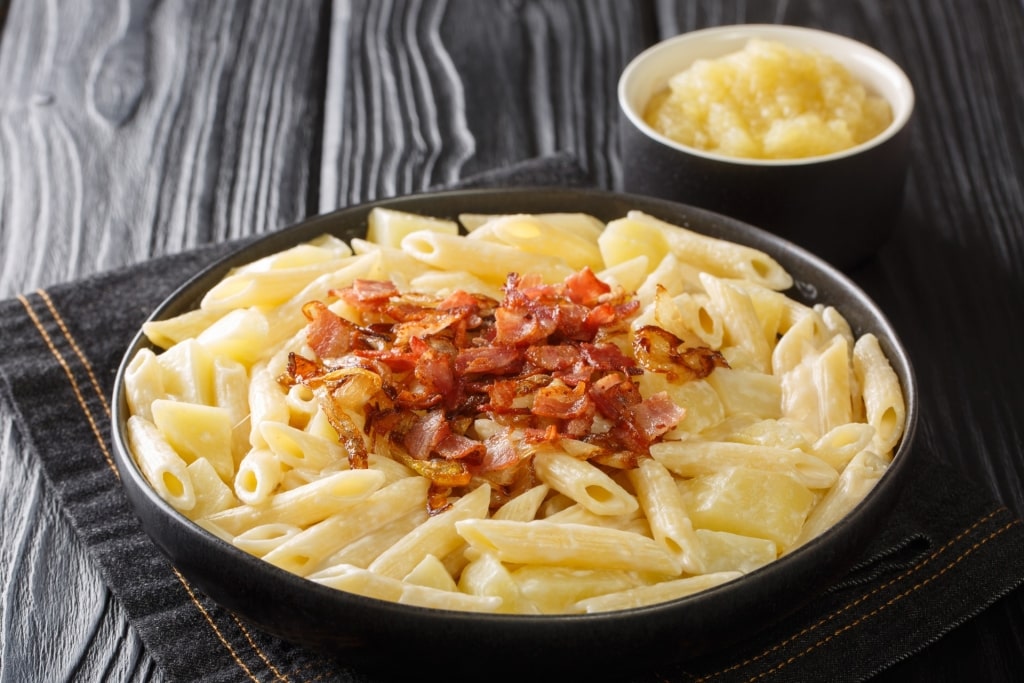
Älplermagronen
The name of this dish translates to “Alpine herdsman’s macaroni.” It’s a filling comfort food from the Swiss Alps made with pasta, potatoes, onions, cream, and stewed apples. Think of it as a Swiss mac and cheese fortified with potatoes, and topped with caramelized onion, sausage or bacon, and a side of apple or plum compote.
The dish utilizes ingredients that would have been easily available to herdsmen rationing meals up on the Alps while herding cattle and unable to make frequent hiking trips to restock. Today, you’ll find it at most mountain huts or alpine towns, perfect to fuel up for a day of alpine explorations or investigating the delights of food in Switzerland.
Eglifilets
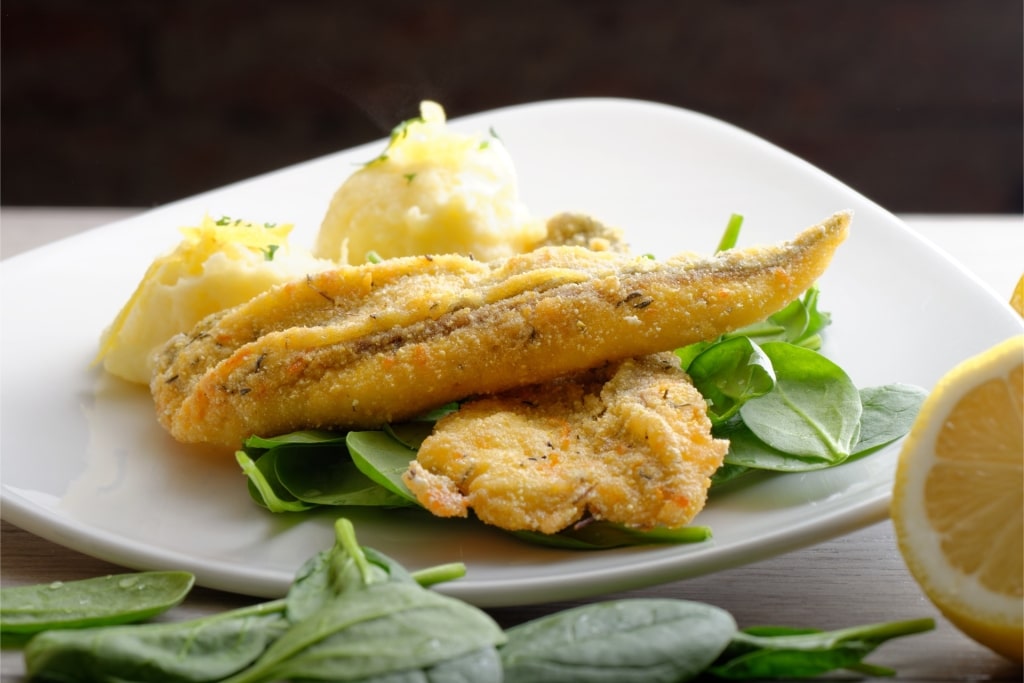
Eglifilets
Egli means perch, and these lightly fried fish fillets are one of Switzerland’s most popular summer dishes. The perch is fished from the pristine waters of Lake Geneva, sold fresh every day by fishermen after a morning outing. Cooking methods vary–from fried in batter to a quick sear–but most commonly, the perch is seasoned lightly with butter, lemon, and parsley to let the white fish’s tender, lightly sweet flesh shine as an ingredient.
The perch fillets are often served with salad for a light meal, or you could evoke fish and chips by ordering it with potatoes and a side of tartar sauce made with mayonnaise, cornichons, and capers. Head to a lakeside restaurant with a terrace to treat yourself to this delicate freshwater fish, symbolic of crystalline waters and alpine summers.
Gâteau au Fromage
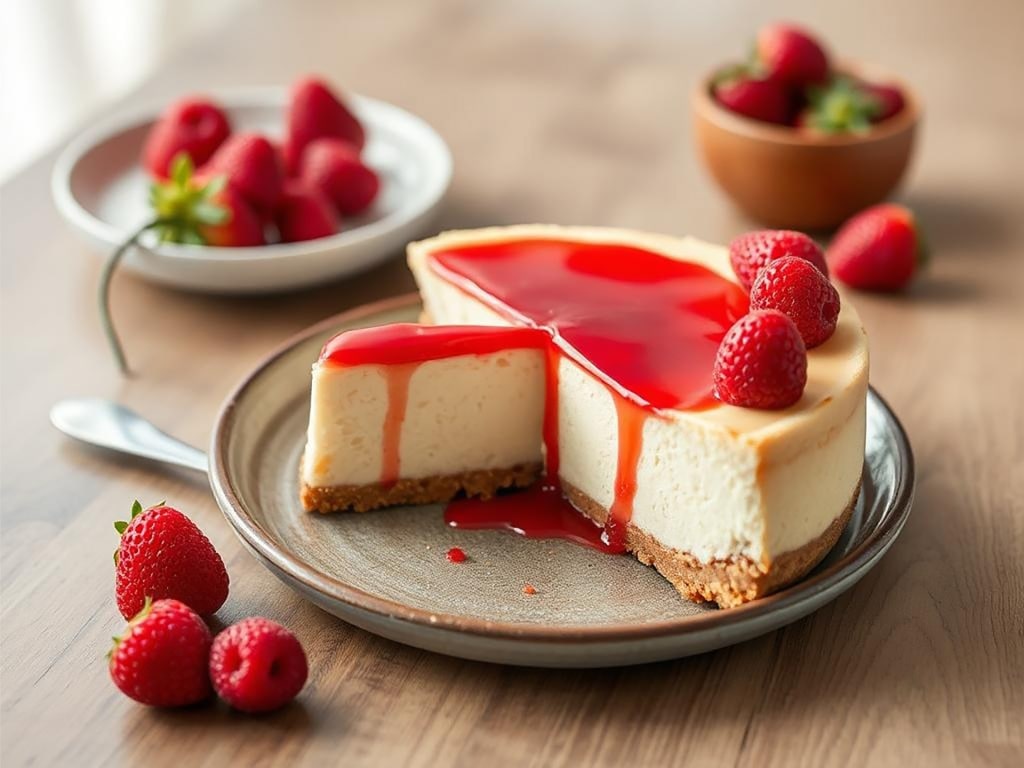
Gâteau au fromage
What if you took two delicious dishes–fondue and quiche–and combined them into one? You’ll have a gâteau au fromage, or Swiss cheese tart, also known as käsewähe in the German-speaking regions. This savory baked treat, a popular food in Switzerland, can be found in most Swiss bakeries or street fairs, and comes with a wholemeal shortcrust base. The filling is cheesier than a regular eggy quiche, and is made with Appenzeller or Swiss gruyère or emmental.
Seasoned simply with a pinch of nutmeg, paprika, and pepper, the cheese tart is baked until the top crust of the filling is golden brown, the interior moist and reminiscent of the cheesiest scrambled eggs. Served hot or cold or accompanied with a salad, a slice of gâteau au fromage is a perfect light lunch on-the-go while visiting Switzerland.
Croûte au Fromage
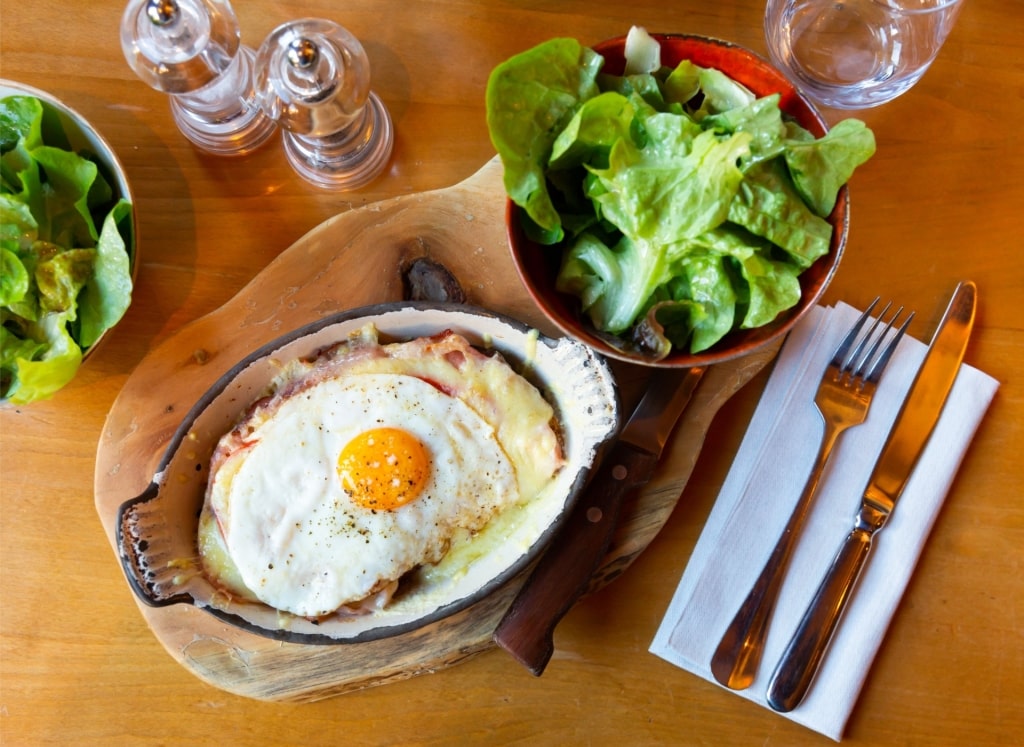
Croûte au fromage
Yes, “au fromage” is a theme here with Swiss food. Croûte is typical of the Valais region of Switzerland, close to the French and Italian borders, and translates to “crust”–it is a rustic dish of sourdough bread baked under a layer of melted local cheese. Devised by Alpine villagers as a traditional recipe to use up day-old, hardened bread and raclette cheese rinds, croûte is made by soaking crusty bread in crisp white wine, then covering it generously with piles of raclette, a cheese made from raw milk, calf rennet, and salt.
Croûte comes with simple variations–usually with egg or ham, sometimes both, sometimes lardons and mushrooms–and is a simpler alternative to fondue if the table wants to share a side of bready, cheesy goodness without committing to the whole pot of melted cheese.
Hafenchabis
Hafenchabis is a lamb or pork and cabbage stew typical of central Switzerland and the city of Lucerne. The meat is browned in butter, then simmered with onion, cabbage, and vegetable stock, and served over boiled potatoes. A close cousin of Hafenchabis is stunggis, also popular in Lucerne, a pork and cabbage stew with leek, celery, carrots, and aromatic herbs.
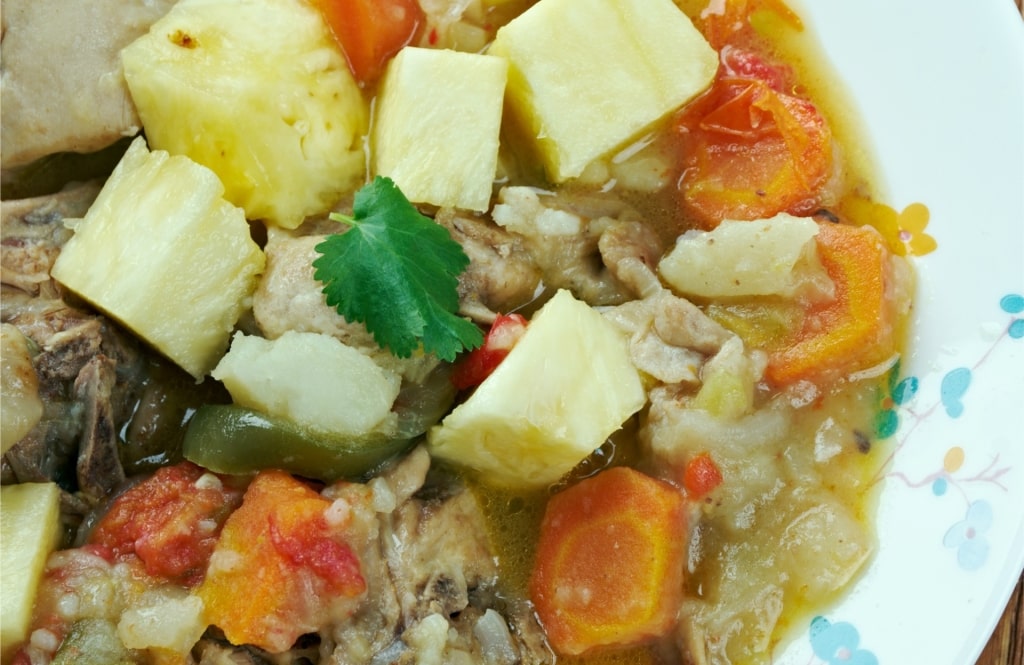
Stunggis
If you’ve had your fill of cheese and cream and want a more vegetable-forward, cream-less meal, hafenchabis and stunggis are good options to look for on a restaurant menu.
Read: Best Things to Do in Basel, Switzerland
Polenta Ticinese
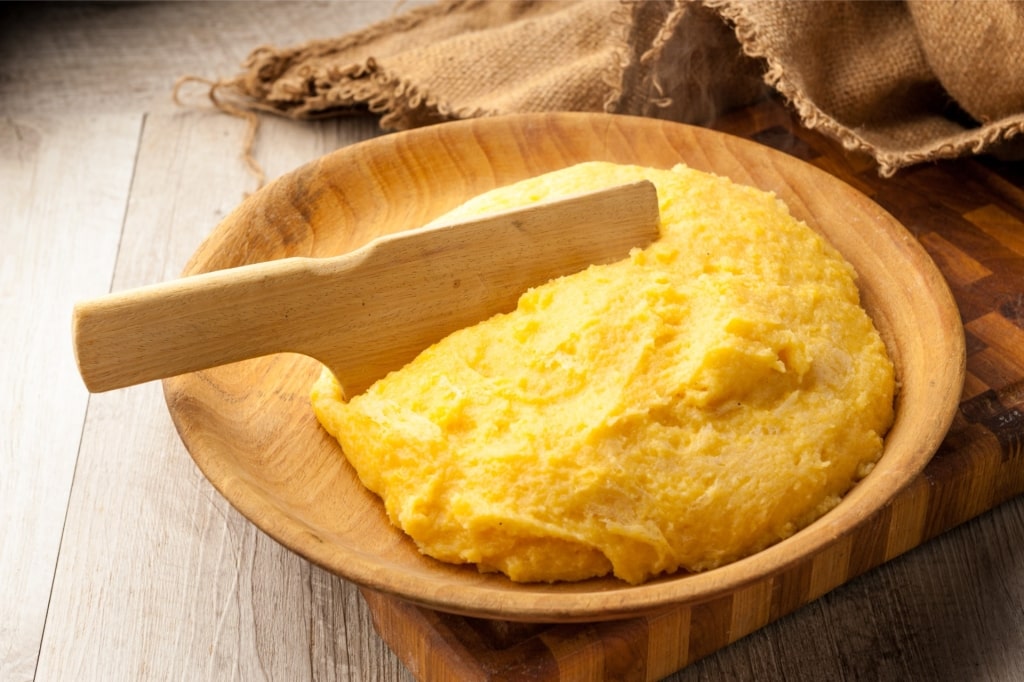
Polenta ticinese
In the town of Ticino in Switzerland, influences from its southern neighbor, Italy, suffuse the cuisine: here you will find not only risotto made from locally-grown Swiss rice, but the classic peasant dish of polenta Ticinese, a purée of coarsely-ground cornmeal. Often found bubbling in cauldrons in the markets of Ticino, it can be served hot like oatmeal, enriched with butter and cheese as a base for osso bucco or rabbit meat, or cooled into a loaf and sliced.
The golden, creamy polenta is traditionally cooked and stirred for hours over outdoor fires, but if you want to take a taste of Polenta Ticinese home as a Swiss food souvenir, it is also sold in Instant Polenta Ticinese form by brands such as Maggi.
Birchermüesli
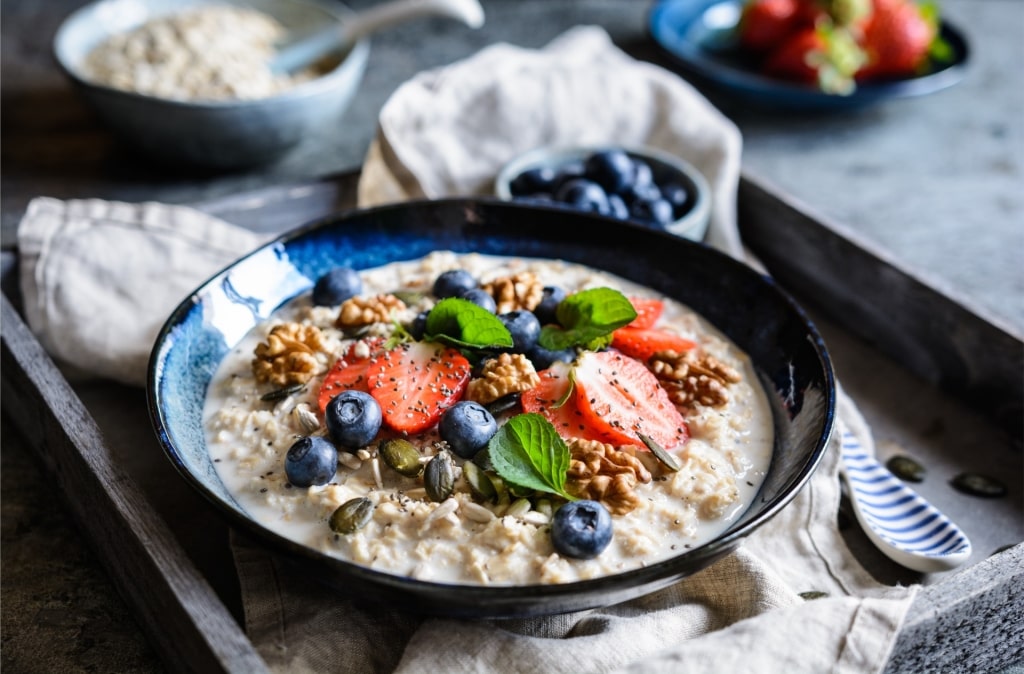
Birchermüesli
Could müesli be Swiss cuisine’s greatest culinary export, beating out even fondue and chocolate? Birchermüesli was invented in 1900 by Maximilian Oskar Bircher-Benner, who served the soaked oats as a digestion-friendly dinner to the patients at his sanatorium. The original Bircher-Benner recipe calls for oat flakes soaked with water, condensed milk, and lemon juice, then mixed with grated apples and nuts. This “apple diet meal” was a pioneering example of the raw food diet Dr. Bircher-Benner promoted, and later gained traction as a breakfast table not just in Swiss resorts, but worldwide.
Today, you’ll find müesli prepared and refined with dried fruits and nuts such as raisins, almonds, and walnuts, mixed with yogurt or topped with berries–but if given the chance, try the original version for its tart lemony flavor, the freshness of the apple, and the indulgence of a hint of sweet condensed milk.
Vermicelles
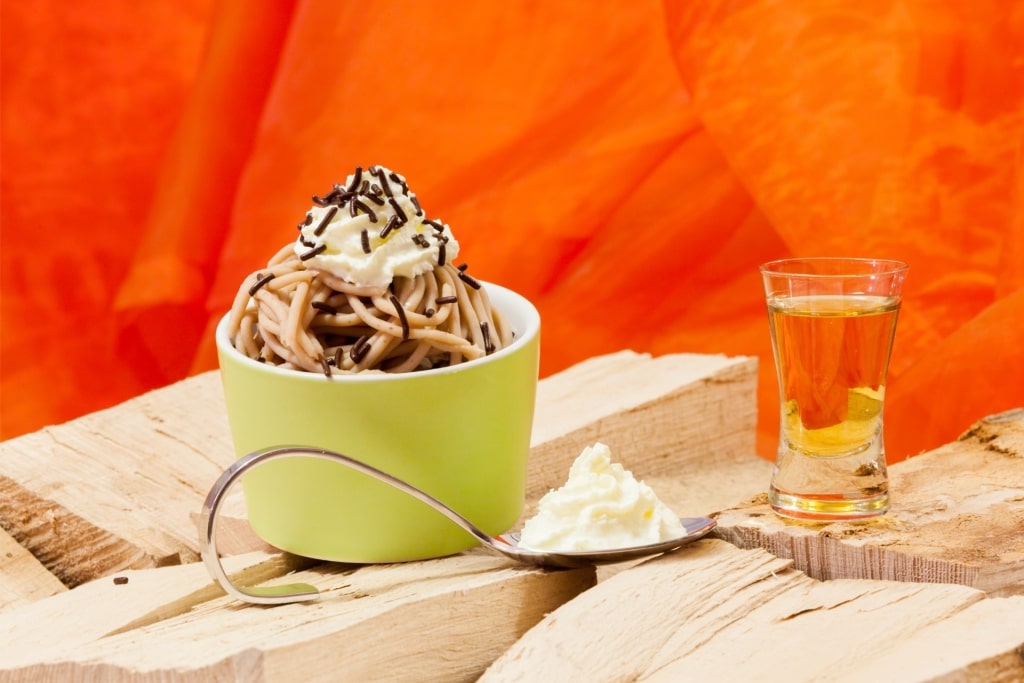
Vermicelles
One of the most widely beloved desserts in Switzerland, vermicelles earns its name from the thin, vermicelli-like strands made from sweet chestnut purée. Served with a dollop of whipped cream and a glacé cherry, they can be eaten on their own, on top of a pastry crust, or as an ice cream topping.
Vermicelles may not win a beauty contest–don’t be put off by the nest of brown strands–but they are emblematic of the Swiss’ love for all things chestnut. If the sugary purée is too sweet for you, try chestnuts simply roasted by the roadside in winter months, or chestnut bread and chestnut cake from a local bakery.
Osterchüechli
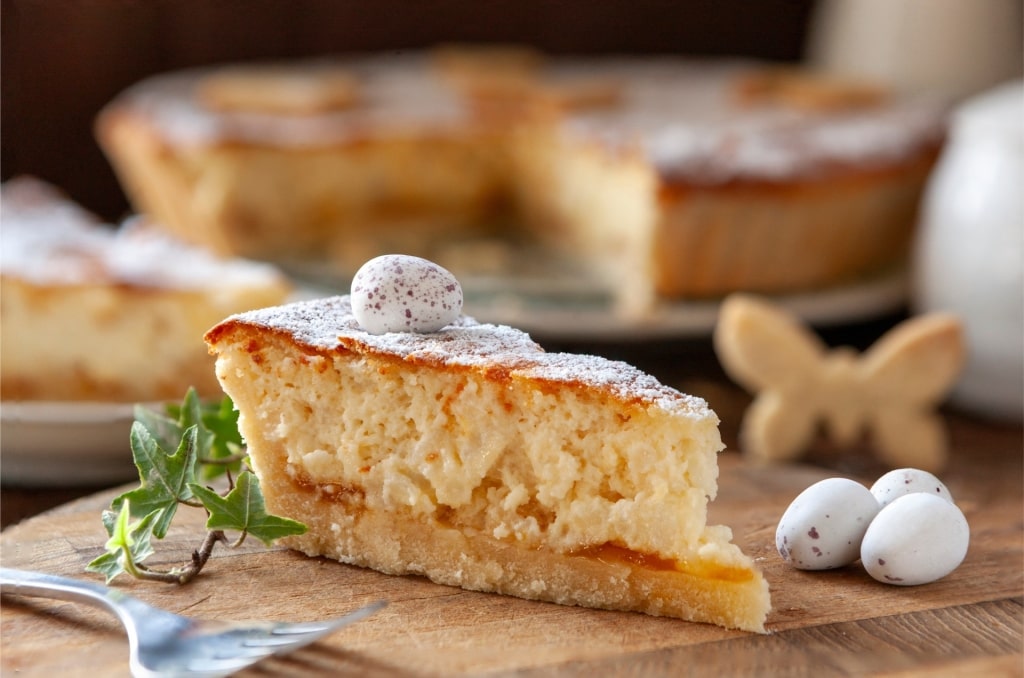
Osterchüechli
These little shortcrust pastry tarts are an Easter dessert in Switzerland, filled with rice, semolina, or bread pudding. Think of it as a rice pudding in tart form, sometimes adorned with sultanas or other dried fruit, and decorated with Easter bunnies made of powdered sugar. The cake dates back to 962, according to some accounts, and the recipe is officially referred to in Swiss religious texts from the 1300s onwards.
The Easter tarts, like pudding, taste of fragrant vanilla and a hint of lemon zest. Dip the buttery crust into a dollop of apricot jam on the side if you are lucky enough to encounter it in the pastry spread of your breakfast buffet–or head to a bakery for a to-go tart, especially if you’re visiting Switzerland around Easter season.
Tuorta da Nusch
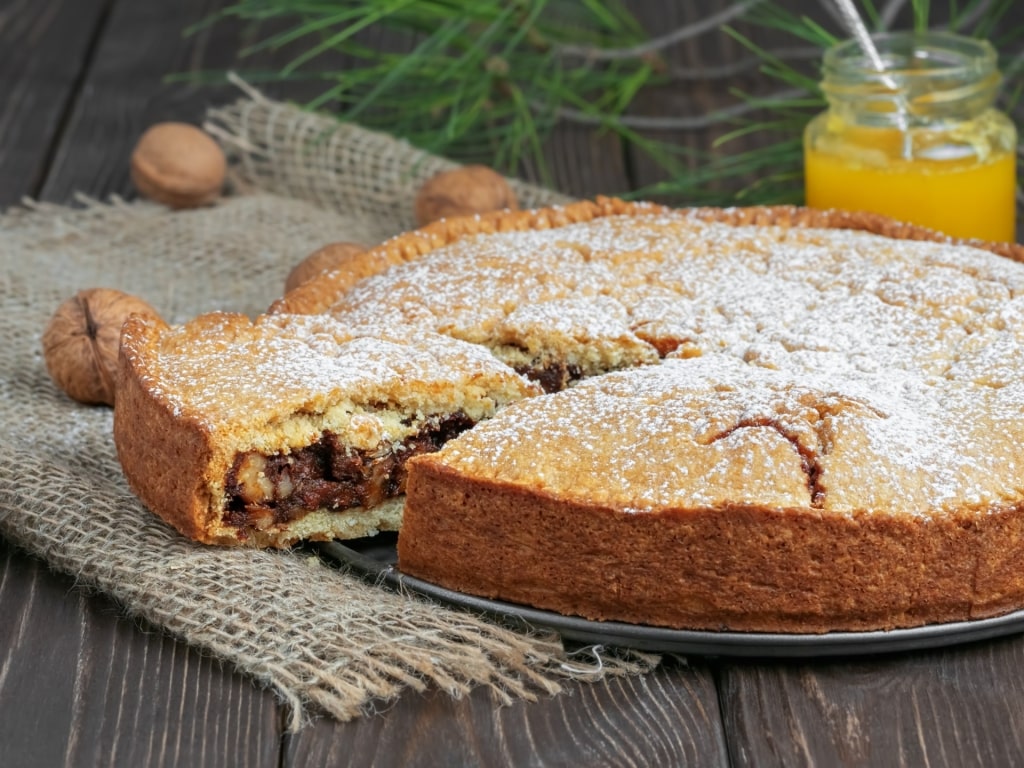
Tuorta da nusch
A Swiss nut torte from the canton of Graubünden in Switzerland, this rich dessert is a butter pastry crust filled with caramelized walnuts cooked in cream, sugar, honey, and salt, then covered with another layer of pastry. A calorie-dense slice is perfect before a hike or, alternatively, simply complementing a hot cup of coffee or tea.
The tuorta da nusch is a popular culinary souvenir for tourists, as it has a long shelf life and can be packed away in a suitcase unrefrigerated to be savored at home. Samedan, a town in the upper Engadine valley, is home to Laager’s Bakery, rumored to have the best nut torte in Switzerland.
Zopf
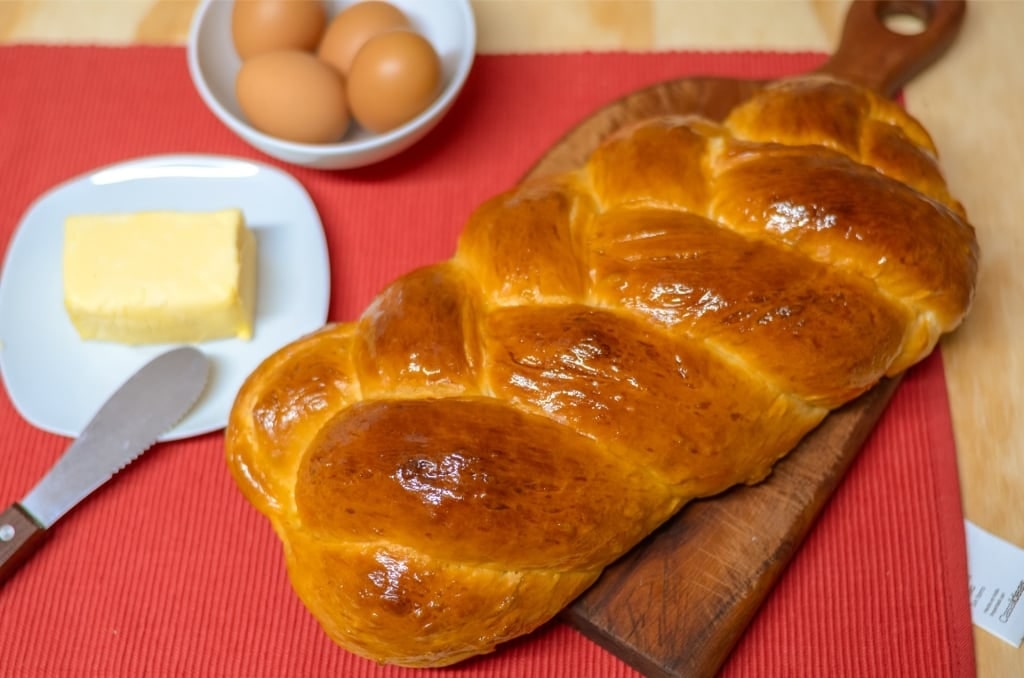
Zopf
Zopf is a Swiss braided bread loaf also popular in Austria and Germany. Zopf means “braid,” and the bread is sometimes also called butterzopf. It looks a lot like a challah, though differs significantly in its ingredients: it is made with milk and butter as opposed to eggs and oil, and isn’t as lightly sweet as challah.
Zopf is commonly served alongside a Sunday meal, and can be enjoyed with butter and jam or honey for breakfast, alongside soup for lunch, or with a hunk of emmental or gruyère for a snack.
Swiss Chocolate
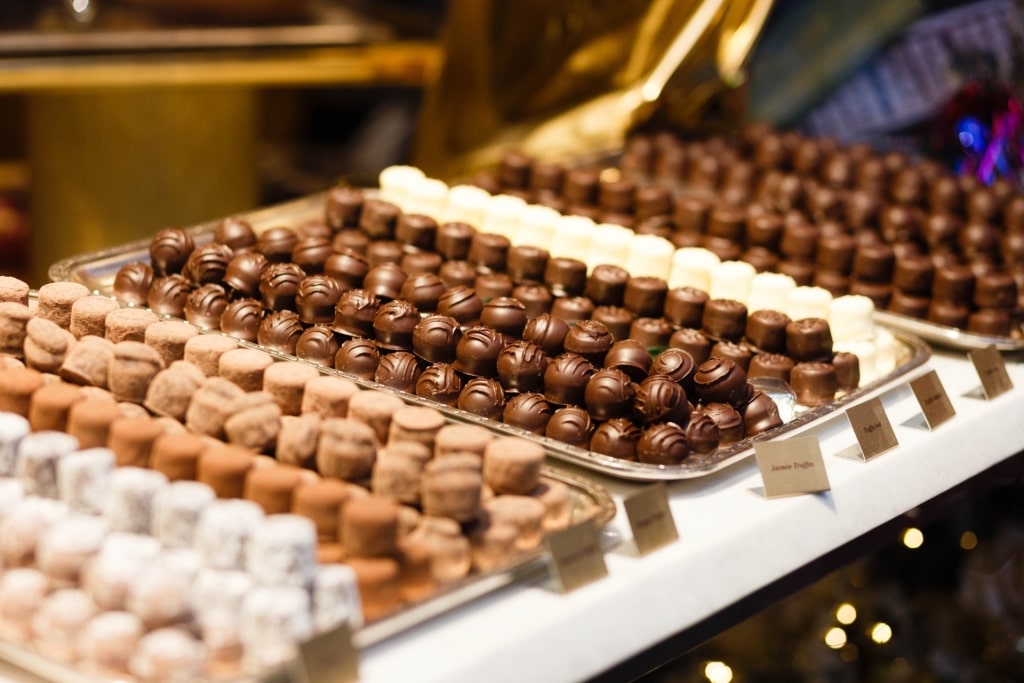
Swiss chocolate
What makes Swiss chocolate special? The milk of Swiss cows, of course, as well as its high percentage of cocoa butter. Switzerland is also credited as the birthplace of milk chocolate as we understand it today–sweet, unctuous, melting goodness sold in bars, refined by chocolatiers such as François-Louis Cailler and Henri Nestlé in the 1800s.
Today, Cailler is still one of the finest and oldest historic brands of Swiss chocolate, rivaled by Lindt, Teuscher, Toblerone and, for an option that’s both wallet-friendly and vouched for by locals, premium chocolate bars from the Coop or Migros supermarkets.

Basel
Ready to be invigorated by mountain air, gruyère, and Swiss dessert treats? Browse Celebrity’s river cruises and set sail along the Rhine River.