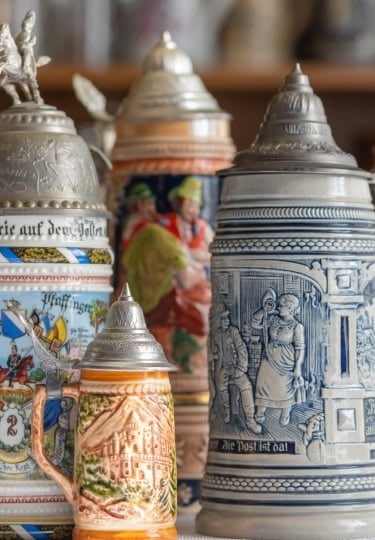
When it comes to German souvenirs, there’s more to pick up than fridge magnets and novelty shot glasses, though you can get those too if you want. The truth is that Germany is an absolute joy for the discerning souvenir hunter.
From festive gingerbread and hand-painted baubles to beer steins, Bembel jugs, and bottles of cherry brandy, Germany serves up great gifts to take home. Some are edible, some are wearable, all of them have a backstory rooted in the locale, or regional history.
One thing’s for sure: all will be a far better reminder of your trip than anything you can pick up at the airport gift shop. Here is a selection of some of the best souvenirs from Germany.
Beer Steins
Beer steins
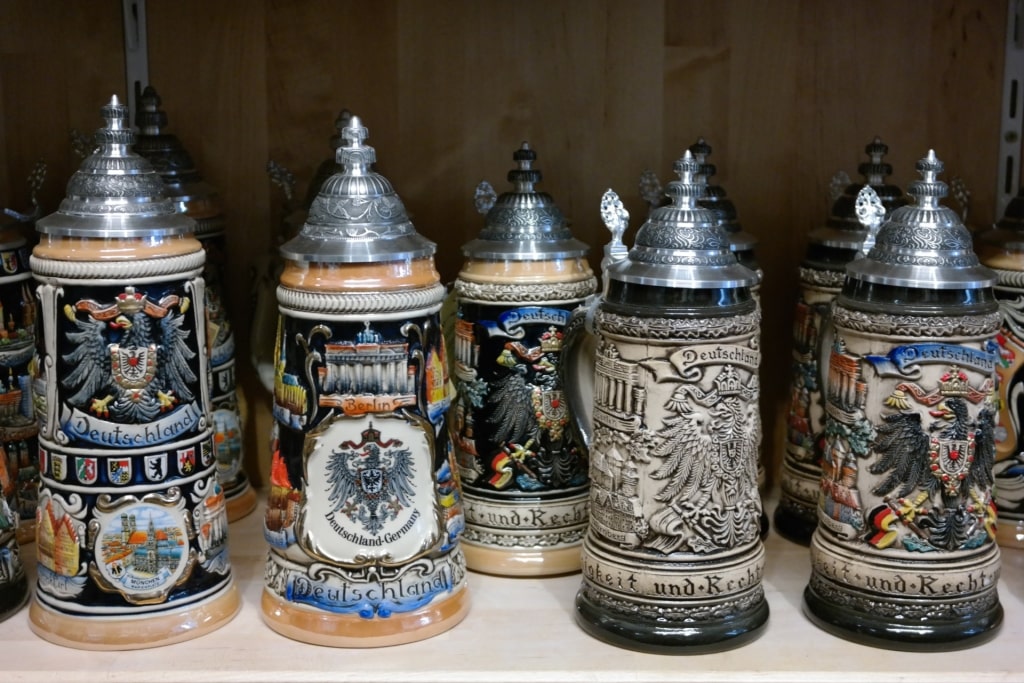
Of all the German souvenirs you can bring home, the beer stein is arguably the most iconic of all. These traditional beer tankards, often made of stoneware, pewter, or glass, typically feature ornate carvings or regional motifs and a lid, and date back to the 14th century.
According to legend, steins were born during the Black Plague era when regulations required covered drinking vessels to avoid the spread of disease. They were traditionally in 0.5 or one-liter sizes, so around one to two pints, but you can now buy monster-sized novelty steins, though they might push your luggage over traditional limits on a return home.
Beer steins
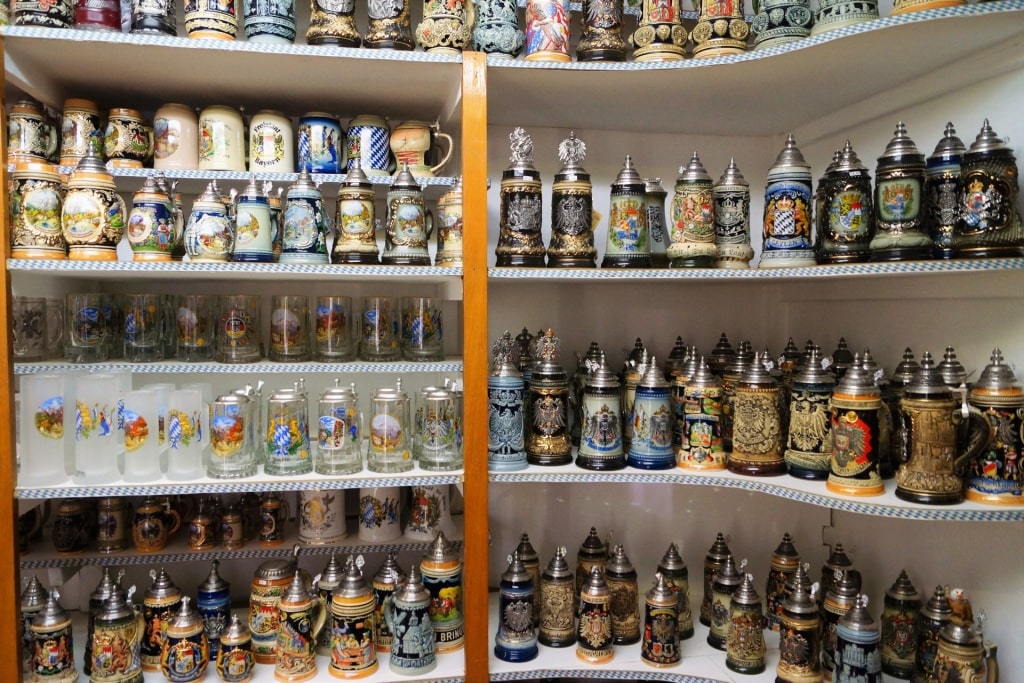
You’ll find them anywhere you can find a brewery. But look out for choice versions in both Regensburg and Nuremberg, where there are artisan pottery workshops; in Passau, known for its glassware, and in Munich, where you can pick up everything from basic souvenir steins to mega-expensive collector’s editions.
Lederhosen & Dirndl
Dirndl
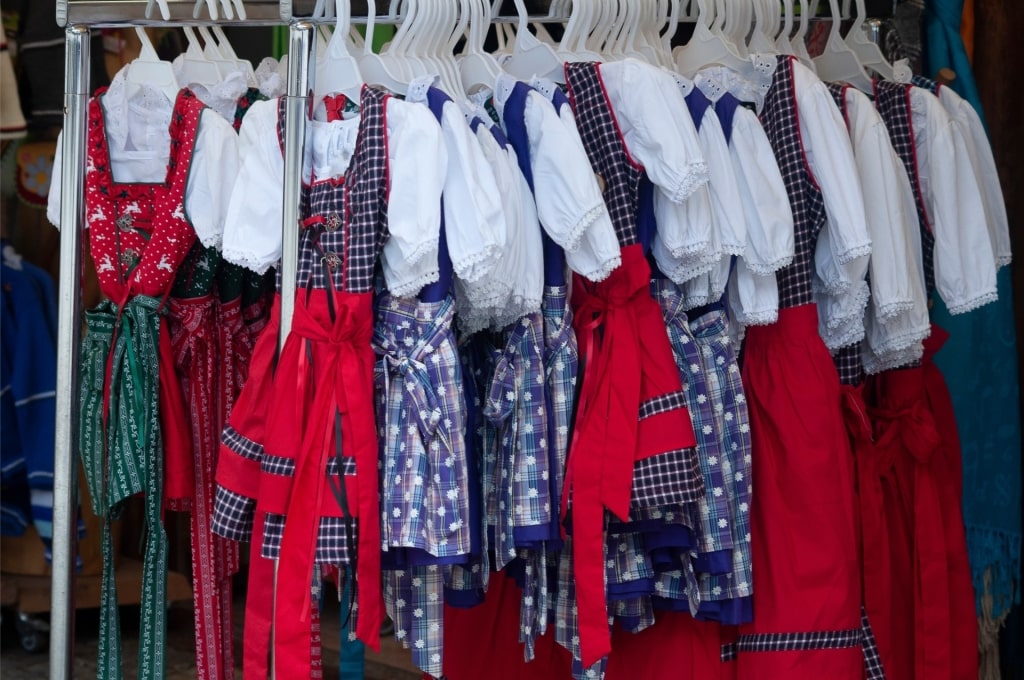
Nothing screams “I’ve been to Germany and had a good time” more than coming home with a traditional costume in your case. For lederhosen—Bavarian knee-length leather pants, traditionally for men—and dirndl, the German equivalent of a little black dress, are among the best souvenirs from Germany you can buy.
Both have humble origins: lederhosen were originally worn by Alpine laborers, while dirndls, with their tight bodice, short sleeves, low neck, and gathered skirt, were considered practical attire for peasant women and maids. Over the years, both have gone on to become traditional attire for celebrations and festivals.
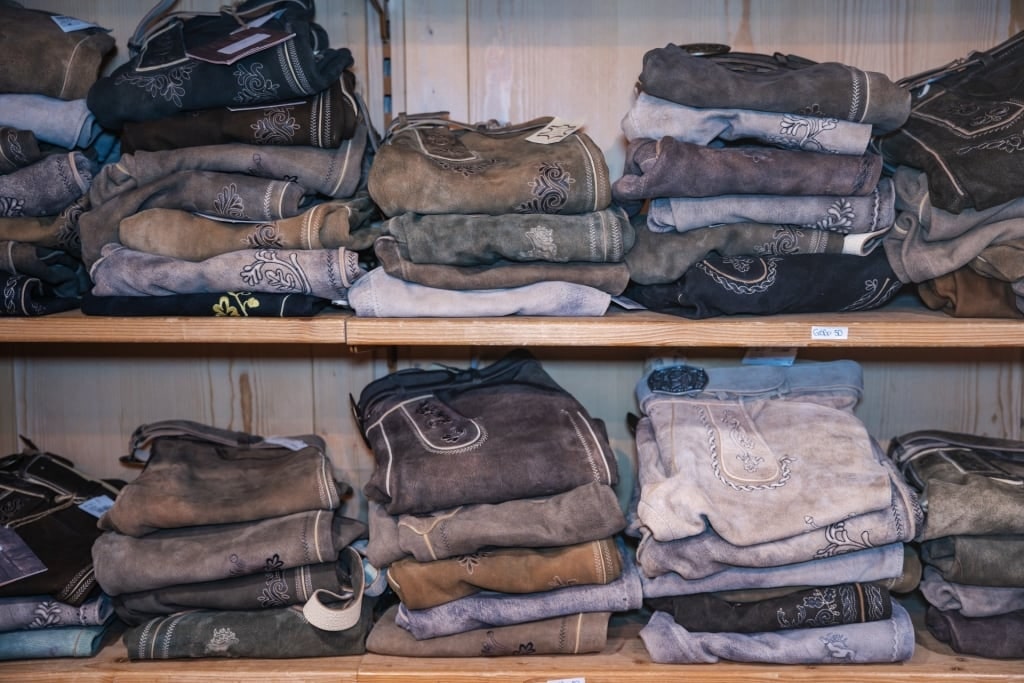
Lederhosen
If you do want to pick up your own set, quality matters. Synthetic versions can be had for €40-€80 but are unlikely to see you past Oktoberfest. Proper handcrafted outfits can cost more than €200.
In Munich, check out department stores such as Lodenfrey and costume specialists like Angermaier Trachten for high-end versions. The markets around Marienplatz offer more affordable getups.
Cuckoo Clocks
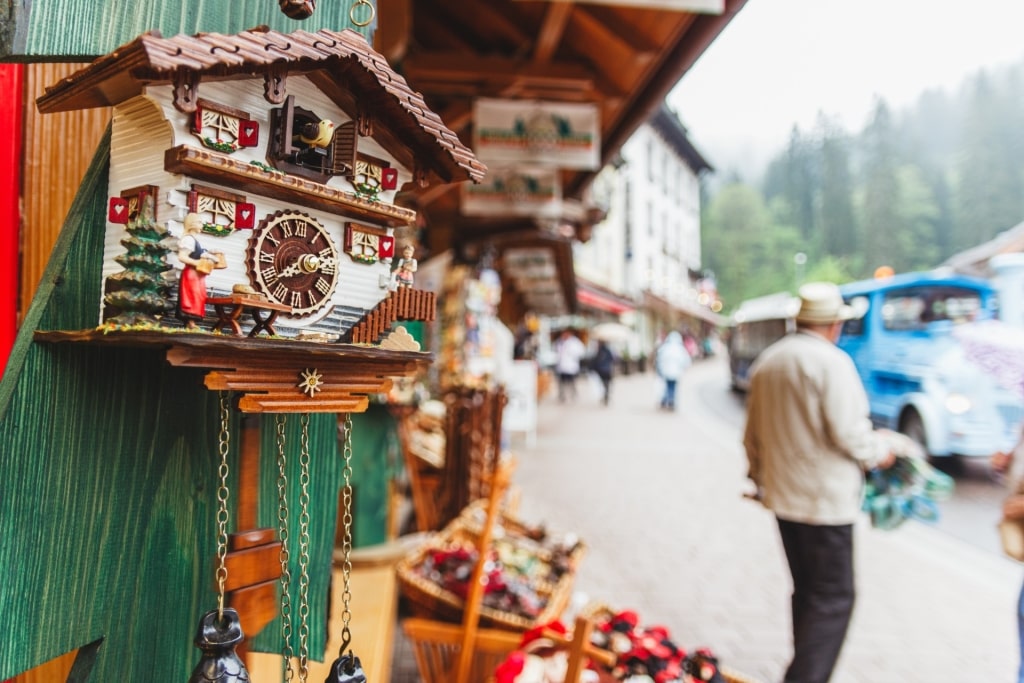
Cuckoo clocks
When it comes to German souvenirs, nothing says kitsch, collectible, and cultural all in one go like a cuckoo clock.
Mistakenly thought by many to originate in Switzerland, these mechanical marvels—where the hour is marked by a carved wooden bird popping out and chirping—were first made by Black Forest farmers looking to make extra income in winter.
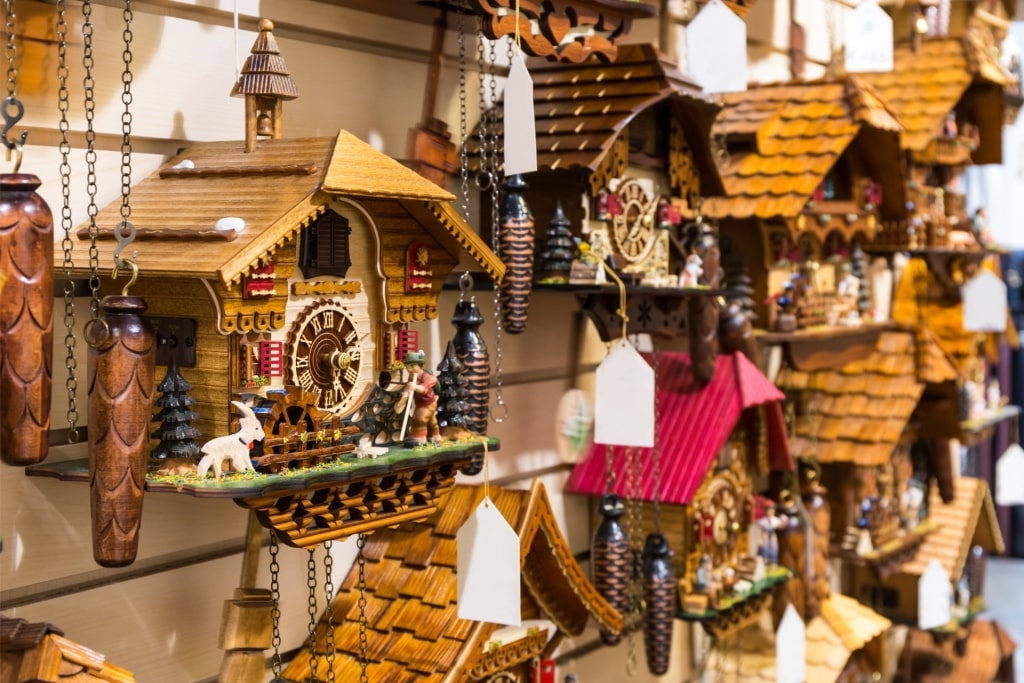
Cuckoo clocks
If one is on your shopping list, seek out the “Verein die Schwarzwalduhr” stamp that conveys it’s a Black Forest original.
Again, prices can vary wildly depending on how ornate the clock is and whether it just features a cuckoo or other figurines such as animals and dancers. House of 1000 Clocks in Triberg is a good place to start your search for one that matches both your taste and your wallet.
Lebkuchen
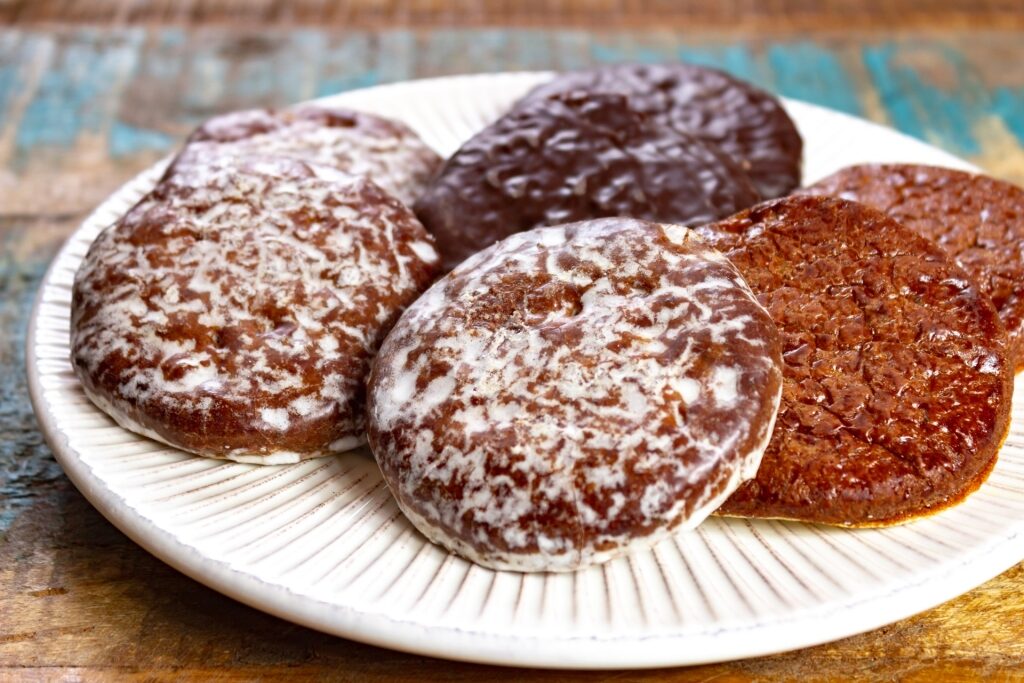
Lebkuchen
Lebkuchen—traditional German spiced gingerbread-style cookies—are usually eaten at Christmas but you can find them year-round as a tasty German souvenir to take home.
Typically made with nuts, honey, and warming spices—think cinnamon, cloves, and cardamom—they can be picked up all over the country, but their spiritual home is in Nuremberg where they were originally created by 13th-century monks.
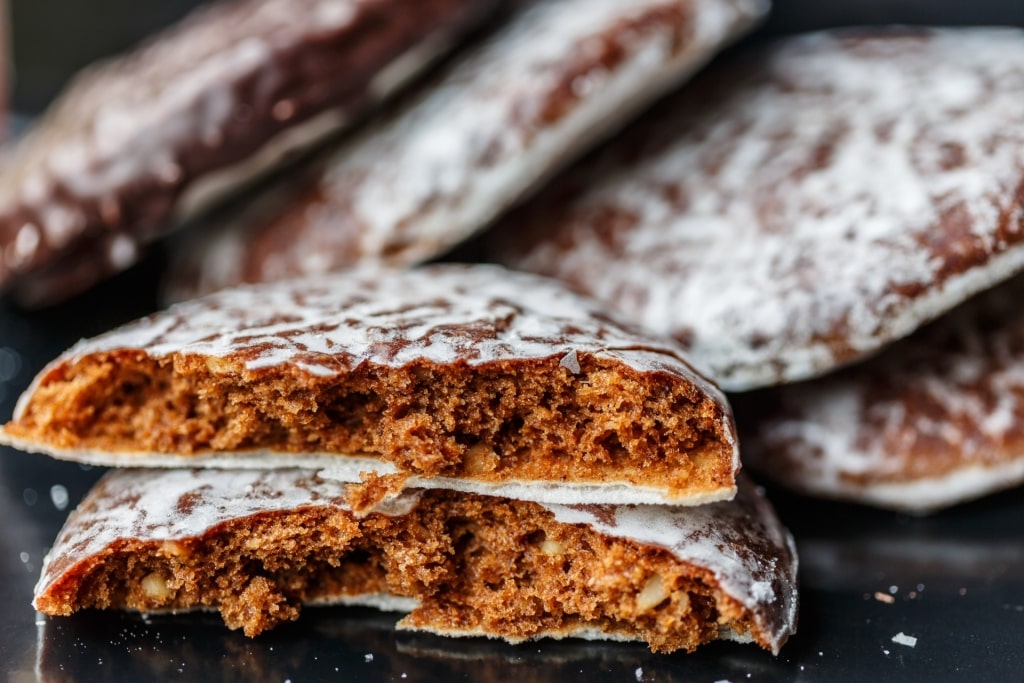
Lebkuchen
The flavorings were added as Nuremberg’s status as a medieval spice hub was cemented, and today the local version Nürnberger Lebkuchen carries an EU Protected Geographical Indication status. As such, it’s the best place to buy some to take home, particularly in shops in the Old Town.
Bethmännchen
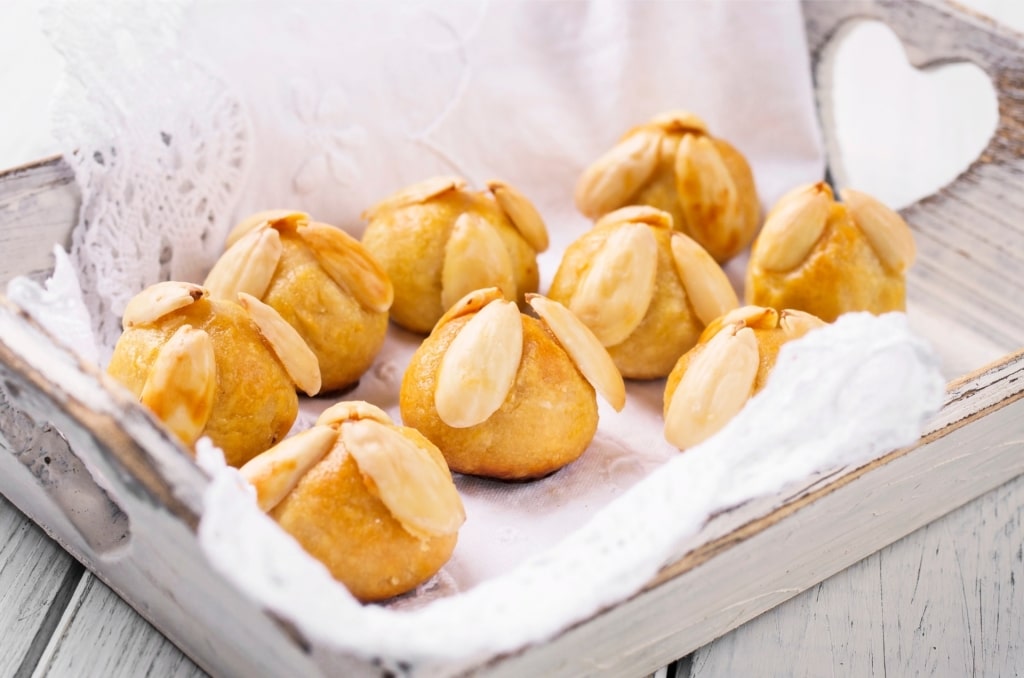
Bethmännchen
If you’re a foodie in Frankfurt, it would be remiss not to take home a box of Bethmännchen. These small, round marzipan-based confections studded with three blanched almonds are the city’s most recognizable edible souvenir and have quite the history behind them.
They were originally created in the 1830s by French chef Jean Jacques Gautenier, who worked for the wealthy banker Simon Moritz von Bethmann and his family. They were originally decorated with four almonds—one for each son—but one was removed after one of the boys died as a youngster, leaving the now-iconic triple cluster.
Pick them up in shops such as Konditorei & Café Wissmüller in the Sachsenhausen district, and Café Laumer in the Old Town. If you’re around for Christmas in Germany, you’ll also find some lovely boxed versions, ready-wrapped for gifting.
German Mustard
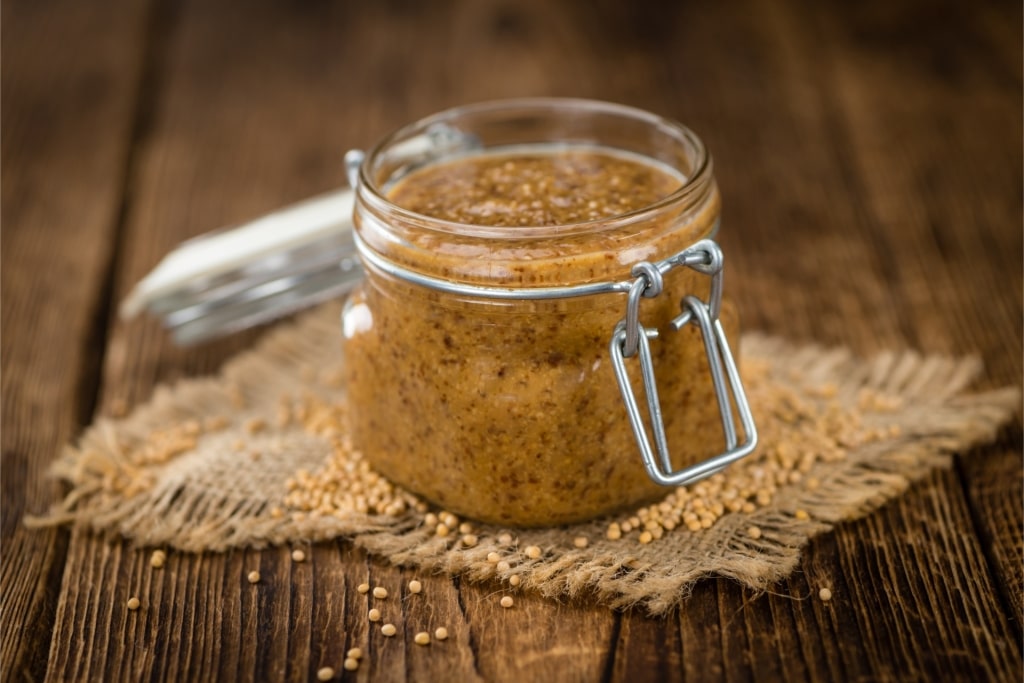
German mustard
Mustards here are so wide and varied that some could have had their own entry on a list of German souvenirs. While the core recipe of mustard seeds, vinegar, and spices remains throughout, regional variations tweak texture from coarse to smooth, strength, and flavor, which could be sweet, spicy, or smoky.
Mustard’s popularity comes from it being a spicy sidekick to Germany’s other great culinary contribution, the wurst, or sausage—which you can find on almost every street corner in some form or other.
Wherever you are in the country, you’re sure to find a pot or two to take home to grace your kitchen. But if you’re looking for something special, try Regensburg, which is home to the iconic Händlmaier sweet mustard sold in many local stores there.
4711 Eau de Cologne
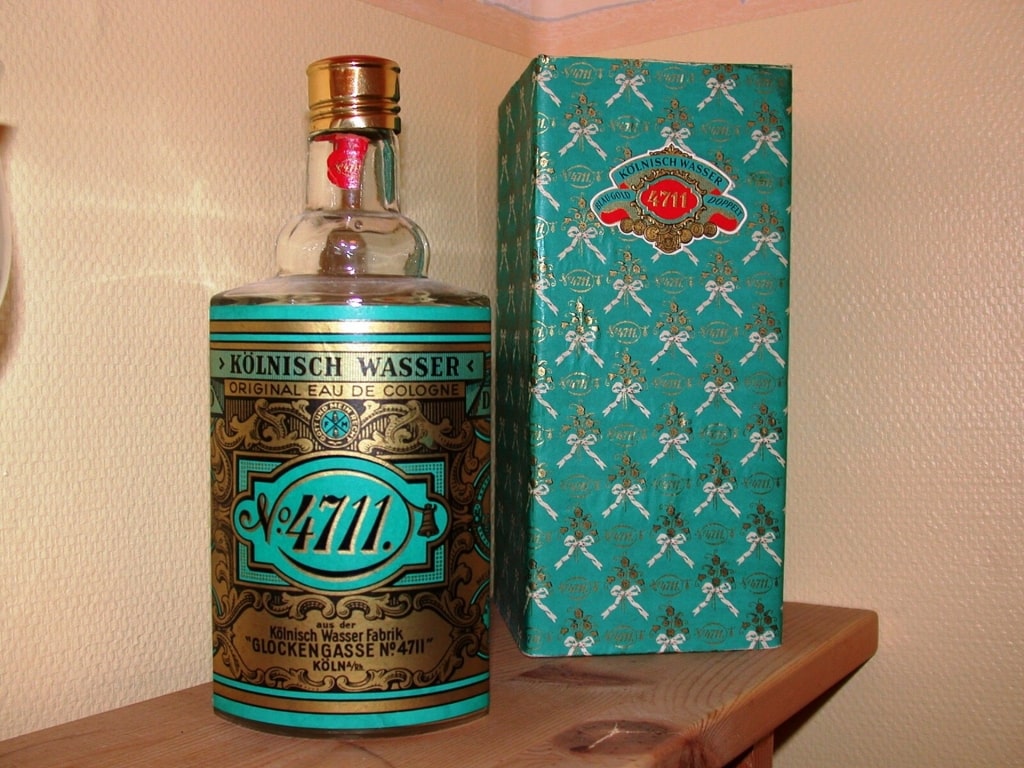
4711 Eau de Cologne Photo by Riggwelter on Wikimedia Commons, licensed under CC BY-SA 3.0
If you’ve ever seen “Eau de Cologne” on a perfume bottle and wondered where the phrase comes from, the answer lies, of course, in the historic German city where this original 4711 blend has been produced for more than 200 years.
This “Kölnisch Wasser”, or Cologne Water, made from a blend of oils—lemon, bergamot, orange, lavender, and rosemary—was first created in 1792 by Wilhelm Mülhens using a recipe passed down to him by a Carthusian monk.
The 4711 moniker—now known around the world—stuck after it was the number given to the production building by French troops who occupied the city during the Napoleonic Wars. Today you can tour the historic building, take in perfume-making classes, and pick up authentic souvenirs.
Traditional Toys from Nuremberg
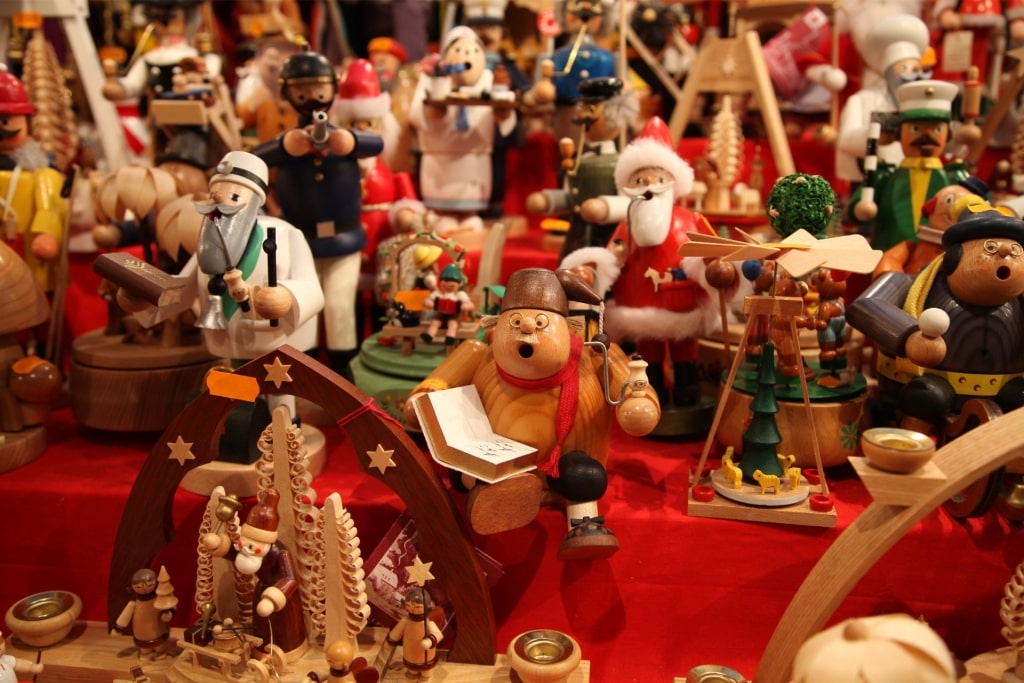
Wooden toys
While the epicenter of wooden toy making in Germany is the Erzgebirge in the south of the country, Nuremberg has had a reputation as a European toy-trading center since medieval times. Think finely turned wooden dolls, miniature figures, mechanical wooden toys, and puzzles.
Today, Nuremberg’s Toy Museum, the Spielzeugmuseum, is home to some 87,000 toys focusing on traditional wooden items and historical manufacturing techniques.
The onsite shop sells a number of toys from model cars to teddy bears that are exclusive to the museum. Long-standing, hard-wearing, and unlikely ever to need batteries, they’re a great choice if you’re buying for little ones.
Crystal, Glassware & Ceramics
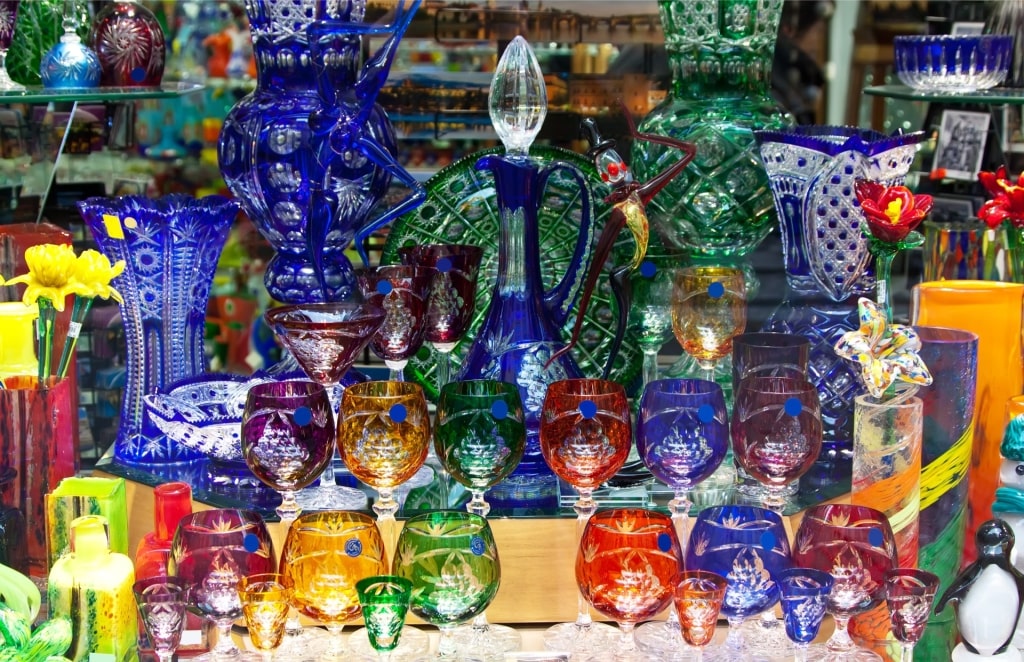
Bohemian glassware
If elegant and unique is your bag, Germany has a long tradition of handcrafted glass and ceramic making, from fine Bohemian crystal to rustic pottery.
In Passau, Regensburg, Nuremberg, Frankfurt, and the wider regions of Bavaria and Franconia, you’ll find unique German souvenirs that are both strongly tied to local craftsmanship and still produced using traditional techniques.
In Passau, the Glass Museum is home to the world’s largest collection of Bohemian glass and offers gift-shop pieces from local glassblowers, including vases, ornaments, and jewelry. Meanwhile, along Höllgasse in the Old Town, there are artisan shops offering decorative glass from regional makers.
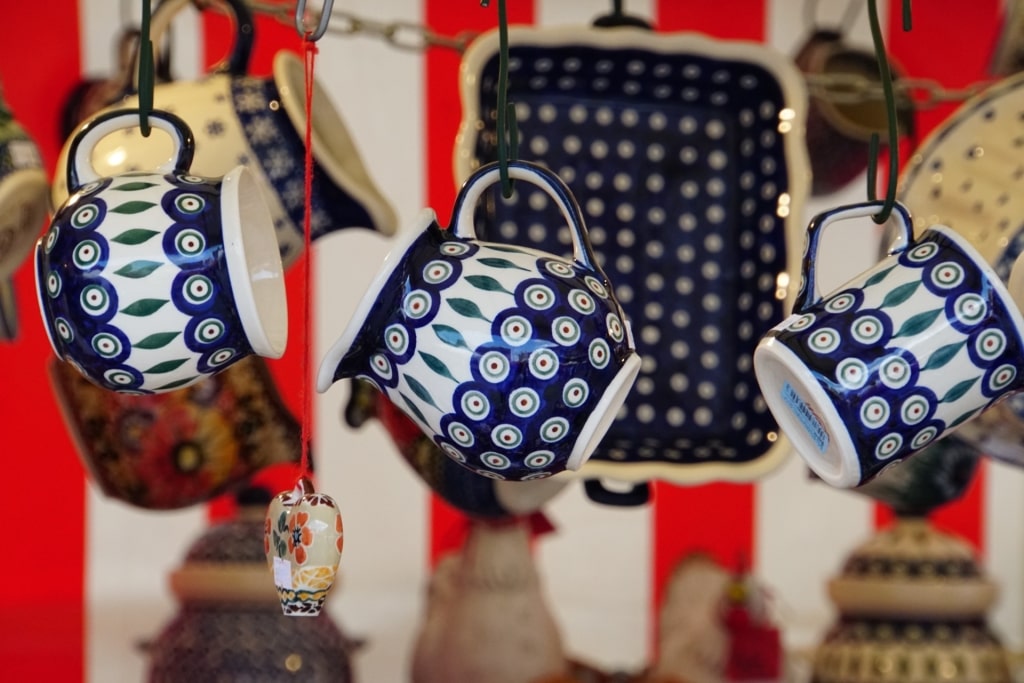
Ceramic tableware
Regensburg’s famed tin workshop closed in 2020, but shops in the city still carry locally inspired ceramic and glass souvenirs. Nuremberg, meanwhile, is home to several lovely local ceramic shops, including Candu Ceramics Studio.
Hand-Painted Christmas Decorations
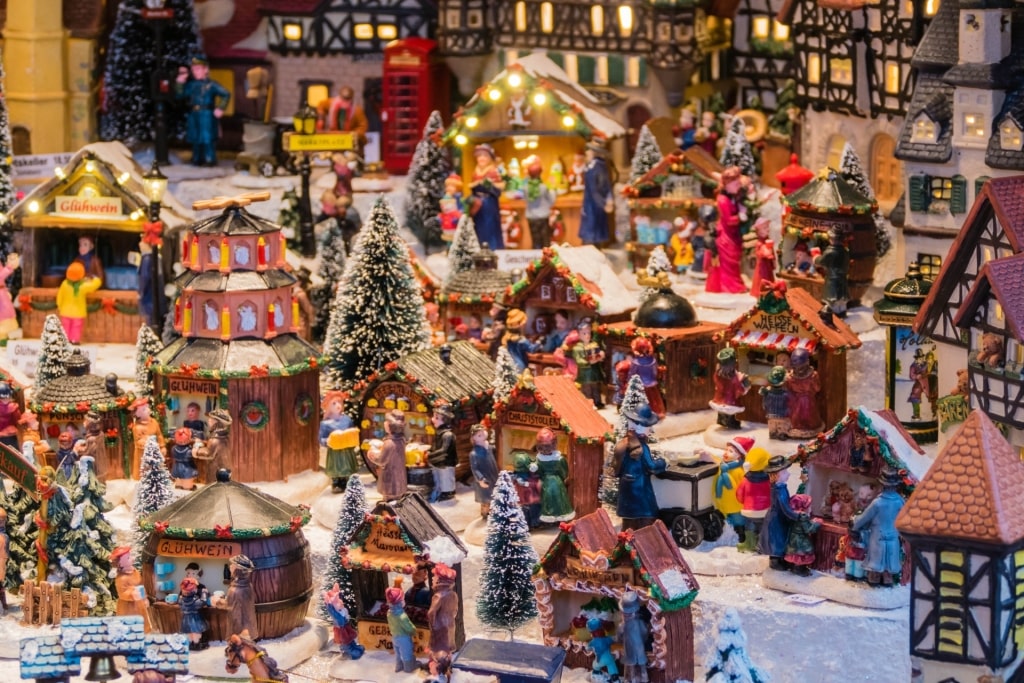
Christmas decorations
If you’re in Germany for the holidays, you can take a souvenir home that will bring you a magical annual reminder of your trip. Germany is famed for its Christmas markets and among all the stalls selling mulled wine and sausages, you’ll find one-off, hand-painted holiday souvenirs to grace your tree at home for years to come. Glass baubles, tiny angels, festive motifs… you name it, they’ll sell it.
These trinkets are also supremely portable, don’t take up much space in your luggage, and last forever with the appropriate care—about as perfect as souvenirs come.
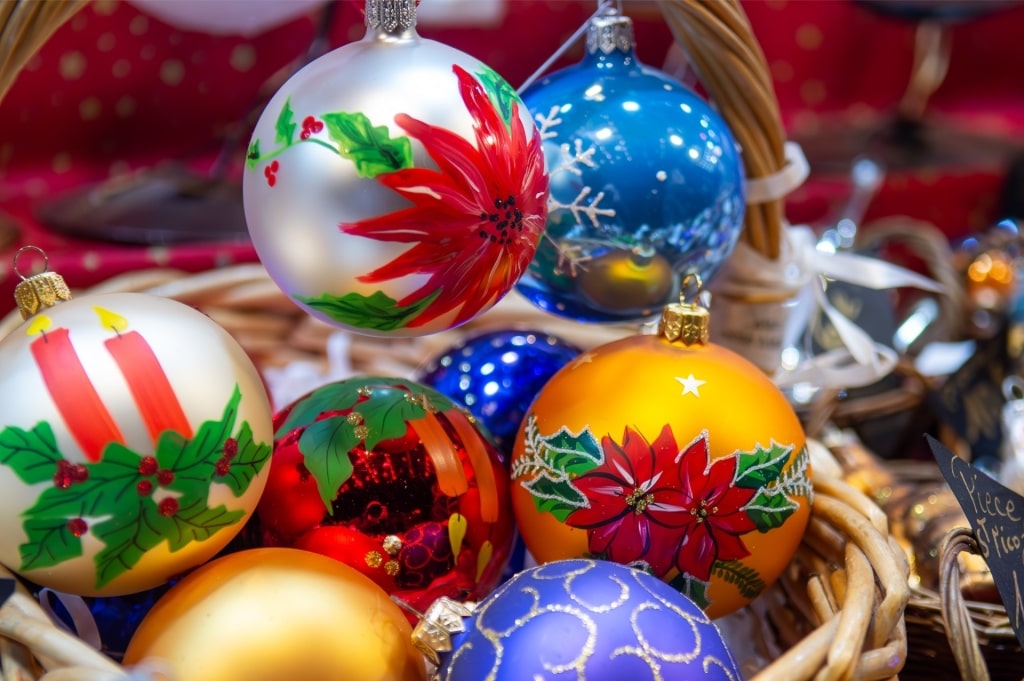
Christmas decorations
Look out for them at all the big Christmas markets. At Passau, the regional glassmaking tradition means you’ll find glass ornaments and baubles, often emblazoned with local scenes, including Passau cathedral.
Kirschwasser
If you want to stick a cherry on top of your take-home souvenirs from Germany, pick up a bottle of kirschwasser, or kirsch for short. This clear, unaged fruit brandy is made by double distilling fermented sweet cherries, sometimes with pits included.
The staple spirit is tied to the Black Forest and Franconia regions, making it a great choice on your travels here. The Schladerer Distillery in Staufen, about 30 minutes from Breisach, is a well-known local producer that has been making fruit brandies for around 150 years. It offers distillery tours and an on-site shop.
Fränkisches Kirschwasser is the Franconian version of kirsch. Renowned distilleries in Franconia include the Frankenhöhe Distillery in Schillingsfürst, 60 minutes from Nuremberg, and the Ziegler Distillery in Freudenberg, an hour from Frankfurt.
Apfelwein & Bembel Jugs
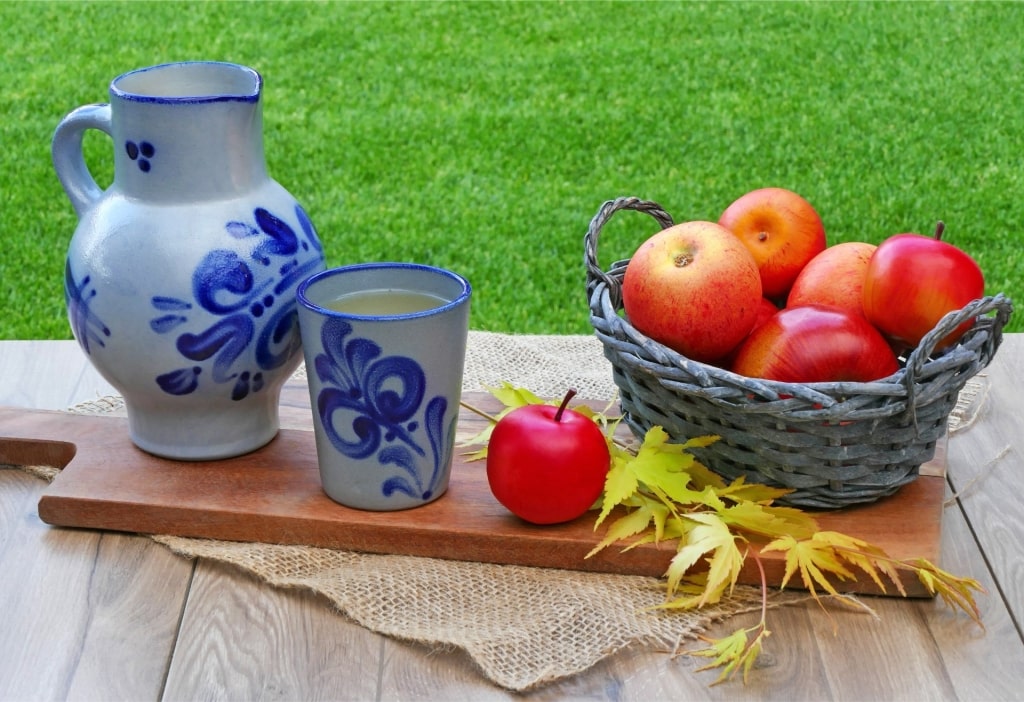
Apfelwein and Bembel Jugs
Apfelwein—a tart, mildly alcoholic apple cider—is so intrinsic to the region around Frankfurt that it has a European Union protected origin status.
Not only is it a decent tipple, it’s also mostly sold in an attractive jug called a Bembel. These Westerwald stoneware jugs are hand-thrown, salt-glazed, and decorated with regional motifs, images of fruit, or local skylines, making them unique souvenirs.
You’ll find Bembels of apfelwein all around the Frankfurt region. Good places to start include Apfelweinkontor, set in a half-timbered house overlooking the Main River, and Töpferei Maurer, both in the heart of the Sachsenhausen district of Frankfurt.
FAQs
Where can I buy authentic German souvenirs?
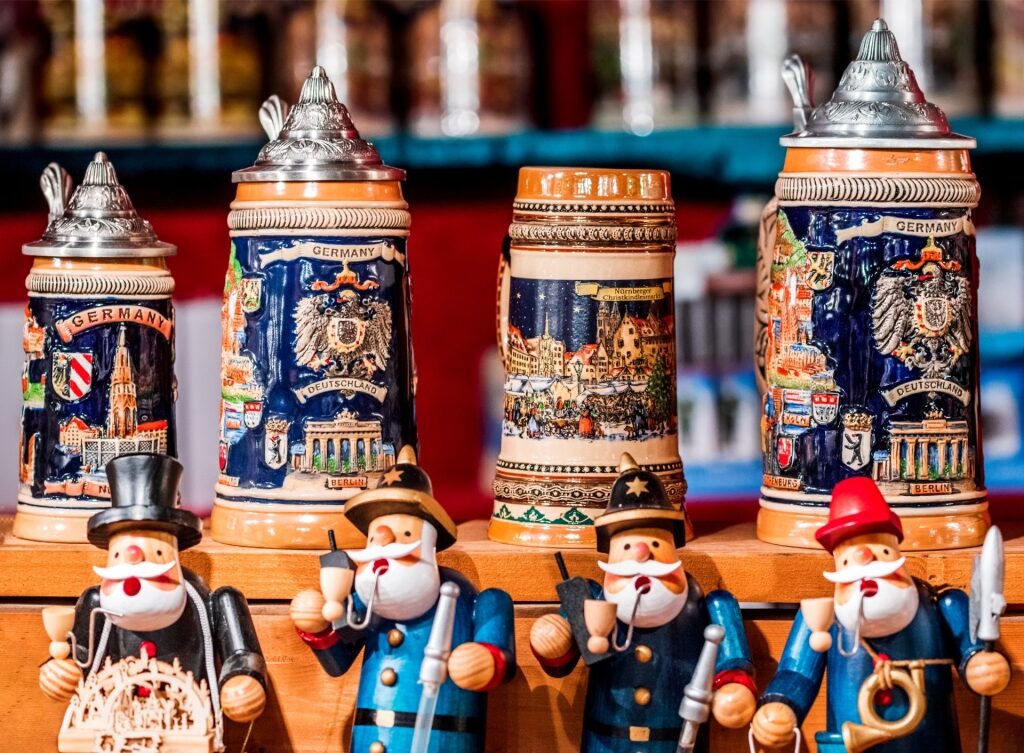
German souvenirs
All the major tourist towns and cities have souvenir shops, but it’s worth checking on the quality of what they sell. Alongside traditional souvenirs produced in the country, at the lower end of the cost scale, you may end up finding things made in China and Taiwan.
In winter, the Christmas markets are a good place for German souvenirs. While they will also have a share of low-value products for tourists, if you shop around you can find authentic produce.
Outside of the holidays, look out for artisan shops, boutiques, and cellar doors. Where appropriate, look out for products that are protected by origin.
What kind of food or snacks can I bring back from Germany?
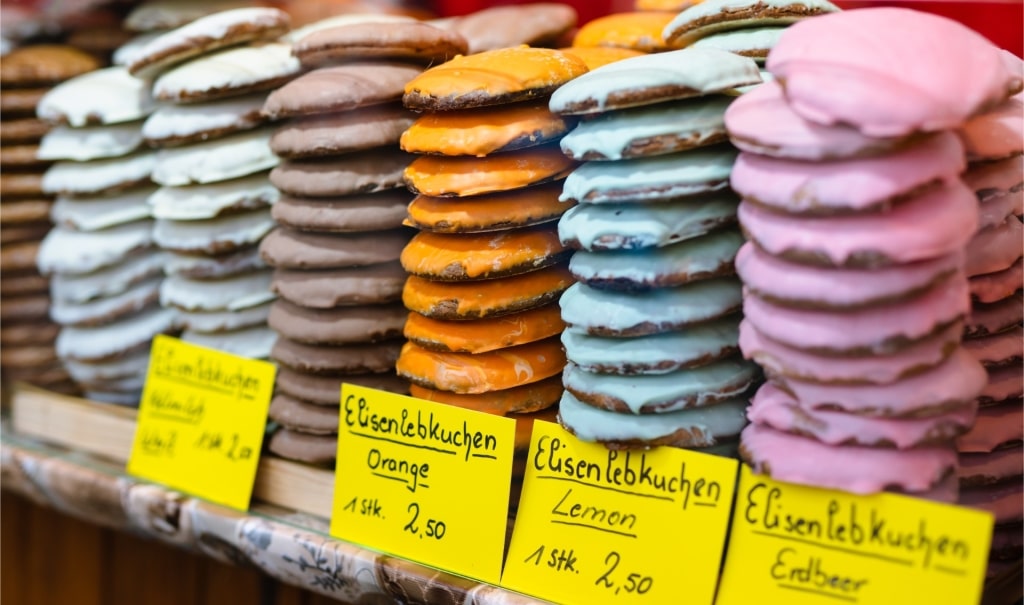
Lebkuchen
Germany is a real smorgasbord of edible souvenirs, with regional treats and local flavors galore. Look out for German food items that are non-perishable and portable. Lebkuchen and Bethmännchen make great souvenirs, as does the Christmas favorite, Stollen, a dense fruit loaf.
Good ideas for savory options include German mustard, pretzels, and crackers. Do not take fresh meat, cheese, and anything perishable, or anything in an unsealed jar or homemade. Many countries restrict such items and you are likely to have them confiscated at customs on your return.
Can I take wine and beer home from Germany?
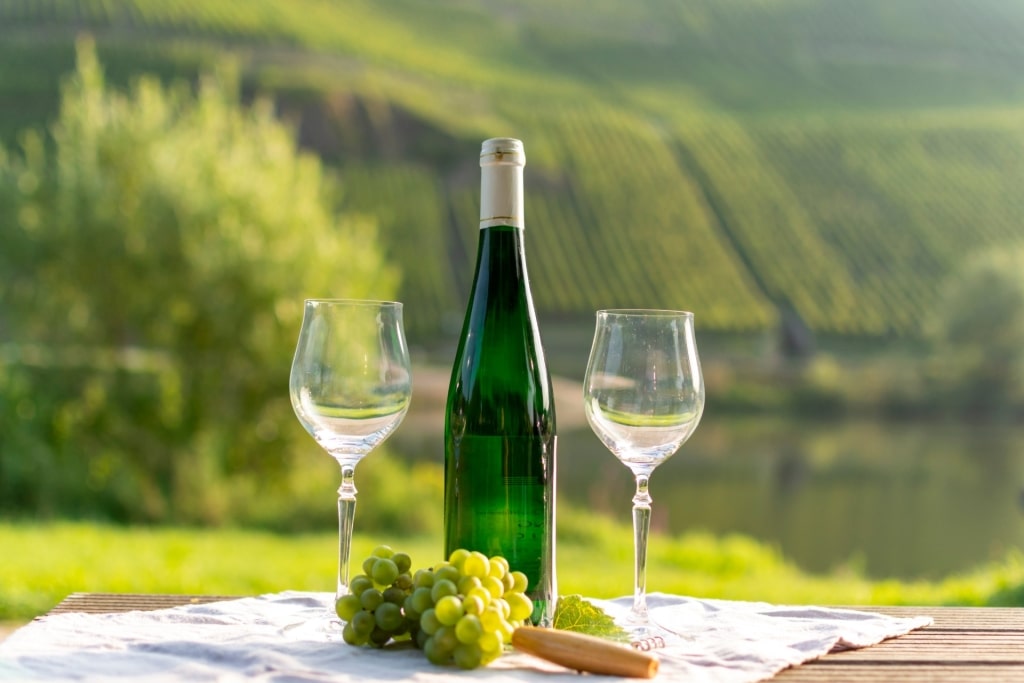
German wine
Yes, you likely can. German wines, beers, and other spirits such as kirsch make great souvenirs. You may be restricted on how much you can take home before having to pay import duties so check the allowances for your country.
Are Christmas decorations a good souvenir from Germany?
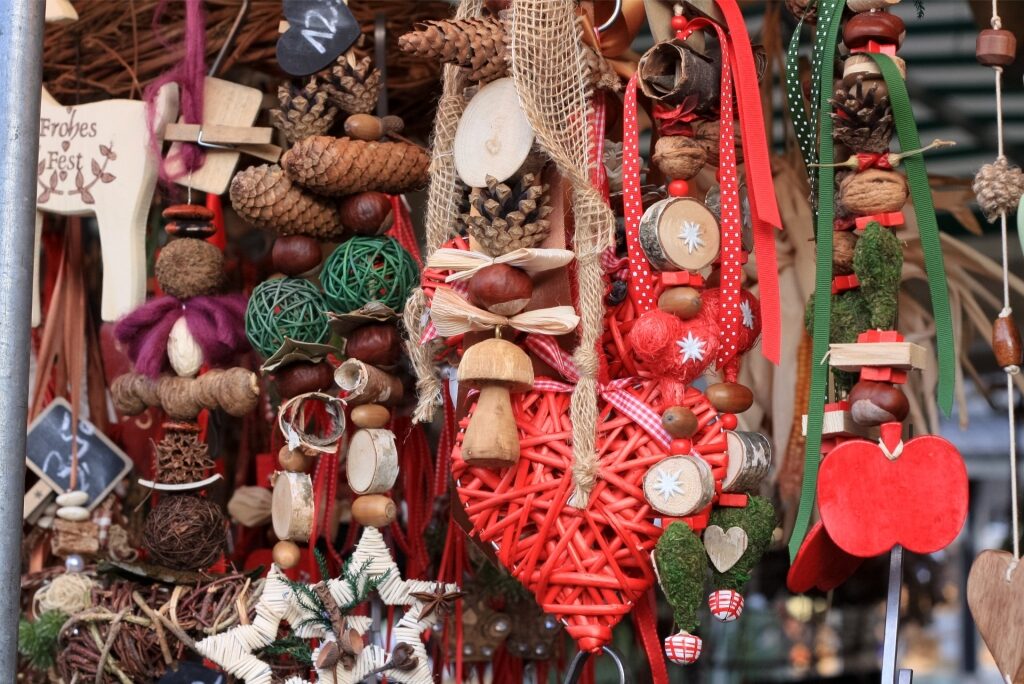
Christmas decorations
Christmas decorations are a great souvenir to take home. Not only are they usually small and portable, but they will also last for years with the right care and provide a great annual reminder of your trip, as well as a talking point for your guests.
What’s a unique regional souvenir from Germany?
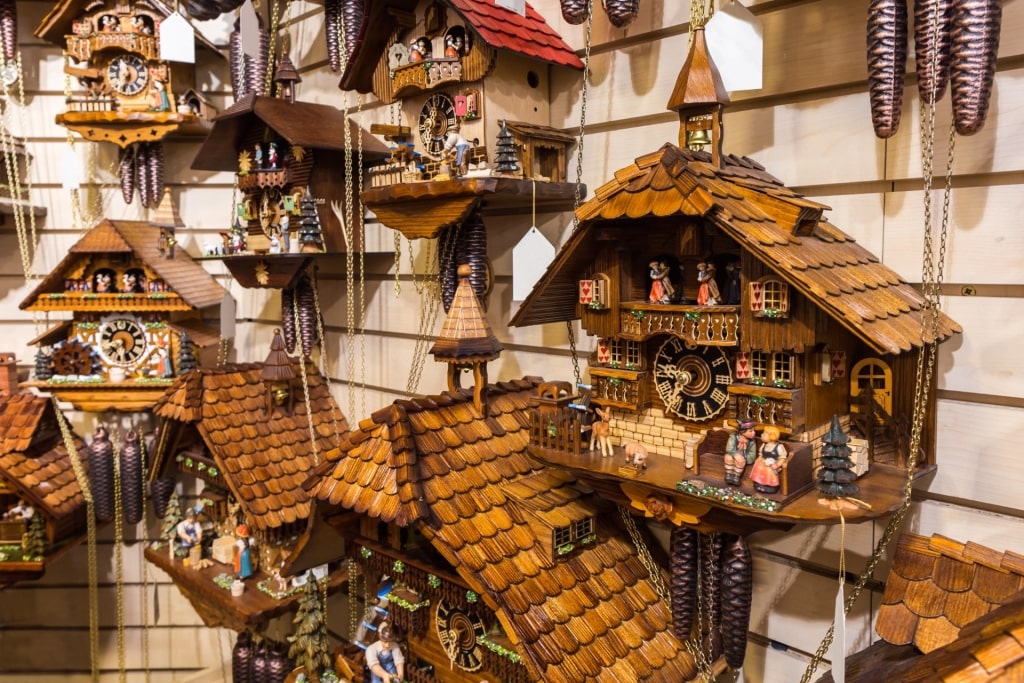
Cuckoo clocks
Most of the suggestions on this list are unique and region-specific. In Frankfurt, look for apfelwein and Bembel jugs, cuckoo clocks from the Black Forest, cherry brandy from Franconia, and Eau de Cologne… from Cologne.
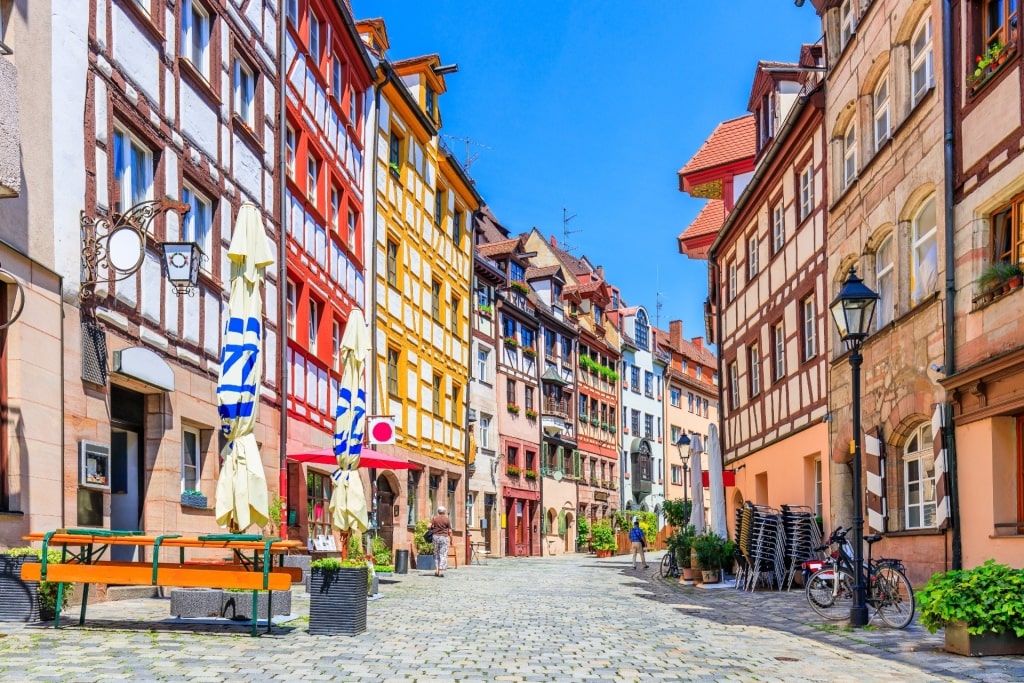
Nuremberg
Are you tempted to collect some authentic German souvenirs for yourself? Browse Celebrity’s river cruises and book your dream vacation today.