
What is Germany known for? Recreation and leisure opportunities are so wide-ranging that you’ll have some memorable fun, no matter what your interests. Few countries have perfected the art of pleasure and downtime like Germany.
There is much to learn from spending time in Europe’s largest economy, where a work-hard, play-hard mentality is taken very seriously by inhabitants. When Germans are off the clock, they are fully committed to savoring that personal time.
Gloriously for travelers, the result of this work-life balance is a landscape of activities and entertainment, from outdoor fun to arts and culture moments. These are just a few of the interests and activities in Germany you can discover on vacation.
Automobiles

German cars
What is Germany known for? Fast cars and a driving obsession, for a start. Ever since Bertha Benz, the wife of gasoline-powered vehicle inventor Karl Benz, drove 66 miles, or for about 13 hours, across Germany—the world’s first long-distance automobile trip—Germans have been enthralled with going the long route and making machines that go fast.
Road tripping Germany’s 8,000-mile, high-speed road network, the autobahn, is considered a quintessential experience. The novelty of putting pedal to the metal, flying down several speed limit-free stretches in a high-revving German engine, never wears off.

BMW Museum, Munich
Germany’s legacy of industrial engineering and innovation prowess also inspires a fleet of excellent science and technology attractions. Those that are automobile-focused include the BMW Museum and BMW Welt in Munich, where you can tour the state-of-the-art production plant, and the Mercedes-Benz and Porsche Museums in Stuttgart.
The German Alps
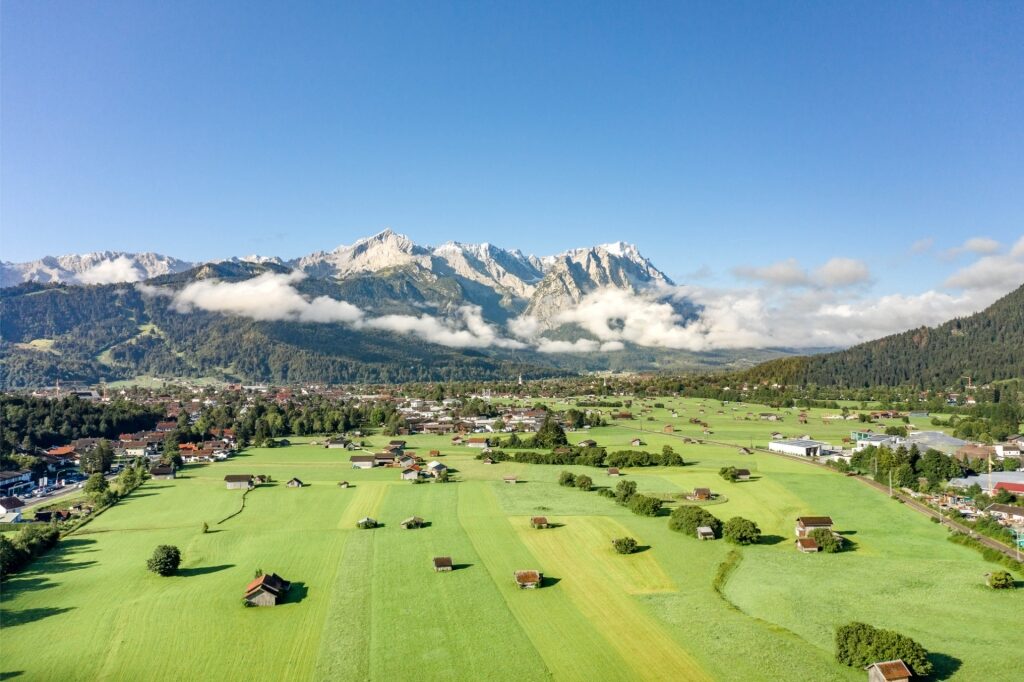
Garmisch-Partenkirchen
Germany is known for loading bounteous fun into its modest share of the Alps. Garmisch-Partenkirchen, or Ga-Pa for short, about 60 miles from Munich, is Germany’s top alpine destination where outdoor adventure and leisure are a year-round affair. In winter, Ga-Pa becomes the country’s premier hub for skiing, snowshoeing, ice climbing, and more.
Overlooking the resort village, the highest of the German Alps—and king of the German peaks overall—the Zugspitze is an unmissable ascent experience, either via super-steep cable-car rides or with a little scenic hiking. The summit views are breathtaking, offering a peek at one of Germany’s few glaciers.
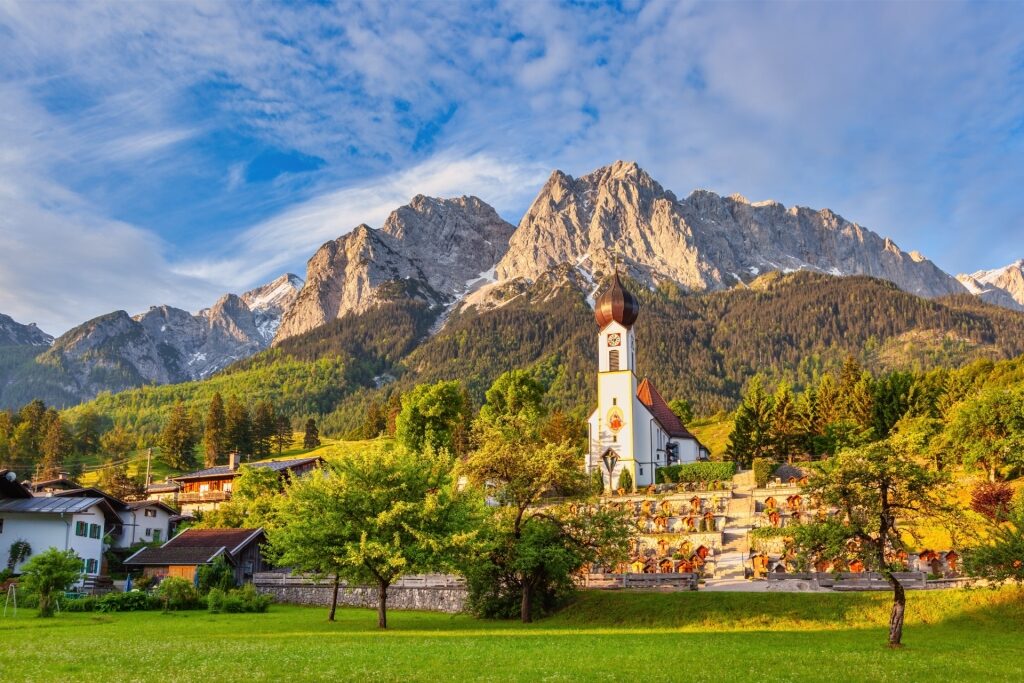
Zugspitze
In the warmer months, the region becomes an outdoorsy person’s paradise with around 180 miles of hiking trails, and endless more cycling routes, extending over alpine meadows and limestone peaks. A full calendar of Bavarian cultural festivals, as well as more adventurous activities such as paragliding over mountain pinnacles, rounds out southern Germany’s alpine fun.
Beer
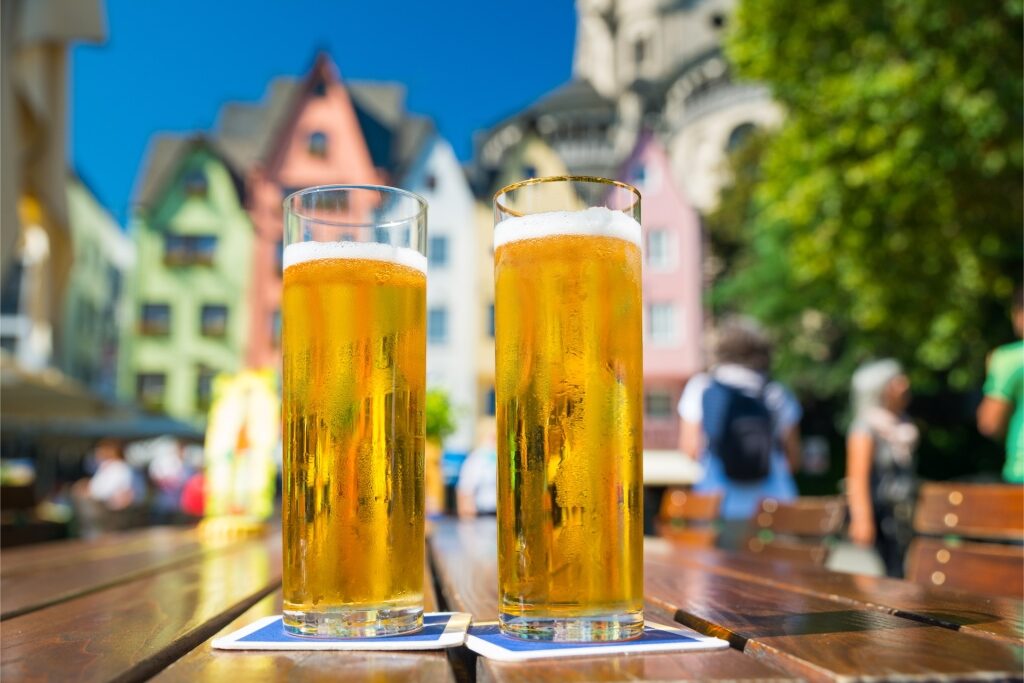
Kölsch
Sampling Germany’s endless assortment of beer styles and visiting all the breweries and beer halls where they are made might as well be a national sport. The country’s stalwart, generations-spanning brewing tradition proudly counts 40 officially recognized styles and thousands more regional types. There’s a sudsy taste to appeal to any palate, including non-alcoholic beer, which is known for being brewed in almost every style of high quality.
Special beer traditions are found throughout urban and rural landscapes, from discovering Germany’s 1516 Reinheitsgebot, or beer purity law, at Munich’s “big six” Oktoberfest breweries to washing down Rhenish specialties with the famous local Kölsch in Cologne’s beer halls.
Across Bavaria, abounding regional brewing traditions are prime for exploring, including the lagering cellars carved into hillsides around Nuremberg and Franconia, as well as several still-active monastic breweries credited with the development of modern German beer traditions.
Relics of History
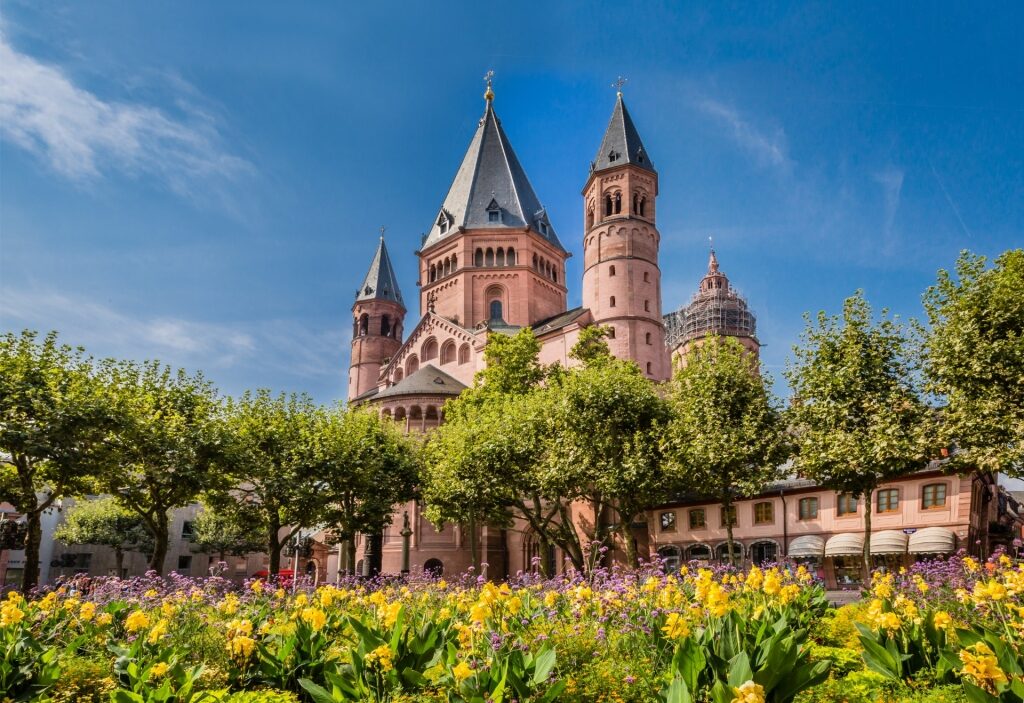
Mainzer Dom
Few countries have had, for better or worse, as much impact on the world as Germany. Whether you’re traipsing through cities or rural villages, historical remnants have been preserved as evocative fixtures across modern landscapes.
You’ll find everything from Roman ruins posed throughout the Rhineland—sprinkled around the city center of Cologne, and gargantuan cathedrals like the Mainzer Dom—to UNESCO-listed medieval old towns, like cobblestoned lanes and market squares from Regensburg, Speyer, and Würzburg.
Period-spanning monuments, revealing regions’ diverse identities and historical cycles, are around every bend, from the Prussian legacy left around Koblenz near Frankfurt to the revealing Napoleonic-era war monuments in Breisach and around the Upper Middle Rhine Valley region.
Fairytale Castles
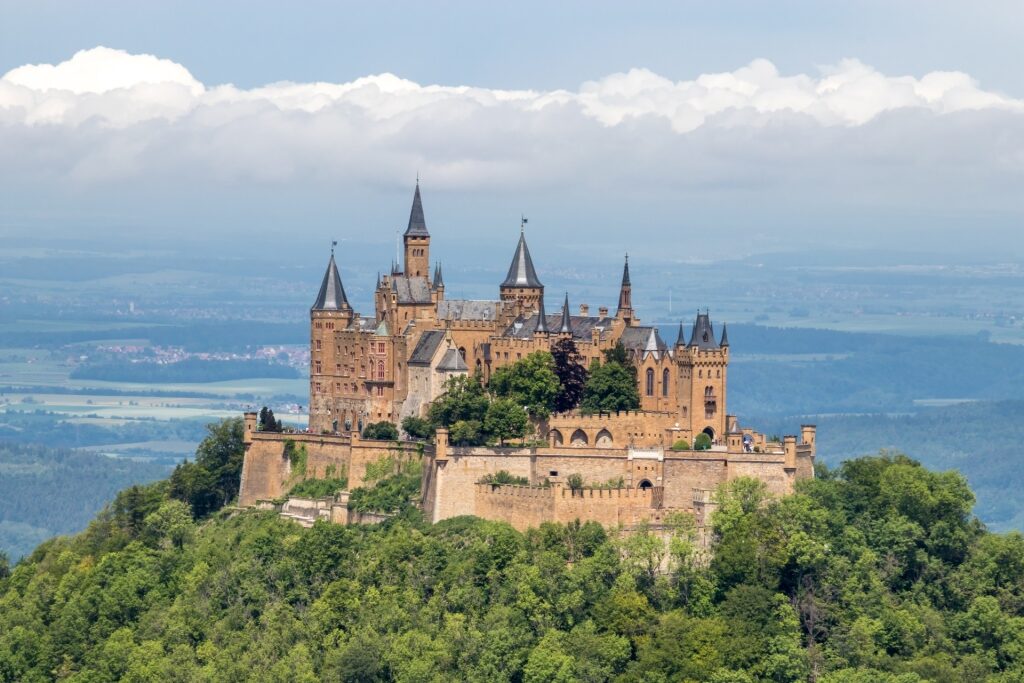
Schloss Neuschwanstein
Of course, palaces, castles, and fortresses are part and parcel of Germany’s historical relics. Germany is famous for a national collection of tens of thousands of spiraled and turreted royal dwellings, spanning many architectural styles—a legacy of the German Empire’s 1871 unification, which joined together 25 sovereign, feudal entities.
Importantly, what makes Germany’s castles and palaces special isn’t pure quantity, so much as the quality standard for preservation. Ongoing restoration is a hallmark of the German castle crop, spanning from facade work to blending modern infrastructure with gorgeous period trappings.
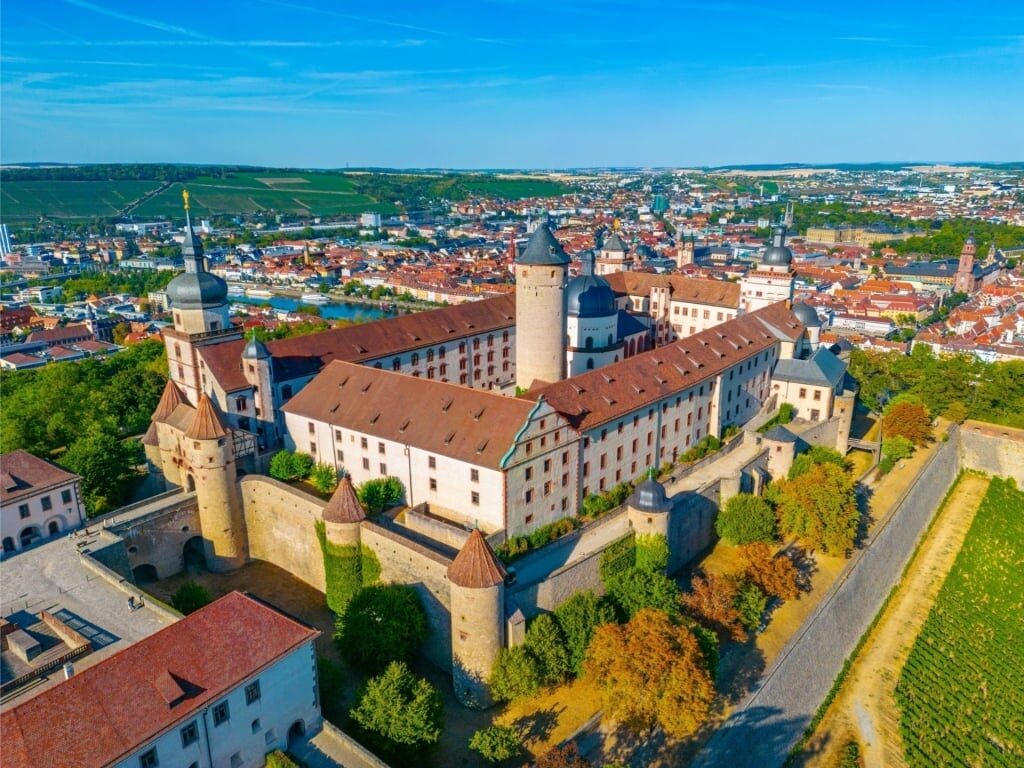
Festung Marienberg
In Bavaria, discover medieval castles galore—22 of them, to be exact—along the Romantic Road, Germany’s most famous scenic route, stretching from Würzburg to Füssen. This “palace hopping” experience, especially if your aim is crossing every castle off your “bingo card,” involves exploring everything from courtyards to towers, rooms, and ramparts.
Trust Germany to uniquely deliver such “castle hiking,” blending culture and history, starting in Würzburg with the uphill trek to Festung Marienberg, and ending in Füssen, trekking up to Schloss Neuschwanstein, if you dare.
Schloss Neuschwanstein
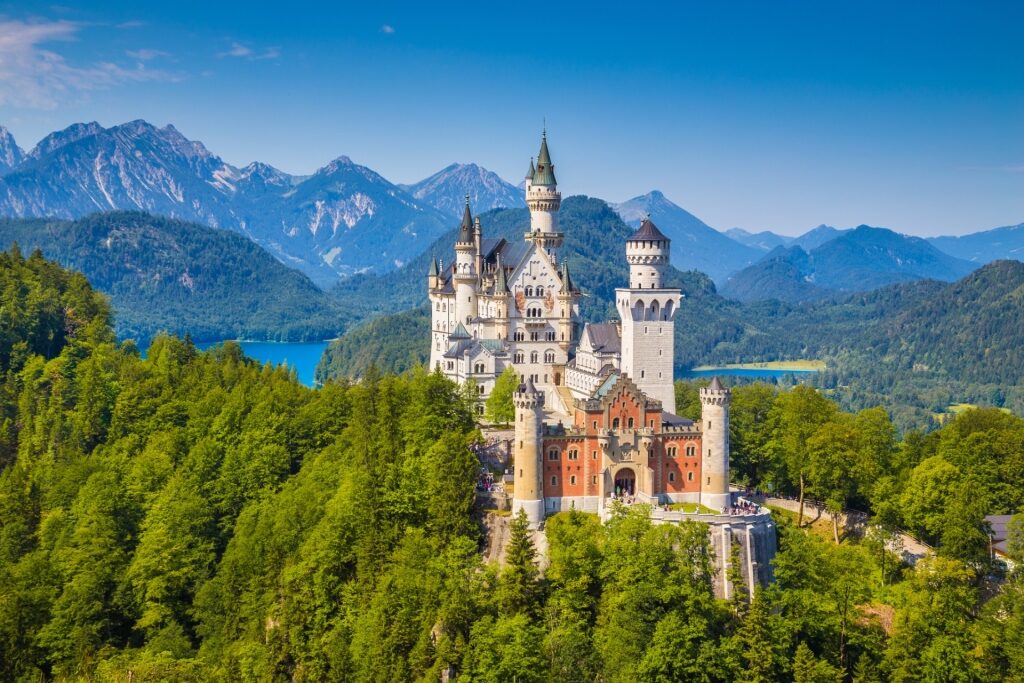
Schloss Neuschwanstein
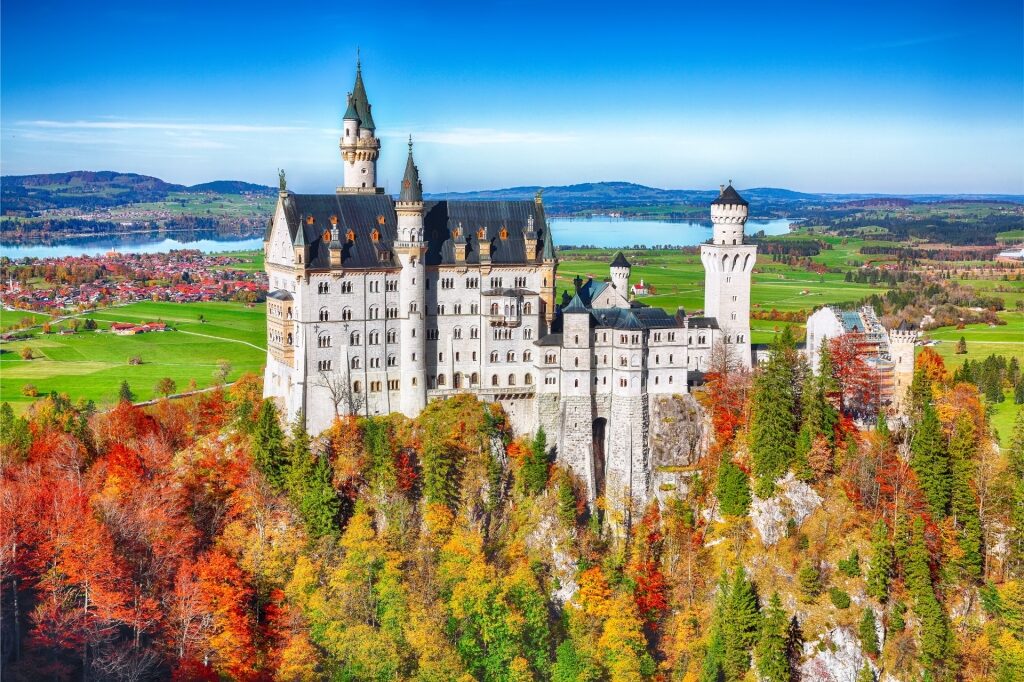
What is Germany famous for? Schloss Neuschwanstein deserves a shout-out. Its fairytale likeness inspired the animated version of Disney’s Sleeping Beauty, and it’s Bavaria’s most-visited attraction.
Neuschwanstein is considered one of Europe’s best-preserved Romantic-era palaces, and exploring its opulent rooms—gilded and stuccoed wonders, flaunting ogle-worthy decor and furnishings including murals inspired by Wagnerian operas—is truly a sightseeing must.
The best part of wandering around Schloss Neuschwanstein, though, is not just its aesthetics, but rather the anecdotes about the enigmatic designer, Ludwig II, the “Dream King,” who mysteriously died nearby, which enlivens the experience.
Heavenly Cathedrals
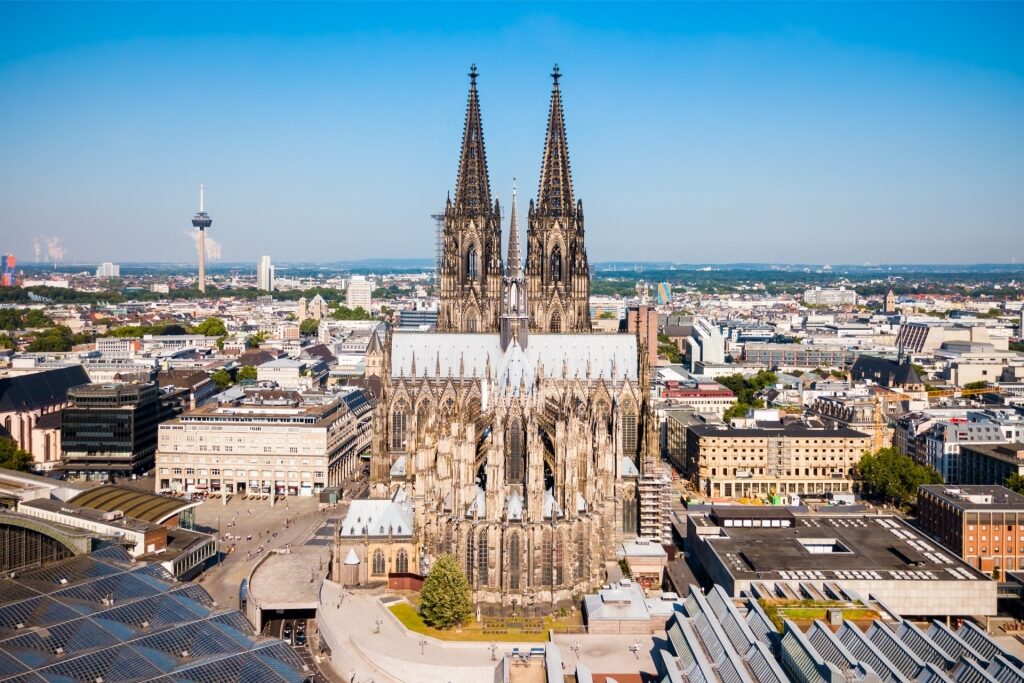
Cologne Cathedral
It’s also impossible to mention Germany’s historical attractions without calling out the nation’s shepherd’s flock of marvel-worthy cathedrals. More than mere places of worship, any of the long list of cathedrals in Germany will be a memory of your time here long after.
Furthermore, they are spectacular sanctuaries that illustrate that cathedrals are not just churches but represent an altogether different breed of extravagance.
The superlative among them include Kölner Dom, Europe’s tallest Gothic cathedral—and the world’s tallest church with twin spires—holding surprises ranging from an antiques and artifacts treasury to modern stained-glass art by Germany’s greatest living artist, Gerhard Richter.
You can also see the world’s largest Romanesque cathedral, the Kaiserdom in Speyer, and St. Stephen’s in Passau, where you’ll find the largest cathedral organ in existence.
Arts and Cultural Venues
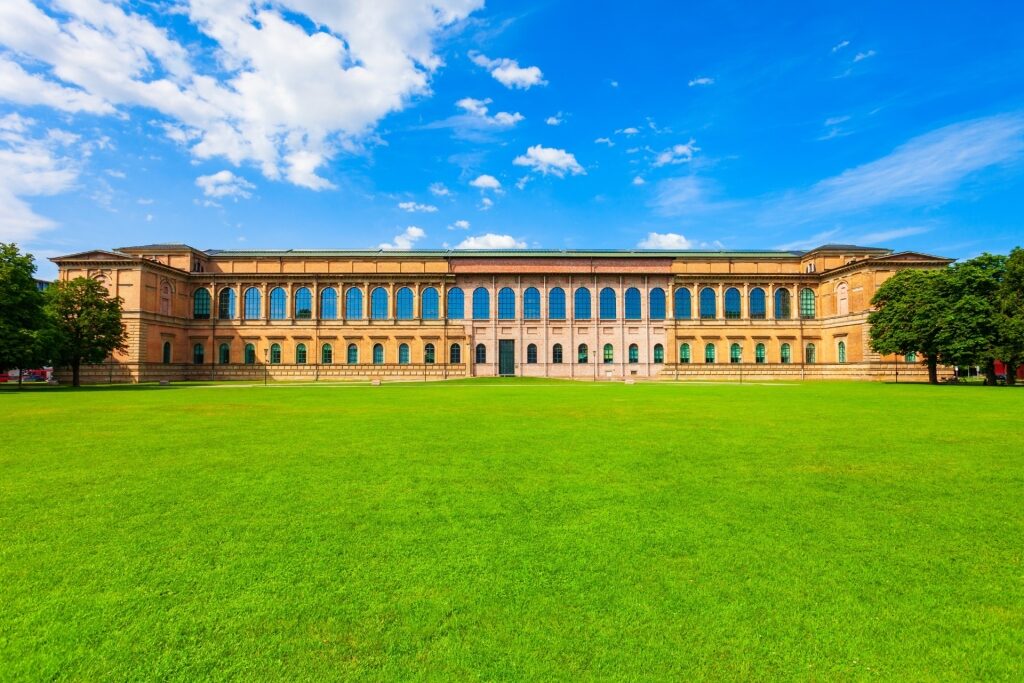
Alte Pinakothek in Kunstareal, Munich
Last but not least, Germany is known for creating influential art. From composing symphonies to canvas masterpieces and modern street art, the country’s museums are truly a national tour de force.
Score a ticket to one of the country’s 80 publicly financed concert halls—including internationally prestigious ones in cities such as Munich and Cologne—to hear works of German composers which have been orchestral mainstays over centuries. Churches have a solid, storied tradition of choral musical performance; for example, Regensburg’s Dom St Peter, where one of the world’s oldest boys’ choirs still sings regularly today.
From medieval church frescos to entire museum quarters like Munich’s Kunstareal, Cologne’s Museum Mile, and Frankfurt’s Museum Embankment, soul-stirring creative expression is, similarly, never far away wherever travel takes you.
FAQs
What is Germany best known for?
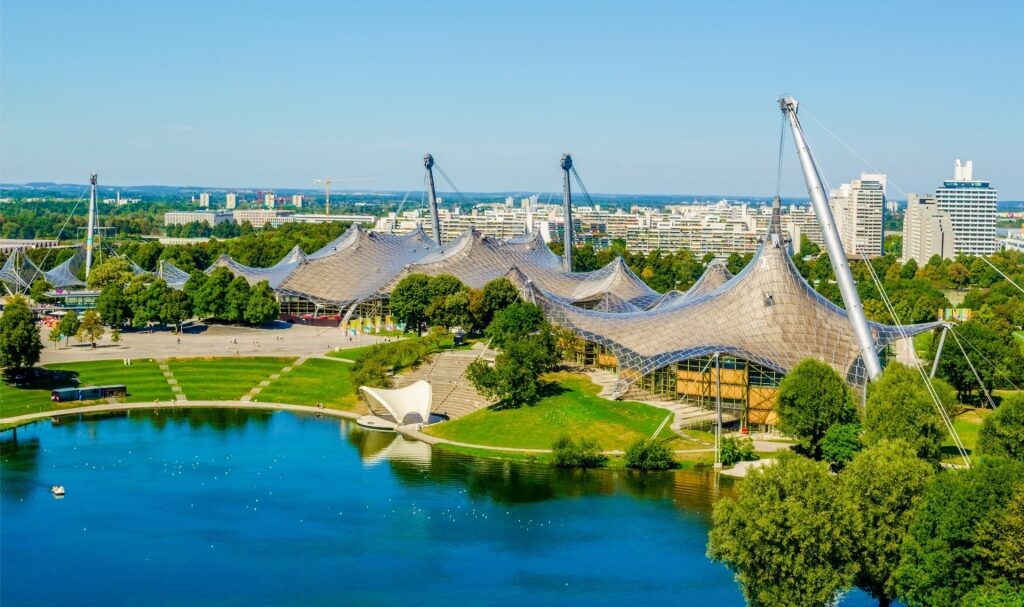
Munich
Germany is known for arts, history, and culture on an über scale; yet, the best part of travel here is the abounding nature. Outdoor activities and infrastructure that support nature discovery in all seasons make the country a true year-round al-fresco playground.
Breathtaking scenic landscapes—rural and urban—tie amazing itineraries together across one of Europe’s greenest countries, where forests cover one-third of all land. Munich is one of the country’s greenest major cities, with much of its urban area devoted to parks and gardens. Venture out into wider Bavaria and the fairytale countryside of meadows, pastures, woodland, and lakes is, seemingly, everywhere.
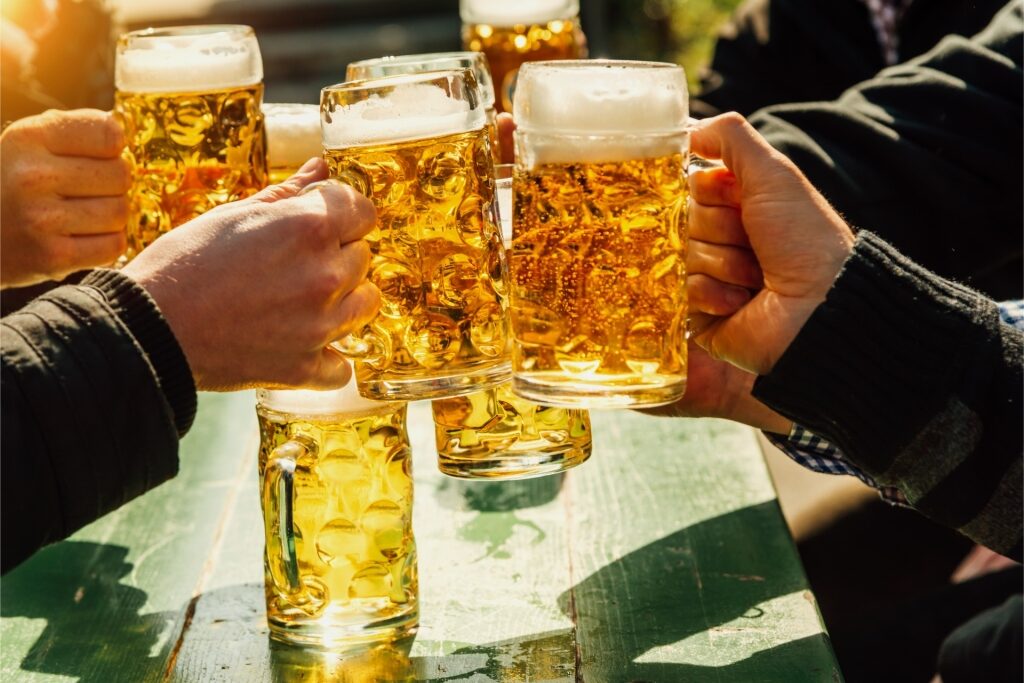
Beer garden in Munich
Enjoying the outdoors is a wonderful aspect of sightseeing, from the panoramic, open-air views of medieval towers to some 4,500 miles of waterways meandering throughout the entire country, providing opportunities for anything from woodland hikes to buzzy beer gardens.
In short, Germany is known for travel excursions not so much about individual destinations as the journey between them, from river journeys to driving routes such as the Fairy Tale Route, Romantic Road, and Romantic Rhine vineyards route.
What is Germany’s most popular tourist attraction?
Schloss Neuschwanstein
Bavaria’s Schloss Neuschwanstein, the so-called “Sleeping Beauty Castle,” is one of Germany’s most visited attractions. Often, it’s described as the world’s most beautiful castle.
What food is Germany famous for?
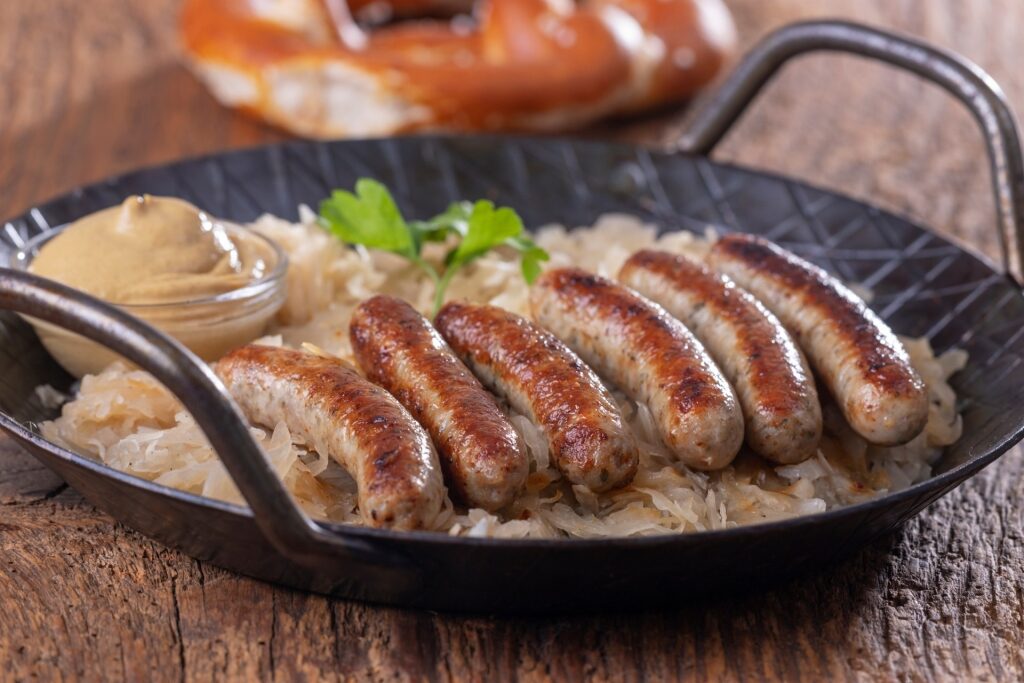
Bratwurst
Germany is famous for bratwurst, pretzels, and beer—the national trifecta of German cuisine—but you’ll quickly discover that the local food is so much more.
Regional cuisines, a throwback to the territorial feudal system that existed before the 1871 reunification, are incredibly diverse across ingredients, preparations, and local customs. The perfect example is sauerbraten, or marinated pot roast, which is often considered the national dish—though across state borders, the recipe and accompanying sides couldn’t be more different.
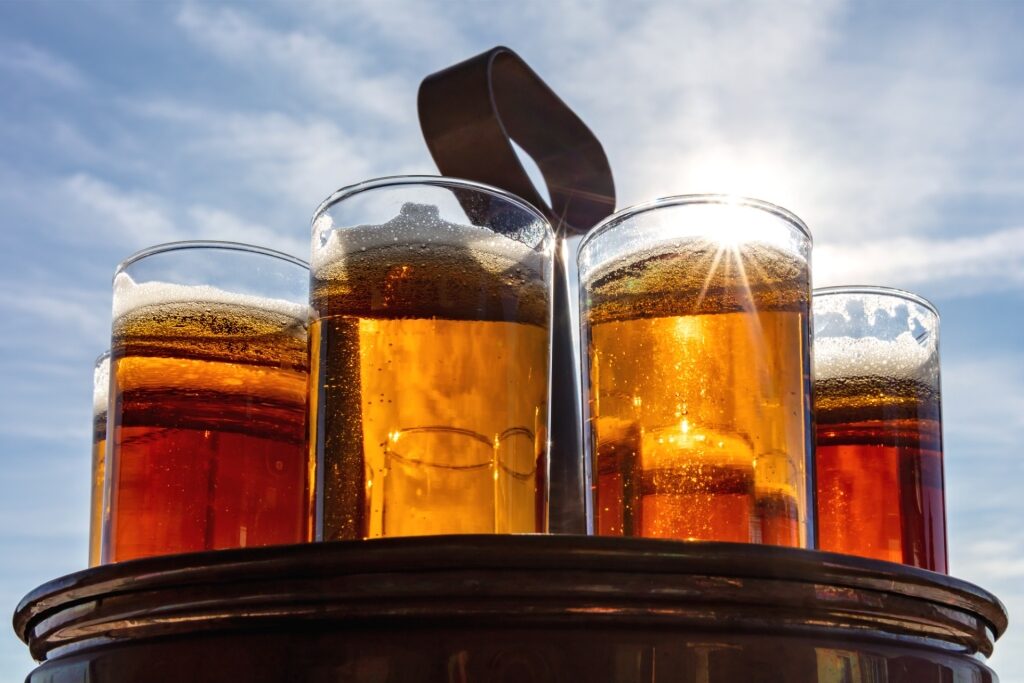
Kölsch
Of course, there is no greater pride and joy than the hundreds-strong range of beer styles brewed on German soil. However, German wines, renowned for their elegance, high quality, and increasingly sustainable production, are also not to be overlooked. Sipping Rieslings in historic wine pubs, estate tastings, vineyard hikes, and cellar tours make discovering German wine culture a wonderful activity.
What unites all regional cuisines overall is a focus on seasonality and national obsessions with springtime white asparagus and foraging mushrooms in summer.
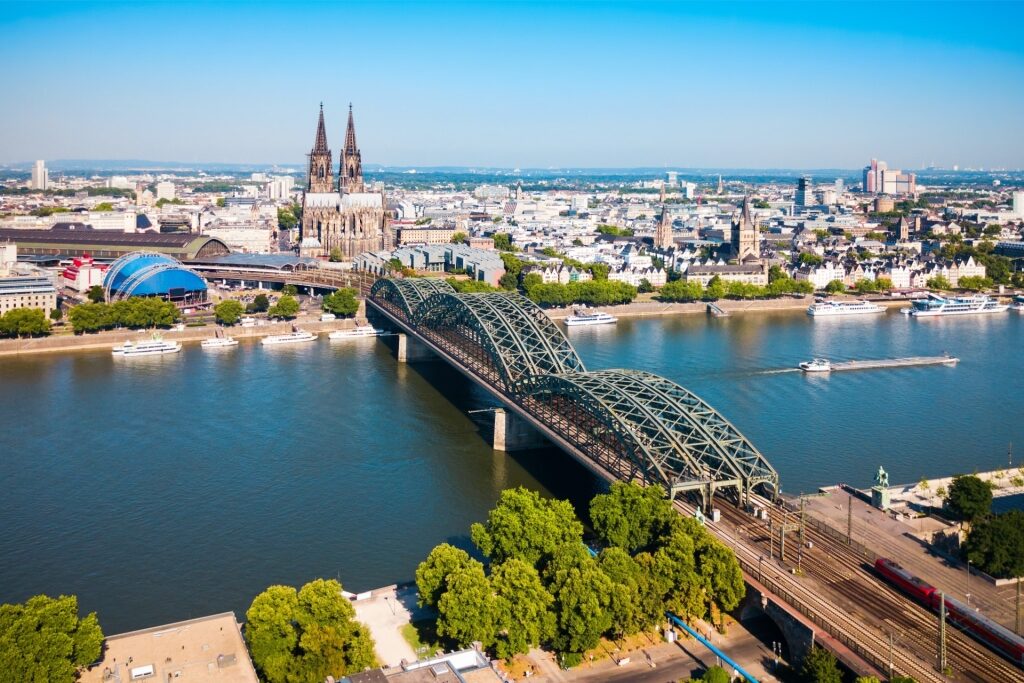
Cologne
Ready to discover Germany for yourself? Browse Celebrity’s river cruises to Germany and book your European adventure today.