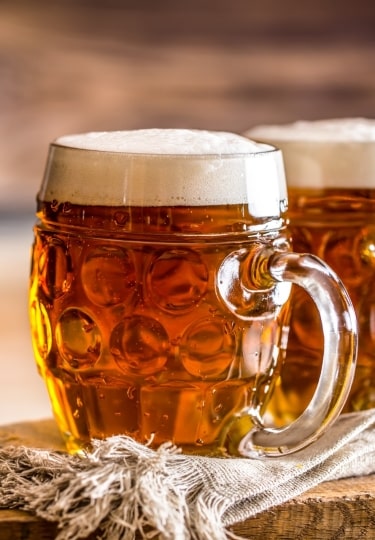
The best beer in Germany depends on what tickles your taste buds. In this renowned beer-drinking destination, the national brewery landscape spans over 40 officially recognized styles and thousands more regional variations. Simply put, there is a beer to satisfy every palate or preference. And, if that can’t convert a non-beer-drinker alone, beer-spiked mixed drinks, hops water, and excellent Alkoholfreies—alcohol-free—variations ensure that in every brewery or beer garden there’s a “beer experience” for everyone.
The best German beer for you depends on what flavor and mouthfeel you’re into, and this can vary wildly across different beer styles and according to the regional brewing traditions in different states. Here’s some advice on how to decide where to travel in Germany based on an equal pour of taste and history.
Beer History & Culture
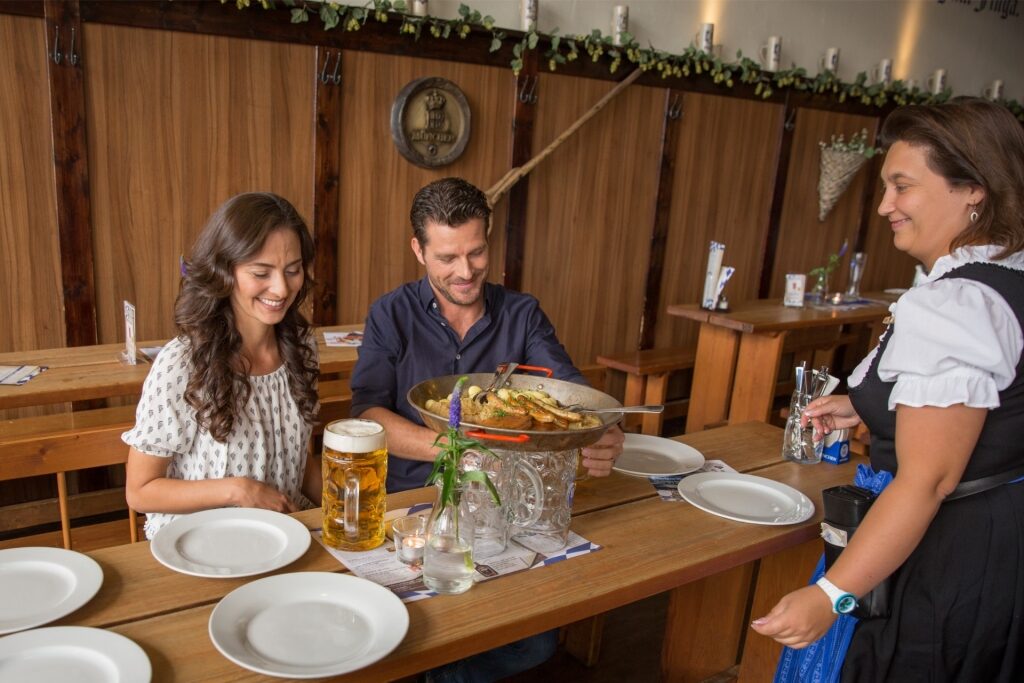
Bar in Germany
Brewing in Germany was popularized by monks, but was practiced by tribes long before that. The “secret” of the golden nectar, though, dates back to the 1516 Reinheitsgebot, or purity law, the world’s oldest food regulation.
Passed in Bavaria, Germany’s purity law originally allowed breweries to use only three ingredients in making beer: malt, hops, and water. Though the European Union challenged it in 1987, determining the law to be uncompetitive, a good share of Germany’s over 1,500 brewers still conform to it anyway.
Unchanged over 500 years, the Reinheitsgebot has ensured Germany’s reputation for brewing quality, which has in turn led to quantity. The country consistently ranks among the world’s top beer producers. It has more than 5,000 distinct beer brands and one of the highest concentrations of breweries in Europe. Also, who could forget about the world’s biggest beer festival, Oktoberfest?
Craft Beer
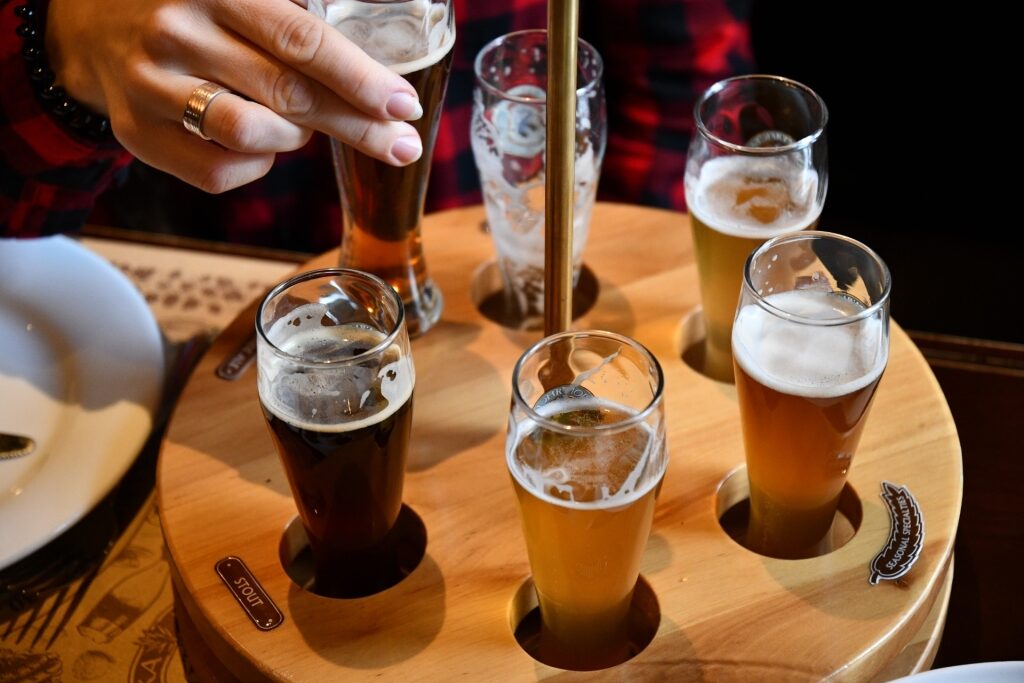
Craft beer
The global craft beer movement has arrived in Germany, though mainly in major cities such as Berlin, Munich, Frankfurt, Cologne, and Hamburg. Thanks to the Reinheitsgebot, beer quality has always been top-notch here, and as such, craft beer in Germany has developed relatively late.
In terms of craft brewing, the best German beer labels are usually those in classic styles, such as Pilsner and Helles, and there’s not as much experimentation, technique, and innovation as you’ll find in, say, the United States. Market share is low compared to other countries, accounting for only around 2% of total production.
Popular German Beer Styles
Bottom Fermentation: Smooth, Balanced, Hoppy
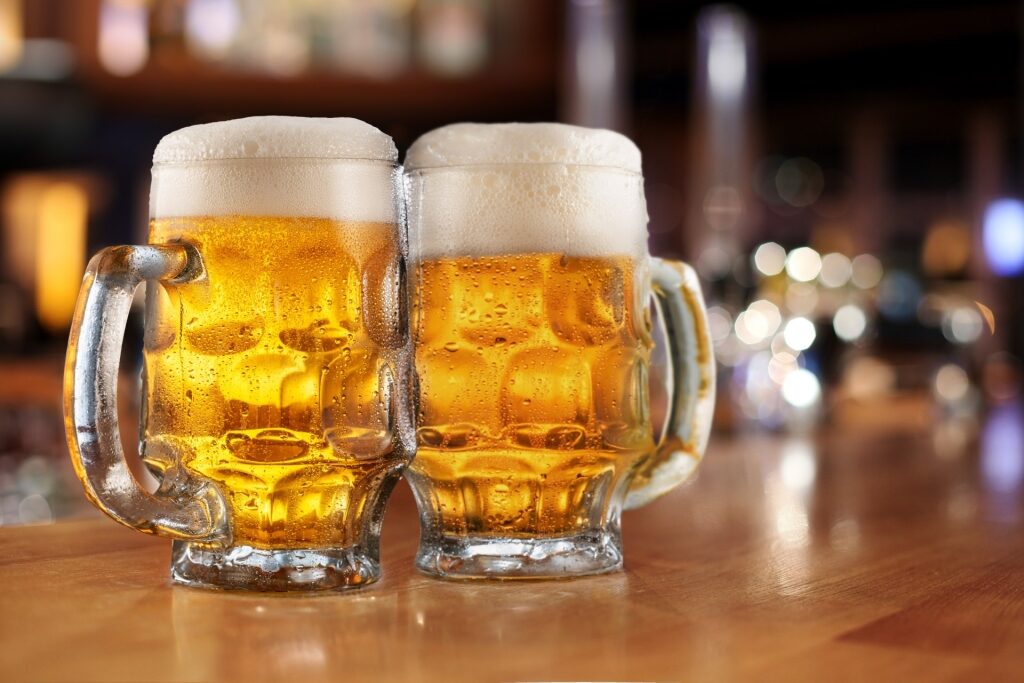
Lagers
The best beer in Germany is a blend of tradition and taste. Most German beers are brewed by bottom fermentation. Bottom fermentation refers not to the ingredients, according to the purity law, but to a cold-fermentation method through which yeast settles to the bottom of the tank. Overall, the resulting beer flavor tends to be crisp, refined, and hoppy.
This produces styles most synonymous with the best German beer, for example, the superstar Pils—a pale lager with a hoppy, pleasant bitter kick—as well as Helles and Dunkles, pale or dark lagers. Thanks to a malt-forward character, these are less bitter and even slightly sweet, though still balanced and hoppy. You’ll find these particular beer styles across the country.
Top Fermentation: Warm, Fragrant, Fruity
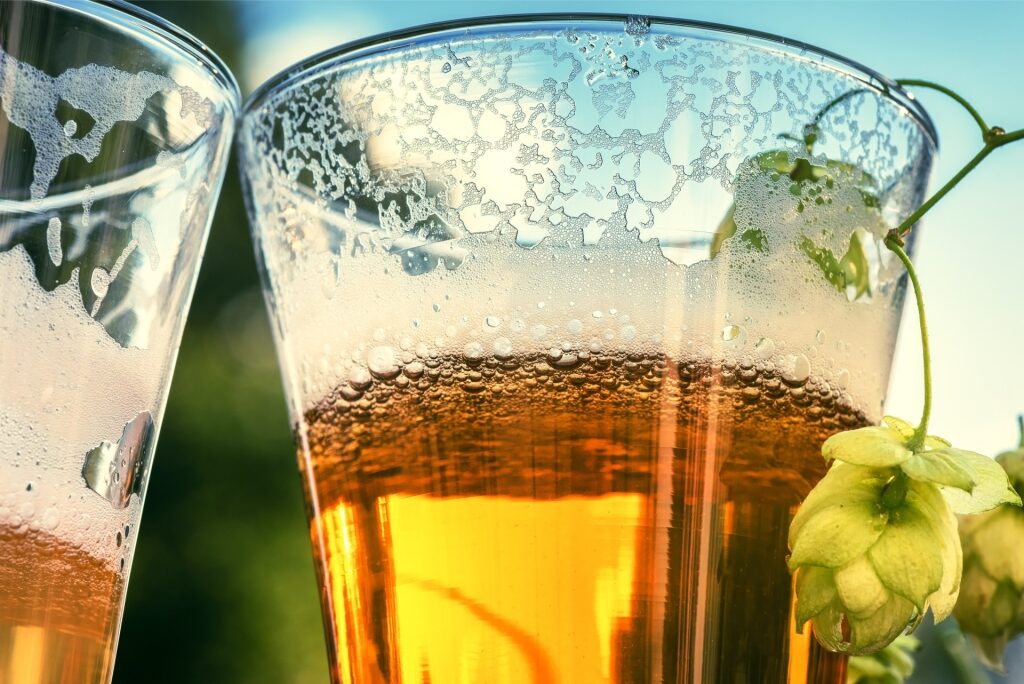
German beer
Meanwhile, top fermentation—a faster brewing method where warmer temperatures result in yeast rising to the top of the fermentation vessel—predominantly creates the best German beers with complex, fruit- or spice-like aromas. Often, these have a rich, cloudy texture and quite a warm mouthfeel.
You’ll find this brewing method used in a lot of regional beers such as Weissbier (also known as Weizenbier)—a wheat beer mostly found in southern Germany, especially in Bavaria. These beers have fruity and spicy flavor profiles; the aroma is most often compared to banana and cloves.
Further variations on these include Hefeweizen, or “yeasty wheat beer,” with a cloudy texture and bread-like aroma, as well as Kristallweizen, or “crystal wheat beer,” filtered for less cloudiness and a little fizz.
Alcohol-Free
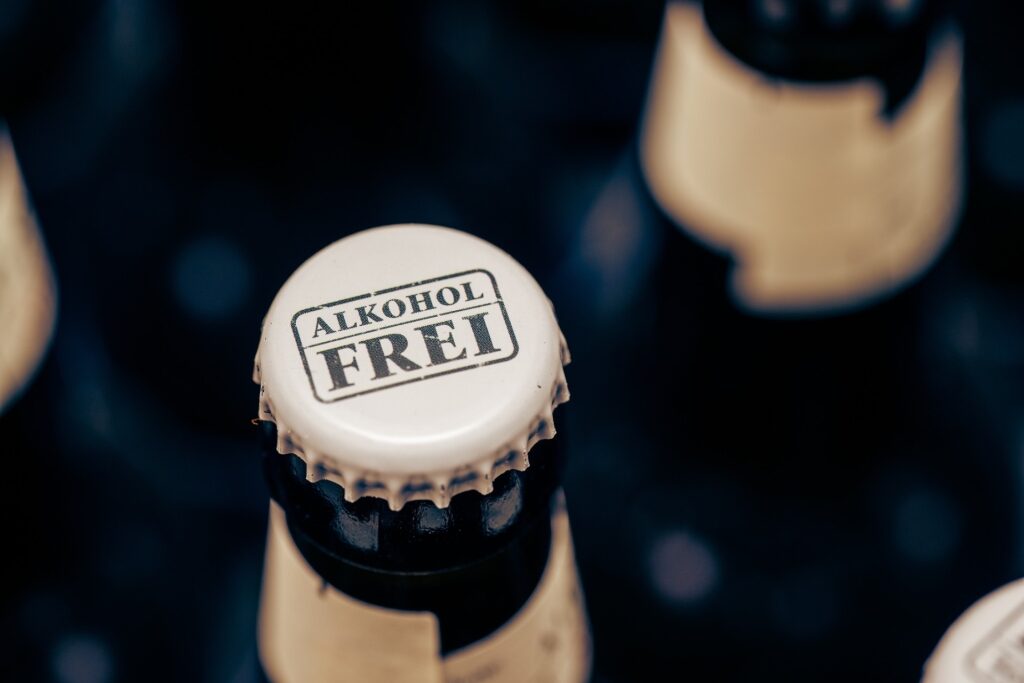
Alcohol-free beer
Germany also produces excellent non-alcoholic brews that have grown greatly in popularity and availability in recent years. Non-alcoholic beer production has nearly doubled over the last decade or so and now accounts for some 10% of all German beer consumption. You’ll find almost every beer style has an alcohol-free version just as tasty as the original.
Mixed Beer Drinks
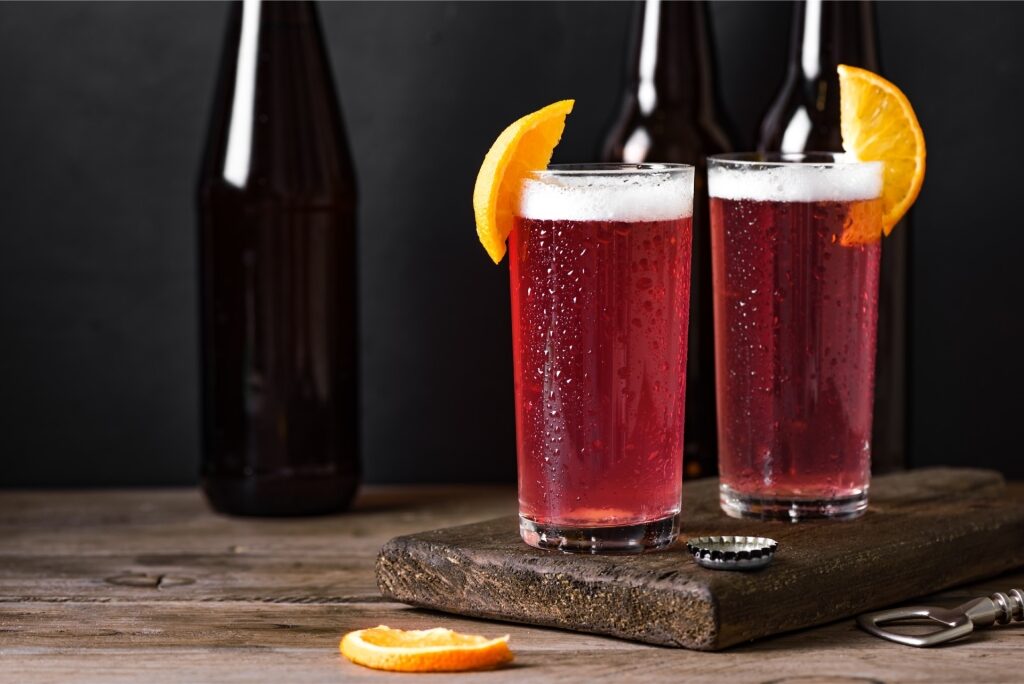
Grapefruit Radler
One of Germany’s favorite summer drinks, besides, well, beer itself, is known as a Radler. Half-and-half beer and citrus soda, the drink originated in 1920s Bavaria as a low-alcohol refreshment for cyclists—Radler means “cyclist” in German. Today, the drink is highly popular across the country. It’s generally made with Helles, but sometimes Pilsner or wheat beer instead. Aside from citrus soda, it’s sometimes also made with lemonade and grapefruit.
Beer gardens mix their Radler to order, but you can also find it pre-mixed in supermarkets and kiosks. There are alcohol-free versions, too.
In German beer gardens, especially around Bavaria and North Rhine-Westphalia, you might hear one more order in passing, called a “Diesel”; this is half-and-half beer and cola.
Regional Beer Traditions & Specialties
Bavaria’s Monastery Breweries
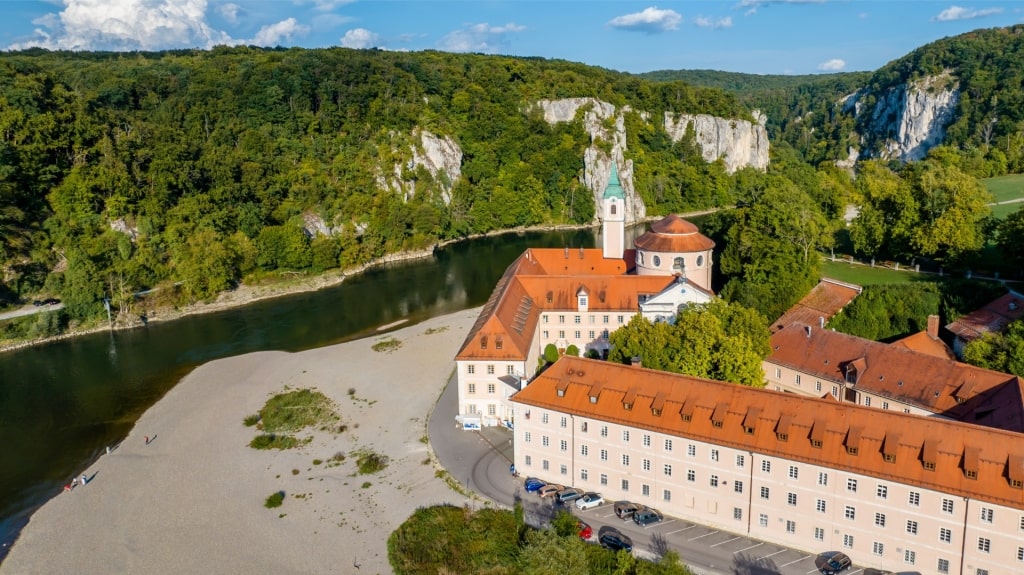
Kloster Weltenburg
In Bavaria, you see where German brewing traditions first started in monastic breweries, which are still churning out the good stuff today. North of Munich, Kloster Weltenburg is the world’s oldest monastery brewery and is worth a visit for that alone.
There’s another reason: to try the Barock Dunkel, a light, smooth, dark lager which garnered a silver medal at the World Beer Cup in 2018.
Andechs Abbey
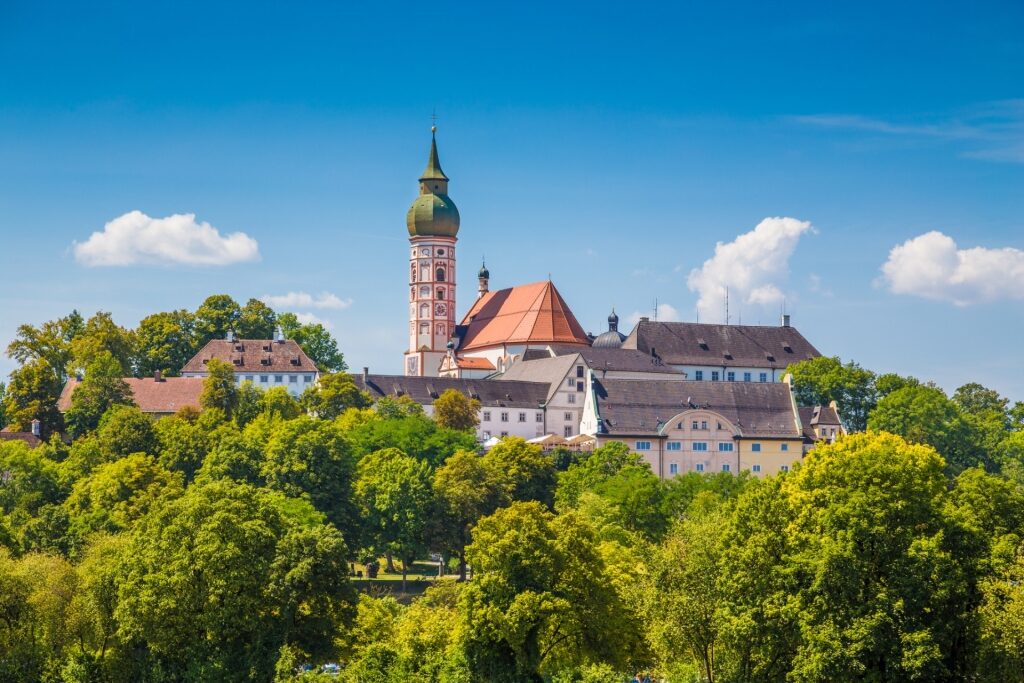
The Andechs Abbey, a Benedictine monastery an hour’s train journey from Munich, makes several world-renowned beers from its hilltop brewery and pilgrimage site. There’s no better day trip from Munich than Andechs; the summer terrace offers amazing countryside panoramas. You can also join pilgrims in the 12th-century tradition of climbing the Holy Mountain and lighting a candle inside the abbey.
Regensburg in Bavaria’s Upper Palatinate region also has a strong monastic beer heritage, including the 1226-founded Spitalbrauerei, which is still operating.
Beer Culture on the Rhine
Beer garden in Cologne
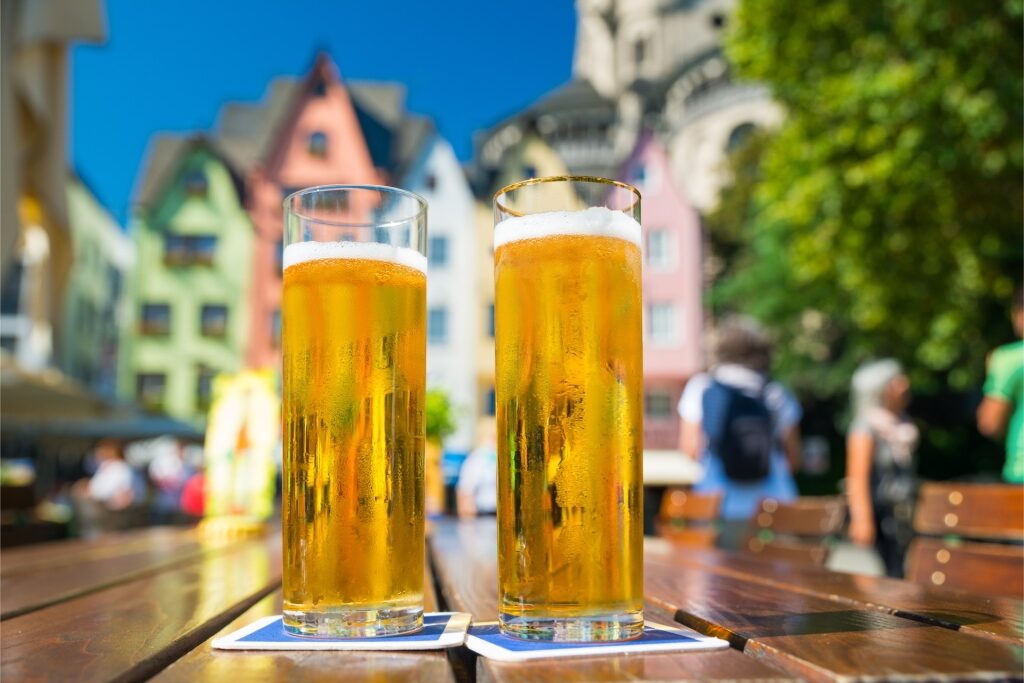
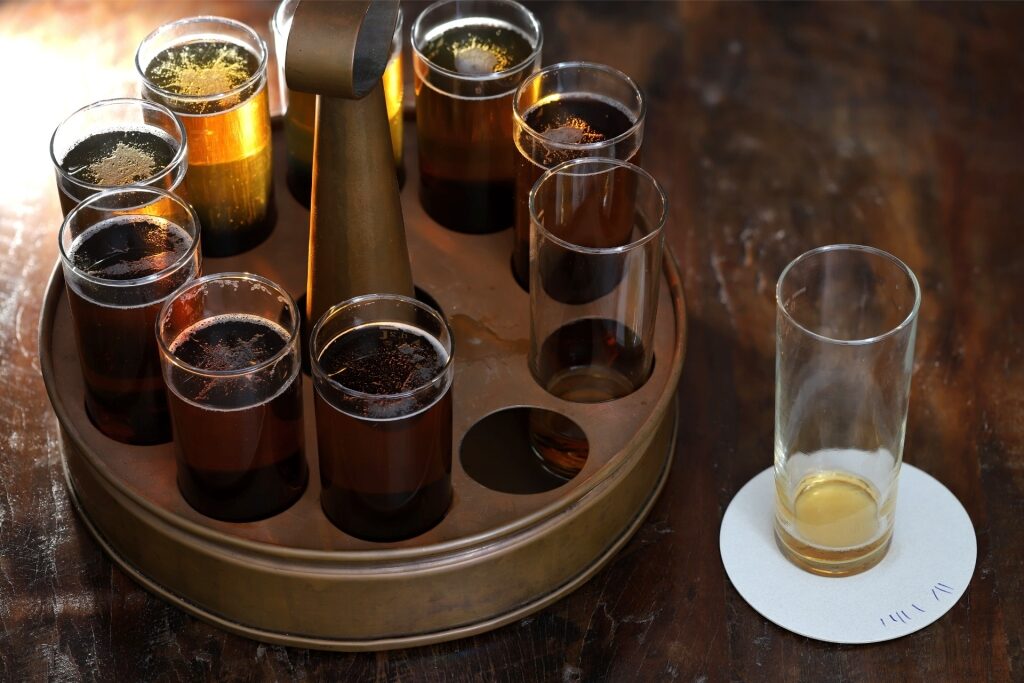
Cologne and Düsseldorf also have their own unique regional beer traditions. The former brews Kölsch—a light, hoppy beer style that can only officially be made in Cologne. It’s served in Stange, or skinny, straight 0.2L glasses. What’s important to know is that in traditional Cologne beerhalls and pubs, you don’t so much order beer as get a “subscription” for it; when your Stange is empty, you’ll automatically receive another round unless you place your coaster on the glass.
Meanwhile, neighboring Düsseldorf is home to the “Longest Bar in the World” with an entire street of breweries clustered in the historic city center. The beer specialty here is Altbier, known for a distinct malty sweetness with a little hops kick.
Tips for Enjoying Beer in Germany
Make Eye Contact
Bar in Germany
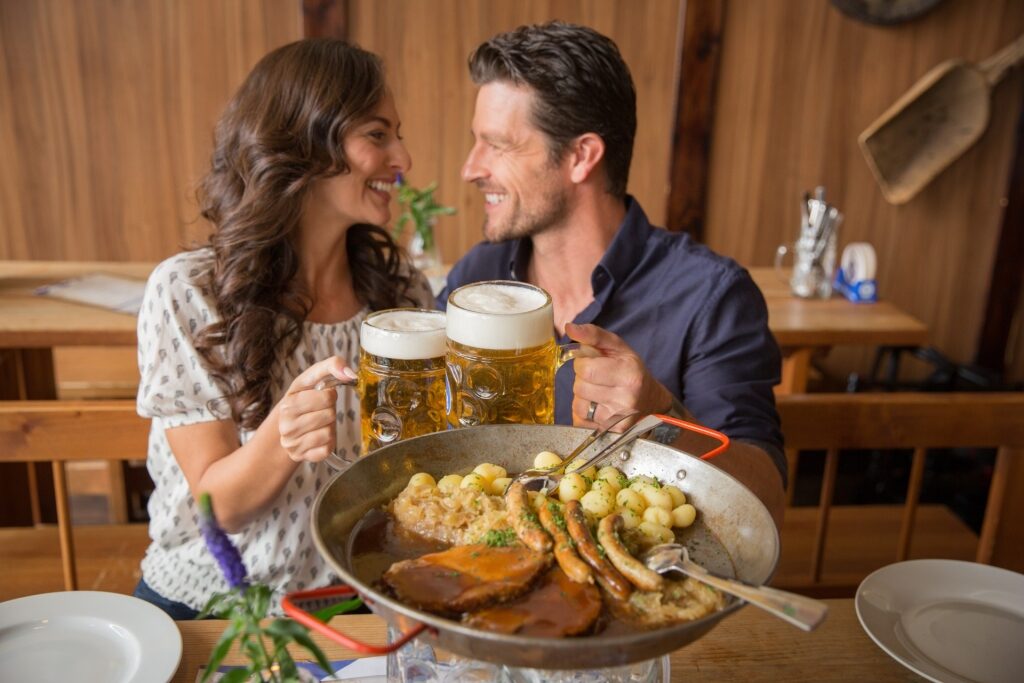
Drinking in German beer gardens, you’ll often be sitting at a single beer bench—a long wooden table—with strangers. It’s a wonderful communal experience and a chance to revel with locals.
When clinking glasses, make sure to look each person directly in the eye and exclaim “Prost!”. Avoiding eye contact is rude and, as the saying goes, means seven years of bad luck.
Hold a Maß in One Hand
Beer garden in Munich
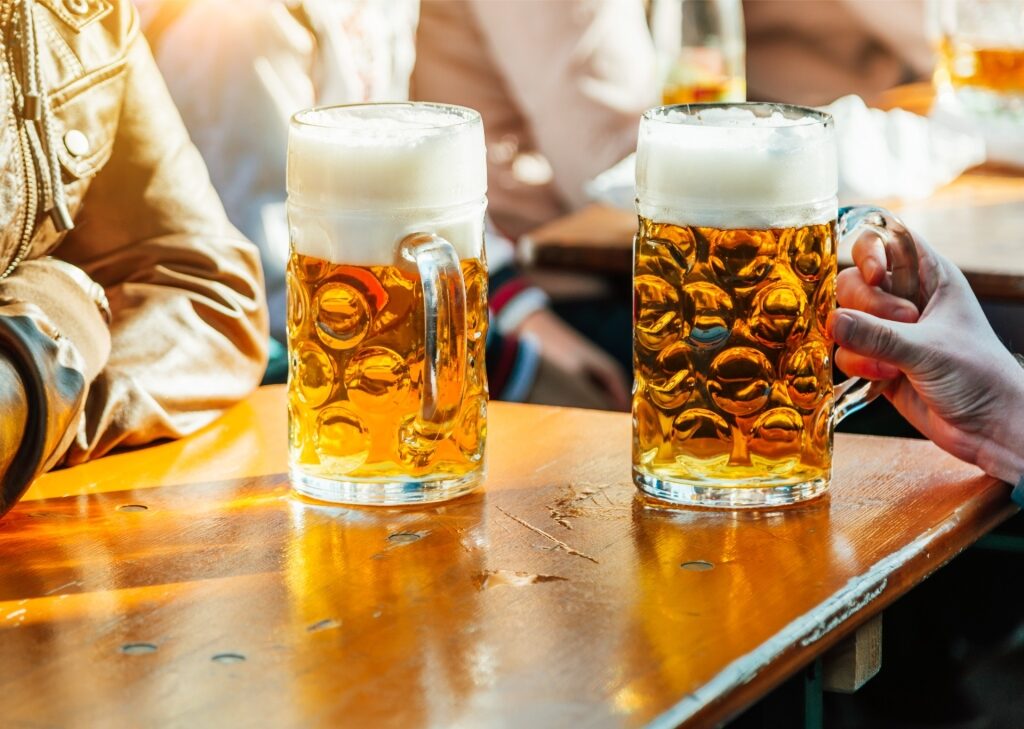
In Bavarian beer halls and fests, lifting a Maß with two hands isn’t a good look. Grab the handle with one hand, even though it’s heavy. You’ll get the respect of locals in doing so—and avoid a little light teasing, too.
Bring Your Own Snack
Beer garden in Germany
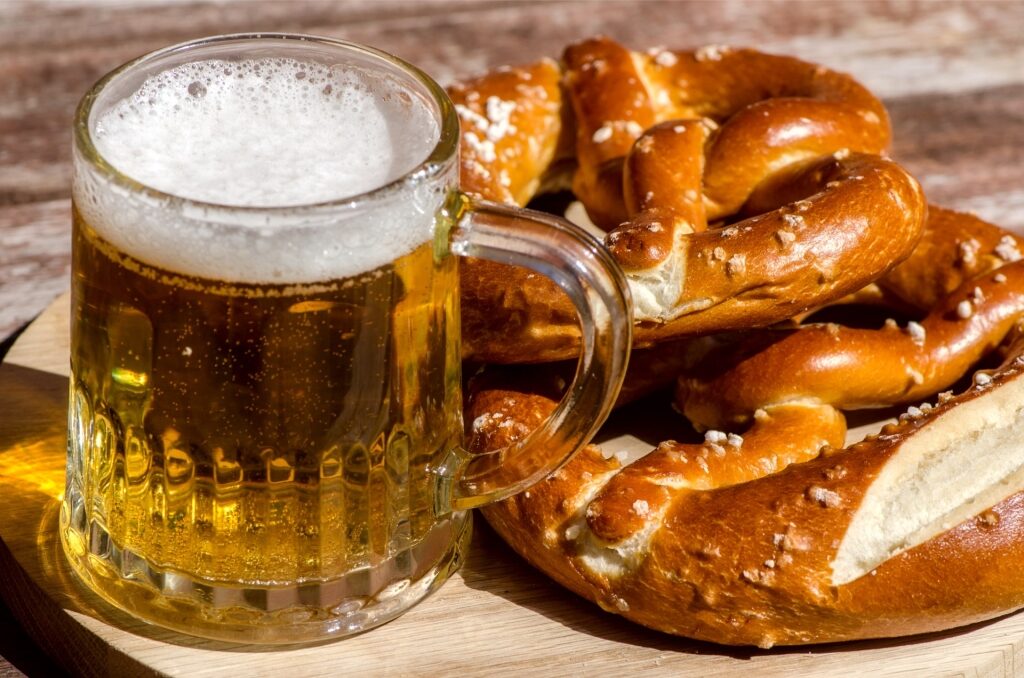
One quirk of German beer gardens is that it’s perfectly allowed—and quite normal—in many establishments to bring your own food along. Packing a picnic basket of supermarket goodies gets a nod of approval from local drinkers. It also saves a few euros on beer garden fare, which is sometimes expensive. Typical finger snacks can be anything from soft pretzels to cut-up veggies, sausages, or cheese spreads such as Obatzda.
Read: Tipping in Germany
German Beer FAQs
Which German city is best known for beer?
Munich
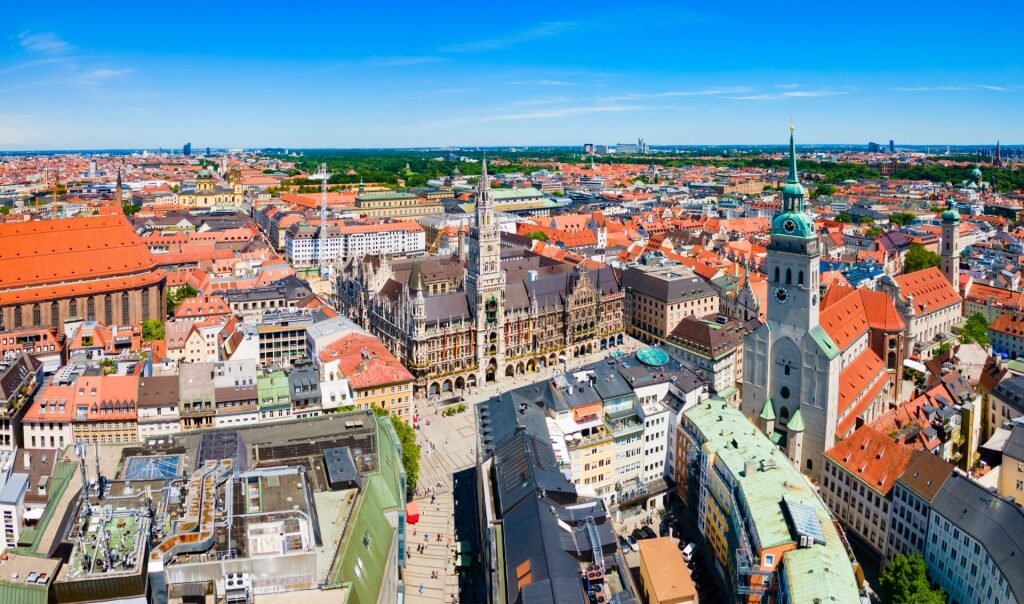
Germany has many cities, each with its own unique claim to fame for beer. Munich, the home of Oktoberfest, is probably the most famous one—the Bavarian capital’s nickname is, after all, the “City of Art and Beer.”
Cities such as Cologne, Düsseldorf, and Nuremberg all have beer styles that are specific to their culture and history, too. Meanwhile, Bamberg in Bavaria, and its surrounding region, Upper Franconia, has the highest number of breweries per capita in the world.
What food pairs best with German beer?
German Oktoberfest meal
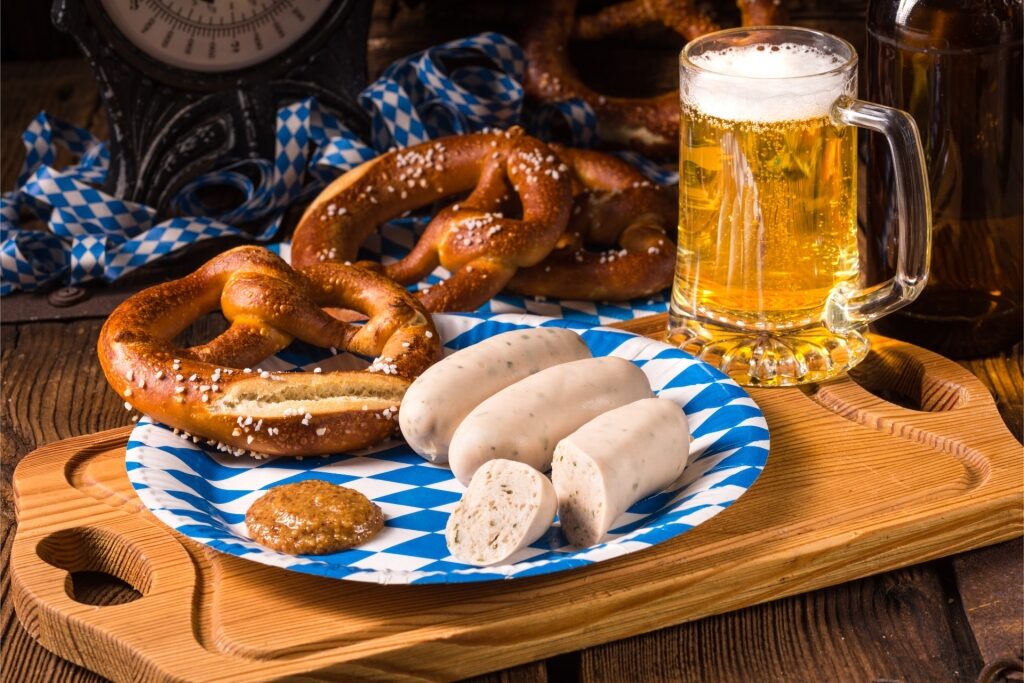
The best German food pairing depends on which beer style you’re sipping. Brezn, or soft pretzels, are a staple for enjoying with Helles or Kölsch. Bratwurst, including Bavaria’s traditional Weißwurst sausages, tends to pair best with a beer style that has more texture and mouthfeel, such as a Weißbier or Hefeweizen.
Overall, you can’t go wrong with any hearty, savory food while drinking German beer. These flavors enhance the malt and yeast notes that are central to Germany’s brewing traditions, such as the Reinheitsgebot.
What are the best German beers to try for beginners?
Kölsch
It depends on the region, but you’ll usually do just fine with the regional staples themselves, such as a crisp Helles in Bavaria, or a light, floral Kölsch in Cologne. The safest choice overall, though, is a Radler, or a glass of half-beer, half-citrus soda or lemonade.
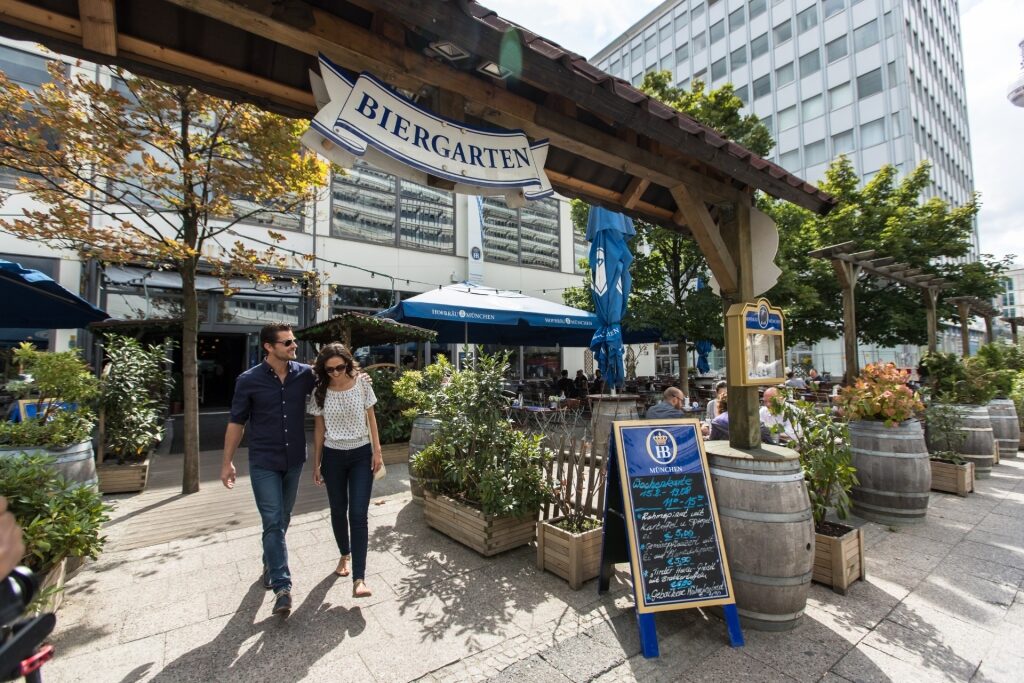
Beer garden in Germany
Discover the best beer in Germany for yourself. Browse Celebrity’s river cruises and book your dream vacation today.