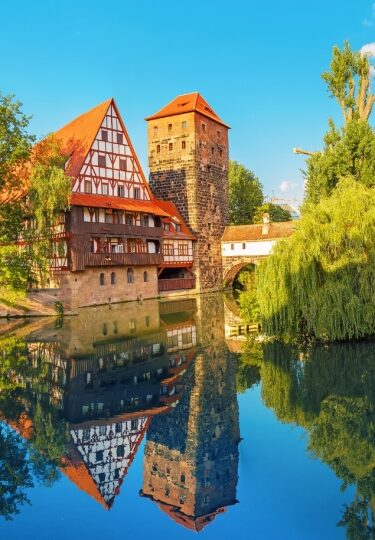
Nuremberg, Germany, is a wonderful place to discover culture, history, and cuisine. Situated in the heart of Germany’s Franconia region, Nuremberg is a delightful city, from its scenic canals and riverside paths to the cobblestone lanes of the Altstadt Old Town.
When visiting Nuremberg, you’ll experience romantic street life and grand architecture, such as the sprawling Imperial Castle, as well as darker chapters of history, including the Nazi Party Rally Grounds.
It’s a complex city with a rich, albeit complicated, past. Discover for yourself the real Nuremberg to gain a deeper understanding of what makes this place unique.
Why Visit Nuremberg
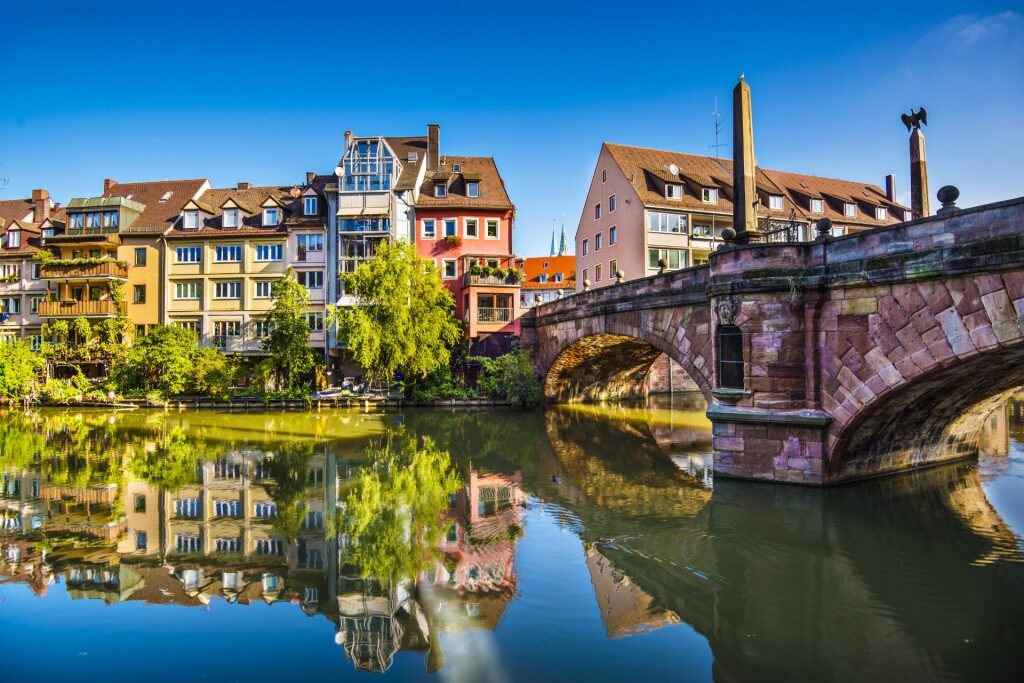
Old Town
Nuremberg is a quintessential Franconian municipality, offering visitors a taste of medieval history and beauty, as well as insight into its turbulent role during Europe’s 20th-century conflicts.
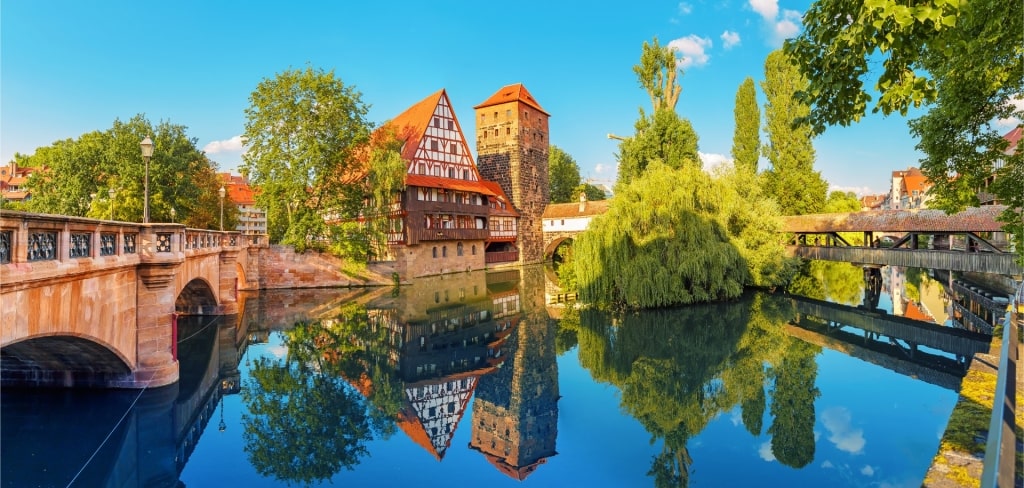
The Pegnitz River, which flows through Old Town, serves as a scenic backdrop for the awe-inspiring architecture you’ll encounter here, including the Imperial Castle, perched on sandstone high above the city, harkening back to the Holy Roman Empire.
Nuremberg’s historic center is easily explored on foot along its cobblestone streets, which is worth doing as you’ll get to walk past fanciful Gothic churches and through the vibrant Hauptmarkt market, immersing yourself in the history, architecture, and cuisine of Bavaria.
History & Culture
Old Town
Nuremberg has lived through an extraordinary arc of history from dizzying heights to the lowest of lows. It was an unofficial capital city of the Holy Roman Empire for centuries, serving as a hub for trade, art, and innovation.
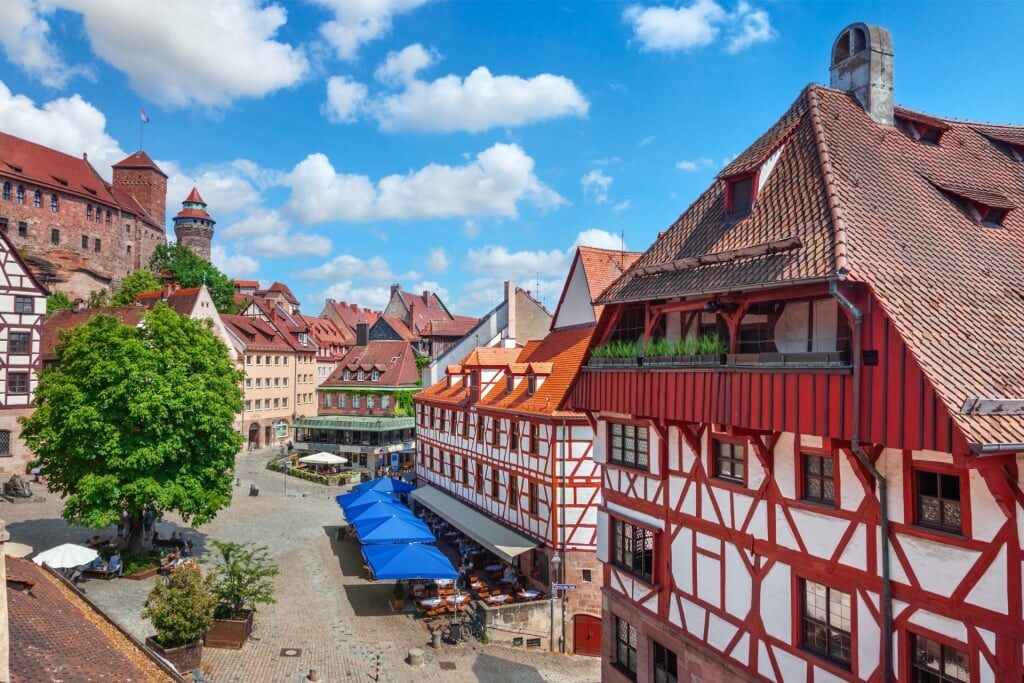
The Old City exudes a sense of past empire, from the jaw-dropping wood carvings inside St. Sebaldus Church to the ornate, half-timbered houses lining the medieval Weißgerbergasse.
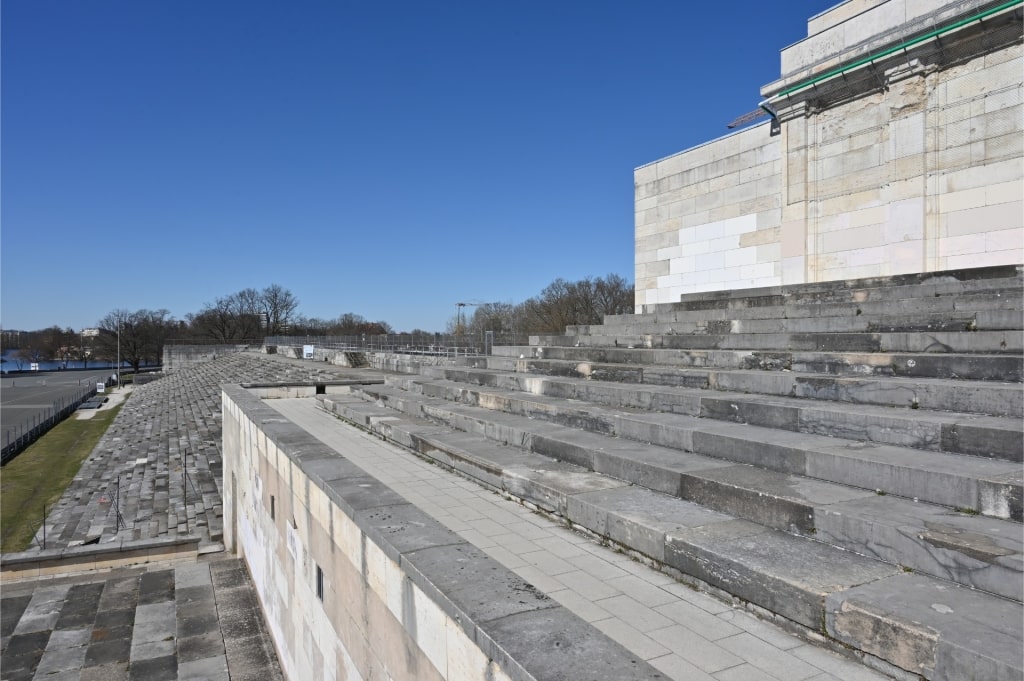
Nazi Party Rally Grounds
You should also set aside time to learn about the city’s 20th-century history, including sites such as the Documentation Center at the former Nazi Party Rally Grounds and the Nuremberg Trials Memorial.
There’s a notable contrast between Nuremberg’s golden age as a Free Imperial City, its wartime past, and its current role as a “City of Peace and Human Rights.”
Nuremberg, the unofficial capital of Franconia, is brimming with culture. Significant contributions to human learning and art include the Erdapfel globe of Martin Behaim, the oldest surviving globe in the world, as well as literary classics such as the 15th-century Nuremberg Chronicle. Created by Hartmann Schedel, the Chronicle features more than 1,800 illustrated relief woodcuts.
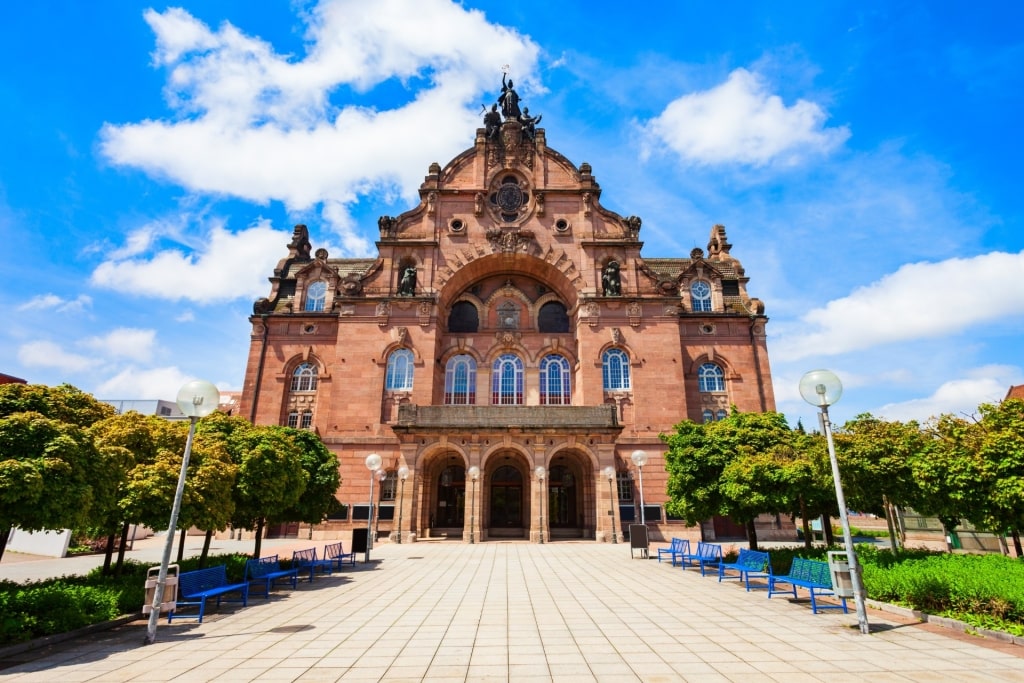
Staatstheater Nürnberg
Today, Nuremberg’s artistic heritage is represented by Germany’s largest multi-genre theater, the Staatstheater Nürnberg, as well as the German National Museum. This museum boasts the most extensive collection of cultural history in the country, encompassing textiles, coins, paintings, and sculptures, including works by the German sculptor Veit Stoß.
Wildlife & Nature
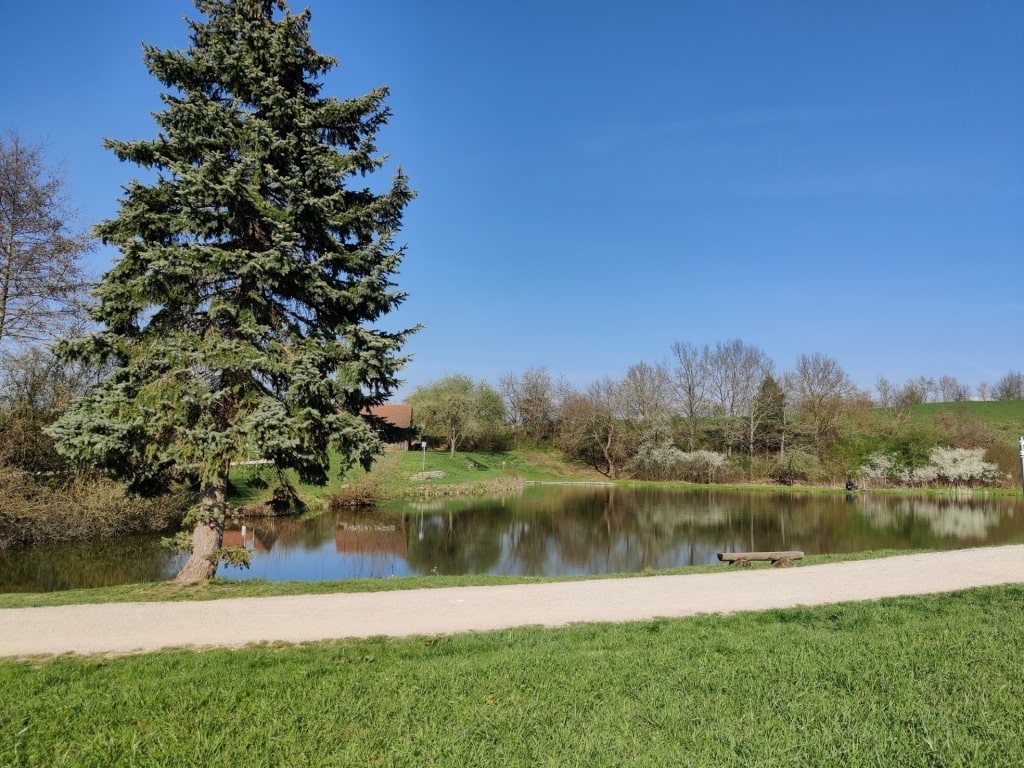
Stadtpark
As compact and historic as this city is, there’s more nature in and around Nuremberg, Germany, than you might expect.
A good place to start is Stadtpark, one of the oldest and most central parks in Nuremberg, featuring a large, tranquil pond. This manicured park is filled with ancient trees and lawns, perfect for a spot of nature in the German city.
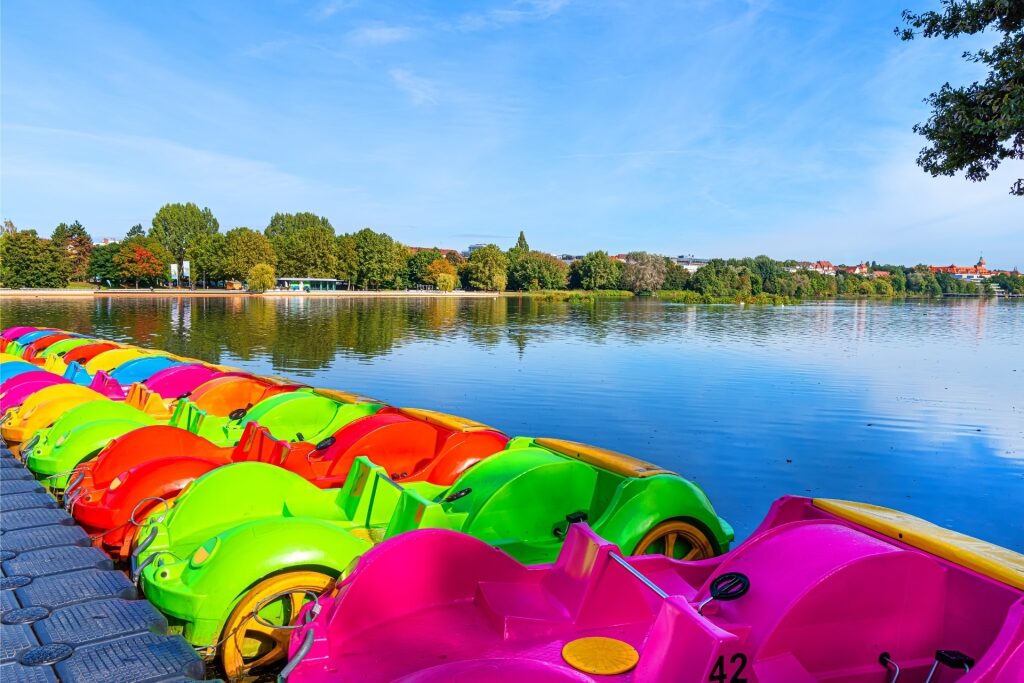
Wöhrder See
The Wöhrder See urban lake is also worth checking out. Just east of the Old Town and running alongside the Pegnitz River, the lake is flanked by leafy paths and waterside cafés, making it ideal for a walk, a bike ride, or a picnic.
For more greenery, you can head to the northern part of the city to Volkspark Marienberg, the largest of Nuremberg’s parks. Here you’ll find open meadows, woodland expanses, and gently rolling countryside that allow for longer walks or cycling.
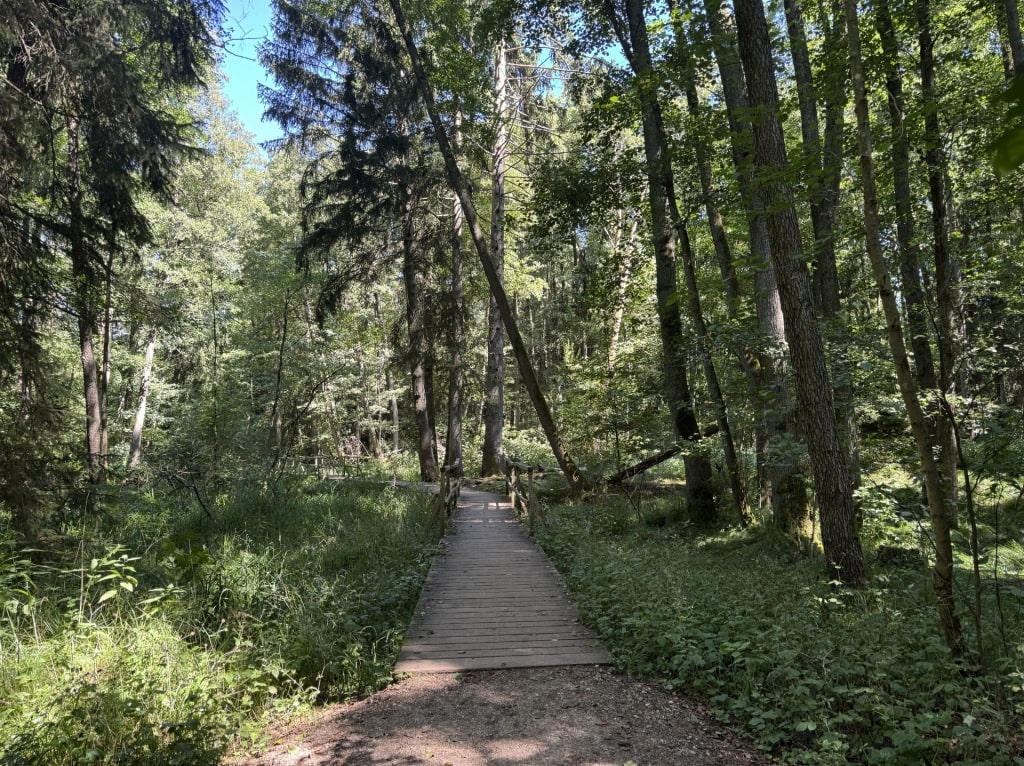
Nuremberg Forest
If you really want to stretch your legs, consider visiting the great Nuremberg Forest or Reichswald. This is a large area of planted woodland that surrounds the city, with excellent hiking and cycling networks.
Tips for Visiting Nuremberg
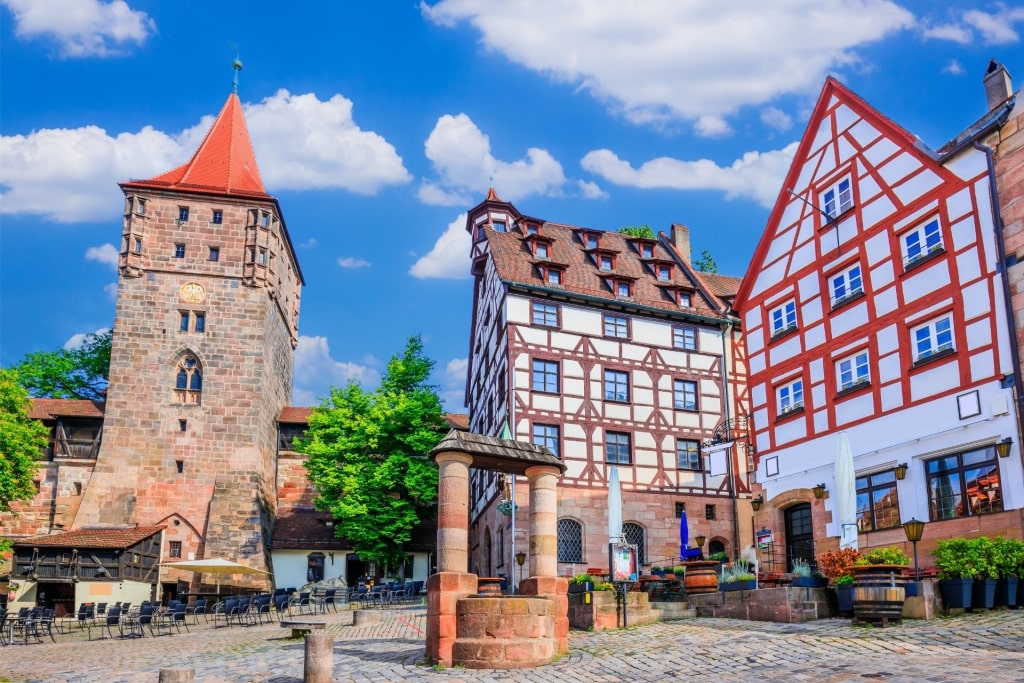
Old Town
The first—and most important—tip to keep in mind is that you need to walk to enjoy the city. Nuremberg’s Old Town is small and compact, ringed by medieval walls. The German castle and the Hauptmarkt, for example, are within walking distance of one another.
For sites outside the city wall, you can take advantage of the easy-to-use U-Bahn subway system, comprising three metro lines, as well as a tram network above ground. Just make sure you stamp or validate your ticket before getting on a train.
In terms of currency, while most hotels and larger stores accept credit or debit cards, it’s still a good idea to keep some cash on hand for small purchases, like buying a few Rostbratwürstchen grilled sausages from a street vendor.
Things to Do & Attractions in Nuremberg
Kaiserburg Imperial Castle
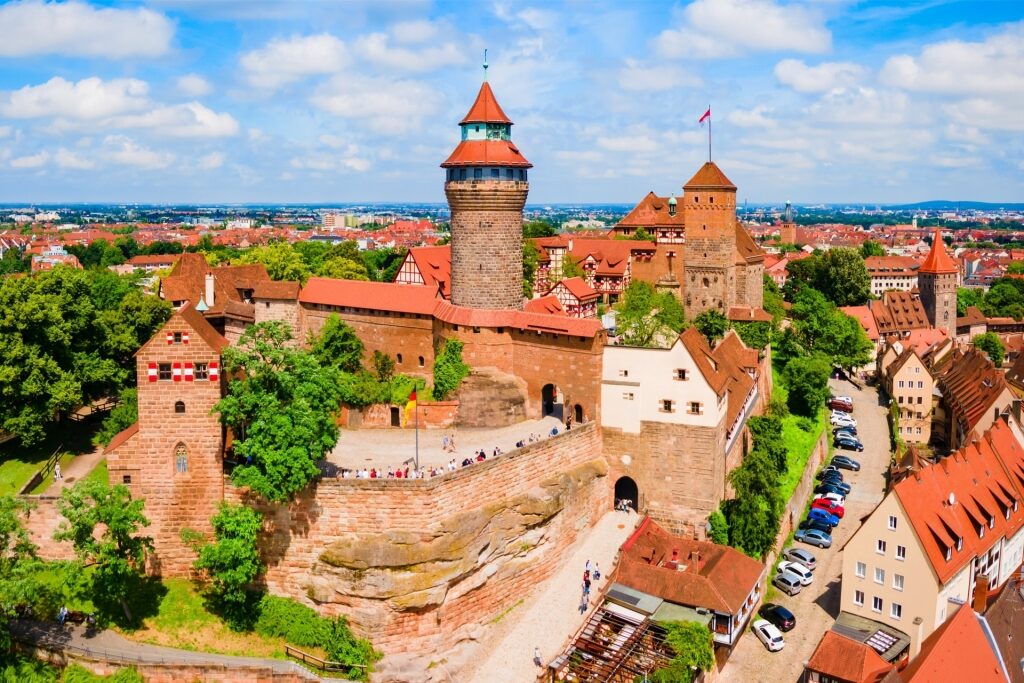
Kaiserburg Imperial Castle
When you arrive in Old Town, make your way up to the imposing sandstone walls and battlements of the Romanesque and Gothic-style Kaiserburg Imperial Castle, which dates back to the 11th century. Once upon a time, the Holy Roman Emperors held court here.
Visit the Sinwell Tower, climbing 113 narrow steps—assuming you’re in shape—for the incredible, 360-degree view of Nuremberg.
You’ll be able to trace the line of the medieval city walls that run around the city from the tower and see the red-tiled roofs that so miraculously survived or were carefully rebuilt after the destruction of WWII.
Nuremberg’s Old Town
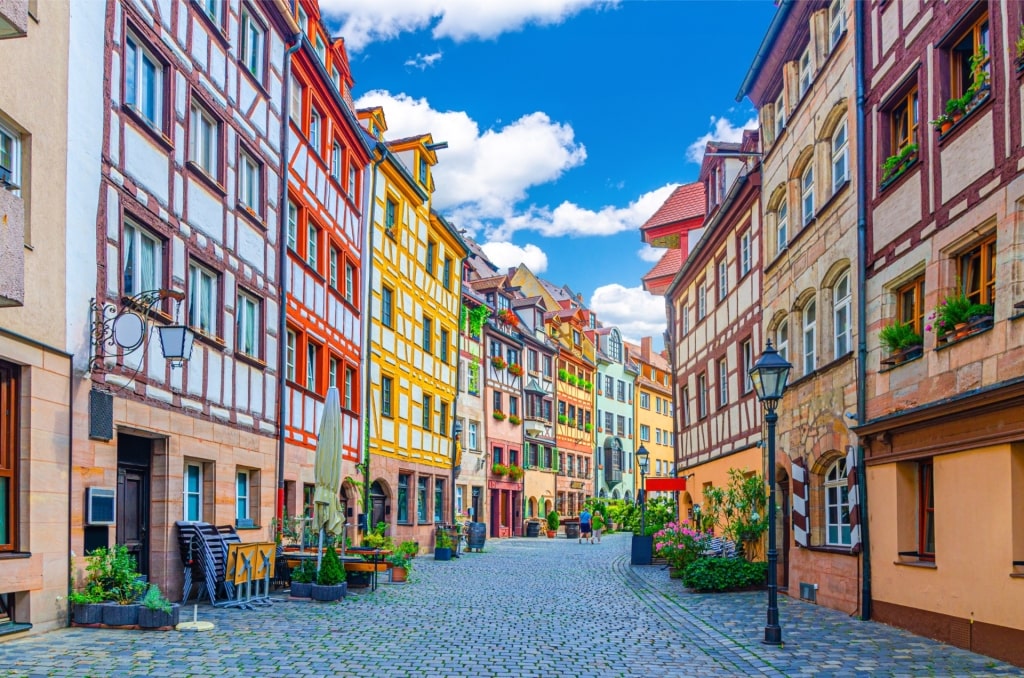
Weißgerbergasse, Old Town
The Old Town, also known as the Altstadt, is where the bulk of historical tourist activity takes place in Nuremberg.
The pedestrianized Weißgerbergasse, a charming street lined with colorful, half-timbered houses rebuilt after World War II, is great for photos.
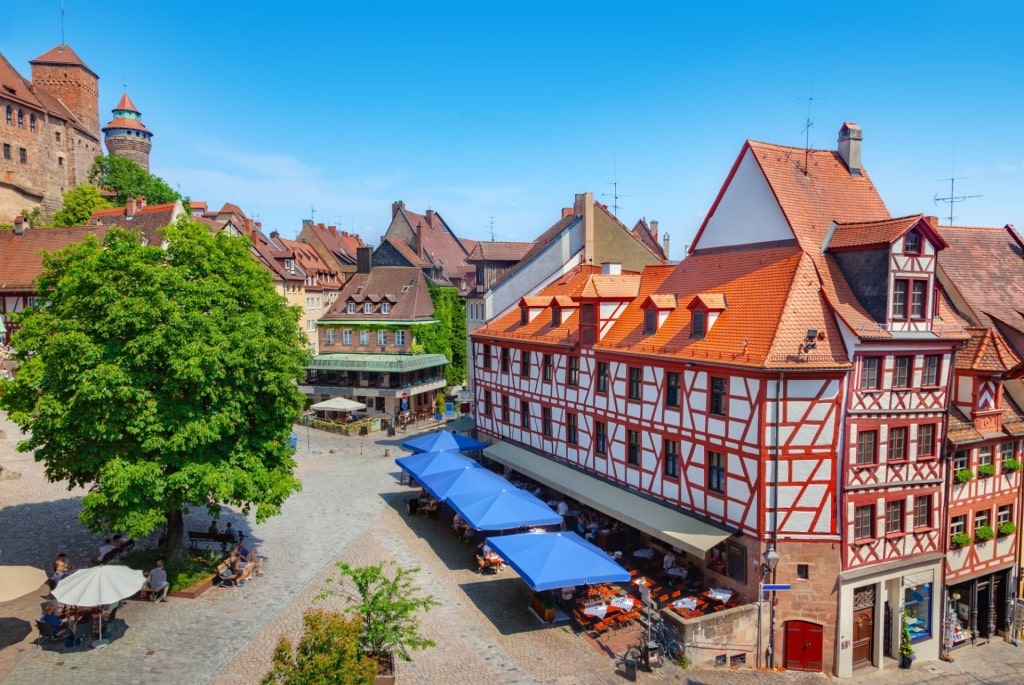
Old Town
The historic center was rebuilt with care and faithfulness to the medieval layout to honor Nuremberg’s past and to showcase the historical importance of this bustling trade center, along with its art and architecture.
Divided by the Pegnitz River, the Altstadt offers a unique combination of restored Gothic and Renaissance architecture, complemented by modern cafés and shops.
Medieval City Walls
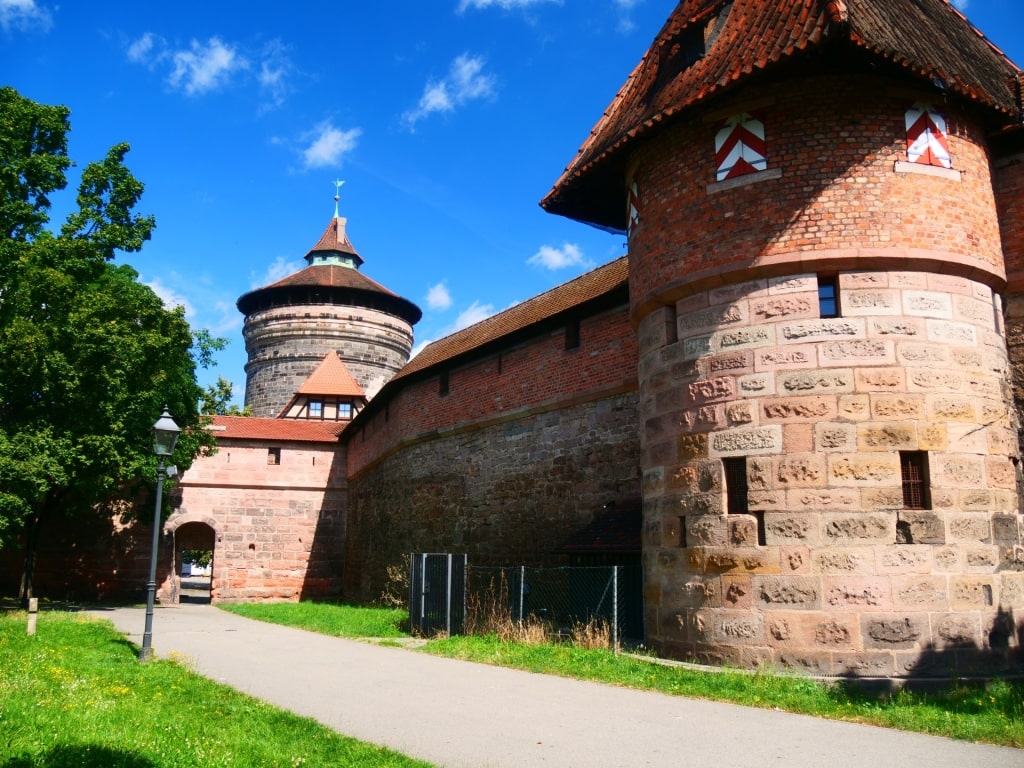
Medieval City Walls
You’ll have a lot of fun walking along Nuremberg’s mostly intact city fortifications. The walls and towers that once guarded the Free Imperial City run a complete circle around the Altstadt, which is about three miles in length.
While you can only walk atop short sections of the wall, you can still admire the mighty bulk of the stone ramparts and historic gates, such as the Frauentorturm, from the pedestrian greenway, which is a green path at the base of the walls, inside the now-dry Stadtgraben moat.
Albrecht Dürer’s House
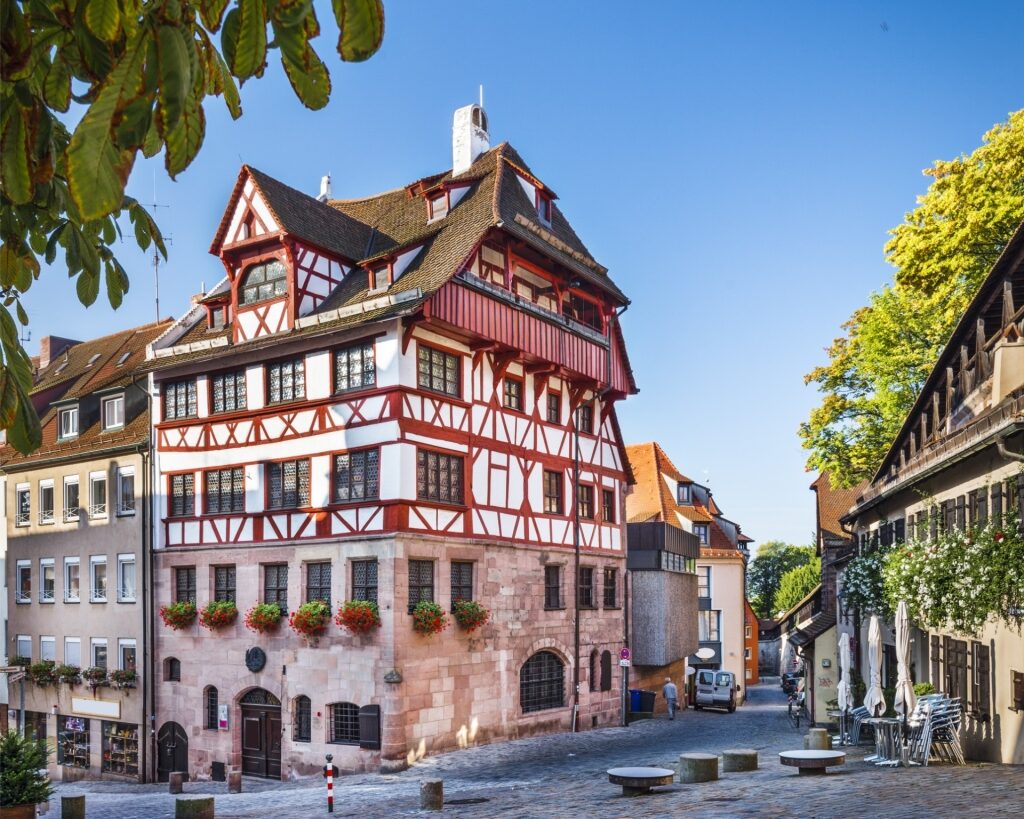
Albrecht Dürer’s House
As you wander through the Old Town, you’ll come across a red and white, half-timbered Renaissance façade, which was the former home and workshop of one of Germany’s greatest artists, Albrecht Dürer, renowned as a painter, art theorist, and engraver.
During your tour of the house, you can explore the 16th-century living spaces and a reconstructed print-making workshop, as well as view reproductions of his woodcuts and engravings, which are emblematic of his artistic legacy.
Hauptmarkt
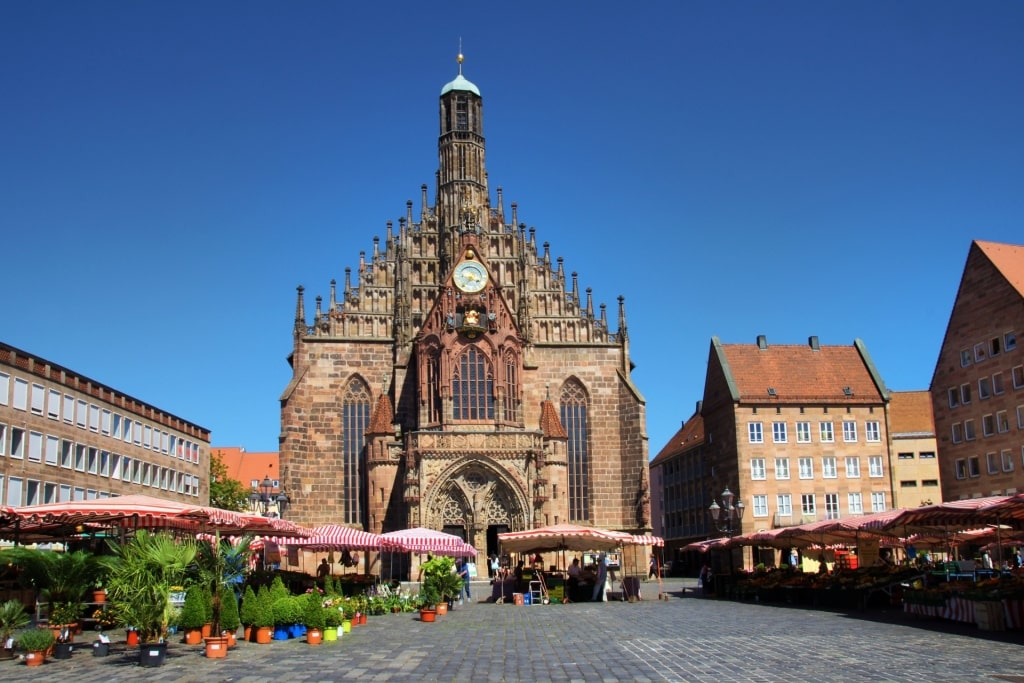
Hauptmarkt
Hauptmarkt, which is the Main Market Square, is situated in the heart of the Altstadt. Your eyes will immediately be drawn to the soaring Schöner Brunnen, or the Beautiful Fountain, a 14th-century Gothic spire featuring 40 carved medieval figures.
Tradition has it that by rubbing the small, smooth, brass ring set into the fountain’s iron fence three times, you will be blessed with good luck or the fulfillment of a wish.
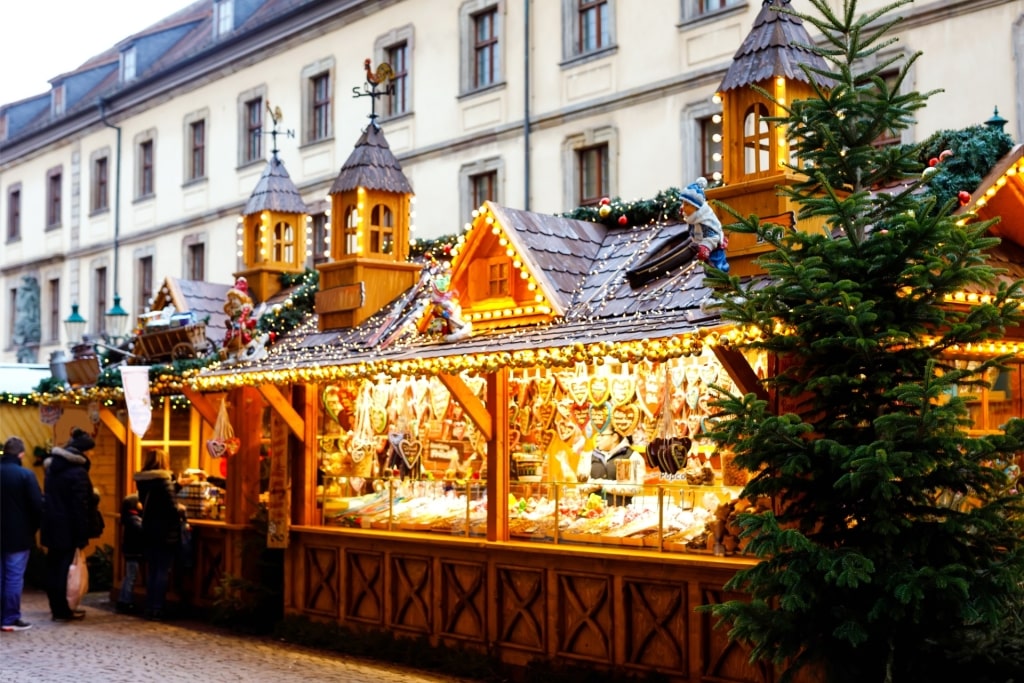
Christkindlesmarkt
The Main Market Square is also the site of the legendary Nuremberg Christkindlesmarkt, held during the holiday season. However, the daily market here is worth visiting throughout the year, with stalls selling fresh produce, flowers, and freshly baked pastries.
The east side of the square is dominated by the brick-built Gothic Frauenkirche, or the Church of Our Lady, where, if you arrive at noon, you can enjoy the charming Männleinlaufen mechanical clock show.
St. Lawrence Church
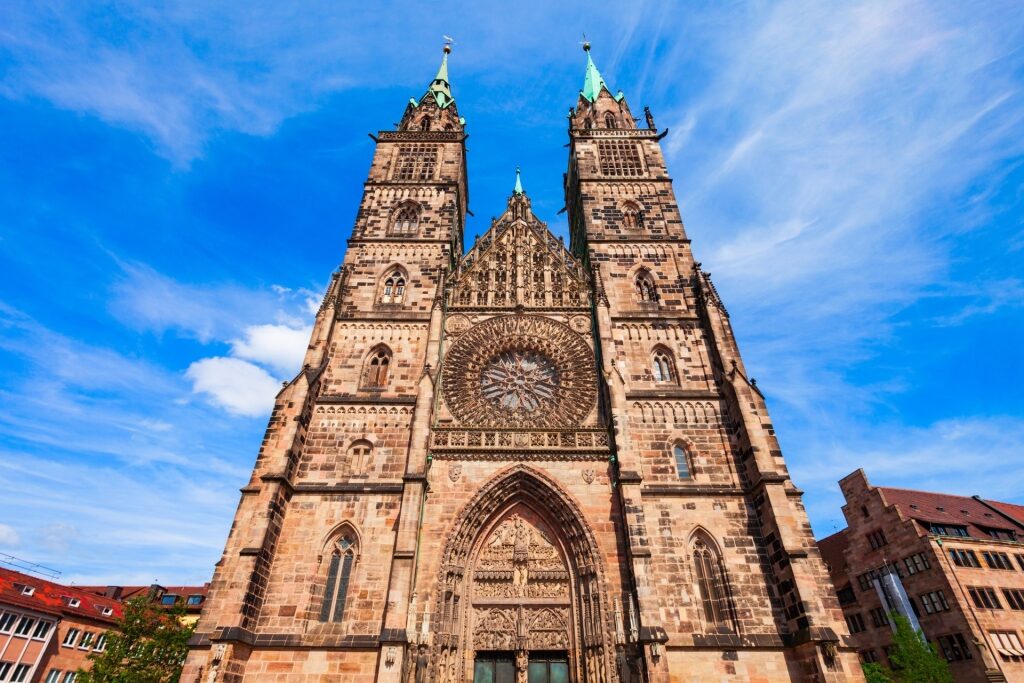
St. Lawrence Church
In the southern half of the Old Town, you’ll run across the impressive St. Lawrence Gothic basilica, with its colossal rose window and striking twin spires.
Inside, you can take in The Annunciation by master Veit Stoß, which is one of the great treasures of German art.
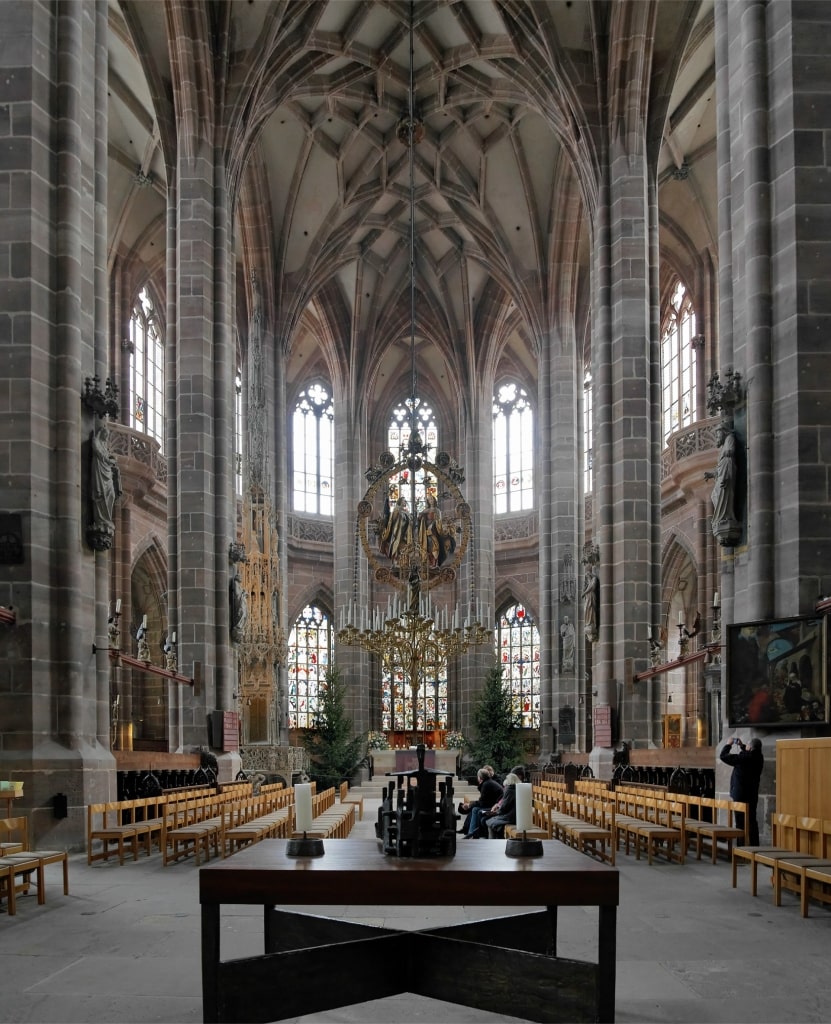
The Annunciation, St. Lawrence Church
The Annunciation is a large, intricately carved, polychrome wooden masterpiece; this incredible hanging artwork, which frames the figures of the Angel Gabriel and Mary, is suspended above the choir.
The German church, an active place of worship, is open during the day for visitors, and entry is free. Do be respectful of services, however, and keep your voice down and refrain from taking photos during services.
Memorium Nuremberg Trials & The Nazi Party Rally Grounds
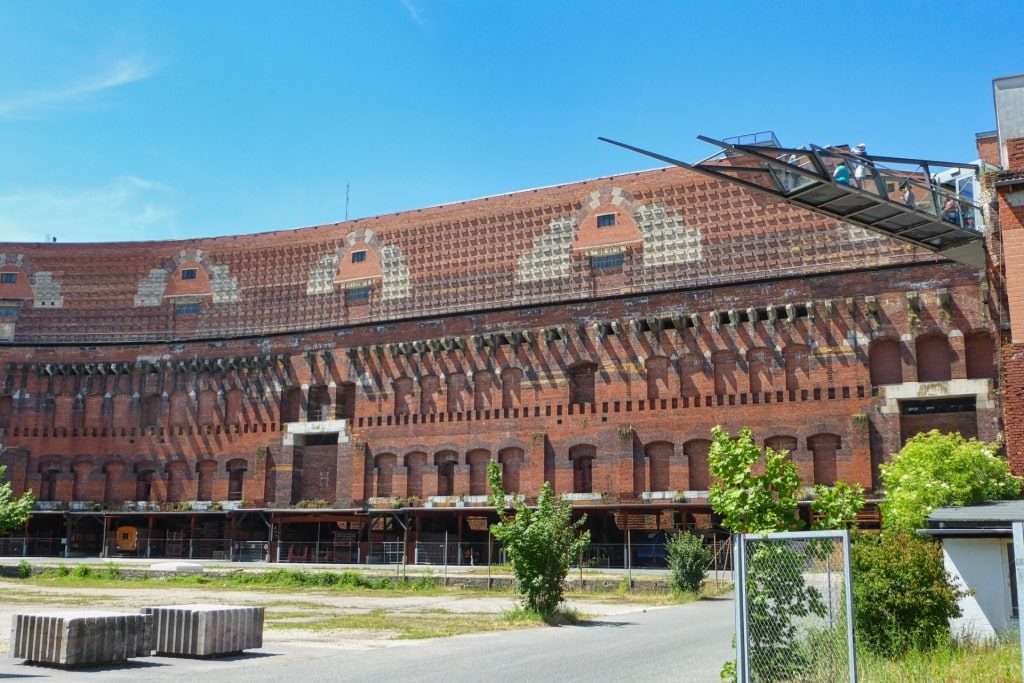
Documentation Center Nazi Party Rally Grounds
The Nuremberg Nazi Party Rally Grounds, also known as Reichsparteitagsgelände, is a complex of colossal Nazi architecture in Nuremberg, Germany, designed in the 1930s as a venue for the annual rallies, parades, and propaganda events of the Nazi Party.
Today, parts of the grounds, including the Zeppelin Field and the Documentation Center, remain intact and are open to the public for educational purposes.
To gain a deeper understanding of Nuremberg’s wartime history, you can also visit the Memorium Nuremberg Trials museum in the Palace of Justice, which recounts the story of the International Military Tribunal and trials of Nazi war criminals after the war.
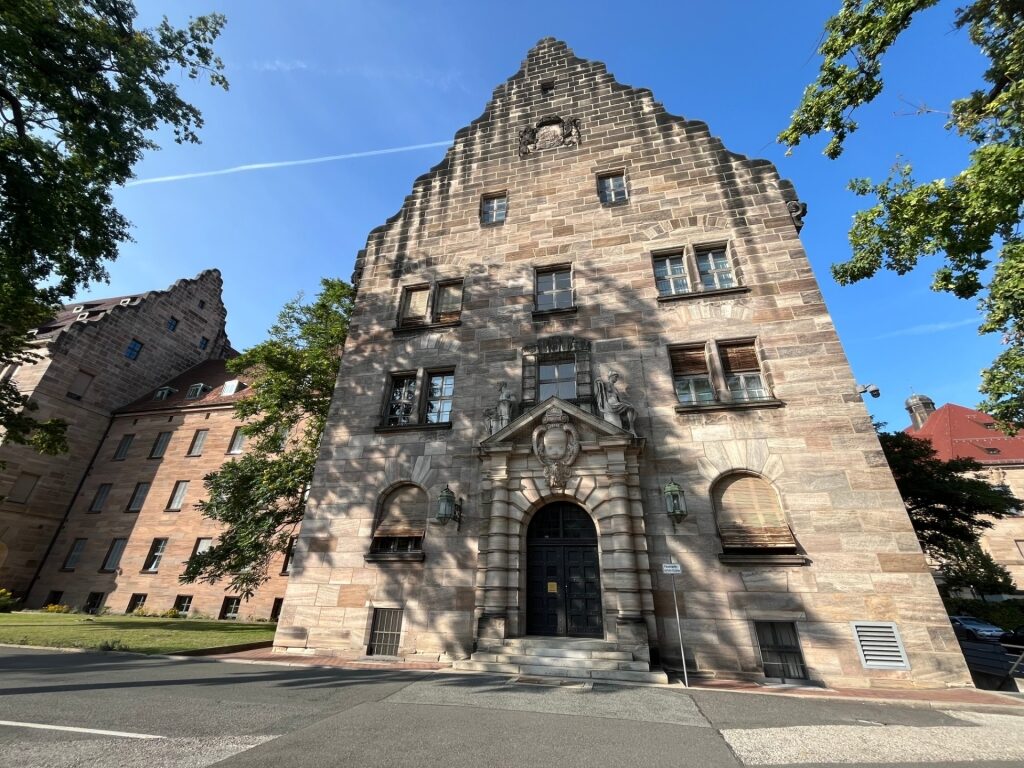
Palace of Justice
Your journey through the permanent exhibition here will culminate in a visit to the historic Courtroom 600, where judges and jurors convened to hold the most important trials.
Allow at least two hours to tour the permanent exhibition, which explains the court procedures, introduces the Nazi defendants, and explores the lasting legacy of the trials that helped establish the modern concept of international criminal law.
Food & Drink
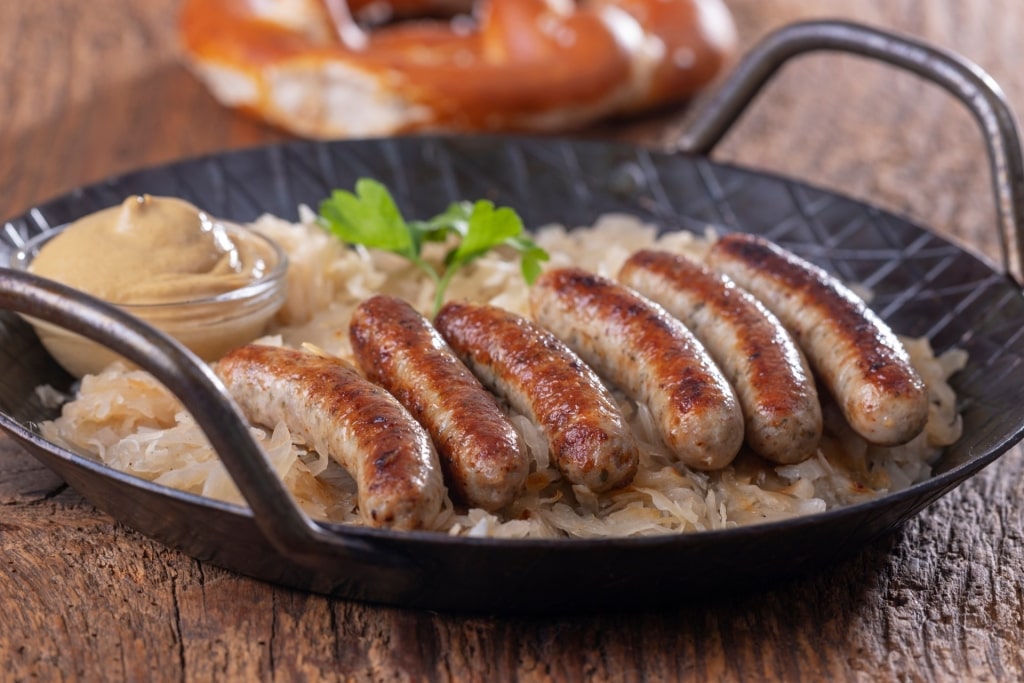
Nürnberger Rostbratwürst
Nuremberg is known for its Nürnberger Rostbratwürst, small, spiced sausages; its Lebkuchen, a honeyed gingerbread; and its red beer, brewed at local Hausbrauereien craft breweries.
A food tour of Nuremberg will delight your senses, provided you bring your appetite. You can order Drei im Weggla, which are three finger-length marjoram-spiced sausages grilled over a beech wood fire, served in a small, crunchy roll.
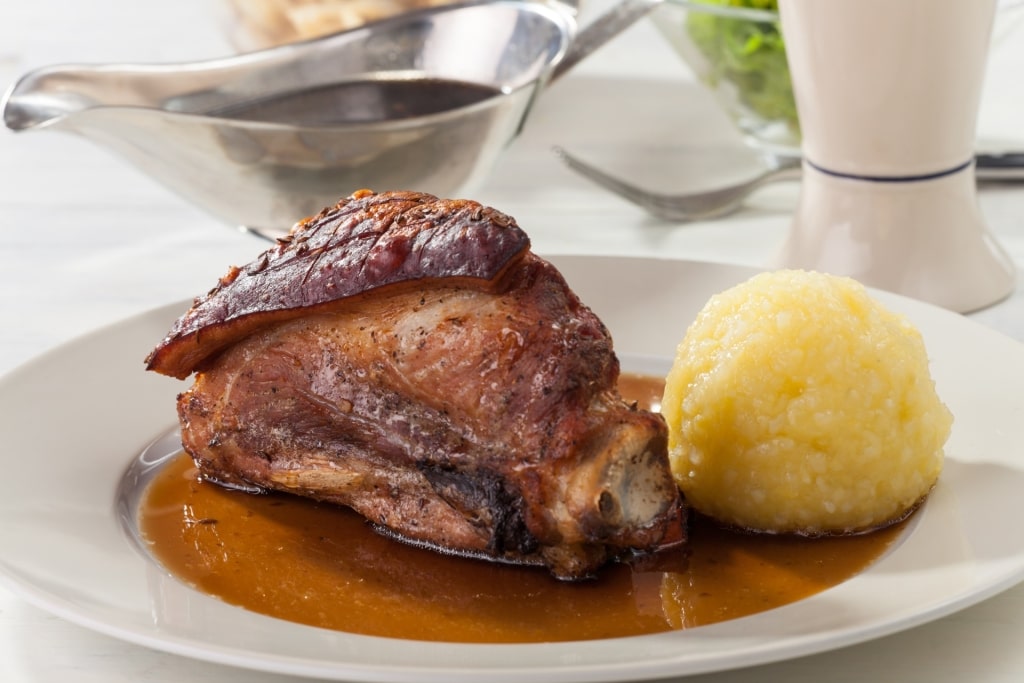
Schäufele
The Franconian pork shoulder roast, Schäufele, should also be experienced: it’s slow-roasted until the meat falls apart beneath a delectably crunchy crackling rind, served with potato Klöße dumplings on the side, and accompanied by dark beer gravy.
With all that heavy German food in your belly, you can quench your thirst with a local Rotbier red beer or, when the weather turns cold, alcoholic and non-alcoholic versions of hot Glühwein mulled wine.
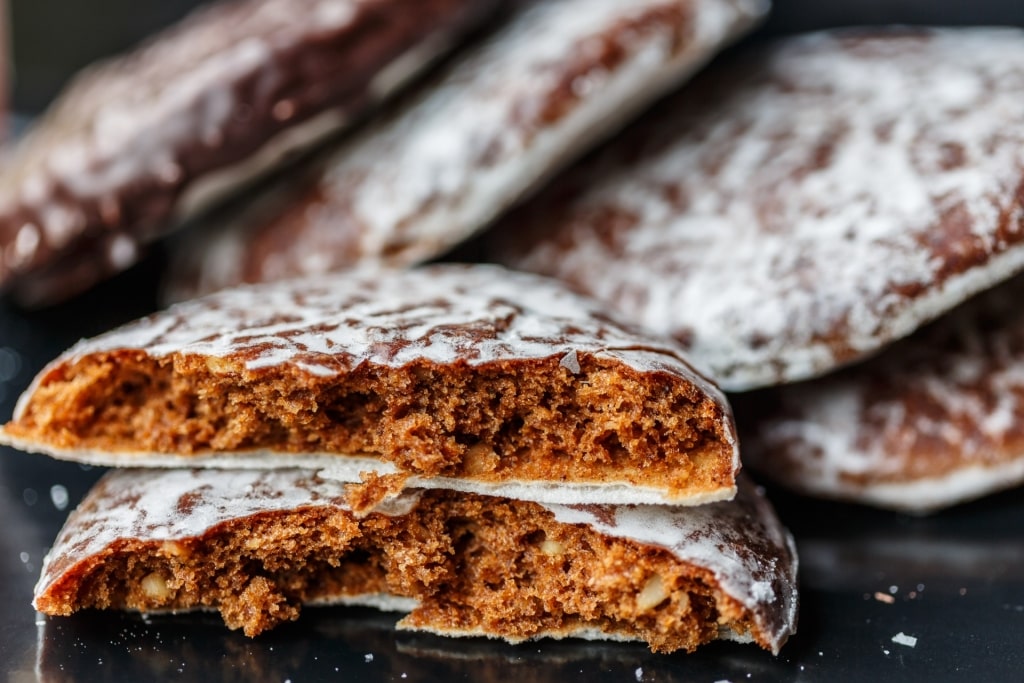
Lebkuchen
And before you leave Nuremberg, you need to sample Lebkuchen gingerbread, for which the city is renowned. Nuremberg’s strategic location on the medieval spice routes provided easy access to valuable spices, including cinnamon, cloves, and cardamom.
Today, the city claims to be the gingerbread capital of the world. One of the best varieties is the soft and nutty Elisenlebkuchen gingerbread cookies, which are delicious.
Best Time to Visit Nuremberg
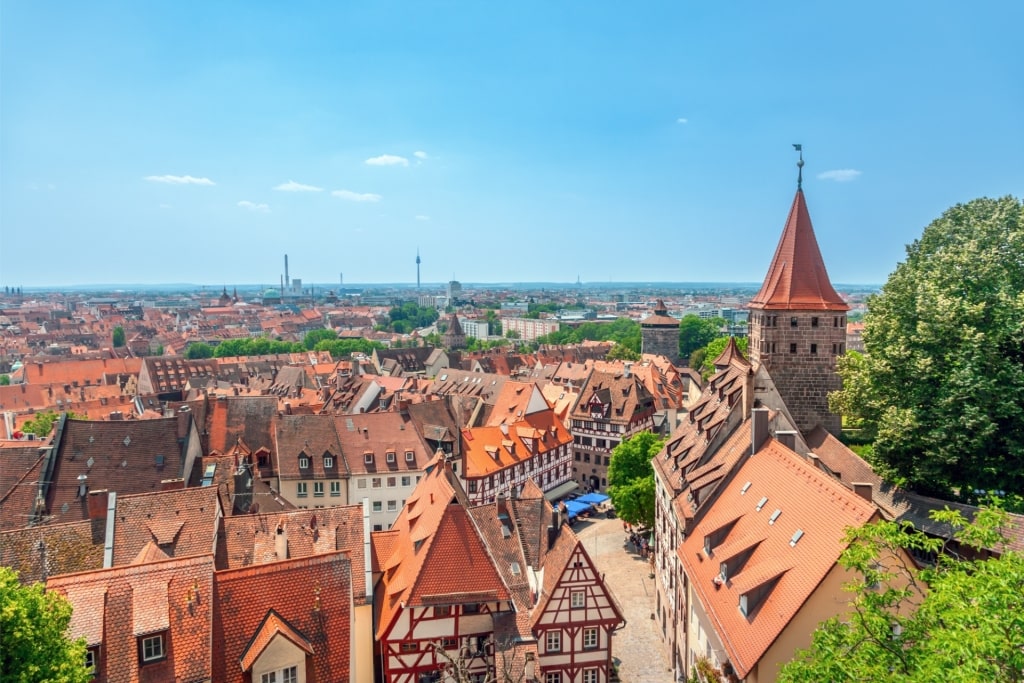
Old Town
To enjoy the most pleasant weather and ideal touring conditions in Nuremberg, plan your visit between late April and early October.
The shoulder months, particularly May, June, and September, offer the sweet spot of temperatures that are comfortably mild—ideal for climbing to the castle—with long daylight hours, yet without the peak-season tourists or sometimes intense summer heat.
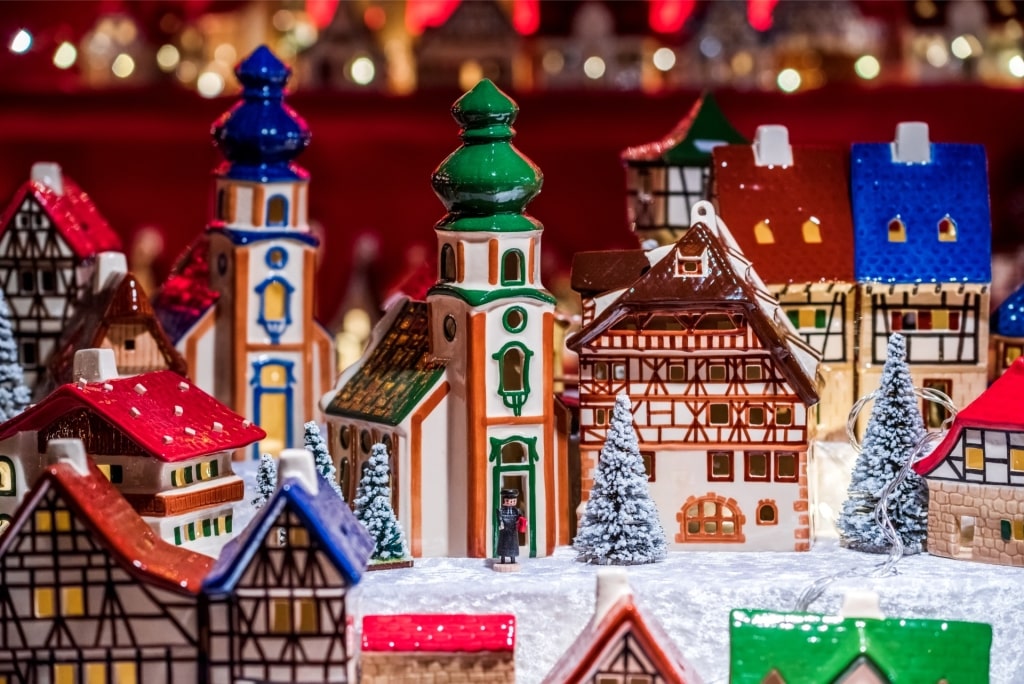
Christkindlesmarkt
If, on the other hand, you wish to experience Nuremberg in its purest, most magical form—and you don’t mind the cold—you can visit during the four weeks before Christmas.
It’s then that the city hosts the world-famous Christkindlesmarkt Christmas Market. The air is scented with Glühwein and Lebkuchen, and the Hauptmarkt transforms into a glittering holiday scene with all of the charm you’d expect from centuries of Christmas tradition.
Old Town
Discover this fascinating city for yourself. Browse Celebrity’s river cruises to Nuremberg and book your European adventure today.