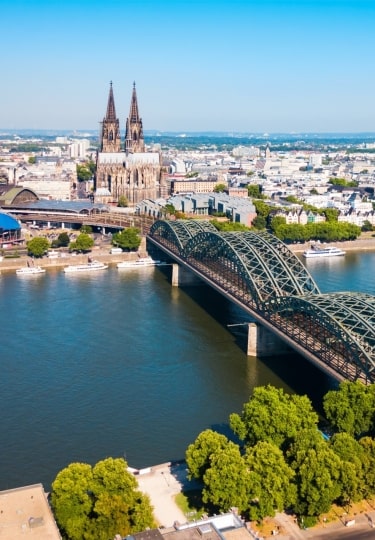
The best things to do in Cologne are either walkable or just a short tram or subway ride from the city’s symbolic heart, the Cologne Cathedral.
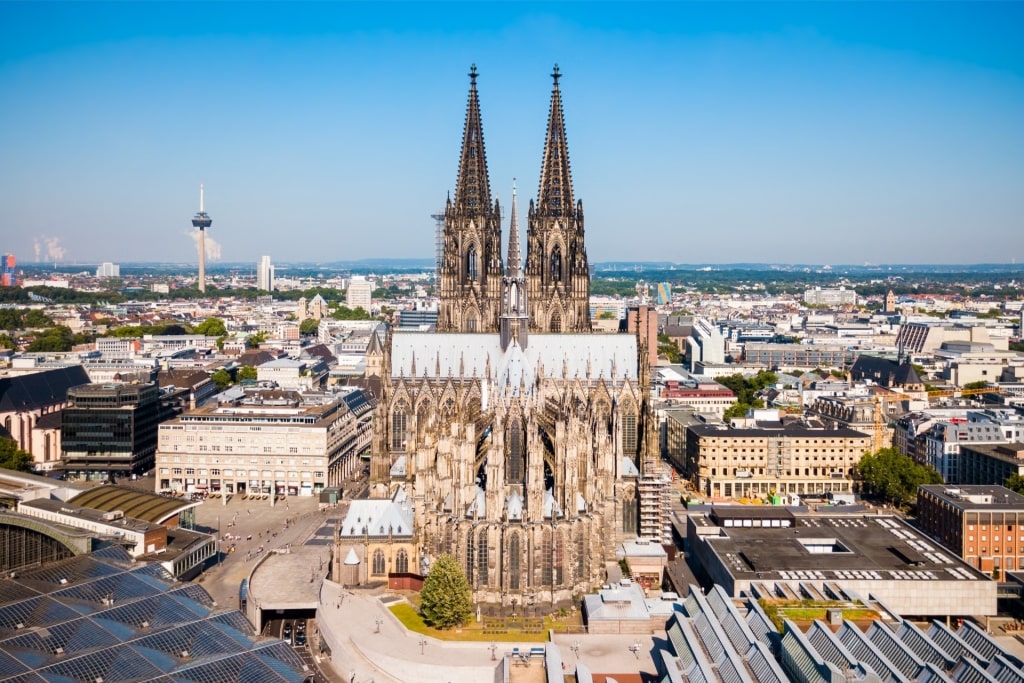
The Kölner Dom, as the religious landmark is named in German, is essentially the geographical centerpoint of the city. Spiritually important over centuries as a Catholic pilgrimage site, Cologne Cathedral defines the landscape so much so that Cologne is often called the “Cathedral City.”
While the Cologne Cathedral evokes a holy historical past, its twin spires also rise up over a destination known today for joie de vivre and a thoroughly youthful spirit. Cologne residents keep up a friendly, welcoming demeanor and this is a German city where, from old-world beer halls to Carnival parties, fun is guaranteed. Here are the best things to do in Cologne.
Marvel at Cologne Cathedral’s Shrine
Cologne Cathedral
One of the best places to visit in Germany, the famous Cologne Cathedral is the center of the Catholic Diocese of Cologne. Even if you’re not spiritually drawn here, exploring inside is an absolute must. Beyond the Cologne Cathedral’s bronze doors, historical treasures and art abound.
The Cathedral Treasury is packed with prized medieval reliquaries, some of Europe’s oldest surviving liturgical objects, beautiful sculptures, and more, revealing much about Cologne’s fascinating history.
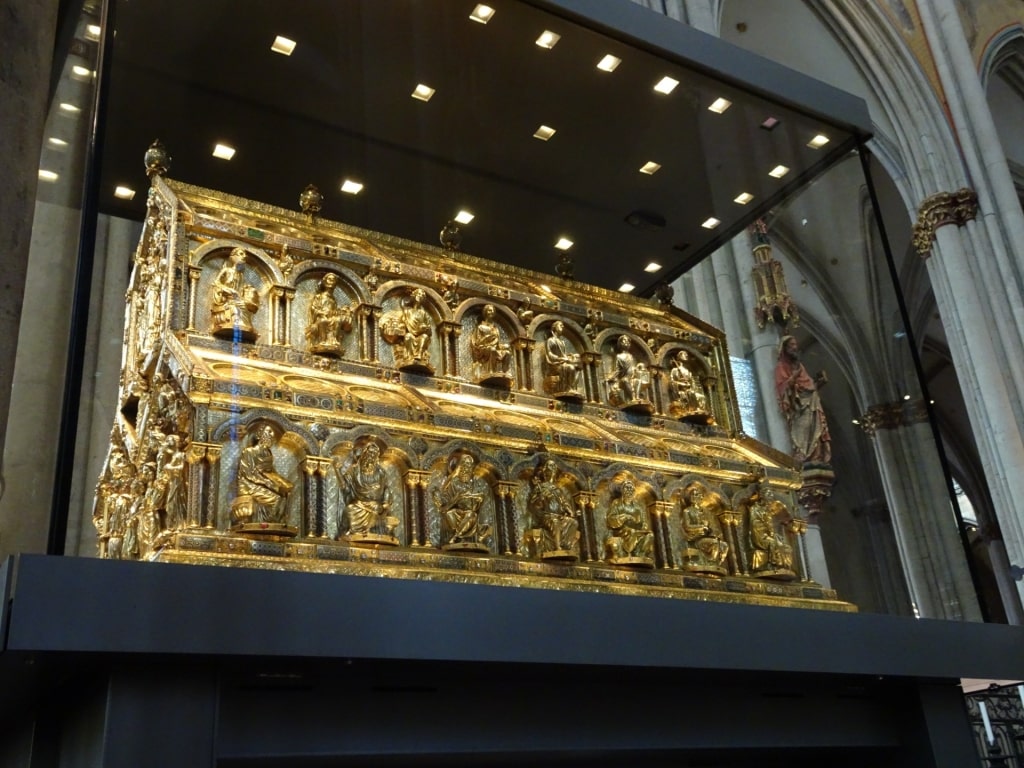
Shrine of the Magi Photo by Hugh Llewelyn on Flickr, licensed under CC BY-SA 2.0
The most important of these treasures is the Shrine of the Magi, also known as the Shrine of the Three Kings. The basilica-shaped sarcophagus contains what are believed to be the remains of the three kings who followed the celestial star to the Bethlehem stable where Jesus was born and is encrusted with gold, silver, enamel, and precious stones. The bones inside were gifted in 1164 by the reigning Holy Roman Emperor to the Archbishop of Cologne and brought here from Milan.
The Shrine of the Magi has been the focal point of Cologne Cathedral ever since—through medieval times, through Napoleon’s occupation, and even surviving World War II bombings. Of its entire treasury, the Shrine is the reason Cologne Cathedral has been an important pilgrimage worship site for so long.
Gaze at the Cologne Cathedral Window
Cologne Cathedral
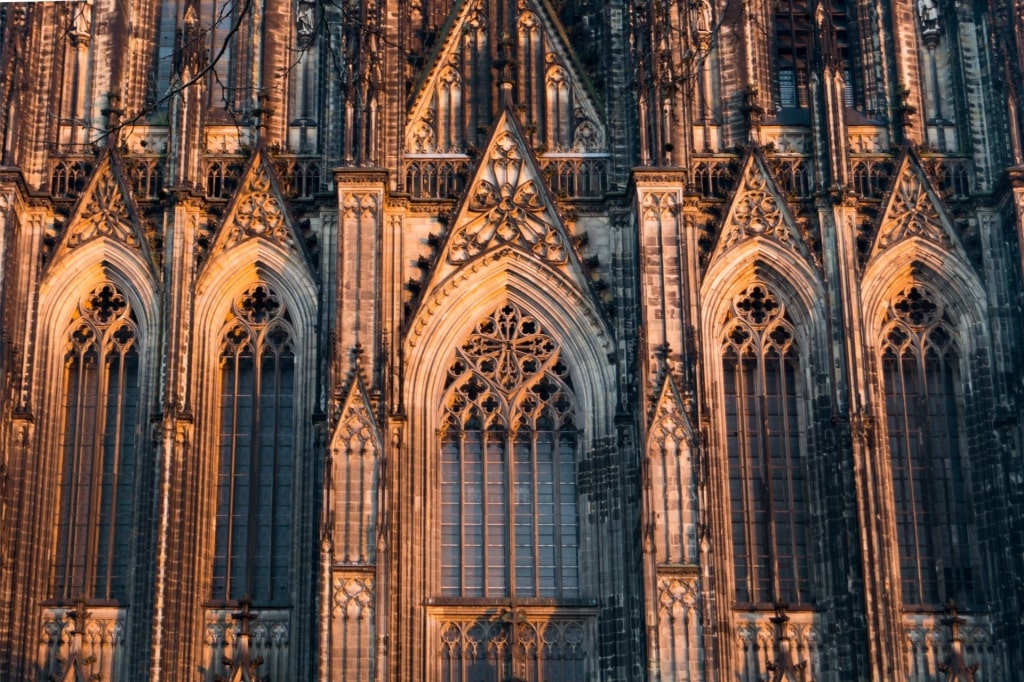
The Cologne Cathedral’s medieval stained-glass windows, depicting biblical scenes in vibrant hues, are also among its breathtaking treasures. The most impressive of them, however, is not a relic but a modern masterpiece known as the Cologne Cathedral Window.
Installed in 2007, the Cathedral Window was designed specifically for the cathedral by Germany’s most important living artist, Cologne-based Gerhard Richter. Inspired by Richter’s esteemed abstract masterpiece 4096 Colors, the kaleidoscope stained-glass Cathedral Window fuses together 11,500 glass squares in 72 different shades.
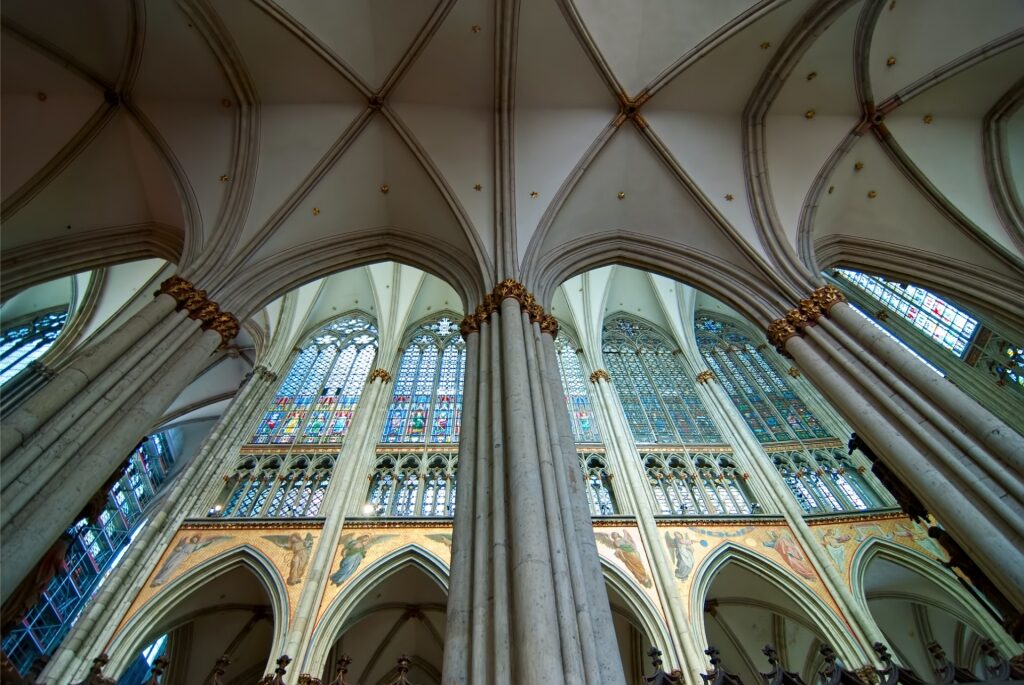
Cologne Cathedral
Visit the German landmark on a sunny day, you’ll see exactly why Richter’s design is dubbed a “symphony of light” for its prismatic effect across the stone floors and pillars.
See Cologne From the Cathedral’s Tower
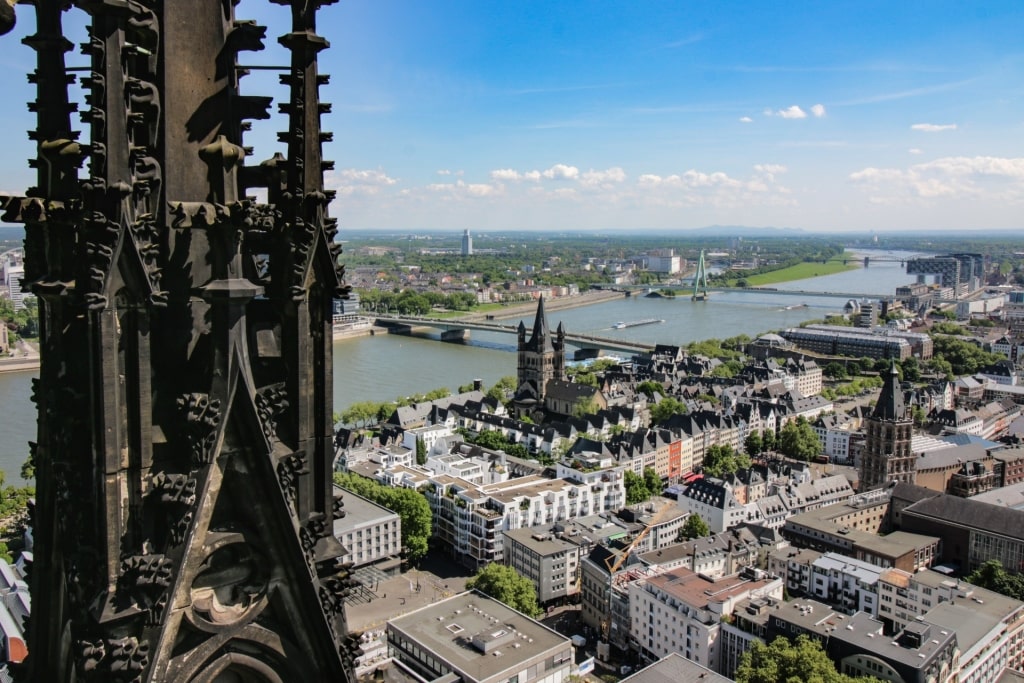
View from Cologne Cathedral’s Tower
Cologne Cathedral held the title of the world’s tallest building until the completion of the Washington Monument in 1884. Today, it remains the second-tallest church in the world.
Climbing the 533 steps up the southern tower is a truly rewarding experience, if you have the physical stamina. The narrow, stone staircase ascends to a 300-ft-high viewing platform revealing unbeatable panoramic views across Cologne and the Rhine River. On the way up, you can also admire the St Peter’s Bell. Weighing 24 tons, it’s the largest free-swinging and still functioning bell in the world.
Drink Kölsch at a Cologne Beer Hall
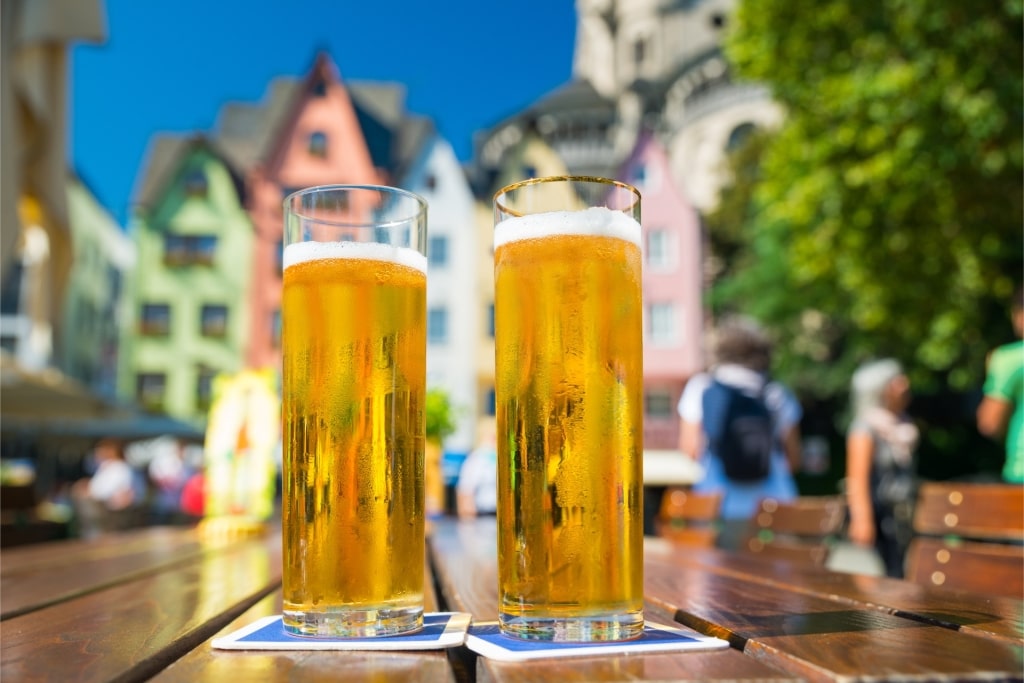
Kölsch
At Cologne’s busy and boisterous beer halls, the regional beer style Kölsch has been on tap since the 19th century.
Visiting the Cathedral City without downing a Kölsch would be sacrilegious. The light, hoppy, slightly sweet beer is a protected specialty which can only be brewed in and around the Cologne area.
Local beer halls only serve Kölsch in the proper, traditional way—poured into cold, Stangen glasses which are skinny and straight. Servers flit around and continually fill glasses whenever they’re empty, miraculously remembering how many you’ve had when it comes to settling the check. If you don’t want another round, you’ll need to learn the Cologne tradition of saying, “Enough!”—placing a beer mat over top of your glass.
Celebrate Carnival
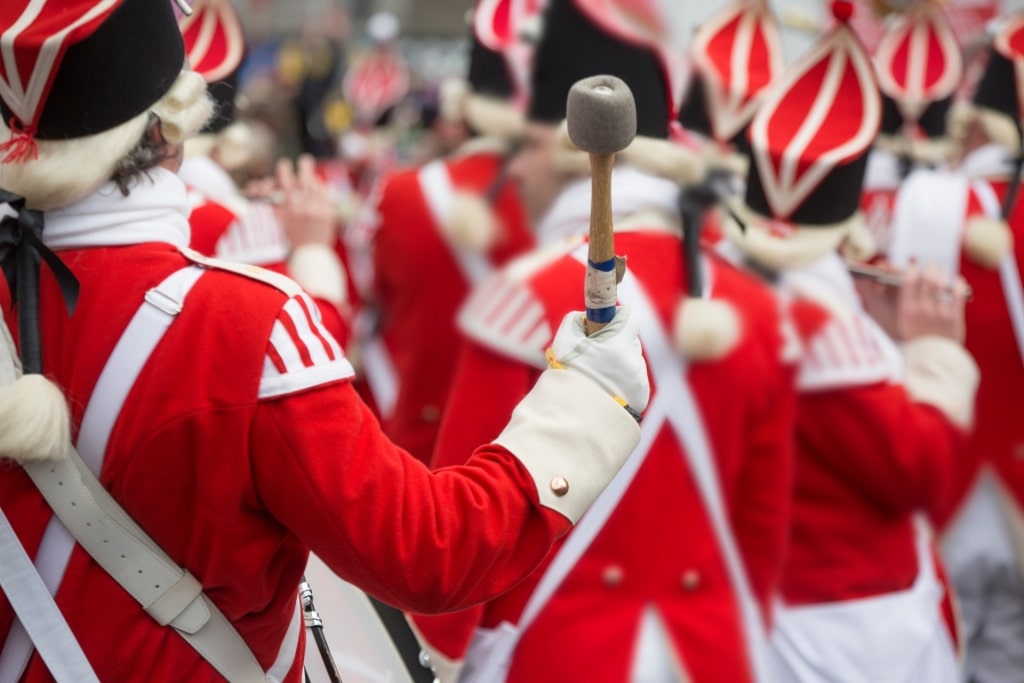
Carnival
The German city of Cologne is the proud home of one of the world’s greatest festivals, Carnival. Every year, Cologne Carnival is a spectacle of merrymaking, parades, and parties all over the Cathedral City in the week before Lent. Even if you don’t get to attend, simply knowing Carnival is to understand the psyche of this fun-loving place, famed throughout Germany for its party lifestyle.
During Carnival, 1.5 million revelers take to the streets to sing, dance, and drink Kölsch beer, all while yelling the local Carnival greeting, “Alaaf!”
Locals take massive pride in their homemade parade floats and the crazy, colorful costumes they put together. The more silly and the more inventive, the better—at the end of it all, that’s what truly makes the “crazy days” of Cologne Carnival so unforgettable.
Discover Cologne’s Roman History
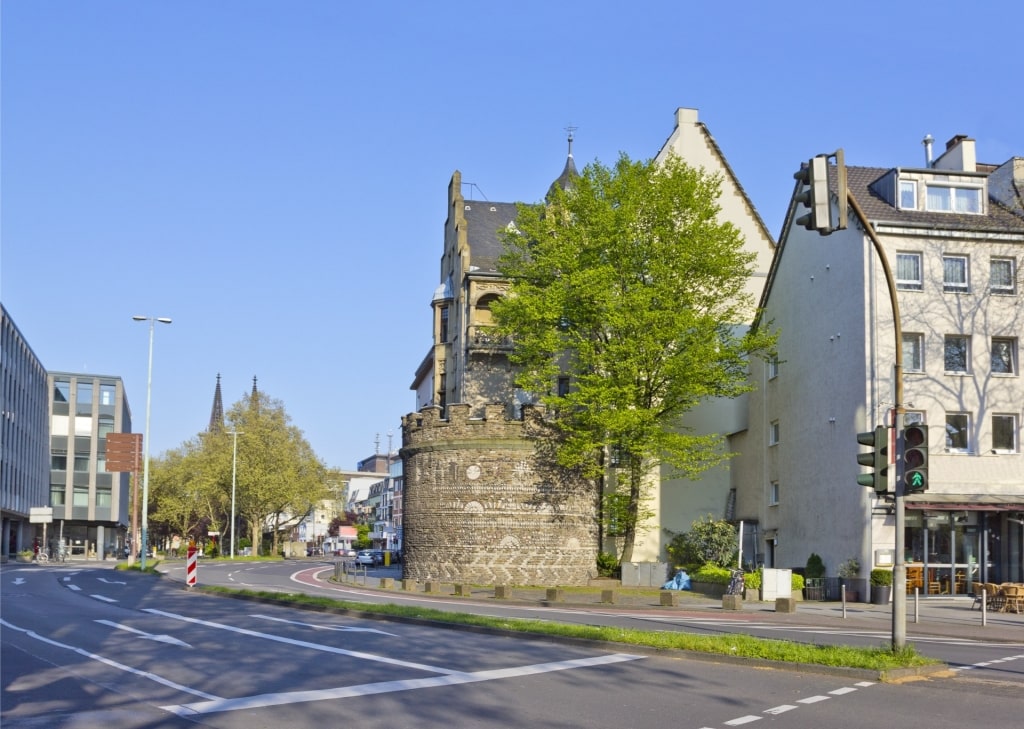
Roman Tower
Cologne, founded by the Romans in 38 BC, still has several empire relics you can check out. Outside the Cologne Cathedral, the Roman Arch was once the ancient city’s gateway. Meanwhile, the Roman Tower ruins were once part of defensive fortifications.
The Romano-Germanic Museum is the authority on Cologne’s archaeological heritage and provides context to such relics and their history. Sculptures and ruins outside the entrance are just the beginning of an engaging collection of excavated artefacts dating from prehistoric to the early Middle Ages.
Highlights include the giant Poblicius tomb, the magnificent, third-century Dionysus mosaic, and astonishingly well-preserved glass items. Everyday objects such as toys, tweezers, lamps, and jewelry provide insight into the once daily life of Cologne as a Roman colony—and, surprisingly, don’t look that much different than the modern versions of such objects today.
Attend a Cologne Philharmonie Performance
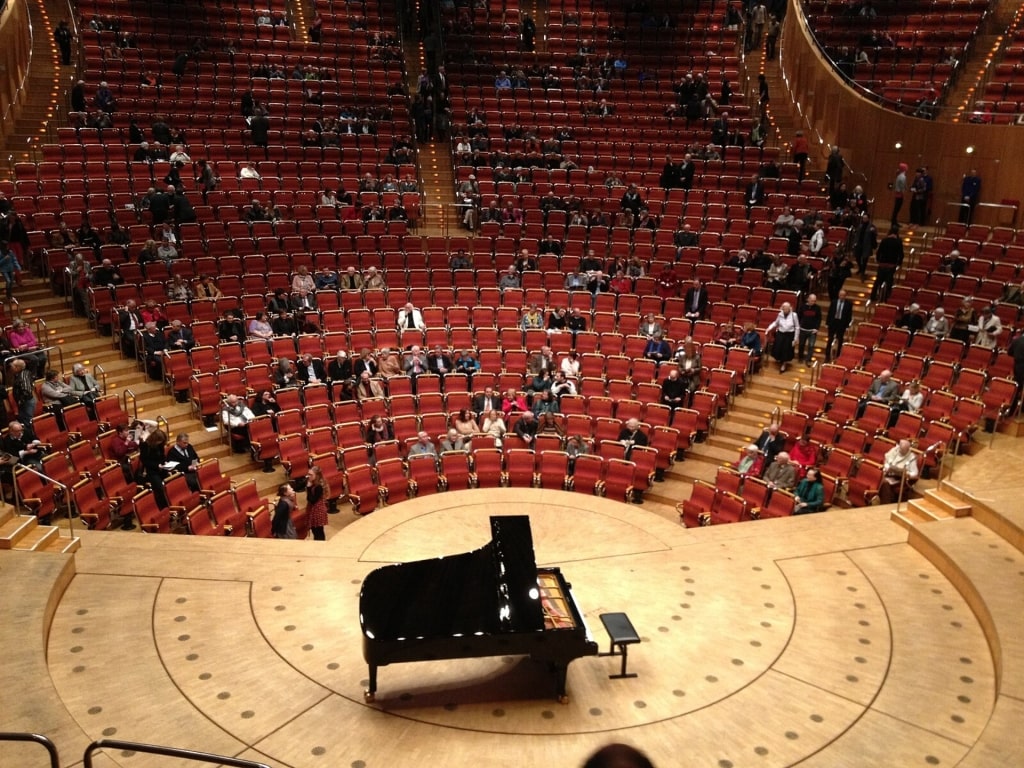
Cologne Philharmonie Photo by Robert Douglass on Wikimedia Commons, licensed under CC BY-SA 2.0
Cologne’s elegant concert hall hosts a packed program for diverse listening tastes, from classical to jazz and pop-choir performances.
Though the amphitheater-style seating of the theater is a nod back to Roman days, the Cologne Philharmonie’s subterranean lair, boasting exceptional acoustics, can only be described as state-of-the-art.
Try to catch an evening performance or one of the free—and understandably, high demand—lunchtime performances. Two or three days per month, the Philharmonie opens its doors at noon for these 30-minute classical performances.
Visit the Archdiocese of Cologne’s Art Museum
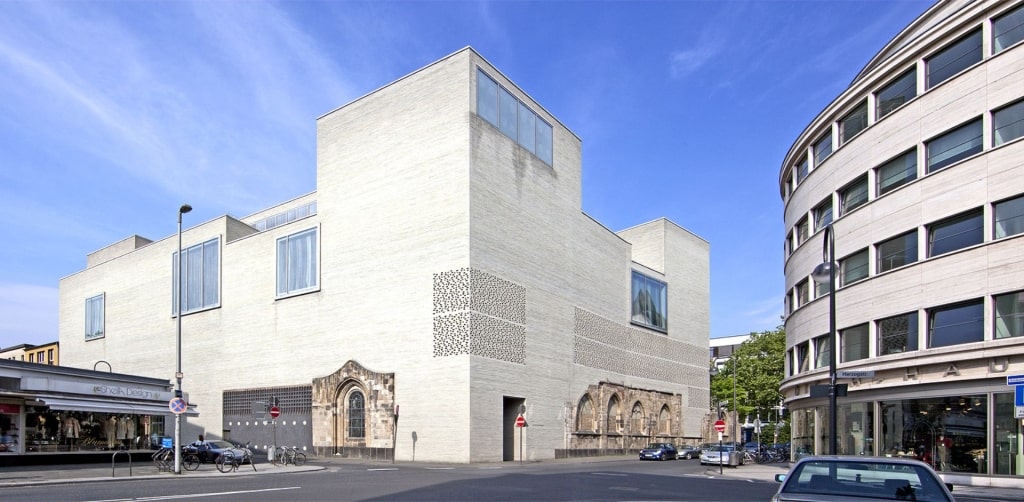
Kolumba Museum Photo by Hpschaefer on Wikimedia Commons, licensed under CC BY-SA 3.0
Religious art and Cologne history come together at the Kolumba Museum. The art museum, run by the Roman Catholic Archdiocese of Cologne, houses sacred sculptures and paintings galore. Exhibits of religious artistry span works from the early days of Christianity to the present. Standouts include a 12th-century carved ivory crucifix, the 11th-century gilded Hermann-Ida Cross and also some artefacts of African origin including neck and head rests from modern-day Ethiopia.
Beyond Kolumba’s collection, the museum’s layout and structure itself are also historically important. The building incorporates original materials from the World War II ruins from the St. Kolumba church, including layers of Roman foundations. The design, much like its exhibitions which present artworks according to themes rather than chronology, aims to create spaces to lose time in meditation.
Gaze at Modern Art at Museum Ludwig
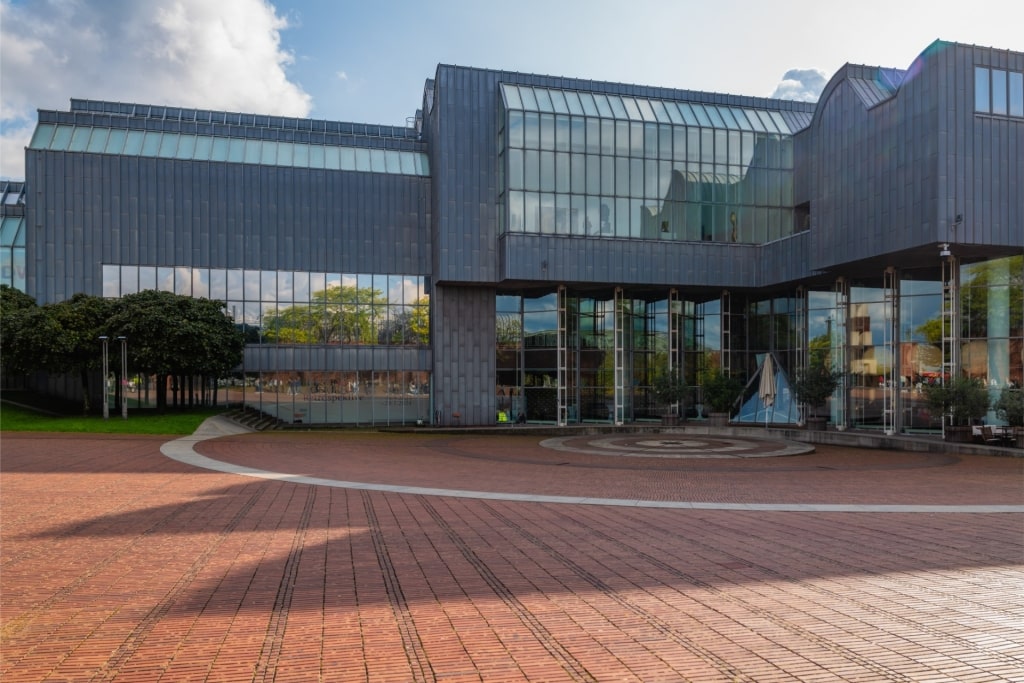
Museum Ludwig
In contrast to Cologne’s many ancient relics, the Museum Ludwig is one of Germany’s prime destinations for contemporary art. The museum’s top-rated collection of modern art includes Picasso, Pop Art, Pollock, and photography, as well as German expressionists and painters of the Russian avant-garde.
The collection is housed inside a postmodern, industrial building which really showcases Cologne’s cutting-edge side. The museum has embraced several ecological initiatives, becoming an art institution of the future, including zinc-clad shed roofs utilizing natural daylight, hydropower electricity, and a green rooftop terrace.
Visit the Wallraf-Richartz-Museum
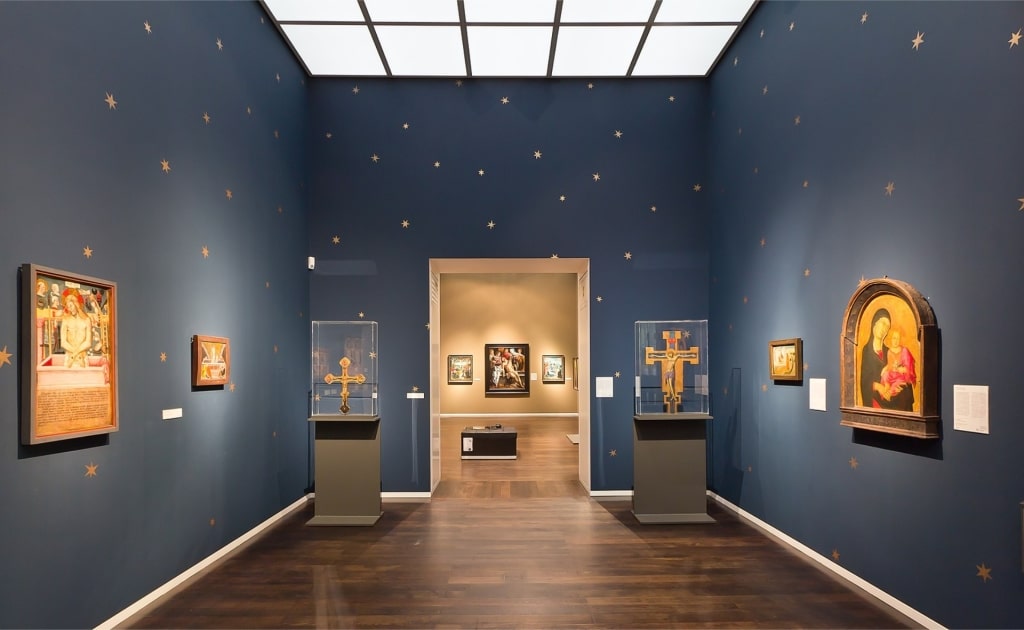
Wallraf-Richartz-Museum Photo by Raimond Spekking on Wikimedia Commons, licensed under CC BY-SA 4.0
Last but not least of Cologne’s spectacular museums, the Wallraf-Richartz-Museum presents a whopping six centuries of European art. All the big names from the 13th to the early 20th centuries are on the roll call here—Rubens, Rembrandt, Cézanne, Renoir—across a slick, minimalist cube-inspired space.
Among the most famous are Claude Monet’s Water Lilies and Rembrandt’s Late Self-Portrait. However, do not miss the museum’s impressively large repository of medieval art, including Stefan Lochner’s Madonna in Rose Bower. Lochner’s gilded Renaissance iconography is often praised as the “Mona Lisa of Cologne” by art historians.
Stroll Around the Belgian Quarter
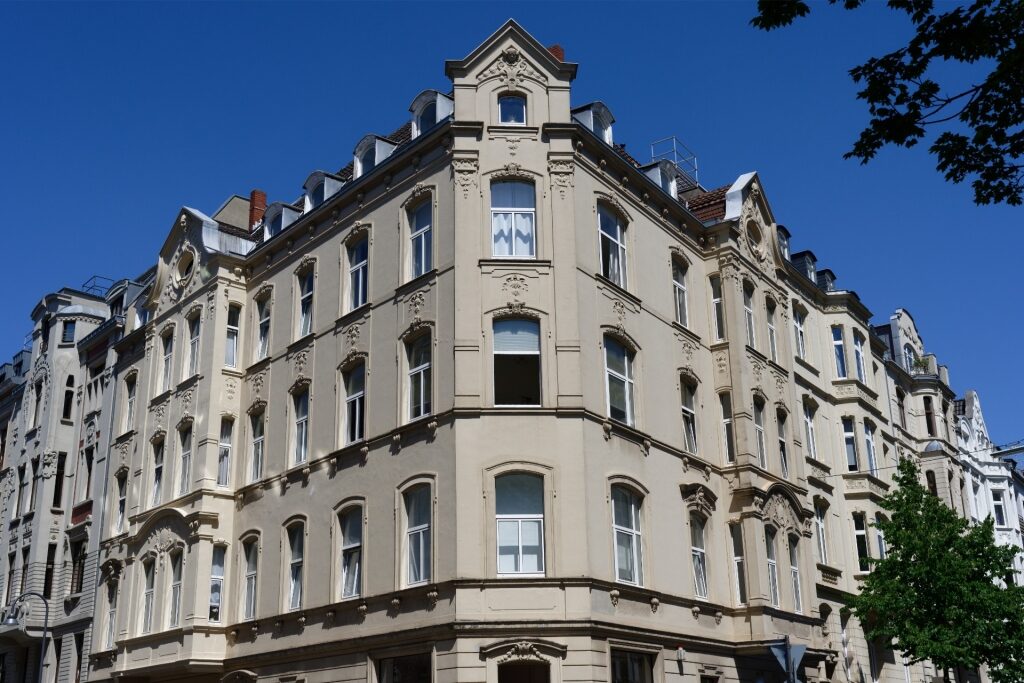
Belgian Quarter
The atmospheric Belgian Quarter is known as a young, hip, and creative neighborhood. Come here for a stroll under leafy trees and around fabulous Art Nouveau buildings offering a wide spectrum of boutiques, galleries and ateliers, cafés, and restaurants.
Come here towards the end of your time in Cologne when you’re ready for some fresh air. The Belgian Quarter is a delightfully airy escape. It’s especially great for locally made souvenirs and you’ll find lots of unique take-homes at specialty shops and designers’ studios.
Drink at a Cologne Beer Garden
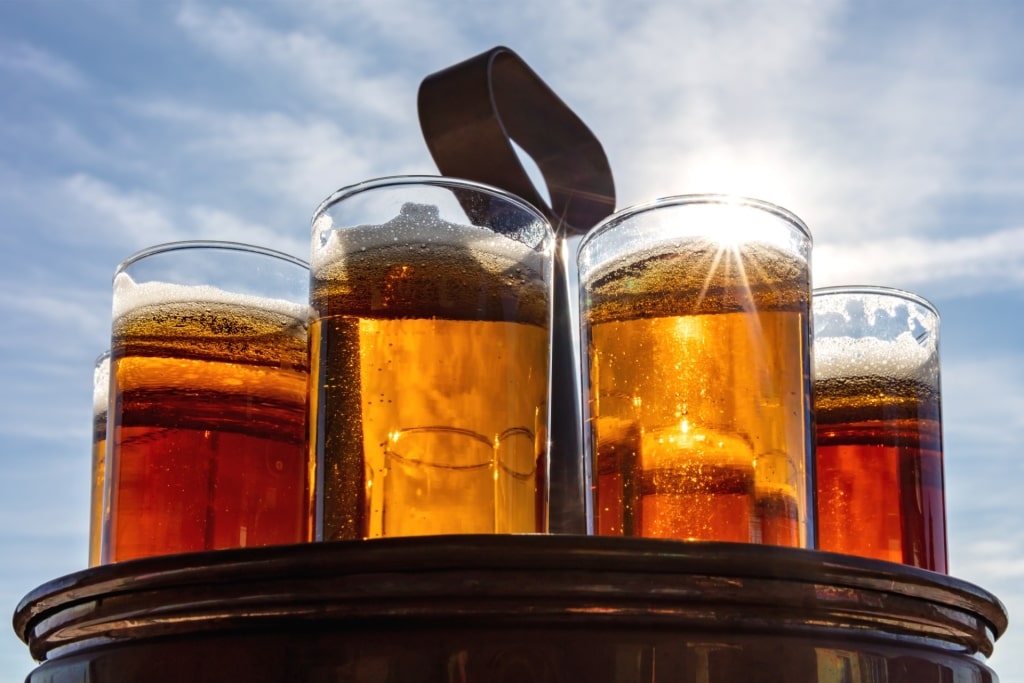
German beer
While traditional beer halls offer a glimpse into times past, tipping a Kölsch at one of Cologne’s al-fresco beer gardens is perfect for discovering the city’s youthful vibe today.
Cologne is known for excellent, family-friendly outdoor beer gardens where diverse crowds of locals—students, pensioners, large groups celebrating special events, you name it—all come together for hearty German food and Kölsch.
You will find a couple of Cologne’s best beer gardens tucked into public parks, such as at Rathenauplatz and in Hiroshima-Nagasaki Park. On weekdays, early afternoons are the best time to go and score the most coveted wooden seats under shady trees and twinkly fairy lights.
Spend an Evening at Stadtgarten
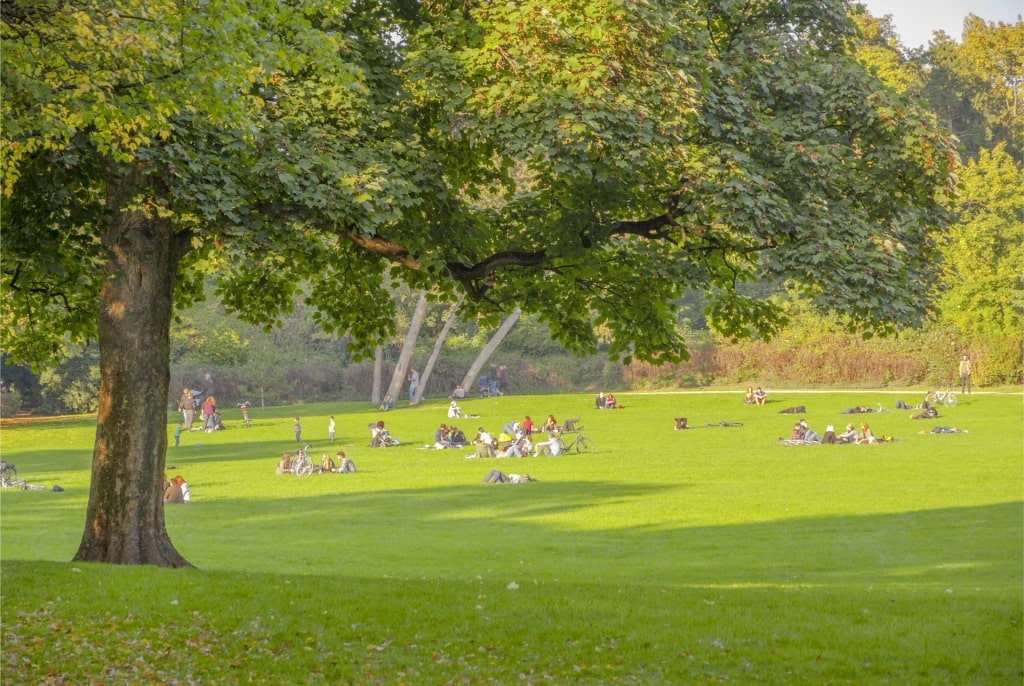
Stadtgarten
In the Belgian Quarter, Stadtgarten, Cologne’s oldest public park, is a wonderful place to spend a summer afternoon or evening. Stadtgarten is a sweet urban oasis where locals love to cycle and stroll. Pick up some takeout from around the Belgian Quarter’s restaurants, and take it over to the park’s manicured lawns for the perfect picnic.
Stadtgarten also has its own beer garden, restaurant, and café as well as a stage for live acts. Live jazz is a particular focus of its cultural programming, and overall, Stadtgarten hosts over 400 unique events annually. Find the full list of performances and events on the public park’s website.
Read: The Ultimate Guide to Cologne’s Christmas Markets
Visit the Lindt Chocolate Museum
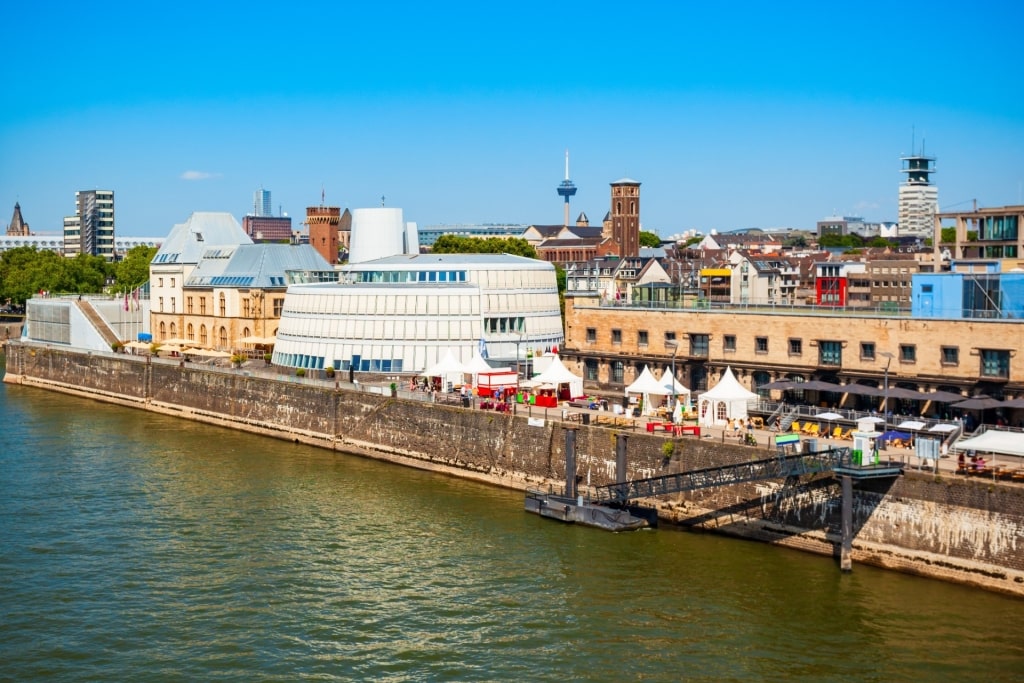
Lindt Chocolate Museum
It might come as a surprise that Lindt—the Swiss chocolatier and confectionery company beloved worldwide for its famous, foil-wrapped Lindor truffles—has a museum dedicated to chocolate in Cologne. The attraction is all thanks to Cologne-based chocolate entrepreneur Hans Imhoff.
Following World War II, he took over Stollwerck, a struggling chocolate company, and turned it into a thriving business. Later on, he had the idea to turn the Stollwerck chocolate factory into a museum about chocolate production and its history, displaying found items from chocolate molds to old machinery, advertising posters, and packaging.
As such, the chocolate museum was opened in 1993; since 2006, Lindt has been involved as a partner. The boat-shaped factory—a nod to where it’s situated, on a former customs port at Cologne harbor—is now a sweet, state-of-the-art sanctuary dedicated to chocolate making. An afternoon here is well spent on a guided tour of the 5,000-year cultural history of what the Aztecs once called “elixir of the gods.”
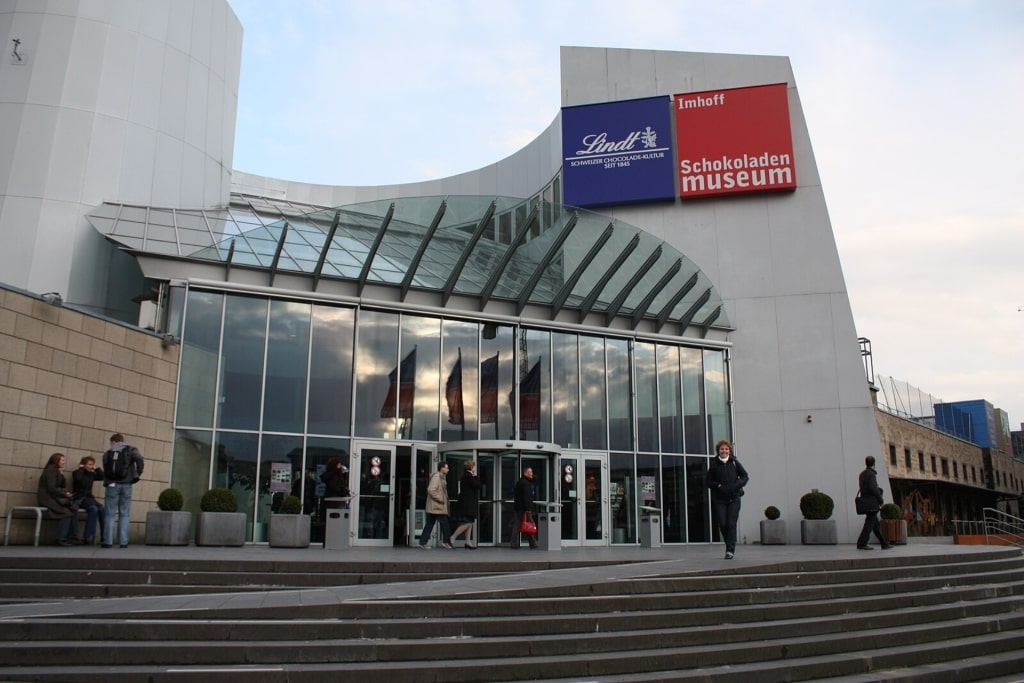
Lindt Chocolate Museum Photo by Politikaner on Wikimedia Commons, licensed under CC BY-SA 3.0
The tour is full of engaging exhibits. One of the best parts is the Chocolate Museum’s on-site greenhouse where the origin story of cacao comes to life. Inside a climate-controlled tropical forest, surrounded by real living cacao trees and other lush tropical plants, you’ll find out about the history of cacao growing.
The glass-walled miniature production facility, showing how chocolates get produced and packaged, is also a visitor favorite.
Last but not least, you’ll never forget the guided tour’s grand finale. The final stop at the Chocolate Museum is in front of a gigantic 10-ft-tall chocolate fountain filled with 440 pounds of flowing Lindt chocolate. Needless to say, there’s plenty of opportunity to buy chocolate after your visit.
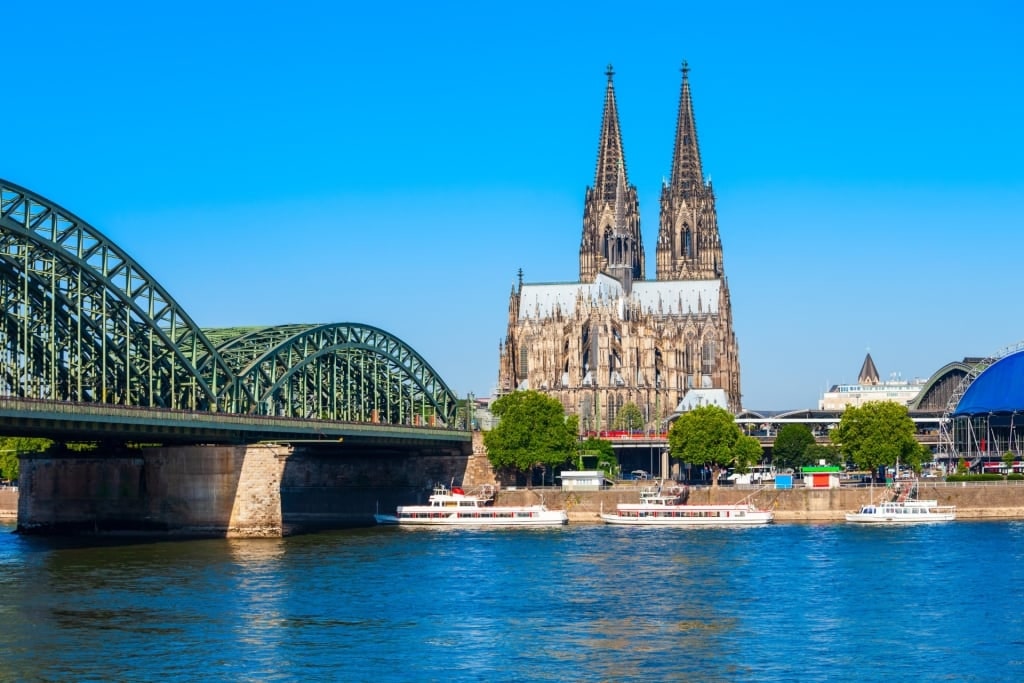
Cologne
Discover the city on one of Celebrity’s river cruises to Cologne. Browse itineraries and plan your European adventure.