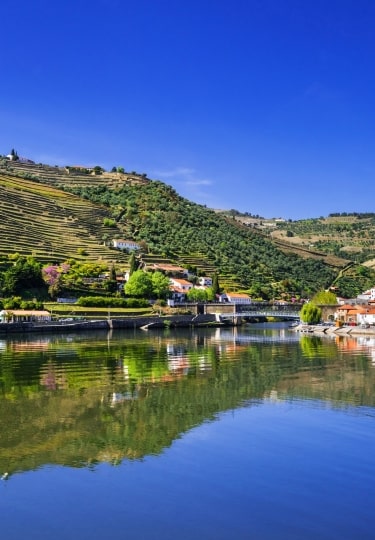
The most westerly country in mainland Europe, Portugal is home to picturesque towns and cities steeped in history. You’ll find verdant valleys of rolling vineyards, miles of beautiful coastline, outstanding surf spots, and superb golf courses. Throw in the country’s deep-rooted culinary and cultural traditions and Portugal is one of the best vacation destinations in the world.
From the northern city of Porto to the capital, Lisbon, and the sunny islands of Madeira and the Azores in the Atlantic Ocean, discover what Portugal is famous for.
Gastronomy
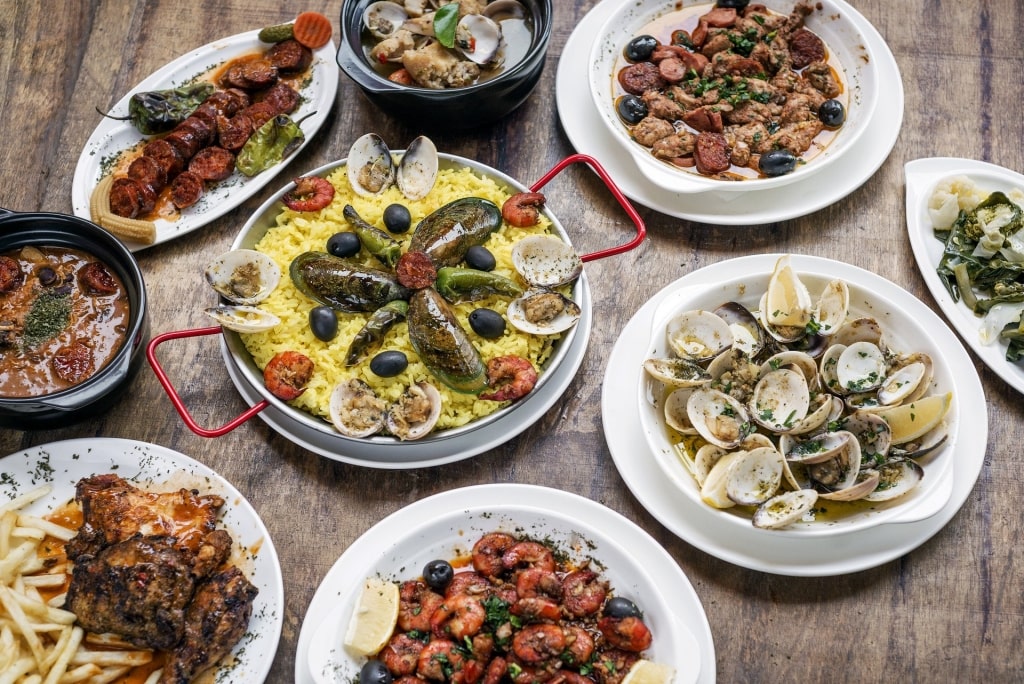
Portuguese food
Portugal is well known for its food and fine wine. From fresh anchovies to salted cod and grilled shrimp, the Atlantic Ocean is Portugal’s greatest influence when it comes to the kitchen table. Meat dishes are also popular, including beef, pork, and goat, and commonly used in stews or marinated and then barbecued.
You’ll find everything from simple, rustic-style cooking at taverns and “marisqueiras” (seafood eateries) to impeccably presented Michelin-star cuisine.
In Lisbon, graze your way through local dishes at the superb Time Out Mercado da Ribeira, where you’ll find 40 of the city’s best restaurants offering menus all under one roof. Sample the fragrant fish soup, delicate slices of tuna carpaccio, roast octopus, rich game sausage, and various flavorsome croquettes.
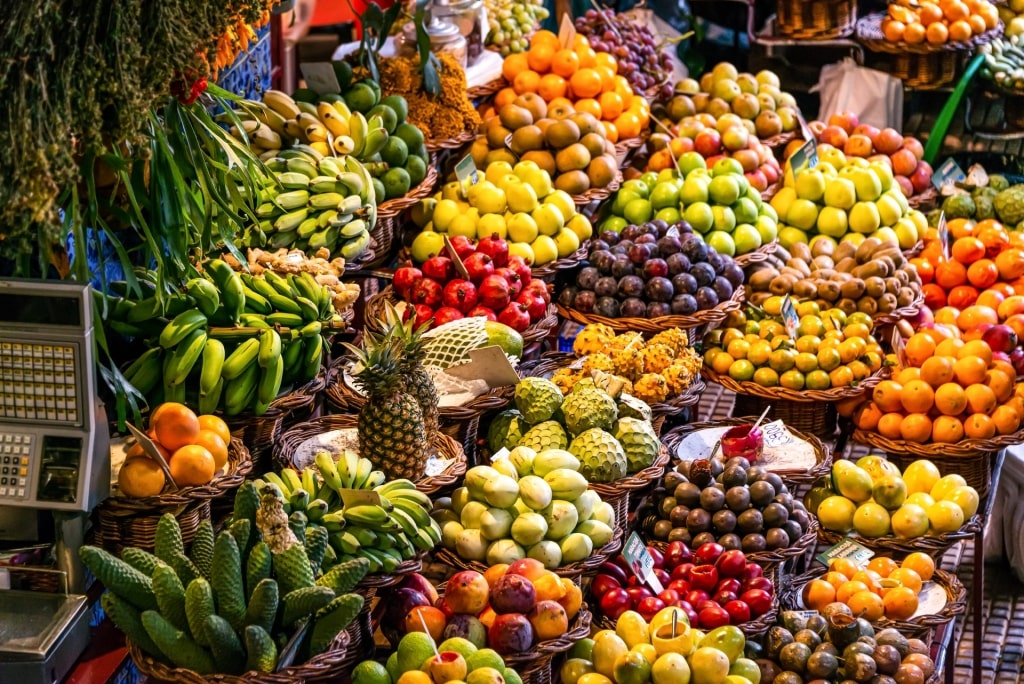
Mercado dos Lavradores, Madeira
Madeira’s vibrant Farmers’ Market, Mercado dos Lavradores, has been in business since 1940 and features a lively fish market and stalls piled high with colorful fruit, vegetables, and flowers.
Stop by one of the fruit vendors to try the island-grown passionfruit, guava, prickly pear, and physalis, or cape gooseberry.
You’ll find less recognizable fruits, too, like the rare banana passionfruit, and the banana-pineapple-soursop-hybrid known locally as “Delicious Fruit”, which has a wonderful custard flavor.
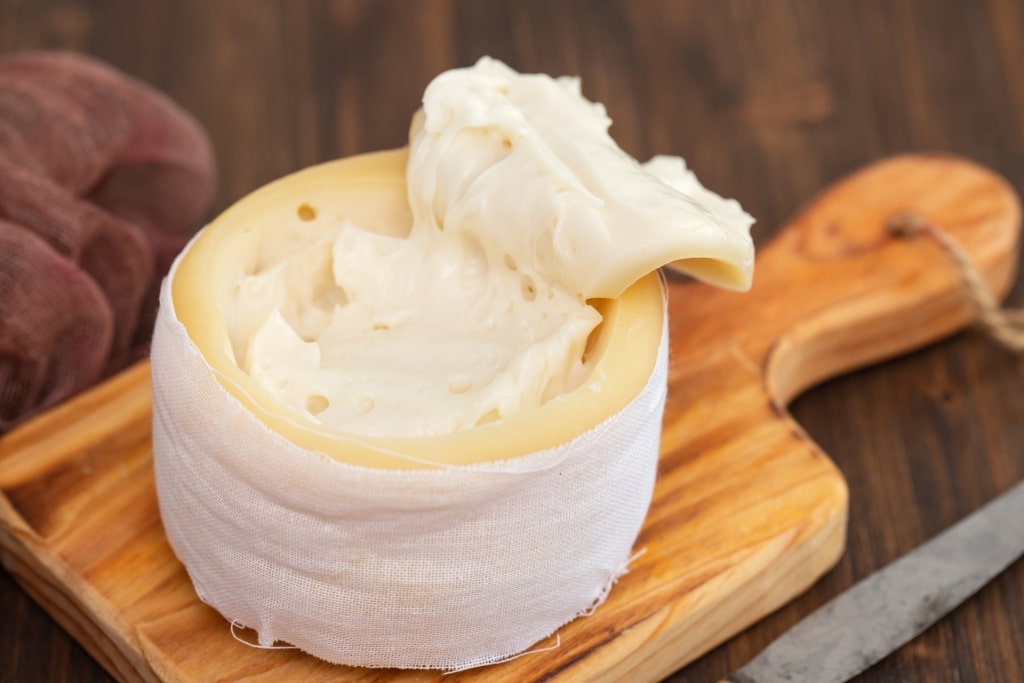
Serra da Estrela
Try the best food in Porto and graze over a selection of cheeses, including the robust Serra da Estrela sheep’s milk variety made in the Serra da Estrela mountains, the highest range in Portugal. Savor slices of Queijo de Cabra Transmontano, a hard goat’s milk cheese, and the semi-hard Queijo de Nisa made with raw sheep’s milk from Alentejo, paired with a glass of port. Look for a deep red-hued, vintage port that displays notes of ripe plums, blackcurrant, and cherry for maximum impact.
Pick up a bottle of Portuguese olive oil as a souvenir to take home as a reminder of the country’s rich gastronomic scene.
Beaches
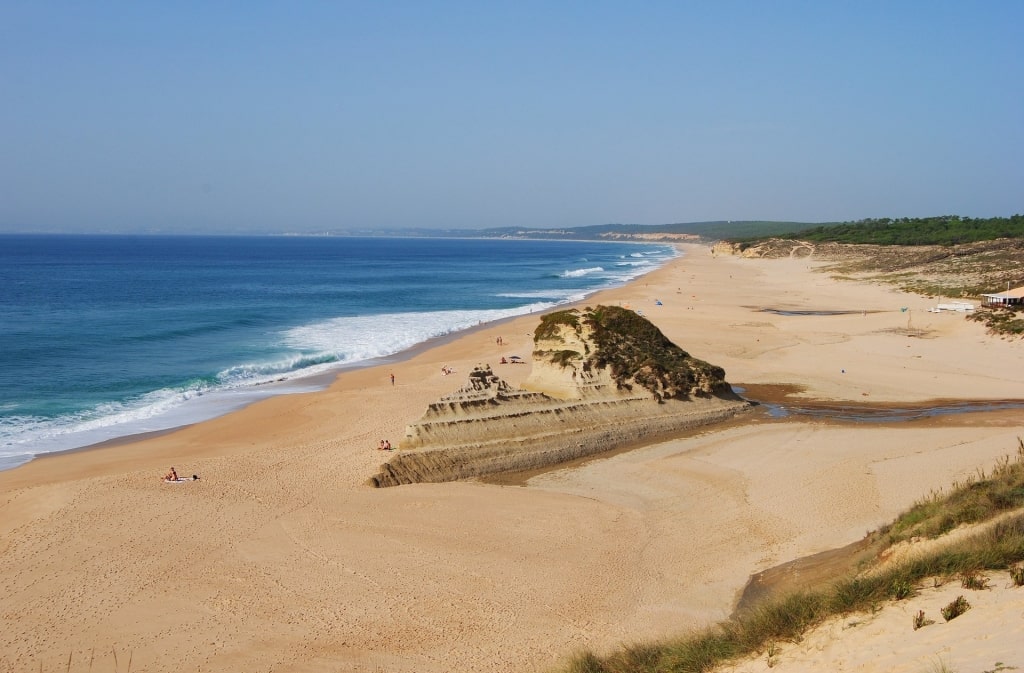
Meco Beach, near Lisbon
Pack your swimsuit as it’s widely known that Portugal is home to some of the best beaches in Europe. There’s a common theme with Portuguese beaches: sugary-soft golden sand, unless you’re in the Azores or Madeira where the sand is much darker, and adrenaline-packed watersports including surfing, bodyboarding, windsurfing, sailing, and swimming.
If you’re searching for a sunny beach in Porto, you won’t have to look far. Gondarém Beach is a serene stretch of sand offering plenty of amenities for sunseekers wanting to stay close to the city center.
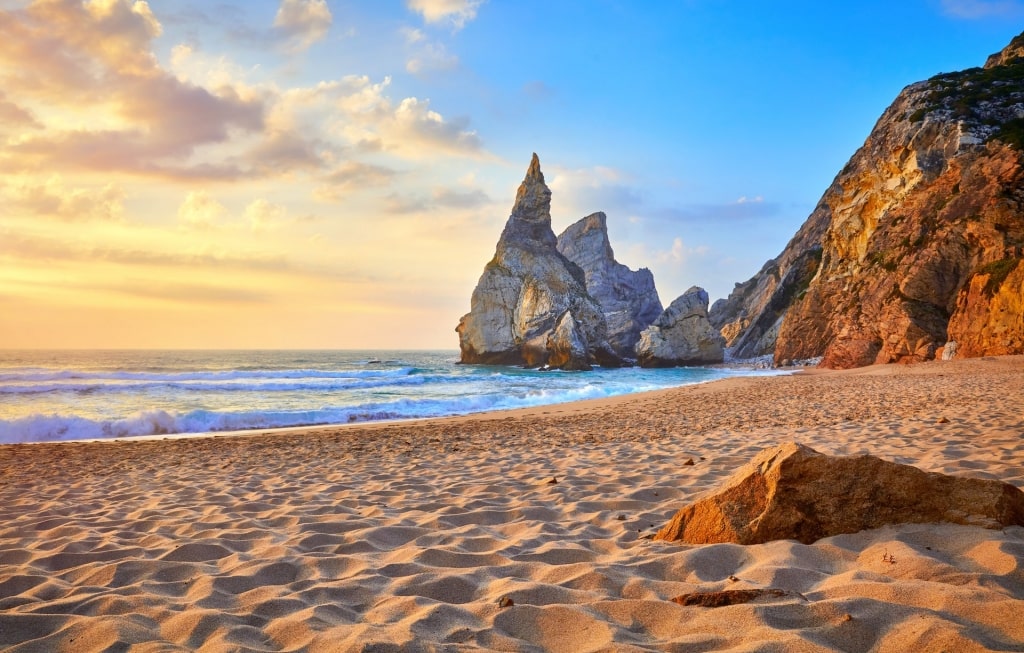
Ursa Beach, Sintra-Cascais Natural Park
The expansive stretch of sand at Meco Beach is one of the best beaches near Lisbon, while the more remote Ursa Beach in Sintra-Cascais Natural Park offers an off-the-beaten-track patch sandwiched between two rocky outcrops. This gorgeous spot is accessed via a coastal trail.
Head for Porto de Abrigo do Seixal Beach, regarded as one of the best beaches in Madeira for its dramatic black sand and lush coastline. Towering, forested cliffs plunge straight into the ocean here. Take out a sea kayak to admire the view, or relax and people watch at the beach bar.
Madeira
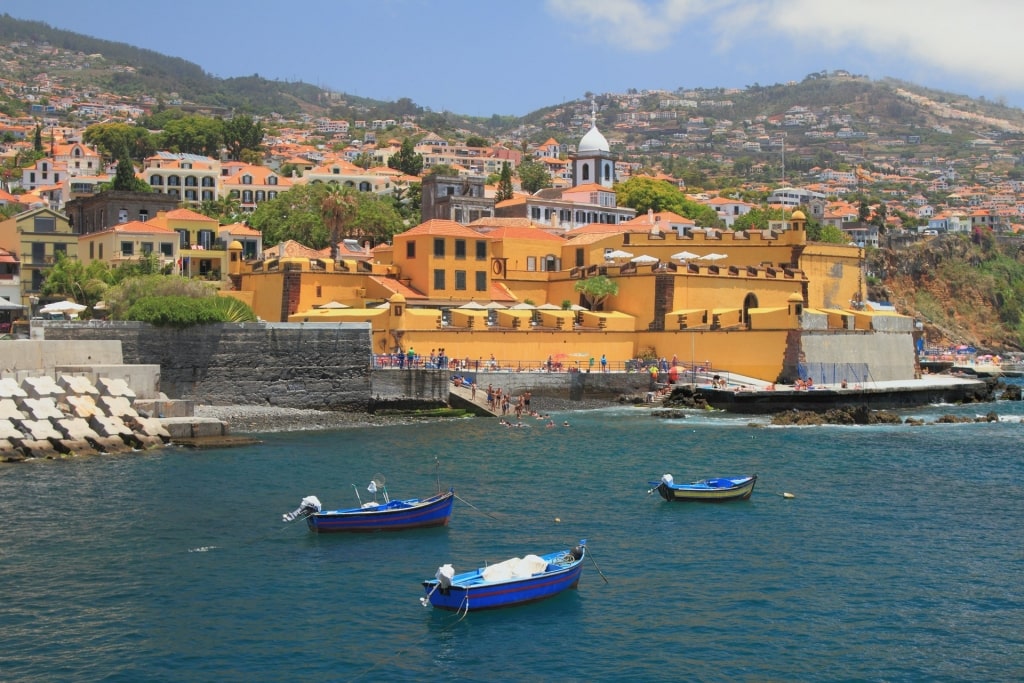
Madeira
Located in the mid-east Atlantic Ocean, Madeira is the principal island of the Madeira Archipelago, four islands that lie some 500 nautical miles southwest of the Portuguese mainland. Measuring just 34 by 13 miles, the island is easy to explore and offers a year-round mild temperature, peaking in summer with balmy, sun-drenched days.
Madeira’s interior is known for its lushly forested volcanoes, fruit plantations, and attractive towns and villages. The capital, Funchal, is among the best beach towns in Portugal and is easy to explore in a short visit.
One of the best things to do in Funchal is to ride the cable car to admire the city’s terracotta rooftops, gorgeous green gardens, ancient amphitheater, and endless Atlantic Ocean views.
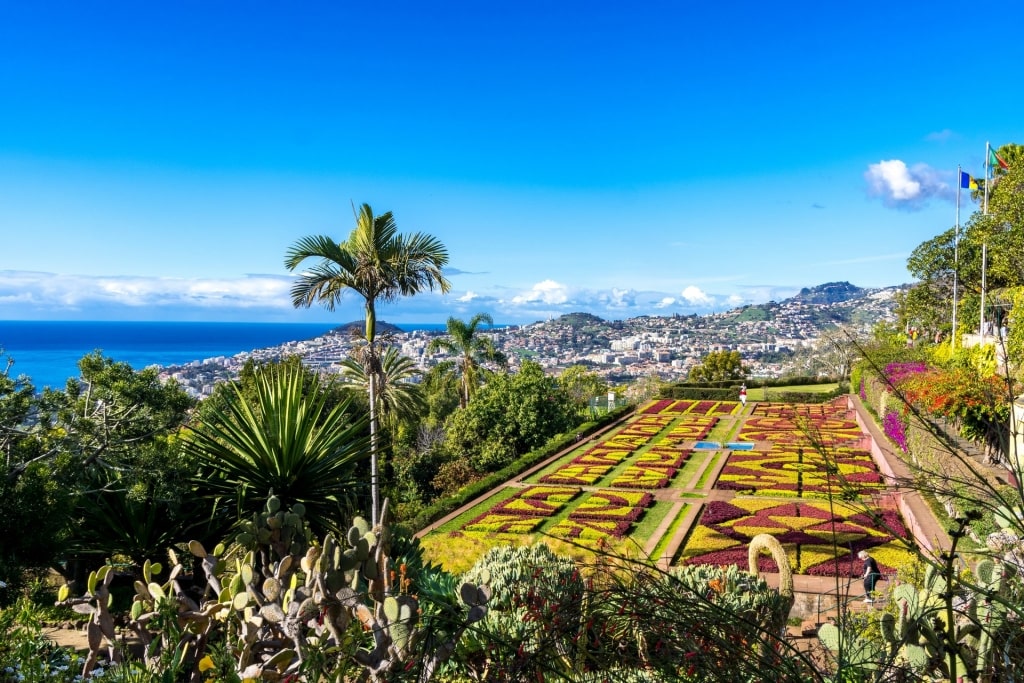
Botanical Garden, Madeira
Climb on board for the 20-minute ride to the summit and take in one of Portugal’s most beautiful places, the Botanical Garden. This verdant park is located at an altitude of between 650 and 1,100 feet above sea level and offers remarkable views from a setting featuring some 2,500 plants from around the world.
Once you’ve explored the Botanical Garden, travel back down to the center of Funchal via the famous Monte sleds. These two- and three-seat wicker toboggans are mounted on wooden runners and powered by two smartly dressed “carreiros”, or drivers, wearing a uniform of all white with a jaunty straw hat. The journey takes around 10 minutes.
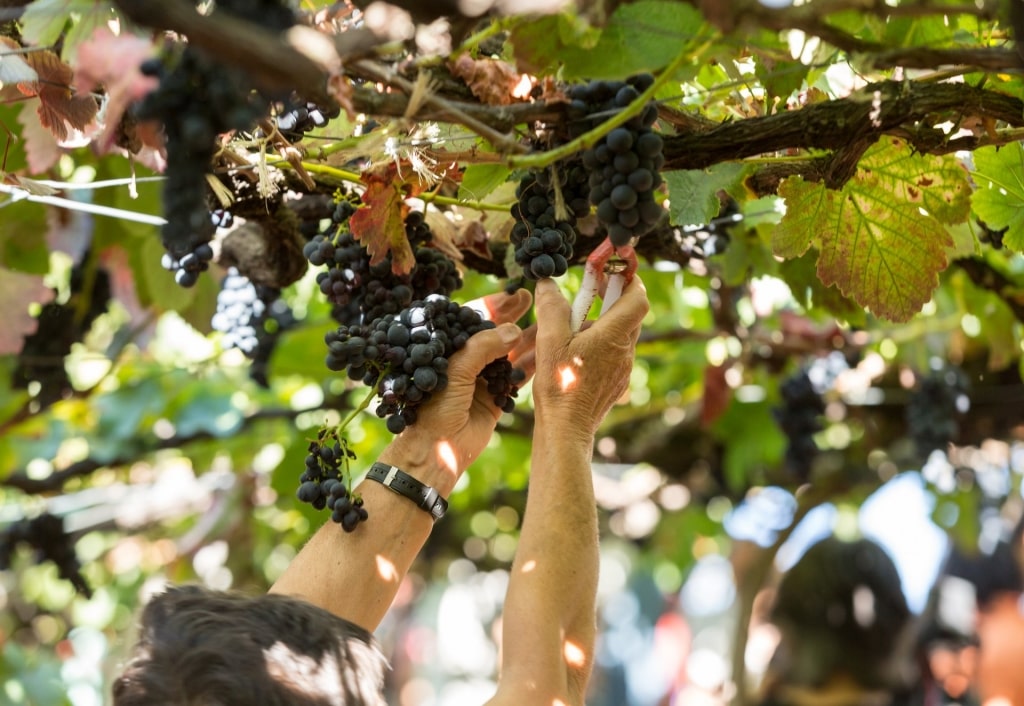
Madeira Wine Company, Madeira
In the center of Funchal, near the waterfront, call into the Madeira Wine Company to taste the island’s exquisite wines, including the famous Blandy’s Madeira, produced here for over 200 years.
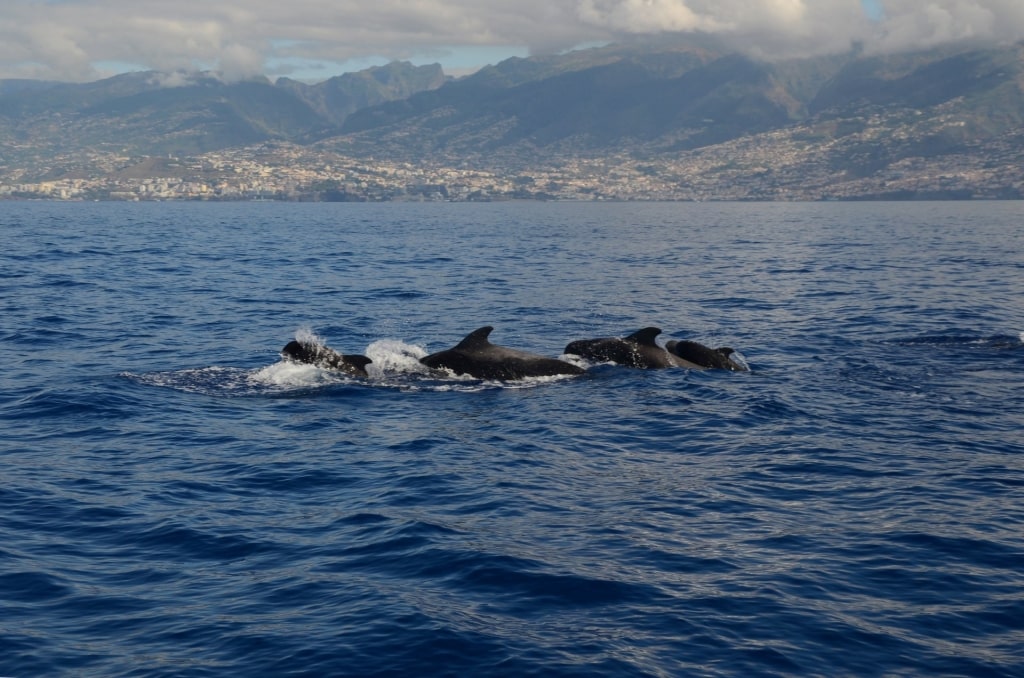
Whale-watching in Madeira
If you’re keen to experience some of the extraordinary marine life that inhabits the clear, deep water surrounding the island, a dolphin and whale-watching excursion is one of the best things to do in Madeira.
Meet a local marine biologist at the waterside, before climbing aboard for an exhilarating boat trip in search of these majestic marine mammals. Don’t forget to pack your camera as you may spot sperm, fin, blue, and killer whales, as well as bottlenose and common dolphins.
Wine
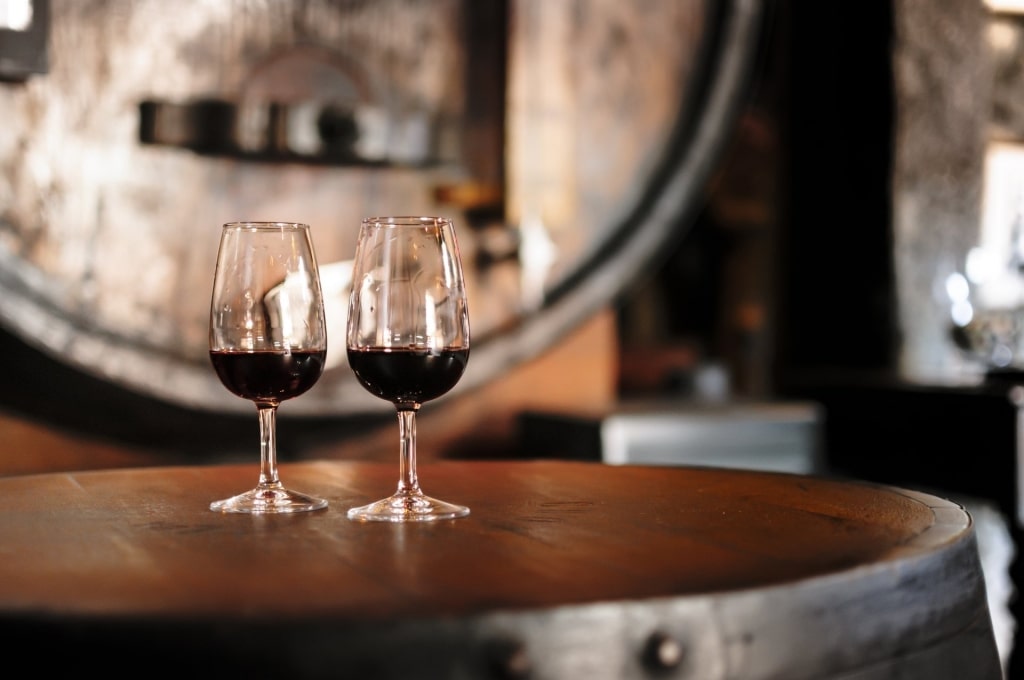
Port wine
What is Portugal famous for? Wine, for sure; this is where you’ll find some of the oldest wine-growing regions in the world. In fact, two of Portugal’s wine-growing regions, the Douro Valley and Pico Island in the Azores, are protected as UNESCO World Heritage Sites.
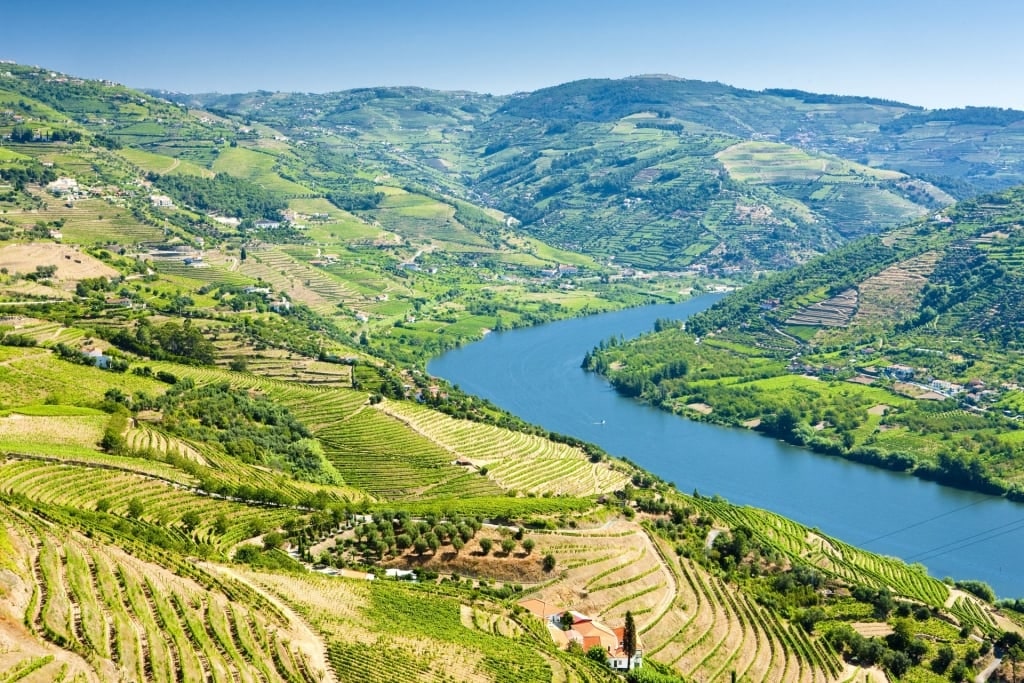
Douro Valley
The Douro Valley, known for the immaculate vineyards that follow the contours of the hills through which the river flows, is one of the most striking landscapes in Portugal. It’s easy to get here from Porto, which itself lies on the Douro. Join a wine-tasting tour in the town of Amarante, home to estates producing the region’s punchy red table wines and a delicious range of fortified ports.
Visit the Douro Museum in Peso da Régua to gain a greater understanding of the region’s wine culture. Explore the permanent exhibition and library, finishing your visit at A Companhia restaurant and wine bar, overlooking the river.
Surfing
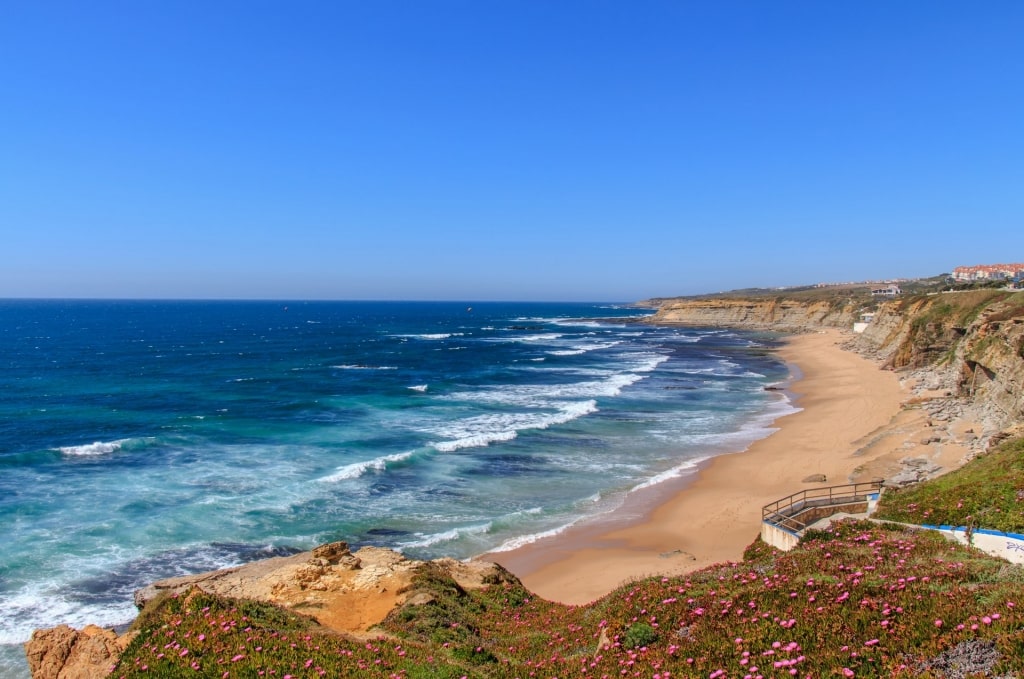
São Sebastião Beach, Ericeira
Portugal’s dramatic Atlantic coastline, more than 500 miles long, is considered one of the best destinations in the world for surfing. A 50-minute drive north of Lisbon lies the laid-back surf town of Ericeira, known as the surf capital of Europe. Here, you’ll find great swaths of honey-colored sand, pounded by big Atlantic rollers and waves favored by some of the world’s most skilled surfers.
If you’re a less experienced surfer and would like to ride some more gentle waves, book a two-hour lesson for beginners with one of the many surf schools dotted around Ericeira. Extra Surf School, located by São Sebastião Beach, offers lessons with an experienced and qualified instructor, including the hire of a wetsuit, surf boots, and board.

Carcavelos Beach, Lisbon
One of the best beaches near Lisbon, the popular Carcavelos Beach is perfect for those seeking slightly calmer water. You’ll find surf shops, surf schools offering lessons, and plenty of places to eat and drink after you’ve worked up an appetite in the water.
In the north, just 12 miles south of Porto, Espinho Beach is another famed spot for drawing surfers of all levels of experience, with a handful of surf schools offering lessons to suit all ages and abilities.
Fado Music

Fado performance
Portugal is known for the melancholic musical genre of Fado, which means “fate” in Portuguese. Fado is both romantic and dramatic, featuring a singer accompanied by a band playing the Portuguese guitar.
A tuneful art form that originated in the early 19th century in Lisbon’s Alfama neighborhood, Fado is sung with intense passion, with folklore performances taking place at quaint local taverns around the country.
Fado is of such cultural importance that it was added to UNESCO’s Intangible Cultural Heritage Lists, along with Cante Alentejano, another Portuguese musical tradition, in 2011. Visit a traditional Fado House in Lisbon to soak up a live soulful performance. Order a delicious glass of red from the Douro Valley that matches the depth of the show.
Read: Lisbon vs. Porto: Which Should You Visit?
Pastel de Nata

Pastel de Nata
So delicious are these tasty sweet treats they deserve a section of their own. You’ll find recreations of the famed pastel de nata served at bakeries around the world, but nothing compares to eating one, or several, of these rich custard tarts in Portugal, where they were invented.
Pastel de Nata is a bite-sized egg custard tart, encased in light, flaky pastry and dusted with cinnamon before being baked in the oven. For an authentic experience, step into a local cafe in Lisbon and order one with a coffee, around mid-morning. It’s worth waiting in line at Pastéis de Belém, opposite the Tropical Botanical Garden on Rua de Belém and a Lisbon institution that has baked and served pastel de natas since 1837.
Golf
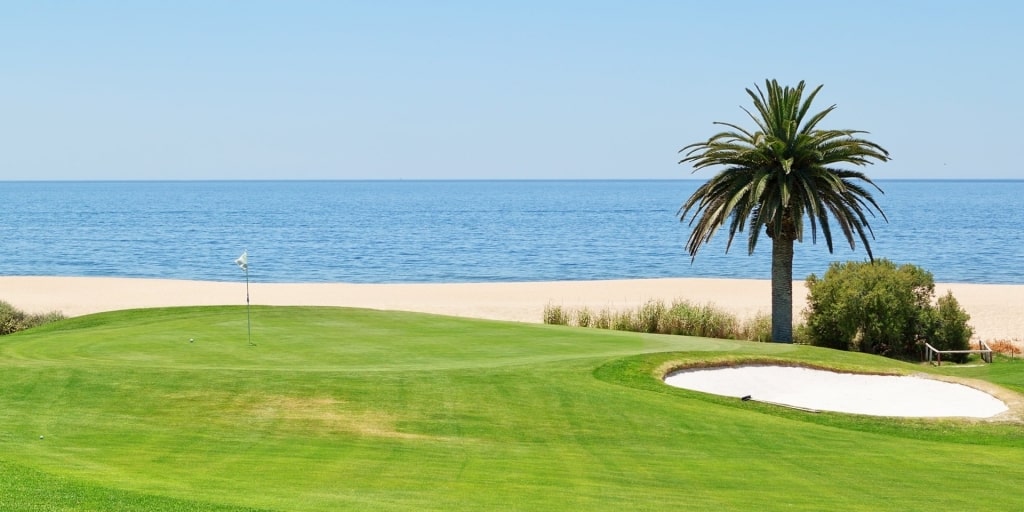
Golf course in Algarve
Portugal can confidently claim to have some of the world’s most legendary golf courses. Many cling to the dramatic coastline, with the sparkling Atlantic as a backdrop. Choose from over 90 courses in destinations including the Algarve, Lisbon’s coast, Madeira, and the Azores. There will always be a course to suit all levels. One of the most famous courses is Oporto Golf Club in Espinho, near Porto, the oldest club in Portugal.
Even non-golfers can’t help but fall for the beauty of Madeira’s 27-hole Santo da Serra golf course, where the lush green grass of the course contrasts with the glistening azure ocean.
For more of Portugal’s breathtaking coastal landscapes, fine tune your handicap on the Estela links golf course, just a 45-minute scenic drive north of Porto, or tee off on the Quinta da Marinha championship links course at Oitavos Golfe near Lisbon.
Lisbon
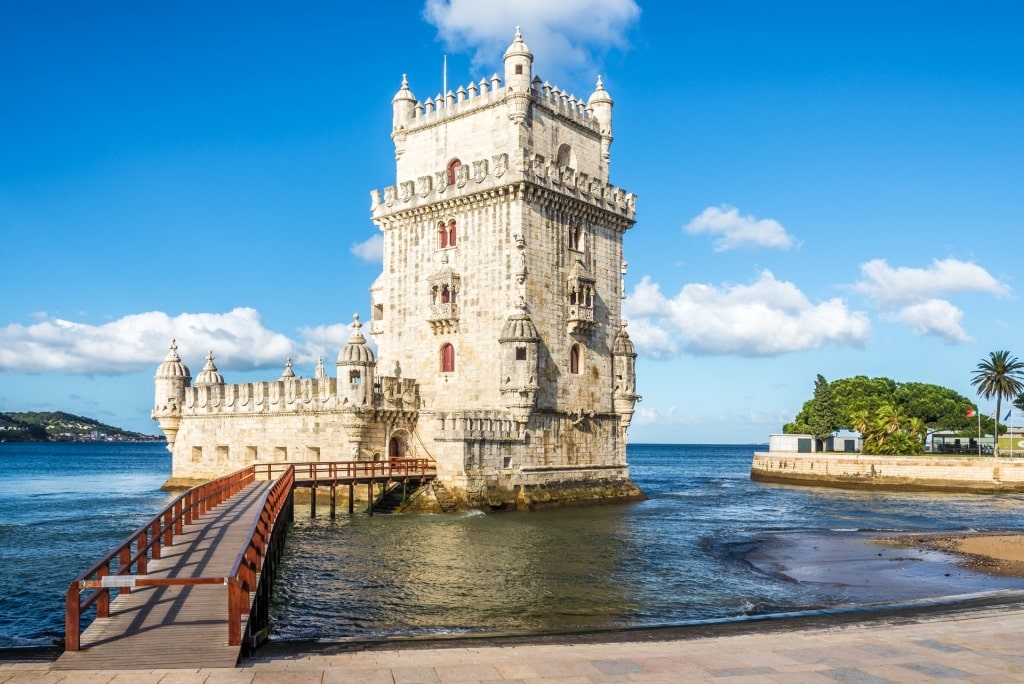
Belém Tower, Lisbon
Portugal is famed for its charming capital city, Lisbon. Home to sublime architecture, magnificent monuments, and fascinating neighborhoods, there is no shortage of things to see and do in the city. Start with some of Lisbon’s major landmarks, including the 16th-century Belém Tower on the bank of the Tagus River, and the nearby Jerónimos Monastery. Both were awarded UNESCO World Heritage Site status in 1983.
Head to the top of the four-story tower for views of the vermillion 25th April Bridge. The 1966-built suspension bridge is one of the most famous sights in Lisbon, spanning nearly a mile and a half across the Tagus River. The bridge looks for all the world like San Francisco’s Golden Gate Bridge, but was in fact built by the American Bridge Company, which constructed the Bay Bridge but not the Golden Gate.
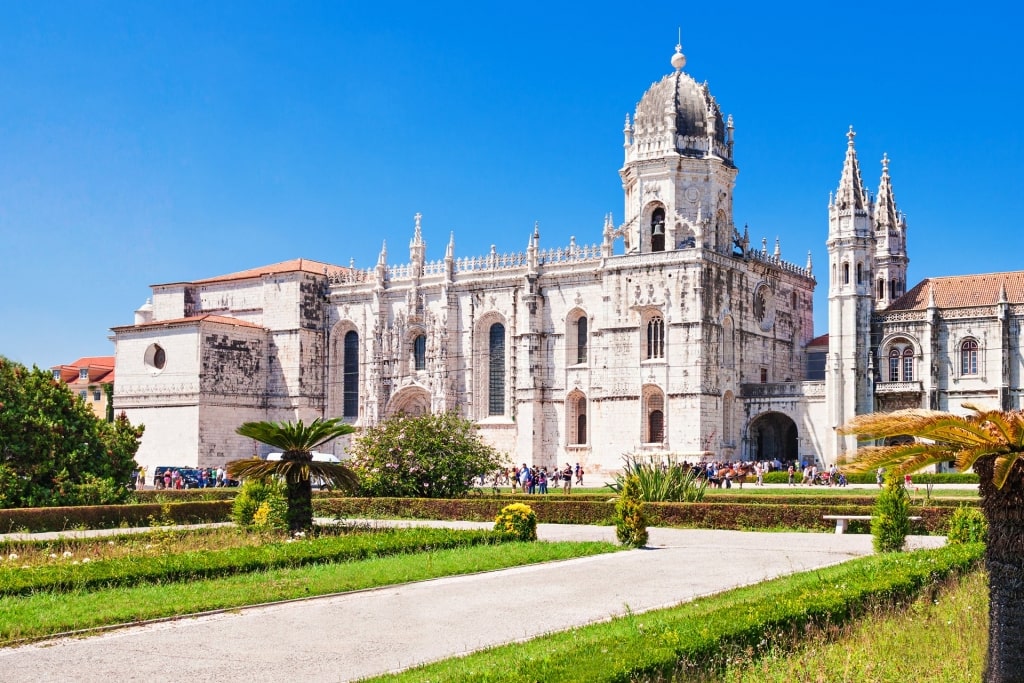
Jerónimos Monastery, Lisbon
Spend time exploring the European Gothic-style Jerónimos monastery, one of the best places to visit in Portugal. Legendary explorer Vasco da Gama and his crew spent their final night here before setting sail for India in 1497. Vasco da Gama, along with other important figures in Portugal’s history, is entombed here, as are King Manuel and King Sebastião, and poets Fernando Pessoa and Alexandre Herculano. Stroll around the cloisters and admire the columns, with each one decorated with carvings that reflect the world of sea exploration.
Spanning 109 graceful stone arches and a total length of 36 miles, Lisbon Aqueduct is another of the city’s must-visit attractions, built in 1746 to deliver Lisbon’s first clean drinking water. One of the most eye-catching stretches is the 14 arches that cross the Alcantara valley, an astonishing feat of engineering for the era.
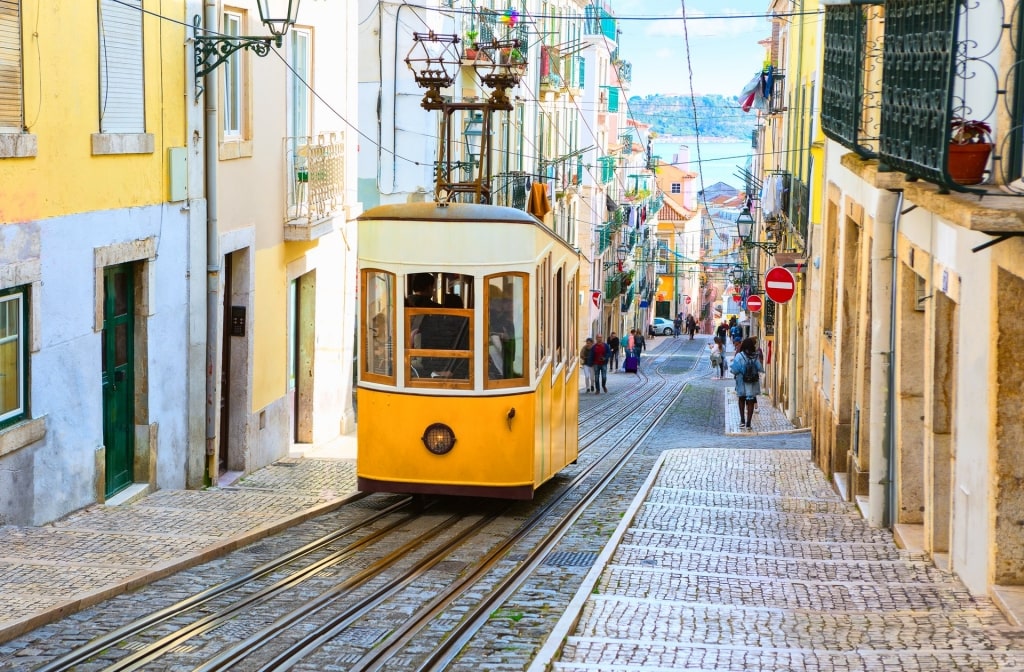
Bica Funicular, Lisbon
Ride the iconic mustard-yellow and white Bica Funicular to get around Lisbon’s historic center. Wander the Terreiro do Paço, the largest square in Lisbon, stopping by Lisboa Story Centre to learn about the city’s powerful seafaring past and the 1755 earthquake that destroyed much of the urban area.
One building that was Largely destroyed by the earthquake but remains a city landmark today is the graceful Gothic Carmo Convent, the walls still standing but the nave entirely roofless.
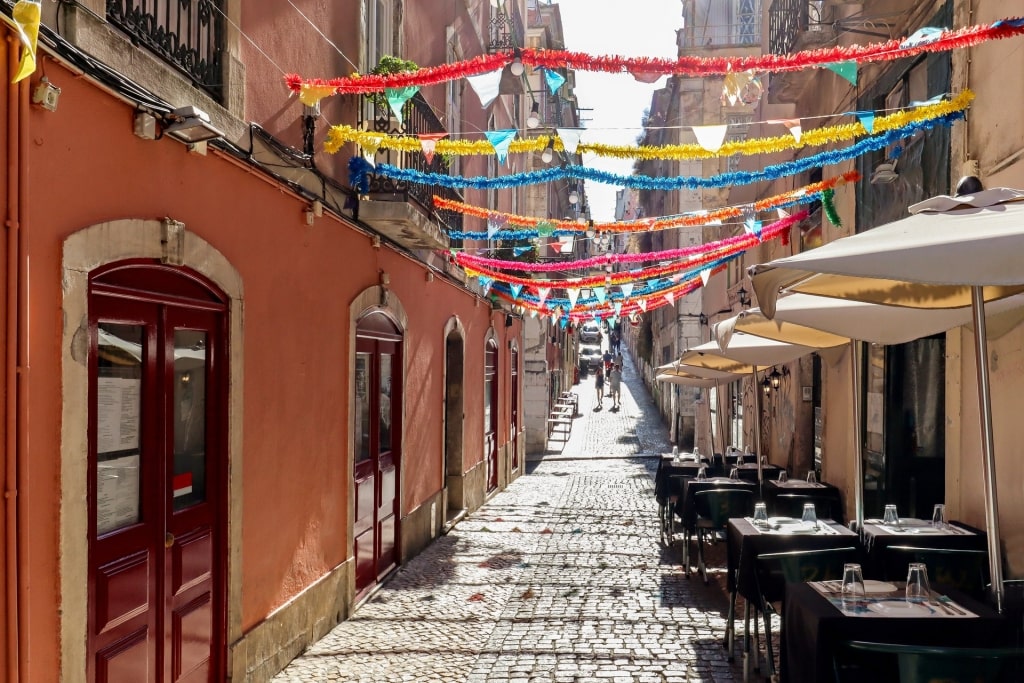
Bairro Alto, Lisbon
For the best food in Lisbon, visit the traditional neighborhood of Alfama, where you’ll find traditional restaurants and fado houses. Track the winding medieval alleys to Portas do Sol lookout point for some of the best views of the city. Allow time to walk the city’s cobbled streets, soaking up the pretty tiled buildings and street art of the Bairro Alto quarter, home to many restaurants, cafes, bars, and shops.
Azulejos
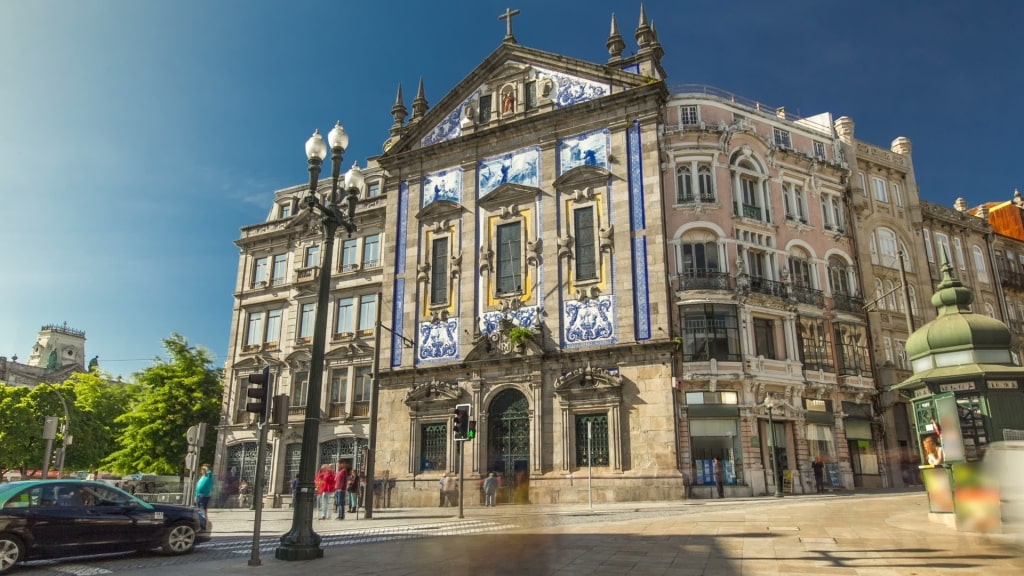
São Bento station, Porto
Between the 8th and 15th centuries, parts of Portugal—particularly in the south—were ruled by an Arab and Berber population from North Africa, collectively known in Portuguese history as the Moors.
Once you start looking, you’ll notice traces of this Moorish era throughout Portugal, including many words prefixed with “al.”
Lisbon’s Alfama district and al-zellij—translated as “small polished stone” in Arabic—which entered the Portuguese language as azulejo, the country’s signature hand-painted ceramic tiles, are two of the most famous.
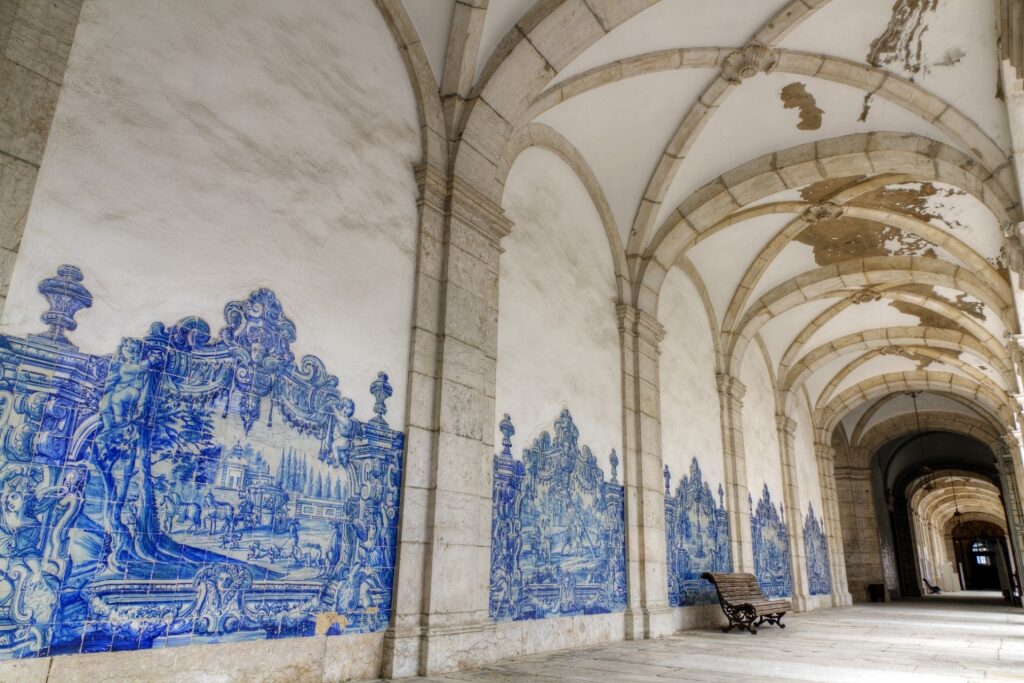
São Vicente de Fora, Lisbon
Incorporating elements from Arabic, Spanish, and Flemish faience, due to a significant number of potters from Europe’s Low Countries settling in Portugal in the late 16th century, Portuguese azulejos have developed their own local style over the centuries.
Often depicting royal figures, rural life scenes, or capturing cityscapes, panels of azulejos became as much a form of storytelling and capturing portraits as an artistic decoration.
Nowadays, you’ll spot azulejos everywhere: cladding homes, embellishing churches, and decorating public gardens.
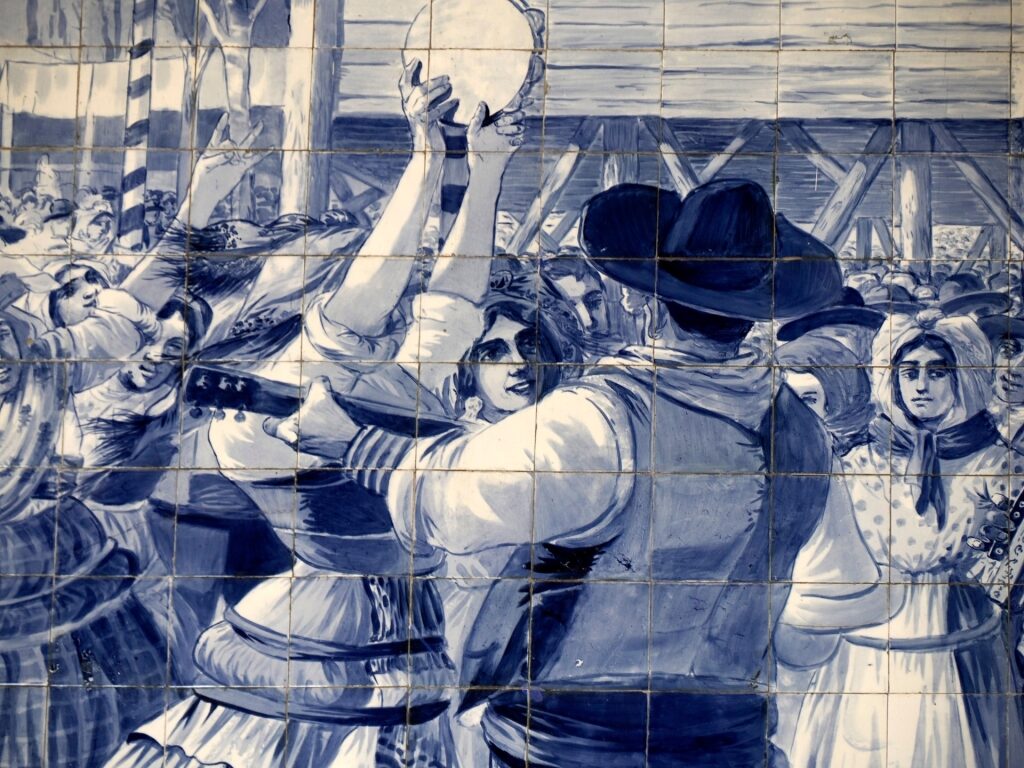
São Bento station, Porto
My favorite aspect of azulejos is their sheer diversity. The typically blue-and-white tiles are arguably the best known style, such as the grand mural inside Porto’s São Bento station or the extensive work of religious art coating the exterior of nearby Capela das Almas.
Yet the multicolored panels are often just as bewitching. Spend a few hours in Lisbon’s Museu Nacional do Azulejo, bedecked in thousands of azulejos—one Lisbon-depicting panel alone has 1,300—and you’ll be able to appreciate the varied styles throughout the ages.
Miradouros
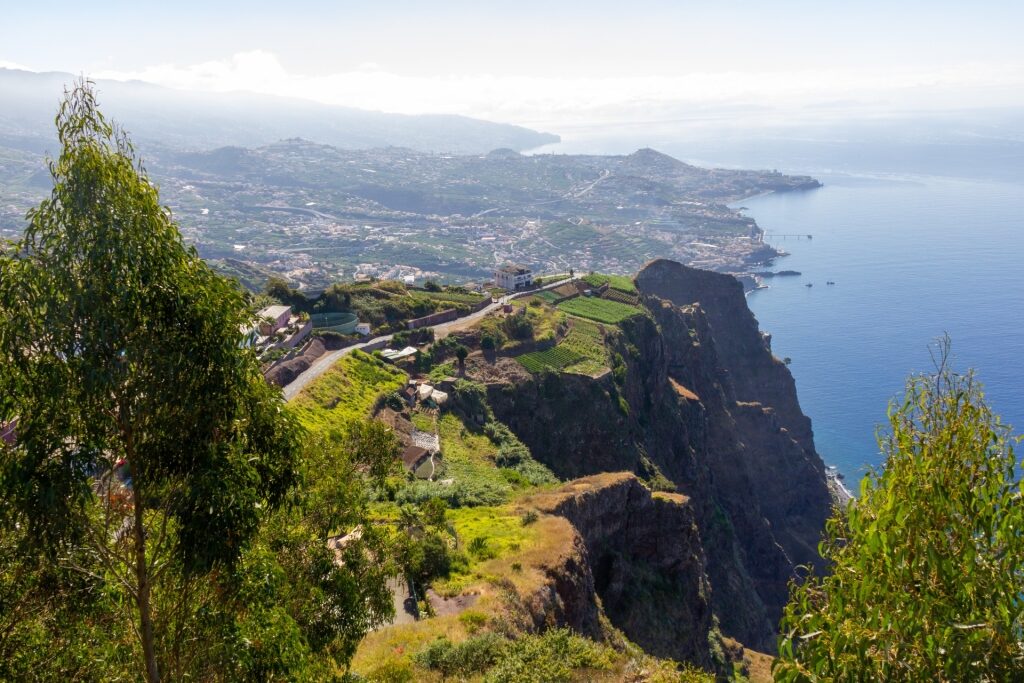
Cabo Girão, Madeira
One of the prettiest elements for which Portugal is known is its miradouros, or viewpoints. From the elevated lookout at Porto’s Serra do Pilar to Madeira’s Cabo Girão, one of Europe’s highest sea cliffs, the nation’s miradouros put most other countries’ lookouts to shame.
Stand at the most southwesterly point of mainland Europe, Cabo da Roca, and contemplate the waves rolling across the Atlantic before crashing into the sheer cliffs below. Or venture to one of Lisbon’s magnificent miradouros soundtracked by laughter and conversation in the late afternoon sun. Whichever miradouro you’re at, you’ll be in awe.
Read: How To Spend an Unforgettable 3 Days in Lisbon
Geothermal Activity
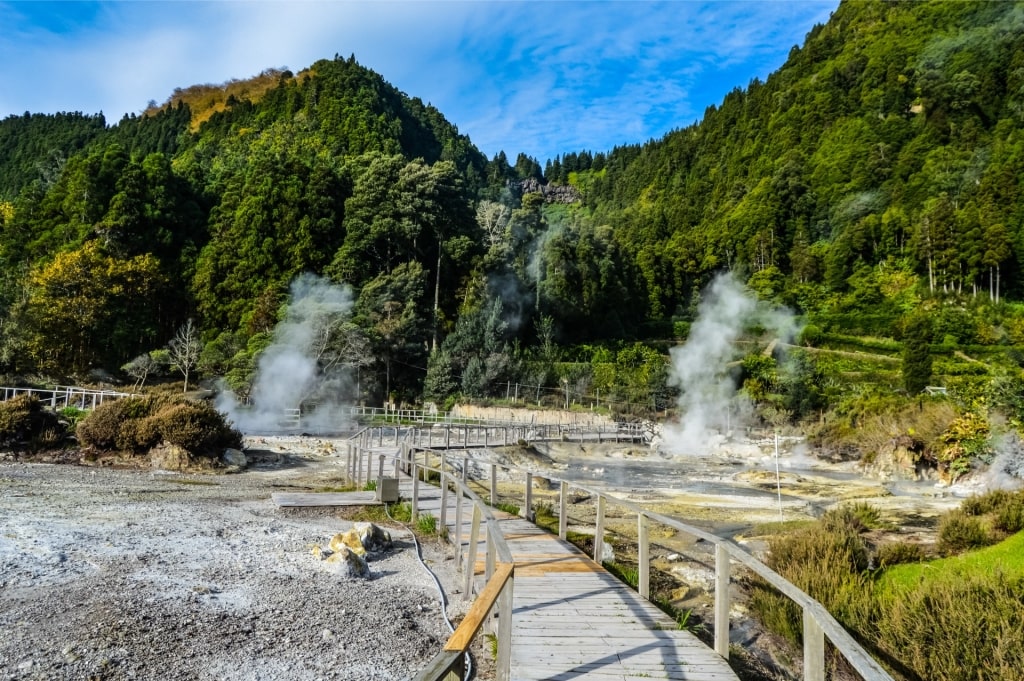
Furnas, Azores
As the faint smell of sulfur supersedes the clean island air, and wisps of steam rise from the underworld, you know you’ve arrived at Furnas, the Azores’ geothermal valley at the heart of São Miguel Island.
Famed for being Portugal’s hotbed of bubbling geysers, boiling caldeiras, frenzied fumaroles, and healing thermal springs, Furnas is a unique place to visit.
For a relaxing introduction to Portugal’s volcanic isles, spend the morning soothing in the murky waters of Parque Terra Nostra, where the volcanic spring-fed pool is a consistent 108ºF (42ºC). Then, enjoy a Cozido das Furnas, a hearty meat stew slowly cooked underground using geothermal steam.
Sintra’s Palaces
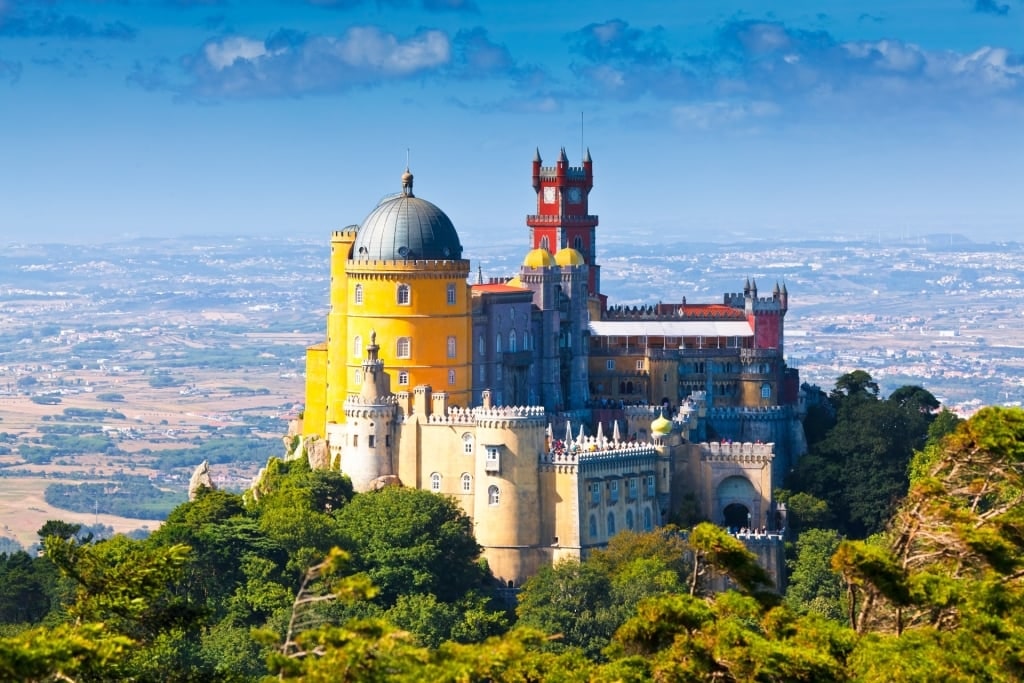
Palácio Nacional da Pena, Sintra
It’s impossible to answer “What is Portugal known for?” without mentioning Sintra, a short hop by train from Lisbon.
Sintra was once a regal mountain retreat for royalty and wealthy aristocrats, but the downfall of the monarchy following the 1910 Portuguese revolution eventually led to these whimsical palaces opening to the public. The most recent to do so was Palácio Biester in 2022.
Nowadays, a day spent flitting between these fantastical palaces, surrounded by woodlands and manicured grounds, will leave you feeling like you’ve donned a crown at a grandiose open-air museum.
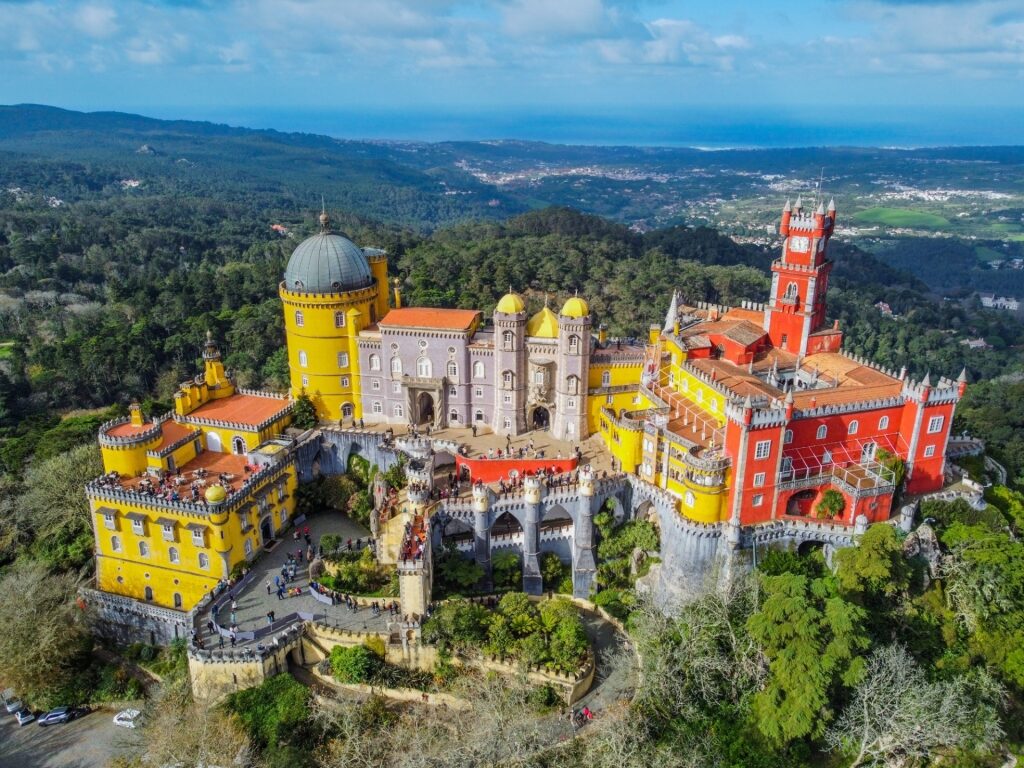
Palácio Nacional da Pena, Sintra
Best known is the Palácio Nacional da Pena, an almost impossibly ornate former summer residence and now the most popular day trip from Lisbon.
An outlandish sight, Pena’s exterior is partly clad in azulejos. It’s painted mustard, with crimson turrets, and it commands pride of place, perched high above the town. It’s become such a tourism hotspot in recent years that Sintra has been enshrined as one of Portugal’s best-known destinations.
If you’ve time to visit one or two palaces during your visit, you’ll quickly notice just how individual each stately residence is.
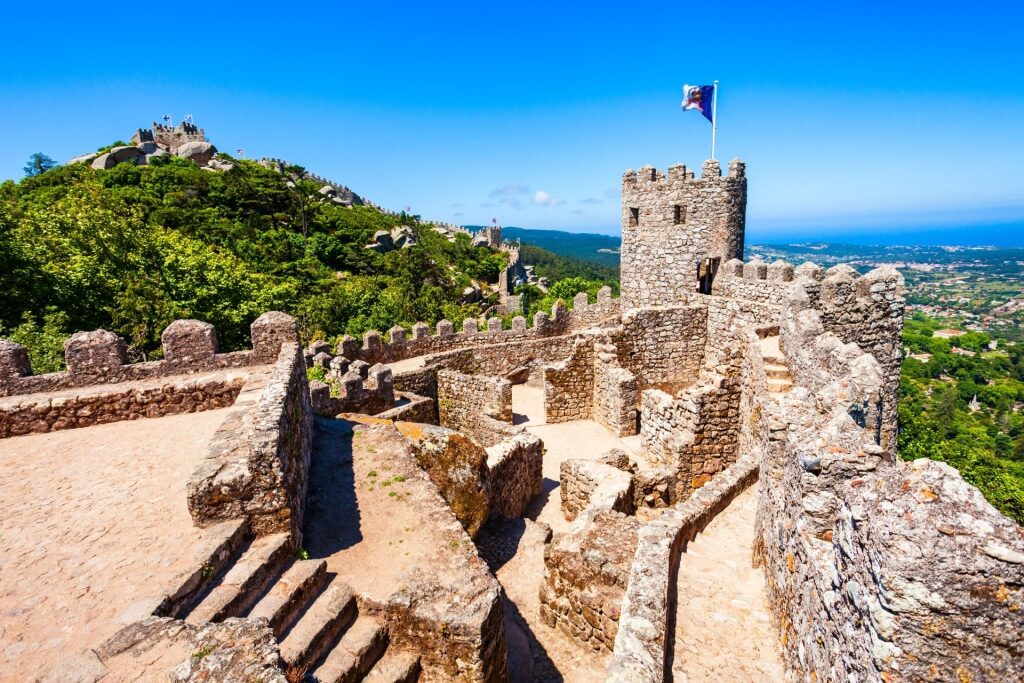
Moorish Palace, Sintra
From the weathered, rocky walls of the open-air Moorish Palace to the mossy underground initiation well of the Knights Templar-inspired Quinta da Regaleira, each of Sintra’s landmarks stands out for a different reason.
I personally always enjoy returning to the Palácio Nacional de Sintra to stand in awe of the monumental kitchen—waymarked by Sintra’s symbol, two 108-foot-high chimneys—and imagine the chefs preparing banquets to be served in the decadent Swan Room.
Vintage Yellow Trams
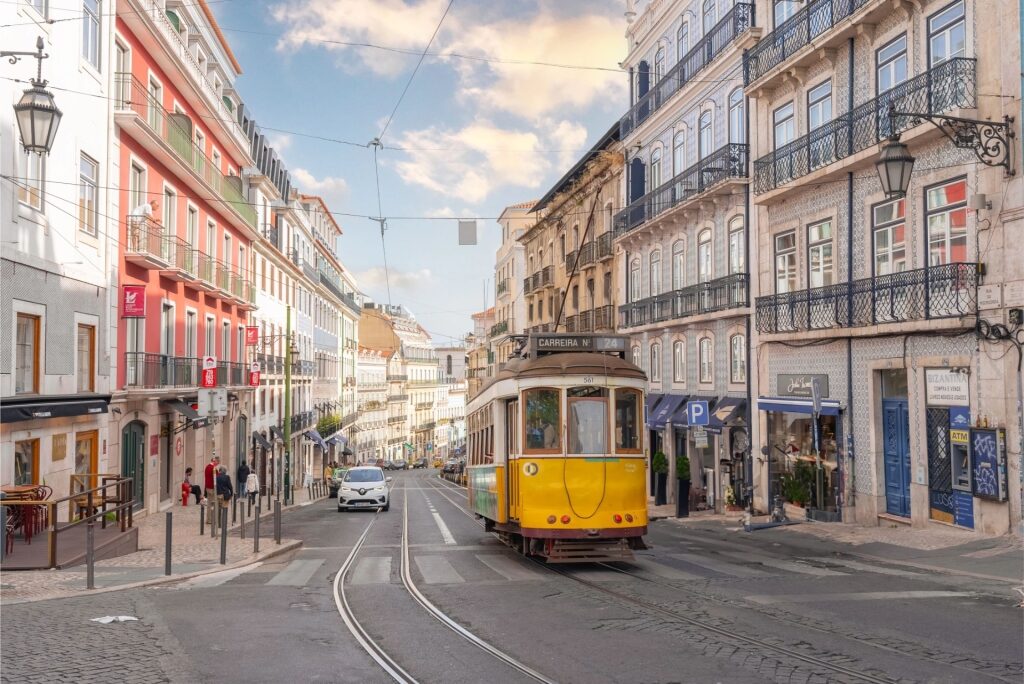
Lisbon
If you were to ask someone who hasn’t visited before, “What is Portugal known for?”, the chances are high that Lisbon’s vintage yellow trams will receive an acknowledgment.
Represented on postcards, fridge magnets, and numerous other souvenirs around the world, the canary-yellow, wooden-benched Remodelado trams are now one of Lisbon’s best-known characters.
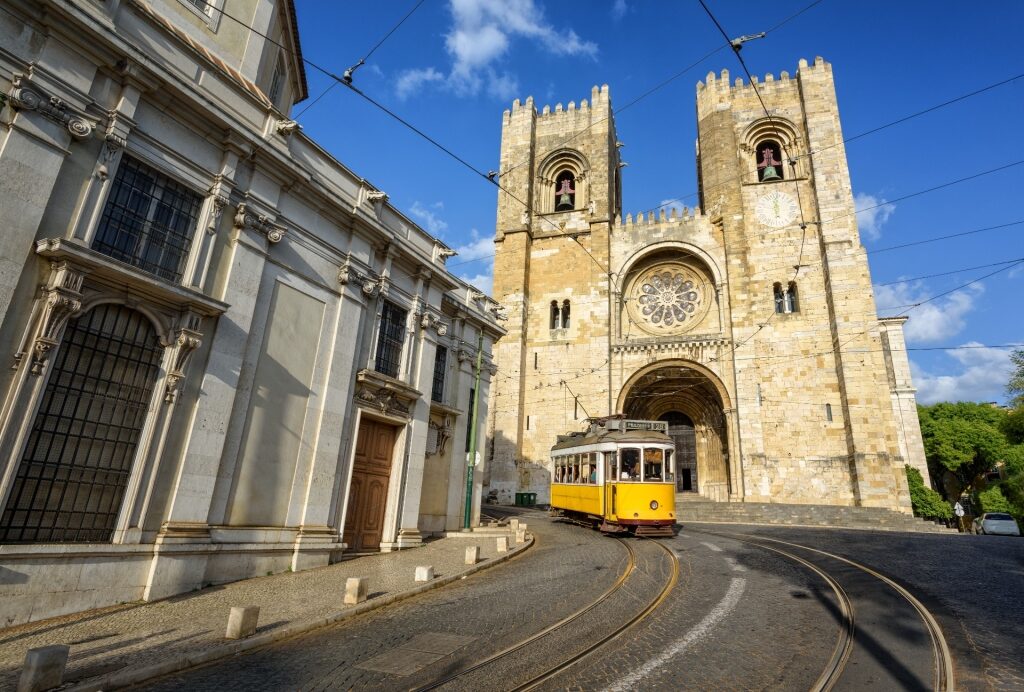
Lisbon
Since the 1930s, these rickety carriages have been climbing Lisbon’s steep inclines, helping residents travel between the upper and lower parts of the city with ease. They’re a vast upgrade on the original horse-drawn trams launched in the 19th century.
While a few of the lines now operate slick, modern, air-conditioned trams, the original cars still trundle through many of Lisbon’s most popular neighborhoods and sights for visitors, remaining an essential part of the city’s public transport system.
Cork

Cork products
Portugal’s port and wine are famous the world over, so it’s perhaps unsurprising that Portugal is the world’s largest exporter of cork.
Venture into the fertile, wine-producing Alentejo region—Évora, the provincial capital, is a popular day trip from Lisbon—and you’ll witness cork forests, locally called montados, as far as the eye can see.
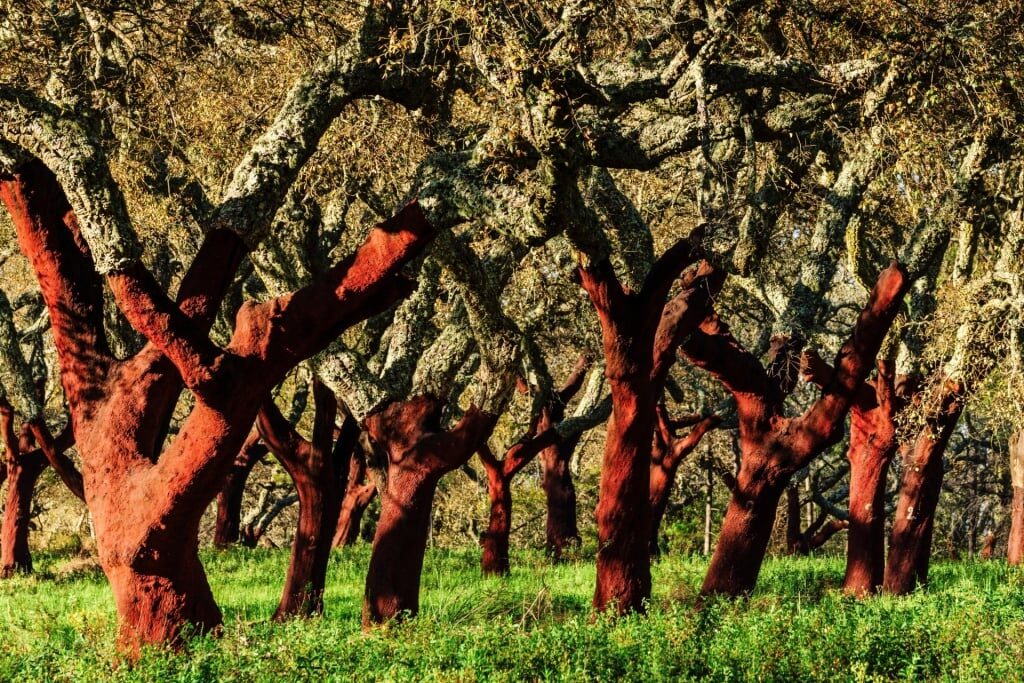
Cork trees in Évora
It’s fascinating to see the bark peeled back on the lower half of the cork trees, knowing it will take around nine years to return to harvestable levels again.
Even if you don’t travel to the hinterlands, you’ll certainly encounter Portuguese cork products. Handbags, shoes, tableware, and postcards are all produced from this highly durable material. I even have a cork passport cover, so I always have a piece of home with me when I travel.
Whale Watching
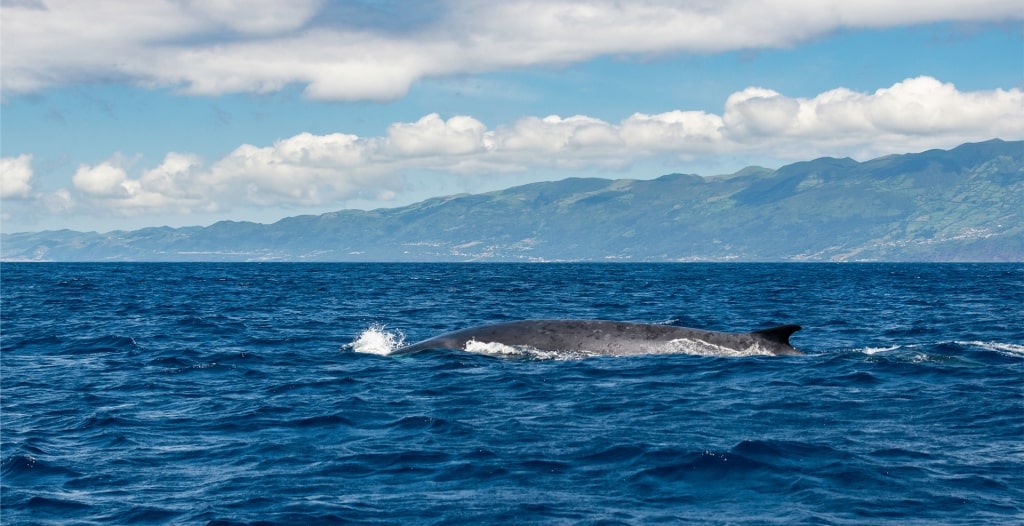
São Miguel Island, Azores
The suspense as you pull out of the marina. The waves breaking against the bow as you speed out into the deep blue, dolphins often dancing in the bow wave. The awe-inspiring panorama of oh-so-green São Miguel Island from the water. And then you spot a majestic marine mammal breach and have to pinch yourself. Unforgettable.
I’ve been privileged to go whale watching in a handful of countries, but nowhere quite compares to seeing cetaceans in the Azores.
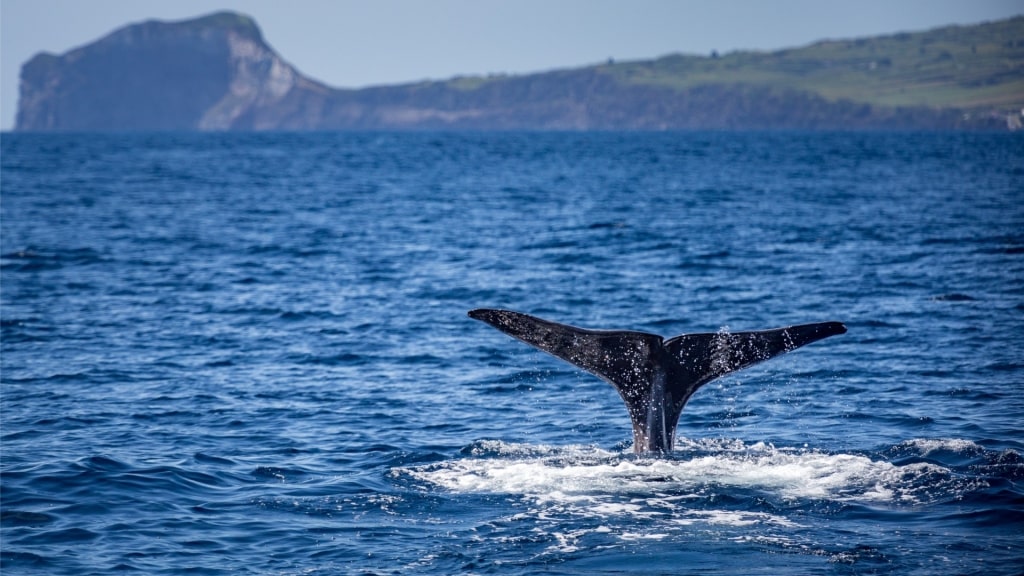
Sperm whale
There’s something so wild about this cluster of autonomous Portuguese islands scattered in the Atlantic that, understandably, it’s becoming one of the planet’s most famous whale-watching destinations.
Indeed, Lonely Planet’s 2026 Best in Travel list highlights spotting whales here as one of the world’s 25 best experiences. Home to sperm whales year-round and a vital migration route for fin, blue, and humpback whales, the Azores’ waters are as esteemed as the islands themselves.
Libraries & Book Stores

Biblioteca Joanina, Coimbra
José Saramago, winner of the Nobel Prize in Literature, and Fernando Pessoa are two of Portugal’s most famous and prolific writers. Yet the whole country is revered for its literary credentials.
One of the best things to do in Lisbon is to visit the world’s oldest operating bookstore, Livraria Bertrand, founded in 1732, as certified by the Guinness World Records. Further north, Porto is consistently reported as hosting the world’s most beautiful bookshop, the Art Nouveau and neo-Gothic Livraria Lello.
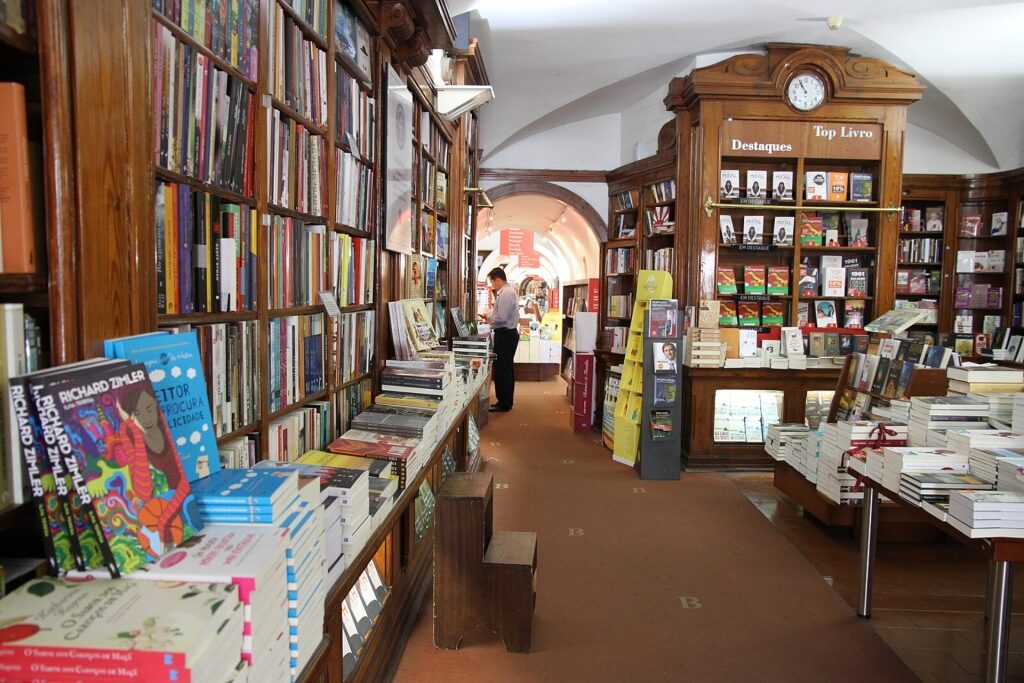
Livraria Bertrand, Lisbon Photo by bm.iphone on Wikimedia Commons, licensed under CC BY 2.0
Step into the Palácio de Mafra’s library and you’ll be left speechless by thousands of leather-bound books guarded at night by pest-eating bats. Or tour the personality-packed bookshops in the magical medieval village of Óbidos, a UNESCO City of Literature, and you’ll understand just how important the written word is to the Portuguese.
However, Portugal’s most impressive library is arguably found in Coimbra, within the country’s oldest university. Although you’re not allowed to take photos in the mesmerizing Biblioteca Joanina, I’ve had the image of its gilded Baroque interior imprinted on my mind since my first gasp-inducing visit.
Monasteries & Religious Landmarks
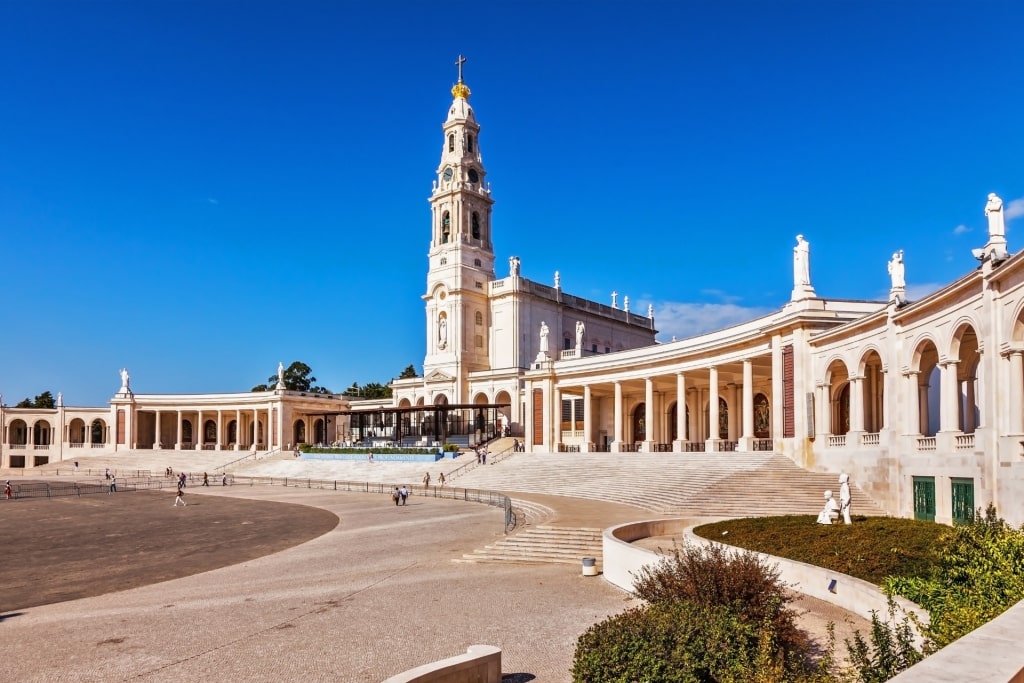
Sanctuary of Fátima
Portugal is well-known for its important Catholic landmarks, including the Sanctuary of Fátima pilgrimage site and Lisbon’s cherished Gothic Manueline Monastery. Yet Jerónimos isn’t the only UNESCO-listed monastery that Portugal is known for.
Three further Portuguese monasteries are included on the World Heritage List, including Porto’s Monastery of Serra do Pilar, which is closed temporarily for renovations.
The Monastery of Batalha, a Dominican convent, and the Monastery of Alcobaça, a fine example of Cistercian architecture, were both inscribed by UNESCO in the 1980s and are easily combined into a day trip from Lisbon, given their proximity to each other.
Conservas
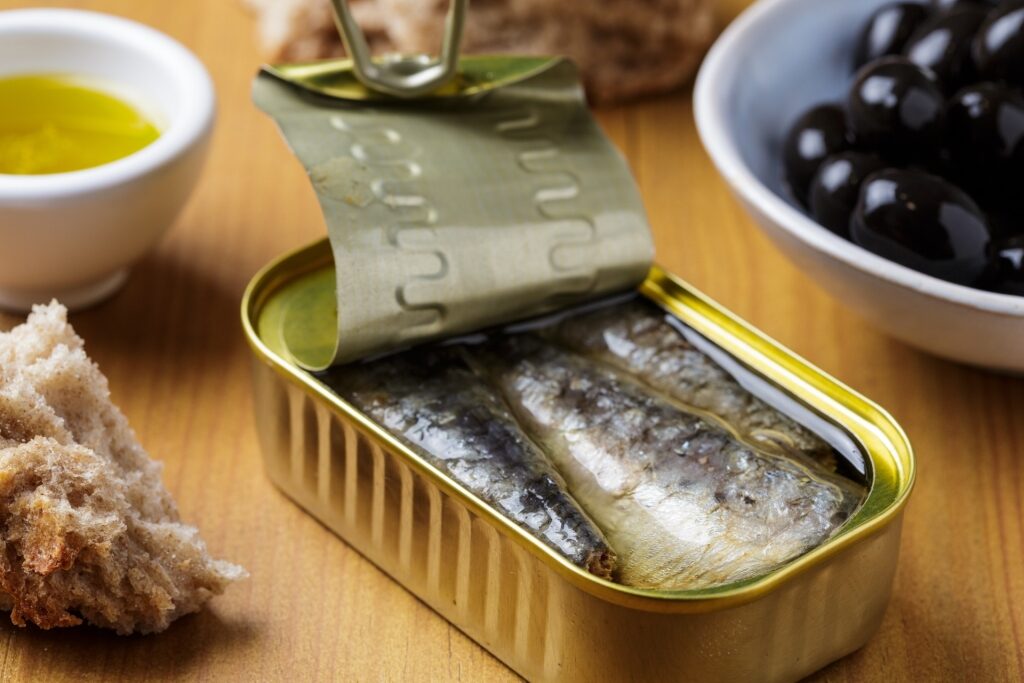
Conservas
Tinned fish might be enjoying a resurgence and becoming trendy once again, but in Portugal, it never went out of fashion.
Known as conservas, canned goods—usually sardines, mussels, and other seafood—are considered a treat in Portugal, and are almost as common in upscale wine bars as a cupboard staple.
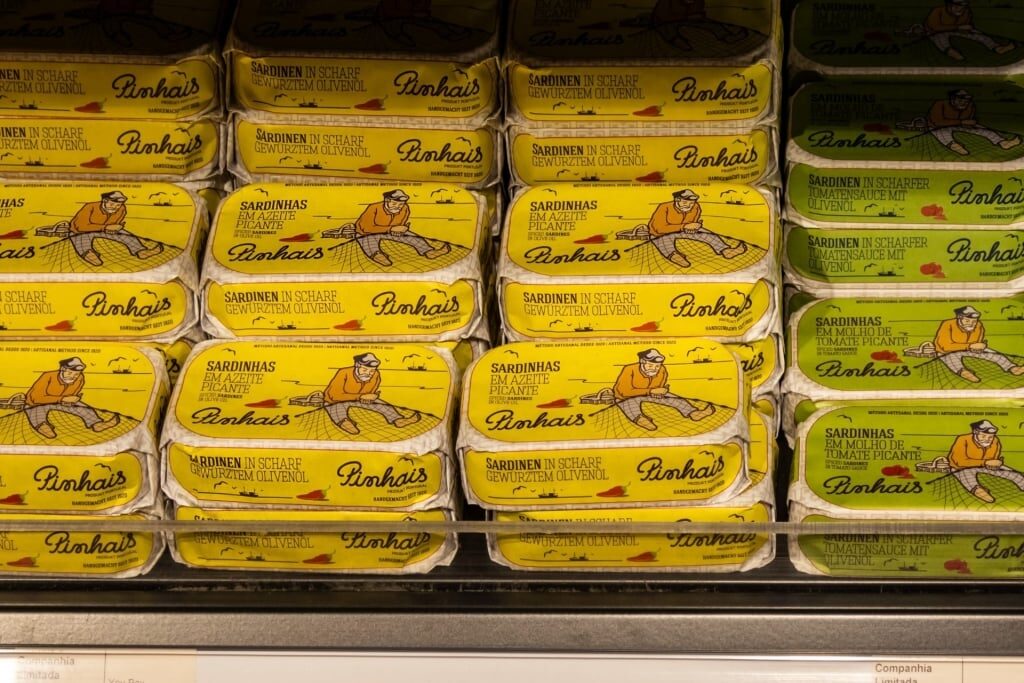
Conservas
Conservas have been a popular part of Portuguese culture since the 19th century, when tinning became the preferred method of conserving fish, as opposed to salting, which was prevalent during the Age of Discovery. Several highly respected conserveira factories are still in operation.
Nowadays, you’ll find big, colorful stores selling brightly packaged conservas in most cities, mainly catering to tourists. But my favorite spots to pick up conservas are at the local, family-owned shops, such as the long-standing Conserveira de Lisboa or the century-old Casa Natal in Porto. The latter will also happily offer you Port samples while you choose your souvenirs.
Read: The Ultimate Portugal Travel Tips From an Expat
FAQs
What food is famous in Portugal?

Pastel de nata
Internationally, Portugal’s most famous food is the pastel de nata, a creamy, sweet custard tart that has become a favorite in many countries. You’ll also spot bacalhau dishes, made from salted codfish that’s usually imported from the North Atlantic, on every menu in countless iterations. Grilled sardines and snails, known locally as caracóis, are popular seasonal staples.
What cities are most popular to visit in Portugal?
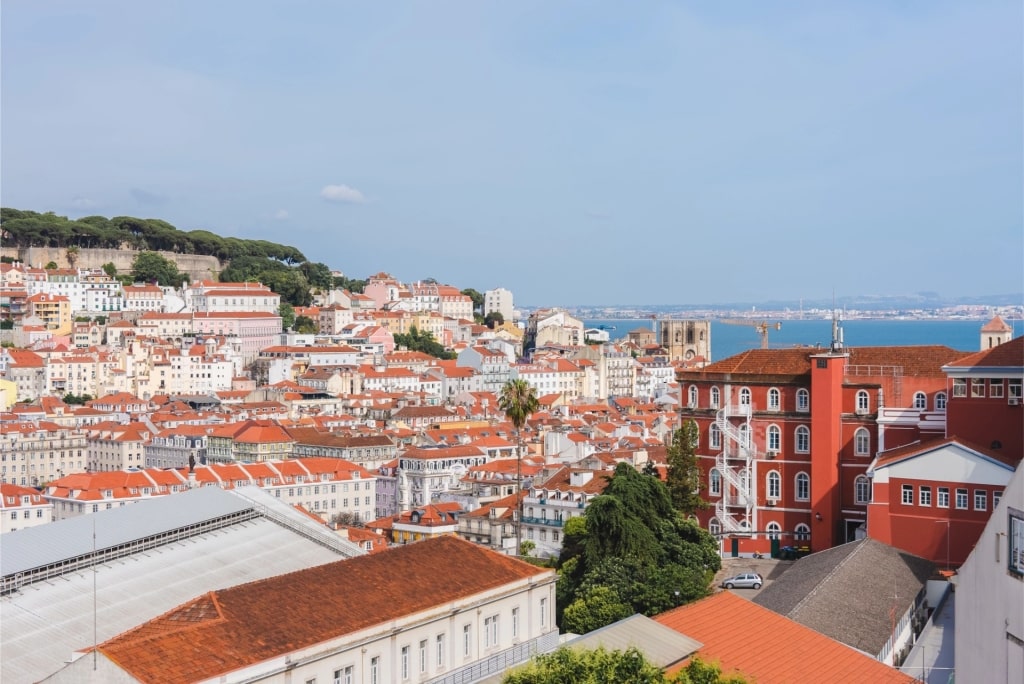
Lisbon
Lisbon, the nation’s old-world, atmospheric capital city, and Porto, renowned for its Port warehouses, are the two most famous cities to visit in mainland Portugal. Funchal, the capital of the Madeira archipelago, is also a popular destination due to its year-round climate and dramatic scenery.
What is a good souvenir from Portugal?
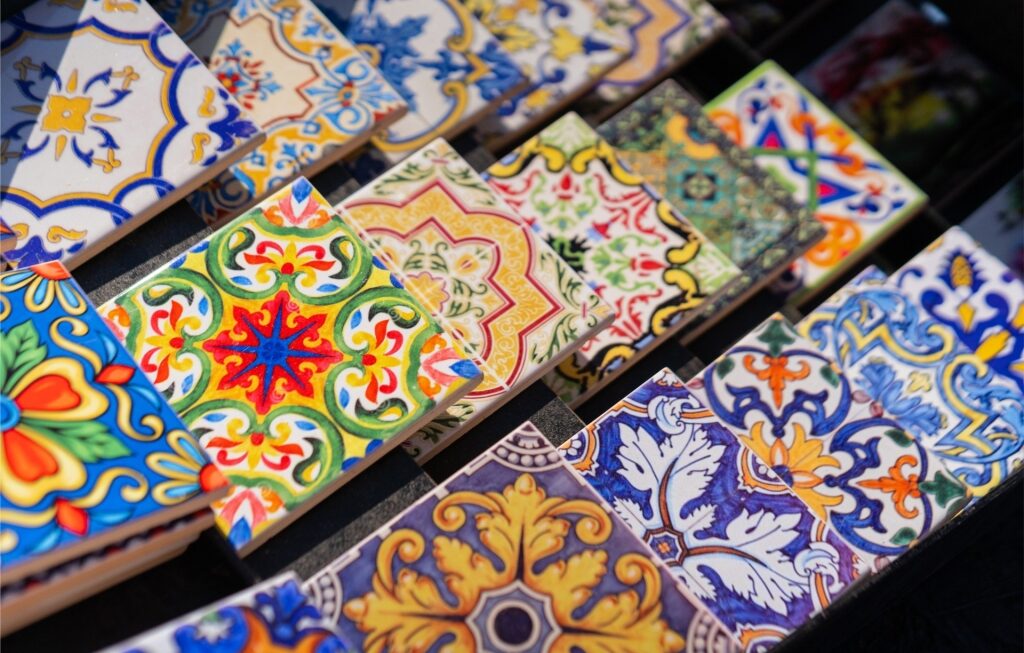
Azulejos
Portugal has many unique, artisanal products that make fantastic souvenirs. Ceramics, such as the hand-painted azulejos, and Bordallo Pinheiro’s vegetable-themed works, are prevalent, as are all kinds of cork items. Port wines, high-quality virgin olive oil, and canned sardines and other conservas also make excellent gifts.
What outdoor activities is Portugal known for?
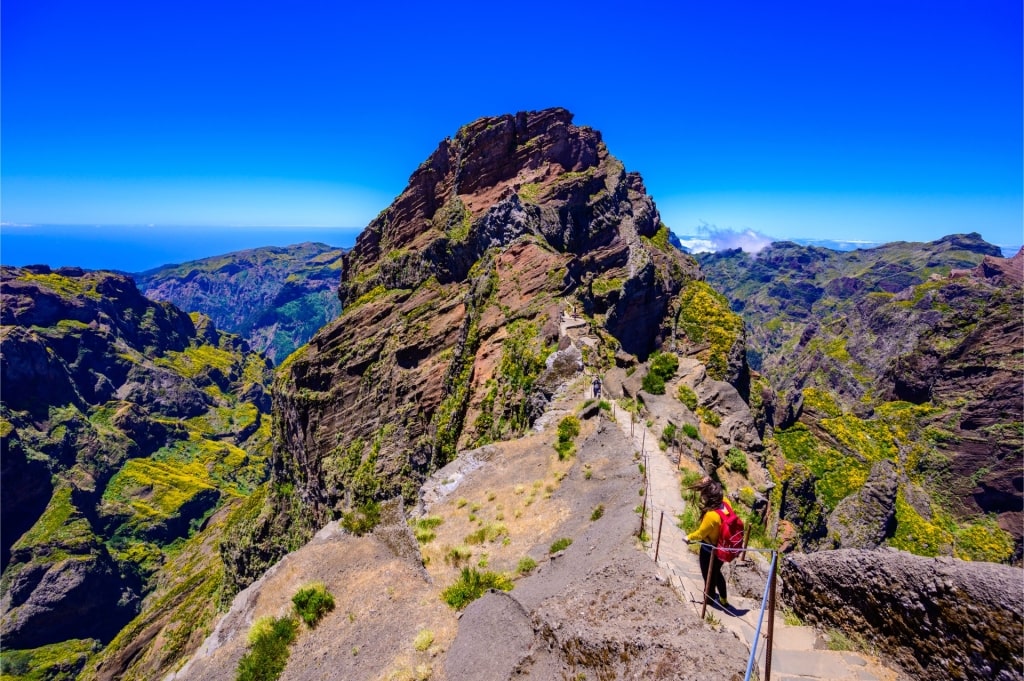
Hiking in Madeira
Portugal is famous for its outdoor lifestyle. Surfing and other watersports are popular activities in Portugal, as is hiking and walking, whether it’s on wooden boardwalks, coastal trails, or Madeira’s levada routes that trace old irrigation channels. The Azores are renowned for year-round whale watching.
What wine is Portugal known for?
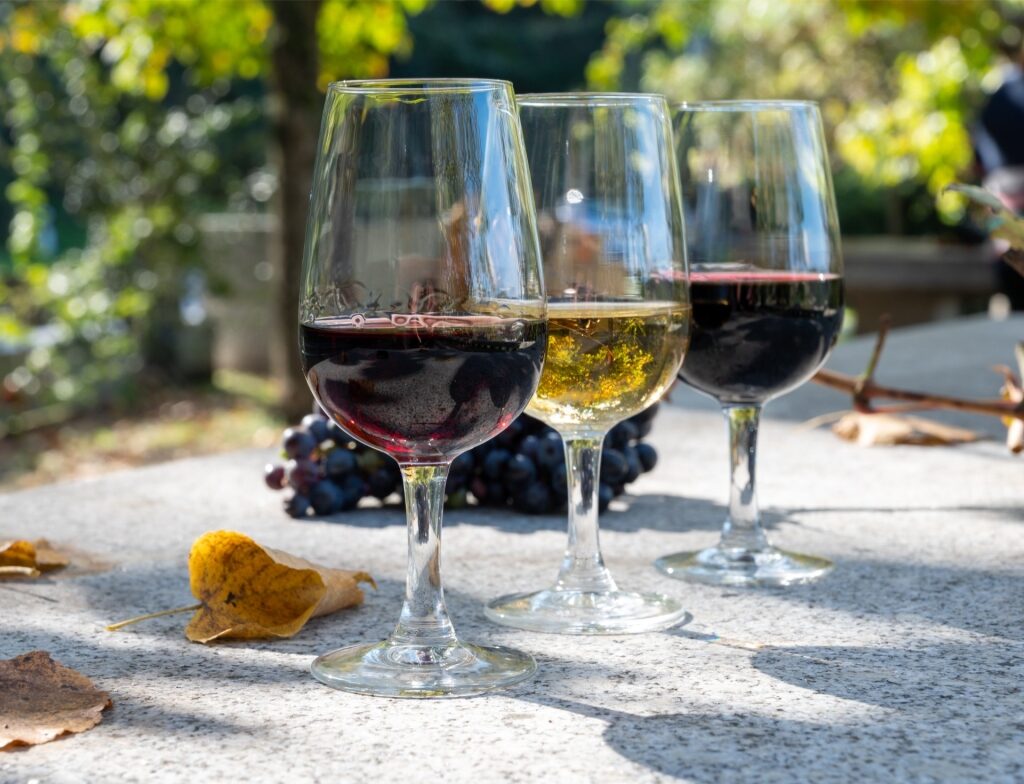
Port wine
Portugal’s most famous wine is Port, a fortified wine produced in northern Portugal’s Douro Valley and named after the port city of Porto, from which this sweet wine spread around the world—initially to England—in the 17th century.
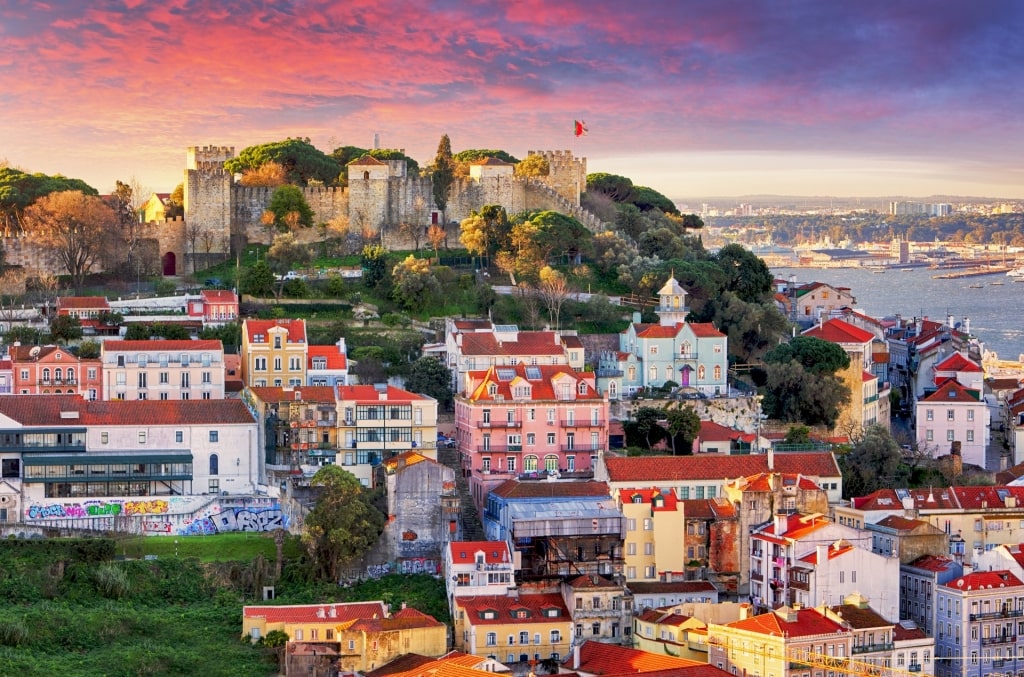
Lisbon
Whether you’re intrigued by culture, golf, beaches or gastronomy, explore Celebrity’s cruises to Portugal. Plan your next vacation to take in this fascinating country.