
Taking note of a few Portugal travel tips will greatly increase your enjoyment of this enchanting country. Portugal’s laid-back lifestyle, sunny blue skies, decent city transport networks, and consistently high-quality cuisine make it one of the most relaxed countries to travel in Europe. In fact, Portugal has been a popular tourism destination since the 1960s, with good tourism infrastructure and plenty of entertainment.
There’s also little to worry about on the ground. Crime is low—Portugal placed seventh on the Global Peace Index 2025—and scams are scarce. There’s a high proficiency in English, which makes it easy to ask for local advice when needed. Still, before setting off, it’s worth studying some fundamental travel tips to help you better plan and maximize your vacation.
Decide When to Go
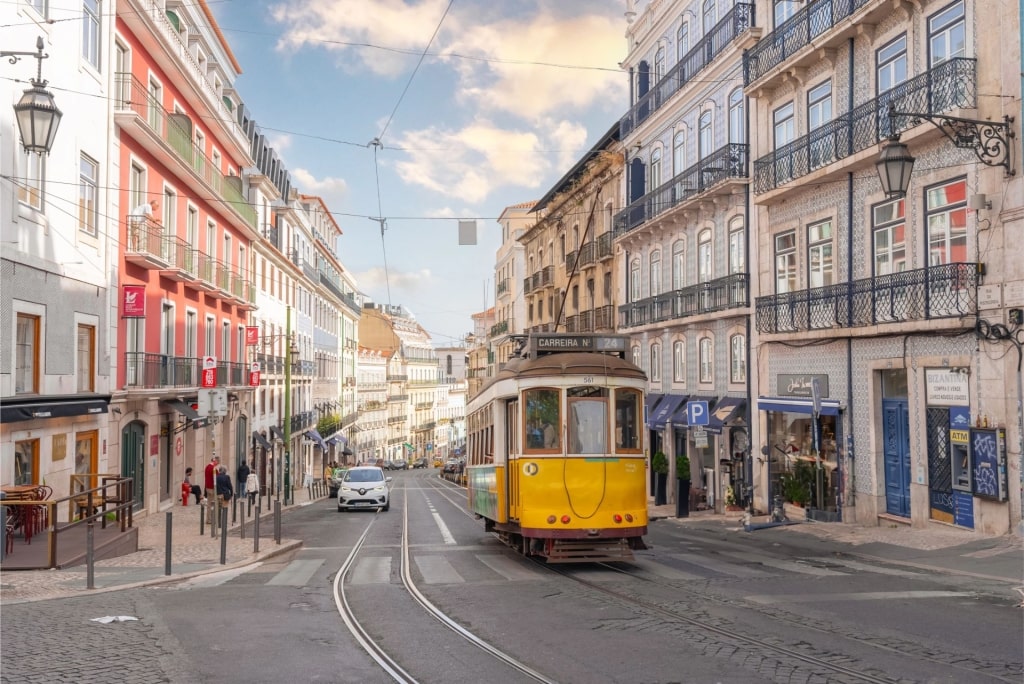
Lisbon
Unlike more seasonal destinations, Portugal is, for the most part, appealing year-round. Temperatures rarely become too hot to enjoy sightseeing, nor too cold. While there are, of course, optimal times to visit, these usually come down to personal interests and slight regional differences.
If you’re planning to combine the mainland with either of the two autonomous archipelagos of Madeira and the Azores, spring and fall are genuinely considered the best times to visit Portugal.
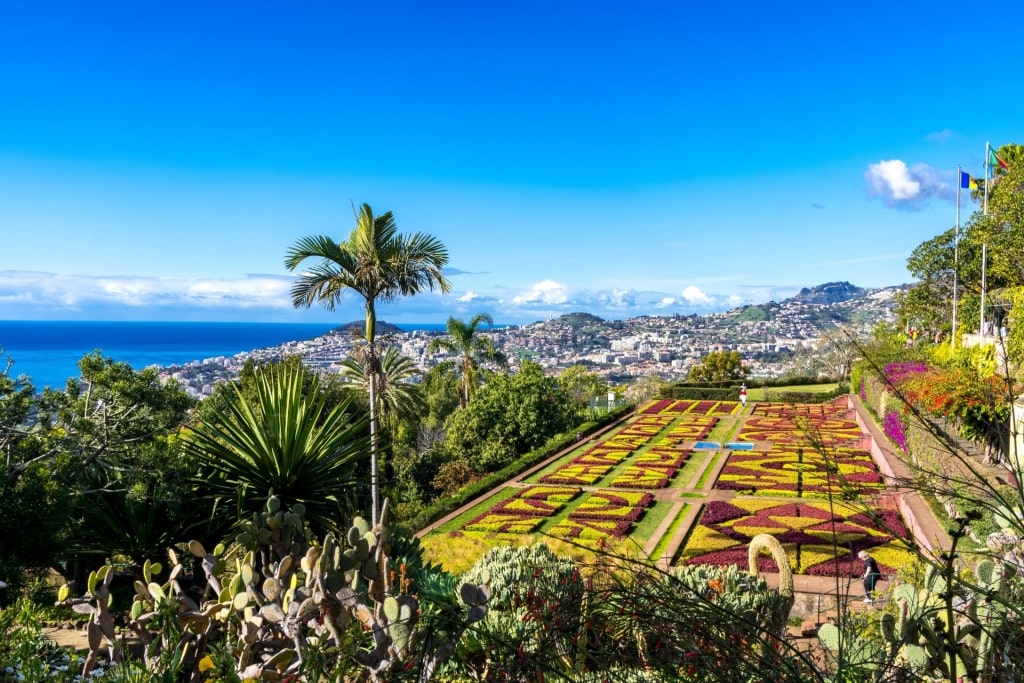
Funchal, Madeira
During these seasons, the weather is consistent, with highs of around 73°F, and it’s less crowded. It’s also the best time to enjoy levada walks in Madeira—which has the most consistent, year-round climate in Portugal—or go whale watching in the Azores, due to the migratory paths.
June is particularly animated as the Festa dos Santos Populares, or the Festivals of the Popular Saints, takes over Lisbon and Porto with street parties, traditional music, and the aroma of sardines.
Pre-Book the Most Popular Attractions and Experiences

Palácio Nacional da Pena, Sintra
One of the most noteworthy Portugal travel tips is to pre-book tickets to the most famous attractions. It will save you from waiting in long lines and, in some cases, ensure you don’t miss out.
Sintra’s whimsical palaces, especially the fairytale-like, hilltop Palácio Nacional da Pena, are particularly popular and timeslots control entry. Be sure to pre-book tickets online well in advance to secure your preferred entry time. It’s essential to arrive at the park at least 30 minutes before your timeslot, as this time is for the palace’s entrance itself, not the grounds.
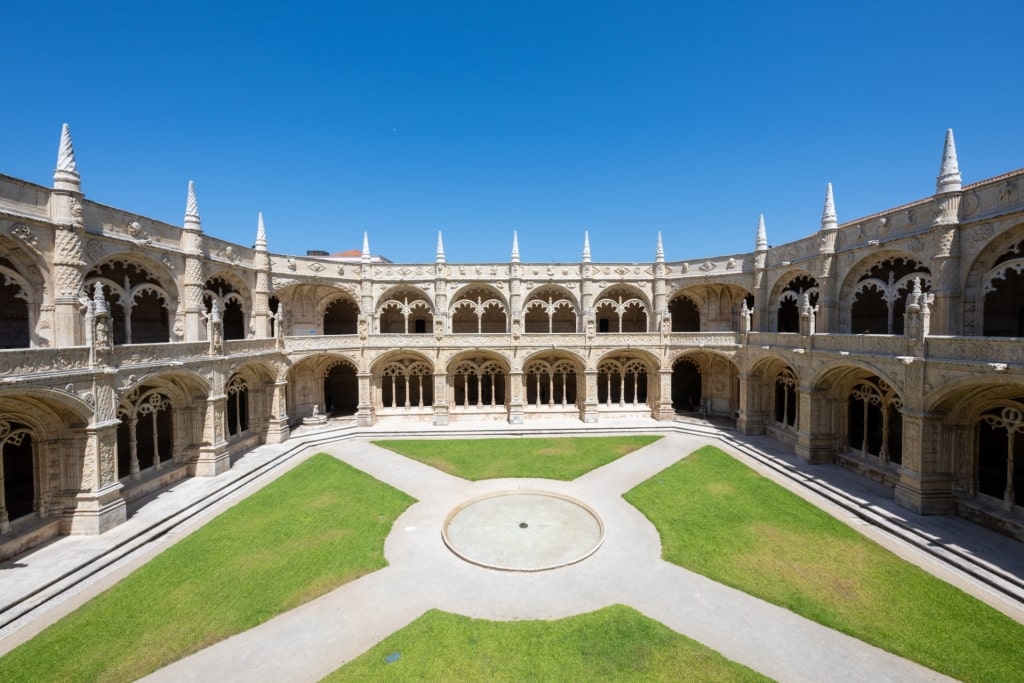
Jerónimos Monastery, Lisbon
Other popular sites in Lisbon worth making skip-the-line reservations for include Castelo de São Jorge and the Jerónimos Monastery—especially as there is little shade while waiting.
It’s also advisable to pre-book any excursions or tours, such as winery visits, boat trips, or jeep tours in the Azores. Likewise, Porto and Lisbon’s top restaurants often require reservations.
Understand Couvert, the Non-Complimentary Appetizers
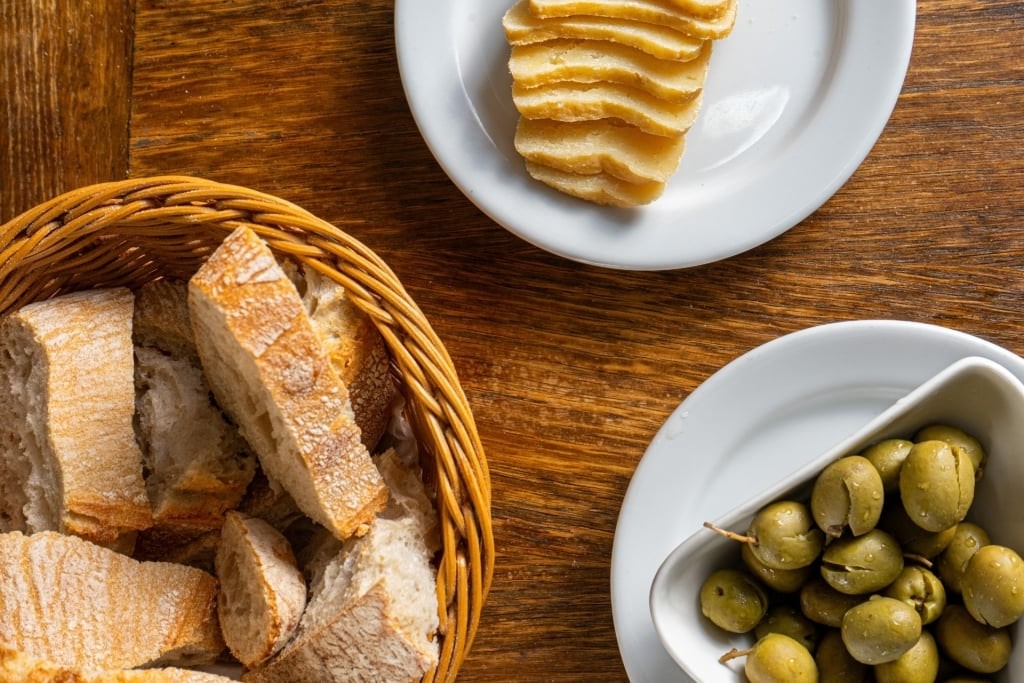
Couvert
While not technically a travel tip, but rather a cultural dining quirk, the couvert—served at the start of most meals—can be somewhat confusing for visitors.
Once seated, a selection of appetizers often arrives without ordering. This is the couvert, and usually includes bread and butter, pâtés, olives, and sometimes cheese. It’s entirely optional, and is a long-standing part of dining in Portugal rather than a scam.
However, if you do consume these items, which should have their prices clearly displayed on the menu, you will be charged. If you’d prefer not to have the couvert, politely decline it when it is brought or ask for it to be removed from the table before your ordered dishes arrive.
The Tap Water is Drinkable
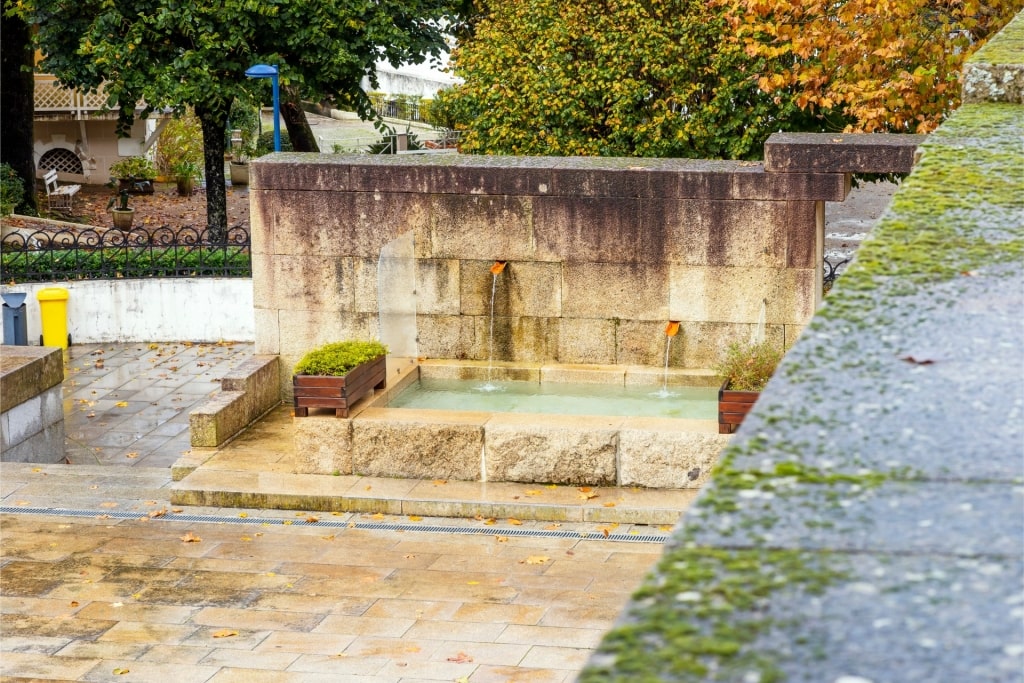
Another dining custom that some North American visitors might not be accustomed to is the prevalence of bottled water. While the tap water in Portugal is nearly always safe to drink—a 2023 report by the regulatory body ERSAR found 98.77% of tap water here was safe for human consumption—it’s uncommon to request it in restaurants.
Mineral water
Due to Portugal having multiple excellent-quality mineral water sources, many people have their preferred brands, favoring the taste of spring water over tap water. As such, it’s rare to see tap water served with a meal. Still, a 2021 law clarified that tap water, or água da torneira in Portuguese, must be provided free to customers if requested.
English Is Widely Spoken, but Certain Words Are Good to Know
Funchal, Madeira
In most major cities and popular tourist areas in Portugal, English is widely spoken. Still, learning the basics, such as thank you—men say obrigado, and women obrigada—the words for yes, sim, and no, não, which is pronounced like a nasal “now,” can be helpful.
Please, por favor, or excuse me, which is com licença when trying to pass or calling attention, or desculpa, if more of an apology is also handy. “Onde fica a casa de banho” means “Where is the bathroom?”
Miradouro sign
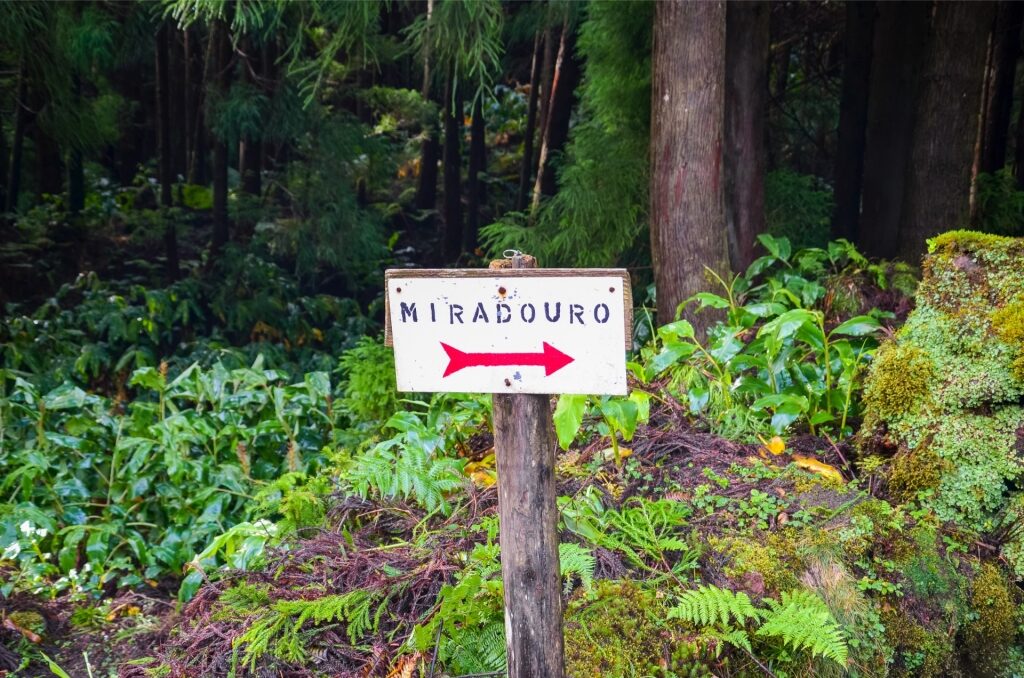
A few other useful words include miradouro, which generally refers to viewpoints with the best panoramas, and multibanco, which technically is the word for the domestic payment system, but can often be used to describe an ATM.
If you have an alergia, or allergy, always make this clear in advance rather than making assumptions from menus. The word “no”, for example, actually means “in” or “on” in Portuguese, which can cause potential dietary problems if used incorrectly.
Always Carry Cash

Cash
While the acceptance of credit cards—especially Visa and Mastercard, but rarely American Express—has become more commonplace in smaller shops and restaurants, many local businesses remain cash-only, or only accept payments using the local Multibanco system.
As such, one of the key Portugal travel tips is to carry cash, or, if you’d prefer to pay by card, confirm on arrival at the establishment if they are accepted. This will save you from being caught out, especially in small island towns where an ATM isn’t available.
Read: Lisbon vs. Porto: Which Should You Visit?
Know Your Tascas From Your Marisqueiras
Lisbon
Dining out is one of Portugal’s greatest joys. Local cuisine is time-honored, well-prepared, and flavorful, spanning the Azores’ grass-reared beef to freshly caught seasonal fish.
For breakfast and snacks, head to a padaria, or bakery, pastelaria, which are cake shops, often with glass cabinets piled with pastéis de nata custard tarts and other treats, or a snack bar. This can be anything from a café serving toasted sandwiches to a casual bar with more filling but still affordable local dishes.
Restaurantes, meaning restaurants, are equally varied, and the term can apply to fine dining as much as local restaurants.
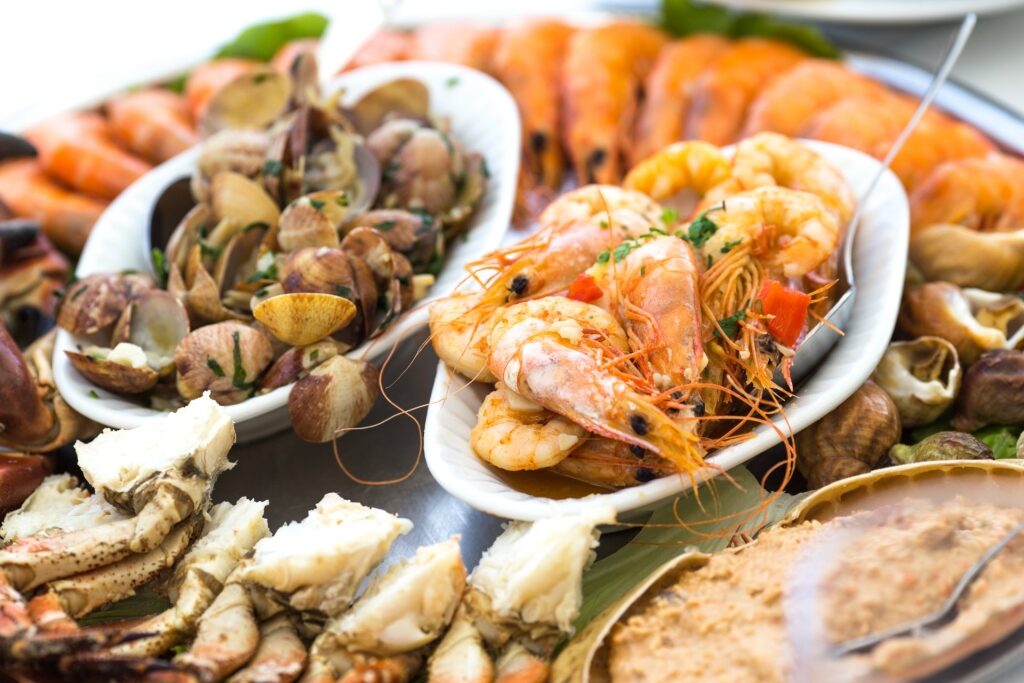
Marisqueira
Specific types of restaurants include tascas, which are generally smaller, family-run restaurants serving traditional recipes; a churrasqueira, which is a grill house, often serving chicken piri-piri, and marisqueiras, specializing in seafood platters and grilled fish.
Try a Local Tipple Other Than Port
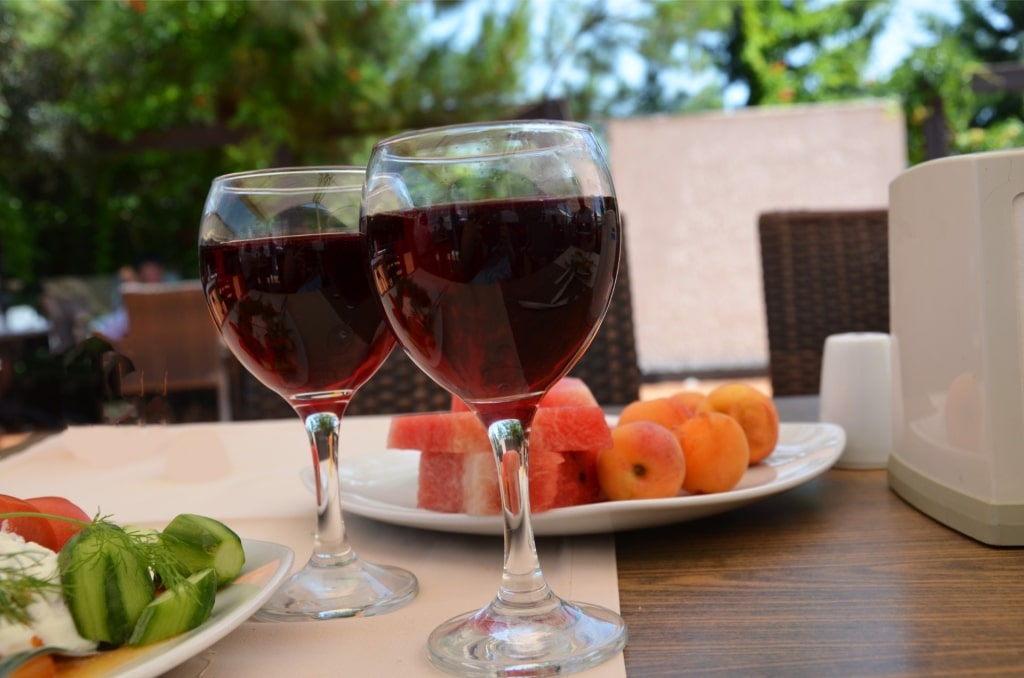
Madeira wine
While enjoying a port sampling is practically a rite of passage in Porto or the Douro Valley, it’s certainly not the only provincial beverage worth having on your radar. This is a land of proud winemakers, a tradition dating back to the Phoenicians.
While the wines of the Douro and Alentejo are best known internationally, a good tip is to try some of the local wines that are hard to source abroad. These include the Colares wines from near Lisbon, which are grown in sandy soil, the volcanic wines of the Azores, and Madeira’s fortified and dry wines, perhaps on a tasting at Blandy’s Wine Lodge in Funchal.
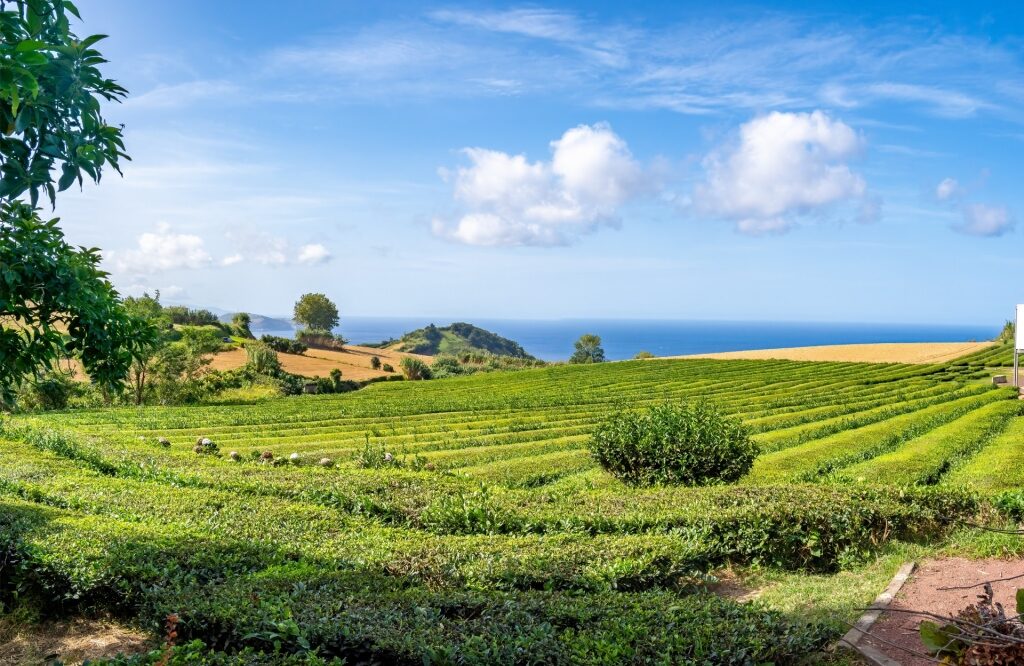
Gorreana tea plantation in São Miguel, Azores
For a non-alcoholic taste of Portugal, the islands excel. Due to the more tropical climates, you’ll find produce that isn’t common in Europe. On São Miguel, try the locally grown Gorreana black tea, or Kima, a local soda made from passion fruit. Madeira produces a similar beverage, Brisa.
Tipping Isn’t Complicated
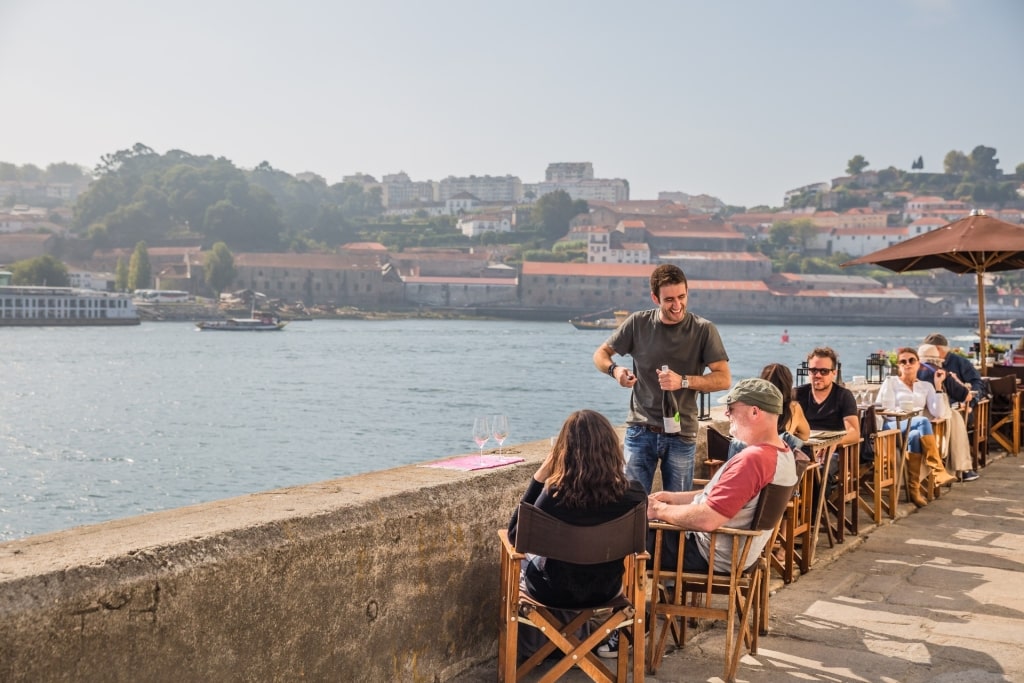
Porto
Tipping isn’t one of the Portugal travel tips you need to overthink. Gratuities are rarely mandatory or included in the a conta, or check—the IVA line at the bottom of receipts is a sales tax, not a tip—and most locals will either round up or leave a few coins following a meal.
Still, tipping by percent has become more commonplace in recent years, especially in major cities and touristy areas. If you’ve received good service, leave between 5% and 10% of the total, ideally in cash. It’s usually not possible to add a tip to card payments.
Cities Are Fairly Compact and Easily Explored
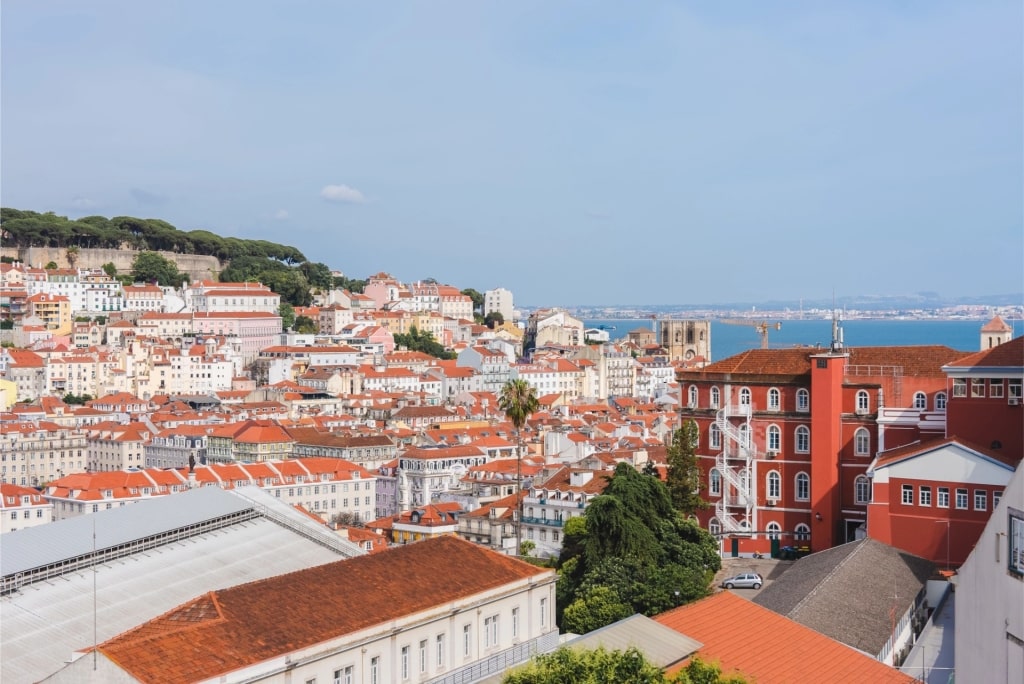
Alfama District, Lisbon
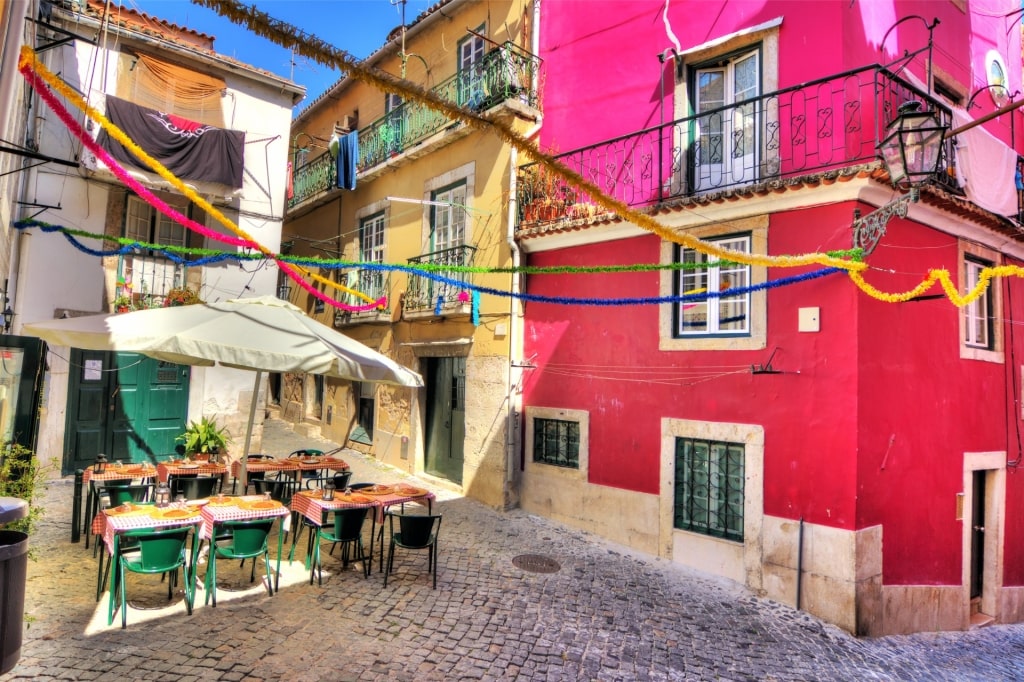
While both Lisbon and Porto are fairly hilly, exploring on foot is often not just recommended, but essential. The narrow, pedestrianized lanes of Lisbon’s oldest district, Alfama, or along the Ribeira waterfront in Porto, for example, require a fair bit of walking to explore.
Ridesharing apps, such as Uber and Bolt, can be helpful to maximize time elsewhere. However, the public transport networks in Lisbon and Porto are very efficient. Both underground metro systems now also take contactless bank card payments, removing the need to purchase local tickets.
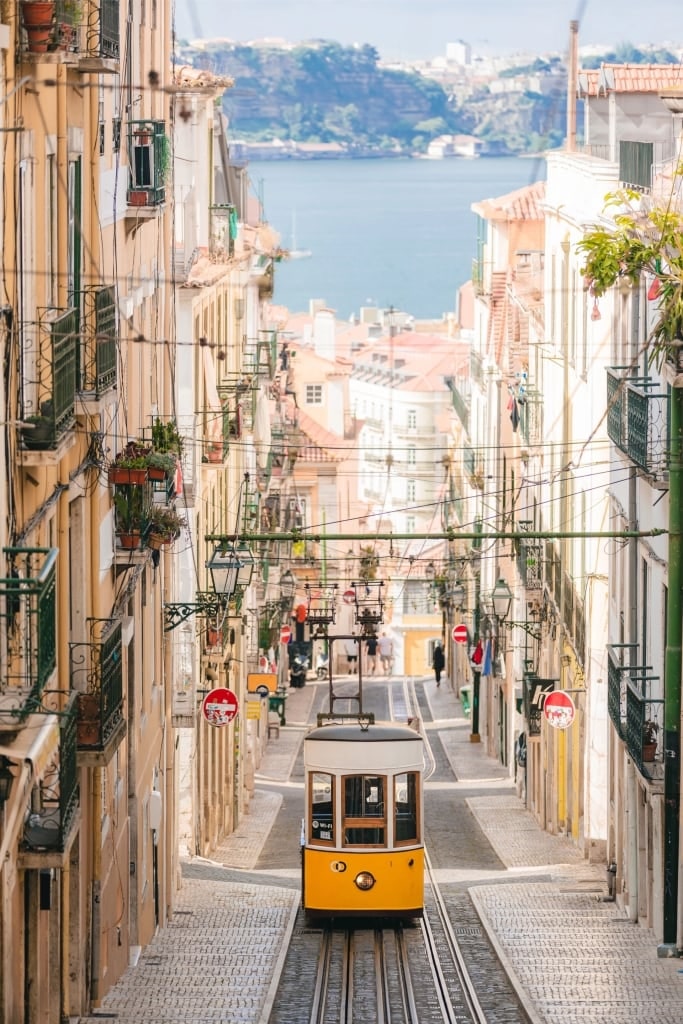
Lisbon
In Lisbon, the tram network reaches many of the most popular attractions. These include the vintage, canary-yellow trams such as the 28E, which has become a popular attraction in its own right. Be prepared to wait to board, especially if not joining at the terminus. The modern, air-conditioned route, the 15, reaches the Belém district.
There are also several funiculars in Lisbon, and even outdoor escalators and elevators, which reach the higher points such as Graça, near Castelo de São Jorge, and Bairro Alto.
Getting Around Is Half the Fun
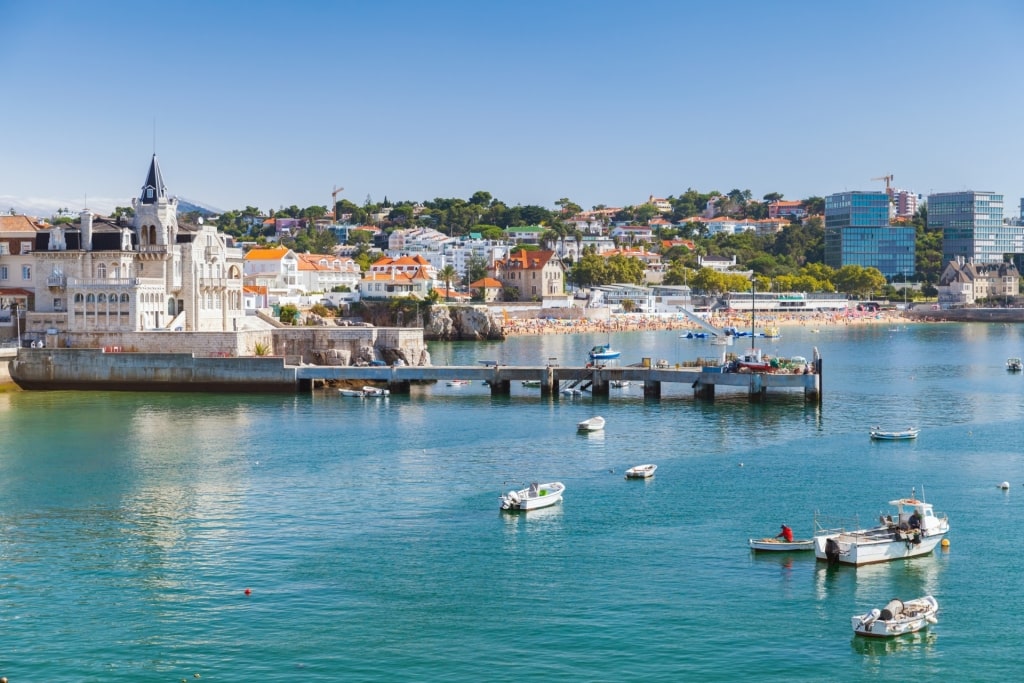
Cascais
There’s often no need to rent a car to make the most of your visit to Portugal. The exception is in Madeira and the Azores, where a lack of public transport makes a rental, or arranging a driver for a full-day excursion, a good investment.
On the mainland, reaching the most popular day trip destinations using urban and regional rail is uncomplicated. From Lisbon, the Portuguese beach town of Cascais, the palaces of Sintra, and Setúbal, gateway to the Parque Natural da Arrábida, can all be reached by train. Likewise, the scenic Douro Valley line from Porto is a pleasure.
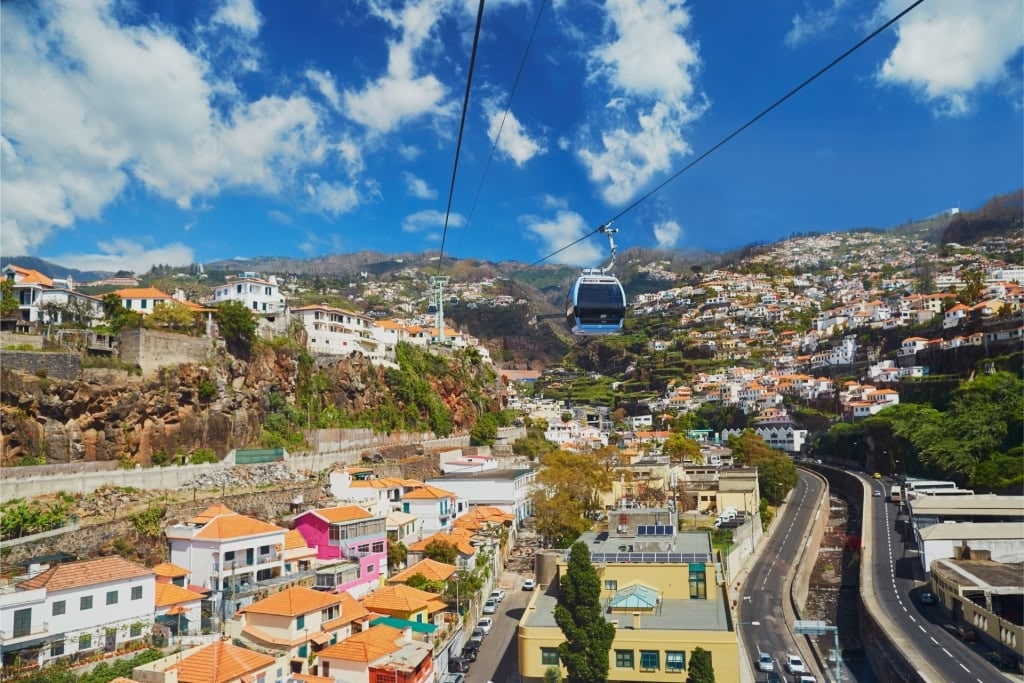
Gondola ride in Madeira
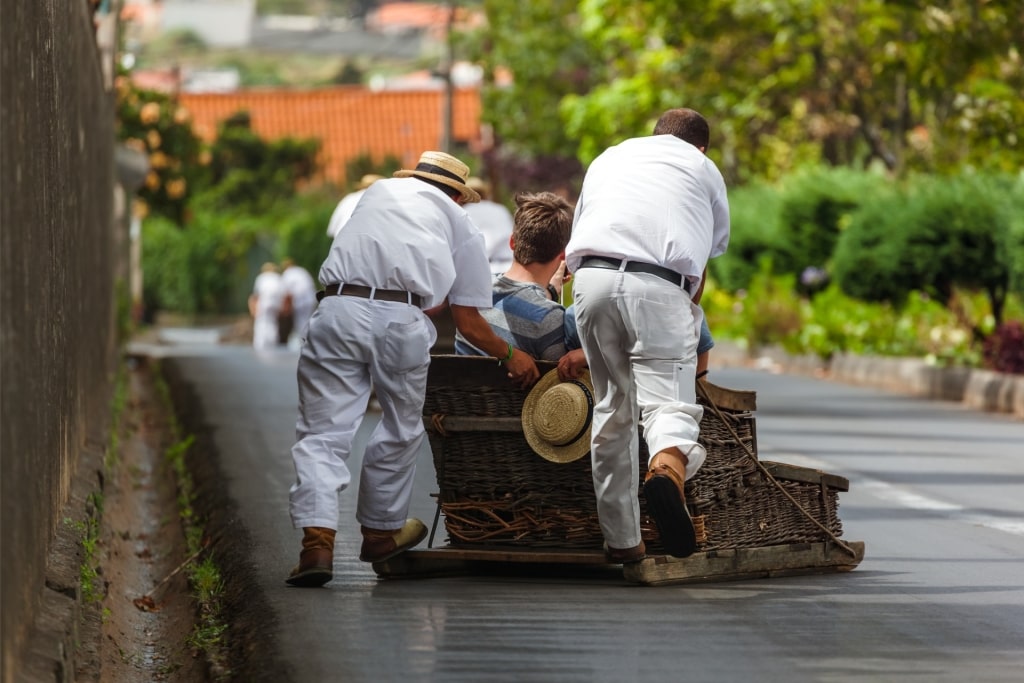
Yet getting around in Portugal can often be half the adventure. Madeira’s network of gondolas provides some of the island’s most swoon-worthy panoramas, whether you’re descending to the Fajã da Quebrada Nova or ascending to the Monte Palace and Botanical Gardens. You can even ride down being pushed in a traditional wicker toboggan.
Carry a Day Bag and Pack Well—Including Sunscreen

Madeira
When choosing what to wear in Portugal, keep comfort in mind. A good pair of walking shoes is essential, whether you’re climbing Lisbon’s hills or hiking a levada, one of the water irrigation trail routes, in Madeira.
A good Portugal travel tip is to carry a day bag with all the essentials. These include sunscreen with a high SPF, as much of life is lived outdoors, a lightweight sweater or top to wear if the Atlantic breeze picks up, and usually a swimsuit and microfiber towel, as you’re never far from a beach.

Pilgrimage site of Fátima
If you’re likely to enter a church, or are taking a day trip from Lisbon to the pilgrimage site of Fátima, be sure to dress suitably, with knees and shoulders covered. Alternatively, bring a shawl or similar in your day bag, which will be helpful for both religious sites and extra sun protection.
Swim Safely
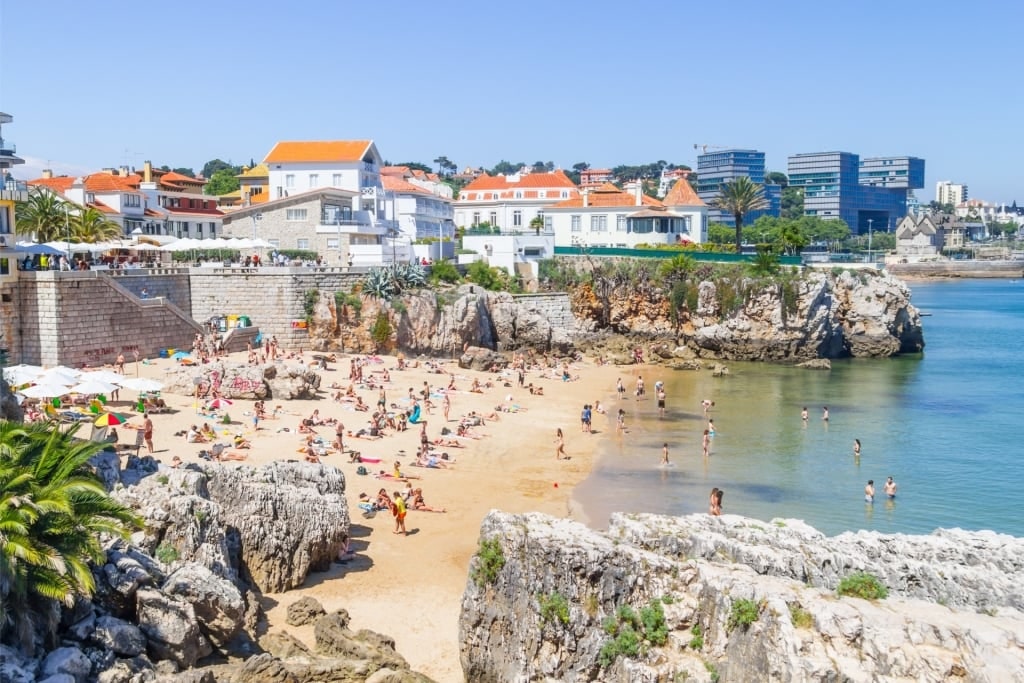
Cascais
Most beaches in Portugal only have lifeguards during the official bathing season. While this varies depending on the locale, it’s generally between June and September.
A half-yellow, half-red flag indicates the presence of a lifeguard on a beach. Always be mindful of the Atlantic Ocean’s currents when swimming.
Traveling to Portugal FAQs
What should I pack for a trip to Portugal?

São Miguel, Azores
Packing essentials for Portugal include comfortable shoes suitable for the hilly cities or hiking in the islands; light layers, as the Atlantic can provide a breeze even on sunny days; sunscreen, and a swimsuit, as you’ll never be far from a beach.
Do people in Portugal speak English?
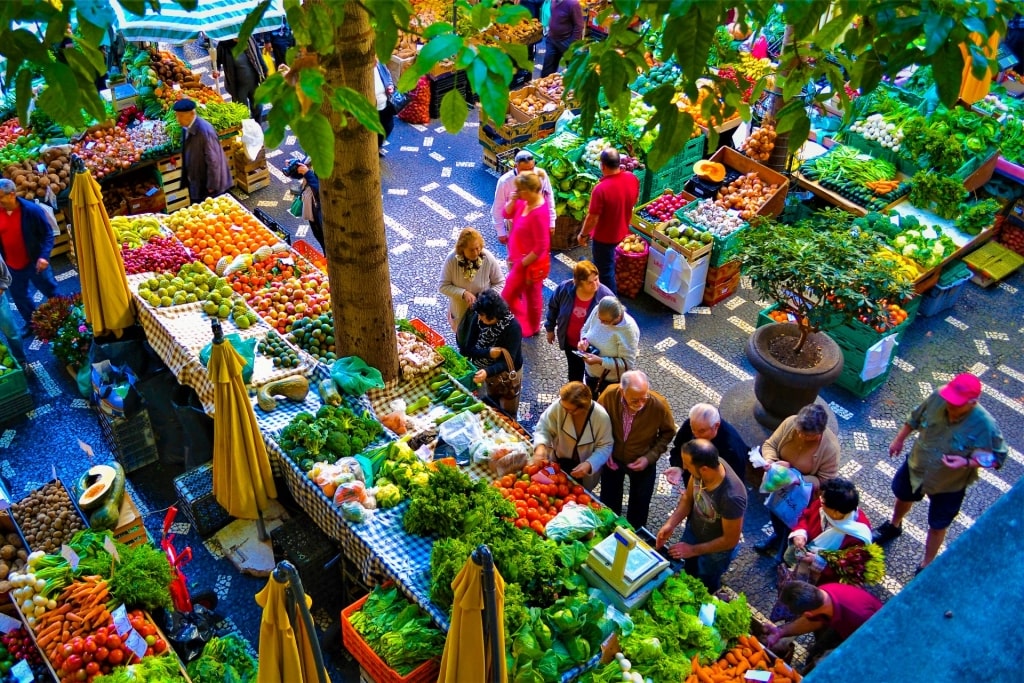
Market in Portugal
Most Portuguese you’ll encounter as a visitor in popular destinations will speak English. Portugal has one of the highest proficiency levels of English in the world. In smaller towns, including in the Azores, knowing some local phrases can be helpful.
What’s the best way to get around Portugal?

Porto
Getting around Portugal is pretty straightforward. Both Lisbon and Porto have expansive, interconnected urban transport systems, and rail can be used for most nearby day trips, including Sintra and Cascais. Public transportation is more limited in Madeira and the Azores; to reach the islands from the mainland, you’ll require a domestic flight or cruise.
Can I drink tap water in Portugal?
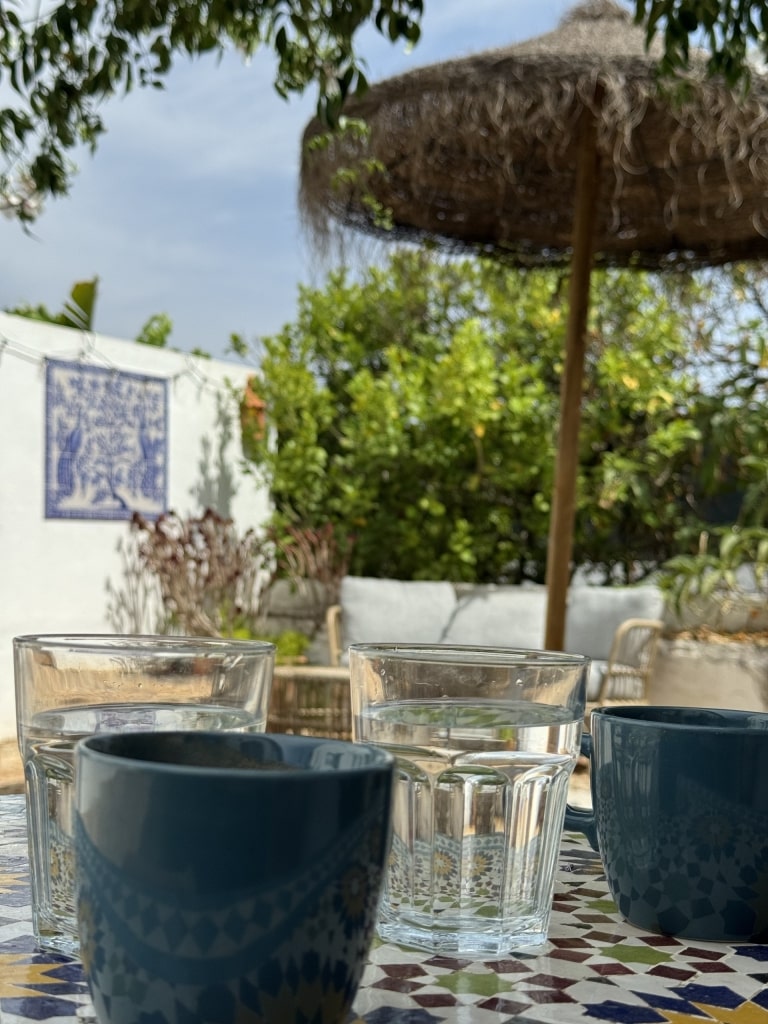
Drinking water
Yes, nearly all tap water is drinkable in Portugal, except for some rural properties not on the mains network. However, in restaurants, it’s more culturally standard to order still or sparkling water from one of Portugal’s mineral springs.

Lisbon
Put these travel tips into practice on your next vacation with Celebrity Cruises. Browse itineraries and book your perfect cruise to Portugal today.