
Comparing Spain vs. Italy is to explore two of the most beautiful, richly dynamic countries in Europe. While they share many similarities, such as a sunny Mediterranean climate, when looking at either Spain or Italy, you’ll soon notice many intriguing differences as well.
Apart from their Mediterranean lifestyle, Spain and Italy offer storied histories, incredible architecture—ranging from ancient ruins and Renaissance sensibilities to more contemporary designs—as well as gorgeous beaches, charming cities and towns, and different natural landscapes worth exploring.
Weather & Best Times to Visit
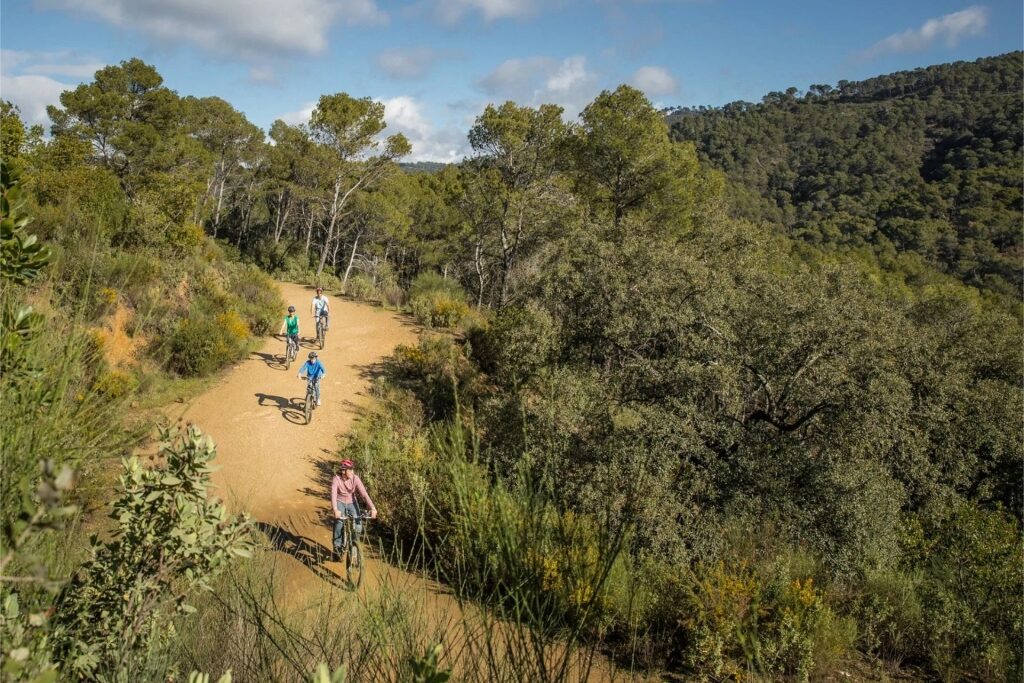
Málaga, Spain
When contemplating travel to Italy or Spain, keep in mind that both destinations are blessed with a typical Mediterranean climate in the south, with the north being influenced more by mountain ranges.
The weather in Spain switches up as you move from the south to the north. In the south, in places like the Costa del Sol and Málaga, as well as the Balearic Islands, summers are typically hot and dry, while springtime and autumn are warm and pleasant.
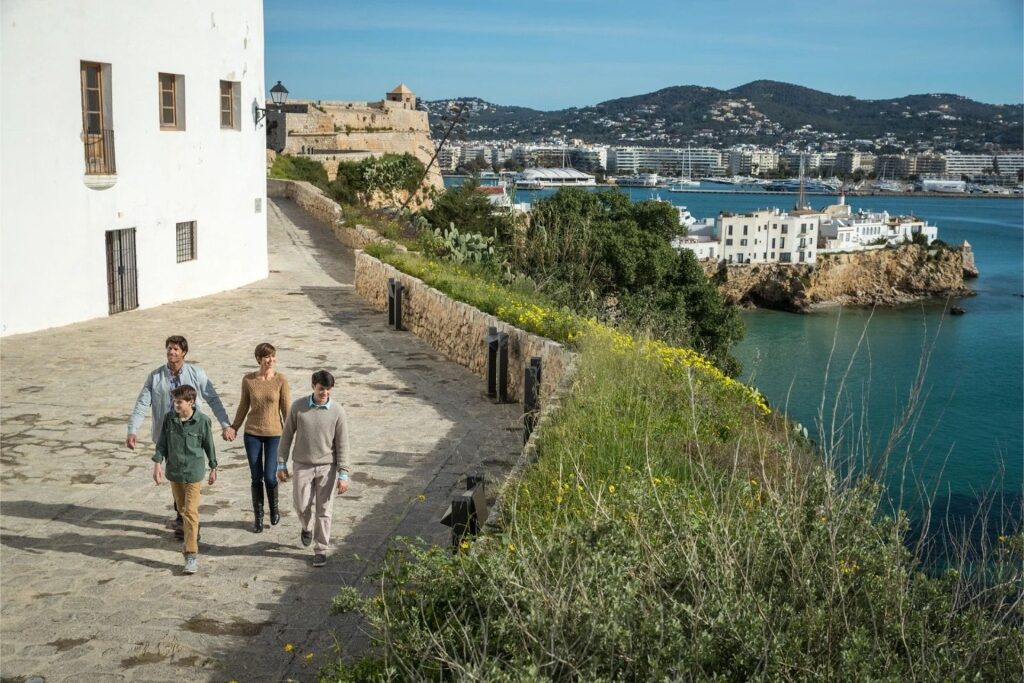
Ibiza, Spain
Consider a tour around Mallorca, possibly during the shoulder season, in September or October to dodge the busiest summer season. The low season, in most areas, is usually from November to March.
Northern areas, such as Bilbao and La Coruña, can occasionally be exceptions to the “sunny Spain” rule, as they have a cooler Atlantic maritime climate with more rain and greener vegetation. May to early September are good times to visit, as it can be relatively cool and rainy from late autumn to early spring.
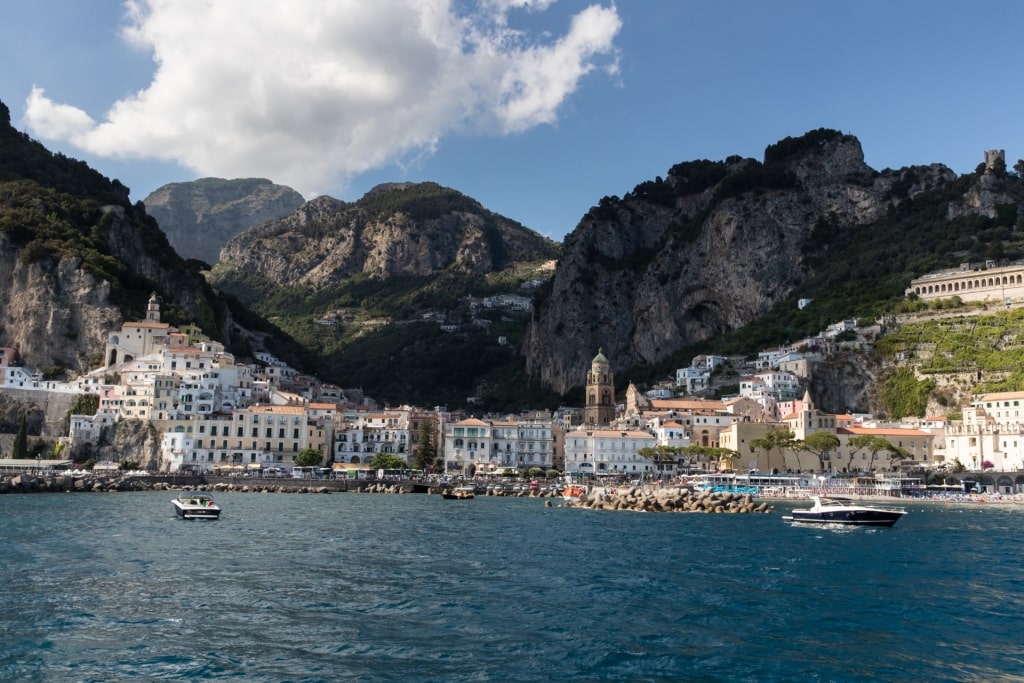
Amalfi, Italy
Italy, surrounded by different seas, is also a welcoming destination, weather-wise. The Amalfi Coast and the islands of Sardinia and Sicily bask in the sun from May to late September, which means you can expect plenty of balmy beach days.
In Italy, during late spring, particularly April and May, the weather is warm and usually sunny, making it a prime time for urban sightseeing in cities like Rome, Naples, and Venice, before the summer temperatures begin to rise.
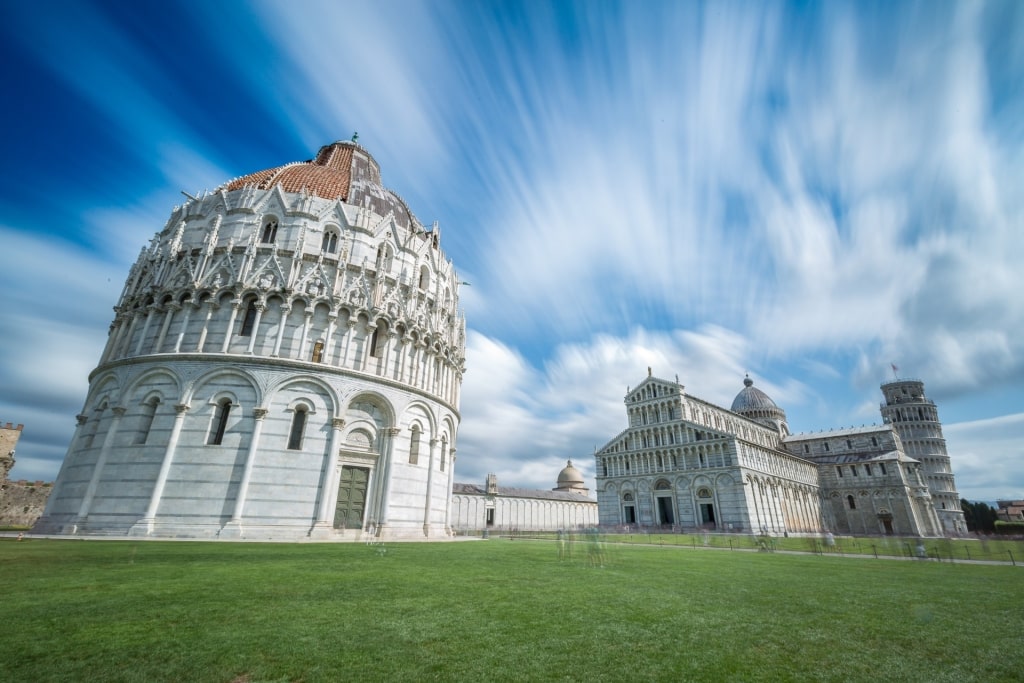
Square of Miracles in Pisa, Italy
Northern spots, like Genoa, tend to be warm and humid during summer and mild in the winter, although they can occasionally turn cold, particularly when you head inland. Tuscany, home to Florence and Pisa, is great for visiting during the shoulder seasons, which span from April to June, and in the early autumn.
Location
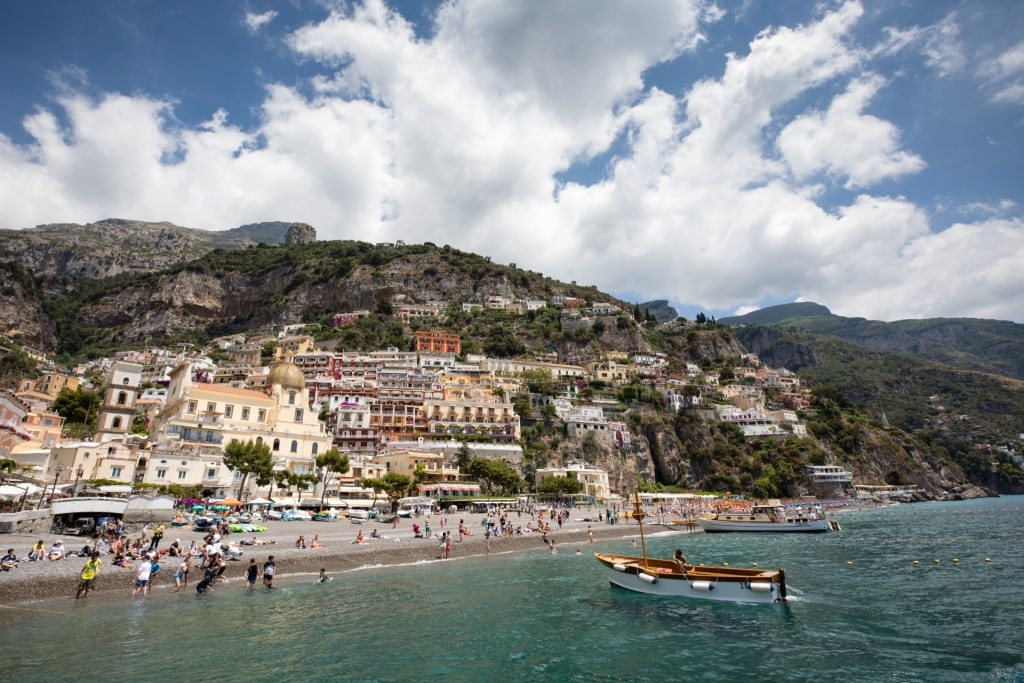
Positano in the Amalfi Coast, Italy
Italy vs. Spain, as far as location goes, have a lot in common. Both countries are located in southern Europe, with Spain, along with Portugal, occupying most of the Iberian Peninsula on the western edge of the continent.
Italy, on the other hand, flows down the center of the Mediterranean in a “lo stivale” boot-like shape, pointing southward toward Africa.
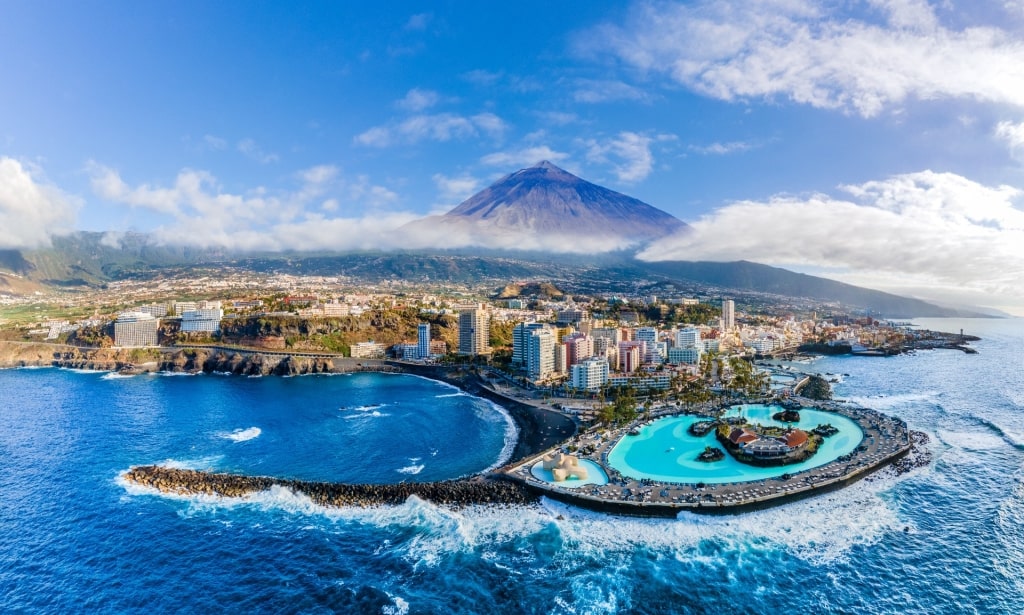
Tenerife in the Canary Islands, Spain
Spain offers access to the sunny Mediterranean Sea in the south, as well as the cooler Atlantic Ocean—via its coastal ports—in the north. The Balearic Islands, located in the Mediterranean, and the sub tropical Canary Islands, in the Atlantic, offer even more impressive shorelines and rugged terrain.
Italy enjoys one of the longest coastlines in Europe and also comprises the islands of Sardinia and Sicily, both of which feature dramatic mountain scenery and exquisite beaches.
History
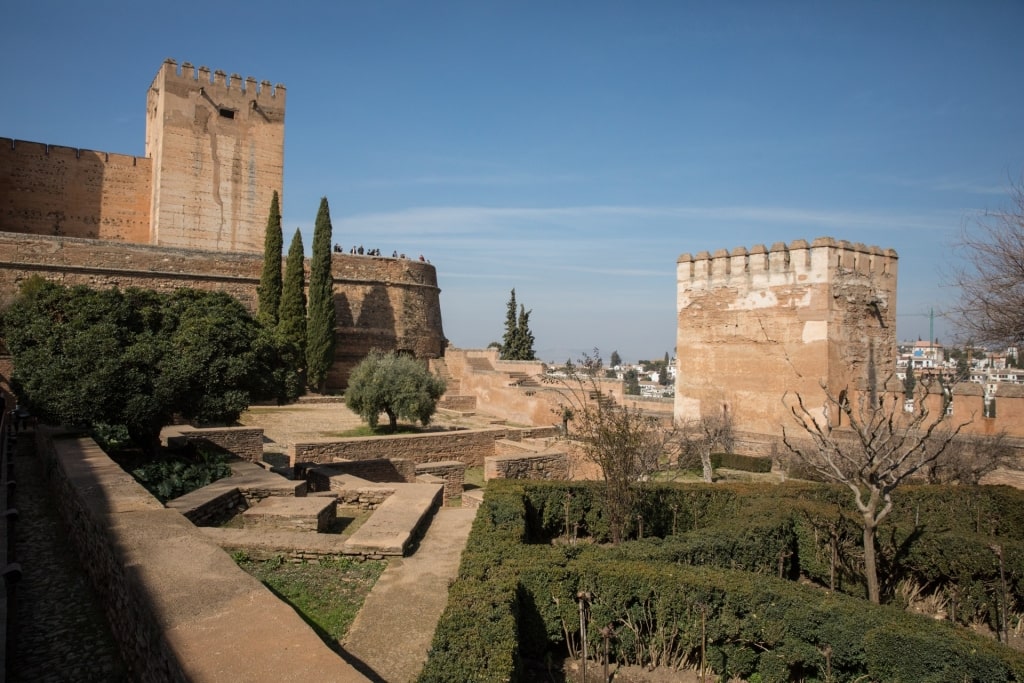
Alhambra in Granada, Spain
Despite the fact that they’re both located around the Mediterranean, Spain and Italy have completely different histories.
Spain’s history has been shaped and formed by both powerful Christian and Muslim kingdoms, which fought for control of the land for centuries, and also experienced periods of relative peaceful coexistence.
The Muslim Moors dominated from the eighth to the 15th century, leaving behind amazing architectural masterpieces, including the Alhambra in Granada and the Mezquita in Córdoba. The last remaining Islamic Nasrid kingdom, in Granada, fell in 1492.
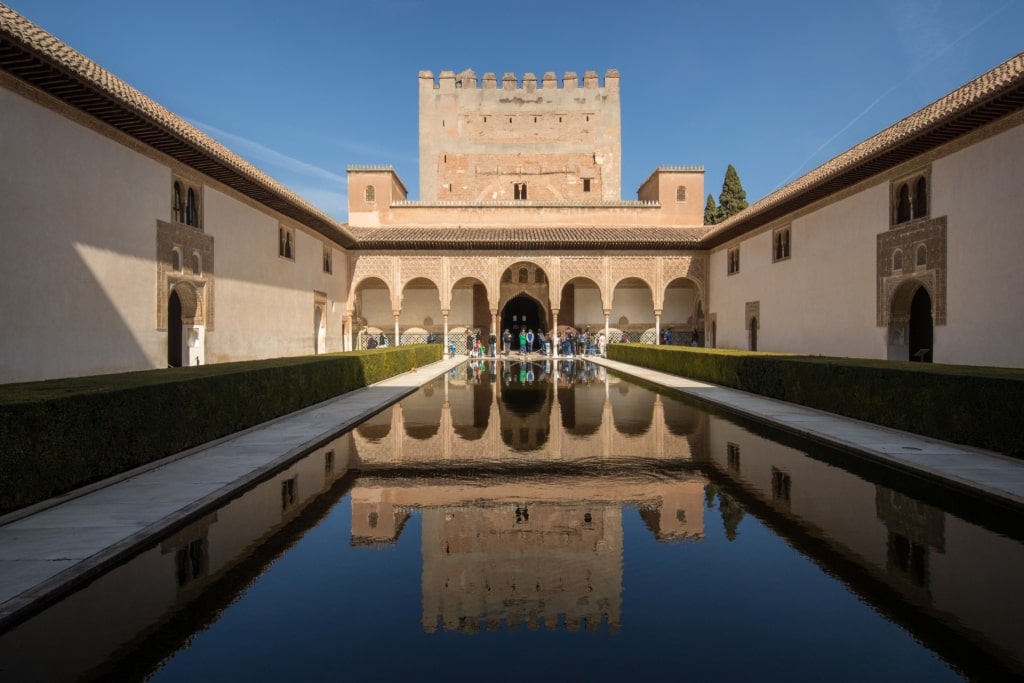
Alhambra in Granada, Spain
After the Reconquista, or reconquest from the Moors, Spain was reunified under its Catholic monarchs, marking the beginning of the Age of Discovery. In 1492, the same year Granada surrendered, Christopher Columbus embarked on his first voyage to the Americas.
Spanish caravels and galleons sailed the world, colonizing much of the planet, and returned with a mind-blowing amount of riches and a mingling of cultures that continues to influence Spanish life to this day.
For example, chocolate, potatoes, and tomatoes, which originated in the New World, were brought back to Spain, whereas Spanish is now widely spoken in much of Latin America.
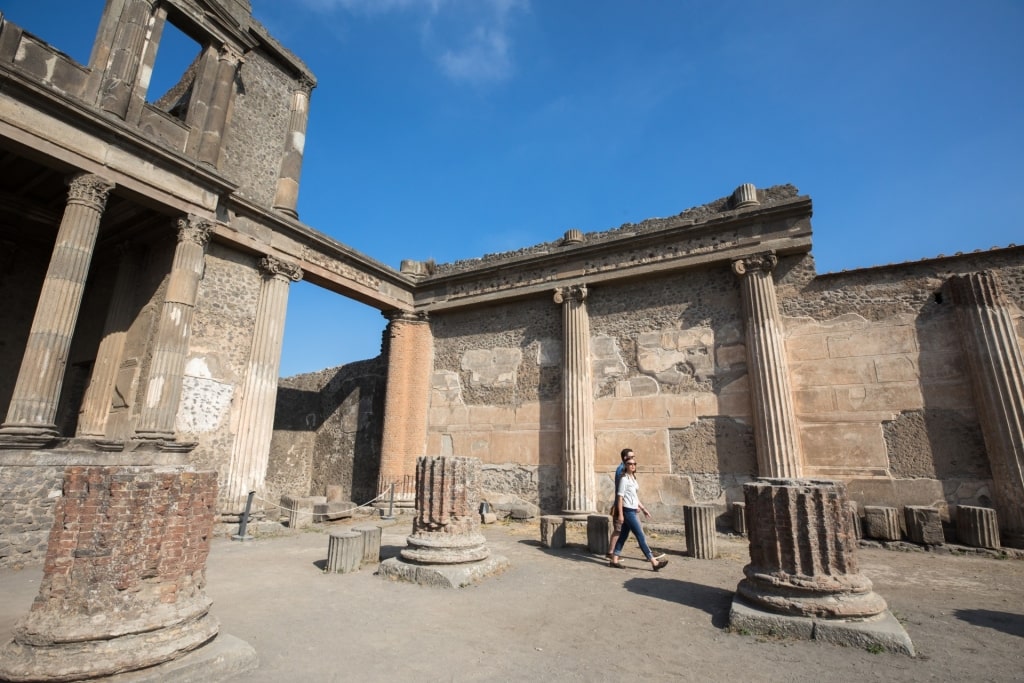
Pompeii, Italy
In Italy, ancient history stares you in the face practically everywhere you look. Modern Italy can trace its roots back to the Roman Empire, whose legacy is evident everywhere, from the excavations of Pompeii to the Colosseum, Pantheon, and Roman Forum.
Following the decline of the Western Roman Empire in 476 AD, Italy fragmented into numerous city-states, each with its own economy and power structure.
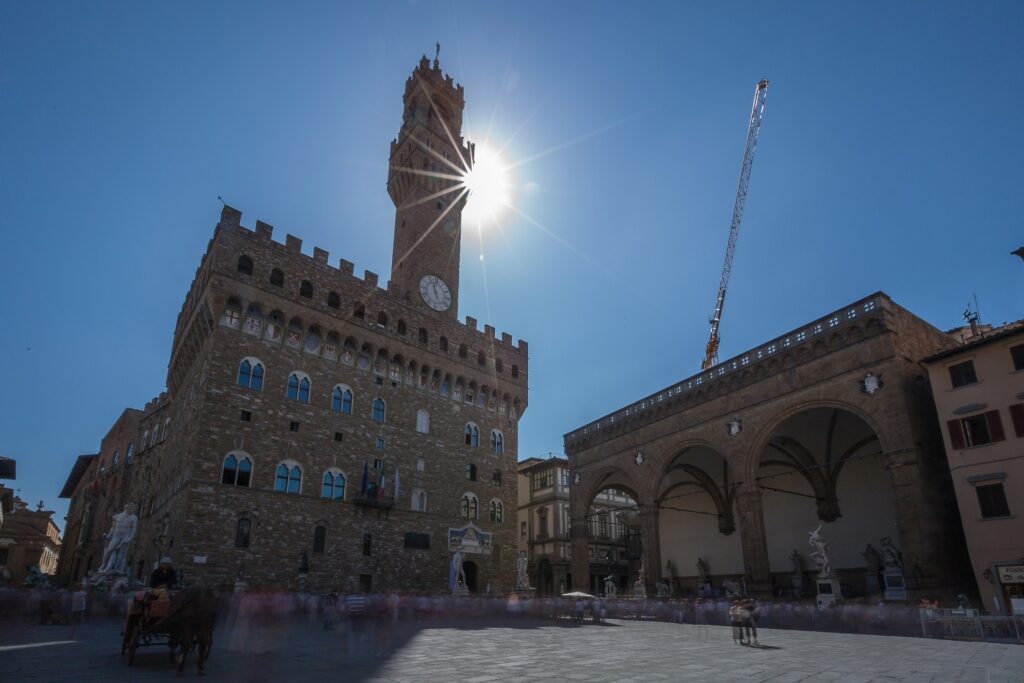
Piazza della Signora in Florence, Italy
In Florence and Tuscany, the Renaissance, kicking off around the 14th century, revolutionized the worlds of art, science, and intellectual curiosity, with intellectuals and revolutionaries such as Michelangelo, Leonardo da Vinci, Raphael, and Galileo Galilei leading the way.
Italy was finally united in the 19th century during a process known as the “Risorgimento,” with the Kingdom of Italy coming together in the 1860s and early 1870s. Even so, regional variations can still be found in Italy’s architecture, accents, and customs to this day.
Cultural Attractions
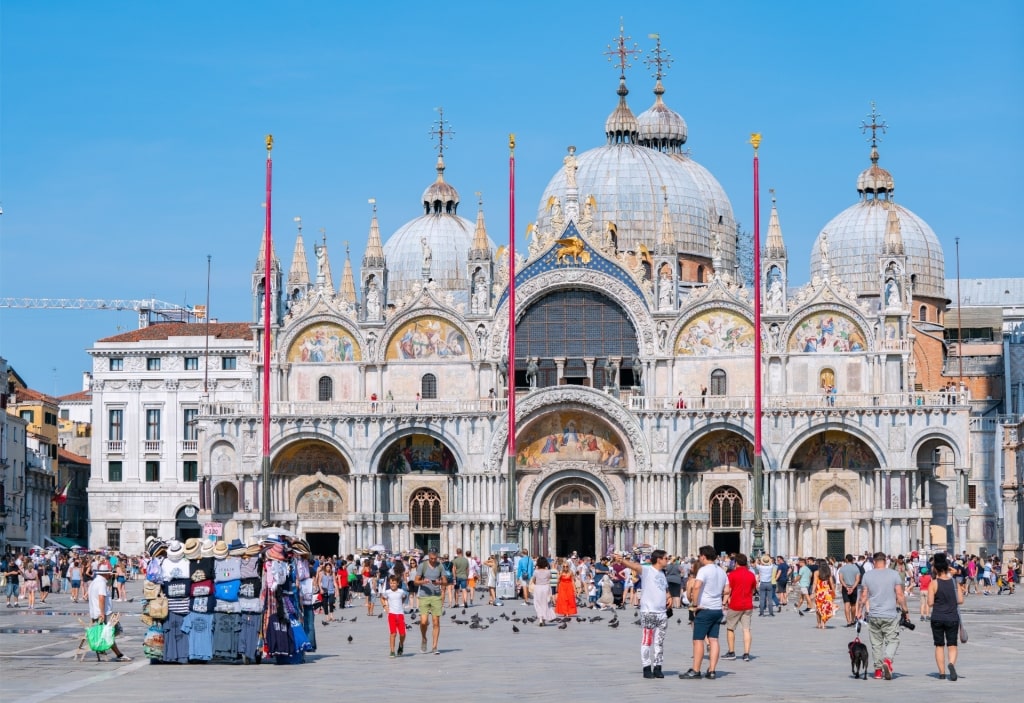
St. Mark’s Basilica in Venice, Italy
In the Italy vs. Spain comparison, there’s no shortage of culture.
Italy, for instance, is full of notable landmarks. Venice is a good example, where getting lost in a maze of bridges and canals is part of the charm as you take in iconic structures like the Italo-Byzantine St. Mark’s Basilica and the Doge’s Palace.
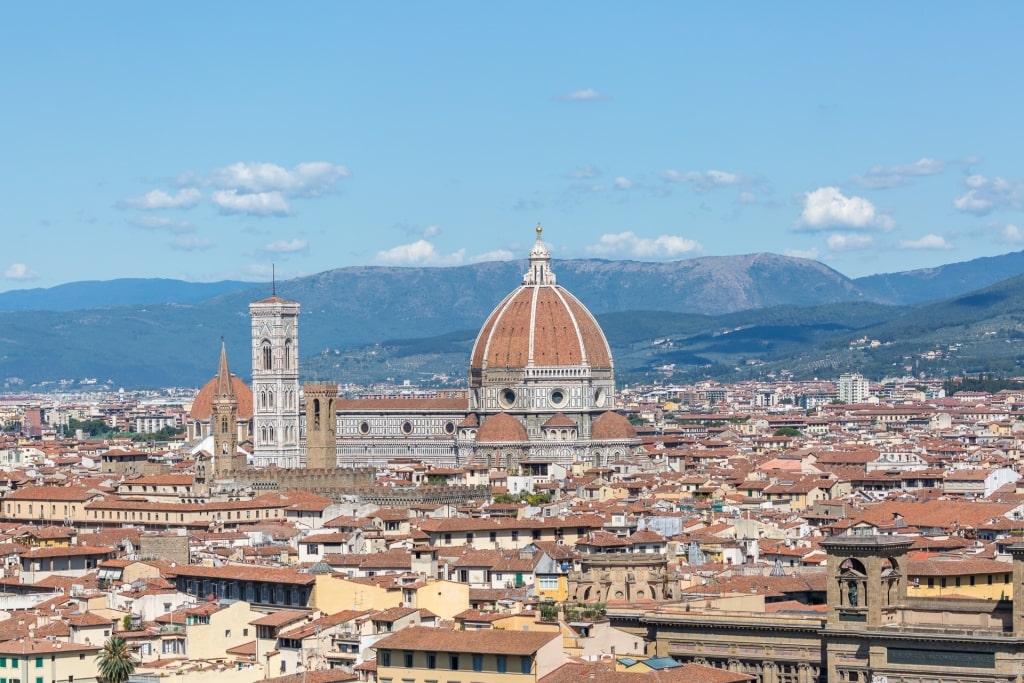
Duomo Cathedral in Florence, Italy
In Mediterranean ports like Positano and the Amalfi Coast, you’ll come across colorful cliff-perched towns, lemon-scented breezes, and outstanding panoramas, offering another distinctive, romantic slice of Italian cultural life.
Florence is renowned for its Renaissance art, from Michelangelo’s David, housed in the Galleria dell’Accademia, to the Uffizi Gallery and the Duomo Cathedral, which features Brunelleschi’s famous dome.
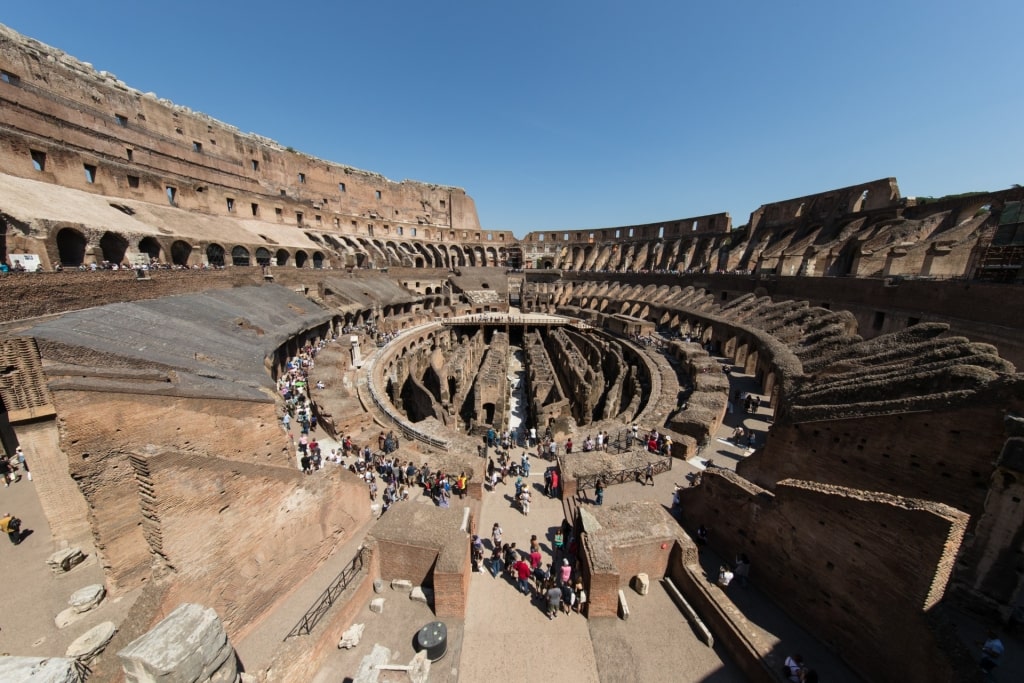
Colosseum in Rome, Italy
Rome will enthrall you with its ancient monuments, such as the Colosseum and the Vatican Museums, as well as its vibrant street life. If you want luxury shopping, panoramic coastal vistas, and a taste of a genuine “la dolce vita” lifestyle, meanwhile, visit Portofino or the island of Capri.
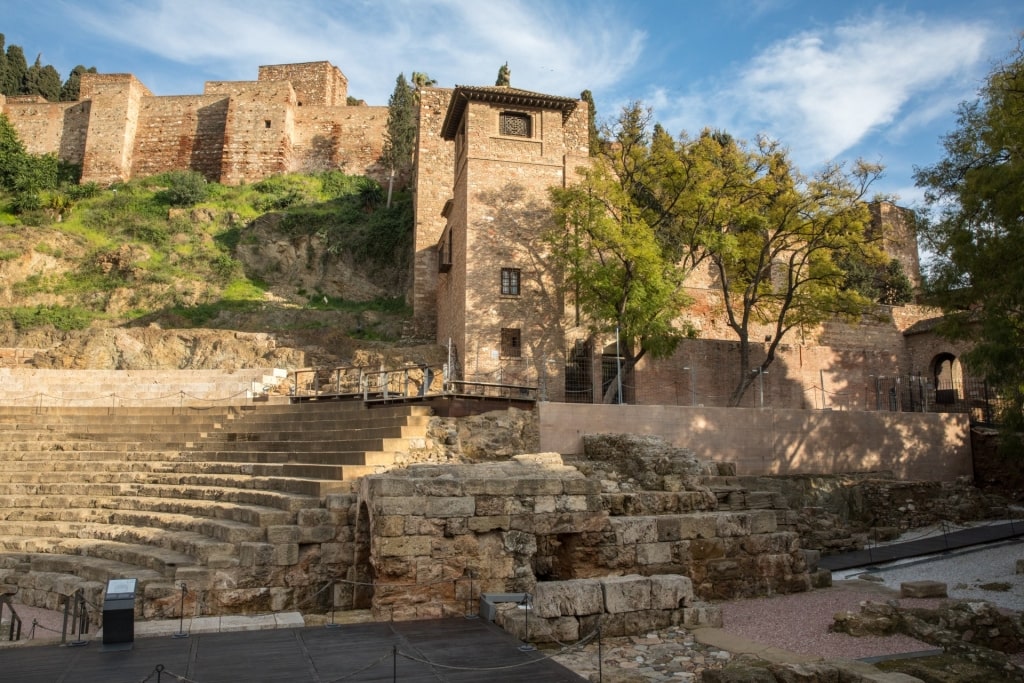
Alcazaba in Málaga, Spain
Spain has plenty to see and do as well. Málaga, a southern port city where Picasso was born, is a fantastic spot for drifting between historic citadels, such as the Moorish Alcazaba fortress, seafront tapas bars, and art museums.
Barcelona will expose you to Gaudí’s surreal architecture, which has turned the entire city into an open-air museum, from Sagrada Família’s towering spires to Casa Batlló’s unique design and Park Güell’s outdoor mosaic hues.
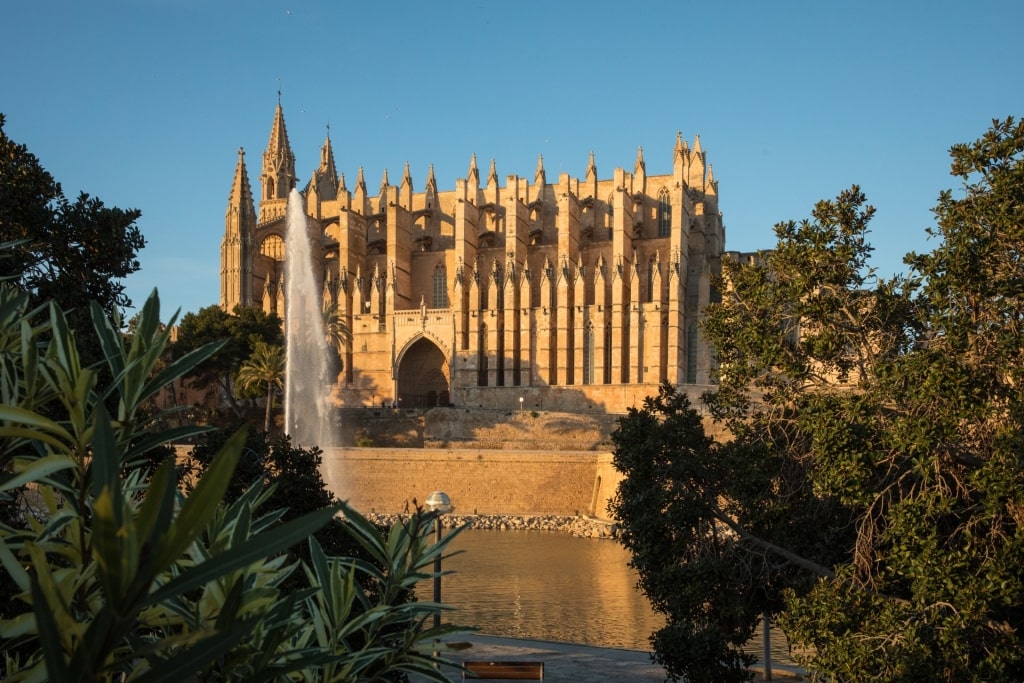
La Seu Cathedral in Palma de Mallorca, Spain
In the Mediterranean, Palma de Mallorca’s Gothic La Seu Cathedral looms over narrow lanes filled with boutiques and cafés. And if you make your way to Tenerife in the Canary Islands, you’re in for volcanic landscapes, the mighty Mount Teide, and colorful coastal towns, like Santa Cruz de Tenerife and La Laguna.
Nature & Beaches
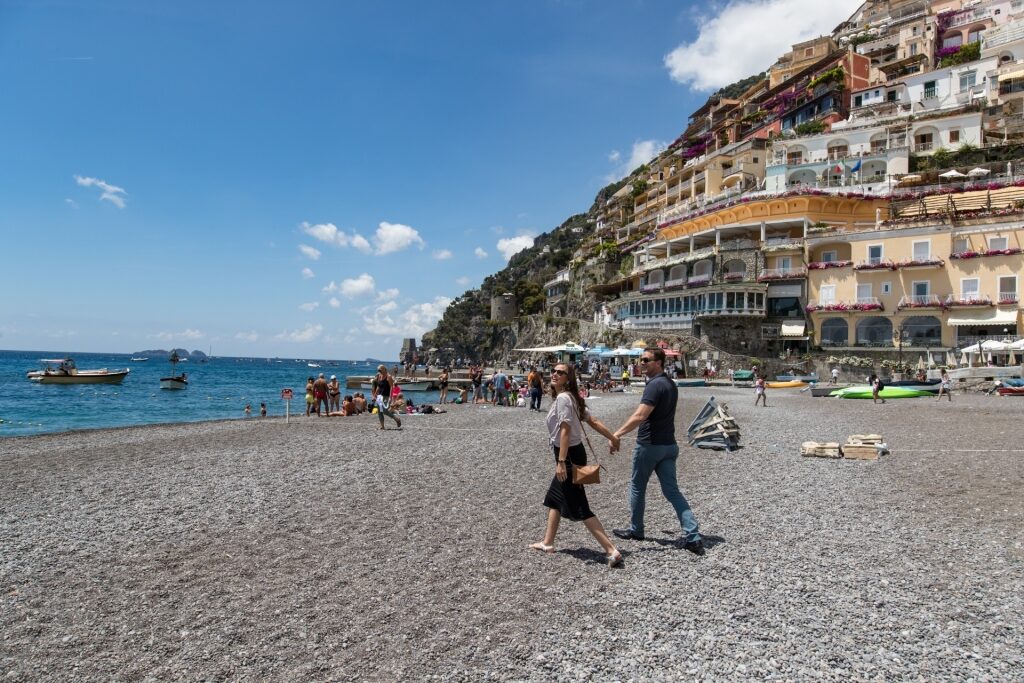
Positano in the Amalfi Coast, Italy
Take your pick, Spain or Italy. You won’t be disappointed with either, as they both offer spectacular coastlines, serene mountains, and natural beauty.
Around Palma de Mallorca, you’ll find long golden stretches of sand for lounging, including Playa de Muro and pretty coves like Caló des Moro, tucked away among surrounding cliffs.
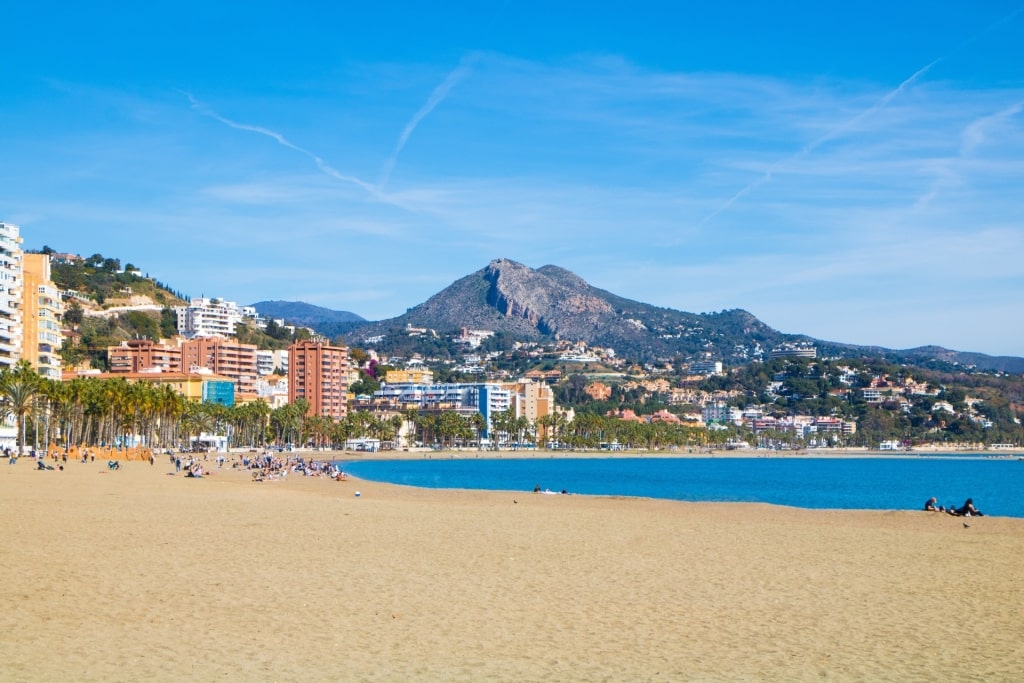
Playa de la Malagueta in Málaga, Spain
Málaga city has the decent Playa de la Malagueta beachfront, as well as quick proximity to the Montes de Málaga park, where you can hike through the pine forest. And if you’re feeling brave, you can also book a trip to the suspended Caminito del Rey cliffside walkway.
If you’re in Tenerife, you can sunbathe on black sand beaches like Playa Jardín, hike through lava tubes, or ascend Mount Teide, the island’s highest point.
If you have your eye on Italy, head to the Amalfi Coast, a walker’s paradise with its stark cliffs and cascading lemon groves, all within an easy day-tripping range of Naples.
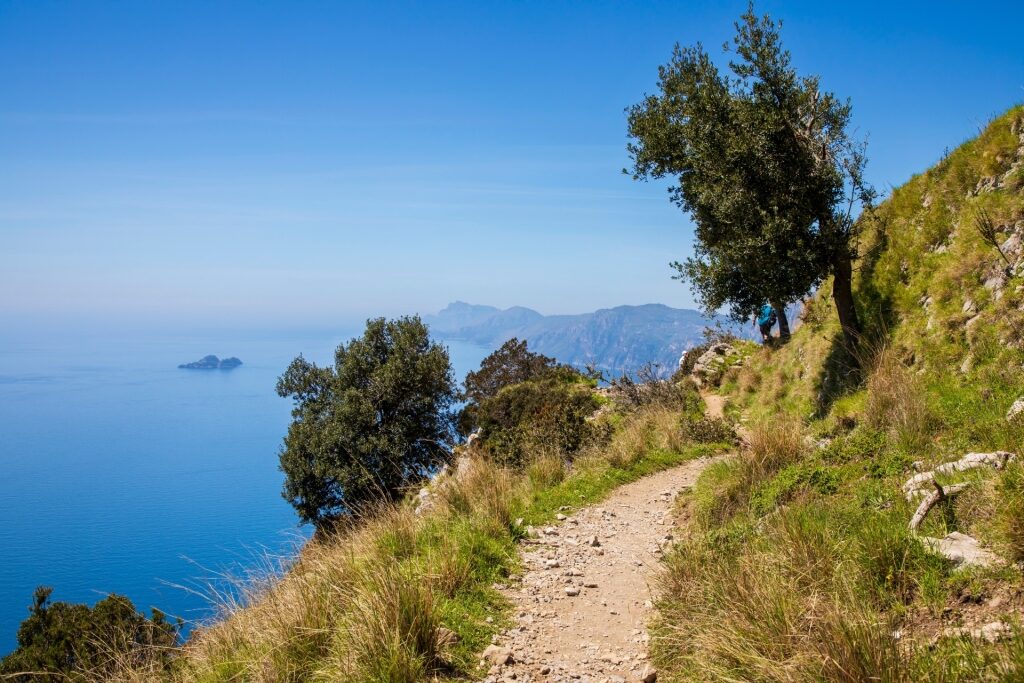
Path of the Gods in Amalfi Coast, Italy
Trek along Amalfi’s Path of the Gods coastal path to look out over scenic towns and the blue Mediterranean, butting up against forested hills.
In Sardinia, around Cagliari, you’ll discover white beaches like Poetto with dunes and nearby salt pans. Venture inland to explore the craggy, gorge-filled Supramonte mountains.
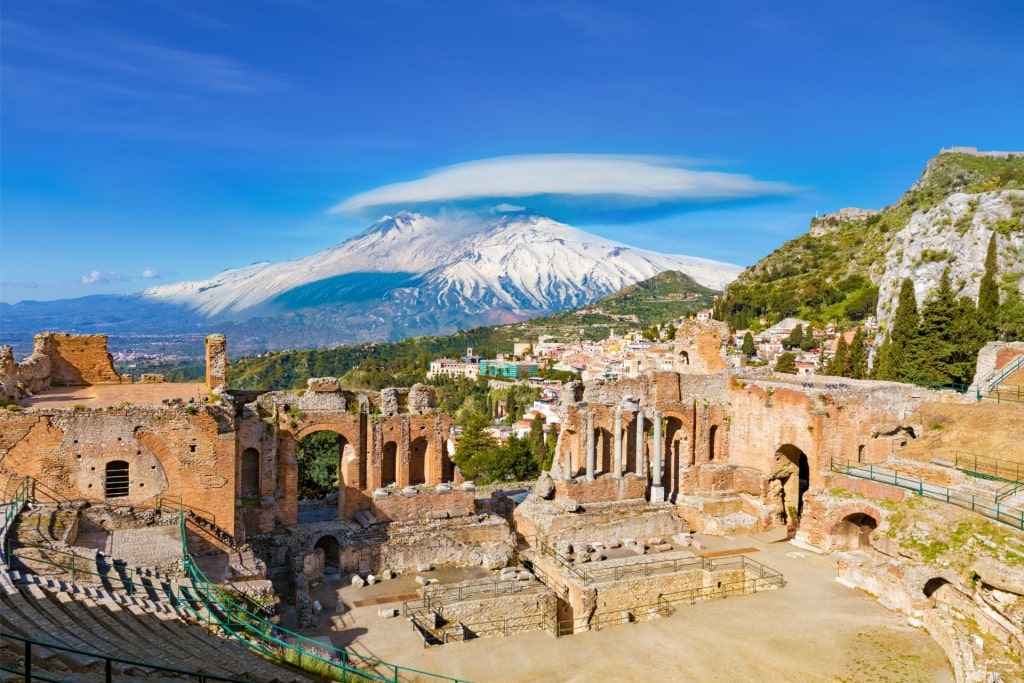
Mount Etna in Sicily, Italy
Sicily will treat you to natural wonders like the active Mount Etna, as well as scenic coves, with the Zingaro Nature Reserve being a prime example.
If staying in Naples, head west to the Phlegraean Fields, a volcanic-fed caldera with steaming fumaroles and craters, or opt for a short day trip outside of the city to visit Capri’s fabulous cliffs and grottoes.
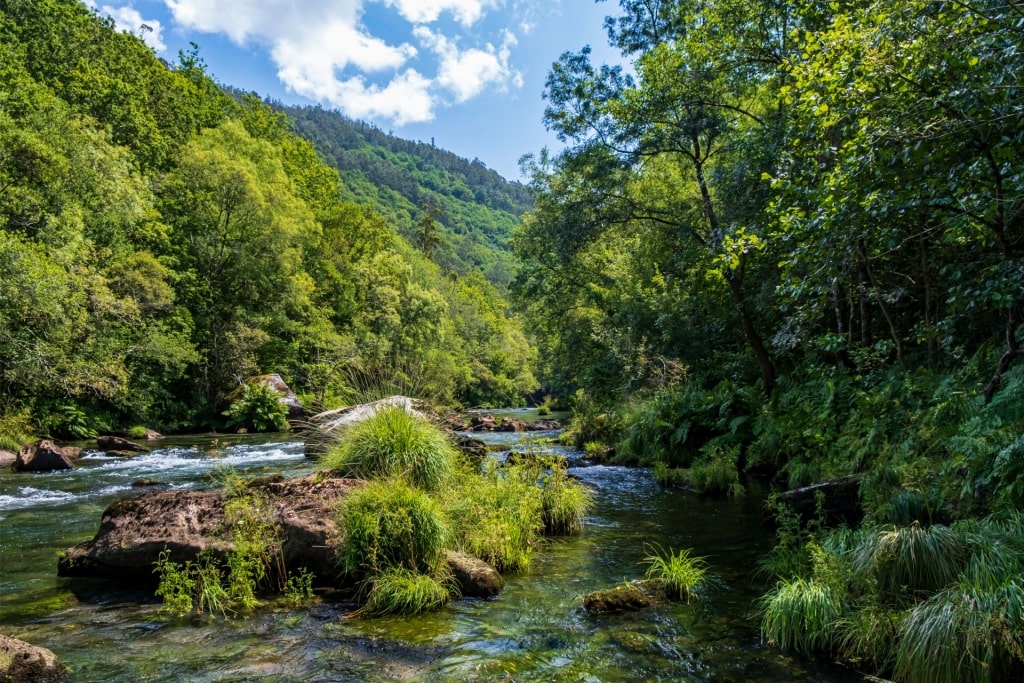
Fragas do Eume, Spain
For a greener landscape, consider Northern Spain, near Vigo and La Coruña, which boasts rolling hillsides, rough-hewn Atlantic coastlines, and old-growth forests like Fragas do Eume. In Italy, the Tuscan landscape between Florence and Pisa is also characterized by rolling hills, dotted with vineyards and olive groves, perfect for exploring on foot.
Food
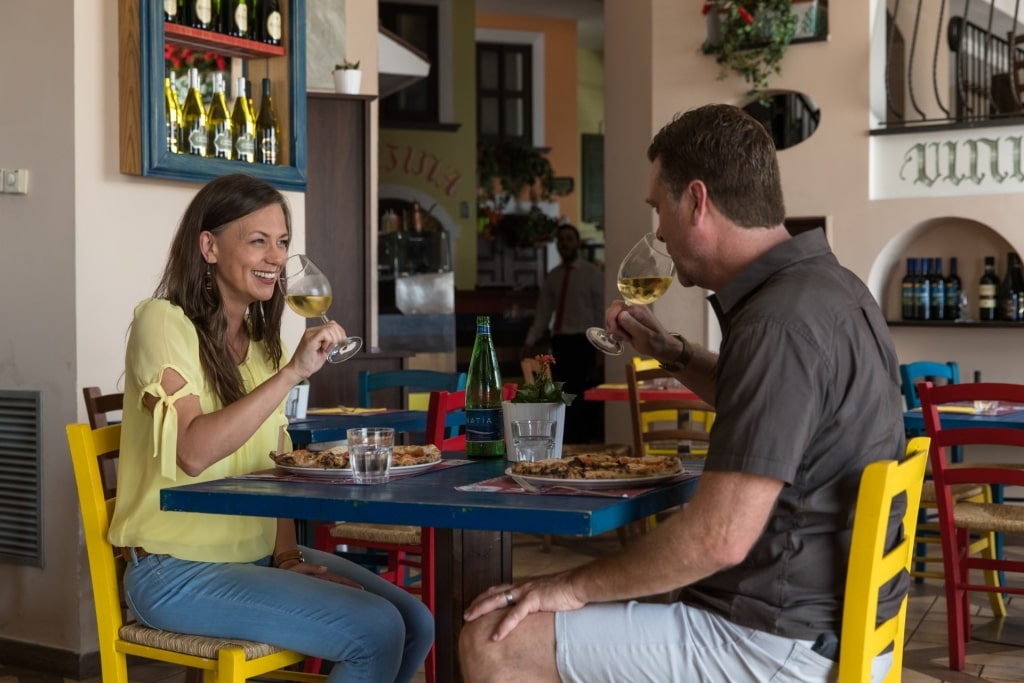
Restaurant in Naples, Italy
Italy has plenty to brag about regarding its culinary prowess. In Naples, for example, you‘ll quickly discover that pizza is the gastronomic heart of the city. Thin crust and wood-fired is the way to go, with toppings ranging from classic Margherita to seafood or spicy sausage.

Limoncello in Sorrento, Italy
Other Italian specialties include seafood pasta, such as the clam-based spaghetti alle vongole; fresh or creamy mozzarella di bufala; limoncello, typically found on Capri or in Sorrento; and full-bodied Tuscan-style fare, including ribollita bread and vegetable soup, wild boar ragù, or grilled Bistecca alla Fiorentina, a T-bone steak.
In Sicily, in particular, citrus fruits, pistachios, and a mix of Arab and Mediterranean influences give the local cuisine a rustic, exotic flavor. Arancini, which are stuffed rice balls, cannoli, or a scoop of the fruity or coffee-flavored frozen granita are must-tries.
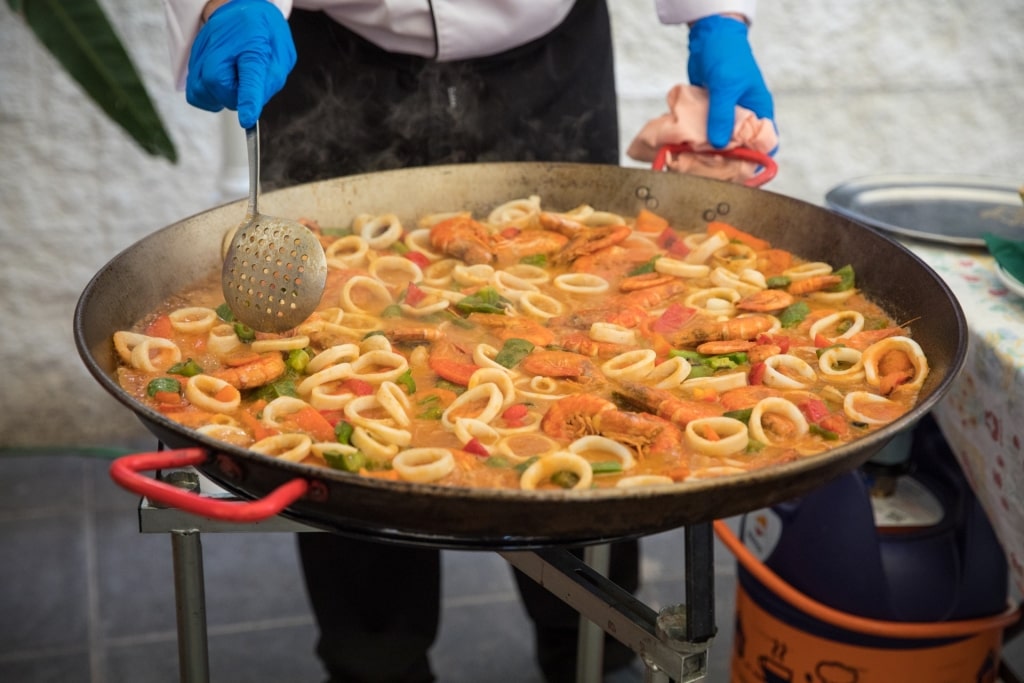
Paella in Valencia, Spain
Spain is no slouch in the regional food department either. The Valencian coastline, for example, is where the rice-based Spanish dish paella originated, cooked with saffron, rabbit, and other delectable ingredients, which can be sampled in virtually every town.
Spain’s beloved tapas culture will have you trying a little bit of everything, including jamón ibérico, prawns cooked in garlic, and the crispy and spicy potato-based patatas bravas.
In the Basque Country, around Bilbao, try pintxos instead: a Basque version of tapas, which can be more elaborate than standard tapas, and are usually served on top of a slice of bread and skewered with a toothpick.
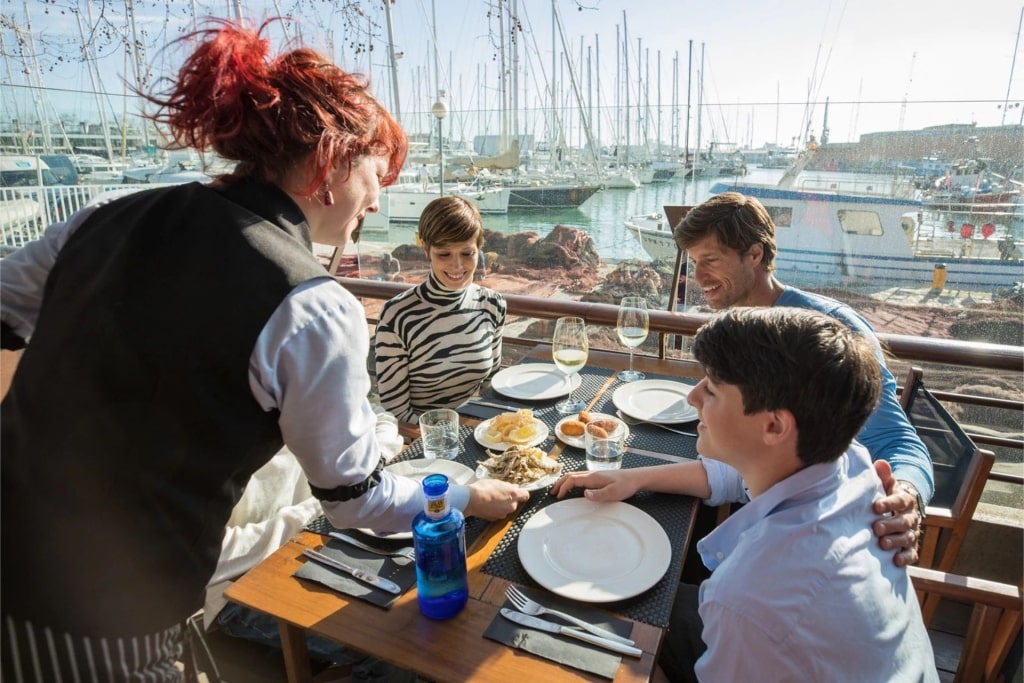
Málaga, Spain
Food in both countries draws on similar ingredients, including olive oil, tomatoes, garlic, and fresh vegetables. Meals tend to be shared over long lunches and late dinners, as savoring good food and great wine is a leisurely, social experience in Italy and Spain.
FAQs
How are Italy and Spain different?

Wine tasting in Málaga, Spain
While Italy and Spain are two Latin countries with deeply rooted cultural histories and scenic Mediterranean shores, they are also quite different.
Spain has Moorish heritage, a tradition of flamenco music, and tapas bars, among other notable features. Italy is founded upon the legacy of Rome, Renaissance art, and, without a doubt, a love of pasta.
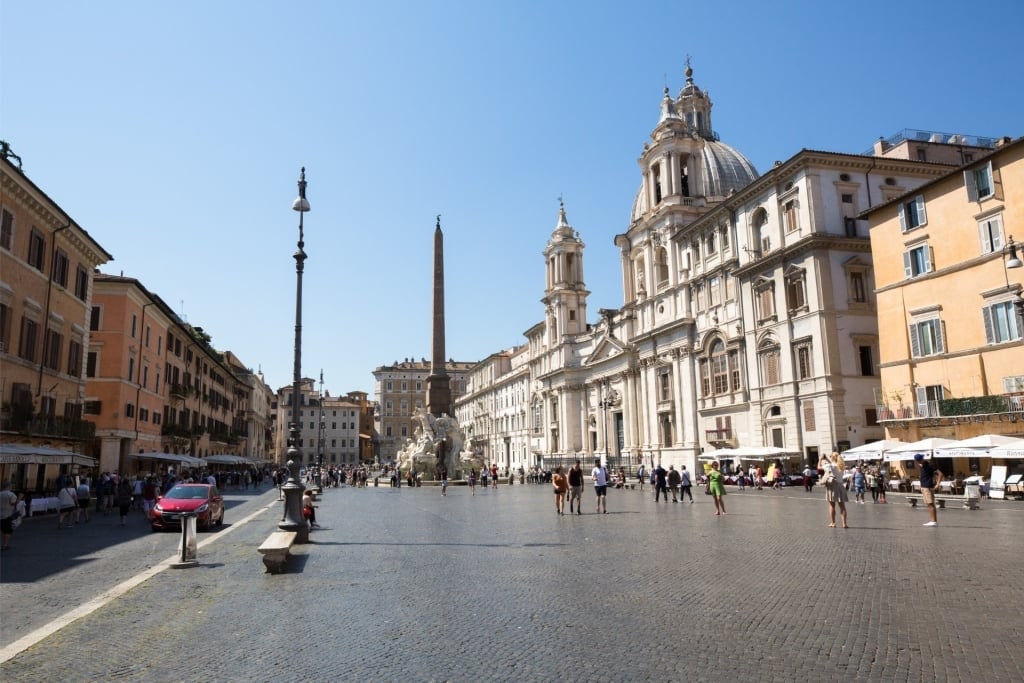
Rome, Italy
Also, as a general rule, many Spanish cities tend to be more grid-like in comparison to those in Italy, which often have a more organic, maze-like layout.
In a nutshell, while Spain and Italy are Mediterranean countries that share a Romance language heritage and the Catholic faith, they also have their own distinctive personalities and rhythms of life.
Which country has more tourists, Italy or Spain?

Barcelona, Spain
Spain now leads Italy in international tourism, with over 80 million people visiting annually. Italy attracts around 60 million visitors per year, which also makes it a leading destination for international tourists in Europe.
Which is safer, Spain or Italy?
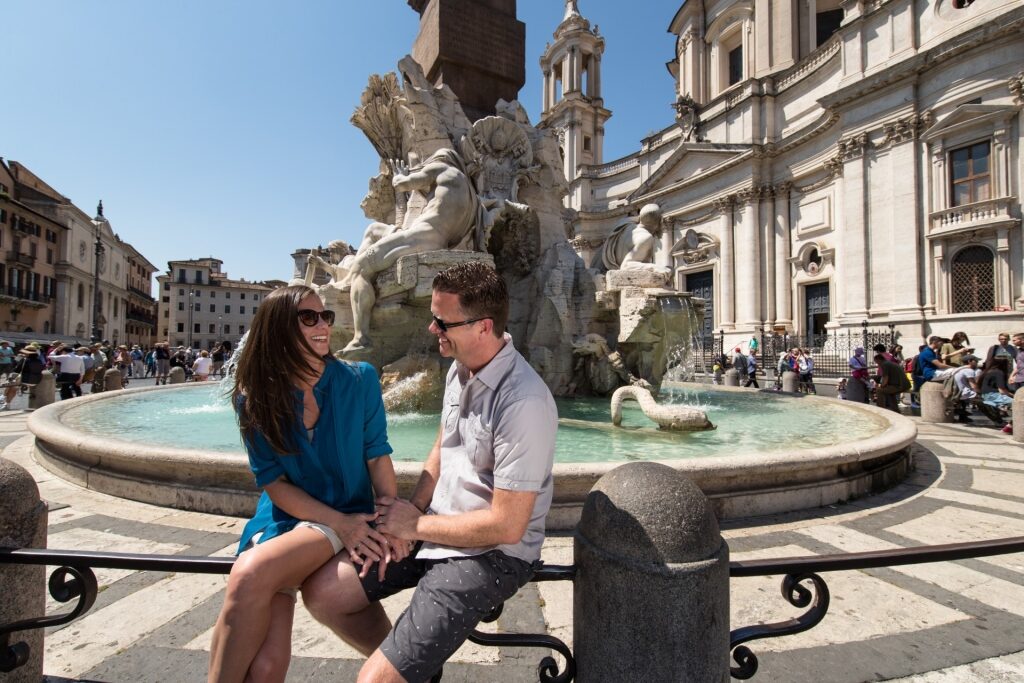
Rome, Italy
Spain and Italy are generally safe countries with relatively low crime rates. Pickpocketing and theft can occur in areas where tourists tend to congregate, including popular destinations like Barcelona, Rome, and Naples.
By using a bit of common sense when out in public, guarding your valuables, and not flaunting your money, you should have a safe and enjoyable time.
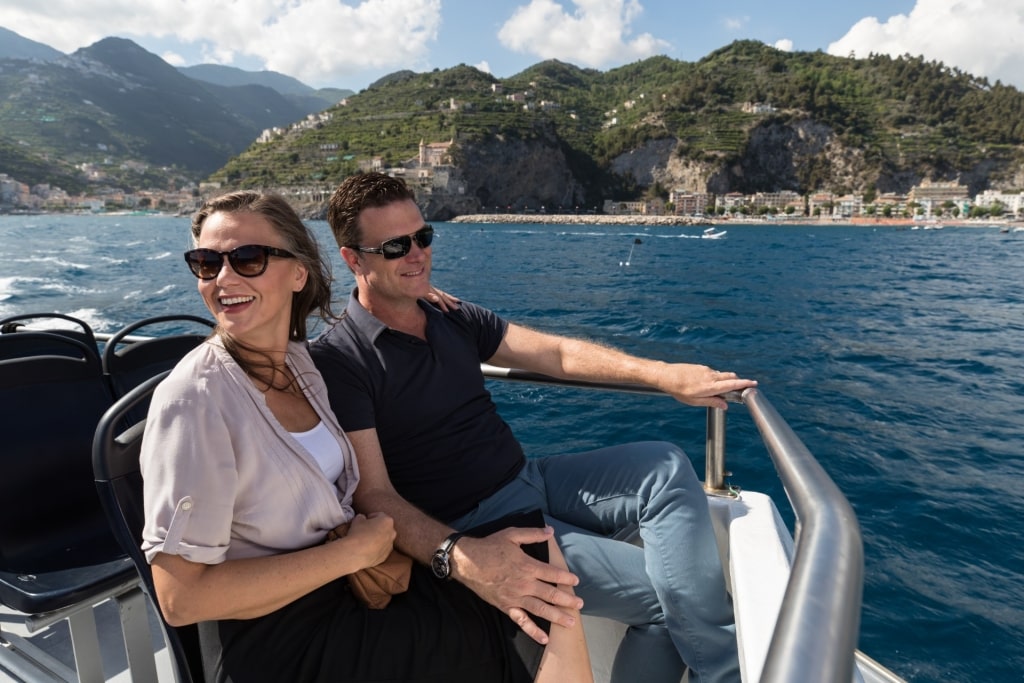
Amalfi Coast, Italy
Book a cruise to Spain or Italy, or even both, with Celebrity Cruises, and sample the food, culture, history, and architecture that each port of call has to offer.