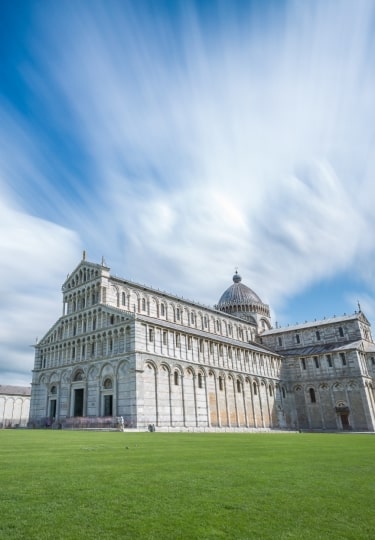
Picture Pisa, Italy’s pretty Tuscan city that’s illustrated countless postcards, and your first thought is likely the Leaning Tower of Pisa. The tilted landmark, one of four piazza-adorning architectural marvels that together constitute the city’s UNESCO World Heritage Site, is rightly one of Italy’s most visited sights.
Yet Pisa’s stories and sensational architecture extend well beyond the world-famous Piazza dei Miracoli, or Square of Miracles. This was a bustling Ligurian Sea port city with strong maritime trade until the 15th century, when sedimentation of the Arno River and a receding shoreline led to Pisa’s more modern location roughly six miles inland. Nonetheless, the city’s wealth enabled it to flourish as one of Italy’s most consequential cities.
With no shortage of impressive religious edifices, Renaissance palaces, and restaurants serving rustic Pisan cuisine, there are plenty more things to do in Pisa after marveling at the tower, cathedral, and baptistery.
Why Visit Pisa, Italy?
Piazza dei Miracoli
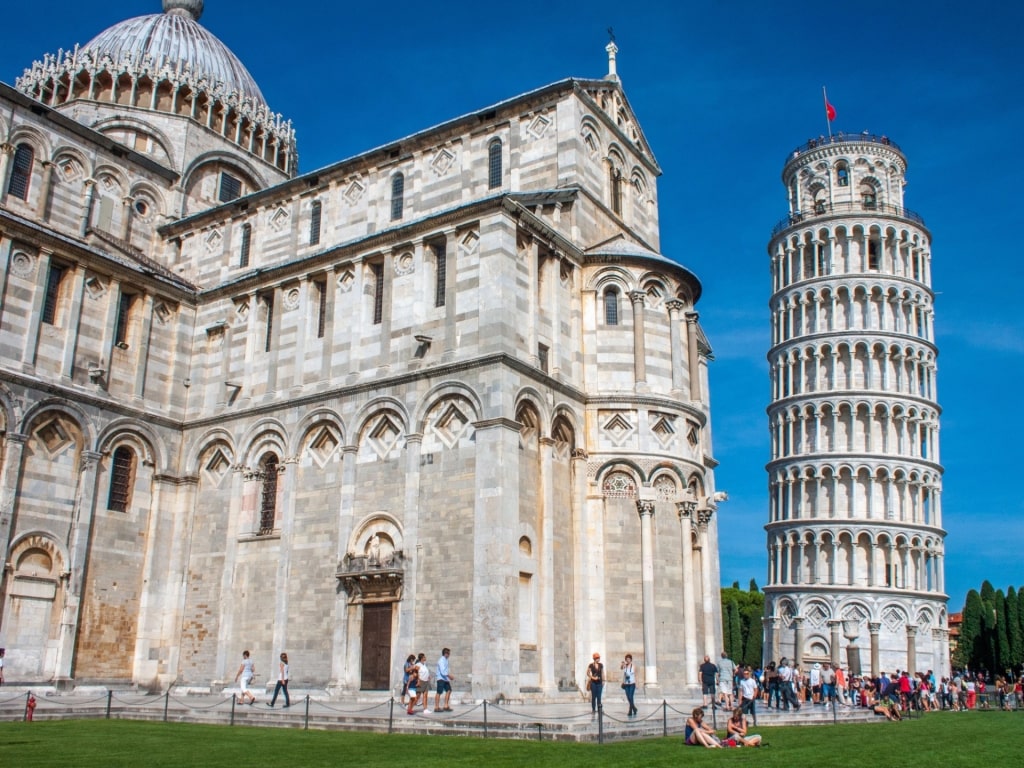
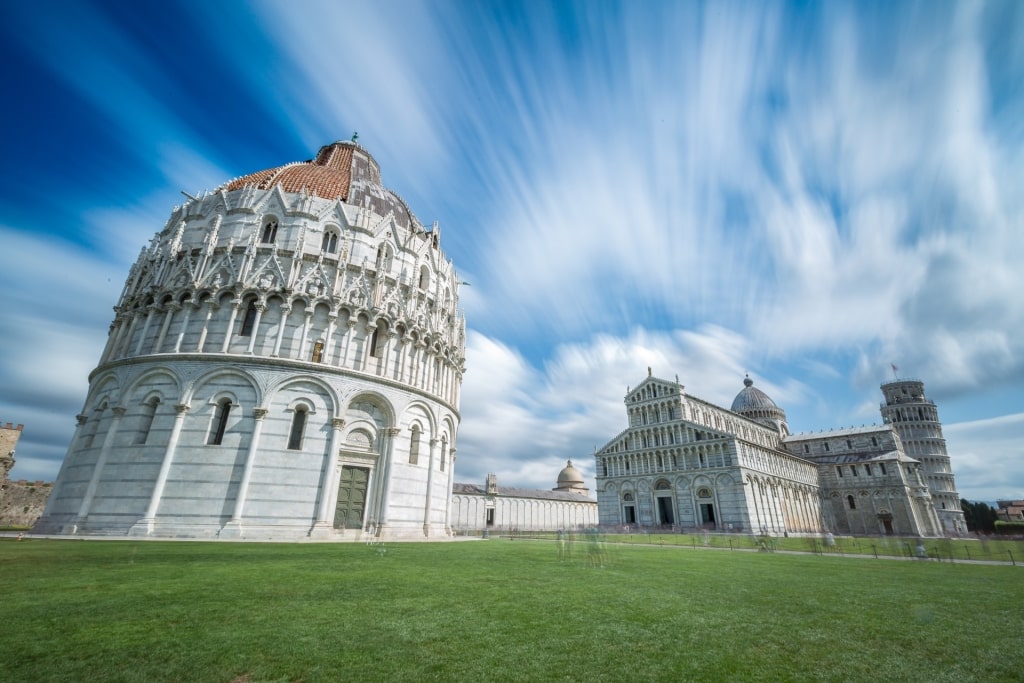
For many, the main reason to visit Pisa is the four UNESCO-listed landmarks grouped under the “Piazza del Duomo” World Heritage Site—though the square has been more commonly known as Piazza dei Miracoli since the early 20th century. This was when the Italian writer Gabriele D’Annunzio referred to it as Piazza dei Miracoli in one of his popular novels.
These four monuments, the Duomo, or cathedral, the baptistery, the campanile—better known as the Leaning Tower of Pisa—and the camposanto, or cemetery, have been Pisa’s calling cards for centuries, and to visit them all in-depth could easily fill the day.
Arno River
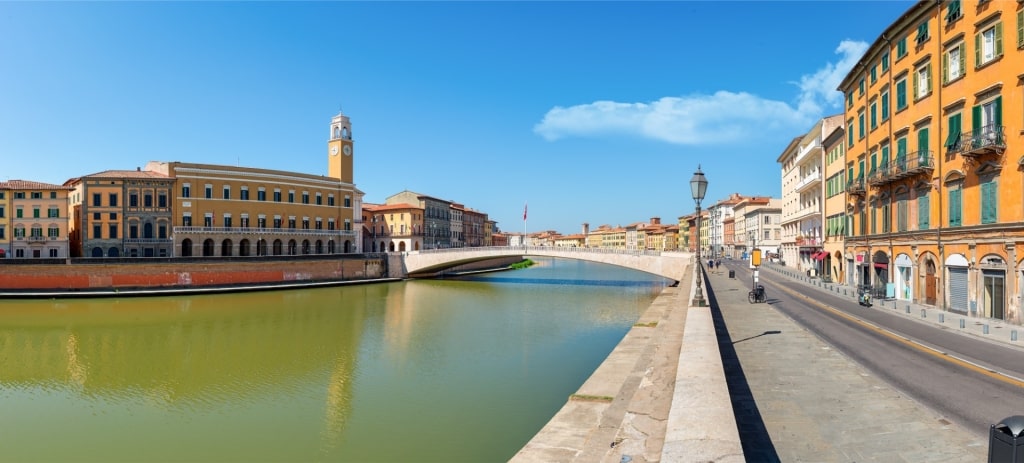
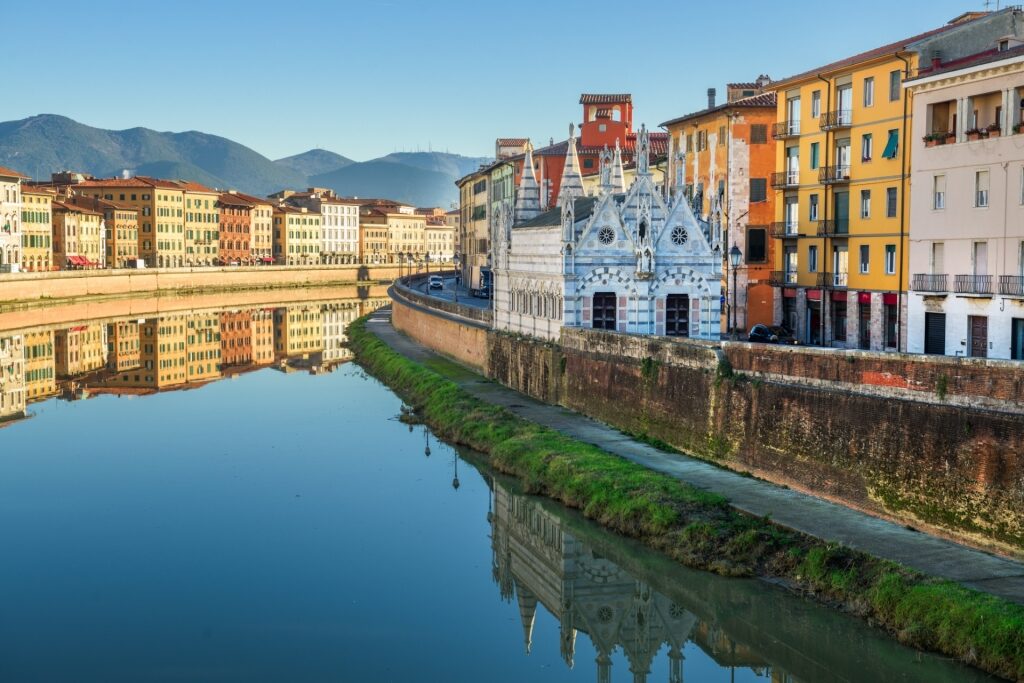
Beyond the Piazza dei Miracoli, the rest of the Italian city unfurls on either side of the Arno River. A gorgeous mix of often-overlooked palazzi, or palaces, and piazze, or squares, makes Pisa truly one of Tuscany’s great cities.
Allow enough time to fully appreciate its laid-back quarters, impressive heritage, or simply to enjoy an aperitivo along the Arno, and you’ll soon realize the tower is only a fraction of Pisa’s pizzazz.
History & Culture
Arno River
From Pise, Pisae, and Portus Pisanus to modern-day Pisa, Italy, the city’s rulers might have changed, but the name has not.
Believed to have been founded by the Greeks or Ligurians as early as the 7th and 6th centuries BCE, Pisa is known to have been inhabited by the Etruscans around the 5th century BCE; the Etruscan word Pise means “mouth of the river”. The city grew exponentially under Roman rule until the fall of the Western Roman Empire.
During the Middle Ages, Pisa asserted its dominance as a trading port, securing its place as Tuscany’s most important city. Pisans were powerful seafarers, with fleets of ships departing both to plunder other towns in the Mediterranean and build strong trade connections.
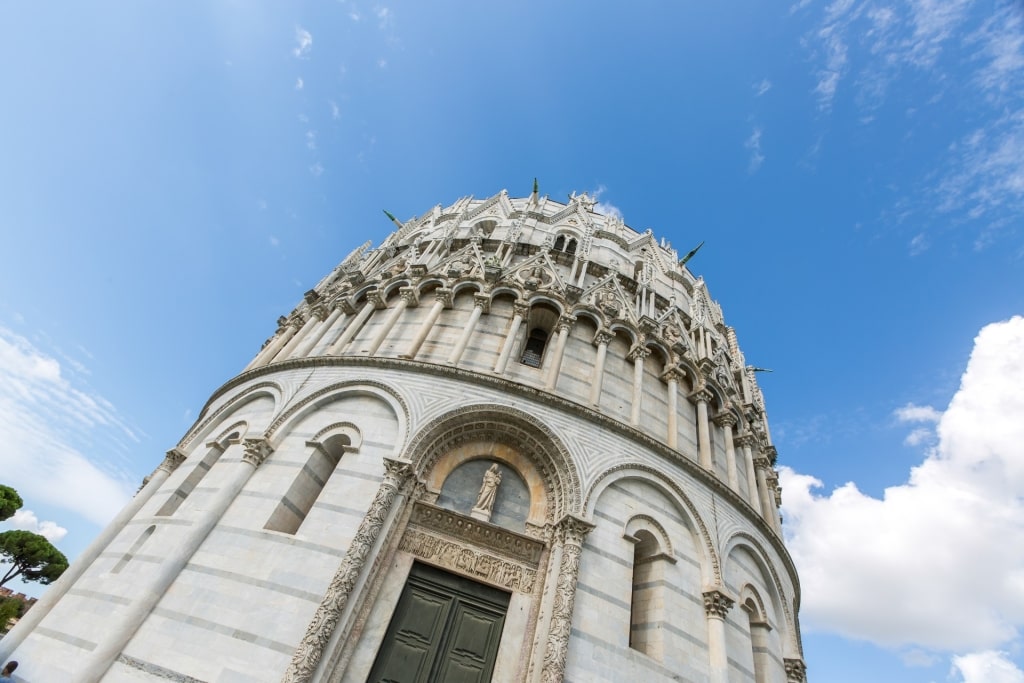
Pisa Baptistery
It was during this period, around the 12th century, that Pisa’s now world-famous marble landmarks and city walls were assembled as a display of wealth, alongside the founding of the University of Pisa. The scientist Galileo Galilei is the city’s most famous alumnus.
The fact that the city passed hands between the Genoese, Florentines, and French in the centuries that followed, combined with the silting of the Arno River, both played a part in Pisa’s decline, leading to Florence becoming the region’s principal city during the Italian Renaissance.
Tips for Visiting Pisa, Italy
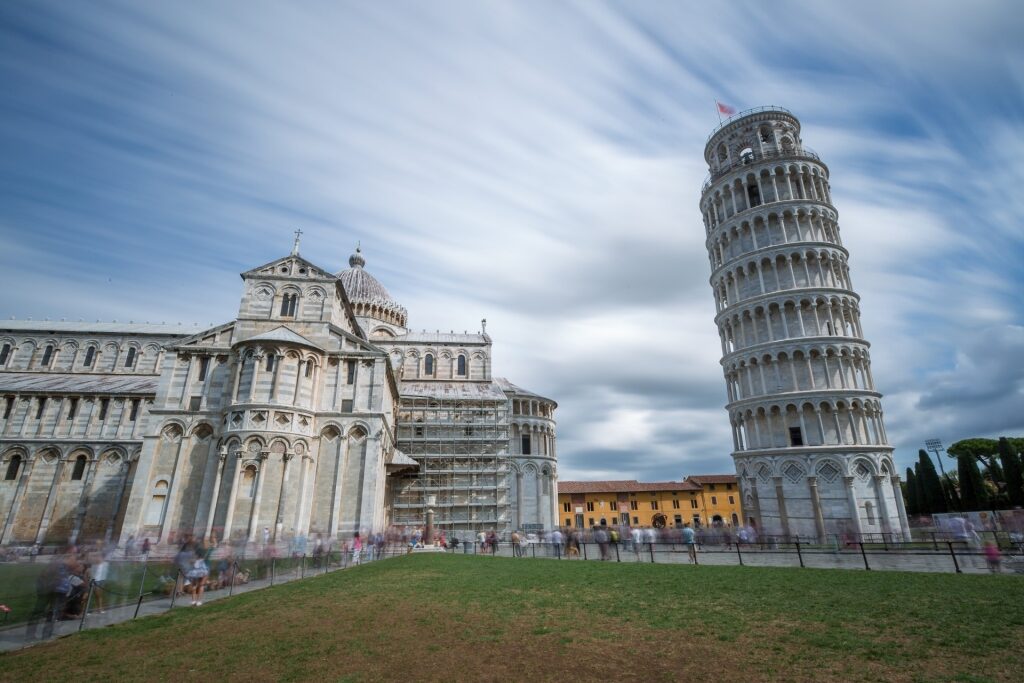
Piazza dei Miracoli
Pisa has regular rail connections to nearby major cities, though Pisa Centrale train station is located in the city’s south. It’s around a 25-minute, pleasant walk to reach Piazza dei Miracoli. Regular public bus services shuttle between the pair—pay onboard with contactless cards—while a taxi ride takes under 10 minutes.
Still, the best way to explore Pisa is on foot. Much of the historic center is either pedestrianized or covered by a Limited Traffic Zone, making it a delight to wander along quiet and car-free lanes, discovering some of the city’s lesser-known architectural jewels along the way.
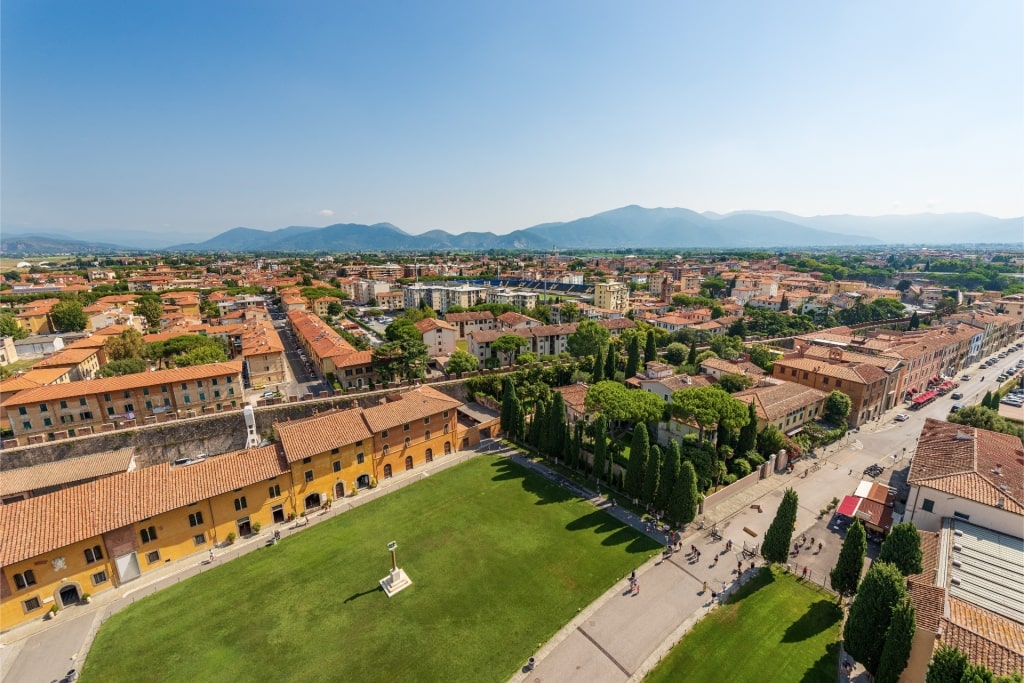
View from the Leaning Tower
To guarantee access to the Leaning Tower of Pisa, either join a guided tour or pre-book tickets well in advance. Entrance requires a timeslot and these often sell out. Pre-booked tickets to walk the city walls are also timed, though these are easier to secure last-minute.
If you purchase a ticket to the tower, baptistery, or camposanto, you’ll also receive an anytime entrance ticket to the cathedral. However, if you only plan to visit the cathedral, be aware that free, standalone tickets are time-restricted and only available on the day onsite. Make the ticket office your first port of call to secure a timeslot.
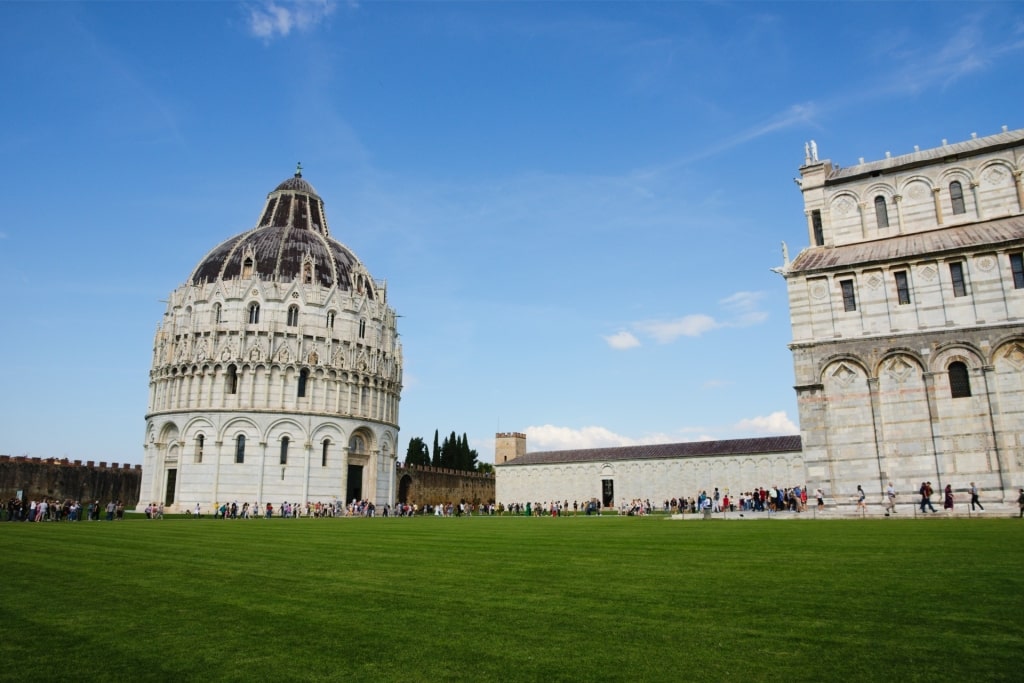
Pisa Baptistery
Regardless of which monuments you plan to visit, it’s advisable to arrive as early as possible to enjoy a less crowded Piazza dei Miracoli. By mid-morning, the square becomes very busy, especially since the grassy areas cannot be walked on. So be mindful of pickpockets.
Arriving later in the day? Plan to enjoy the evening in Pisa. It’s much calmer, and the illuminated Italian landmarks are equally as dazzling.
Things to Do & Attractions in Pisa
Climb the Leaning Tower of Pisa
Leaning Tower of Pisa
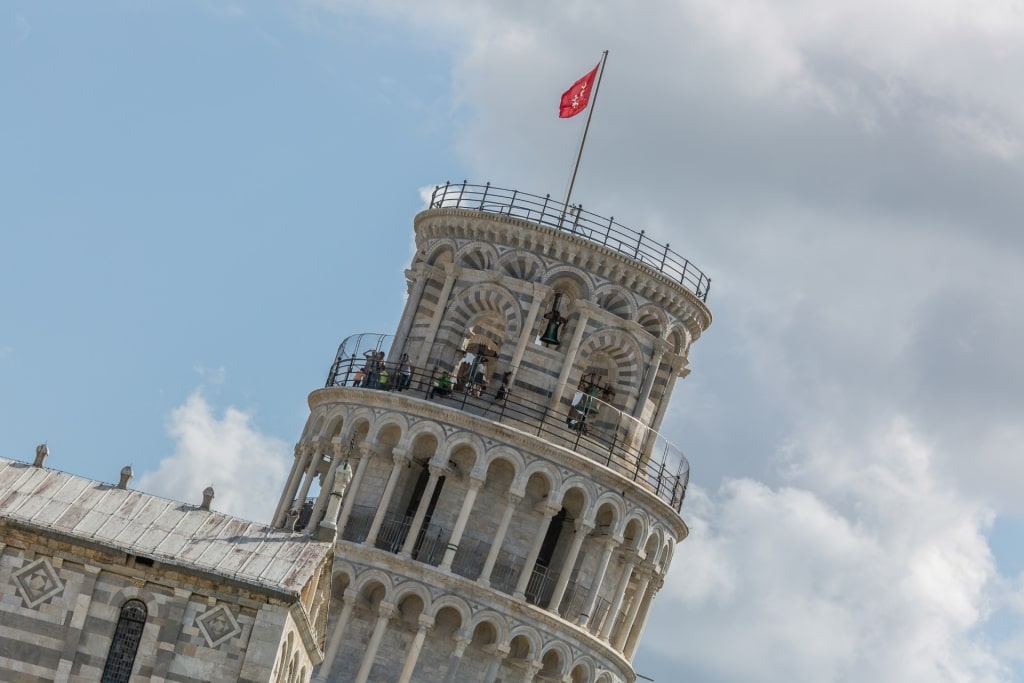
The soaring, slanted Tower of Pisa has been the star of Piazza dei Miracoli since its completion in 1372, nearly 200 years after the first stone was laid.
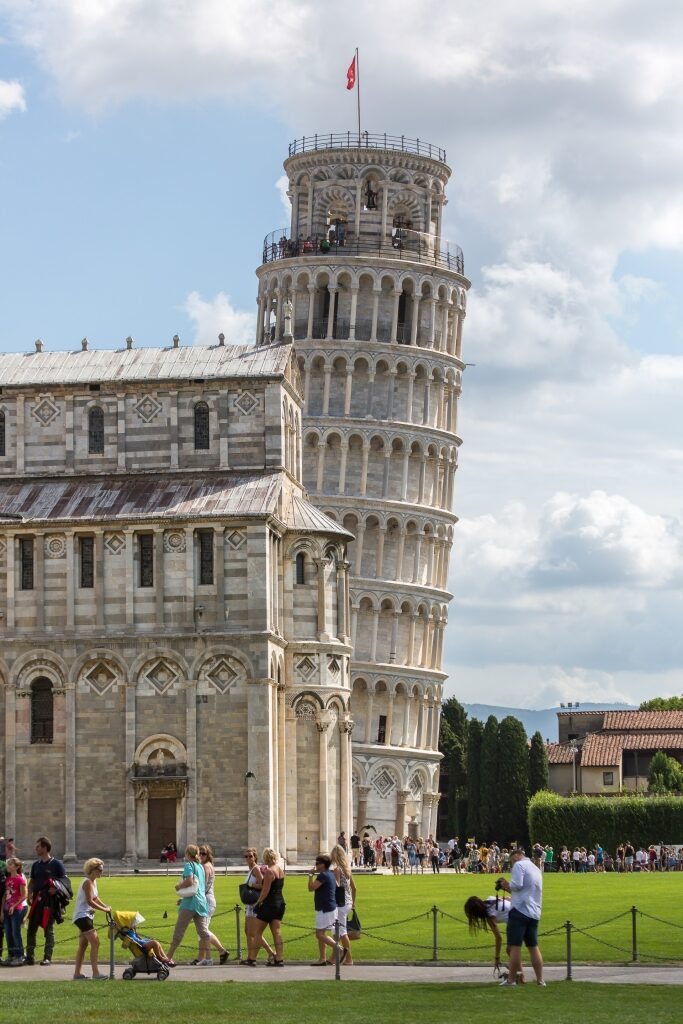
First overseen by the sculptor and architect Bonanno Pisano, the tower’s distinctive lean wasn’t planned, but was the result of sinking foundations.
Leaning Tower of Pisa
Reflective of Pisa’s wealth in the 12th century, the predominantly Romanesque, nearly 186-foot tower used the finest materials, including San Giuliano white marble, of which much has since been replaced with highly prized Carrara marble.
The unique building was constructed as a campanile, or freestanding bell tower. Seven bells remain in the belfry. However, they have been silenced since 1990, when the tower was closed for crucial stabilization. At the time, the building’s slant was five and a half degrees, corrected to four degrees following the works.

Spiral staircase in Leaning Tower
One of the most fascinating things to do in Pisa is to access the top of the tower and the open-air belfry. Reached by a narrow, spiral staircase, the climb helps put the tower’s slant in perspective, though the facade is far more elegant than the hollow interior.
To appreciate the ornate, columned exterior in a more relaxed manner, try to secure a terrace table at Bistrot dell’Opera, overlooking the tower. While not the finest restaurant in Pisa, the views are unrivaled.
Be Awed Inside the Duomo, Baptistery and Camposanto Monumentale
Piazza dei Miracoli
A world of wonder awaits in the other trio of World Heritage Sites on Piazza dei Miracoli. Dominating the square is the hulking Duomo di Pisa, consecrated in 1118. The cathedral’s facade is a melange of marble, repurposed materials from Roman constructions, and Islamic-influenced embellishments.
Step inside and you’ll be equally spellbound. Granite columns with Arabic-influenced stripes, Biblical frescoes, and a sublime 17th-century wooden coffered ceiling—installed following a destructive fire in 1595—all add to the grandeur. It’s a fitting final resting place for the Holy Roman Emperor, Henry VII, and Pope Gregory VIII.
Camposanto Monumentale
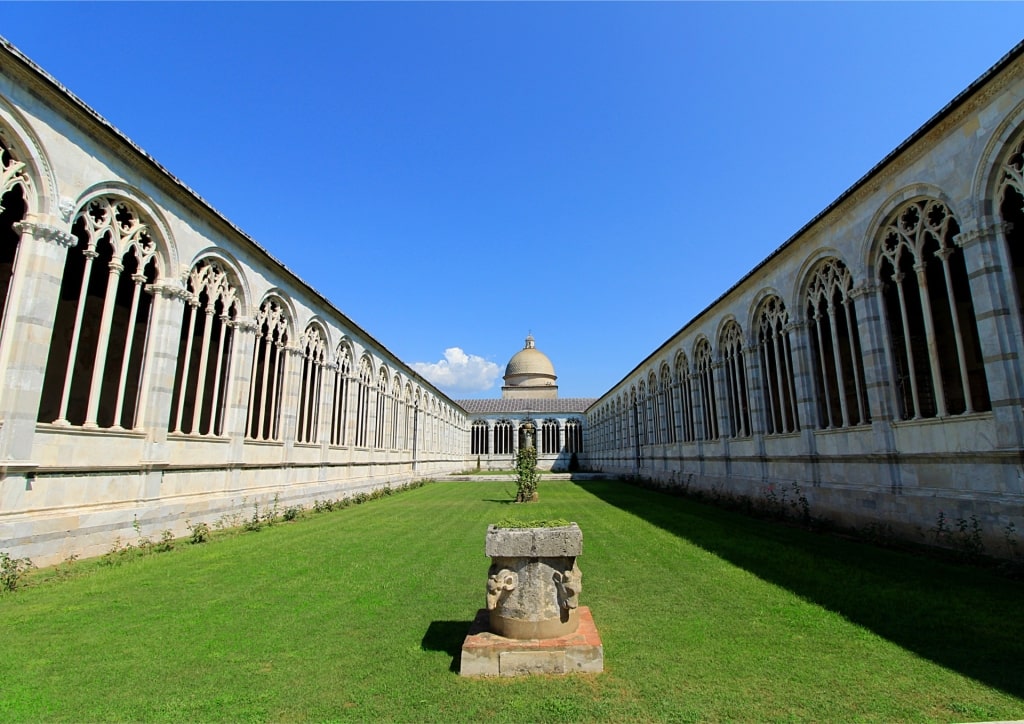
Many further tombs of note, including some of the influential Medici family, are housed in the piazza’s 15th-century Camposanto Monumentale. Much more than a cemetery, the Camposanto feels like a museum, with imposing marble walls, revered frescoes by Bonamico Buffalmacco and Francesco Traini, and Roman epitaphs.
The square’s final monumental building is the Pisa Baptistery, the largest in the world. Founded in 1152 but not completed until 1363, the double-domed building is harmonious in design with the cathedral, and is particularly renowned for its acoustics. These are celebrated with a short musical interlude every 30 minutes.
Reserve Time for Pisa’s Other Religious Buildings
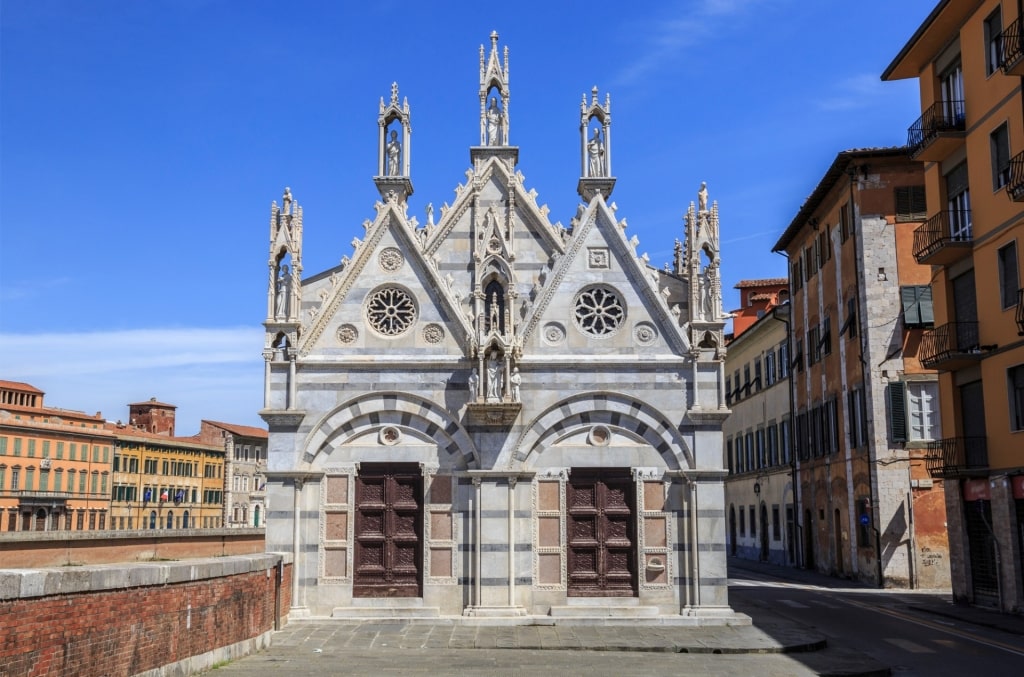
Santa Maria della Spina
Pisa’s cathedral understandably overshadows the city’s other religious edifices, yet with over two dozen churches, it’s worth wandering the historic center in search of other magnificently embellished facades.
Two of Pisa’s most striking churches are located just a five-minute walk apart, south of the Arno River. The riverside Santa Maria della Spina, with its sculpture-topped towers, is an excellent example of local Gothic architecture and dates back to 1230. San Paolo a Ripa d’Arno, partially rebuilt after WWII, is a splendid example of Pisan Romanesque.
Spot Stellar Street Art
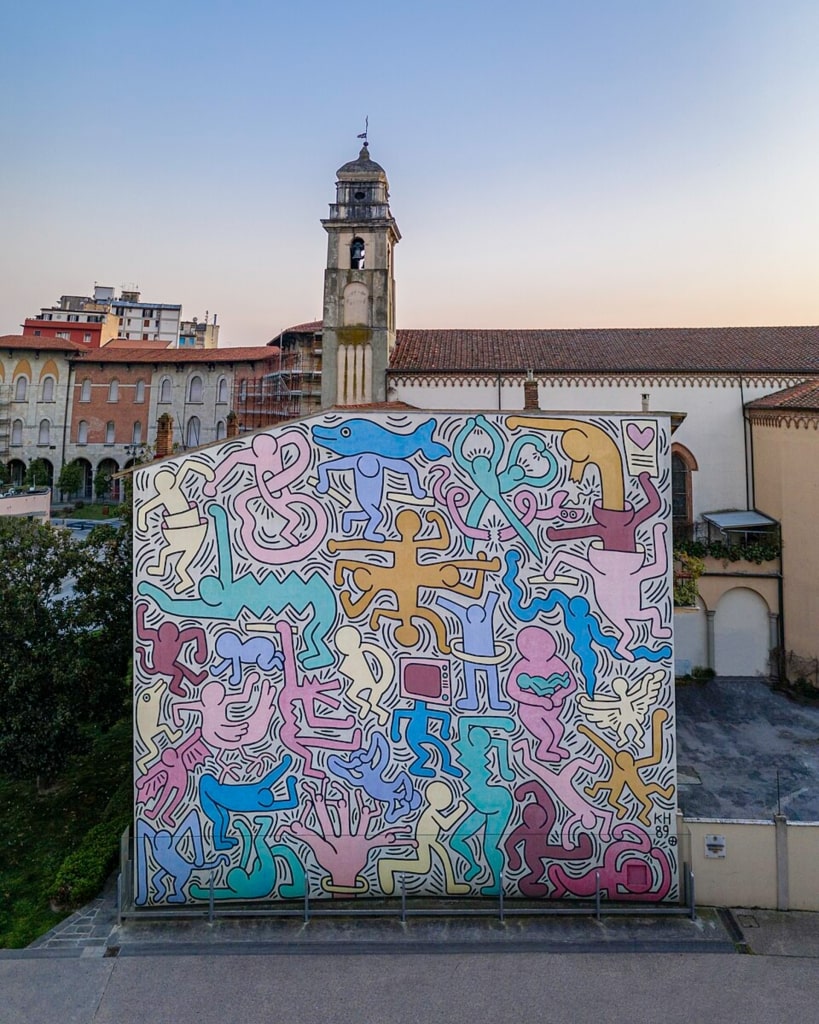
Tuttomondo Photo by Guglielmo Giambartolomei on Wikimedia Commons, licensed under CC BY-SA 4.0
One of the most interesting, contemporary things to do in Pisa is a self-guided, street art walking tour. Spread across the city are some of the most vibrant murals in Italy, from both Italian and international artists.
Most famous is the peace-celebrating mural titled Tuttomondo, painted by the legendary NYC street artist Keith Haring on the exterior of the Church of Sant’Antonio Abate. Nearby, the Brazilian artist Kobra painted a wall celebrating the scientist Galileo Galilei.
Walk Pisa’s City Walls
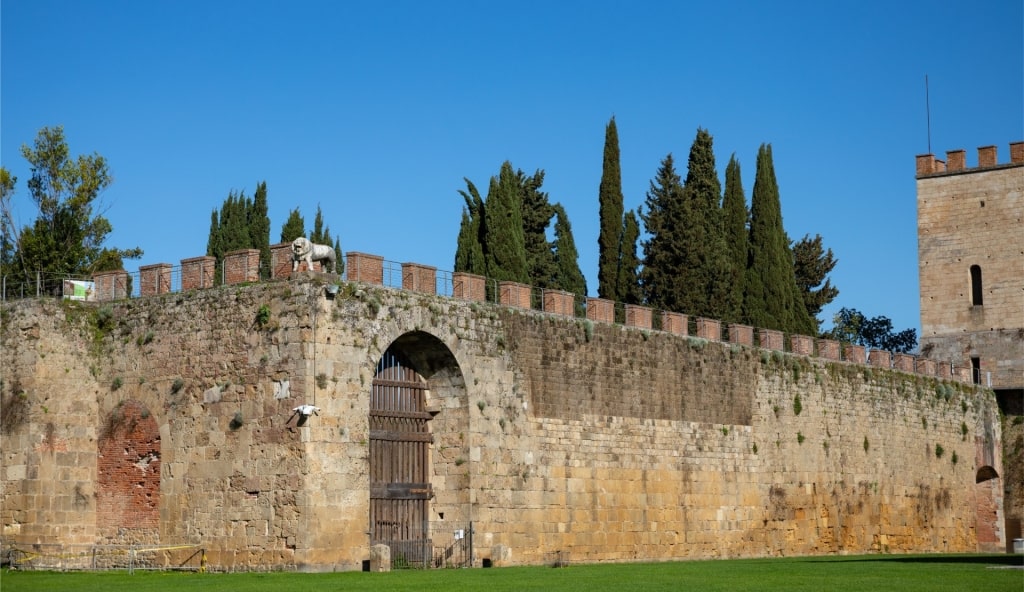
Walls of Pisa
Erected in the 12th and 13th centuries, Pisa’s walls and towers are some of Italy’s oldest and most intact fortifications. A nearly two-mile section of walls, at times 36 feet high, is open to the public.
Walking atop the walls is one of the best things to do in Pisa for an alternative vantage of Piazza dei Miracoli. The timed-entry controlled area also affords some respite from the square’s crowds.
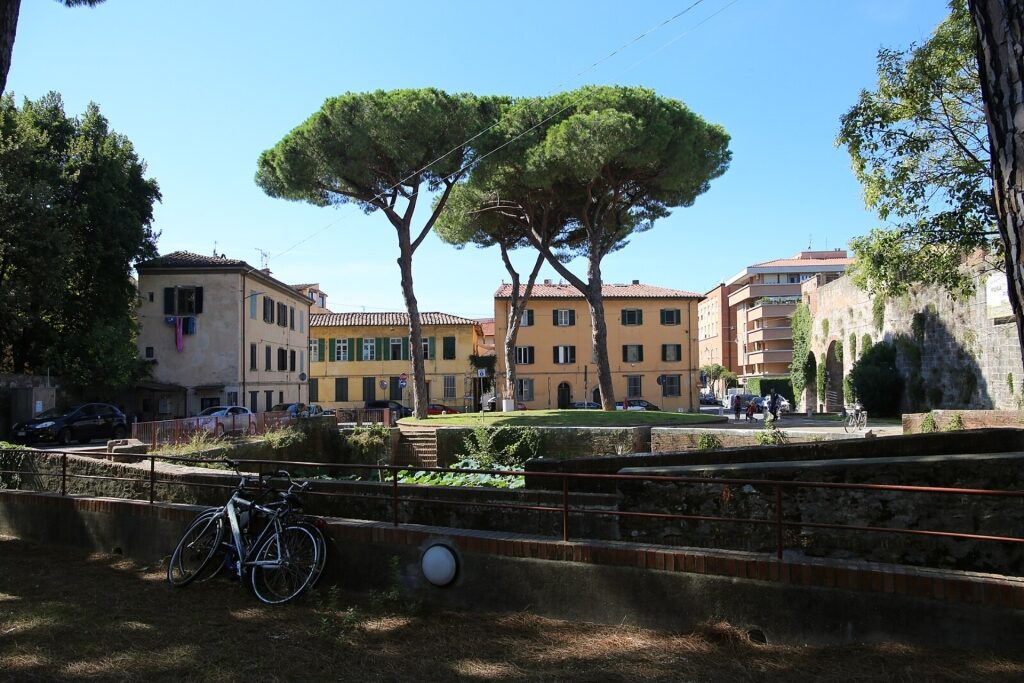
Piazza delle Gondole Photo by Sailko on Wikimedia Commons, licensed under CC BY 3.0
It’s possible to access the walls from four different locations. To witness another side of the city, enter via the often-overlooked Piazza delle Gondole. Named for the small boats and narrow canals that once served as a transportation network, it’s still possible to see one of the waterways here before ascending via the tower.
Make for a Museum
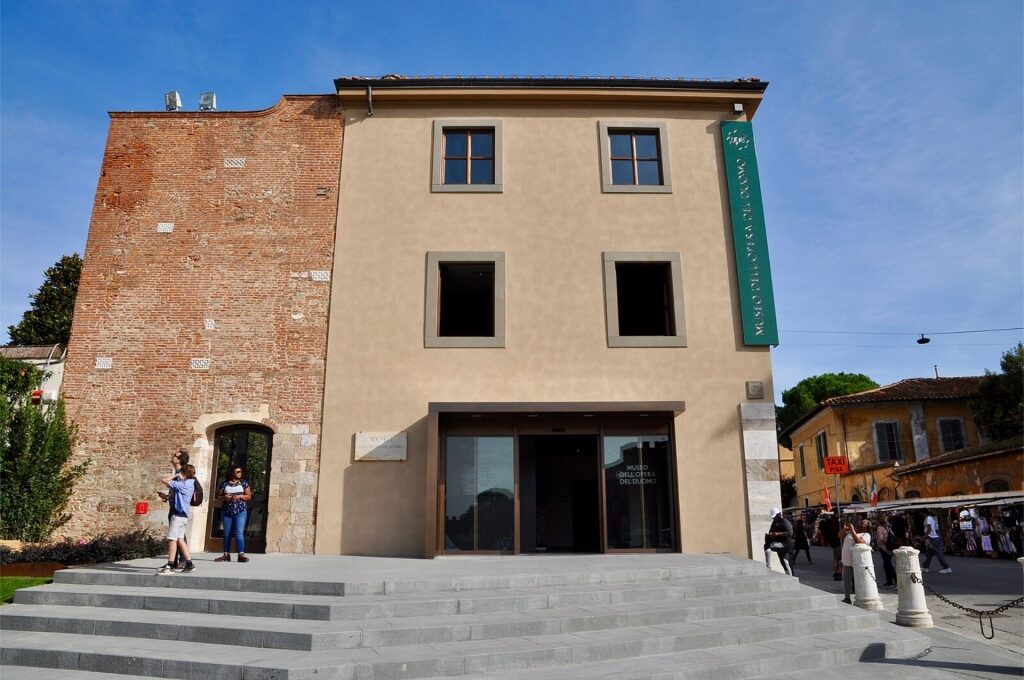
Museo dell’Opera del Duomo Photo by Federigo Federighi on Wikimedia Commons, licensed under CC BY-SA 4.0
One of the top things to do in Pisa for a deeper dive into the city’s history and culture is to head to one of the excellent cultural spaces, of which four are particularly noteworthy.
On the Piazza dei Miracoli, the Sinopie Museum houses a collection of sinopie, pigment drawings used as initial sketches for frescoes, that have been discovered and preserved from other locations, mainly the Camposanto Monumentale.
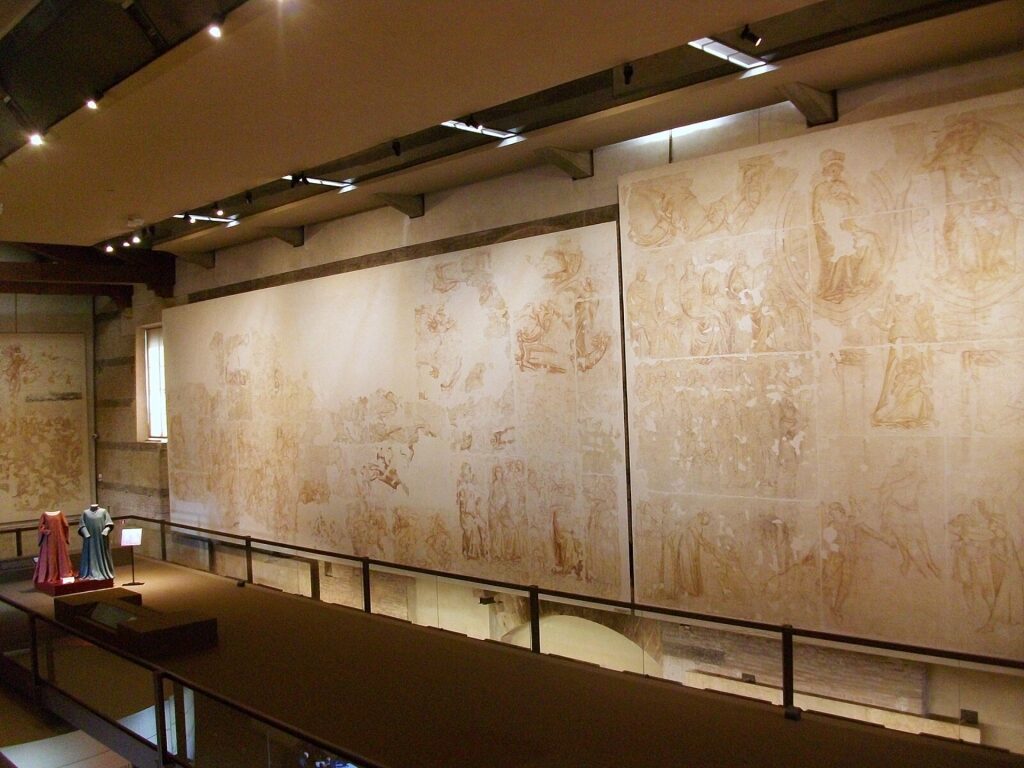
Sinopie Museum Photo by Joanbanjo on Wikimedia Commons, licensed under CC BY-SA 3.0
Also on the square is the Museo dell’Opera del Duomo, displaying sacred art, artifacts, and sculptures, relocated from the Duomo and Baptistery for protection.
Further afield, the Museo Nazionale di San Matteo, housed in a medieval monastery, combines sacred art—its painted wooden cross collection is regarded as one of Italy’s finest—with other medieval pieces, including ceramics and pottery. Post-visit, refuel with some scrumptious Sicilian cannoli at nearby Vecchio Pasticceria.
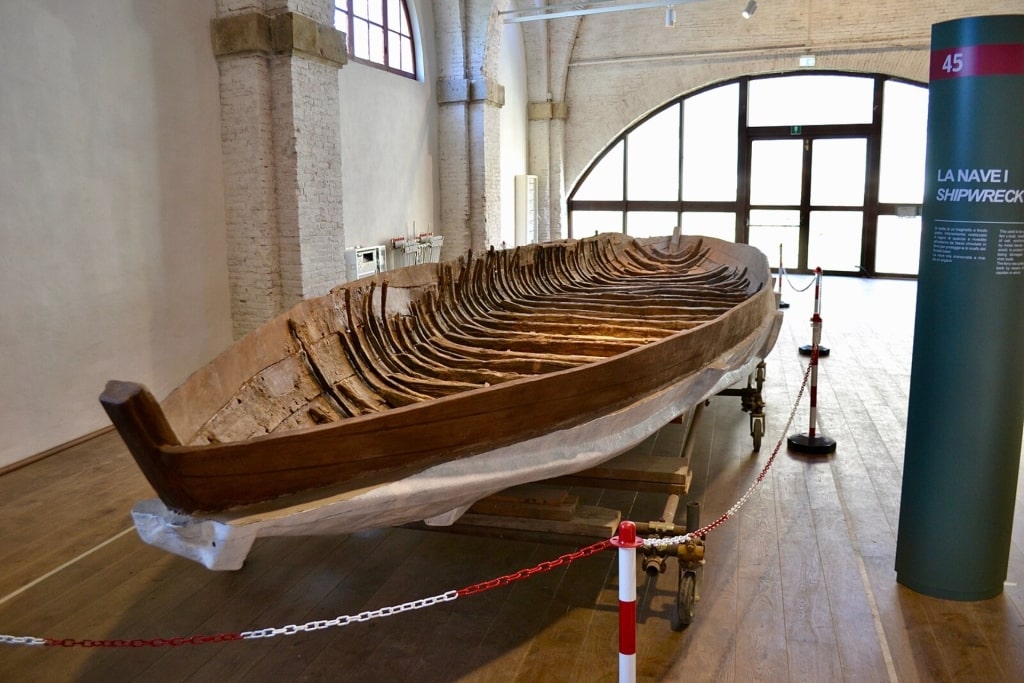
Museum of Ancient Ships of Pisa Photo by Federigo Federighi on Wikimedia Commons, licensed under CC BY-SA 4.0
Roman history enthusiasts shouldn’t skip the Museum of Ancient Ships of Pisa, located near the Arno River. Inside, you’ll admire seven Roman-period wooden ships, spanning the 3rd to the 7th centuries CE. Excavated from an ancient seaport, the space also exhibits some of the 8,000 artifacts unearthed with the vessels.
Amble Along the Arno River
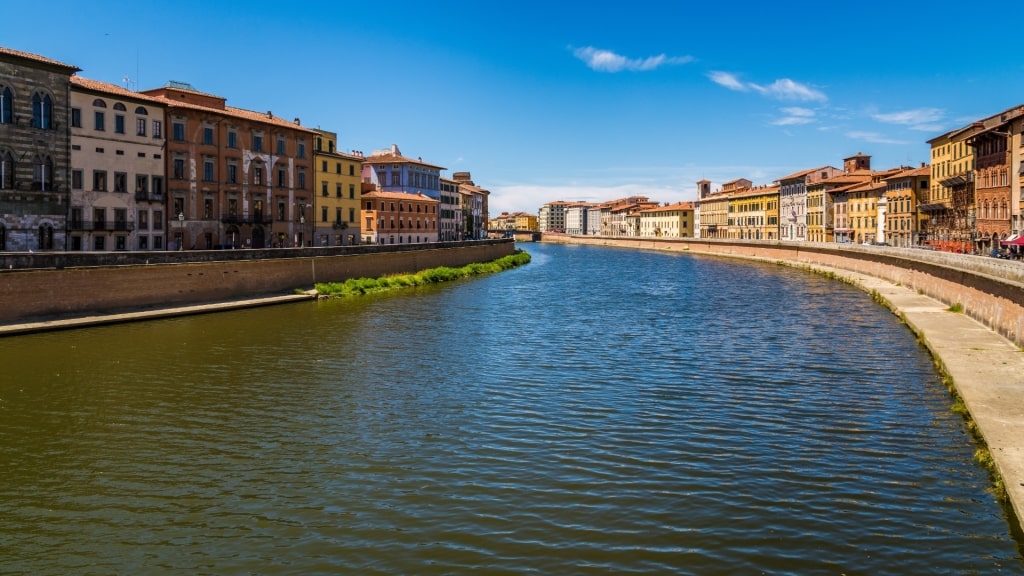
Arno River
From the Museum of Ancient Ships of Pisa, you’re well placed to enjoy one of the top things to do in Pisa: take an amble along the Arno River.
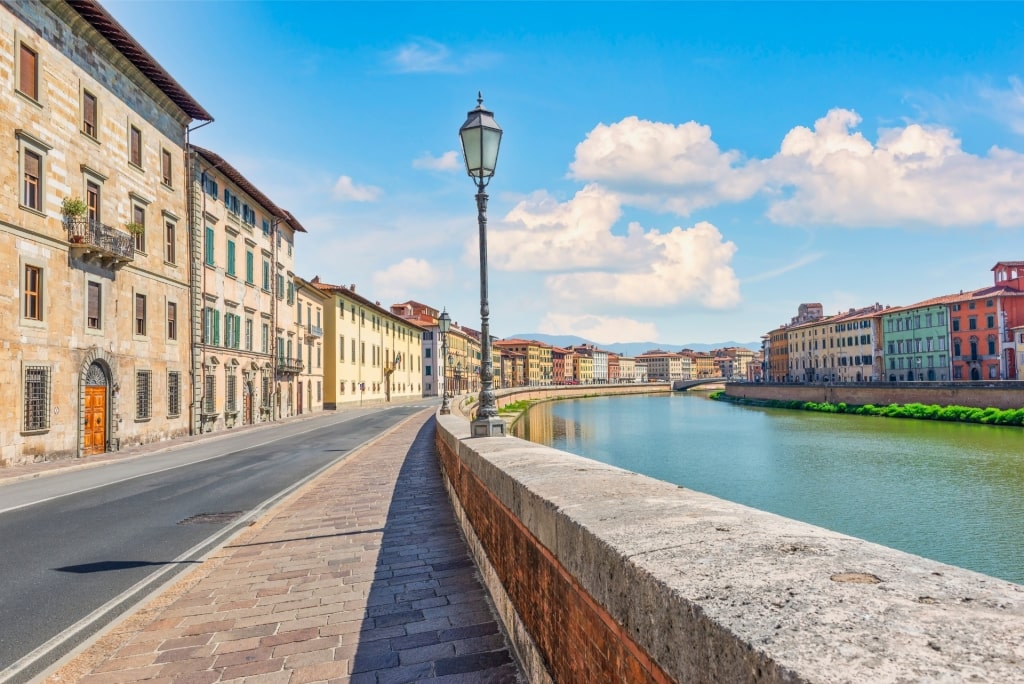
Along the scenic, curved stroll, you’ll admire many of Pisa’s most impressive buildings, including the Santa Maria della Spina Church and Palazzo Blu, before reaching the Museo Nazionale di San Matteo.
For a mid-morning coffee or a late afternoon aperitivo, stop by Caffè dell’Ussero, Pisa’s oldest cafe, founded in 1775. The terrace is a delight on a sunny day, though the glass counter packed with fruit-topped cakes and chocolate-glazed treats will certainly lure even those with savory tastes inside.
Peek Into One of Pisa’s Palazzi
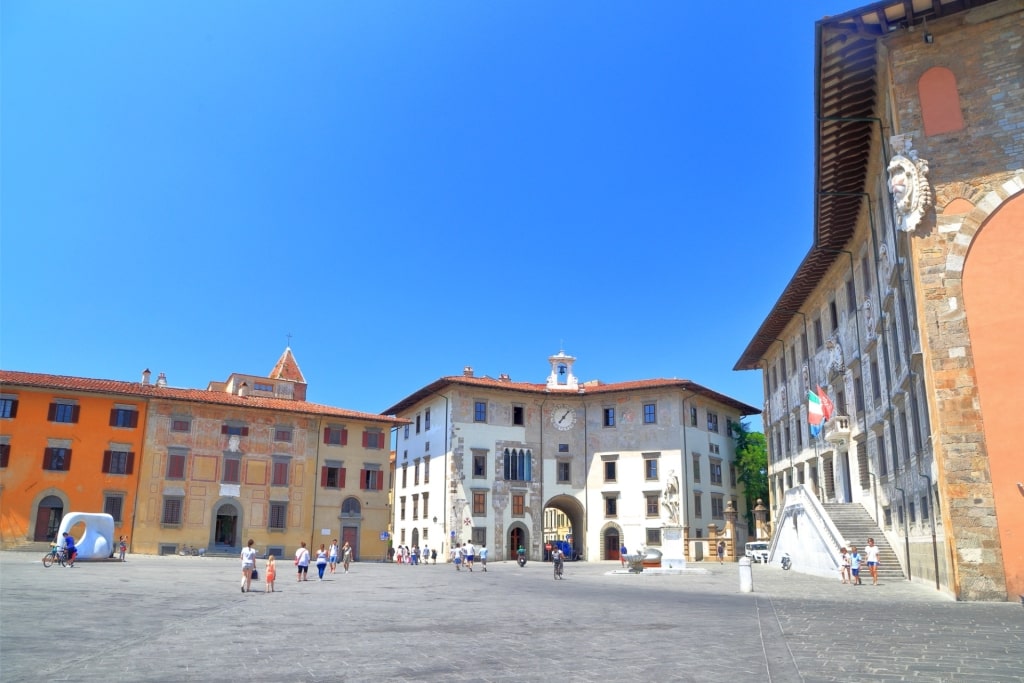
Piazza dei Cavalieri
Pisa has no shortage of palatial buildings, and a visit to one of the city’s palazzi provides a behind-the-scenes peek into history.
On the Arno River’s southbank, Palazzo Blu is, in part, the Museum of Art and Culture of Pisa, named for its baby-blue exterior. Parts of the palazzo date to the 17th century, though it was significantly reworked in the 19th century. The two-story permanent collection is predominantly dedicated to local painters and the city of Pisa since the 12th century, and includes some period furniture pieces.
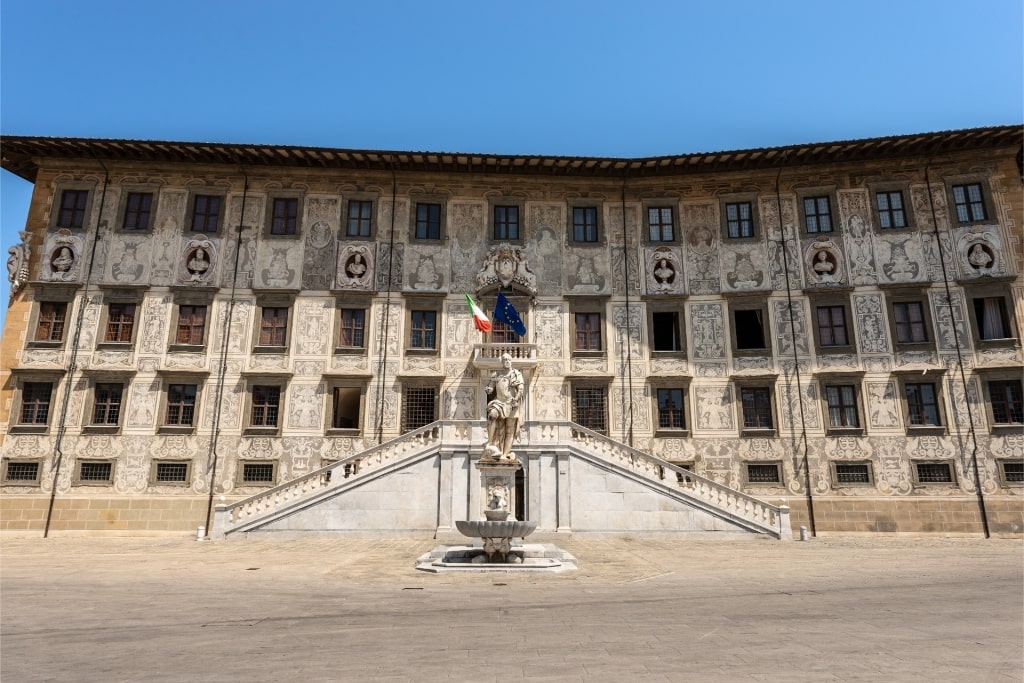
Palazzo della Carovana
Across the river, surrounding the spacious, Renaissance square Piazza dei Cavalieri, are another clutch of impressive palazzi. The grandest is Palazzo della Carovana, originally built as the headquarters for the Knights of St. Stephen, Pisa’s maritime knights’ military order.
A statue of Grand Duke Cosimo I dei Medici, the order’s founder, dominates the exterior staircase. It’s now part of the city’s university and entrance is possible only with a pre-booked guided tour.
Shop on Historic Avenues
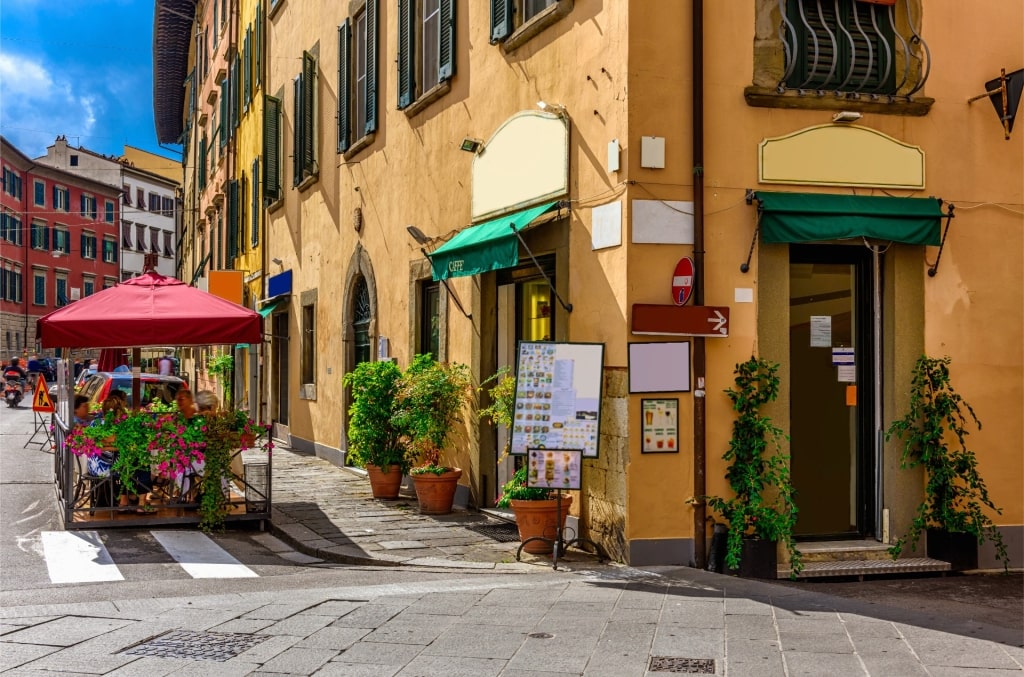
Borgo Stretto
Pisa’s long history as a maritime trading outpost may have diminished over the centuries but the historic center still pulsates with family-run businesses and boutiques. Concentrate on portico-lined, pedestrianized Corso Italia, Borgo Stretto, or Borgo Largo to follow in the retail footsteps of Pisans.
Food & Drink
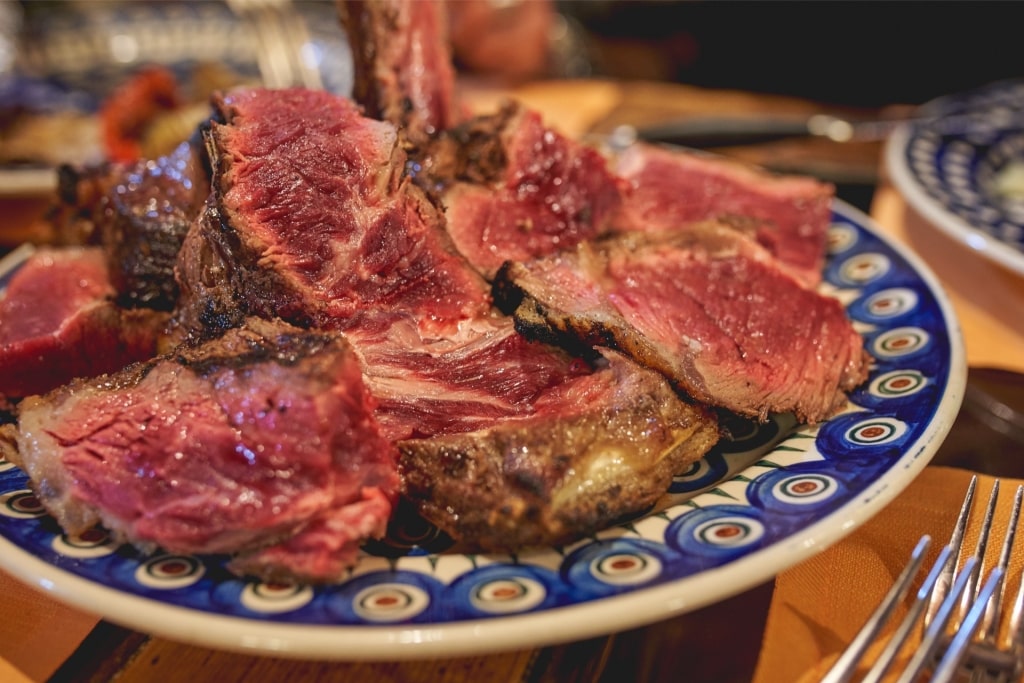
Bistecca alla Fiorentina
In Pisa, Italy’s fresh and full flavors shine without any fuss. Tuscan cuisine and Pisan specialties are mostly seasonal and straightforward, with provincial recipes utilizing ingredients from both the hinterlands and coast, reflective of Pisa’s one-time seaside setting.
Ancestral Pisan dishes worth sampling—especially as they are hard to find outside of Pisa—include Brachette alla Renaiola, a dish of trenette noodles, similar to linguine, prepared with leafy greens and herring, and Bordatino alla Pisana, a thick cornmeal stew.
Homely and snug Trattoria Sant’Omobono is an excellent spot for sampling Pisan dishes. For a tasty, on-the-go local snack, try Cecina de Pisa, a flatbread-meets-pancake made from gram flour.
Tuscan flavors are also well represented on Pisan menus. The region’s celebrated cattle breed, the Chianina, provides some of the most flavorsome steaks in the world, the bistecca alla fiorentina.
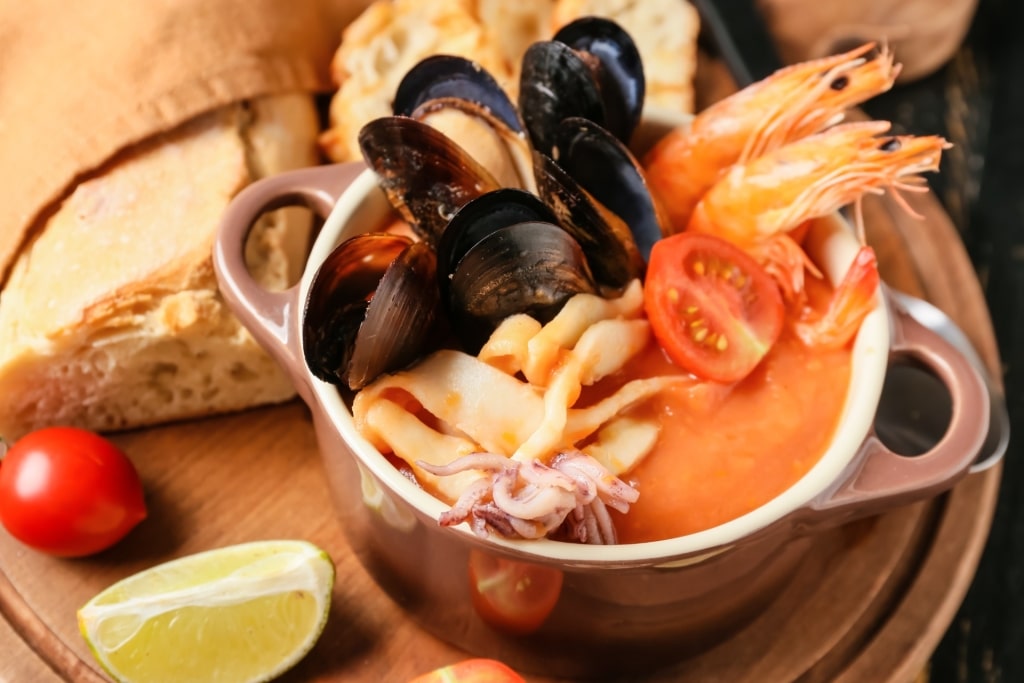
Cacciucco
Seafood lovers should savor a cacciucco, a red wine and seafood stew from coastal Livorno. Leave room to enjoy the chocolate-and-nut Torta co’ bischeri, a decadent pilgrim cake from a small town in the Pisa province, for a sweet finish.
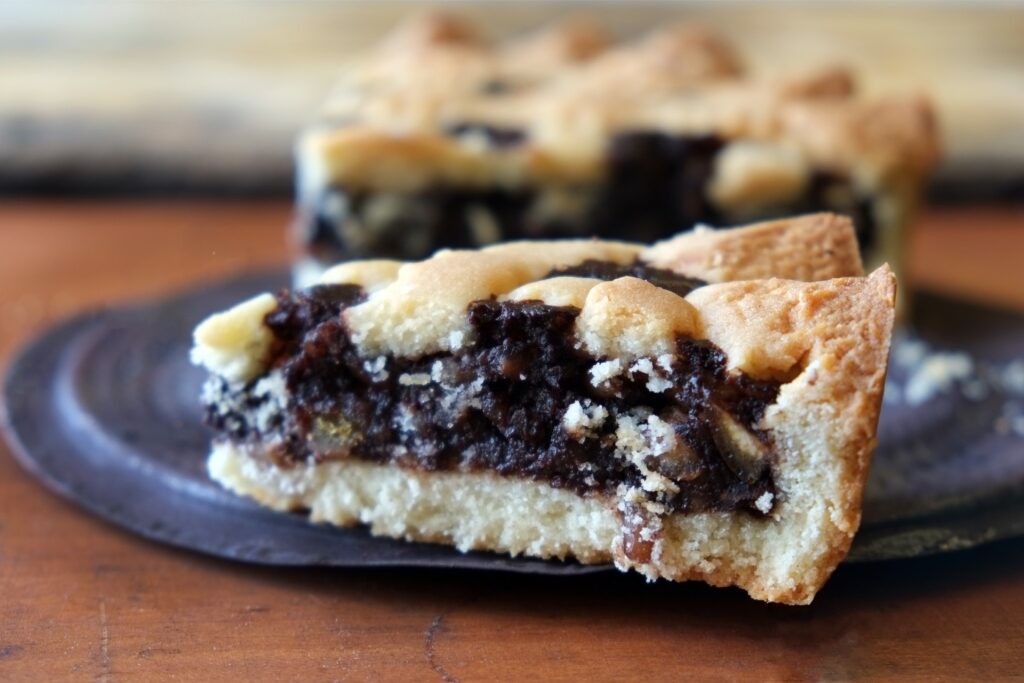
Torta co’ bischeri
Tuscan wines pair perfectly with all of these dishes. Whites are particularly popular in and around Pisa, as the Vermentino grape thrives in the surrounding coastal terroir. Excellent reds, such as Chianti Classico—classic, as it’s produced in Tuscany’s Chianti district—and Brunello di Montalcino, are also plentiful.
Pop by Enoteca la Cantinetta Pisa, a pocket-sized wine store and tasting room, to sample before you buy any souvenir bottles. Or for the most intimate wine experience, head to Fattoria San Vito, a family-run, three-century-old winery, just a 15-minute drive from the city, set in the foothills of the low-slung Monte Pisano mountain range. A pre-booked tour and tasting is a fine addition to any Pisa visit.
Best Time to Visit Pisa

Piazza dei Miracoli
The best time to visit Pisa, Italy, is spring through fall, as, due to the city’s location in central Italy, winters can be chilly with rain showers. While Pisa is popular year-round, during the shoulder season months of May, June, September, and October, crowds can be slightly thinner, while temperatures are pleasant, peaking between 70°F and 81°F.
For the sunniest days and the most lively atmosphere, plan your Pisa visit during July and August. Rain is incredibly rare, and temperatures can reach 86°F, providing a blue-sky, sun-kissed environment to enjoy the tower and al fresco dining.
Arno River
Experience all the beauty of Pisa yourself on a cruise to Italy with Celebrity. Browse itineraries to start planning your perfect Italian vacation.