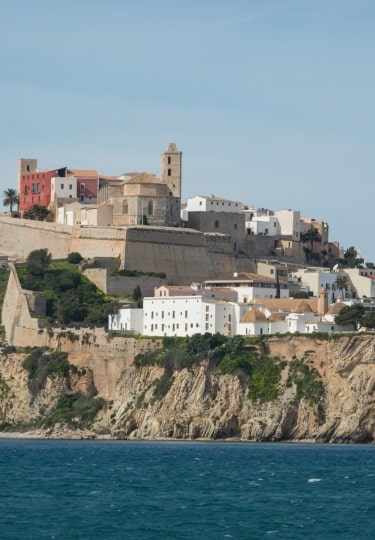
For decades, many would argue that the Portugal vs. Spain debate had a definitive answer: Spain. The Iberian Peninsula’s largest country has long topped travelers’ lists, climbing the ranks to become the world’s second-most-visited country.
Yet, its often-overlooked neighbor has been hot on its heels in recent years. Portugal might be smaller and appear shyer, but the nation’s equally irresistible ocean-fresh food, dramatic islands, swoon-worthy coastal towns and first-class wines—all parallels it shares with Spain—are leading today’s pack of trending European destinations.
Thankfully, it’s easy to avoid pitting Spain vs. Portugal—the next-door duo are effortlessly combined into one unforgettable vacation. Still pondering which to visit first—or which takes first place? Read on.
Weather & When To Visit
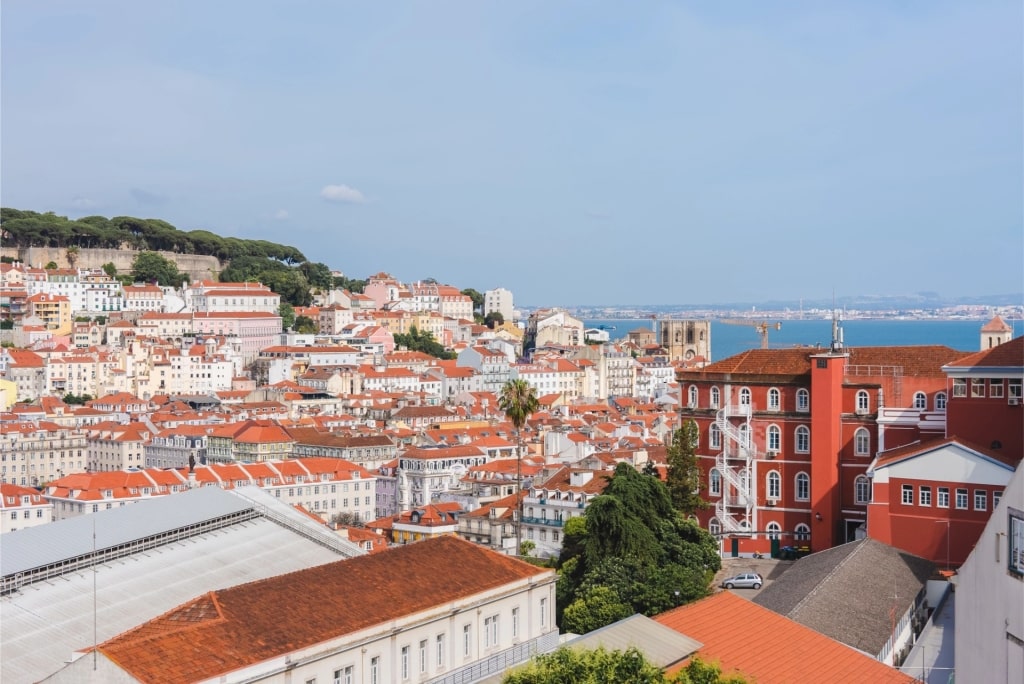
Lisbon, Portugal
Weather isn’t a worry when deciding between Portugal vs. Spain. Both countries share similar Mediterranean climates and lifestyles—even though Portugal is on the Atlantic—and are mostly year-round destinations.
Still, some seasonal weather patterns that both nations share should be considered when planning the best time to visit Spain and Portugal.
Southern Spain, including the Balearic Islands, and Portugal’s capital, Lisbon, have long sunny days and warm temperatures for most of the year. Some Spanish cities, such as Granada and Seville, are almost too hot in summer—temperatures regularly tip into the high 90s, above 36°C—making a spring or autumn visit more desirable.
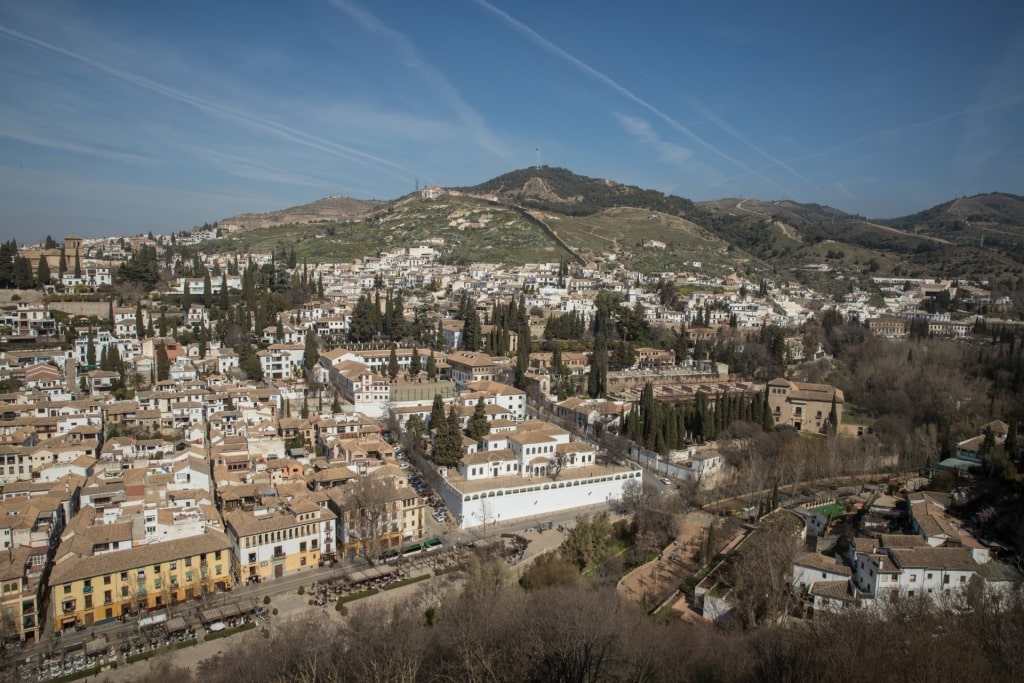
Granada, Spain
Meanwhile, the cities in the north of the peninsula, such as Spain’s Bilbao and Portugal’s Porto, alongside the Azores archipelago, have much more inviting summer temperatures. Lisbon’s Atlantic breeze also ensures summer sightseeing isn’t too hot.
Visit any of these destinations between April and October, and chances are high for reliable weather.
Spain’s Canary Islands and Portugal’s Madeira archipelago, both of which are geographically closer to Africa than Europe, are truly year-round destinations. Come any time of year, and you’ll still find great weather for sunbathing and plenty of blue skies.
History, Culture & Landmarks
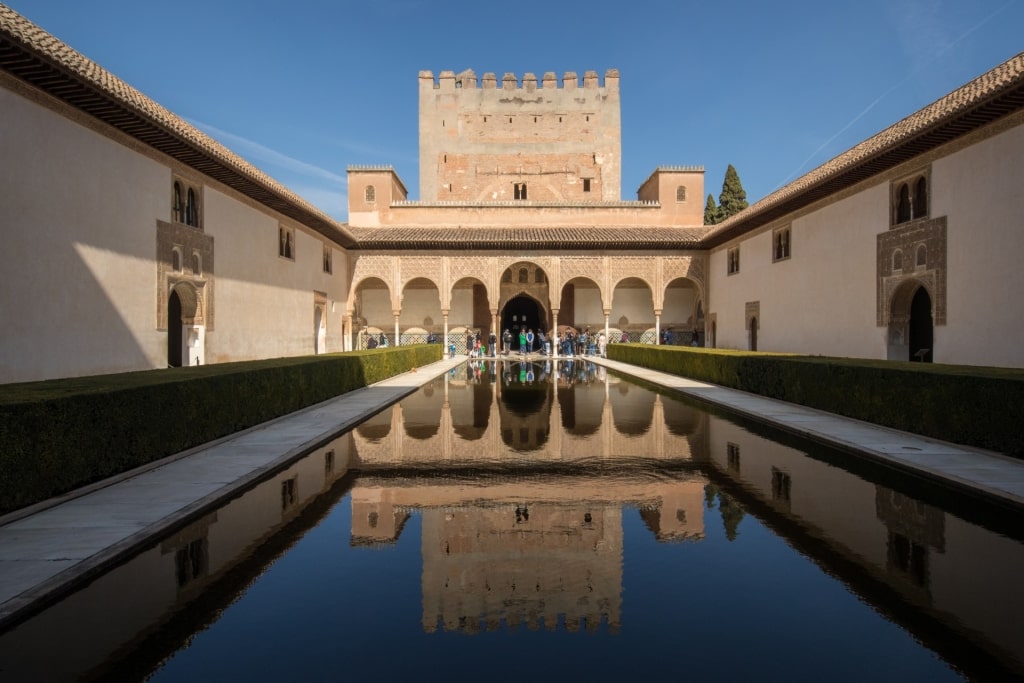
Alhambra in Granada, Spain
There was a time when Portugal vs. Spain meant actual war—don’t worry, the last one was in 1777. For much of history, both nations’ history has been intertwined, resulting in some shared heritage and cultural customs.
From the Phoenicians who first planted vines and the Roman era which left landmarks such as La Coruna’s Tower of Hercules—the world’s oldest lighthouse—and Lisbon’s ruined theatre, to more recent history, the peninsula’s chronology is recounted in multiple museums.
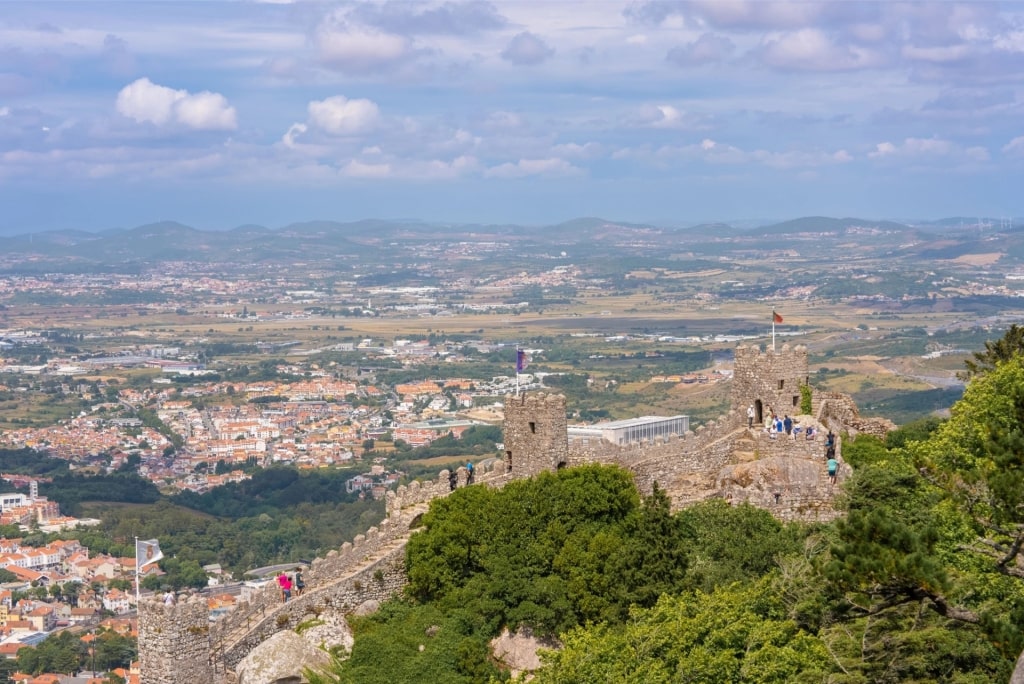
Moorish Castle in Sintra, Portugal
One of the most defining legacies was the Moors. Their five centuries of rule are remembered in names prefixed with “Al”, dishes, intricate tiles, and landmark buildings such as Granada’s Alhambra and Sintra’s Moorish Castle. This is the oldest monument in Portugal’s magnificently regal and romantic mountain range.
As such, it’s fair to say that for history buffs, the Spain vs. Portugal debate has no clear winner. Still, both countries have some unique architectural styles and landmarks that can aid in making a decision.
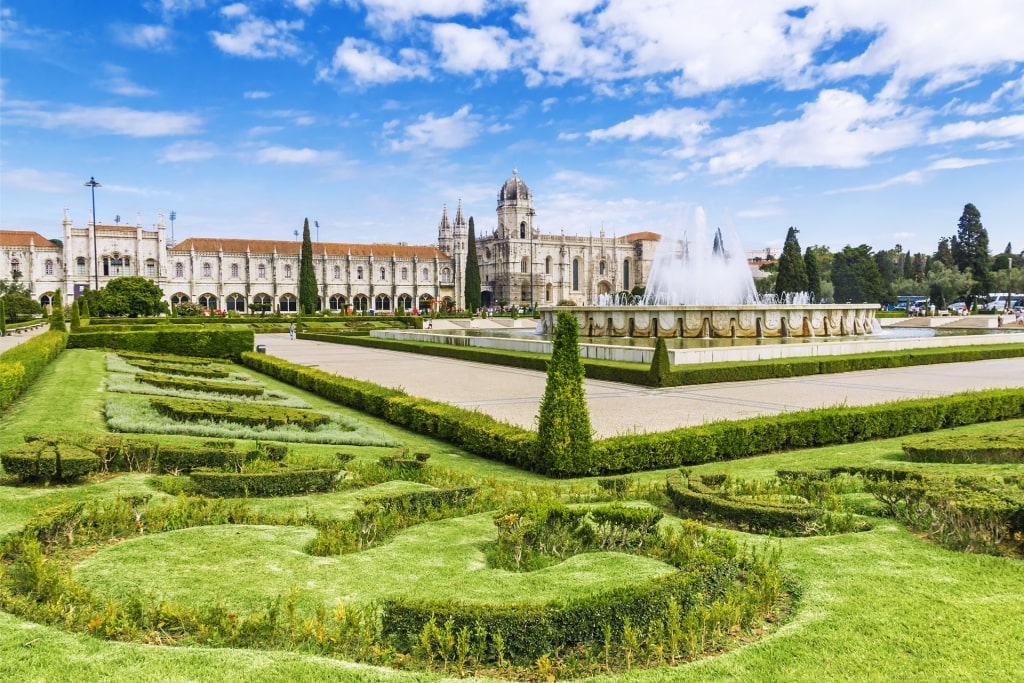
Jerónimos Monastery in Lisbon, Portugal
Portugal’s ornate Manueline style shines in places like Lisbon’s Jerónimos Monastery and Belém Tower, while Churrigueresque, or Spanish baroque, is best appreciated on the facade of Cathedral of Santiago de Compostela. This impressive edifice marks the end of the world’s most recognized religious pilgrimage.
Beautiful Beaches
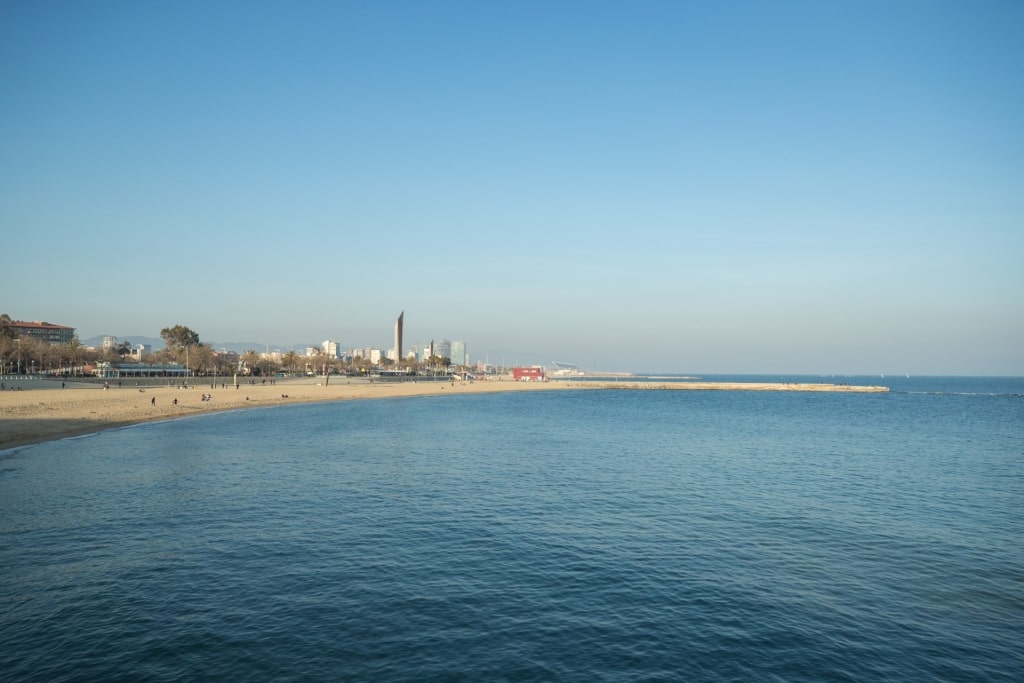
Beach in Barcelona, Spain
On paper, Spain’s sweeping, sizzling shorelines and warmer Mediterranean waters make it a shoo-in for the coastal champion. But the Portugal or Spain beach debate is a little more nuanced than that.
Sure, Portugal’s Atlantic-facing beaches are slightly chiller, but they are also often far more cinematic.

Azenhas do Mar in Sintra, Portugal
Spend an afternoon on the surf-pounded volcanic sands of São Miguel in the Azores, contemplate the craggy cliffs at Cabo da Roca—the westernmost point of continental Europe—and bathe below the pretty, cliff-tumbling village of Azenhas do Mar. Head south of Lisbon to swim in the sheltered coves of Caribbean-like Arrábida Natural Park, and you’ll soon be smitten with Portugal’s best beaches.
Across the border, Spain’s shorelines shine for any number of reasons. Urban Barceloneta Beach stands out for its energy, while Malaga’s Costa del Sol is strung with crowd-pleasing coastal escapes. On a sunny summer’s day, it’s hard to beat the allure of San Sebastián’s city-fronting arch of golden sand.
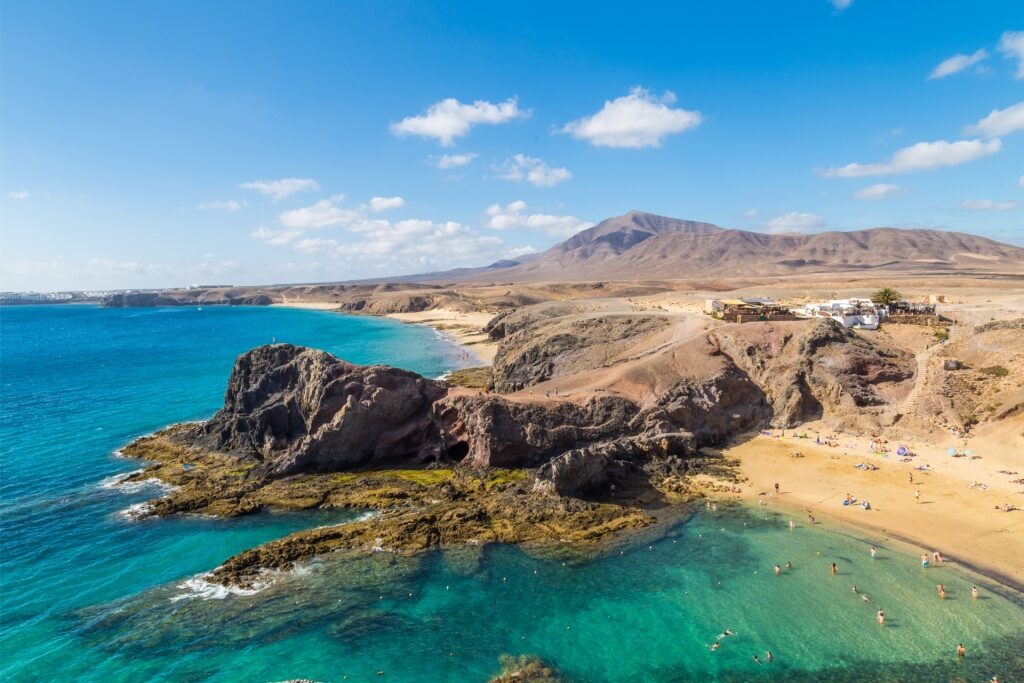
Playa de Papagayo in Canary Islands, Spain
Yet it’s the Spanish isles that steal the show. Head to golden, dune-ribboned Maspalomas Beach on Gran Canaria or dive into the crystal-clear waters of Lanzarote’s Playa de Papagayo, and you’ll soon be declaring the Canary Islands as coastal supreme.
Over on the Balearic Islands, the theme continues. Ibiza’s Cala Conta Beach, lapped by turquoise waters and framed by low-slung cliffs and Mallorca’s clutch of calas, slender, rocky coves, are all contenders for Spain’s best beach. Though in summer, it’s hard to beat the northern Cies Islands, a protected reserve with silky soft white sands reached by small boat from Vigo.
Charming Cities
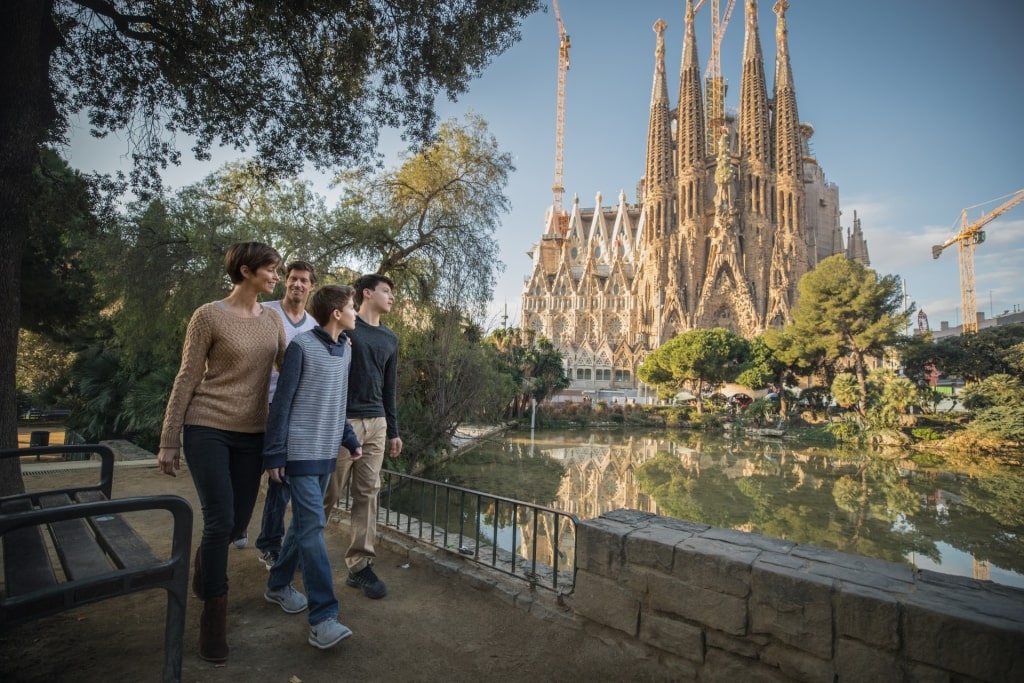
La Sagrada Família in Barcelona, Spain
Spain’s size gives it an advantage when it comes to city experiences. The country’s sweep of characterful cities is rich in regional art, culture, and cuisine, while Portugal’s provincial differences are less marked.
Best known is Barcelona, Europe’s ultimate coastal city. Capital of the autonomous community of Catalonia, it’s also Spain’s most distinct, with its own language and customs—though it’s undoubtedly most famous for the whimsical work of architect Antoni Gaudí.
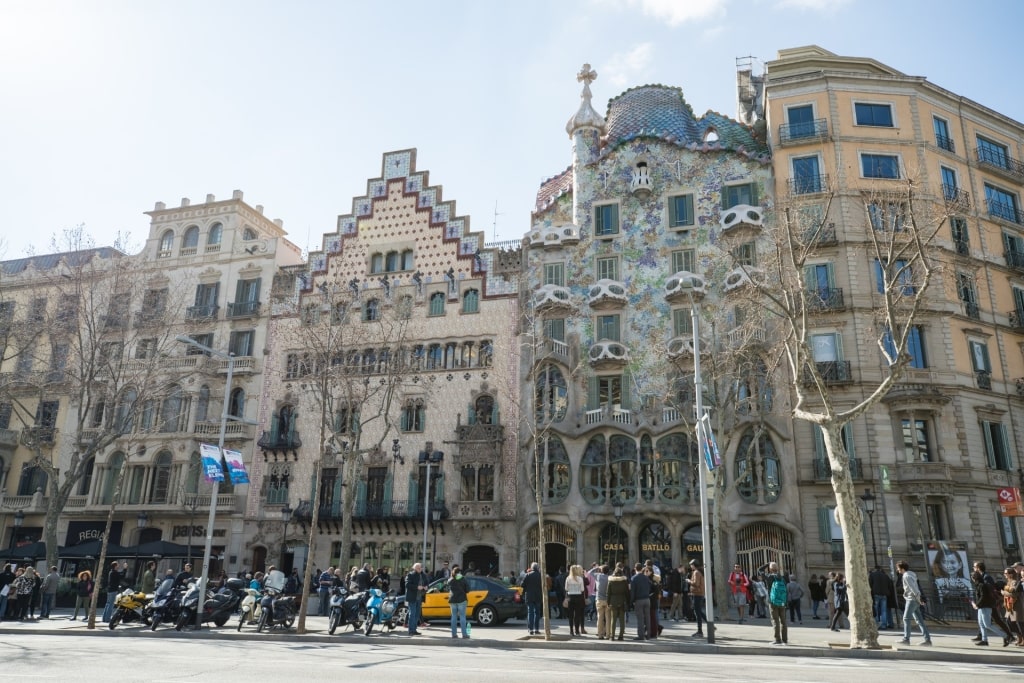
Casa Batlló in Barcelona, Spain
From the soaring basilica that is La Sagrada Família to Park Güell’s colorful mosaic work and the camera-friendly facade of curvy Casa Batlló, Gaudí created a city canvas that Portugal simply can’t rival.
Barcelona is supported by a dazzling cast of secondary cities like the culinary capital San Sebastián, flamenco-rhythmed Seville—decked out in swoon-worthy Islamic architecture like the Royal Alcázar and La Giralda tower—and Valencia, with its futuristic architecture. Spain, then, wins this category on sheer scale.
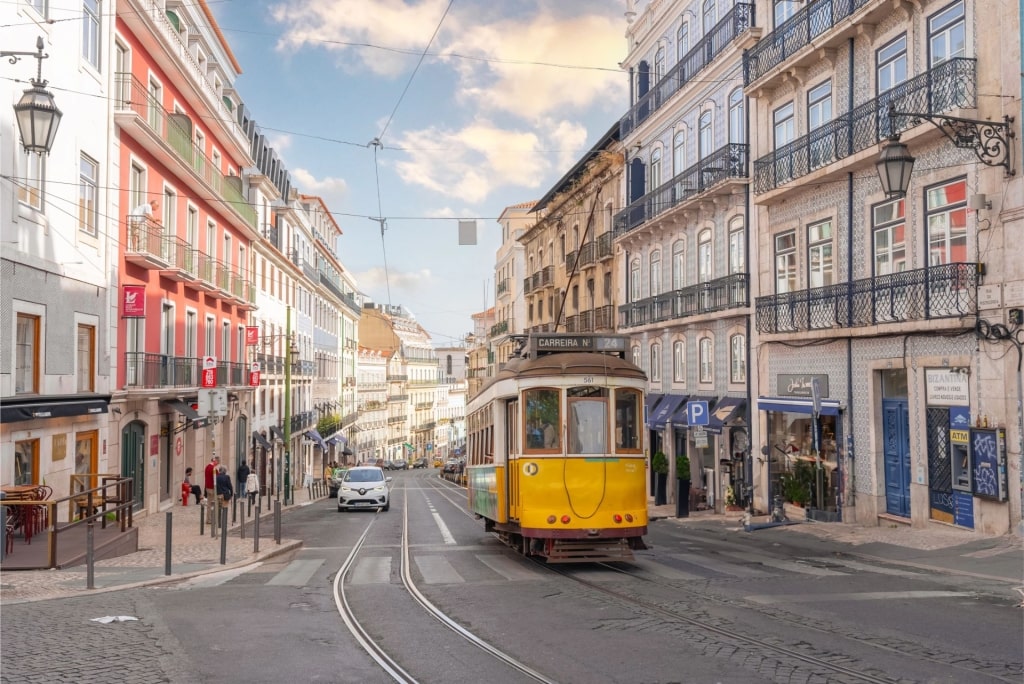
Lisbon, Portugal
However, Portugal vs. Spain is more than just a numbers game. Portugal’s two major cities, Lisbon and Porto, punch above their weight for charm and charisma.
Plan a day trundling Lisbon’s seven hills by vintage tram, soaking up the age-old appeal of the historic, pastel-hued Alfama district. Marvel at the city spilling towards the Atlantic estuary from 11th-century Castelo de São Jorge. Admire buildings clad in azulejos, hand-painted ceramic tiles, and you’ll be pondering if Portugal is the real city winner.
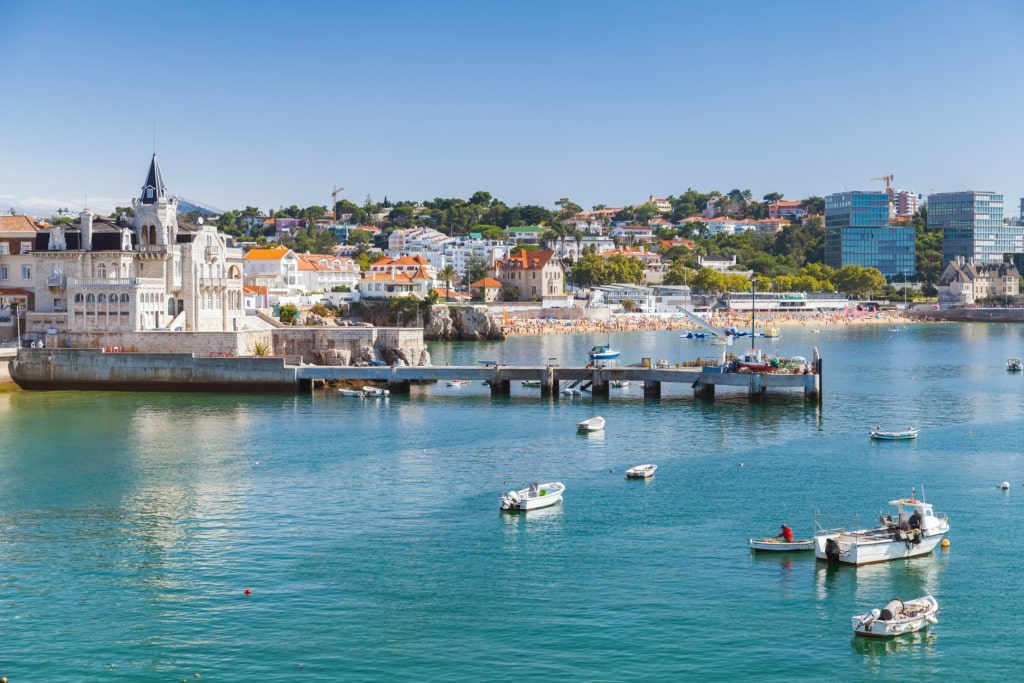
Cascais, Portugal
Day trips to chic, coastal Cascais on Portugal’s Riviera or the hills of fairytale Sintra—both former realms of European aristocrats—support that even royalty has long placed Portugal on a pedestal.
Continue north to Porto, a contender for Europe’s loveliest city, and the Spain vs. Portugal debate becomes less clear. Rising from the banks of the Douro River and dotted with awe-inspiring architecture such as the gilded, Neo-Mudéjar style Palácio da Bolsa, this Port-famed city is divine.
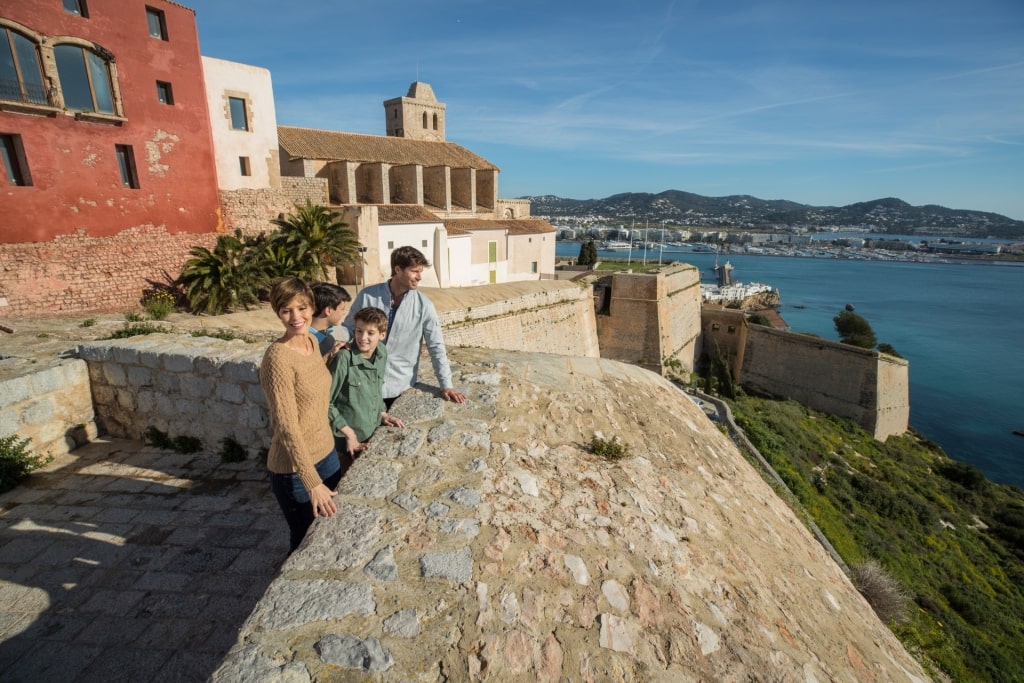
Ibiza Town, Spain
When it comes to islands, you could argue that Spain’s archipelagos pip their Portuguese counterparts to the post. As pretty as basalt-carpeted Ponta Delgada, the Azores’ largest city, and flower-filled Funchal, Madeira’s capital, are, they would struggle to rival the likes of Las Palmas, Palma de Mallorca, or Ibiza Town for star appeal.
Incredible Islands
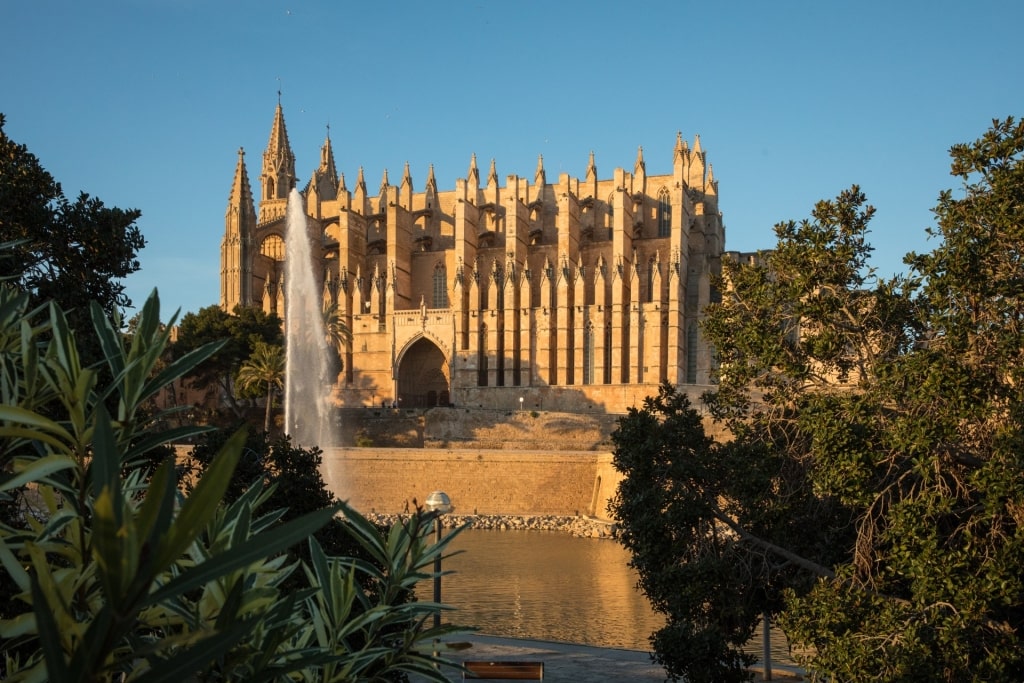
La Seu in Palma de Mallorca, Spain
Between Spain’s two main archipelagos, the Balearic and Canary Islands, and Portugal’s Madeira and Azores Islands, there’s a wealth of culture, nature and often volcano-shaped adventures to explore.
In the Balearics, Mallorca’s capital city provides the ultimate coastal city escape. With its hulking cathedral, La Seu, constructed between the 15th and 17th centuries, uniquely circular Bellver Castle, galleries, and museums, Palma de Mallorca packs a Mediterranean punch.
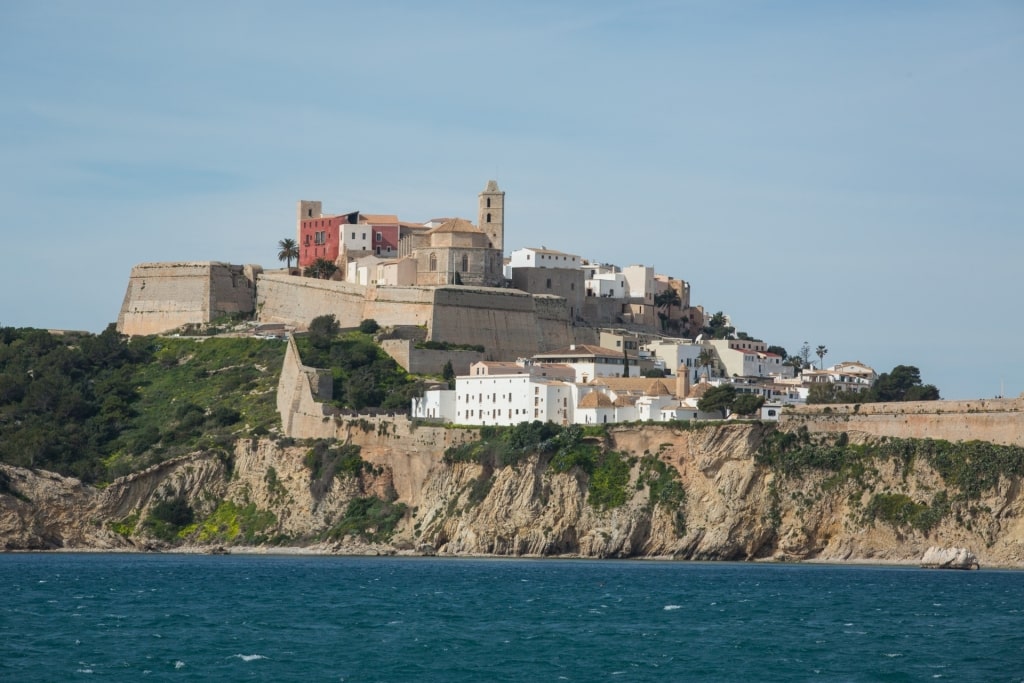
Ibiza, Spain
Stray just inland, though—perhaps on the vintage wooden train that slices through citrus groves—and the peaks of the Serra de Tramuntana provide an alternative backdrop. Neighboring Ibiza, meanwhile, is Europe’s hottest address for beach clubs.
Over in the Atlantic, it’s another story. Shaped by volcanic activity over millions of years, the Canary Islands, Azores, and Madeira are all adventure-ripe. With whale watching, dramatic mountains, lunar-like landscapes, and dormant calderas in common, these three archipelagos are more cousins than competitors.
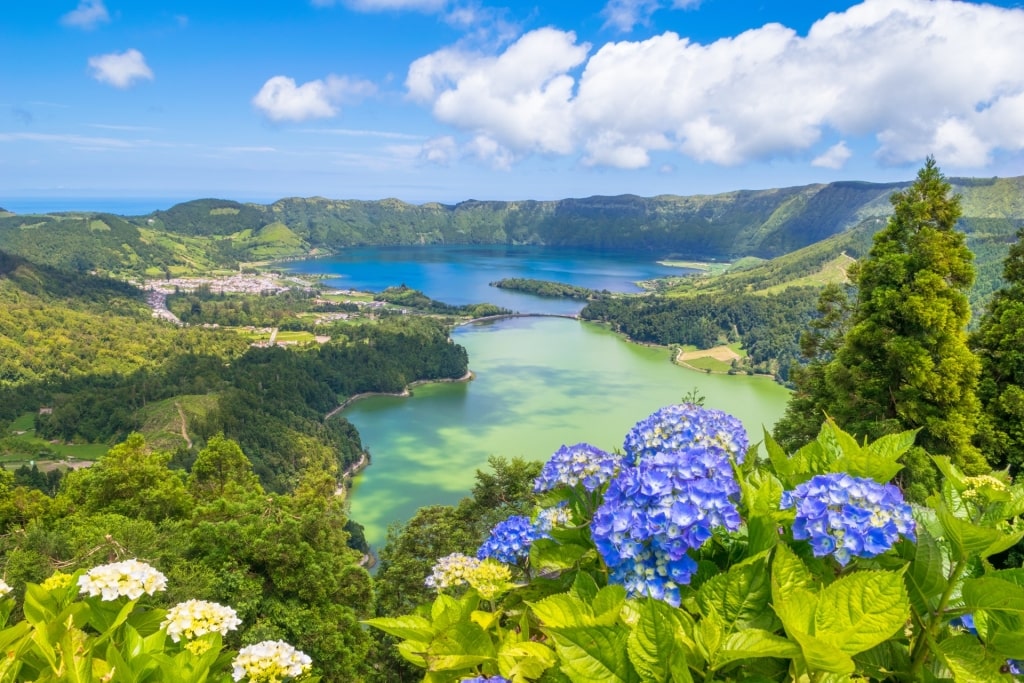
Sete Cidades in Azores, Portugal
Craggy Madeira, a verdant feast for the eyes, is renowned for its botanical gardens, fairly flat hiking trails that track levadas, old irrigation channels, towards waterfalls and miradouro lookouts, like Cabo Girão, a 1,902-foot sea cliff. São Miguel, the Azores’ main isle, enchants with tea plantations, colorful crater lakes like Sete Cidades, and thermal spring spas shrouded by nature.
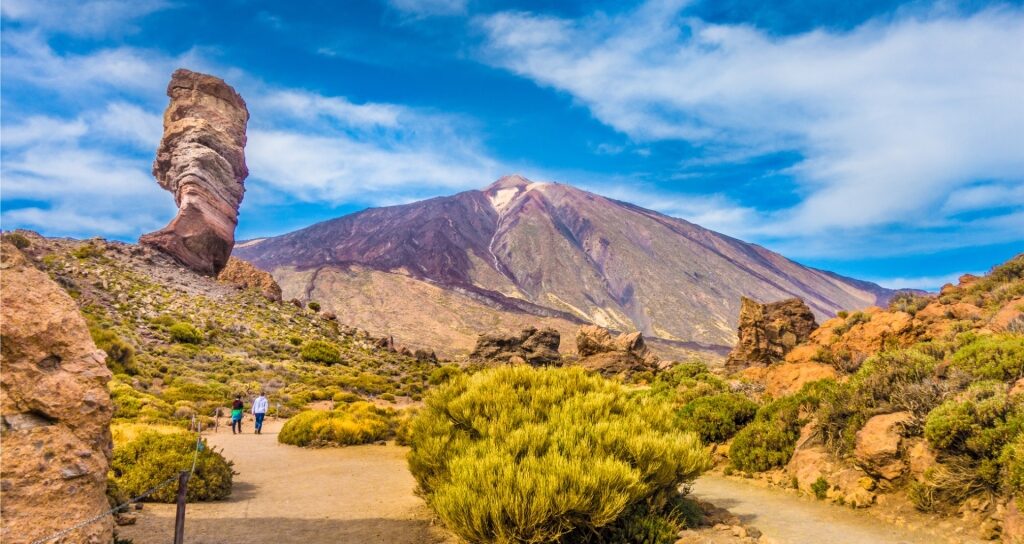
Teide National Park in Canary Islands, Spain
Tenerife is equally wild, especially in the otherworldly Teide National Park, crowned by Spain’s highest peak, Mt. Teide, reachable by cable car. Lanzarote’s La Geria, an inky volcanic landscape speckled with vines, is almost unbelievable.
Excellent Gastronomy
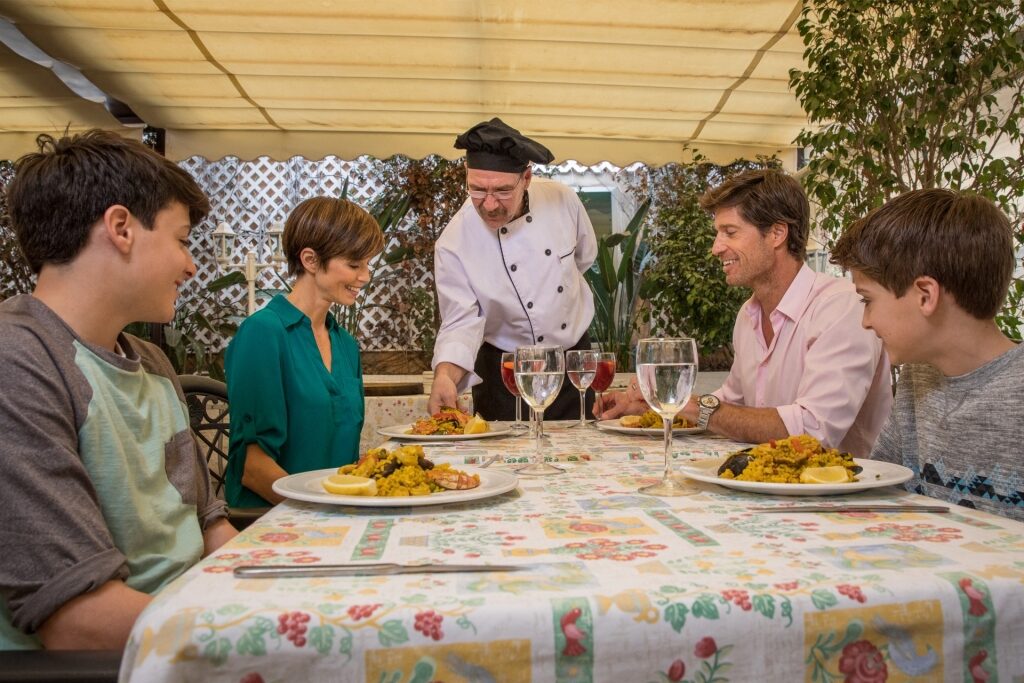
Restaurant in Spain
Gastronomy brings good news on the Portugal vs. Spain debate—both countries have consistently excellent culinary offerings. Portugal even welcomed its first dedicated Michelin guide in 2024, lifting it out of the back-page shadow of Spain’s culinary bible.
But you don’t need an award-winning chef to eat well in Iberia.

Tapas
From bitesize palatability and small plates like Spain’s tapas and Portugal’s petiscos to the ongoing play-off between Porto and La Coruna for who has the freshest seafood, deliciousness abounds—often with similarities between the two nations.
Hailing from Valencia, paella is perhaps Spain’s most well-known dish. This flavorsome pan of saffron-infused seafood rice is sensational, but Portugal’s arroz de marisco, a seafood and rice stew, is a challenger.
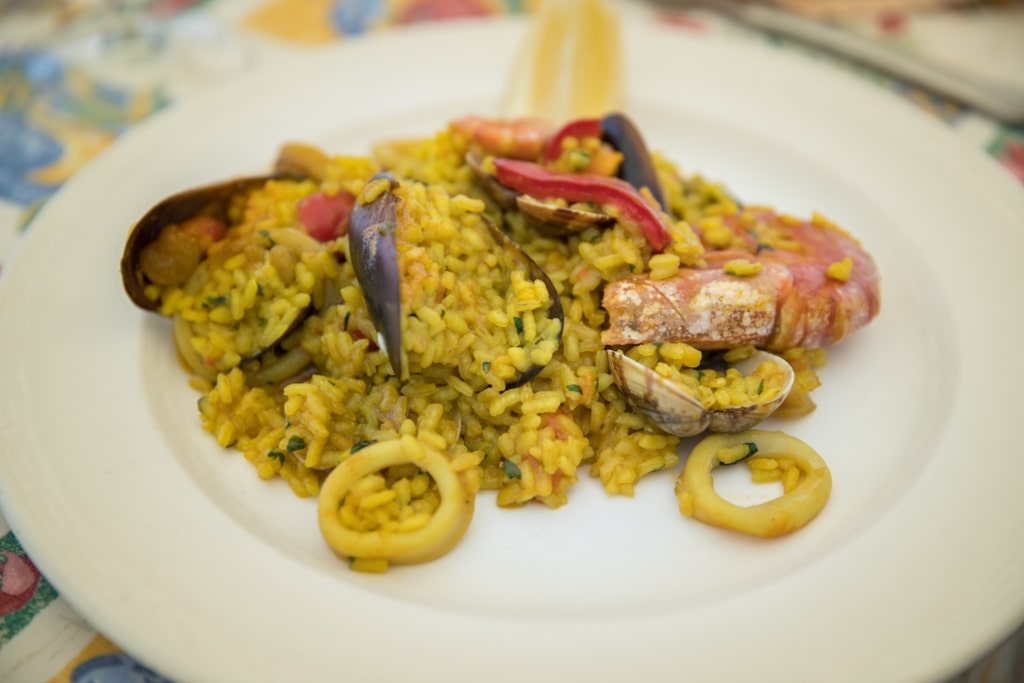
Paella
Other comparable treats include cured meats—Spain’s jamón and Portugal’s presunto are both predominantly made from Black Iberian pigs—and a love of fresh fish. However, Portugal’s most beloved catch is bacalhau, an imported salted codfish that’s been in favor since the “Age of Discovery.”
Yet both countries also proudly plate their provincial dishes. In Spain’s Basque Country—home to the Basque Culinary Center, one of the world’s best chef schools—you’ll be treated to local specialties. Try marmitako, a tomato-laden tuna stew, as well as baked caramelized cheesecakes and pintxos, an elevated form of tapas usually skewered on bread.
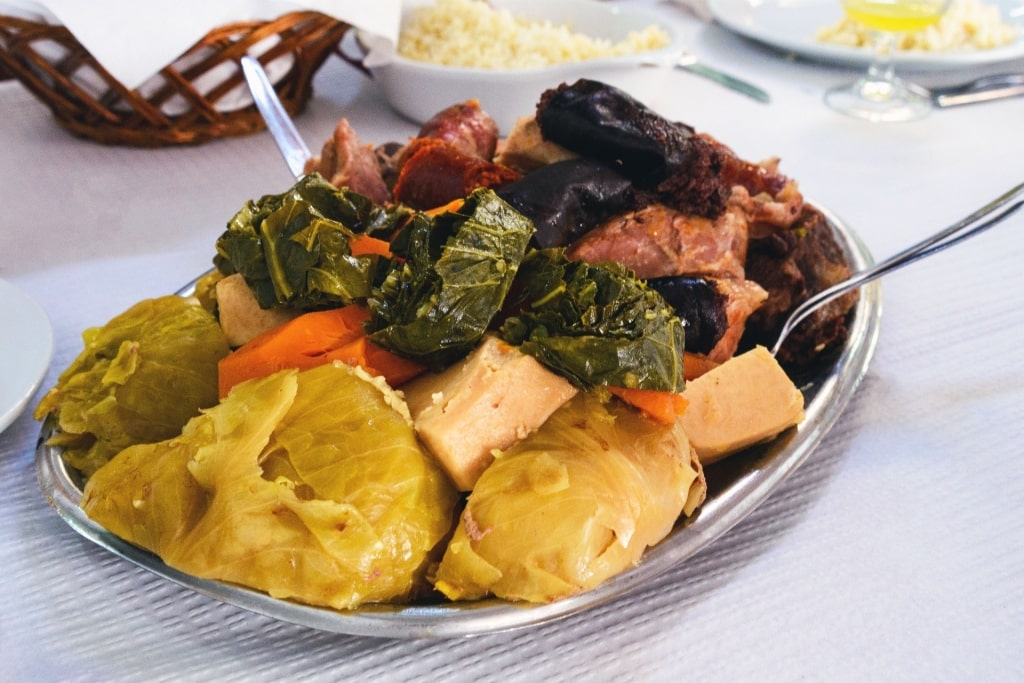
Cozido das Furnas
For Portugal’s most unique dish, you’ll need to venture to the volcanic Azores. In São Miguel’s Furnas Valley, dotted with bubbling geysers, restaurants utilize the subterranean thermal springs to slow steam the meaty Cozido das Furnas stew underground in a clay pot.
Wine, Port, & Sherry
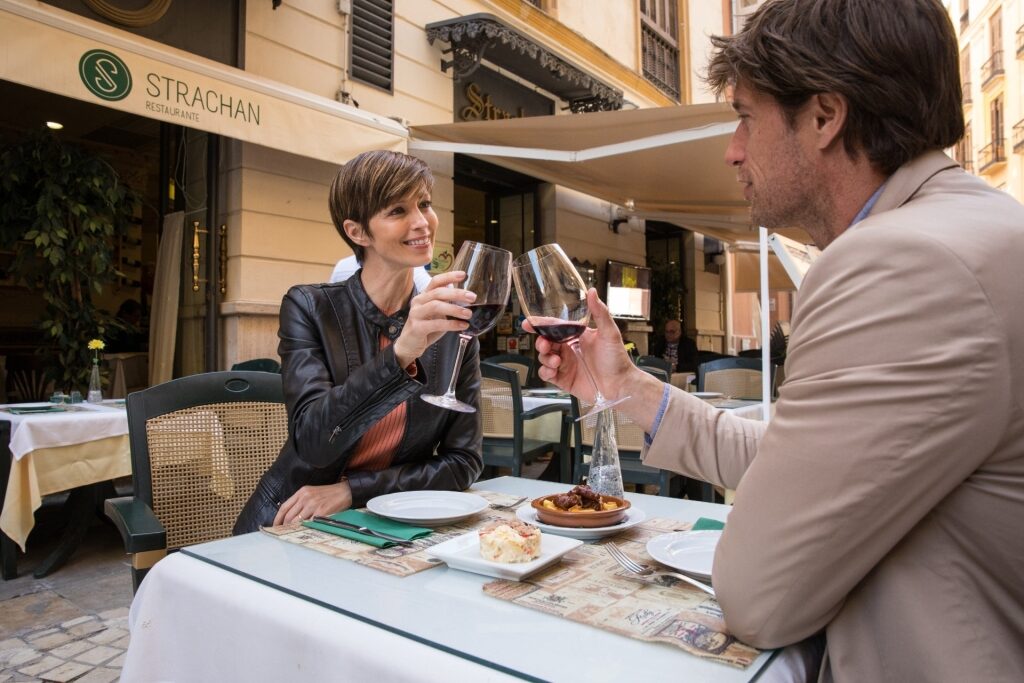
Restaurant in Malaga, Spain
To pair with all that plated perfection, you need a first-class tipple. Thankfully, there’s little competition between Spain and Portugal when it comes to wine. Both countries bottle award-winning vinos and vinhos.
Sharing a vine-growing history that spans the Phoenicians, Carthaginians, and Romans, both countries’ vintners work time-honored terroirs, though some are subjectively more scenic settings for tastings.
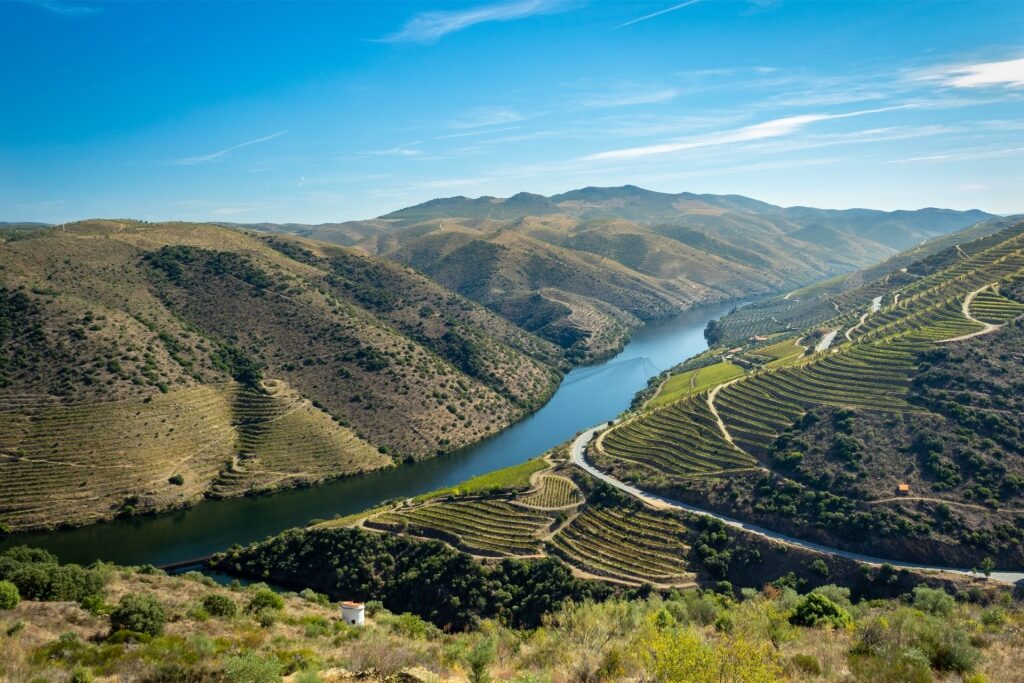
Douro Valley, Portugal
Ride the rails from Porto into the Douro Valley, the world’s oldest demarcated wine region, and your camera will work overtime. At the end of the line, steep, terraced vineyards spill towards the river, creating an unrivaled setting in which to sip your way through world-famous fortified ports and delicious rich reds at the source.

Rioja wine
Still, many would argue that nothing Portugal produces can rival Spain’s fruity ruby reds from the Rioja wine region, where tastings take place in centuries-old underground cellars straight from the cask.
Sweet sherry is also a Spain exclusive, produced inland from Cádiz in Jerez’s sun-kissed wineries. However, it’s fair to say even oenophiles would have a hard time choosing between Spain vs. Portugal.
Read: Day Trips from Seville

Barcelona, Spain
Still undecided on which country takes the lead? Browse Celebrity’s cruises to Spain and Portugal to combine both into an unforgettable Iberian vacation.