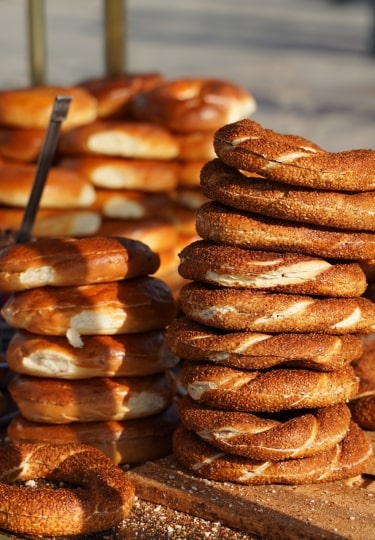
Istanbul’s street food is an essential element to an energetic city, where much of life is lived in public. That’s especially true around Eid where every open space fills with people who have come out to break their Ramadan fast and enjoy themselves.
At any time of the year, from breakfast to dinner and anytime in between, there’s a tempting choice of Istanbul street food on offer throughout the city. You can snack on simit, chew on çiğ köfte, or try a glass of turşu suyu.
If you’re not sure what some of those are, here’s a guide to the best street food in Istanbul.
Balık Ekmek
Balık ekmek
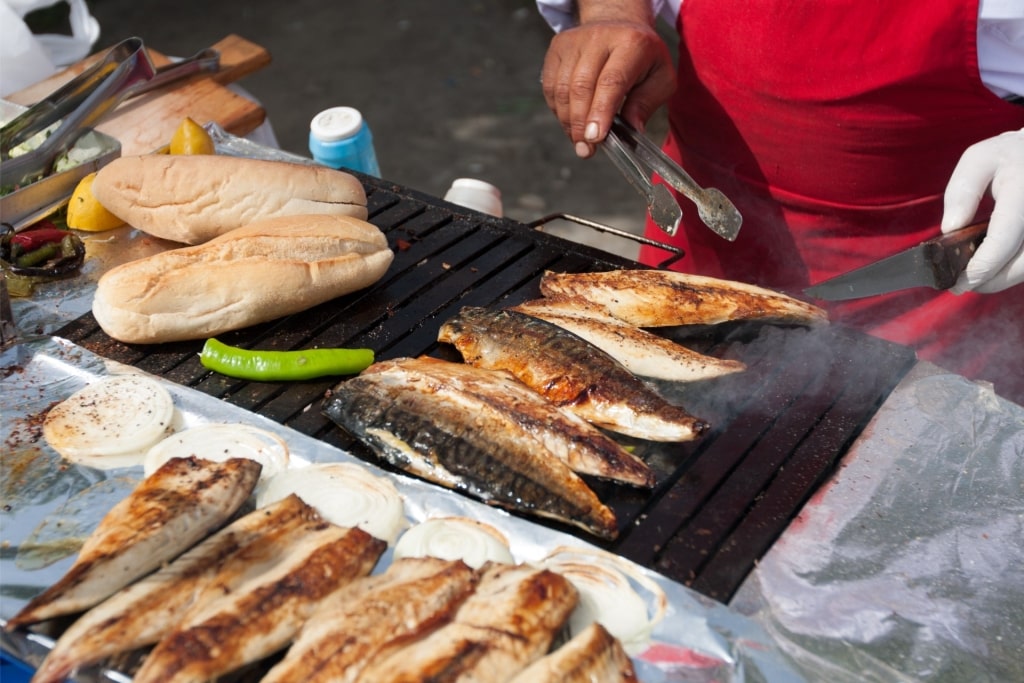
Think of Istanbul street food and a fish sandwich may be the first thing that comes to mind. The smell of cooking balık ekmek—which literally means “fish bread”—is ubiquitous in the city but most famously around Galata Bridge, one of the best places to visit in Istanbul.
The usual fish is horse mackerel but bonito or anchovies are common alternatives. It’s grilled, then served in crusty white bread with raw onion, lettuce, and a squeeze of lemon.
Salgam
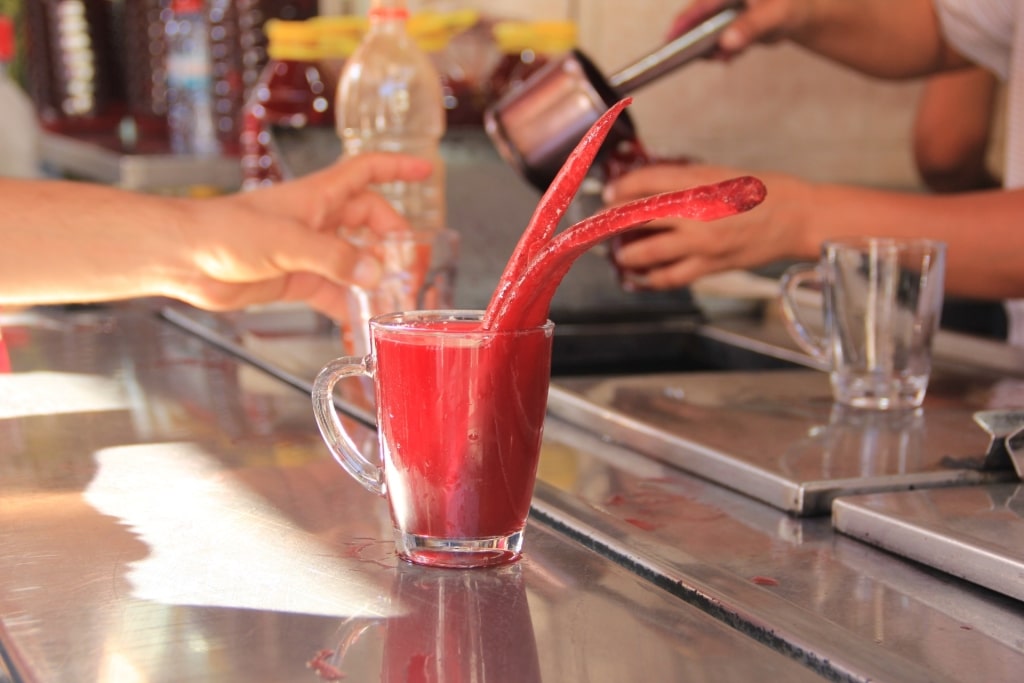
The traditional drink with it is a small glass of şalgam—fermented turnip juice—or turşu suyu, the brine in which vegetables are pickled. Often bright red, from red carrots and beetroot, turşu suyu is salty but considered very healthy.
Köfte Ekmek
Köfte ekmek
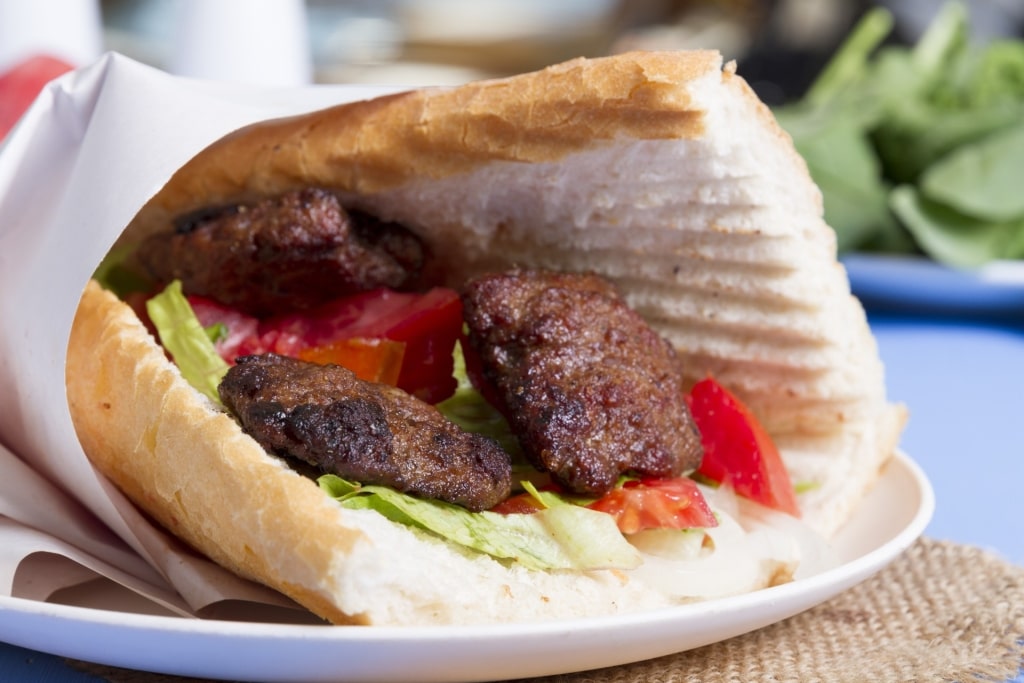
Köfte ekmek is “grilled meatballs”, served with toppings such as yogurt sauce, fresh tomatoes, peppers, onions, and salad greens. The whole comes in a bread bun or wrapped in warm pita flatbread.
That seeming simplicity is belied by the long history of köfte, with its roots in Anatolian nomad culture. Ground beef or lamb is mixed with onions and spices to make the meatballs but there are plenty of regional variations.
As a mixing pot of people from all over Turkey, Istanbul has all those variations to discover. köfte from Urfa is hot with chili, for example, while İnegöl köfte has no spice or salt at all.
Simit
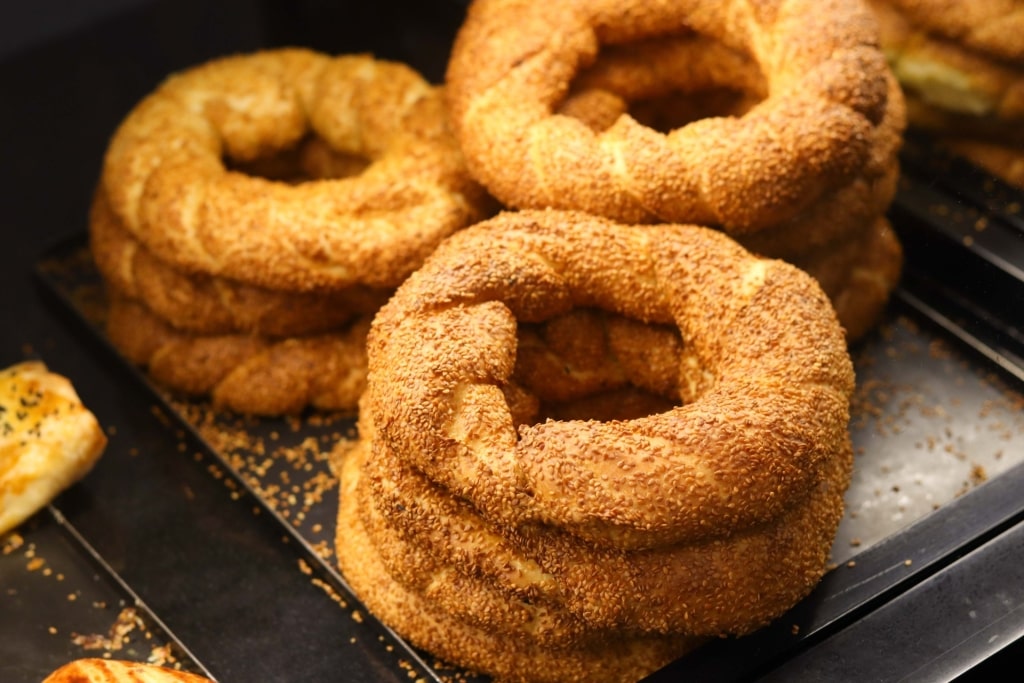
Simit
Somewhere between a bagel and a soft pretzel, rich with sesame seeds, simit is sold on street corners everywhere at a regulated low price. This delicious “bread of the poor” is slightly crunchy outside, but soft and chewy inside with a sweet hint of molasses.
It’s usually eaten plain, or with krem peynir—cream cheese—but you’ll also find options such as cheese, honey, or Nutella. It goes well with a sweet Turkish tea or aryan, the popular summer drink of yogurt, water, and salt.
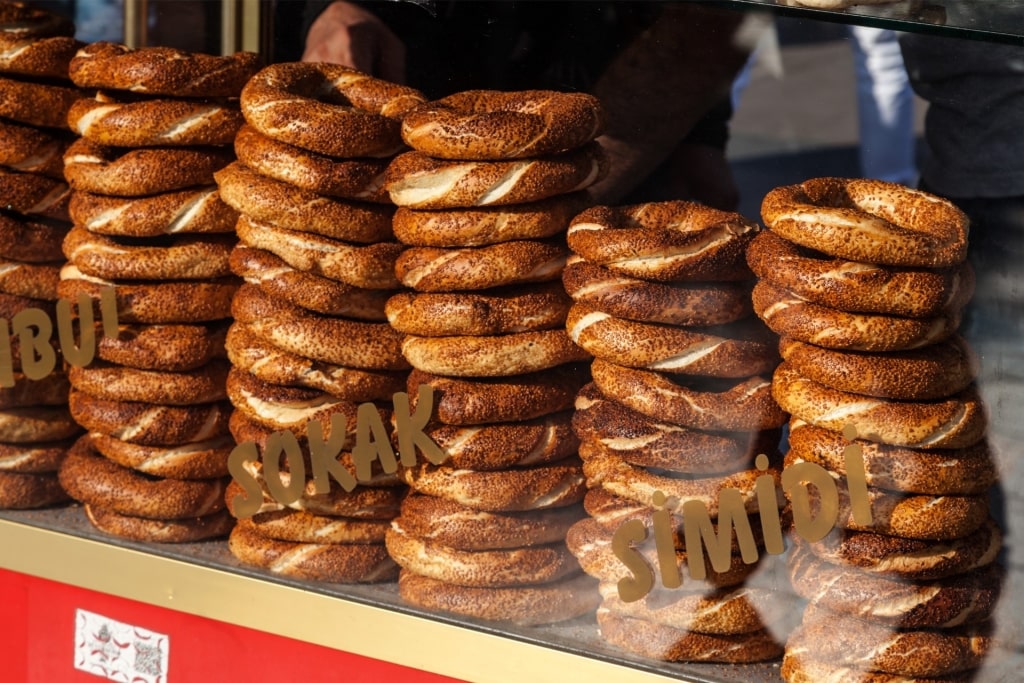
Simit
You’ll see picturesque “simitçi” carts at train or metro stations, ferry landings, and anywhere else a crowd gathers. For the freshest ones, pop into any bakery—although they’ll cost very slightly more.
Kokoreç
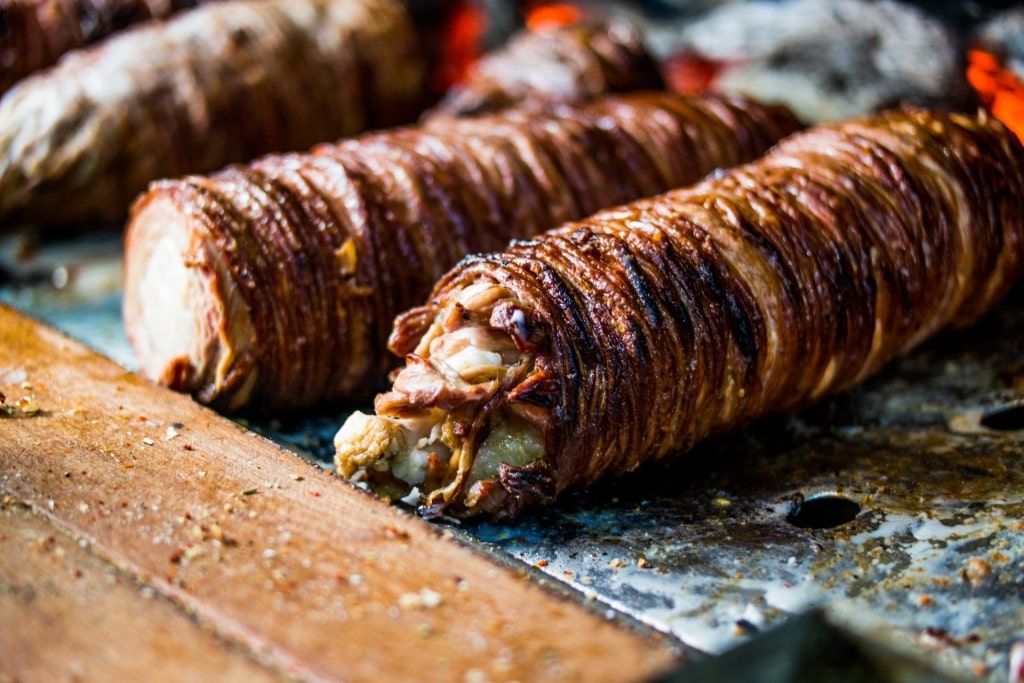
Kokoreç
Kokoreç is made with sheep or goat intestines, seasoned with vinegar, tomato, herbs, and spices. It’s then wrapped around a skewer—often with sweetbread inside—and slowly roasted, preferably over a charcoal grill.
If you’re already a fan of chitlings or chicarrón, this is a food you have to try. It’s crunchy, spicy, and tastes as good as its fragrant cooking smell.
Kokoreç is another street food that goes well with the salty taste of aryan or with turnip juice. It’s served chopped and mixed with tomato and/or chili on bread, or whole on a plate.
Read: Two Days in Istanbul
Midye Dolma
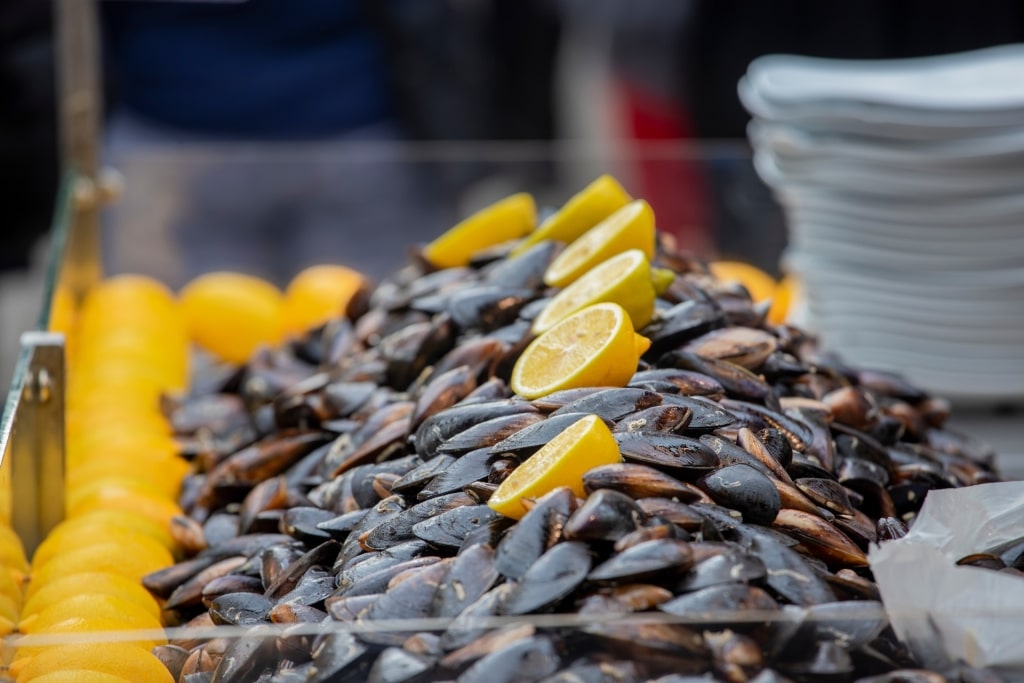
Midye dolma
Mussel stands are a common sight in Istanbul, particularly around the Bosphorus shoreline. You’ll see piles of mussels on display with heaps of bright yellow lemons beside them.
These midye dolma are mussels stuffed with a spiced mix of rice, currants, and pine nuts. They are steamed, then served by twisting off the top shell to use as a spoon after a squeeze of lemon.
If you’re anxious about eating mussels, particularly in the hotter months, look out for midye tava. For this, a few mussels are skewered, then dipped in a light batter before deep frying.
Kestane
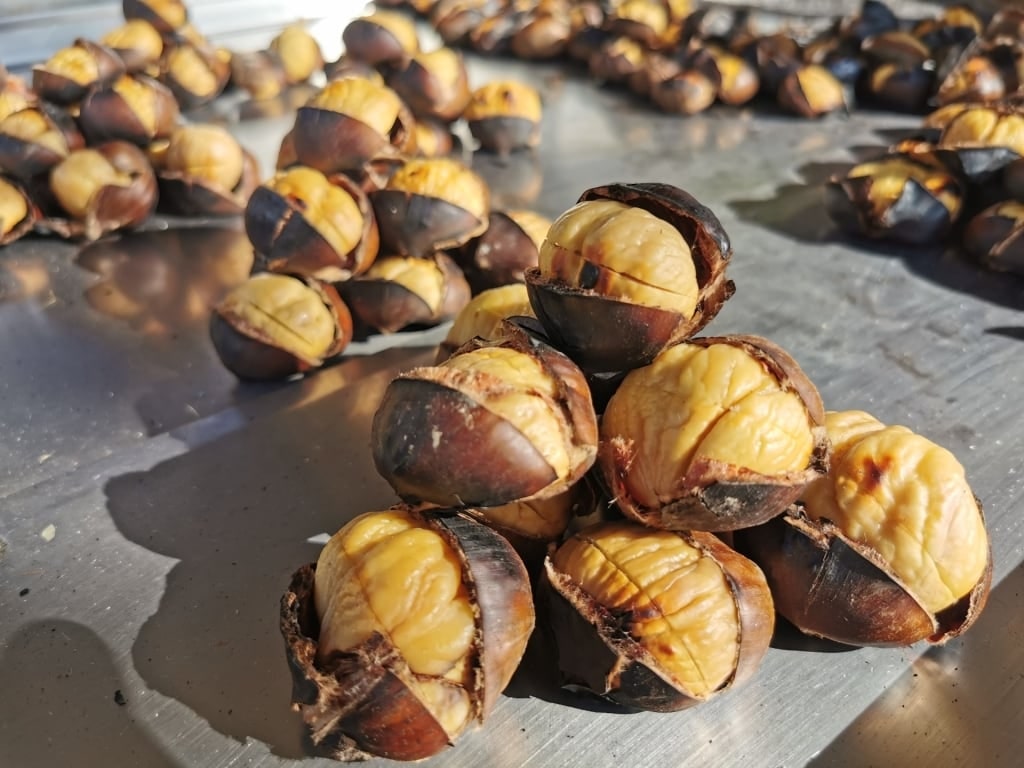
Kestane
As a traditional autumn and winter treat, the first roasted kestane are a sign of colder weather coming. These chestnuts are roasted over hot coals in drums, then sold in deftly-wrapped paper cones.
A smoky kestaneci cart against the low winter sun is one of the most photogenic sights of Istanbul. You can warm yourself up at the brazier while awaiting your order, and strolling around eating the chestnuts is a great pastime.
While usually served plain, candied kestane sekeri are an option popular with children. You’ll also find these in grocery stores, where they make a tasty Istanbul souvenir.
Süt Mısır
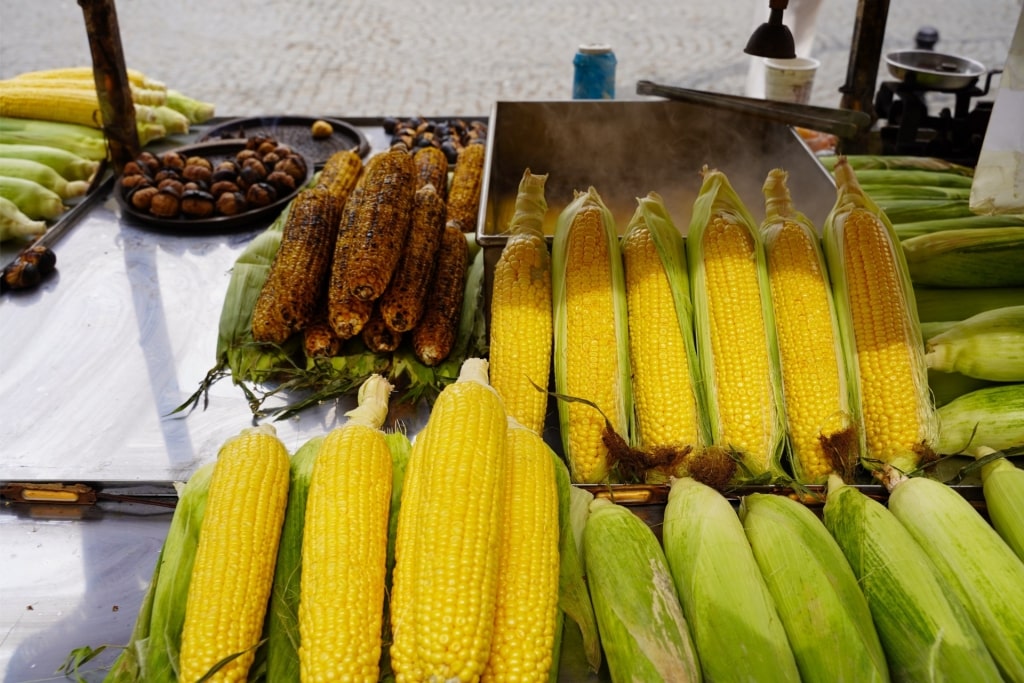
Süt mısır
Wherever you find roasted chestnuts, you’re also likely to find roast süt mısır, which is maize or sweet corn. Once commonly served as corn on the cob, it’s now also seen in cups to which you can add spices and butter.
Süt mısır literally means “milk corn”, from the milky juice of fresh maize. As well as being grilled, adding a nice char to the taste, you’ll also find it boiled—a delicious option when really fresh.
Pilav
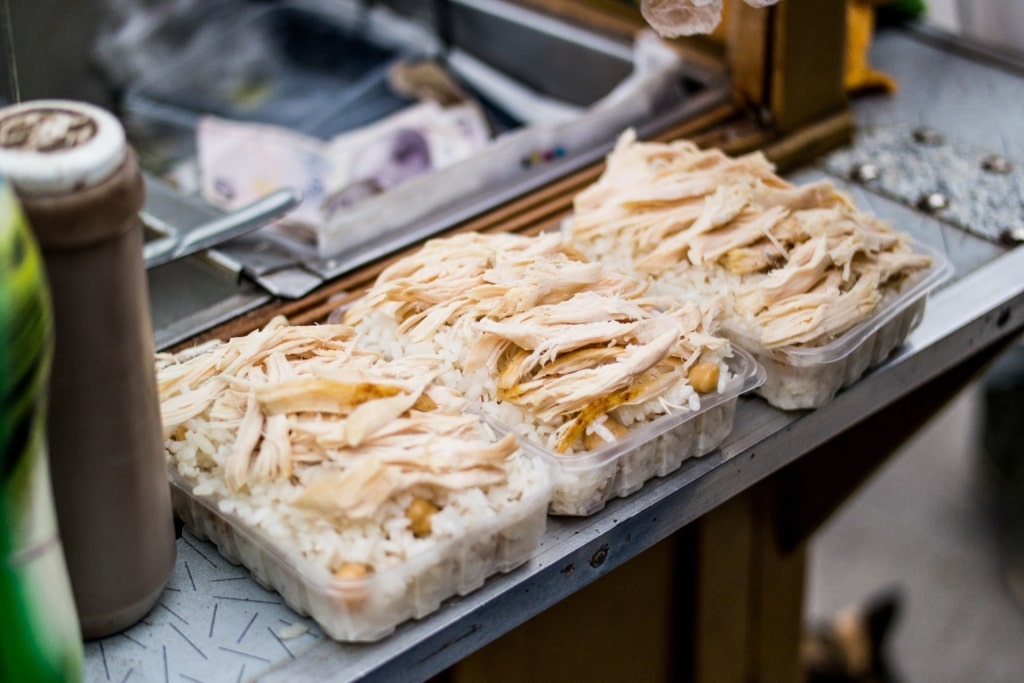
Tavuklu pilav
Rice has an important place in Turkish cuisine, as you’ll see often in Istanbul’s street food. Most commonly it’s served as pilav, traditionally mixed with chickpeas.
It’s usual to fry the rice in butter before boiling in a broth—often chicken. Tavuklu pilav, or chicken pilaf, is a common option, topped with shredded chicken.
Any tendency to blandness is kept at bay with liberal dashing of tomato sauce, spices, or pickles. You’ll also find vegetables such as cucumbers, peas, or carrots added for more flavor and bulk.
Çiğ Köfte
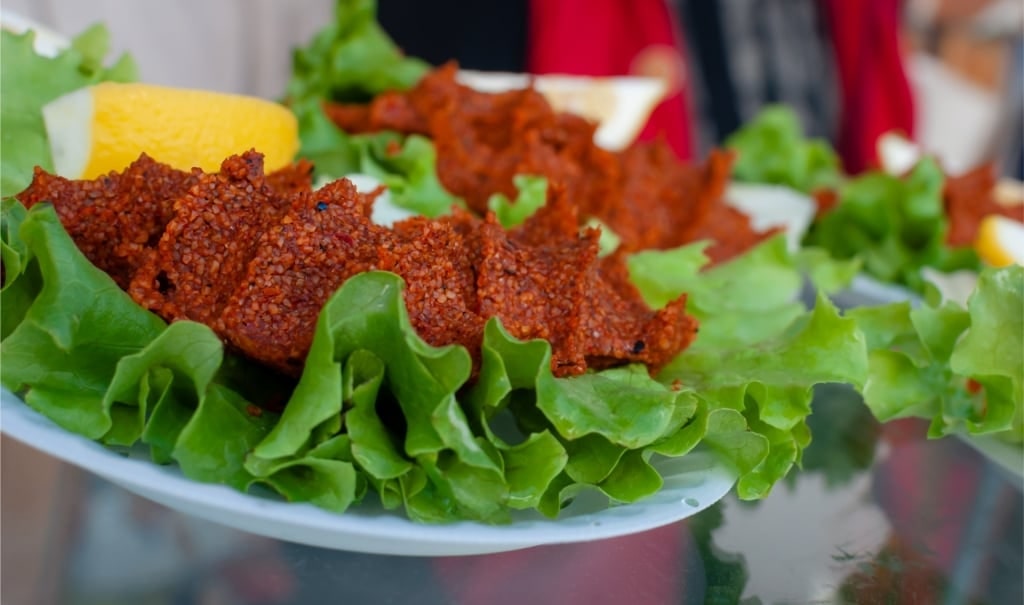
Çiğ köfte
Çiğ köfte means “raw meatballs” but the actual use of raw meat is now banned by law. With no meat or dairy, this must be one of the world’s oddly-named vegan dishes but do note it might now contain chopped nuts.
Traditionally, the meat was pounded with cracked wheat bulgur and a generous mix of spices. Now, it’s just the bulgar that’s soaked, then kneaded together with ingredients such as tomato, pepper paste, onion, parsley, spices, and pomegranate syrup.
Rolled into small ovals, it’s served in a lettuce leaf with a dash of lemon juice. Great with a glass of aryan, it’s cheap, chewy, tasty, and filling.
Döner Kebab
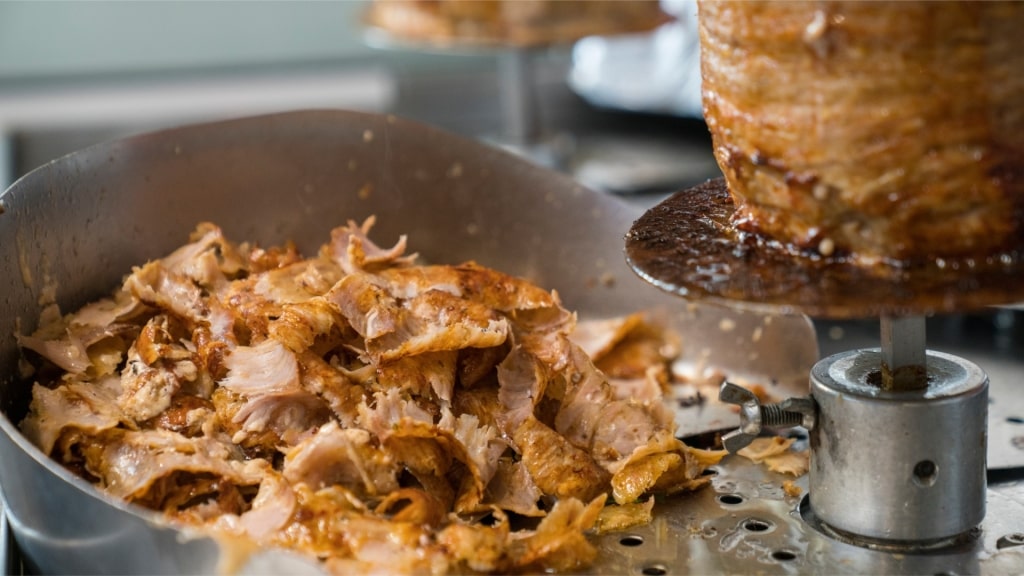
Döner kebab
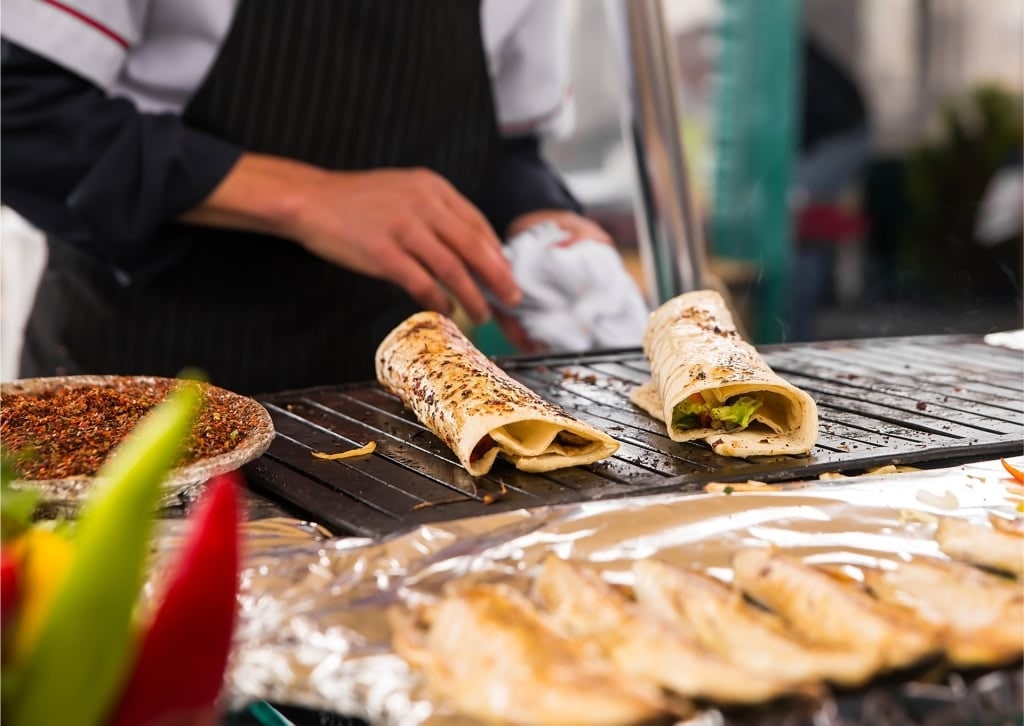
Döner kebab may be the best food in Istanbul we are all most familiar with. Layers of meat, usually lamb or beef, are grilled on a vertical spit, then shaved off.
The most popular way to eat döner on the street is wrapped in lavash flatbread or in a bread roll. Toppings will include tomato, onion, fresh herbs, and it might come with fries.
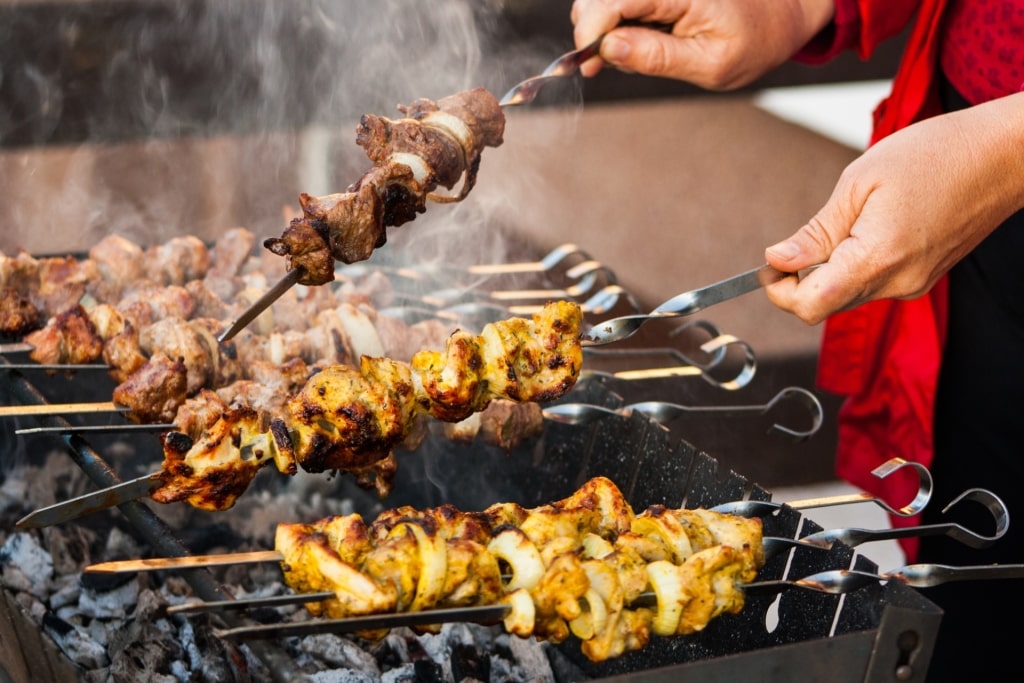
Şiş kebab
Popular options include adding cheese, or serving in a kumpir baked potato. Şiş kebab is very similar to döner but the meat is grilled on individual skewers.
Kumpir
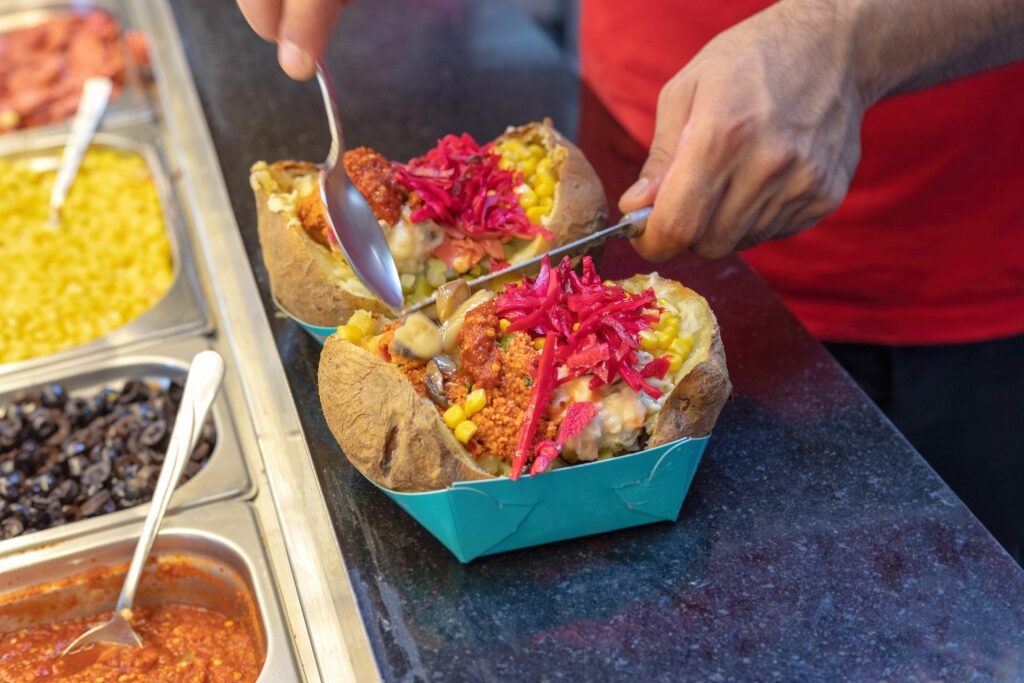
Kumpir
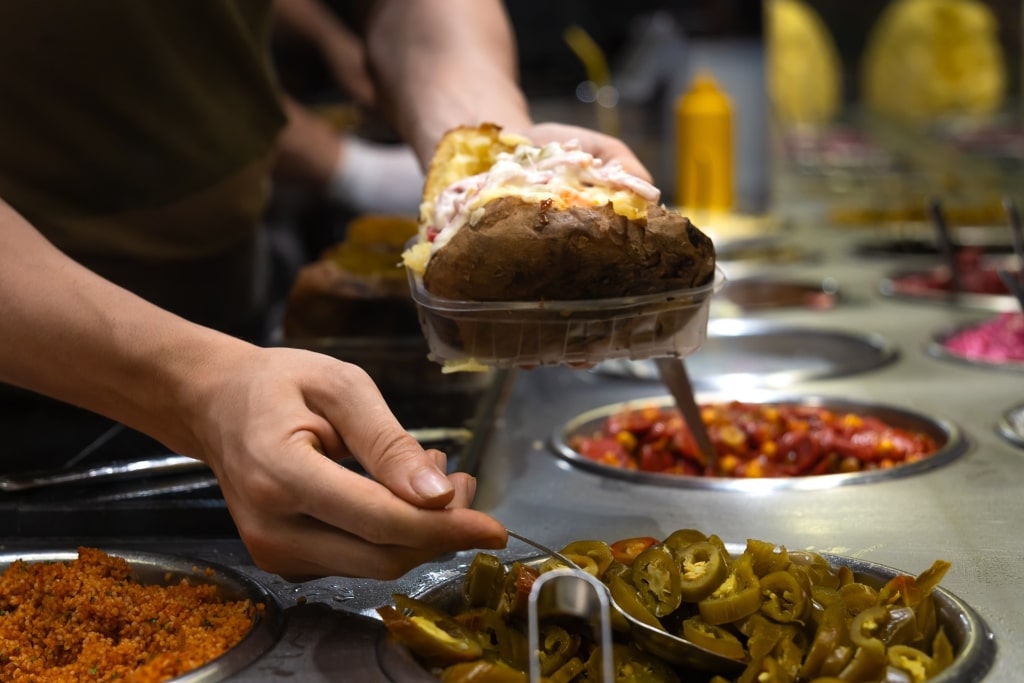
Kumpir is a large baked potato, whose cooked innards are forked up with butter and Kaşar cheese. It is then loaded with toppings such as sausage, Russian salad, corn, and chopped pickles to taste.
Baked potato is always great comfort food but Istanbul’s version will impress you with the range of those toppings. It’s easy to go overboard with choices such as red cabbage, yoghurt with herbs, mushrooms, olives, or kısır—wheat salad.
The most popular place for kumpir is the tourist-friendly Ortaköy waterfront. Seen as a “foreign” food at first, they have really grown in popularity with Istanbul locals.
Börek
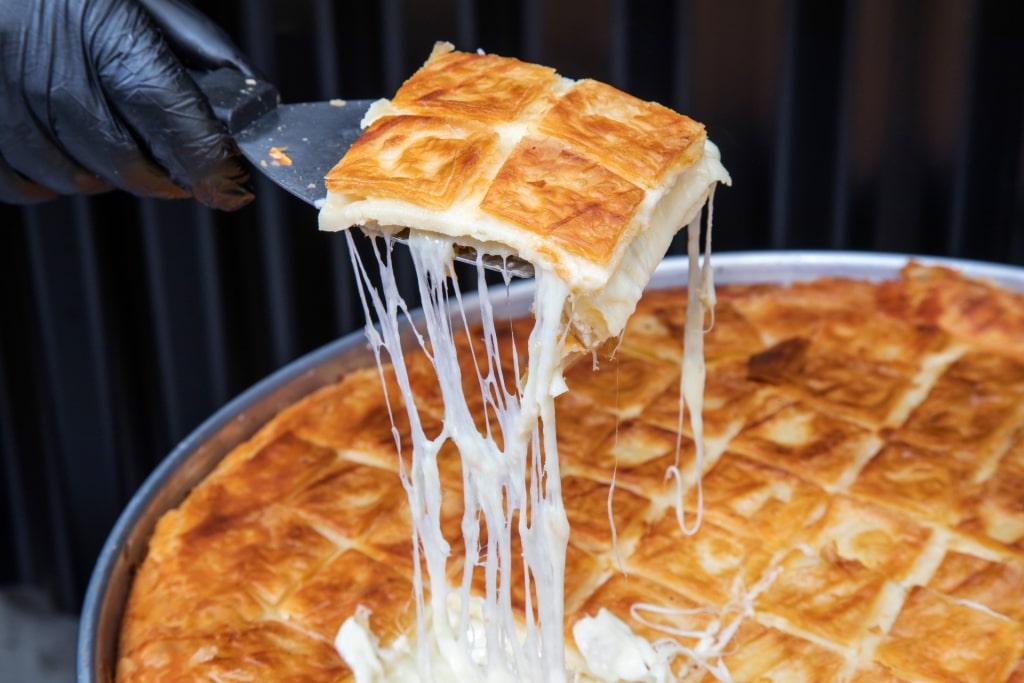
Börek
Börek is a flaky filo pastry parcel that comes with various fillings. Peynirli is with cheese, ıspanaklı with spinach, and kıymalı with ground meat, for example.
Like a croissant, each layer of pastry is brushed with butter or oil. That gives the börek lightness but also makes it more filling than it looks.
It’s easiest to find them in specialised bakeries where you have the option of eating in or take-out. As well as savoury options, you’ll also find sweet choices, such as walnut and cinnamon, some of the best street food in Istanbul for anybody with a sweet tooth.
Gözleme
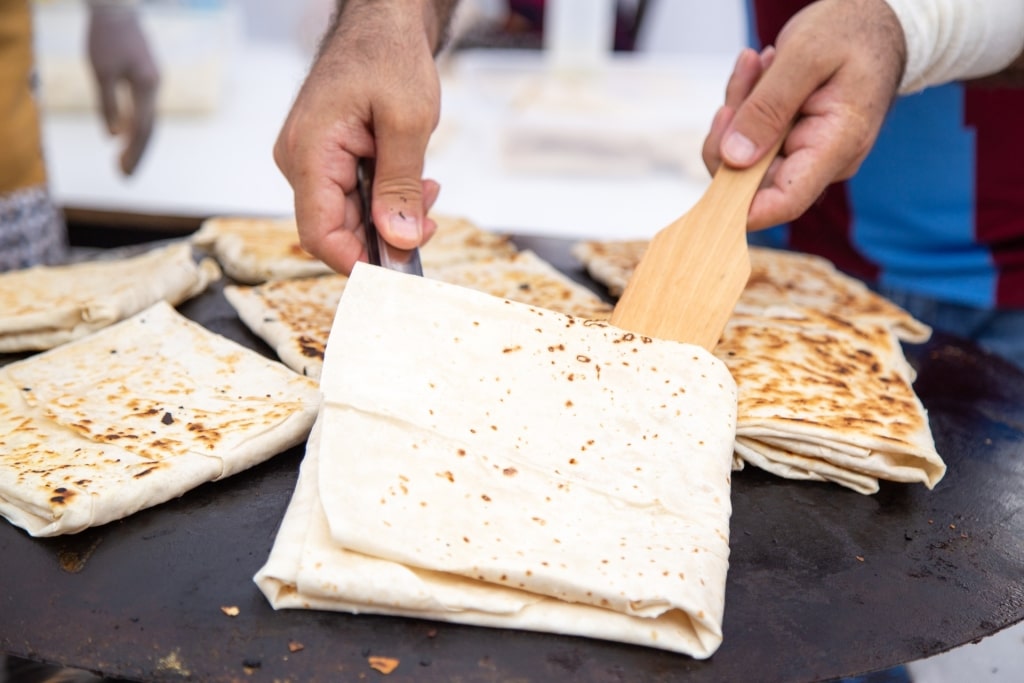
Gözleme
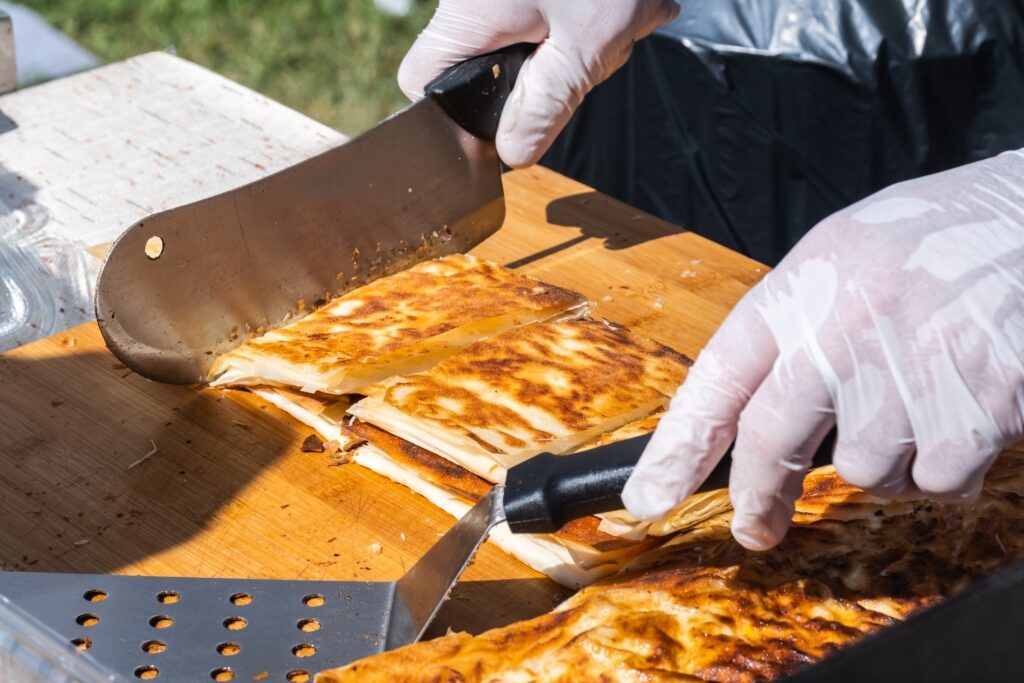
Gözleme is a hand-rolled pancake that’s cooked on a domed or flat griddle. Looking like a crepe, it comes with similar fillings to börek.
Without börek’s multiple layers of buttered pastry, gözleme isn’t as greasy but is chewier. It also tends to one main ingredient such as cheese or Nutella, and is popular for breakfast or lunch.
The best is made fresh to order, traditionally by country women in roadside stalls. You’ll now also find many dedicated creperie-style gözleme restaurants.
Lahmacun
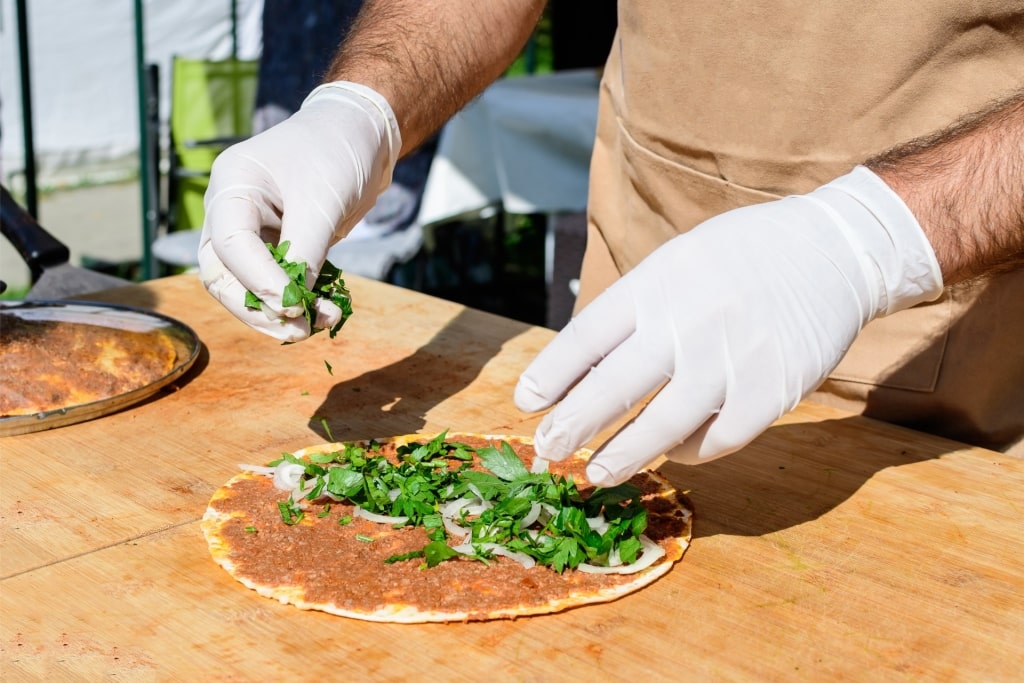
Lahmacun
Often called “Turkish pizza”, lahmacun is a tasty flatbread with toppings such as minced meat, vegetables, and herbs. You usually add extra arugula, parsley or other fresh herbs, and sliced onion before rolling it up to eat.
As with pizza, lahmacun is a simple dish that can be divine when made well. Search it out at local bakeries or kebab shops, preferably ones with a wood-fired oven.
There’s great variety in lahmacun, so you can find vegetarian options and ones in a spiciness range from very mild to fiery hot. A small glass of aryan is a traditional pairing, bringing some sweet-sour tastes to the mix.
Dondurma
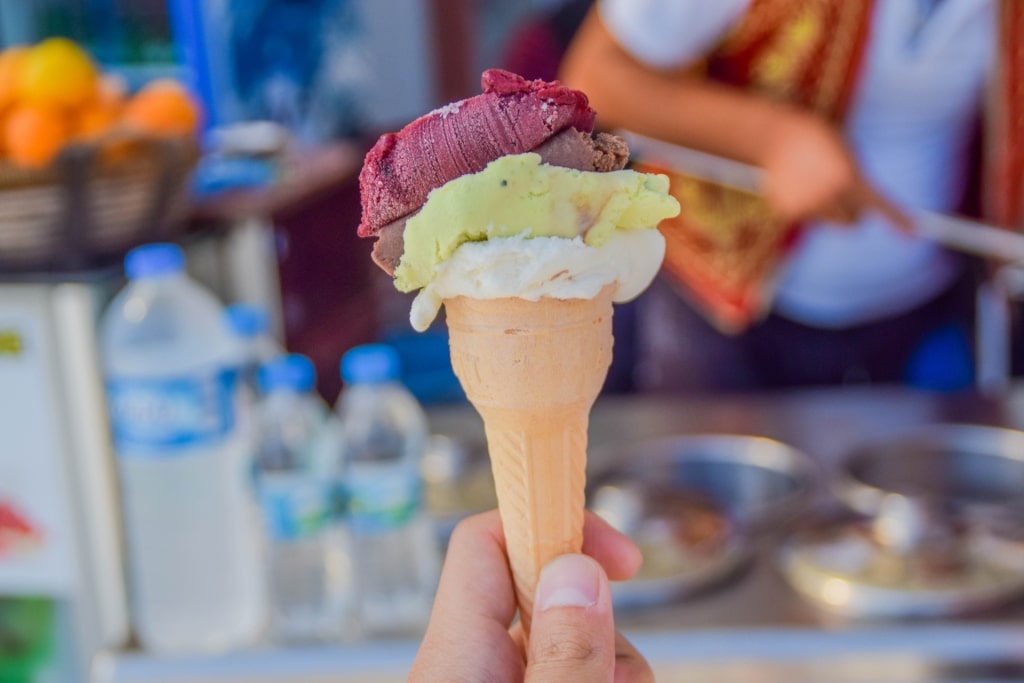
Dondurma
Turkish ice cream is as famous for its entertaining servers as it is for its unique texture. Thickened with mastic and salep, the flour of wild orchids, dondurma is thick and stretchy.
The vendors have become showmen in their presentation, with tricks such as pretending to hand over a cone before snatching it back. The best can attract a large crowd to watch their mesmerizing sleight of hand.
Dondurma is usually vanilla but you can find other flavors. Denser than the ice cream you might be used to, it does melt more slowly in Istanbul’s summer heat.
Read: Best Things to Do in Istanbul
FAQs
What are the most popular street food dishes in Istanbul?
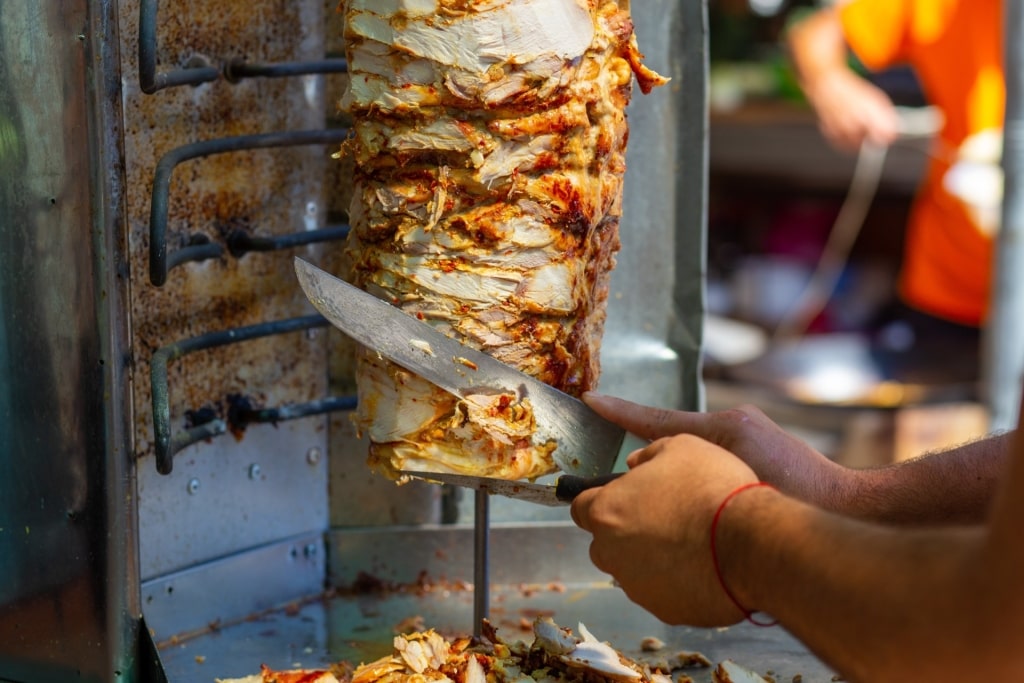
Döner kebab
Döner kebab, balık ekmek, and simit are the most popular Istanbul street foods. Lahmacun and, in season, midye dolma are also easy to find, while many local people love Kokoreç.
Where can I find the best Istanbul street food?
Döner kebab
For the best Istanbul street food, Eminönü is noted for balık ekmek, while the Grand Bazaar area has the best döner and lahmacun. In Karaköy and Galata, you’ll find excellent börek, and Ortaköy is famous for its kumpir.
Take a ferry to Kadıköy on the Asian side for a distinctive food scene that’s less visited. It’s the original home of the vertical iskender kebab and is also famous for its kokoreç.
Is it safe to eat?
Kumpir
Istanbul street food is generally safe if you follow the usual common-sense rules. In many of Istanbul’s neighborhoods, eat where you see locals going, pick a place with high turnover, and preferably see the food being freshly cooked.
Are there vegetarian options?
Gözleme
Simit, börek with cheese or spinach, midye dolma, and kumpir are all vegetarian-friendly, while gözleme or grilled corn is always a safe option. Some other dishes that look vegetarian might contain meat stock, but that’s not an issue unique to Istanbul.
Istanbul
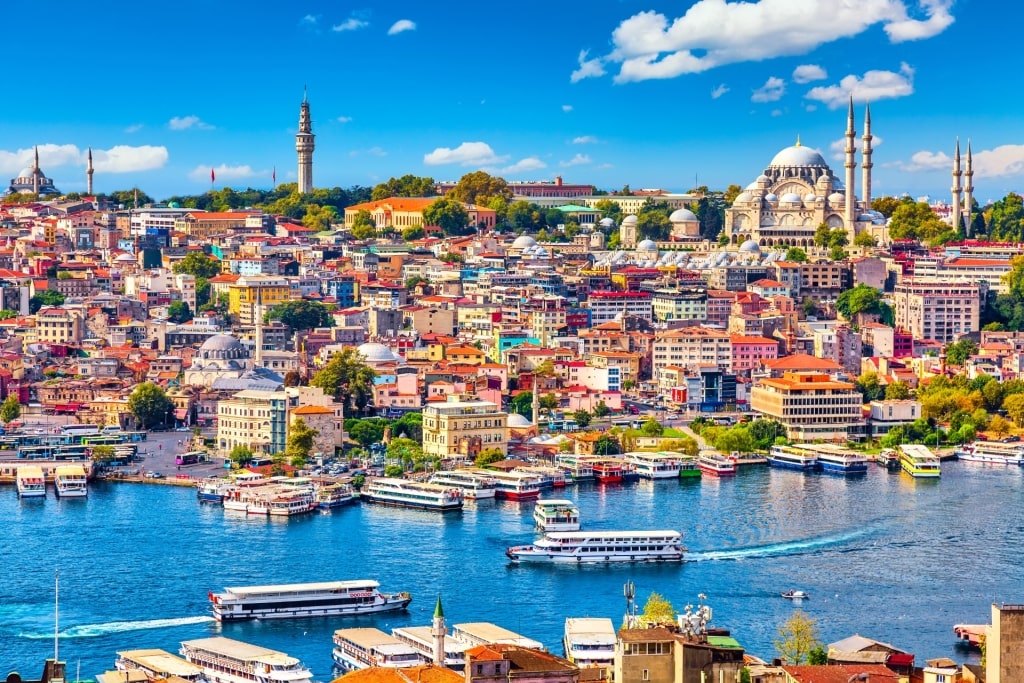
Has this ultimate guide to the best of Istanbul street food given you the taste for a visit? Browse Celebrity’s cruises to Istanbul and plan your gourmet adventure.