Italy has likely captivated your poetic imagination at least once in your life, with the country’s storied history, delicious regional foods, and renowned museums like the Accademia Gallery in Florence—featuring Michelangelo’s David—or the Vatican Museums.
With long stretches of glorious Mediterranean coastline, seaside villages in gelato shades, distinctive islands, and gloriously sunny weather, no one would ever fault you for daydreaming of Italy.
Learn for yourself what Italy is best known for. Here are 13 unforgettable sights and tastes that will soon have you dreaming of la dolce vita.
Rome’s Antiquities

Colosseum, Rome
Rome’s rich history and larger-than-life monuments loom large in western civilization’s collective memory. Three days in Rome is enough to see the city in all its elegant beauty.
The Colosseum, synonymous with the city, was inaugurated in A.D. 80 by emperor Titus Vespasianus Augustus, and is infamous for hosting elaborate and bloody gladiator battles. Even today, this landmark is the largest amphitheater in the world.
Roman Forum, Rome
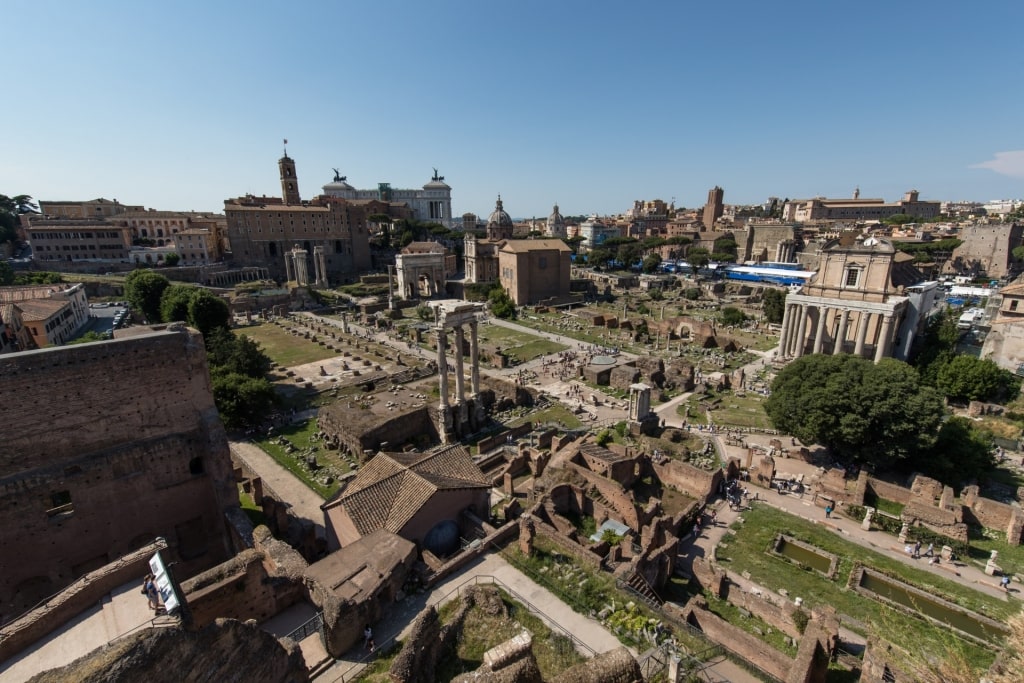
You can also visit the graceful columns of the Roman Forum, once the social and economic center of the city, an area of temples and marketplaces. There’s been a structure on this site since the 7th century BC.
Rome’s enormous Pantheon was once the largest dome on earth, serving as a temple, and then a church over the millennia, and still impresses with its spectacular interior dome and design today.
Trevi Fountain, Rome
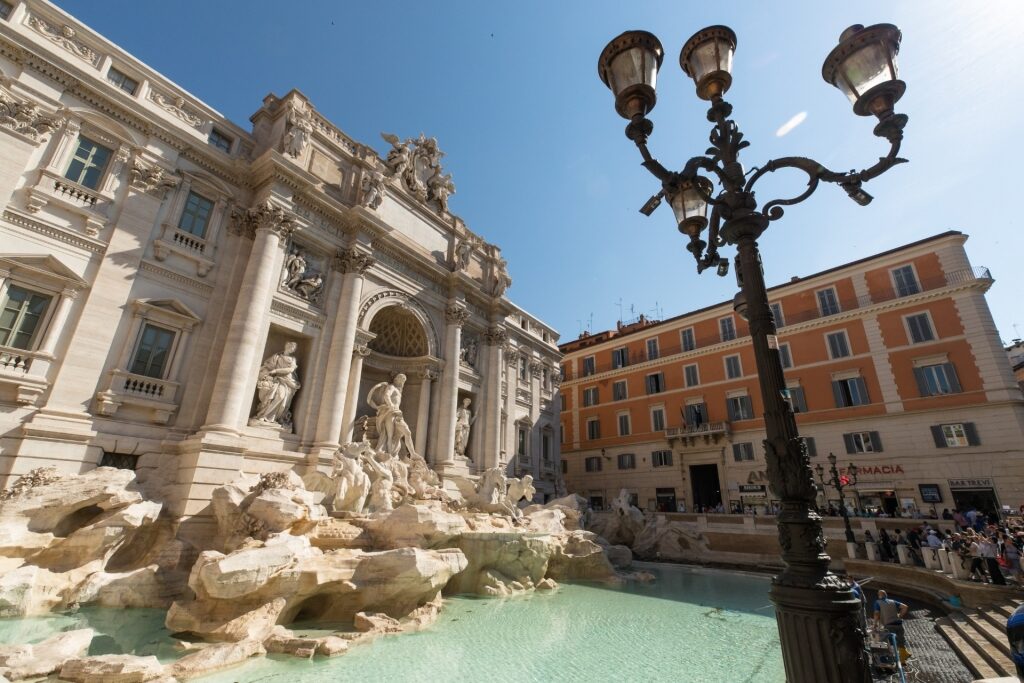
Of course, you don’t want to miss the gorgeous baroque Trevi Fountain, a dramatic Roman landmark of chariots, horses, and mythical figures looming over a turquoise pool. Toss a coin into the fountain, legend says, and you’ll return to Rome.
Gelato
Gelato
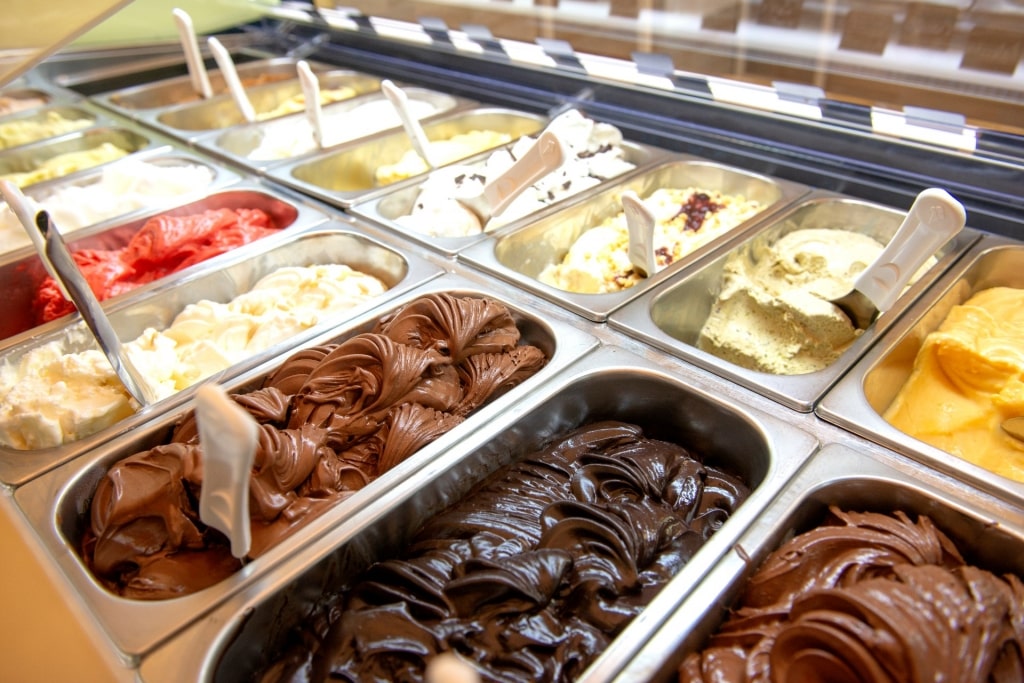
Gelato is synonymous with Italy, and Italy is where its modern incarnation originated. Ice has been used for millennia to cool drinks, but Arabs are believed to have invented flavored sorbet in the 11th century, importing it to Sicily, and using ice from Mt. Etna.
Modern gelato appeared during the Renaissance, but was the preserve of the rich, as ice was expensive. The delicacy became more widespread from the early 20th century onwards.
Florence
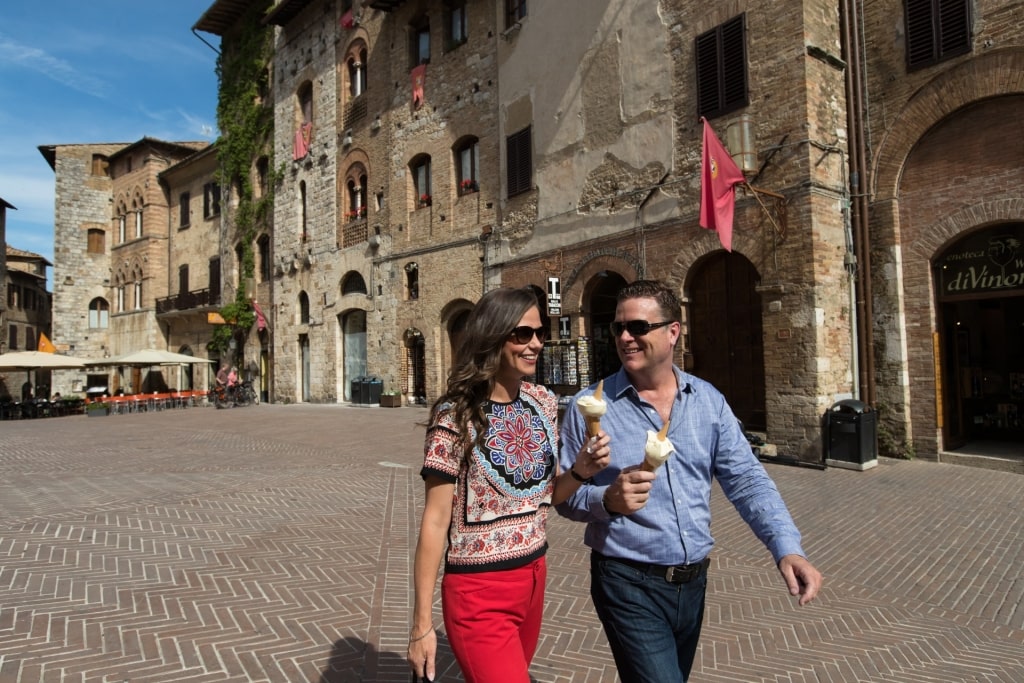
Now, gelato is everywhere in Italy, in dozens of flavors, and is absolutely irresistible on a hot day, for dessert, or even breakfast. It’s a matter of personal taste, but don’t miss a homemade pistachio or hazelnut flavor, or a decadent tiramisu gelato.
Venice
Venice
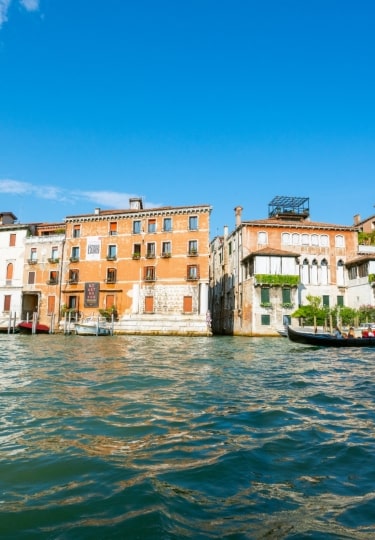
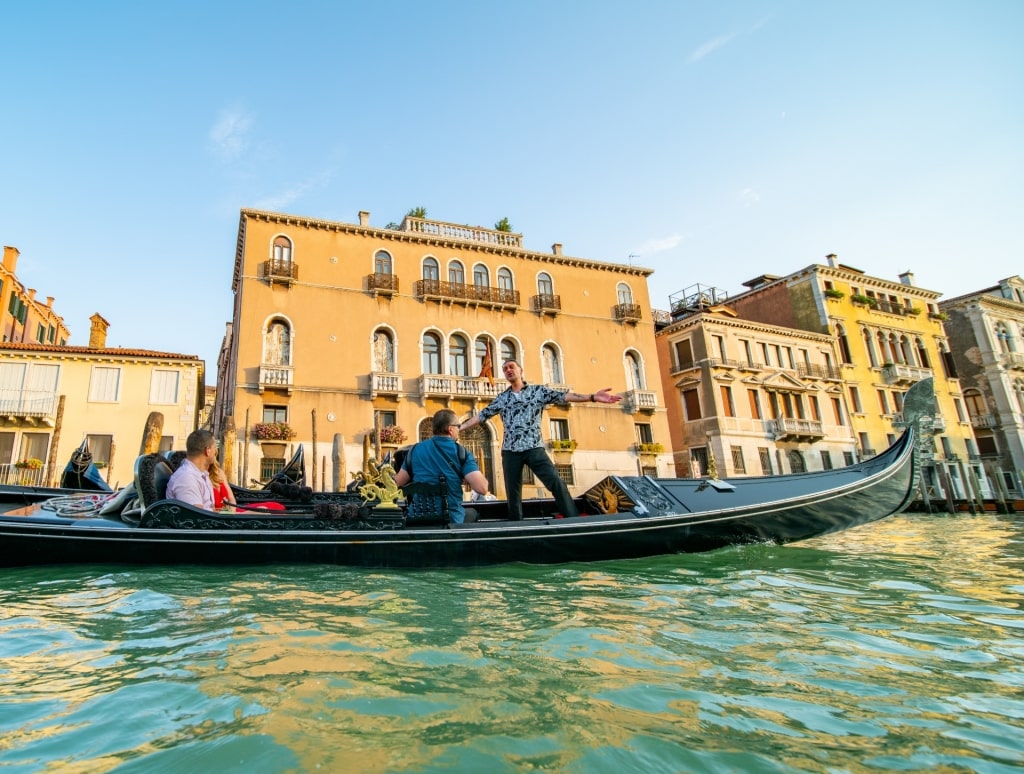
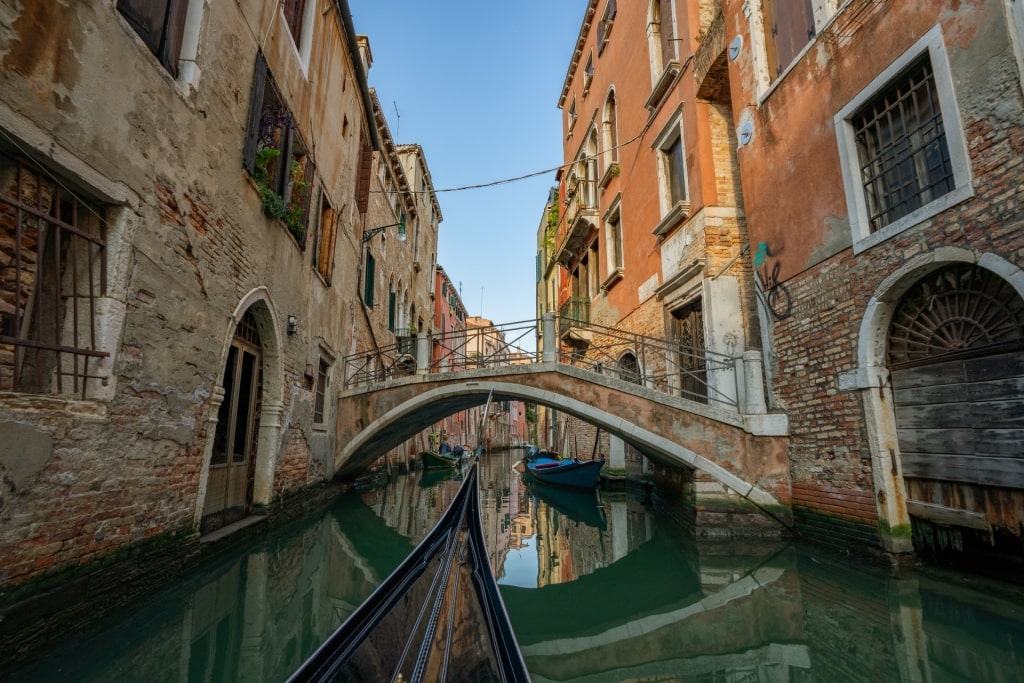
Venice’s greeny-blue canals, grand palazzi and elaborate St. Mark’s Cathedral put this former independent republic on the map.
As one of the most beautiful cities in Italy, there are so many symbols and icons associated with this enchanting place, you’ll soon lose yourself among its sleepy waterways.
The scenic Grand Canal, a little over two miles long, is a main focal point of the city, bustling with gondolas, vaporetti (water buses), and all manner of commercial craft.
Stand on the Rialto Bridge, or take a gondola ride along here and through the smaller canals, and feel the city’s deep connection to the water on which it’s built.
St. Mark’s Square, Venice
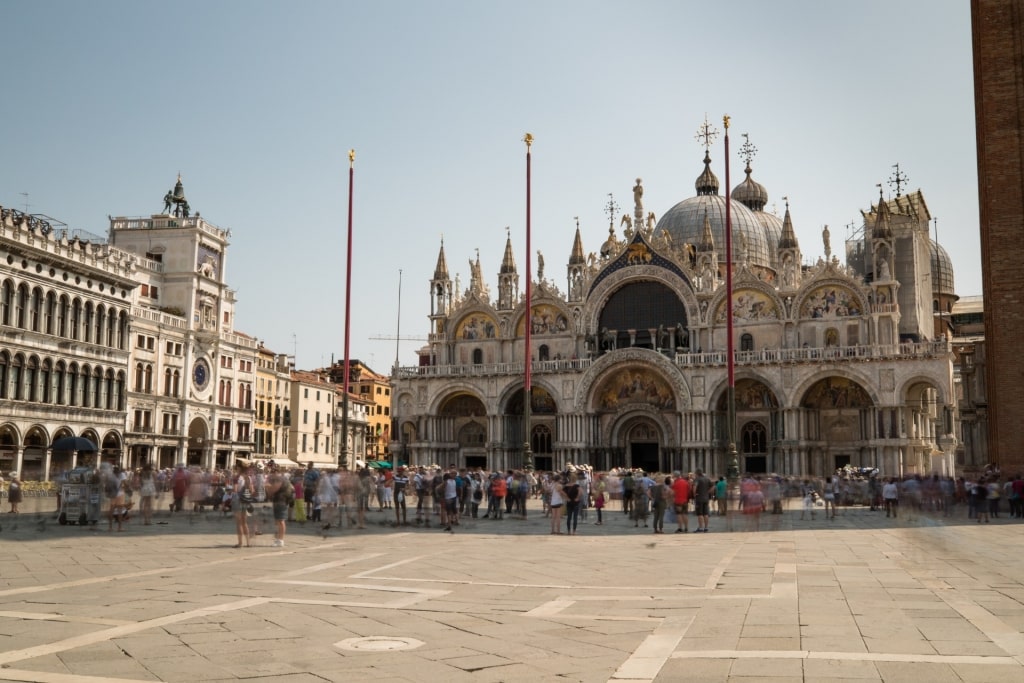
St. Mark’s Square is Venice’s main piazza, an expansive and elegant meeting place in front of St. Mark’s Basilica. One of the most beautiful churches in the world, the basilica’s current incarnation (rebuilding began in 1071 after a fire), with its five domes, is a showcase of Byzantine design.
Make sure you try to spot the four bronze Horses of Saint Mark statues on the façade – and take a tour inside, to see the jaw-droppingly intricate mosaics.
Doges’ Palace
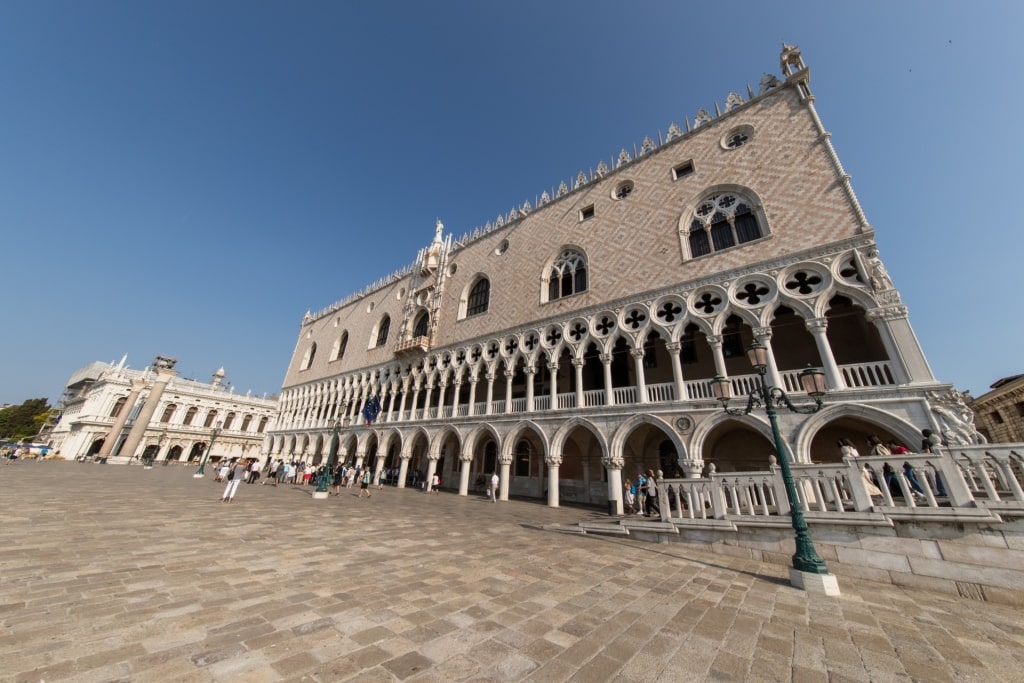
While you’re exploring the square, visit the ornate Doges’ Palace, where the dukes of Venice once resided, and where the city-state was governed from. The palace is a beautiful example of how Venetian, Gothic and Moorish architectural influences were able to align. It’s also famous as the place in which Casanova was incarcerated.
Read: Best Italian Honeymoon Destinations
Pompeii

Pompeii
The town of Pompeii in southern Italy was completely buried under volcanic ash in 79 AD during a cataclysmic eruption of nearby Vesuvius. It was then rediscovered in the 18th century, almost perfectly preserved.
A tour of this active dig site (much is still hidden by debris) will give you the chance to see the city’s amphitheater, forum, villas and even the poignant figures of some of Pompeii’s residents, who were covered in fiery ash, and are now preserved in plaster casts.
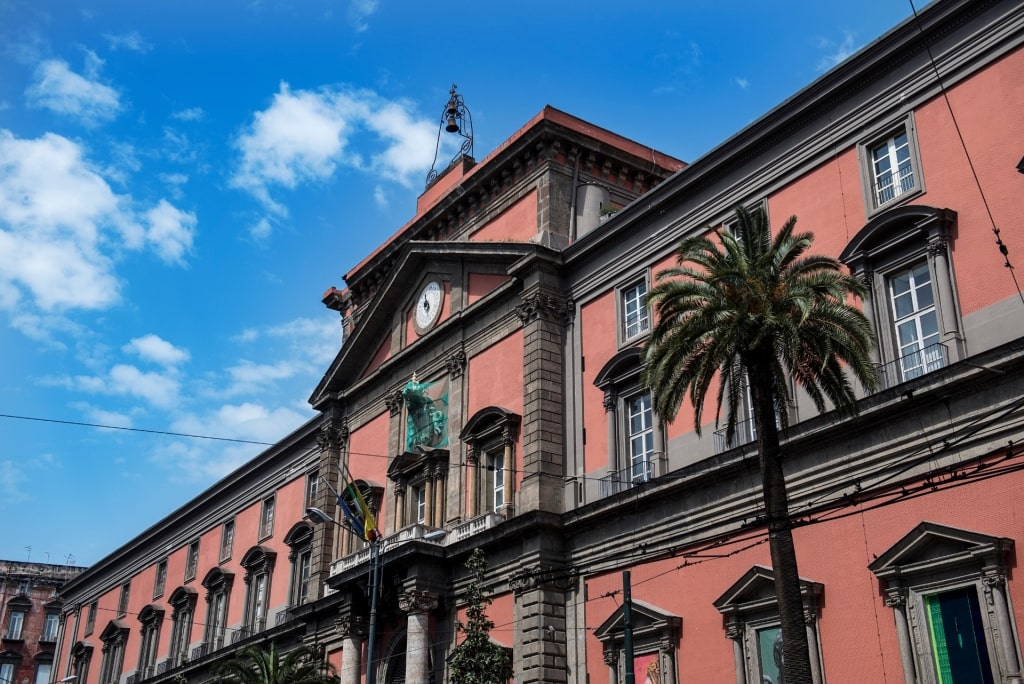
National Archaeological Museum of Naples
Today, Pompeii is a UNESCO World Heritage Site. Visit with a specialist guide, who will bring the ancient city to life. Complete your picture of this tragic place by visiting the National Archaeological Museum of Naples, one of the best art museums in Italy, which houses many of the artifacts excavated from the site.
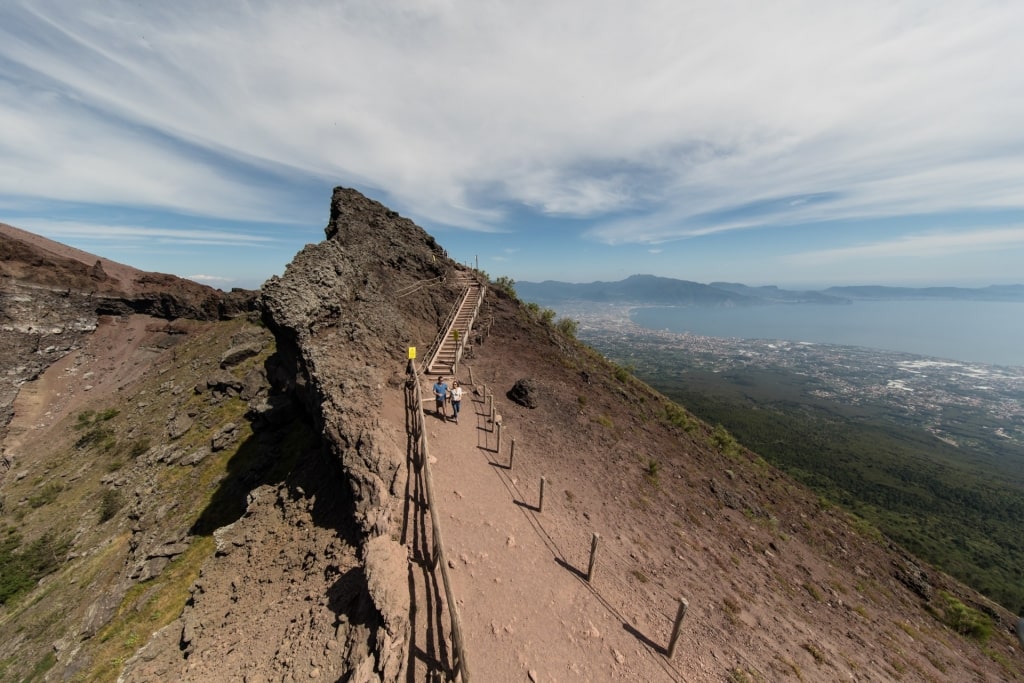
Vesuvius
It’s also possible to take a tour up Vesuvius, ending in a short hike, for views of the whole city and the glittering Mediterranean spread out below.
The Leaning Tower of Pisa
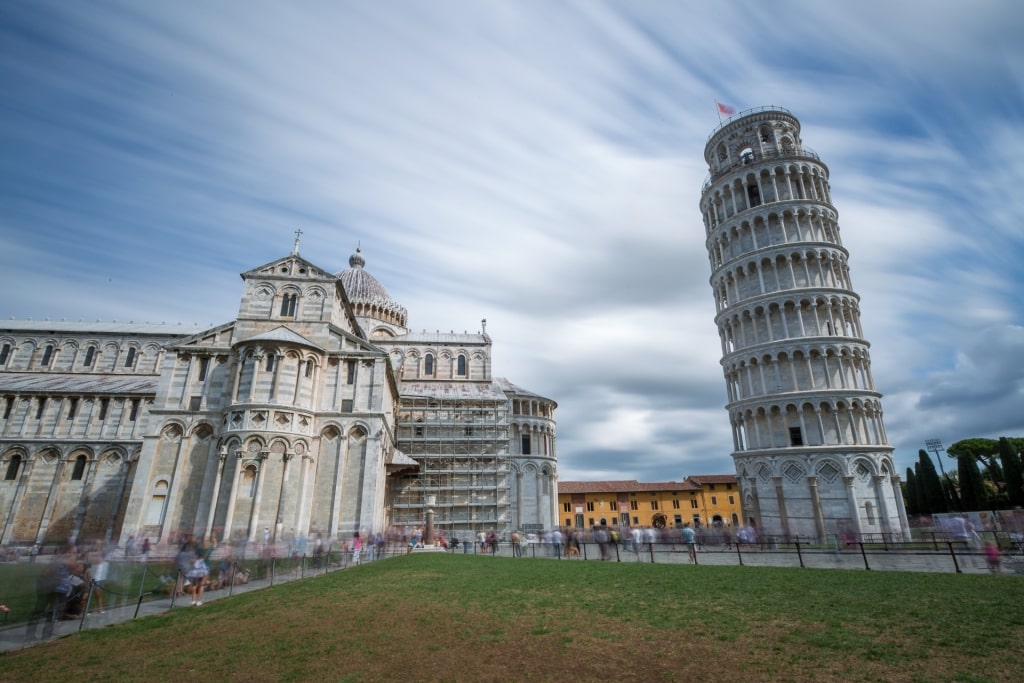
Leaning Tower of Pisa
One of the best things to do in Tuscany is to visit Pisa’s celebrated tower, which leans at an alarming angle.
This fetching Tuscan town is on the global destinations map thanks to this iconic 183-foot-high tower, a freestanding bell tower next to the Cathedral. Due to subsoil irregularities, this unique building now has an approximately four-degree slant—and has had some kind of tilt since the late 1100s.
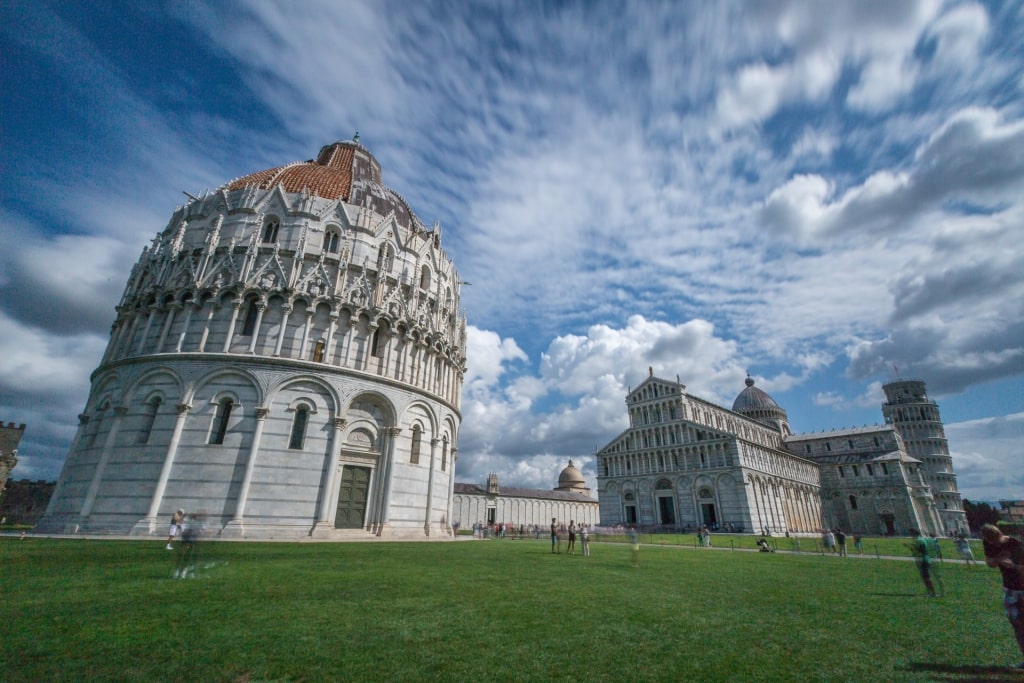
Piazza dei Miracoli
Pisa is also home to many other striking buildings that you’ll want to investigate, centered around the Piazza Duomo, also known as the Piazza dei Miracoli, or “Square of Miracles” due to the beauty of the marble monuments surrounding it, including the tower.
The octagonal Baptistery of San Giovanni, with its huge mosaic-covered dome, is one of these impressive edifices. While you take in San Giovanni’s white marble and green Prato marble outside, keep in mind that this is the largest baptistery on the planet. The Italian astronomer Galileo Galilei was baptized here as well.
Read: Visiting Italy With Teens
Pasta & Pizza
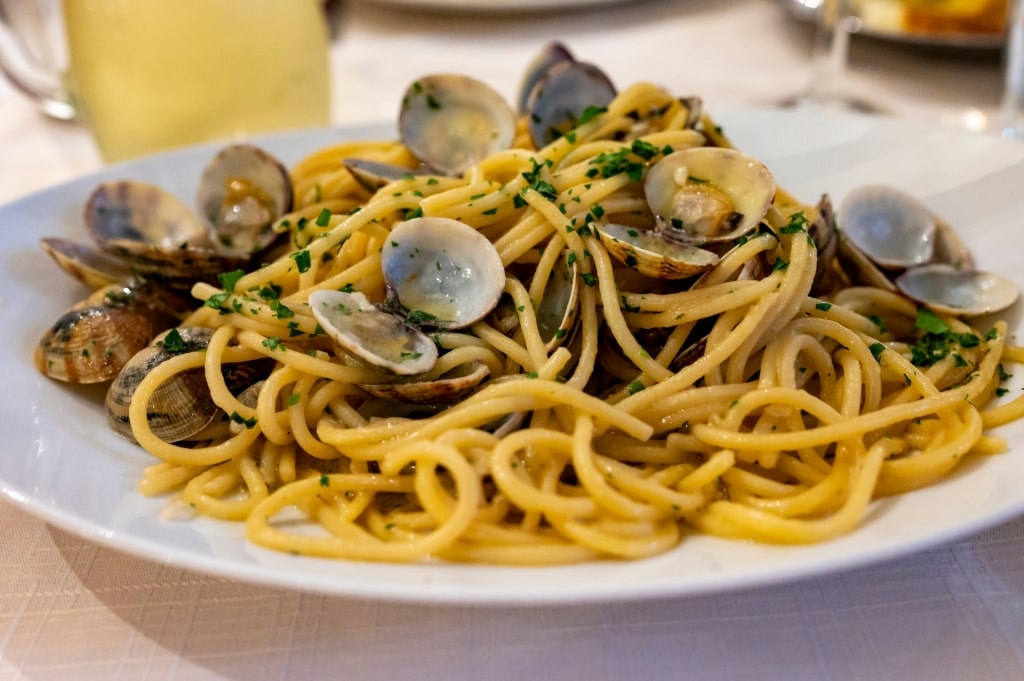
Vongole
What is Italy known for? Pasta, of course. And some, if not the best pizza in the world.
A comprehensive list of Italian pasta dishes would go on forever, but some of the high points include spaghetti Bolognaise, the Neapolitan spaghetti alle Vongole, ravioli, fettuccine Alfredo, stuffed tortellini, and lasagne alla Bolognese—one of the most popular dishes in Bologna.
Every family has its own recipes, handed down through the generations, and every Italian region has its own specialties.
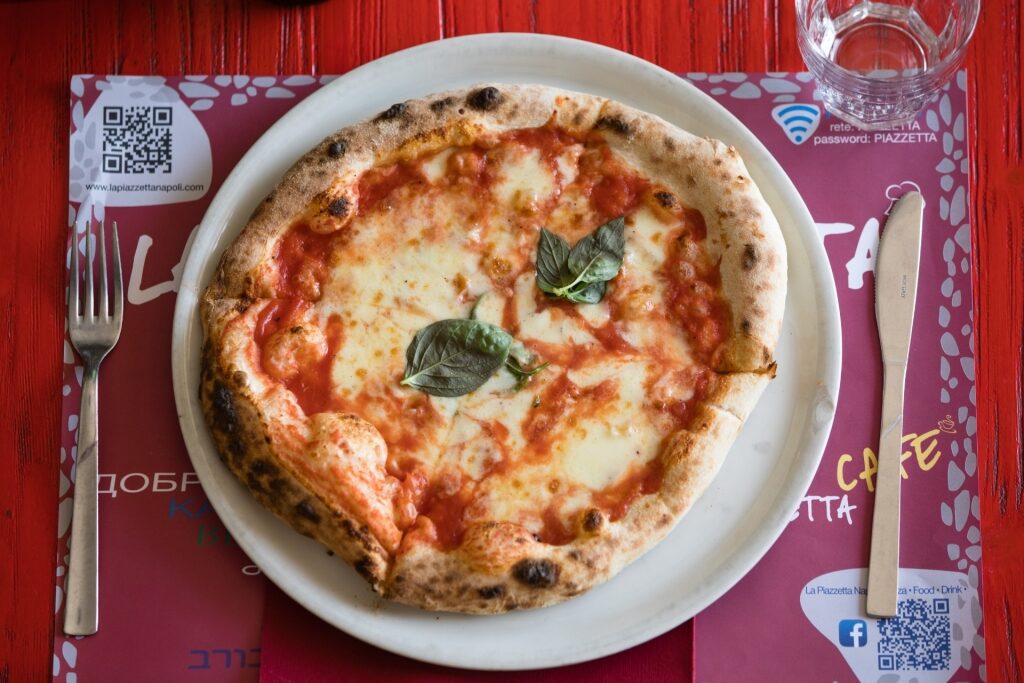
Italian pizza
If you’re accustomed to American-style pizzas, you should know that Italy, the birthplace of this world-famous pie, builds them slightly differently.
Pay attention to how Italian pizza crusts are made with fine Italian 00 flour (which involves less kneading), and how the pies tend to use a different amalgamation of herbs, olive oil and spices compared to their American cousins.
Recipes are simpler, too, and no self-respecting Italian would ever put pineapple on a pizza.
Naples is the home of pizza, and its long street, Spaccanapoli, which bisects the center, is the place to go for the real thing.
The Vatican
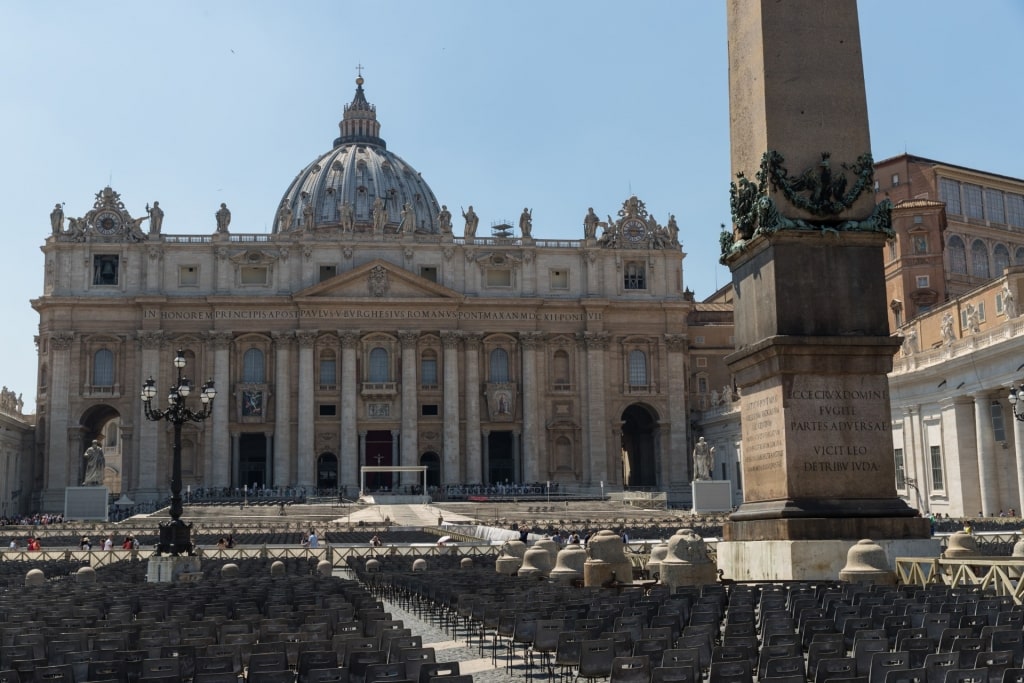
St. Peter’s Basilica, Vatican City
Vatican City’s art and architecture, along with its significance to Roman Catholicism, one of the largest religions on the planet, make this tiny city-state, encircled by Rome, one of Italy’s best-known destinations.
St. Peter’s Basilica and its prominent spherical piazza dominate the outdoor space here. Step inside and you’ll be awe-struck by the sheer grandeur of the cathedral.
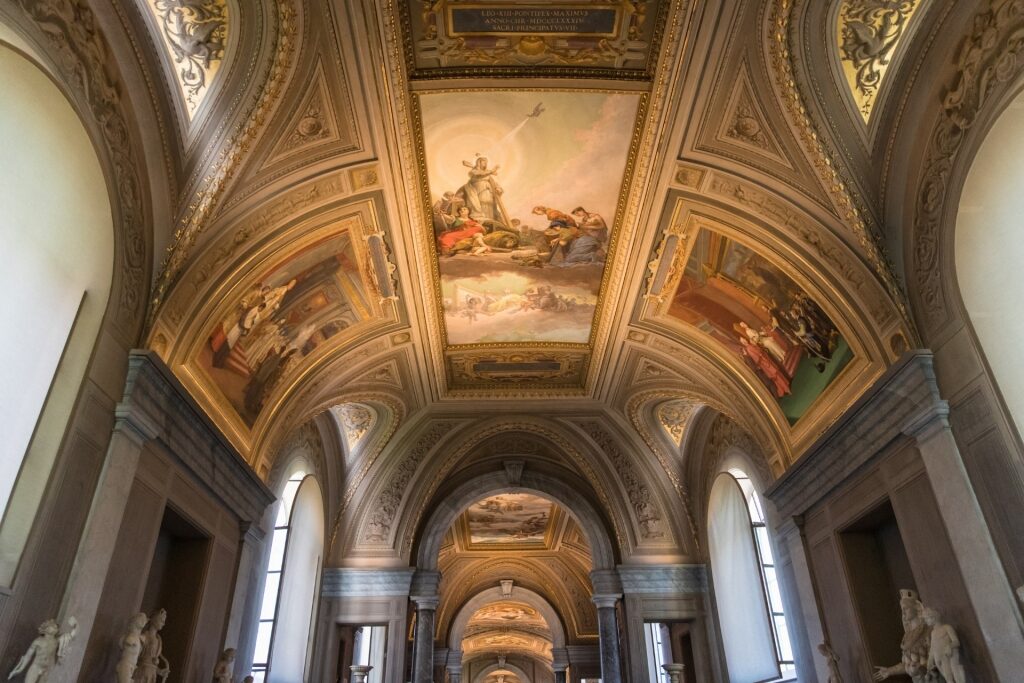
Vatican Museums
The 26 Vatican Museums inside the Vatican Palaces, accommodating the enormous art collection of the Holy See, boast tens of thousands of artistic masterpieces, from early Roman times until the Renaissance.
The Sistine Chapel’s heartbreakingly beautiful ceiling, painted by Michelangelo, is also part of the collection.
Fine Art
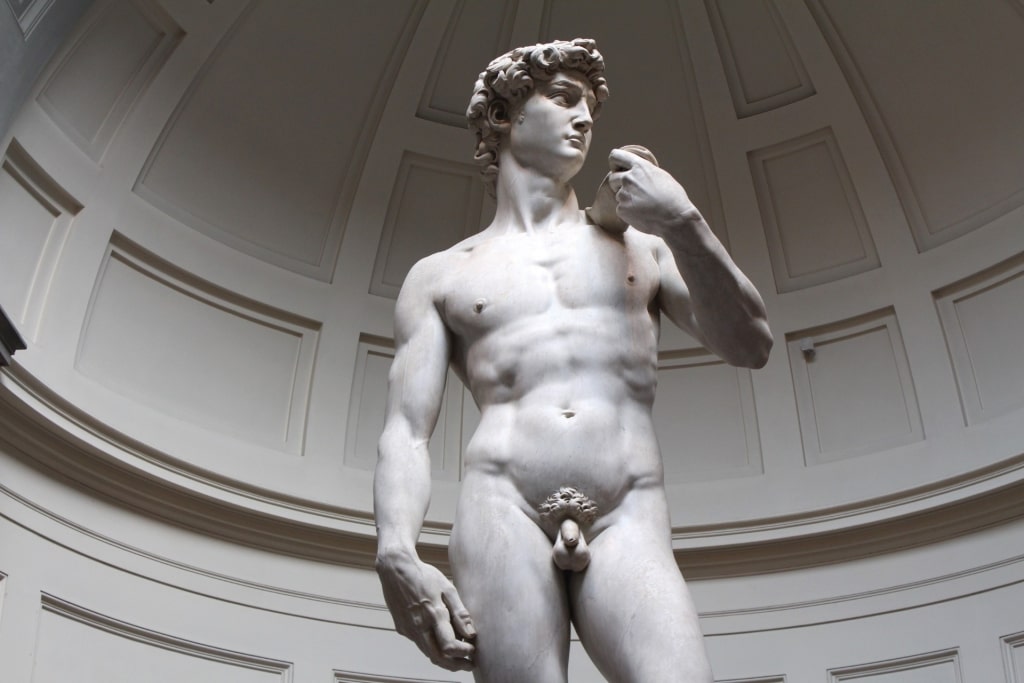
Michelangelo’s Statue of David in Galleria dell’Accademia, Florence
There’s art everywhere in Italy, although the country’s epicenter is Florence, capital of Tuscany.
Florence’s Galleria dell’Accademia houses the original David, one of the images Italy is best known for, along with other sculptures by Michelangelo, including his Slaves, as well as Giambologna’s plaster Rape of the Sabines, plus works by other notable artists.
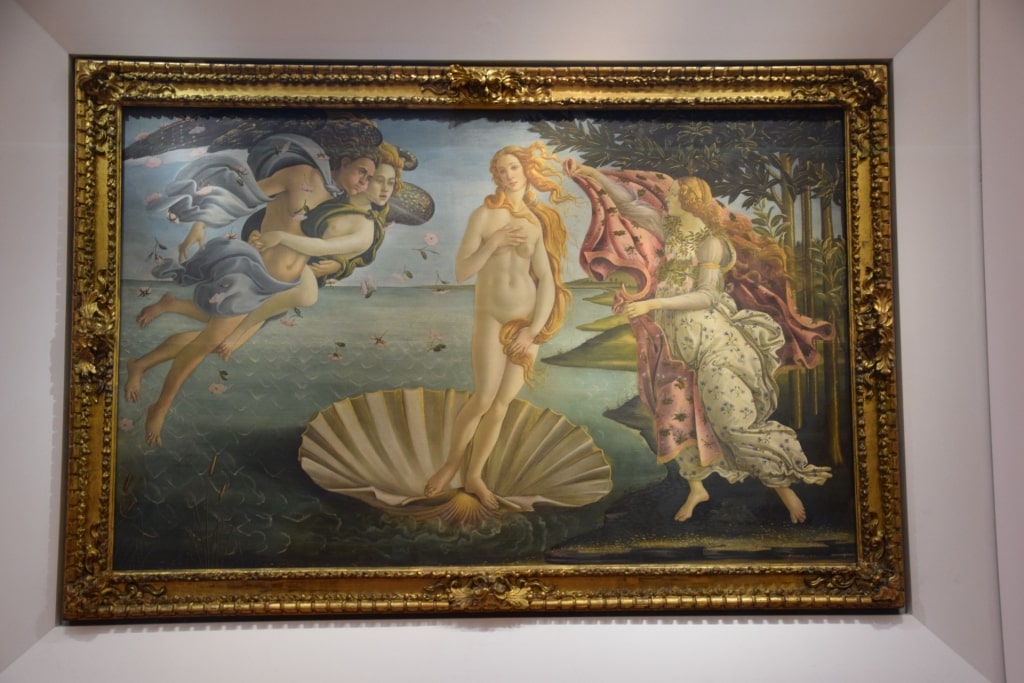
Botticelli’s Birth of Venus in Uffizi Gallery Photo by George M. Groutas, licensed under CC BY 2.0
The city’s other great gallery, the Uffizi, is where you’ll see The Birth of Venus by Botticelli, and Caravaggio’s startling Medusa.
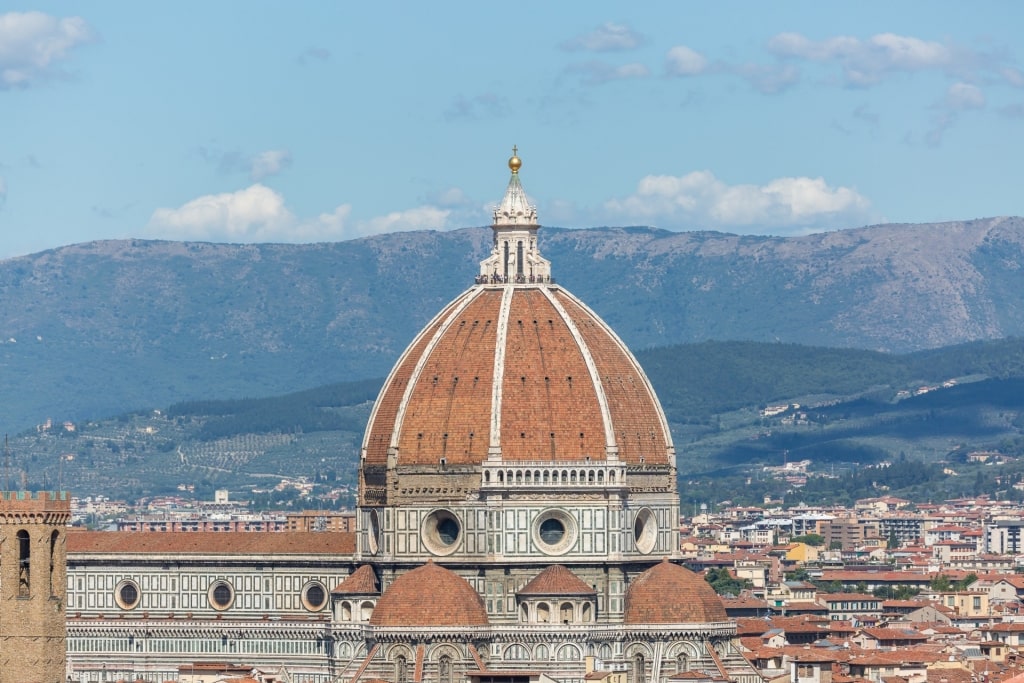
Duomo Santa Maria del Fiore, Florence
For more art in Florence, the Duomo Santa Maria del Fiore, the city’s cathedral, will catch your eye with Brunelleschi’s colossal Renaissance dome.
Multi-colored marble adorning the outside only adds to the cathedral’s splendor. The marble mosaic floors inside, with their beautiful, intricate patterns, are a work of art.
The Amalfi Coast
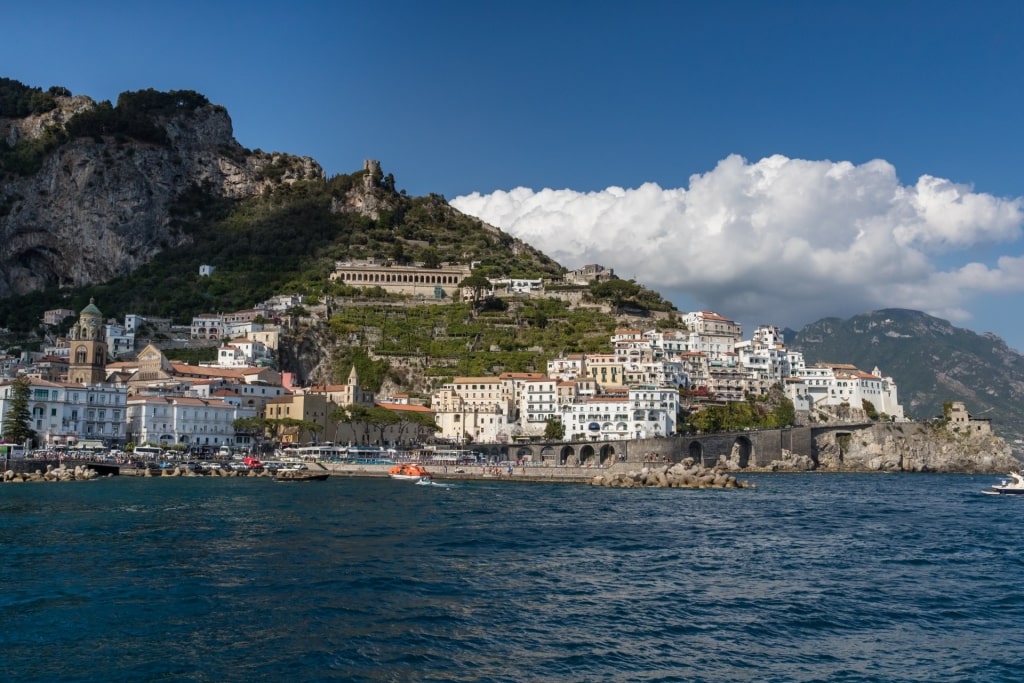
Amalfi Coast
The dreamy Amalfi Coast will offer you a slice of Italian Mediterranean perfection. The steep, rugged coast seemingly clings to the Lattari Mountains, next to the Tyrrhenian Sea, dotted with lemon groves, picturesque villages, vineyards, and olive cultivation.
If sand and sun appeal, spend some time at Maiori, one of the Amalfi Coast’s best beaches. Or give the adorable village of Minori a try, with its cluster of pastel-colored houses, neat beach, and quintessential Italian glamor.
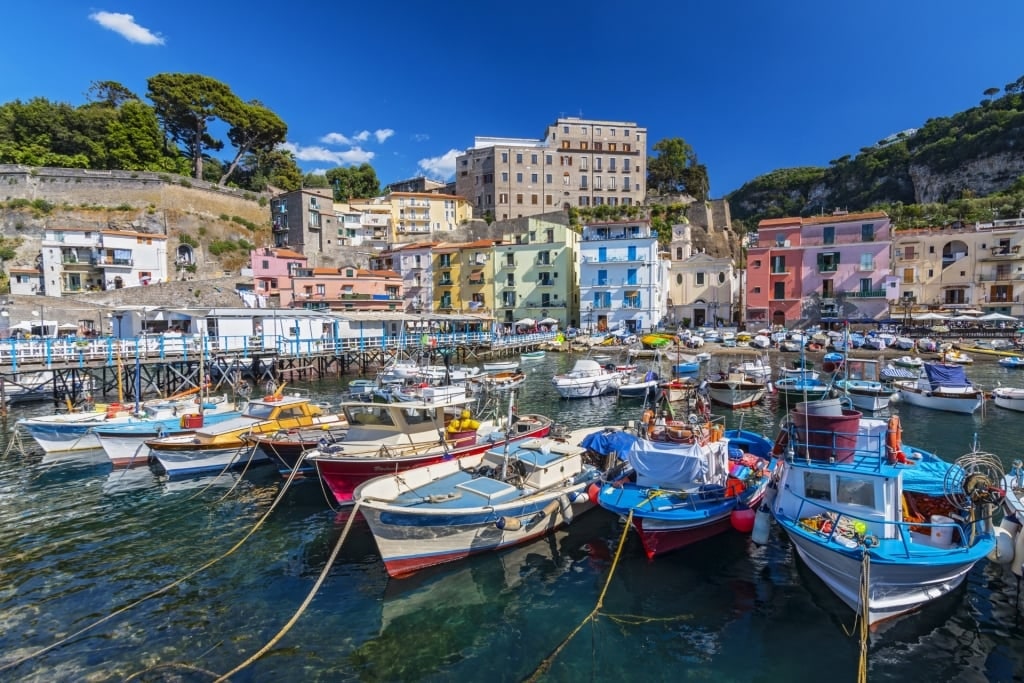
Sorrento
Nearby is Sorrento, the clifftop beauty of which really is unparalleled. Located at the southern end of the Gulf of Naples, this colorful littoral town almost looks as though it’s cascading down the abrupt incline it was built upon.

Sorrento
The town is surrounded by lemon groves, the products of which are the basis of the fabulous Limoncello, a sweet lemon liqueur served as a digestive – or in a decadent sorbet.
The Cinque Terre
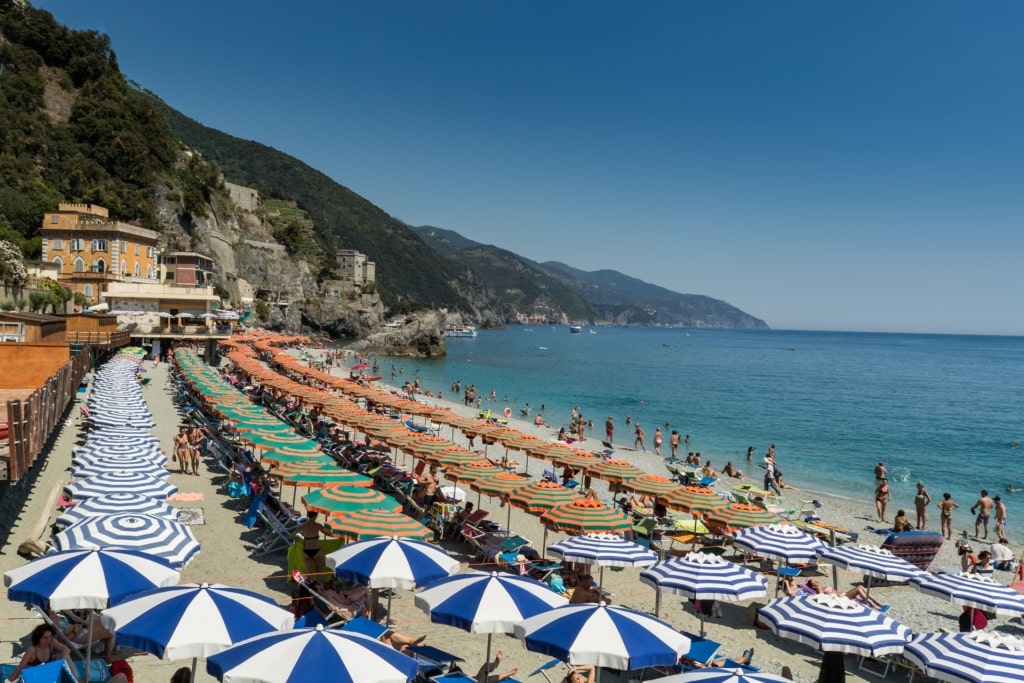
Monterosso al Mare, Cinque Terre
The Italian Riviera’s Cinque Terre is a string of five lovely villages (Monterosso al Mare, Vernazza, Corniglia, Manarola, and Riomaggiore), next to the Ligurian Sea.
While the rocky and precipitous terrain here squeezes in some small-to-midsize Italian beaches, like Monterosso’s enchanting Fegina Beach, Cinque Terre’s real charm lies in its vibrant and relatively unblemished character.
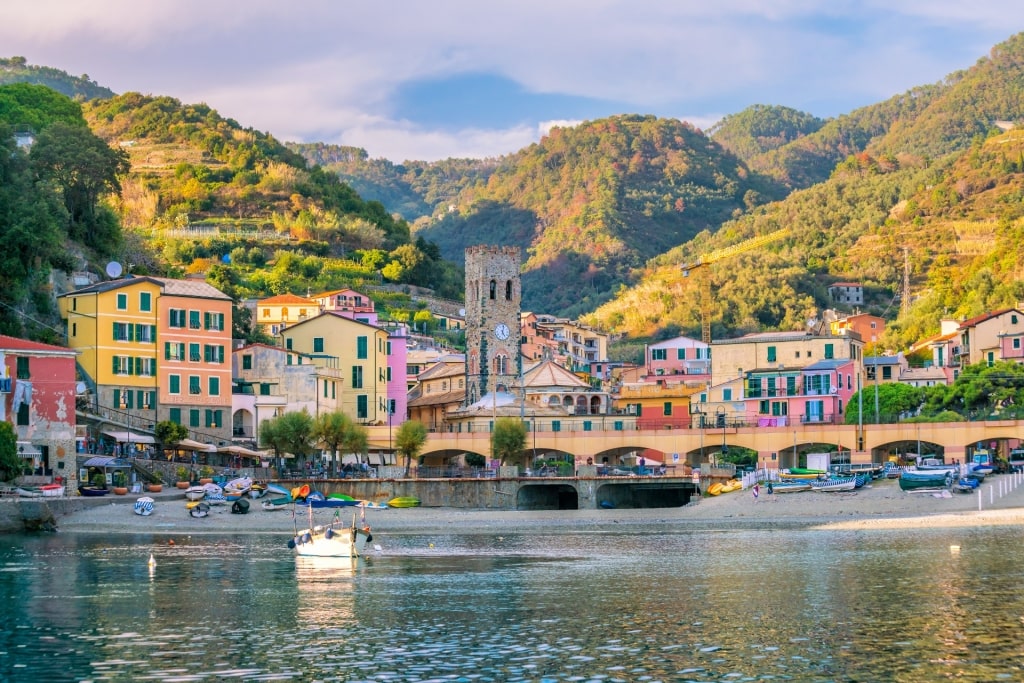
Monterosso al Mare, Cinque Terre
Another great feature of Cinque Terre is that this UNESCO World Heritage Site’s terraced villages can’t be accessed by car. You can only get there by boat, train, or along different hiking trails and footpaths.
The seaside village of Monterosso al Mare, lying to the west, is enclosed by olive and lemon groves, and vineyards full of white grapes. At the eastern end of this collection of villages, you’ll find Riomaggiore, founded in the thirteenth century.
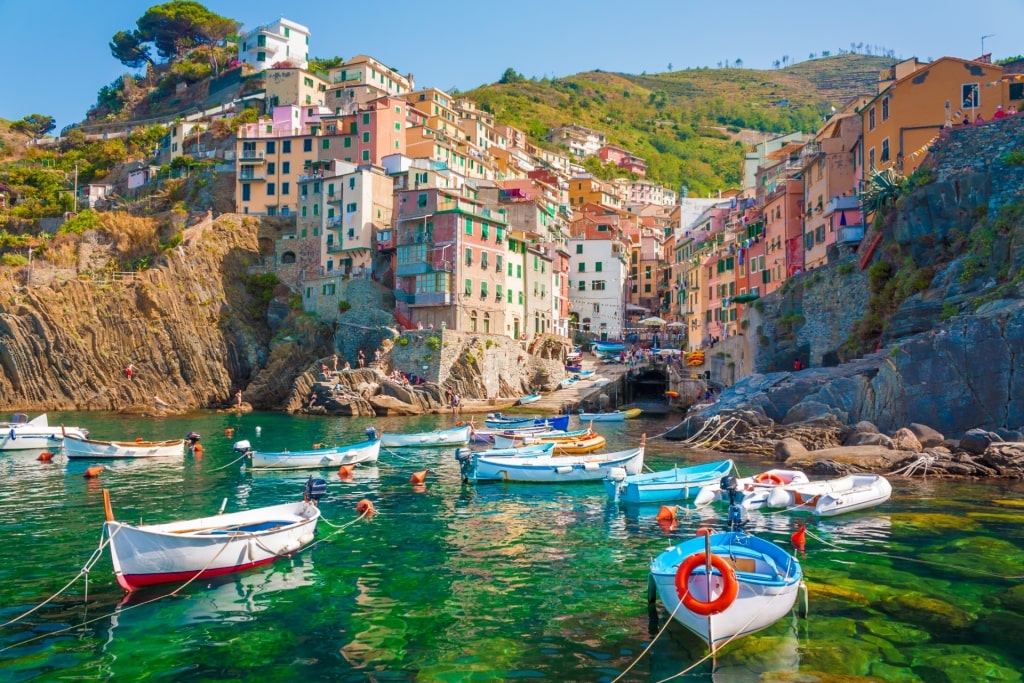
Riomaggiore, Cinque Terre
The streets of Riomaggiore—and hence access to its cafés, shops and restaurants—are rather steep, although worth it for views of the stone houses, and the fishing boats below.
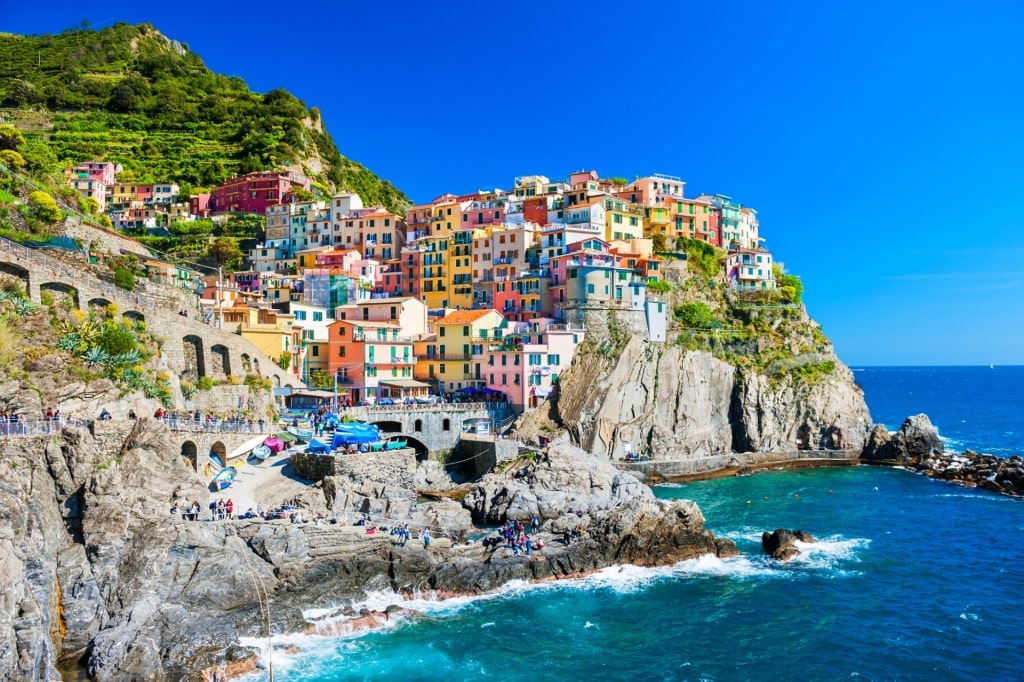
Manarola, Cinque Terre
If you prefer a slightly slower pace of life, the Italian Riviera town of Manarola is more relaxed. Manarola is also where you can imbibe the region’s sweet and rare Sciacchetrà wine.
Islands
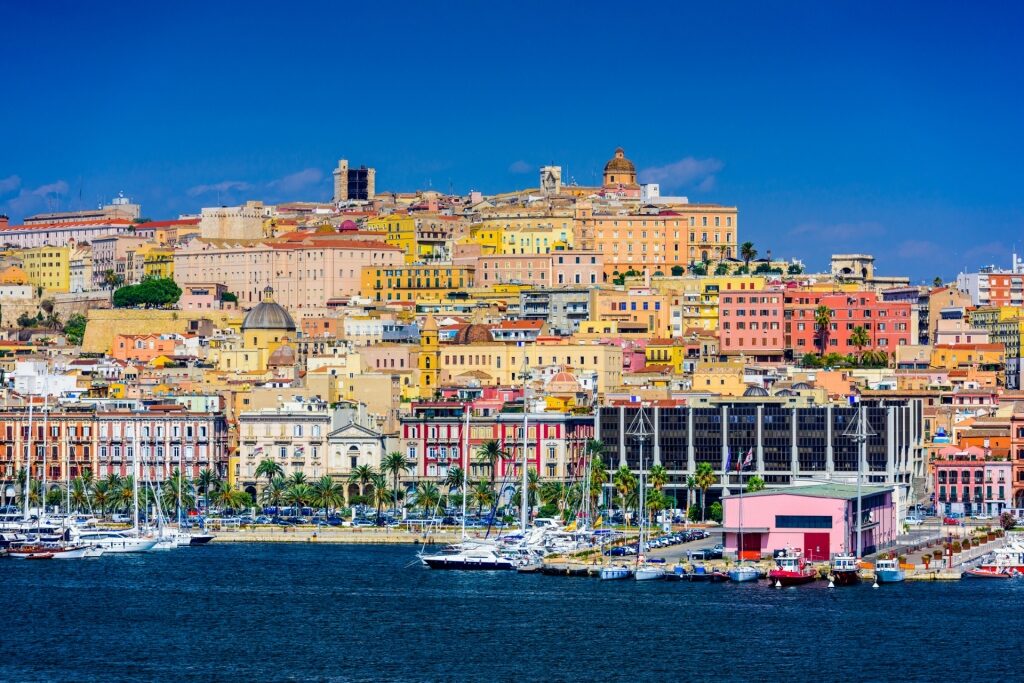
Cagliari, Sardinia
Two of the largest islands of the Mediterranean, Sicily and Sardinia, belong to Italy, and each has its own distinctive culture.
Sardinia is a summer spot renowned for its white sand beaches, aquamarine water that rivals the Caribbean, glamorous yachting scene, and idiosyncratic island culture. Many locals even refer to mainland Italy as “the continent”.
When it comes to Sardinia’s beaches, you can’t go wrong with the soft sand on the long and narrow Poetto Beach, next to the island’s capital, Cagliari.

Cala Goloritzé beach, Sardinia
If you don’t mind a bit of a trek, the remote Cala Goloritzé beach, surrounded by limestone cliffs, is another reach of Sardinian sand ripe for a visit. You can only get to this sublime beach by boat, or by trekking down a steep, snaking footpath.
In Cagliari, head up to the hilltop citadel, which features two imposing watchtowers. The city’s Roman amphitheater was carved out of stone in the 2nd century AD and is also worth the trip when you visit Sardinia.

Nora
Meanwhile, the ancient town of Nora is an archaeological site that predates Roman times. Nora was founded by the Phoenicians, then fell under Carthaginian rule, before it finally came into Roman hands.
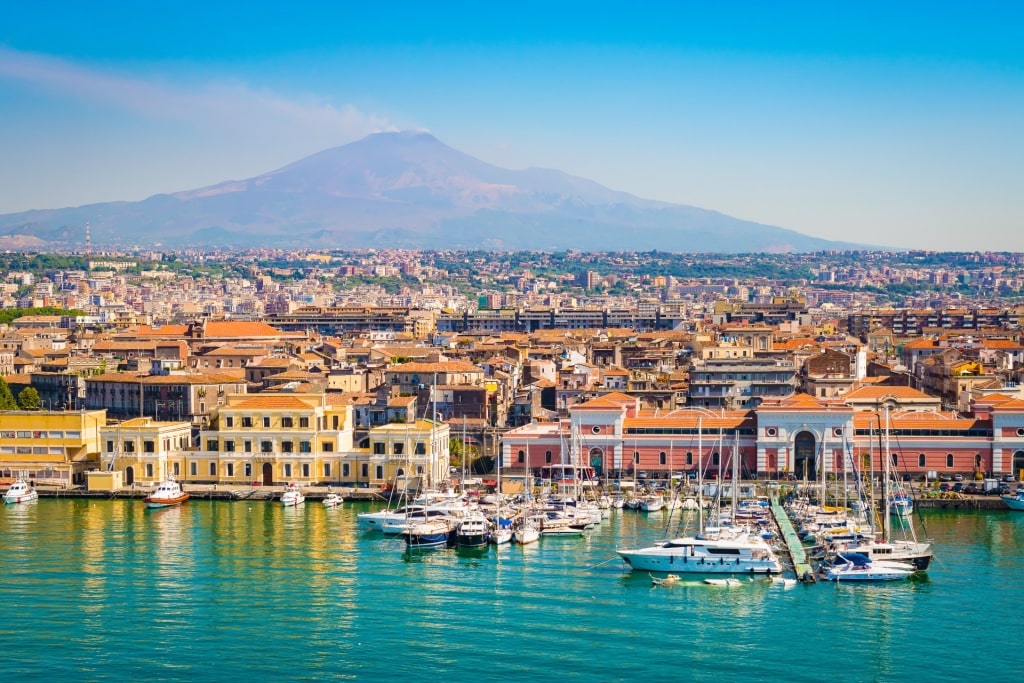
Catania, Sicily
Sicily has a culture all of its own, not to mention distinctive cuisine and wine. Sicily’s magical towns are dominated by the imposing mass of Mount Etna, well known for putting on explosive, lava-filled displays. When the huge mountain is quiet, you can visit the inactive Silvestri Craters at Rifugio Sapienza.

Roman amphitheater in Catania, Sicily
Sicily is home to some magnificent antiquities, too. The Roman amphitheater in Catania, on the island’s eastern coast, is an outdoor museum and dates back to 300 BC.
Also, check out Catania’s opera house, the Teatro Massimo Bellini, with its gorgeous neo-baroque façade. You can take a tour of the opera in the morning, or attend an event in the evening, and revel in the building’s remarkable acoustic design.
Regional Specialties

Cicchetti
As you travel, note the differences in Italy’s numerous regional cuisines, all coming with varied takes on meat, fish, seafood, aromatic herbs, pasta, fresh vegetables, and more.
Venice is famed for its cicchetti, tiny snacks of bread served with prosciutto, or creamy salt cod. In Naples, try spaghetti alle vongole, spaghetti with clams.
Romans eat their spaghetti alla carbonara, with eggs, cheese, and cured pork. In Liguria, try warm focaccia, and homemade pesto.

Arancini
Sicily is the place to feast on arancini, fried risotto balls, or if you have a sweet tooth, ricotta-filled cannoli. Tuscany, meanwhile, offers a hearty cuisine, featuring game, chestnuts, and truffles.
Wine

Wine tasting in Florence
Sunny Italy is one of the world’s greatest wine producers. Officially, you’ll discover that there are more than 600 wine grape varieties used in Italy, each with its own distinctive flavor profile.
So, if you’re a true oenophile, explore Italy’s wines and taste as you travel. Enjoy a light Prosecco before lunch, or a crisp pinot grigio with seafood. Sample the powerful super-Tuscan red, Sassicaia and Ornellaia, or in Sicily, a Malvasia, or a powerful chardonnay.
Naples
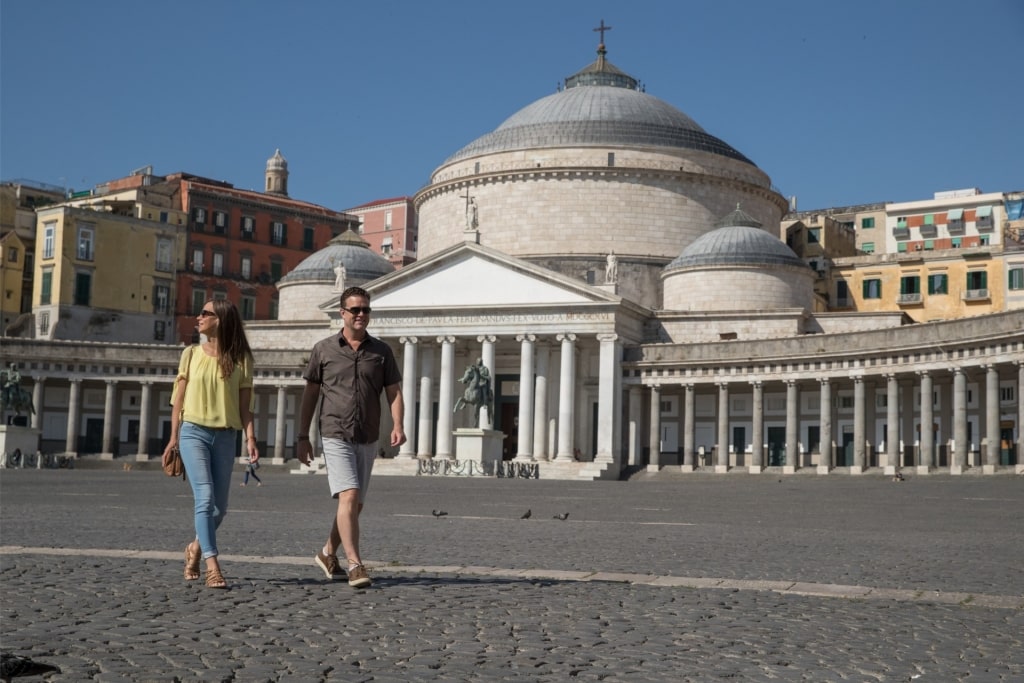
Piazza del Plebiscito, Naples
What is Italy famous for? Naples, a city deeply involved in the nation’s history, architecture, and urban and culinary life—all rolled up into a beautifully chaotic regional capital—has definitely got to be somewhere Italy is known for.
Walking through the streets of Naples’ historic center, a UNESCO World Heritage site, feels like stepping back in time, with centuries of buildings and urban infrastructure stacked upon one another.
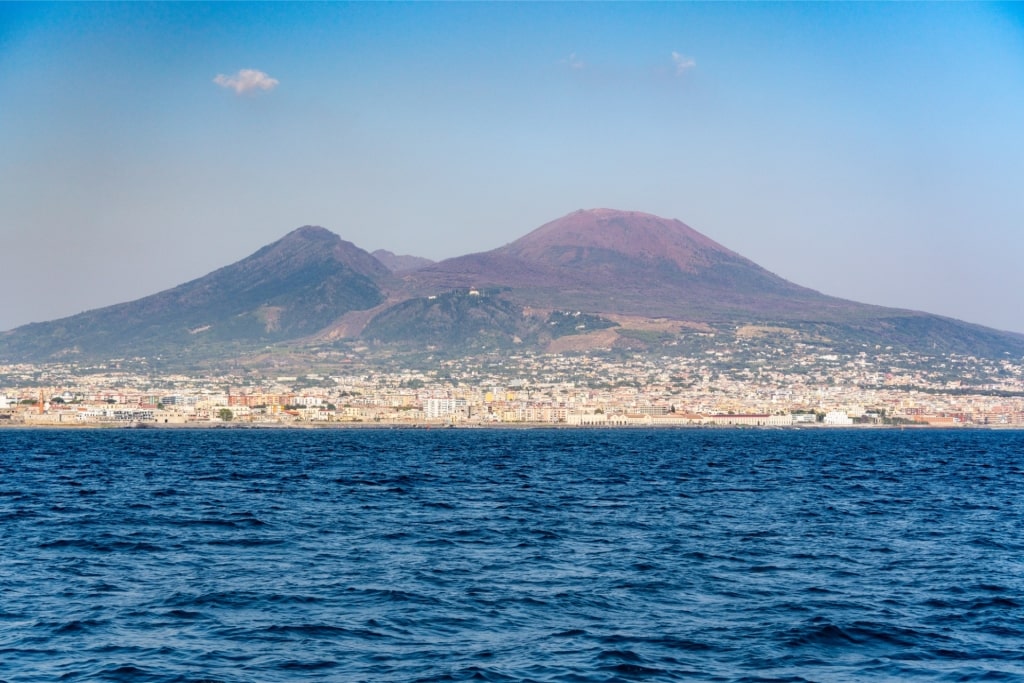
Mount Vesuvius
Medieval churches, Baroque palaces, and ancient underground tunnels serve as a backdrop to the city’s wild urban existence, set in the shadow of Mount Vesuvius, which looms over the Bay of Naples.
You can visit Napoli Sotterranea with its network of tunnels and cisterns built during ancient Greek and Roman times, explore the ruins of the Roman Theatre of Neapolis, or visit the Catacombs of San Gennaro to learn more about the region’s history.
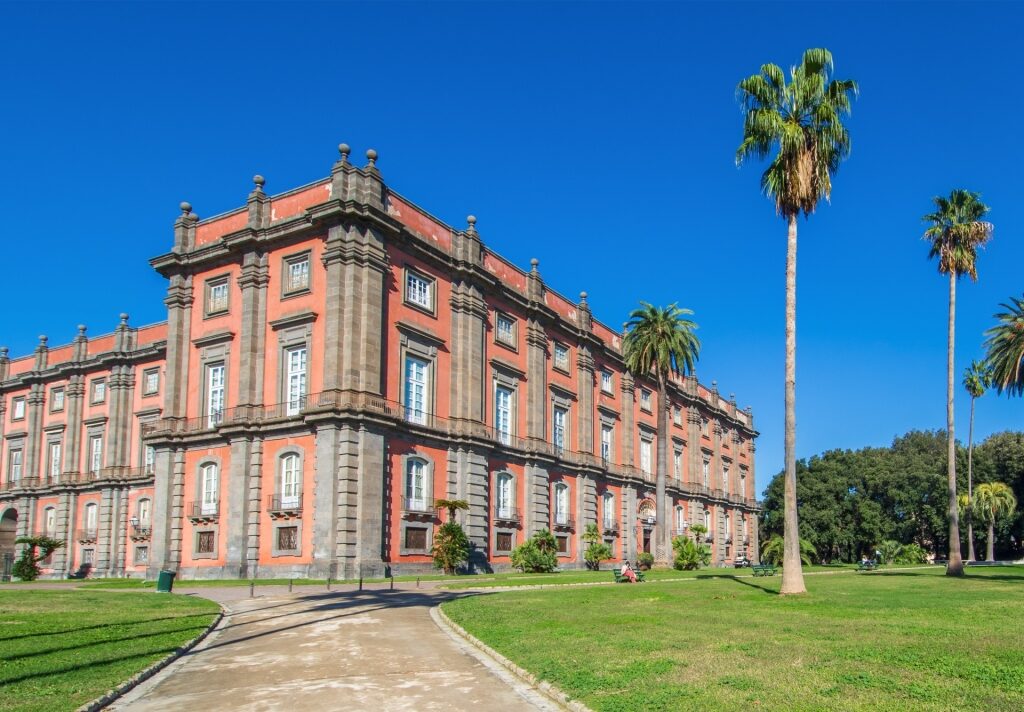
Palace of Capodimonte
Visiting the medieval Duomo di San Gennaro, the city’s cathedral, or Church of San Lorenzo Maggiore, is also some of the best things to do in Naples. So are the city’s pretty palaces, such as the luxurious Palazzo Reale, used by the Bourbon kings, or the hilltop Palace of Capodimonte hunting lodge, also favored by the Bourbons. Both are fine examples of Baroque architecture.
You can also stroll along Spaccanapoli, a narrow road slicing through the old town, and take in the collection of artisan shops, hidden piazzas, and bustling cafés. Clotheslines hang from buildings and balconies everywhere, scooter-driving locals speed between tight alleys, and vendors peddle their fresh fruits and vegetables.
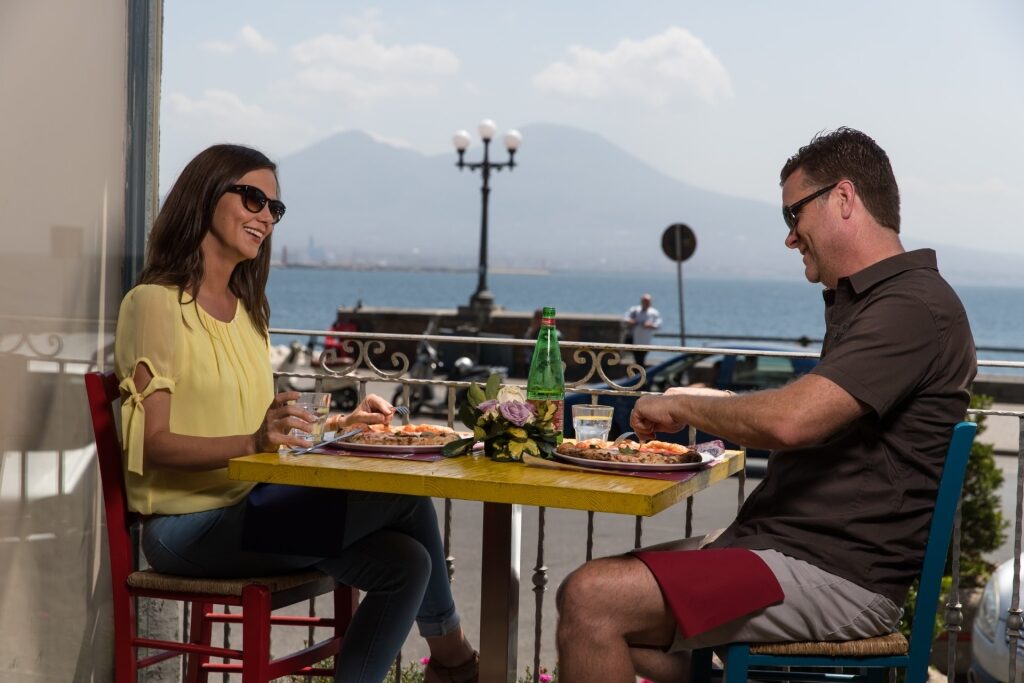
Restaurant in Naples
What’s more, Naples is where pizza was born, along with all kinds of other delicious vittles, so you’ll never go hungry as you wander the center. Spend your morning investigating the National Archaeological Museum, and then venture out into the medieval streets before stopping for authentic pizza and a glass of wine.
Coffee Culture
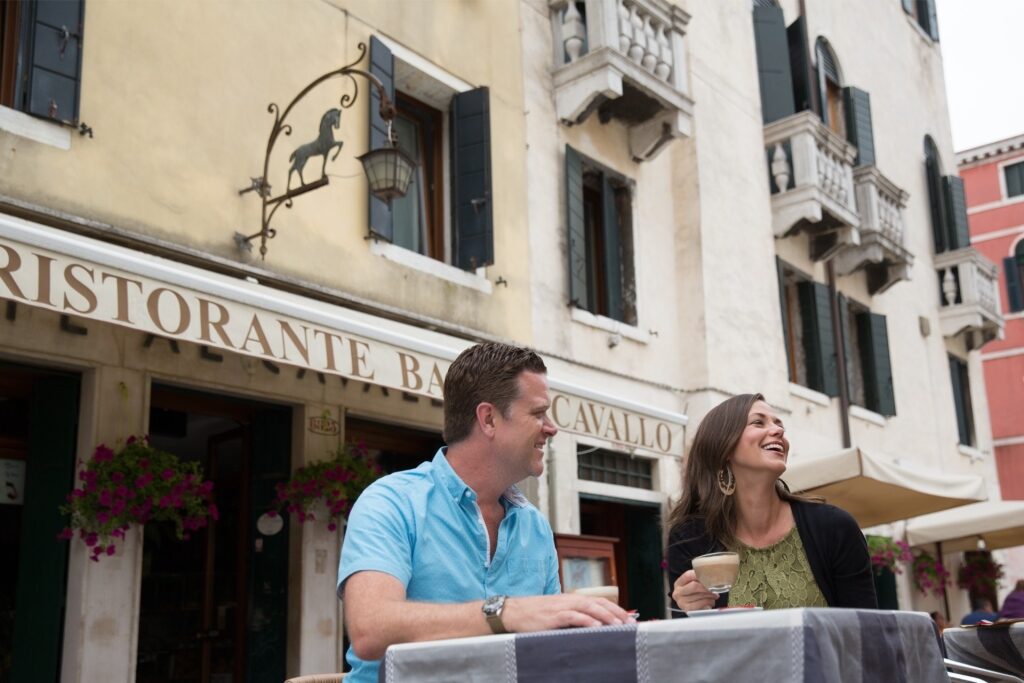
Venice
Italian coffee is not a beverage, but an institution that unites the country. Just think of some of the names you’re probably already familiar with: caffè macchiato, caffè latte, cappuccino, caffè americano—these are all Italian terms.
Enter any Italian coffee bar, and you will realize just how important coffee is to Italian society as you witness a chorus of people briskly conversing with one another, cups clinking together, and espresso machines purring away in the background.
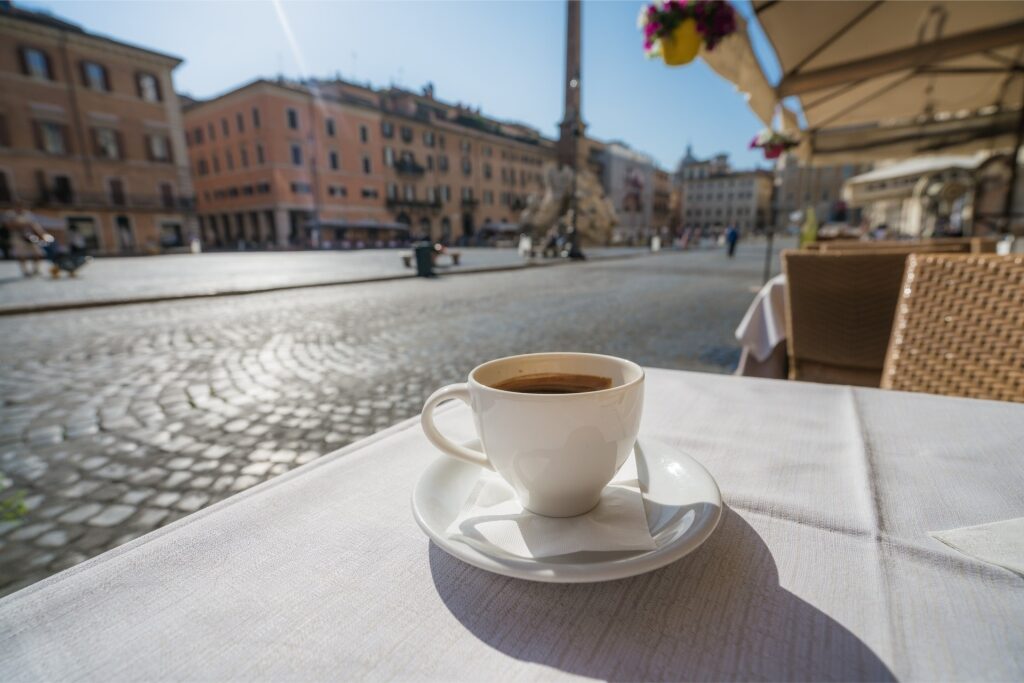
Rome
Watch as the barista zips back and forth, making espresso after espresso for locals waiting in line. But in Italy, coffee is not about ordering a huge to-go coffee; it’s about getting something simple, yet truly great, and enjoying it where you are.
You will notice, too, that Italians don’t linger long over their morning coffee; instead, you order, drink your beverage down, and away you go. As a tourist in Italy, you can, of course, bend some of the rules, although true coffee aficionados might judge you silently.
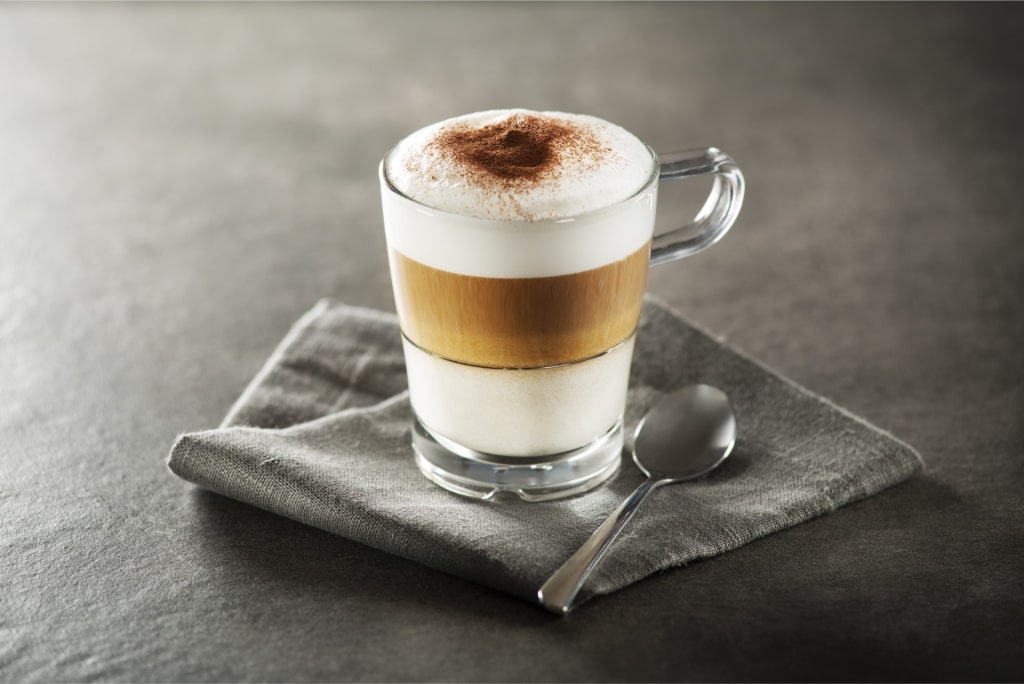
Macchiato
Appreciate a mid-afternoon macchiato, a caffè corretto with a shot of liqueur such as sambuca or grappa over your espresso. Find a seat outside in the sunshine in a piazza and sip your coffee slowly.
Drinking coffee in Italy is a reminder that even in a fast-moving society, people do make time to stop and indulge in those little moments that life gives us with family, friends, and, naturally, a good cup of coffee.
The Tuscan Countryside

Vineyard in Tuscany
While Florence and Pisa are Tuscany’s touristic superstars, if given the chance, you won’t want to pass up an excursion out into the scenic Tuscan countryside.
Tuscany is known for its rolling hills that stretch out as far as you can see, curving to a horizon lined by vineyards, olive groves, and cypress trees planted in tidy rows against the grassy mountains. Saying this landscape is “postcard-perfect” is an understatement.
In addition to the rolling hills, Tuscany is dotted with charming Renaissance towns and medieval villages, each with its own personality and unique history. Pretty towns such as San Gimignano and Volterra are within easy reach of the coast, and make for great day trips.
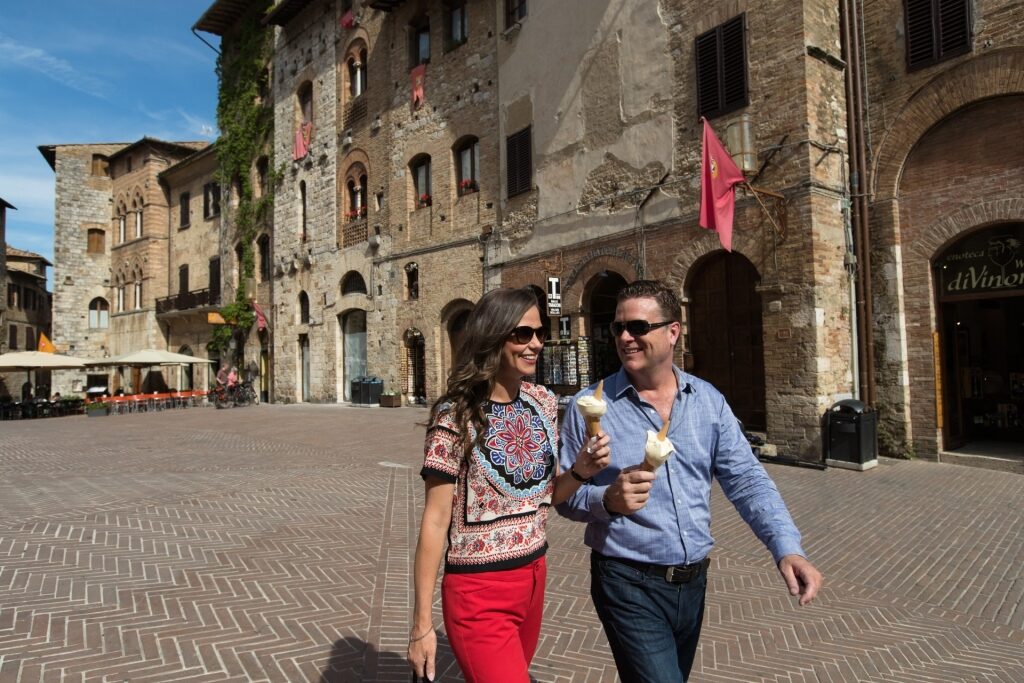
San Gimignano
Medieval San Gimignano is on any map of what Italy is famous for thanks to its 14 medieval towers, which could be described as early skyscrapers. It’s also renowned for its saffron-flavored ice cream at Gelateria Dondoli, as well as the tower Torre Grossa, offering panoramic views of the countryside.
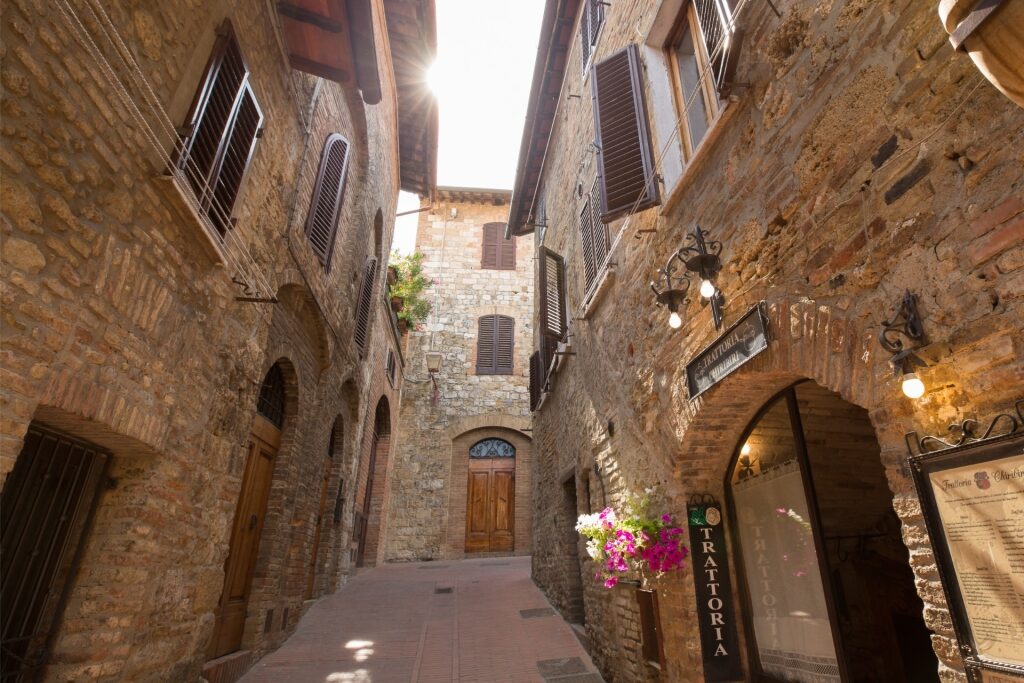
Volterra
The hilltop Tuscan town of Volterra is worth visiting, too, due to its alabaster artistry, impressive city walls, Etruscan roots, and dramatic views.
Rural life in Tuscany is filled with food and wine, including wild boar, hearty ribollita bread and vegetable soup, and Chianti Classico.
During your wanderings, make sure to indulge in lunch at a quaint café or family trattoria in a small town, or venture out into the countryside proper to savor the region’s fantastic food, enjoy the sunshine, and take in the gorgeous natural scenery.
Opera
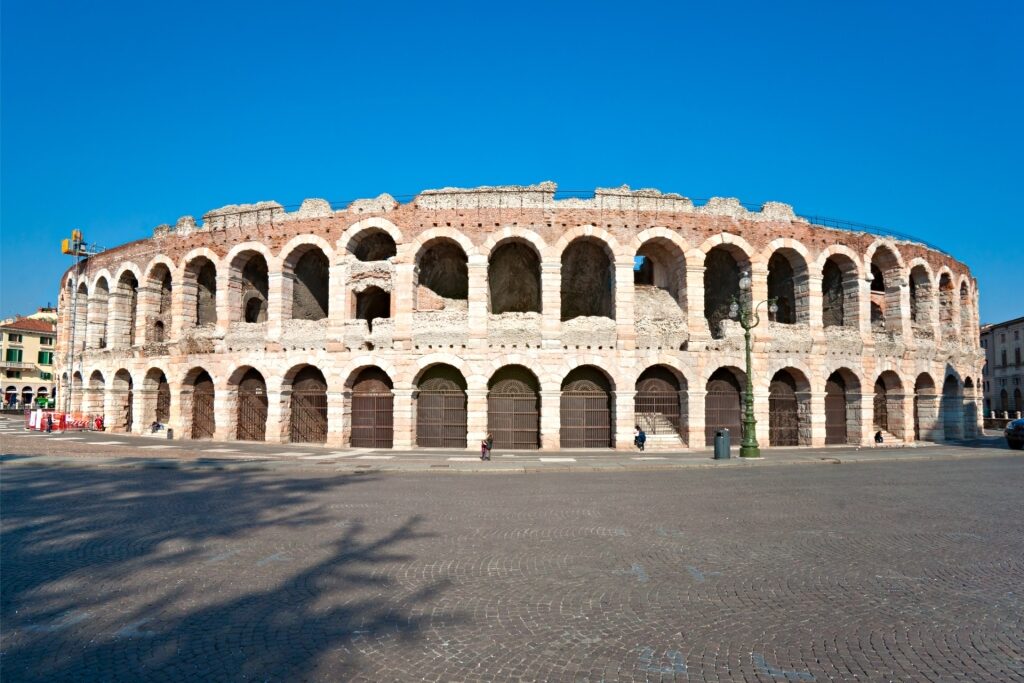
Arena di Verona
What is Italy known for? Opera would have to be one of the country’s biggest cultural legacies. If a dramatic aria ever gave you goose bumps, you can most likely thank the Italians. Opera began in Italy during the late Renaissance as a marriage of music, theatre, and drama in a format that has enthralled listeners for centuries.
Some of the greatest operas still enjoyed today were written by renowned Italian composers, including Giuseppe Verdi’s La Traviata and Aida, and Giacomo Puccini’s La Bohème and Turandot.
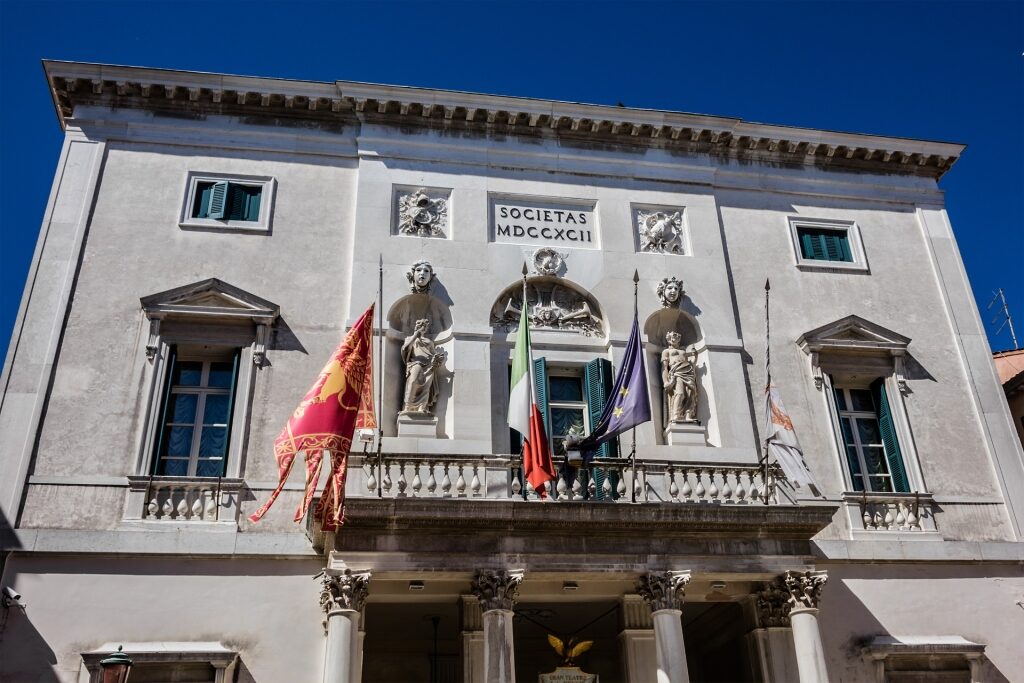
Teatro La Fenice, Venice
Walking into an opera house in Italy, such as Teatro di San Carlo in Naples, Teatro dell’Opera di Roma, or Teatro La Fenice in Venice, is a cultural experience in itself.
Verona, for example, will offer you opera under the stars at the ancient Roman Arena, which has hosted musical performances since ancient times.
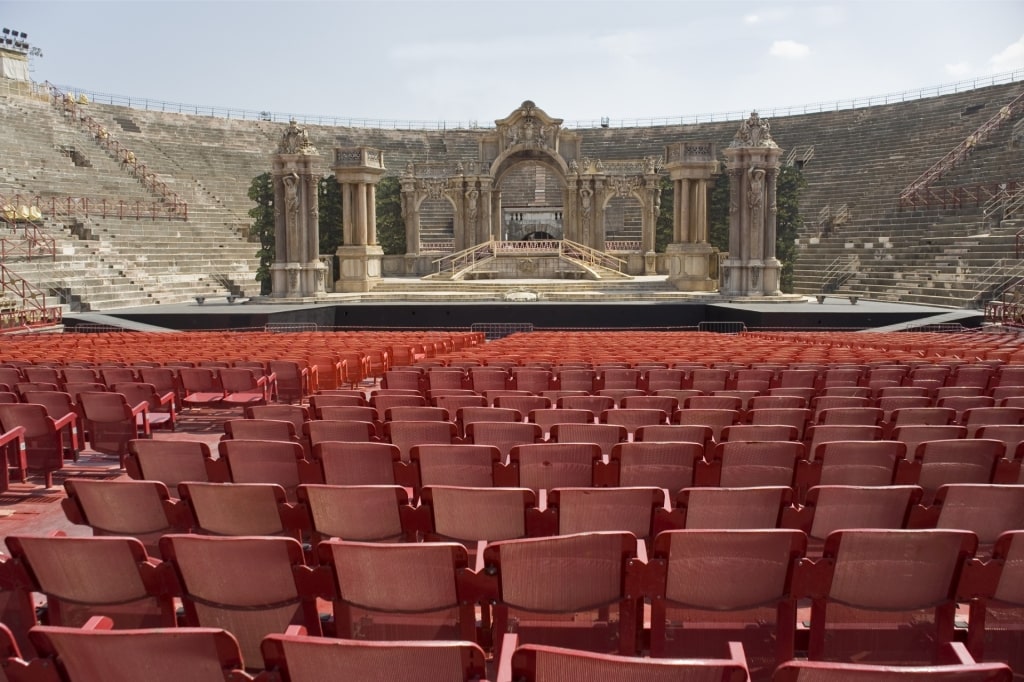
Arena di Verona
During the modern era, Italy has continued to foster its operatic cultural heritage. In 2023, opera was added to the UNESCO list of Intangible Cultural Heritage of Humanity, with organizations like Arena di Verona and others at the forefront of promoting opera around the country.
Buying a ticket at one of these fantastic venues to watch a performance will let you experience a unique art form in the nation where it was born, immersing you in the midst of the Italians who first brought it to life.
Italian Cheeses
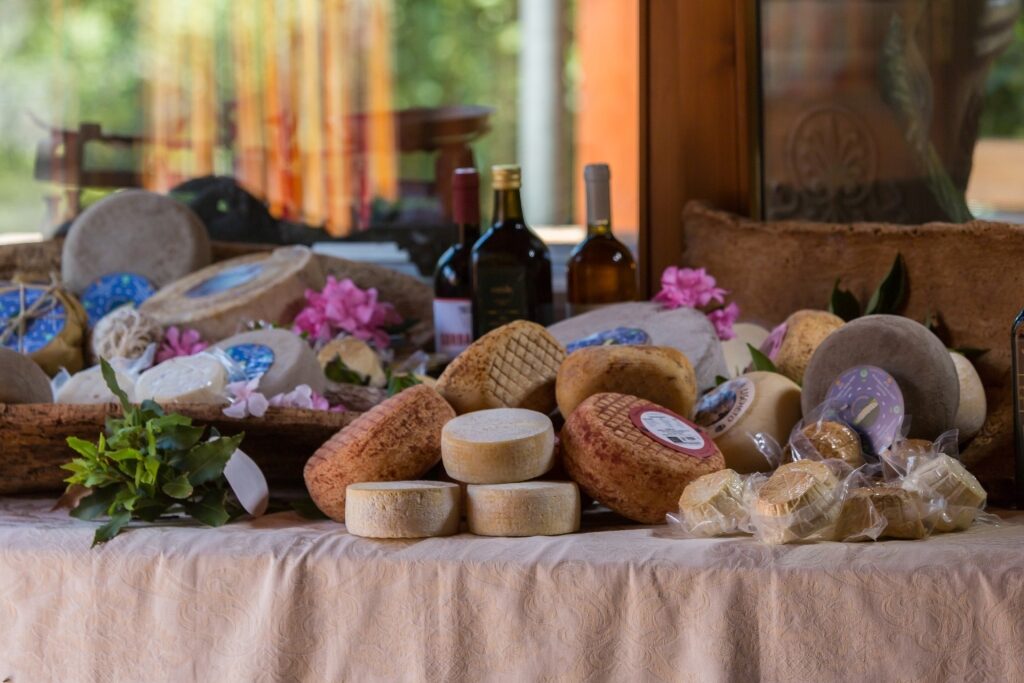
Cheeses
Italian cheeses, like the nation’s food in general, are defined by the diverse regions in which they are produced.
You will find all kinds of tasty cheeses to sample while touring through the country, with D.O.P., or Denominazione di Origine Protetta status, guaranteeing the authenticity of the regional varieties.
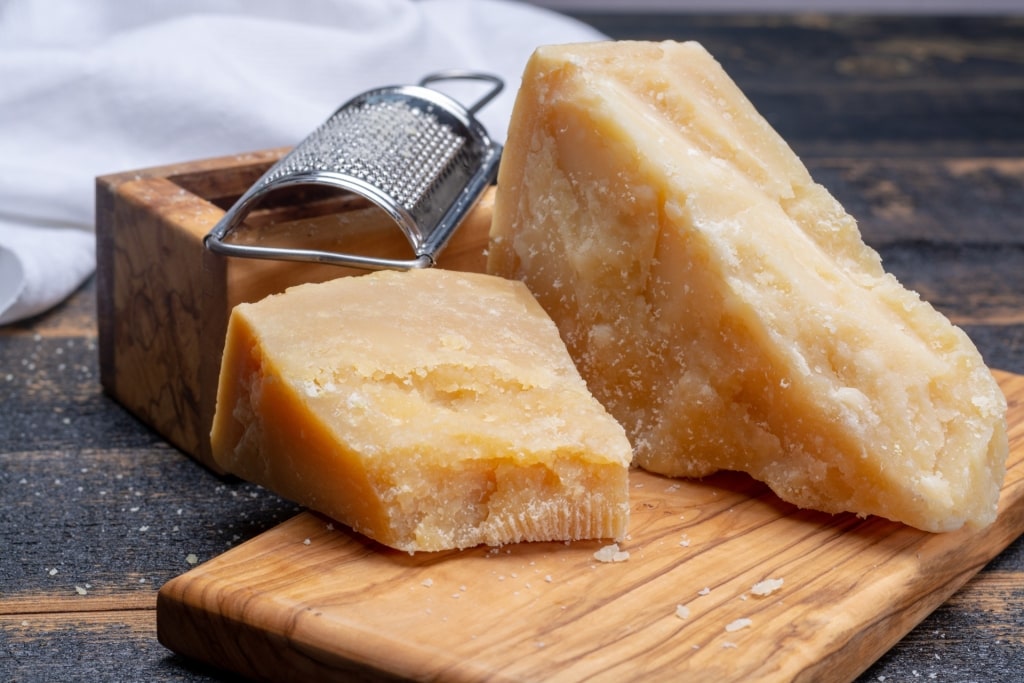
Parmesan
Parmesan is one of Italy’s, if not the world’s, most notable culinary gifts when it comes to cheese, and is unquestionably something Italy is famous for.
As any diehard cheese lover has likely committed to memory, Parmesan’s official name is Parmigiano-Reggiano, with different varieties, such as Parmigiano Reggiano di Lombardia and Parmigiano Reggiano-Modenese, also available.
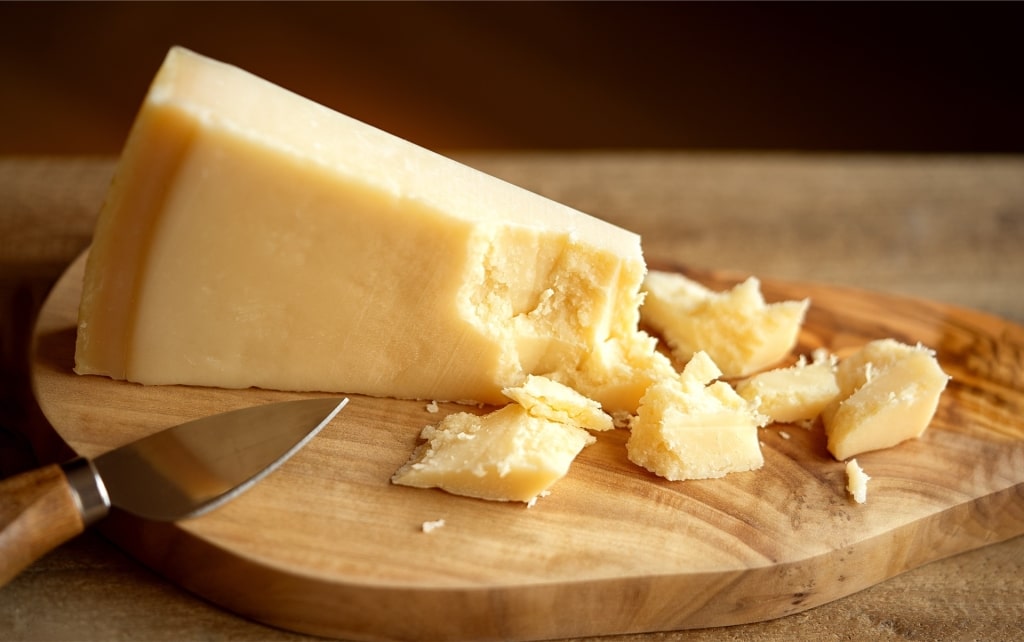
Grana Padano
Grana Padano, while similar to hard Parmigiano-Reggiano, is actually a milder, less expensive, and different kind of cheese altogether—but still very delicious.
And of course, there’s Pecorino, which comes from a family of sheep’s milk cheese. Pecorino Romano is hard and salty, and Pecorino Toscano is light and creamier. Pecorino di Filiano comes with a delicate flavor that sharpens as it ages, and is excellent to pair with fruit such as figs and pears.
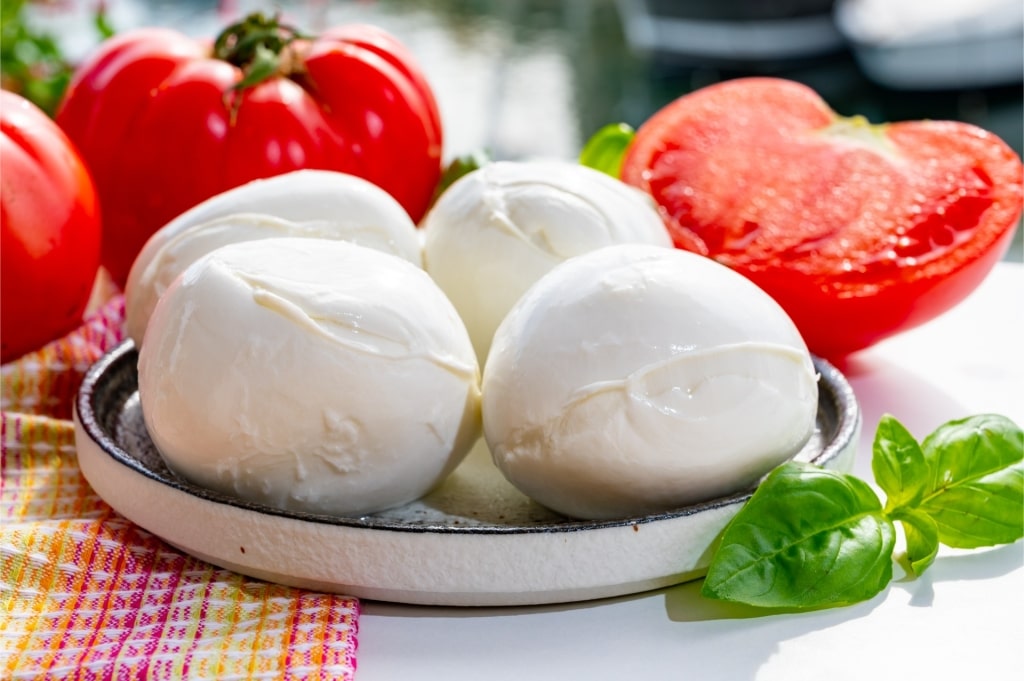
Mozzarella
If you head south, to the Campania region, you’ll reach the land of mozzarella, Italy’s famous soft milky cheese.
When paired with fresh tomatoes, basil, and olive oil, mozzarella becomes part of one of the nation’s most beloved salads, insalata Caprese, made with mozzarella di Bufala, which comes from the milk of the Mediterranean buffalo.
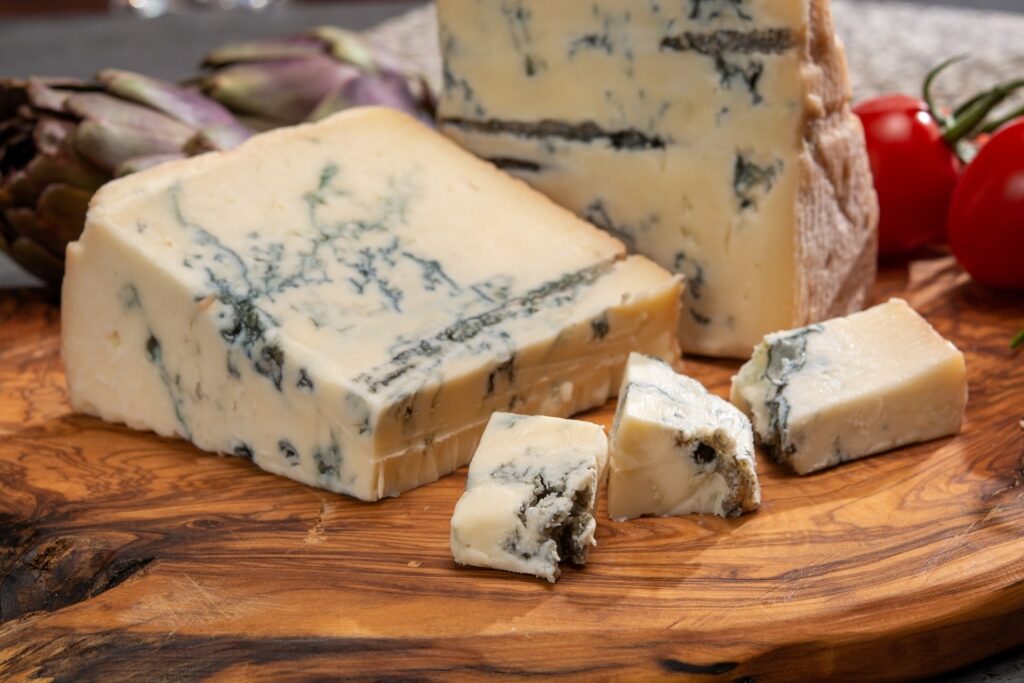
Gorgonzola
Apart from classic cheese, Italy offers even bolder tastes, including Gorgonzola, a blue-veined cheese with a creamy center and pungent aftertaste. And then there’s the intense and aromatic Formaggio di Fossa, which is typically aged in a pit lined with straw.
One of the best ways to experience Italy’s rich and varied cheeses is to visit a local food market in the town or city you’re visiting, where vendors will likely invite you to sample their offerings.
Read: Best Food Cities in Italy
Italian Cinema
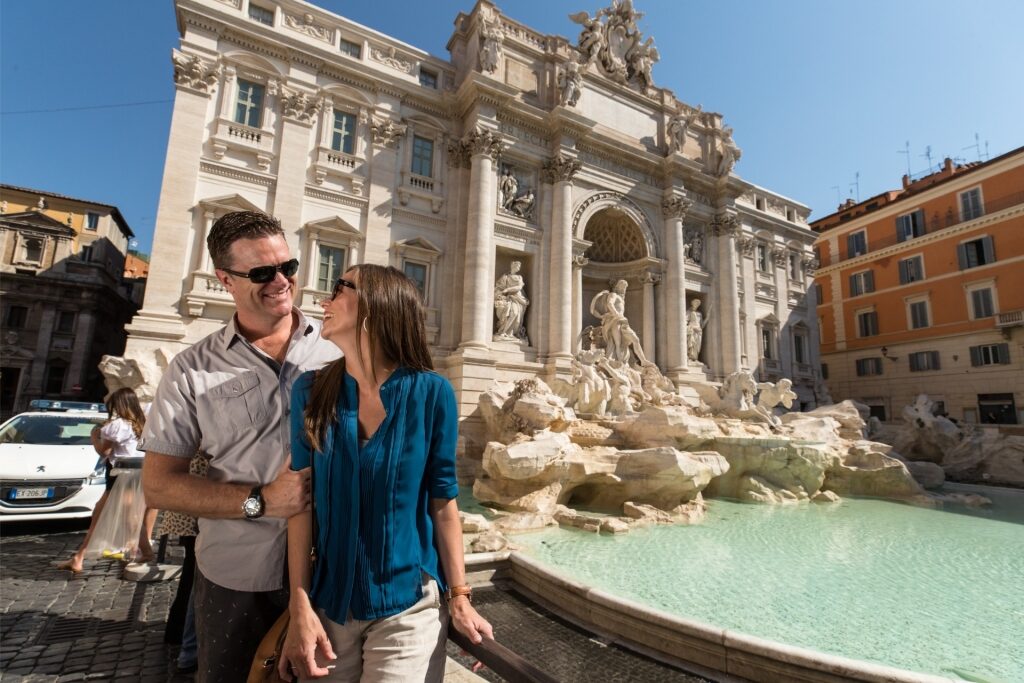
Trevi Fountain, Rome
Italian cinema has left an indelible mark on the world with its timeless films and celebrated filmmakers over the years, including Federico Fellini, who created visual poetry that brought the Italian language to life, woven together with the exquisite setting of the countryside and coast.
Vittorio De Sica is another distinguished Italian director whose films are considered post-war neorealism classics; his 1948 feature film, the heartbreaking Bicycle Thieves, remains one of the defining films of the genre.
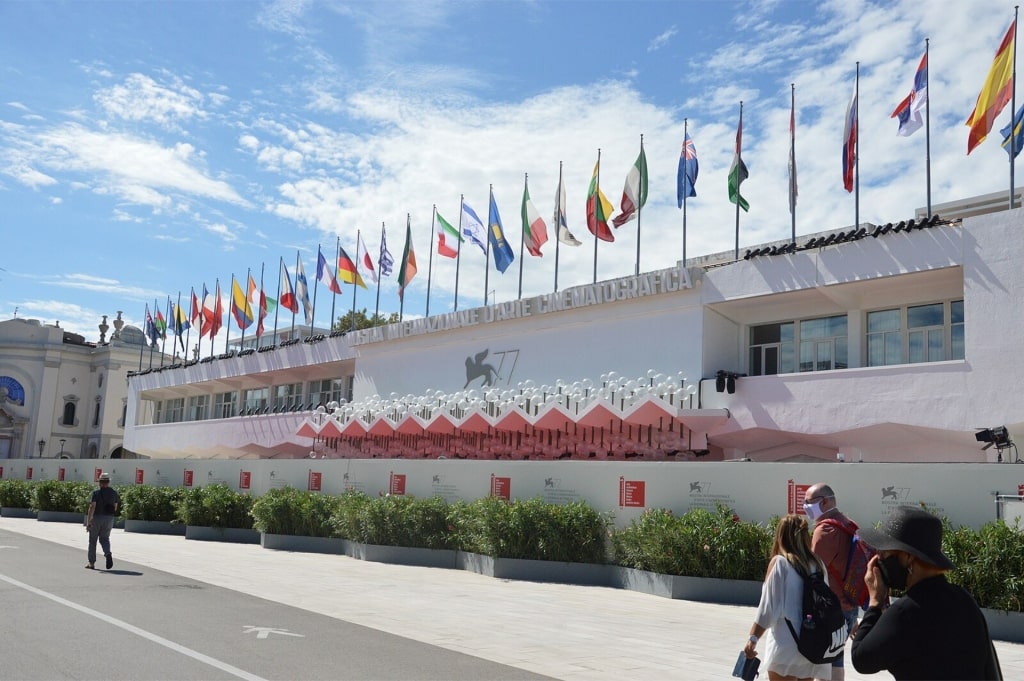
Venice Film Festival Photo by Bart ryker on Wikimedia Commons, licensed under CC BY-SA 4.0
The country has also given the world one of its most symbolic film festivals, the Venice Film Festival, which numbers among the oldest and most respected film festivals in the world.
Italian film offers a glimpse into Italian society, its people, and culture, particularly during the 1950s and 1960s, known as the Italian cinema golden years.
As you travel around the country, you can explore different film locations featured in Italian and international films, such as Rome’s Trevi Fountain, the Colosseum, Positano, Ischia, and some of the hilltop villages near Taormina. With beauty, emotion, and gritty humanity, classic Italian cinema offers a unique way to experience Italy and to connect with some of its notable landmarks.
Traditional Festivals
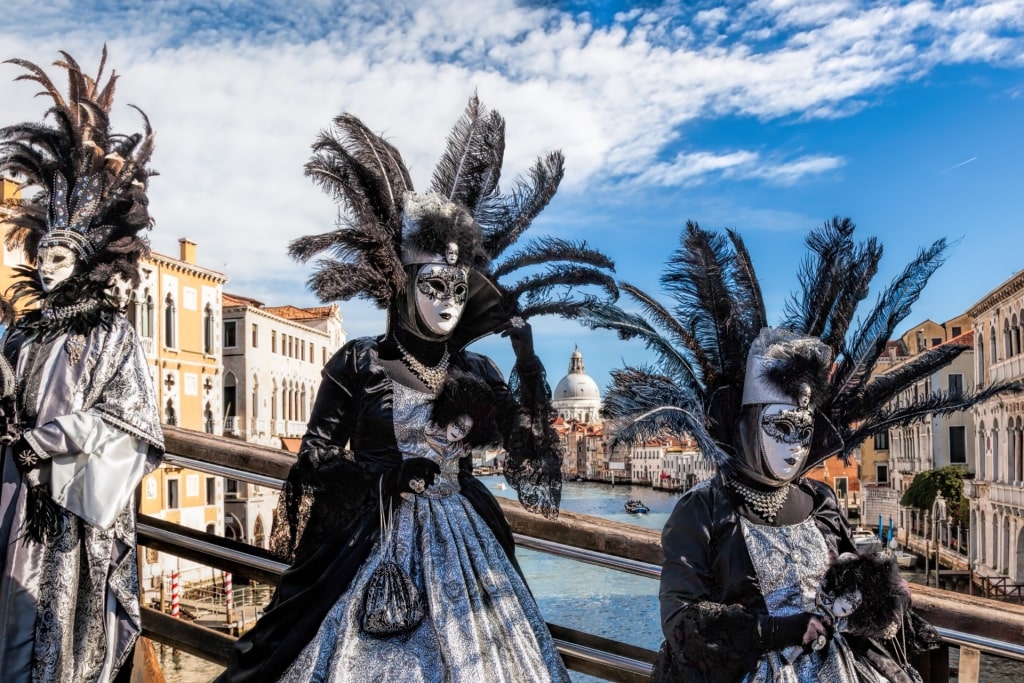
Venice Carnival
From olive harvest festivals, historical parades, and religious processions, Italy knows how to celebrate. Festivals are often devoted to patron saints, although harvest festivals and significant historical anniversaries are also prominent on the calendar. In cities, smaller towns, and rural areas, Italians love to celebrate special occasions; if you’re lucky, you can join the festivities, too.
Carnevale di Venezia, or the Venice Carnival, held in the weeks preceding Lent, is an Italian festival that has gained a name for itself around the world.
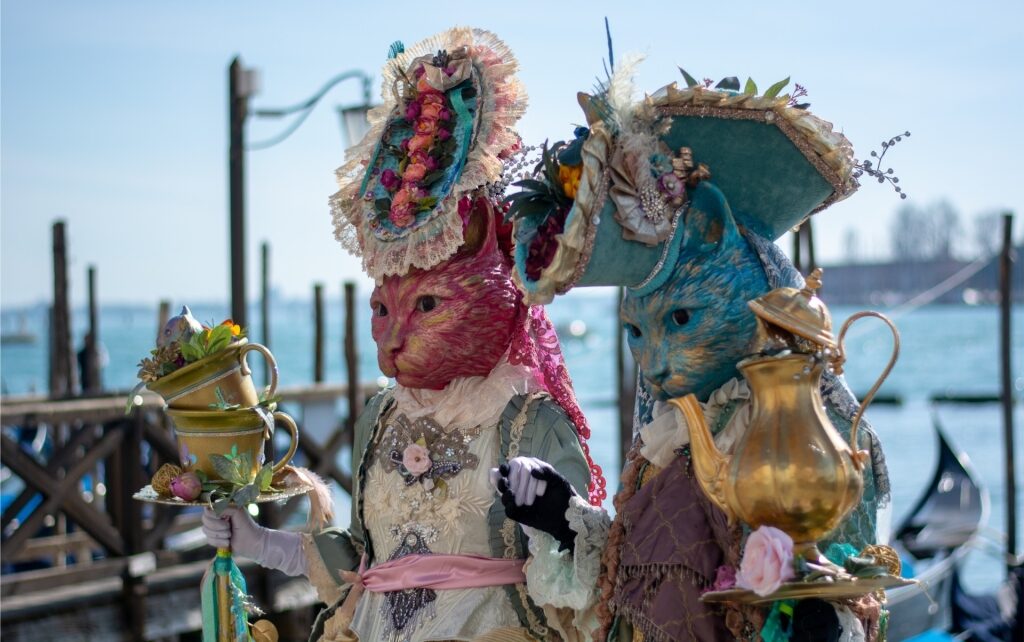
Venice Carnival
Venice Carnival transforms the city into a dreamlike stage. People stroll about in satin and lace 18th-century attire while wearing ornate and glittering masks, as festooned boats and gondolas pass by.
You can attend masked balls, see water processions along the Grand Canal, watch street performances, or drop by one of the many local boutiques and admire the craftsmanship of the masks on display.
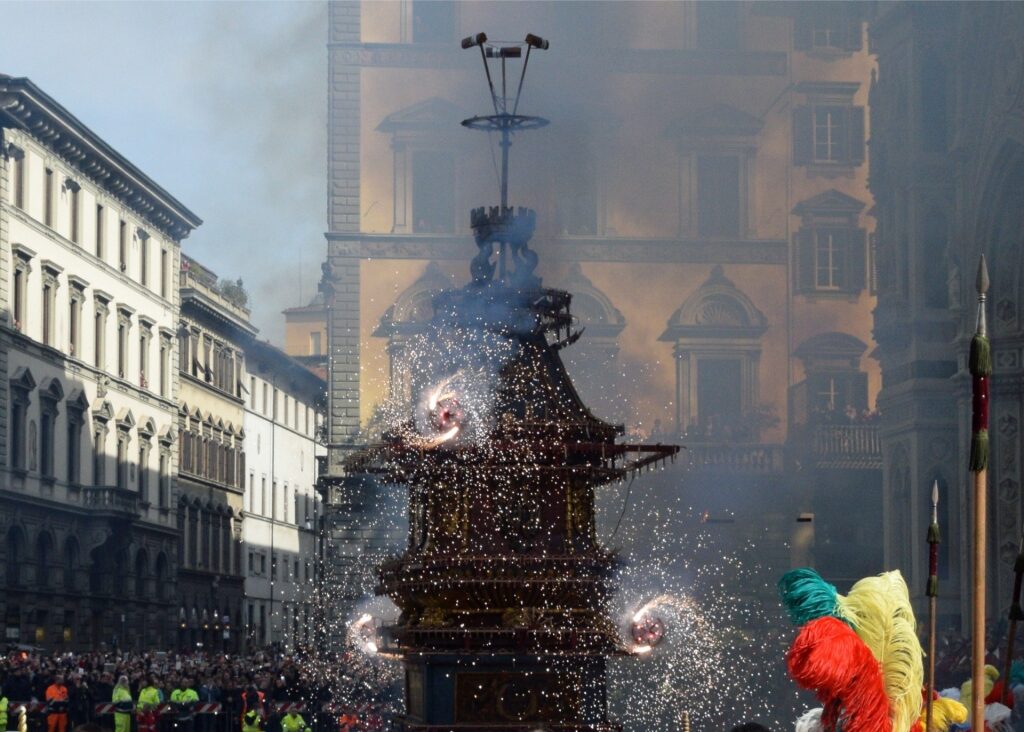
Scoppio del Carro
Florence celebrates the Scoppio del Carro, or the Explosion of the Cart, on Easter Sunday, when the big il brindellone cart is lit up with a colombina dove-shaped rocket. This tradition gives a fiery boost to the overall celebrations.
You can also experience the Festa di San Giovanni, celebrating Florence’s patron saint with street parties, fireworks, and religious pageantry, in June.
Southern Italy is also well-known for its exuberant festivals. In Naples, you have the Festival of Saint Januarius, or the Feast of San Gennaro.
The highlight of this grand Neapolitan celebration is the miraculous liquefaction of the blood of the patron saint of Naples, San Gennaro, which is considered a boon for the city and usually occurs three times per year. If the blood doesn’t liquefy, it’s regarded as a bad omen.
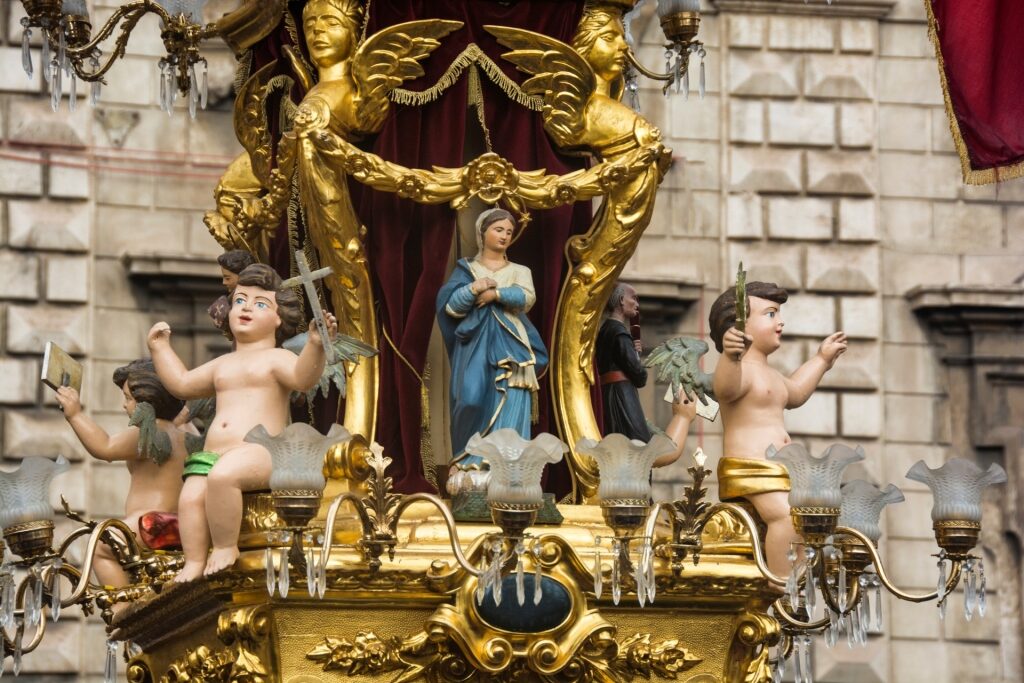
Feast of Saint Agatha, Sicily
In Sicily, there’s the Feast of Saint Agatha of Catania in February, which is one of the biggest and most extravagant religious festivals in the world.
The Festa di Sant’Agata attracts massive crowds with its procession of large ornate flower-laden candelora altars, as well as street food, fireworks, and plenty of religious devotion and spectacle on display.
Venice
Dreaming of Italy? Browse our Italy cruises and plan a culinary, beach-filled, history and architectural tour of this alluring country, and learn for yourself what Italy is best known for.