Museums in Budapest, a city brimming with culture, range from the resplendent national galleries full of priceless artifacts to the memorials devoted to victims of Nazi and Soviet horrors.
Beyond striking modern structures housing the best of contemporary art, Budapest museums also count many hidden, unexpected gems. There are monasteries converted into houses of curiosities, depots full of antique railcars, house museums celebrating artists such as Franz Liszt, and niche museums focusing on anything from pinball machines to herbal liqueur. Here are some of the best, from the must-sees to the unexpected and underrated.
Hungarian National Gallery
Hungarian National Gallery
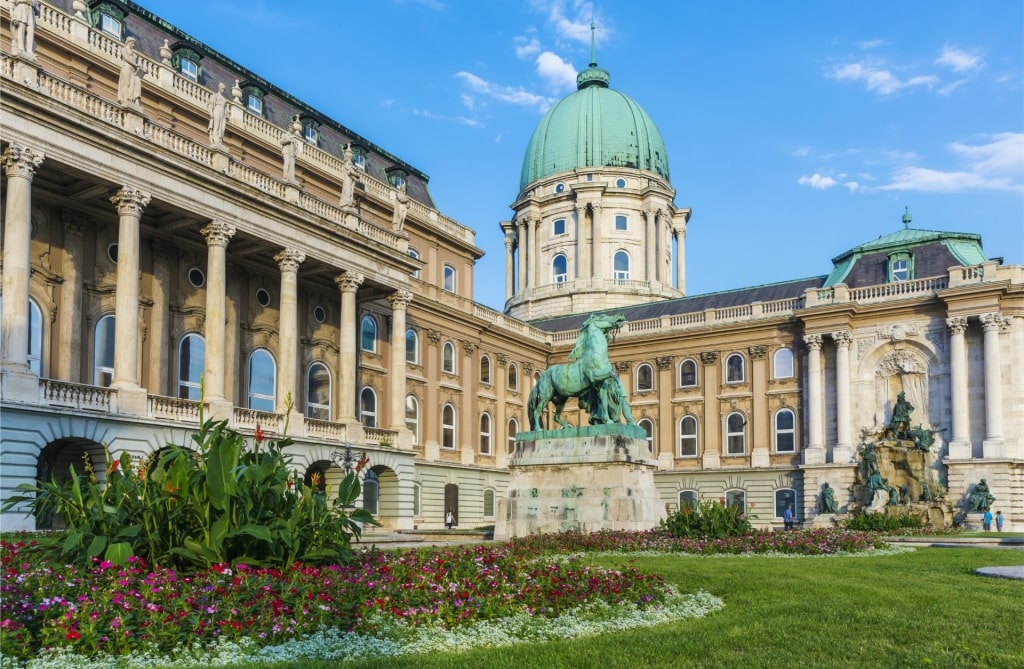
Located in Buda Castle, Hungary’s national art museum is one of the most beloved and renowned of Budapest museums. It boasts Hungarian art from the medieval, Renaissance, Gothic, Baroque, and modern periods, including 19th- and 20th-century works by Hungarian artists living in Paris and other European cities.
The Old Hungarian Collection includes stone carvings and wooden structures exemplifying medieval ecclesiastical architecture, but the most famous painting in the gallery is perhaps The Visitation, from 1506, by Master MS, a panel painting depicting St. Elizabeth and the Virgin Mary.
In the 19th- and 20th-century collection, the most renowned paintings include Woman Carrying Brushwood by Mihály Munkácsy, which depicts a peasant woman taking a melancholy rest, and Light Grey Wall by Josef Albers, the Bauhaus master’s monochrome color play. The collection also features works by impressionist and post-impressionist painters such as Paul Cézanne and Claude Monet, as well as a medal display honoring Hungary’s craftsmanship in metallic artwork.
Hungarian National Museum
Hungarian National Museum
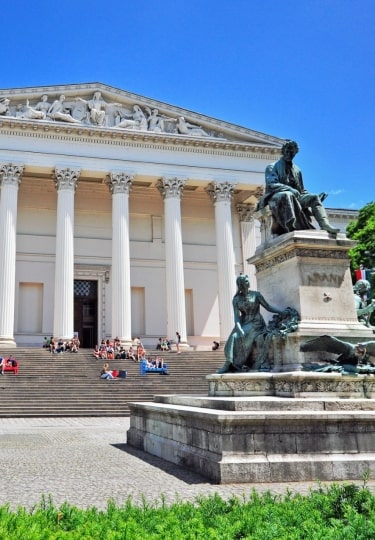
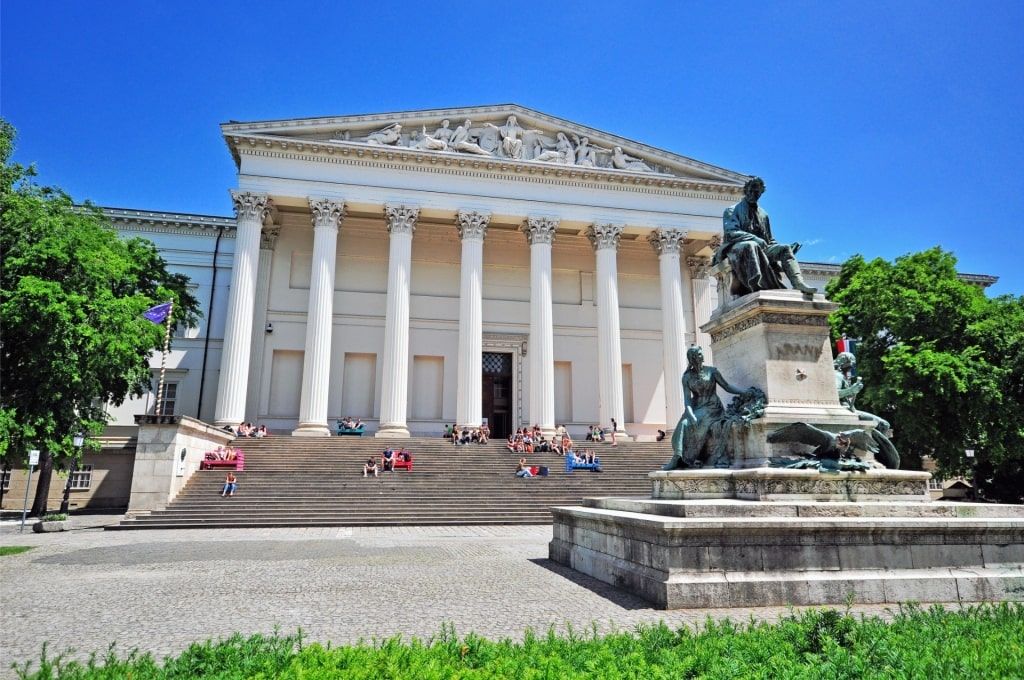
The 19th-century building housing the Hungarian National Museum is a neoclassical marvel well worth a visit, with its marble columns, grand staircase and rotunda, gilded ceilings, and ornate frescoes. The permanent exhibit offers a chronological tour of Hungarian history. The lower level spans from prehistory in the Carpathian Basin to the Avar period in 804 AD, while the upper floor covers Hungary’s modern history all the way to the fall of communist rule in 1989.
The museum’s rich collections include Neolithic figurines, Roman mosaics, medieval art and portraiture, royal regalia, such as King Stephen I’s coronation mantle, and the Monomachus crown. The immersive stage-by-stage experience through the art, archaeology, and history of each era makes the museum a great foundational visit to understand Hungary’s past, and its gardens make for a lovely stroll to discover exquisite landscaping and outdoor sculptures.
Museum of Fine Arts
Museum of Fine Arts
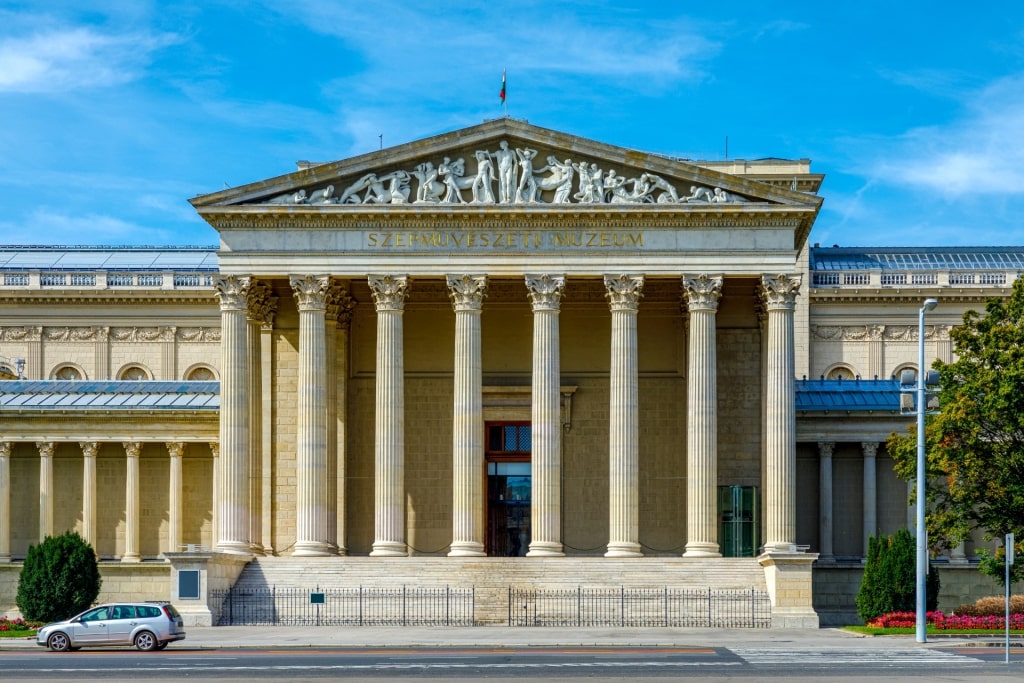
This Heroes’ Square institution houses one of the most important art collections in Central Europe, with exhibits ranging from Egyptian antiquities to Old Masters’ paintings to modern art. It also features classical Roman and Greek art, including the third-century marble sculpture known as the Budapest dancer. Other important highlights of the Museum of Fine Arts include works by Raphael, El Greco, Velázquez, and Goya, as well as drawings by Rembrandt and studies by Leonardo da Vinci.
The museum also received an important collection donated by 20th-century Hungarian artist Victor Vasarely, which is exhibited in a two-story affiliated museum in Óbuda called the Vasarely Museum. Known as the “father of op art”—short for optical art—Vasarely created masterpieces such as Ibadan-Pos and Keek, paintings offering illusions of dimensionality and movement.
House of Music
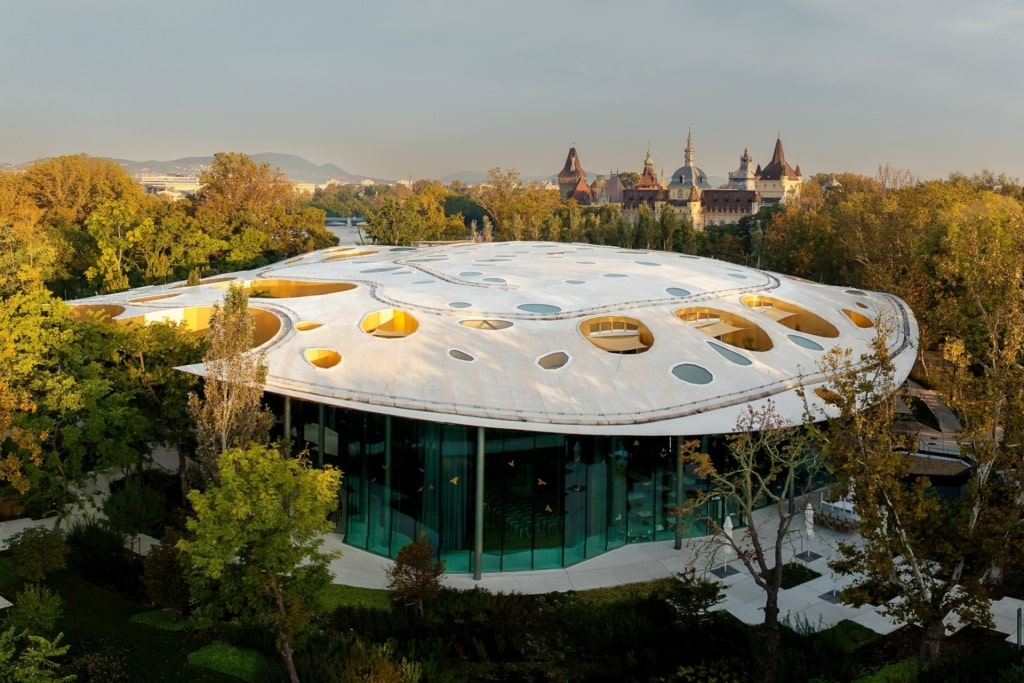
House of Music
Hungarian music has produced masters such as composer and pianist Franz Liszt, 20th-century composer and ethnomusicologist Béla Bartók, and Zoltán Kodály, inventor of the Kodály method of music education.
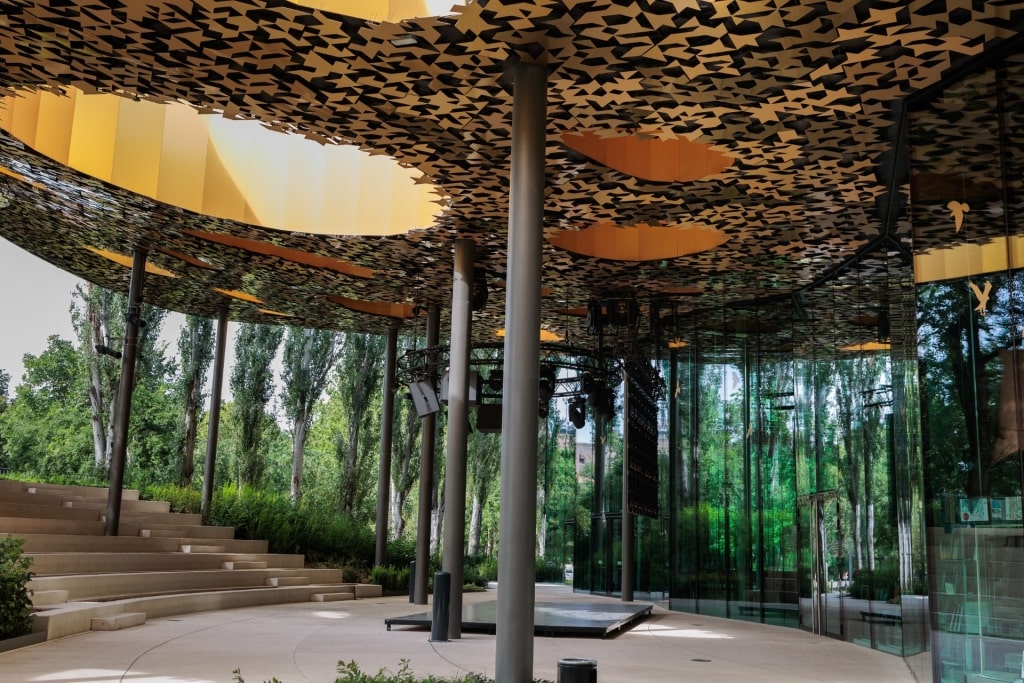
This museum, devoted to Hungarian music, is in a stunning modern building of glass and curves, designed by Japanese architect Sou Fujimoto, and is located inside the greenery of City Park.
House of Music
During your visit, you’ll wear wireless headphones to enjoy an immersive experience through the “Space and Time” permanent exhibit surveying centuries of Hungarian musical history.
The Sound Dome and Creative Sound Space are specialized rooms where you can experience state-of-the-art sonic experiences and design your own compositions. Check the event schedule prior to your visit to catch one of the many concerts and performances put on in the museum’s majestic concert halls and open-air stage.
House of Terror Museum
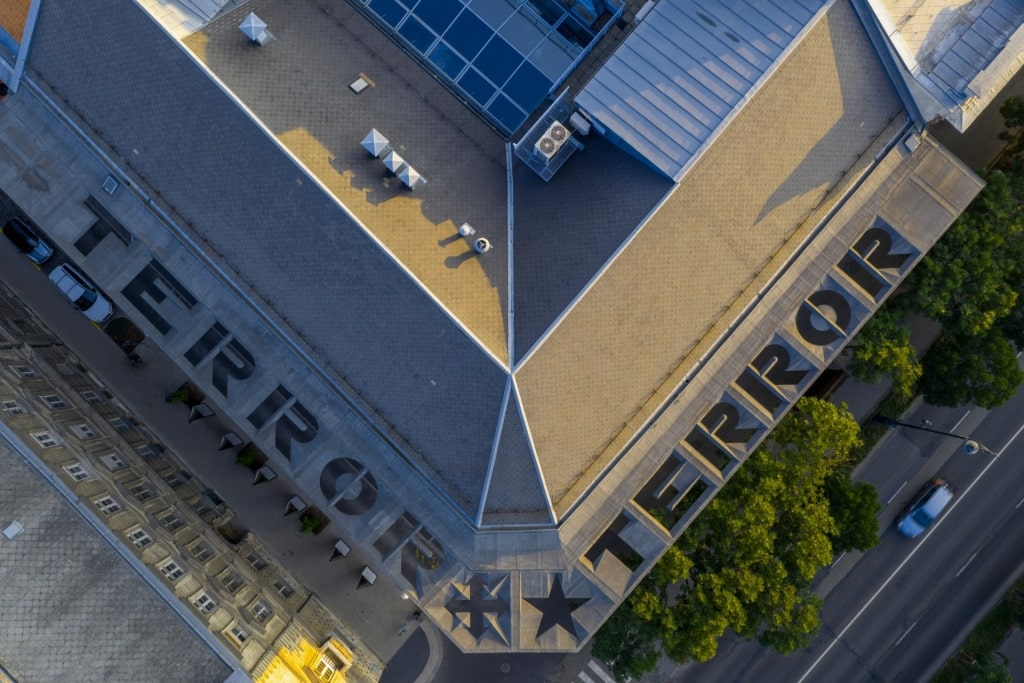
House of Terror Museum
This museum, housed in the former headquarters of the Communist secret police in Budapest, offers a commemoration of the violent and repressive legacy of over four decades of Nazi and Soviet occupation in Hungary. The exhibits reckon with the history of persecution, deportation, and oppression enacted by the totalitarian post-WWII regime, and give voice to victims through testimonials, artifacts, personal letters, and interactive multimedia. The basement of the building contains chilling recreations of torture cells and tools.
The chronological flow of the exhibition then takes visitors through the 1956 revolution and the heroes and martyrs who played a key role in that watershed moment in Hungarian history. Finally, the Farewell room tells of the mass demonstrations that heralded the end of Soviet rule and the departure of Soviet troops from Hungary.
Museum of Ethnography
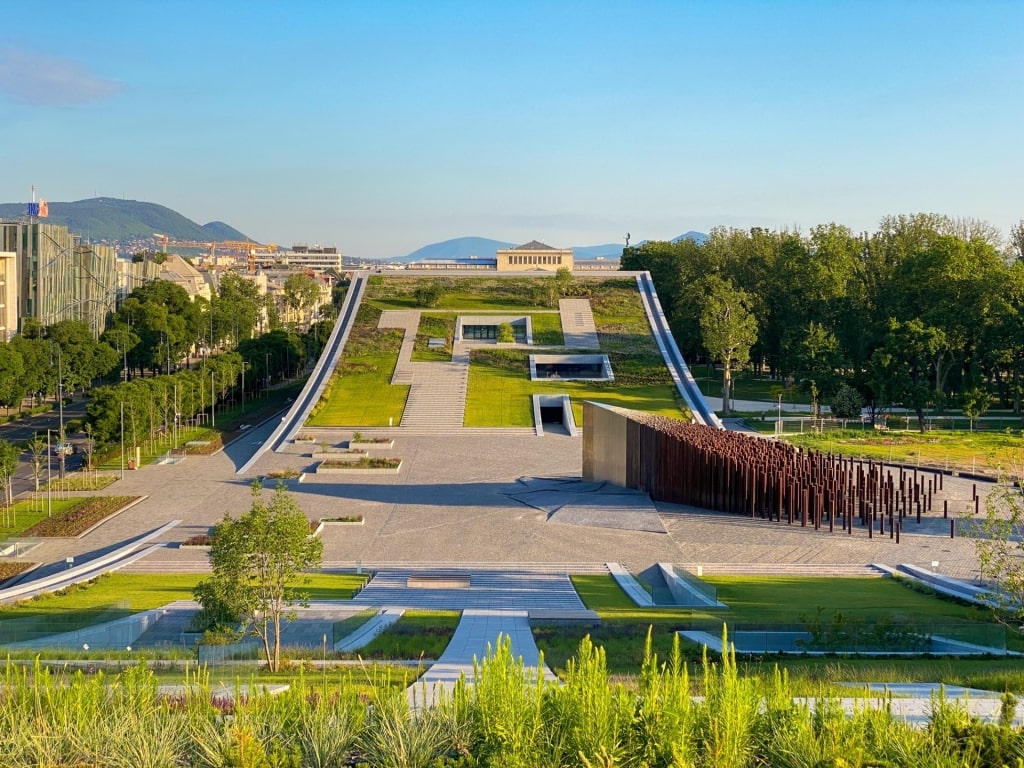
Museum of Ethnography
This museum takes a fascinating look into the artifacts, objects, and folk materials that trace the culture and history of the Carpathian Basin and beyond. Instead of dividing its collections by time period or geography, the museum has grouped its exhibits into thematic units, ranging from ceramics to costumes and textiles, from furniture and lighting to toys and musical instruments.
Visitors are invited to step into the shoes and mindsets of an ethnographer, questioning which items and materials belong in a museum, or what to do with the possessions of the dispossessed. As you ponder tenets of ethnography, take in the Matyó textiles, Oceanian masks, and folk costumes, and contemplate the model replica of Budapest in the museum vestibule.
Hungarian Railway Museum
Hungarian Railway Museum
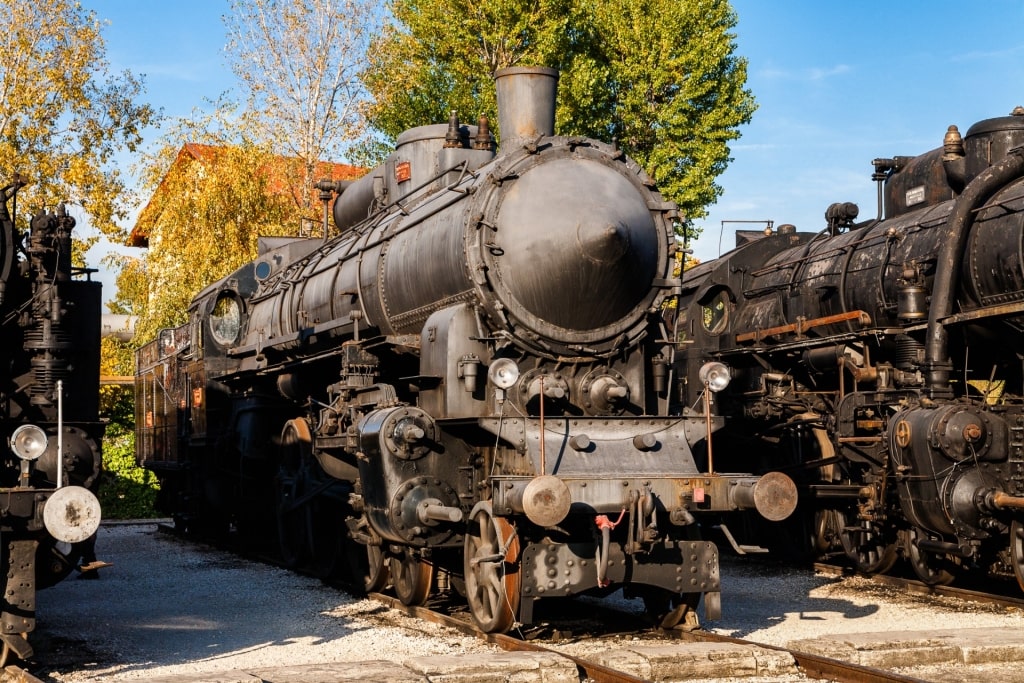
This delightfully niche museum will excite all railroad enthusiasts. Occupying a railway station that used to be the Budapest North Depot, it is an open-air park with hundreds of rare railway vehicles. Look for an Orient Express dining car, a 1934 Árpád railcar, which once connected Budapest and Vienna in under three hours, and a luxury Soviet automobile owned by a former Hungarian Prime Minister, later converted for railway use.
The exhibits offer hands-on, interactive experiences such as operating handcarts and engine simulators. For history buffs, the museum provides a robust overview of railway history in Hungary, and even displays nostalgic steam locomotives that remain operational to this day.
Ludwig Museum
Ludwig Museum Photo by ucsendre on Wikimedia Commons, licensed under CC BY-SA 3.0
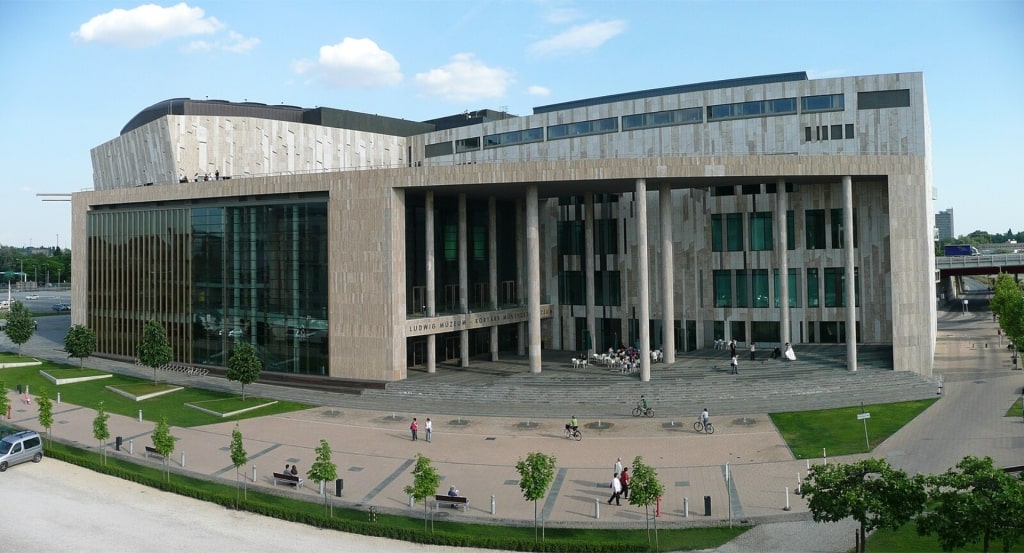
This contemporary art museum features a rotating permanent collection with a strong emphasis on Central and Eastern European contemporary artists. Get to know the work of avant-garde and post-Communist era artists such as Ilona Keserü and Imre Bak, along with pop and conceptual artists from the Czech Republic, Poland, and territories of the former Yugoslavia. International artists exhibited include Andy Warhol, Roy Lichtenstein, and Jean-Michel Basquiat.
Ludwig Museum is part of the Palace of the Arts complex, located right on the banks of the Danube River. The complex also houses theater performances and concerts, such as a summer jazz festival and a classical programming series.
Kiscell Museum
Kiscell Museum
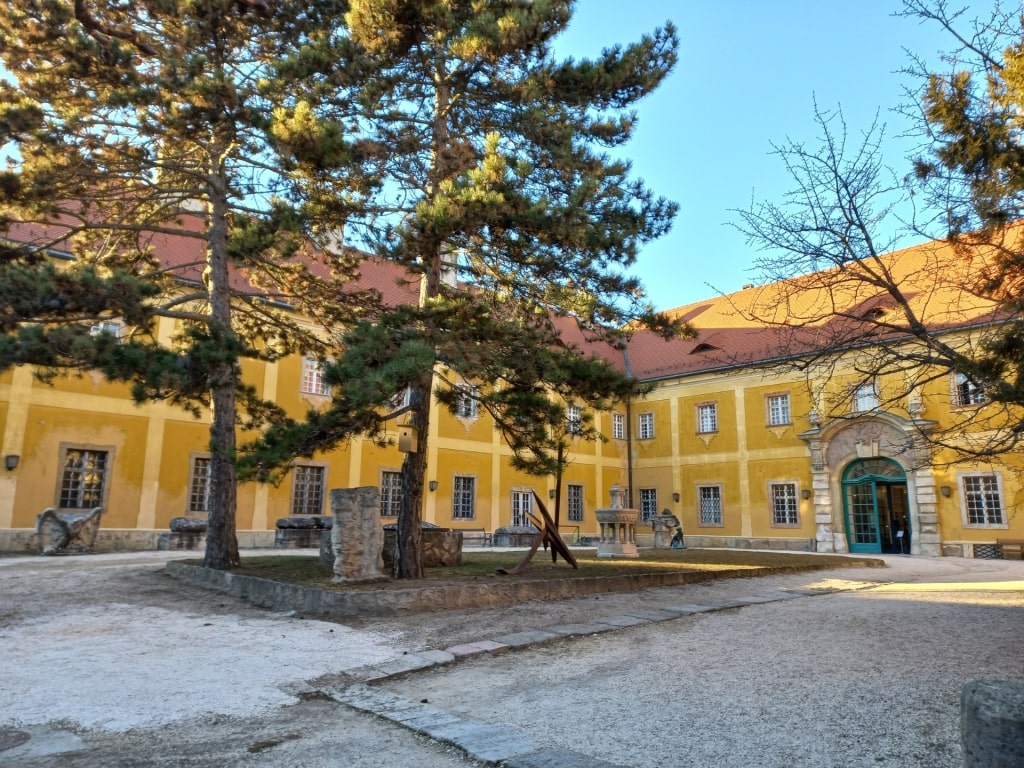
The Kiscell Museum is a relatively well-kept secret located in a Baroque 18th-century monastery in Óbuda. This quirky institution is affiliated with the Budapest History Museum in the city’s Castle District. It features a 19th-century apothecary in its base level, an eclectic Art Nouveau furniture display, artwork by József Rippl-Rónai, Lajos Tihanyi, István Csók, and more, a sculpture hall, and temporary photography exhibits.
The monastery is situated on top of a hill surrounded by a wooded park and pleasant walking trails. Stroll along the 14-station Cavalry Pathway and admire the limestone outcrops to soak in the nature and history around the Kiscell Museum after your visit.
Hungarian Museum of Trade and Tourism
Hungarian Museum of Trade and Tourism Photo by Tóth Helga on Wikimedia Commons, licensed under CC0 1.0
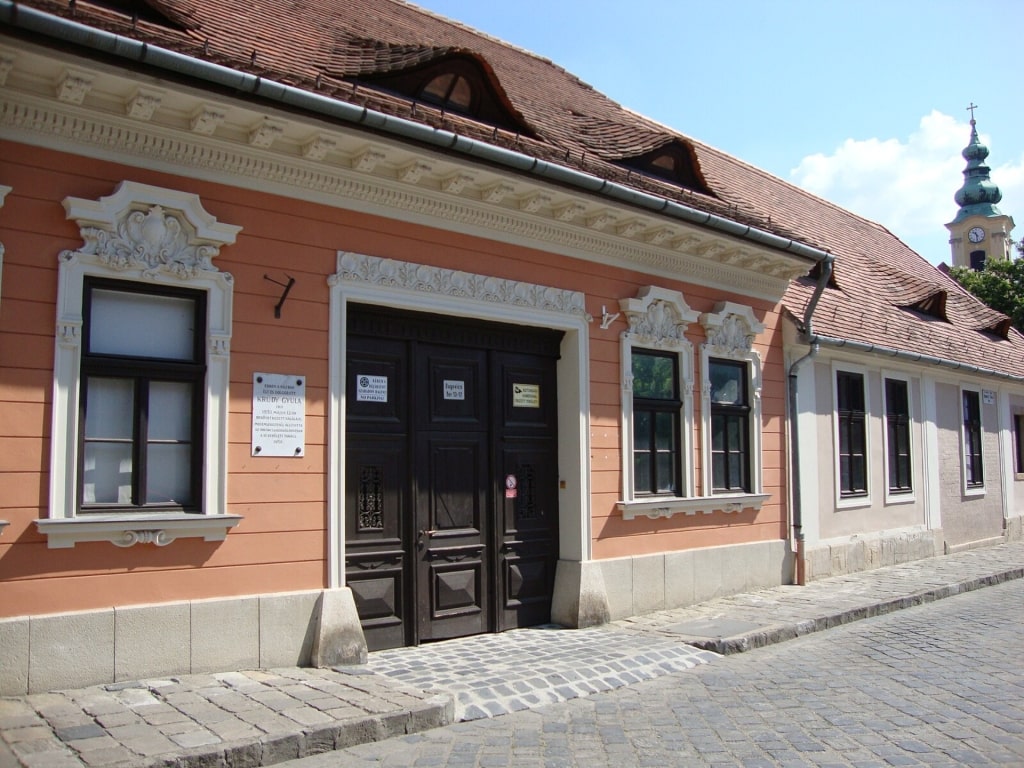
As a visitor to Budapest, why not learn about the city and Hungary’s history of hospitality in this industry-specific museum? This small gem in Óbuda is devoted to artifacts and exhibits related to gastronomy, catering, trade, and tourism culture. You’ll find recreated kitchens of old-world restaurants, original menus, signboards, restaurant and hotel furniture, and items from the collection of Frigyes Glück, a prominent Hungarian hotelier from the turn of the 20th century.
Learn about the history and behind-the-scenes stories of Budapest’s grand hotels, visit replicas of lavish hotel rooms and spartan Soviet-era shops, and imagine yourself at a market, bakery or café in Budapest’s bygone days. Though this museum is located a bit further from the city center, many visitors enjoy it as an offbeat excursion away from tourist crowds to learn about a niche facet of Hungarian commercial history.
Hospital in the Rock Nuclear Bunker Museum
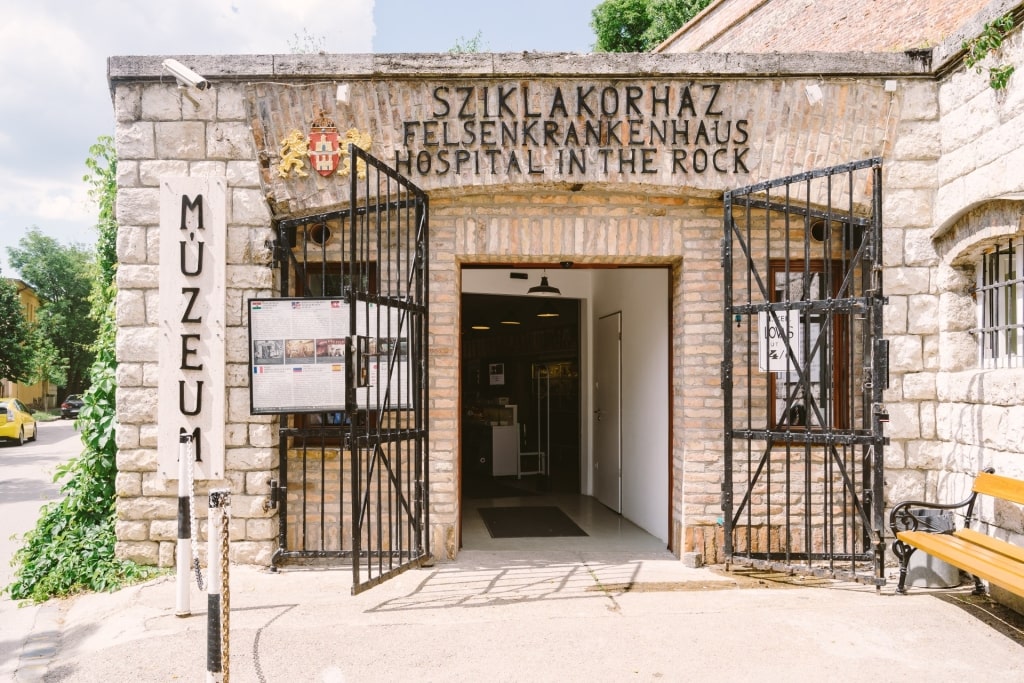
Hospital in the Rock Nuclear Bunker Museum Photo by
Wei-Te Wong on Flickr, licensed under CC BY-SA 2.0
Castle Hill in Budapest is home to a network of underground caves and bunkers, including this below-ground hospital that played a crucial role in treating patients during WWII and the 1956 revolution, before being converted into a nuclear bunker during the Cold War.
During a one-hour guided tour, you’ll descend into history and see the hospital rooms, medical equipment, and even the top-secret nuclear bunker the site later became. You’ll learn about the crucial roles the hospital and its doctors and nurses played during the Siege of Budapest and the 1956 uprising against Soviet rule.
Pinball Museum
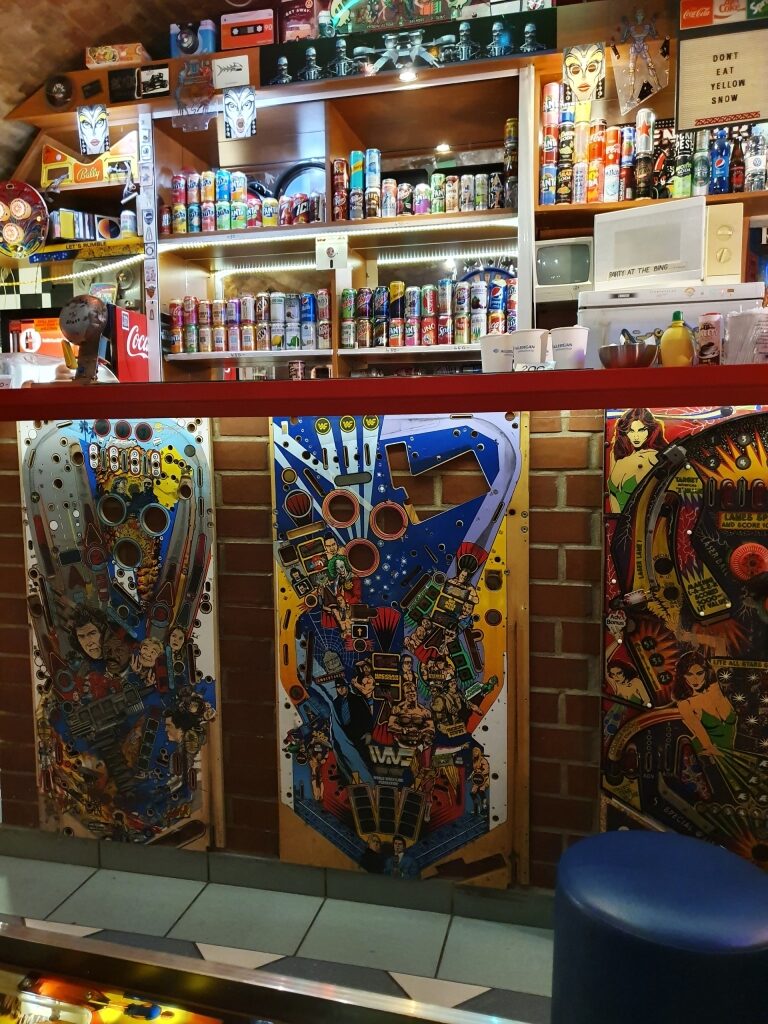
Pinball Museum Photo by Mig Gilbert on Flickr, licensed under CC BY-SA 2.0
A real arcade under beautiful stone vaults that houses over 130 vintage and state-of-the-art pinball machines, the Pinball Museum is a dream come true for enthusiasts of vintage arcade games. Here you’ll find pinball machines from the late 1800s, the mid-century, or perhaps machines from manufacturers familiar from your own childhood.
The atmosphere here is both nostalgic and lively, and you can enjoy unlimited use of all arcade games–including vintage machines still in impressive working condition– with the cost of a single entry ticket. Get a soda from the museum café and get ready to fritter away a few joyful hours on a rainy afternoon in this pinball heaven.
House of Unicum
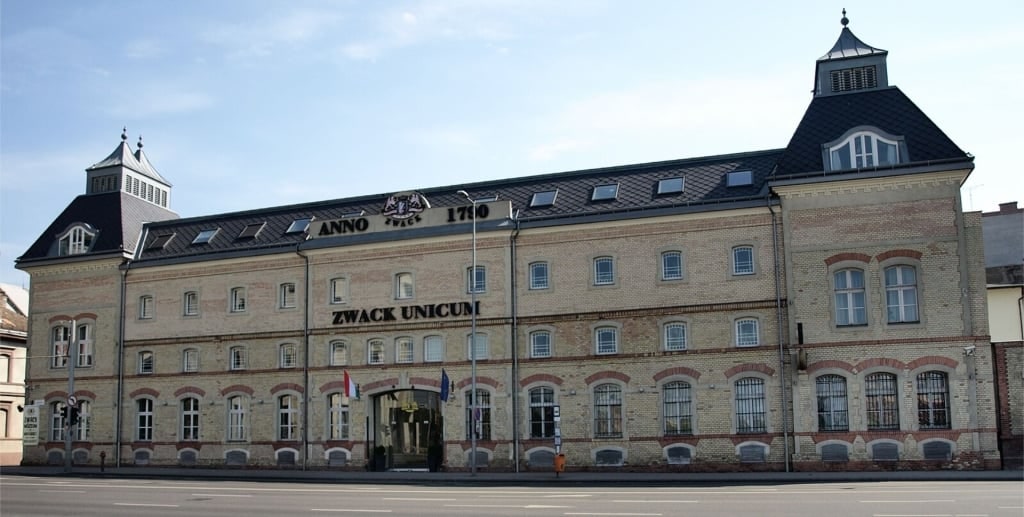
House of Unicum Photo by Misibacsi on Wikimedia Commons, licensed under CC BY-SA 2.5
Unicum is a quintessential Hungarian liqueur–a bitter amaro made of over 40 herbs and bound together by the secret formula of Dr. Zwack, its inventor. Lore goes that Dr. Zwack, a royal physician, served his concoction to Emperor Joseph II, who declared: “Dr. Zwack, this is unicum!” hence bestowing the “unique” liqueur its name.
The Zwack family founded a business making and selling the liqueur, and the House of Unicum tells the intertwined stories of the spirit, the business, and the family. Here you can visit the distilleries and cellars where unicum is made, sample fresh unicum from the barrel, and learn the behind-the-scenes history of the family operation, now more than two centuries old.
The building itself is an appealing, mysterious space with gorgeous black-and-white checkered floors, vaulted stone cellars, green railings, and vintage bottle displays.
Holocaust Memorial Center
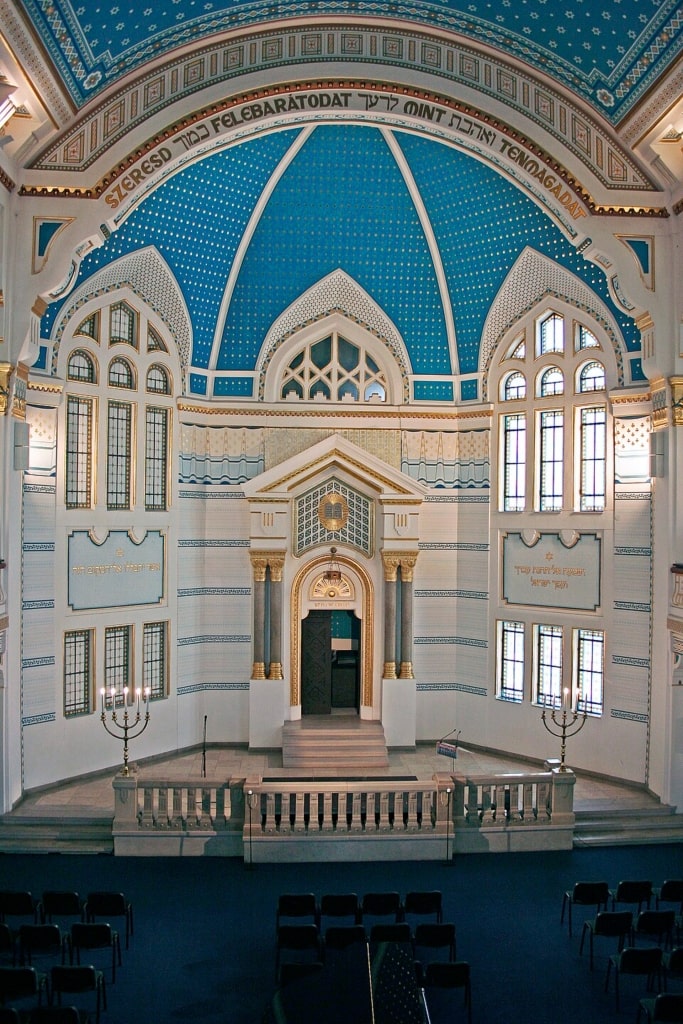
Holocaust Memorial Center Photo by Takkk on Wikimedia Commons, licensed under CC BY-SA 3.0
Over half a million Hungarian Jews perished during the Holocaust, and it is estimated that one in ten victims of the Holocaust was Hungarian in origin. This memorial center, located in District 9 and built on the grounds of the former Páva Street Synagogue, tracks the events leading up to the persecution, deportation, and genocide against the Jewish population during WWII through its permanent collection, “From Deprivation of Rights to Genocide.”
A memorial garden offers a space for commemoration and reflection as visitors take in a wall inscribed with the names of 600,000 Hungarian victims of the Holocaust. The museum also gives insights into the plight of other populations that suffered persecution and violence in recent Hungarian history, including the Romani as well as queer and disabled communities.
Franz Liszt Memorial Museum
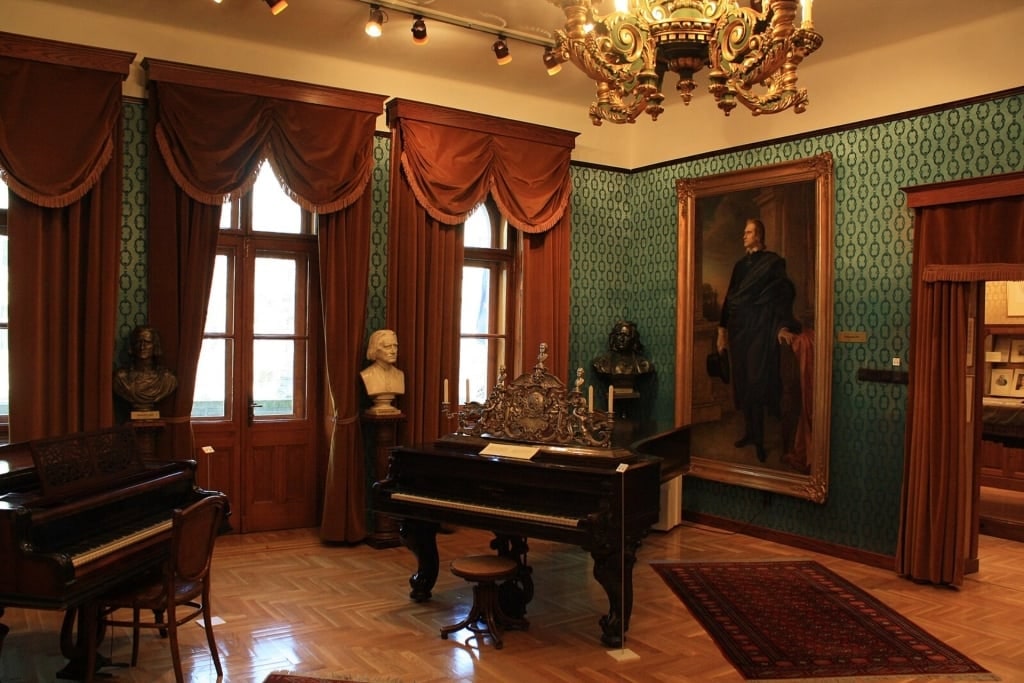
Franz Liszt Memorial Museum Photo by Tamcgath on Wikimedia Commons, licensed under CC BY-SA 3.0
Franz Liszt, Hungary’s most prominent musician and composer as well as a virtuosic pianist, founded the Royal Academy of Music in 1875 and lived within the academy’s property in a three-room first-floor apartment for years until his death. The space is now a house museum where you’ll find the composer’s three pianos, including a Bachmann glass piano, as well as Liszt’s original personal effects and furniture.
With a helpful audioguide, retrace the final years in the great artist’s life and learn about his musical legacy while absorbing the atmosphere of the space he inhabited, surrounded by beautiful musical instruments, composition sheets, and intriguing memorabilia.
Read: What Is Budapest Known For?
Money Museum
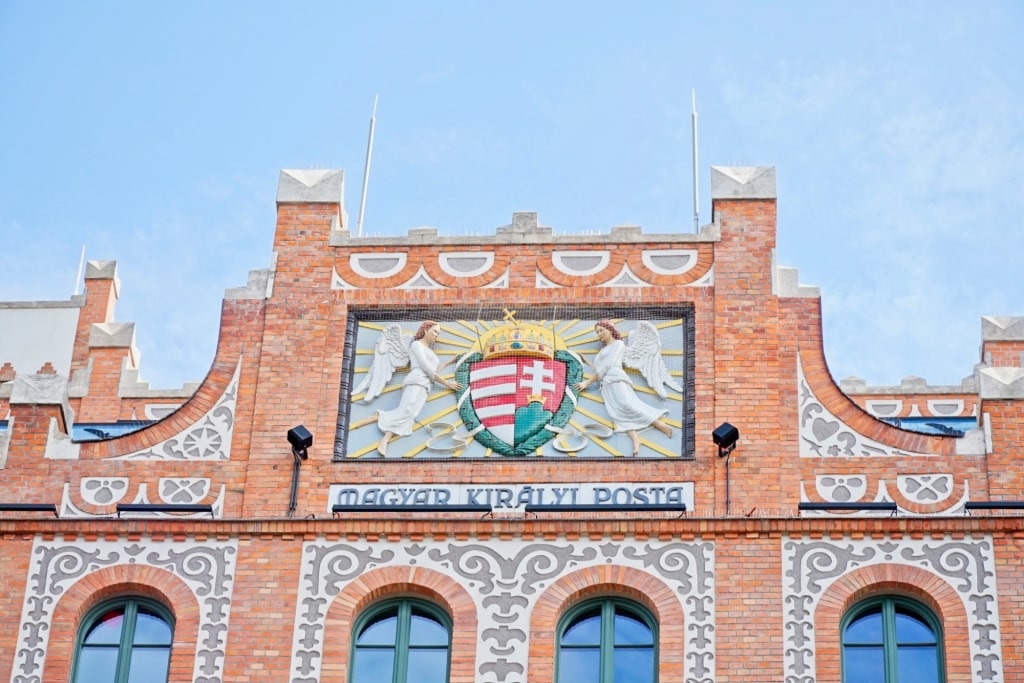
Money Museum
If you are imagining antique Hungarian coins and the mechanics of printing currency, think bigger. This Budapest museum is dedicated to providing an overview of the foundations of global finance, featuring interactive screens and games that teach visitors how to trade stocks, the inner workings of bank loans, and the functions of currency.
You’ll wind your way through the Gold Mine to examine how money is used to assign value. Then, explore financial systems as means of circulation and payment, and finally how international currencies are wielded in the system of global finance.
Beyond its top-notch technological features, this museum is still a wonderful physical and historical experience. It is housed within Hungary’s imposing central bank building and there are tactile portions of exhibits; for example, you can try your hand at lifting a gold bar. Entry is free at this educational and entertaining specialty museum, but do remember to book a time slot in advance.
Budapest
Now that you have a sense of the incredible diversity and the range of curiosities and historical deep dives that Budapest museums offer, come and see for yourself. Browse Celebrity’s river cruises to Budapest and plan your European adventure.