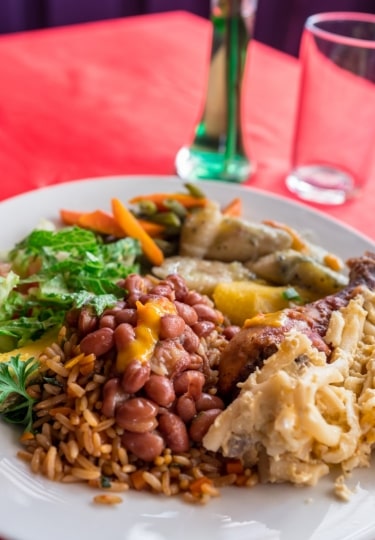
Influenced by the British, French, and Amerindians (the original native inhabitants of the island), St. Lucian food is a delicious melting pot. From conch and saltfish to green figs and juicy mangos, sampling the flavors of this beautiful island will be a memorable part of your vacation.
Explore Caribbean culture while eating your way through the eclectic St. Lucia food scene. Here are some of the dishes and drinks to try during your visit.
History of St. Lucian Cuisine

Restaurant in St. Lucia
When it comes to St. Lucian food, the country’s cuisine is quite the melting pot, thanks to control of the island swapping hands multiple times over the years. At its heart is St. Lucia’s natural bounty, the same foods that would have been available to the Arawak and Carib early settlers. This includes root vegetables, breadfruit, mango, and citrus, plus, of course, an abundance of seafood.
As time passed, the South Caribbean island was involved in a colonial tug-of-war between the French and the British, a fierce battle that saw the birth of St. Lucia’s take on Creole cuisine, seen in one-pot dishes, the generous use of local produce, and a layering of herbs and spices.

Restaurant in St. Lucia
The French brought bouillon, cocoa tea, bread, and pastries, while British influences can be seen in roast-style meats, puddings, a love of tea, and the use of curry powders and spices from the wider empire. Enslaved Africans arriving on the island to work on sugar plantations from the 17th century onward added their own touches, with dishes that grew out of hardship, such as green figs and saltfish.
Today, those Creole influences remain strong, though more modern global flavors such as barbecue and burgers also feature on menus, particularly in hotels and international chain restaurants.
Food Customs & Dining Culture in St. Lucia

St. Lucian food
Unless you’re invited to a formal event, St. Lucia’s dining culture is a relaxed affair with a sociable, unhurried approach to meals. Food is seen as a way of welcoming people, and meals often feature sharing plates or are served family style. Portions are on the generous side. There’s a strong home-cooking culture—big family lunches featuring hearty local classics such as rice and peas, stews, and macaroni pie—and that home-style cooking filters into both the dishes and the atmosphere in local restaurants.
Beyond sit-down eateries, street food is high on the agenda. Snackettes, or snack bars, and street vendors offer everything from rotis and bakes to fried chicken and fish. The fish fries in Anse La Raye and Dennery, as well as the Gros Islet Friday Night Street Party, feature stalls grilling snapper, mahi-mahi, and more, often eaten standing up or at shared tables.

Breakfast in St. Lucia
Breakfast tends to be hearty and often savory, with saltfish a popular choice alongside Johnny cakes and cocoa tea. The main hot meal is either lunch or an early evening dinner. In many local spots, dinner is typically served from around 5 p.m. until no later than 8 p.m.
St. Lucian food tends to be flavorful, with lots of fresh herbs, garlic, scallions, thyme, and the heat of Scotch bonnet chiles. You’ll usually find condiments on the table—cooling chutneys alongside pepper sauce and other spicy additions—so you can season your meal to your own taste.
Service is generally friendly; if you can’t finish a meal, ask your server to pack it to go. Tipping for good service is usually around 10-15%, but check in more upscale venues where a service charge may already have been added to the bill.
Must-Try Dishes
Lambi
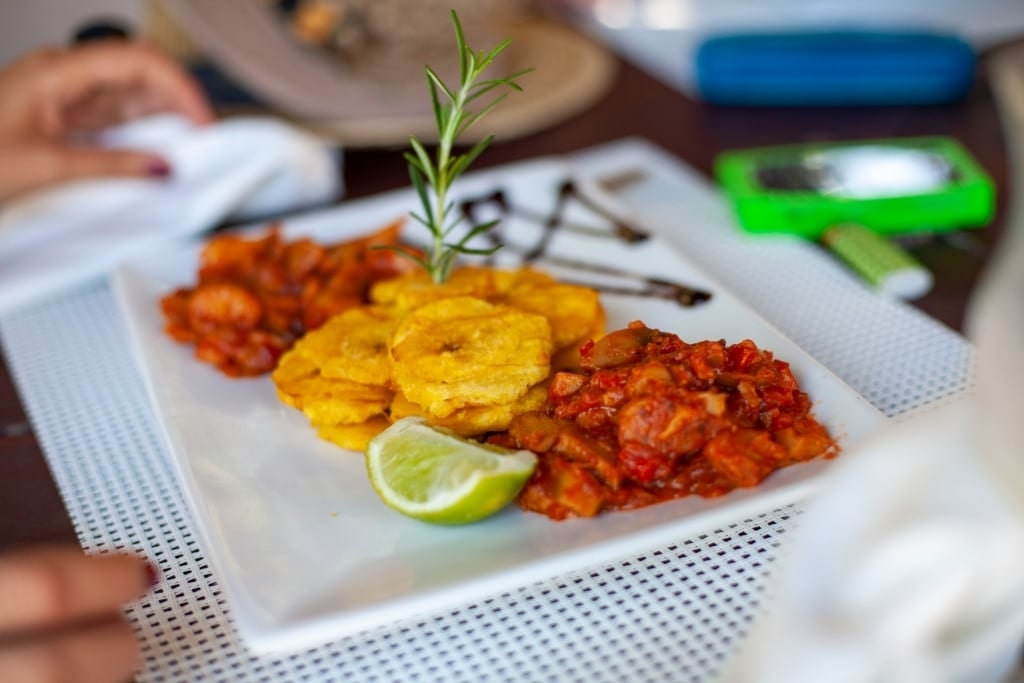
Lambi
St. Lucia is one of the best Caribbean islands for food, and if there’s one dish to try while visiting, it’s this flavorful conch stew. Made with the quintessential Caribbean conch, lambi is one of St. Lucia’s most celebrated dishes—and is in no way related to lamb, as the name might suggest).
The conch is pounded down before being pan-fried and then cooked within a stew. The island is known for preparing this famous meal Creole style, as a stew with a mix of spices including curry powder, garlic, scallions, salt, oil, coriander, and thyme and vegetables such as carrots.
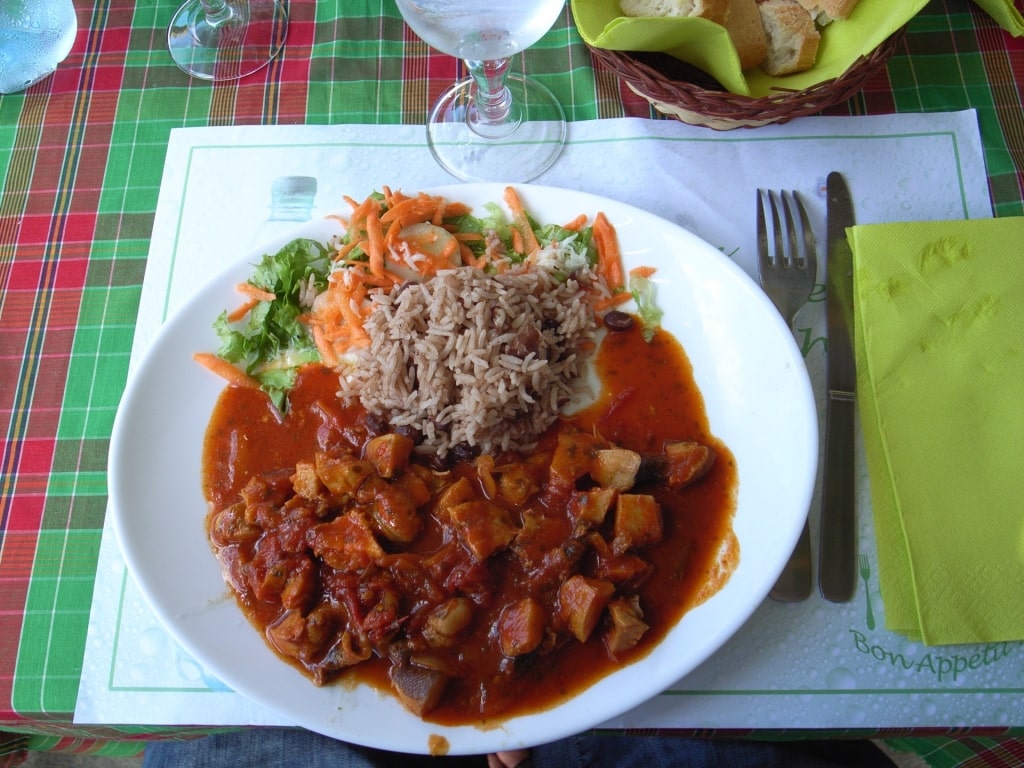
Lambi Photo by Nicolas Nova on Flickr, licensed under CC BY 2.0
Lambi is often a feature of local barbecues and street parties. The dish occasionally graces restaurant menus, typically as an appetizer, but you’ll have better luck finding it at an outdoor barbeque or as street food.
Green Figs and Saltfish
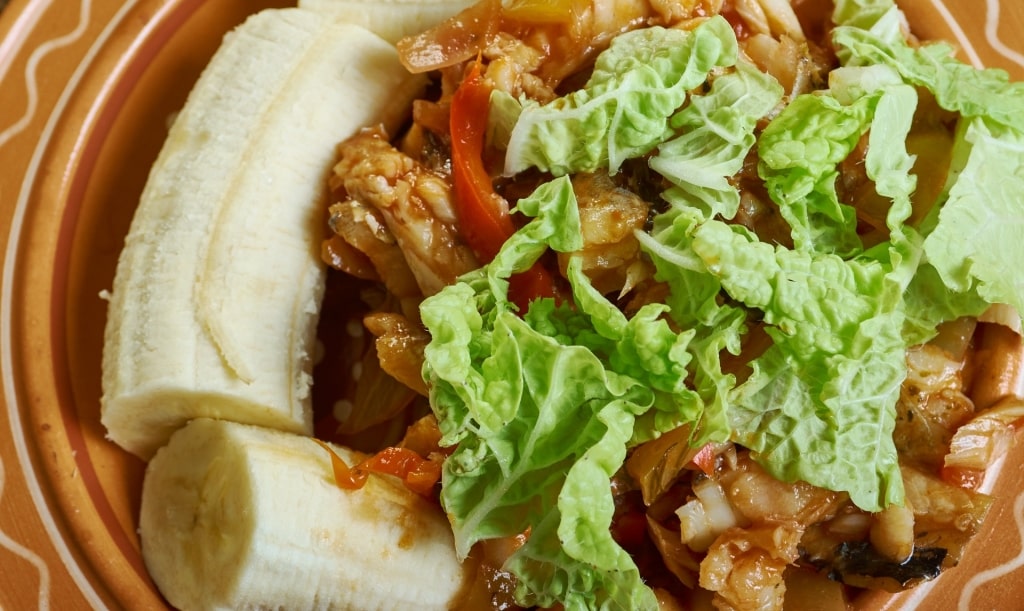
Green figs and saltfish
The national dish of St. Lucia is another must-try. Green bananas are the country’s largest export and are one of the main ingredients in this meal, as well as in several other St. Lucian dishes.
Prepared with green bananas (referred to as “figs”) and salted codfish, this culinary staple has a wide array of variations, sometimes using different types of fish and side accompaniments.
Ingredients such as cilantro, parsley, garlic, pepper, and onion enhance the flavor as the saltfish is stewed, and then served alongside the softly boiled green banana.
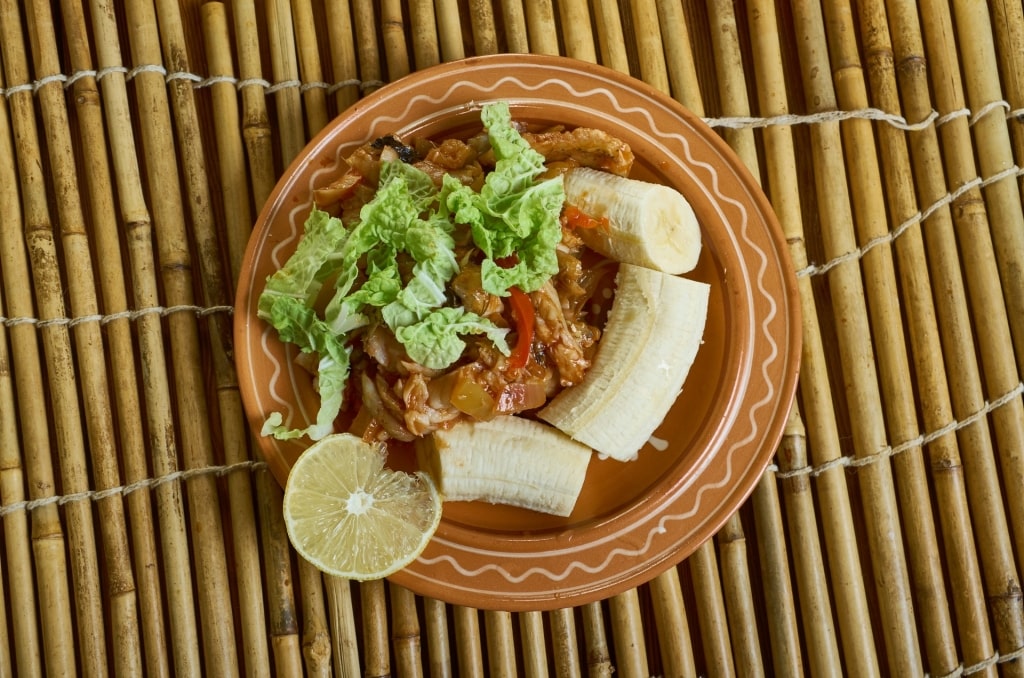
Green figs and saltfish
The recipe has been passed down from generation to generation, and although it’s enjoyed year-round, it’s a popular dish to eat on the weekends, as well as during the annual Creole Day Festival (Jounen Kweyol) in October.
Green fig and salt fish is typically served with a salad on the side, consisting of lettuce or cabbage, cucumber, carrots, tomato, and avocado.
The dish features on many restaurant menus around the island, but one of the top places to try different variations is at the Castries Central open-air market in the island’s capital. Vendors sell this famous dish with their own individual twist on the recipe.
Breadfruit
Breadfruit
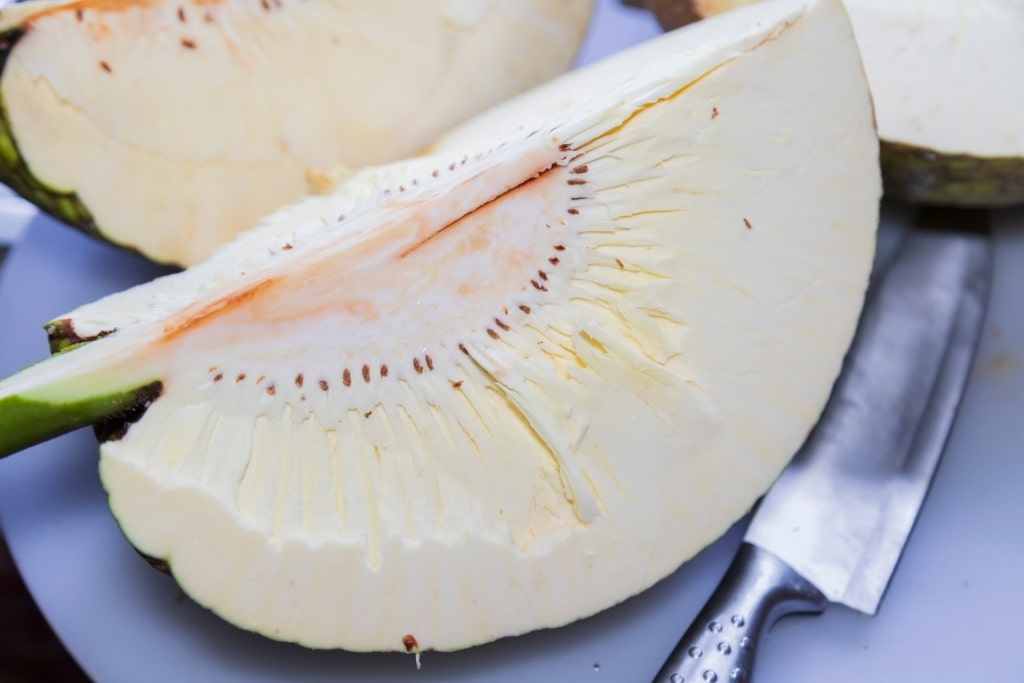
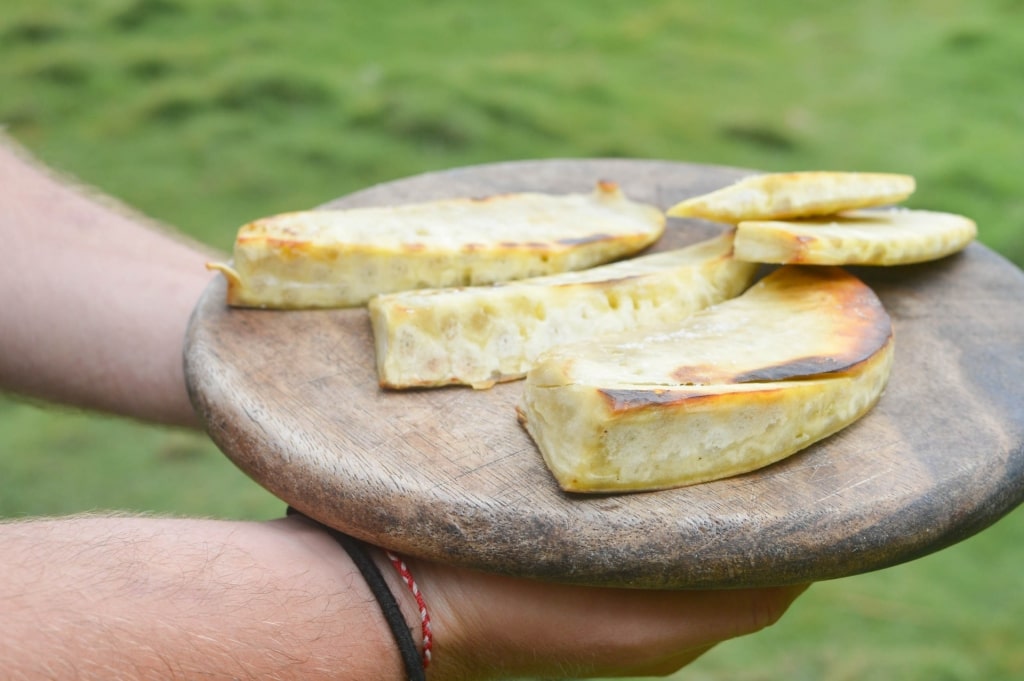
Breadfruit is a key item within the cuisine of St. Lucia and can be prepared in multiple different ways, often served as a side.
The versatile starch can be baked, boiled, fried, roasted, and even dried before being ground into a flour. One of the best-loved breadfruit dishes is in the form of deep-fried balls.
The breadfruit is mixed with seasonings, rolled into a ball with breadcrumbs as an outer coating, and baked. These breadfruit balls are a common snack or weekend side dish served with a spicy dipping sauce.
Breadfruit
It’s also paired with smoked herring, which is stewed with local seasonings, creating a dish that is plated along with a helping of cucumber salad, avocado slices and vegetables.
Breadfruit casserole is yet another popular way you’ll find it prepared. Since the round green fruit is so versatile, it’s possible to find it in some form on many menus throughout the island.
Pepperpot
Pepperpot
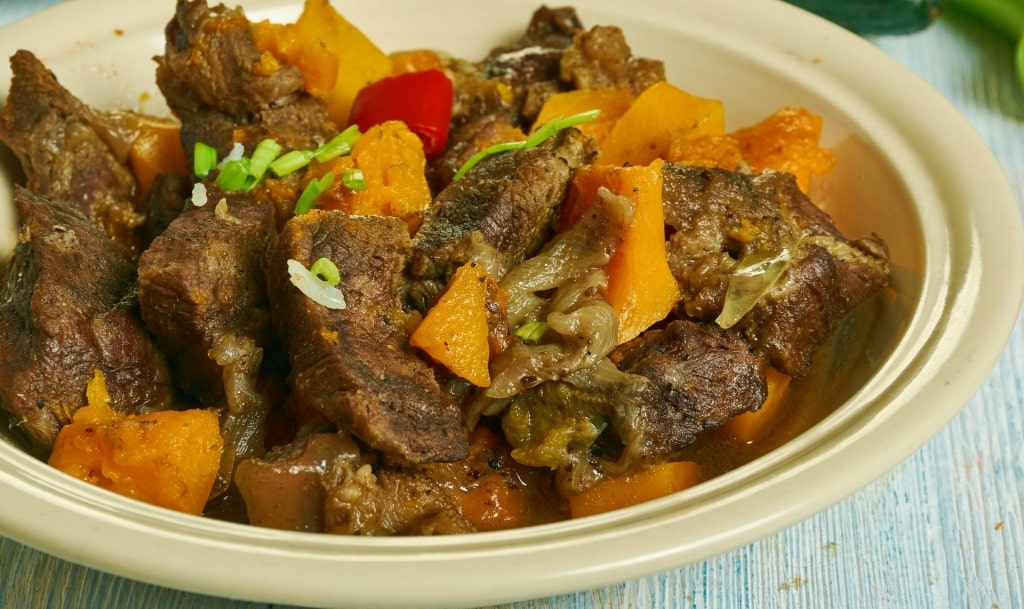
This traditional stew is another St. Lucian favorite, typically made with goat or mutton, although other meats such as chicken, beef, turkey, pork, oxtail, or cow’s hoof can also be used.
A lot of seasonings such as onions, garlic, cinnamon, brown sugar, cloves, thyme, orange peel, cassareep (cassava juice), and hot pimento peppers give it maximum flavor.
The meat and starches like yams or potatoes are slowly cooked with herb seasonings for the ultimate spicy pepperpot stew. Dip some homemade bread in your bowl and enjoy one of the comfort foods of St. Lucia.
Accra
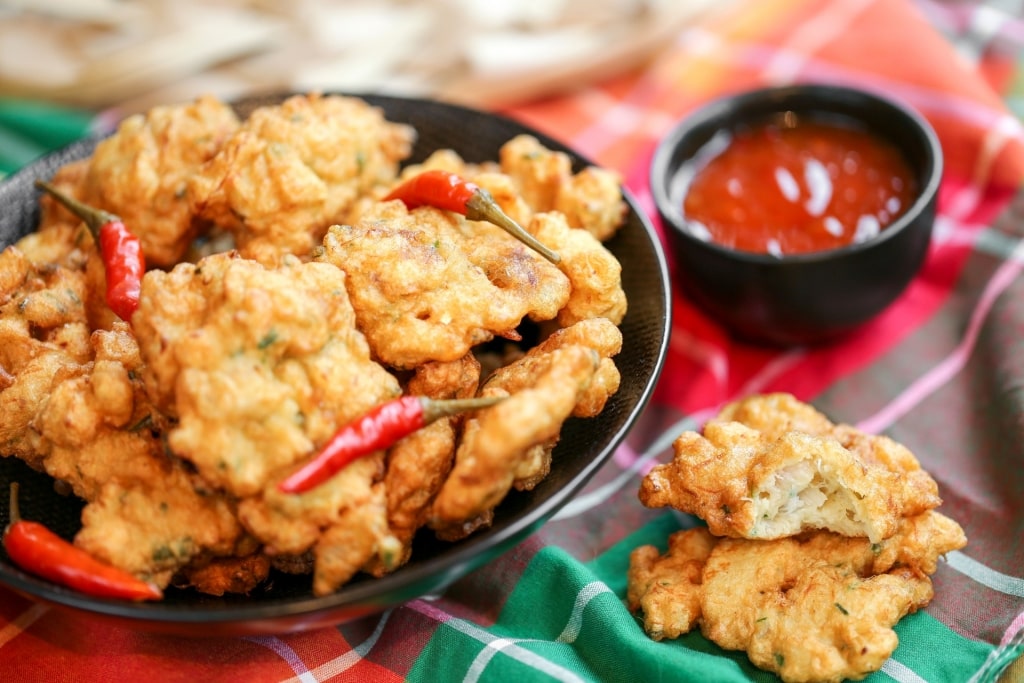
Accra
A great local snack to try while visiting St. Lucia is Accra, sold by most street food vendors and grills on the island. These salt fish cakes or fritters are deep-fried and delicious.
Made with shredded salted codfish or tinned tuna, scotch bonnet peppers, and seasoning such as garlic and scallions, this savory appetizer can be addictive.
Accra isn’t just a savory snack; it’s also a popular breakfast item, paired with morning tea, as well as a holiday favorite on Easter.
Accra can be found throughout the island in restaurants, at market food stalls, and small food shops. The combination of crispy texture, salt and punchy flavor makes this a top St. Lucian food to try.
Pemmie/Paime
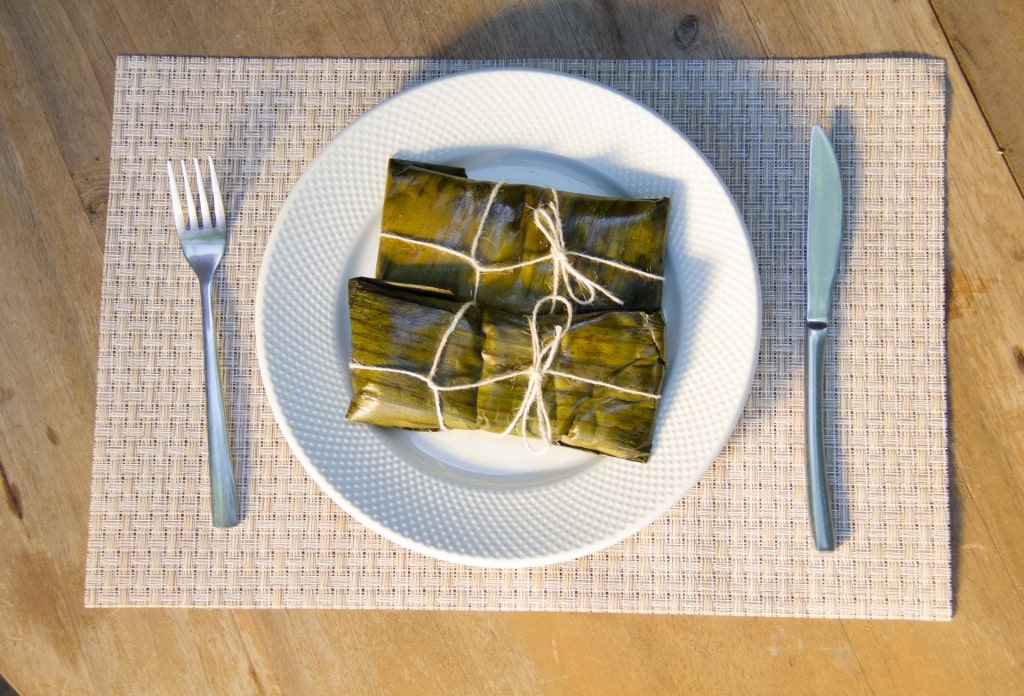
Pemmie/Paime
Satisfy your sweet tooth while in St. Lucia with a traditional dessert. Paime (also referred to as pemmie) is a Creole sweet treat that pays homage to the island’s heritage.
It’s made with a mixture of mashed pumpkin, dried coconut, cinnamon, sugar, and cornmeal that’s all tucked inside a green banana leaf. The concoction is tied up and boiled; you’ll know it’s finished cooking when the leaf turns a brown color and the inside has become firm.
Variations can be made with raisins, too. This specialty dessert item is a local favorite that is usually part of the Creole Day celebrations, held at the end of October. It’s also served at Christmas, but if you can find it on an island menu outside of the holidays, make sure to try it.
Cassava Bread
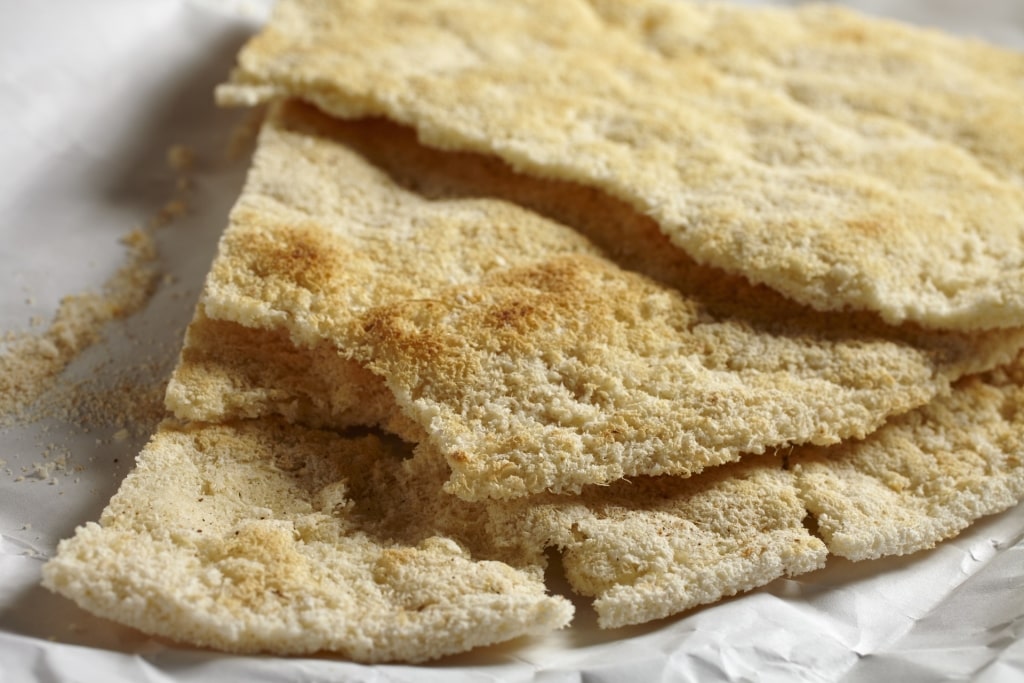
Cassava bread
The crowd-pleasing cassava bread is a versatile side dish in St. Lucia. The flat bread is made from cassava, a root vegetable, which is ground into flour and then turned into the round bread cake everyone loves.
It can be made in many different flavors in addition to plain, such as chocolate, raisin, banana, ginger, cherry, and saltfish. Try a few while visiting the island and see which is your favorite.
One of the top places to go for freshly baked cassava bread is Plas Kassav, meaning Cassava Place. This family-owned bake shop is located near the village of Canaries, on the island’s west coast, and offers tours of its factory as well as a chance to taste and buy its bread.
Cassava bread is often served with soup, avocado, butter, and much more and should be on anyone’s food list when visiting St. Lucia.
Callaloo Soup
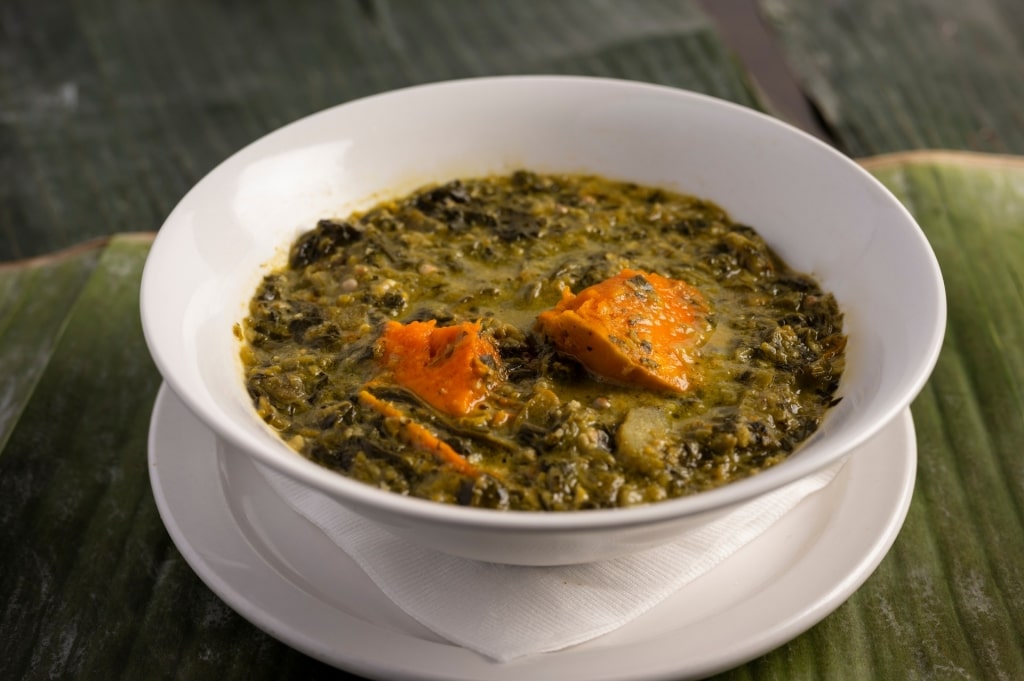
Callaloo soup
This comforting, delicious soup is a St. Lucian culinary staple with ties to West Africa. The broth is made from callaloo, a leafy vegetable similar to spinach, that grows abundantly throughout the Caribbean.
Depending on your preference, the soup can be made with various cuts of meat, or seafood like shellfish or lobster. For the most authentic, locally preferred version, try the crab and pigtails callaloo soup. Onions, garlic, okra, and potatoes compliment the protein and coconut milk and spices create a rich, full flavor.

Castries market
This soup is popular and made in island homes, but can also be found on the menu of restaurants serving local fare. The market in Castries is a great place to try this healthy soup, as are festival times such as Creole Heritage Month and National Day, when it’s served among other St. Lucian culinary classics.
Boudin (Black Pudding)
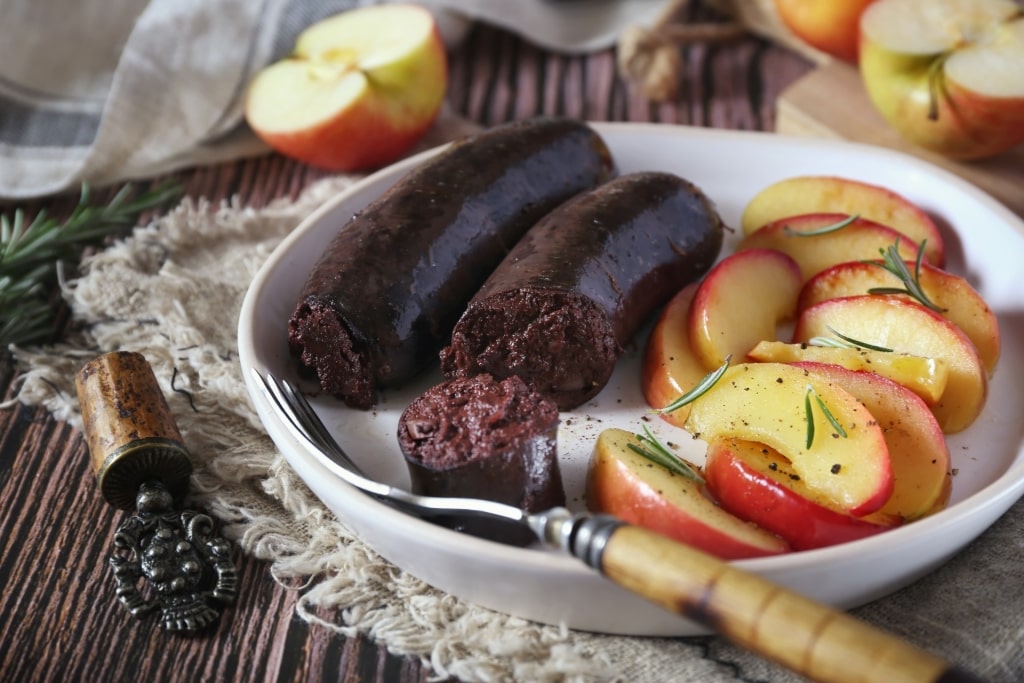
Boudin
Saint Lucia’s boudin, or black pudding, is for more adventurous eaters interested in trying local cuisine.
Don’t be misled by the name, as it’s not a dessert, or pudding-like at all. Served in sausage form, it’s a mix of pig or cow blood, herbs, spices, and either cracker crumbs or rice. The mixture is put into a casing made of pig or cow intestines and then boiled to cook it.
The well-seasoned meat has a dedicated following, although it may not be for the squeamish. You’ll find boudin at local restaurants and may find the best one by word of mouth.
Bouillon
This comforting soup is a hearty meal and is very popular on the island of St. Lucia. Typically made with meat such as beef, pork, or lamb, it can also be cooked with saltfish.
The ingredients include pumpkin, potatoes, yam, carrots, and lentil or red beans, mixed with seasonings and hot peppers for a bit of a spicy flavor.
The soup is cooked in a large pot, usually on Saturdays for family get-togethers or special events. Although it was traditionally only served in homes, it’s now more widely available in restaurants. While in St. Lucia, venture to the Castries Market to try a bowl of bouillon, or stop by one of the local eateries.
Fried Plantains
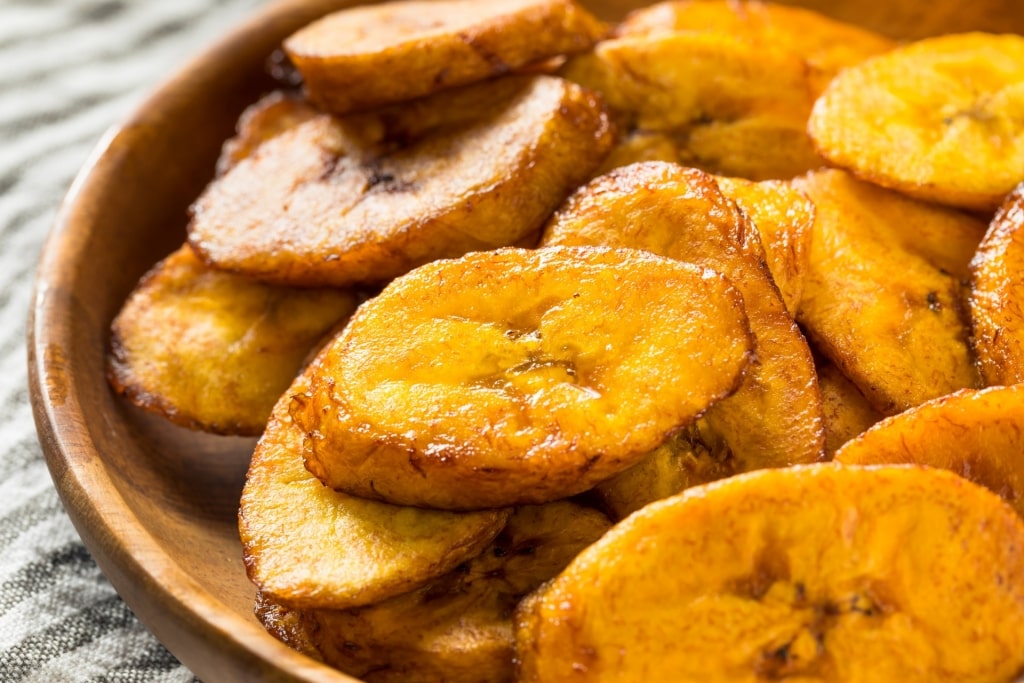
Fried plantains
A typical snack or side dish found throughout the Caribbean is the classic fried plantains. With a combination of crispy and sweet texture and flavor, it’s no surprise that they’re a favorite item on St. Lucia as well.
After being cut into pieces and fried in coconut oil with light seasonings like salt, the caramelized plantains are best enjoyed by dipping them into the quintessential island spicy sauce for a sweet, salty, tangy sensation.
You’ll find fried plantains on most restaurant menus, at street food vendors, and the Castries Market, which is a whole culinary journey in itself.
Roti

Roti
Roti is a great example of just how many different influences show up in St. Lucian cuisine. This Indian-influenced flatbread was brought to the island by indentured workers on the sugar plantations and gradually adapted into local cuisine with island ingredients. A soft, thin flatbread, usually made from a simple flour dough, is wrapped around curried fillings packed with protein such as chicken, beef, fish, shrimp, or conch, plus potatoes and sometimes garbanzo beans.
In St. Lucia, it’s one of the ultimate grab-and-go foods from local cafés and snackettes, perfect for a quick, filling lunch while out and about. Check out Liz Roti and Prudee’s House of Roti, both in Gros Islet, as particularly good places.
Johnny Cakes / Bakes

Johnny cakes
You’ll find Johnny cakes all over the Caribbean in different shapes and forms. In St. Lucia, they are known locally as bakes, or fried dumplings, and are just that: deep-fried dumplings made from a simple dough. The dough consists of flour, baking powder, a little fat—usually margarine—salt, and a touch of sugar. Formed into small rounds, they’re then deep-fried in hot oil, resulting in a crisp exterior with a fluffy interior.
Classically, you’ll find them on the breakfast table, commonly paired with saltfish, cheese, or eggs, though they’ll sometimes be served with stews and soups at lunchtime, too.
Creole Fish

Creole fish
Take a firm-fleshed white fish such as snapper, bream, or mahi-mahi, season it and lightly flour or batter it, fry until golden, then cover it with a fragrant sauce, and you get Creole fish, one of the most classic dishes in St. Lucian cuisine. The key to this simple but super-tasty meal lies in the local catch, so you know it’s ultra-fresh, and in the Creole sauce itself.
Tomato-based and made with onions, bell peppers, garlic, fresh thyme, and local herbs, plus the occasional Scotch bonnet chile, the dish is simple to put together but incredibly flavorful, especially if it’s allowed to simmer and thicken for a while. It’s usually served with rice and peas or a simple salad, sometimes with Johnny cakes on the side to mop up any extra sauce.
Brown Stew Chicken

Brown stew chicken
If you really want to eat like a local, Brown Stew Chicken should be your go-to St. Lucian food choice. The dish uses bone-in chicken that’s slow-simmered in a rich, deeply colored gravy. The chicken is first marinated in “green seasoning” of garlic, scallions, thyme, herbs, and sometimes lime, before being cooked in a pan where sugar has been caramelized.
Onions, garlic, bell peppers, carrots, and tomatoes are added to build up the sauce, and sometimes the ever-present Scotch bonnet is dropped in for warmth and flavor. Served with rice and peas, a simple salad, or macaroni pie, it’s a typical home-cooked food that you may also find on some smaller restaurant menus.
Grilled Lobster

Grilled lobster
If you’re used to eating Maine or other cold-water lobster, Caribbean spiny lobster may come as a bit of a surprise. The big claws and long antennae are gone, the texture is a little meatier, and the flavor slightly sweeter. What do they have in common? They’re both delicious, of course.
Usually served split in half in its shell, the lobster is grilled over charcoal before being finished with melted butter, garlic, lime, and fresh herbs. Common sides include rice and peas, a simple salad, grilled vegetables, plantains, or fries. If you’re on a tropical island like St. Lucia, it doesn’t get more “toes-in-the-sand” than a grilled lobster lunch or an early open-air dinner.
Fish Fry

Fried red snapper
A fish fry in St. Lucia is really more of a community event than a specific dish, though given the name, it won’t be surprising that fried fish is at the heart of things. Essentially, these are weekly community seafood nights in coastal villages where locals cook up the day’s catch outside. They tend to start in the early evening and run until late, but even if you’re not overnighting, there are fish shacks all around the island that recreate the Friday-night feeling during the daytime, albeit on a smaller scale.
When it comes to the fish on offer, you’re usually looking at red snapper, mahi-mahi, marlin, kingfish, and tuna. The fish is typically either grilled over charcoal with garlic, herbs, and oil, or fried as fillets, sometimes first dredged in flour and spices for extra crispiness and flavor.
Occasionally, it may be curried or done “Creole-style,” as above. Sides are plentiful: rice and peas, green figs—which are actually green bananas—bakes, breadfruit, plantains, simple salads, and macaroni pie.
Rice and Peas

Rice and peas
When a side dish is so good you could eat it on its own and feel like you’ve had a decent meal, you know you’re onto something special. Case in point: rice and peas, the Caribbean staple side dish that’s so good in St. Lucia you may even forget the Brown Stew Chicken, Creole fish, or grilled lobster alongside it.
Despite the “peas” name, you’re actually looking at legumes such as kidney beans or pigeon peas. These are cooked with the rice in a well-seasoned liquid rather than plain water. To this, a number of other ingredients are added: onion, garlic, thyme, scallions, and, often, coconut milk for a touch of decadence.
The finishing touch is a little allspice, salt, and black pepper, with some kind of chile often added for a gentle kick. Eaten on its own or alongside some of the other typical island dishes, rice and peas in St. Lucia is always a winner.
What to Drink in St. Lucia

Restaurant in St. Lucia
As you eat your way around St. Lucia, the drinks deserve just as much attention as the food. The island’s heat and humidity make “cold and refreshing” an absolute must most of the time. Good job, then, that there’s a decent mix of local staples, fun vacation cocktails, and more traditional drinks on offer.
Piton lager and rum punch are the two that most people will gravitate to, of course. By the time you’ve had your second of the latter, you may not be too bothered about which rum is going into the mix. But there are several decent brands on the island that stand up to being drunk without being drowned in fruit juice and grenadine.

Rum punch
Chairman’s Reserve is the one you’ll see everywhere, while Admiral Rodney and St. Lucia Distillers 1931 are two higher-end options for connoisseurs.
Non-drinkers don’t miss out. Fresh fruit juices made with mango, guava, passion fruit, or local citrus are widely available, along with coconut water, often served straight from the shell. Lime squash—fresh lime, sugar, and water over ice—is another favorite. You may also be offered cocoa tea, a traditional Caribbean hot drink made with local cocoa, spices, and milk or water. It’s like a hug in a cup.
Tips for Eating Like a Local

Restaurant in St. Lucia
First of all, follow them. If you see a steady stream of people in work gear or school uniforms queuing at a snackette, you know it’s a better bet than the international restaurant with empty tables.
Start with the “local” or “Creole” section of any menu; these are the dishes that really showcase what’s on offer, such as green figs and saltfish, bouyon, callaloo soup, or lambi when it’s in season. In smaller restaurants, don’t be afraid to ask, “What do you recommend today?” Staff are happy to point you toward whatever’s freshest.
Service is friendly and relaxed rather than rushed, and food tends to be cooked to order where possible, so settle into the island vibe and relax. It’s part of the experience.
Spice levels can vary, and peppers and chiles are everywhere, but many cooks aim for warmth and flavor rather than extreme heat. Pepper sauce and homemade condiments are often set on the table so you can dial things up to your liking.
FAQs
Is St. Lucia a good food destination?

Restaurant in St. Lucia
Absolutely. St. Lucia is a top destination for foodies, especially if you like fresh seafood and bold, home-style flavors. St. Lucian cuisine is a true fusion: Indigenous, African, French, British, and Indian influences all show up along the way, and you can eat your way through great dishes from street food stalls to superlative restaurants.
What dish is St. Lucia most famous for?

Green figs and saltfish
There are a few famous ones, but green figs with saltfish is considered the island’s national dish. It tells the story of St. Lucian cuisine in one bite: resourceful, rooted in local ingredients, and influenced by both European and African cooking traditions.
What time does dinner typically start in St. Lucia?

Restaurant in St. Lucia
In many local spots, the main hot meal of the day is either lunch or an early evening dinner, so you’ll find people eating from around 5 p.m. onward.
Are there any food customs I should know about?
St. Lucia’s food culture is relaxed and welcoming, and there aren’t many rigid rules to follow. Dress is casual, as is the service. Modest tipping is a good idea, but remember this is the Caribbean, and service times are as relaxed as the vibe.

St. Lucia
A cruise is a fantastic way to experience the wide array of amazing St. Lucian food, from lambi to fried plantains. Browse our cruises to St. Lucia and book your island vacation today.