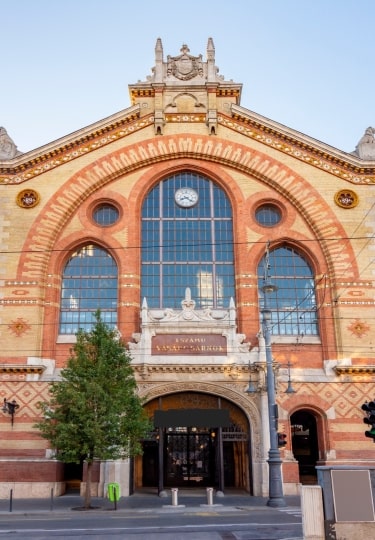
Markets in Budapest might just be the reason you pack an empty suitcase. From the bustling, multi-story halls to flea markets, there’s something for every type of shopper. Markets are scattered across different districts, turning a day of browsing into a mini city tour. While some are open daily except Sunday, others take place only on weekends, so it’s worth checking times in advance. The good news? No matter when you’re in town, there’s always a market to explore.
Whether you’re after fresh fruit, handmade pottery, or vintage jewelry, there’s a market in Budapest that has it, and plenty more.
Central Market Hall
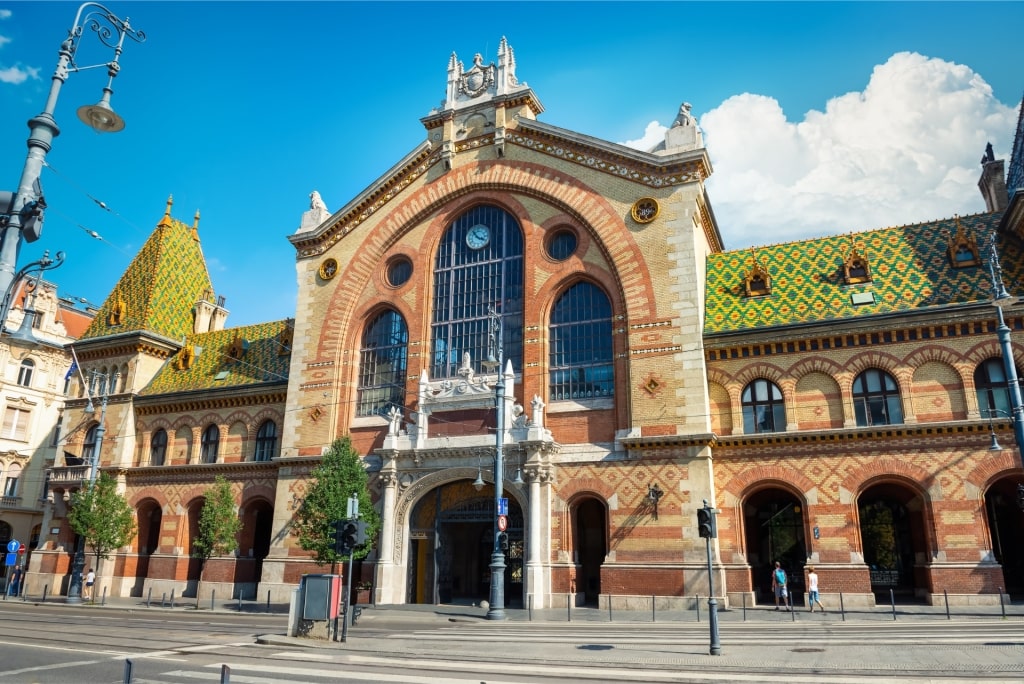
Central Market Hall
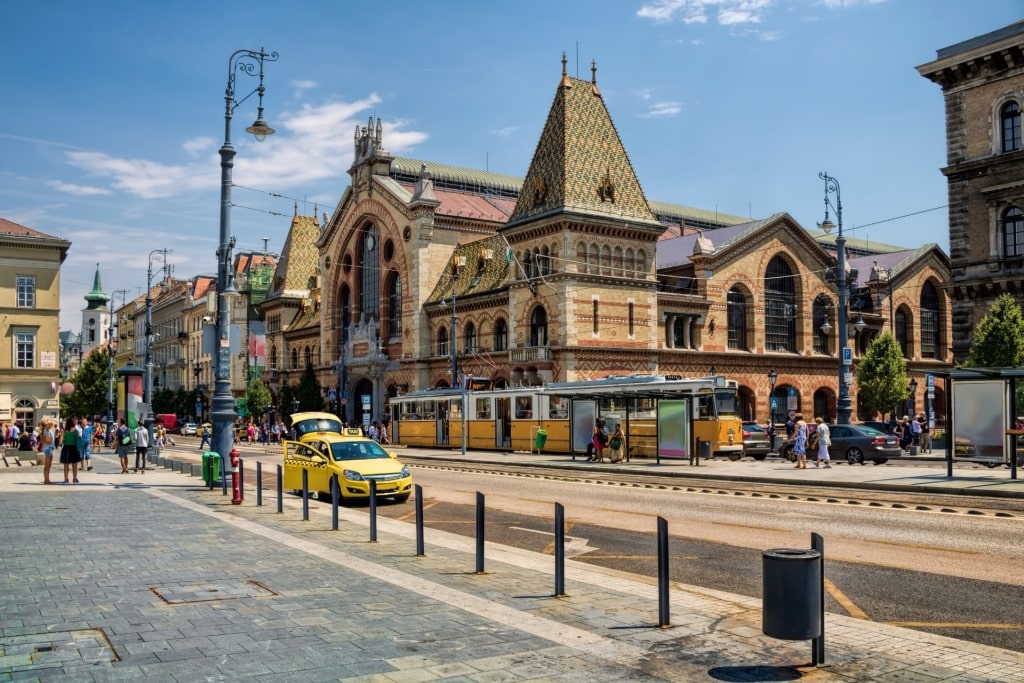
Central Market Hall, or the Great Market Hall as it’s sometimes called, is the city’s oldest indoor market and a must-see while in Budapest. The market occupies a restored neo-Gothic building originally constructed in 1897. Hungarian tile maker, Zsolnay, designed the tiles on the building, and they’re the same ones you’ll also find on the Matthias church.
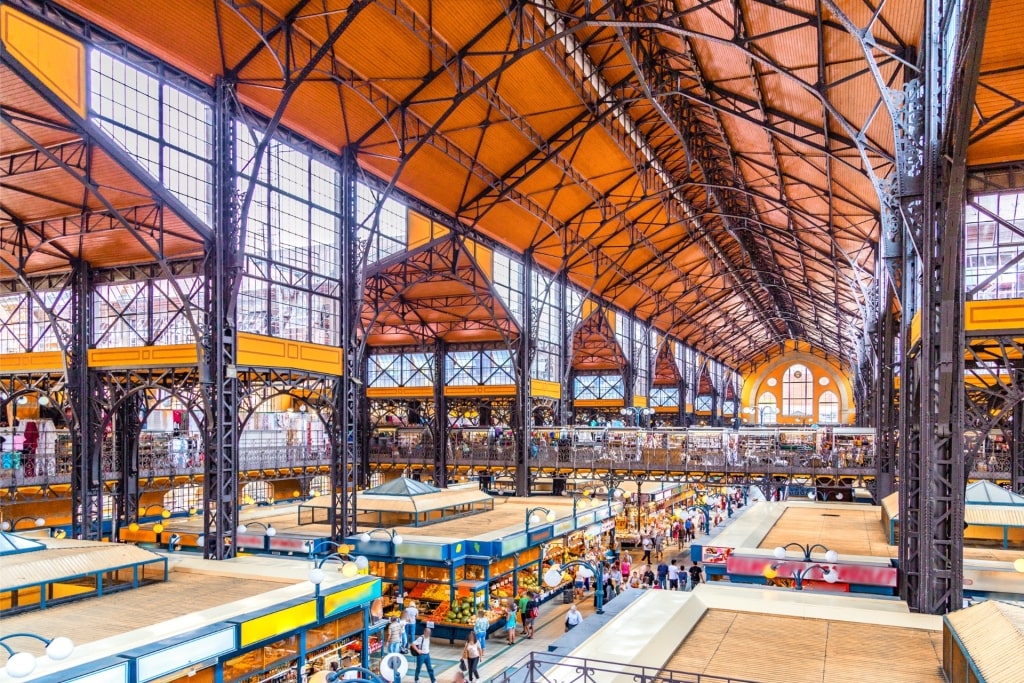
The market itself has three different levels. On the ground floor, you’ll find fresh produce ranging from meats and cheeses to in-season vegetables and other ingredients. Naturally, this floor is popular among locals who are picking up their groceries for the week. There’s also a basement level where you can buy specialty meats.
Central Market Hall
The main draw is definitely on the second floor. There are a few more food stands to peruse, as well as all sorts of handmade crafts and other souvenir items. For something authentic to Hungary, consider skipping the run-of-the-mill plastic souvenirs and opting for embroidered items. They make for a great keepsake when you’re back home.
Central Market Hall is open Monday-Friday from 6 a.m. to 6 p.m., and on Saturday until around 4 p.m.
Rákóczi Square Market Hall
Rákóczi Square Market Hall
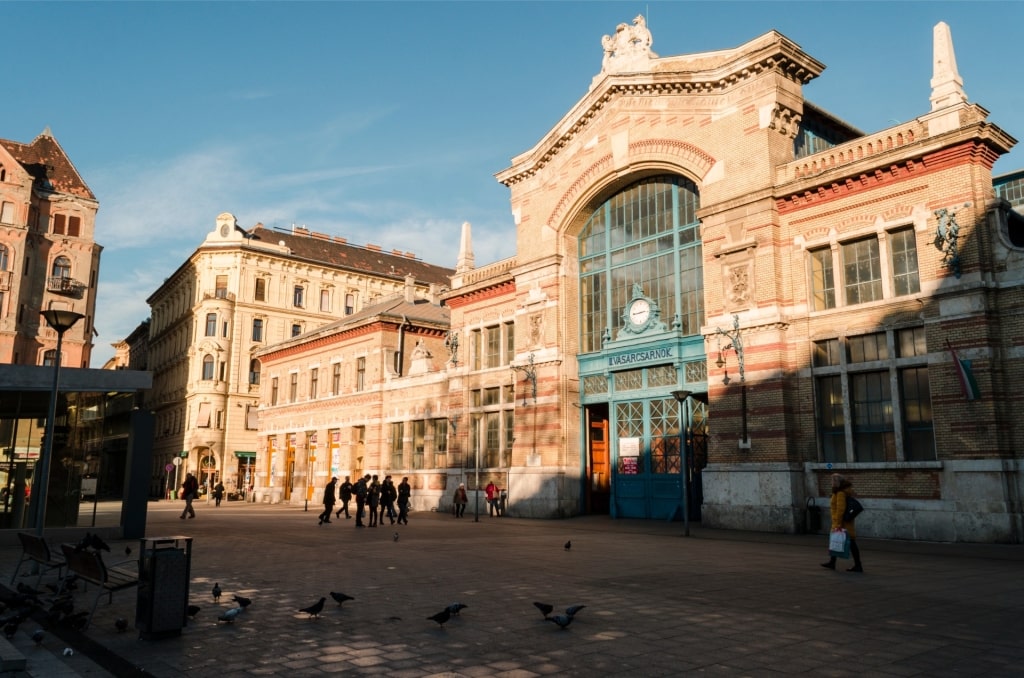
Compared to the Central Market Hall, the Rákóczi Square Market Hall might not look like anything special at first. Still, it does offer a calmer, less crowded shopping in Budapest.
It might not be quite as grand, but the building where it’s located shares several key architectural features such as high ceilings, large windows, and an open-air breeziness. Most shoppers are locals from the neighborhood picking up their groceries and other fresh ingredients for cooking meals at home.
Like a few other Budapest markets, Rákóczi Square Market Hall is located in District VIII, so depending on when you visit, it might be possible to stop by a few. It is open daily, except on Sundays.
Lehel Market
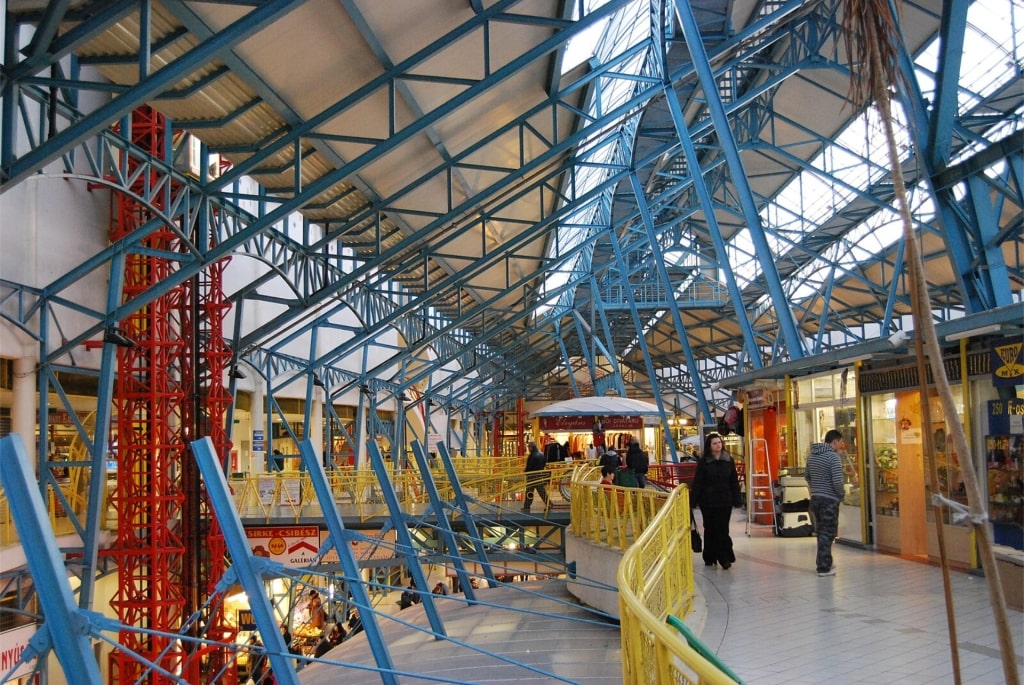
Lehel Market Photo by Chmee2/Valtameri on Wikimedia Commons, licensed under CC BY 3.0
Housed in a modern building on the Pest side of town that is meant to resemble a boat, the Lehel Market Hall in District XIII is a popular spot among locals and is open from Monday to Saturday. You’ll find a wide range of products here, from seasonal fruits and vegetables to household items, spices, and even souvenirs.
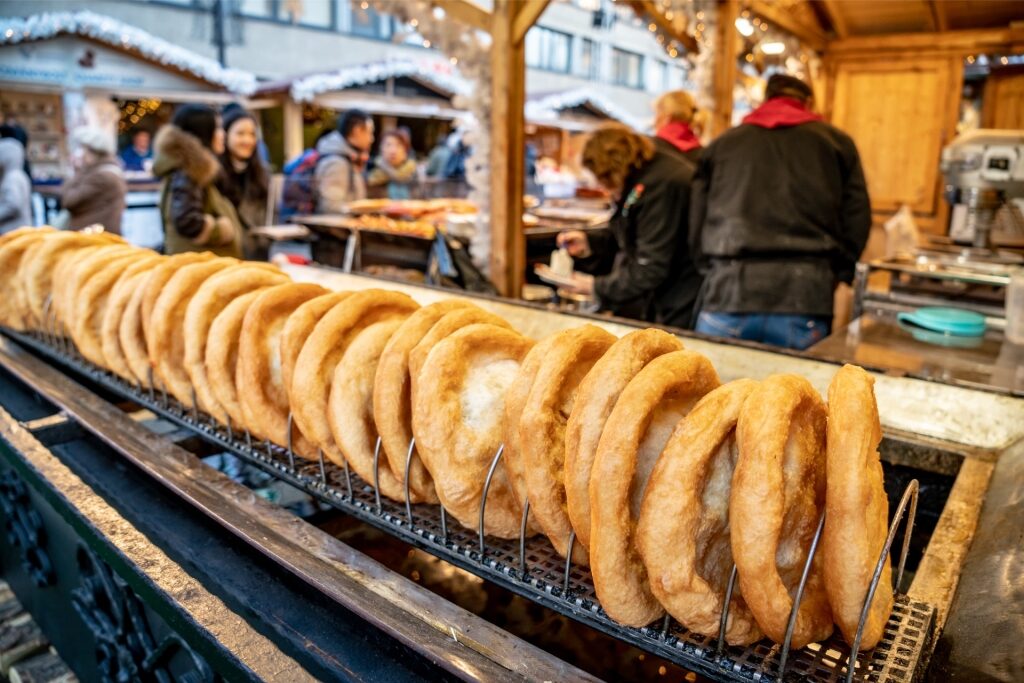
If you’re considering packing a picnic for later, this is the perfect place to pick up all the essentials. Don’t leave without picking up a lángos or two. This fried dough snack is a favorite among Hungarians, and many believe Lehel Market has some of the best in town.
Ecseri Flea Market
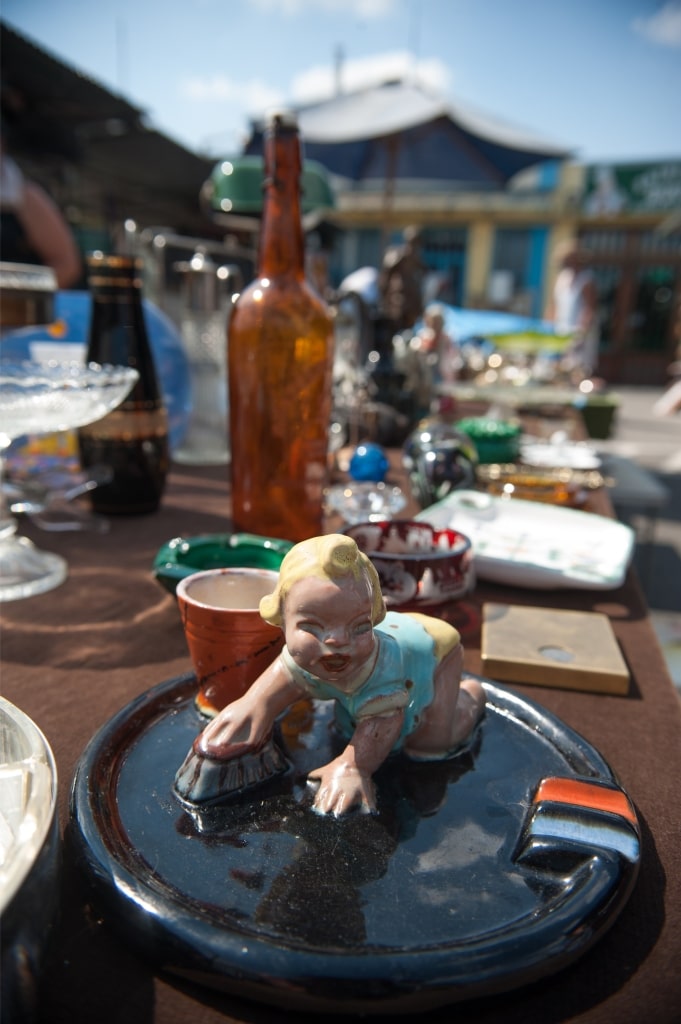
Ecseri Flea Market
When it comes to flea markets in Budapest, Ecseri Flea Market is the largest and arguably the most famous. Located on the outskirts of the city in District XIX, this market sells all sorts of vintage items and antiques.
The nice thing about this market is that it’s open most days of the week, making it easy to work into your itinerary. Saturdays are often the most crowded, while weekdays are a bit calmer, especially during off-peak times.
Budai Zsibvásár Flea Market
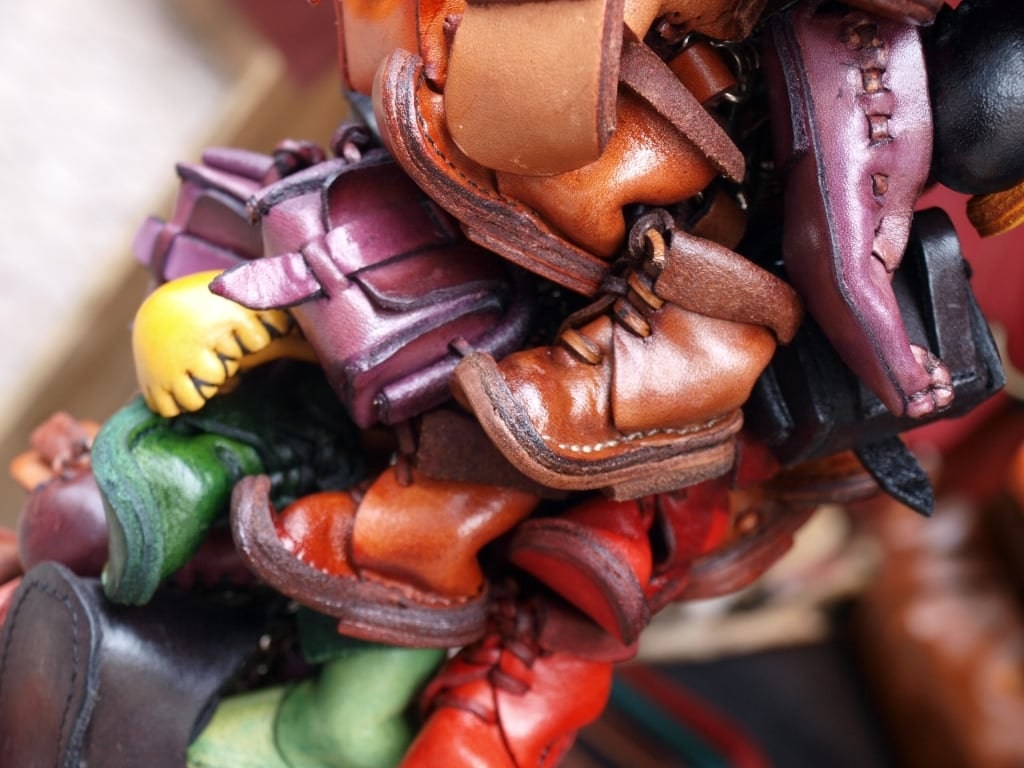
Leather souvenirs
If your trip falls on a weekend, the Budapest market, Budai Zsibvásár Flea Market, is not to be missed. Vintage lovers and bargain hunters will love perusing the different items up for sale, from typewriters and second-hand clothing to retro furniture.
Naturally, larger items may not be relevant for travelers just passing through, but it’s a fun experience nonetheless. Smaller items like vinyl records, magazines, and used books are easy to fit into your suitcase. There are also several street food vendors, so if nothing else, pick up something to eat and wander through the market.
Gozsdu Bazaar
A one-stop shop for all things vintage and antique, Gozsdu Bazaar is located in the heart of Budapest’s Jewish Quarter and has a creative energy to it.
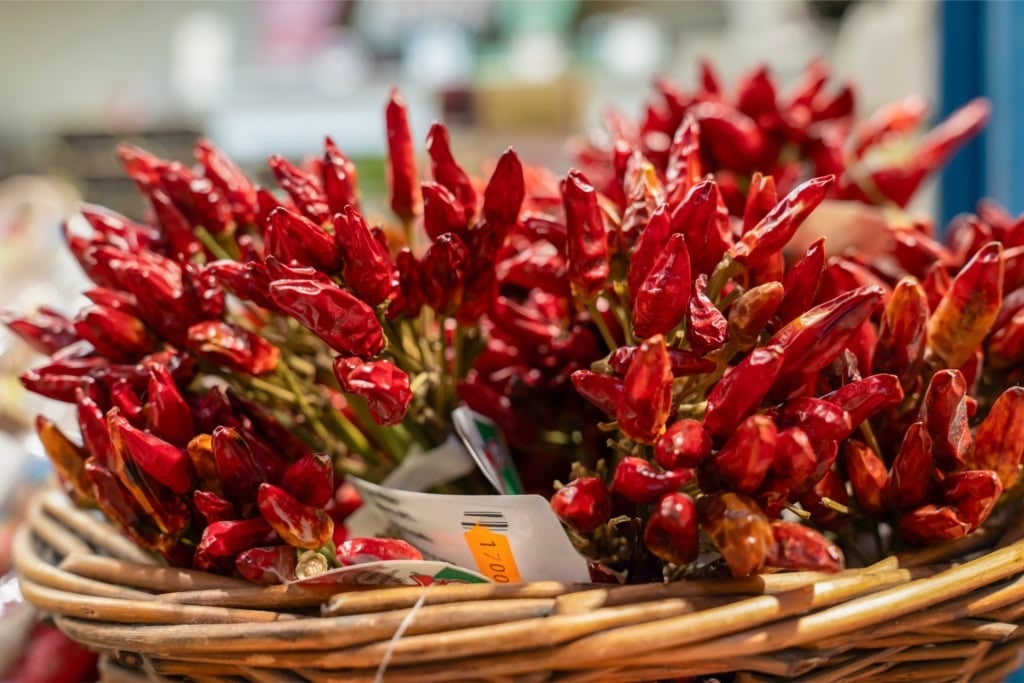
Paprika
There’s a little bit of everything on offer here, from traditional Hungarian embroidery to paprika and other spices, as well as handicrafts. If you’re on the hunt for handmade jewelry, this is the place to go. Other crafts range from hand-poured candles and clay items to delicate porcelain items.
Keep in mind that Gozsdu Bazaar is open seasonally, from April to mid-October, and only on Sundays. If your trip doesn’t happen to fall during this time, your best bet is to shop for thrifted finds at Ecseri Flea Market or Budai Zsibvásár Flea Market.
Szimpla Kert Farmers’ Market
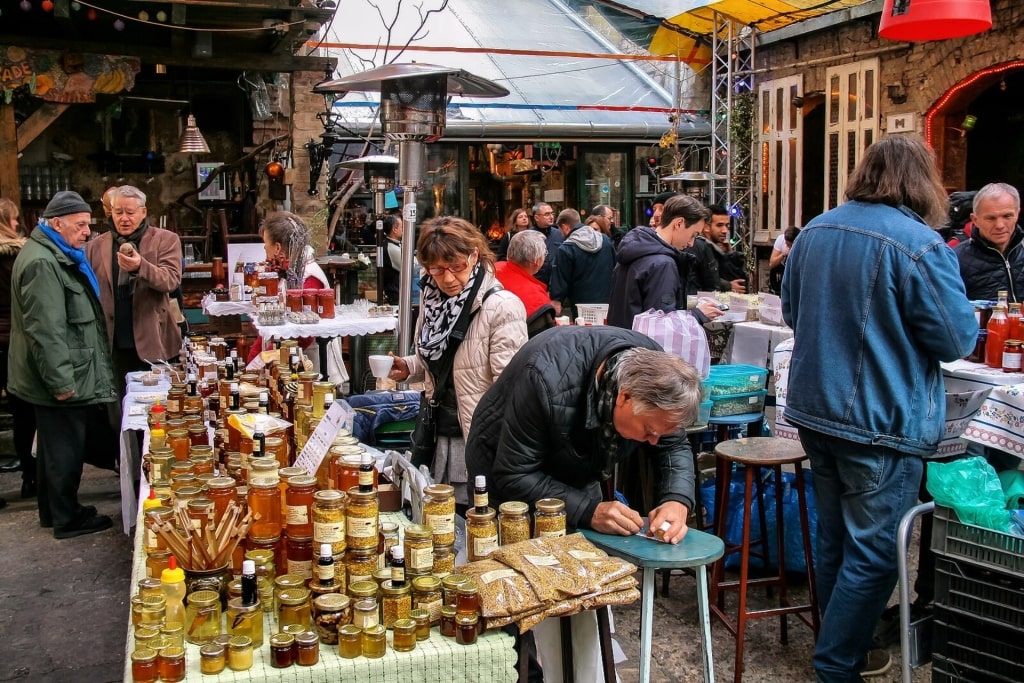
Szimpla Kert Farmers’ Market Photo by Jorge Franganillo on Wikimedia Commons, licensed under CC BY 2.0
Also located in Budapest’s Jewish Quarter and held on Sundays, the Szimpla Kert Farmers’ Market is a truly unique experience. For starters, the market is located within one of the city’s most iconic “ruin bars,” Szimpla Kert.
As the name suggests, ruin bars are bars that emerged around the year 2000, during a period of significant gentrification within the neighborhood. These bars were formerly abandoned buildings, and today, are an integral part of the city’s nightlife culture.
During the Sunday market, you’ll find a mix of locals and tourists chatting, sampling different foods, and enjoying the “ruin” atmosphere. There’s usually live music to enjoy, and should you decide to stay longer, brunch is served upstairs at the bar.
Fény Street Market
Fény Street Market
Fény Street Market offers everything from vegetables, meats, and cheese to sweet treats. It’s a great spot to sample some of Hungary’s most famous foods like lángos, goulash, Hungarian strudel, and chimney cake. It’s open Monday through Saturday, so it should be fairly easy to squeeze into your itinerary for the day.
Like other Budapest markets, there are also vendors here selling traditional Hungarian embroidery, from tablecloths and blouses to doilies. You’re also likely to find handmade pottery, woodwork for the kitchen, leather goods, and jars of artisanal honey and fruit jams.
Czakó Piac
Another neighborhood market mainly frequented by locals is Czakó Piac in District I. The market is only open on Saturdays, the space hosting other events on other days, but the neighborhood is worth a visit regardless.
District I is considered to be the historic heart of Budapest and is home to the Castle District and several other landmarks. If you’re short on time but still want to visit a local market, Czakó Piac in the quiet Tabán neighborhood is easy to fit in while exploring the area.
Fehérvári Street Market
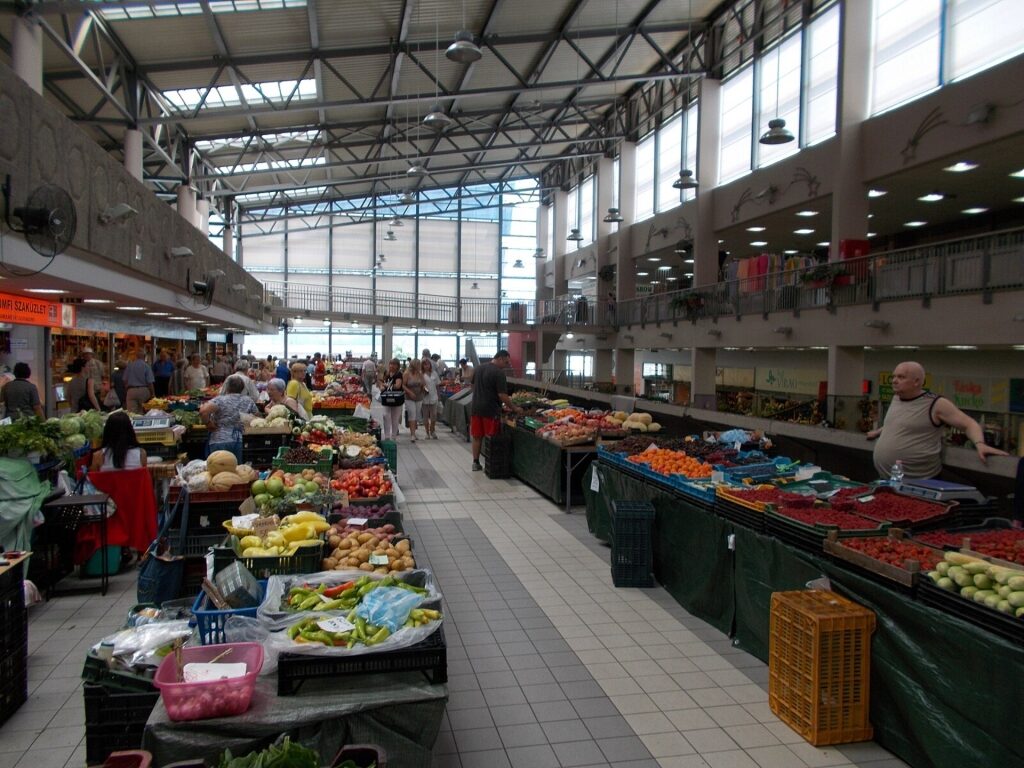
Fehérvári Street Market Photo by Globetrotter19 on Wikimedia Commons, licensed under CC BY-SA 3.0
When you’re looking for fresh flowers in Budapest, there’s no better place than Fehérvári Street Market. Of course, you’ll also find fruits, vegetables, and other produce there, but the bouquets are the real highlight.
It’s not uncommon to see a line forming as people wait to make their floral selections. Depending on the season, you might come across roses, tulips, hydrangeas, as well as potted plants. Rain or shine, Fehérvári Street Market is indoors, so you’ll stay dry even in a downpour.
The market itself is closed on Sundays, but the florist shops inside stay open for limited hours. This makes it easy to grab flowers even when the primary market is shut.
WAMP Design Fair
Clothes
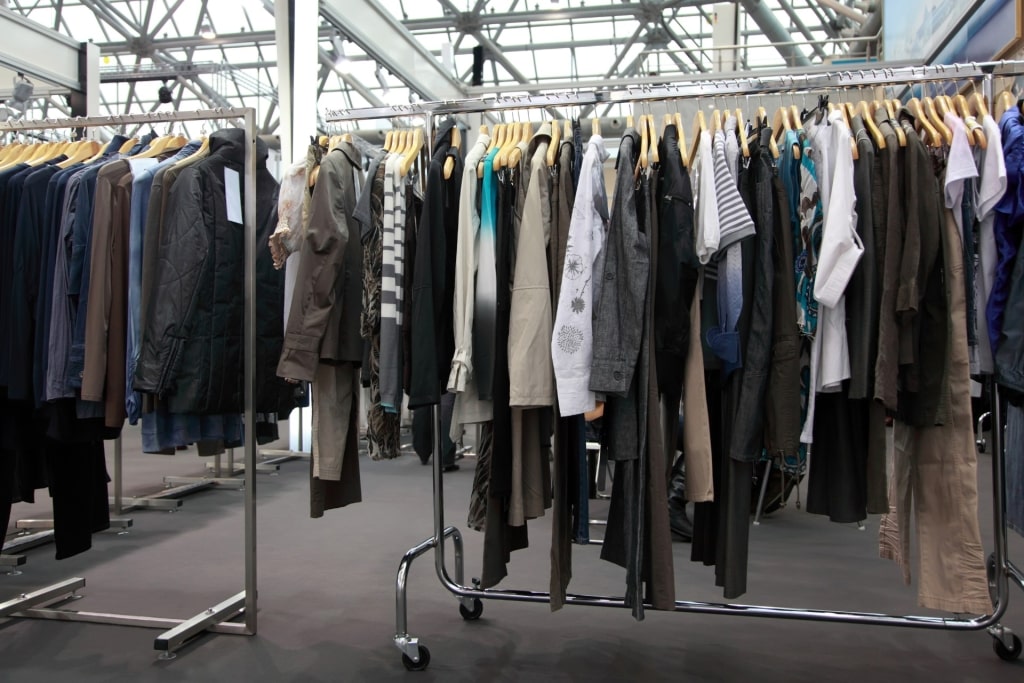
WAMP, an acronym for “Hungarian Design Market” in Hungarian, is a popular local design Budapest market featuring work from up-and-coming Hungarian designers.
Unlike the other markets on this list, WAMP Design Fair doesn’t follow a fixed monthly schedule, but it typically runs from 10 a.m. to 6 p.m., switching between summer and winter locations in Budapest.
In winter, October to March, you can usually find WAMP at Millenáris Park or the Bálna building. In summer, April to September, it often sets up at Erzsébet Square. Be sure to check the official site for the exact venue each month.
Vörösmarty Square Christmas Market
Vörösmarty Square Christmas Market
Every holiday season, starting around mid-November, Vörösmarty Square transforms into Budapest’s most famous Christmas market. With festive lights all around, you can browse wooden stalls, handcrafted goods, and seasonal treats while enjoying live performances that capture the holiday spirit.
Kids, and kids at heart, will enjoy all the family-friendly activities set up during the Christmas market. There’s a free mini train ride, live concerts, and a special visit from Santa Claus himself.
Central Market Hall
There’s no better way to experience Budapest’s culture, culinary treats, and handicrafts than with a visit to one of the city’s many markets. To discover all that this enchanting European capital has to offer, browse Celebrity’s river cruises to Budapest and book your next getaway today.