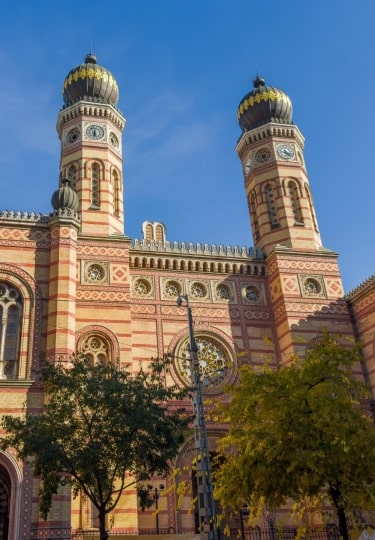
The Jewish Quarter Budapest in District VII is where you’ll encounter a captivating blend of the city’s past, the drive for survival, and urban renewal.
This area, once the center of Hungarian Jewish life, brings together centuries-old synagogues, cool cafes, street art, and quirky “ruin” bars.
As you stroll through the Erzsébetváros quarter’s cobblestone lanes, you will be treated to a street-side museum, featuring sites like the Dohány Street Synagogue, poignant memorials, as well as bursts of creativity, great food, and Hungarian culture.
Attractions in the Jewish Quarter
Dohány Street Synagogue
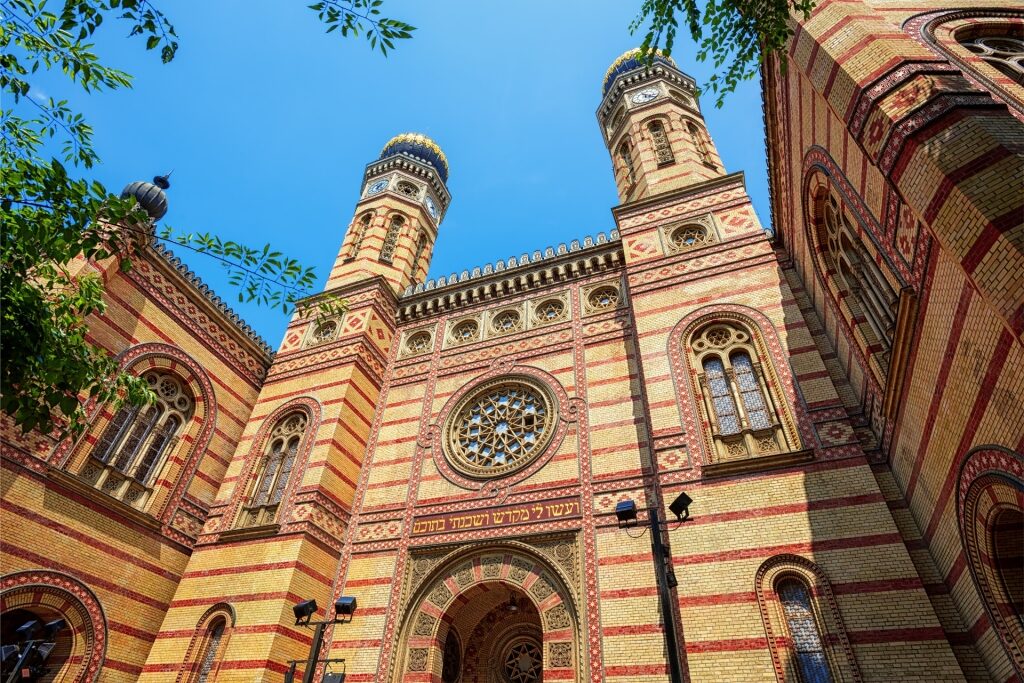
Dohány Street Synagogue
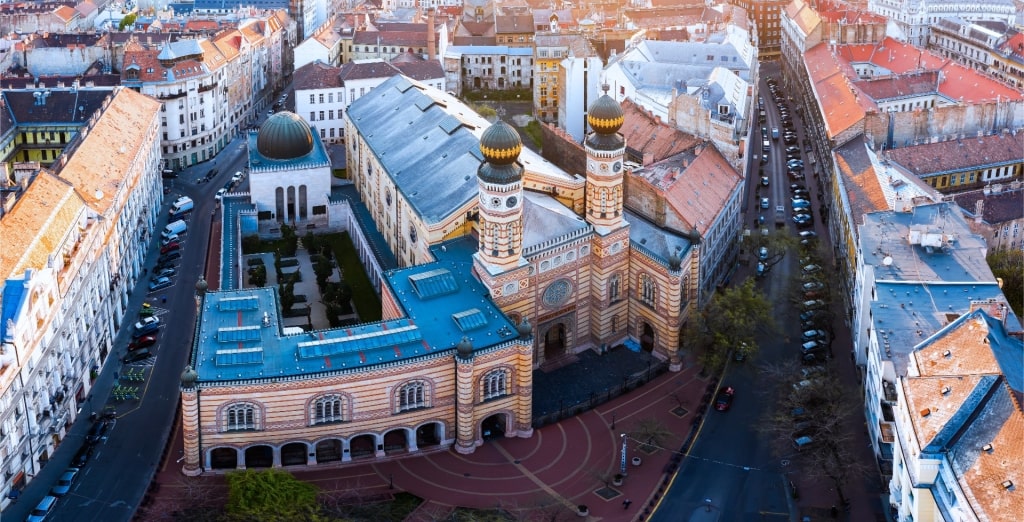
It’s simply a must to visit the Dohány Street Synagogue, also known as the Great Synagogue. Besides being the largest synagogue in Europe, the exterior is a magnificent blend of Moorish, Romantic, and Byzantine architectural styles. Inside, this gorgeous 19th-century synagogue, filled with large chandeliers, is just as impressive. The sheer size will leave you in awe. If you want to learn more about the synagogue’s history, you can opt for a guided tour.
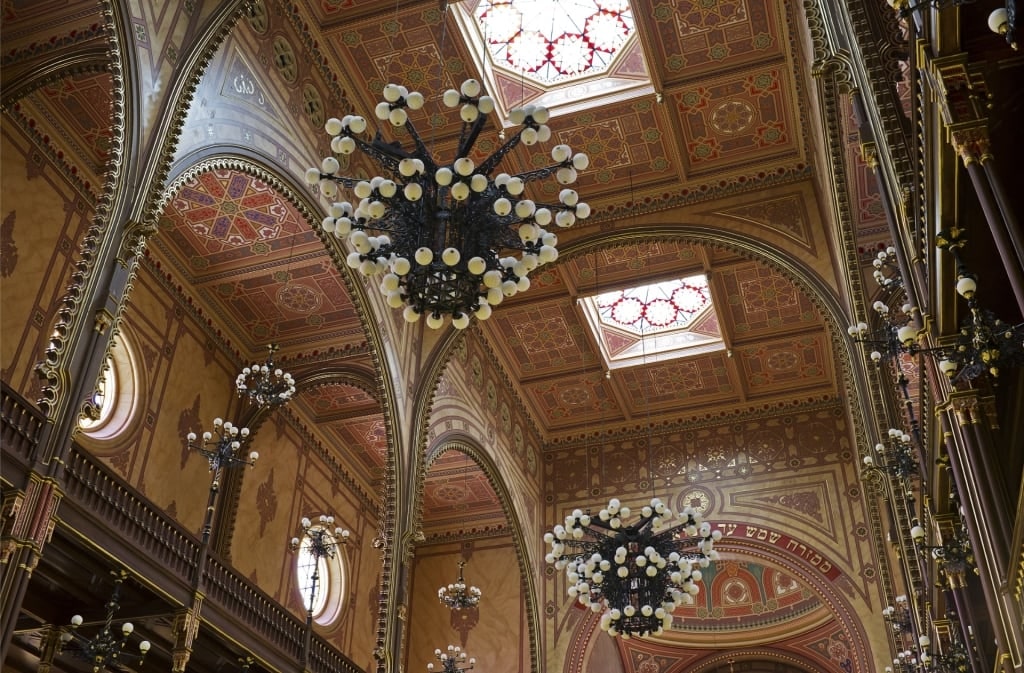
Dohány Street Synagogue
Let your guide take you through the diverse architectural influences and artifacts here, which include a Torah ark designed by Frigyes Feszl as well as a large organ once played by Franz Liszt.
Hungarian Jewish Museum and Archives
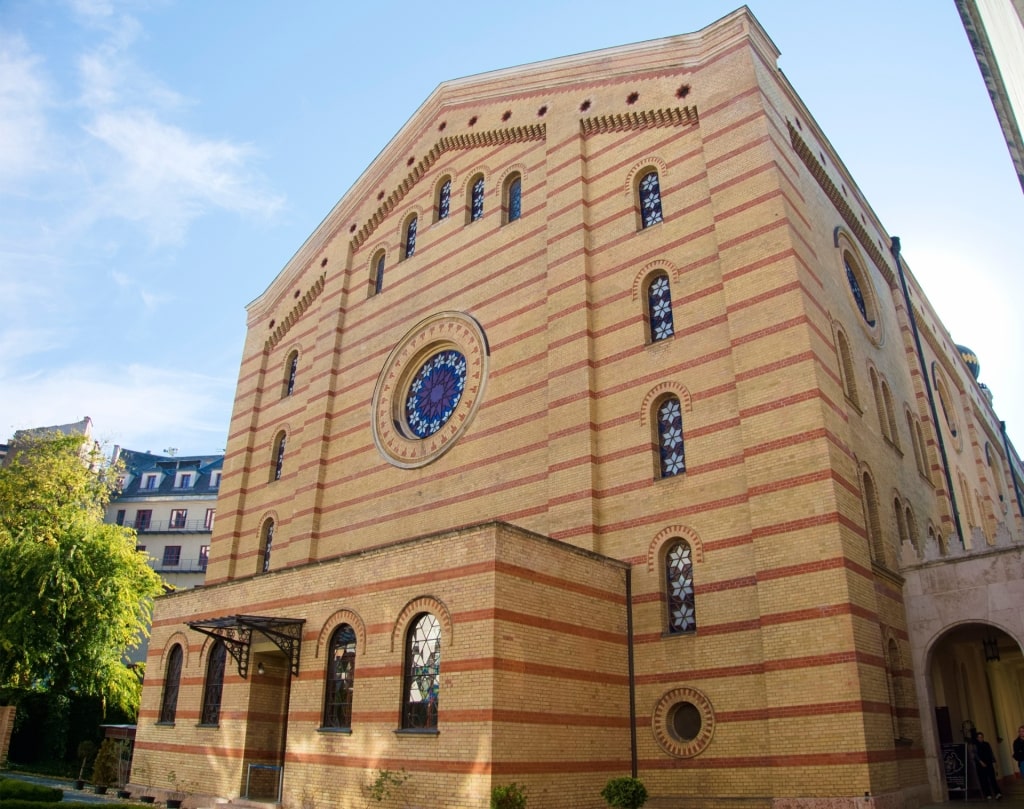
Hungarian Jewish Museum and Archives
The Dohány Street Synagogue complex is also home to the Hungarian Jewish Museum and Archives, which opened its doors at this particular location in the 1930s.
The Budapest museum focuses on the religious and cultural life of Hungarian Jews, as well as heart-wrenching Holocaust-era memorabilia.
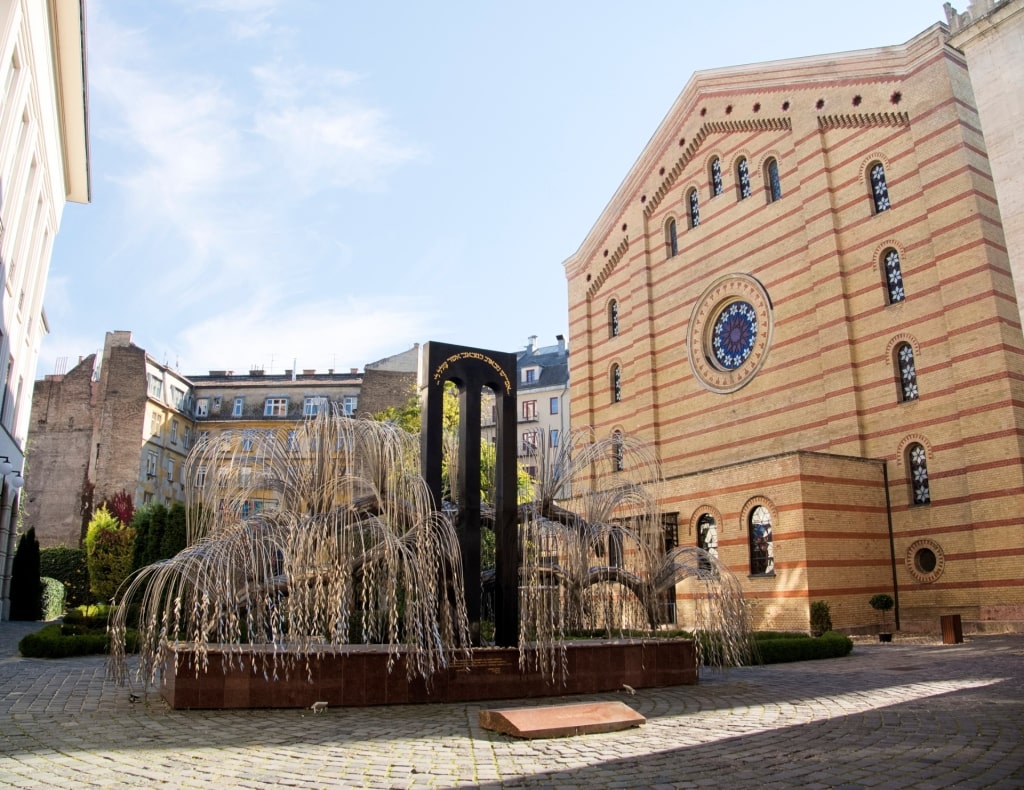
Raoul Wallenberg Holocaust Memorial Park
Other memorials related to this turbulent time include the Raoul Wallenberg Holocaust Memorial Park in the synagogue’s courtyard and the Cemetery of Heroes, a burial ground for Hungarian Jews who perished during the Second World War.
While a somber attraction, the museum and the memorials are worth checking out.
Rumbach Street Synagogue
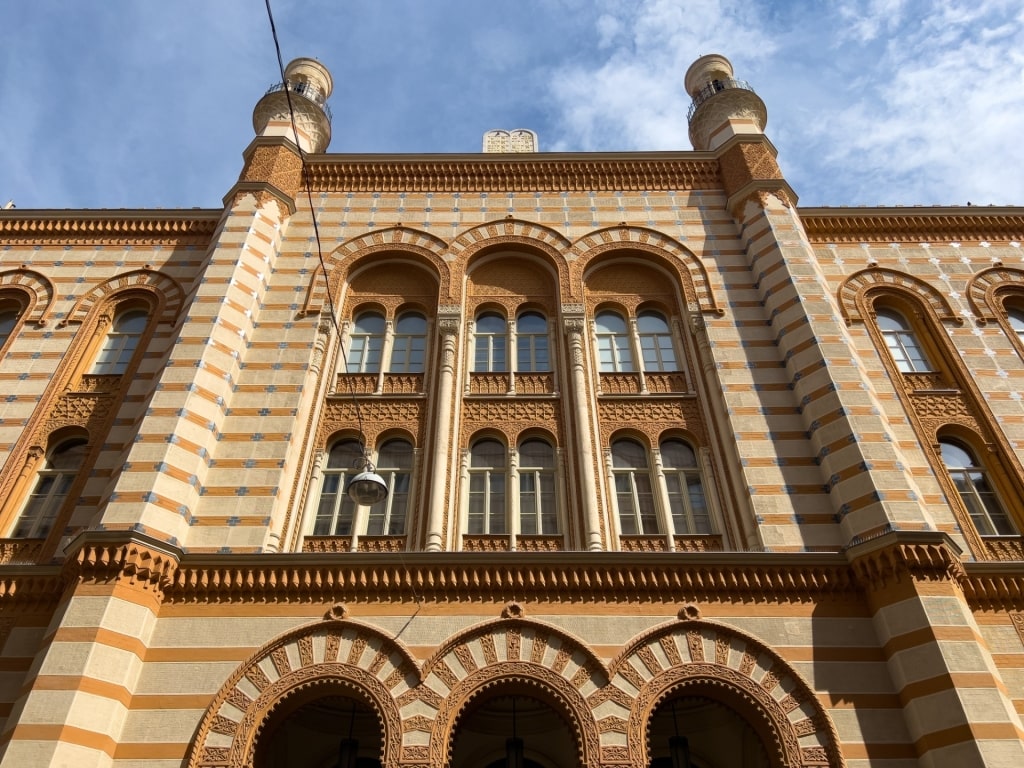
Rumbach Street Synagogue
A few blocks away from Dohány Street, you’ll come across the Rumbach Street Synagogue, which will offer you yet another gorgeous synagogue featuring Moorish design influences.
While it’s much smaller than the Dohány complex, this Moorish Revival building—designed by architect Otto Wagner—features striking round stained glass windows, colorful tiles, and octagonal patterns in the interior.
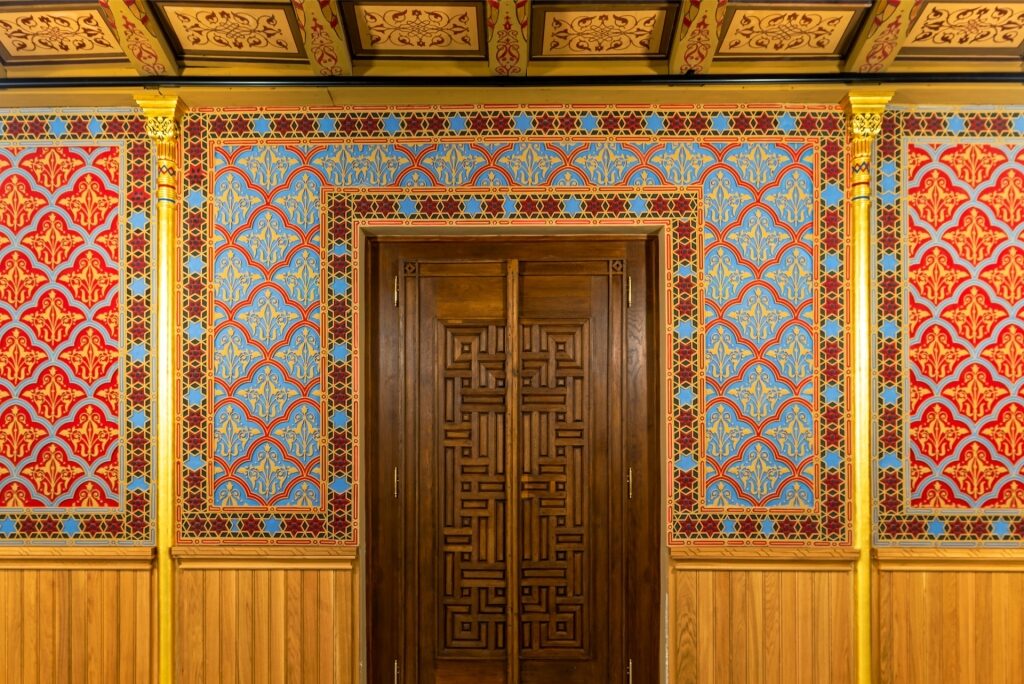
Rumbach Street Synagogue
The working Rumbach Street Synagogue, dating back to the late 1870s and renovated in 2021, is also home to a Jewish exhibition concentrating on the local Jewish population over time. There’s also a cultural center and a kosher café on the premises.
The Carl Lutz Memorial
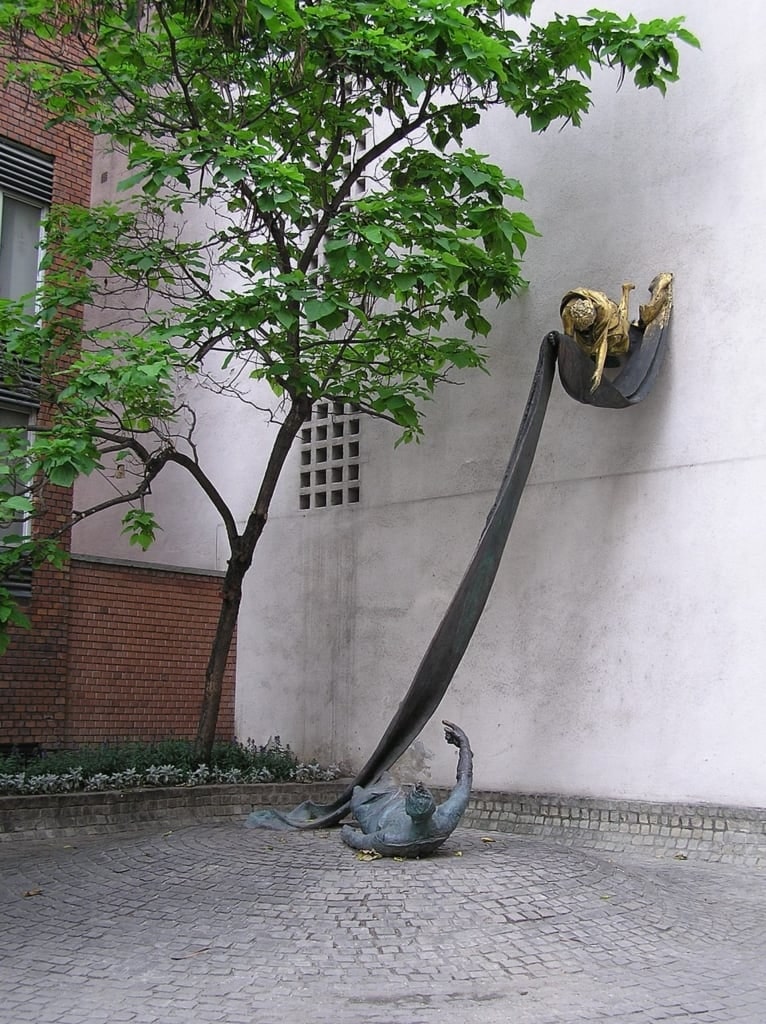
Carl Lutz Memorial Photo by Perline on Wikimedia Commons, licensed under CC BY-SA 3.0
This small but interesting sculpture is easily overlooked. It’s located near the Rumbach Street Synagogue, in the corner of an alley. The memorial was dedicated in 1991 to the Swiss diplomat Carl Lutz, who saved the lives of over 60,000 Hungarian Jews during World War II.
The bronze monument depicts a golden angel or man on a wall, representing Lutz, along with a long piece of fabric, or a letter of protection, which flows down to a person on the ground in need of help. While relatively small, this monument speaks volumes about the human spirit.
Gozsdu Udvar
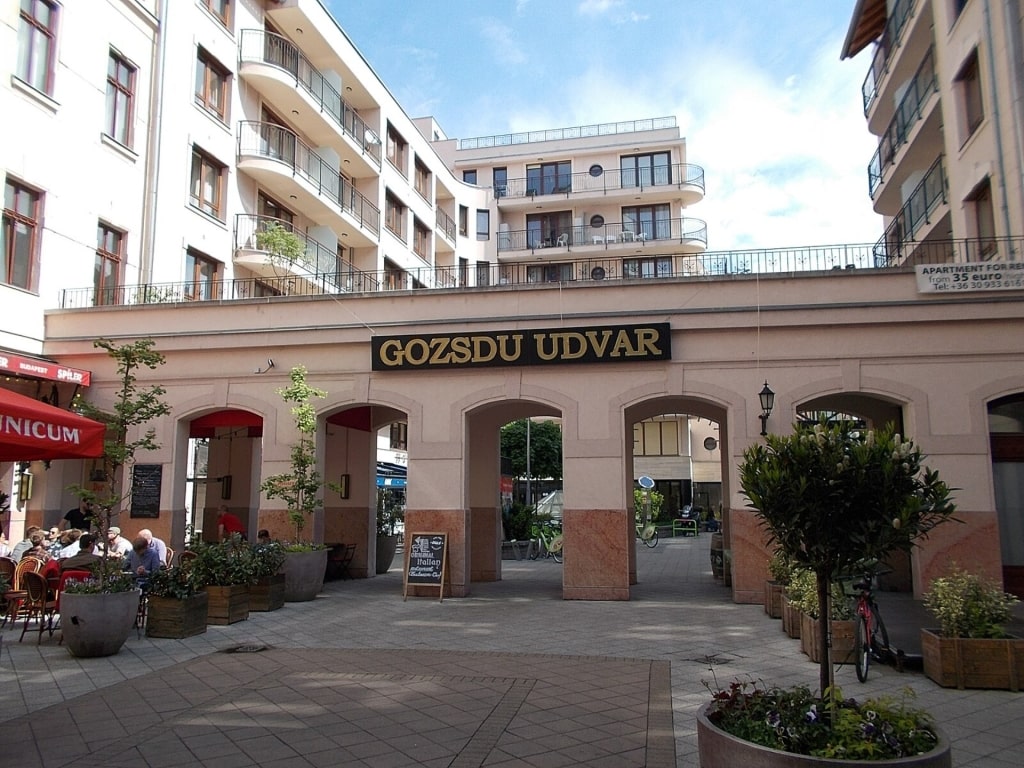
Gozsdu Udvar Photo by Globetrotter19 on Wikimedia Commons, licensed under CC BY-SA 3.0
Gozsdu Udvar is a collection of fun, interconnected, brick-paved courtyards packed with bars, restaurants, street food vendors, boutiques, and weekend markets in Budapest. If you’re looking for an animated slice of the Budapest Jewish Quarter life, you‘ve come to the right place.
It’s an electric destination in the late afternoon and evening with clinking glasses, live music, and appetizing international cuisine on offer. During the day, it’s a nice spot to get a coffee and people-watch or peruse the pop-up markets that line the courtyards.
The Ghetto Wall Memorial
Almost all of the Budapest Ghetto was destroyed following the Second World War; however, there is one modest memorial where you can pay your respects.
The Ghetto Wall Memorial, situated on Dohány Street, is a small, reconstructed section of the former ghetto wall, utilizing materials from the original structure.
This simple but moving memorial is a remnant of the barricade employed to keep tens of thousands of Jewish Budapest residents behind the ghetto wall during the Nazi occupation.
You will find a relief map in the concrete here, as well as small, bullet-like holes that you can peer through for images of life during these troubling times. Additionally, metal plates on this rebuilt section of the wall provide more information about the history of the Budapest ghetto.
Magvető Café
If you’re a book lover and enjoy reading, do yourself a favor and drop into the Jewish Quarter’s Magvető Café, which specializes in Hungarian literature.
This lovely spot is a café, a bar, a bookstore, and a literary hub all rolled into one. You can enjoy a cup of java and a good book here while being surrounded by fellow bibliophiles.
The café, which often features author events and live music on occasion, is the perfect spot to duck into and rest for a while before continuing your tour of Budapest’s Jewish Quarter.
Things to Do in the Jewish Quarter
Explore the Ruin Bars
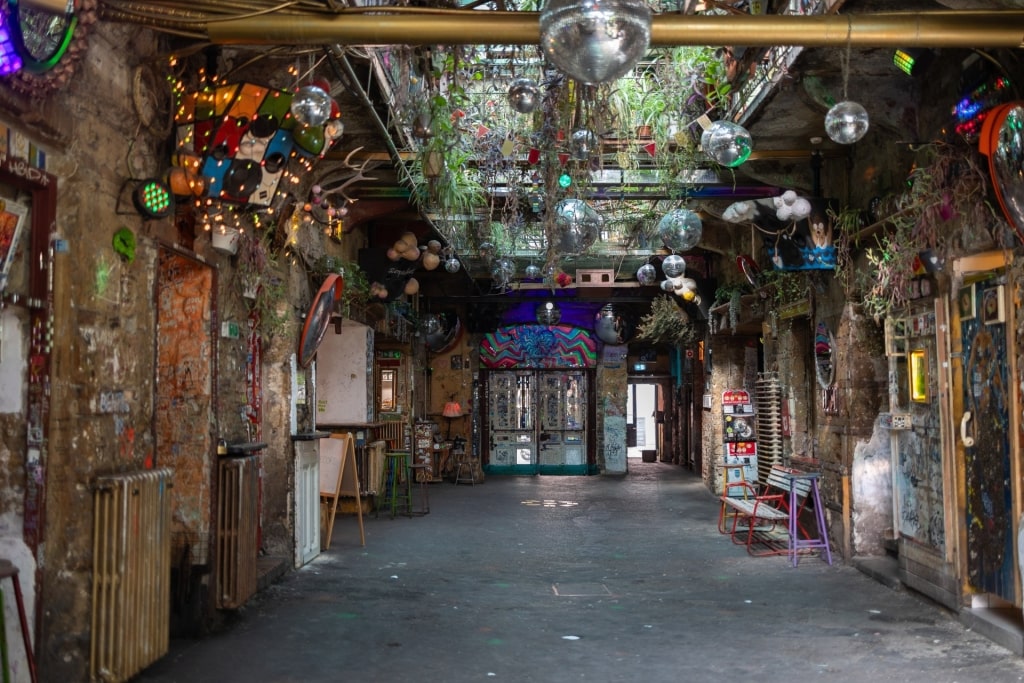
Szimpla Kert
Once you’ve had your fill of history, you’re going to want to check out the Budapest Jewish Quarter’s more relaxed, social side. Budapest is known for its ruin bars and makes for the perfect place to unwind.
Ruin bars are District VII pubs built in formerly abandoned or dilapidated buildings, given a new lease on life as spirited locales with funky, bohemian décor.
The most famous bar is probably Szimpla Kert, known for its mismatched furniture, eclectic decorations, graffiti, and artsy crowd.
Mazel Tov
While Szimpla is the original ruin bar, the Jewish Quarter also offers other options as well, including the more upscale Mazel Tov, with its glass ceiling and hanging plants, and the party-themed Instant-Fogas.
Some spots are great for cocktails and a meal, others are more focused on beer, or are where you’ll want to go to dance. Many ruin bars host art exhibits, DJs, and live music, although you can simply come to sit, have a drink, or enjoy some food.
Explore Artisan Shops, Cafés, and Art Galleries
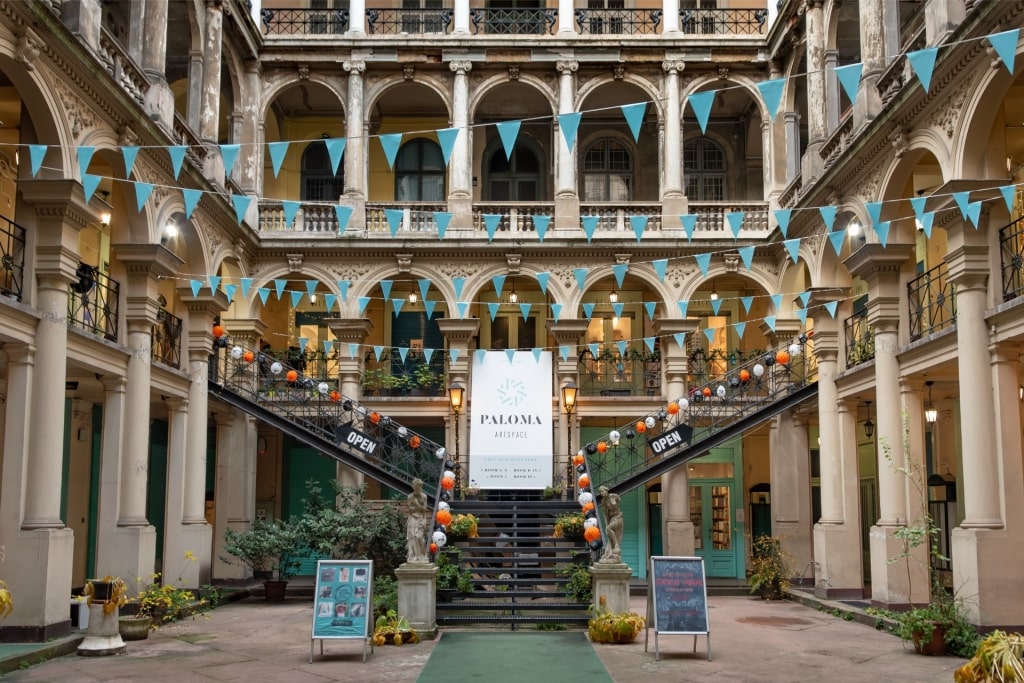
Paloma Courtyard Photo by Jorge Franganillo on Flickr, licensed under CC BY 2.0
As you wander through the Budapest Jewish Quarter, you’ll spot plenty of cafés, boutiques, vintage shops, and art galleries.
The Quarter was a bohemian playground long before it was a trendy tourist destination. Don’t be surprised if you stumble across random murals in the courtyards around Gozsdu or Király Street.
Head down different passageways to discover fun concept shops and cute, hidden cafés, such as Paloma Artist Courtyard, located near the Quarter, Rododendron Art & Design Shop, and Café Arioso.
Book a Guided Walking Tour
Jewish Quarter
Guided tours are an excellent way to explore the Jewish Quarter, particularly walking tours, as there’s a lot of history here, from the wartime ghetto past to the district’s transformation into one of the hippest parts of Budapest.
The best tours will take you off the beaten path to secluded courtyards and memorials you might not encounter otherwise, not to mention the personal stories you’ll hear from longtime residents. Some tours even include a visit to the mikveh, which is a ritual bath, or a kosher bakery.
Visit the Shoes on the Danube Bank Memorial
Shoes on the Danube Bank Memorial
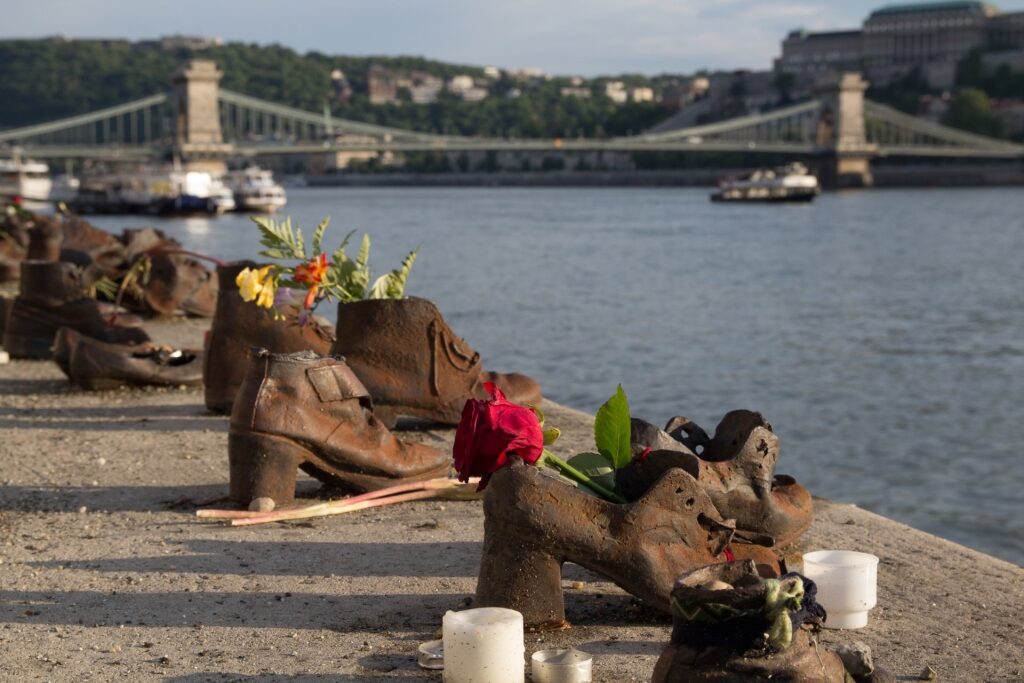
While the Shoes on the Danube Bank Memorial is not technically located in District VII, it’s nearby, approximately a 20- to 25-minute walk away, on the Danube embankment, and complements a Jewish Quarter Budapest historical tour.
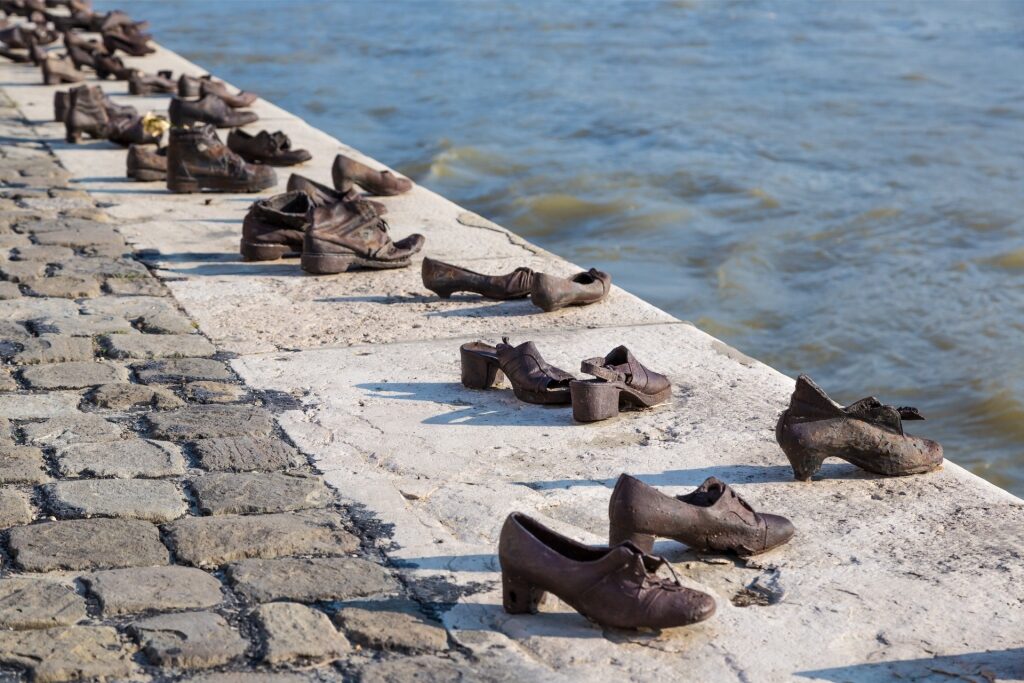
This open-air Holocaust memorial is one of the more powerful monuments in Budapest. As you approach the river, take note of the sixty pairs of iron shoes embedded along the riverbank.
Shoes on the Danube Bank Memorial
These are faithful reproductions of shoes worn in the 1940s; each one represents a Jewish victim who was forced, at gunpoint, to stand in line with their shoes on the bank of the Danube and to remove their footwear before being murdered.
While tough for some, this memorial will give you a clear sense of the dreadful crimes committed against the local Jewish population during the war.
Enjoy Jewish Cuisine
Flódni
Hungarian food can be hearty and heavy. And there’s nothing wrong with that—especially if you’ve been walking around the Jewish Quarter all day and require sustenance.
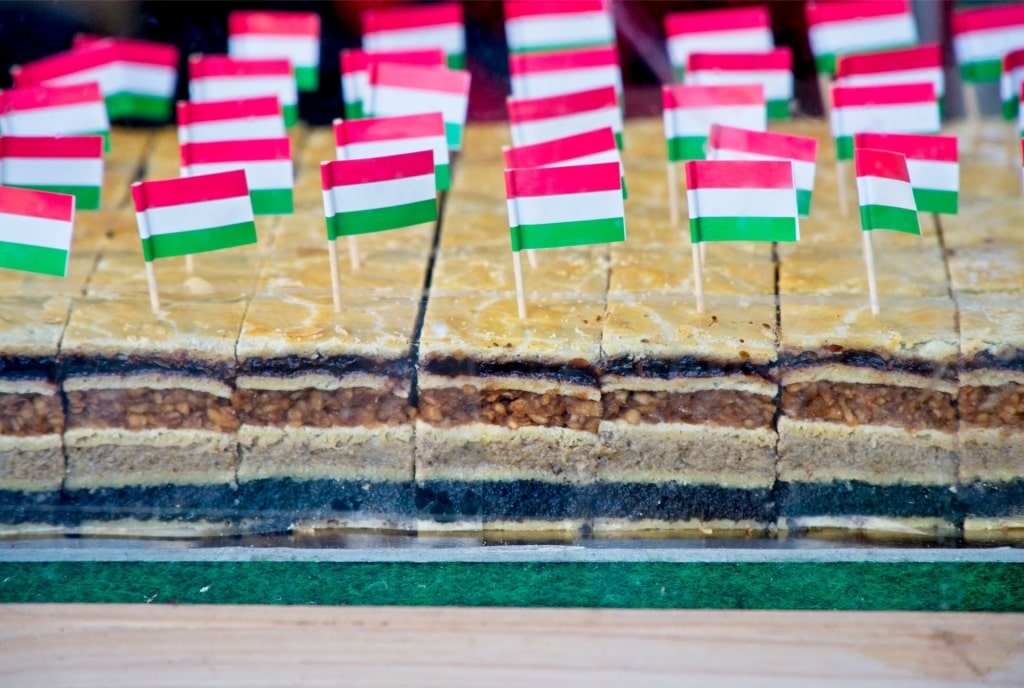
The Jewish Quarter naturally offers a wide range of Jewish specialties, including flódni, a multi-layered pastry, gefilte fish, and Jewish-Hungarian goose leg confit.
You can also stop for something simple, like street-corner fried lángos flatbread, kürtőskalác chimney cakes, or matzo ball soup, to satisfy your hunger cravings.
Restaurants in the Jewish Quarter
Mazel Tov
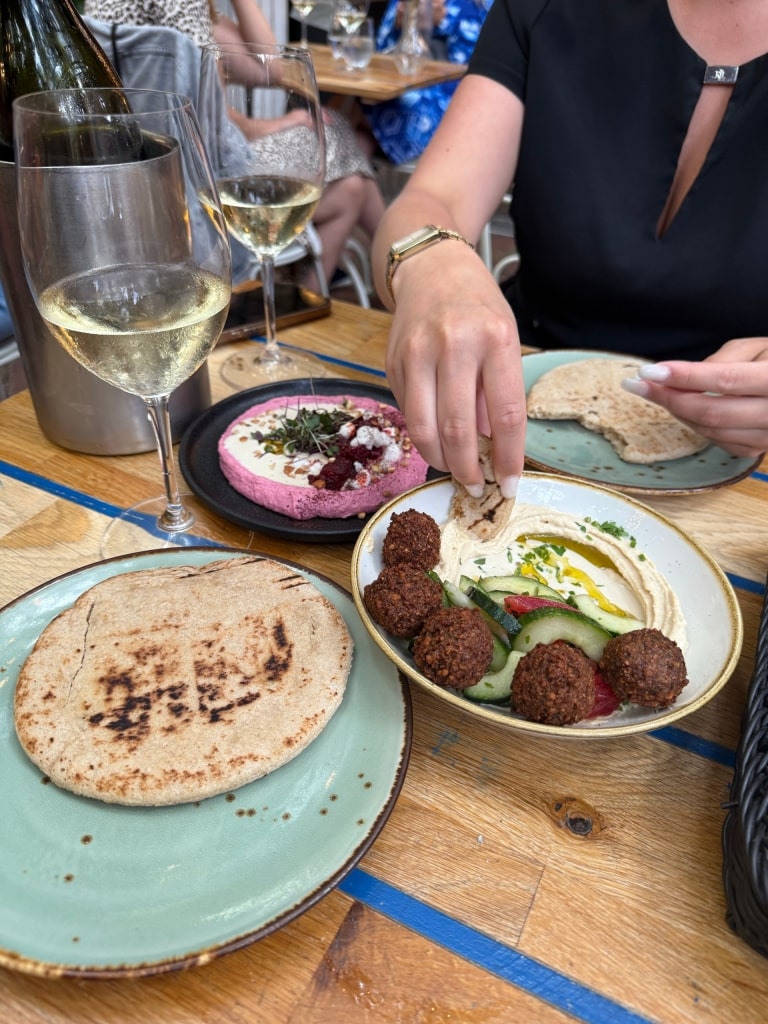
Mazel Tov
As noted, food is an essential part of visiting the Jewish Quarter, and Mazel Tov, which also fits under the “ruin bar” category, is a good place to start. This restaurant is more upscale compared to some of the more nonconformist ruin spots you’ll encounter elsewhere.
Located on Akácfa Street, this eatery combines the rustic appeal of a ruin pub with the quiet elegance of a greenhouse courtyard.
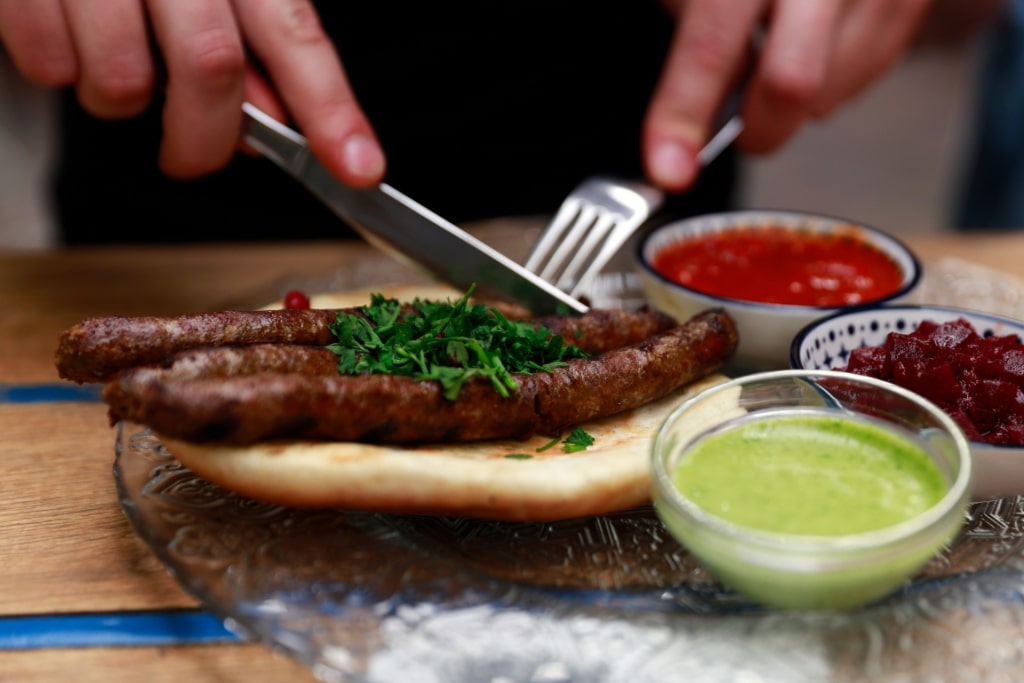
The menu is an explosion of Middle Eastern and Israeli specialties—shakshuka, lamb kebabs, fresh hummus, and creamy tahini—offering plenty of choice.
Bors Gasztrobár
In the mood for a quick snack? Bors Gasztrobár is a popular restaurant on Kazinczy Street, always packed with a line out the door thanks to this joint’s much-in-demand soup and sandwiches. It’s a fast and fun scene, with an artistic chalkboard menu and easygoing staff.
Daily soup specials are very creative and can include flavors such as curry, banana, coconut, and pumpkin.
The grilled baguettes are stuffed with equally inventive fillings, from pulled pork to Philly cheese and beef, as well as the spicy “French Lady,” made with chicken, cheese, and raspberry onion-based jam. “Yummy” is the word that comes to mind when eating here.
Karaván Street Food Market
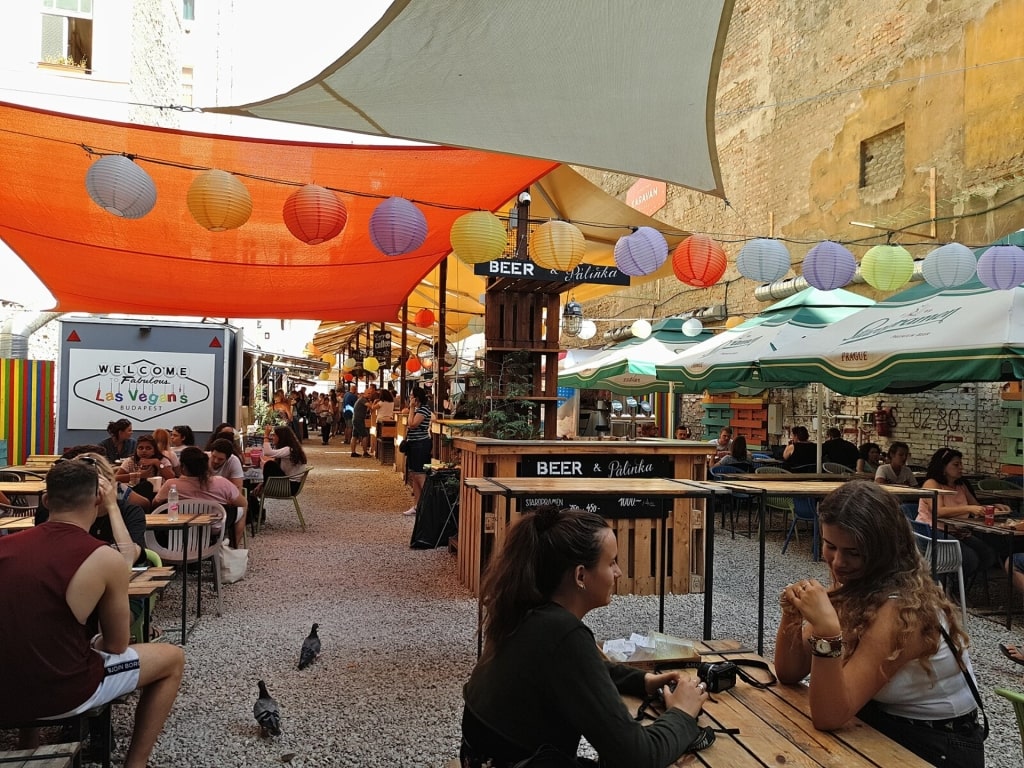
Karaván Street Food Market Photo by Christo on Wikimedia Commons, licensed under CC BY-SA 4.0
Karaván Street Food Market is an open-air courtyard in Budapest’s Jewish Quarter, lined with food trucks and vendors serving a diverse range of dishes, including lángos, goulash, vegan burgers, chimney cakes, and Mexican cuisine.
This market is ideal for groups of friends with diverse tastes, as it offers a diverse range of culinary options. It’s also good if you’re the type of person who simply wants to sample a lot of different flavors at the same time.
Kőleves
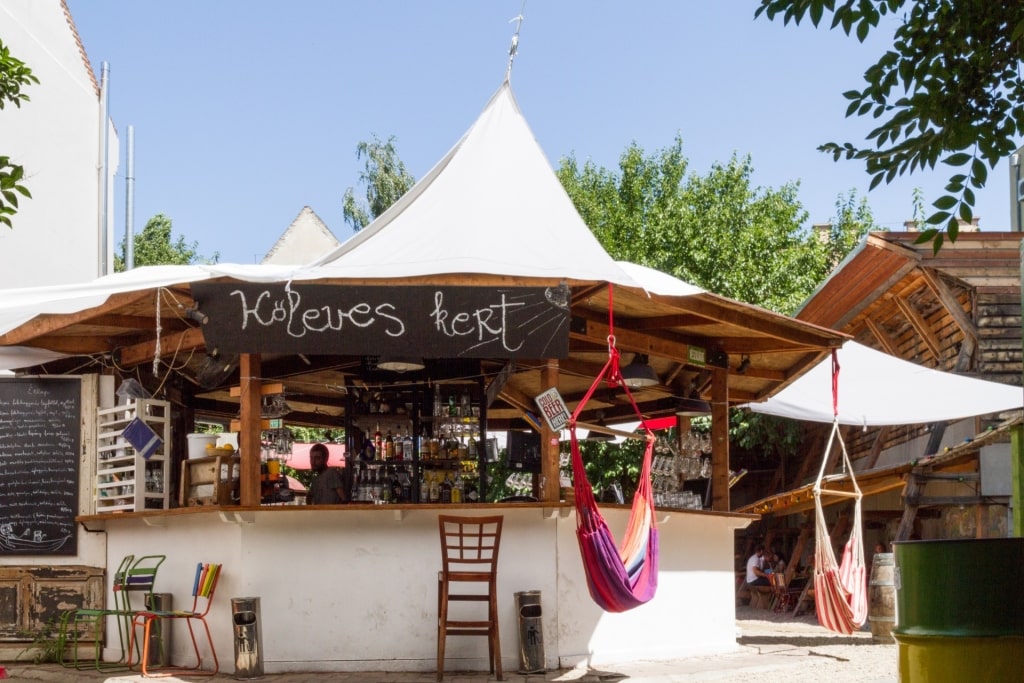
Kőleves Photo by Andreas Lehner on Flickr, licensed under CC BY 2.0
For something a bit more low-key, make your way to Kőleves, which means “Stone Soup” in Hungarian. It’s a small restaurant inspired by Jewish and Hungarian cooking traditions.
Classics like matzo ball soup and goose leg are given fresh and inventive twists. The outdoor garden is particularly lovely during the warmer months, while the interior is cozy and artsy. Note that reservations are recommended here to ensure a table.
Drum Cafe Lángosh & Gulash Bar
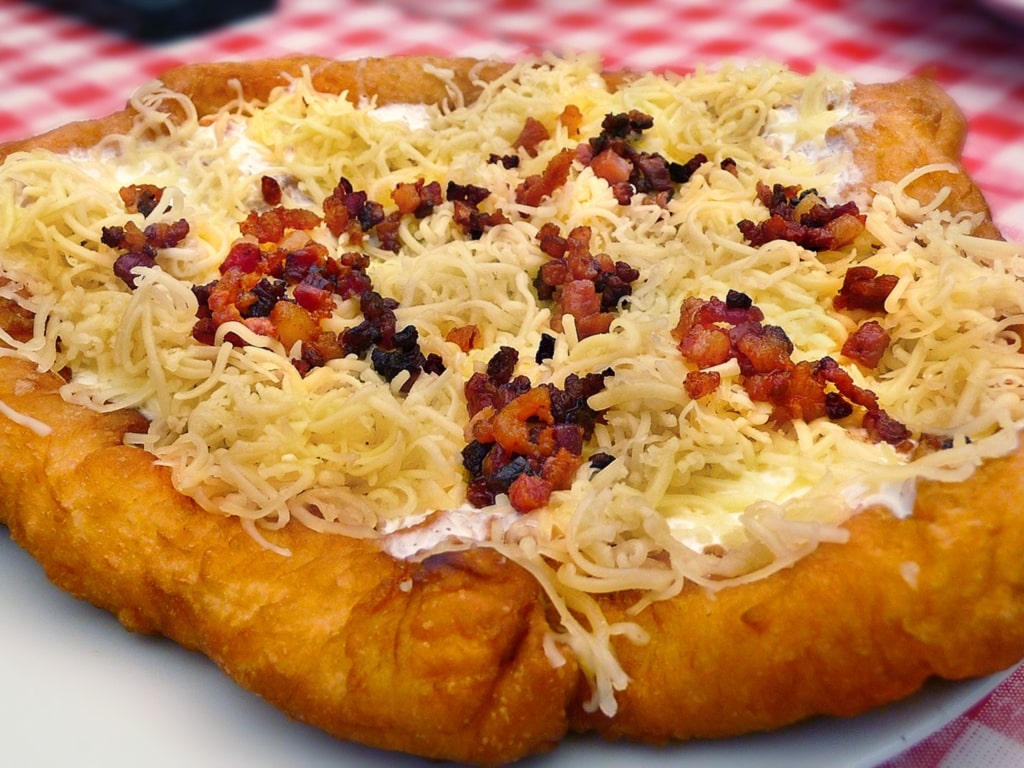
Drum Cafe Lángosh & Gulash Bar Photo by FrugalGlutton.com on Flickr, licensed under CC BY 2.0
Finally, don’t miss Drum Cafe Lángosh & Gulash Bar, where you can dig into more traditional Hungarian comfort food. The lángos here—fried to a golden crisp texture and slathered with sour cream, potato, smoked cheese, or sausage—is a favorite, as is their hearty goulash.
Most of the eateries in the compact Jewish Quarter are a short walk from one another, so if you’re a diehard foodie, you’ll have plenty of options to keep yourself entertained.
Travel Tips
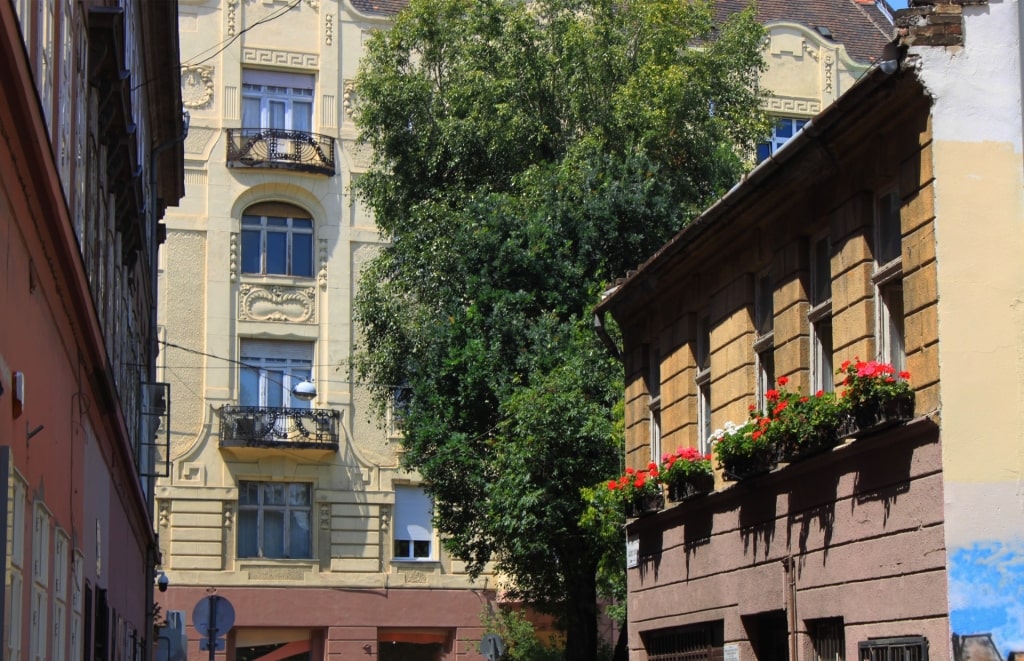
Kazinczy Street
The most interesting discoveries—the fun murals, smaller cafes, and quirky boutiques that make the Quarter such a charming locale—are easier to stumble across when walking. So, regardless of whether you’re with a guide or on your own, make sure you put plenty of steps in while you’re in the Jewish Quarter.
The cobblestone streets can be rough and uneven as well. Wear comfortable shoes if you plan to spend time exploring the area on foot.
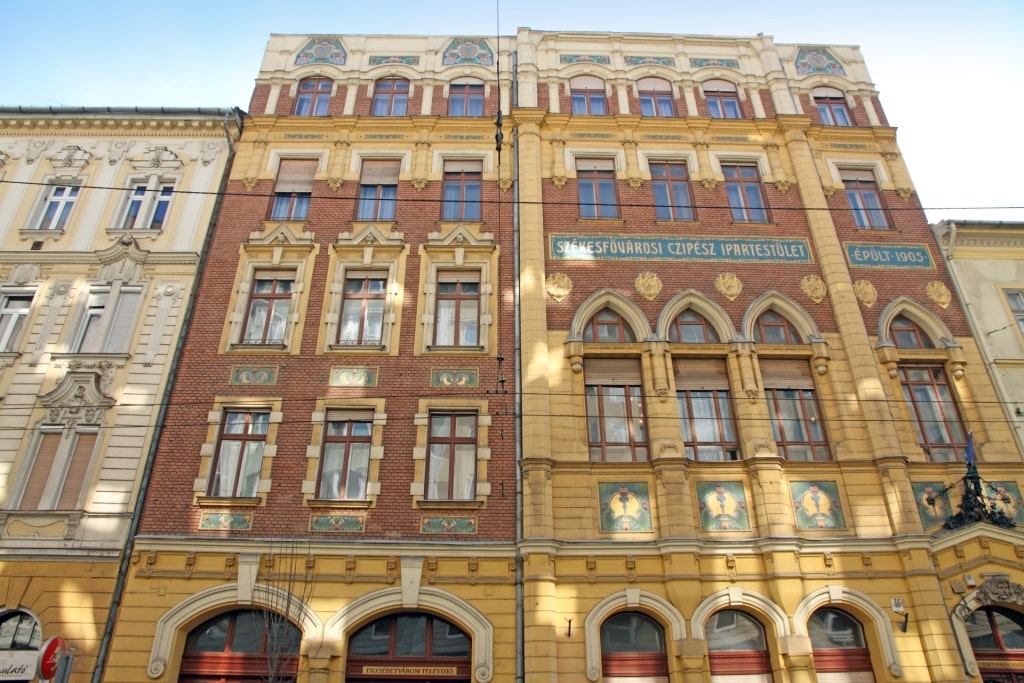
Jewish Quarter
If you want to visit some of the more popular sites, such as the Dohány Street Synagogue, try to arrive earlier in the day. Mid-morning is when the lines and crowds start to form. You’ll have a more relaxed sightseeing experience if you beat the rush.
While most Budapest shops and restaurants in the Quarter accept credit cards, it’s still a good idea to carry some Hungarian forints. Some kiosks and markets might be cash-only, as are some of the older or more traditional cafés.
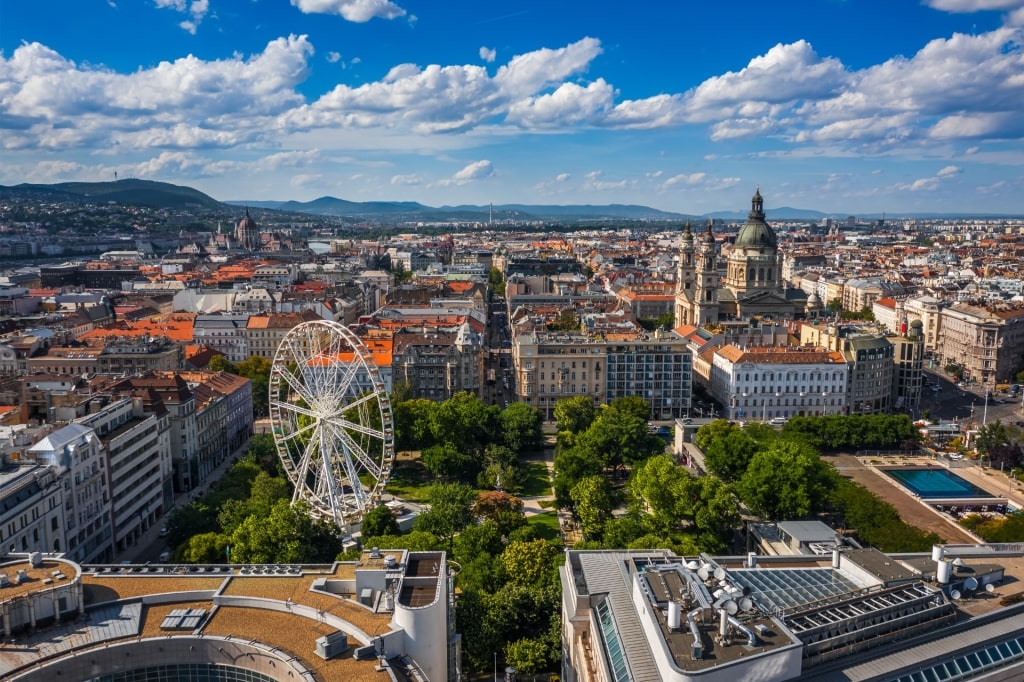
Budapest
Explore Budapest’s Jewish Quarter on one of Celebrity’s river cruises. Browse river cruises to Budapest and plan your European adventure today.