Food in Cologne is simple, hearty, and proudly packed with regional twists. The Rhine heartland city is known for serving Rhenish dishes, as food from the region is known, cooked according to tradition. Cologne is also a cosmopolitan food city boasting endless multicultural restaurants alongside the best traditional Rhenish fare.
What to eat in Cologne is an easy, gastronomic adventure: make sure to savor the regional classics and mix in some of the modern culinary offerings, too. Here are the best recommendations for biting into the local food scene, from the Rhenish dishes you need to try to the best multicultural dining on offer and advice on how to dine like a local at restaurants.
Rhenish Cuisine
Sauerbraten
The traditional, rustic German food in Cologne reflects two sides of the Rhenish city’s identity; first, its origins as a working-class, urban center, and secondly, the farming and agricultural landscape of the surrounding Rhineland region.
Potatoes, cabbage, pork, and sausage, produced around the region, are the defining ingredients of Rhenish food. Classic dishes see these ingredients mixed together according to a unique flavor profile—sweet, sour, and savory—which sets the Rhineland taste apart from other German cuisines.
Reflecting working-class eating habits, Rhenish dishes are also known for being fast, snack-sized, and portable; yet, still grilled up and served piping-hot for a warm belly’s pleasure.
Kölsch beer
There’s no better place than Cologne’s Brauhäuser, or brewpubs. Obviously, all Rhenish regional dishes are best paired with a glass—or three—of Cologne’s local Kölsch beer.
If you’re wondering what to eat in Cologne when it comes to traditional Rhenish fare, start with these dishes and you’ll be fine.
Himmel un Ääd
Himmel un Ääd
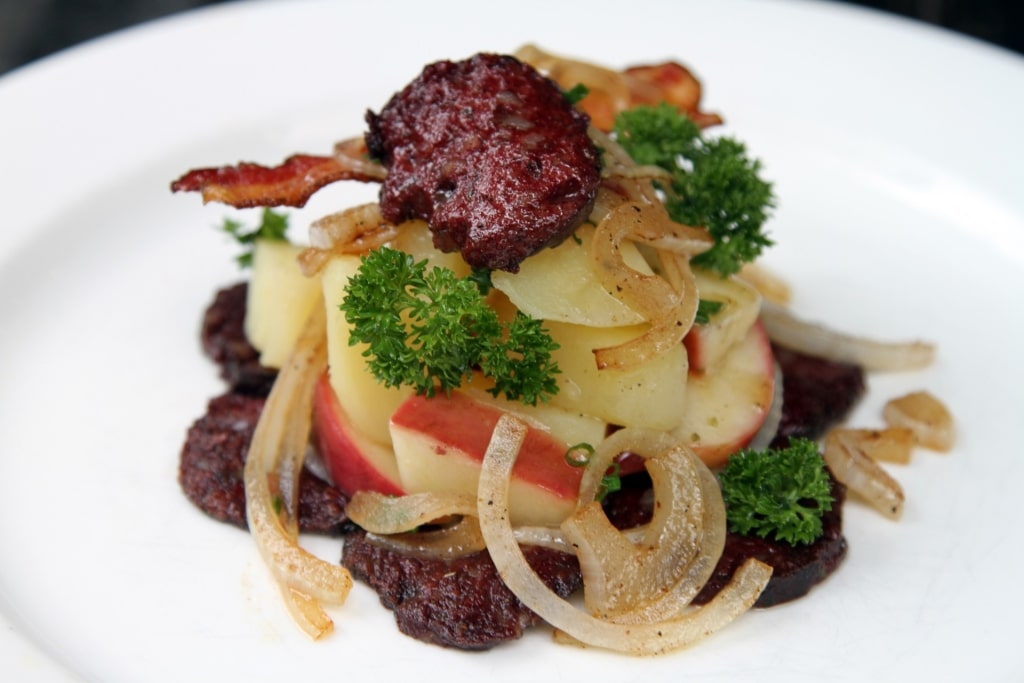
Cologne’s most quintessential dish is “Heaven and Earth”—a combination of mashed potatoes, apples stewed or sautéed into apple sauce, and blood sausage.
The former peasants’ dish, first documented in the 18th century, gets its name from a play on its ingredients: the combination of apples, from the “heavens,” or fruit trees, and potatoes from the “earth”.
Perhaps no other dish better showcases the region’s resourcefulness for creating filling, textured meals with the produce at their disposal, as well as Rhenish cuisine’s unique flavor profile, combining savory, sour and sweet. Despite its simple plating, Himmel un Ääd is a dish that takes time and effort to prepare—the potatoes are boiled and mashed with butter or milk for added creaminess, while the tangy apples are cooked down with onions and a little sugar, enhancing depth of flavor.
Sauerbraten
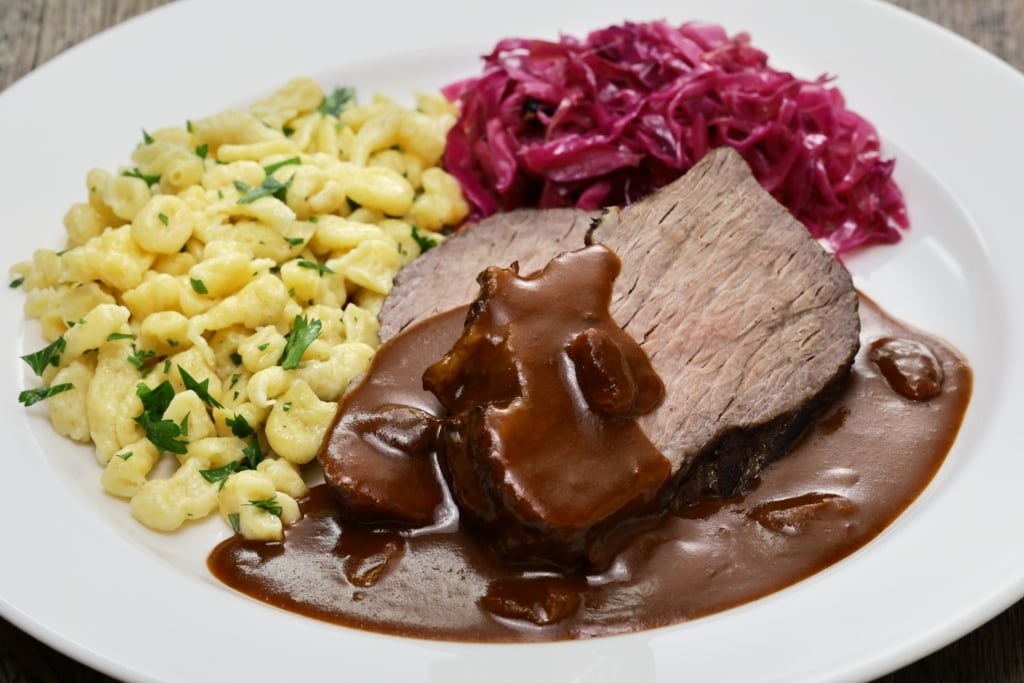
Sauerbraten
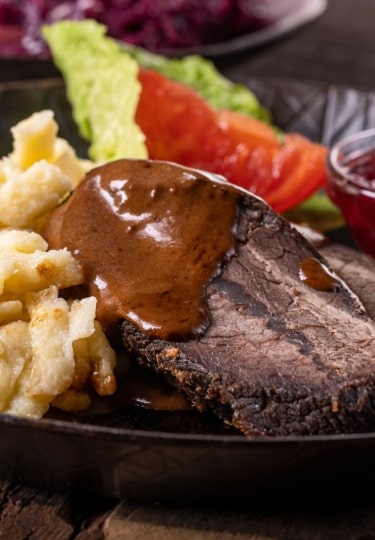
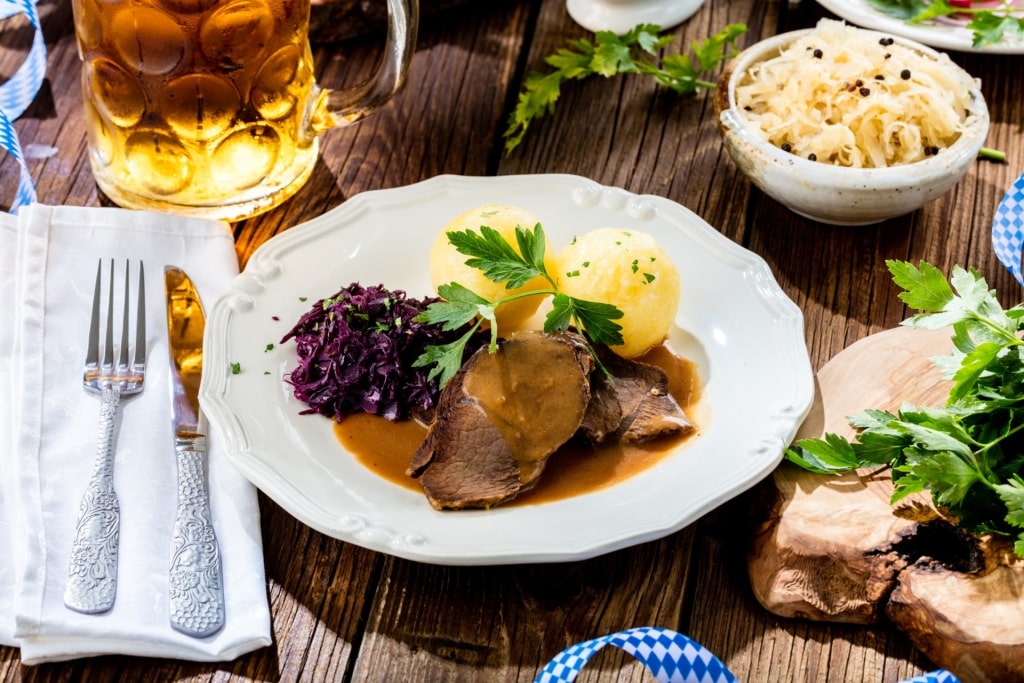
Sauerbraten is a vinegar-based pot roast—the name directly translates to “sour roast.” The name, however, is more a reference to how it’s prepared than the final taste, which is not sharp but savory through and through.
While you’ll find Sauerbraten on the menus of German restaurants across the country—it’s so beloved that it’s often called “Germany’s national dish”—the dish is believed to have originated in the Rhineland. Some sources claim that in the ninth century, Charlemagne was said to enjoy his meat preserved in vinegar for tenderizing.
Today, Sauerbraten takes inspiration from the Roman emperor with a marinade of vinegar—usually red wine vinegar—and a mix of spices including bay leaves, peppercorns, cloves, juniper berries, and mustard seeds, along with aromatic veggies such as onions, carrots, and celery.
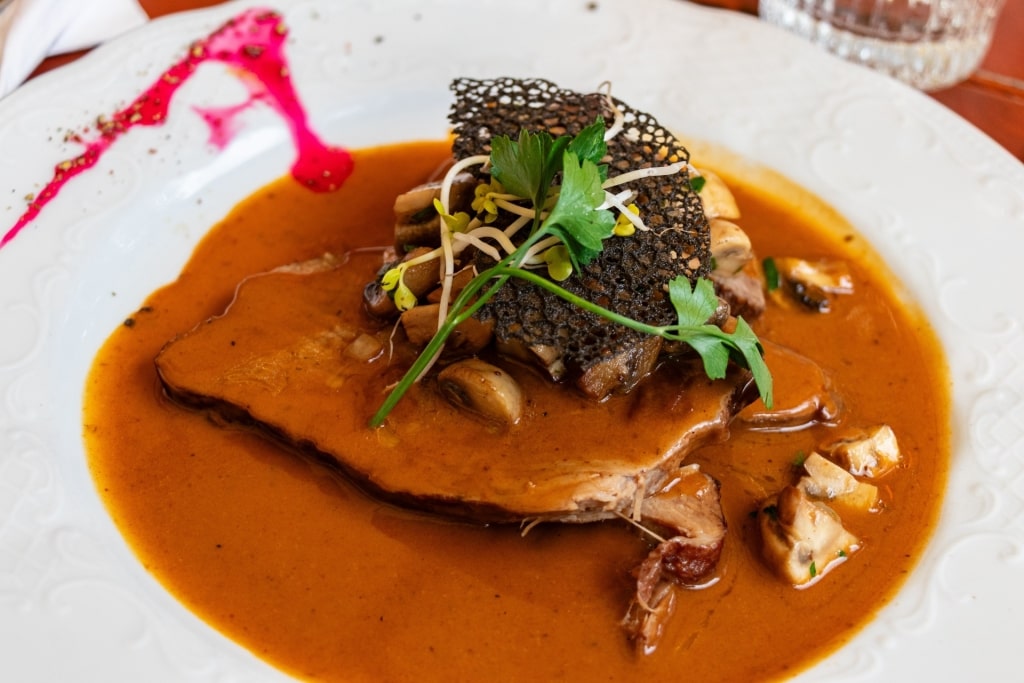
Sauerbraten
The beef, usually a tougher cut like rump or chuck, soaks in the concoction for anywhere from a couple of days to a whole week in the refrigerator. Over that time, the vinegar mellows, soaking into the meat during the marinating process. The meat is braised slowly in the pan with its marinade and that becomes fragrant gravy sauce to pour over the final plate.
The Rhineland’s special touch to its Sauerbraten is the sweet-sour-savory flavor which sees the sauce thickened, often with crushed gingerbread or rye bread, to add a kick of sweetness and some body. Some people also use raisins, honey, or a little sugar in the marinade to really make sure that sweetness comes through.
Even if you’ve tried Sauerbraten elsewhere in Germany, the Rhineland regional version is one dish you must try in Cologne.
Reibekuchen
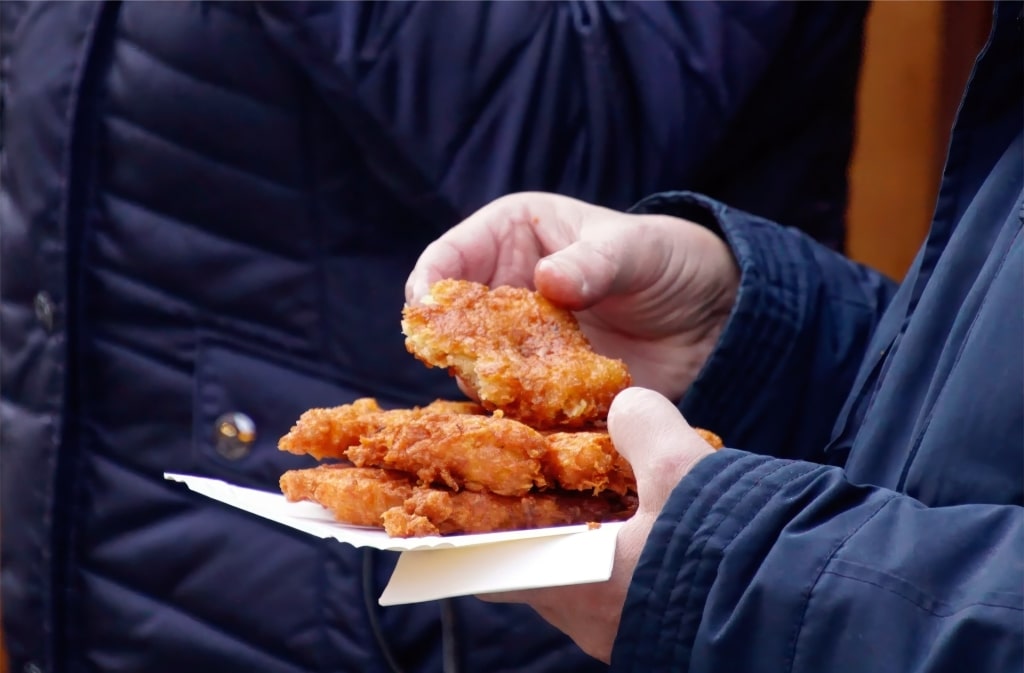
Reibekuchen
What to eat in Cologne when you only want a quick, little bite? Reibekuchen, or fried potato pancakes topped with apple sauce, are truly the city’s favorite snack. The recipe is simple: finely grated raw potatoes are mixed with onions, eggs, and flour or starch, as well as salt and pepper for seasoning. Flattened out, the pancakes are then pan-fried in oil until golden and crisp and are served piping hot with apple sauce for that typical Cologne sweet-sour-savory twist.
Sometimes appearing on menus as Rievkooche according to the Kölsch dialect spelling, potato pancakes are deeply rooted in the Rhineland’s food culture.
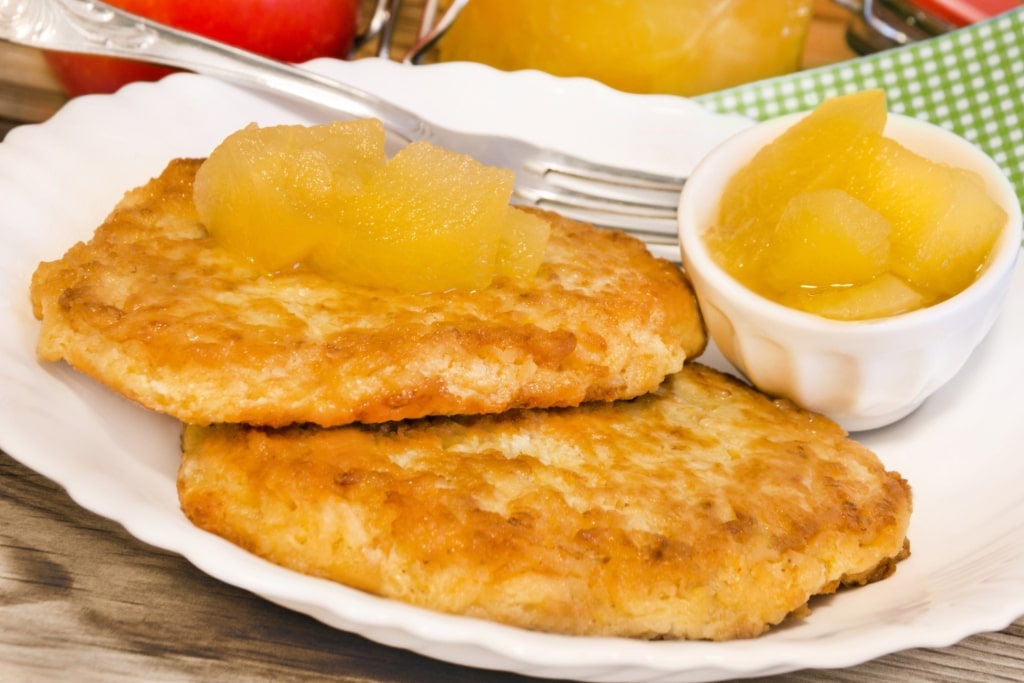
Reibekuchen
For working-class families, potatoes were cheap, filling, and abundantly grown around the rural landscape, making Reibekuchen an important everyday dish. This was especially so on market days and at harvest time when laborers required quick, hearty meals. You might also find them on Friday lunch menus around the city—in Cologne, Reibekuchen were a good meal for fasting from meat.
Apple sauce is the classic side but there are also a couple of other options unique to the Rhineland. One of them is Rübenkraut, or molasses-like beet sugar syrup. Another is herring salad or herring fillet on the side. You might also find smoked salmon with horseradish cream, but that’s considered more of a festive treat saved for the December menus of traditional restaurants and Christmas markets.
Halver Hahn
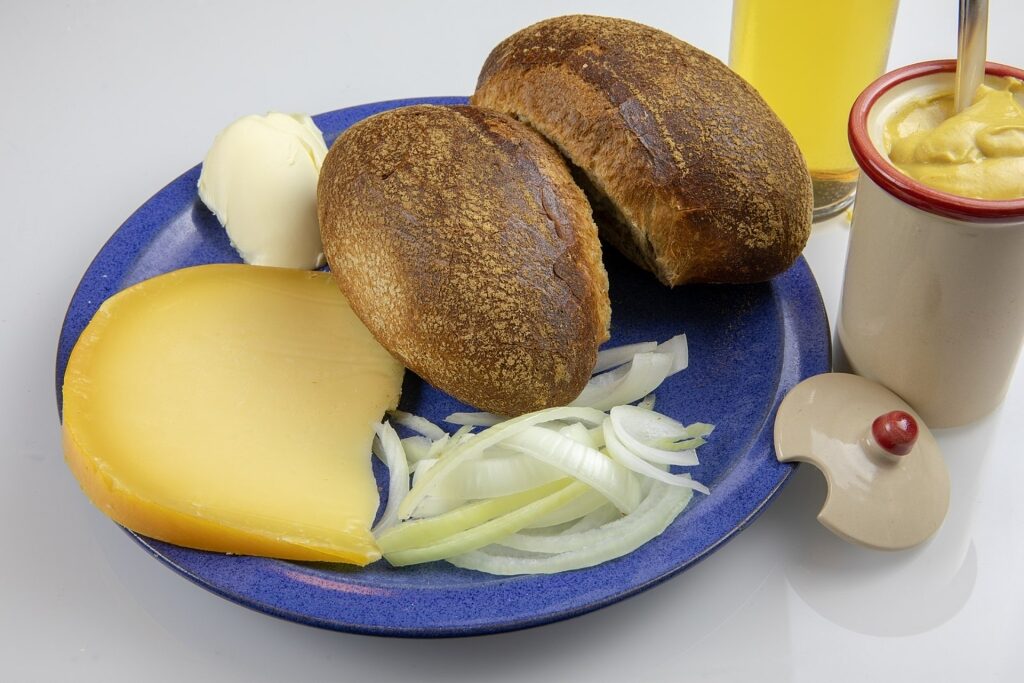
Halver Hahn Photo by Superbass on Wikimedia Commons, licensed under CC BY-SA 4.0
Halver Hahn is Cologne’s favorite sandwich. It comprises Gouda cheese—the more mature the better—butter, mustard, and pickles or raw onion slices in a dense Röggelchen rye bread roll. Mighty popular at taverns and brewhouses, the name Halver Hahn is a little confusing—this means “half a chicken” in German, but this sandwich has no poultry involved.
The origins of the misleading name are not really known. It could come from a quirk of 19th-century Kölsch, or Colognian, dialect when Halver Hahn might have literally meant half a small bread roll, but over time, calling the sandwich a “half a rooster” was more fun instead.
As one story goes, after one too many Kölsch beers, a drunken tavern guest jokingly ordered “half a rooster”. The innkeeper served him a sobering meal of bread with cheese instead.
Multicultural Street Food
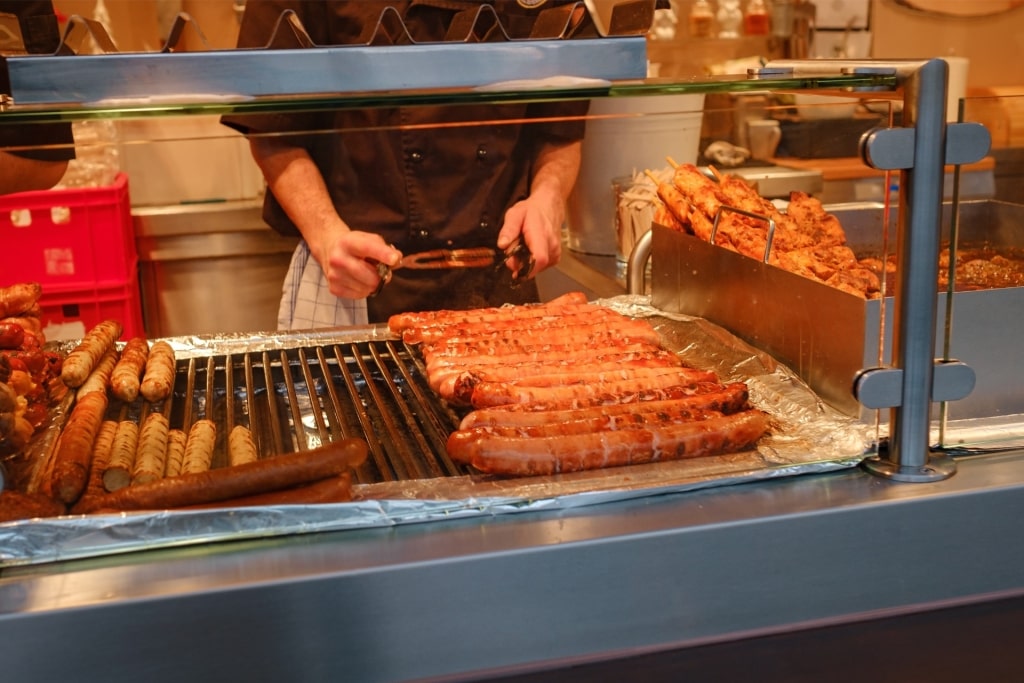
Market in Cologne
The German city of Cologne has an exceptionally diverse gastronomy scene thanks to its vibrant immigrant population. You can easily take a culinary trip around the world in just a few short days. Even better, as a youthful, university city, there are a lot of budget options which are excellent. Authentic Persian, Turkish, Polish, and Russian delicacies are well-represented due to their thriving Cologne communities.
Turkish Döner
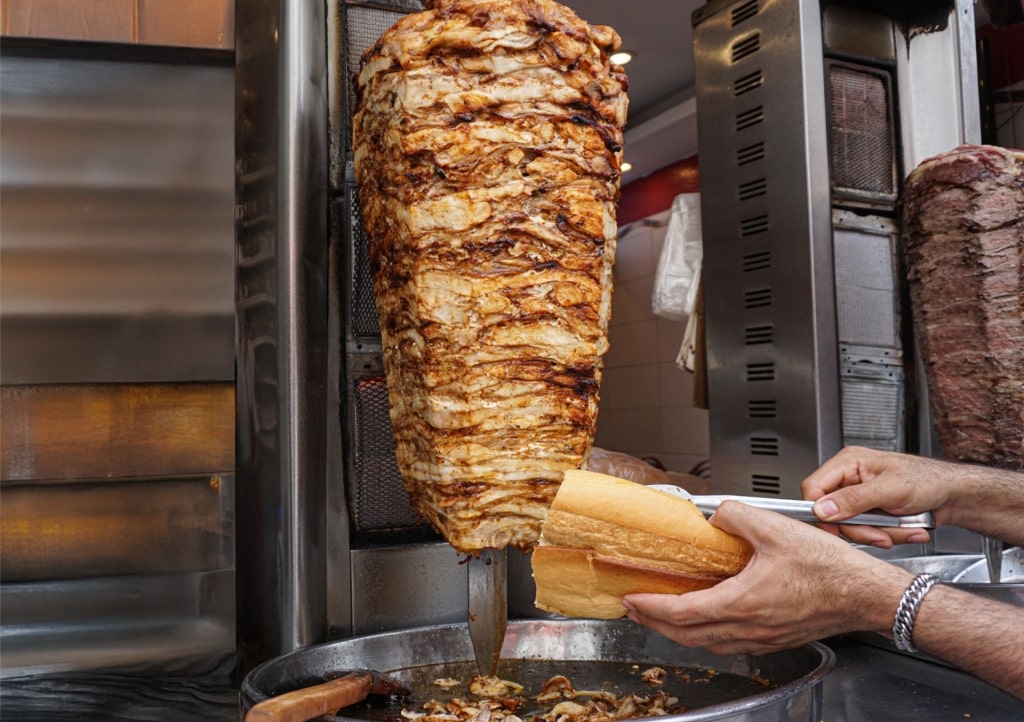
Turkish Döner
Cologne has had a large Turkish population since around the 1960s when around 750,000 Turkish guest workers arrived to help rebuild West Germany after the war. Döner kebab—slices of grilled meat, sauces, and salad served in a flatbread—has become a staple of the fast-food culture.
While the handheld snack is said to have been invented in Berlin, Cologne stands are also connoisseurs of delicious, well-priced döner—they’re especially popular among Cologne’s university students, especially after a late night out.
Phở
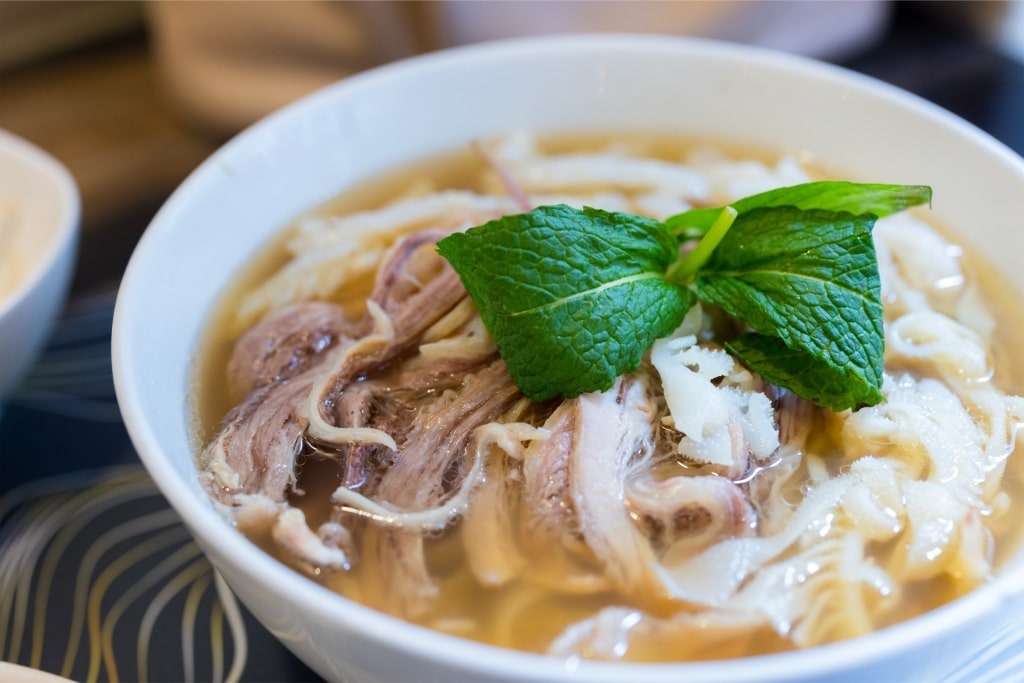
Phở
During the Cold War, thousands of Vietnamese migrants came to East Germany as “contract workers” under socialist agreements. After Germany’s reunification, many moved west to thriving economic centers like Cologne, bringing flavorful dishes with them.
As such, fragrant phở soup is a dish beloved in German food culture, which has long appreciated the satisfaction of a good, long-simmered soup. This one is typically a flavorful broth in which herbs, rice noodles, and meat are simmered. There are Vietnamese restaurants around the city, especially in multicultural neighborhoods like Ehrenfeld. On a cold, winter day, food in Cologne doesn’t get any better.
Lindt Chocolate
This may come as a surprise but Swiss chocolate is something of a local delicacy in this German city. The Swiss chocolatier Lindt—world-famous for its foil-wrapped Lindor truffles—has a museum dedicated to chocolate in Cologne here in a factory-turned-museum. Started by a local chocolate maker, the Chocolate Museum is now run by the company.
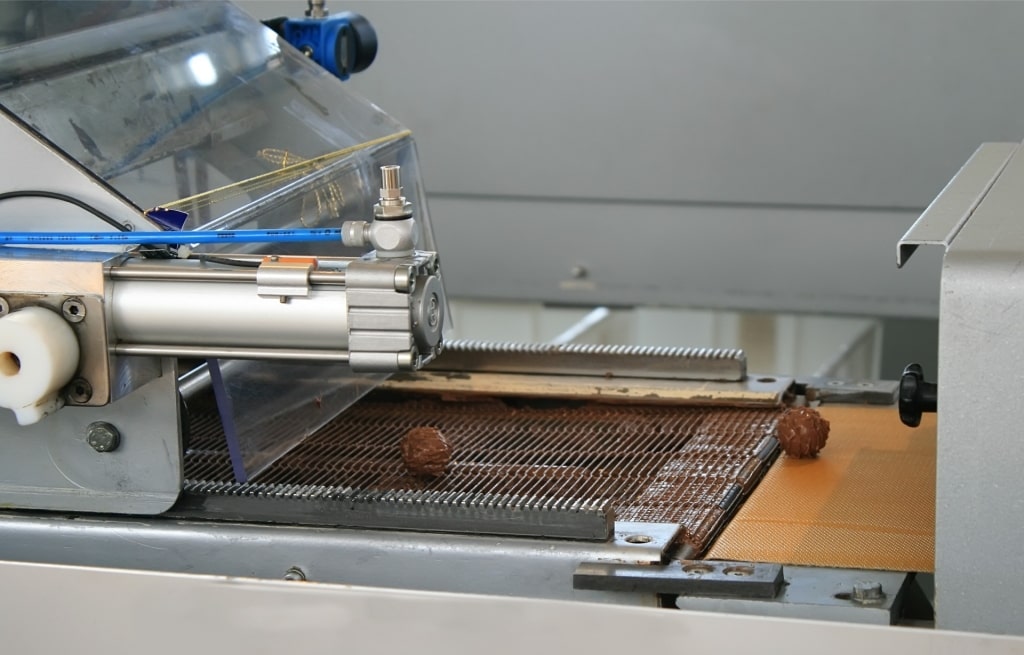
Lindt Chocolate Museum
Visiting the Chocolate Museum is one of the best things to do in Cologne. Besides learning about the bean-to-truffle process, and even visiting a tropical house where cacao trees grow, the Cologne attraction offers a unique opportunity. You can taste creamy, molten Lindt from a gigantic 10-foot-tall chocolate fountain filled with 440 pounds of flowing chocolate.
FAQs
Is Cologne a good food city?
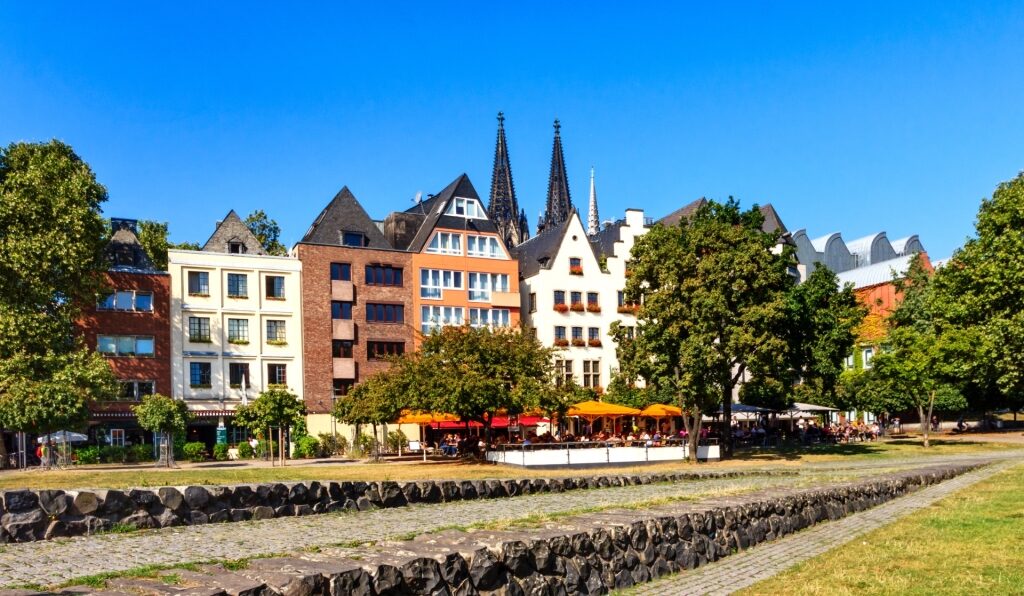
Old Town
Cologne is one of the best cities in Germany for authentic German cuisine. Traditional food in Cologne is, most notably, made according to the unique Rhineland regional taste to add a pinch of sweet and sour into savory dishes. Overall, this twist adds a little more complex flavor and, in many cases, can also help dishes feel less heavy.
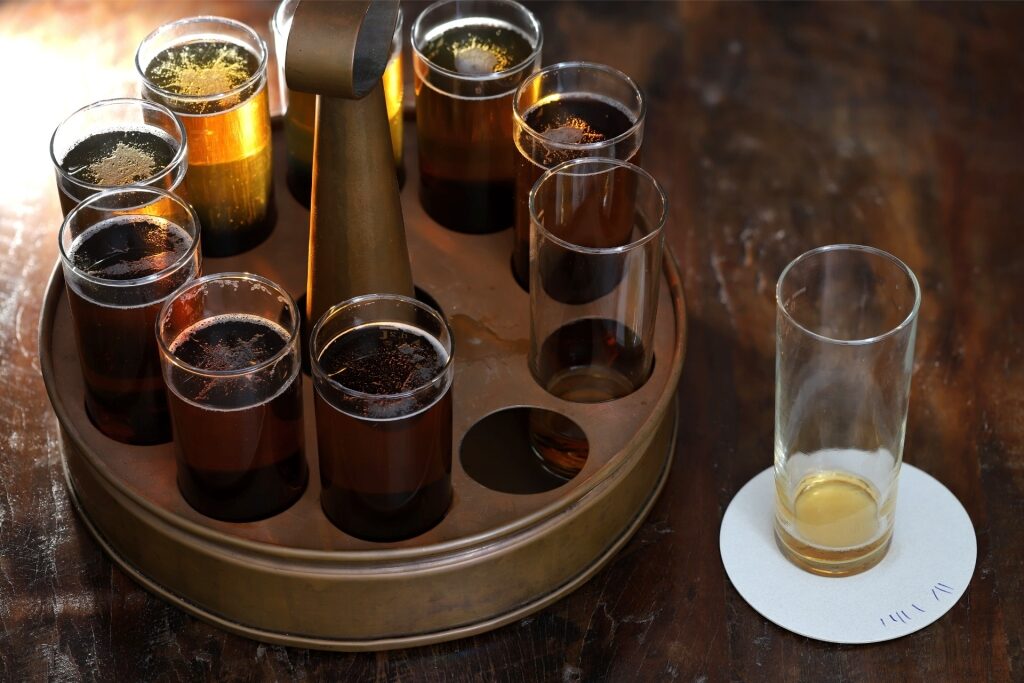
Kölsch beer
Cologne is not the best city for experimental, modern cuisine. There are a couple of such restaurants, but the Cathedral City’s strengths really lie in its Brauhäuser, or brewpub culture and international street food catering to its working-class history. In Cologne, even some of the most simple restaurants and kiosks can provide tasty, satisfying experiences.
Where are the best places to eat traditional food in Cologne?
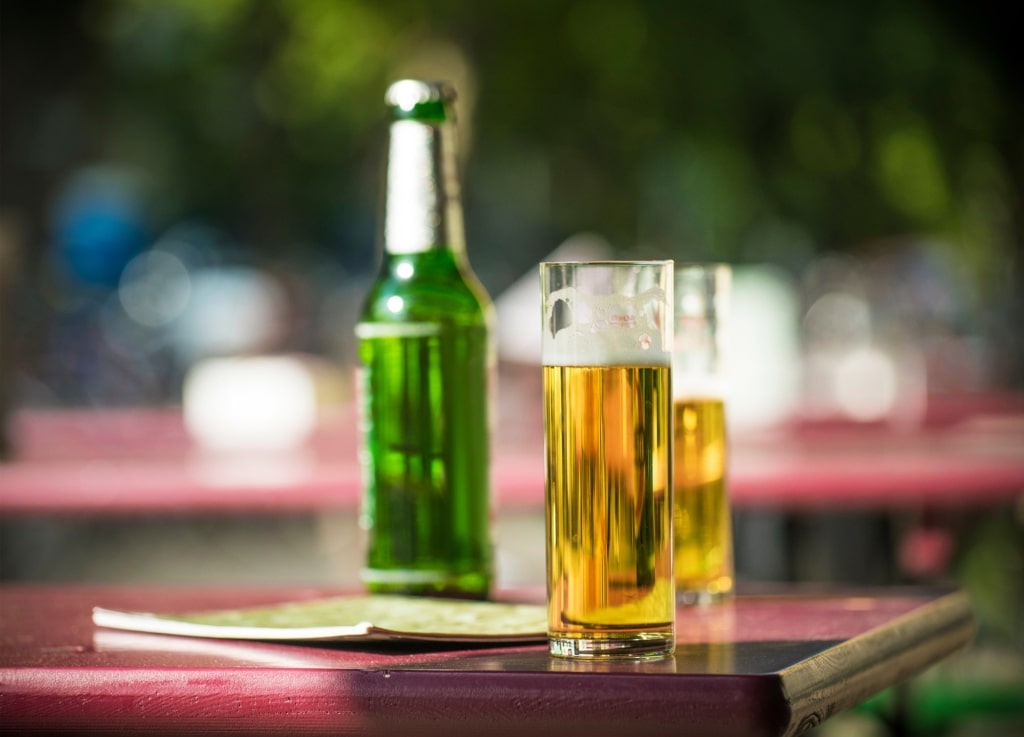
Beer garden in Cologne
Cologne is known for its historic Brauhäuser where hearty, German and Rhenish dishes are paired with the city’s signature Kölsch beer. Particularly in the historic Altstadt, you will find some of the best beer halls. Outdoor beer gardens are also popular and offer the authentic German beer hall experience: shared tables where perfect strangers become fast friends, heaping plates of food, and lots of laughs.
What dish is Cologne most famous for?
The city’s signature dish is Himmel un Ääd—“heaven and earth”—mashed potatoes, apple sauce, and black pudding, or blood sausage. While Colognians are crazy about it, the rest of Germany really isn’t, and you’ll rarely find it outside the region.
What time does dinner typically start in Cologne?
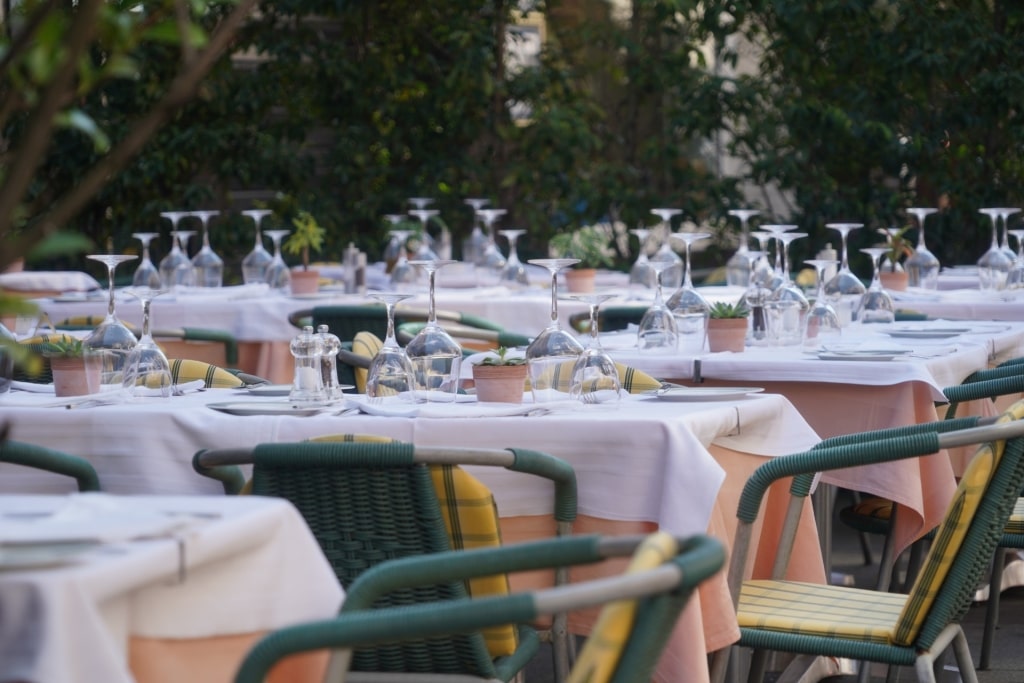
Restaurant in Cologne
Dinner usually begins around 6 p.m. Eating at 8 p.m. is considered late and most restaurants will stop serving at 9:30 p.m. or even as early as 9 p.m.
Are there any food customs I should know about?
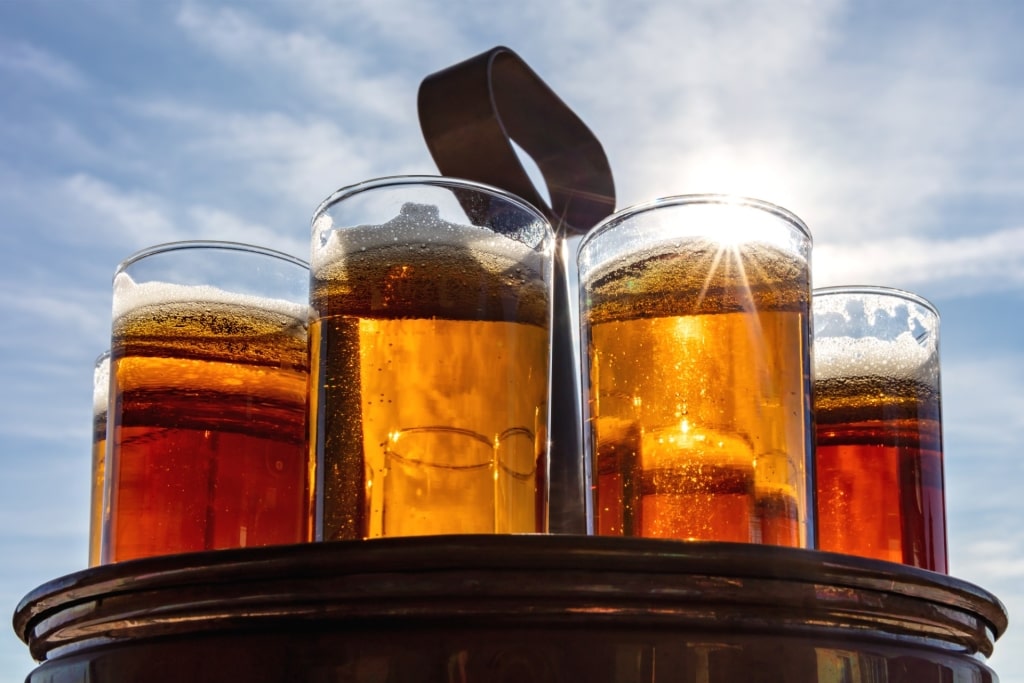
Kölsch beer
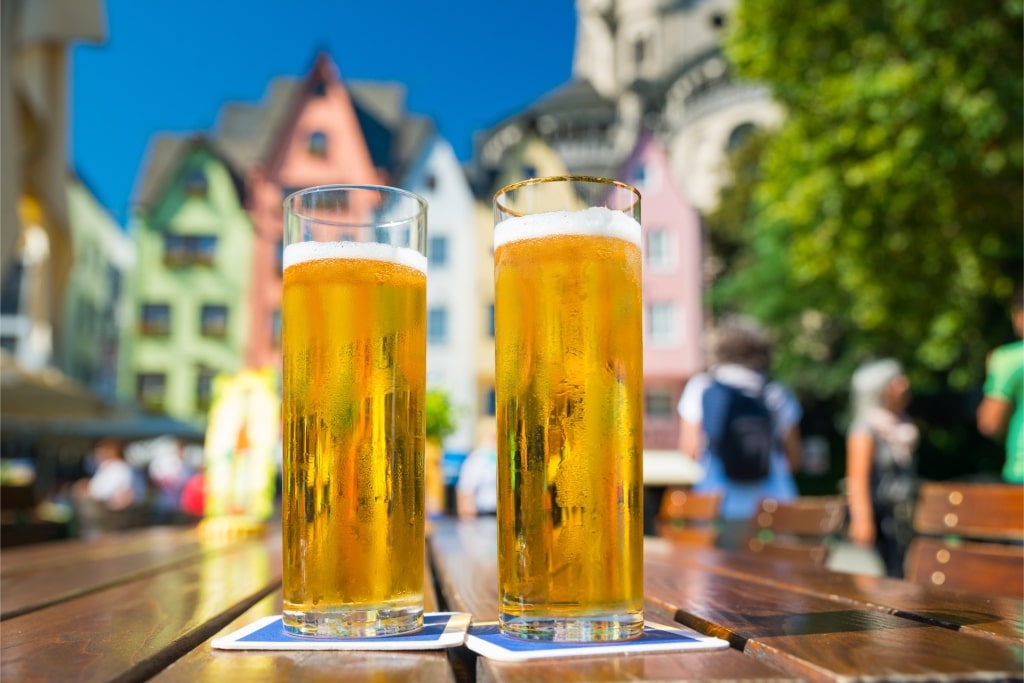
Kölsch beer is highly unique with regard to how it’s served in Cologne beer halls. Servers will automatically refill your empty glass until you cover it with a coaster. The glasses, called Stangen, are also small, around 200 ml, skinny and straight—very different from the stein beer mugs traditional to southern Germany.
Visiting the Cathedral City without downing a Kölsch would be blasphemous. Light and hoppy, the beer goes perfectly with the typical Rhenish flavor profile blending savory with a little sweet and sour.
In traditional brewhouses and beer gardens, seating is communal, so don’t be surprised if you share a table. Despite this, sharing food is rather uncommon. Everyone typically orders their own dish.
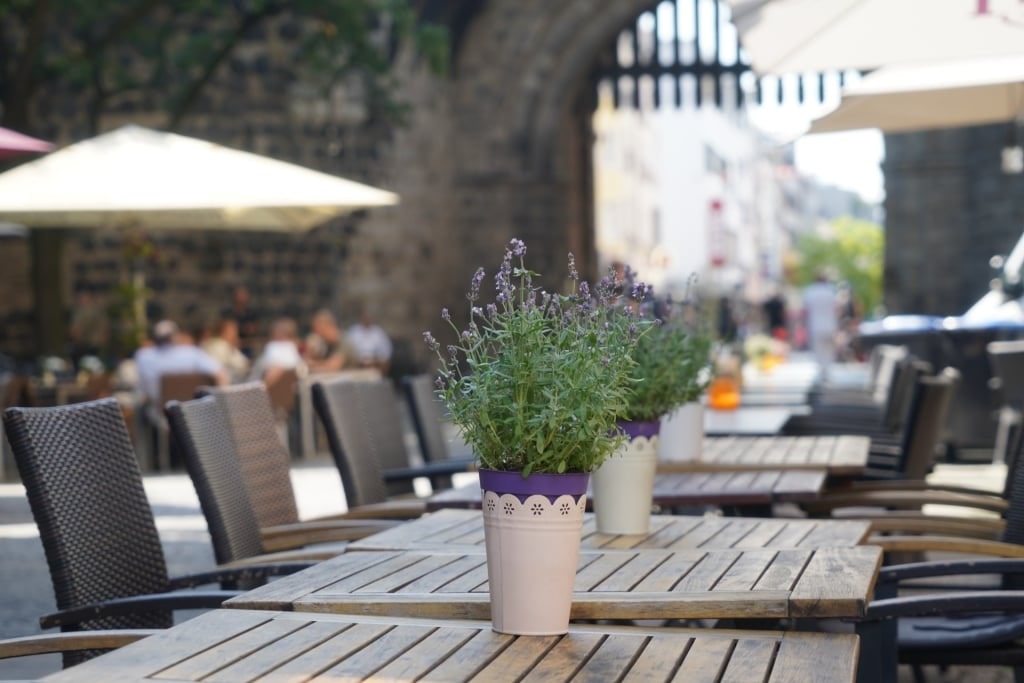
Restaurant in Cologne
Tipping in Germany is dictated by service quality and setting. Most Germans tip 5 to 10%, or round up by a few euros; some don’t tip at all, but that’s slowly changing. Tips aren’t expected at fast-food stands and kiosks, but are certainly appreciated. In beer halls, a few euros on top, for example, leaving €30 if the check is for €28, is good practice.
Always have euros on hand, and preferably, in denominations smaller than €50. Ultra-casual spots like kiosks, food trucks, and some smaller restaurants might not have a card machine.
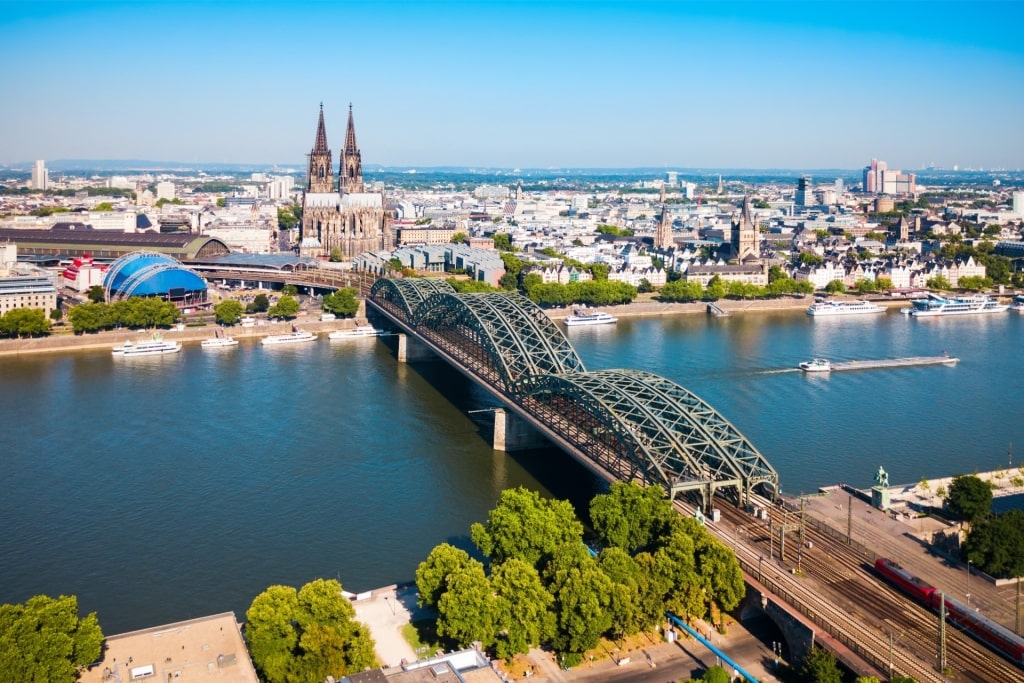
Cologne
Discover Cologne and its cuisine for yourself. Browse Celebrity’s river cruises to Cologne and plan your European adventure.