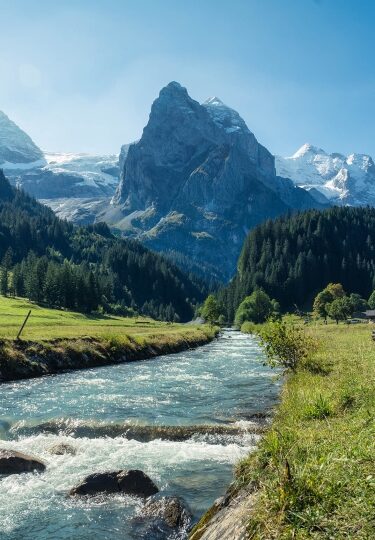
Switzerland is more than dramatic mountain scenery, lush green meadows, and cascading falls. While it is one of the most stunning places on earth — take it from me, I’ve been there. It’s also home to a culture, history, and way of life that locals take pride in, and visitors quickly admire.
The Swiss people operate by their own set of rules, speak four official languages — German, French, Italian, and Romansh — use the Swiss franc, and fly a square flag. When people talk about a nation that dances to the beat of its own drum, Switzerland delivers. These facts about Switzerland reveal a country that is scenic, sophisticated, surprisingly independent, and full of character.
The Swiss lifestyle reveals itself on Celebrity River Cruises℠ sailing down the Rhine. It embarks in Basel, a city that sits at the cultural crossroads of France, Germany, and Switzerland — immediately giving guests a feel for the multi-country influence that defines the region. Before you discover what a river cruise is like, learn these fun facts to make your time in Switzerland feel less like tourism and more like genuine discovery.
Swiss Etiquette Every Traveler Should Know
There’s nothing more disorienting than arriving somewhere new and not knowing the local customs. Little nuances — and Switzerland has plenty of them — are what make a fish out of water feel right at home. While we include everything you need on board, knowing when to stay quiet, when shops close, and how seriously the Swiss people take punctuality are the details that will help you ashore.
Switzerland Takes Quiet Hours Seriously
In Switzerland, the locals protect their peace as much as they can.
Quiet hours often run from noon to 1 p.m. and from around 10 p.m. to 6 a.m. If you visit on a Sunday, it’s best to use your “inside voice” all day — as loud activities or noises can trigger complaints. While quiet hours are not always part of national Swiss law, local municipality regulations often enforce more tranquil periods throughout the day. Noise violations can sometimes result in fines, so it’s worth knowing when to be mindful of your volume.
Sundays Are Rest Days
Just as Sundays are quiet from sunup to sundown, they are also considered rest days. What better way to fight the Sunday scaries than to do nothing at all? Only train station shops, airports, and some convenience stores stay open.
If you’re prepping for Sundays in Switzerland, be mindful of shop times during the week, as well. They close surprisingly early on weekdays, usually around 6:30 p.m., and on Saturdays, sometimes earlier.
Swiss Pedestrians Usually Wait for the Green Light
As in many places, jaywalking is frowned upon in Switzerland, and crossing at a red light can result in a fine, even if there are no cars coming. Locals, even when in a hurry, typically wait for the green light before crossing. Follow their lead and treat pedestrian signals seriously; it’s both the lawful choice and the easiest way to avoid disapproving looks or an on-the-spot penalty.
Switzerland Has a Careful Recycling Culture
Switzerland is an eco-friendly country, and just by looking at the country’s landscape, it’s obvious. The trash cans are organized by color and waste type, with separate bins for glass, aluminum, PET plastic, cardboard, and compost. In many places, you must buy officially taxed garbage bags. When you get off the river cruise and go ashore, think twice before just throwing items in any trash can — pay attention to the signage.
Switzerland Uses the Swiss Franc, Not the Euro
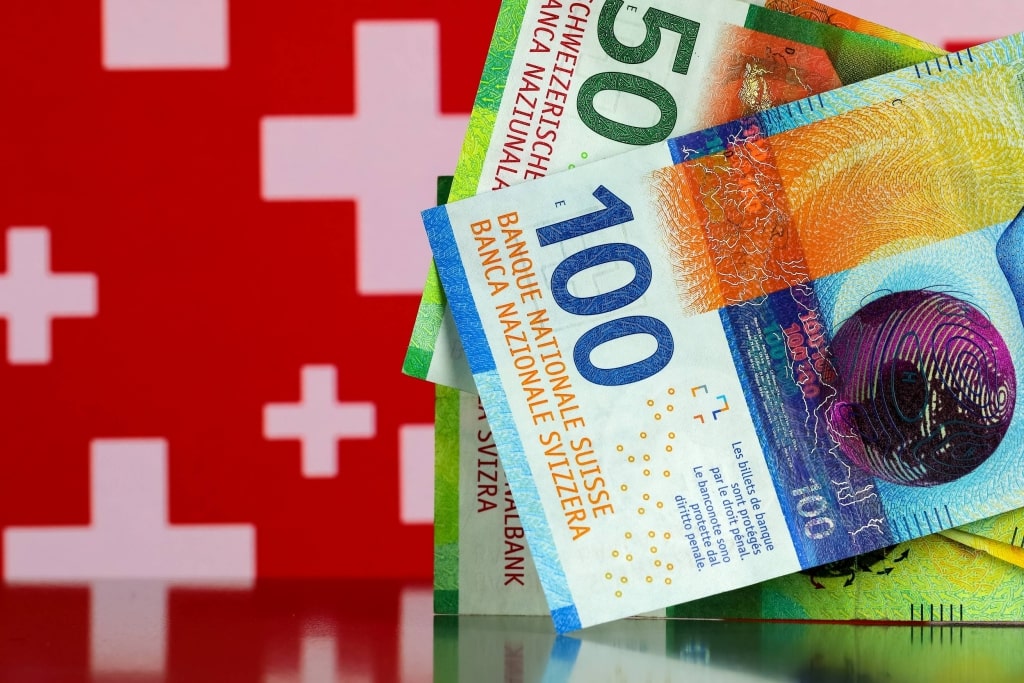
Swiss 50- and 100-franc banknotes displayed against a red Swiss flag pattern background.
The official currency is the Swiss franc (CHF). In town, you can use cards, but cash still reigns in smaller cafés, mountain huts, and rural businesses. Depending on where you go, it’s worth having money on hand in case you need it. Exchange rates always fluctuate, and it’s better to go to a bank or official currency exchange rather than the airport for the best conversion rate.
As for tipping, Switzerland is refreshingly low-pressure. Service charges are typically included in the bill, so there’s no expectation to tip heavily. Rounding up to the nearest franc or leaving small change is the norm.
Switzerland Is Known for Clean Public Spaces
When I visited Switzerland, I immediately noticed how clean everything felt — streets, public spaces, even the toilets. It’s the kind of place that sets a standard everyone follows. Some toilets are paid per use, which is why it’s worth carrying cash, as mentioned above.
Punctuality Is Important
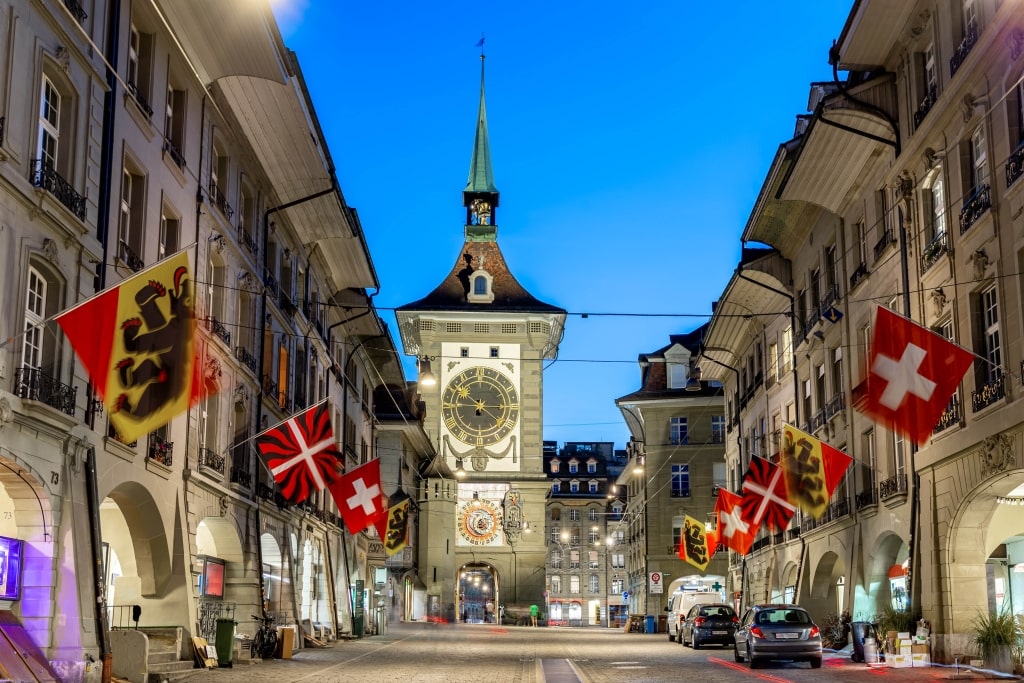
Bern’s Old City with Zytglogge tower by night blue hour in Switzerland.
The Swiss are punctual. It is rude to be late, whether you’re joining Celebrity Cruises® shore excursions or making dinner reservations. Being on time is not only important for the full experience you signed up for, but it is also a sign of respect.
Food Facts About Switzerland
The Rhine is one of the best river cruises for first-timers, and the culinary scene alone makes a compelling case. With influence from France, Italy, Germany, and Alpine heritage, every meal feels like a cultural experience in itself.
Spearing potatoes and dipping them into a bubbling cheese fondue pot hits differently when Mount Titlis’ sweeping views are behind you, and Swiss chocolate in flavors you won’t find anywhere else is worth every bite. Yet, there’s so much more to the Swiss cuisine than what’s normally advertised, and the table is set for you to taste more than its greatest hits.
Raclette Is One of Switzerland’s Most Beloved Cheese Dishes
Aside from fondue, raclette is a popular choice in Switzerland. A wheel of Swiss cheese is heated until the surface melts, then scraped directly onto your plate alongside boiled potatoes, cornichons, and cured meats. In Ticino, a canton that borders Italy, potatoes are replaced with pasta, risotto, and polenta — a subtle but delicious reminder of how close the border really is.
Swiss Wine Is Rarely Exported
There’s something special about Switzerland’s wine — its exclusivity. Swiss wine is homegrown, and almost none of it is exported. Nearly all of it is consumed domestically, so most visitors have never tasted it before their first arrival. The wine is cultivated in all of the 26 cantons, and just below the village of Visperterminen is Europe’s highest vineyard — meaning whatever glass ends up in front of you, it was likely grown somewhere extraordinary.
Switzerland Has a Standout Fine Dining Scene
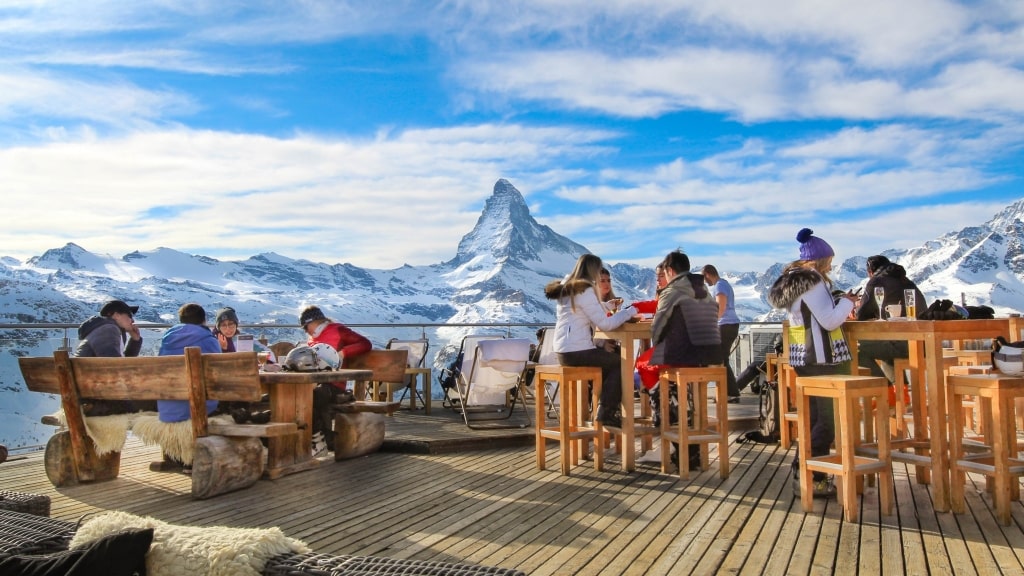
Outdoor dining tables face the striking, snow-dusted peak of the Matterhorn under blue skies
Switzerland’s food and beverage culture is iconic, and fine dining is no exception. The country has more Michelin-starred restaurants per capita than France. Basel alone is home to Cheval Blanc by Peter Knogl, a three-Michelin-star institution and standout location for a dinner reservation. Basel’s scene is world-class on its own, and if you time your visit in June, you’ll also catch Art Basel, the world’s most prestigious contemporary art fair, making it one of the most culturally rich stops on the Rhine.
Swiss Chocolate Is Worth Seeking Out
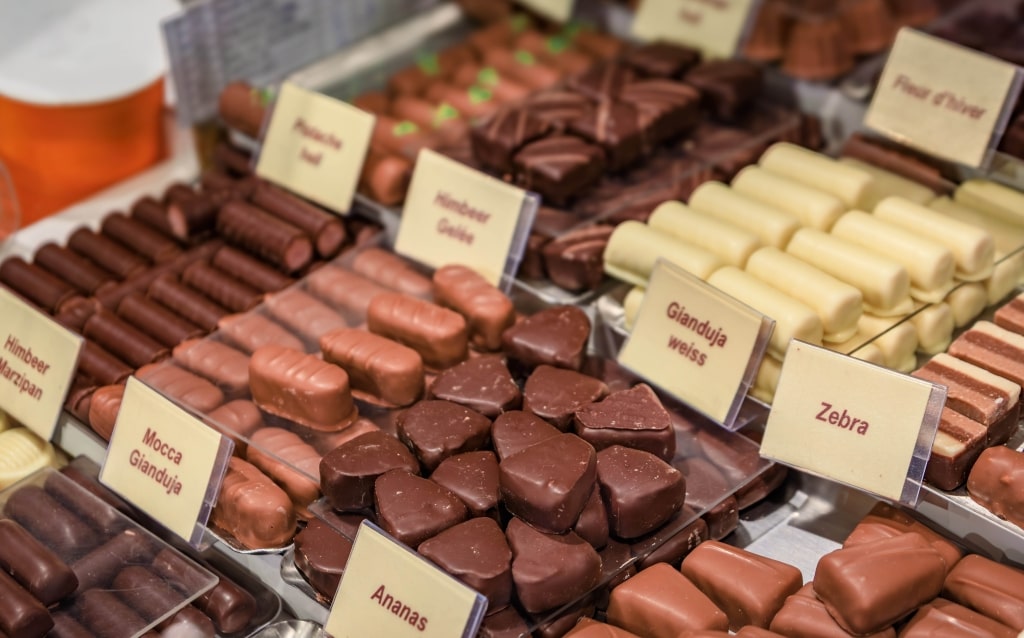
An elegant arrangement of assorted gourmet Swiss chocolate pralines and truffles.
Switzerland is famous for chocolate, and it’s worth trying more than one kind while you’re there. Visit a local chocolate shop, look for regional flavors, or bring a few bars home as souvenirs. Like the country’s cheese and wine, Swiss chocolate is part of the experience — familiar in reputation, but much more memorable when enjoyed in Switzerland itself.
Unique, Interesting Facts About Switzerland
There’s a reason why people call themselves “Switzerland” when they are trying to be neutral in an argument. That reputation for neutrality runs far deeper than politics — it’s baked into the architecture, the governance, and even the flag. From a square national symbol to nuclear shelters hidden beneath nearly every neighborhood, Switzerland has quietly built a world entirely its own.
Switzerland Has a Square National Flag
Switzerland is one of only two sovereign states in the world with a square national flag — the other is Vatican City. The design of the Swiss flag originated from a military banner used by Swiss soldiers in the 14th-century Battle of Laupen. It later inspired the design of the Red Cross symbol. While the official national flag is square, you’ll still see rectangular versions on international travel items, such as planes, shipping containers, and passports.
The Country Has Four Official Languages
Switzerland has four official languages: German, French, Italian, and Romansh. Romansh is the least spoken official language, used by a small percentage of the population, but it is still protected nationally. The cultural divide between French- and German-speaking Switzerland is so distinct that it even has a nickname — the Röstigraben, named after the Swiss-German potato dish rösti. Basel sits close to that divide, where guests can quickly feel the shift between regional influences.
The Country Has Tons of Nuclear Shelters
Although Switzerland has a neutral reputation, the country has enough nuclear shelter capacity for its entire population and then some. Shelters are built under apartment buildings, schools, and public spaces — many are just within walking distance. It is one of the most defensively prepared nations on earth. For a nation known for staying out of conflict, Switzerland leaves very little to chance.
Bern Is the Capital (You Probably Thought It Was Zurich)
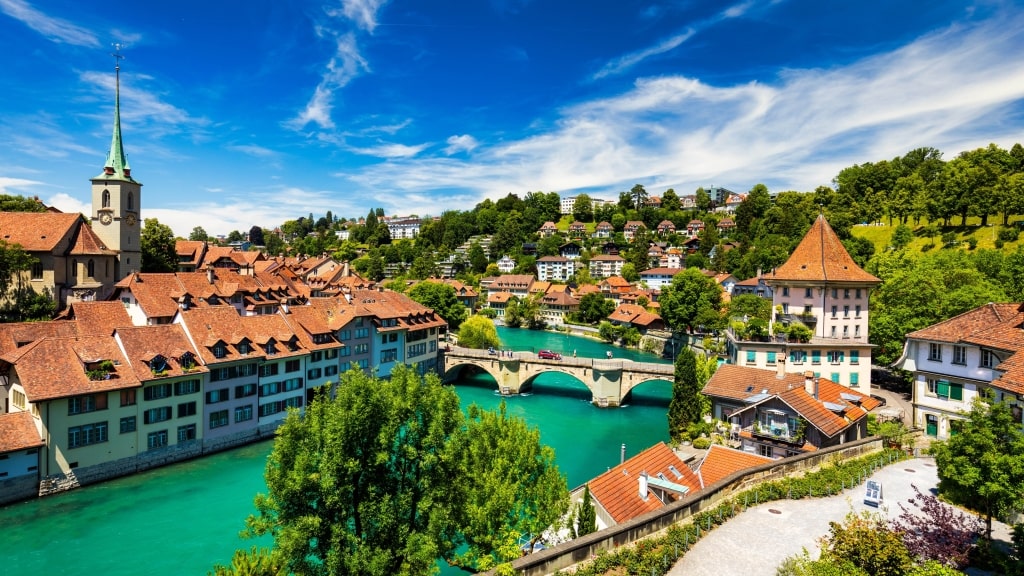
Turquoise Aare River encircles historic Bern’s Old City red-roofed buildings showcasing the cathedral spire.
If you thought Zurich was the capital of Switzerland, you’re not alone — but the correct answer is Bern. Zurich is the country’s largest city and financial hub, while Geneva is known as a global diplomatic center. Bern, however, is the federal city of the Swiss Confederation and is only about an hour from Basel by train.
Swiss Citizens Vote Often
If there’s anything Switzerland believes in, it’s democracy. Under its direct democracy system, a Swiss citizen can help challenge laws passed by parliament or propose new ones. The Federal Assembly serves as Switzerland’s national parliament, while the Federal Council acts as the country’s collective head of state and government.
Swiss voters typically go to the polls several times a year, and in some cantons, open-air public assemblies are still held in the town square, where citizens vote by raising their hands. Local rules vary by canton as a result, and civic participation is treated as a normal part of daily life.
Ride the Rhine
Switzerland’s culture, food, social norms, and history don’t just define the country — they shape every experience you have in it. It’s felt in the cleanliness of the landscape, the politeness of the locals, and the quality of every meal. Basel, where it all begins, immerses you in centuries of converging influence from day one.
Celebrity River Cruises brings guests closer to Switzerland through Basel, a cultural gateway on the Rhine where Swiss, French, and German influences meet. Booking a Before and After Stay in Lausanne gives you even more time to experience Switzerland’s lakefront beauty, cafés, cultural sites, and views of Lake Geneva.
Before and After Stays include a premium or ultra-premium hotel, daily breakfast, transfers between the airport, hotel, and ship, and daily small-group tours with local hosts.
Explore Celebrity’s Rhine River cruises from Basel to discover Switzerland, Western Europe, and the unforgettable cities and towns along the river.