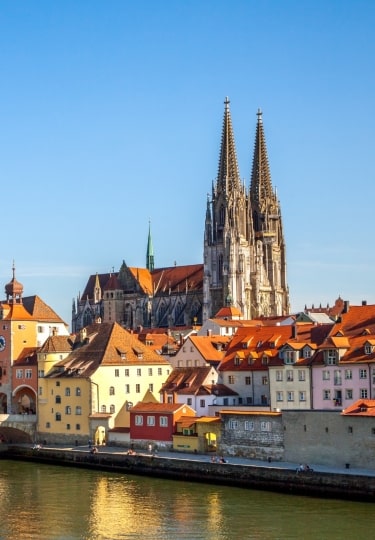
Are you considering a river cruise for your next vacation and wondering what they are like? Prepare to embark on a relaxing, scenic, immersive, and thoroughly enjoyable way to travel and discover Europe.
I have been on more than 100 river cruises and can’t think of a better way to travel. Wherever you’re sailing, there’s always a view, and each day brings something new.
River cruises provide an upscale experience on small ships that dock right in the heart of cities, towns, and villages along the way. You’ll get daily changes of scenery, and the option to join carefully curated shore excursions or explore independently.
What Is a River Cruise?
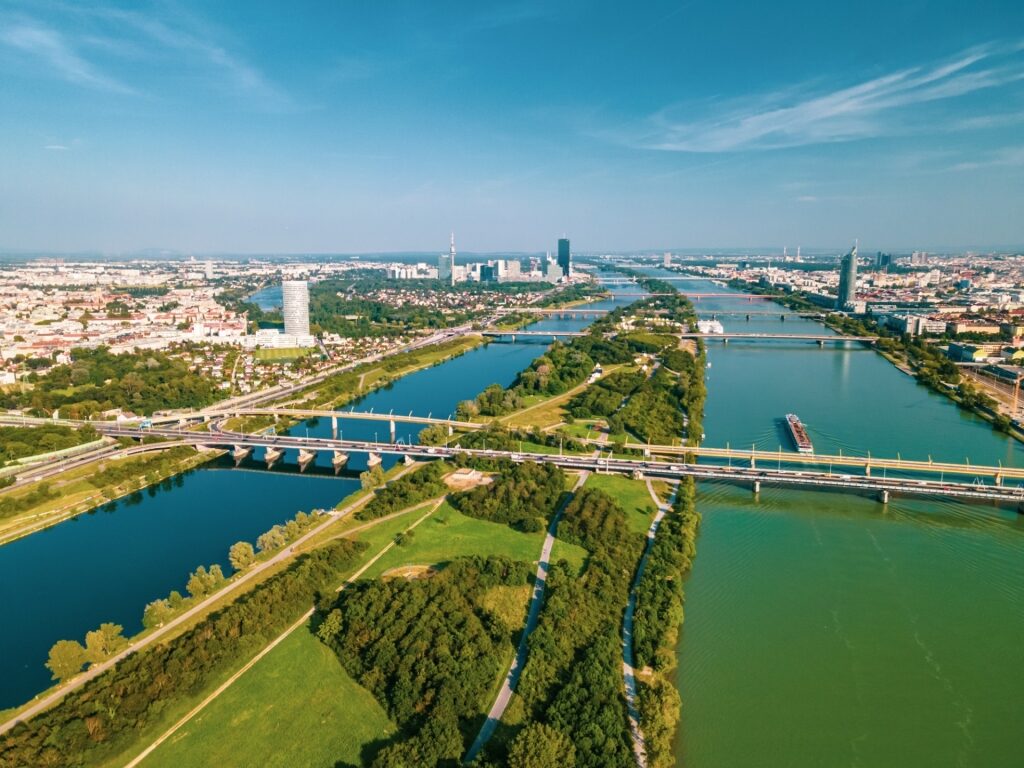
Vienna, Austria
A river cruise combines all the comforts of a stress-free vacation on water with culture-rich itineraries through the heart of Europe. Sailing on tranquil inland rivers, canals, and, occasionally, lakes, you can visit several countries in the space of a week or two.
Far less tiring than a land-based tour, where you have to constantly pack, unpack, and embark on long motorcoach journeys from place to place, your floating boutique hotel travels with you.
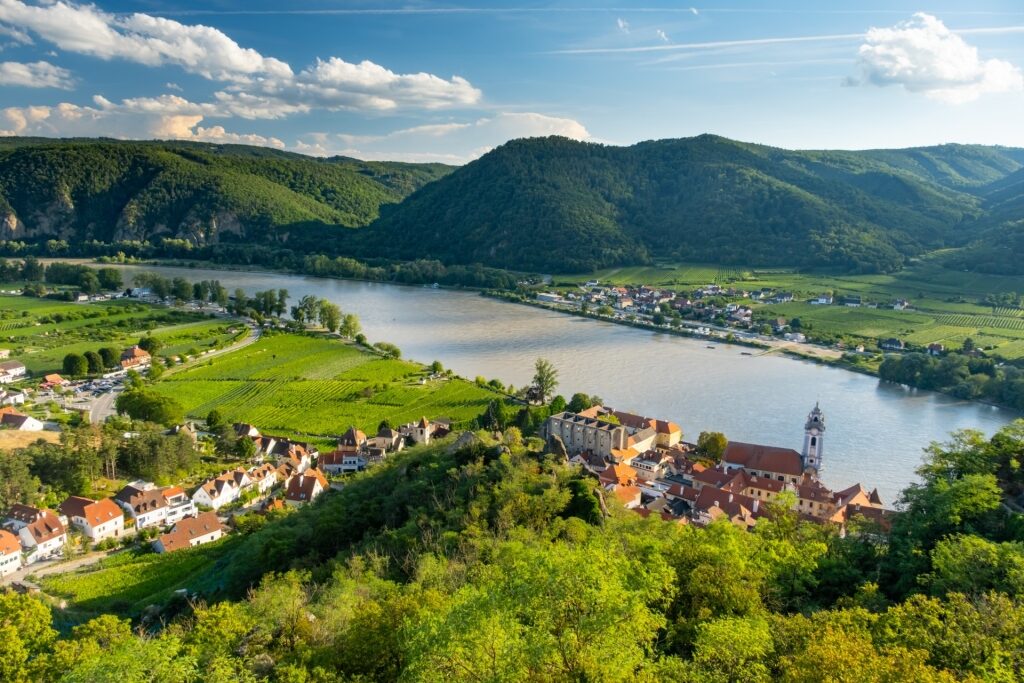
Wachau Valley, Austria
You’ll stop somewhere new each day. One morning, you might be visiting one of Europe’s best-known cities, such as the elegant Austrian capital of Vienna. The next, you could discover charming winemaking villages where time stands still.
In between, your ship will sail to the next destination while you can sit back and admire ever-changing panoramic views and savor outstanding onboard cuisine.
In short, a river cruise is the best way to discover Europe.
What to Expect on a River Cruise
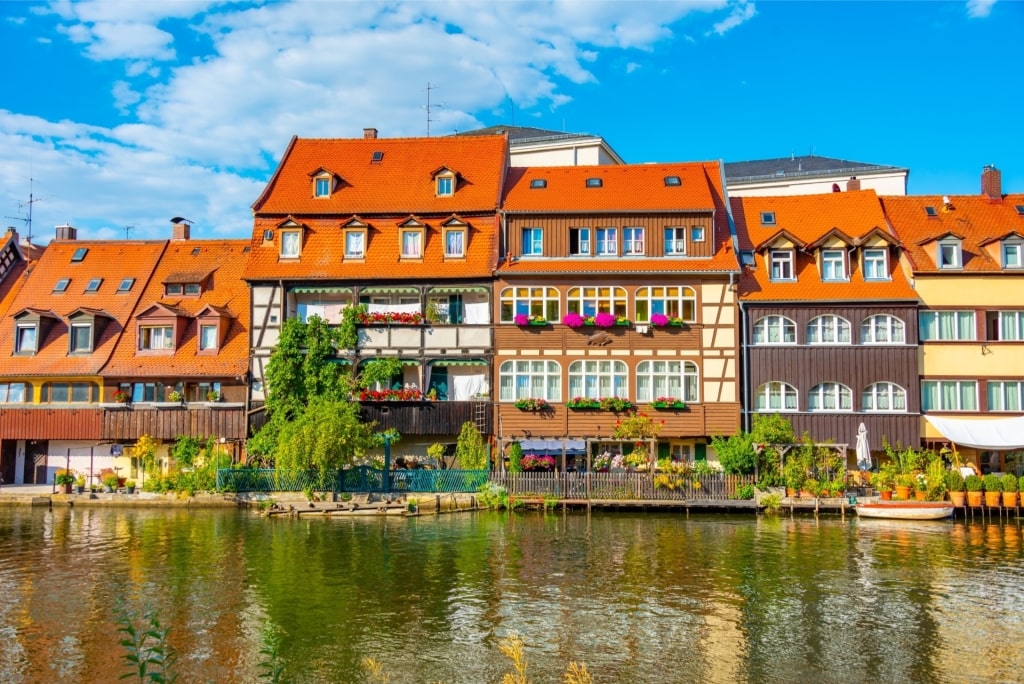
Bamberg, Germany
River cruises offer a travel experience that is comfortable, leisurely, intimate, enriching, and engaging. From the moment you board your ship, every detail and arrangement will be taken care of. You’ll enjoy very high levels of personal service from the welcoming crew members who will look after your every need.
Your stylish river ship will have spacious dining venues, a panoramic lounge, bar, sun deck—which is a great place to watch the world drift by from your chair or lounger—and a host of other facilities.

Stateroom
You will stay in modern, well-appointed staterooms with all the facilities you would expect to find in upscale hotels, such as sumptuous beds, ambient lighting, and premium toiletries. Rooms are serviced twice daily, and the well-designed accommodations include plenty of storage space, including space to stow your suitcases.
Itineraries are planned to harmoniously blend time ashore—and a wide choice of excursions to suit all interests—with cruising through picturesque areas and enjoying restful downtime back on board.
As river vessels carry a small number of passengers—fewer than 200—you will never feel part of a crowd or waste time standing in line. Once the ship docks, you will be ashore within minutes.
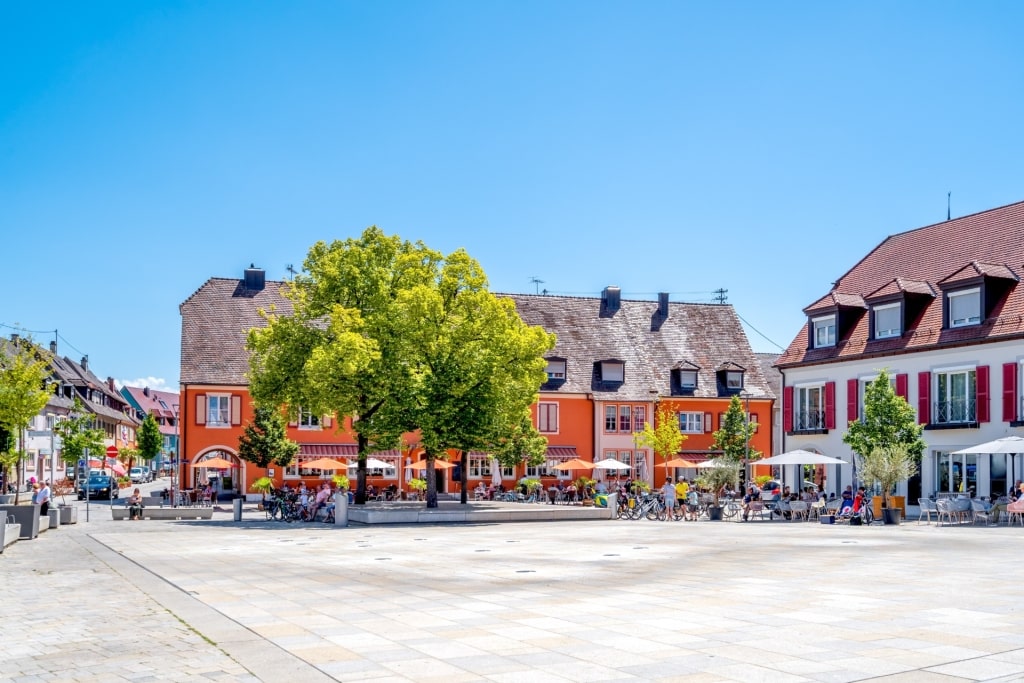
Breisach, Germany
Equally, you will never feel rushed or overly organized. If you want to skip an excursion to stroll around by yourself or visit an attraction you’ve always wanted to see, you are always free to do so.
Knowledgeable members of the reception team—who have visited each destination on many occasions—can help plan an individual timetable to make the most of your time.
When it’s finally time to leave, river cruises represent excellent value for money, and you won’t have any surprises at checkout. River cruise fares come with a number of inclusions, making it much easier to plan for your well-earned vacation than if you were on a land tour, staying in different hotels, and having to organize sightseeing trips, guides, and entertainment.
I always make sure to set my alarm at least once or twice so I can catch the sunrise. I take a coffee up to the sun deck to soak up the views, watch the river come to life, and take photos as the sun appears over the horizon to signal the start of another exciting day on and around the river.
Onboard Experience
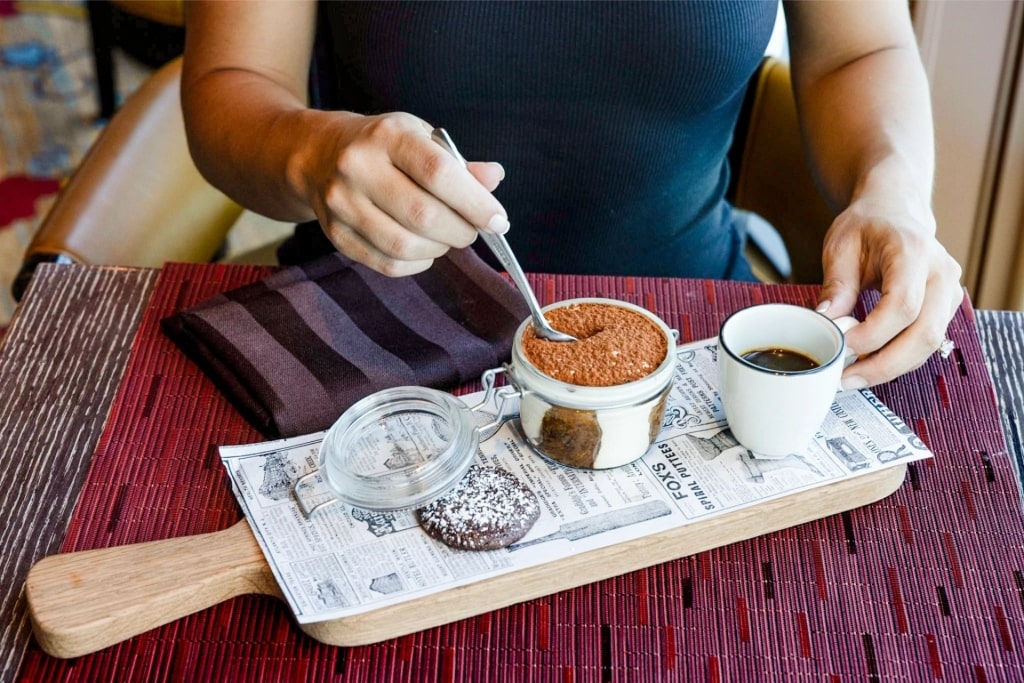
Coffee
What is a river cruise like when it comes to the onboard experience? Your ship will provide an elevated home away from home, with indoor and outdoor areas to unwind with a book, a cup of coffee, or to simply sit back and soak up the surrounding views.
Each evening, you will receive a program setting out the following day’s schedule, with information on arrival time and departure, shore excursions, mealtimes, and more. You are free to do as much or as little as you choose.
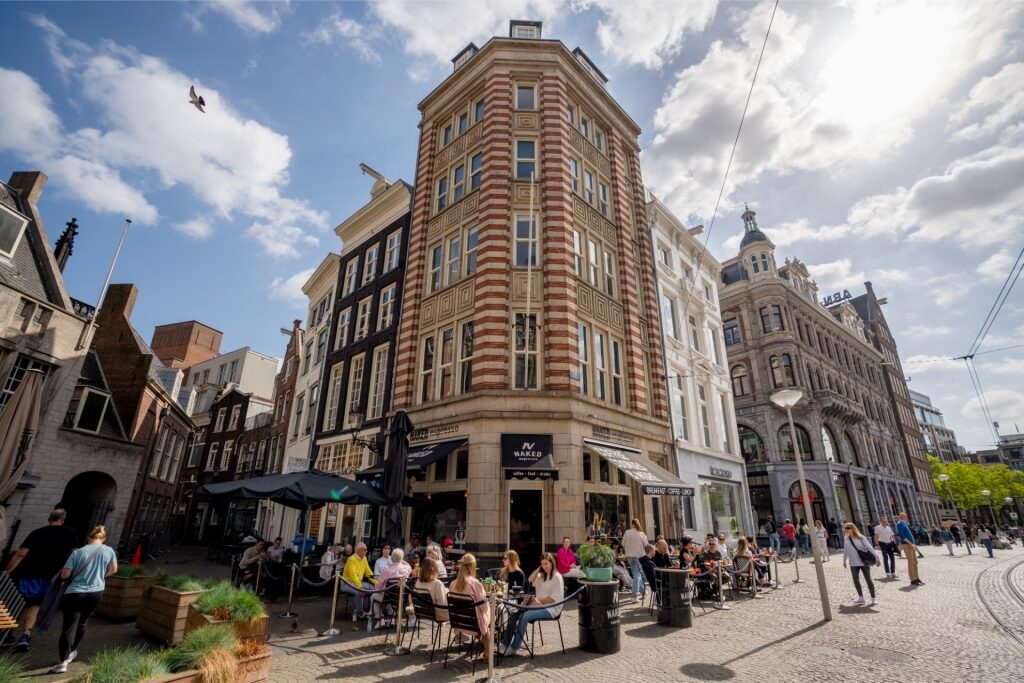
Amsterdam, Netherlands
River cruises tend to attract like-minded travelers curious to experience new places and gain an authentic and meaningful insight into the local culture. There is a fun, convivial, and inclusive onboard ambiance; couples, families, groups of friends, and solo passengers all enjoy river cruises. Conversations and new friendships are sparked during shore excursions, over meals, and with evening cocktails.
With a high crew-to-passenger ratio, service is warm and intuitive. You can expect bartenders and waitstaff to quickly get to know your favorite cocktail and food preferences.
I have been on many river cruises as a single traveler and forged friendships with people from around the world. You never feel alone on a river cruise.
Onboard Dining
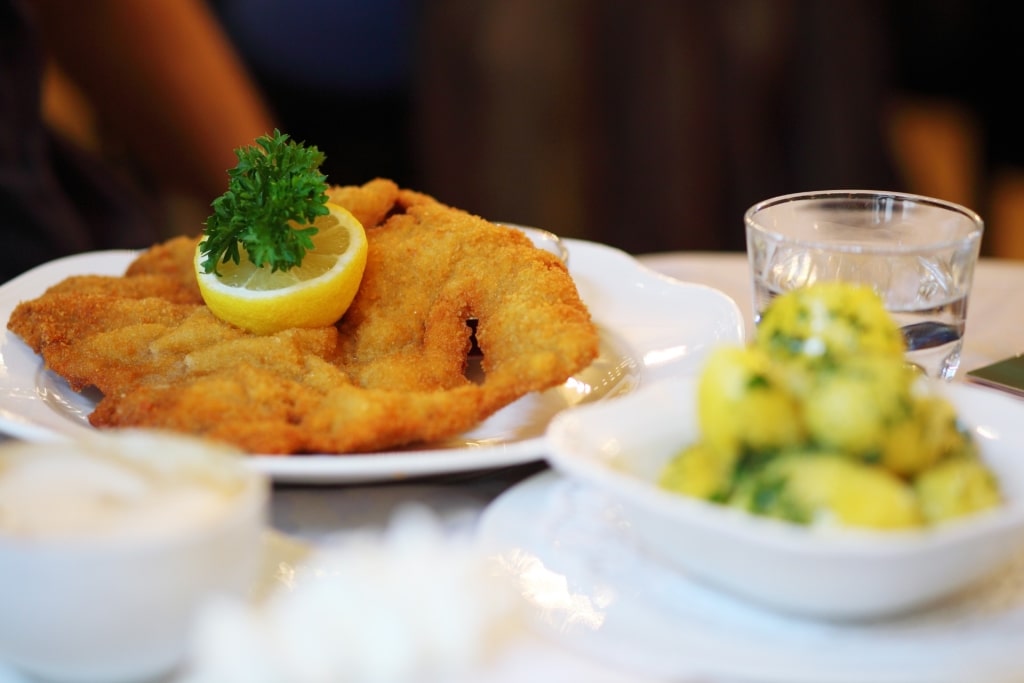
Wiener schnitzel
The food on river cruises is at the same level as top-end hotels and restaurants, and first-time passengers are usually amazed at the quality and choice of cuisine on offer.
All meals and snacks are included in the fare. There are flexible dining times and open-plan seating so you can dine with whomever you want; whether alone, with family members and traveling companions, or newfound friends.

Dutch apple cake
Alongside familiar favorites, chefs prepare dishes using local, seasonal ingredients, showcasing regional specialties in the destinations being visited. You might be served rich Hungarian goulash in Budapest, crispy Wiener schnitzel in Austria, and delicious Dutch apple cake in Amsterdam.
There are always plenty of healthy options, plus vegetarian and vegan meals. Special dietary requirements, such as gluten-free, can also be catered to.
To accompany meals, you will be offered a selection of carefully curated wines, many from local vineyards lining the river. It’s a great opportunity to taste wines you might never have sampled before.
Restaurants on river cruise ships are very flexible, and you can order as much—or as little—as you want. If I’m not feeling very hungry, I order two starters in place of an entrée
River vs. Ocean Cruising
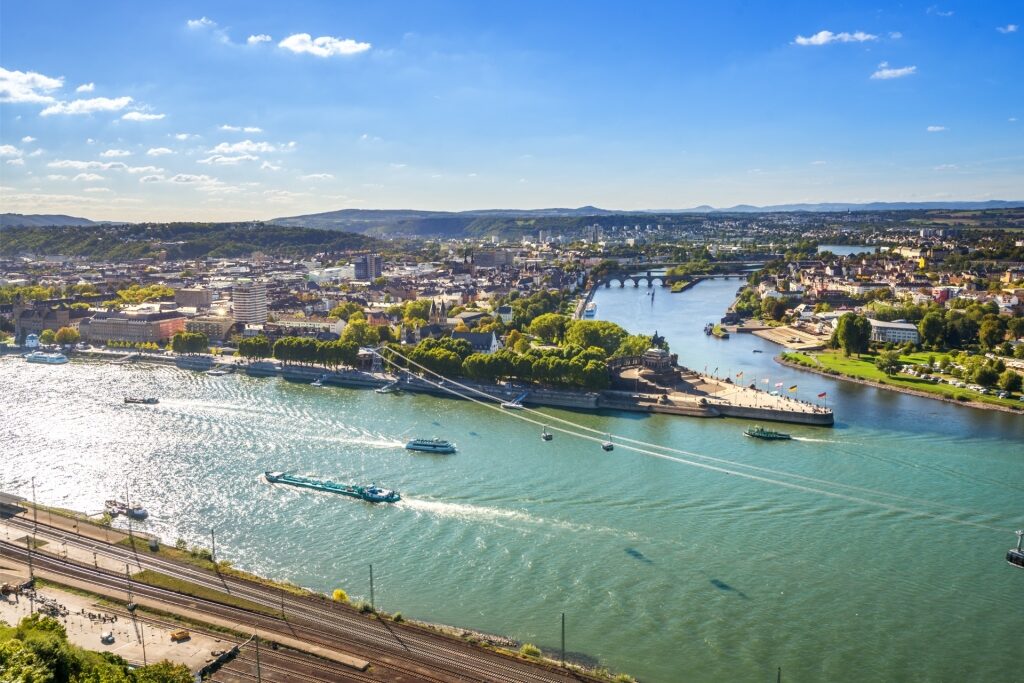
Koblenz, Germany
The first question asked by seasoned ocean cruisers considering a river cruise is: “What is a river cruise like compared with ocean cruises?” Similarly, first-time cruisers, who have yet to set foot on any ship, are curious to know what the differences are.
The first big difference does come down to size. Ocean ships are much larger, with some accommodating many thousands of passengers. River ships are very small in comparison, and you will travel with fewer than 200 guests, creating a very friendly and cozy environment.
To accommodate so many passengers, oceangoing ships come in many shapes and sizes and span multiple decks. River ships, on the other hand, have to conform to set dimensions in order to fit into locks and beneath low bridges. They have three passenger decks and a large sun deck, making it very easy to find your way around.
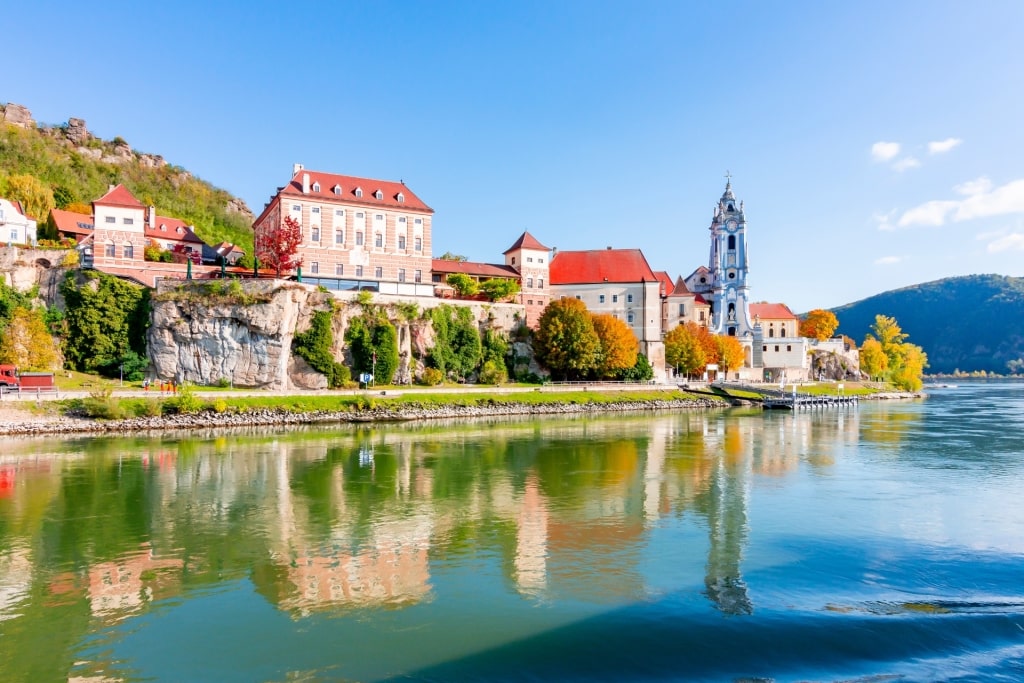
Dürnstein, Austria
Also, you won’t find any inside cabins on river ships. All accommodations face the water, so you never miss any passing views.
Additionally, there is never a shortage of things to see. Unlike ocean ships, which often have several days at sea in order to reach different destinations, the distances between river ports are very small. River vessels will typically navigate the longest stretches during the night in order to spend full days at places of interest, with scenic sailing in between.
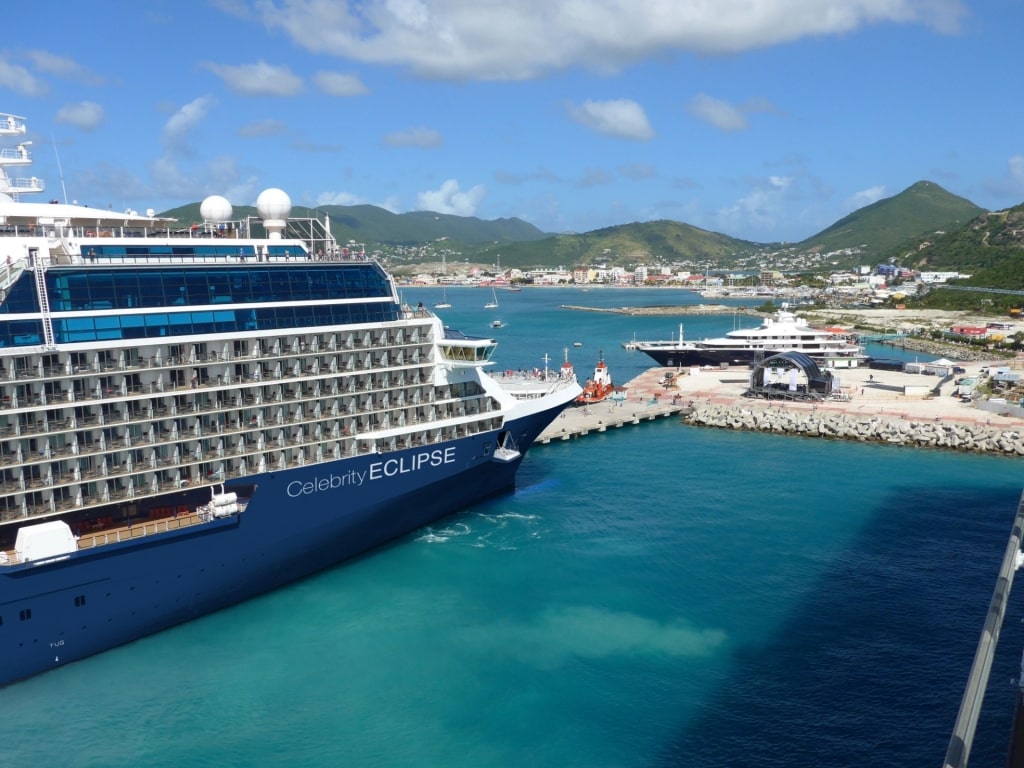
St. Maarten
Due to their size, ocean ships often dock at large, commercial ports, which then require a long walk or shuttle buses and transfers into the nearest city or town. In contrast, river ships moor in convenient and central downtown locations, usually just minutes away from historic buildings, cafes, and shops.
Last—but by no means least—most people will not get seasick on a river cruise. There are no waves, rough water, or high winds on rivers, and most of the time you won’t even realize the ship is moving.
Destinations
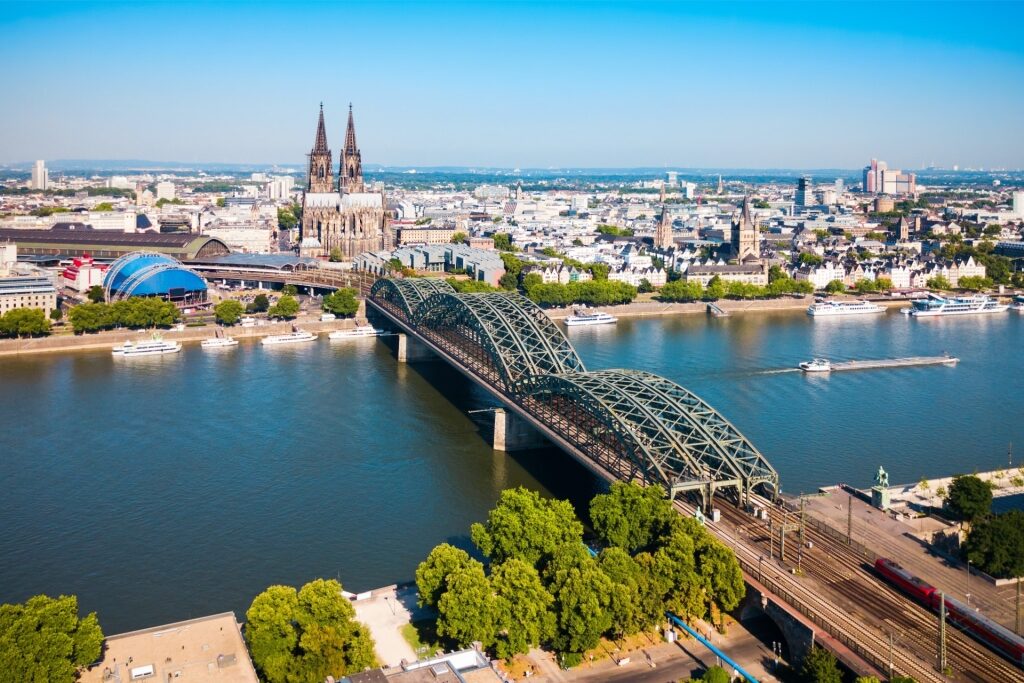
Cologne, Germany
River cruising opens the gateway to Europe’s finest towns and cities. The Rhine and the Danube are the two most popular waterways for river cruising, providing a fascinating mix of capital cities, stunning countryside, and quaint riverside villages.
Cruises on the Rhine take in the dramatic UNESCO-listed Rhine Gorge, where steep hilltops are lined with more than 40 castles and fortresses, and the craggy Lorelei Rock, steeped in legend.
Flowing through six countries, Rhine river cruise itineraries offer the chance to visit many impressive cities, such as the cathedral city of Cologne in Germany, cosmopolitan Amsterdam in the Netherlands, and pretty Strasbourg in France, which is lined with canals.
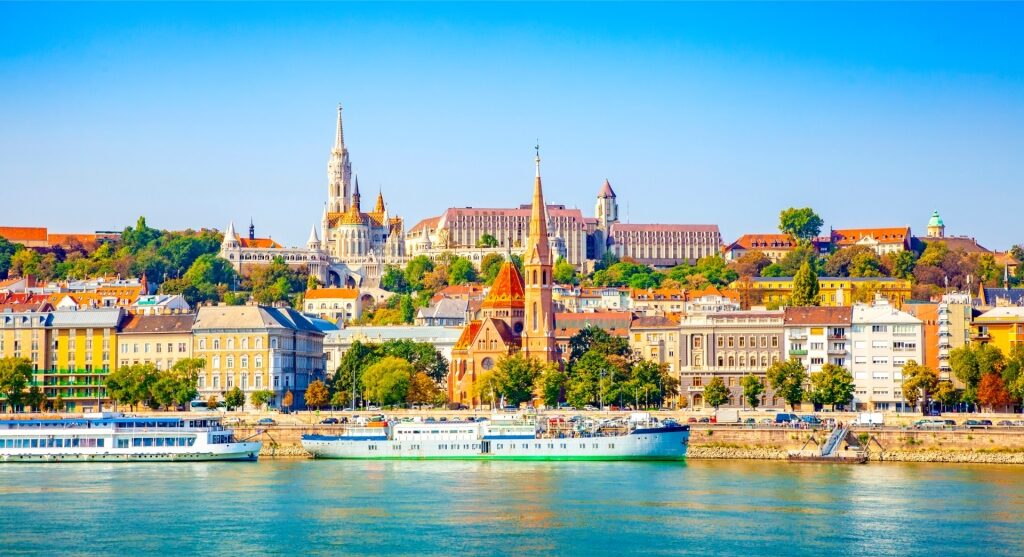
Budapest, Hungary
The Danube passes through 10 countries and four capital cities—Vienna in Austria, Budapest in Hungary, Bratislava in Slovakia, and Belgrade in Serbia. Along the way is the glorious Wachau Valley—also UNESCO-listed—where the banks are cloaked in lush vineyards and apricot orchards.
River Cruise Travel Tips
Packing
Luggage
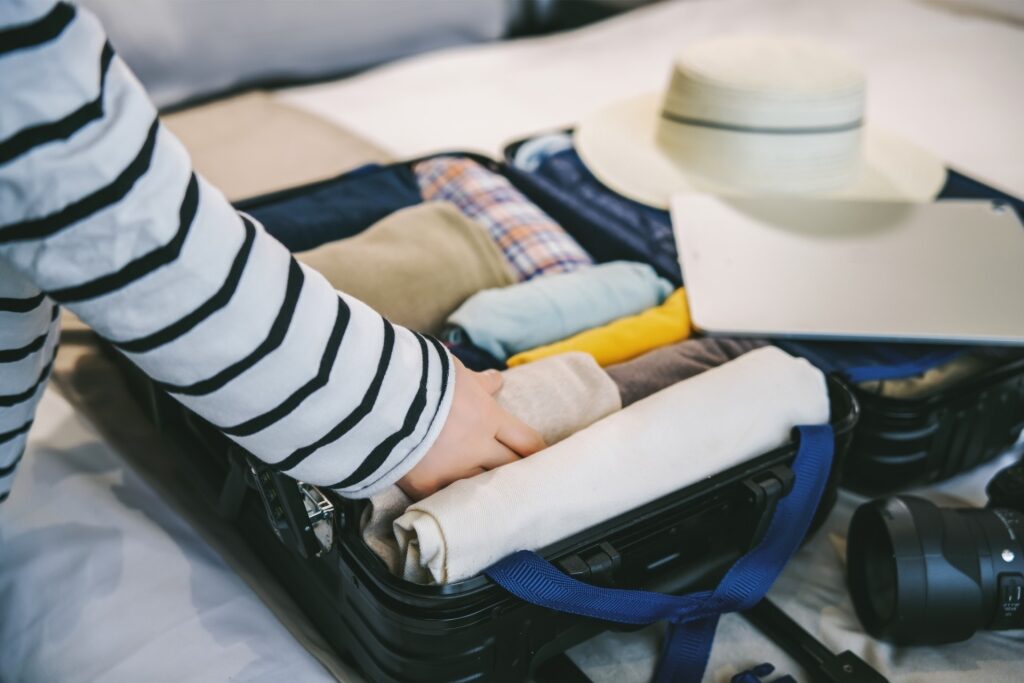
One of the many joys of river cruising is that you only need to unpack once. However, you still need to plan what to bring.
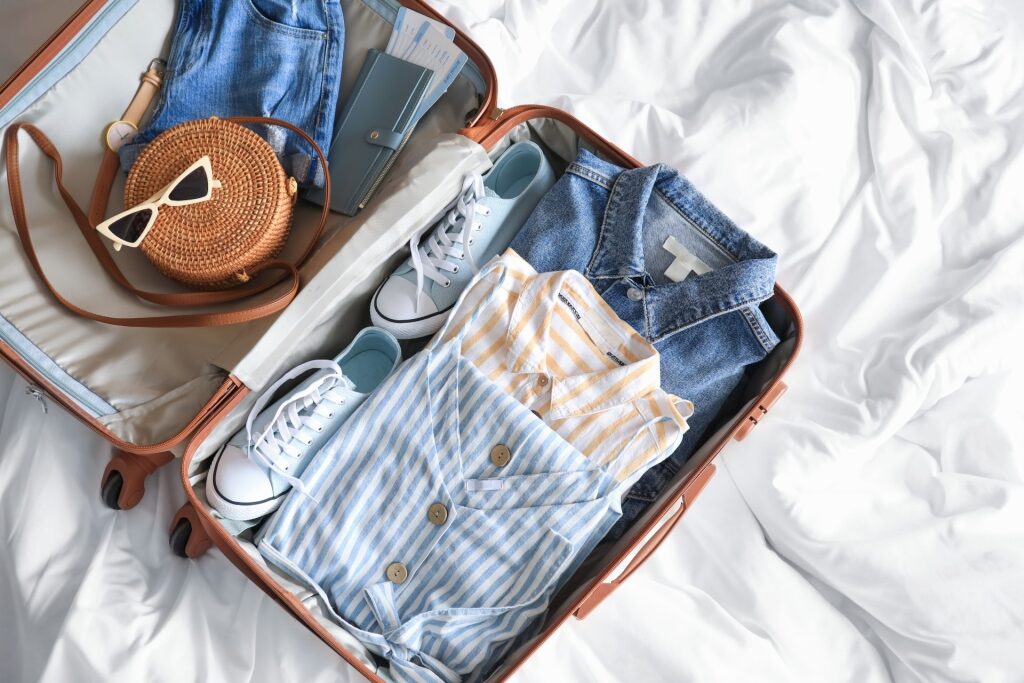
Compared with ocean cruises, river cruises are much more informal. There are no dress codes and no formal nights, so cocktail dresses and tuxedos can be left at home. Chinos, jeans, open-neck shirts, T-shirts, sweaters, and casual attire are all fine.
Some passengers bring smarter attire for onboard specialty dinners in the evening, but it’s not essential.
Luggage
The key is to pack comfortable clothes and good footwear, as you will be doing a lot of walking, sometimes on uneven surfaces and cobbled streets. Sneakers, walking shoes, or boots are essential, and if they’re new, be sure to break them in before you travel.
Even if you are traveling in summer, take layers, including a lightweight rain jacket. Weather in Europe can be unpredictable, but rain showers rarely last long. If you are sailing in the fall and winter, pack warm clothes, including a scarf, hat, and gloves.
Read: What to Wear on a River Cruise in Europe
Currency

Euro
Many European countries—including Germany, Austria, Belgium, France, the Netherlands, and Slovakia—use the Euro. It’s a good idea to bring some currency with you to pay for small purchases ashore, such as drinks and snacks, and for gratuities for local guides. For everything else, credit and debit cards are widely accepted.
Plan Ahead
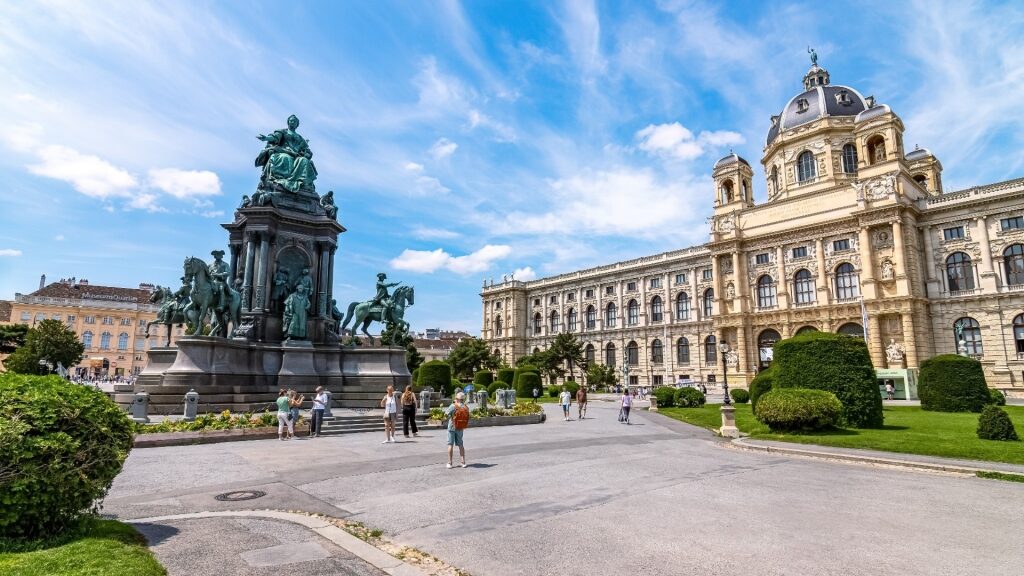
Museum of Natural History in Vienna, Austria
While going somewhere new is all part of the excitement of a river cruise, it pays to get to know your itinerary in advance. This will help you pace yourself and plan your time by knowing which days are busy with excursions and which days will have longer periods of leisurely sailing time in between destinations.
Pre-cruise preparation is also essential if you are planning to explore independently or visit specific museums and galleries. Download maps and information from tourist board websites to find out about opening times and, if the attraction you want to see isn’t within walking distance, research taxi stands, tram, and metro routes. To avoid lines, you can often book museum tickets online in advance.
In cities that I’ve been fortunate enough to visit many times, such as Vienna, I always buy a one-day visitor pass. It includes free entry to numerous museums and attractions, plus unlimited rides on public transport.
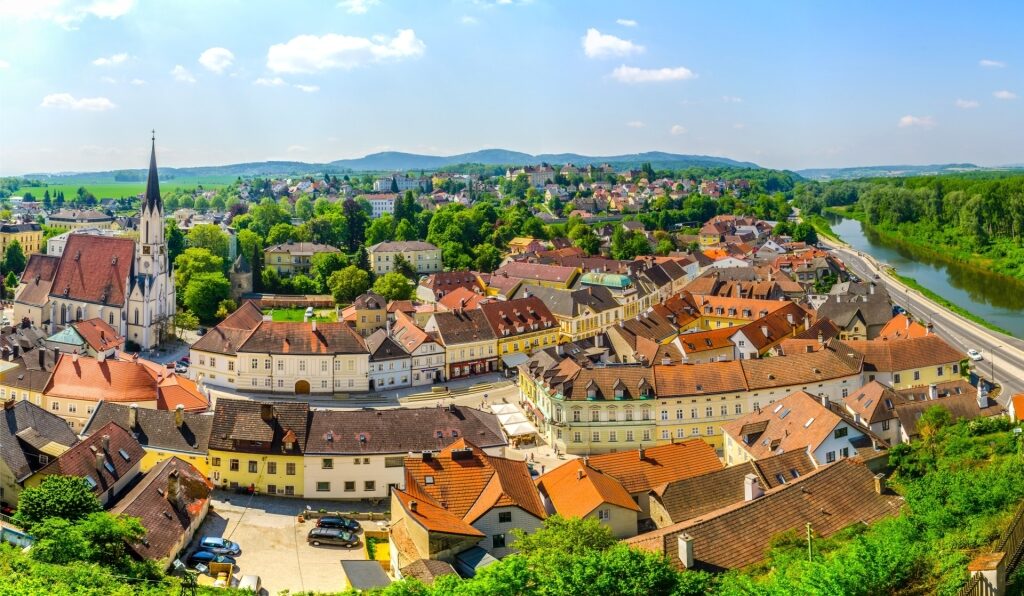
Melk, Austria
Now that you’ve learned what a river cruise is like, and how they beat land-based getaways, browse Celebrity itineraries to pick the perfect river cruise to suit you.