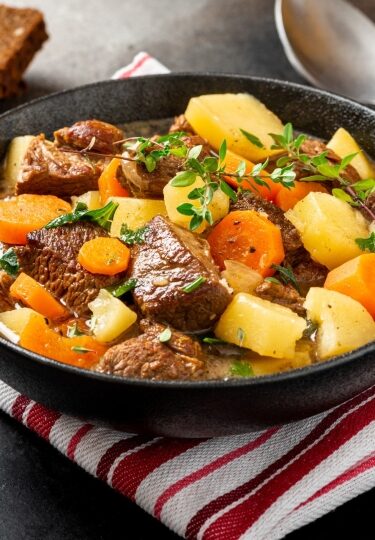
From its butter and its beef to its seafood and famous potatoes, you are spoiled for choice in what to eat in Ireland. These quality ingredients form a wonderful foundation for the tasty Irish meals you will be served as a visitor.
The traditional cuisine of Ireland, healthy and hearty, has been added to in recent decades with the best in international influences. Whether you’re in a convivial pub or a friendly restaurant, you’re now as likely to see that Irish beef served teriyaki-style as in a stew.
Here’s a complete guide to Irish food, both in traditional style and in some more modern forms.
Irish Stew
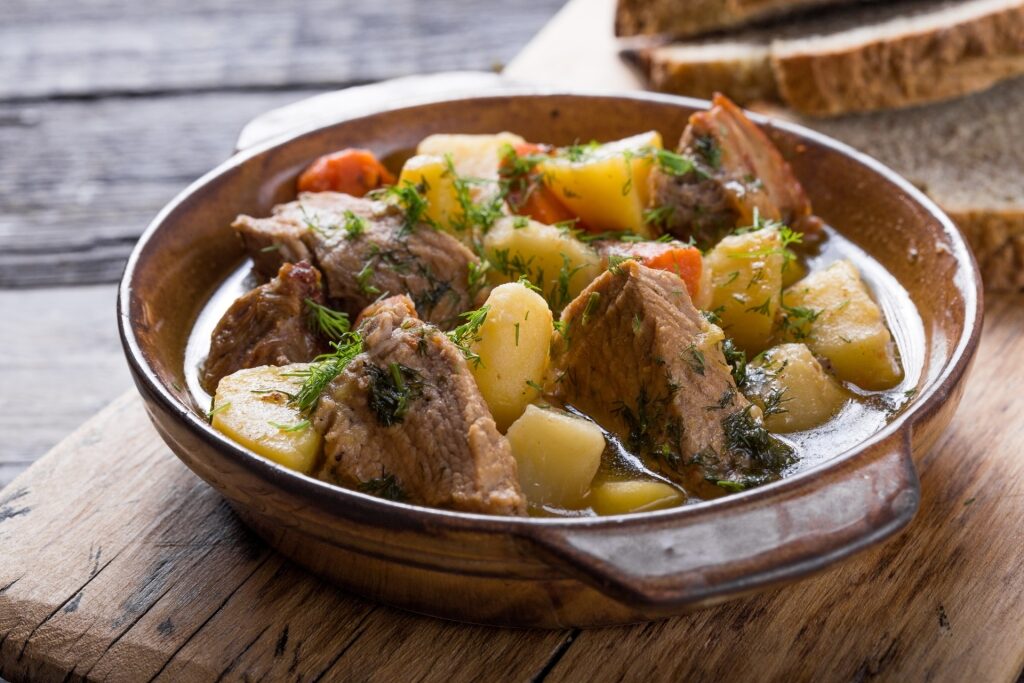
Irish stew
Ireland’s national dish is a symbol of the country’s hospitality and deep-rooted farming culture. It’s traditionally made with slow-cooked mutton, potatoes, and onion.
As the potatoes break down, they thicken the stew to produce a simple, hearty dish to warm you on cold, wet days. There’s an equally warm debate over whether adding carrots or other vegetables—and even herbs—is acceptable.
It’s now common to find variations such as beef and Guinness stew. While delicious in its own right, purists can object to that being called an Irish Stew at all.
Shepherd’s Pie
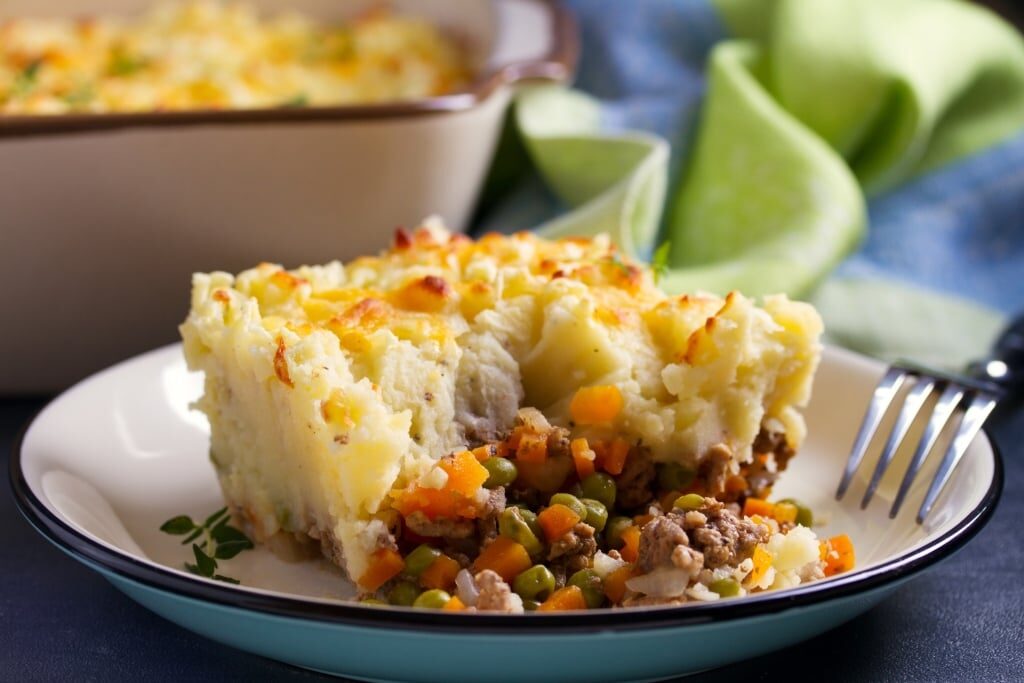
Shepherd’s pie
Ground lamb, fried with onions and rich in gravy is the base of Shepherd’s Pie. It’s covered in a layer of mashed potato and baked in a pie dish.
When beef is used instead, it’s properly known as Cottage Pie. That doesn’t stop some restaurants listing it as Beef Shepherd’s Pie.
Either way, it’s commonly served with a salad or fresh vegetables. A side of French fries is also not unusual—you can never have enough potato in Ireland.
Fish & Chips
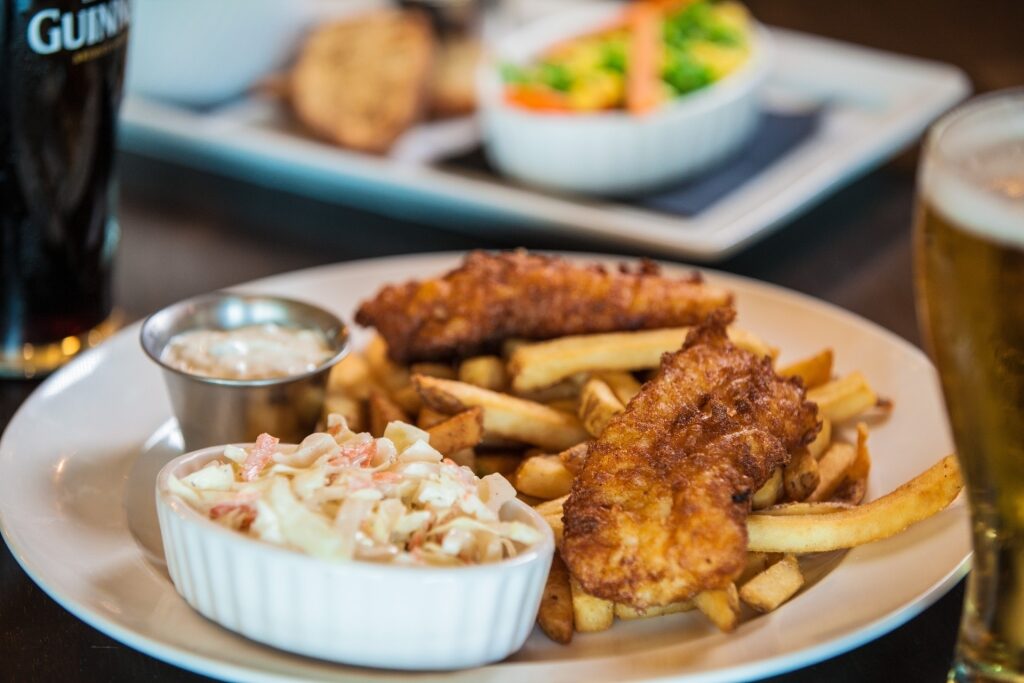
Fish & chips
Introduced from the United Kingdom in the early 20th century, fish and chips, or fries, gained a rapid foothold in Ireland. You’ll now find them on many restaurant menus and as a common Friday special.
Ireland has had a love/hate relationship with fish, partly due to its Catholic association with Friday penance. Nonetheless, fish and chips has even grown into a gourmet dish, with flourishes such as beer-battered fish or mushy peas with cream and garlic.
Salmon
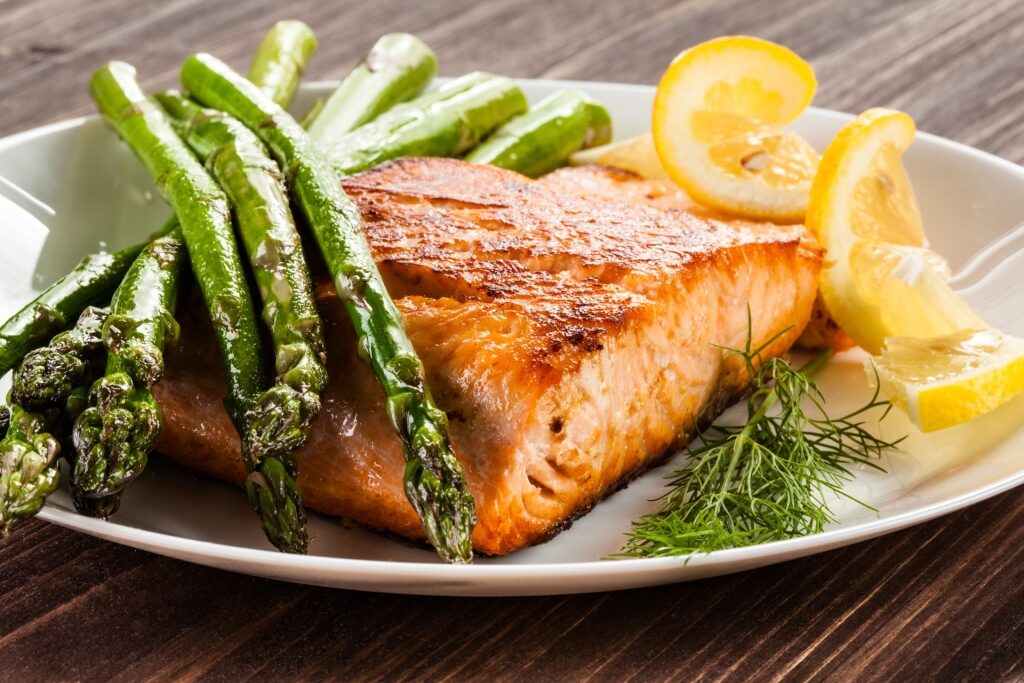
Grilled salmon
Salmon holds a central place in Irish mythology, a recognition of its long presence in Ireland’s rivers. Wild salmon have now become a premium food but farmed salmon is easily available and more sustainable.
Salmon is often smoked over wood chips after being cured in salt or sugar. The resulting rich, smoky flavor makes it an ideal appetizer, often served with brown soda bread and butter.
Grilled or poached salmon is delicious as a main, served with boiled potatoes and seasonal vegetables. You’ll also find salmon added to seafood chowder for its color and depth of flavor.
Seafood Chowder
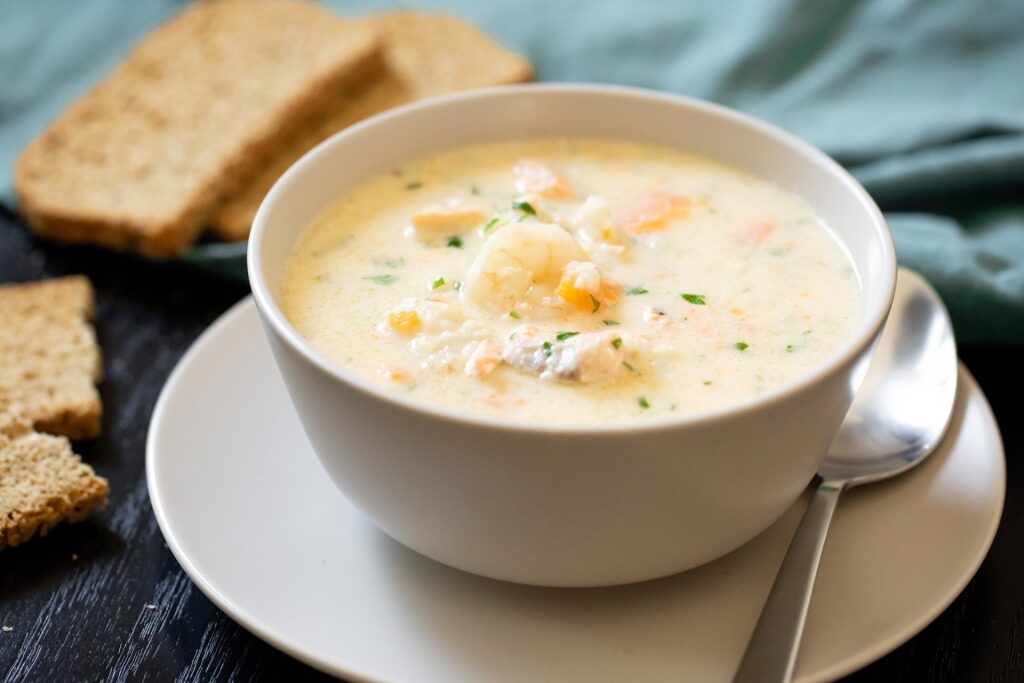
Seafood chowder
A common sight on bar menus, seafood chowder is an absolute classic of Irish food. With a thick, creamy base, it’s a rich mix of available fresh fish and shellfish—best eaten within sight of the sea.
As well as salmon, cod, mussels, and prawns, you might find potatoes, onions, or leeks. Every cook has their own recipe and “secret” flavorings, but a slice of soda bread is always a good addition to sop up the last drop.
Read: Ireland Travel Tips
Coddle
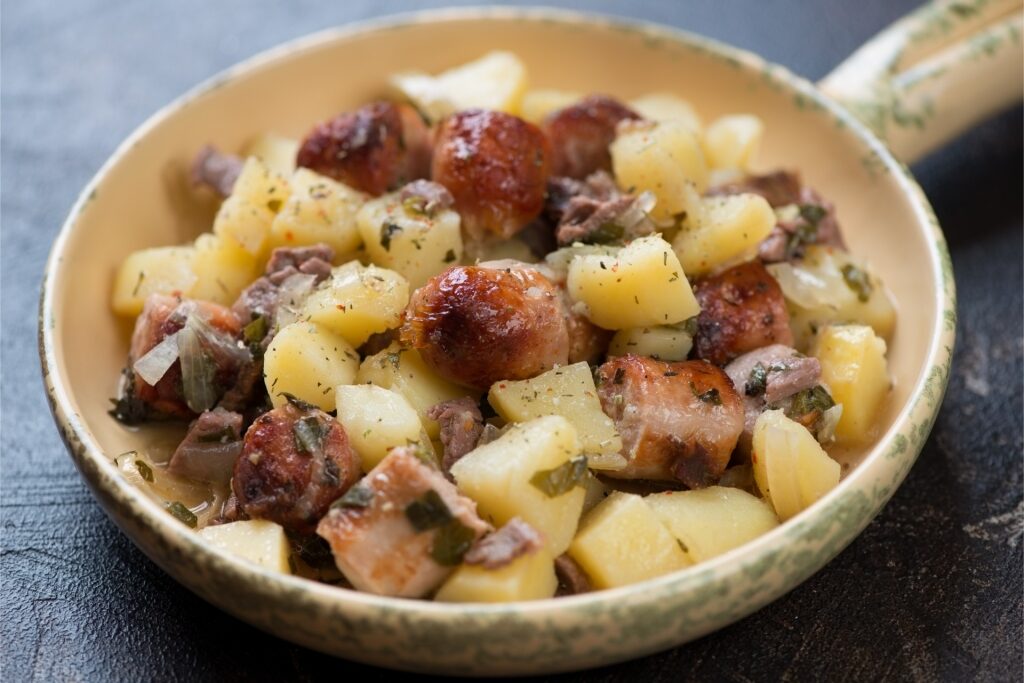
Coddle
The traditional presence of an all-day fire in the hearth of Irish homes explains the number of slow-cooked Irish dishes such as stews. Coddle is another hearty one-pot dish, whose name means “to boil or stew”.
Often called Dublin coddle for its popularity there, the dish traditionally used up leftovers before meat-free Fridays. Onion and potatoes are added to a stock enriched by layers of sausage and bacon.
Barley often thickens the soup and vegetables such as carrots might also now be found. Coddle is best with a pint of Guinness and some soda bread.
Corned Beef
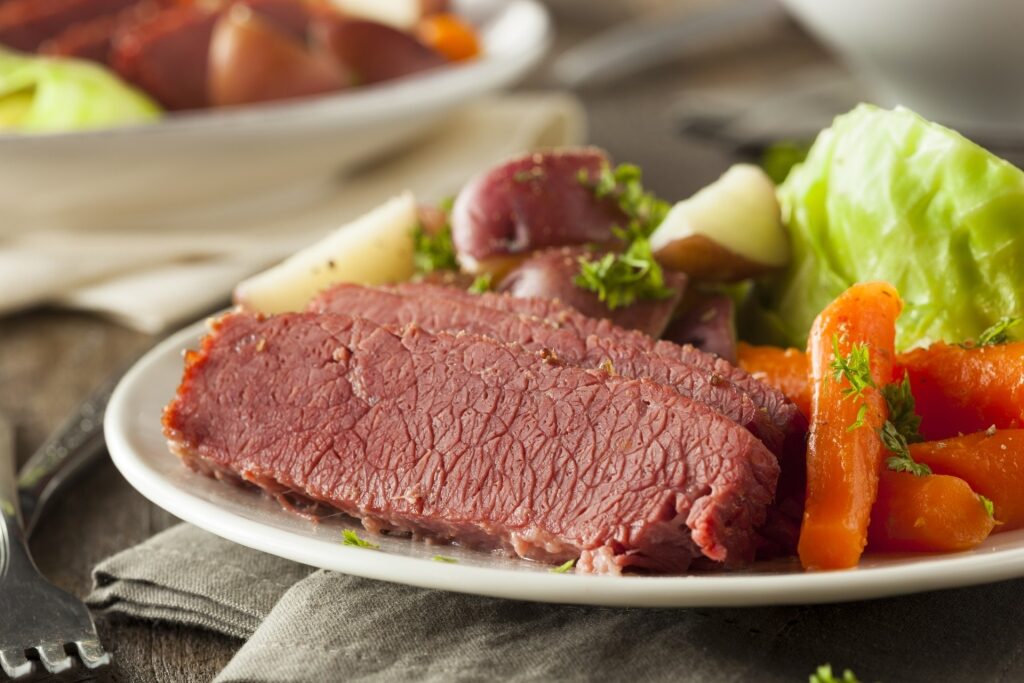
Corned beef
Americans expect corned beef and cabbage on St. Patrick’s Day, but few people in Ireland itself see it as a traditional Irish food. Ancient Ireland measured wealth in cattle, especially dairy cows, and salted “corned” beef was for export to Britain’s navy and its colonies.
When working-class Irish arrived in mid-1800s America, they found canned corned beef from the U.S. and South America much cheaper than their preferred bacon. They embraced it enthusiastically, making corned beef synonymous with Irish-American identity.
Cork was a British navy supply center and major exporter of corned beef, named for the corn-like grains of salt used to preserve it. Today, Cork’s English Market remains the best place to find authentic Irish corned beef and its close relative, spiced beef.
Full Irish Breakfast
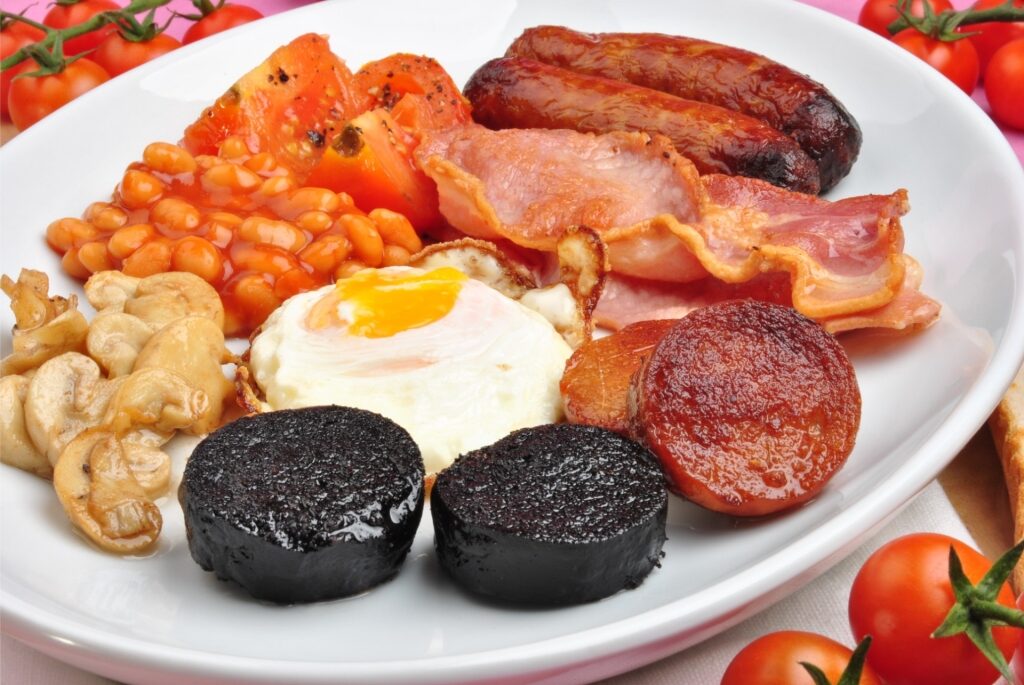
Full Irish breakfast
If you’re wondering what to eat in Ireland to fit in with the locals, try a “Full Irish”, a breakfast of fried eggs, bacon, pork sausages, and both black and white puddings—a blood and bloodless sausage, respectively. It will often come with grilled tomatoes, mushrooms, maybe even baked beans, and some strong tea.
In Northern Ireland, the “Ulster Fry” adds fried or grilled soda bread, potato bread, and pancakes—and usually substitutes steak sausage for the pork ones. As you can imagine, neither version is eaten every day, being more often reserved for a weekend morning.
Bacon & Cabbage
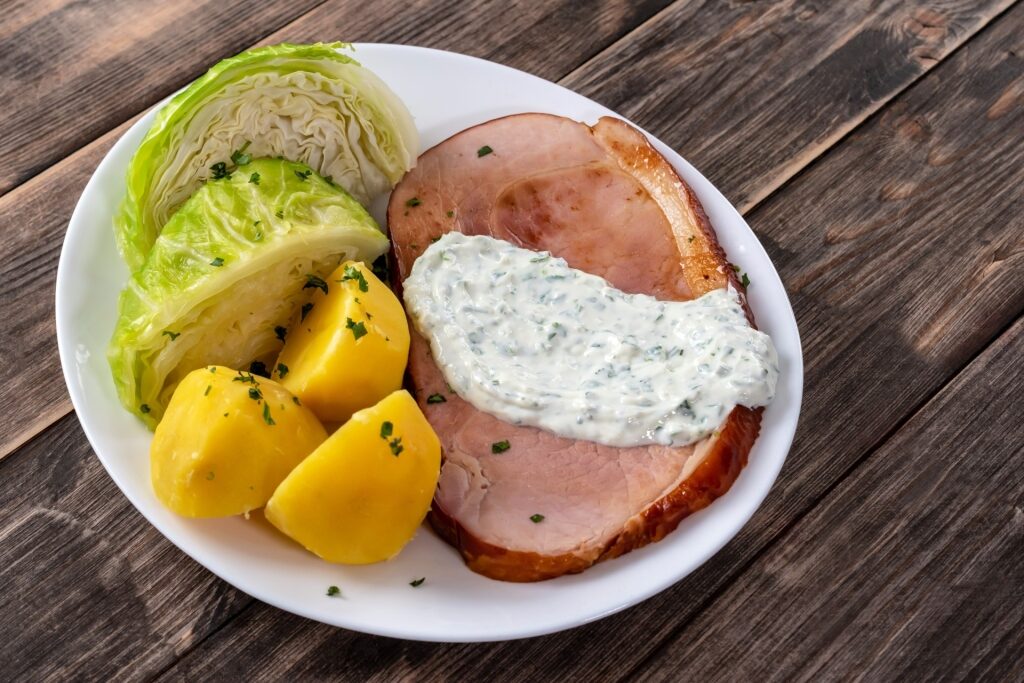
Bacon & cabbage
A love it or hate it dish, bacon and cabbage reflects Ireland’s farming history. Most rural families once kept a pig, while cabbage grows well in the damp Irish climate.
At its simplest, a salted bacon joint is boiled and served with boiled cabbage and mashed potatoes. A creamy parsley sauce adds extra flavor to yet another slow-cooked meal.
Many restaurants now add their own culinary twists. Frying the cabbage brings added depth to its taste, for example.
Colcannon
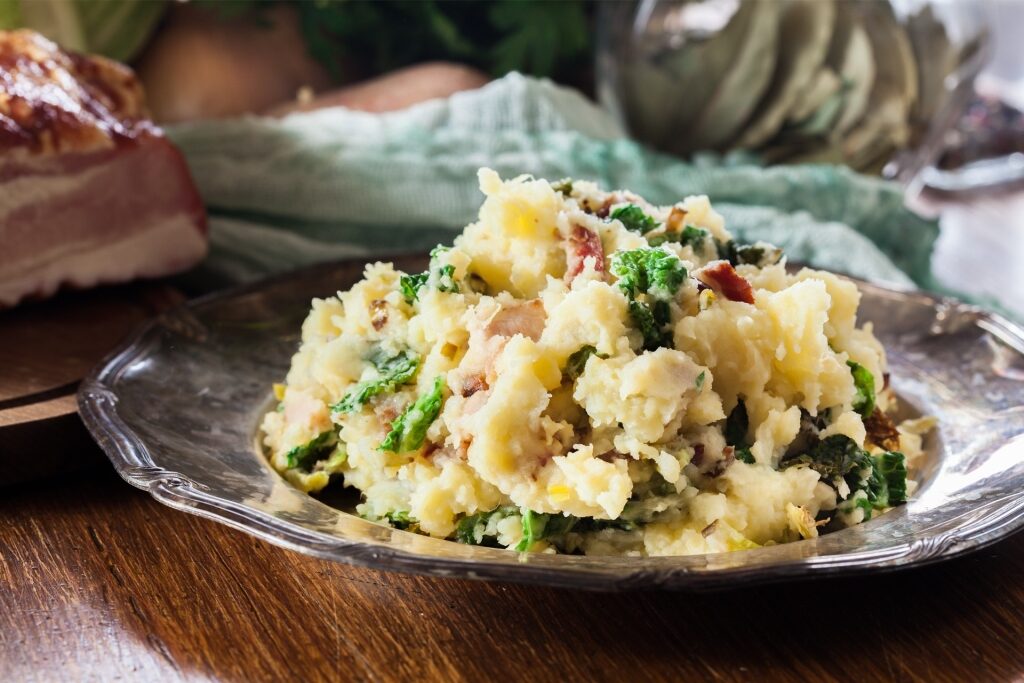
Colcannon
Colcannon—from the Irish word “cal ceannann” for cabbage—combines mashed potato with chopped cabbage or kale and plenty of butter. It’s linked to Halloween, when a ring or coin is hidden in the mix, promising marriage or wealth to the finder.
The roots of this go back to the ancient festival of Samhain, marking the end of the Celtic year and the beginning of winter. This was when the barrier between living and dead was thought to be at its thinnest, a time when the spirits might speak.
Cabbage can be stored well into winter and even goes sweeter after a frost, making it a prized winter vegetable. Centuries before the potato arrived, and with its complex, otherworldly structure, cabbage had a central place on the Samhain table.
Roast of the Day
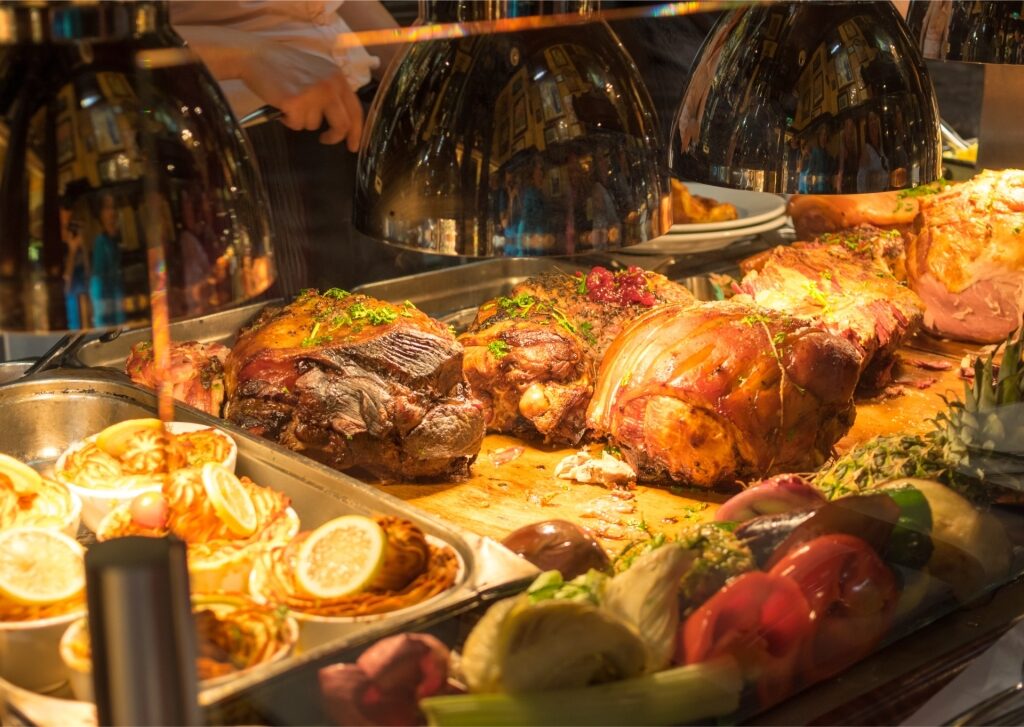
Roast of the Day
“Roast of the Day” is a standard item on restaurant and hotel menus, especially on weekends. It’s a generous meal of roast meat—usually beef or lamb, and less often chicken, turkey, or pork.
This is the meal traditionally eaten in Ireland as a family dinner after Sunday morning mass. Served with roast potatoes, seasonal vegetables, and lashings of gravy, it’s still a hearty dish to enjoy at leisure with family and friends.
Read: What Is Ireland Known For?
Soda Bread
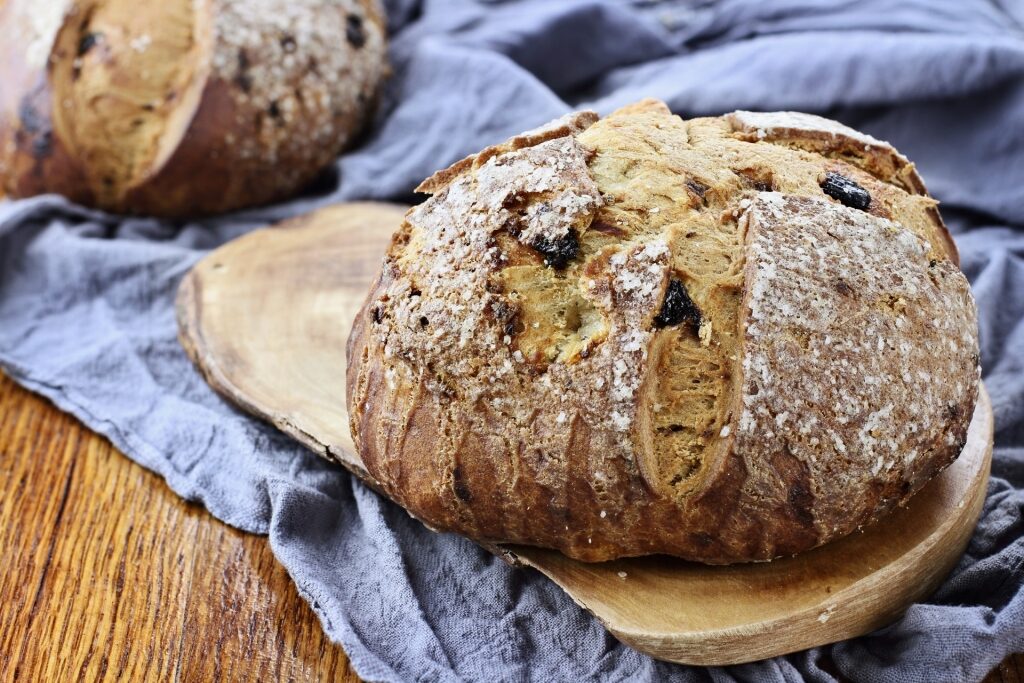
Soda bread
Soda bread is made with baking soda and buttermilk, rather than yeast and water. The buttermilk and soda give it a denser texture, and slightly more bitter taste than yeast bread.
Both of those traits make it a great base for rich Irish butter. Its firmness also makes it ideal for soaking up dishes such as Irish stew or a Dublin coddle.
In Northern Ireland, “soda bread” refers to bread made with white flour that still comes in flat “farls” cooked on a griddle. In Ireland, brown or “wheaten” soda bread is more popular and it’s normally seen as a baked, sliced loaf.
Fadge and Boxty
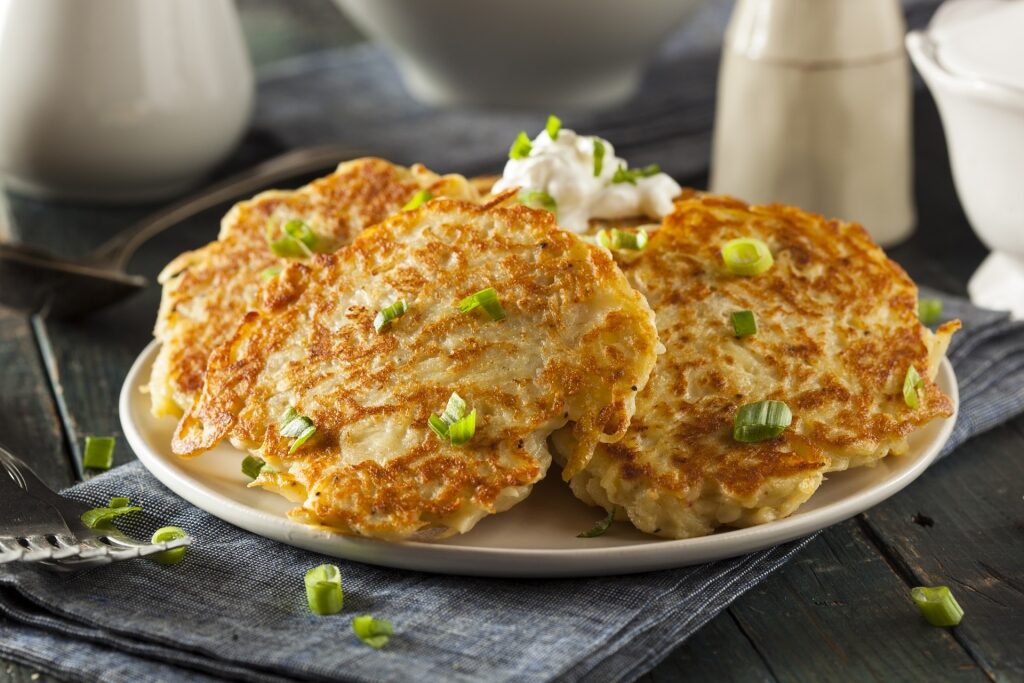
Boxty
Potato bread is a breakfast staple, delicious when fried in bacon grease. In Ulster, these pancake-like slices are called “fadge”, a word with Scottish roots.
A good way to use leftover mashed potato, fadge is made by mixing cooked potato with flour, butter, and milk. Rolled into flat rounds, it’s then fried on a pan or griddle after scoring the dough to make four “farls”.
In Ireland, rather than Northern Ireland, the similar Boxty replaces potato farls. While Boxty is normally made with grated raw potatoes, there is considerable overlap in different recipes.
Irish Butter
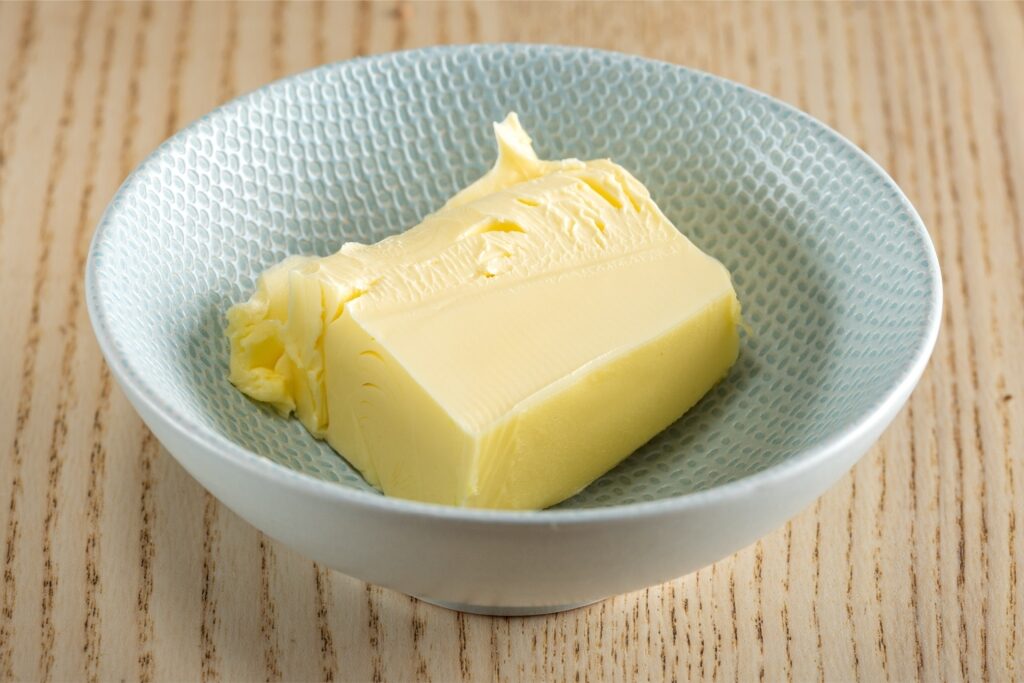
Irish butter
Irish butter has an international reputation for quality and taste. That’s partly astute marketing but also a taste based on cows fed on thick, rain-watered Irish grass.
The beta-carotene-rich grass on which cattle graze gives Irish butter its lovely yellow color and complex taste. Spread on soda bread or melted on potatoes, it transforms these simple ingredients into something special.
Kegs of butter as much as 5,000 years old have been found preserved in Irish bogs. You can learn more at the fascinating Butter Museum, one of the best things to do in Cork.
Spice Bag
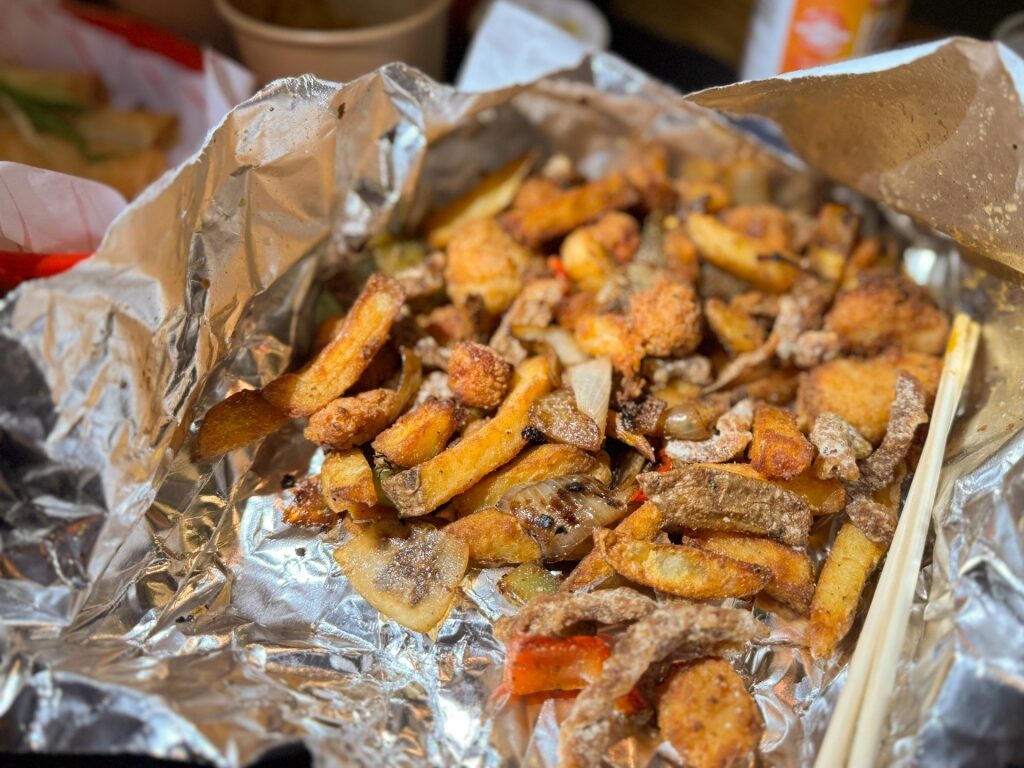
Spice bag
Also known as a “Spice Box”, this is a relatively new but very popular takeout dish. It’s basically chunky French fries, fried chicken, onions, and peppers liberally spiced with chili.
The dish was first served in a Chinese restaurant in Dublin and Chinese takeaways are still the best sources. However, it has found its way onto the menu in many other outlets, including gas stations and supermarket delis.
Spice bags are not as common in Northern Ireland but curried chips are the stand-in when ordered with fried chicken. Vegetarians can enjoy spice bags made with tofu. Vegetable oil is normally used for frying, which is good news for vegans.
Tayto Crisps
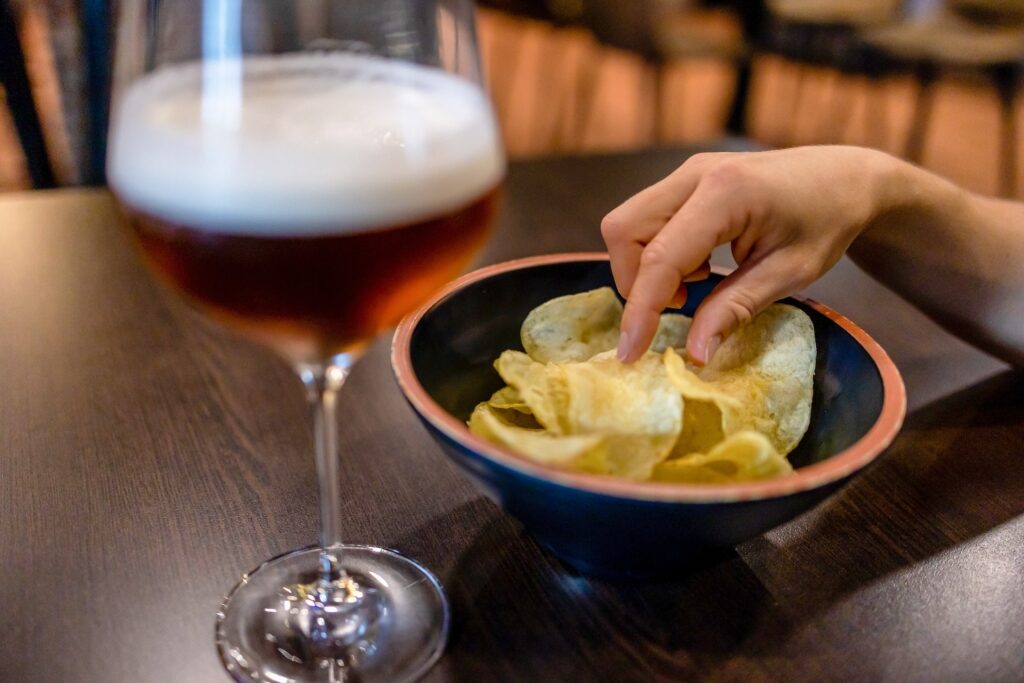
Irish potato crisps
It will be no surprise to learn that a nation famous for potatoes loves its potato “crisps”—chips. You’ll find bags of every imaginable flavor in pubs and supermarkets.
The most iconic brand is Tayto, with cheese and onion being its standard bearer. It’s not unusual for Irish exiles to ask visitors to bring them a whole box, perhaps to eat in a sandwich between buttered bread.
Tayto crisps in Ireland and Tayto crisps in Northern Ireland are separate companies producing their own products. There is a long rivalry between fans, so why not taste both and start your own pub debate on their merits?
Apple Pie
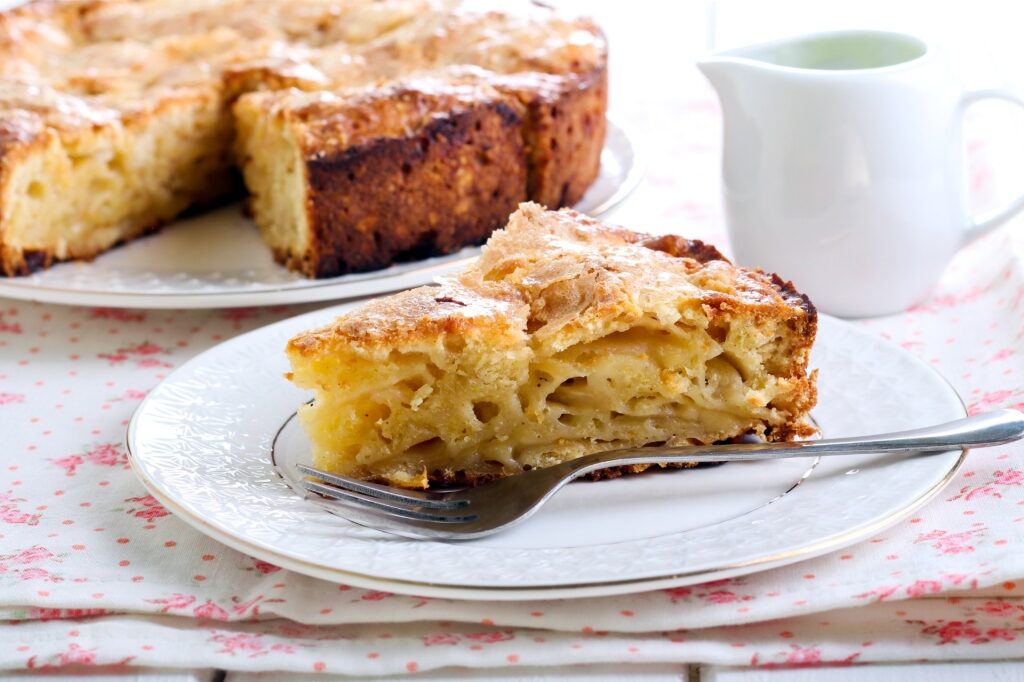
Apple pie
What to eat in Ireland for dessert? The local rich butter and cream are a great base for many delicious sweet treats. A popular staple is apple pie, made with a buttery pastry and served with fresh cream.
A popular variation is an apple crumble, where stewed apple is topped with a crumbed flour and butter mix before baking. In season, blackberries or other fruit might be added.
Irish Food Festivals and Events
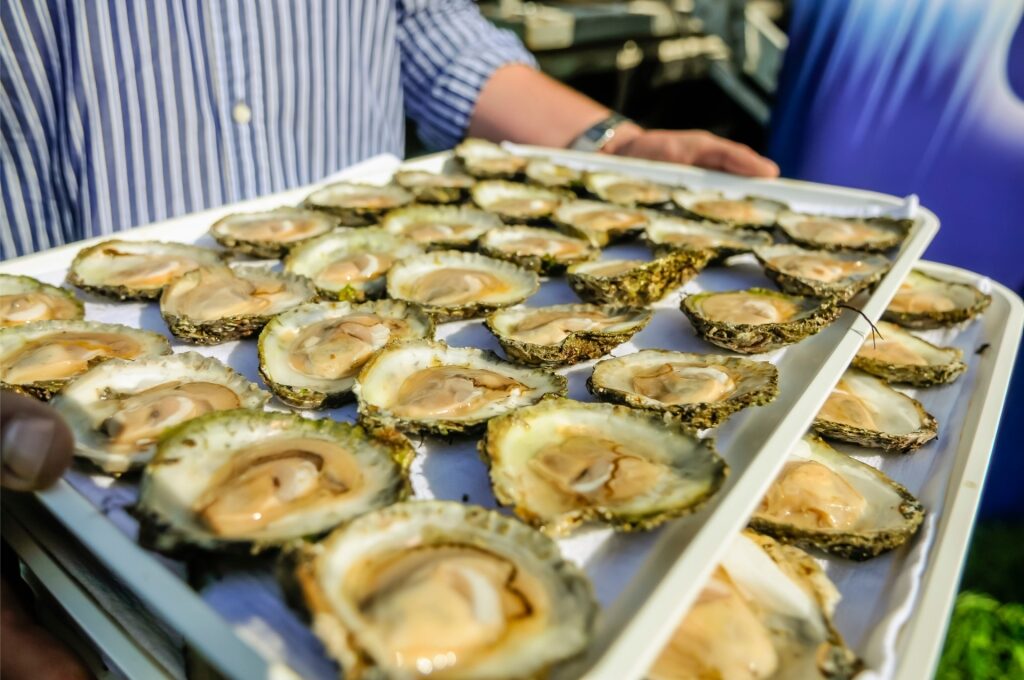
Galway International Oyster Festival
There are large numbers of regional food festivals in Ireland. It’s not a country that’s shy about having a good time over food and drink.
Among the most famous are the Galway International Oyster Festival in September and Taste of Dublin in June. The Kinsale Gourmet Festival in October also goes from strength to strength.
In Belfast, May’s Food and Drink Festival celebrates Northern Irish produce and cooking. The Waterford Harvest Festival brings Waterford City to life during September with traditional cooking and craft demonstrations.
Irish Food FAQs
Is Ireland a good food destination?
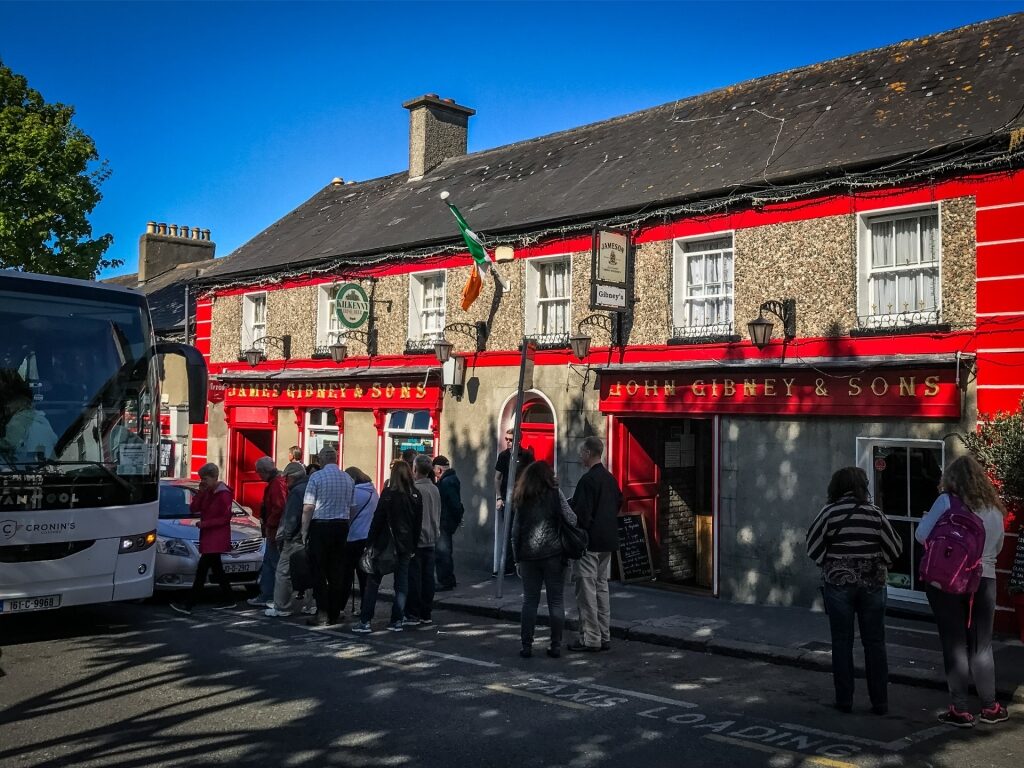
Irish pub
With its reputation for good produce, Ireland is a great food destination. From pub meals to fine dining in Belfast, Dublin, or Cork, it adds warm hospitality to its hearty cuisine.
What dish is Ireland most famous for?
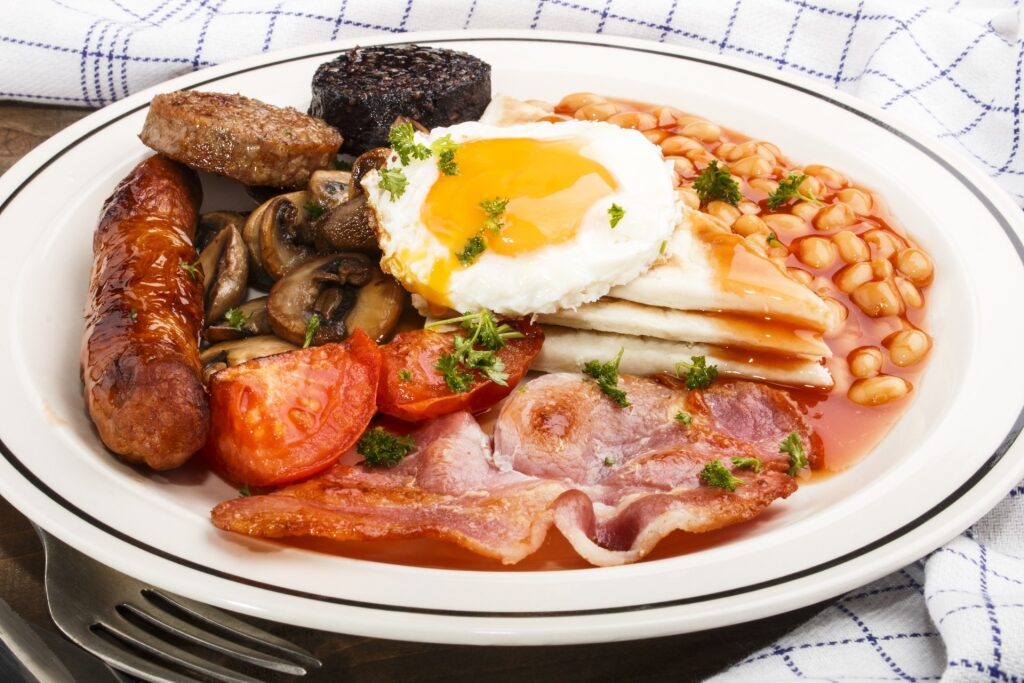
Full Irish breakfast
Irish stew is a landmark dish in Ireland, based on the country’s quality lamb and potatoes. However, Ireland is almost as famous for its full Irish breakfast, with fried bacon, sausage, and many other ingredients.
What are typical meal times in Ireland?
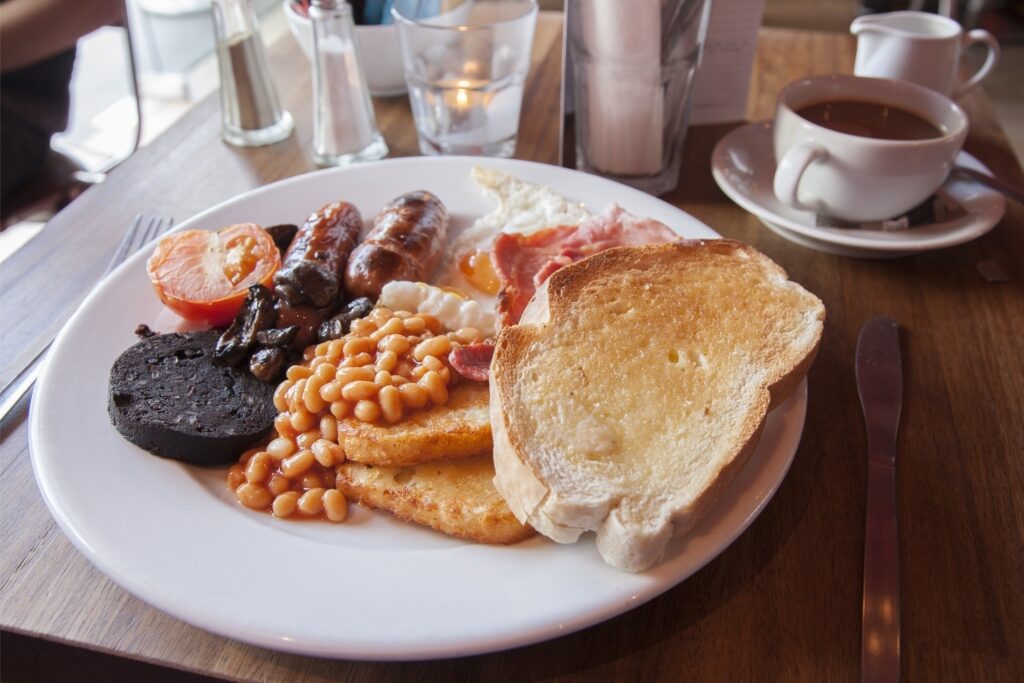
Full Irish breakfast
The full Irish breakfast is more of a brunch, eaten around 10-11am and on weekends. It’s more normal to have an earlier, lighter breakfast every day, perhaps of porridge oats, or tea and toast.
Dinner is normally an evening meal but can also refer to a larger meal at lunchtime. Sunday dinner is almost always a late lunchtime meal, for example.
As an evening meal, dinner is eaten from 6pm to 7:30pm. Lunch is around 1pm, with 1pm-2pm being a common worktime lunch break.
Are there any food customs I should know about?
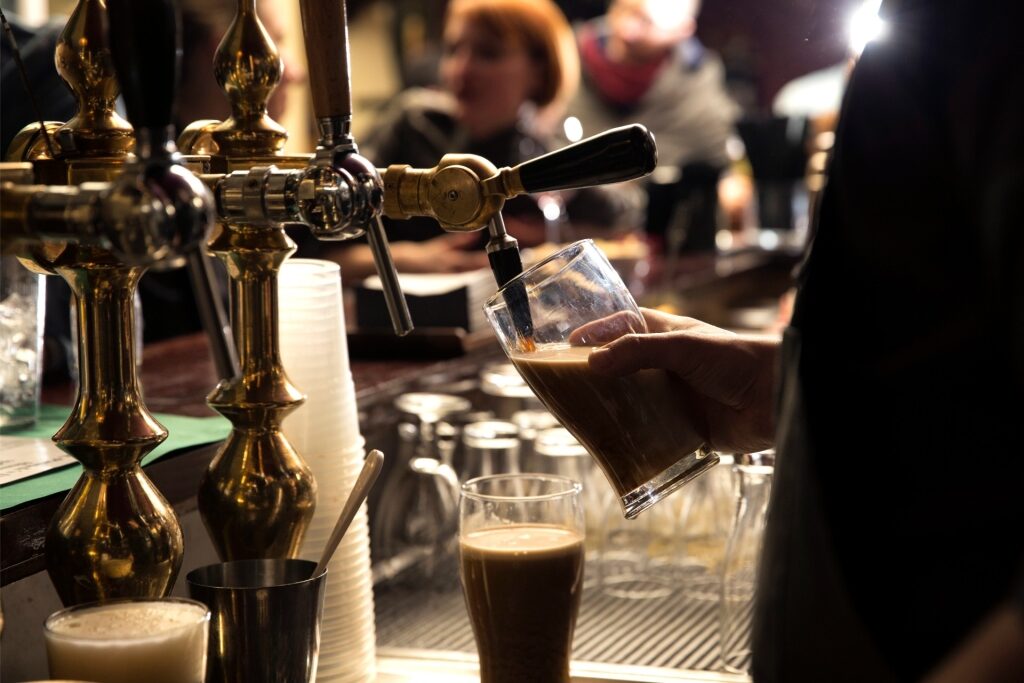
Irish pub
In pubs, it’s normal to order and collect your drinks at the bar. You usually also order your food at the bar but it will be delivered to your table.
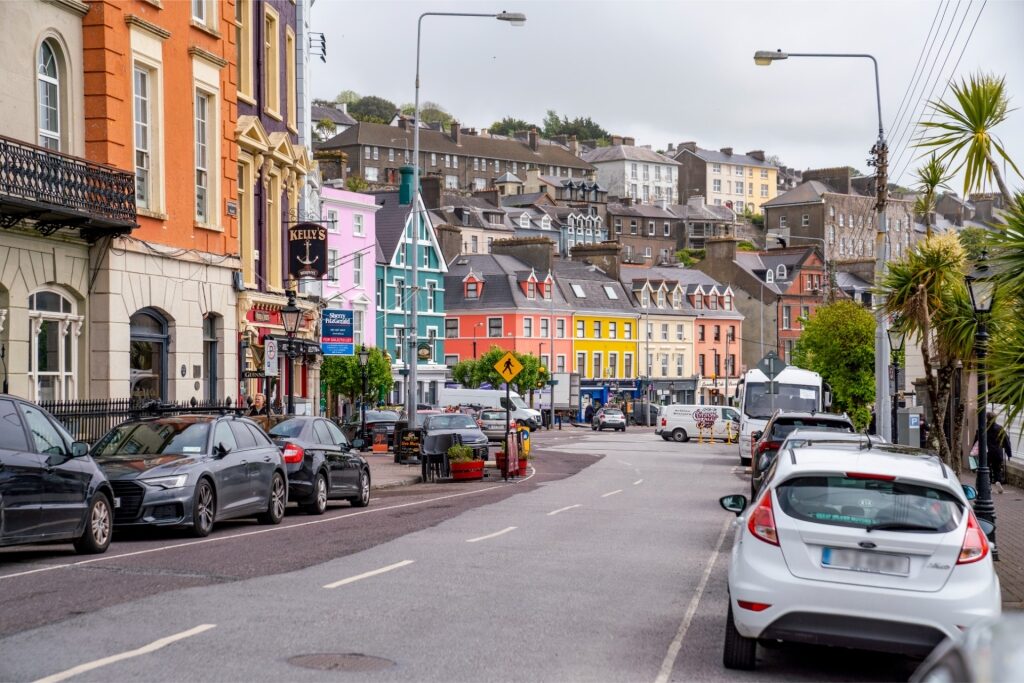
Cork
Has this guide to Irish food whetted your appetite for a visit to the Emerald Isle? Browse Celebrity’s cruises to Ireland and book your dream European vacation today.