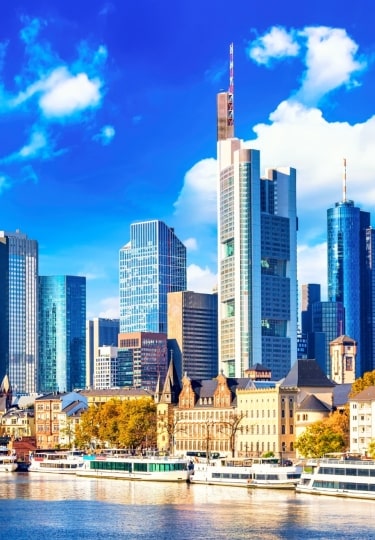
Frankfurt is best known for its economic clout as Germany’s financial center and the headquarters of the European Central Bank. But look past all the tall, futuristic buildings, and the city has much leisure to offer beyond all its business skyline, from historical landmarks to excellent museums and fascinating culture.
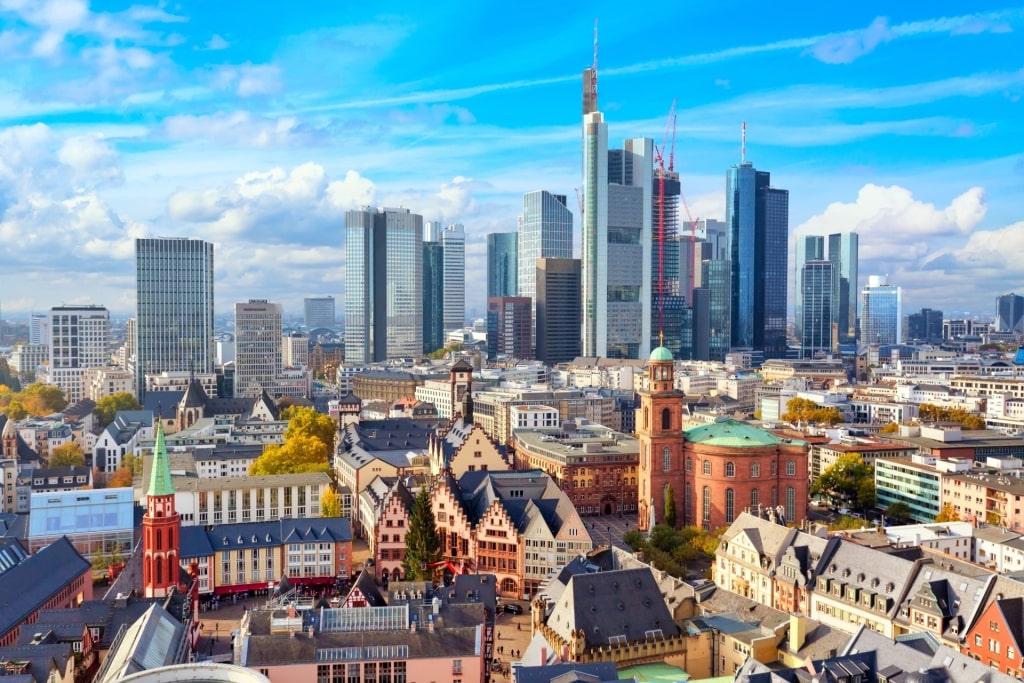
The city has various nicknames, including “Bankfurt” and “Mainhattan”, and does indeed resemble Manhattan with its high-rises, the densest cluster of skyscrapers in the country. These are some of the tallest buildings in Europe, glinting with more avant-garde glass, steel and concrete than you’ll find in any other German city, including the capital, Berlin.
Frankfurt has old-fashioned character, too, as you’ll discover when you explore the renovated Altstadt or the fashionable Sachsenhausen neighborhood on the south bank of the Main. Here are some of the things this intriguing city is known for.
Altstadt
Altstadt
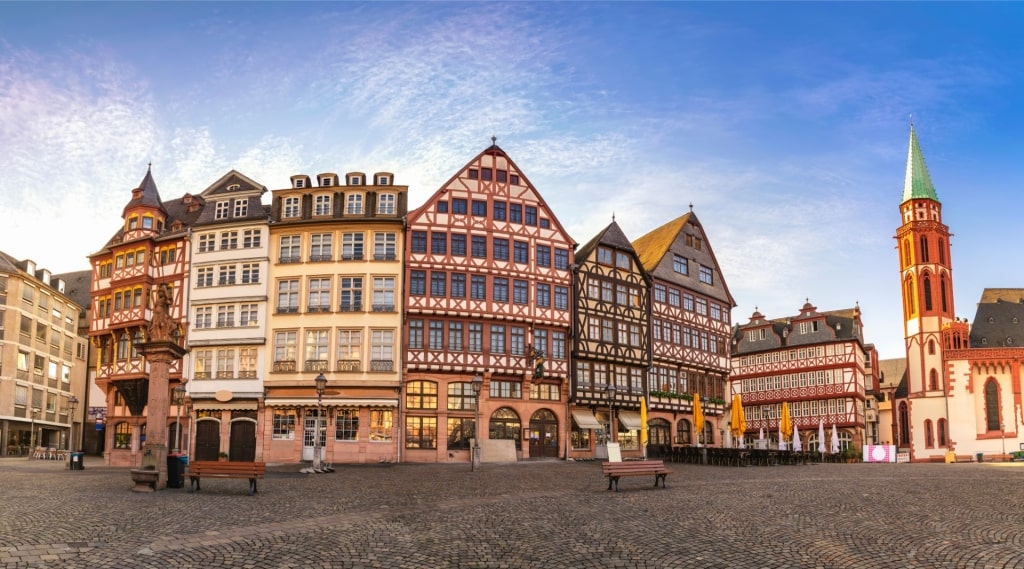
Frankfurt’s medieval Altstadt or “Old Town” is, quite simply, a treat for the eyes. From quaint half-timbered buildings to apple wine taverns and the elegant old central square, Römerberg, Altstadt offers a charming counterpoint to the high-rises of the downtown Innenstadt.
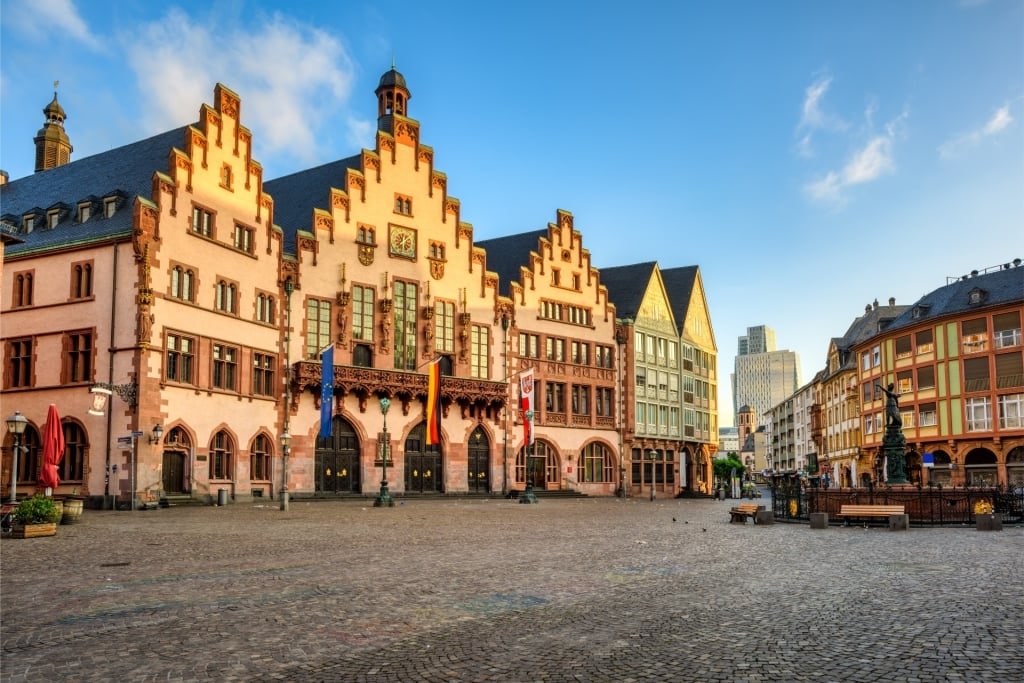
While here, note the fabulous, well-preserved shape of these centuries-old buildings. They represent somewhat of a false impression, though an impressive one, since some of these medieval- and Renaissance-looking “relics” are actually rather new. From 2012 to 2018, Altstadt underwent a huge transformation through which several buildings were renovated—or entirely reconstructed—according to their historic existence.
Altstadt
Frankfurt sustained significant damage during World War II, so archives, photos and even some salvaged materials were used during the process to make them as true to the originals as possible.
The timber buildings of Altstadt, though smaller and stockier than their downtown skyscraper siblings, are fabulous reminders of Frankfurt’s colorful past, including its historical background as a free imperial city to being part of the Holy Roman Empire. The preservation efforts themselves also demonstrate something much more meaningful about Frankfurt’s identity—the importance of harmonizing the past with the present.
Frankfurt Stock Exchange
Frankfurt Stock Exchange
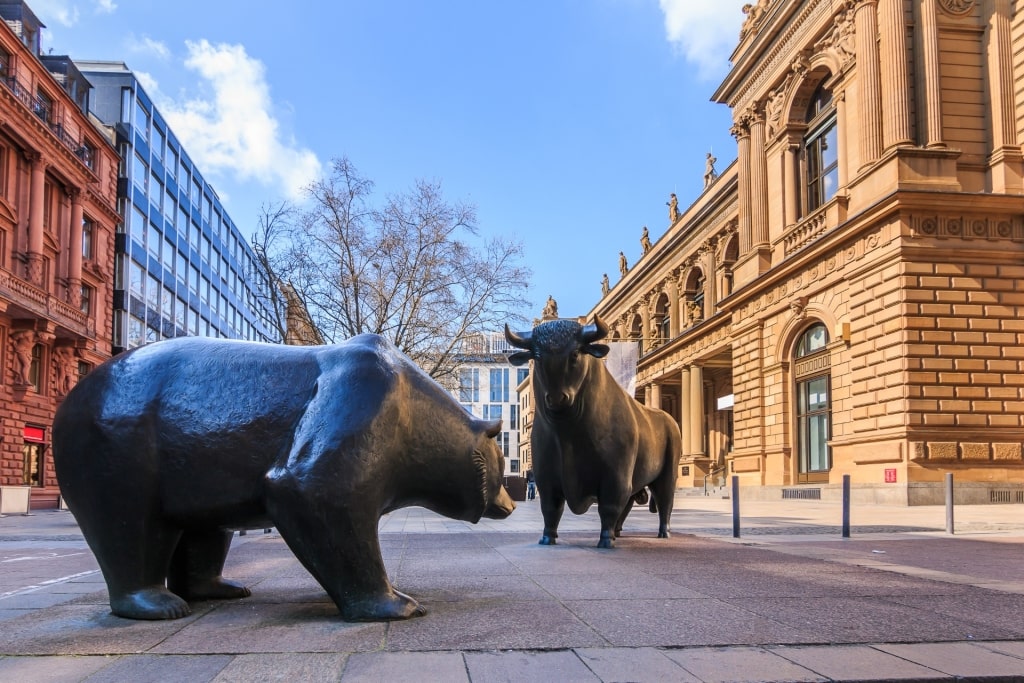
The Frankfurt Stock Exchange is the German equivalent to New York City’s Wall Street. The lively square around the exchange, Börseplatz, or Stock Market Square, makes for an interesting people-watching experience around the grand, 19th-century neoclassical structure.
Walking around the front court of the Frankfurt Stock Exchange, you can also gaze at ornate allegorical statues of the five continents, as well as the prominent sculpture Bulle und Bär, or Bull and Bear—the Frankfurt equivalent of Wall Street’s Charging Bull.
If the busy atmosphere of Börsenplatz further piques your interest—or perhaps, leaves you wanting a break—head into the Deutsche Börse Group’s Visitor Center where guided tours and interactive exhibitions dive into German trading history.
European Central Bank Building
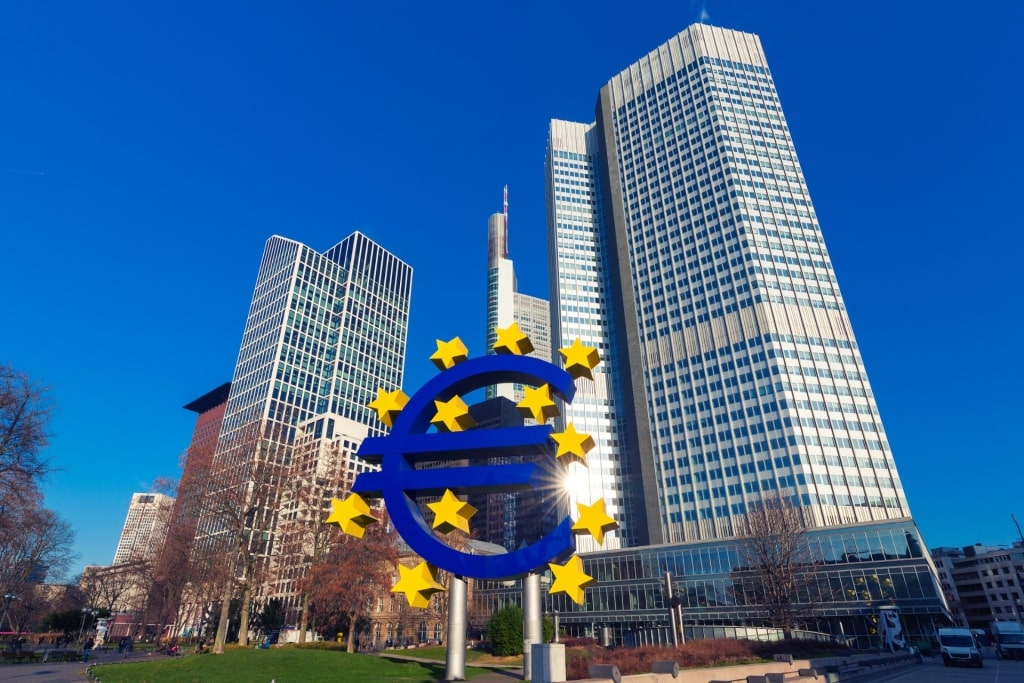
European Central Bank
Frankfurt—or “Bankfurt”—is also the seat of the European Union’s Central Bank, abbreviated to ECB. Towering over eastern Frankfurt, the 600ft-high headquarters of Eurozone leaders cuts a striking shape away from the city center.
On a free, 90-minute guided tour, venture inside the ECB’s twin towers—one of the world’s most important financial institutions. Tours must be reserved at least four weeks in advance and you must present a passport or valid national ID card upon arrival.
Frankfurter Cuisine
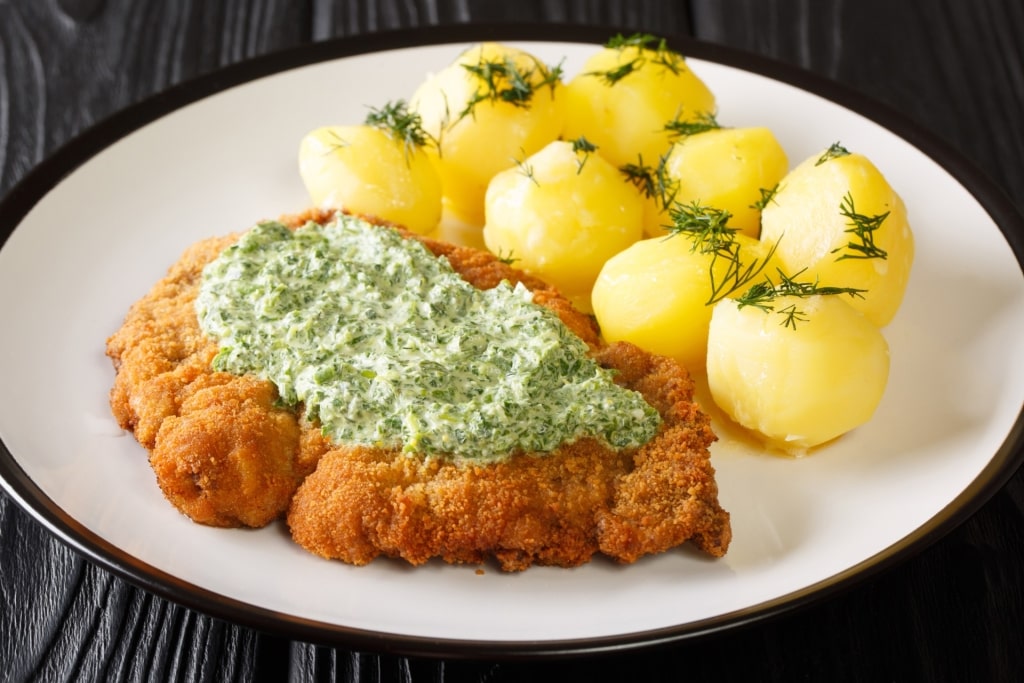
Frankfurt green sauce
The regional cuisine of Frankfurt is hearty, savory, and deeply satisfying. At Altstadt’s legendary apple wine taverns, you’ll find the widest range of dishes in cozy, nostalgic surroundings.
A couple of the most famous German dishes to try include Frankfurt green sauce, a delightful concoction of seven herbs, eggs, and sour cream or yogurt; it’s dolloped generously onto potatoes, schnitzel and, honestly, everything else.
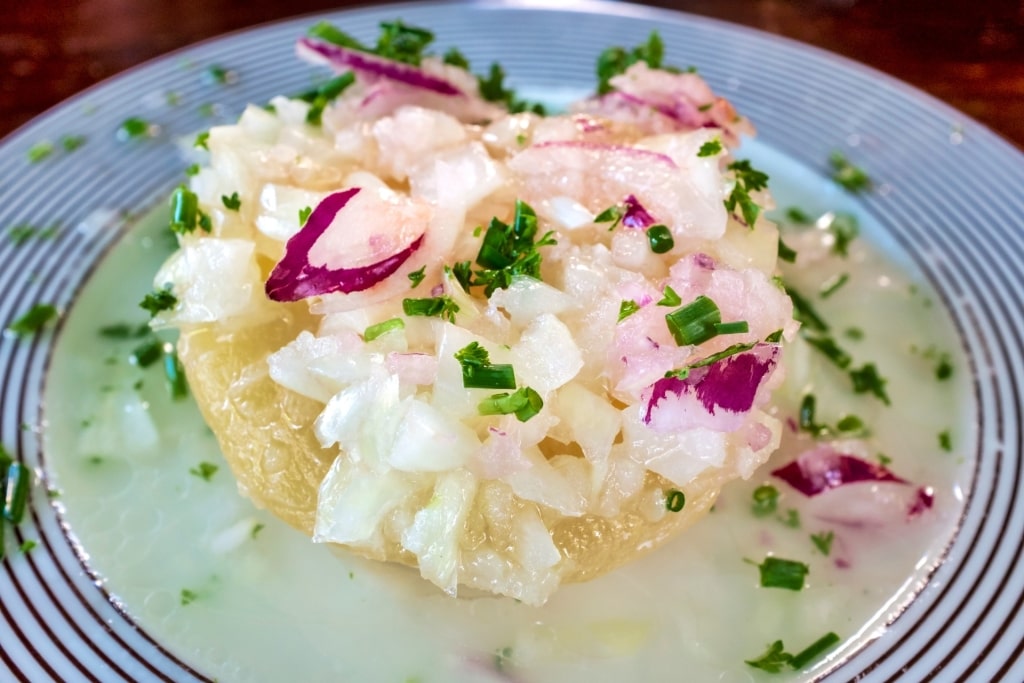
Handkäse
Frankfurters also love to recommend their Handkäse mit Musik, or “hand-cheese with music”. This is a yellow, sour-milk cheese, marinated in oil and vinegar, and topped with diced raw onions and cumin seeds, served with dark bread and butter. Don’t be put off, but the dish gets its name from the digestive sounds it might just make and is a cheeky nod to the Frankfurters’ exuberant cooking style and classic sense of humor.
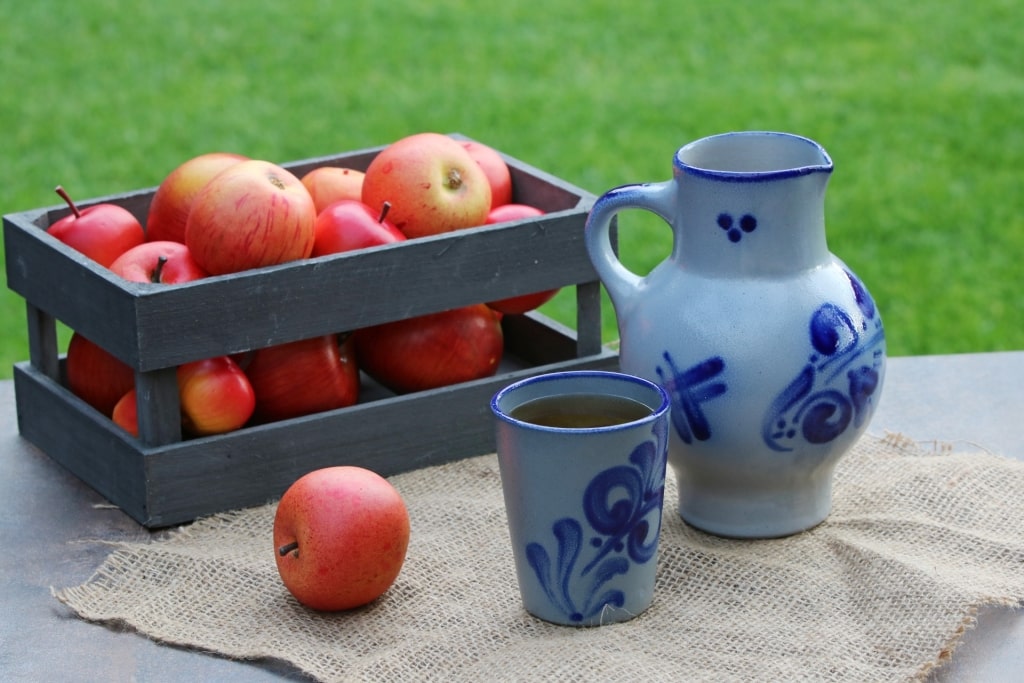
Apple wine
One of the more curious things Frankfurt is famous for is its apple wine. Visiting the German city without having a taste of this would be sacrilegious. The carbonated, fermented beverage tastes like something between an apple juice, beer, and club soda.
Trust the locals; on a hot summer day a cool glass of apple wine absolutely hits the spot. The best place to try apple wine is the many taverns in cool Sachsenhausen, on the south bank of the Main. Pub gardens buzz with chat and laughter here on warm days.
Fine Dining
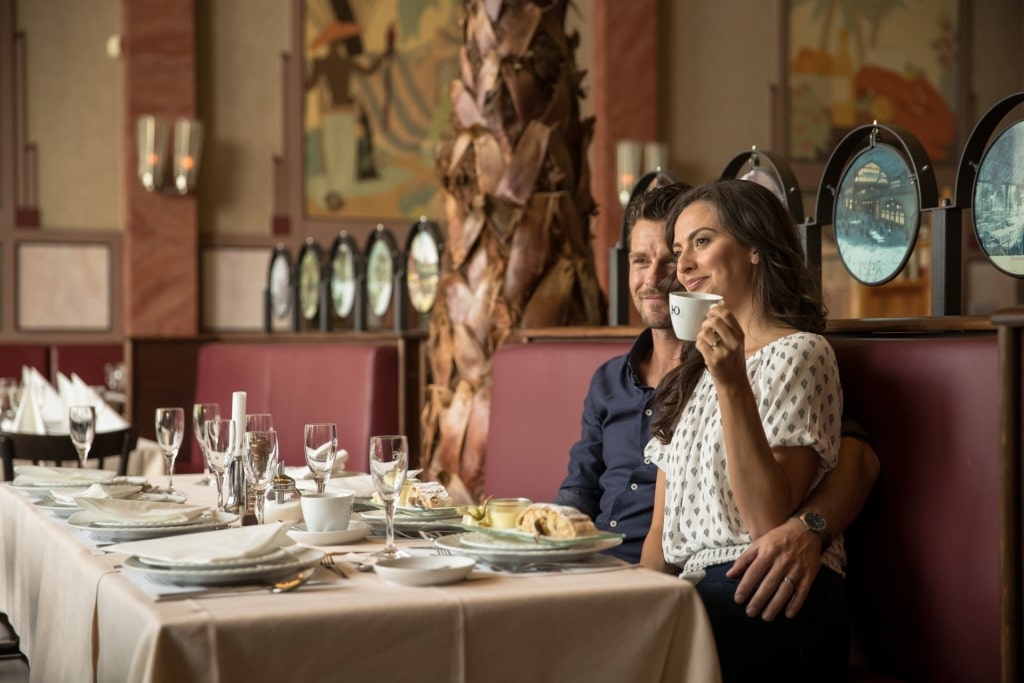
Restaurant in Germany
Frankfurt is one of Germany’s most acclaimed cities for modern, yet unpretentious, fine dining. The city’s upscale restaurant scene reflects the city’s cosmopolitan yet practical business atmosphere. Forget stuffy white-glove service and overly experimental dishes, but expect a focus on bold, satisfying flavors and a love for traditional Hesse produce and cultural cooking values.
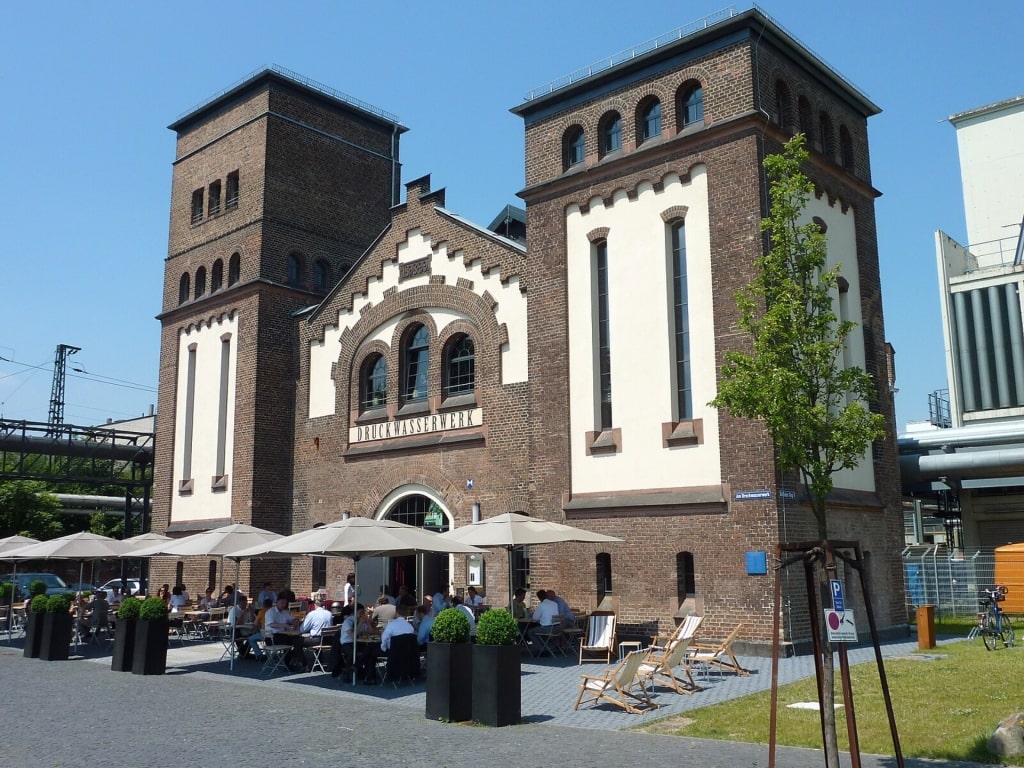
Druckwasserwerk Photo by Frank Behnsen on Wikimedia Commons, licensed under CC BY-SA 2.0
Some favorites to try include the Druckwasserwerk, an 1899-built, neo-Romanesque pump house in Westhafen, a quickly redeveloping industrial harbor area on the Main River, now serving up spectacular German cuisine. Moriki, from the Vietnamese-German celebrity chef-restaurateur Duc Ngo, is known for fantastic sushi and creative Asian dishes.
Meanwhile, at Main Tower Restaurant & Lounge, a fabulous dinner comes with the restaurant’s jaw-dropping 53rd-floor panorama. Excellent seafood and German-Rheingau wine pairings are menu highlights.
Frankfurt Cathedral
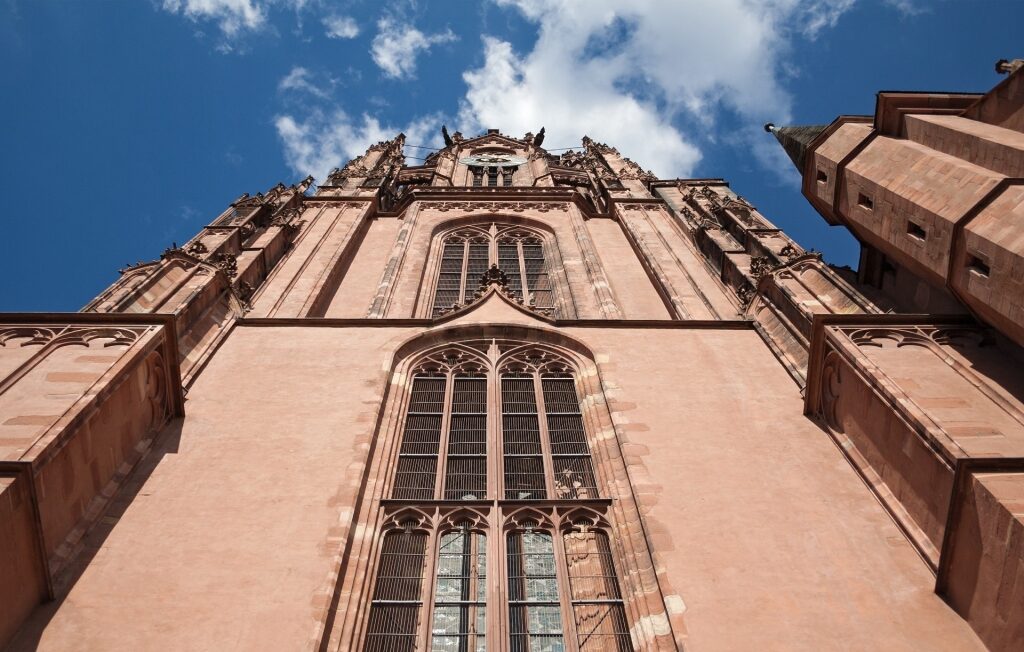
Frankfurt Cathedral
Frankfurt’s red-sandstone Gothic cathedral, Kaiserdom, is a focal point of the city’s Holy Roman Empire history. From the 14th to 18th centuries, Holy Roman emperors were elected and, after 1562, consecrated and crowned within its electoral chapel. The cathedral was rebuilt twice; once after an 1867 fire and after the bombings in 1944.
The Frankfurt Cathedral is known for its 300-ft-high Gothic tower, accessible only up a steep and spiraling staircase counting 328 steps. If you can make the journey, it offers an outstanding skyline view of Frankfurt, bringing together its historic and modern areas.
The Main River
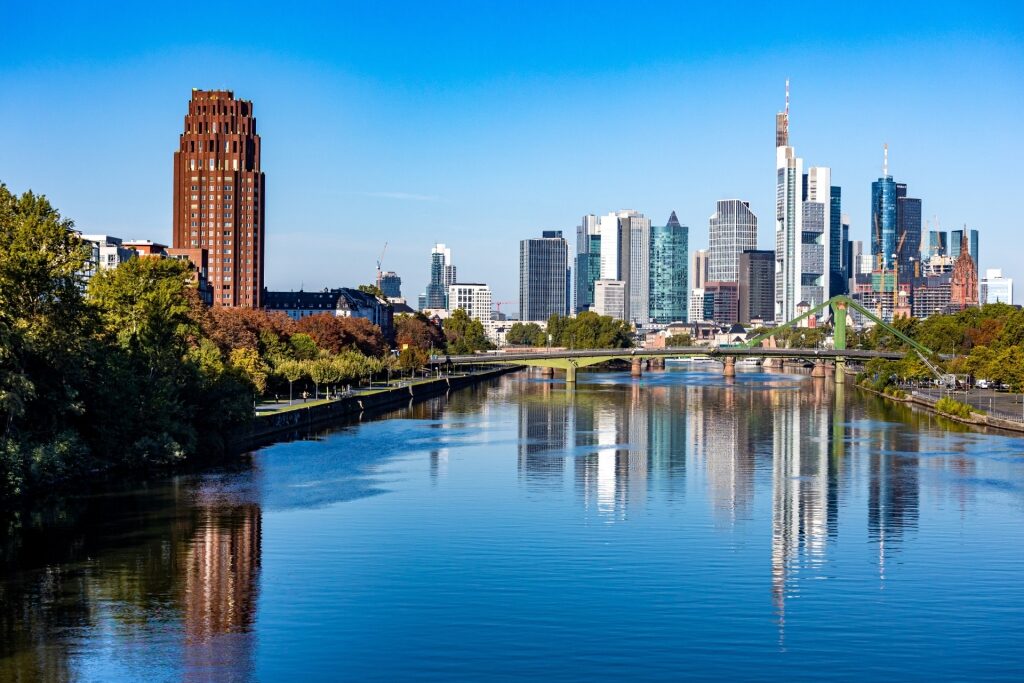
Main River
The Main River is the lifeblood of Frankfurt. Connected to the Rhine river and North Sea, it flows through the heart of the city and has helped Frankfurt become the thriving shipping and economic port it is today.
Perhaps more importantly for locals, the Main cultivates a sense of calm and leisure countering Frankfurt’s more frenetic, professional realm. In good weather, the riverfront is a magnet for fun and enjoyment, from open-topped boat bars lined up along the banks to promenades for strolling and sitting in cafés. Taking it all in during a sunset boat cruise is a particularly fantastic experience.
Museums
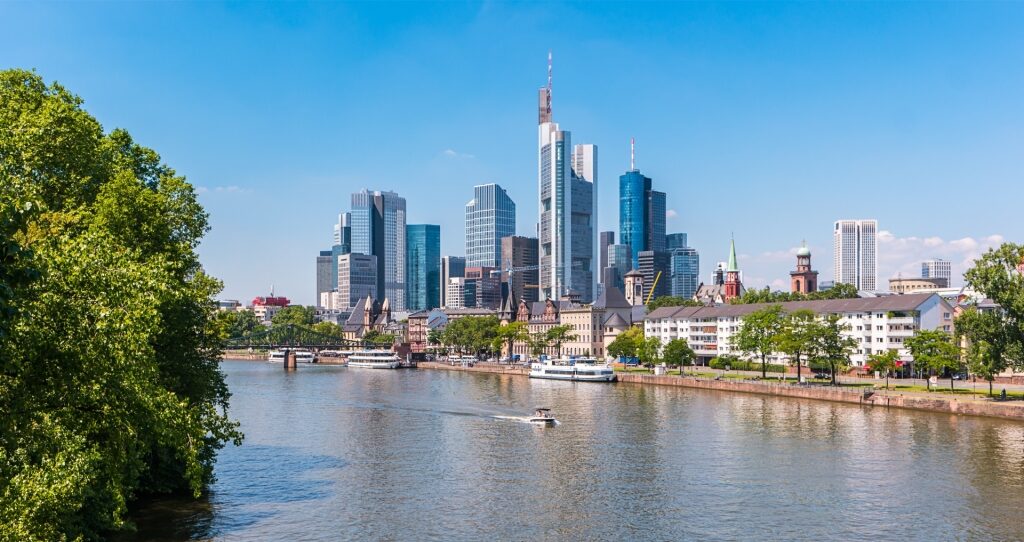
Museum Embankment
Frankfurt claims some of the most eclectic and vibrant museum collections from across European cities. In Germany, Frankfurt’s museums—a whopping 39 in total—are considered to be among the best of Germany’s cities and perhaps second only to those museums of the capital, Berlin.
Along the Main, Museumsufer, or Museum Embankment, is where you’ll find Frankfurt’s “museum row” of 13 museums ranging across major cultural significance. Take an afternoon to explore the Städel Museum’s outstanding collection of European art—Rembrandt, Rubens, Renoir, Picasso, and the list goes on—spanning the period from the Middle Ages to today.
Then, follow it up with rambling around the Liebieghaus’ engaging sculpture museum. Housed in an exquisite 1890s villa, the Liebieghaus collection is a journey around the world and through time, with Greek, Roman, and Egyptian sculptures, as well as medieval and Renaissance works.
Nightlife
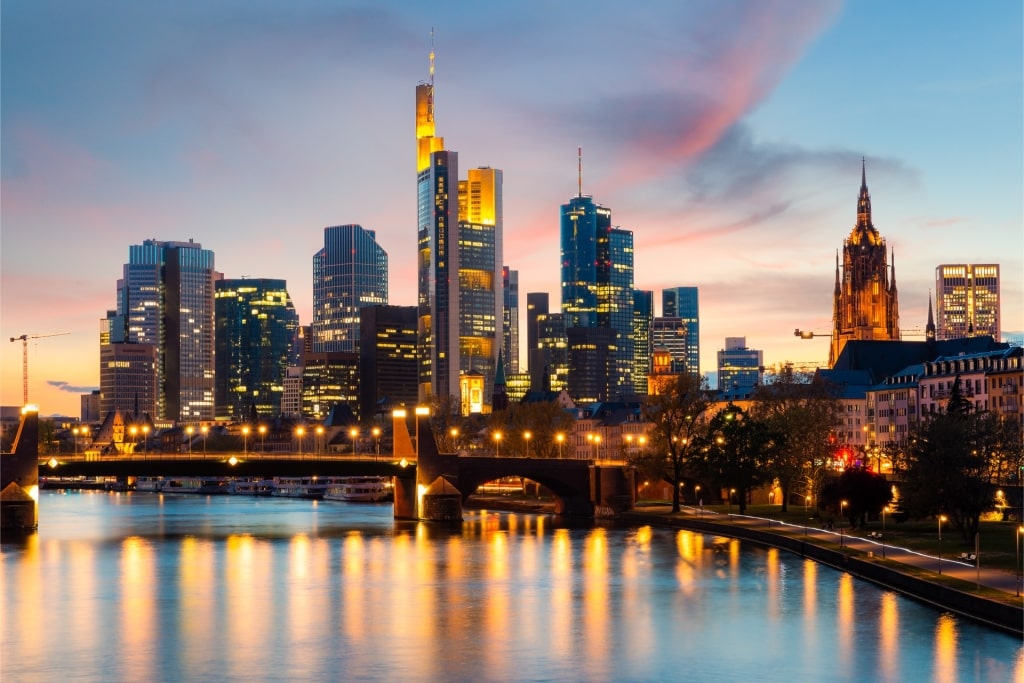
Frankfurt
Frankfurt’s lively nightlife circuit extends from the traditional apple wine taverns of the Altstadt and Sachsenhausen to chic cocktail bars and its legendary techno clubs.
Summertime boat bars are the perfect spots for sundowner cocktails—or, better yet, an icy, cold apple wine—overlooking the Main. Plenty of pubs and cellars host intimate evenings with live music, from jazz musicians to rock bands.
Rhine Valley Wine
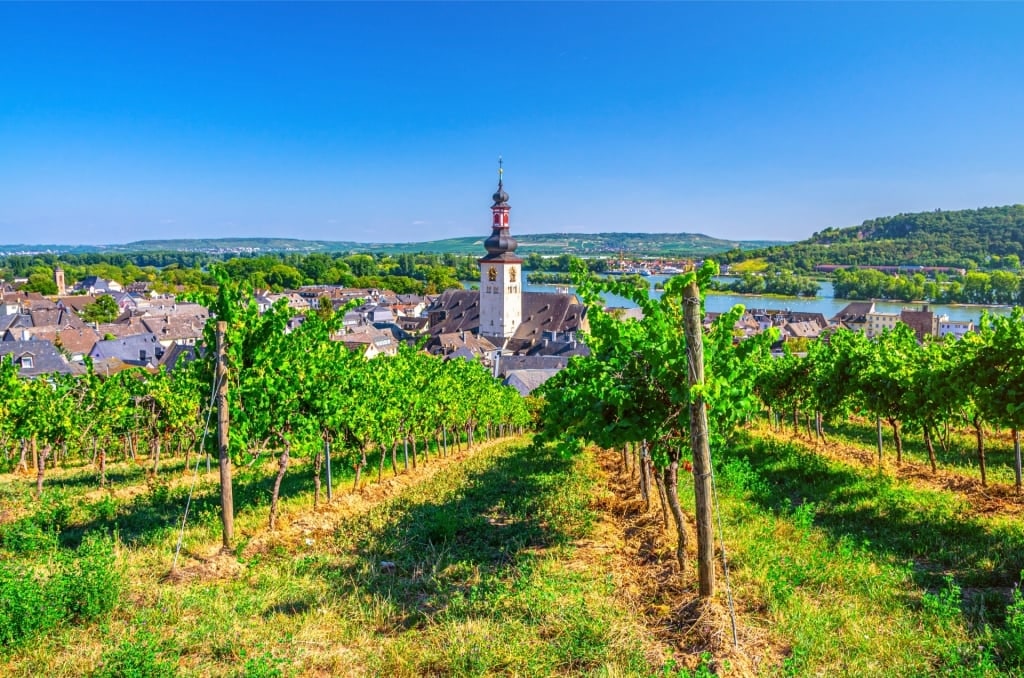
Rhine Valley
Apple wine is not the only wine Frankfurt is famously associated with. Just outside the city, you can also visit the Rheingau, or Rhine Valley vineyards region. One of Germany’s most prestigious wine-growing regions, the Rhine Valley is known for its iconic Rieslings harvested from along northern riverbanks in the state of Hesse.
The Rhine Valley makes for a perfect day trip for wine tastings among verdant wine-producing fields and Hessian half-timbered houses. Just a 45-minute drive from Frankfurt, it’s a sensational fairytale landscape in which to spend time sightseeing and tasting the wines.
Read: Best Places to Visit in Germany
Shopping
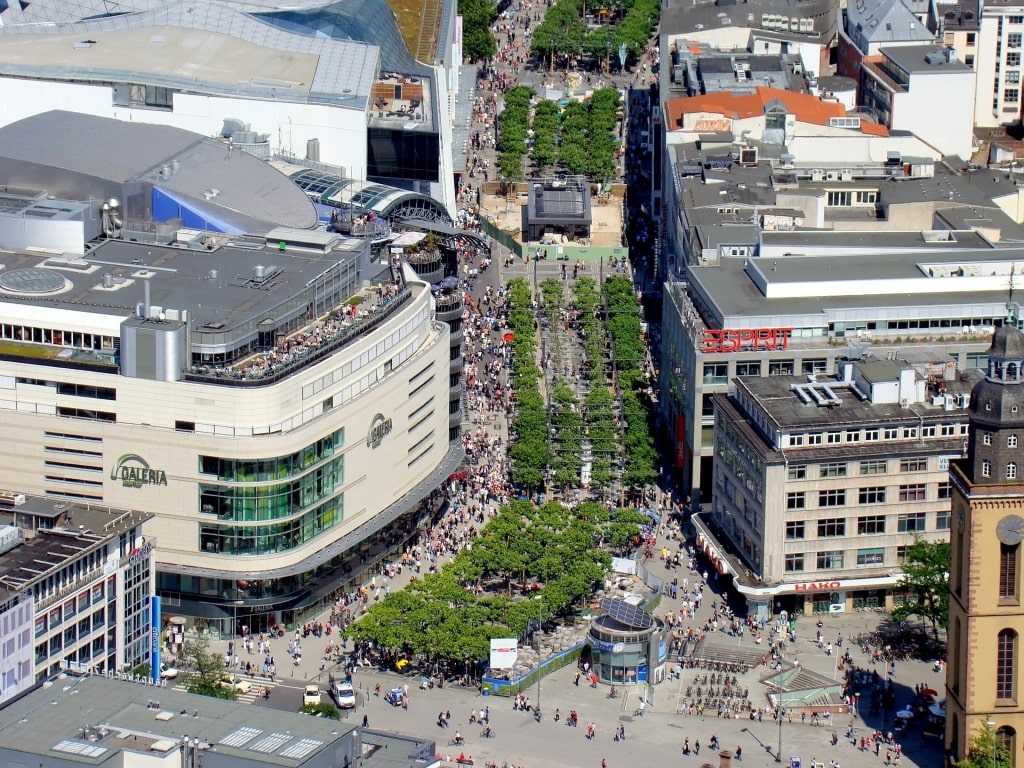
Zeil
Look no further for some of Germany’s finest fashion boutiques than in Frankfurt. Along Zeil, Frankfurt’s main pedestrian shopping street, you’ll find the perfect mix of high-street chains, department stores, and designer boutiques.
Another lovely area for shopping—especially souvenir shopping—is on the cobblestoned lanes of Sachsenhausen. The neighborhood’s narrow streets, checkered with small squares, cute half-timbered houses, and fountains, are home to an eclectic range of independent stores. You’ll find boutiques selling locally designed clothing and cute novelties, as well as plenty of cozy cafés in which to relax.
Trade Fairs
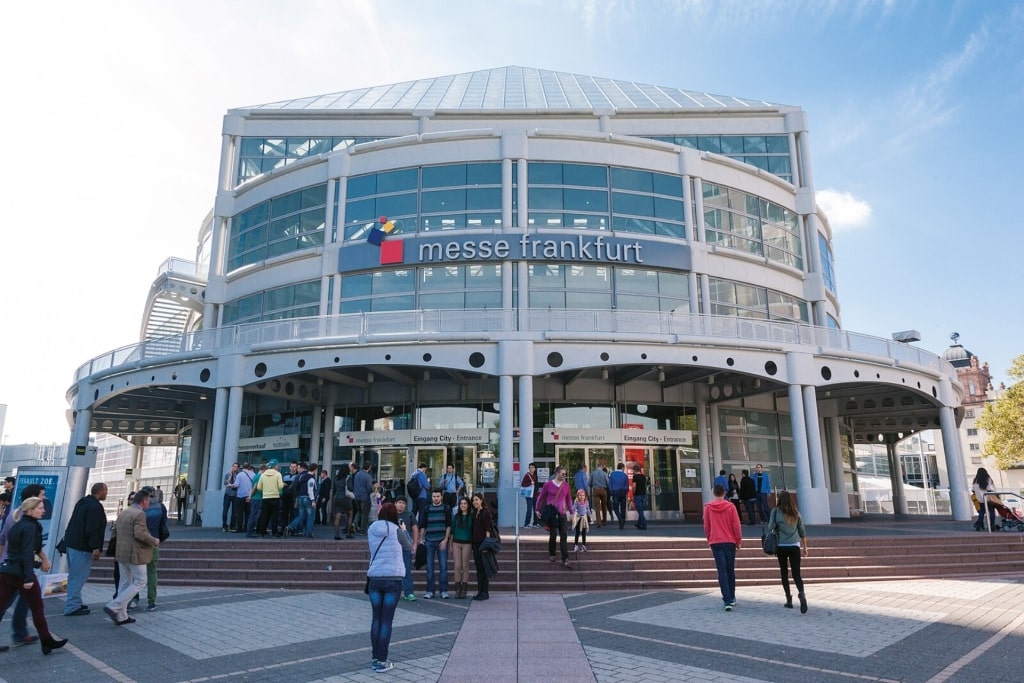
Messe Frankfurt Photo by MesseFFM on Wikimedia Commons, licensed under CC BY-SA 4.0
Frankfurt is world-famous for its trade fairs. Frankfurt’s exhibition center, Messe Frankfurt, is one of the most modern of its kind and ranks as the third-largest exhibition site worldwide. Throughout the year, the city swells with visitors.
Although the Messe Frankfurt venue, encompassing approximately 6.3 million-sq-ft of total event space, is far-flung from downtown, the change in atmosphere and excitement are palpable across the city when the biggest trade fairs are taking place.
While many trade fairs held in Frankfurt are highly specialized, and likely only interesting for those in certain trades and sectors, one that appeals to all is the Frankfurt Book Fair, the largest of its kind in the world. Over five days in mid-October, authors from all around the world take the city by storm. It’s a chance to attend readings and book signings from some of the world’s biggest authors, or check out special events like poetry slams which pop up across pubs and cafés.
Traditional Markets
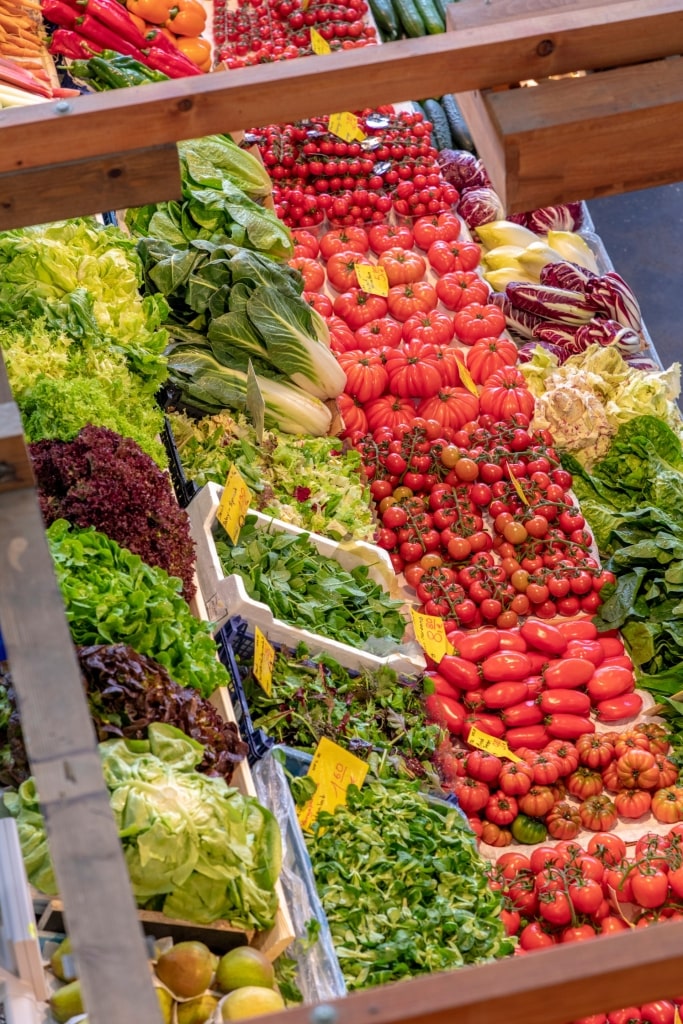
Kleinmarkthalle
In Frankfurt, lively traditional markets provide a fascinating insight into German culture. Produce markets serve neighborhoods all over the city. Many pop up on a weekly basis. From Monday to Saturday though, you can always visit the Kleinmarkthalle, a vibrant traditional market packed with over 60 local vendors and artisans selling a fine spread of regional delicacies.
Put together a picnic to enjoy at market table tops of everything from smoked sausages to cheeses, roasted nuts, and oven-fresh breads. Some vendors also offer small samples. Beyond produce, made-to-order dishes are also available.
Overall, visiting the Kleinmarkthalle is a delightful and authentic Frankfurt experience. Many Frankfurters do their weekly shopping here and, when they’re finished, head upstairs to enjoy wine on the airy upper-level terrace. When your people-watching and snacking are over, make sure there’s some time to join them for a late-afternoon Riesling against leafy green treetop views.
Frankfurt
Discover Frankfurt’s charms for yourself on one of Celebrity’s river cruises.