If you’re looking for Korean souvenirs or thinking about what to buy in Korea, get ready for plenty of adventure as you hunt for unique gifts.
Korea’s souvenir shopping ranges from sleek boutiques in Seoul and trendy street markets in Busan to the folk crafts of Jeju Island. You’ll find items like trendy K-beauty skincare and cosmetics, as well as traditional tea sets, alcoholic spirits, and paper crafts.
In Seoul, visit Insadong for handcrafted goods and calligraphy. Gukje Market in Busan is also a great place to shop. Regardless of where you are in the country, you’ll come across plenty of memorable souvenirs to collect during your travels.
Korean Masks
Korean masks
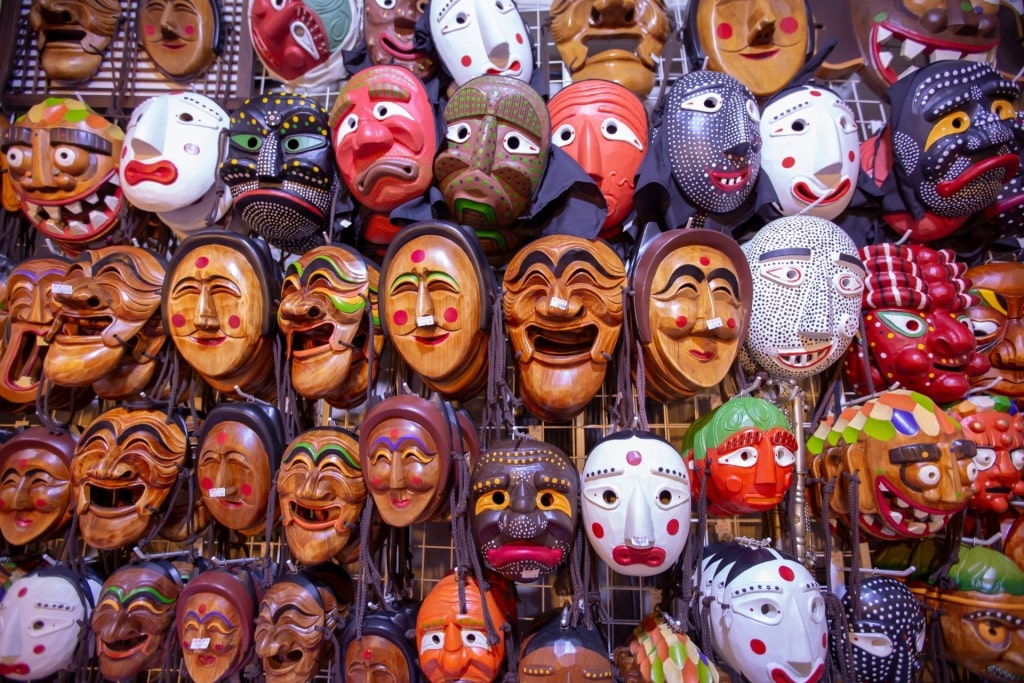
In the market for some cool wall art? If that’s the case, look no further than traditional tal masks, which can be found around Seoul’s Insadong neighborhood. “Tal” is the Korean word for mask.
Whether hand-carved from alder wood or assembled in papier-mâché, these masks, once worn during shamanic ceremonies and theatrical performances that poked fun at Joseon-era aristocrats, make great gifts and art pieces to remind you of your time in Korea.
Korean masks
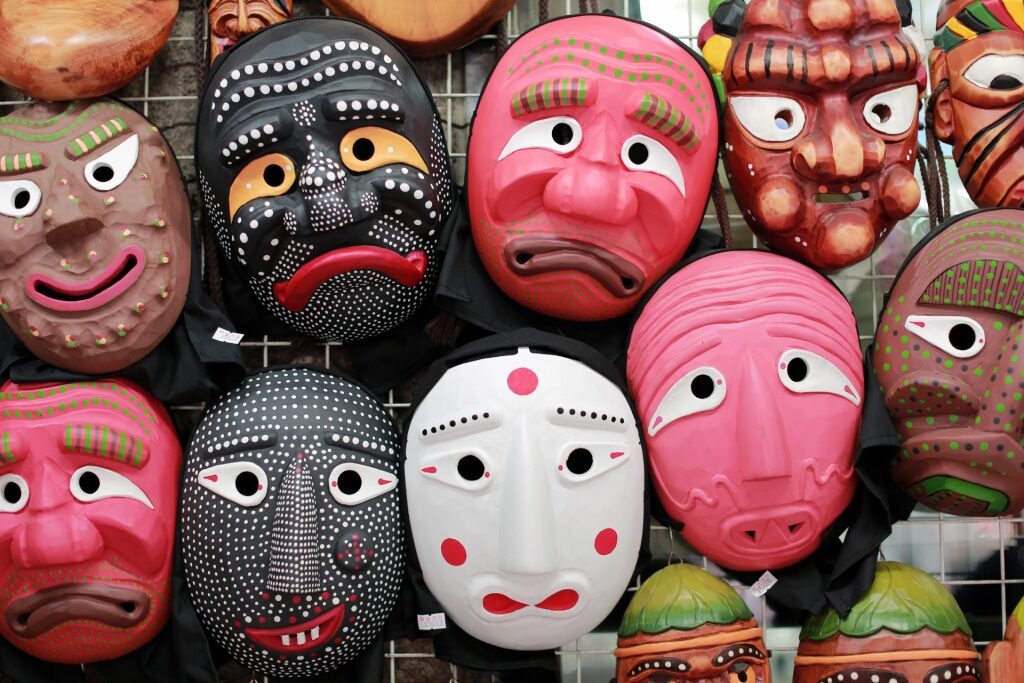
Today, you can find natural wood masks, as well as beautifully lacquered reproductions in crimson, ivory, black, and other colors, featuring exaggerated eyebrows and facial expressions that convey happiness, fear, or mischief.
Authentic masks can be found at Hahoe Folk Village, outside of Andong, which are still used during Hahoe Mask Dance Drama performances. Closer to Seoul, you can find these masks in Insadong’s Ssamziegil Mall.
Traditional Teas & Tea Sets
Tea set
If you’ve visited a teahouse in Korea, you already know that drinking tea here is quite a ritual. You’ll get a sense of this ceremony in Seoul’s Bukchon Hanok Village, where yuja-cha citron tea is served in traditional teahouses. “Cha” means tea in Korean.
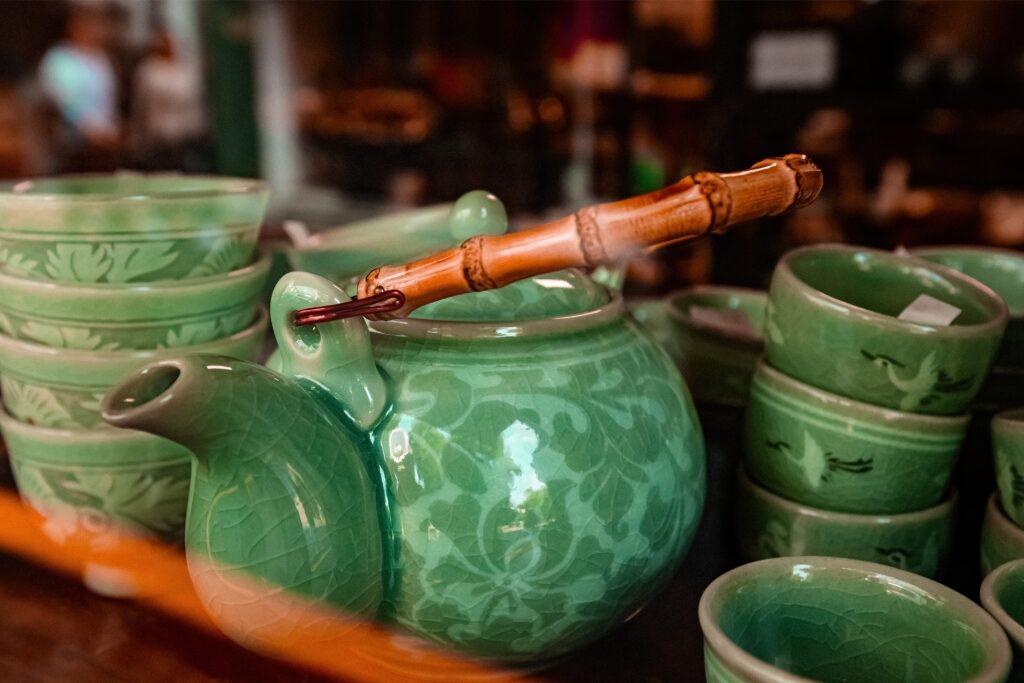
Porcelain tea sets, especially celadon-glazed ceramics from Gangjin County, make elegant presents. Tea shops and teahouses in Insadong and Namdaemun Market typically let you touch the cups on display before purchase—just be sure to pick them up with both hands.
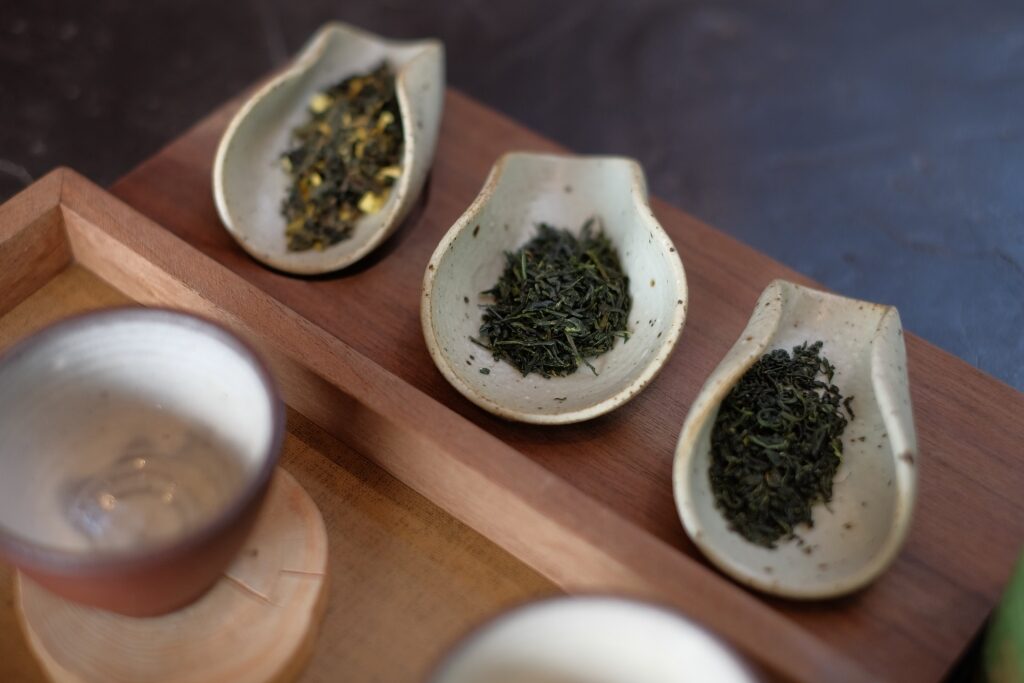
Jeju green tea
Local tea drinkers tend to gravitate toward brands like O’Sulloc, which has several shops in Seoul, offering premium teas, including Jeju green teas grown in volcanic soil, volcanic Oolong tea, and fermented teas.
Yuja tea, popular during colder weather, as well as ginseng, barley, and herbal teas, are available for purchase in Insadong, as well as in department stores and specialty tea shops nationwide. These teas are often packaged in attractive boxes or bags.
Read: Best Things to Do in Seoul
Dojang Name Stamps
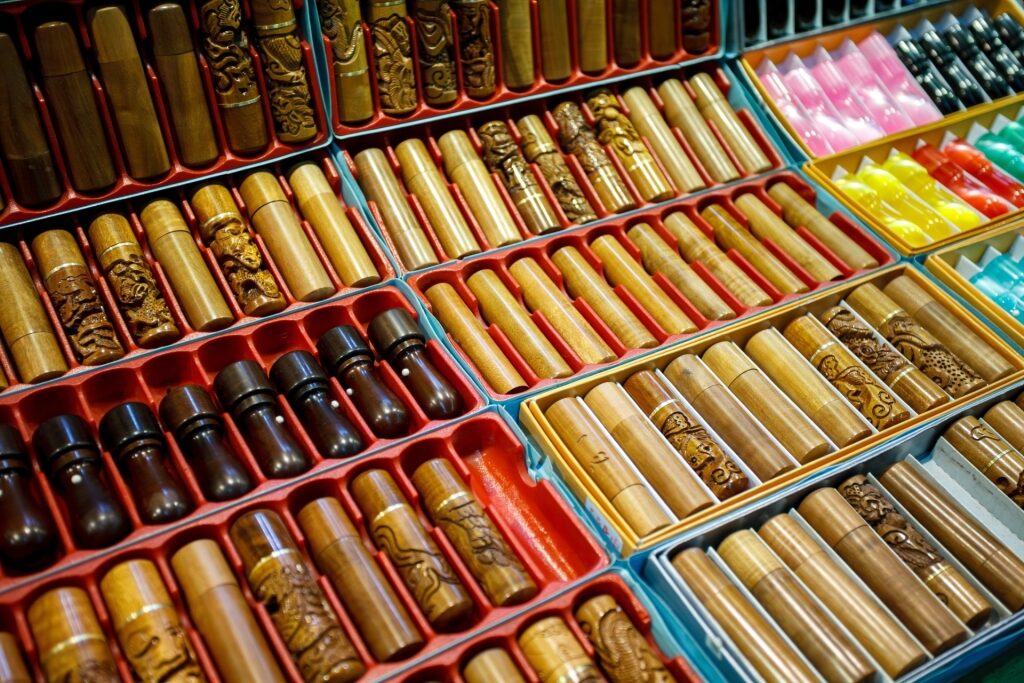
Dojang name stamps
If you’d like a souvenir that carries some personal meaning, a handmade dojang traditional Korean name seal is a stellar choice as a keepsake.
In the past, these seals were considered as essential as your signature, stamped in red ink and used to authenticate royal decrees, private letters, and family documents.
Today, you can have one custom-carved with your Korean name—transliterated into the Hangul alphabet—or simply your initials in stylized script.
Insadong is a good district for stamps, with small workshop-sized spaces here that produce these stylized ink stamps and sell the accompanying red ink. You can choose jade, wood, or even stone as the materials for your stamp.
Jeju Pottery & Volcanic Stone Crafts
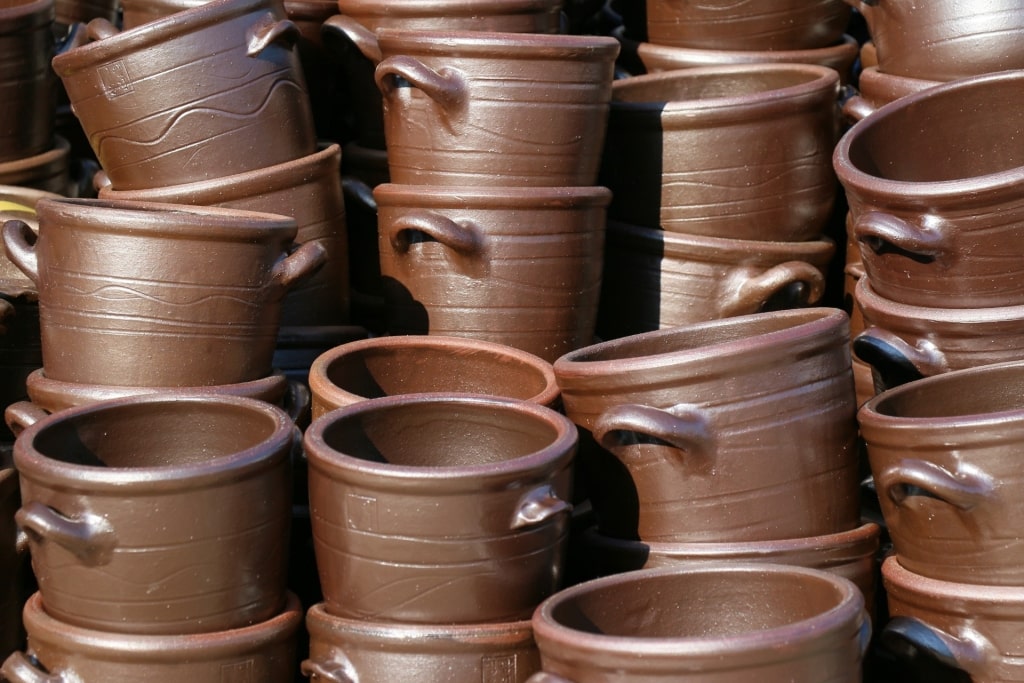
Onggi
The topography of Jeju Island is grainy, dark, and porous to the touch, with its rich volcanic soil giving life to the island’s most distinctive onggi pottery crafts.
Local artisans use the mineral-rich clay and basalt rock to create ceramics and fired onggi jars with distinctive flecked surfaces. The jars were initially made to store rice and other foodstuffs; however, a sizable decorative pottery market has sprung up over the years.
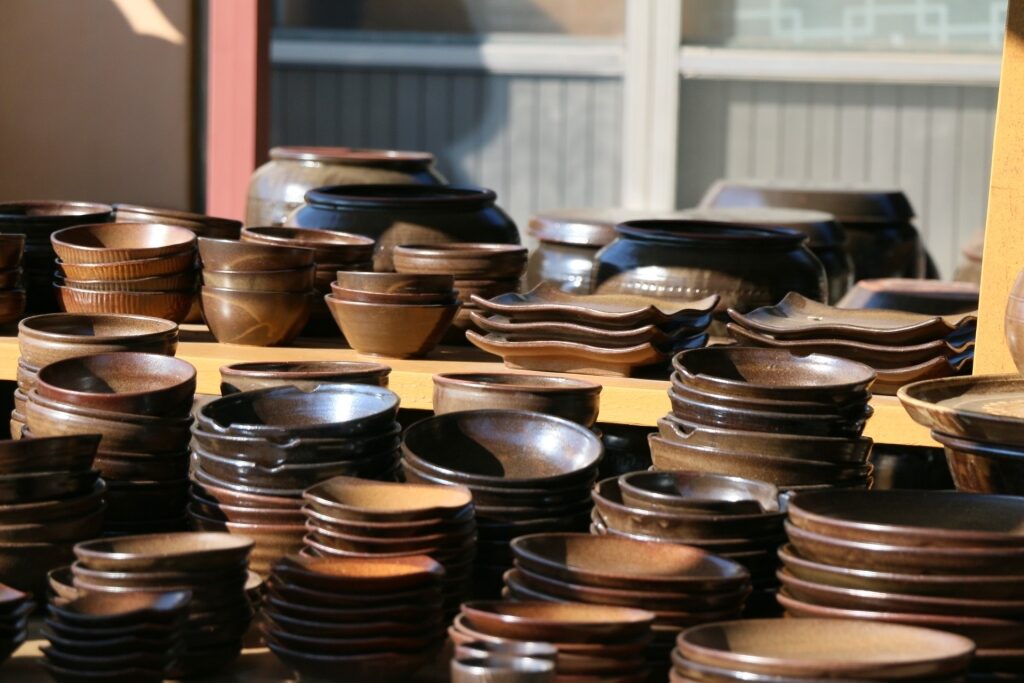
Onggi
In locales around Seongeup Folk Village and Jeju City, you’ll find pottery studios where you can watch artisans fashion pots inspired by the island’s jagged coastlines, with the smaller versions making brilliant Korean souvenirs.
You can also pick up some volcanic glass jewelry, including dark-colored bracelets, melted down from volcanic stone and ash, which will let you take home some of Jeju’s rugged spirit, forged by volcanic eruptions, ocean winds, and the salty air.
Read: Best Things to Do on Jeju Island
Dol Hareubang Figurines
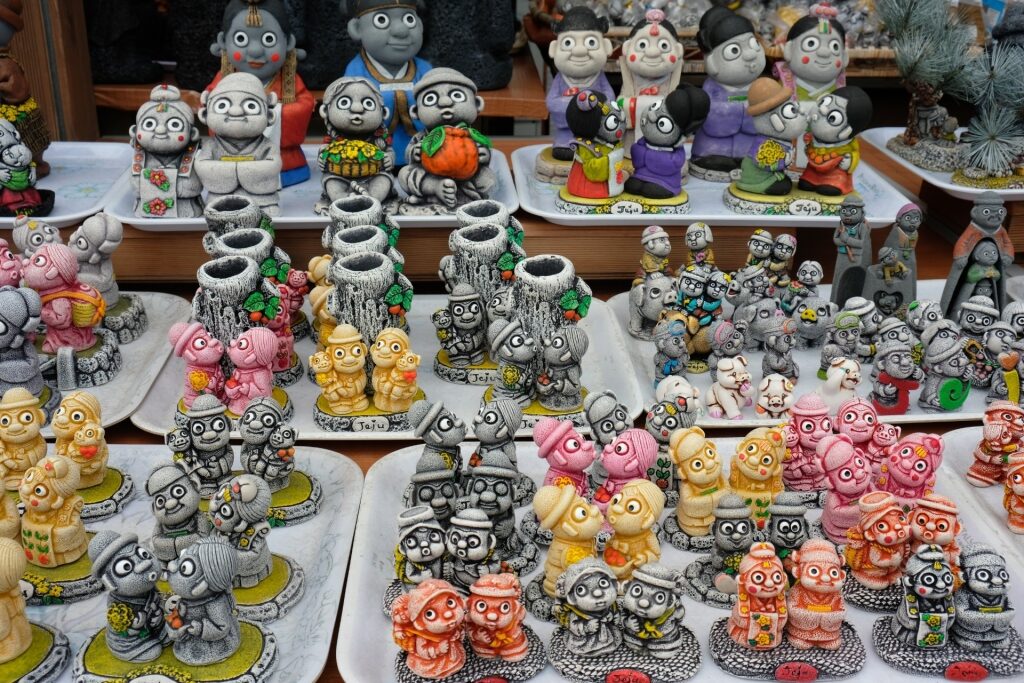
Dol Hareubang figurines
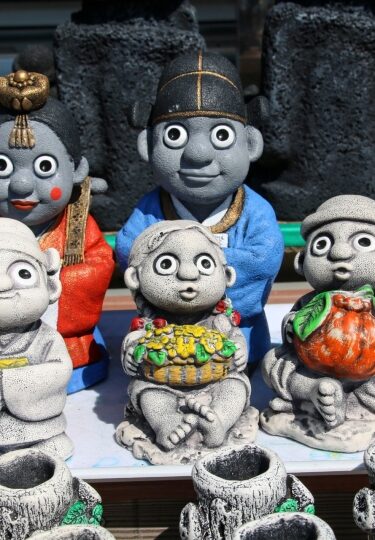
If you’re pondering what to buy in Korea, you might want to get your hands on some dol hareubang, or “stone grandfathers,” which serve as Jeju’s silent guardians; the smaller, take-home versions, of course.
Carved from basalt, these statues depict grandfather figures with hats, bulging eyes, serious expressions on their faces, and fists resting on their bellies. Once placed at the entrances of villages, they were intended to protect residents from evil spirits and to ensure fertility.
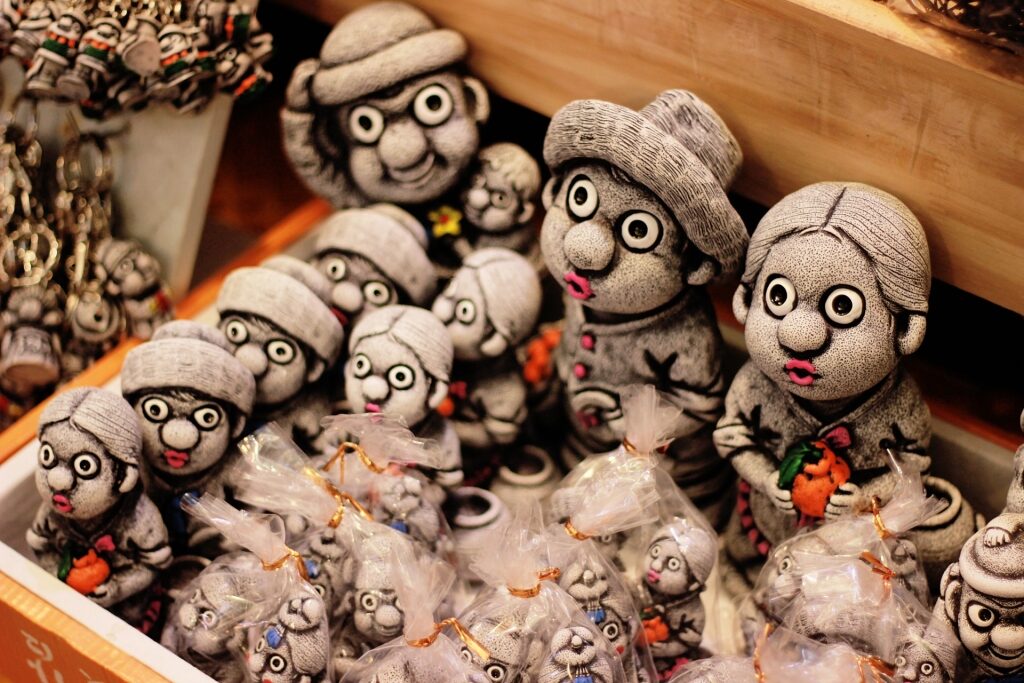
Dol Hareubang figurines
Today, you’ll see images of them everywhere, from temple courtyards to keychains and chocolate molds. Some of the larger, original statues, dating back centuries, are still standing, dispersed around the island.
You can purchase dol hareubang figurines made from real stone at Jeju Folk Village and in souvenir shops across the island.
K-Pop Merchandise
Few Korean souvenirs capture the country’s modern pop aesthetics better than K-pop merchandise. K-pop stands for “Korean pop music.”
Whether you’re a BTS Army supporter, a BLACKPINK “Blink,” or a casual fan, you’ll encounter entire neighborhoods in Korea humming with fandom energy.

Myeongdong
You can shop for K-pop-themed light sticks, photo cards, albums, posters, and a ton of other merch in the shops of Myeongdong and Hongdae in the capital.
The “Hallyu Wave” of Korean pop culture, which includes music, film, television dramas, food, and more, has truly become a global phenomenon.
For official, high-quality goods in Seoul, skip the street stalls and head to stores like WithMuu, SMTown & Store in the COEX Mall, and a variety of other K-pop stores in Myeongdong.
K-Beauty Products
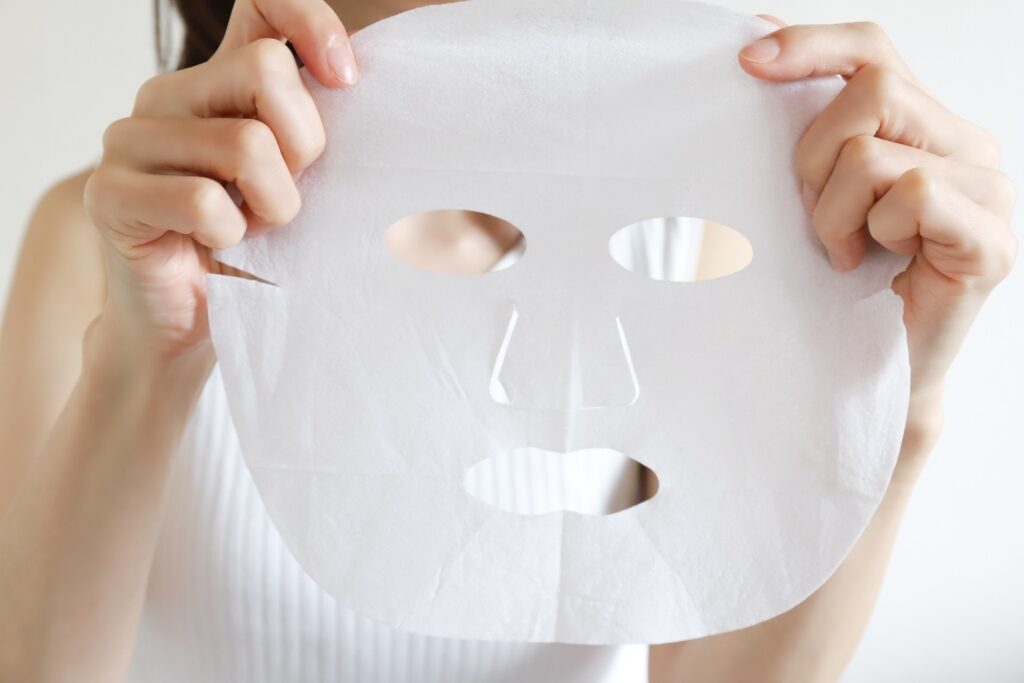
Sheet mask
The Hallyu Wave also encompasses K-beauty products, which are among the most practical, popular, and readily available Korean souvenirs for purchase.
From hydrating sheet masks, infused with ingredients like green tea or snail mucin, to lavish serums enriched with ginseng or waxy propolis, the options are nearly endless when it comes to what K-beauty products to buy in Korea.

Serum
The country enjoys a global reputation for its innovative, quality skincare products, with popular brands such as Innisfree, Laneige, Cosrx, and Sulwhasoo setting skincare trends worldwide.
Once again, the Myeongdong district has plenty of K-beauty shops. Olive Young stores in Seoul are also a paradise for beauty junkies, offering travel-sized goods that make amazing cosmetic gifts.
Soju Liquor & Makgeolli Fermented Wine
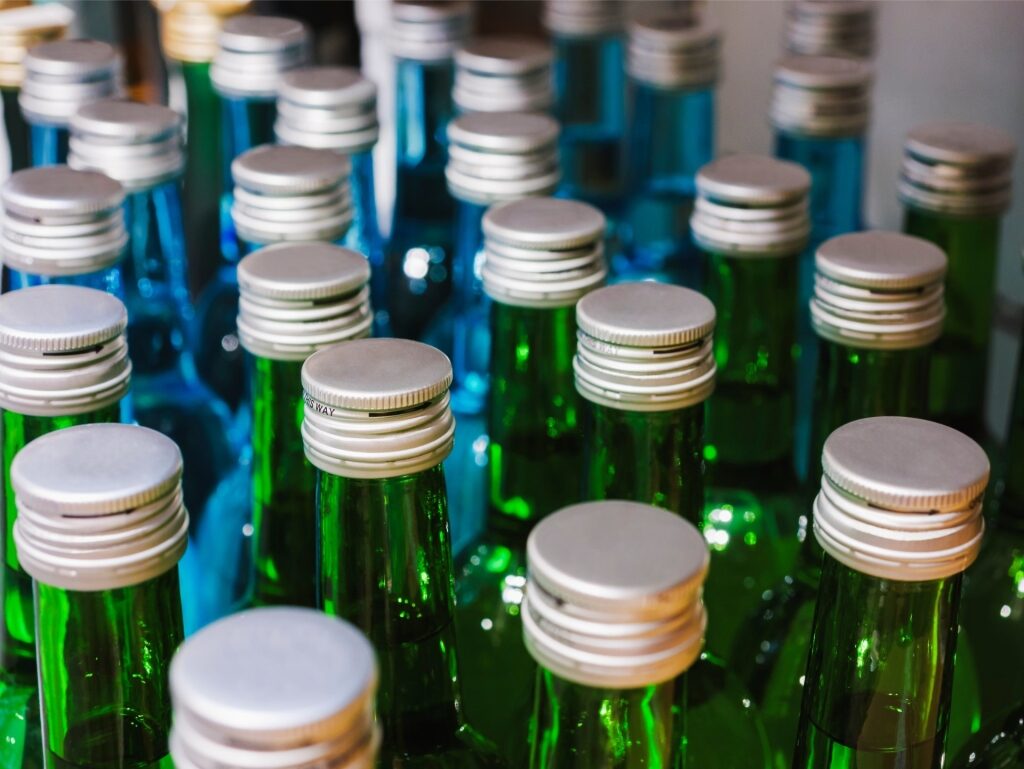
Soju
Soju is a starch-based—meaning with rice, sweet potatoes, or barley—distilled spirit that you’ll find all over the country, from neon-lit bars to 24-hour convenience stores.
While you can easily buy cheaper bottles of soju, if you’re considering this slightly sweet, vodka-like spirit as a gift, opt for some premium regional brands instead.
You can try Hallasan Soju from Jeju, made from volcanic aquifer water, or Andong Soju, which is stronger and has roots dating back to the 13th-century Goryeo Dynasty and the Mongol invasions of Korea.
If you’d prefer an alcoholic beverage that’s milky and lightly sparkling, go for makgeolli, a fermented rice wine once brewed by farmers for harvest celebrations. Seoul’s Gwangjang Market or Busan’s Bujeon Market are both good places to try some makgeolli before buying.
Jeju Black Pork Jerky
You can’t leave Jeju Island without sampling its famous black pork, and perhaps purchasing some to enjoy at a later date. First, make sure there are no import restrictions on bringing cured meat products back home with you.
The meat comes from a native breed of pig, fed a diet that once included sweet potatoes and acorns, resulting in a nuttier flavor. While you might enjoy it sizzling on a grill in a traditional gogi-jip barbecue joint, you can also buy black pork jerky. This smoky, savory souvenir will easily fit into your suitcase.
Specialty stores near Dongmun Market in Jeju City offer vacuum-sealed black pork to ensure freshness. Look for “Jeju Black Pig” certification to ensure quality and authenticity. Pair it with a bottle of Hallasan Soju and you’re all set.
Hanji Paper Crafts
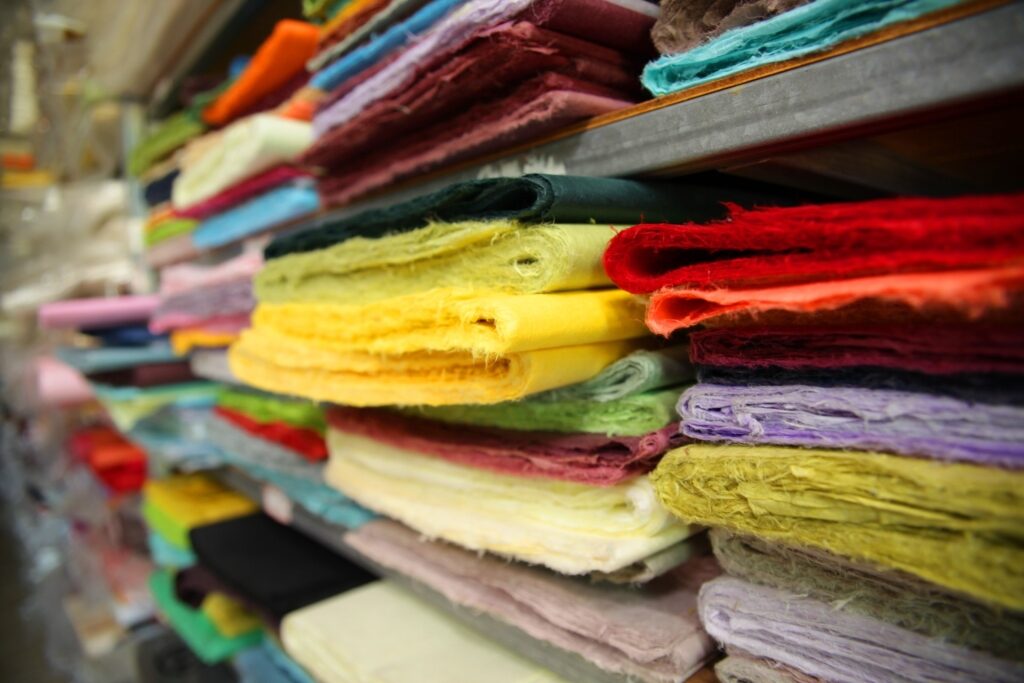
Hanji
Hanji is Korean mulberry paper, made from the bark of mulberry trees; it’s smooth yet sturdy and has been employed since the Three Kingdoms period for a wide range of uses, including calligraphy, books, wrapping gifts, and decorating palace walls.
Today’s artisans still produce it by hand from the inner bark of the tree. The fibers are so strong that hanji can last centuries without yellowing.
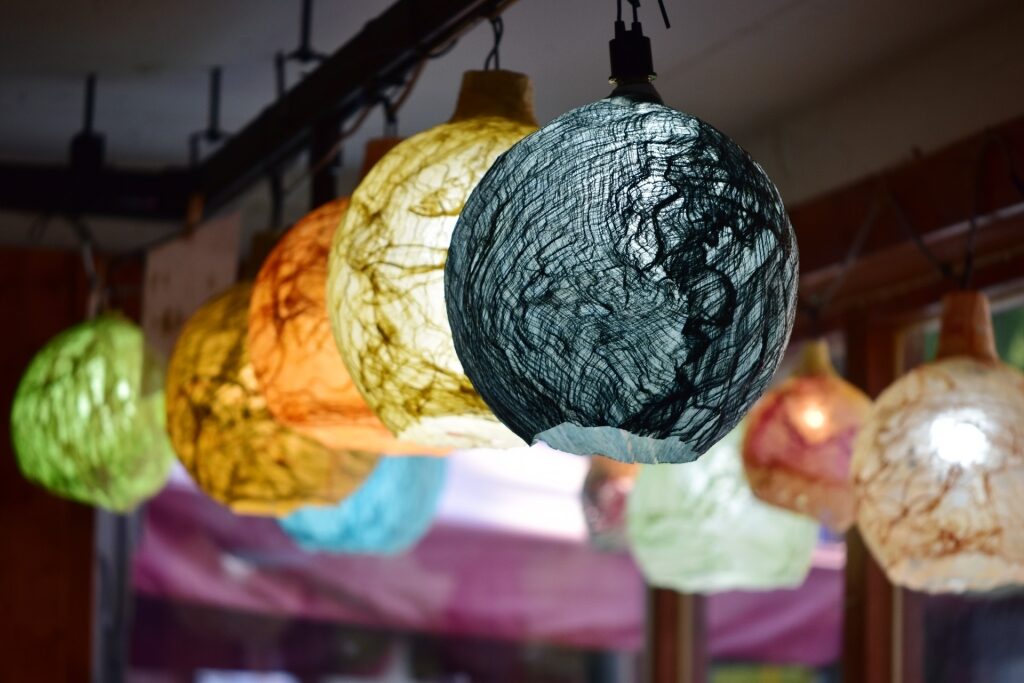
Hanji lamps
In Insadong and Bukchon Hanok Village, boutique studios sell hanji lamps, patterned stationery, and boxes adorned with wrapping paper featuring chrysanthemum and cherry blossom motifs, all of which make excellent souvenirs from Korea.
The Bukchon Traditional Culture Center, as well as the Hanji House, both in Seoul, offer paper-making workshops, in case you’d like to delve deeper into this Korean art form.
Traditional Buchae Fans
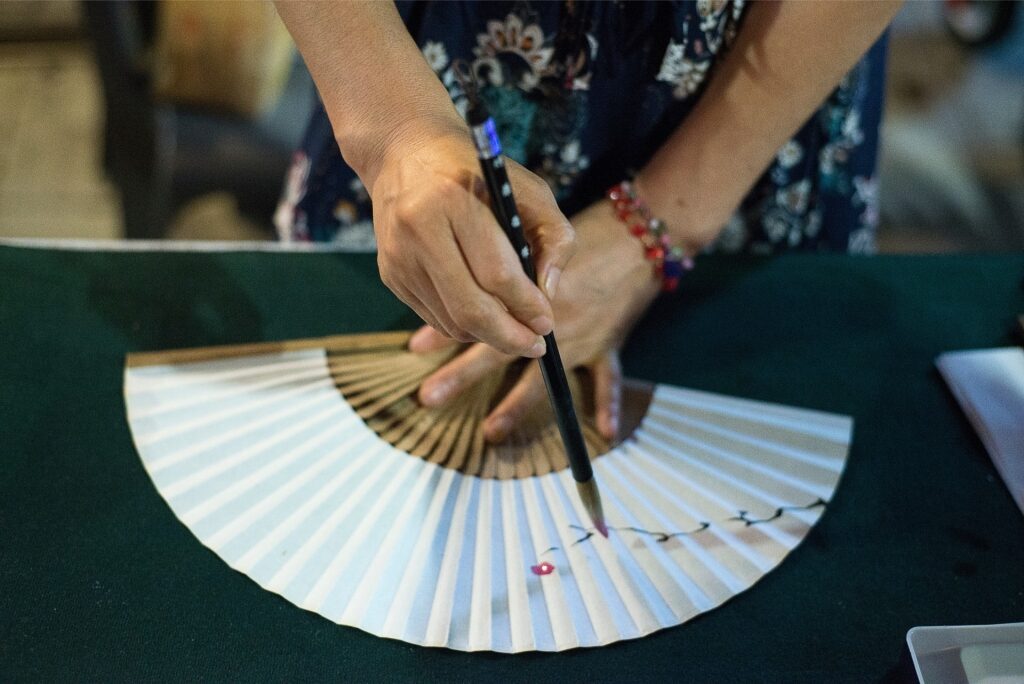
Buchae fan
Korean fans are more than just souvenirs. People use them in the hot, humid summers as a way to keep cool.
On the artistic side, female dancers in traditional garb wield large, decorated fans in buchaechum performances, arranging these fans into petal and flower shapes, swirling them about in formations of dazzling color.
Some fans are more durable in nature, intended for everyday use, while others are more decorative, meant to be showcased as art.
You can purchase fans featuring brush-painted designs of cranes, mountains, or peonies in stores and craft markets nationwide. Some shops even offer fans you can paint yourself, with artisans lending a helpful hand.
Hanbok Traditional Clothing
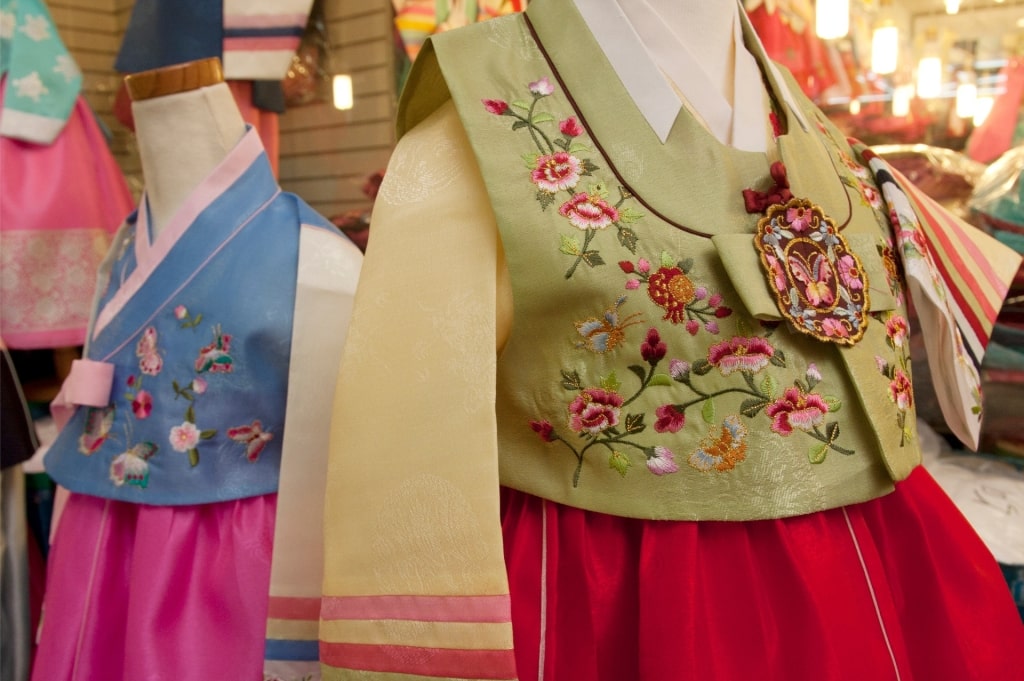
Hanbok
The hanbok, Korea’s most recognizable traditional garment, is renowned for its elegant silhouette and vibrant colors, dating back to the Three Kingdoms period.
A hanbok typically consists of a jeogori jacket and a chima skirt for women, or baji trousers for men, and may be embellished with embroidery and natural dyeing.
Color and fabric have historically been used to indicate status; high-born people wore bright silk, while commoners donned muted cotton, although the restrictions governing who could wear what were loosened over time.
Hanbok is worn today for traditional festivals such as Chuseok and Seollal, weddings, and formal occasions. Designers have also started making modern hanboks that can be worn more comfortably in everyday settings.
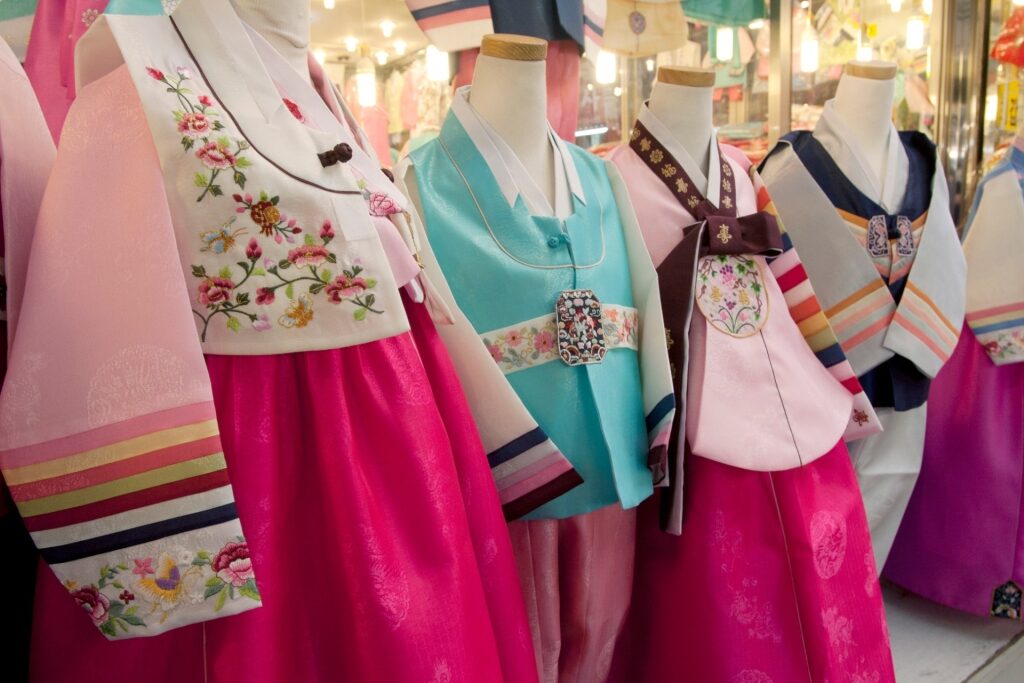
Hanbok
If you want something lightweight and comfortable to wear while traveling, choose a modern hanbok. For a gift or souvenir, consider a more traditional embroidered hanbok.
Insadong and Bukchon Hanok Village are some of the best places in Seoul to buy or rent hanbok. Many hanbok shops, especially the higher-end ones, offer instant fittings and adjustments on pre-made garments.
Fully tailored hanboks typically take several weeks or more to complete, which means you can get them measured while you’re in Korea. However, if you’re moving on, you would likely have to have your hanbok sent to you, which many shops are happy to arrange.
FAQs
Is it worth shopping in Korea?
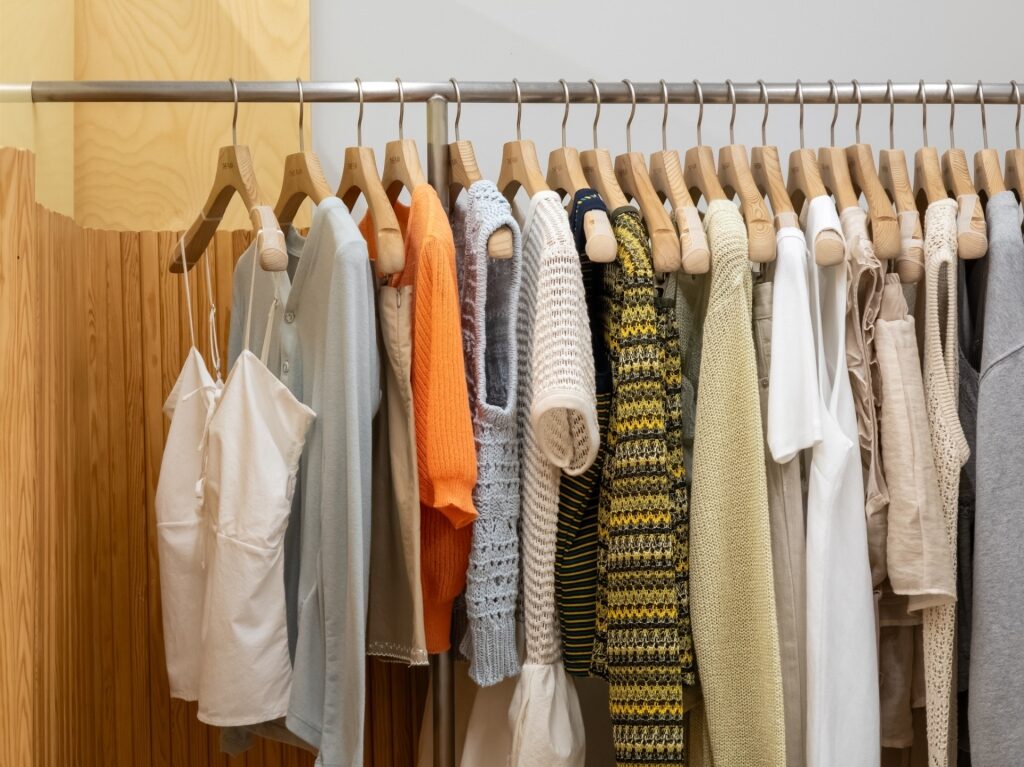
Dongdaemun Market, Seoul
South Korea is a shopper’s dream, combining centuries of craftsmanship with modern design. Whether hitting bustling street markets or elegant boutiques, you’ll come across everything from stylish hanbok fabrics to K-pop collectibles.
What is the best souvenir from Korea?
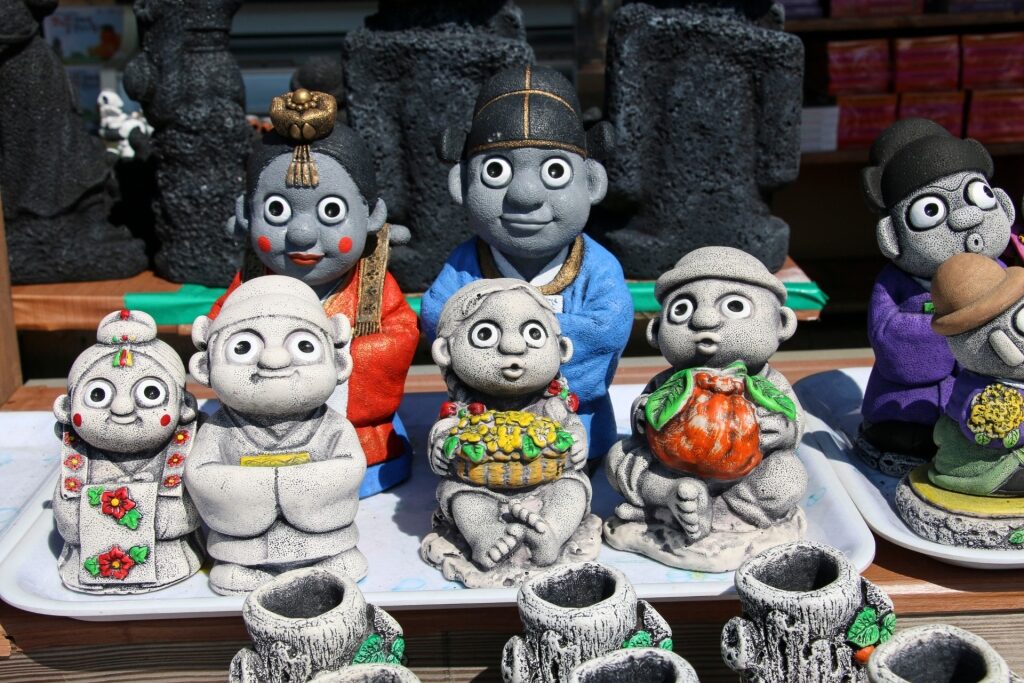
Dol Hareubang figurines
The answer here depends on your own personal tastes. Possibilities range from handcrafted traditional masks to colorful fans, K-beauty products, or Jeju’s volcanic stone art. Each is a unique gift or keepsake that tells a story about your time in Korea.
What food souvenirs is Korea known for?
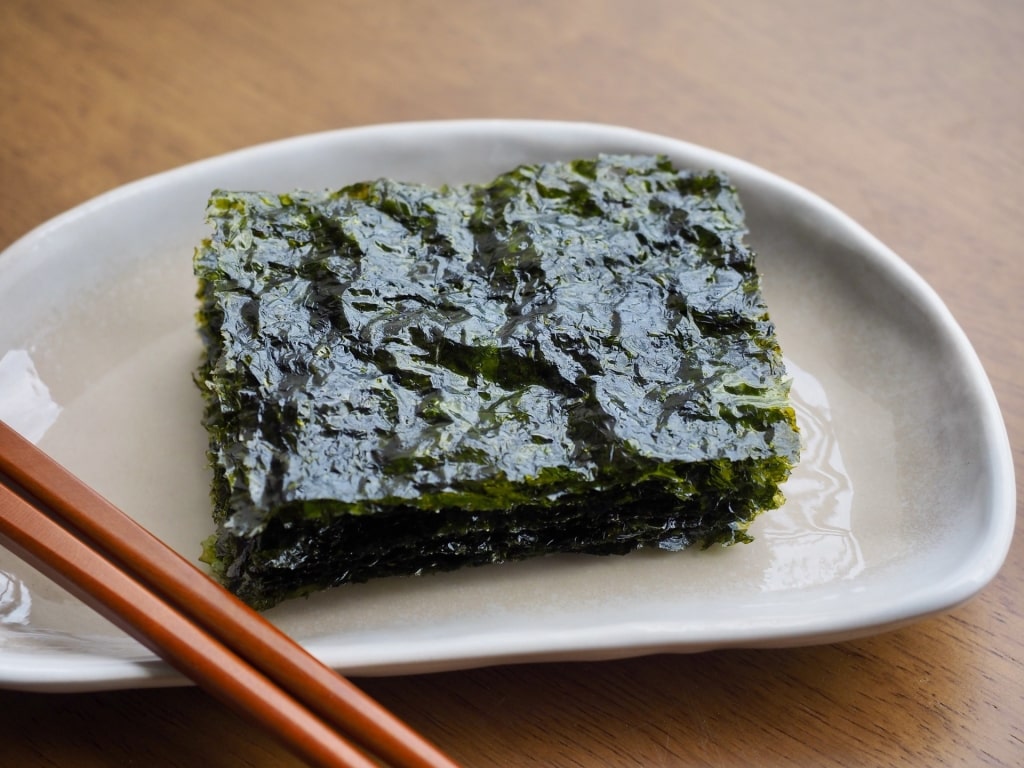
Seasoned seaweed
Ginseng products, Jeju black pork jerky, honey-citron tea, and seasoned seaweed make wonderful gifts. Packaged snacks, such as choco pies and spicy ramen, are also popular choices as they travel well and taste great.
Where can I buy authentic, traditional Korean souvenirs?
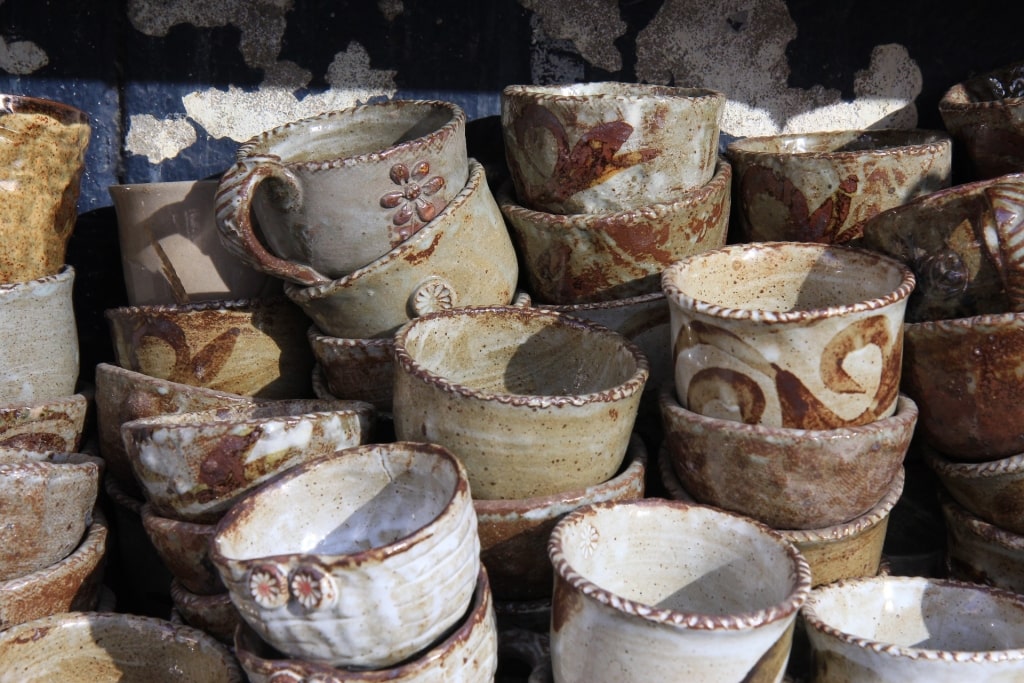
Insadong
Try Insadong and Bukchon in Seoul for crafts and antiques, or Jeju’s local markets for volcanic stone art. For regional specialties, Gukje Market in Busan is also a great place to look for traditional Korean goods.
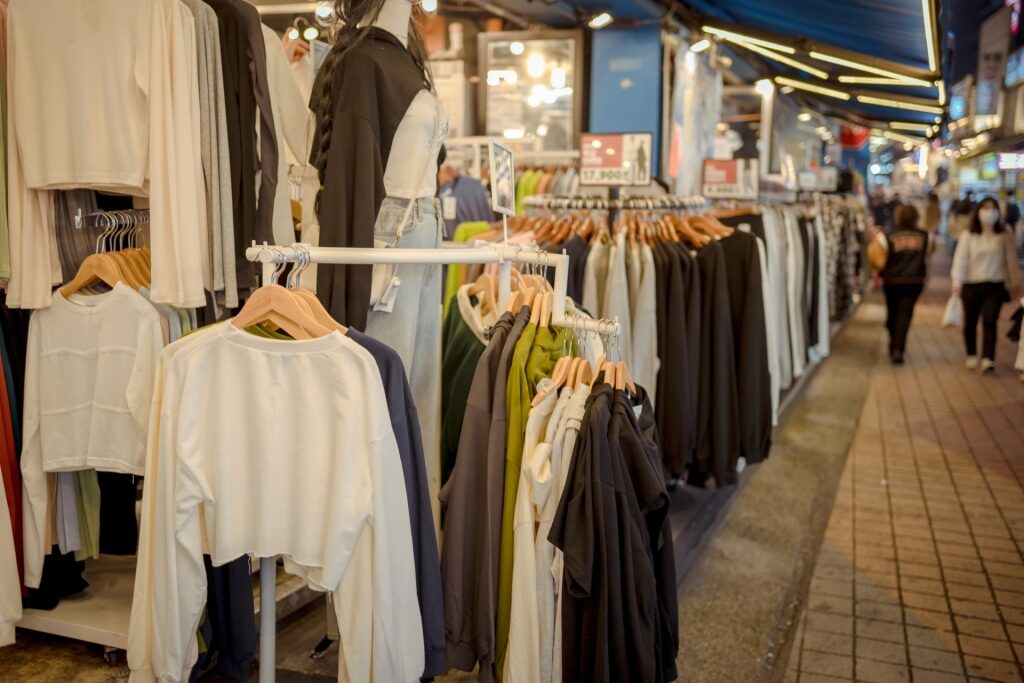
Hongdae
Ready to shop for authentic souvenirs? Browse Celebrity’s cruises to South Korea and book your Asian adventure today.