Okinawan food incorporates the culinary traditions of the Indigenous people of the Amami Islands, along with Chinese, Japanese, and even Southeast Asian elements. Much of this has to do with the complicated history of trade and colonization in these islands. Centuries of cross-cultural pollination have created dishes unique to this region.
Okinawan cuisine is sometimes referred to as Ryukyuan cuisine, as the Ryukyu Kingdom ruled here from the 15th to the 19th century. It draws heavily on the island’s abundant tropical fruits—passion fruits, mangos, and pineapples flourish here. You’ll also find indigenous fruits like shikuwasa, a pleasantly tart citrus, and atemoya, with lush, creamy flesh. Pork is central to the cuisine, and Okinawans proudly use all parts of the pig. Finally, sea vegetables of all kinds add tons of umami and nutrients to dishes.
Here are just a few of the many specialties to try on your trip to Okinawa.
Okinawa Soba
Okinawa soba
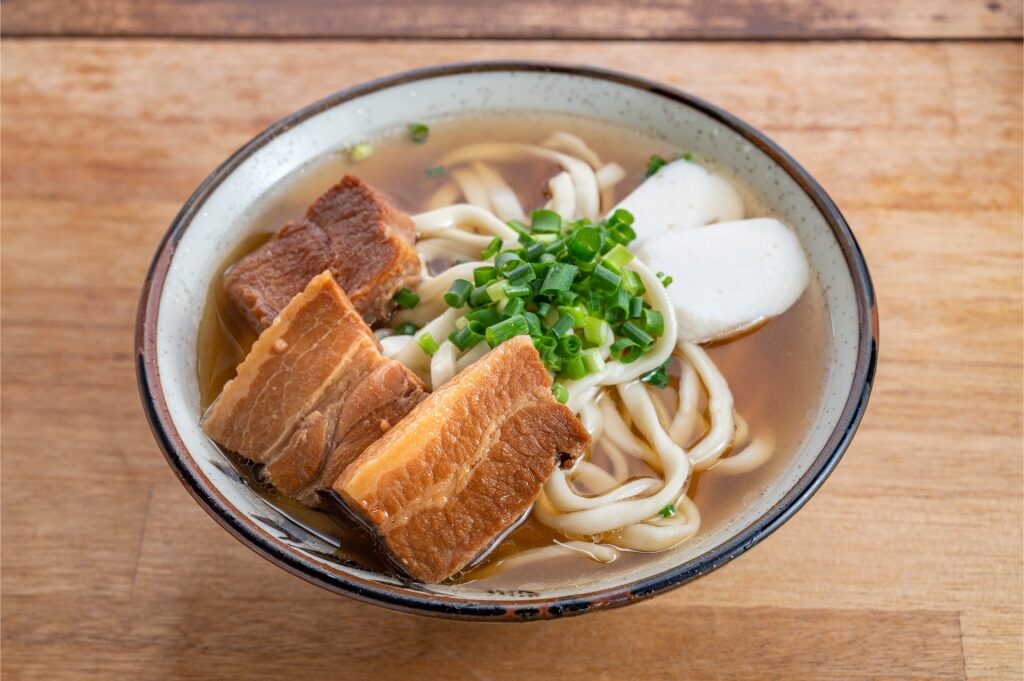
First-time visitors to Okinawa are often surprised when they order a bowl of soba. On the Japanese mainland, the term refers exclusively to noodles made with buckwheat. With its earthy flavor profile and lack of gluten, the flour makes for an especially delicate noodle. Regular soba may be served hot or chilled, but often with restrained seasonings to let the subtle flavor shine.
In contrast, Okinawa soba, made by The Okinawa Noodle Manufacturing Co-op, are thicker, bouncier wheat noodles. They’re generally served in a pork broth enhanced with konbu. Pork ribs, pig trotters, or other cuts of meat may be added as toppings. Fish cakes, pickled ginger, and sometimes a hit of chile round out the flavors.
Rafute
Rafute
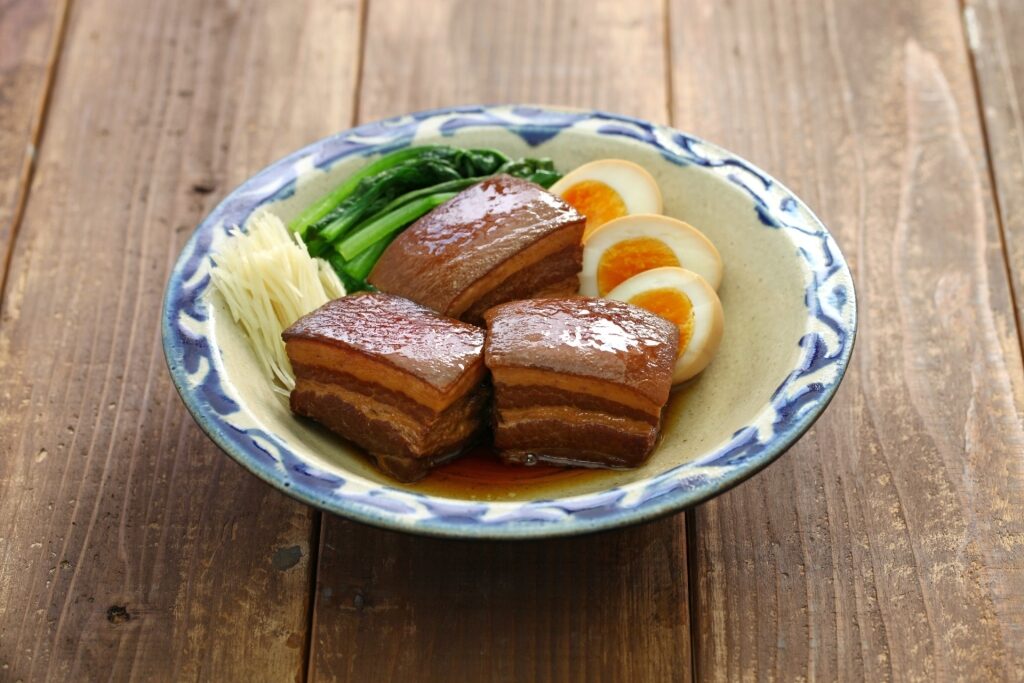
Long ago, this indulgent dish was reserved for Okinawan royalty. Rafute is a close cousin of the Chinese dish dongpo rou, or red-cooked pork belly. Although thought to have originated in Hubei province, this sumptuous braise is now often associated with the Chinese city of Hangzhou. It’s also similar to kakuni, a soy-braised pork belly on the Japanese mainland.
To make rafute, cooks gently simmer skin-on pork belly for hours in a mixture of soy sauce, mirin, dashi, and sugar. A splash of Awamori, a rice-based spirit from Okinawa, adds a distinctive touch. The result is sweet, rich, and intensely savory.
SPAM Musubi
SPAM musubi
In the wake of the Second World War, the United States established a serious naval presence on Okinawa. Along with all those troops came an influx of SPAM, the canned pork product originally created for the American military.
Initially, it was something of a scarce food product on the island. Supplies were limited, and locals weren’t in a position to turn down cheap protein.
SPAM eventually fell out of favor on the mainland of the United States, yet it remains popular in the Philippines, Okinawa, Guam, and Hawaii. Today, it’s enjoyed by choice rather than out of necessity. For travelers wary of the concept of canned meat, rest assured that the texture and flavor change drastically after a quick stint in a hot pan or wok.
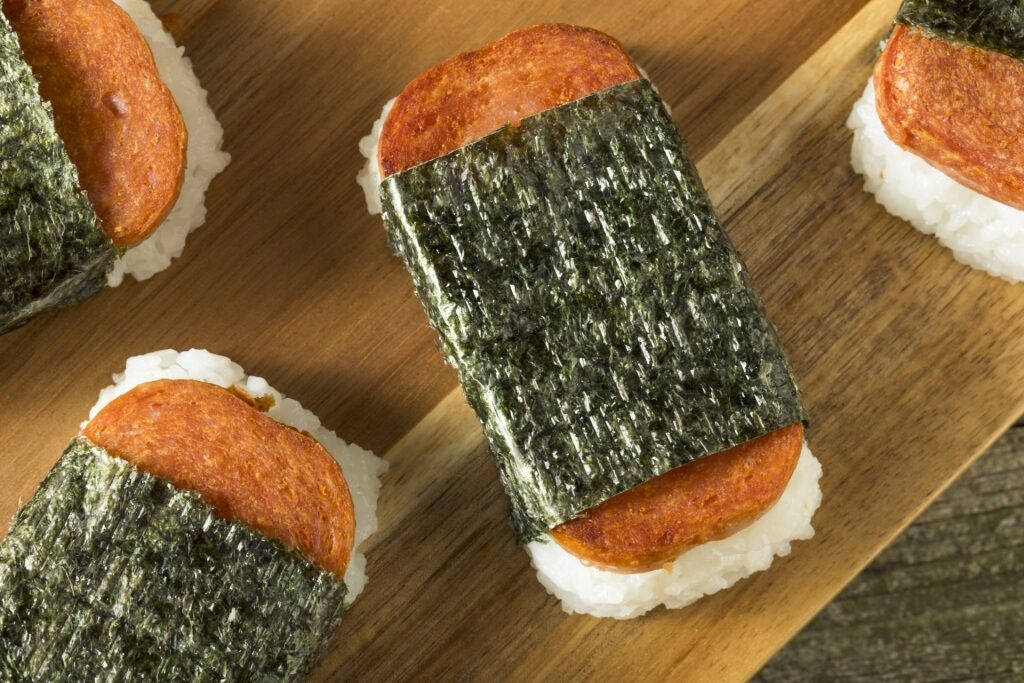
One of the most popular ways to eat it here is SPAM musubi, which is also a staple in Hawaii. Picture nigiri, but with a seared, glazed strip of SPAM where fish might otherwise be. A strip of nori in the center wraps it up neatly.
Gōyā Chanpurū
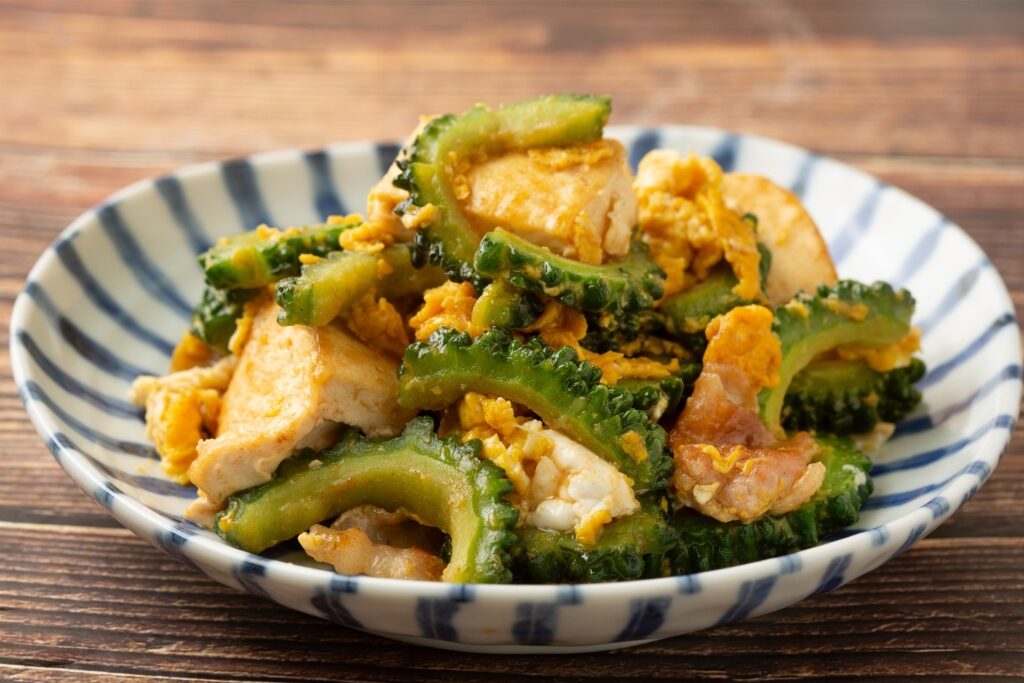
Gōyā Chanpurū
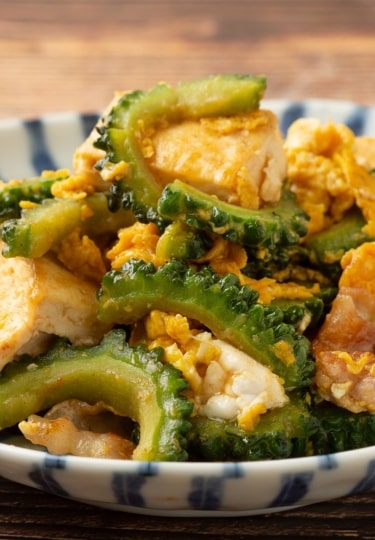
Chanpurū, thought to have originated from the Indonesian and Malay word campur, essentially means a mix of different things. It’s a fitting moniker for this stir-fry, which is a mix of ingredients and a blend of cultures. This dish has notes of Japanese, Chinese, Southeast Asian, and American cuisine, while at the same time being its own entity.
There are many variations, but gōyā chanpurū, made with bitter melon, is arguably the classic. It consists of scrambled egg, tofu, and SPAM or other sliced pork. Beansprouts are sometimes in the mix.
Taco Rice
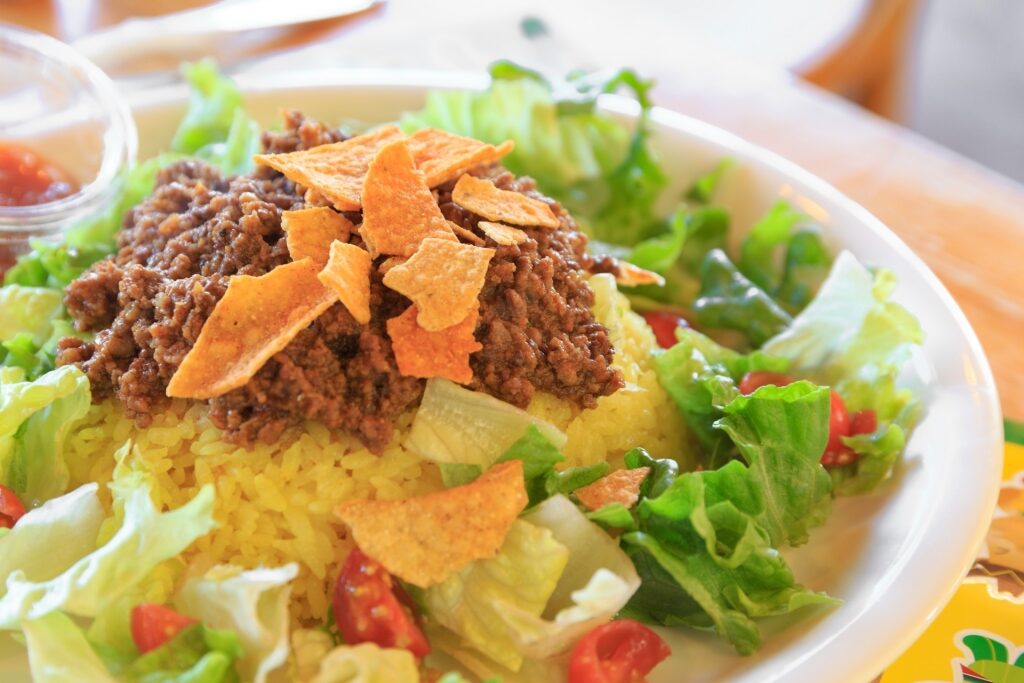
Taco rice
This seemingly unlikely old-school fusion food incorporates elements of American Tex-Mex food. Takoraisu, or “taco rice,” was invented in the 1980s in the town of Kin, a stone’s throw from a U.S. military base. Matsuzo Gibo, the late chef of King Tacos, noticed naval troops eating hard-shell tacos and decided to put his own spin on the dish. He spooned the ground beef filling on top of white rice, and an instant classic was born.
Much like Tex-Mex tacos, takoraisu gets garnished with shredded iceberg lettuce, shredded cheese, and diced tomatoes. There’s a splash of soy sauce in there for good measure.
Umibudo
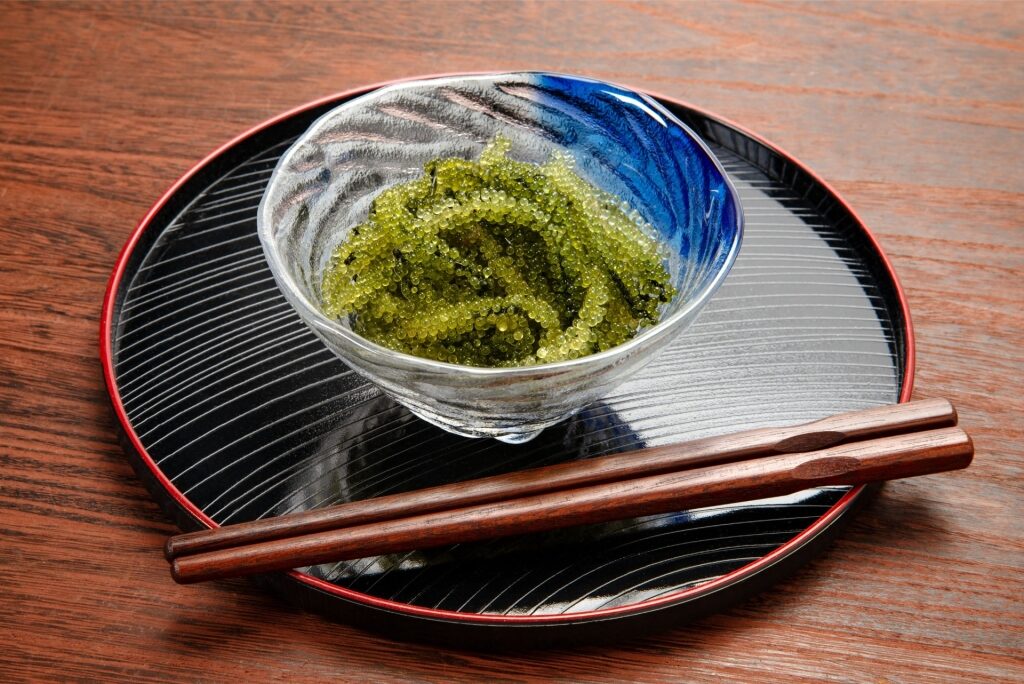
Umibudo
For centuries, Okinawans have taken full advantage of the nutritious sea vegetables growing in their waters. Umibudo, or “sea grapes,” look like clusters of tiny, jade-colored beads. They’re sometimes referred to as “green caviar,” since they pop in your mouth much like sturgeon roe.
Although umibudo was once foraged from the ocean, these days, it’s mostly sustainably farmed on Okinawa. It’s delicious raw and makes for a striking garnish on chirashi, or rice bowls, sushi, sashimi, and anywhere else chefs choose to use it. As a bonus, sea grapes are also highly nutritious.
Mimiga
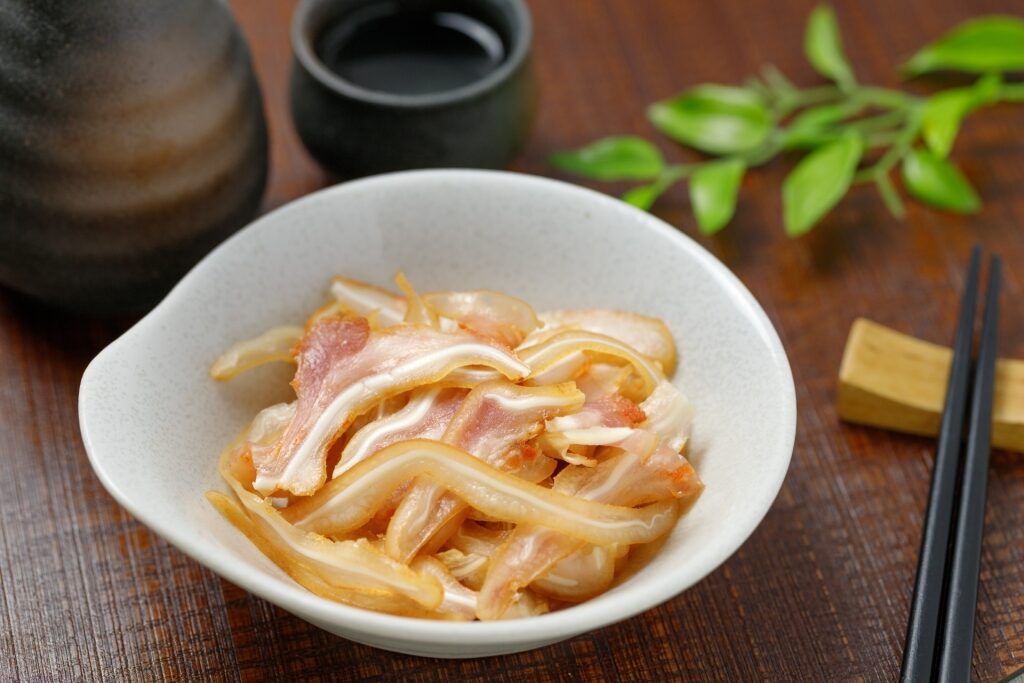
Mimiga
Okinawans have a serious love of pork and, historically, a savvy aversion to food waste. Both come through in this dish of thinly sliced pig’s ears. The slivered meat is steamed or boiled until tender, but with a bit of crunch left.
Mimiga is an ideal drinking snack, best served with an ice-cold Orion Beer at an izakaya. It’s often tossed with seasoned vinegar, peanut sauce, or ponzu. It can be part of a larger spread of small bites, although it can also stand alone.
Tebichi
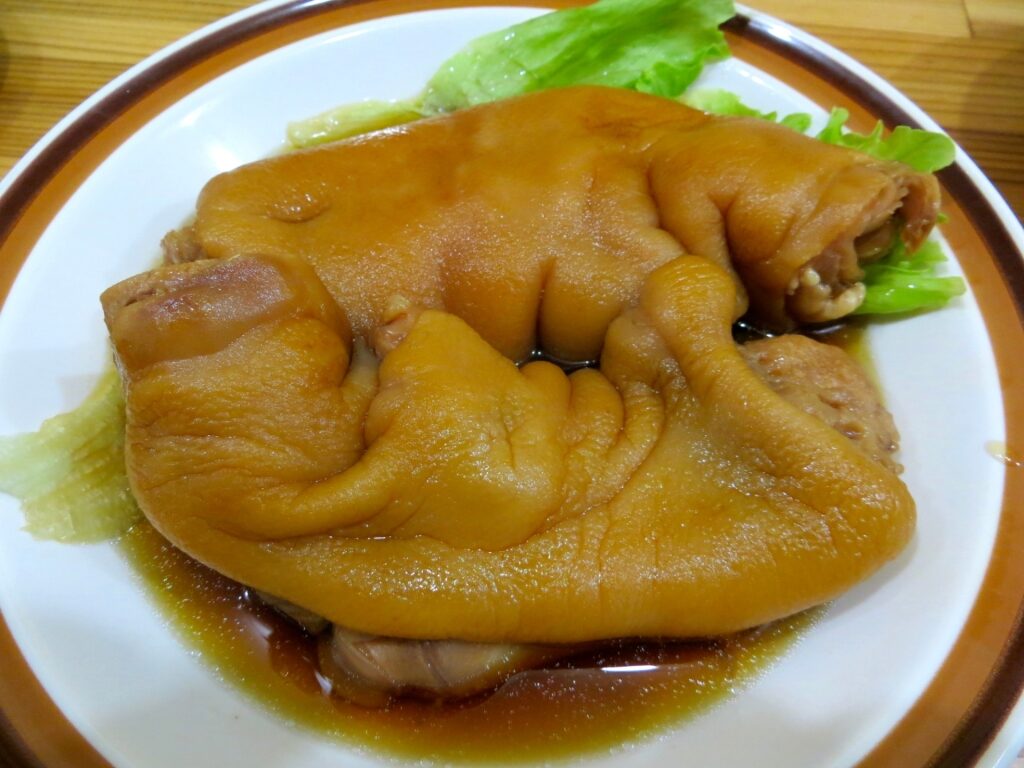
Tebichi
Think of this classic Okinawan comfort food as the ultimate skincare supplement. Tebichi, or pig trotters, are absolutely jam-packed with collagen. They’re also completely delicious, thanks to hours of simmering that breaks down all of that tough connective tissue. Soy sauce, brown sugar, mirin, and dashi make for an aromatic broth for braising.
By the time it’s ready, you can pick the meat from the bones using nothing more than chopsticks. It’s often served on top of Okinawa soba, although it can just as easily be eaten by itself or over rice.
Tofu-yo
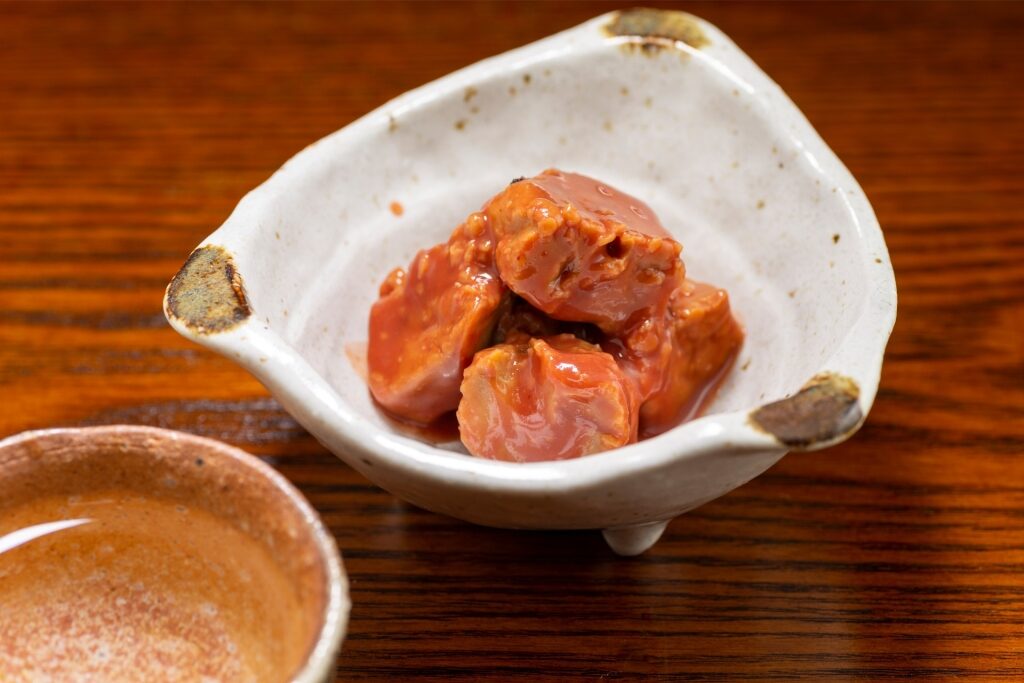
Tofu-yo
Okinawans have some of the longest average lifespans of any population on the planet. There are various theories as to why, but scientists all agree that diet is a big factor here. Tofu-yo, a traditional type of fermented tofu, is just one of Okinawa’s healthy specialties.
Tofu has a reputation for having a neutral flavor—naysayers would describe it as bland—but that’s hardly the case with Okinawan-style tofu. Tofu-yo is made by allowing shima-dofu to ferment with Awamori, red yeast, and rice malt until wonderfully creamy and a little pungent. The final product typically has a handsome red hue and a flavor akin to an aged cheese. Because the flavor is on the stronger side, it’s usually thinly sliced or served in small portions.
Okinawan Tempura
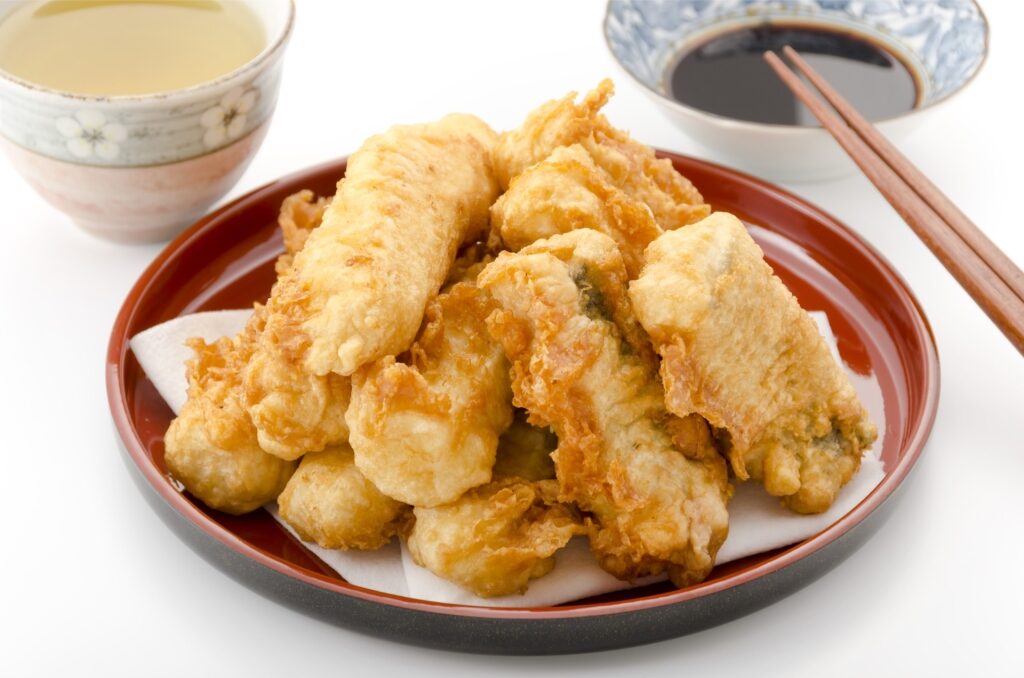
Okinawan tempura
Japan really elevates fried foods to the level of art. There are whole restaurants dedicated to tempura, some of which offer tasting menus composed entirely of battered dishes. The cooking style harkens back to the Edo Period. Portuguese merchants, who brought with them a fondness for fried seafood, introduced the basic techniques.
Tempura hits different in Okinawa, where the preference is for a thicker batter. While tempura on the Japanese mainland is often ethereal, these fritters have a bit more substance. The batter tends to have plenty of eggs for added richness. Seaweed or beni imo—sweet potatoes—are popular fritter options here.
Read: Expert Tips for Traveling to Japan
Beni Imo
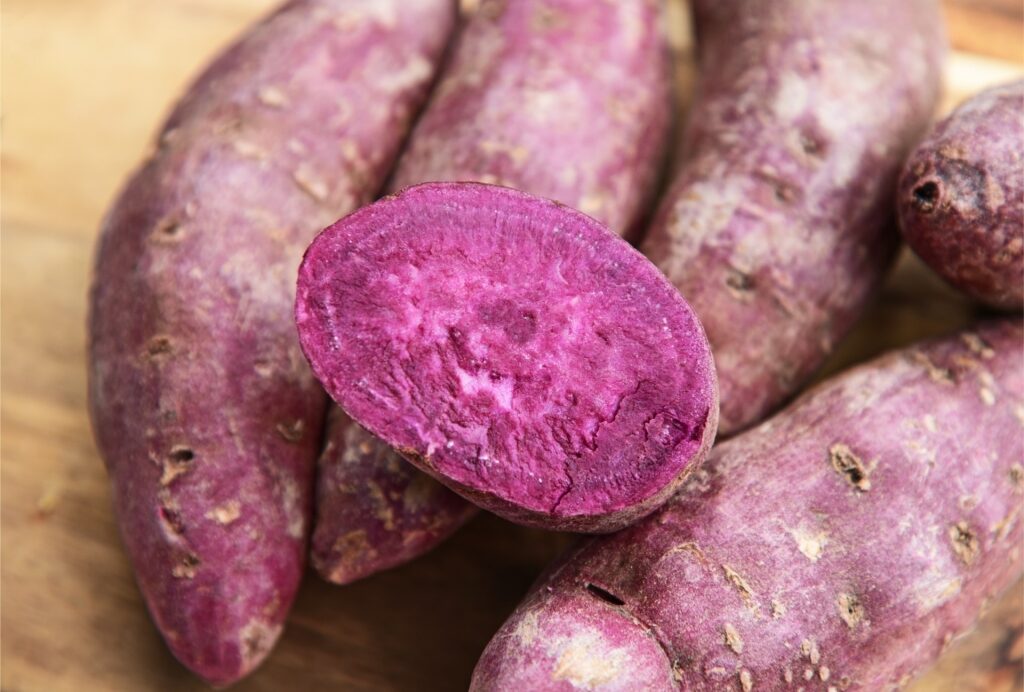
Beni Imo
These striking purple sweet potatoes are a bedrock of Okinawan cuisine. Curiously, beni imo are botanically very different from the tubers known as sweet potatoes in the West. Unlike American sweet potatoes, which are often marketed as “yams,” these are actually yams. To make things more confusing, they’re also not the same as satsuma imo, the purple-skinned, yellow-fleshed vegetables often sold abroad as “Japanese sweet potatoes.”
What sets beni imo apart is their dazzling hue, which only intensifies when they’re steamed or roasted. They’re delicious in all sorts of preparations—and good for you, too. Like blueberries, they owe their color to the powerful antioxidant anthocyanin.
FAQs
Is Okinawa a good food destination?
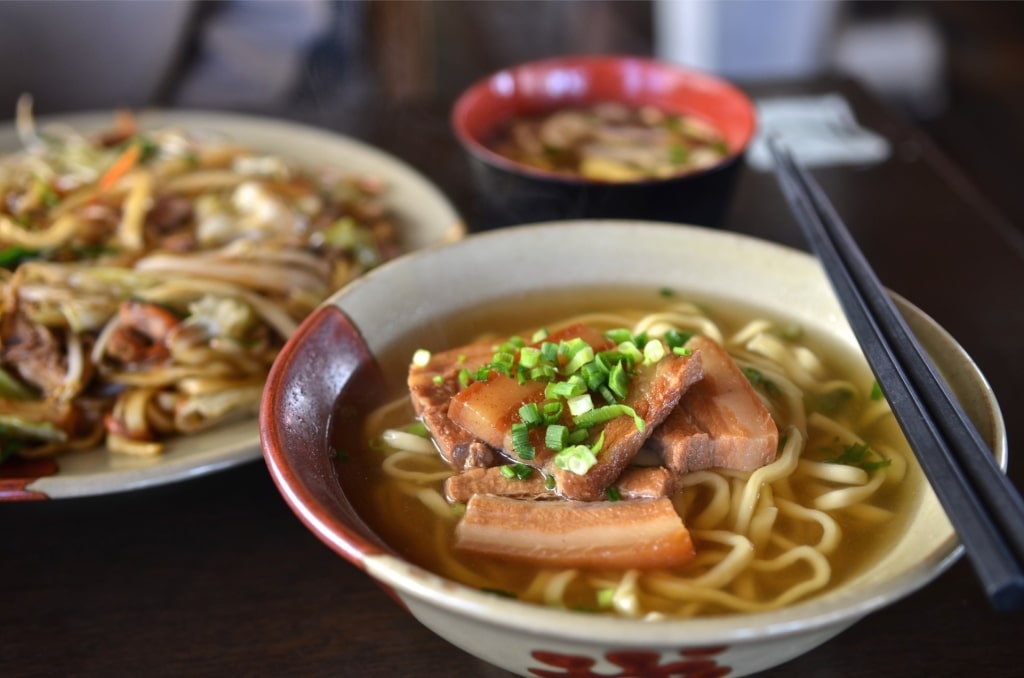
Okinawan soba
Yes! Part of what makes Okinawa so special is that it has a cuisine unlike anywhere else in the world. Geographically, Okinawa is closer to Taiwan—another island that has been colonized by both Japan and China—than it is to mainland Japan. And much like parts of Taiwan, it has a tropical climate. Seaweed, sweet potatoes, and taro all feature prominently in local recipes.
Since the end of World War II, the United States has long held a significant military presence in Okinawa. As a result, American food has also been a prominent influence here. Hamburgers, or hambagu, are particularly popular. Here, they’re often served the Japanese way: bunless, with a sweet-salty dipping sauce and pickles on the side.
What dish is Okinawa most famous for?
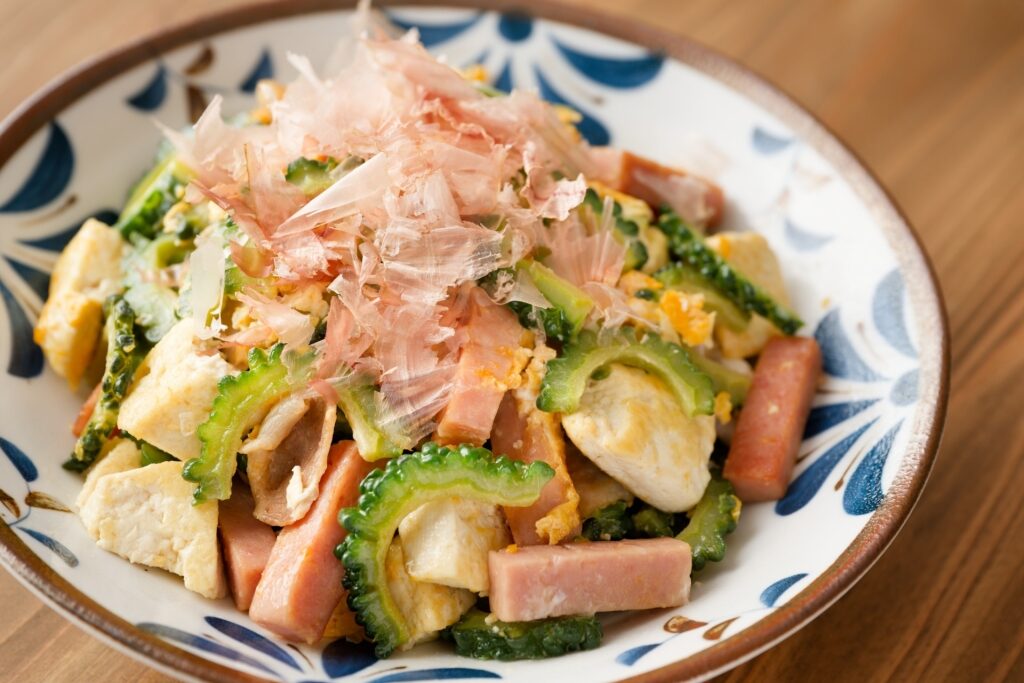
Gōyā Chanpurū
Arguably, Okinawa’s most famous staple is gōyā chanpurū, or bitter melon stir-fried with tofu, eggs, and either SPAM or another form of pork. This unpretentious dish encapsulates many essential elements of Okinawan cuisine. It’s a cultural mish-mash of Chinese, Japanese, American, and Southeast Asian elements found nowhere else.
What time does dinner typically start in Okinawa?
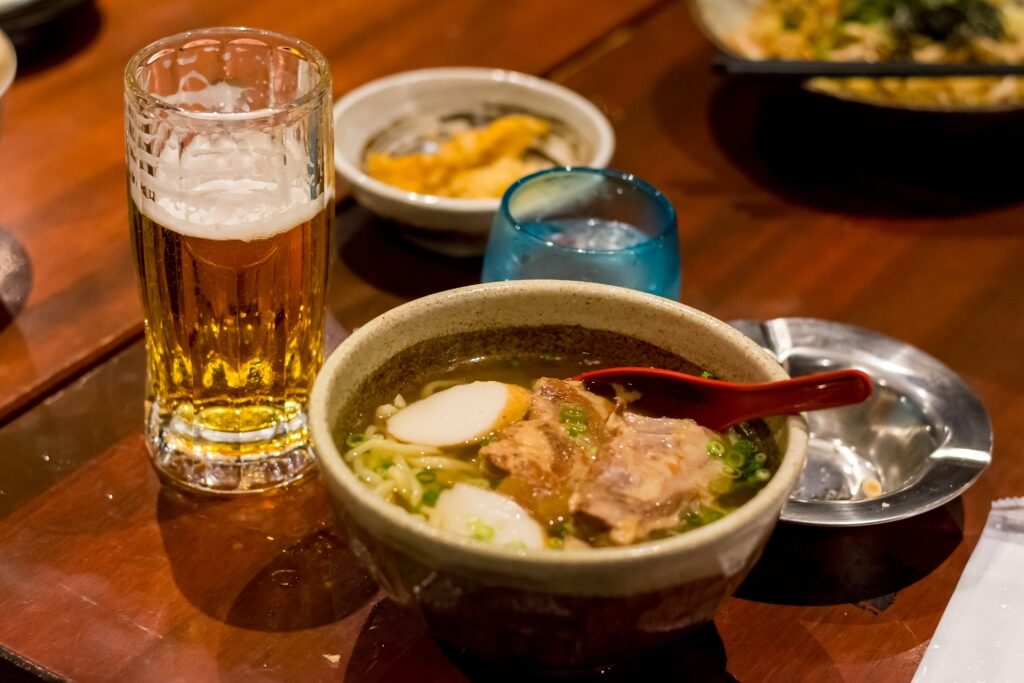
Restaurant in Okinawa
Dinner is usually around 6 p.m. or 7 p.m. in Okinawa. Unlike Tokyo, where late-night food is part of the Japanese food culture, restaurants here tend to close on the earlier side. If you’re planning on dining after 9 p.m., double-check to make sure the place will be open.
Are there any food customs I should know about?
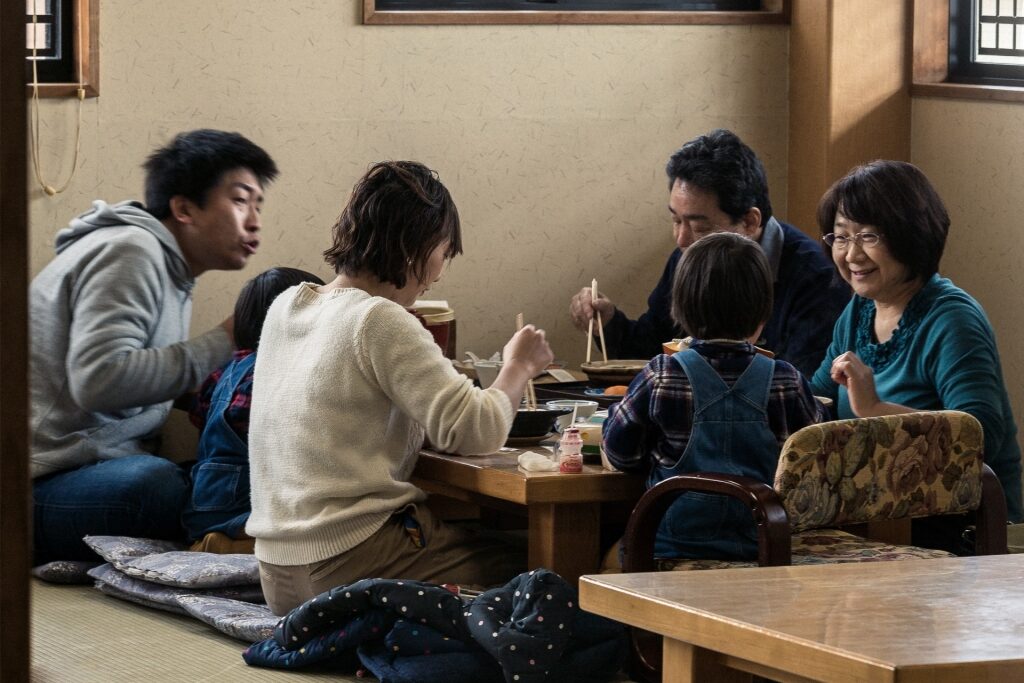
Restaurant in Japan
Dining etiquette in Okinawa is more or less the same as it is in the rest of Japan. Note that if you’re visiting a restaurant with tatami mats, you’ll be asked to remove your shoes. Be sure you’re wearing cute, clean socks, since people will see them.
In general, wait until everyone is served to eat and drink. If you’re dining from communal dishes, take a small amount of food using the end of your chopsticks that have not been in your mouth. Place the food on your personal plate or bowl before eating. Remember that you can always go back for more. It’s polite to clean your own plate, but not to take so much that your dining companions feel short-changed.
When eating, raise your small bowl closer to your mouth to minimize the risk of droppage. If you’re eating noodle soup, feel free to lean a bit closer to the bowl. Slurping noodles is both encouraged and highly enjoyable.
Avoid pointing your chopsticks at anyone or leaving them standing upright in your rice bowl, which is thought to resemble incense sticks at a funeral. When you’re not using them, and at the end of the meal, place them gently on the chopstick holder.
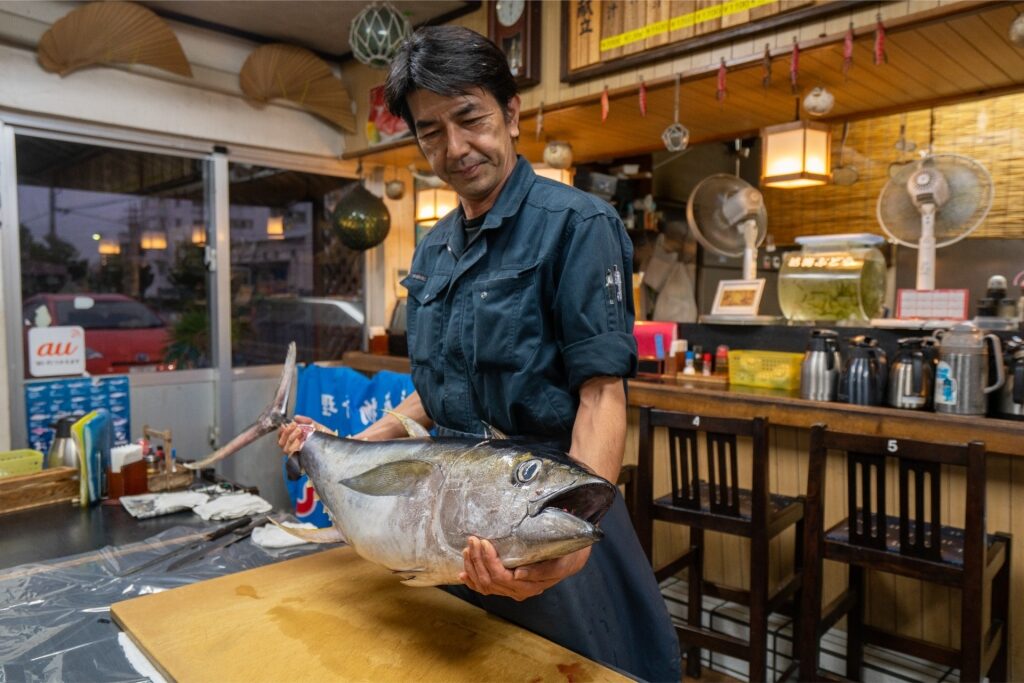
Restaurant in Naha
Embark on your own culinary exploration of these remarkable islands. Browse Celebrity’s upcoming cruises to Japan and book your next voyage today.