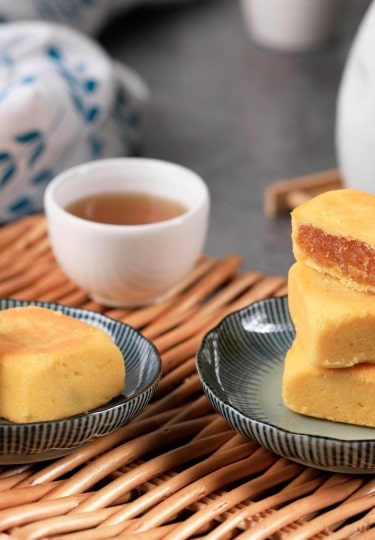
Taiwan souvenirs are a reflection of an island that combines the electric metropolitan energy of Taipei, stunning snow-capped mountain ranges, laid-back tropical beach towns with palm-lined avenues, and one of the world’s most celebrated street food cultures.
If you’re wondering what to buy in Taiwan to bring a morsel of the island home, here’s a list of covetable items that will fit right in your suitcase and delight friends and family back home.
Pineapple Cakes
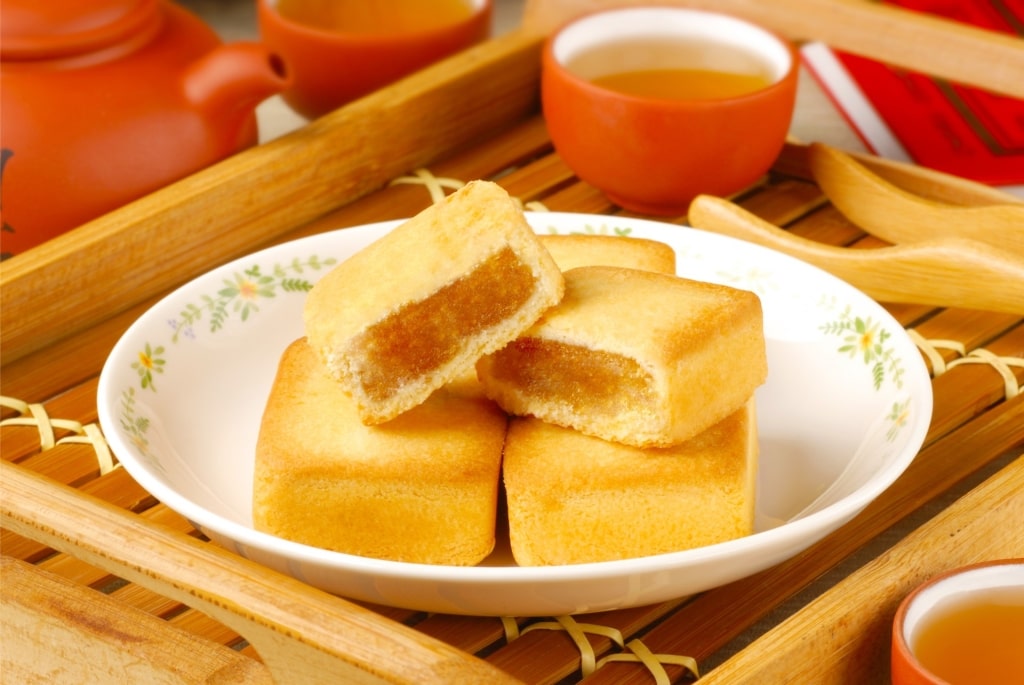
Pineapple Cakes
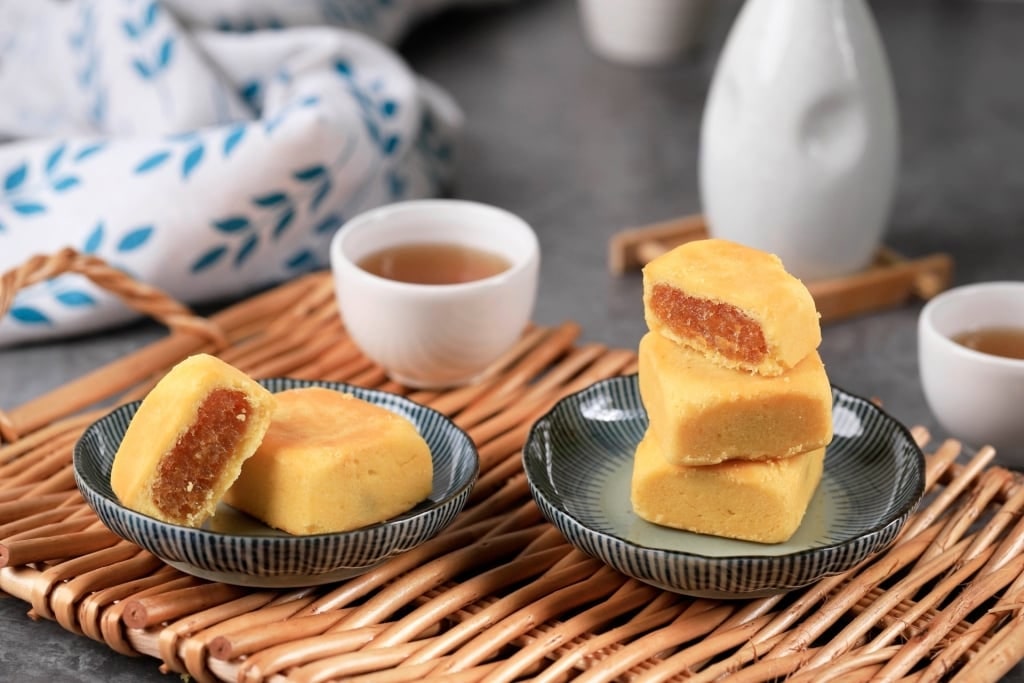
These small, buttery pastries filled with dense pineapple jam are indisputably the most emblematic Taiwanese sweet and one of the best Taiwan souvenirs to bring home. In the Hokkien language, “pineapple” sounds very close to “prosperity forthcoming,” and pineapple cakes are a common gift given at weddings or simply for well-wishing among the Taiwanese.
The origin of pineapple cakes traces back to the 1500s, when the South American fruit was imported to the island of Taiwan by Portuguese merchants. Pineapple cultivation and export became a pillar of Taiwan’s agricultural economy, and surplus fruit was used by local bakeries. Thus, the pineapple cake was born.
The most famous maker of pineapple cakes is Chia Te Bakery in Taipei, where you’ll see long lines out the door waiting to buy the award-winning pastry. LeeChi is a century-old bakery that also sells excellent pineapple cakes known for their extra-buttery crust and fresh fruit taste.
Tea
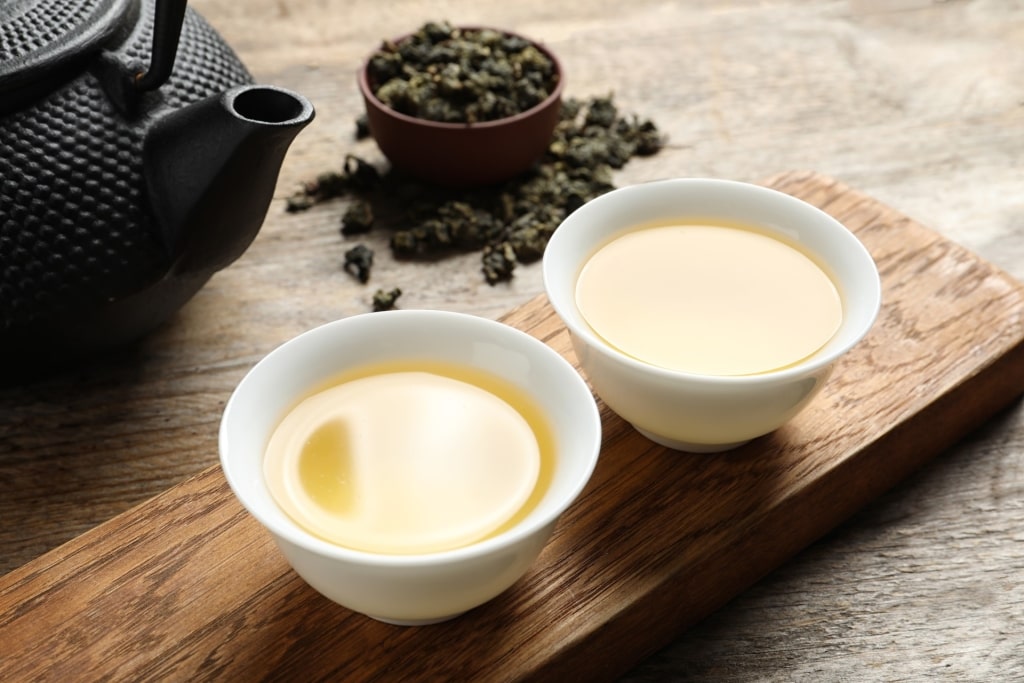
Tie Guan Yin
Taiwan is home to verdant tea plantations nestled at high altitudes in its mountainous regions, hence the designation “high mountain” to label many of the island’s best teas. High mountain oolong is recognized as Taiwan’s finest tea, with its slight oxidation and floral, woody taste.
Another famous Taiwanese tea is Jin Xuan, or “milky” oolong, a hybrid creation of Taiwan’s tea cultivators that is deceptively pale gold in color, but incredibly buttery and creamy in taste. Also look for the toasty Iron Goddess, or “tie guan yin,” the nutty Dong Ding tea, or teas from the famed Alishan region. If you’re looking to splurge, Dayuling is a rare tea grown and harvested in small batches in remote and high-elevation mountains.
Mochi
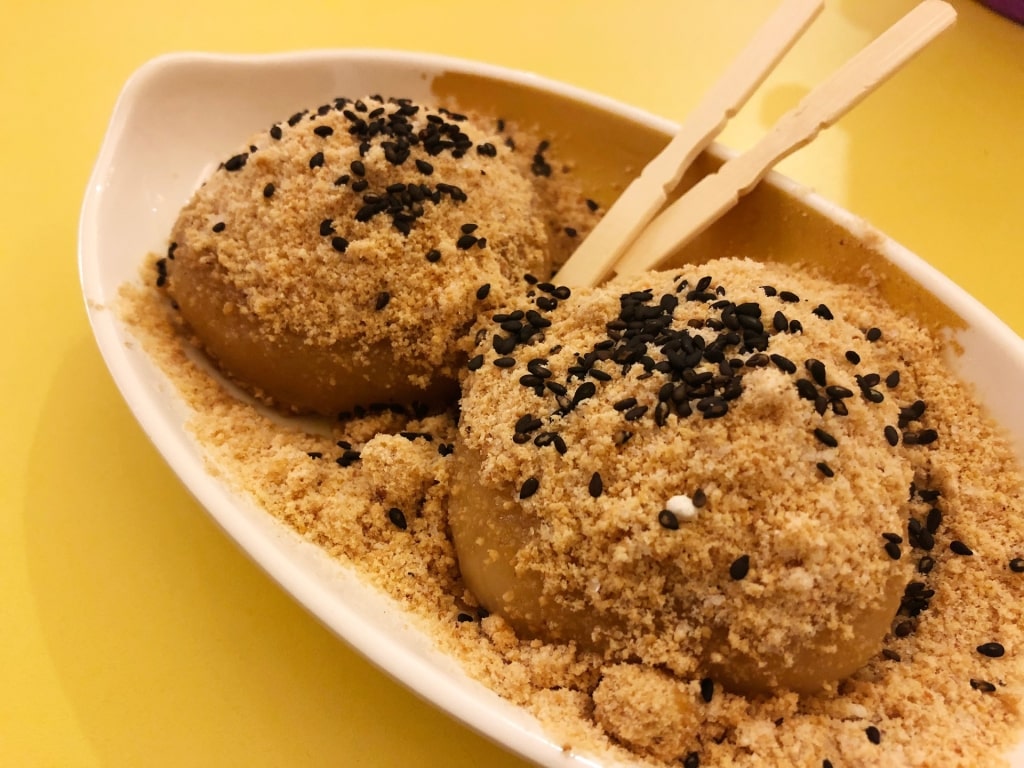
Mochi
When you think of mochi, you might picture the pre-packaged mochi ice cream that often follows a meal at a Japanese restaurant. But the glutinous rice flour makes snacks of many forms, and in Taiwan, it is a delectable and often room-temperature snack baked into mochi bread and mochi cakes.
The sticky dough is made from glutinous rice flour and filled with sweet pastes that can range from red bean to sesame to taro and more. The soft rice cakes, made fresh at market stalls, are then rolled in a coating of ground sesame or ground peanuts.
Sun Cakes
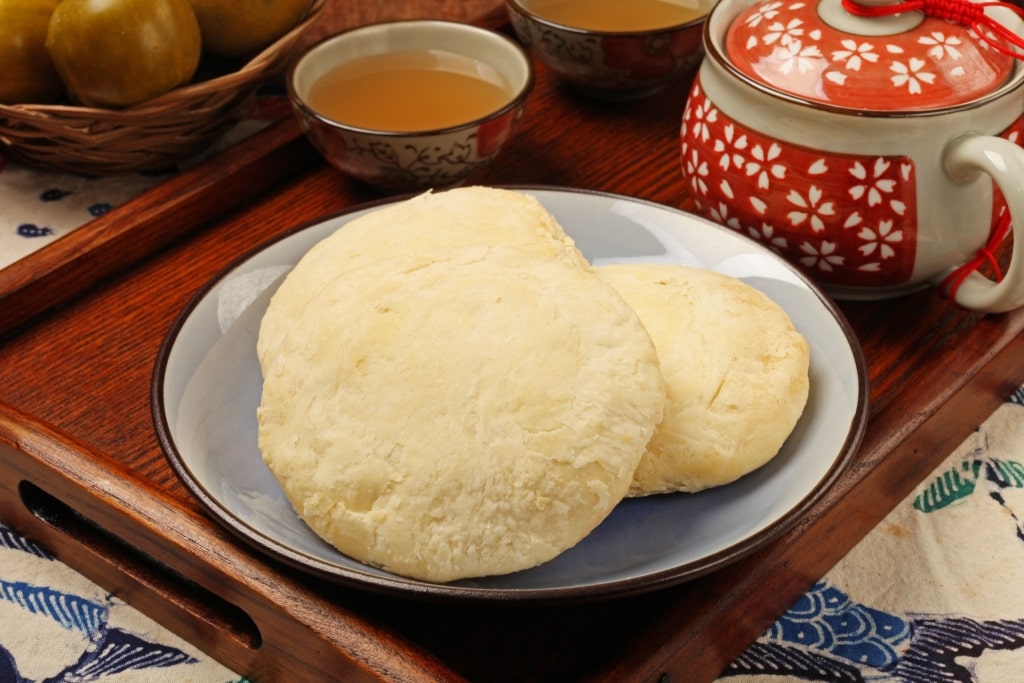
Sun cakes
Sun cakes, also known as tai yang bing, are round, lightly sweet pastries with a buttery, flaky crust and a filling called maltose, a gelatinous, sticky paste made from malt.
Sun cakes were born in Taichung City in Taiwan, and trace their history as far back as the Qing dynasty. If you want to enjoy these pastries Taichung style, dip them in a glass of warm almond milk as a breakfast treat.
The undisputed king of sun cakes is Ruyi Sunny Cake, which has storefronts in Taipei, Kaohsiung, and Taichung. The bakery has won the top title in the national sun cake competition for many years in a row. Besides sun cakes with traditional fillings, Ruyi also sells a version that incorporates rose, giving the filling an attractive light pink hue and subtle floral taste.
Dried Fruits
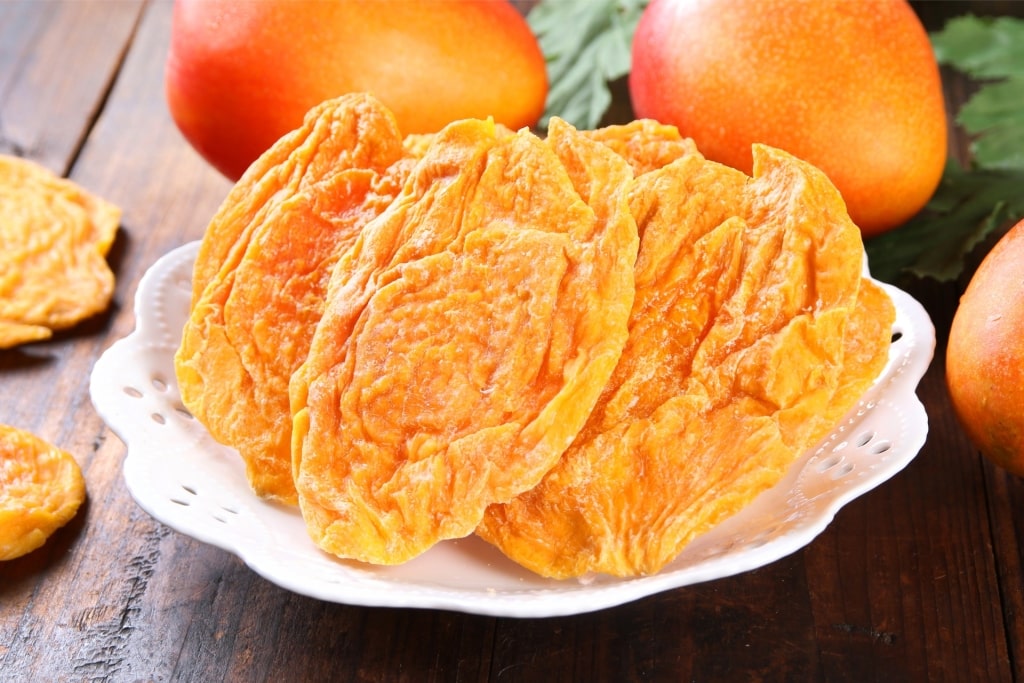
Dried mangoes
Did you know Taiwan is one of the world’s top producers of guava and other tropical fruits such as mango and pineapple? The island’s subtropical and tropical climate and fertile plains make it an agricultural powerhouse, and government regulations encouraging export mean that Taiwanese dried fruit snacks are a quality souvenir to bring home.
Pick up some dried Aiwen mangoes, prized for their delicate sweetness, or opt for dried green mangoes if you prefer a tart flavor. Sliced wax apples are also an excellent choice, but if unexpected flavors are what you’re going for, look no further than salted plums. Taipei locals swear by Dihua Street as the best place to stock up on a dizzying selection of dried and candied fruits.
Read: What to Eat in Taipei
Taiwanese Nougat
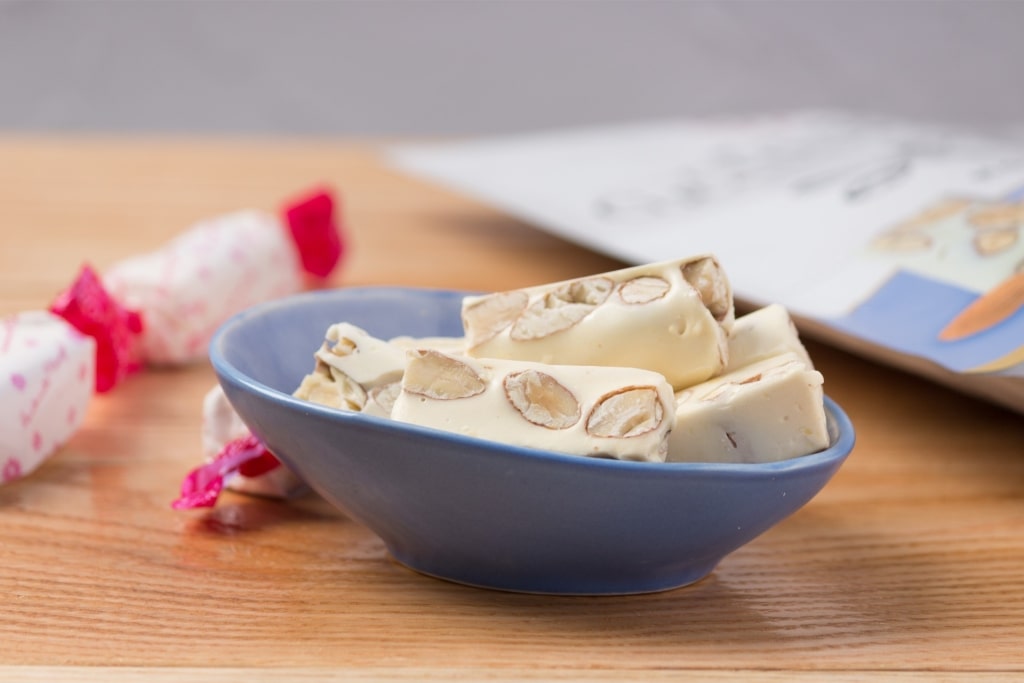
Taiwanese nougat
Unlike the overwhelming sweetness of Italian nougat, milkiness is the dominant flavor you’ll find in Taiwanese nougat, a candy made from powdered milk, butter, sugar, and peanuts. Adaptations from here are endless: you’ll find Taiwanese nougat in mango flavor, matcha, red bean, and whichever ingredient strikes the confectioner’s fancy.
Bubble Tea Kits
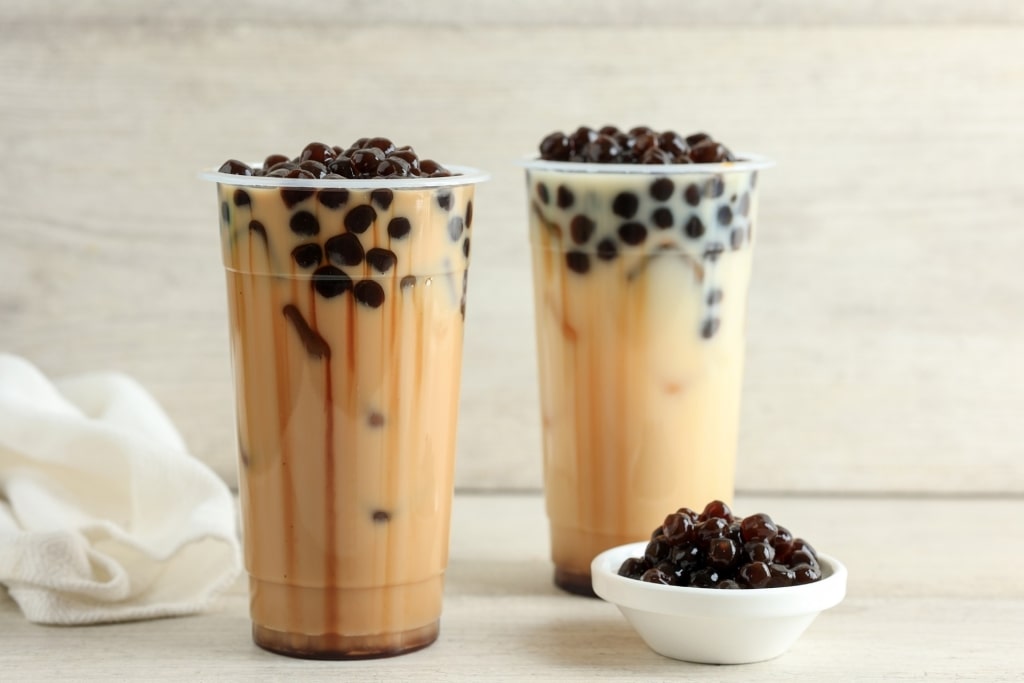
Bubble tea
You have probably heard of boba, or bubble tea, as the sweeping craze that’s taken over many a downtown storefront worldwide. Did you know it was born in Taiwan in the 1980s, at Chun Shui Tang in Taichung, under the name “pearl milk tea?” The milky tea, often sweet and elaborately flavored, earned its name from the tapioca balls dotting the cup’s bottom, chewy treats that the drinker vacuums up through extra-fat straws.
Today, at a boba shop, the LED-lit menus will display a seemingly endless combination of flavors: taro, matcha, brown sugar, and lychee. You will also be asked to select a percentage of preferred sweetness, ice content, and sometimes the density of tapioca pearls.
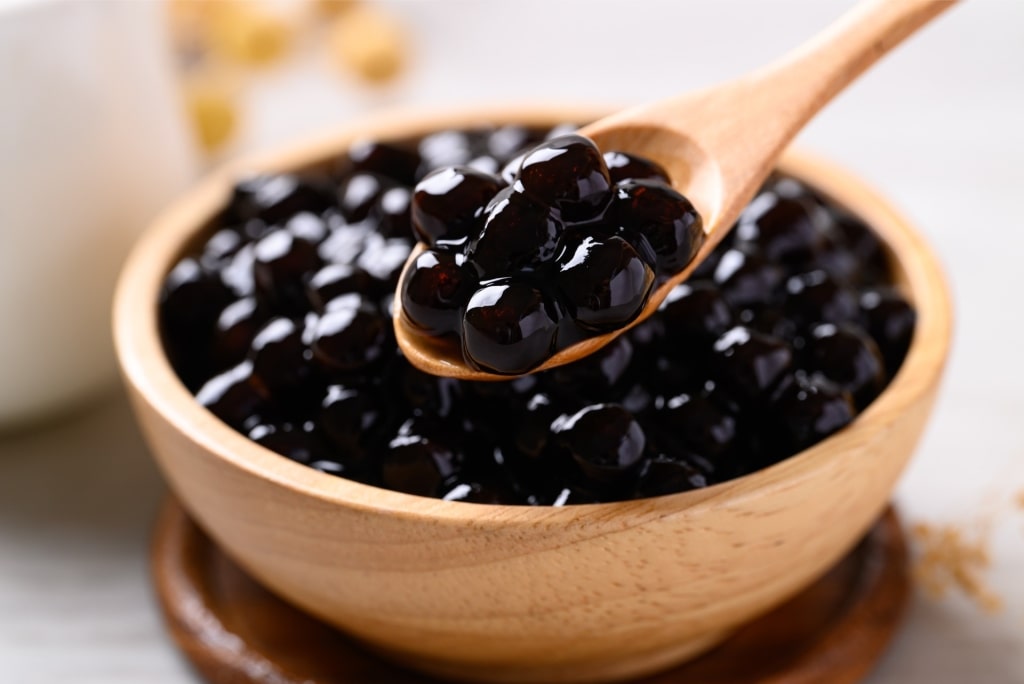
Tapioca pearls
While it won’t be possible to bring a cup of fresh Taiwanese boba on the plane, a bubble tea kit is an excellent present that will be sure to please boba fans back home, young and old. Instant milk tea powder becomes boba when mixed with hot water and a tapioca pearl packet, and you’ll find yourself teleported to a Taiwanese street fair right from your own kitchen.
These kits can be found in supermarkets all over Taipei, including at Mia C’bon Supermarket in the Taipei 101 shopping mall.
Read: Best Things to Do in Taipei
Ceramics
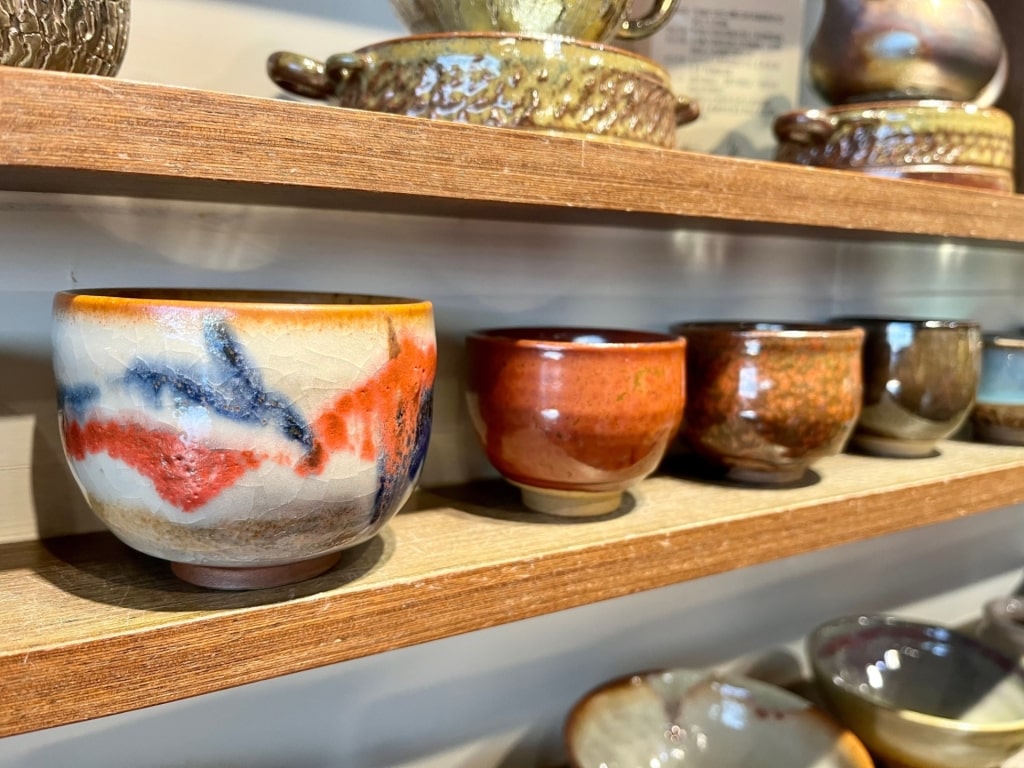
Ceramics
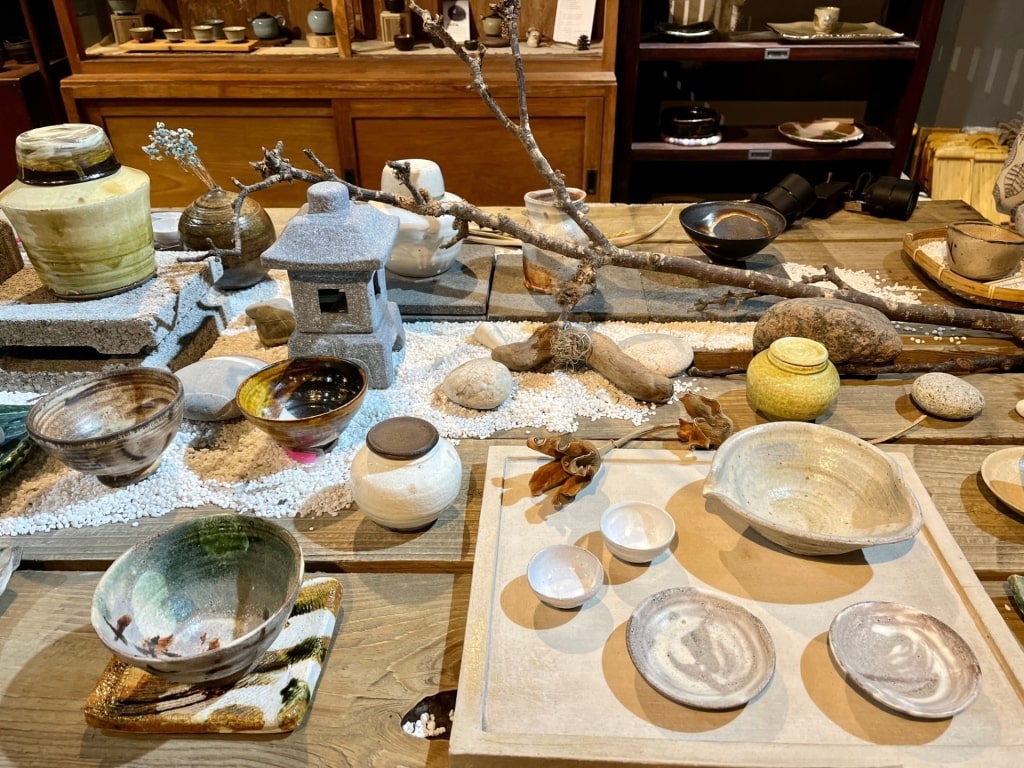
Just 15 miles southwest of Taipei is the town of Yingge, renowned as the island’s ceramic capital and home to the Yingge Ceramics Museum. Here, you can learn about the history of pottery in Taiwan, tracing its roots back to indigenous practices preceding Han presence, and then stroll along the many small shops run by artisans along Yingge’s Old Street, lined with palm trees.
For ornamental pottery often depicting colorful folk art-style dragons, animals, and temple scenes, consider Jiaozhi pottery, also known as Koji or Cochin. For a more functional investment in high-quality tableware, look for Tatung ceramics, made at a historic factory known for exporting its understated white porcelain chinaware.
Jade
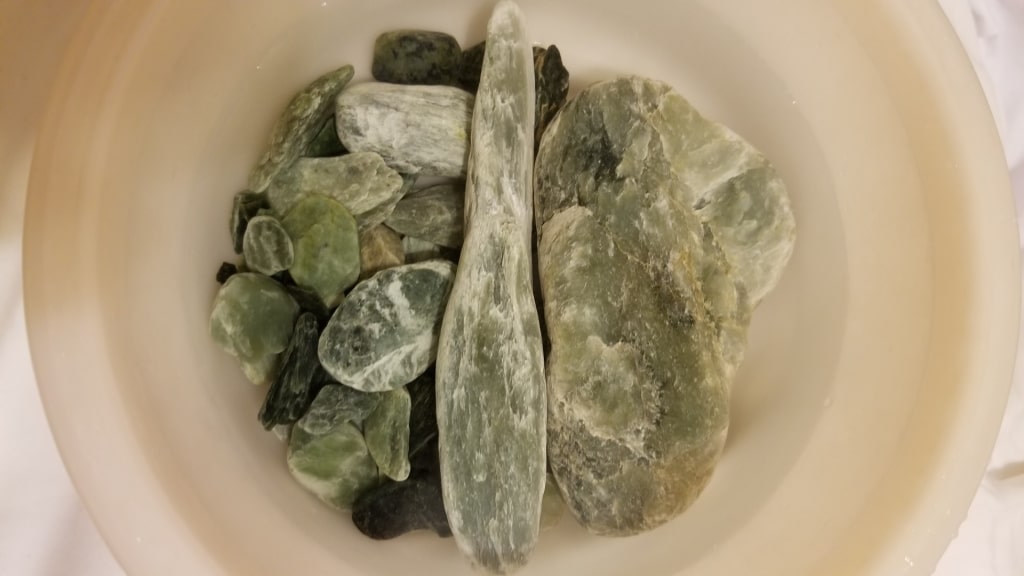
Taiwan jade
Abundant deposits of jade were discovered in eastern Taiwan’s Hualien County in the 1930s, transforming the Asian island into the world’s top producer of soft jade, also known as Taiwan Jade or Taiwan green jade. The nephrite consists primarily of the minerals tremolite and actinolite, with rare variants known as “cat’s eye” for their iridescence and “dragon vein” for their streaked patterns.
Craftsmen turn Taiwan jade into jewelry such as pendants, necklaces, bangles, and rings, as well as ornaments like vases, statues, and incense burners. The Jianguo Jade Market in Taipei is a colorful fair beneath an overpass that doubles as a flower market.
You’ll need a discerning eye to ensure the authenticity of the jade you buy. If in doubt, you could always head to a jewelry store, where jade is sold with certificates. The Jianguo market is where locals and rock collectors like to make their purchases, chatting with vendors about the minerals’ origins as they amble between the stalls.
Taiwanese Liquor
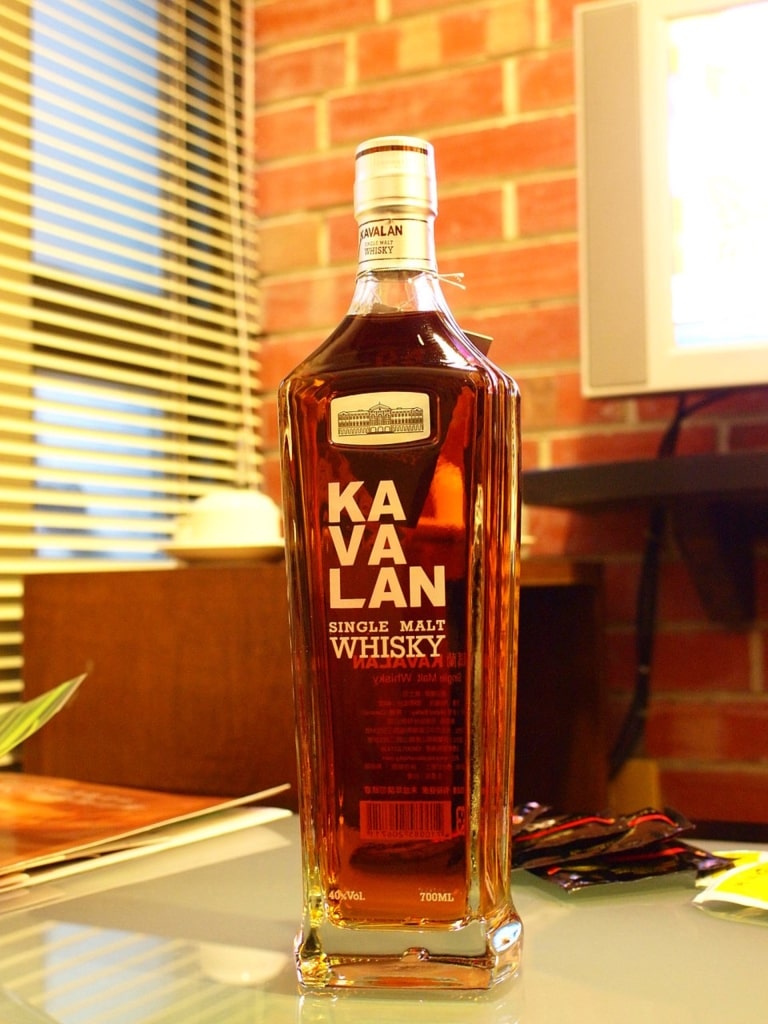
Kavalan Photo by othree on Wikimedia Commons, licensed under CC BY 2.0
The liquor most emblematic of Taiwan is Kaoliang, a clear spirit made from fermented sorghum and an alcohol content hovering around 116 proof. Top brands like Kinmen are often the go-to served at official functions and banquets, and are best enjoyed straight at room temperature, letting the spirit’s pure and delicately sweet flavor profile bloom.
For whiskey connoisseurs, Kavalan is a must-try and one of Taiwan’s finest beverages to bring home. The single malt whiskey is made from the meltwaters of Snow Mountain in Yilan County, and celebrated for its complexity, honeyed smoothness, and notes of stone fruit, mango, vanilla, and baked spice.
Named for the indigenous people of the region, this whiskey has consistently been winning top awards at world whiskey competitions, beating out renowned heritage brands from Ireland and Scotland.
Sky Lanterns
Sky lantern
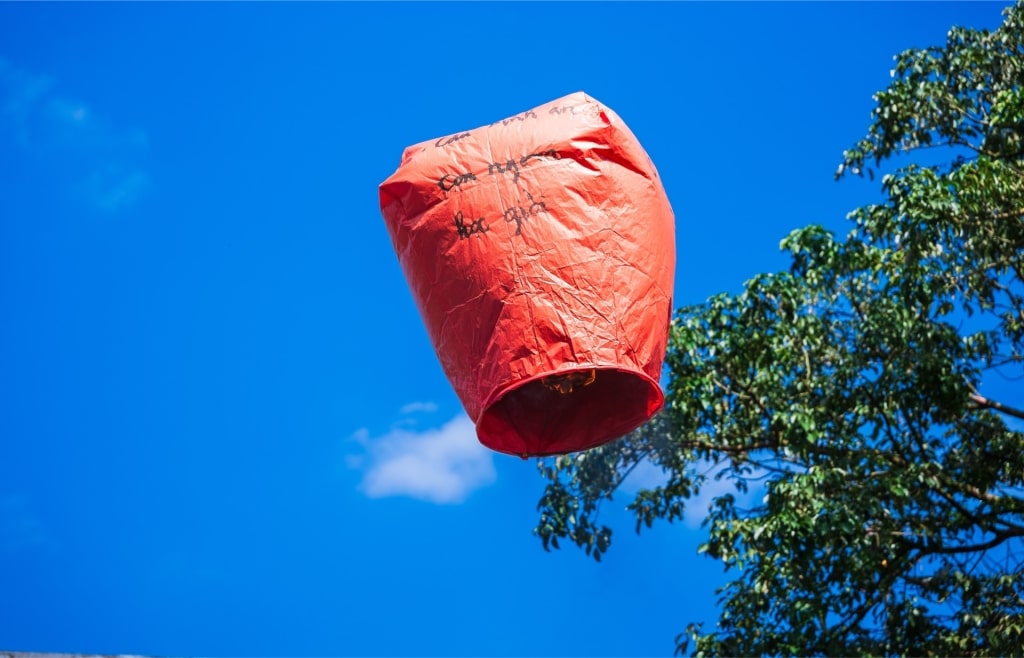
Imagine a night sky filled with softly glowing paper lanterns, carrying wishes and prayers towards the celestial realms. This is the sight visitors flock to see at the annual Pingxi lantern festival in Taiwan, hosted for several days around Chinese New Year.
The tradition originated in the mining town of Shifen, where frequent bandit raids drove villagers to hide out in the nearby mountains. Glowing sky lanterns were released to signal that danger had passed and villagers were safe to come home. Over time, the custom spread in less precarious conditions and evolved to feature handwritten messages and prayers written on the lanterns.
Skincare Products
While Korean beauty and skincare products have taken the world by storm and are ubiquitous in Taiwan, the island’s own domestic beauty brands have built ardent followings as well. Sheet masks are an immensely popular item for visitors to bring home, with brands like My Beauty Diary and Annie’s Way recognized for their hydrating properties and soothing ingredients like seaweed and black pearl.
Naruko face cream is another cult favorite Taiwanese skincare product known for its lightness and similarity to SK-II, while incorporating traditional ingredients from Chinese medicine like rice lees. It’s known to tighten and brighten skin—and to smell heavenly.
Calligraphy Sets
Calligraphy set
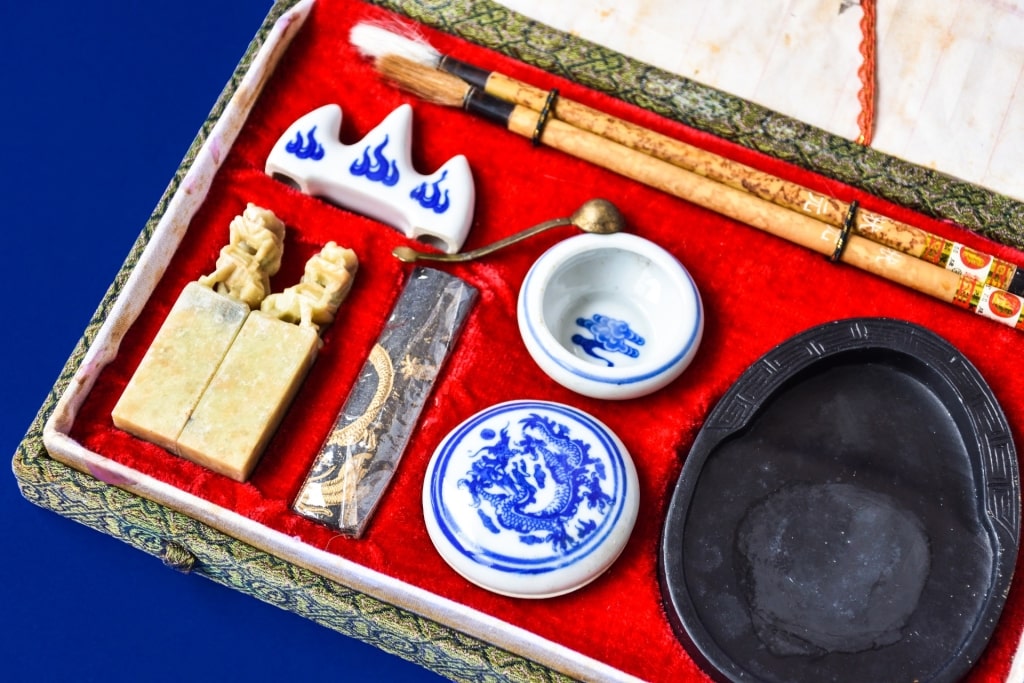
Walking around Taiwan, you may admire the beauty of Chinese characters on historic store signs or panels adorning temple doors. The artistry that nurtures calligraphy is an ancient and refined tradition, with strokes and characters painted gesturally to evoke movement and dynamism with the brush, or with precise, rounded control to conjure harmony.
Even for those who do not speak or write Chinese, learning the art of calligraphy is a soothing practice that enhances one’s appreciation for the elegance of symbols and scripts.
Calligraphy is fundamentally about texture and materiality. The thickness of the brush, the softness and dampness of its bristles, the unctuosity of the ink, and the pressure and absorbency determine the weight of each stroke on paper. When in Taiwan, why not test out the feeling and quality of brush, ink, and paper for yourself—and purchase a set to continue your practice at home?
“Gaji” Shopping Bags
Gaji bags
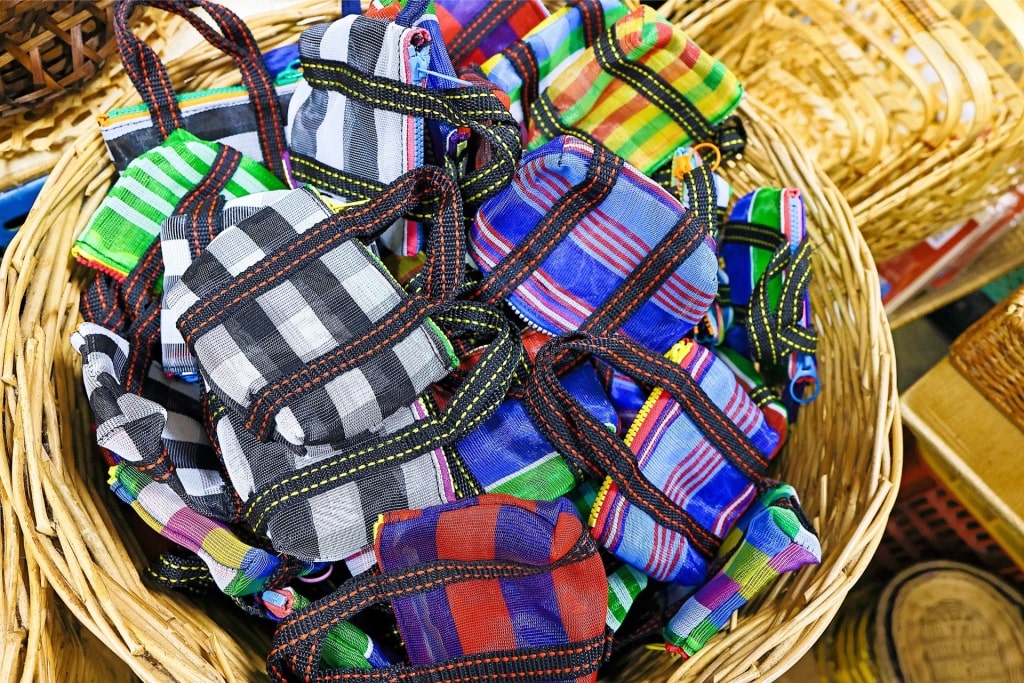
Want to be at the forefront of Taiwan’s most enduring fashion trend, in which the vintage and homely have become symbols of cool? Cue the Gaji bag. Also known as the “grandma bag,” this functional tote bag is instantly recognizable thanks to its blue, green, and red stripes and parallel handles.
Originally manufactured by Tainan’s rice farmers from a local plant that grew abundantly in marshes, the Gaji bags are now made with sturdy nylon and exploded in popularity in the 2000s thanks to both a documentary and celebrities adopting the item as a fashion statement.
Today, they’re a favorite Taiwan souvenir among visitors looking to bring a piece of folkloric and wholly authentic Taiwanese style home. You’ll find them on Dihua Street, at street markets, and souvenir shops offering modern variations on the iconic stripes.
Souvenir Shopping in Taiwan FAQs
What are the best souvenirs to buy in Taiwan?
Pineapple cakes
Pineapple cakes, sun cakes, and tea. These items are lightweight, well-sealed, and beautifully packaged to travel as gifts. Taiwan is celebrated as a food and snack culture, so they are also emblematic. Some teas are quite precious and rare, which is perfect for a more valuable souvenir.
Where can I buy authentic souvenirs?
Shop on Dihua Street
Dihua Street in Taipei is a shopping area beloved by locals as well as visitors. You’ll find century-old heritage shops, Qing Dynasty and modernist architecture, temples, boutiques, and markets galore.
What food souvenirs is Taiwan famous for?
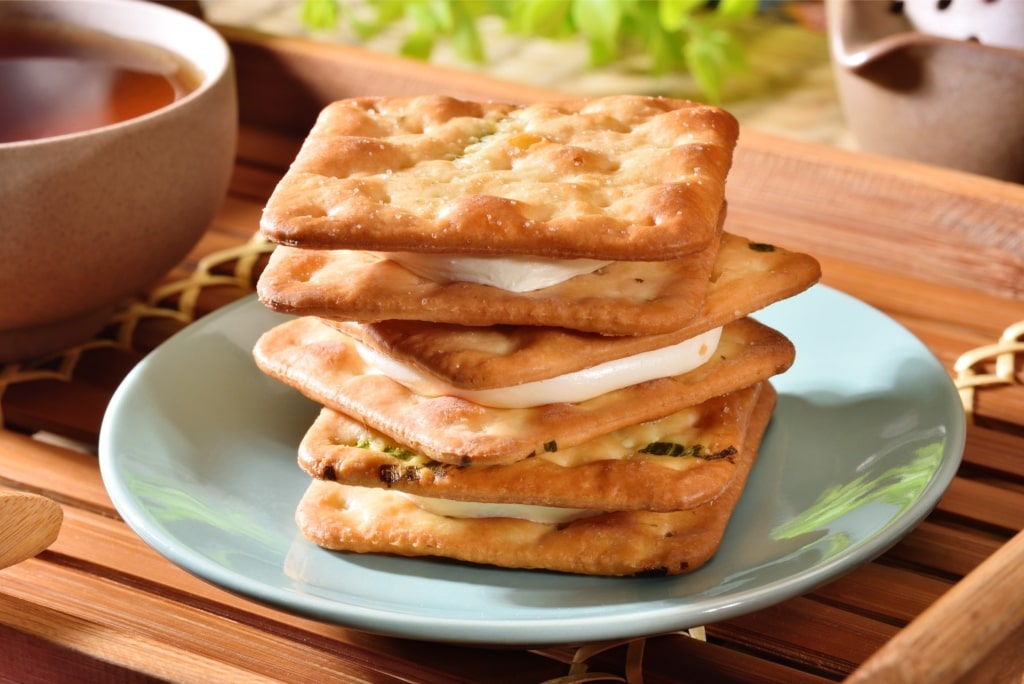
Taiwanese nougat crackers
Besides the classic pineapple and sun cakes, you can opt for dried, salted plums and dried mangos for food souvenirs tied to important Taiwanese crops. For those looking for a unique Taiwanese snack that is nearly universally loved by all who try it, look for nougat-stuffed green onion crackers, sold in packages at most convenience stores around Taiwan.
Can I bargain when buying souvenirs?
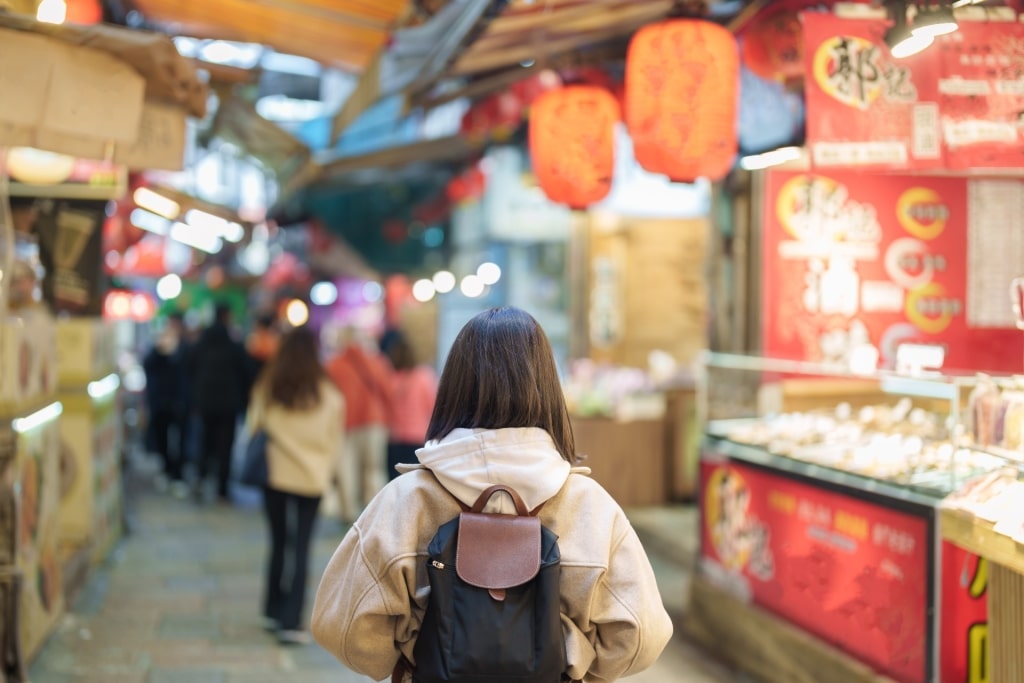
Old Street, Jiufen
You can bargain at most stalls at food markets or specialty outlets like the jade market, at small souvenir shops that are part of street fairs, or more informal shopping outlets like the Yingge Old Street for ceramics. Department stores, convenience stores, and more formal storefronts are not places to bargain. If you’re not sure, look for clues from vendors: if they offer to give you a “good price,” that is an invitation to offer the bargaining dance, and to have fun with it!
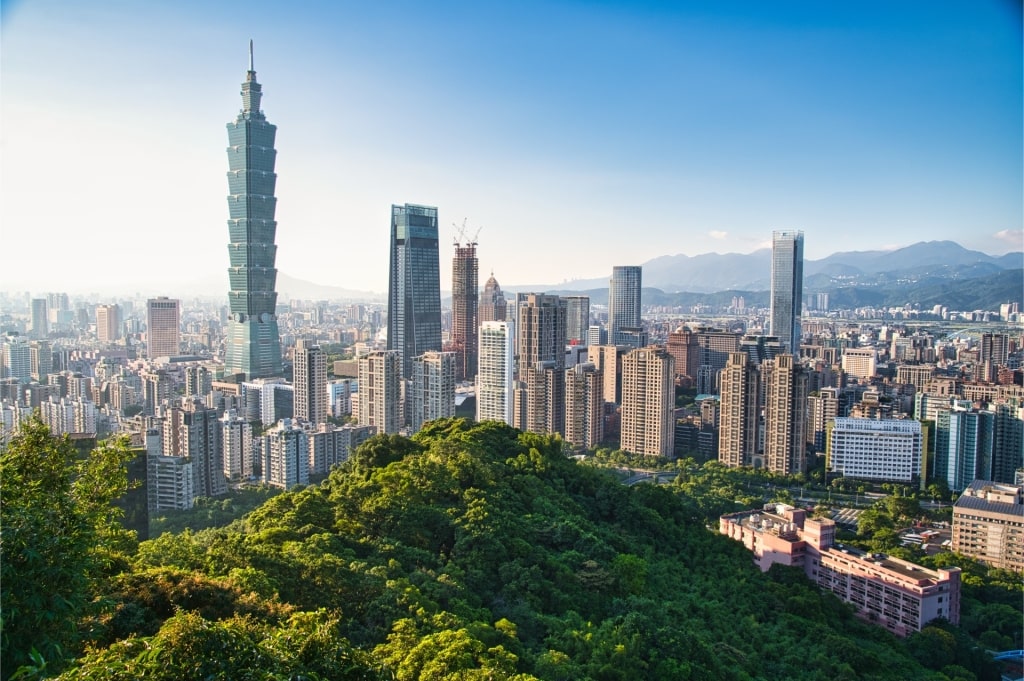
Taipei
Embark on your own shopping spree during a visit to this fascinating island. Browse Celebrity’s cruises to Taiwan and book your Asian adventure.