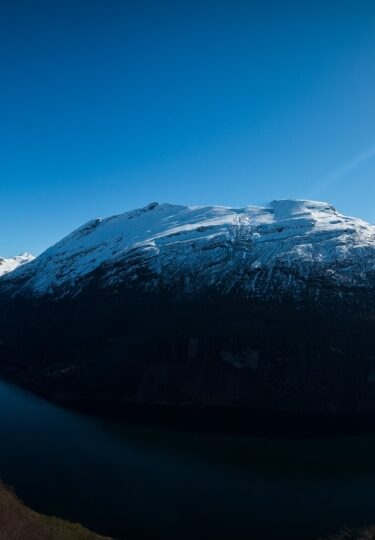
The world is full of beautiful landscapes, many famous, but some less well-known. From bleak Arctic wildernesses to thrumming tropical jungles, each is unique but always thrilling to see.
High mountains, roaring rivers, swaying forests, and tropical beaches are each lovely in their own way. When they combine in one landscape, the result is often even more breathtaking.
Here’s a guide to some of the world’s most breathtaking landscapes.
Denali National Park, Alaska, USA
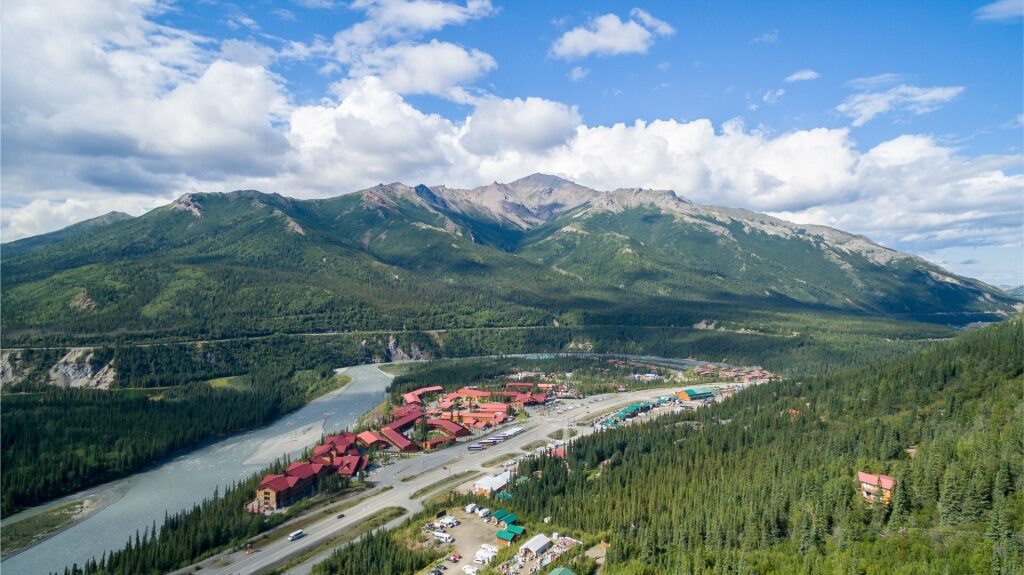
Denali National Park in Alaska, USA
This six-million-acre park is named for Denali—federally designated Mount McKinley—North America’s tallest peak at 20,310 feet. The vast area is a subarctic wilderness of tundra, broken by a web of rivers and covered in spruce taiga forests.
Large mammals such as grizzly bears, caribou, and Dall sheep roam freely. A single, mostly unpaved road gives limited access, helping preserve a sense of unspoiled nature in the raw.
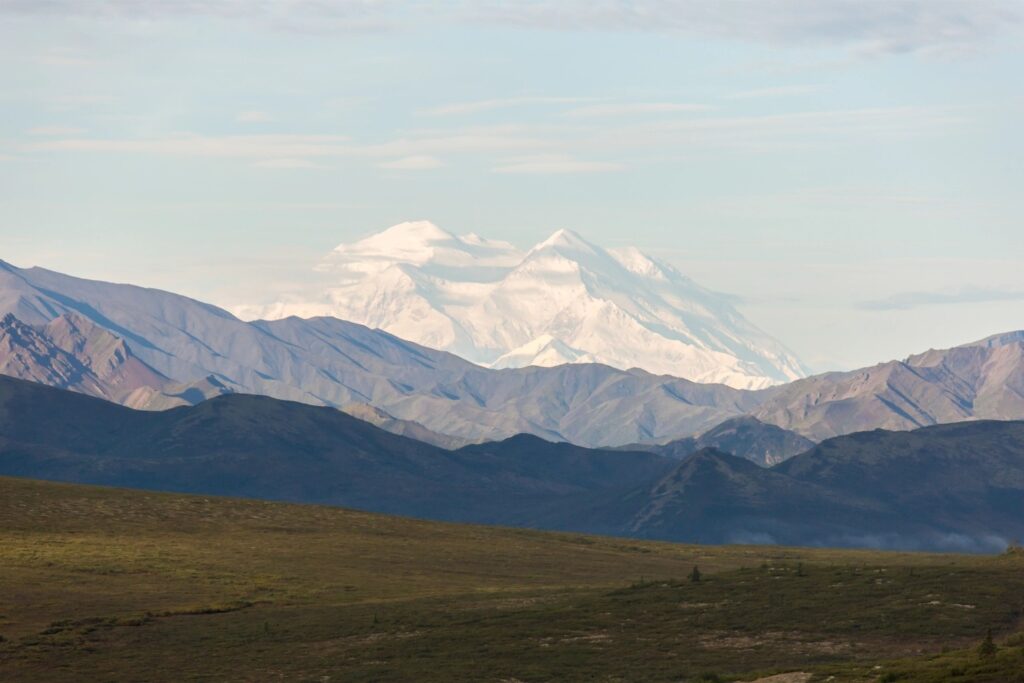
Denali National Park in Alaska, USA
The Alaskan mountain creates its own weather and is often shrouded in clouds. The park’s scale lends itself to solitude and spiritual or mystical thoughts.
Long summer days and the chance of aurora views from the early fall onwards add to Denali National Park’s appeal. Backpackers and wildlife lovers can spend weeks exploring its pristine wonders.
I found this park’s awesome scale stirred something almost primeval and thrilling, calling me to go farther into it. It’s one of the rare landscapes of its kind left in the world, where survival will depend on your own actions.
Amalfi Coast, Italy
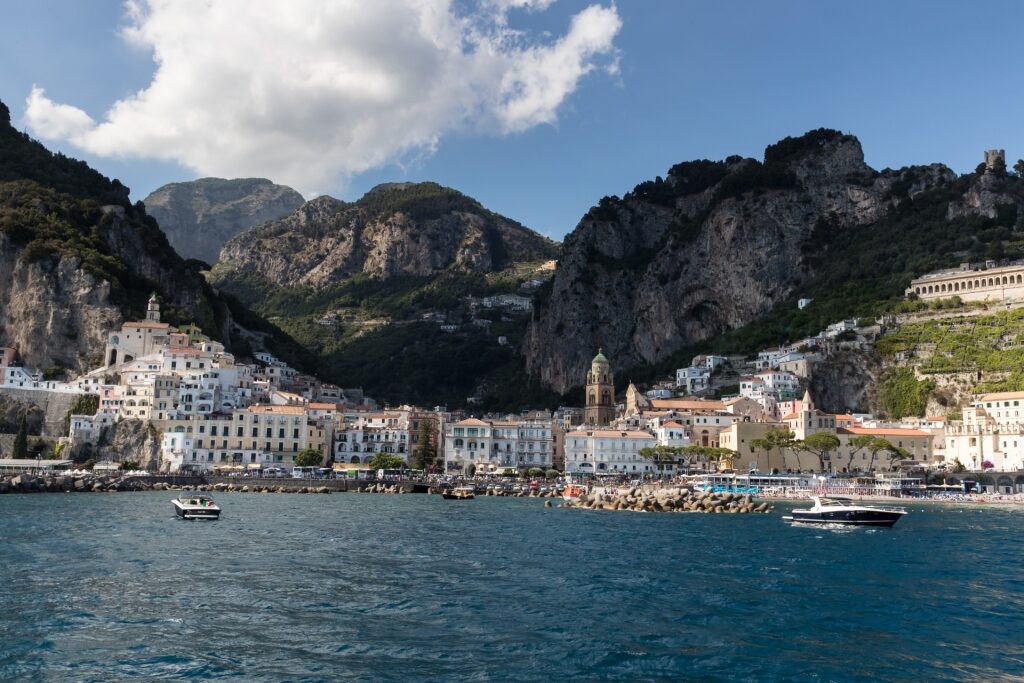
Amalfi Coast, Italy
This 30-mile stretch of coastline along the southern edge of Italy’s Sorrentine Peninsula is another UNESCO World Heritage site. Its steep cliffs plunge directly into the Tyrrhenian Sea, with pretty towns clinging to them in seeming defiance of gravity.
These Amalfi Coast towns include Positano, Amalfi, Ravello, and Atrani, among others. They are famous, and much photographed, for their pastel-colored buildings and atmospheric narrow streets.
Lemon and olive groves, and bright bougainvillea, fill the terraces of the hills behind the coast. You can explore them on the Path of the Gods, one of the best walks in Europe.
The coastal road, built in the 19th century, is one of the world’s most scenic drives. A Vespa scooter remains my favorite way to explore this coast, but a beautiful Riva boat tour is a close second.
El Yunque National Forest, Puerto Rico
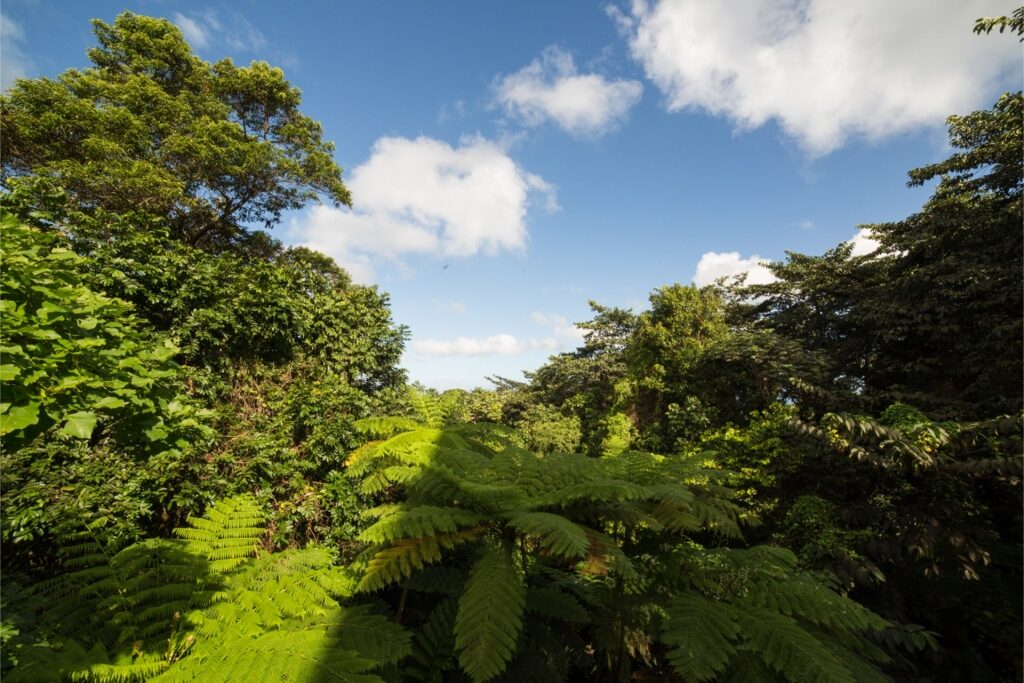
El Yunque National Forest, Puerto Rico
As the only tropical rainforest in the U.S. National Forest System, El Yunque is one of the best places to visit in Puerto Rico. Its steep, tree-covered slopes burst with life, from the noisy but invisible coquí frogs to flocks of birds.
With some 200 inches of rainfall every year, the forest has numerous picturesque streams and waterfalls. Giant tree ferns and countless other plants create a dense tropical garden.
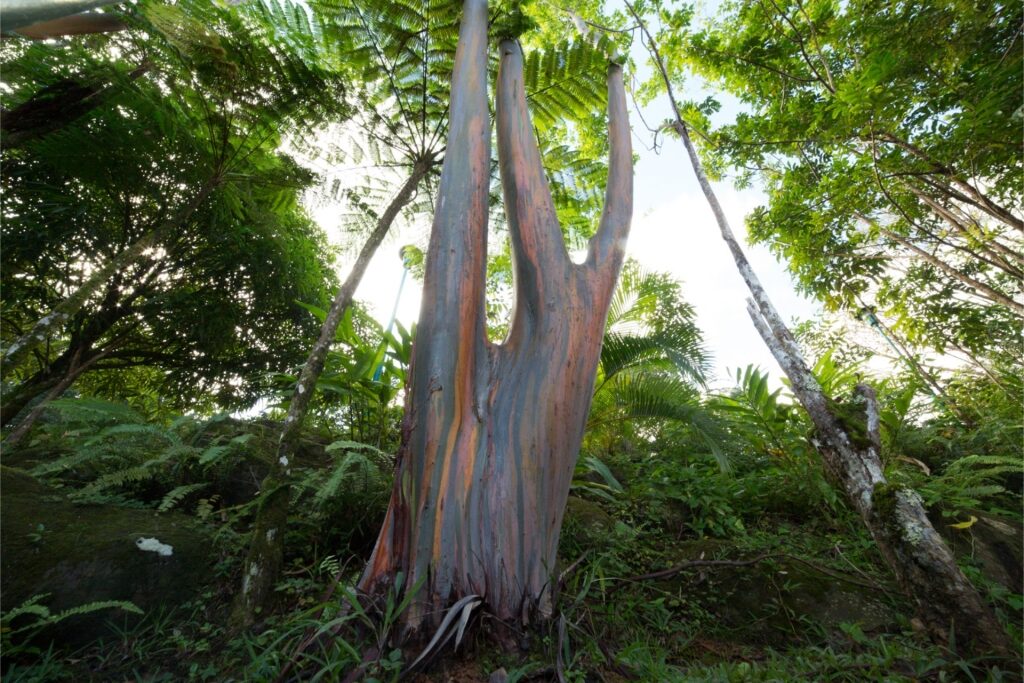
El Yunque National Forest, Puerto Rico
You can follow well-maintained hiking trails through the towering hardwood trees. The higher slopes are often shrouded in clouds, creating a mystical atmosphere.
A zip-line through the tree canopies of Luquillo overlooking El Yunque is one of my most vivid memories of Puerto Rico. Among the island’s many other exciting attractions, its natural side is easy to overlook.
Geirangerfjord, Norway
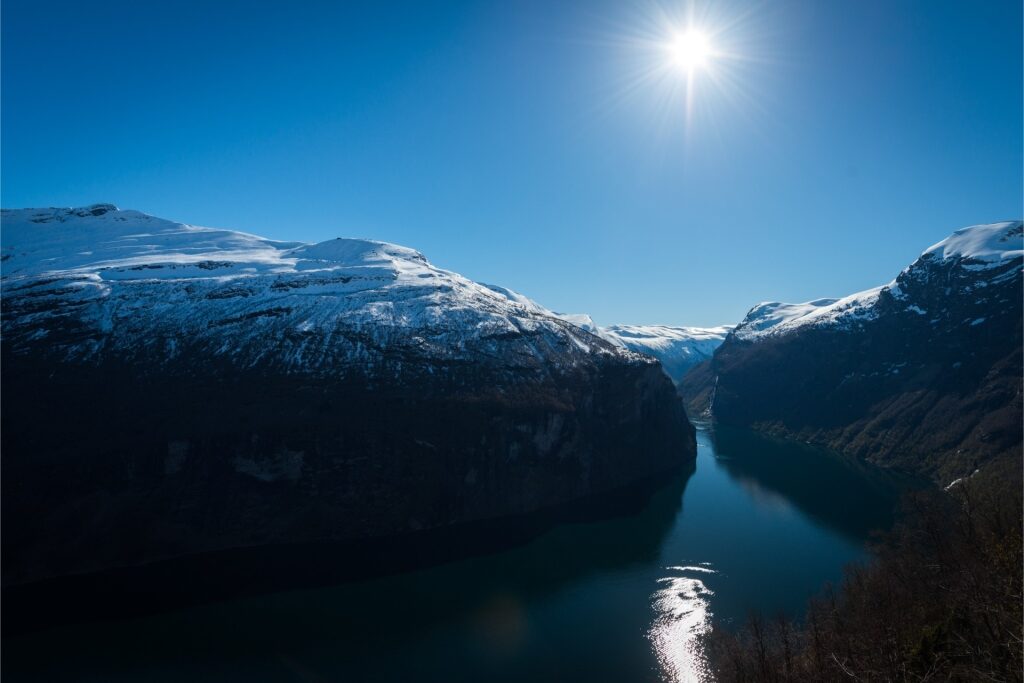
Geirangerfjord, Norway
Geirangerfjord is a place of ancient rock, carved by glaciers during the ice ages. Towering cliffs hem in a narrow passage of deep blue water.
From the land high above, cascading waterfalls, including the notable Seven Sisters, tumble down into the water below. Abandoned farms dot the cliffsides, reached only by precarious paths, a tribute to the grit and determination of the former inhabitants.
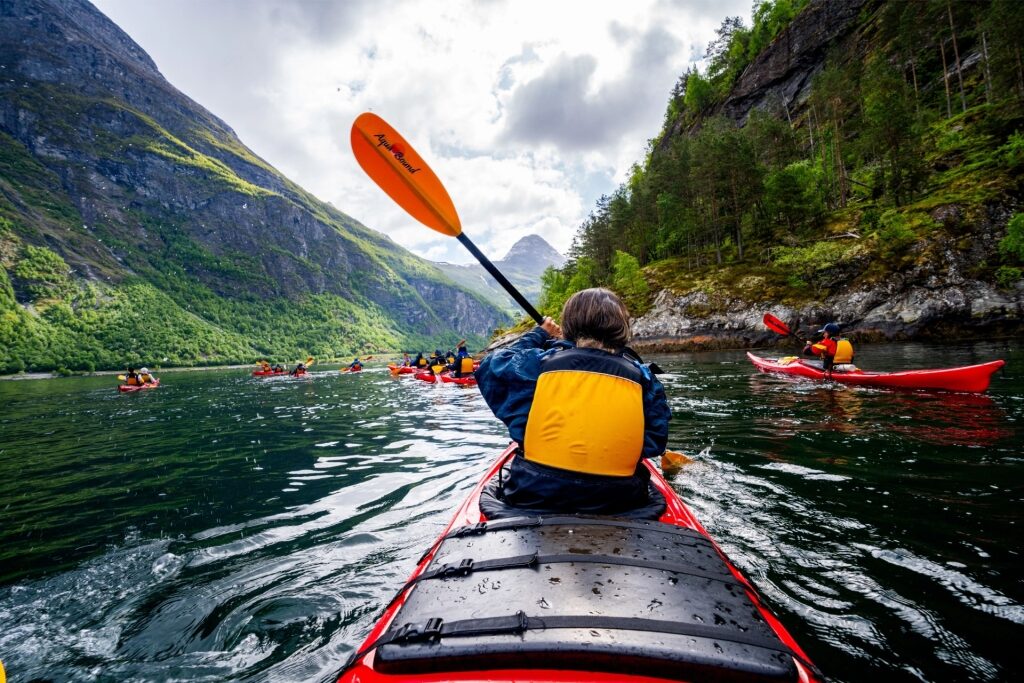
Kayaking in Geirangerfjord, Norway
Nowadays, the Norwegian fjord draws in visitors from around the world to see its dramatic beauty. You can cruise or kayak the sheltered waters, or hike farther into the mountains around.
At the Geiranger Skywalk, reached by a very scenic drive, you can look out on both the Geirangerfjord and those snow-capped mountains. Sitting on Dalsnibba mountain at a height of 5,000 feet, I found it one of Europe’s most impressive viewpoints.
Mount Rainier National Park, Washington, USA
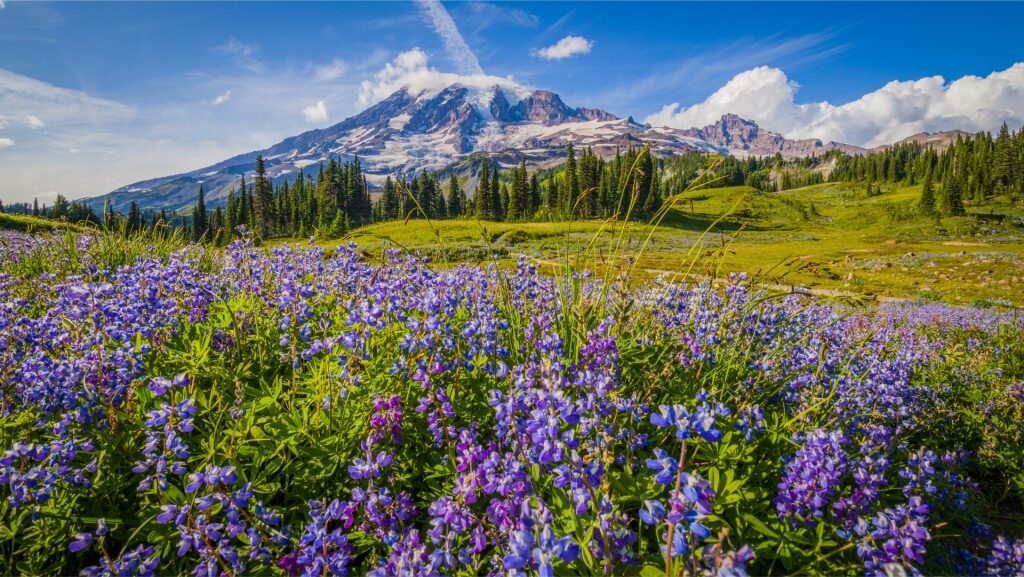
Mount Rainier National Park in Washington, USA
Mount Rainier is an active volcano with 25 named glaciers. These glaciers feed river valleys that fill with colorful wildflowers in season.
This striking and beautiful landscape is a playground for hikers, climbers, and skiers. Adding to the thrill of those activities is the presence of a volcano considered one of the world’s most dangerous.
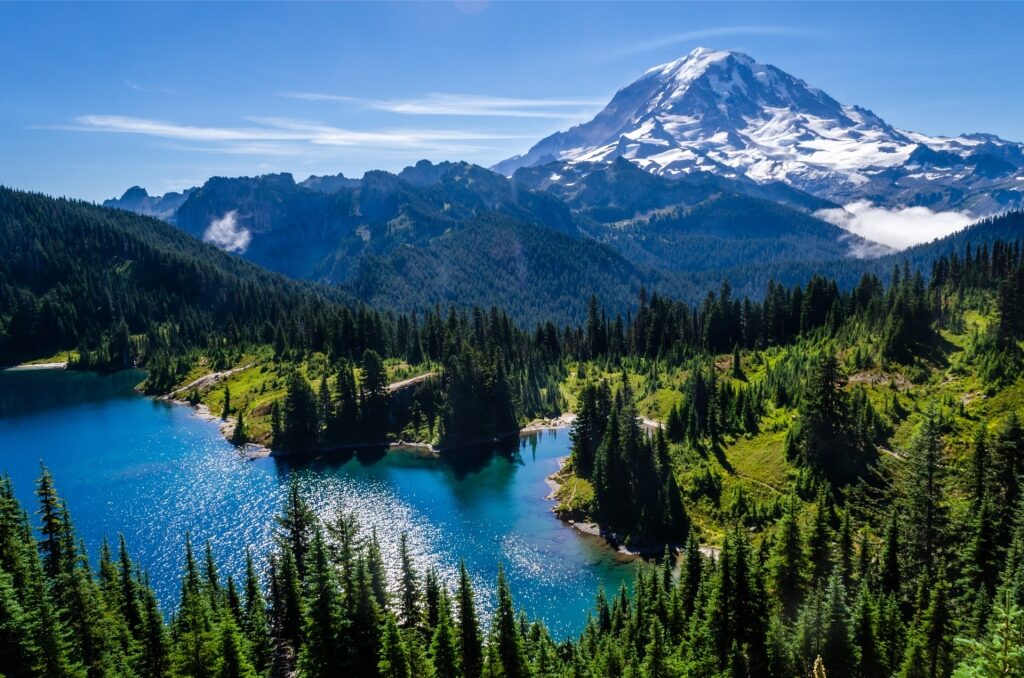
Mount Rainier National Park in Washington, USA
The park has four regions, each with its own identity. Paradise and Sunrise both have subalpine meadows, with Sunrise offering the highest viewpoints.
Longmire is a popular historic district with the park’s visitor center and museum. In contrast, Carbon River & Mowich Lake is an area of lush forest where I was able to find moments of true solitude.
Dunn’s River Falls, Jamaica
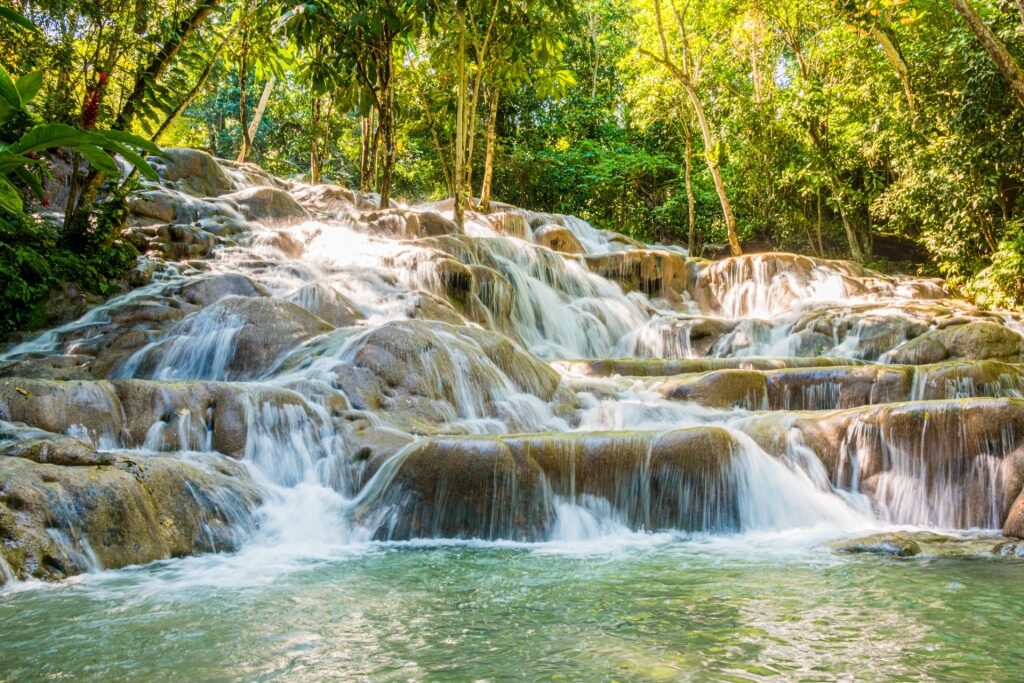
Dunn’s River Falls, Jamaica
This terraced waterfall, cascading 180 feet directly into the Caribbean, is a highlight of any visit to Jamaica. You can climb the actual falls or a stairway alongside the cascade for a unique tropical experience, not to mention views of the breathtaking landscape.
Jamaica takes its name from the Arawak word Xayamaca, meaning “land of rivers and springs.” Dunn’s River and these remarkable falls bring that name to picturesque life.
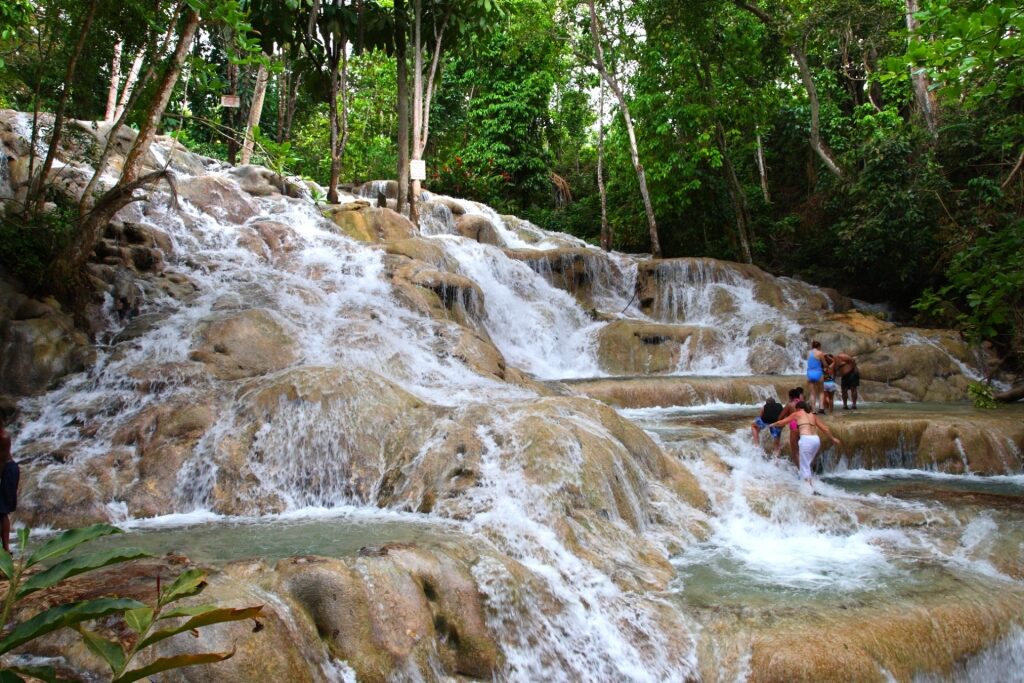
Dunn’s River Falls, Jamaica
The water has carved the underlying limestone into a series of pools. Climbers form human chains to help each other up the smooth rock ledges.
This human interaction, amid the natural beauty, is a delightful, memorable combination. The beautiful white sand beach at its foot was another part of the experience I really enjoyed.
The Pitons, Saint Lucia
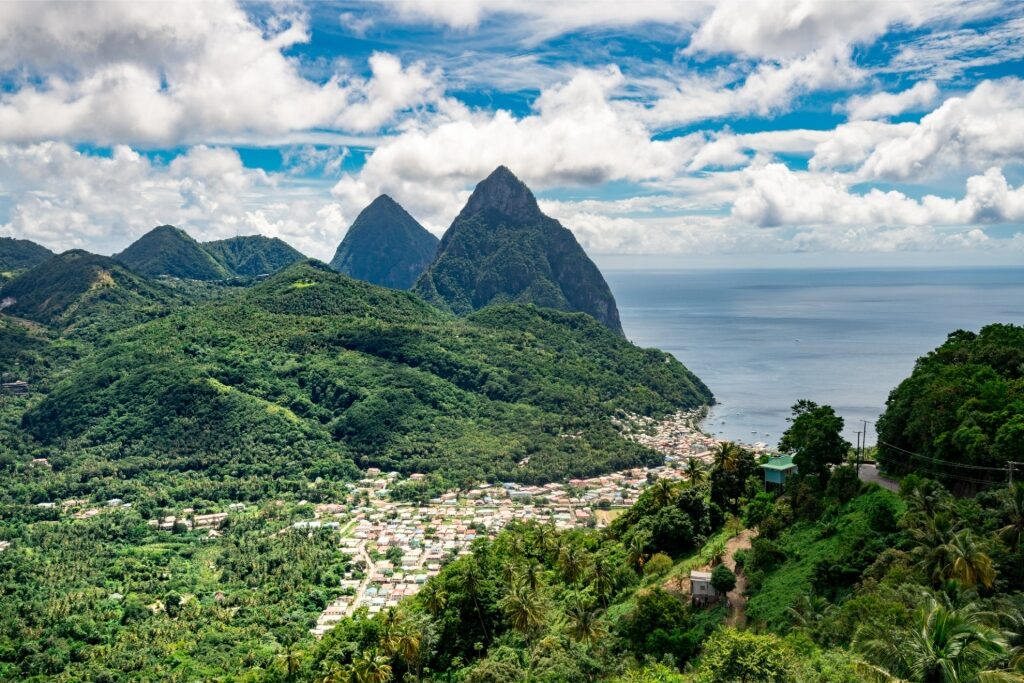
The Pitons, Saint Lucia
Two volcanic plugs, Gros Piton and Petit Piton, form a major landmark on St. Lucia’s southwest coast, their jungly, jagged peaks creating one of the Caribbean’s most beautiful landscapes. They appear on the island’s flag and on the label of its most popular beer.
Surrounded by tropical forest, the roughly 2,500-foot-high Pitons are a center for outdoor activity. You can hike around and climb up either, or take off-road tours among rare trees and colorful blooms.
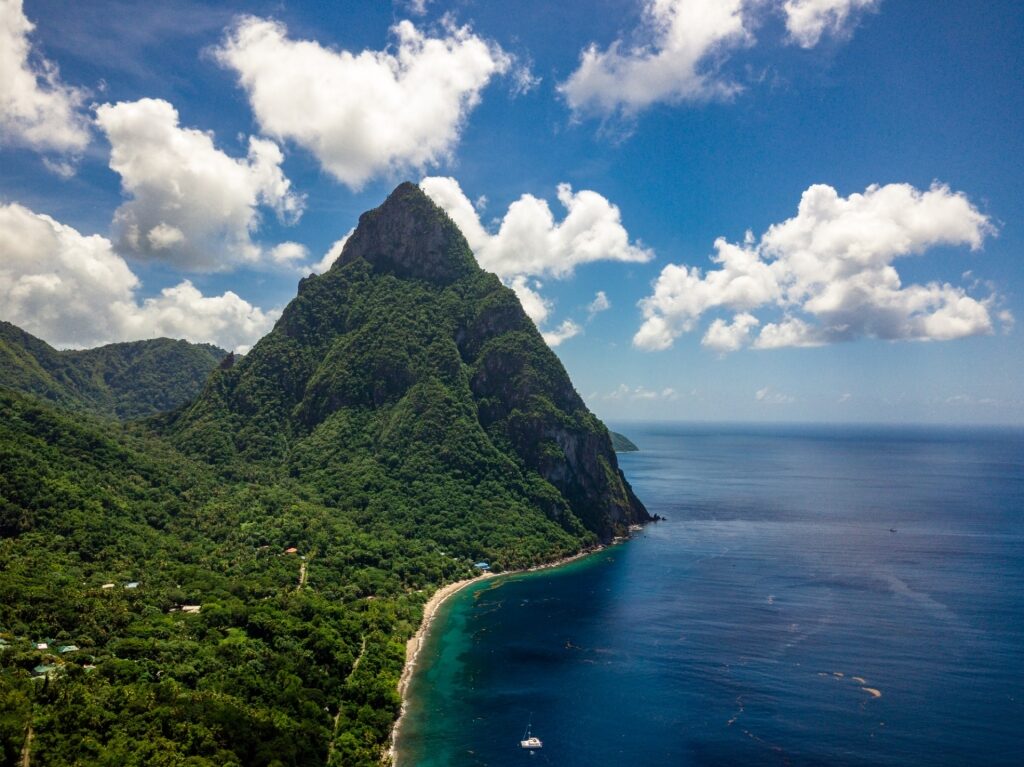
Gros Piton, Saint Lucia
Recognized as a UNESCO World Heritage site, the area also includes a marine reserve in the shadow of the mountains. Dramatic underwater cliffs and coral reefs make it one of the best places to dive in St. Lucia.
Hiking Gros Piton is one of the best things to do in St. Lucia, but you should not undertake it lightly. While mostly shaded by trees, it’s very humid, but I loved the views of both the Caribbean Sea and the Atlantic Ocean.
Douro Valley, Portugal
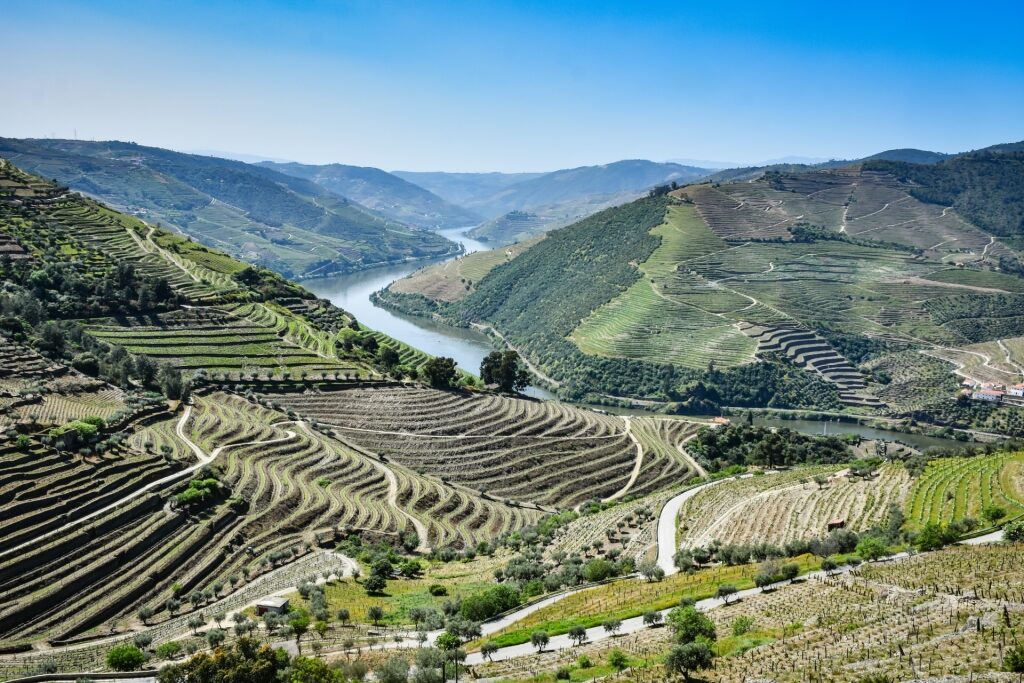
Douro Valley, Portugal
The Douro Valley is the world’s oldest demarcated wine region, famous for its Port wine. It’s a beautiful landscape of steep hillsides, terraced over centuries, that follow the curves of the Douro River.
These terraces support vineyards that change color with the seasons, from the green of summer to the golden rusts of fall.
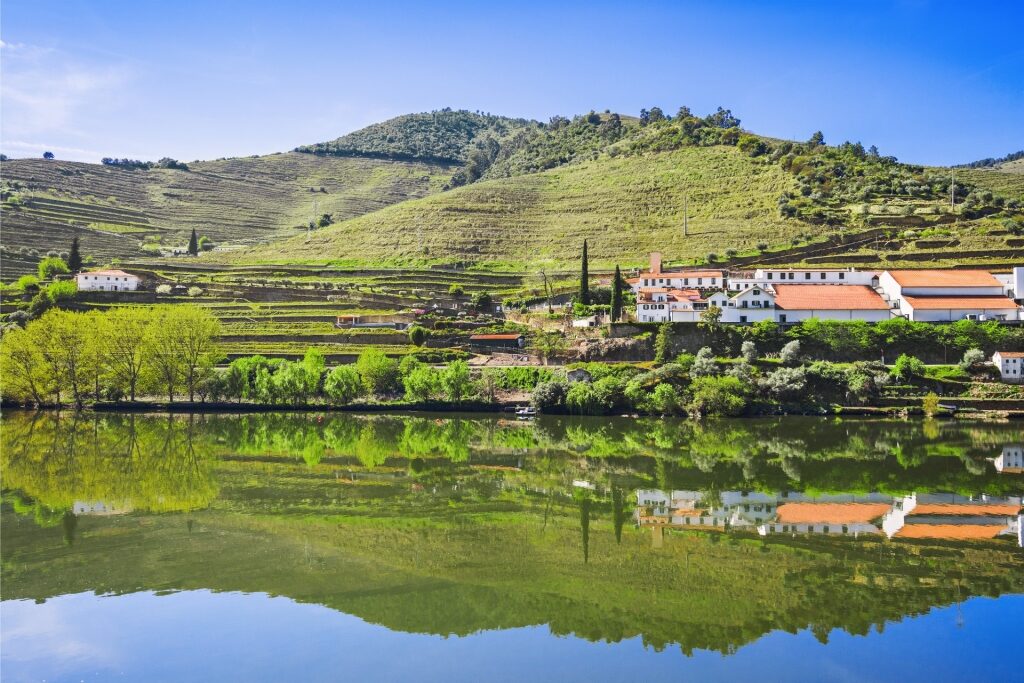
Douro Valley, Portugal
This special blend of human activity and natural landscape has seen the valley recognized as a UNESCO World Heritage site. The river is a vital part of this story, winding through the valley as a lifeline.
You can take a river cruise or drive the roads that follow the Douro to enjoy scenic views and vineyard wine tastings. A highlight for me is the Sanctuary of Nossa Senhora dos Remédios in Lamego—the 700 steps take you up to some incredible views.
The Baths, Virgin Gorda, British Virgin Islands
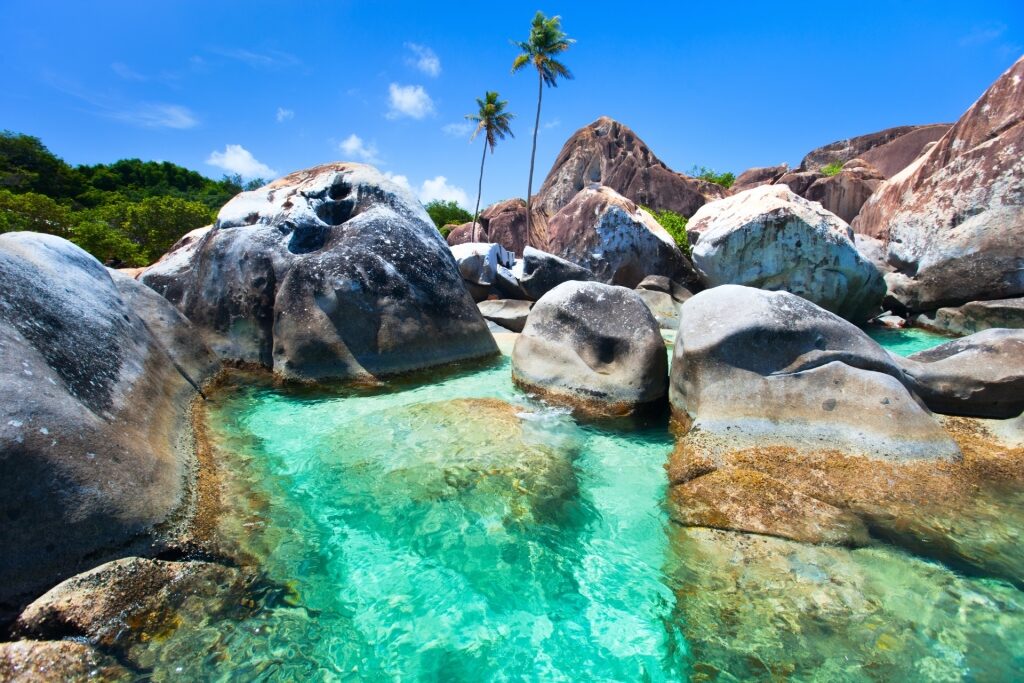
The Baths in Virgin Gorda, British Virgin Islands
“Baths” is a misleading description for this slice of almost surreal tropical paradise. Giant rocks on a Caribbean shore create a small labyrinth of pools and grottoes where you can enjoy a seawater plunge.
These boulders, formed long ago by volcanic activity but still shaped by erosion, can be the size of a house. Sunlight and shadow cast changing light on clear, turquoise water.
You can swim or just explore the passages between rocks. Behind them is the delightful beach of Devil’s Bay.
Relax on the white sand or go snorkeling along the shore. The feeling of being in paradise, cut off from the outside world, is one I didn’t want to let go of.
Iguazu Falls, Argentina/Brazil
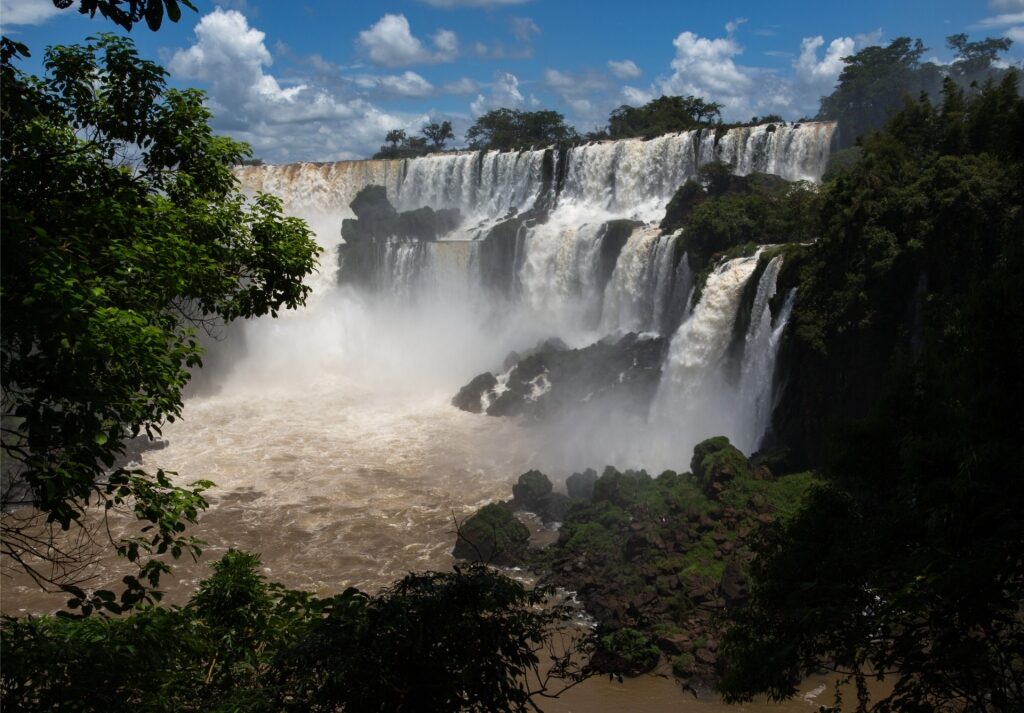
Iguazu Falls, Argentina/Brazil
Wider than Niagara Falls, Iguazu is a set of 275 individual waterfalls spanning the Iguazu River. At the U-shaped Devil’s Throat, half the river is forced over a 262-foot cliff with tremendous force, creating a towering spray.
This South American waterfall sits within a protected subtropical rainforest that is home to wildlife, including coatis, toucans, and jaguars. Walkways—some standing above the river—allow you to see the falls and the forest from different viewpoints.
Iguazu straddles the border between Brazil and Argentina, with the best views from the Argentine side. I couldn’t resist crossing the International Bridge to visit both countries—you’ll need your passport if you want to do this.
Plitvice Lakes National Park, Croatia
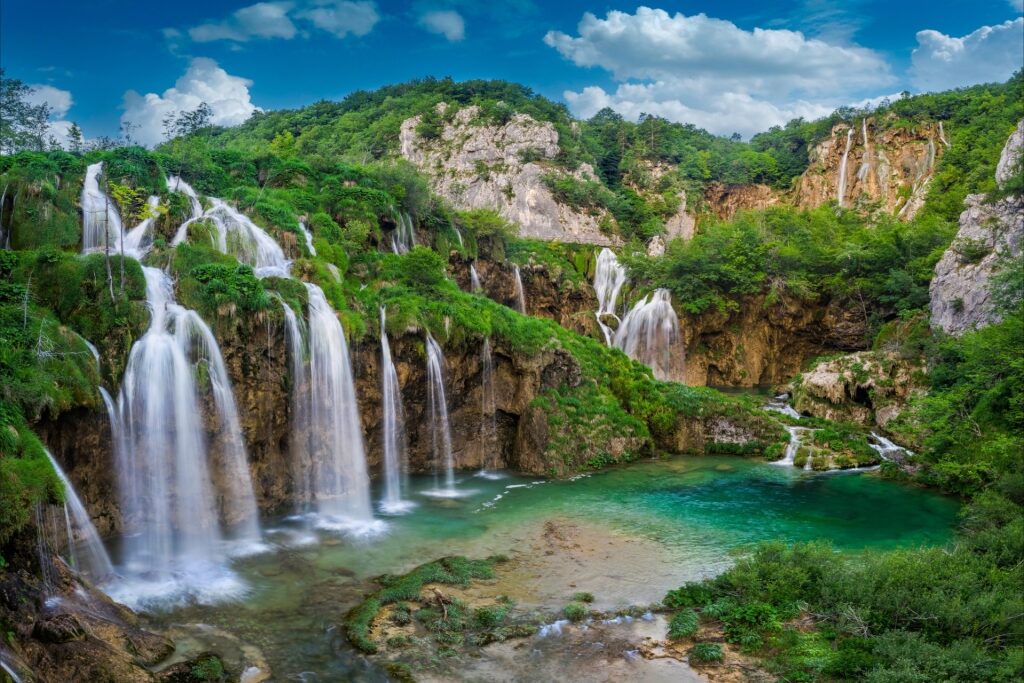
Plitvice Lakes National Park, Croatia
This UNESCO site is made up of 16 terraced lakes interconnected at different heights by waterfalls and cascades. The lakes, with their differing colors, from azure to green, are a scenic wonder and a delight for photographers.
Contrasting with the placid lakes are the rugged rock cliffs and verdant vegetation around the park. Plunging waterfalls, some tall, some broad, add to the sensory experience of this breathtaking landscape.
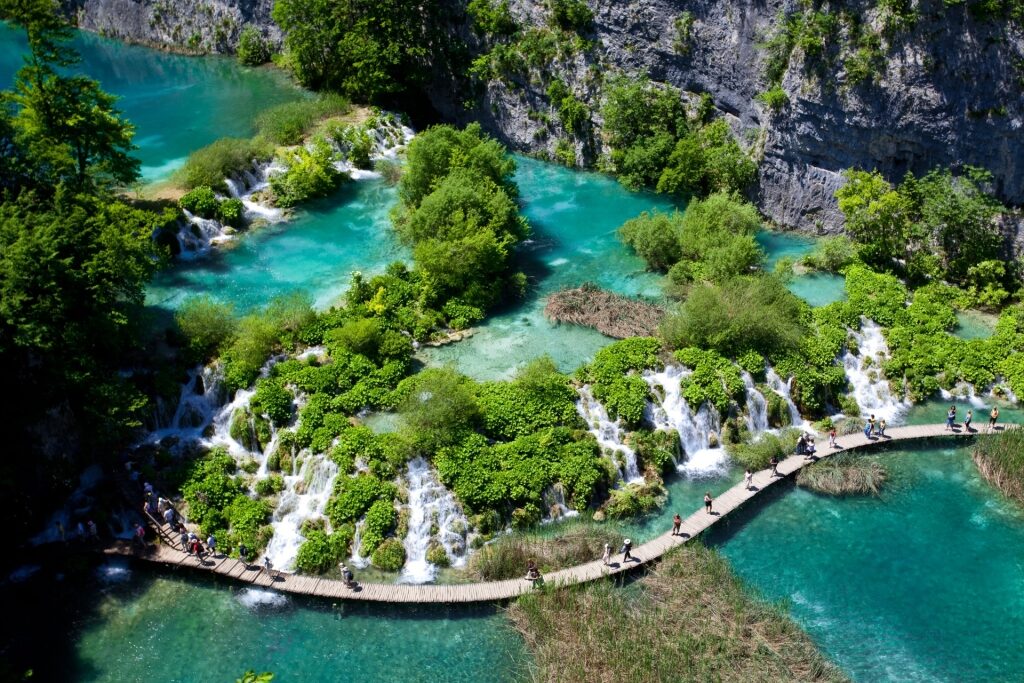
Plitvice Lakes National Park, Croatia
You can take wooden walkways across water or through the beech forest to explore the park. Don’t miss Veliki Slap, Plitvice’s highest waterfall at 255 feet.
One of Europe’s most beautiful landscapes has seen many more visitors since Croatia opened up to tourism. Preserving its delicate ecosystem for future generations is a key goal.
Glacier Bay National Park, Alaska, USA
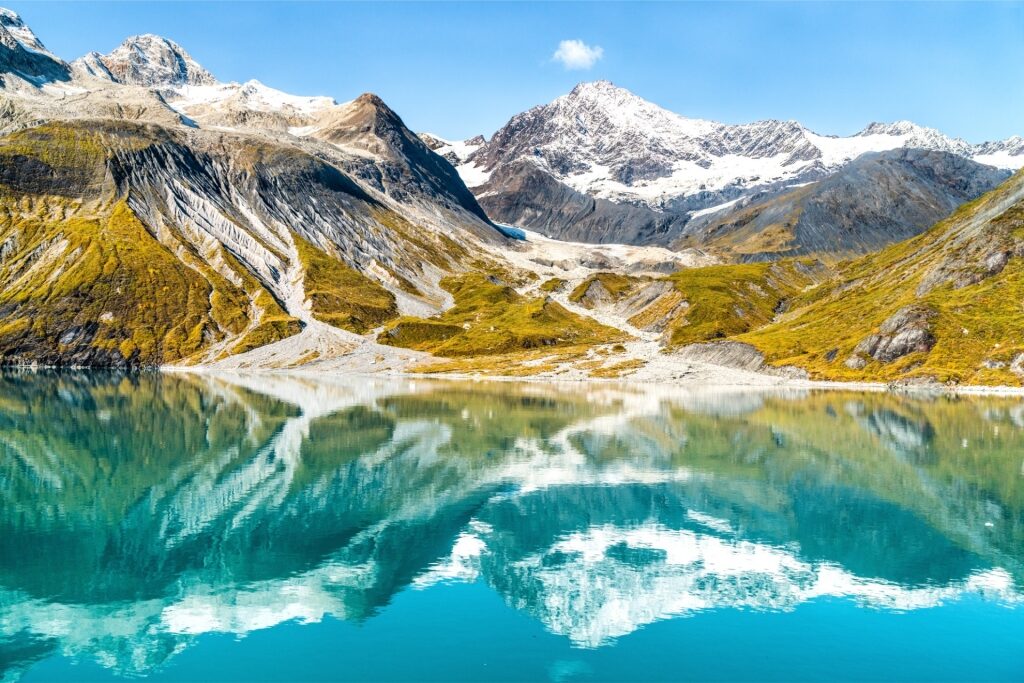
Glacier Bay National Park in Alaska, USA
Take a boat or kayak tour to experience the wonder of Alaska at its most grandiose and untamed. Glacier Bay National Park is a legacy of Ice Age activity, with deep fjords and tidewater glaciers that calve vast chunks of ice into the sea.
The contrast between the thunder of a calving glacier and the deep silence of this remote wilderness is part of its wonder. Beyond, rugged, ice-capped mountains rise above temperate rainforests in dramatic vistas.
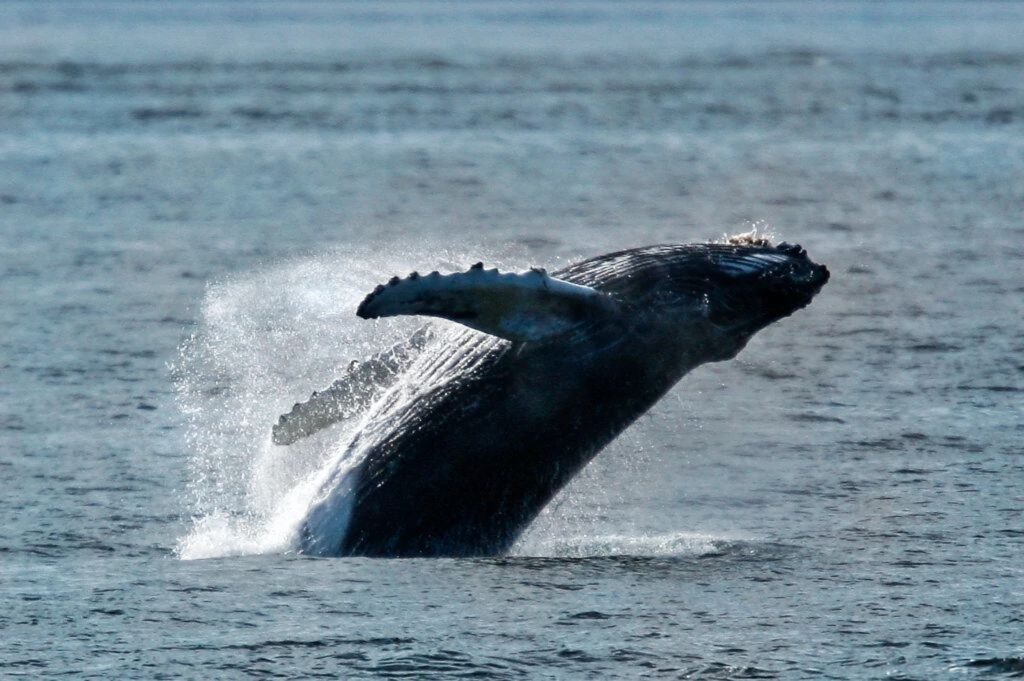
Humpback whale
Out on the waters, you should spot humpback whales, orcas, and seals. On land, brown bears, moose, and even wolves roam the landscape.
I was lucky enough to see bald eagles soaring here, while crowds of puffins delighted me with their antics. The whole park is protected as a UNESCO World Heritage site for future generations.
White Cliffs of Dover, England
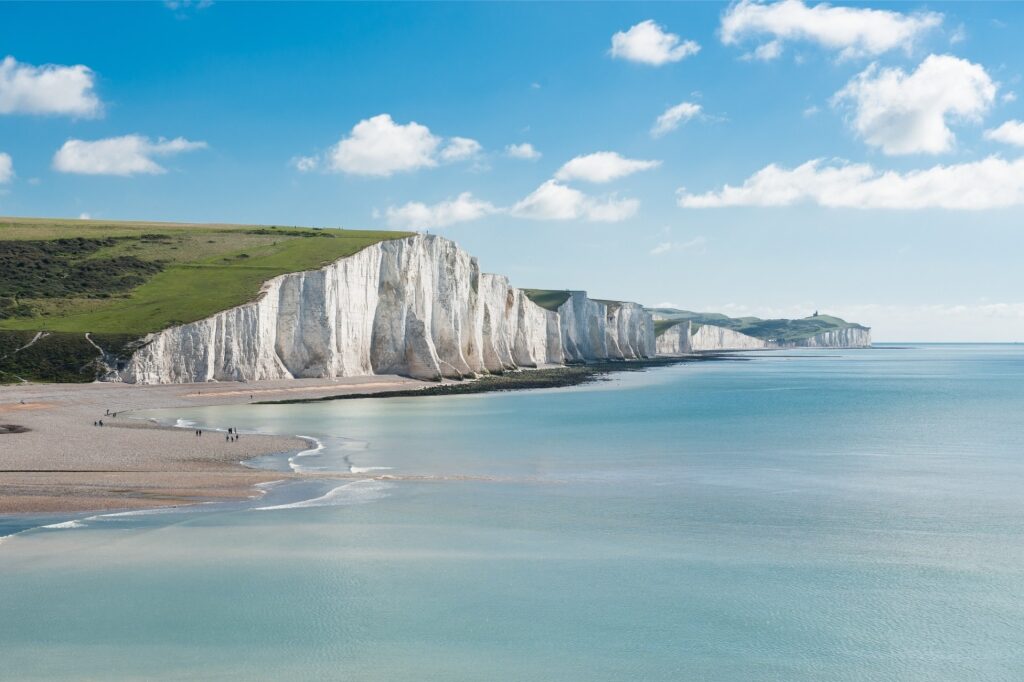
White Cliffs of Dover, England
A symbol of England, guarding the Kent Coast, Dover’s chalk cliffs stand up to 350 feet high, facing France. That didn’t stop William the Conqueror from landing nearby in 1066 to seize the English throne.
The history the cliffs have seen is best explored in Dover Castle. From the Norman Invasion to the air battles overhead during World War II, it’s an eventful story.
In contrast, a walk along the clifftop coastal path is a study in the beauty of nature. There are sweeping views over the English Channel to France, while seabirds chatter all around.
I’ve walked along the boulder-strewn base of the cliffs at low tide. While fascinating, it’s also very dangerous, so it’s only recommended if you’re fit and take a local guide.
Santorini Caldera, Greece
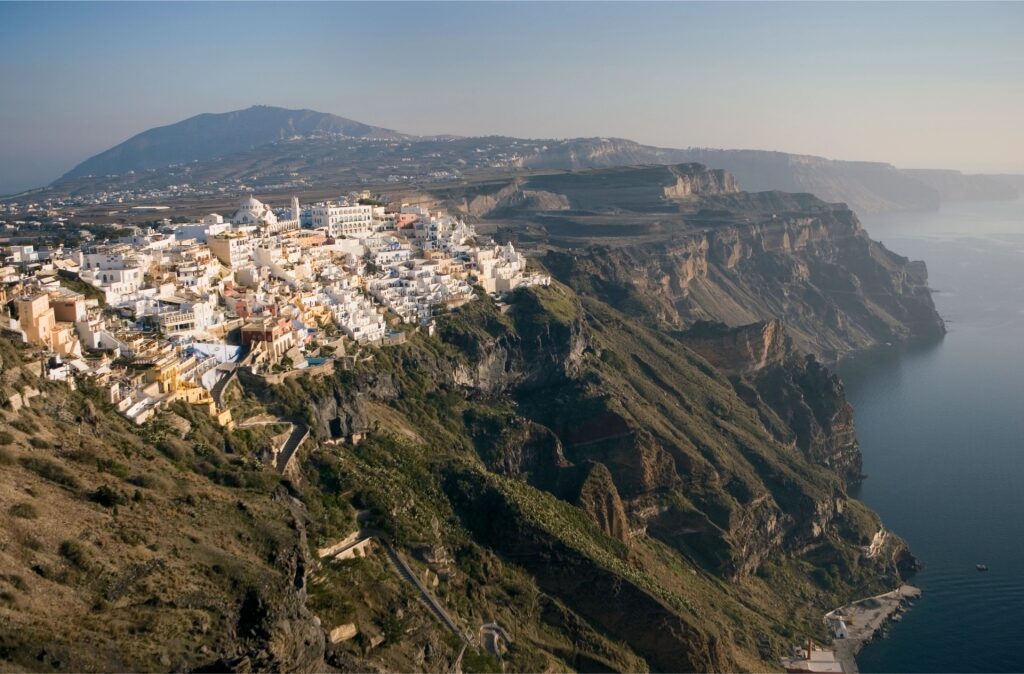
Fira in Santorini, Greece
The island of Santorini was shaped by a massive volcanic explosion around 1600 BCE. Left behind was a massive, water-filled caldera, with whitewashed villages such as Fira and Oia now clinging to its rim.
That original volcanic activity left beaches in colors of black, red, and white. The rocky shore means the water is crystal clear, while hot springs make for relaxing bathing spots.
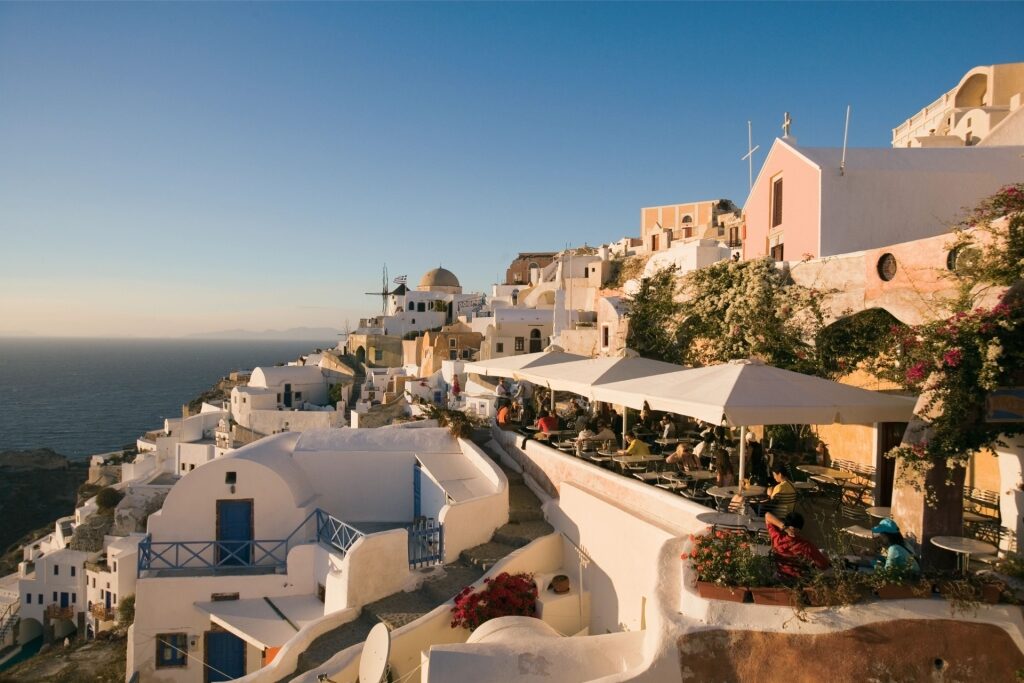
Oia in Santorini, Greece
Facing west, Santorini is known for its sunsets. But the views seem almost impossibly picturesque at any time of the day.
Staying in a “cave” house high in Oía remains one of my most memorable travel experiences. Taking a boat tour around the caldera is a close second.
Gullfoss, Iceland
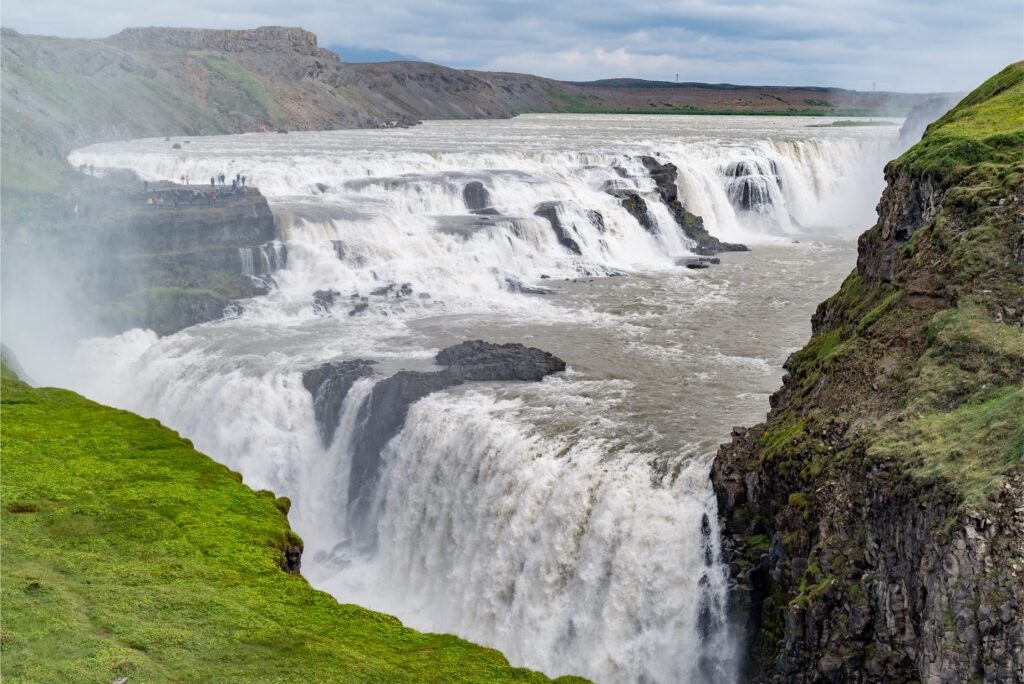
Gullfoss, Iceland
The Golden Circle route in Iceland is named for Gullfoss, the “Golden Falls.” This powerful, two-tiered cataract on the Hvítá river drops 35 feet into a crevice, then twice that again into a wider canyon after a sharp turn.
The resulting spray catches rainbows on sunny days and turns to ice on winter ones. The river itself seems to disappear into the earth, bringing Icelandic myths about underground trolls to mind.
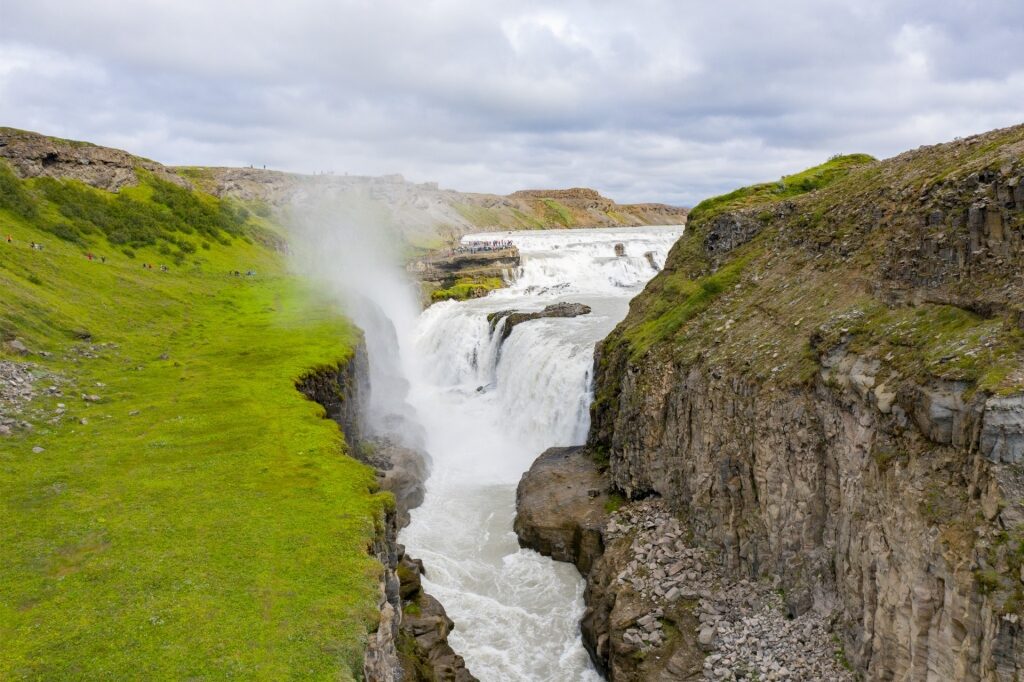
Gullfoss, Iceland
The falls were once slated for a hydroelectric scheme, but a public outcry saved this breathtaking landscape. That marked a key turning point in the country’s embrace of environmentalism.
Walk well-marked trails to see epic views from above the Icelandic falls and along their edge. You’ll get close enough to feel the mist cast up by the power of the water.
Cinque Terre, Italy
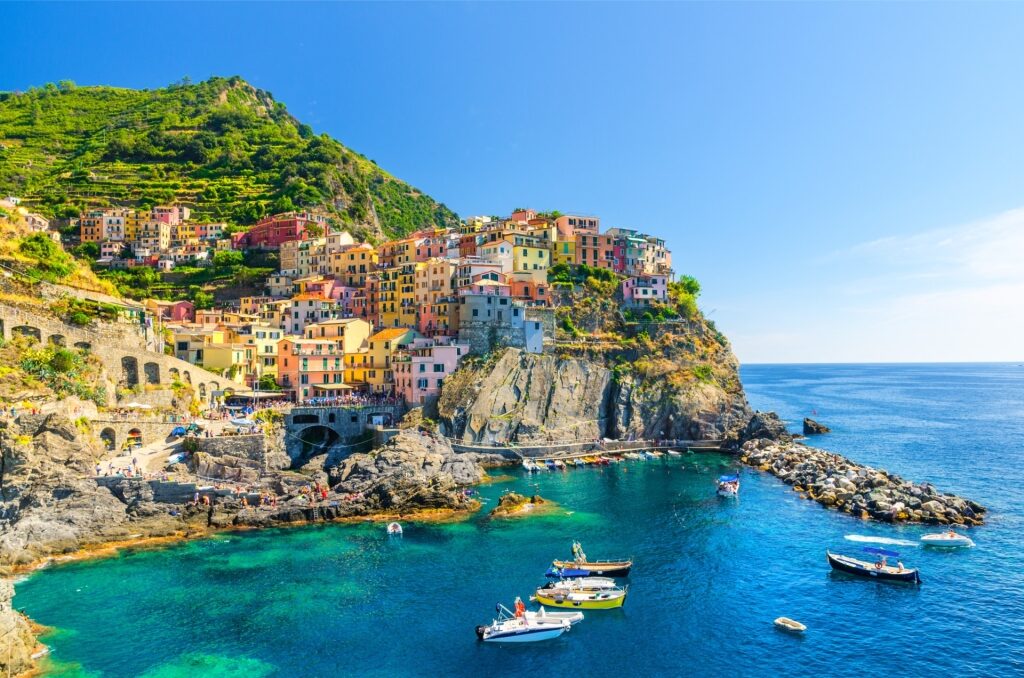
Manarola in Cinque Terre, Italy
Cinque Terre is a rugged stretch of the Italian Riviera named for five colorful cliff-top villages. Monterosso, Vernazza, Corniglia, Manarola, and Riomaggiore are all car-free, reached only by train, boat, or on foot.
If you want to walk the coast, a Cinque Terre Card is needed for access to the official trails. One upgrade also allows unlimited train travel for “hop-on, hop-off” convenience.
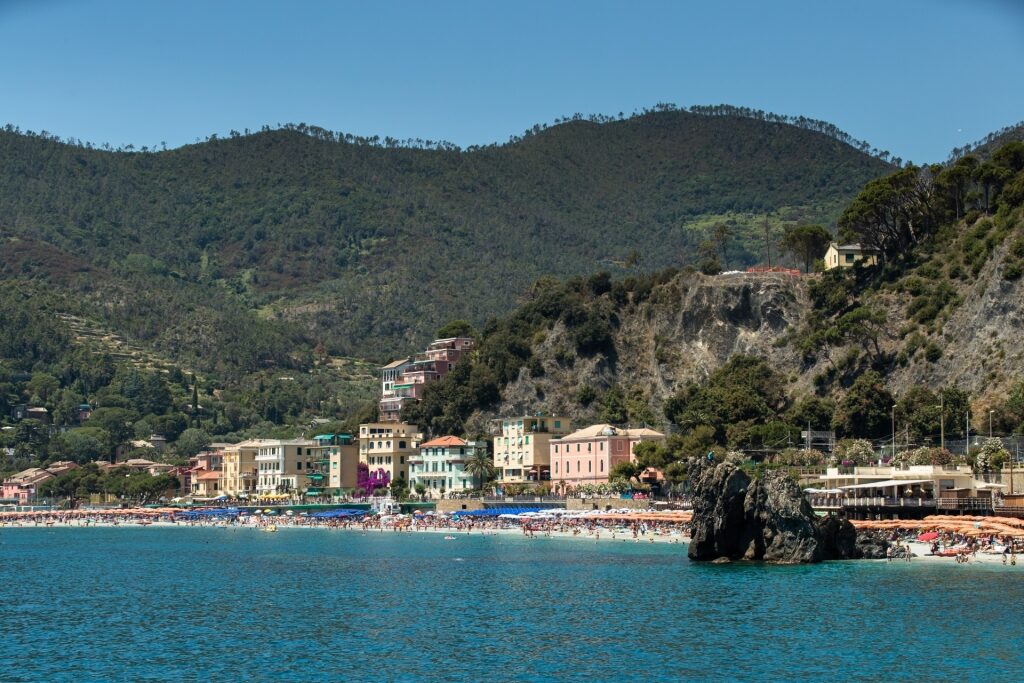
Monterosso in Cinque Terre, Italy
The hilly landscape holds many terraces originally made by hand for vineyards and olive groves. Now connected by scenic hiking paths, the terraces are great places to stretch out for a post-lunch snooze.
That picnic should include local specialties such as pesto—the local basil is spectacular—and wine from those historic vineyards. I also love the local farinata, a thin, garbanzo bean pancake cooked in wood-fired ovens.
Giant’s Causeway, Northern Ireland
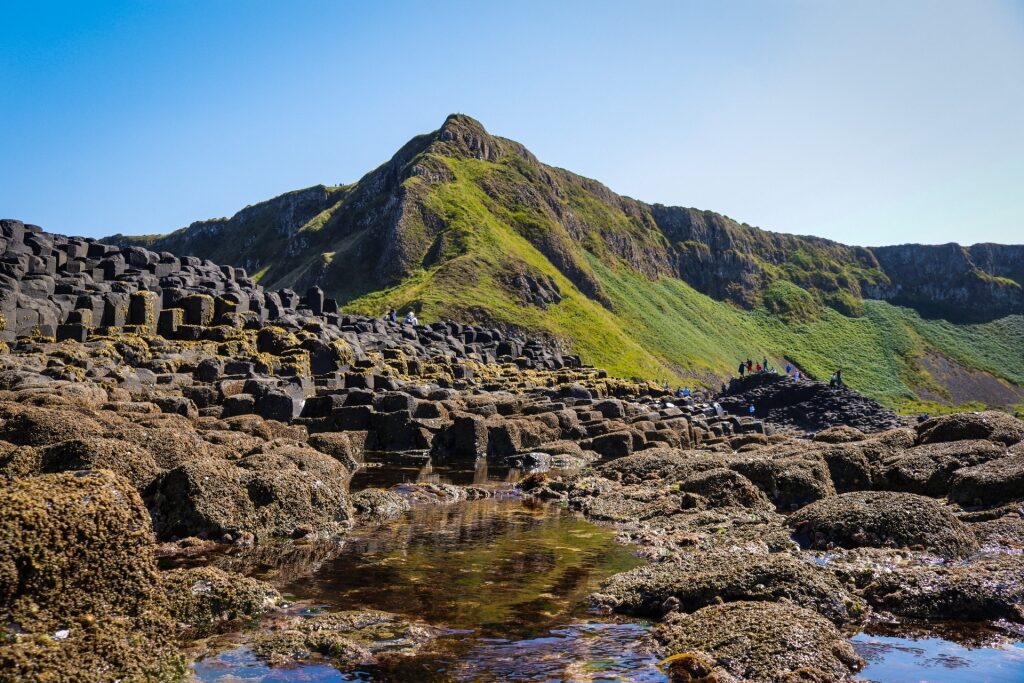
Giant’s Causeway, Northern Ireland
Science will tell you the Giant’s Causeway is a set of 40,000 interlocking basalt columns, crystallized when a volcanic flow cooled. Once a high plateau, it now appears as a pathway leading out of the sea, calling the imagination to play.
The most popular myth is that the causeway was built by Irish giant Finn MacCool so he could fight a Scottish rival. You can learn more in the entertaining Visitor Center or on a guided tour.
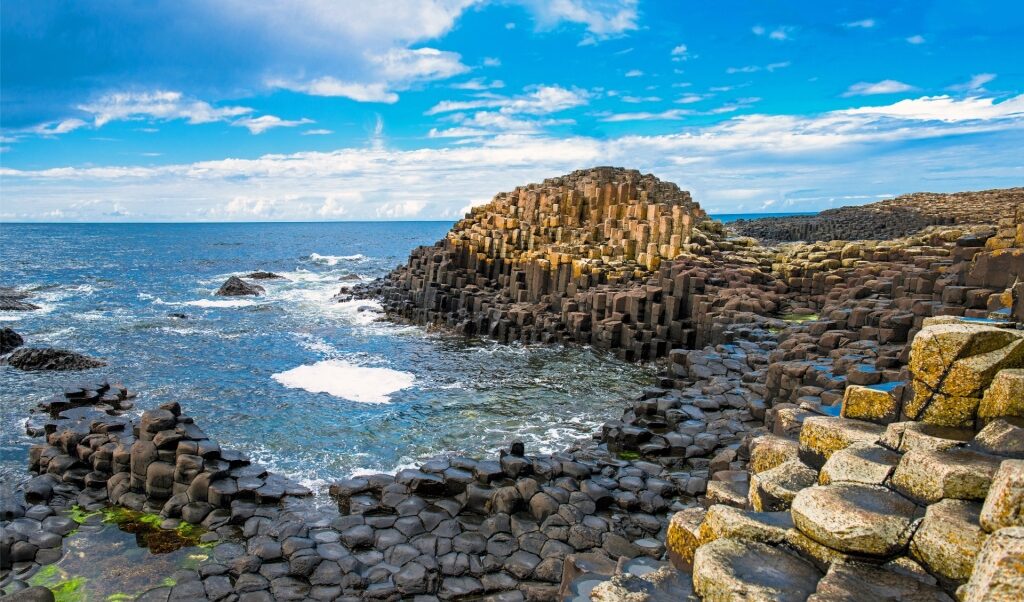
Giant’s Causeway, Northern Ireland
Crowded on warm summer days, the causeway is at its scenic best on wilder days when waves crash across it. Stay away from the rocks on such days to explore other features farther inland, including the Giant’s Organ and Chimney Stack.
I was lucky enough to be born a short distance from the Giant’s Causeway. The rugged coast from Portbradden to the causeway is still among my favorite landscapes—and walks—in the world.
Pulpit Rock, Norway
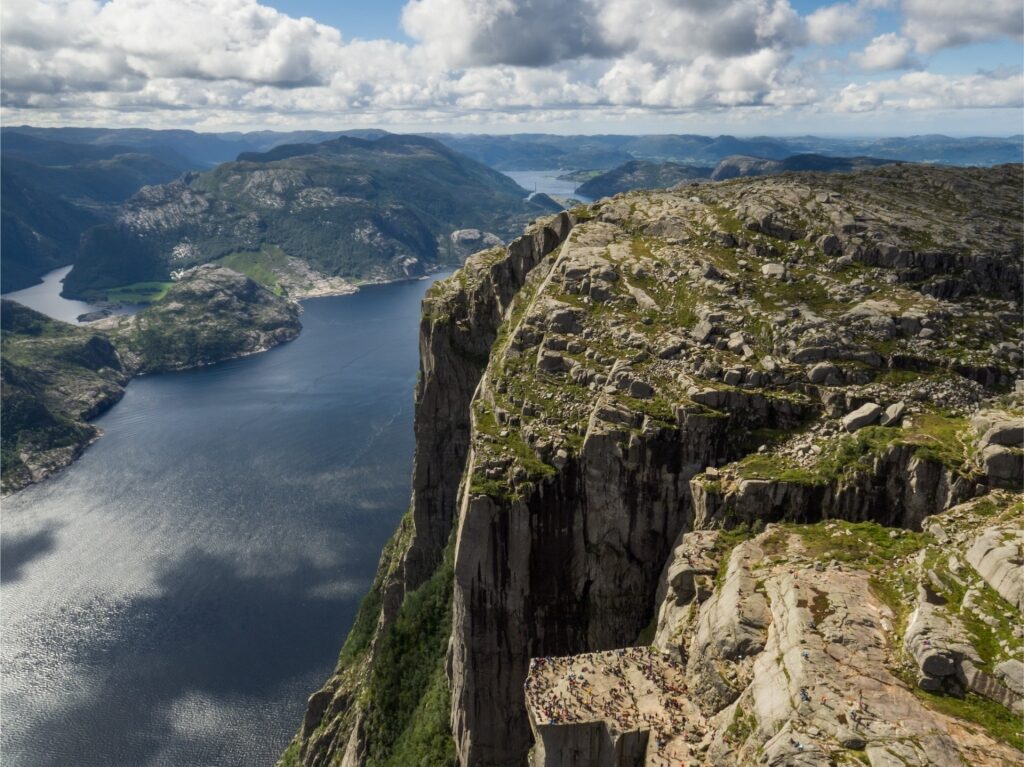
Pulpit Rock, Norway
Already famous, Pulpit Rock reached giddy heights of fame when Tom Cruise jumped off it on a motorbike. A massive flat plateau that juts out almost 2,000 feet above Lysefjord, the rock is now one of the world’s most recognizable natural landmarks.
The hike to reach the plateau is a moderate four-mile round-trip that should take you around four to five hours. You can’t get lost, given the number of people who walk it, but you do need proper footwear as it’s rough in places.
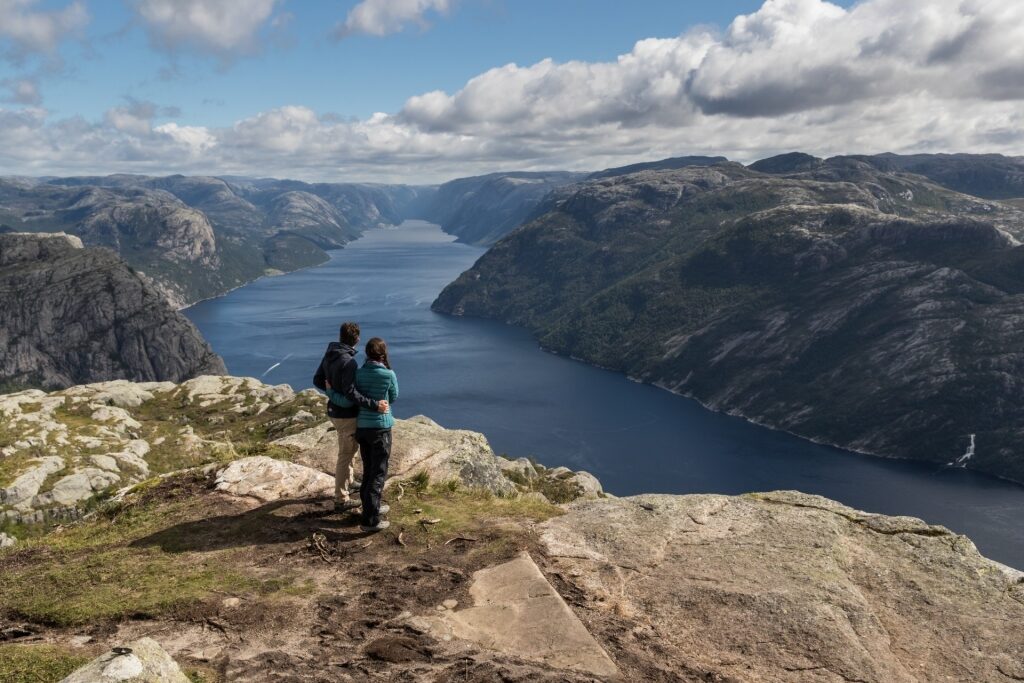
Pulpit Rock, Norway
Once at the rock, you have vertiginous views as you look down into the fjord far below. The experience is left as natural as possible, with minimal safety measures, so do take care.
Norway is a land of breathtaking landscapes, but Pulpit Rock is in a league of its own. While perfectly representing Norway’s awesome natural wonders, I also admire how it shows the country’s willingness to let anyone explore them freely.
Sete Cidades, Portugal
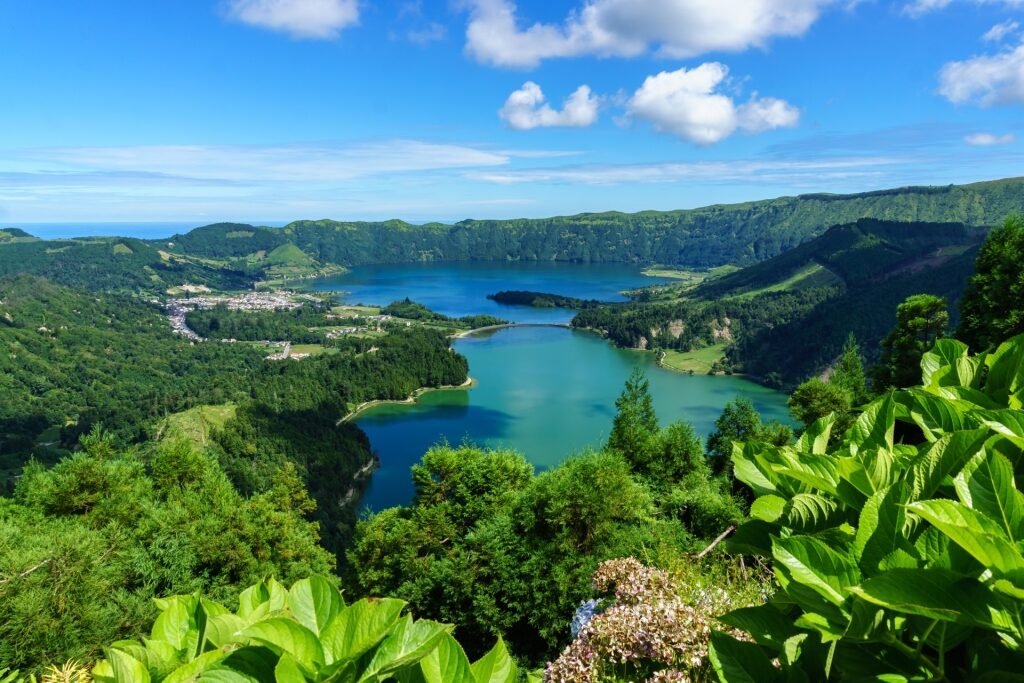
Sete Cidades, Portugal
A massive volcanic crater on São Miguel Island in the Azores, Sete Cidades is home to two striking lakes. Lagoa Azul—Blue Lake—and Lagoa Verde—Green Lake—are separated by a picturesque narrow bridge.
While the water may appear to be different colors, any variation is mostly due to the way light reflects off the surfaces of each lake. Walk around them on the hiking trails to see for yourself.
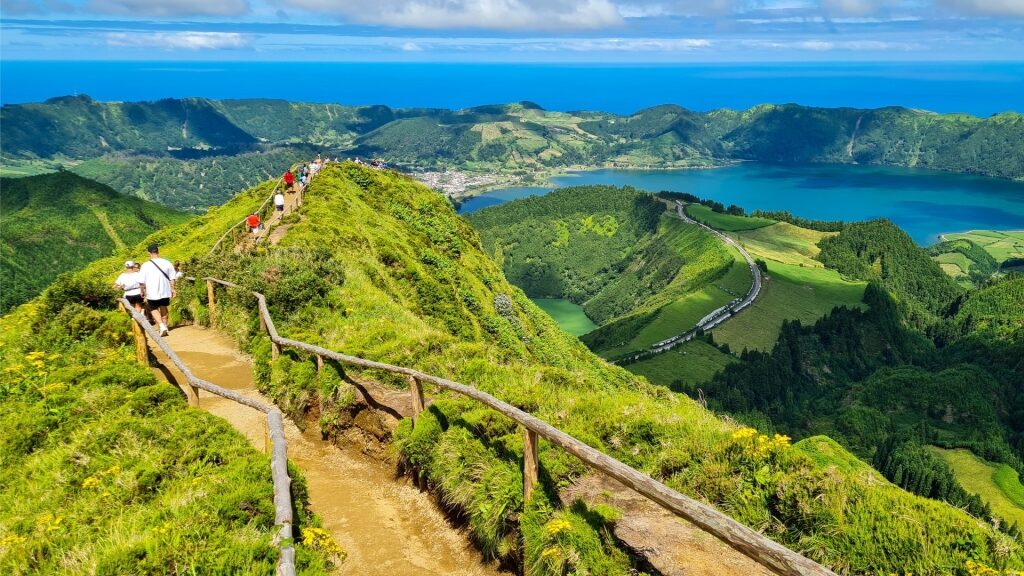
Sete Cidades, Portugal
Higher up, the crater rim gives panoramic views as far as the Atlantic Ocean. The twin lakes and the small villages and working farmland in the caldera are also part of the view.
The area is often wrapped in mist, bringing an otherworldly feel to any visit. Sete Cidades is also a reminder of the Azores’ volcanic origins, illustrating the power nature can unleash on a whim.
Scottish Highlands, Scotland
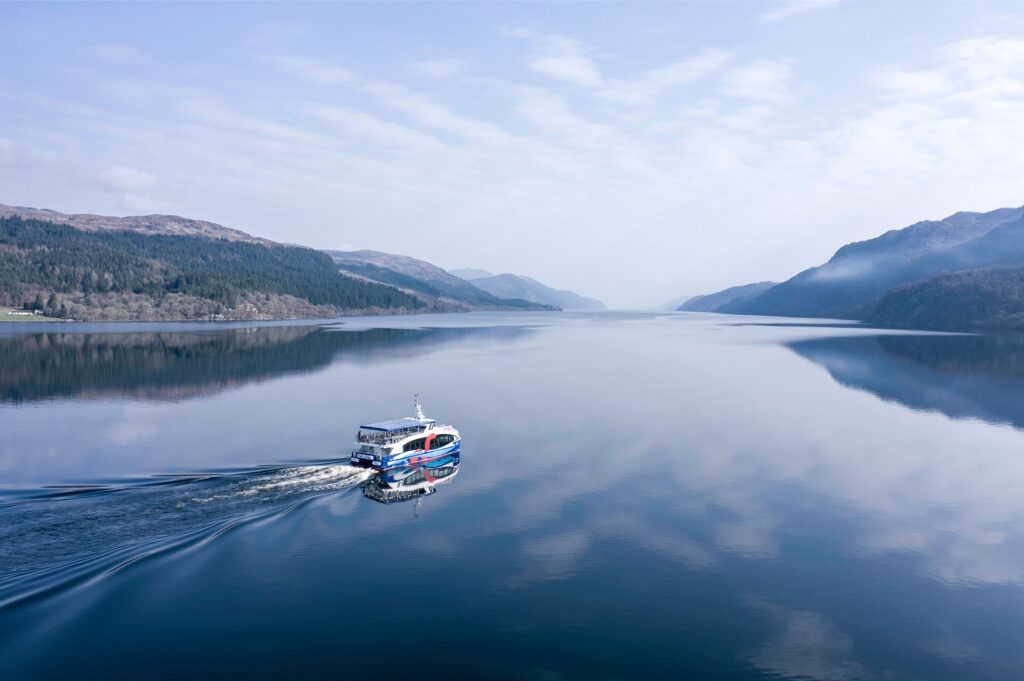
Loch Ness in Scottish Highlands, Scotland
The north of Scotland is known for its rugged terrain, deep lochs, and dramatic glens. If you recall your glaciation lessons from school geography, you’ll understand how these Highlands were shaped.
The result is features such as Ben Nevis, the UK’s highest peak, and Loch Ness. The latter’s vast depth hides the Loch Ness Monster—perhaps.
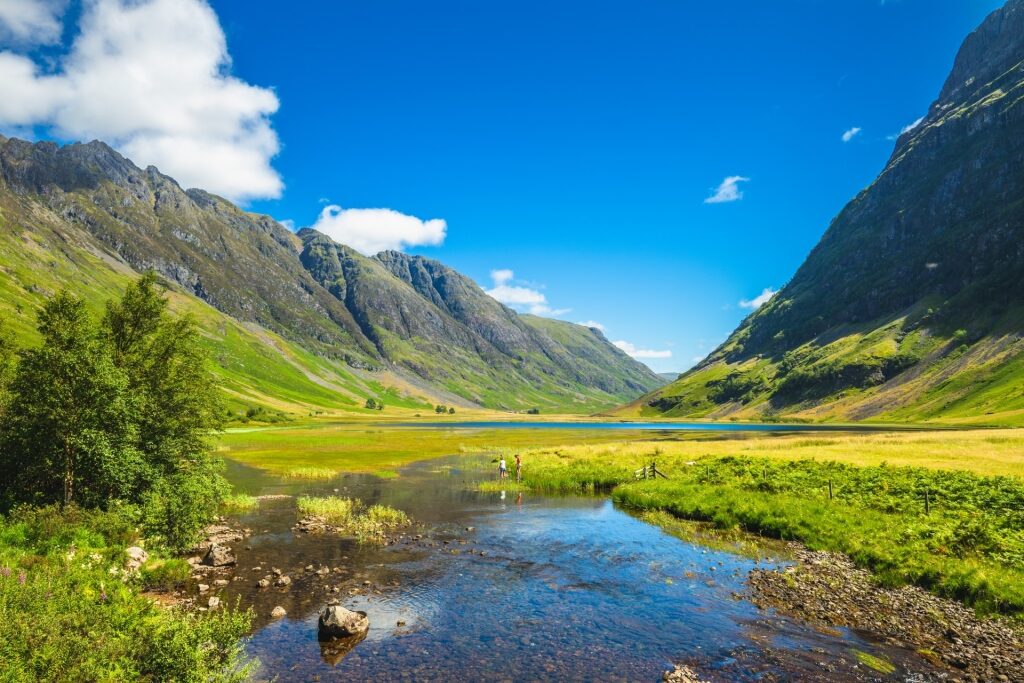
Scottish Highlands, Scotland
With a low population density and vast areas of moorland and forest, this is an area for outdoor adventure. Hikers, climbers, hunters—and whisky lovers—roam its wild and romantic landscapes.
I used to hike in the Highlands every summer while living near Inverness. It’s certainly the most beautiful landscape in the UK—but do bring midge spray in summer.
Montserrat, Spain
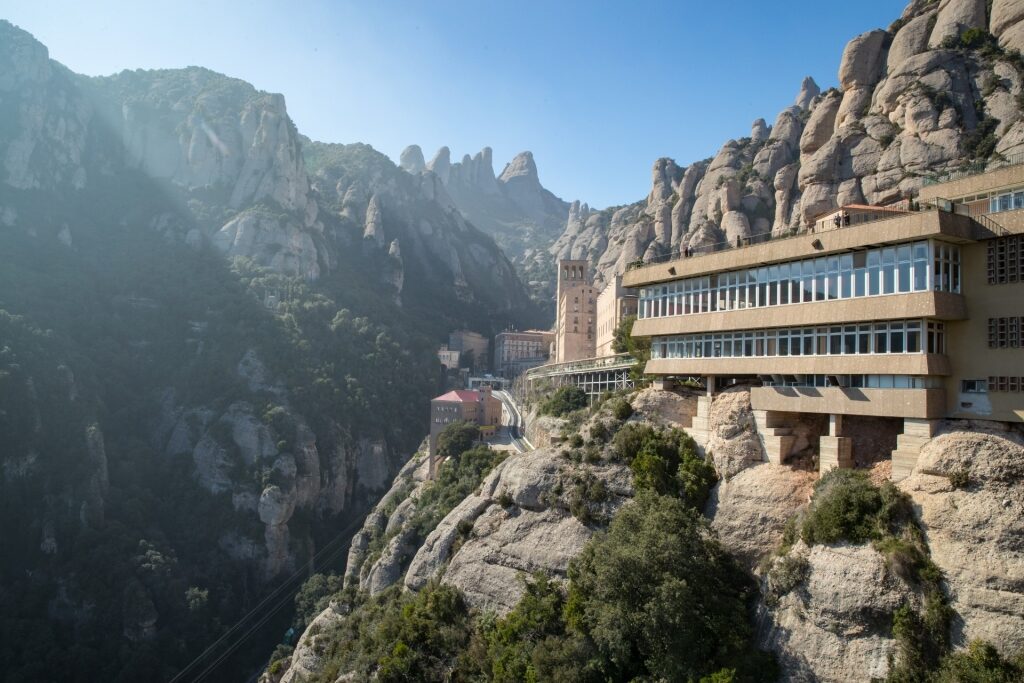
Montserrat, Spain
Montserrat is a mountain range near Barcelona, named for its unusual “serrated” series of peaks. High on its slopes sits the imposing Santa Maria de Montserrat Abbey, a focus for many visitors.
This Benedictine monastery houses a famous Black Madonna. Dating to at least the 12th century, it’s one of Spain’s most revered religious icons.
The area is a protected natural park, with numerous scenic hiking trails to explore. A cable car makes for easier access to some panoramic views of its unusual landscapes. Rock climbers love the dramatic rock formations, as well. Being within easy reach of Barcelona, it’s a popular natural escape for many city-dwellers.
Mount Fuji, Japan
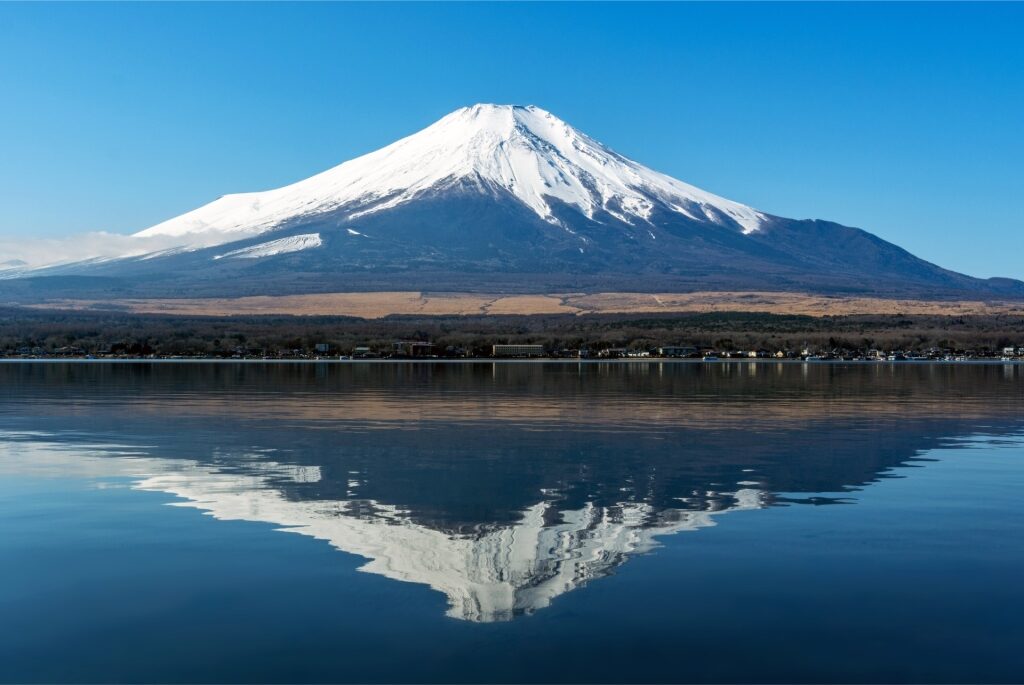
Mount Fuji, Japan
Mount Fuji is an active volcano and Japan’s highest peak at 12,300 feet. Its exceptionally symmetrical shape, often snow-capped, is an instantly recognizable symbol of the country.
The mountain appears in many historic paintings and has been designated as a UNESCO World Heritage site. You can see it best from the beautiful Fuji Five Lakes region at the base.
The awe this breathtaking landscape inspired has given Mount Fuji a central place in both Shintoism and Buddhism. Numerous shrines dot its slopes and surround its base.
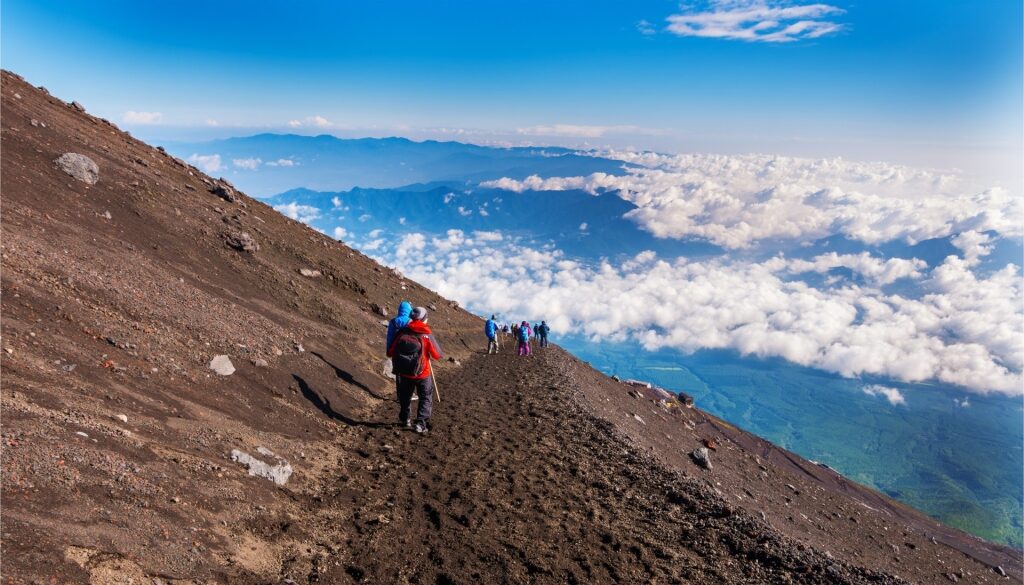
Mount Fuji, Japan
Fuji is the world’s most climbed mountain, despite the official season lasting only for the months of July and August. Many Japanese make the climb at night to see the rising sun, with its strong cultural associations.
Scala dei Turchi, Italy
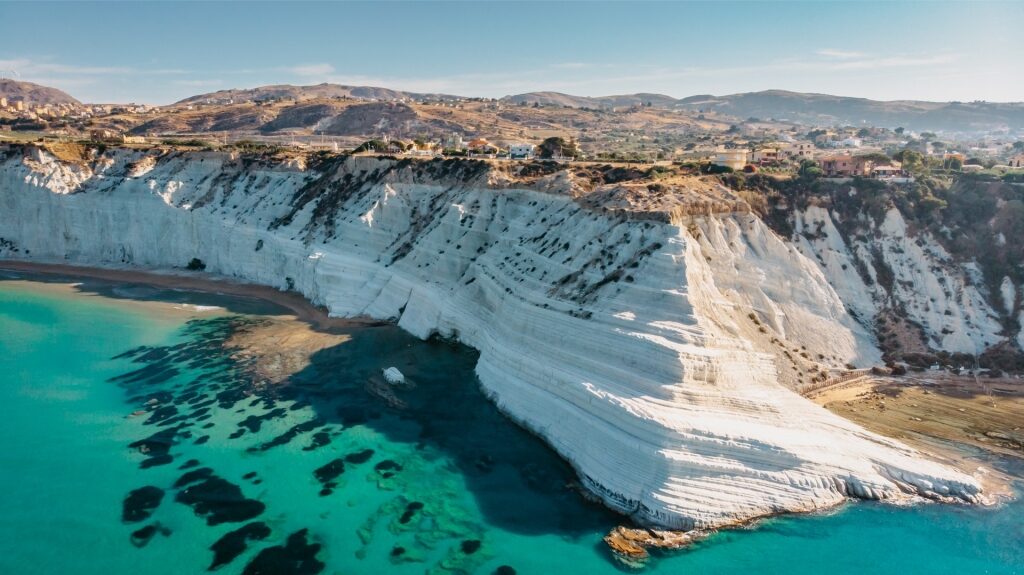
Scala dei Turchi, Italy
Scala dei Turchi is a remarkable white cliff on the coast of Sicily. Its stepped face rises from the turquoise sea like some vast natural staircase.
The rock is a mix of soft limestone and clay that has been shaped by wind and rain. The resulting smooth terraces make this beautiful landscape one of Sicily’s most photographed natural wonders.
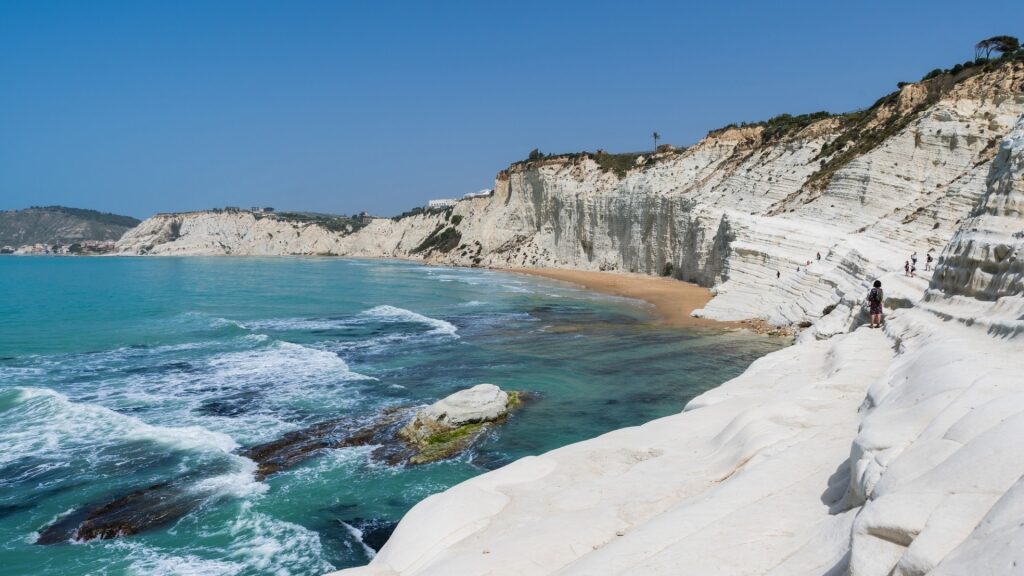
Scala dei Turchi, Italy
“Scala dei Turchi”—meaning “The Turkish Steps”—is often said to refer to Turkish pirates coming ashore here. However, “Turks” was a name for the Saracens and Ottomans who took control of Sicily from the middle of the ninth century onwards.
Visitors used to climb the rocks for a closer look, but happily, that’s now banned to help stop erosion. I love the view from the beach or, even better, one of the popular beach bars.
Jeju Island, South Korea
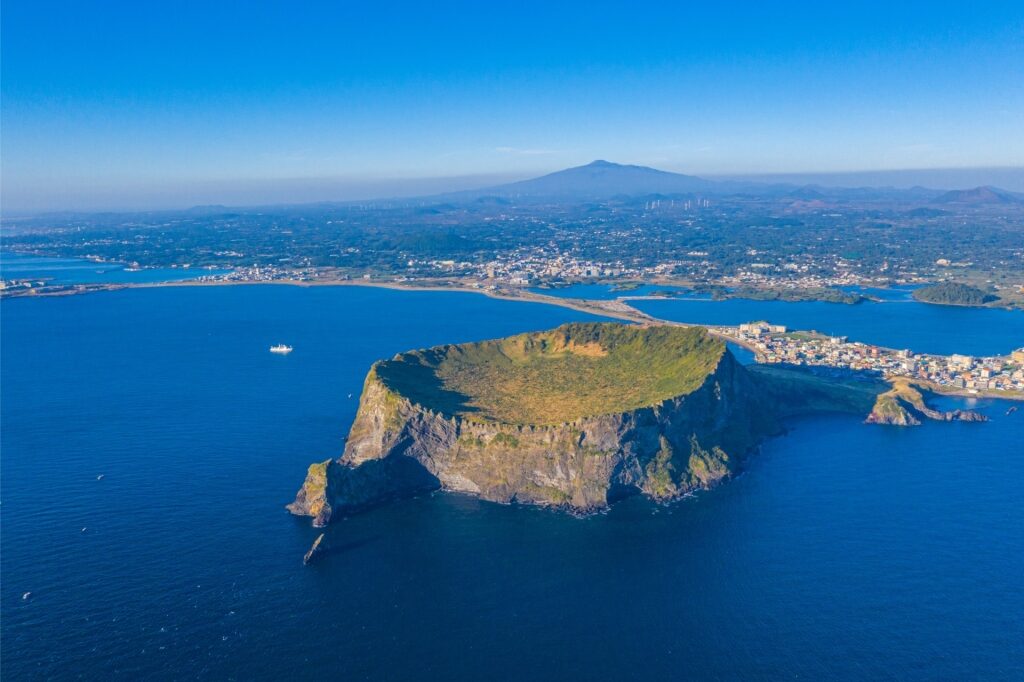
Jeju Island, South Korea
Jeju is a volcanic island off South Korea, formed eons ago by volcanic flow from Mount Hallasan. It has a dramatic coastline and landscape of lava tubes and volcanic cones.
Its geological wonders and mild climate have made Jeju a draw for visitors. It’s also famed for its haenyeo—female free divers—and citrus orchards.
Major attractions include the vast Manjanggul Lava Tube and the dramatic Seongsan Ilchulbong tuff cone. Many picturesque waterfalls add to the beauty of the island’s landscape.
Any food-lover will also want to experience the island’s notable cuisine. My favorites are the black pork and fresh seafood.
Great Barrier Reef, Australia
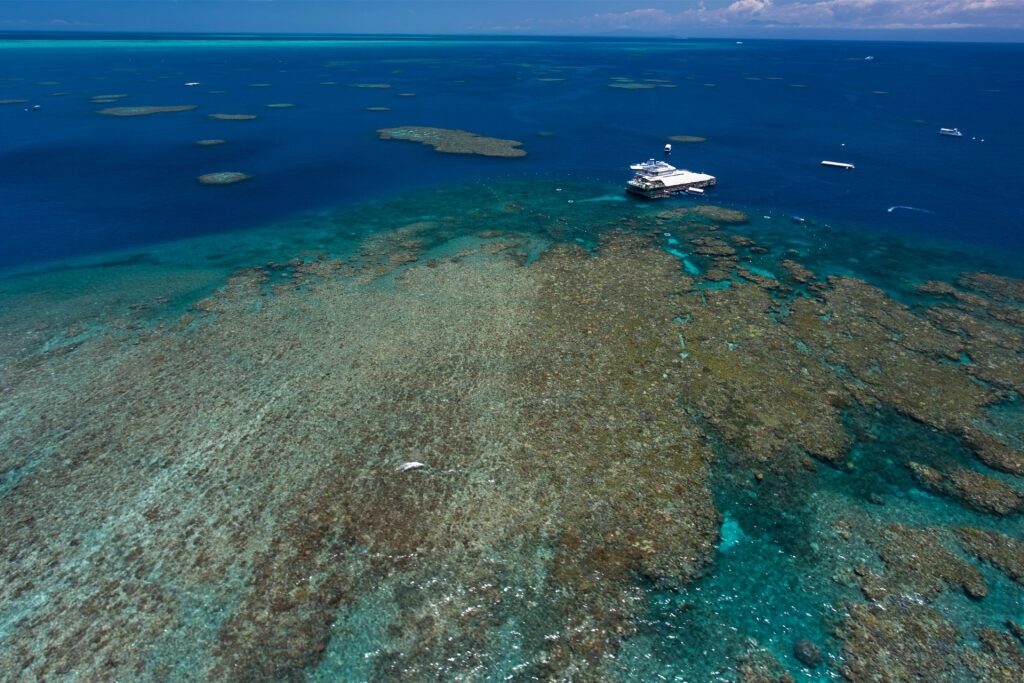
Great Barrier Reef, Australia
Visible from near-space, the scale of the world’s largest coral reef system is too big to grasp. It is in the details of its corals and myriad sea creatures that you gain a real sense of its place in the natural world.
Long a UNESCO World Heritage site, the Great Barrier Reef supports an immense biodiversity of corals but also species such as turtles, sharks, and dolphins. Climate change is a real threat, seen in the bleaching of the coral, but Australia is fighting to preserve it.
The reef is made up of 2,900 individual reefs and 900 islands stretching more than 1,400 miles. Visitors can enjoy it by snorkeling, diving, and on glass-bottom boat tours.
Kirkjufell, Iceland
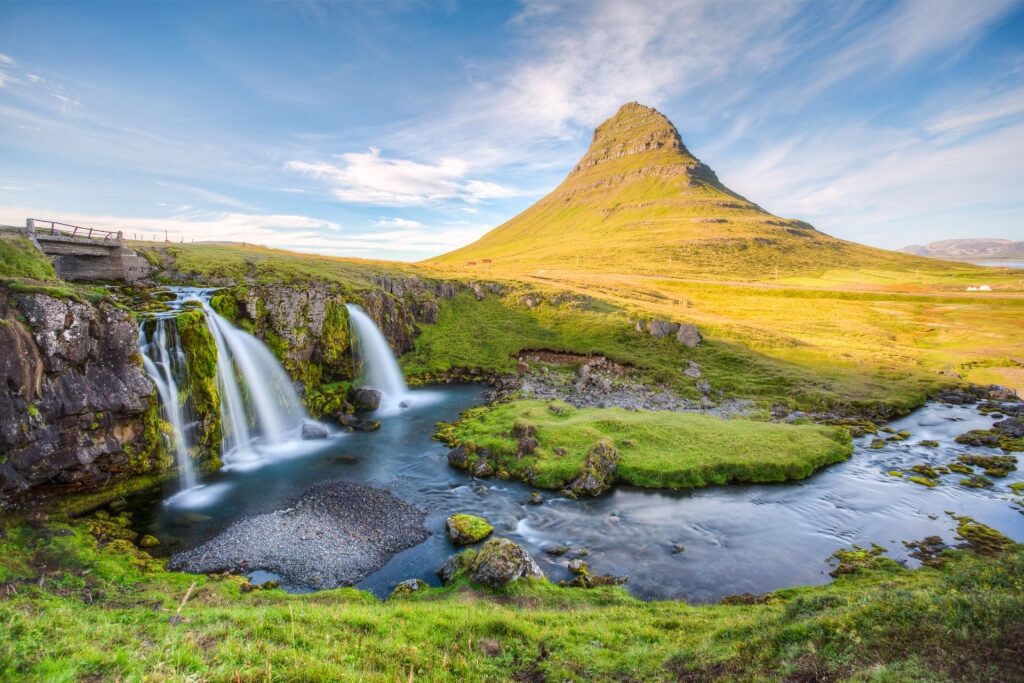
Kirkjufell, Iceland
This distinctive shape of “Church Mountain” is one of Iceland’s most photographed landmarks. It stands 1,519 feet high on the Snæfellsnes Peninsula, an evocative image of Iceland’s glacier-carved wilderness.
Nearby, the wide Kirkjufellsfoss waterfall gives photographers a classic framing foreground. You may recognize the scene from a starring role on several TV series.
Under the northern lights or midnight sun, the view is even more photogenic. The surrounding area also has a photo-worthy geology typical of Iceland, from frozen lava fields to coastal cliffs. There’s a walking trail around the mountain, too.
Ha Long Bay, Vietnam
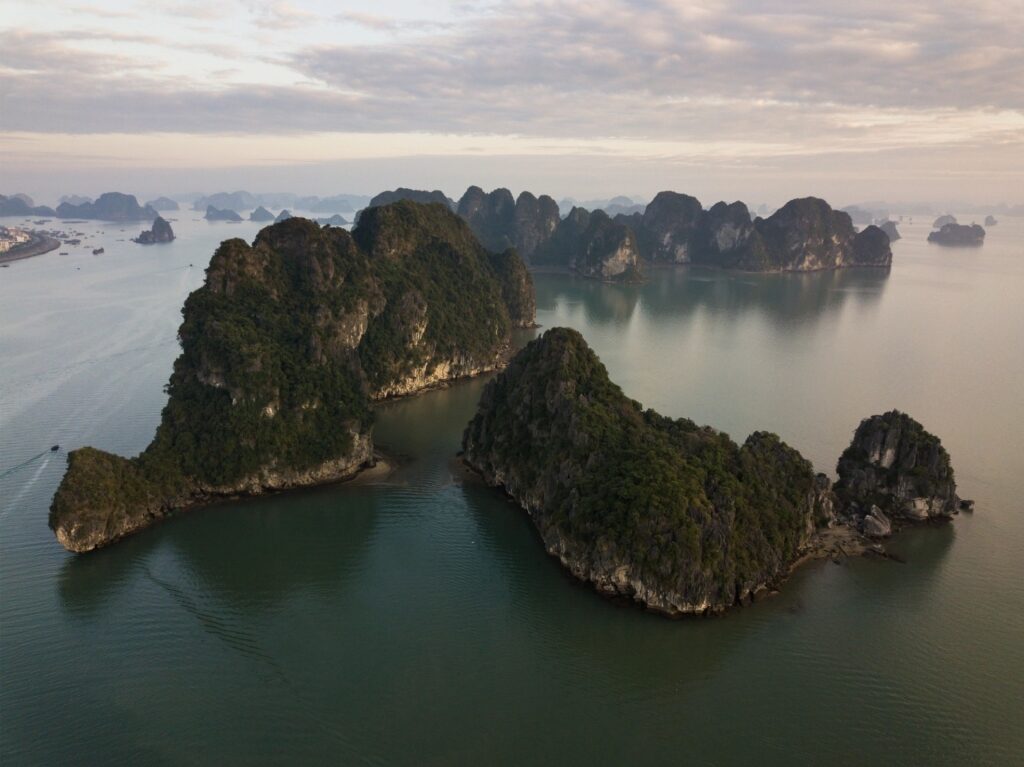
Ha Long Bay, Vietnam
The combination of calm, emerald-green waters dotted with thousands of tree-covered rocky islands sounds like an ethereal paradise come to life, but that’s Ha Long Bay.
This UNESCO World Heritage site in the Gulf of Tonkin is best seen by boat. You can sail amid a mystical landscape, often shrouded in mist.
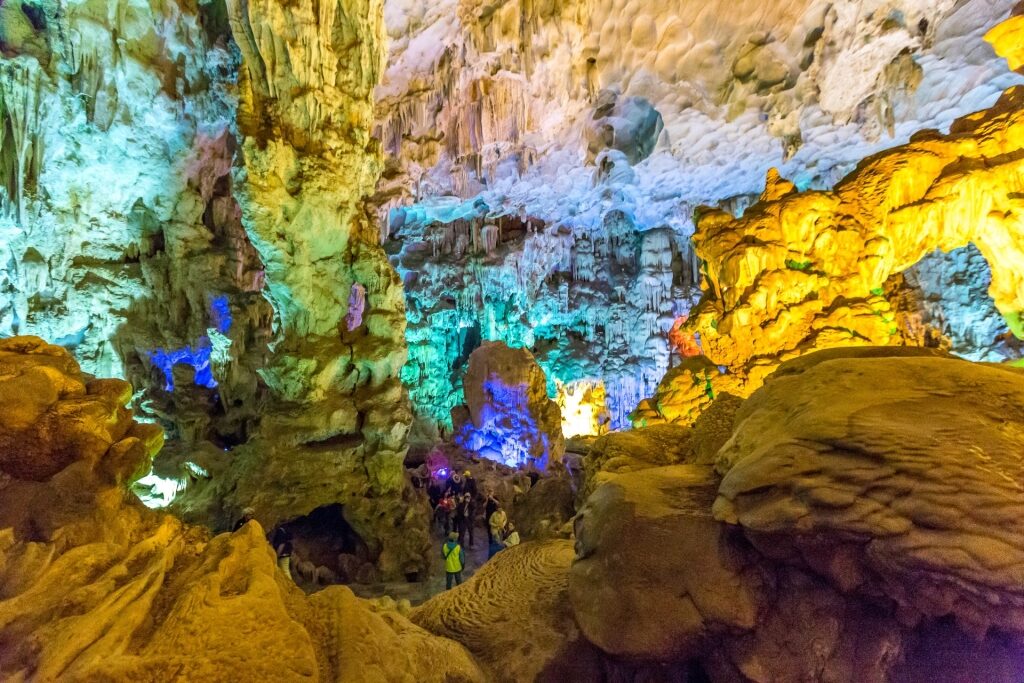
Sung Sot Cave in Ha Long Bay, Vietnam
You’ll see weathered limestone caves, grottoes, and striking coral reefs. However, my most interesting experience was visiting a “floating” fishing village built over water to learn about their traditional way of life.
On Titov Island, you’ll find a beautiful tropical beach at the foot of a steep mountain. Climb the 400 steps to a viewpoint that gives a 360° panorama of the bay.
Milford Sound, New Zealand
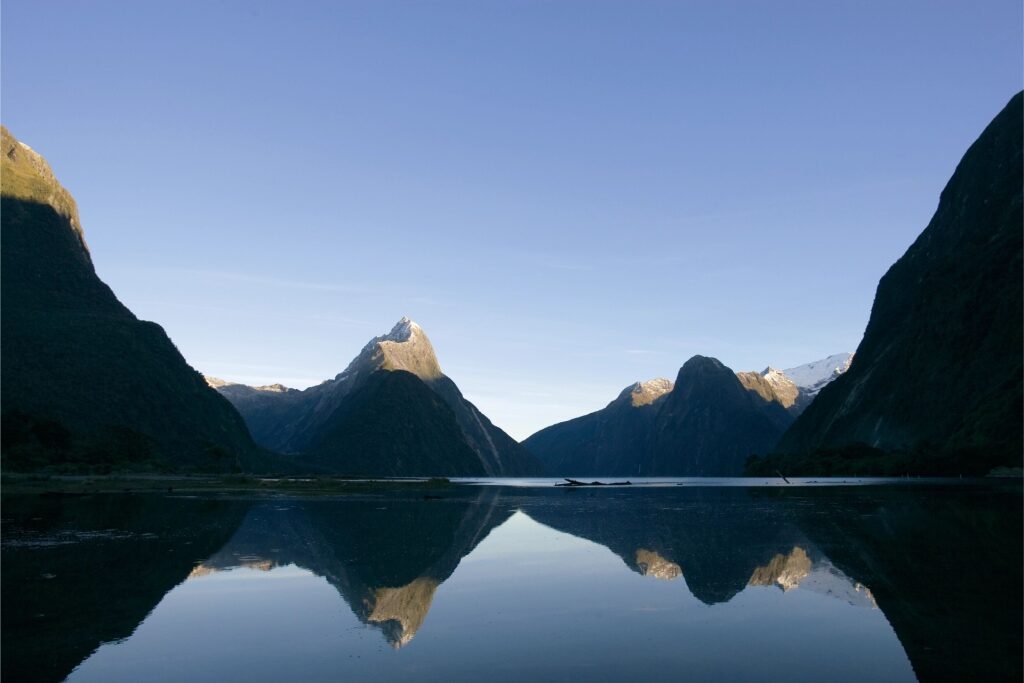
Milford Sound, New Zealand
Milford Sound is a fjord in Fiordland National Park, an outstanding sight in a landscape of dramatic scenery. Sheer cliffs rise thousands of feet from the deep, dark waters of the sound.
Down those cliffs, carved by glaciers during the ice ages, drop waterfalls such as 500-ft-high Stirling Falls. Wildlife—including seals, penguins, and dolphins—brings vibrant life to the often-stormy water.
The region’s abundant rainfall has also created a lush rainforest environment on land. Take a boat tour or scenic flight for closer views of what English writer Rudyard Kipling dubbed the “eighth wonder of the world.”
Paradise Bay, Antarctica
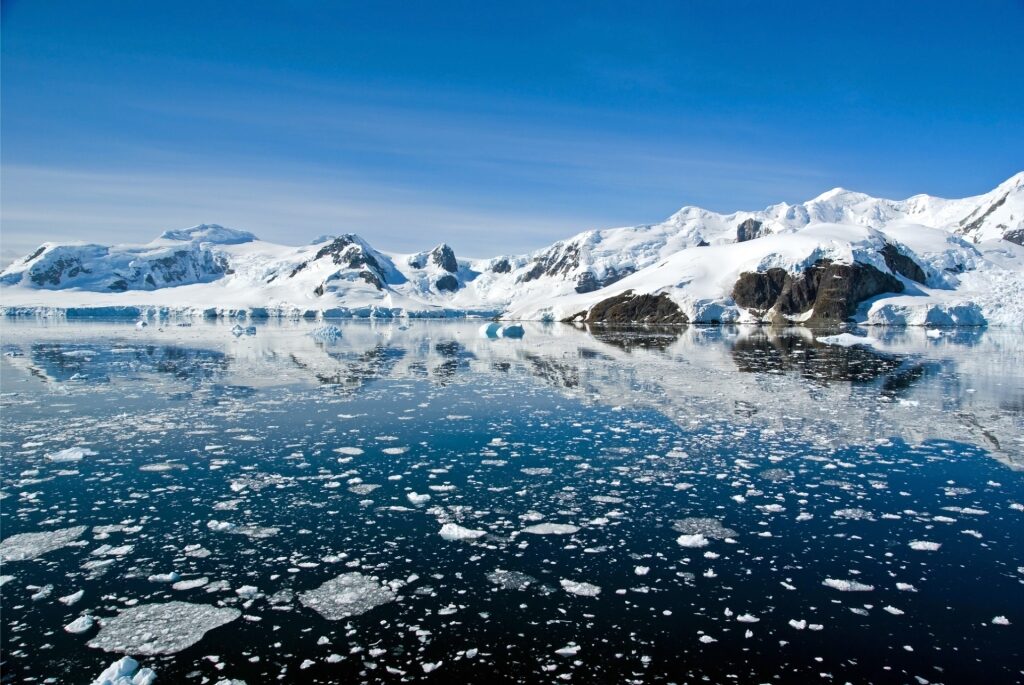
Paradise Bay, Antarctica
The almost unearthly beauty of Antarctica is seen at its best in Paradise Bay. Mirror-like waters reflect towering, ice-capped mountains and glaciers.
The bay was named by whalers who found a safe harbor in this inhospitable continent so far from civilization. Human activity is dwarfed by the scale of nature, with the silence broken only by calving ice and the sounds of sea life.
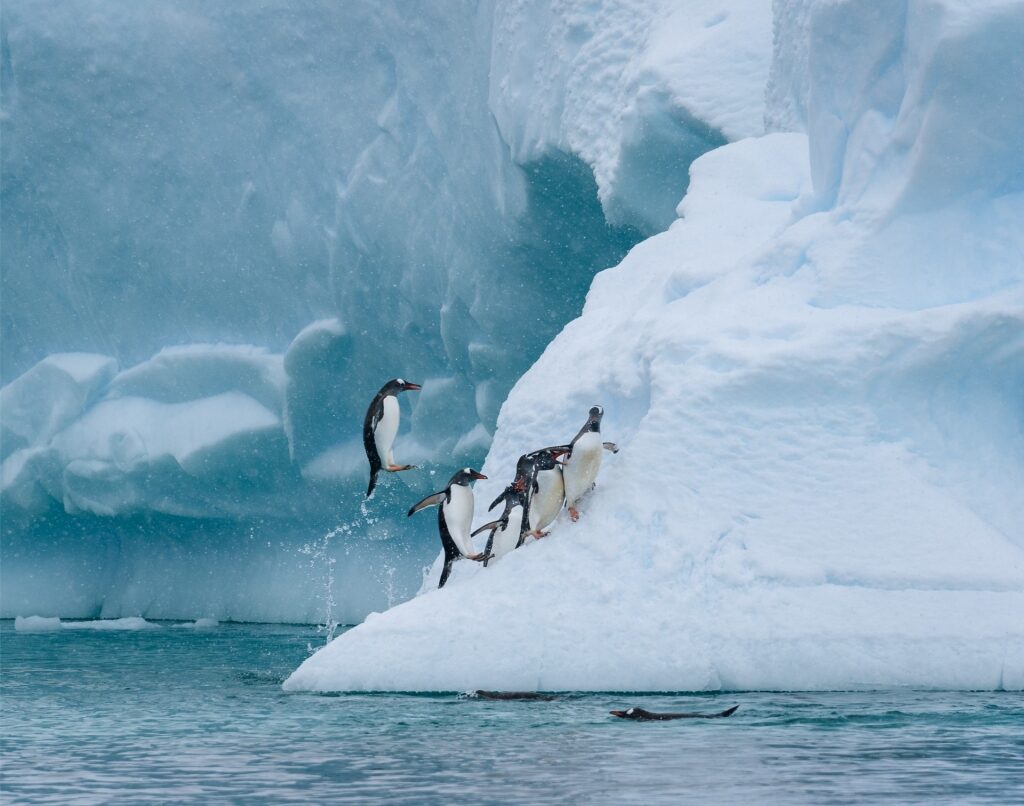
Paradise Bay, Antarctica
Temperatures here are below freezing year-round, although the bay is ice-free in summer. Delightful Gentoo penguins carry on with their daily routines, unaffected by the few ships that call in after the ice clears.
After enjoying the penguins or spotting seals and whales, your eyes will keep returning to the epic, beautiful landscape. Its raw, almost terrifying power brings a sense of awe and humility that stays in my memory.
FAQs
Where is the most beautiful landscape in the world?
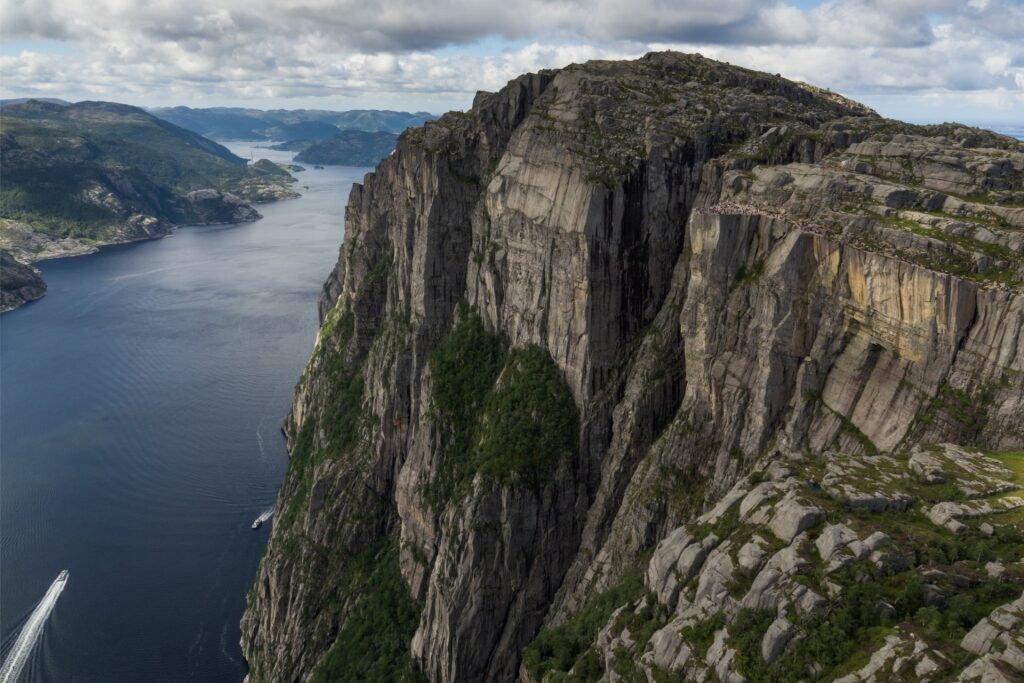
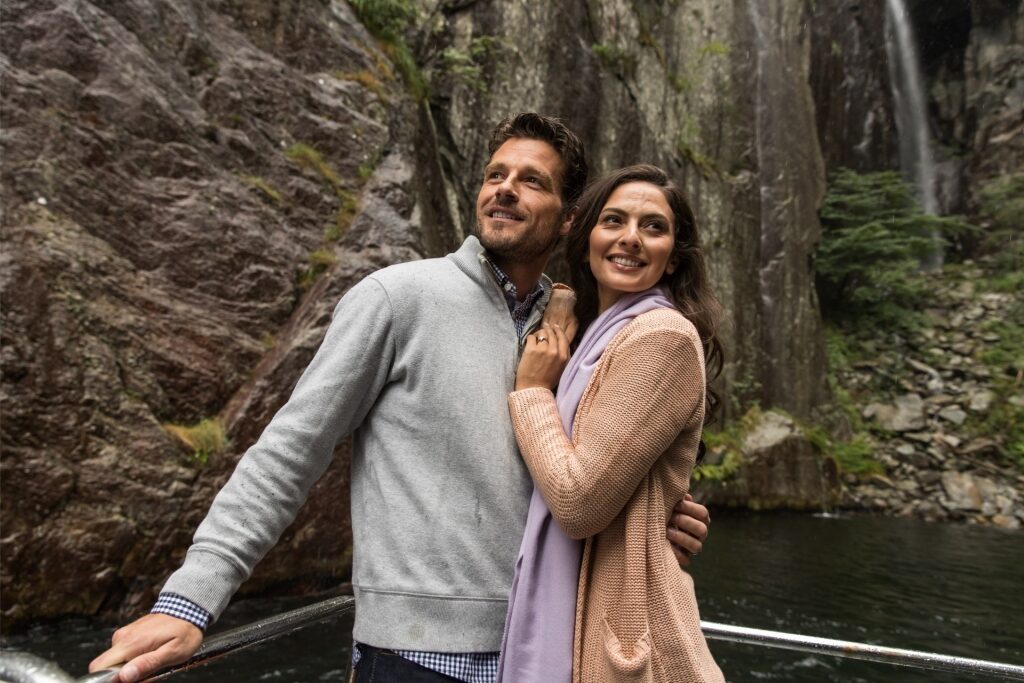
Lysefjord, Norway
This is a difficult question as we all have different tastes. However, the Norwegian fjords, New Zealand, and the Scottish Highlands regularly top lists of the world’s most beautiful landscapes.
Which country has the prettiest nature?
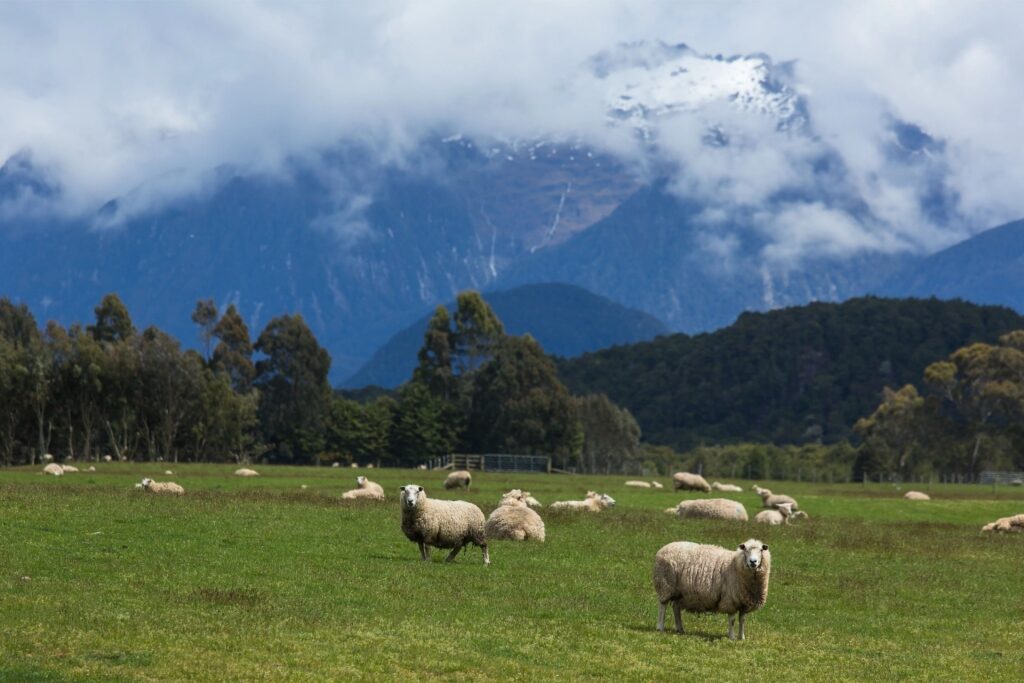
New Zealand
New Zealand has to be a strong contender for having the prettiest nature with its mountains, beaches, fjords, and rainforests, all in a relatively small area. Hawaii has really beautiful landscapes as well, plus tropical weather.
Where are the most beautiful landscapes in Europe?
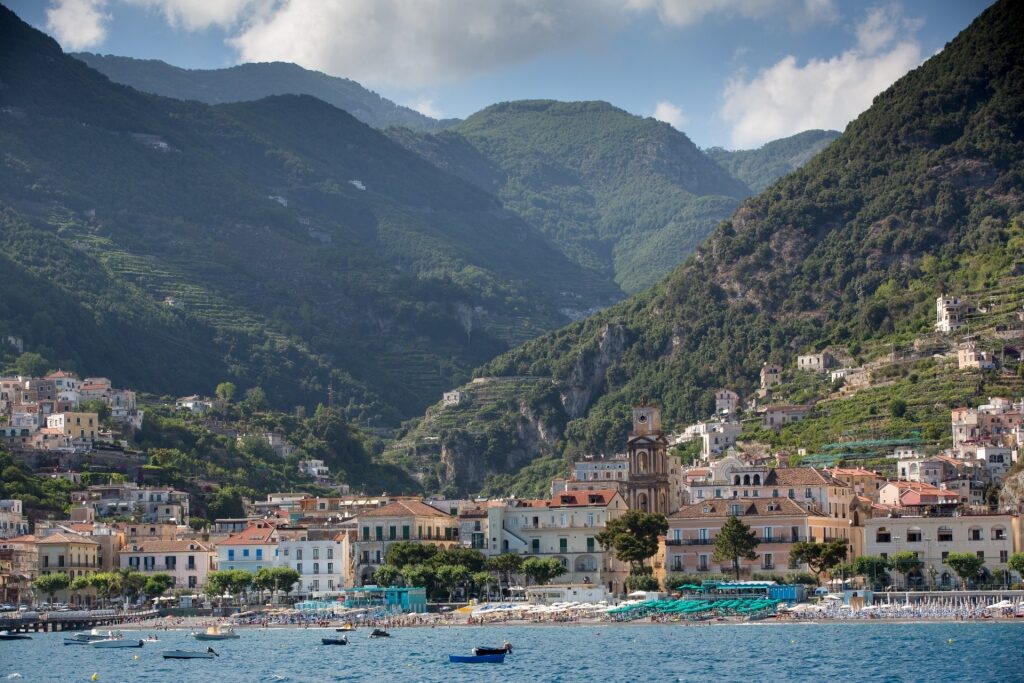
Positano in Amalfi Coast, Italy
The Norwegian fjords and the Scottish Highlands are essential sights in Europe. Iceland and Switzerland also have beautiful landscapes, while Italy must be mentioned for places such as the Amalfi Coast.
What are the most beautiful natural landscapes in Asia?
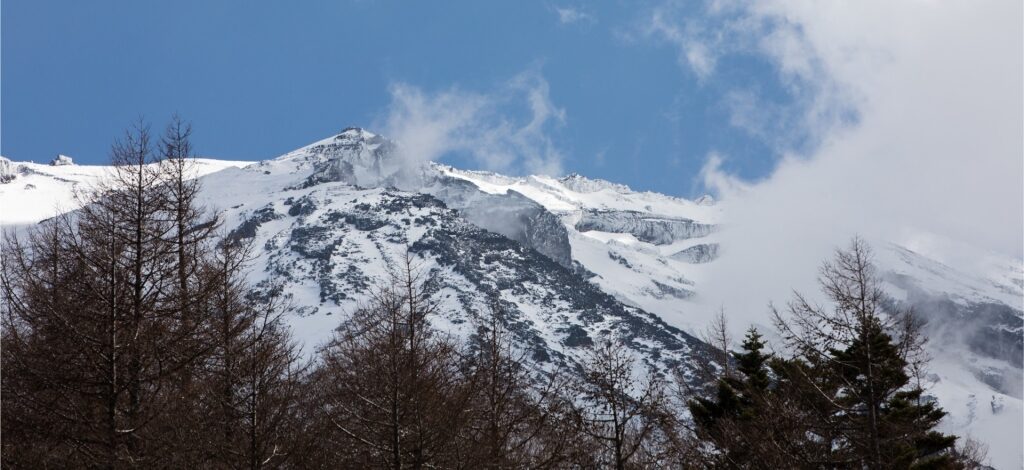
Mount Fuji, Japan
Ha Long Bay in Vietnam is unmissable for its limestone karsts rising from blue water. However, Japan has a number of beautiful landscapes that make it unmissable.
What are some underrated destinations with beautiful landscapes?
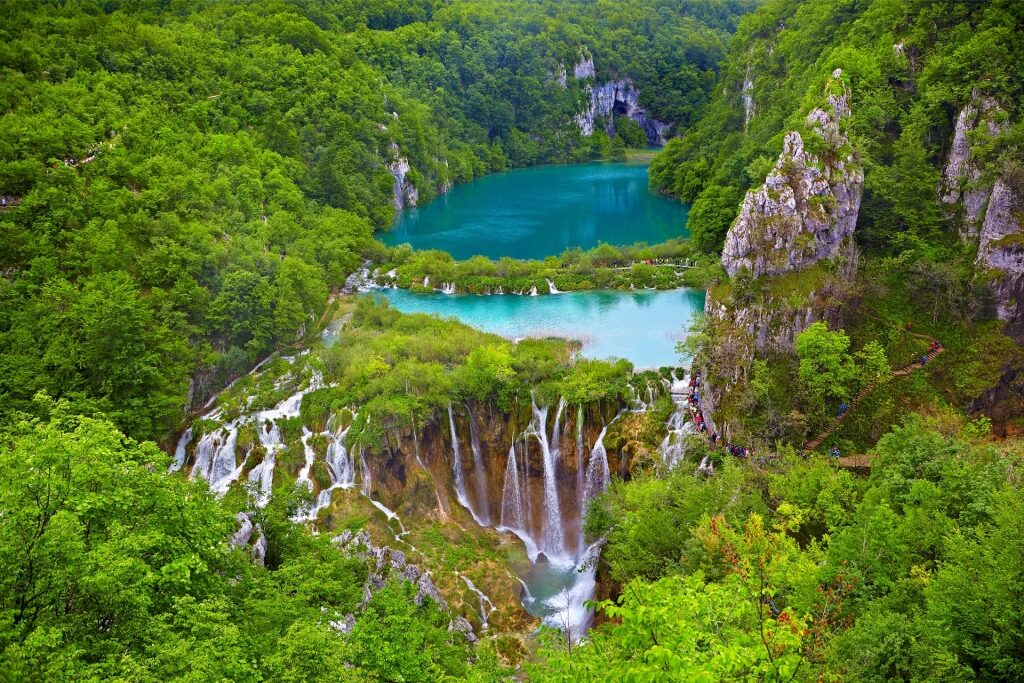
Plitvice Lakes National Park, Croatia
Croatia is gaining fame for sights such as Plitvice Lakes. Other underrated destinations worldwide include South Korea and Portugal.
How can I photograph beautiful landscapes?
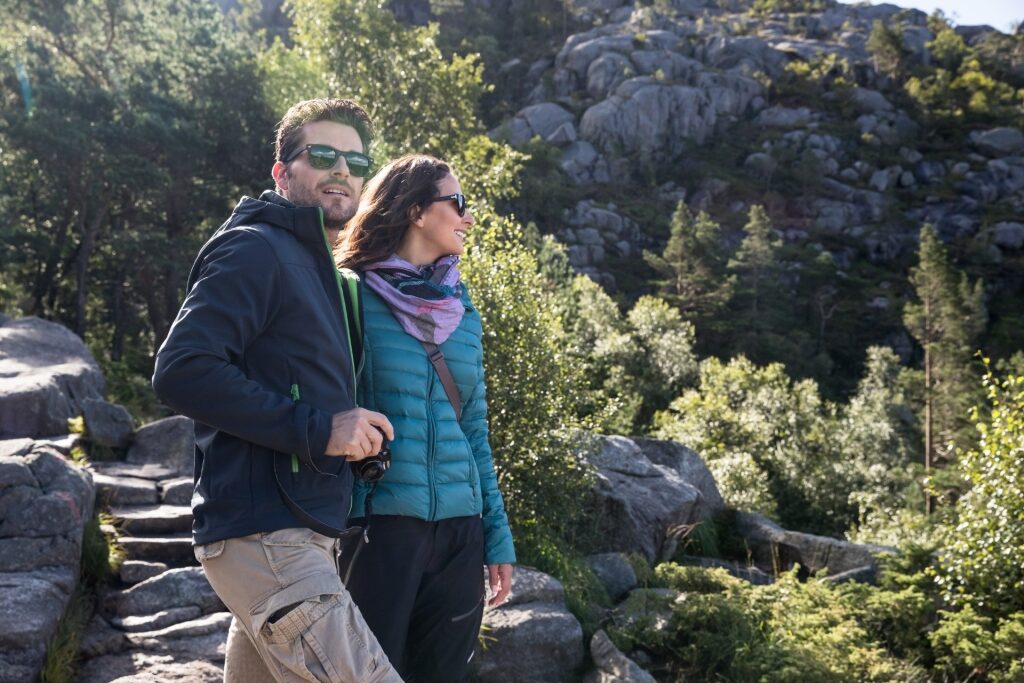
Pulpit Rock, Norway
Light is always the key to good photos, so shoot during the golden hour after sunrise or before sunset. At the very least, try to avoid the harsh midday sun.
Follow the rule of thirds: your horizon should be straight, and either in the top or bottom third of your image.
Weather adds drama, so look for good images even on cloudy or stormy days. Finally, take your time as a scene can change drastically if you wait for people, sunshine, or clouds to come or go.
Lysefjord, Norway
Has this guide to the beautiful landscapes from around the world called to the explorer in you? Browse Celebrity’s worldwide itineraries and you’ll find the perfect sea or river cruise to help you discover every continent.