
You’ve booked your cruise—congrats! You might be wondering about travel insurance, which shows you’re already a step ahead. Typically, the best time to buy travel insurance is soon after making your initial trip deposit, though exact deadlines and benefits vary by plan. In fact, many travelers choose to buy cruise travel insurance within 14 to 21 days because some benefits may only be available when coverage is purchased early.
Purchasing early may unlock time-sensitive benefits and protect your investment sooner, a win-win if you’re hoping for less stressand fewer unpleasant surprises.
This guide will help you learn the best time to buy coverage, whether you can buy insurance later, why cruise vacations have unique risks, and what to look for before choosing a plan.
Your Best Time To Buy Cruise Insurance Depends on Your Trip Timeline

Checking out every detail before setting sail—total peace of mind starts with knowing what’s ahead.
If you’re a planner, you’re most likely hoping to secure added protections for your vacation as soon as possible. On the other hand, if you’re hoping to wait to make your purchase, there are important considerations to keep in mind. Let’s look at the various time frames to highlight the pros and cons of committing now or putting it off:
Within 14-21 Days of Your Initial Deposit
This is the commonly recommended schedule, as it ensures you have every coverage option and advantage available. Many time-sensitive benefits like pre-existing condition waivers and optional Cancel for Any Reason (CFAR) upgrades depend on early purchase.
Just keep in mind that eligibility for various coverages varies by insurer and policy. Even when selecting cruise insurance early, it pays to look into what your particular plan offers.
Before Final Payment
If you miss the 14-21 day window, don’t worry! You can still purchase standard cruise insurance. While you miss out on CFAR and pre-existing condition waivers, purchasing insurance before the final trip payment still delivers assistance for items like unforeseen medical emergencies, trip interruptions, and baggage loss that can occur after the policy is purchased.
Close to Departure
Let’s say you weren’t going to buy travel insurance and then change your mind closer to your embarkation date. You can still purchase coverage before paying the final balance, but protection options may be more limited. A policy purchased closer to departure won’t cover trip cancellations for events that are already known or occurred before you bought it, but you can still get added security against trip interruptions, baggage loss, and medical care needs while at sea or at port.
It’s critical to read policy deadlines carefully so you know what coverage does and doesn’t apply to your specific plan.
Why Buying Cruise Insurance Early Matters

Smooth check-in, light luggage, and total peace of mind as the journey begins.
Cruises help you maximize every second of your trip, with transportation, entertainment, and a place to stay all wrapped in one. This benefit of cruising also leaves more room for unforeseen circumstances that can create a domino effect on the rest of your travel plans.
Here’s why travel insurance timing is more important for this type of travel than road trips or simple flights:
Trip Cancellation Penalties
Unlike land-based vacations, cruises often require you to make significant pre-paid commitments months before departure. Most cruise lines have structured cancellation policies that become more restrictive as your sailing date approaches. While you may receive a full refund if you cancel well in advance, cancellation penalties typically increase over time. Depending on when you cancel, you could forfeit a portion, or even all, of your cruise fare.
Plus, a cruise vacation often includes more than just the fare itself. You can pre-pay for flights, shore excursions, Wi-Fi, beverage packages, and more. If you need to cancel for a covered reason, travel insurance can help protect those investments, reducing the financial risk of an unexpected change in plans.
Flights to the Embarkation Port
If you don’t live in the port city, you’ll have to fly there. While it’s rare, flights can get delayed due to a myriad of reasons, causing you to miss embarkation. Outside of missing the ship’s boarding time, you may have to take on additional travel expenses if you’re forced to find a hotel or use extra transportation you weren’t originally expecting.
Medical Care While Traveling
No one expects a medical emergency to interrupt their vacation, but getting sick or injured while traveling can become expensive. Cruise insurance can help cover eligible medical expenses for unexpected illnesses or injuries that occur during your trip, whether you’re exploring a port of call or sailing at sea.
Many domestic health insurance plans don’t provide coverage outside the U.S. If you need treatment while at sea or at port in another country, your existing coverage may not help with expenses.
In serious situations where the necessary medical care isn’t available on board or at your current location, emergency medical evacuation coverage can help arrange and pay for transportation to the nearest appropriate medical facility.
Weather Disruptions
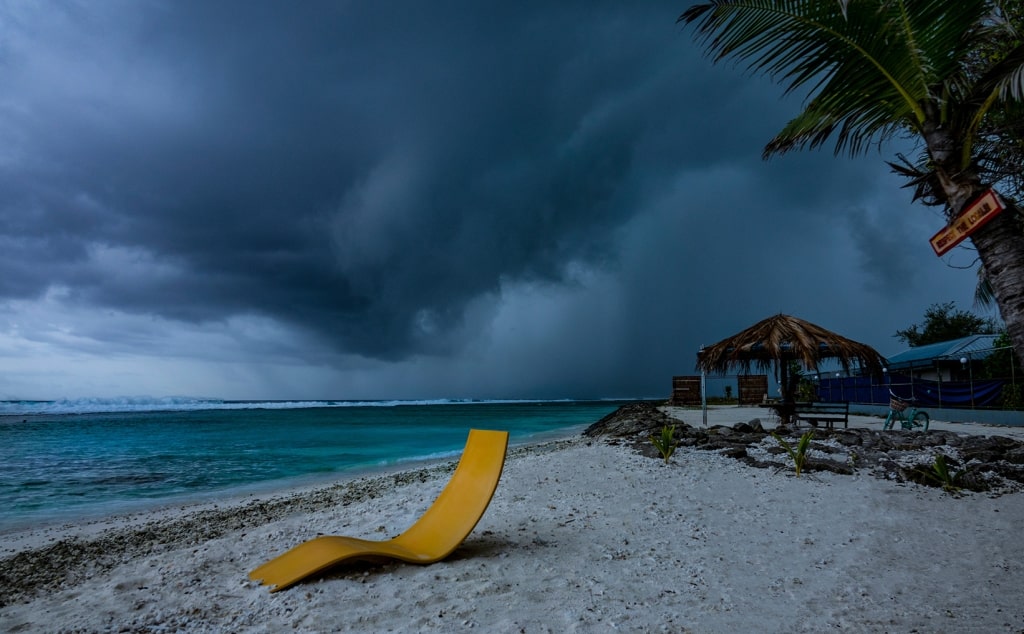
Weather can disrupt travel plans in an instant—travel insurance gives you peace of mind when dark clouds roll in.
Weather is a factor that can impact any type of travel, and cruises are no exception. If you’re traveling during hurricane season, heading toward winter storms, or are anticipating bad weather of any kind, delays and disruptions can easily derail your plans. Cruises are equipped to handle weather conditions, but having extra protection can help ensure you don’t lose money due to canceled flights or delayed shore excursions.
Cruises Come With Unique Risks That Make Insurance Worth Considering
As you plan your perfect vacation, it’s hard to picture something going wrong. You’ve spent hours researching destinations and excursion opportunities, you’ve found the right time of year to go, and you already know the exact meals you want to try once you’re aboard.
The issue is, cruises have many moving parts—and if one thing gets delayed, it can impact other areas of your trip. Some of the most common situations travelers deal with include:
- Missing embarkation because of a delayed flight
- Cruise itinerary changes due to weather
- Lost or delayed luggage before sailing
- Medical emergency during the voyage
- Emergency evacuation
- Trip interruption because of a family emergency
Whether you experience one of these unfortunate events or another hiccup, cruise insurance can provide peace of mind that your finances are in safe hands. Just note that insurance isn’t included as part of your fare, making it a valuable extra expense that can make a huge difference when the unexpected does occur.
What if You Didn’t Buy Travel Insurance Right Away?
Before you assume it’s too late, don’t worry. You may still have options, depending on the available plans. Quickly review what policies are still accessible, align those coverages with your needs, and choose the one that gives you security for your top priorities.
In this instance, it’s truly better late than never. Safeguarding your vacation fund—even right before you leave—can help you feel safer in the event that something actually does happen.
CruiseCareSM Makes It Easy To Explore Coverage for Your Celebrity Cruise
Celebrity Cruises® guests now have access to comprehensive travel protection for each and every trip, no matter the destination or time of year. This optional travel protection plan is an easy add-on to your cruise booking, combining travel insurance benefits with a non-insurance “Any Reason” cruise credit if you need to cancel for a non-covered reason.
Looking for the best travel insurance for cruises? This policy offers a wide range of protections, including:
- Cancellation penalty waiver
- CFAR
- Trip interruption
- Trip delay
- Missed connection
- Medical expenses
- Emergency medical evacuation
- Repatriation of remains
- Baggage and personal effects
- Baggage delay
- Worldwide emergency assistance
You can add CruiseCare℠ anytime between booking and final payment, making it easy to protect the vacation you’ve carefully planned.
FAQs About Buying Cruise Insurance
When should you buy travel insurance for a cruise?
The best time to buy travel insurance for a cruise is typically soon after making your initial trip deposit. Many travelers purchase coverage within 14 to 21 days because some coverage is time-sensitive.
Can you buy cruise insurance after booking?
Yes. In many cases, you can purchase cruise travel insurance after booking and up until your final payment. While you may no longer qualify for certain time-sensitive benefits, you can still receive valuable protections.
Should you buy cruise insurance at the initial deposit or final payment?
Purchasing travel insurance shortly after your initial deposit is generally the better option because it may provide access to the widest range of available benefits. If you wait until final payment, you can still secure many standard protections, but some optional coverages or waivers may no longer be available. Review your policy details carefully to understand any purchase deadlines.
How late is too late to buy cruise travel insurance?
It depends on the policy. Many plans allow you to purchase coverage up until your final payment or shortly before departure, but waiting too long may limit your coverage options. Travel insurance also won’t cover events that were already known or occurred before you purchased the policy, so it’s generally best to buy coverage as early as possible.
Why does buying cruise insurance early matter?
Cruises often involve significant prepaid expenses, including your fare, flights, hotels, shore excursions, and onboard packages. Purchasing travel insurance early can provide protection for your vacation investment sooner and may make you eligible for certain time-sensitive benefits, depending on the plan.
Secure Your Picture-Perfect Vacation
Your vacation planning and investments are worth protecting. Buying travel insurance shortly after your initial deposit is often the best approach because some benefits may depend on when coverage is purchased. Even if you’ve already booked, it’s still worth reviewing your options before departure.
Compare your existing coverage details and explore CruiseCareSM to determine whether it fits your travel plans.