Osaka vs. Tokyo presents a wonderful choice on any trip to Japan. The country’s two largest cities are a study in contrasts but also have much in common. Both are exciting modern cities with their own enthralling, unique atmosphere. While Osaka is a down-to-earth hive of business, Tokyo is the more formal, yet fast-paced capital.
Those differences mean Tokyo and Osaka complement each other, adding superb variety to any Japan visit. It’s hard to say that you’ve seen all this fascinating country has to offer without visiting both.
Here are some points to consider when you’re thinking about whether to choose Osaka or Tokyo.
Weather
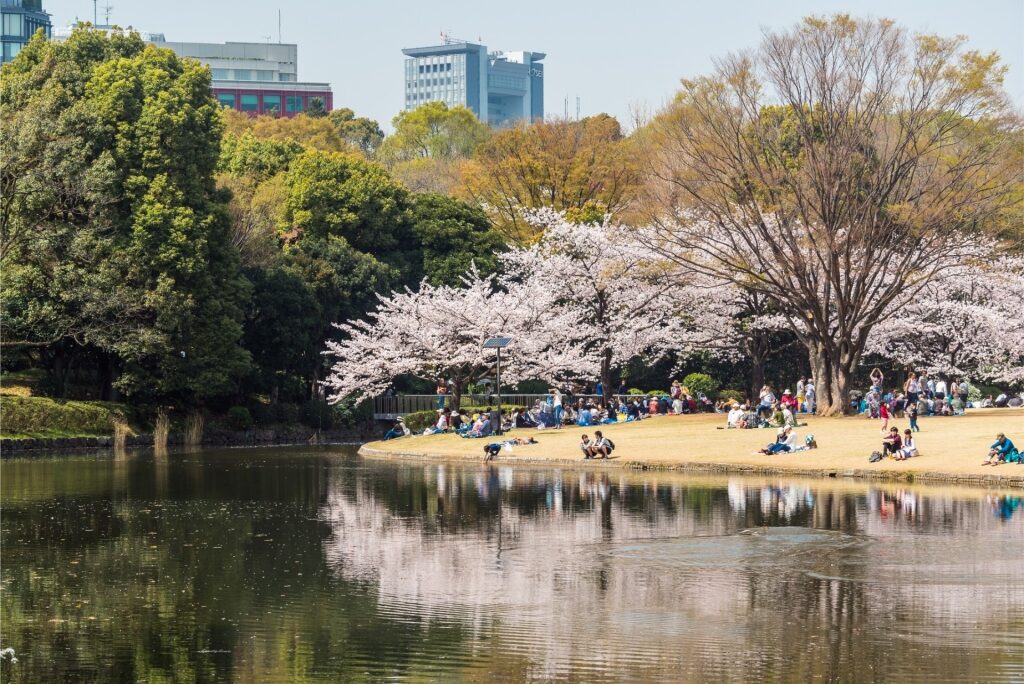
Tokyo
Osaka and Tokyo share a humid subtropical climate, although you might find Osaka a little milder in winter. Osaka’s summers are also slightly hotter and more humid than Tokyo’s.
Tokyo and Osaka both have a comparable rainy season from June through July. Typhoons are more likely in Osaka than Tokyo—the season is from late summer into fall—but the biggest impact is usually heavy rain.
The best time to visit either is during spring in Japan, from March through May, and autumn, from September through November. Late March to early April is the picturesque cherry blossom season, while fall brings beautiful foliage and mild weather.
Location
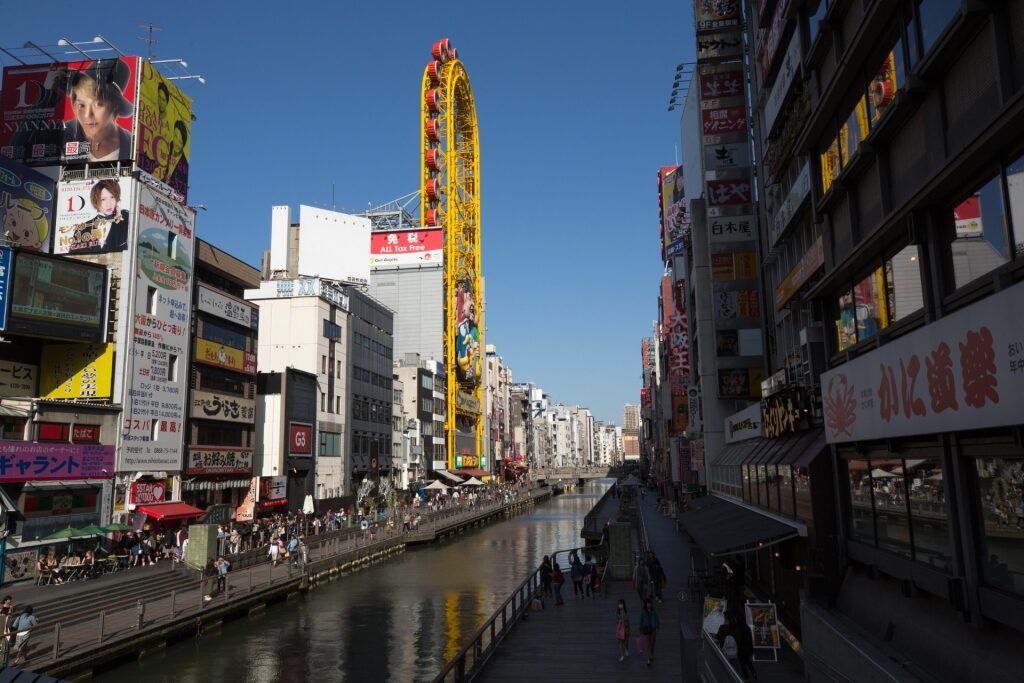
Dotonbori, Osaka
Osaka is in the Kansai Region on the western side of Japan’s main island, Honshu. It stands where the Yodo River opens onto Osaka Bay, making it the major port for western Japan.
Tokyo sits on Tokyo Bay in the Kanto Region on Honshu’s central-east coast. It has been considered the capital of Japan since 1868, when the Emperor moved his home to what was then called Edo.
While Tokyo is the transport hub and gateway to Eastern Japan, Osaka is an ideal base for visiting Kyoto and Nara, the ancient capitals. Osaka is generally much easier to travel out of, given its vastly smaller size than Tokyo.
History & Culture
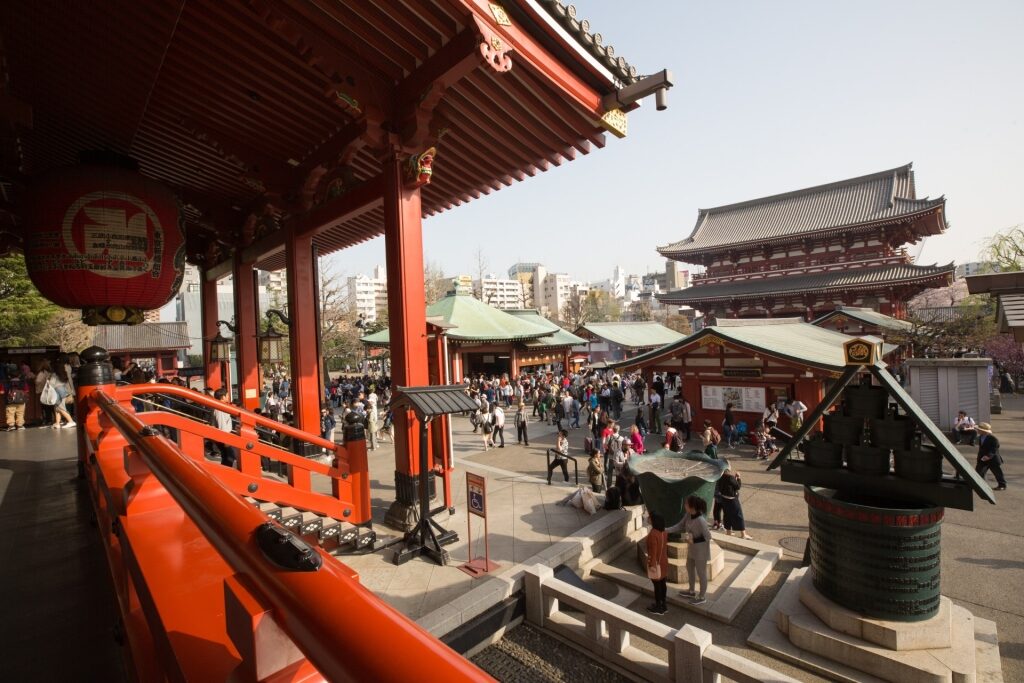
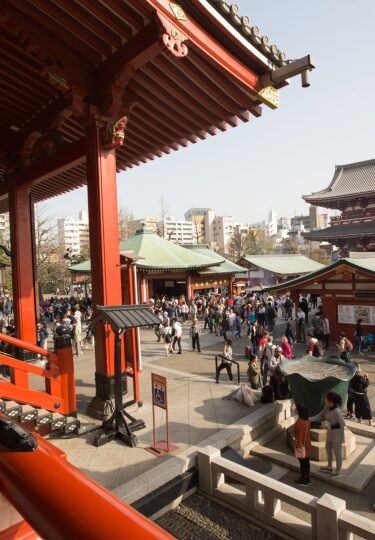
Senso-ji Temple, Tokyo
Tokyo’s roots are in the small fishing village of Edo, which became the seat of the powerful Tokugawa shogunate in 1603. By 1868, it had developed into a major city and was renamed Tokyo—“Eastern Capital”—in 1868 when Emperor Meiji moved there.
As Japan’s official capital, the city grew even faster but was devastated by the 1923 Great Kanto Earthquake and World War II firebombing. Tokyo quickly rebuilt itself, with the 1964 Olympics a significant marker on its way to becoming a global economic powerhouse.
Osaka is much older than Tokyo; it was founded as a merchant city and became Japan’s capital in 645. Osaka Castle was built in 1583, and the city subsequently became Japan’s major rice trading center.
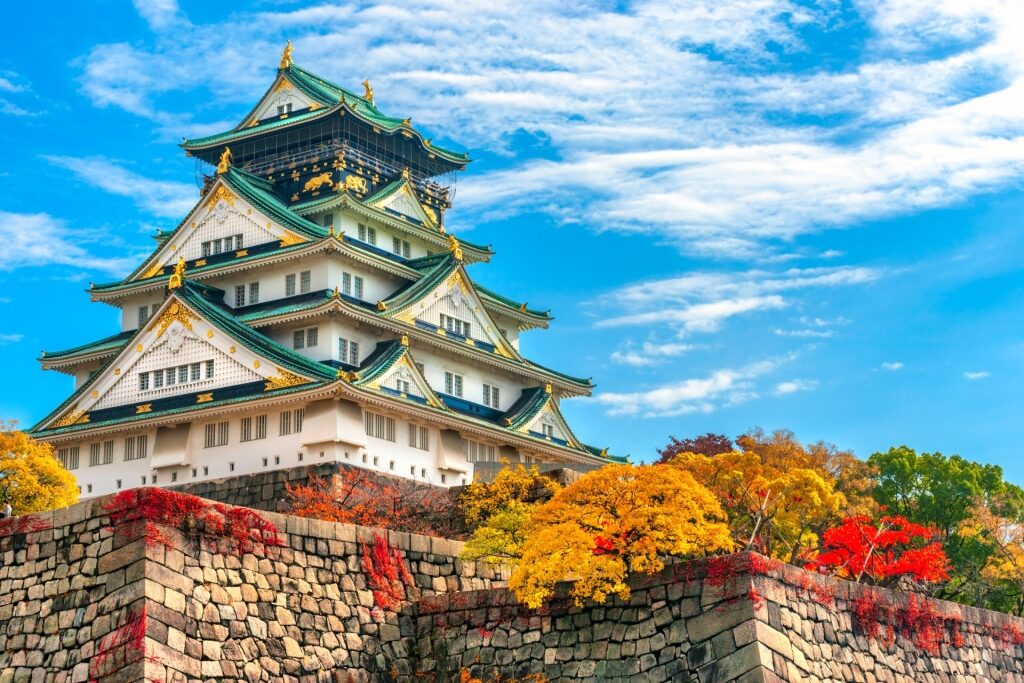
Osaka Castle
This was when Osaka was first known as “Japan’s Kitchen,” a reputation it still holds. Its citizens also have a reputation for being direct and quick-witted, with Osaka’s “manzai” comedy scene nationally famous.
Osaka residents, in turn, think of people from Tokyo as stiff and formal, obsessed with honorifics and hierarchy. This friendly Osaka vs. Tokyo rivalry is most obvious in the subways; Osaka’s is considerably livelier and chattier.
Nature & Parks
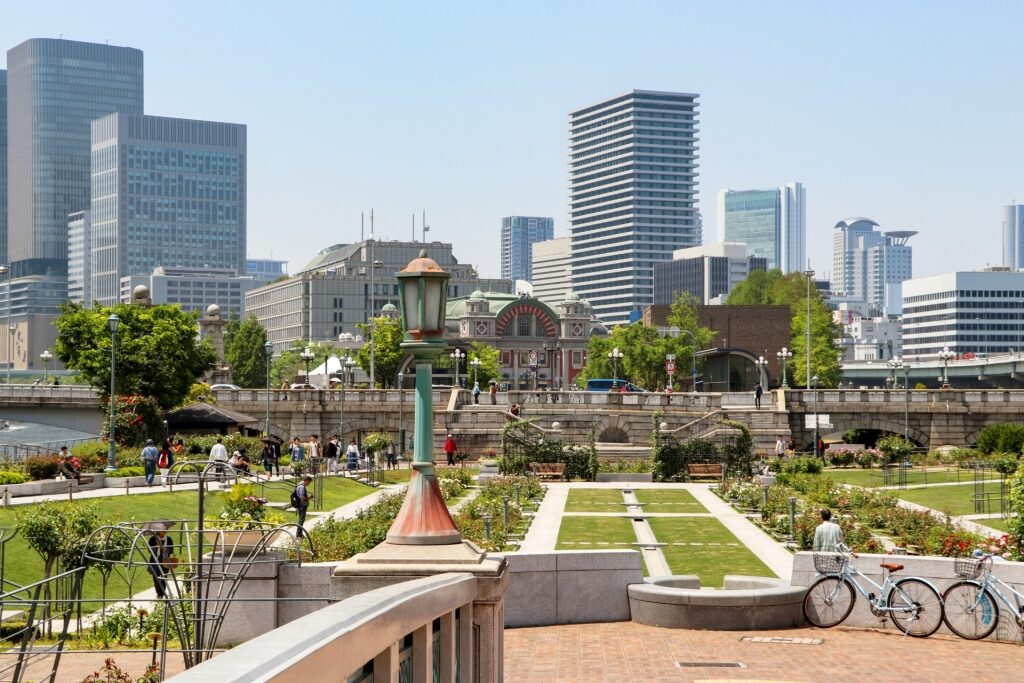
Nakanoshima Park, Osaka
With just under three million inhabitants, Osaka can somehow feel more densely built and crowded than Tokyo. That’s partly due to the city’s energy, which is always uplifting.
At its heart is the massive park around Osaka Castle, which is at its prettiest during cherry blossom season. Nakanoshima Park is a calming mid-river island refuge in the crowded business district.

Nagai Botanical Garden, Osaka
Don’t miss Nagai Botanical Garden with its flower meadows, bonsai trees, and Rose Garden. You can even enjoy a woodland walk through mature trees.
However, Osaka’s real strength is its closeness to two of Japan’s most significant natural gems. The sacred Buddhist retreat of Mount Koya and the deer-friendly parks and grand temples of Nara are both within easy reach.
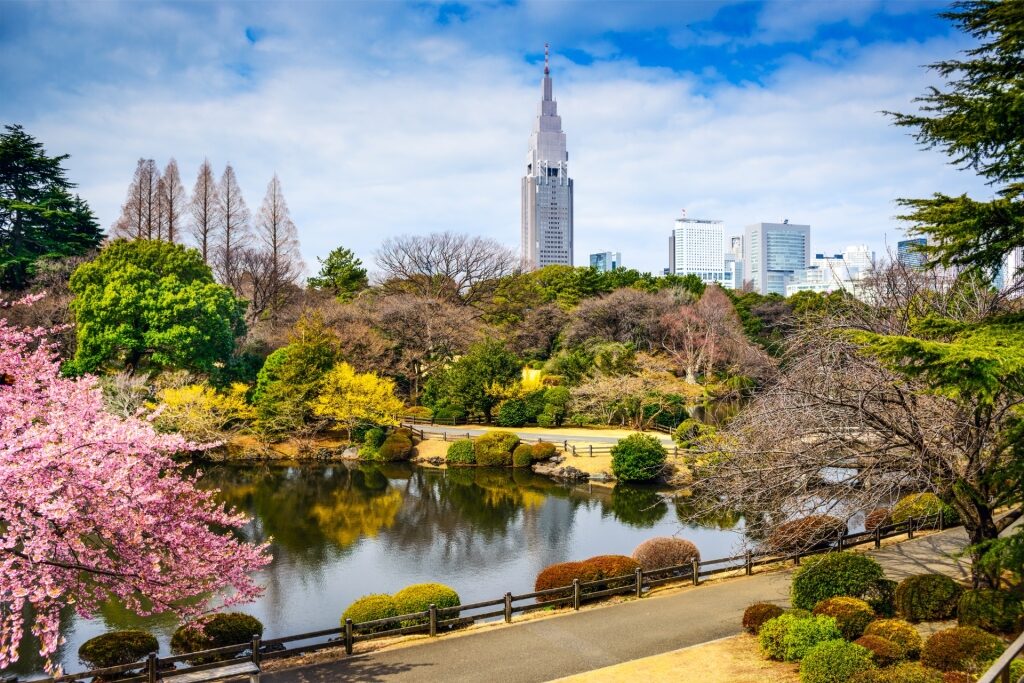
Shinjuku Gyoen, Tokyo
Tokyo is a congested megacity of more than 14 million people that sprawls both outward and upward. Yet it somehow has a surprising amount of green space, even if you can’t always find solitude in it.
Shinjuku Gyoen is a beautiful national garden in Tokyo that’s a delight, albeit a crowded one, in cherry blossom season. The Imperial Palace East Garden is another prime cherry blossom sight that’s equally lovely year-round.
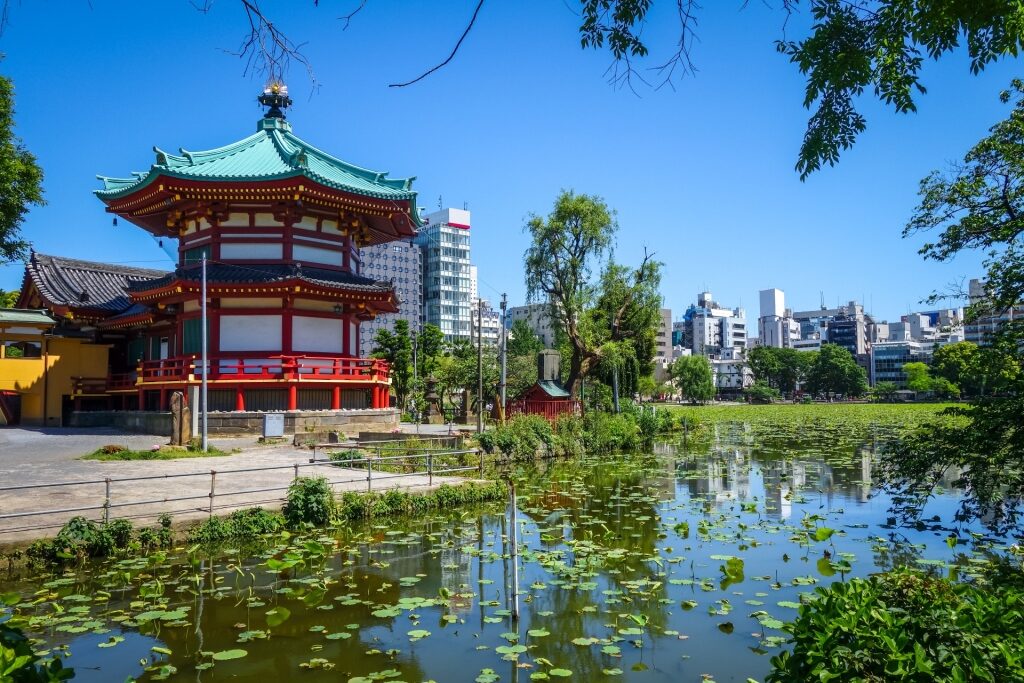
Ueno Park, Tokyo
Ueno Park is a cultural hub where you can find Tokyo museums, temples, and a zoo. Day trips to Mount Takao or the beaches of the Miura Peninsula are other nearby options for city escapes.
Sights

Dotonbori, Osaka
Osaka’s center is dominated by the picturesque Osaka Castle, a convincing concrete replica of the 16th-century original. It stands near the Yodo River, which is plied by glass-topped tour boats—a great way to explore the Japanese city.
The most thrilling stop on any visit is the downtown Dotonbori area. It’s famous for its neon lighting, including the giant Glico “Running Man.”
Dotonbori has been an entertainment district, with restaurants and teahouses, since at least 1626. It’s still a hub for bars, restaurants, and enjoyable people-watching.
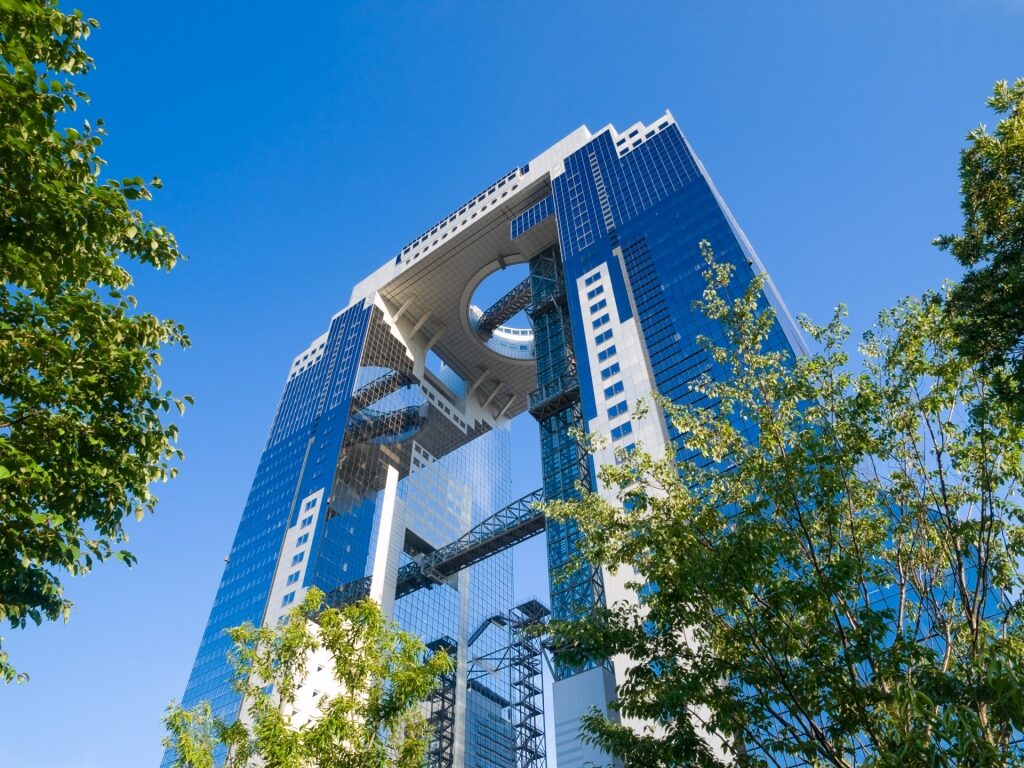
Umeda Sky Building, Osaka
Other landmarks include the Tempozan Ferris Wheel and the Umeda Sky Building’s Floating Garden Observatory. Universal Studios Japan is also a major draw for both Japanese and foreign visitors.
Tokyo is another mix of ultra-modern and historical sights. Among them, the mesmerizing Shibuya Scramble Crossing is perhaps the most photographed.
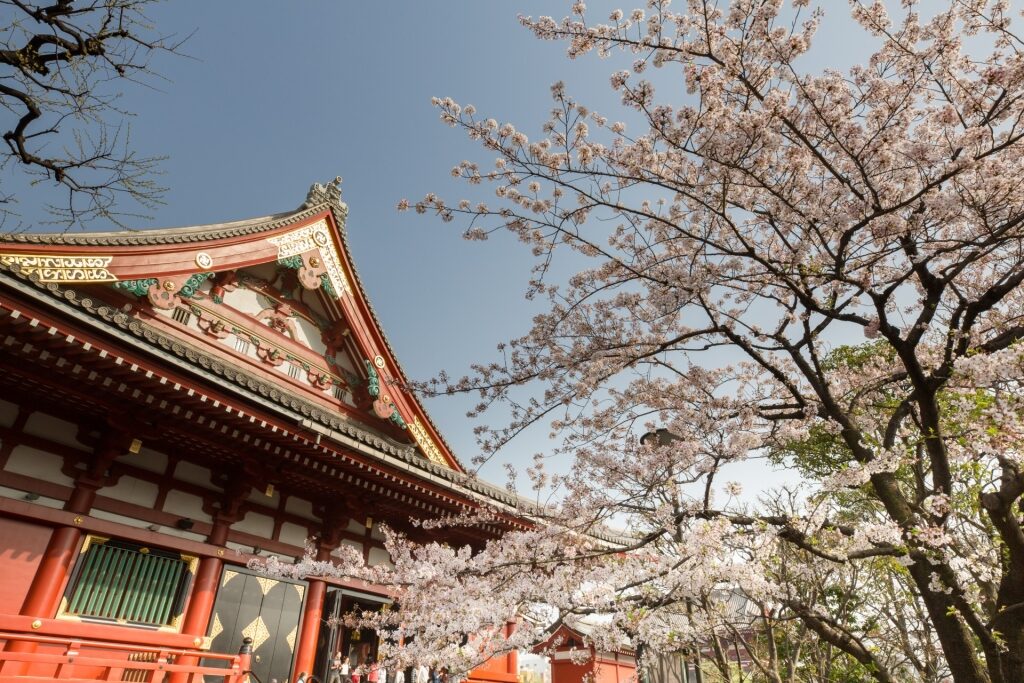
Senso-ji Temple, Tokyo
Other contenders are the beautiful Senso-ji Temple in Asakusa and the view from either the Tokyo Skytree or Tokyo Tower. Shinjuku’s skyscrapers, Harajuku’s Takeshita Street, and Akihabara Electric Town are also as photogenic as they are interesting.
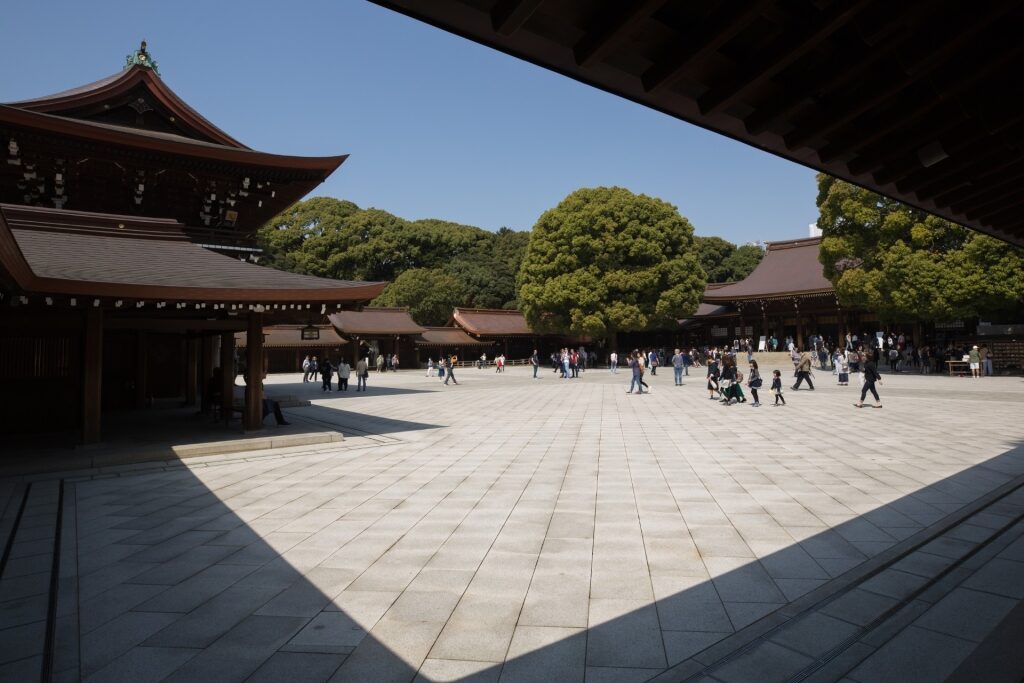
Meiji Jingu Shrine, Tokyo
While Osaka is a great base for seeing the great temples of Kyoto or Nara, Tokyo has both Senso-ji Temple and the Meiji Jingu Shrine to admire. Whichever city you visit, the contrast of ancient sights alongside soaring skyscrapers remains a constant.
Standing back for an overview, it’s worth noting that Tokyo’s sheer scale is a fascinating attraction in itself. You can humanize it by looking at it as a series of smaller cities or neighborhoods, each with its own appeal.
Shopping
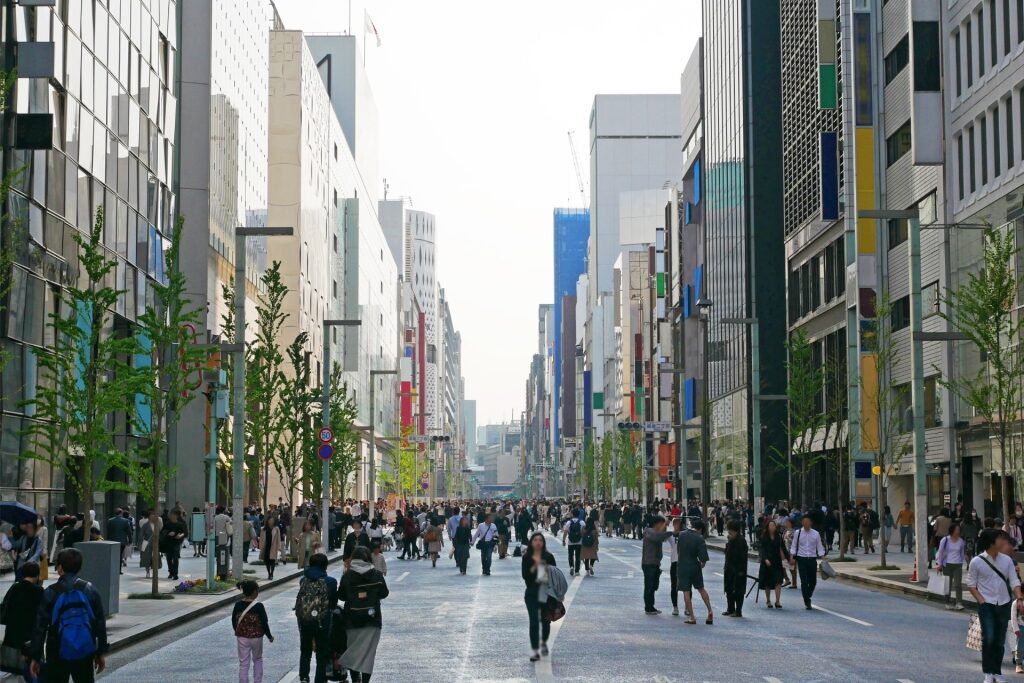
Ginza, Tokyo
In Tokyo, if you can’t find what you want when shopping, it may not exist. From avant-garde fashion to an obscure 1960s comic book, it will be out there somewhere.
Highlights include the luxury shopping in Ginza, where the shoppers themselves are part of the attraction. For department stores and youth fashion, head to Shinjuku and Shibuya.
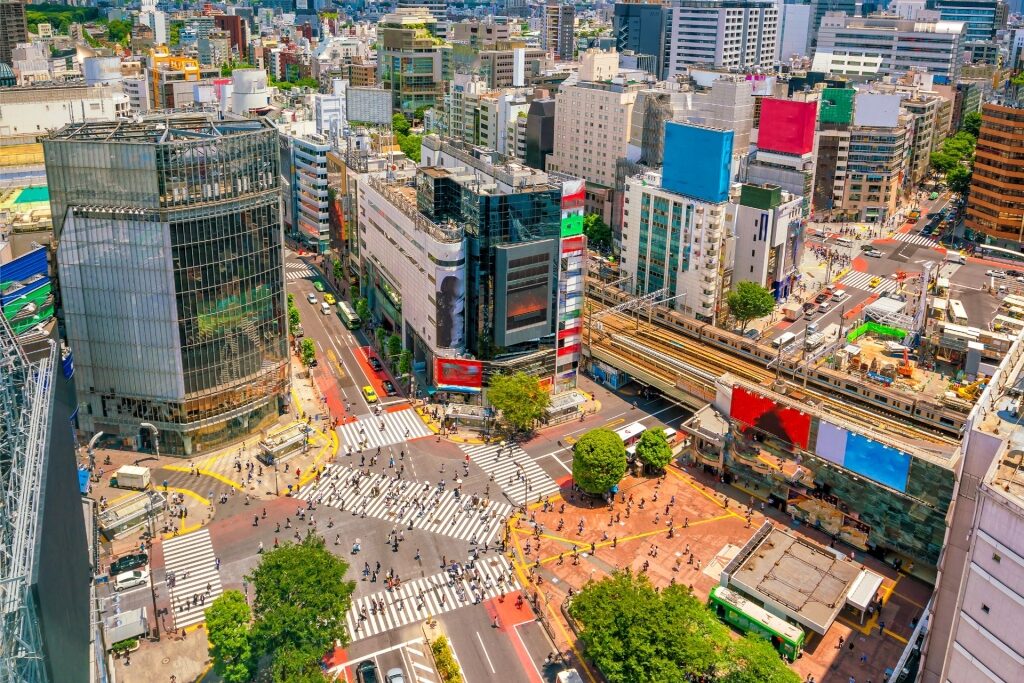
Shibuya, Tokyo
Akihabara will separate you from your wallet in record time with the latest in electronics. Harajuku is the place for quirky fashion, and Omotesando for designer wear.
Osaka may be smaller than Tokyo, but it has most of its shopping in a more concentrated area. It’s also an easier place to find a bargain and have fun while doing so.
Den Den Town is Osaka’s equivalent of Tokyo’s Akihabara, rich in electronics. Umeda is where you’ll find the huge department stores.
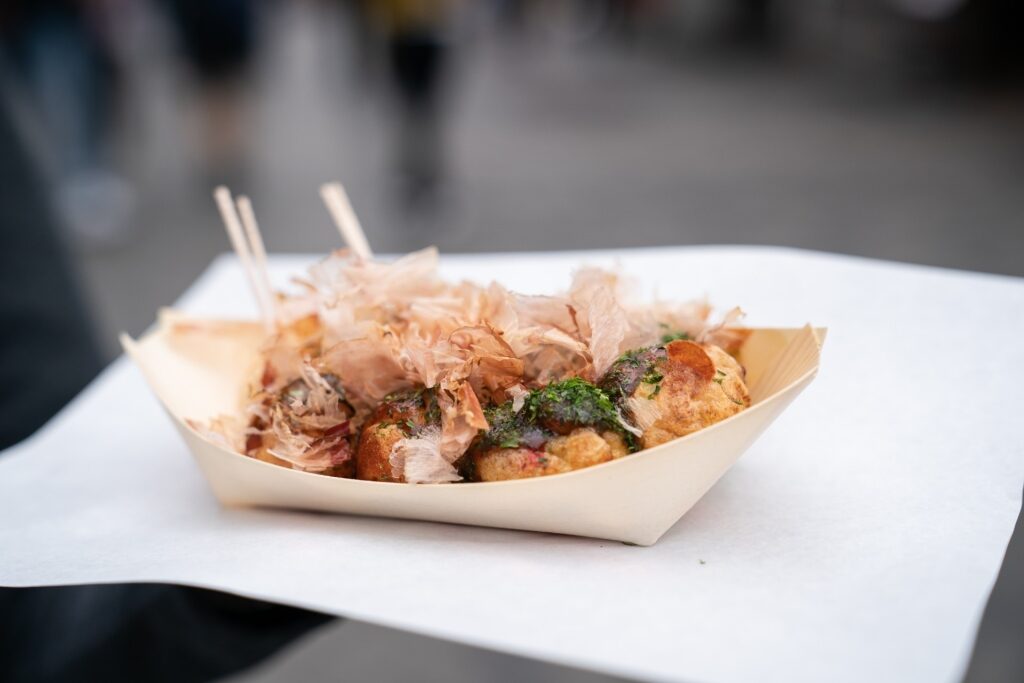
Street food in Shinsaibashi-Suji, Osaka
Browse in Amerika-mura—”American Village”—for vintage and streetwear. The covered arcade of Shinsaibashi-Suji is a near-endless street of shops, with lots of street food and souvenirs.
Food

Takoyaki
Osaka is known as the “Kitchen of Japan” for good reason. The reputation its citizens have for enjoying themselves extends to their food, which is hearty and affordable.
Osaka specialties include takoyaki—octopus balls, okonomiyaki—savory cabbage pancake, and udon—thick wheat noodles in broth. Flavors are strong and savory, and many dishes lend themselves well to street food.
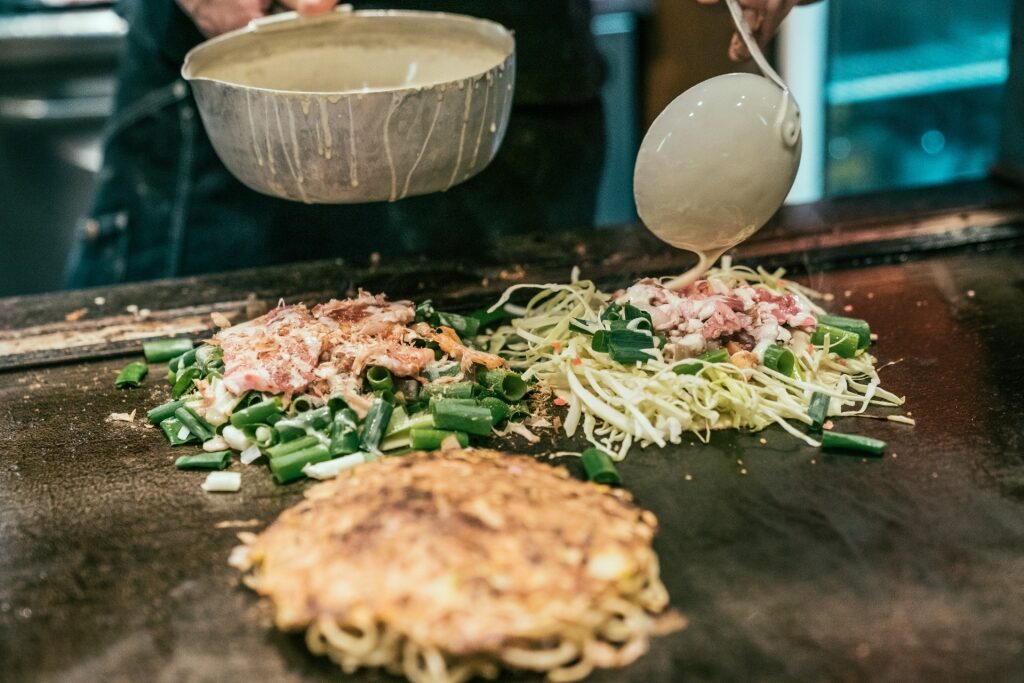
Okonomiyaki
It’s maybe no surprise that this city of fast-paced business is a street food paradise, with Dotonbori its epicenter. There are stalls everywhere with diners shouting out their orders; you won’t find that sometimes performative Tokyo politeness here.
It’s been said that if Osaka is about the joy of eating, Tokyo is about the art of eating. That’s a little unfair, as there are plenty of places in each city where you can enjoy either, or both.
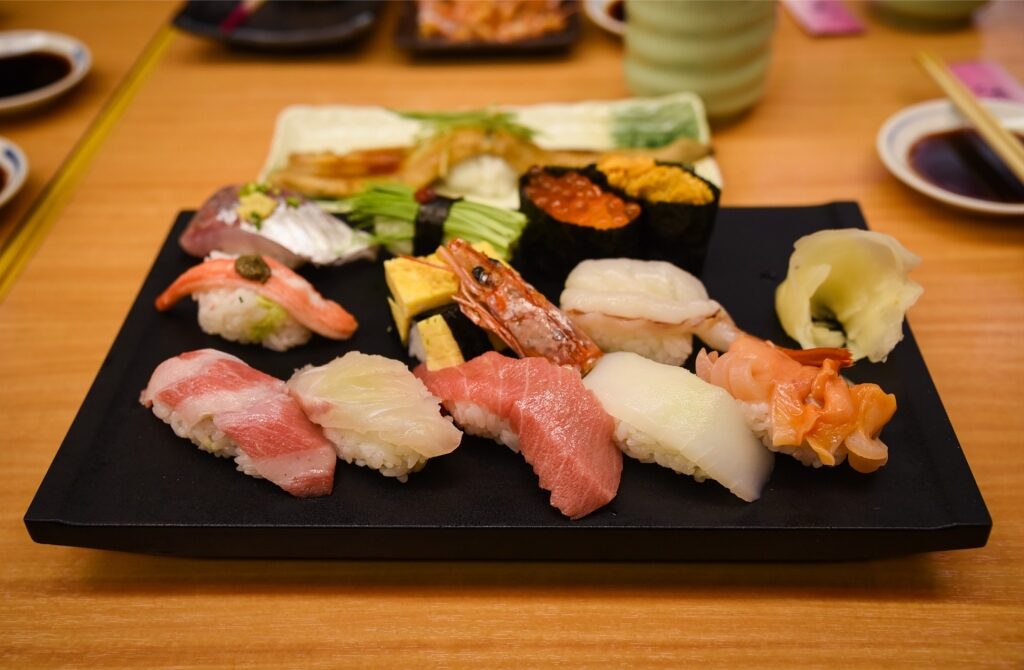
Sushi
However, Tokyo certainly offers world-class cuisine to please the most refined palate. Here is where you’ll find Japan’s best sushi, tempura, and kaiseki, or multi-course restaurants, many with Michelin stars.
In contrast are the tiny yakitori stalls of Omoide Yokocho—“Memory Lane”—in Shinjuku. This is full of smoky atmosphere, where both locals and visitors cram in for good food and good fun.
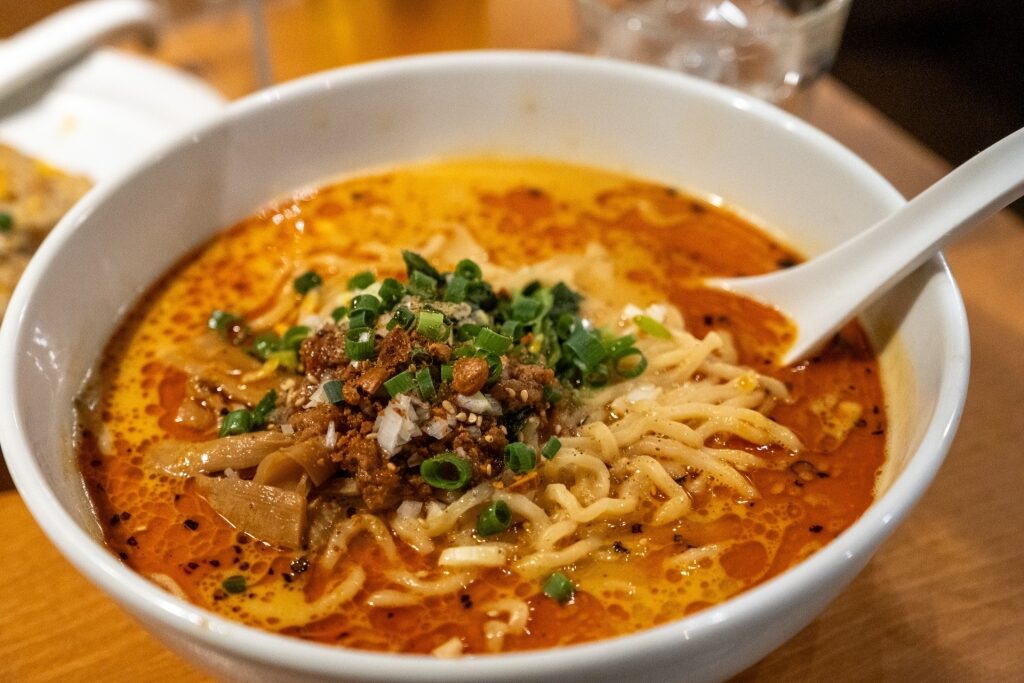
Ramen
Tokyo specialties include Edomae sushi, ramen in countless regional styles, and soba buckwheat noodles. Look out too for Monjayaki and Tsukishima-style okonomiyaki, a very different style from Osaka’s version.
The capital also has many more options than Osaka for international food. And it’s a place where the very latest food fashions take off on social media.
FAQs
Is it better to visit Tokyo or Osaka?
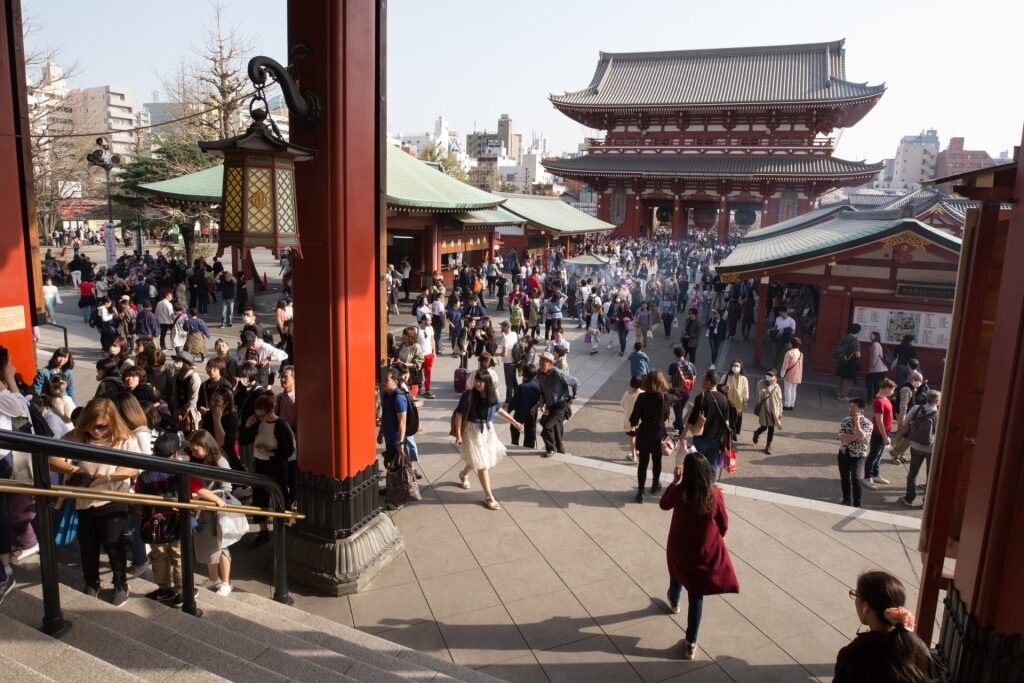
Senso-ji Temple, Tokyo
While Tokyo is a glimpse into the future, with its energy and variety, Osaka is more relaxed and easier to take in. Ideally, you’ll find time to visit both as they each have their own unique feel.
Why is Osaka so different from Tokyo?
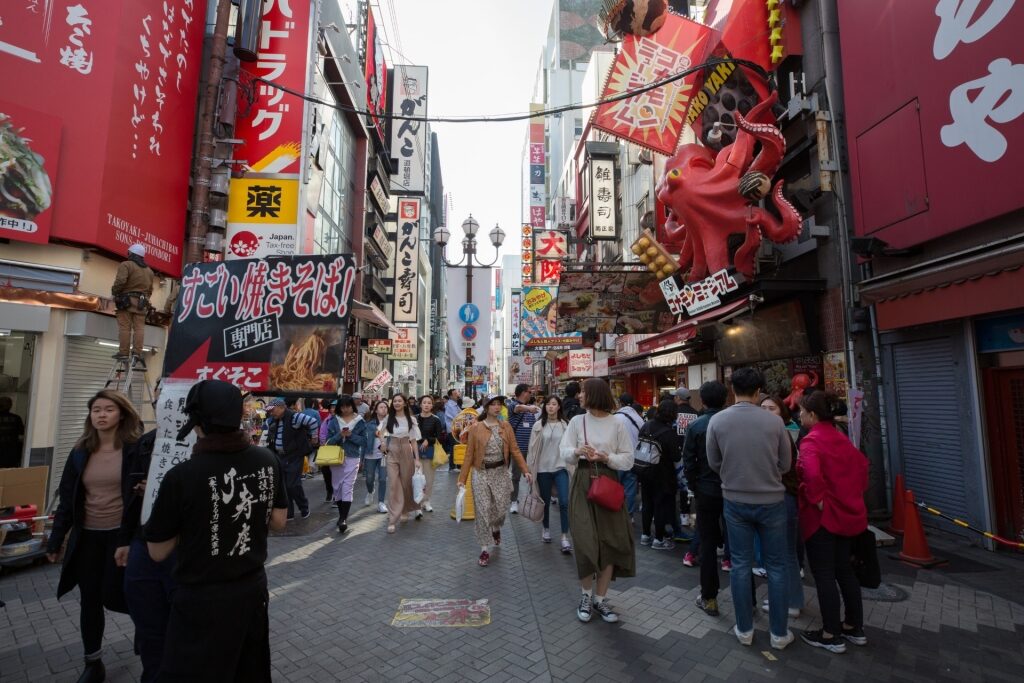
Dotonbori, Osaka
Osaka was historically a merchant city, leading to a more open, casual, and unpretentious culture. People here pride themselves on being wittier and less focused on social rules than in Tokyo.
Tokyo was historically the home of the Japanese court and its samurai. This has left a legacy of formality and orderliness that still colors daily life today.
Is Osaka as crowded as Tokyo?
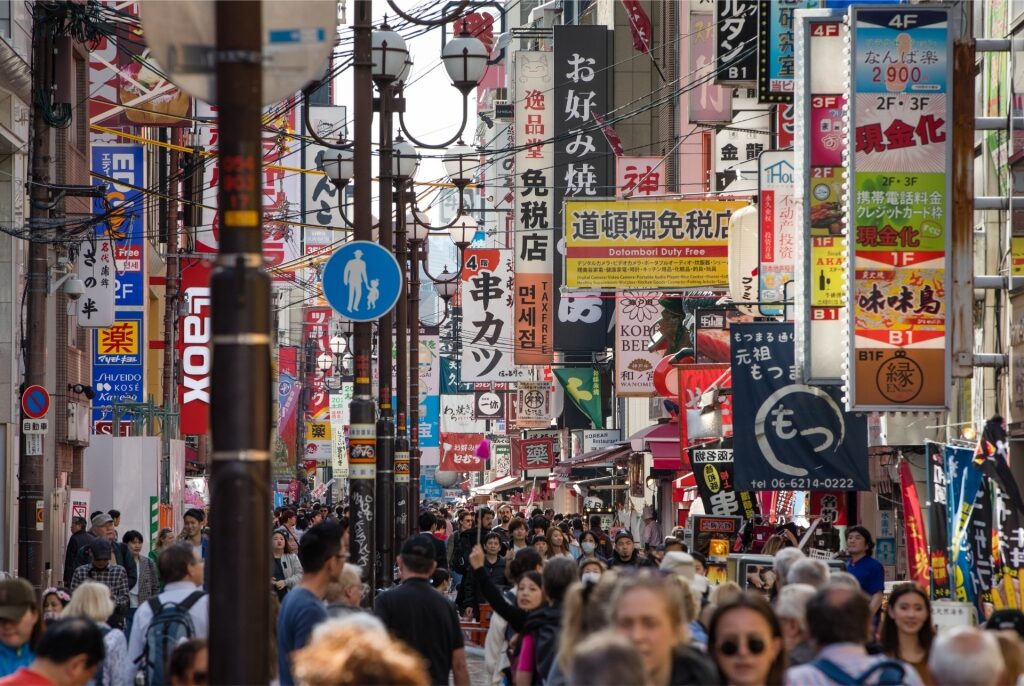
Dotonbori, Osaka
Osaka is Japan’s third-largest city, with under a quarter of Tokyo’s population. It feels noticeably less crowded than the capital, except in the very busiest visitor attractions.
Which city is better for food?
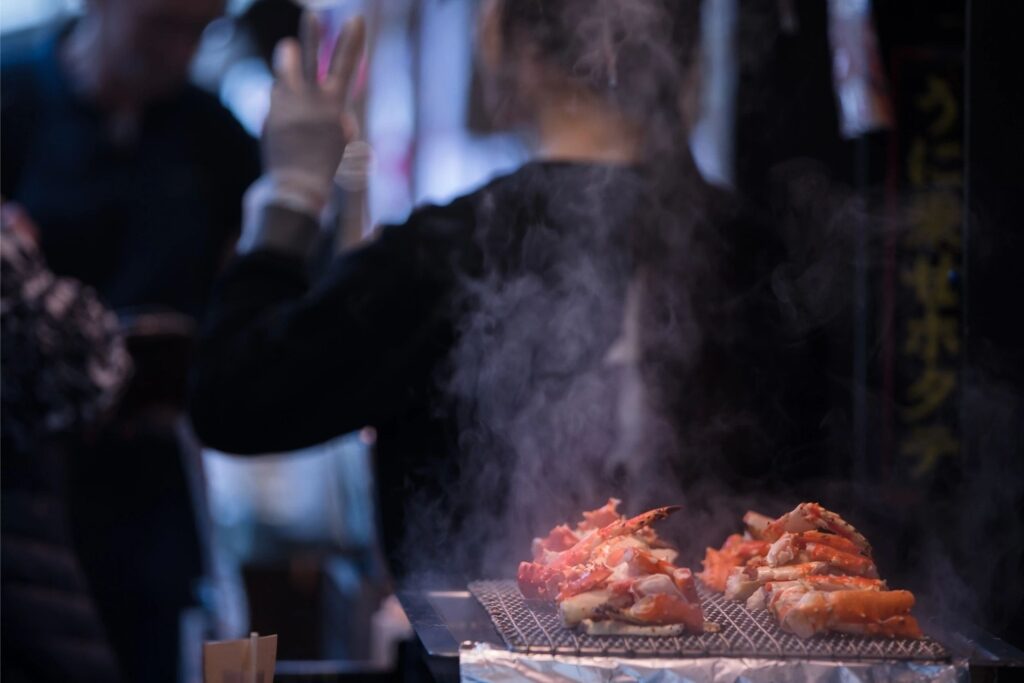
Tsukiji Market, Tokyo
Both Osaka and Tokyo are world-class for food, and you’ll not find a bad meal. Osaka calls itself “the nation’s kitchen” and is known for its amazing street food.
Tokyo is famous for its high-end food, with more Michelin-starred restaurants than any other city. You can still find great street food and a wider range of international cuisine.
How many days do you need?
For Tokyo or Osaka, you really need two or three days just to see the highlights. You could easily spend a week or a month in either city and still come away wishing you could stay longer.
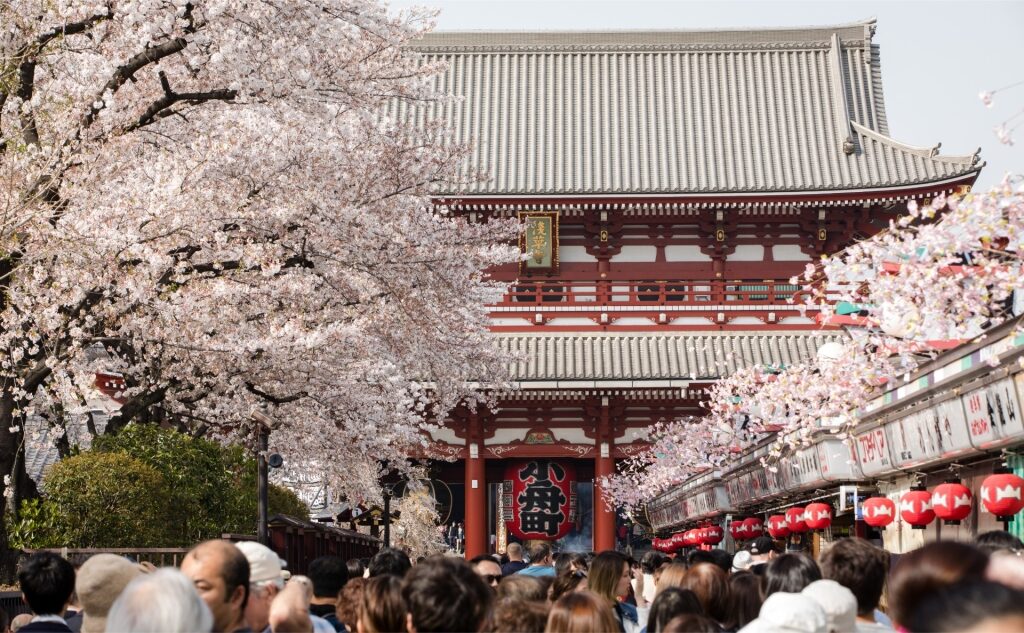
Senso-ji Temple, Tokyo
Has this comparison of Osaka vs. Tokyo helped you to decide on a visit? Browse Celebrity’s Japan cruises and book your Asian adventure today.