
When it comes to savoring Italian beverages, you embark on a journey centered on tradition, vibrant flavors, and unforgettable moments.
Whether alcoholic or otherwise, visitors to Italy are spoiled for choice with a myriad of flavors derived from the country’s astonishingly rich larder of ingredients.
Read on to discover which of the drinks in Italy to look out for.
Italian Coffee
Espresso
Espresso
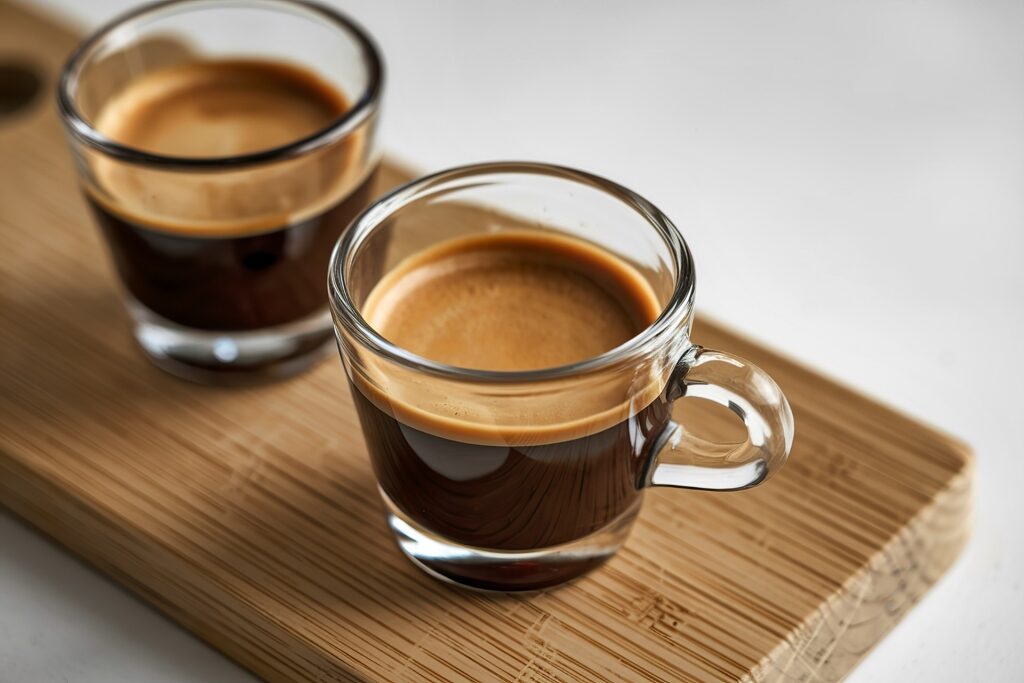
Asking for an espresso somewhere like the USA or the UK will result in being served a small shot of bitter coffee in a tiny demitasse mug.
In Italy, espresso refers to the concentrated coffee that’s then poured into a demitasse cup and served at the bar. Once it hits the tiny mug, it becomes un caffè—this is the Italian equivalent of our “espresso.”
If you’d like to make it a little more punchy, ask for un doppio espresso or double-shot espresso for the heightened caffeine hit. Finding Italian coffee too intense on its own? Consider a macchiato—essentially un caffè but with a smidgen of foam for a more mellow mouthful.
Cappuccino
Cappuccino
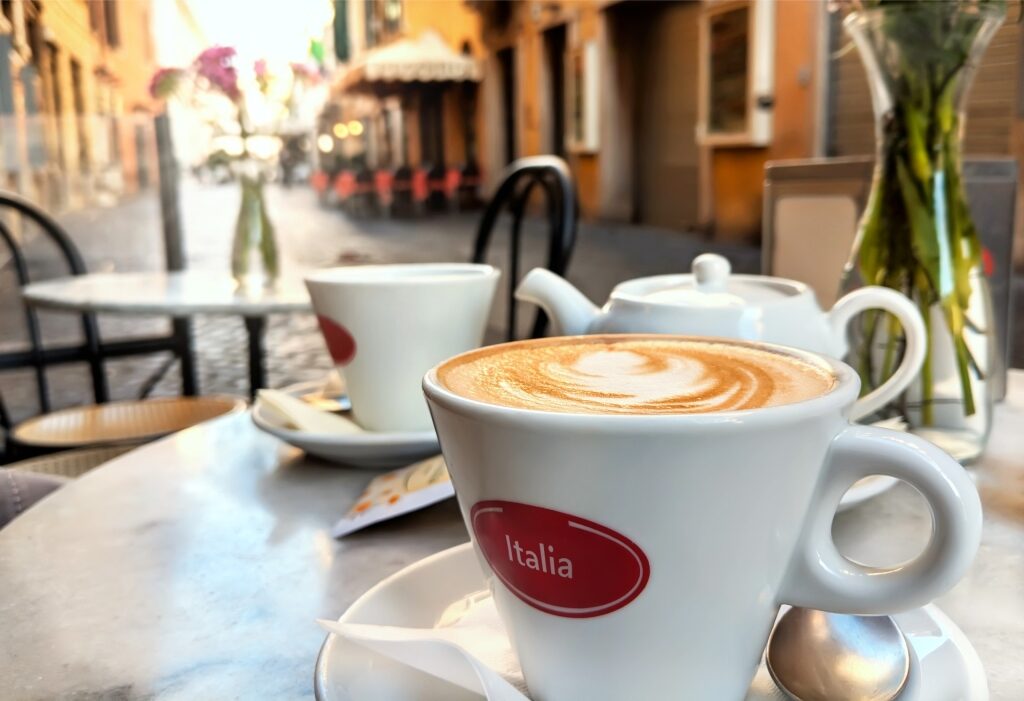
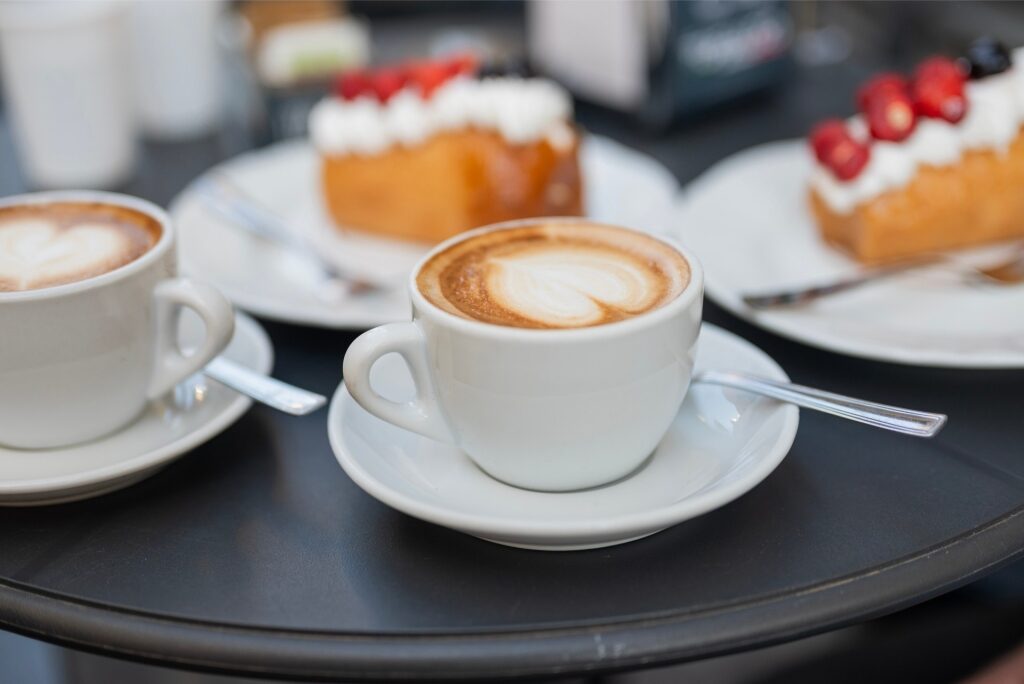
The globally familiar Italian word “cappuccino” describes a particular type of milky coffee where the espresso pools darkly beneath a heavenly cloud of milky foam.
Despite being as Italian as a passeggiata, the cappuccino is in fact derived from a drink that appeared in the grand coffee houses of Habsburg Vienna. This drink was the “Kapuziner,” a concoction of sugar and cream that occasionally had some spices thrown in.
When it migrated south to Italy, the cappuccino, as it became known, was still a rich beverage, garnished with chocolate and whipped cream.
Cappuccino
Speaking for myself, that might have proven a little heavy for breakfast. Fortunately, we have the modern and light cappuccino, perfected in the mid-twentieth century.
You’ll notice that Italians tend not to drink milky coffees outside of the morning hours due to their belief that it’s bad for the constitution.
However, should you order an afternoon cappuccino in a big Italian city, don’t worry, you’re unlikely to get run out of town. Try it in a small village, and you may be met with a funny look.
Caffè Latte
Caffè latte
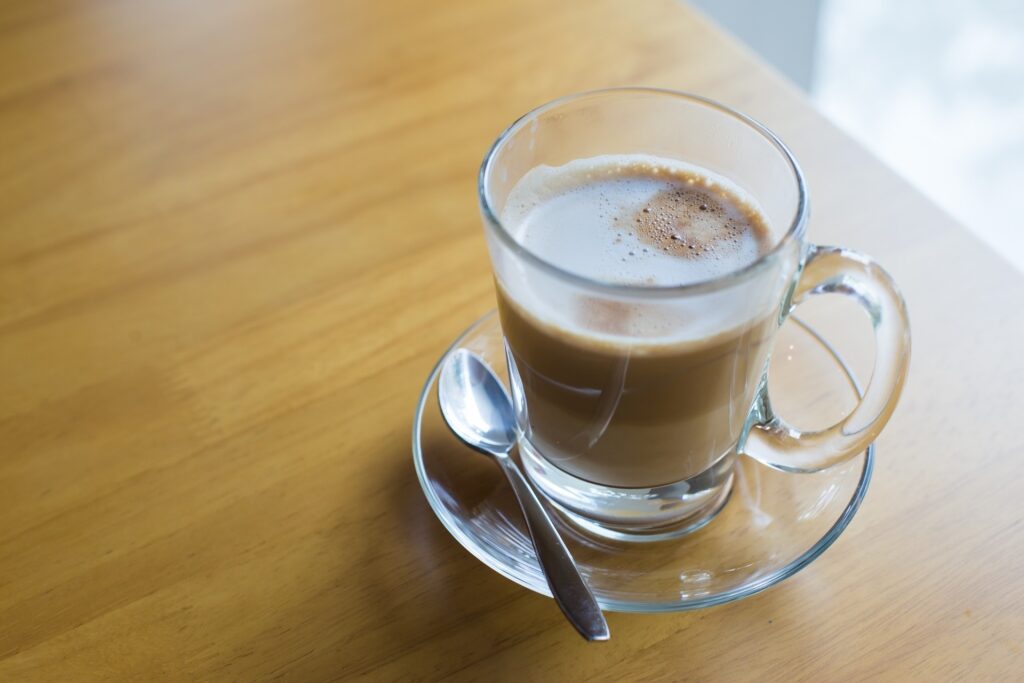
The ultimate milky coffee, the caffè latte is ubiquitous on coffeehouse menus throughout the world. Within the boot-shaped contours of its place of origin, this warm milk and espresso concoction is served just as it would be anywhere else.
For Italians, a milk-heavy drink like this is intended to be paired with a cornetto pastry for breakfast only.
Italian Cocktails
Aperol Spritz
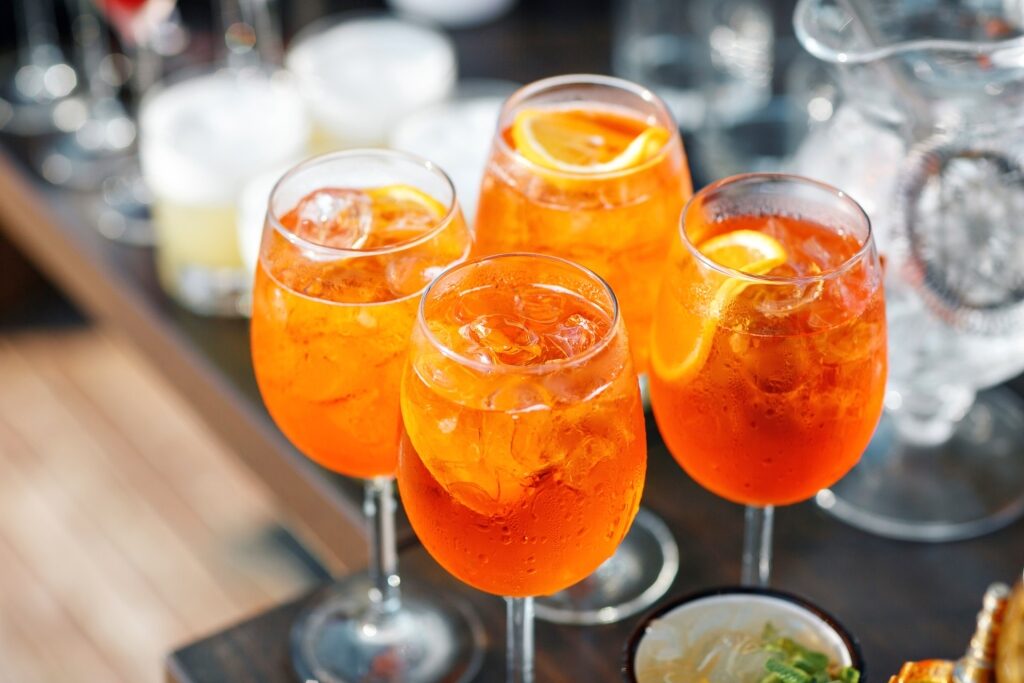
Aperol Spritz
The Aperol Spritz vies with coffee as Italy’s unofficial national drink. As Italian beverages go, there is none more prevalent at aperitivo hour. Its mix of sparkling wine and Aperol, often in a large wine glass, offers the perfect blend of bitterness and bubbles to pair with some salumi and a sunset.
Aperol is a bitter apéritif that was first introduced to an adoring public in 1919. Its blend of ingredients includes cinchona, orange peel, and rhubarb, and it met its perfect dance partner in prosecco (with soda water) around the middle of the twentieth century. The rest is cocktail history.
Negroni
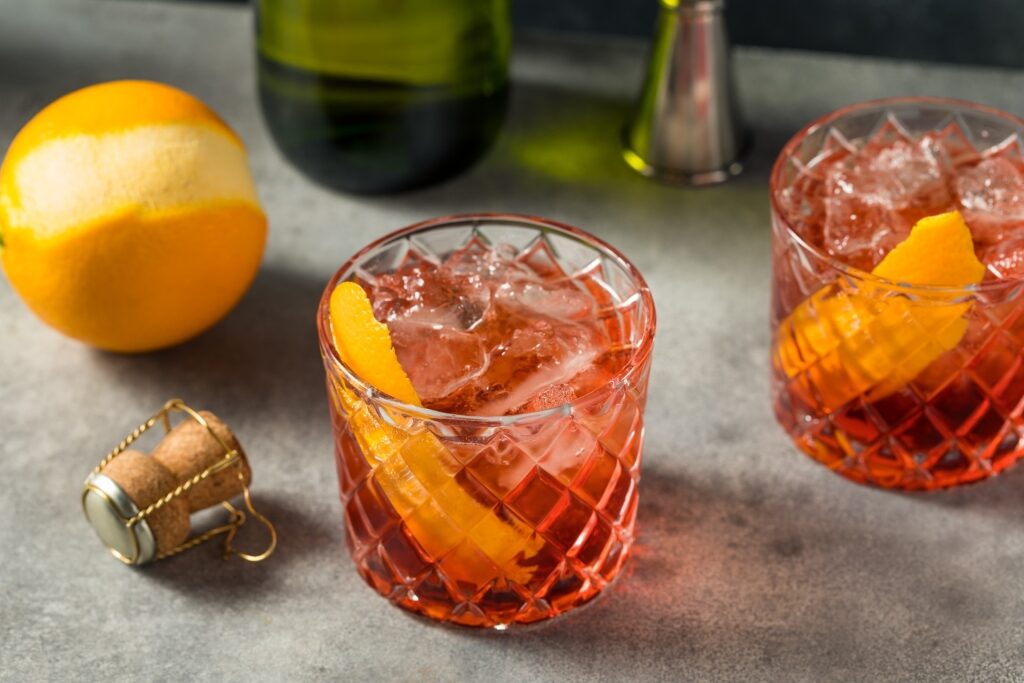
Negroni
The year 1919 was a seminal one for Italian beverages. Not only was there the commercial release of the bitter aperitif, Aperol, but it was also the moment when Count Camillo Negroni made the fateful barside request that would lead to the creation of the Negroni cocktail.
A cocktail both sweet and bitter, the Negroni is a delicious trio of gin, sweet vermouth, and Campari. It’s a punchier version of the Americano cocktail that mixes in soda water for the gin (the reverse was the count’s clever innovation).
With the Negroni, a piece of orange peel is usually twisted and placed in the drink, the citrusy oils adding extra freshness and a pleasant aromatic dash.
Bellini
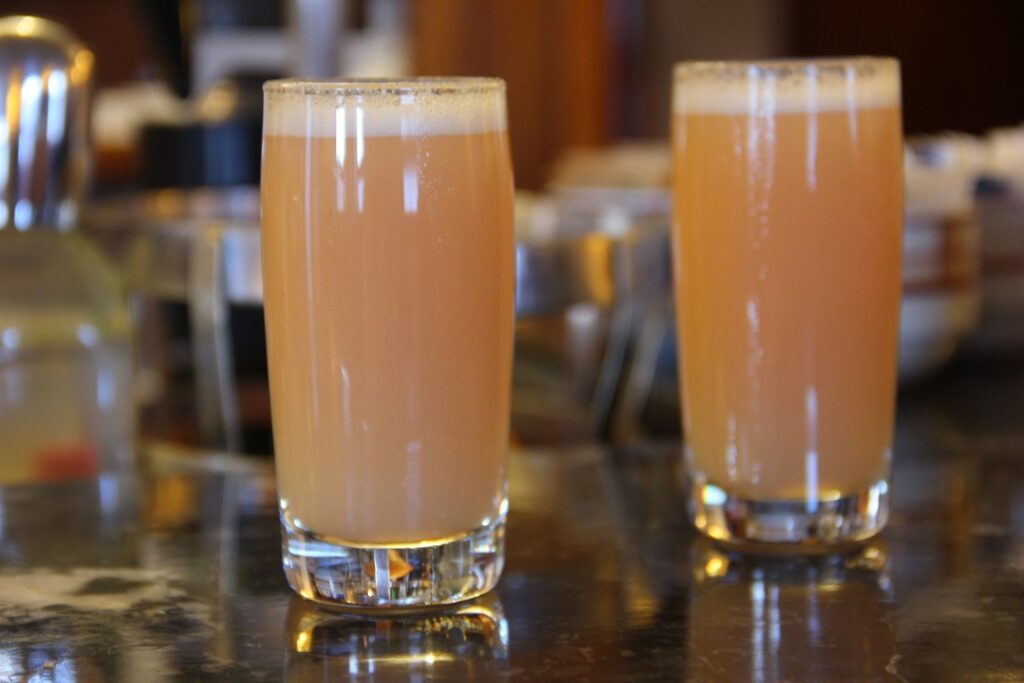
Bellini
The iconic Bellini cocktail was first produced in Venice in 1948, on the hallowed bar top of the Ernest Hemingway-endorsed Harry’s Bar. Essentially a flute of Prosecco mixed with some white peach puree, the story goes that its mix was intended to mimic the pink hue in a painting by Giovanni Bellini, hence the name.
Typically served when peaches are in full summer swell, it’s extremely refreshing and an emblem of Venice, reflecting the city’s elegance and sophistication.
Italian Wine
Prosecco
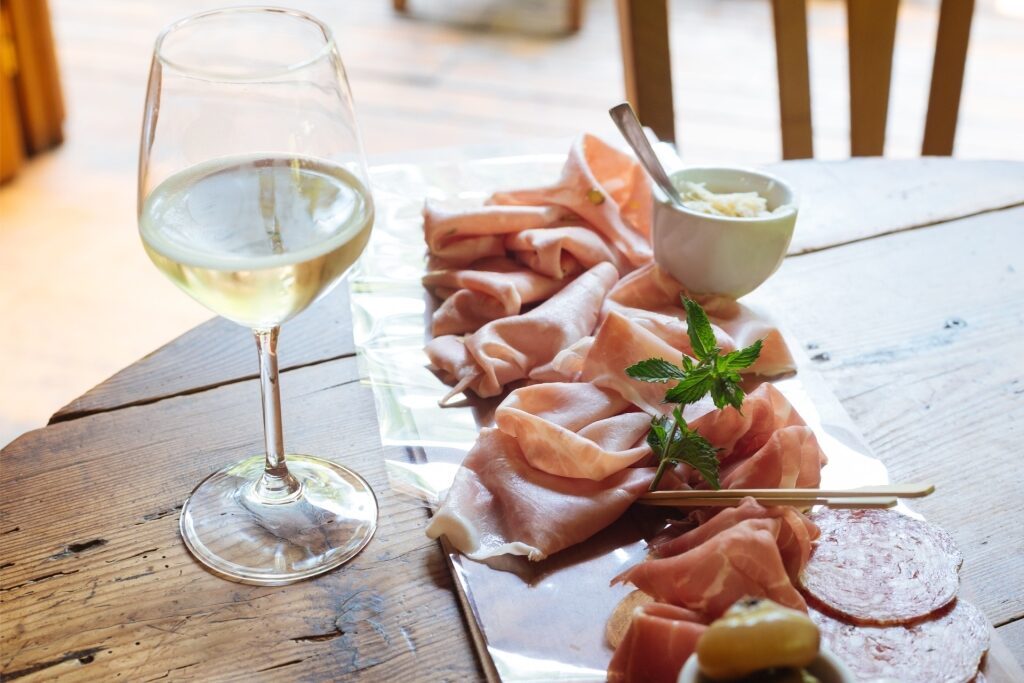
Prosecco
Produced in the Italian regions of Veneto and Friuli Venezia Giulia, Prosecco has evolved from a classic Italian aperitivo option to a world-conquering sparkling wine.
Usually vinified from the Glera grape, Prosecco’s fresh and fruity style is the result of the Charmat method of production. This process, paired with minimal aging, produces something light and vibrant compared to the richness of that other sparkling behemoth, Champagne.
Although that’s not to say that Italy doesn’t have a Champagne equivalent, produced using the same méthode champenoise. That sparkling wine is called Franciacorta, and hails from the Italian Lakes in the north.
Chianti (wine)
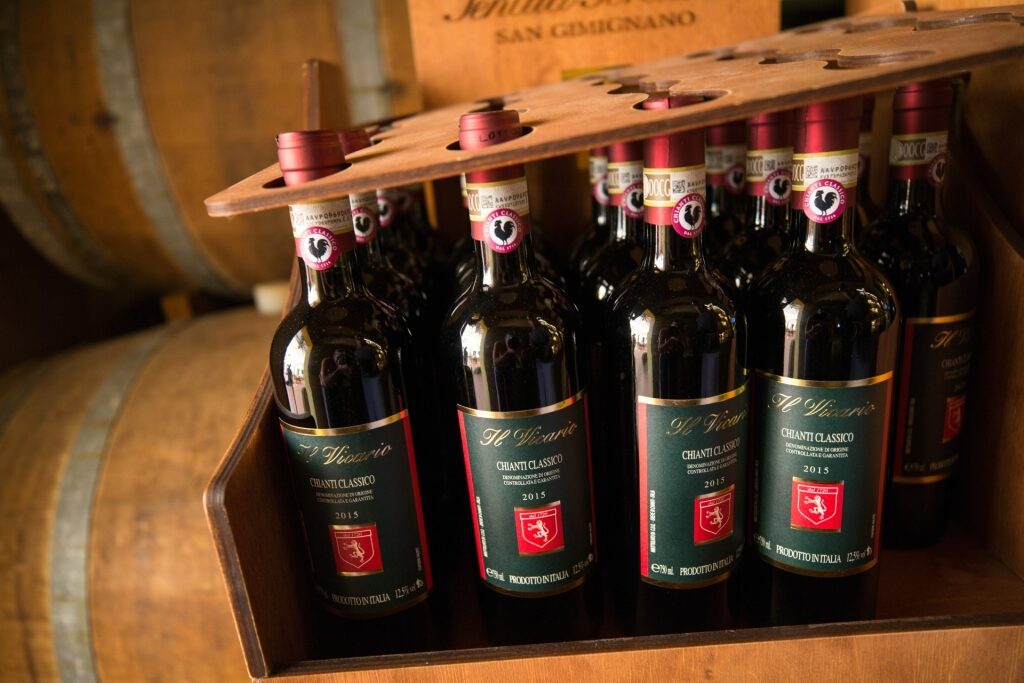
Chianti
Tuscany’s most well-known red wine, Chianti, is also the name of the wine region, nestled between Florence and Siena, from which this popular, cherry-forward Italian beverage originates.
Produced with the Italians’ adored Sangiovese grapes, it’s been a popular goblet-filler since the banqueting tables of the 13th century.
In those days, Chianti was a white wine. Today, it’s almost exclusively produced as a red, and it pairs well with rich meat dishes, such as wild boar ragù or Florentine steak.
Look for the black rooster symbol indicating that a wine has been produced in Chianti Classico—the region’s most prestigious growing area, or appellation.
Barolo (wine)
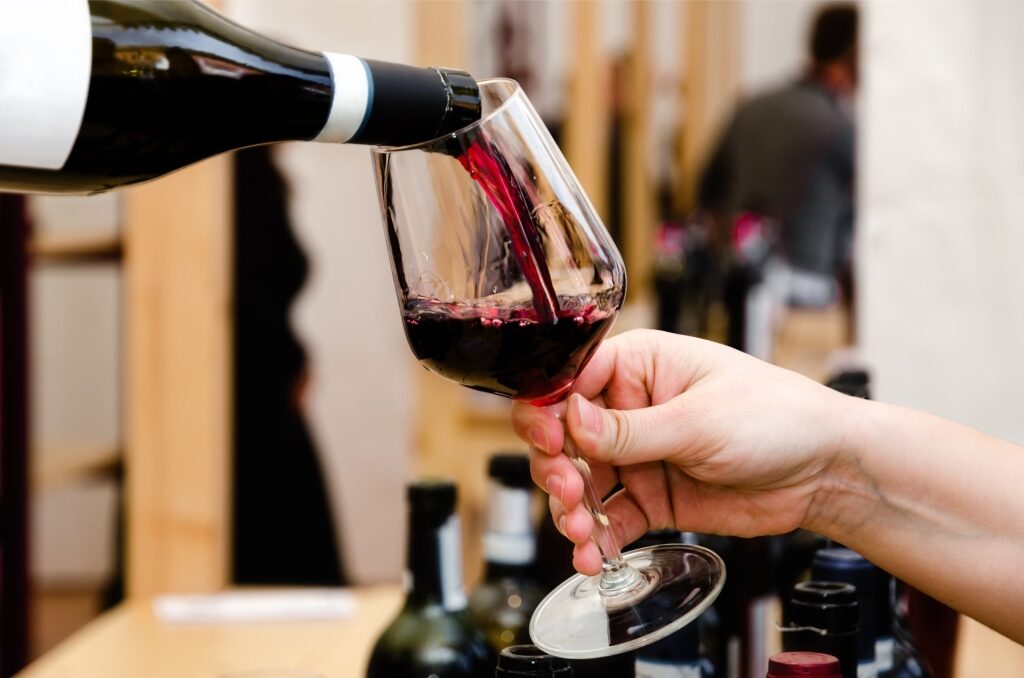
Barolo
Known as the “king of wines,” Barolo is a bold red produced in the UNESCO-listed Langhe region in northwest Italy.
Today, it’s produced to quality assurance DOCG (Denominazione di Origine Controllata e Garantita) guidelines that, following a three-year aging minimum, create a wine with tremendous aging potential.
Sought after by collectors for their cellars, when it’s eventually opened, it offers a sensory blend of roses, violets, tar, truffles, tobacco, and prunes.
Also produced in the same region is Barbaresco, a lighter wine made from late-ripening Nebbiolo grapes, which Italians tend to prefer to Barolo as an everyday drinker.
Italian Spirits & Liqueurs
Limoncello
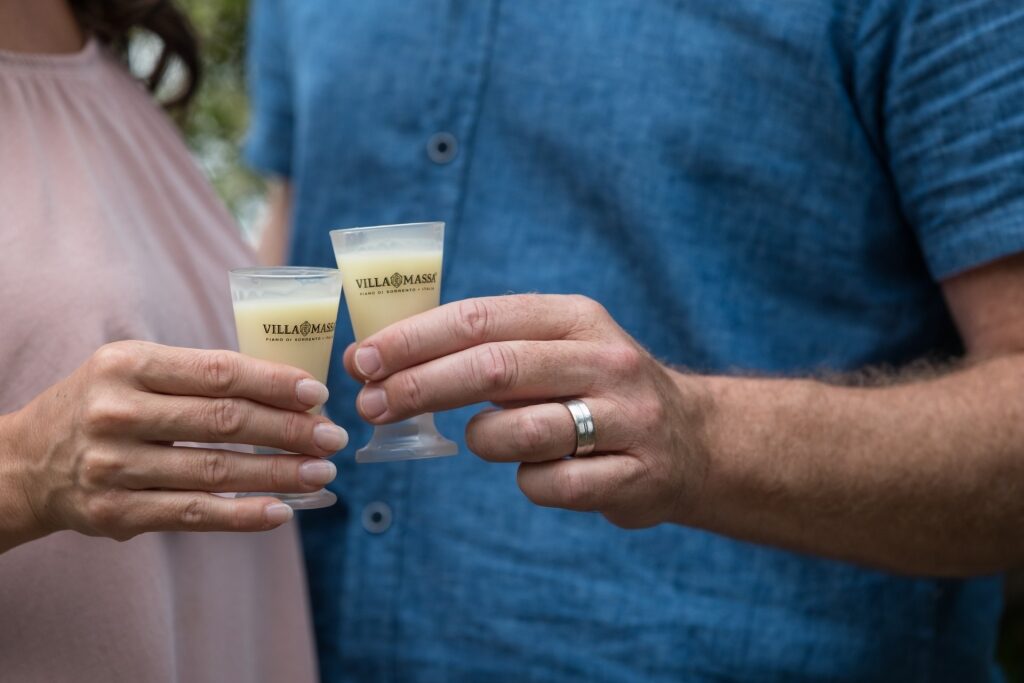
Limoncello
This vivid yellow liqueur is concocted from lemon peel steeped in high-proof alcohol. The citrus-infused booze is then softened with sugar syrup to give this digestif the sweet kick that accompanies its undeniably fiery nature.
This ever-popular liqueur originates somewhere south of Naples, among the quintessential Italian destinations of Sorrento, Amalfi, and the isle of Capri.
All of these places, located in close geographical proximity, grow the super-sized Femminello St. Teresa variety of lemon that is deemed the one true fruit for authentic limoncello.
Grappa
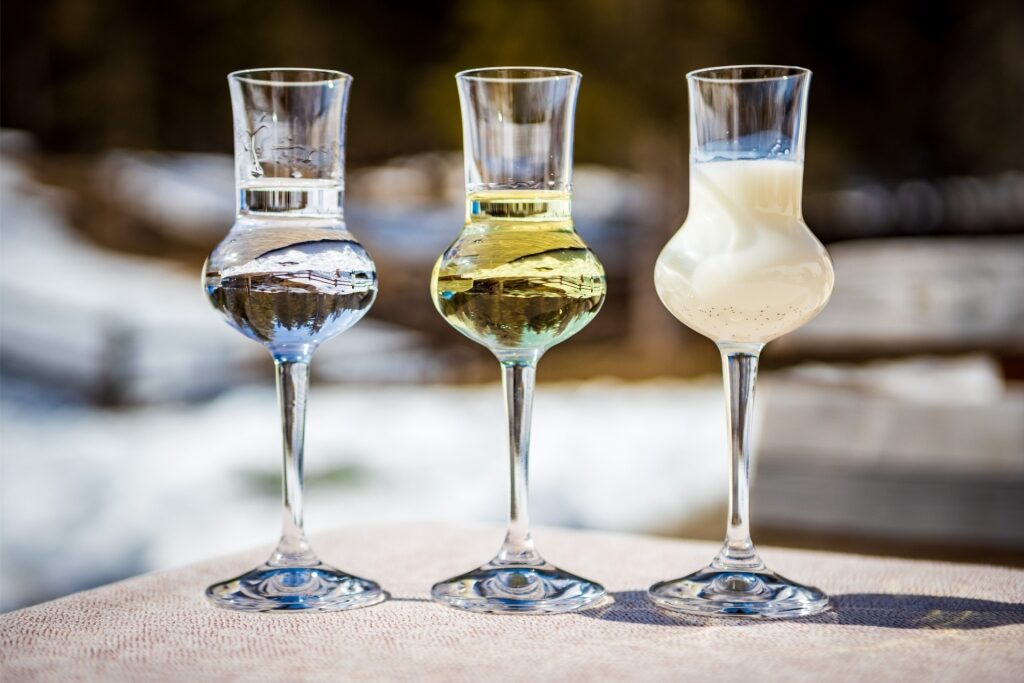
Grappa
On my trips to all corners of Italy, I’ve had memorable multi-course meals that tend to conclude with the arrival of a digestif in a thin-stemmed glass. If I’m dining with Italian friends, typically they like to order a round of grappa.
This intense shot of fruity brandy often brings tears to my eyes—and not tears of pleasure. The Italians, however, adore it.
Since medieval times, grappa has been produced from “pomace” or winemaking leftovers—things like the grape skins or stems. As such, grappa has been traditionally produced in the wine-making heartlands of the north—Veneto, Piedmont, Lombardy.
Next time I’m being peer pressured into another glass of this firewater, I’ll order an aged version (affinata), which, I’ve been assured, should provide a softer, more rounded sipping experience.
Amaretto
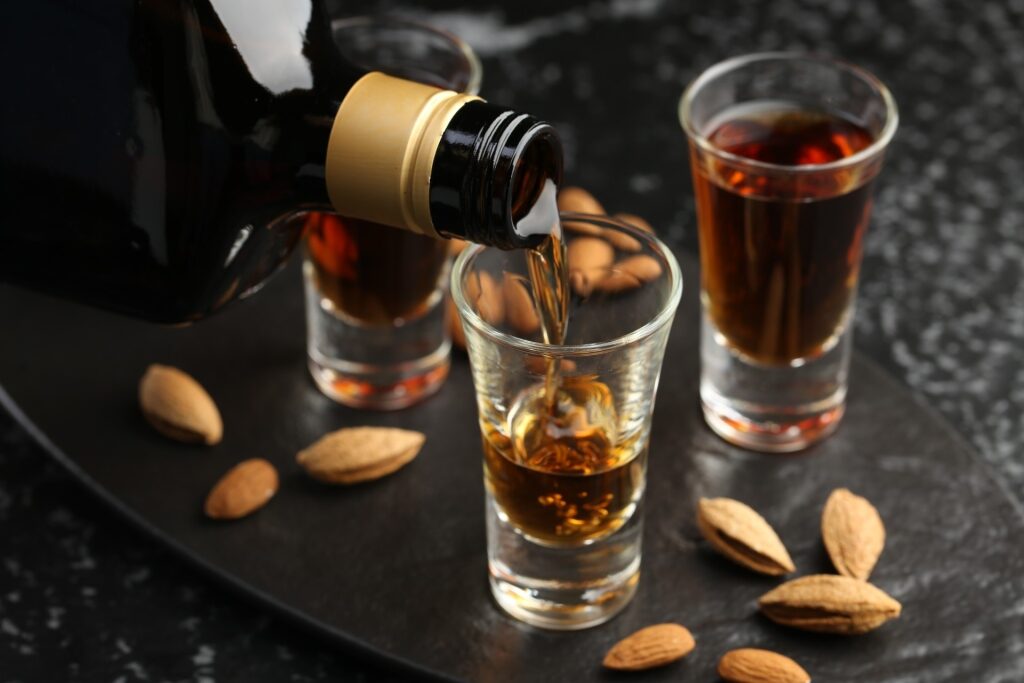
Amaretto
One of the drinks in Italy that’s achieved a global profile, Amaretto is a sweet, almond-flavored liqueur.
Produced by steeping apricot kernels in brandy, the bitter edge of the alcohol is balanced out by the addition of sugar syrup. Its trademark almond aroma is the result of the chemical benzaldehyde in the kernels leaching out into the alcohol.
Amaretto’s trademark marzipan and cherry notes are found in classic cocktails such as the Amaretto Sour or the French Connection. It’s often just poured over some vanilla gelato at the end of the meal, or sneaked into an espresso for an aromatic kick.
Campari
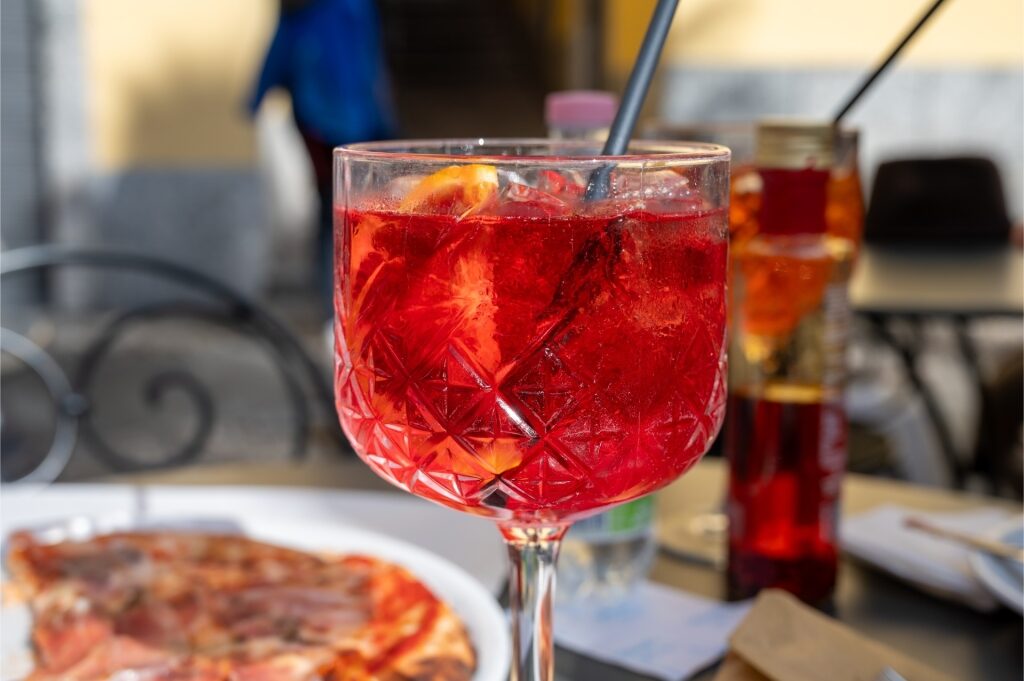
Campari
Among Italian beverages, there are two orange-hued drinks that vie for dominance—Aperol and Campari.
Both Italian aperitivi, Aperol is the sweeter, lighter of the two, hence its success when paired with fruity, bubbly Prosecco in a spritz.
Campari, on the other hand, is a more bitter proposition. Its sweet, citrusy, herby profile is the anchoring undercurrent in drinks like the Negroni and the Boulevardier.
Non-Alcoholic Beverages
San Pellegrino

Sparkling water
Sparkling water is taken very seriously in Italy. Among the many brands that vie to be presented at that “naturale o frizzante” choice at a meal’s opening, it’s San Pellegrino that is most commonly served when you order the latter.
It’s named for San Pellegrino, a town in Lombardy famed for its mineral waters. In vogue with the spa-seeking Italian nobles of the 1800s, the town slowly became more widely known—especially when the casino was built—and the sparkling water, in turn, came to be more widely distributed.
It’s remained one of the top-tier sparkling waters ever since, the Italian equivalent of the French Perrier.
Crodino
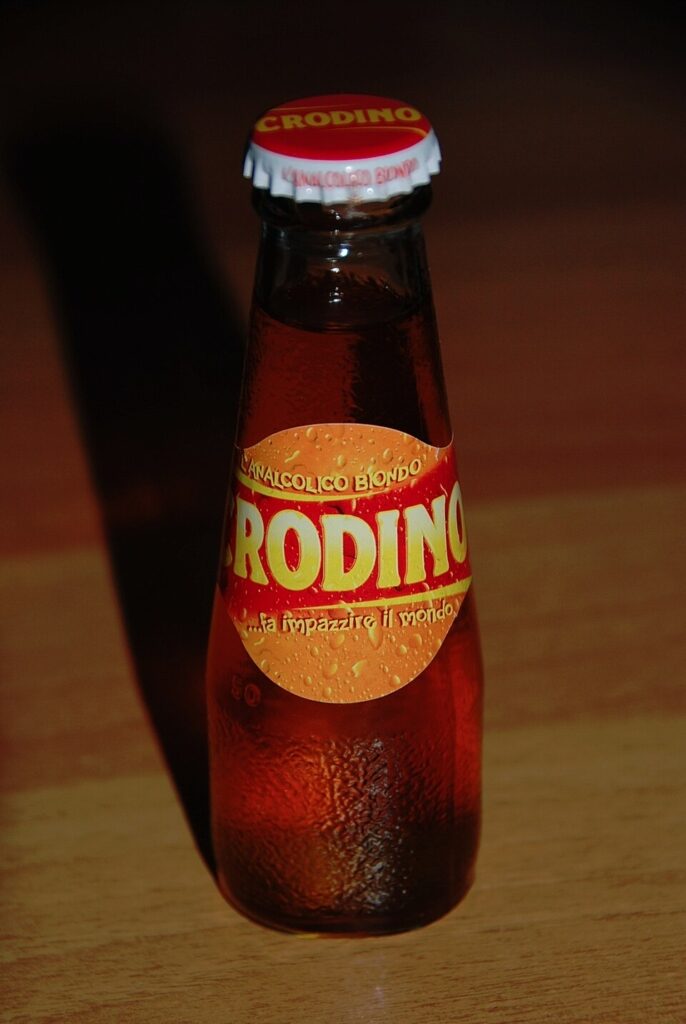
Crodino Photo by Aplasia on Wikimedia Commons, licensed under CC BY-SA 3.0
If you’d like a non-alcoholic aperitivo, but you’d still like to blend in among the countless Aperol Spritzes being sipped on the sun terrace, then you should order a spritz with Crodino.
This non-alcoholic aperitif, produced by Campari, imbues the same color and bitterness of the traditional mixers, but without the alcohol.
FAQs
What are the most popular Italian beverages?
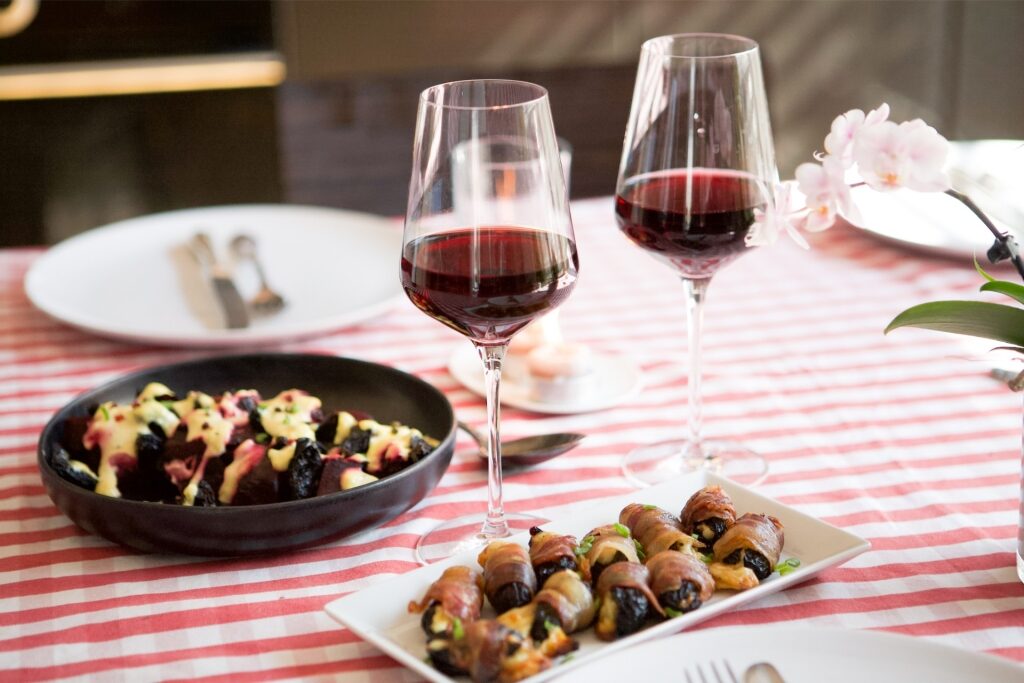
Chianti
Italy’s staples range from its numerous coffee varieties—espresso, cappuccino, caffè latte, and macchiato—to regional wines like Chianti and Barolo.
Sparkling Prosecco remains ever-popular for celebrations, while Aperol Spritz has become the everyday aperitivo of choice. Classic spirits such as grappa, amaretto, Campari, and limoncello, tied strongly to place and tradition, add color—often literally—to the country’s drinking culture.
What do Italians drink with dinner?
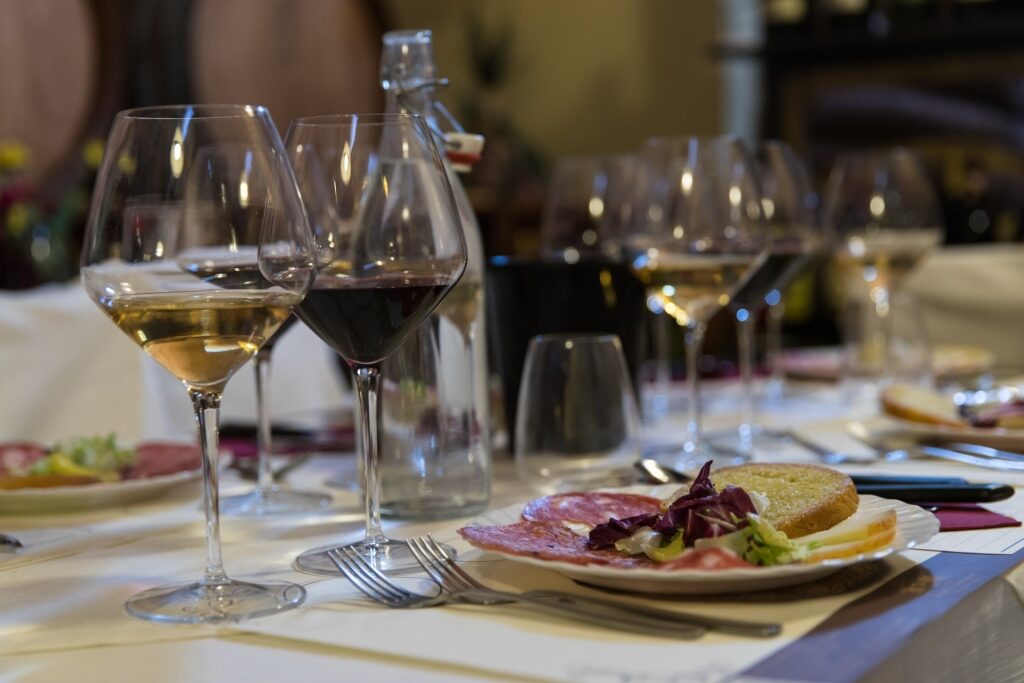
Italian wine
Wine, as the national drink, is the standard choice. With so many local varieties to try, be sure to dip into the wines made in the nearby hills, as they’ve usually been finessed over the years to marry beautifully with the local dish of the day.
After dinner, digestivi such as limoncello, grappa, or amaretto are often served to round out the meal.
What non-alcoholic drinks are popular in Italy?
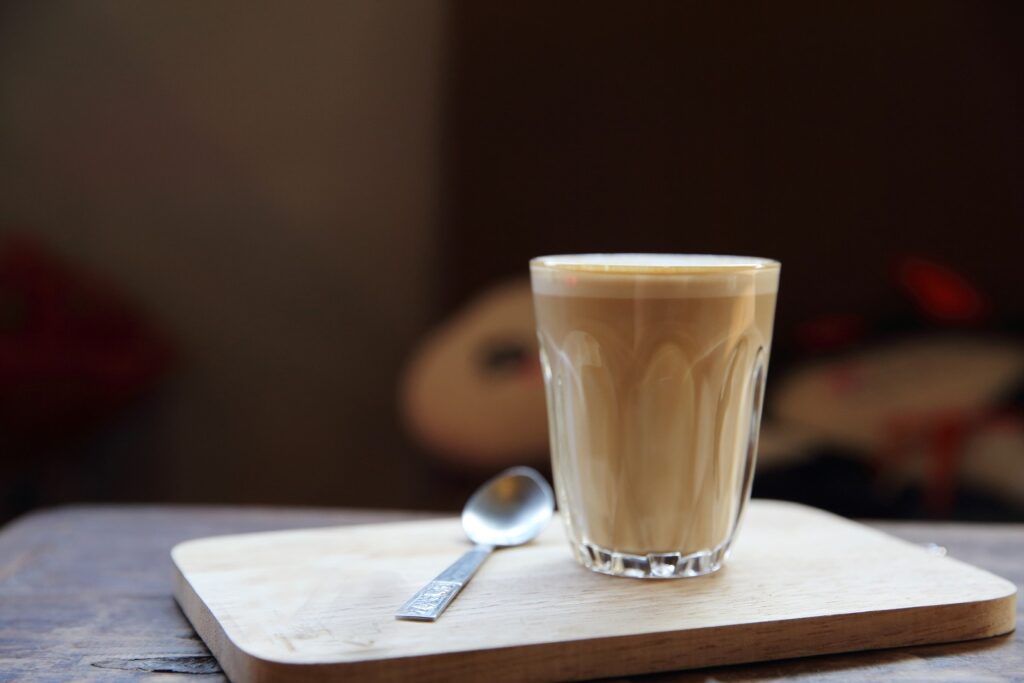
Caffè latte
Italians love bitter, grown-up flavors even in soft drinks. Crodino, a non-alcoholic aperitivo, offers the herbal bitterness of Campari without the alcohol. You’ll also find an array of lemonade brands, with the mighty Pellegrino sparkling water brand serving up some delicious fruit sodas.
And let’s not forget coffee, of course.
What are popular Italian cocktails?
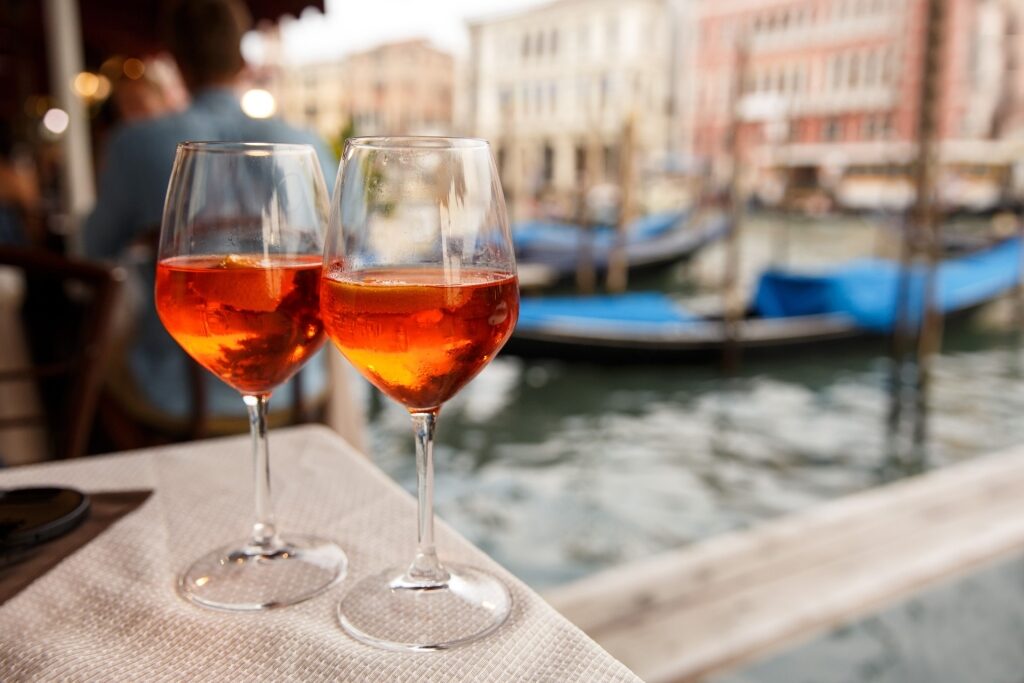
Aperol Spritz
None can challenge the dominance of the Aperol Spritz, preferred for its bitter-sweet balance, refreshing fizz, and delicious color.
The Negroni, equal parts gin, sweet vermouth, and Campari, is arguably Italy’s most famous ambassador abroad and enjoyed for its sophisticated bitterness. Also popular are its variations, such as the Americano that substitutes gin for soda water, and the Sbagliato, which swaps out gin for Prosecco. And, of course, there’s the elegant Bellini from Venice.
What coffee drinks should I try in Italy?
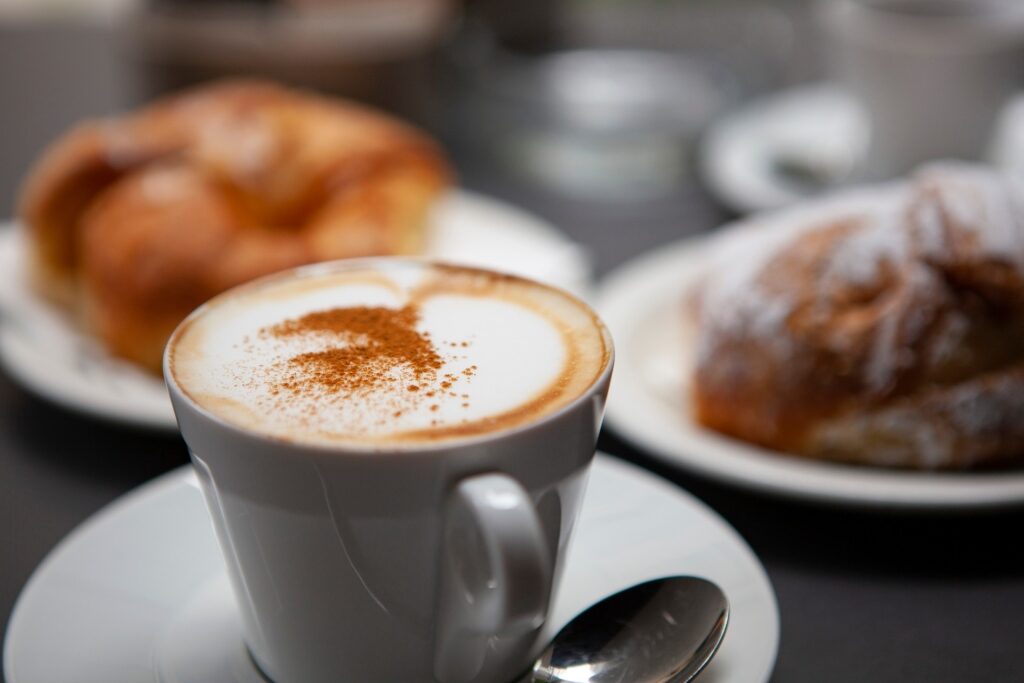
Cappuccino
That depends on your tastes; however, ordering un caffè at the bar in the morning will see you invited into the morning ritual.
If you want something swift, but with a little milk, order a macchiato. Or for something longer, a cappuccino or a caffè latte will fit the bill perfectly.
What is an Italian aperitivo?
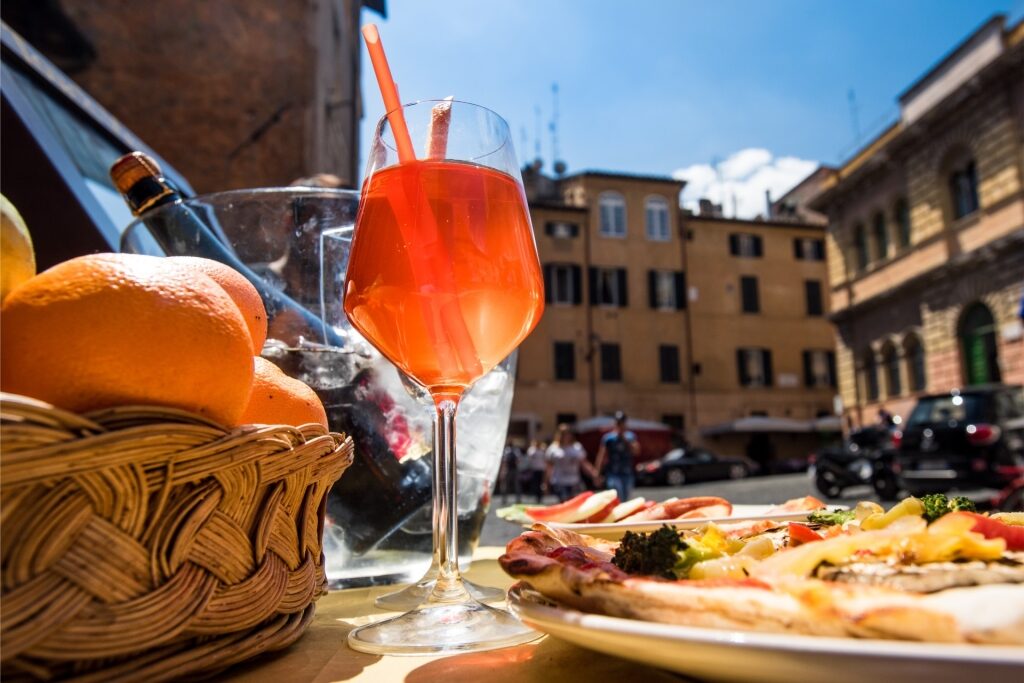
Aperol Spritz
Aperitivo is both a drink and a ritual: a pre-prandial intended to activate the appetite (so go easy on the olives). Drinks are usually light and bitter—think Aperol Spritz, Campari with soda, Crodino, or a glass of Prosecco—and typically accompanied by an array of snacks. It’s social, unhurried, and usually the first step along a memorable evening of culinary delights.

Wine tasting in Italy
Experience all of these Italian beverages—as well as the country’s elegant architecture, stunning coastline, and immense artistic heritage—on a cruise to Italy. Browse our cruise itineraries online and book a cruise vacation to this stunning country today.