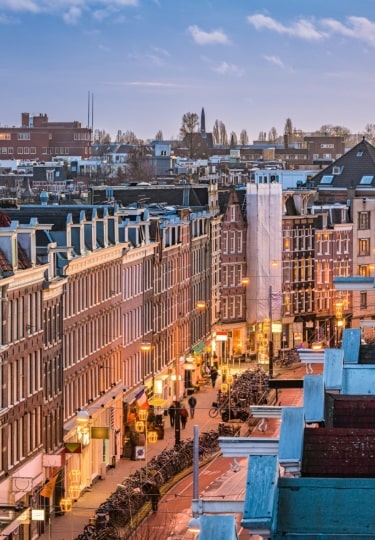
Known as Amsterdam’s Latin Quarter in homage to the bohemian enclave in Paris of the same name, De Pijp has, nevertheless, not always been a knot of vibrant restaurants and stylish boutiques; its origins were more modest.
Just south of the medieval heart of the Netherlands’ capital city, this once working-class neighborhood blossomed as Amsterdam expanded in the late 19th century. Today, it’s a trendy district with a village feel, known for its melting pot of cultures, a situation reflected by the fragrances drifting from the countless food stalls of Albert Cuyp Market—the city’s largest.
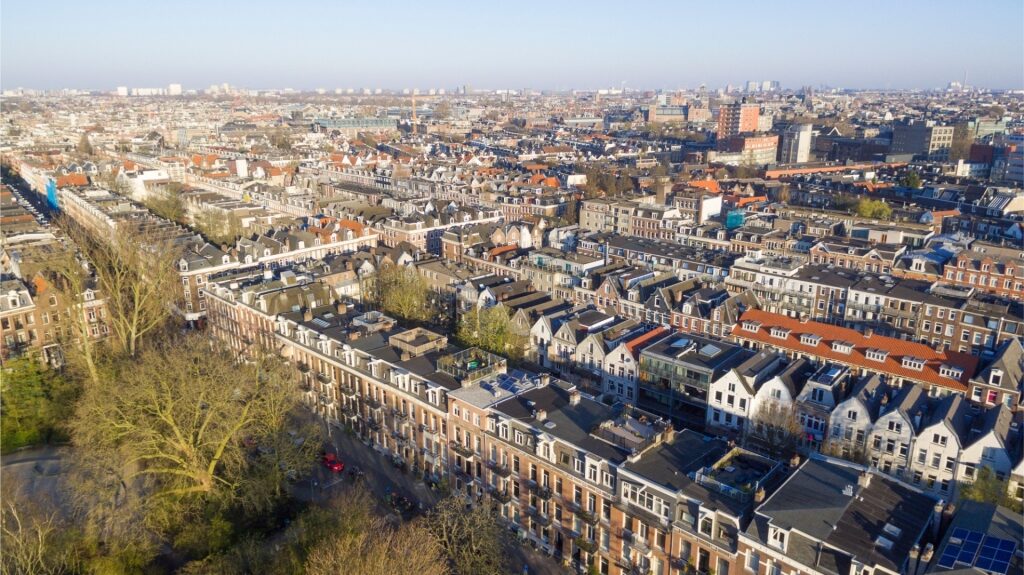
With the peaceful Sarphatipark set like an emerald amid its network of handsome townhouse-lined streets, De Pijp—which translates as “the pipe”—makes for one of Amsterdam’s best places to explore. You’ll walk its shopping streets named for Golden Age painters, visit famous breweries, or admire rare examples of Expressionist architecture.
Attractions in De Pijp
Sarphatipark
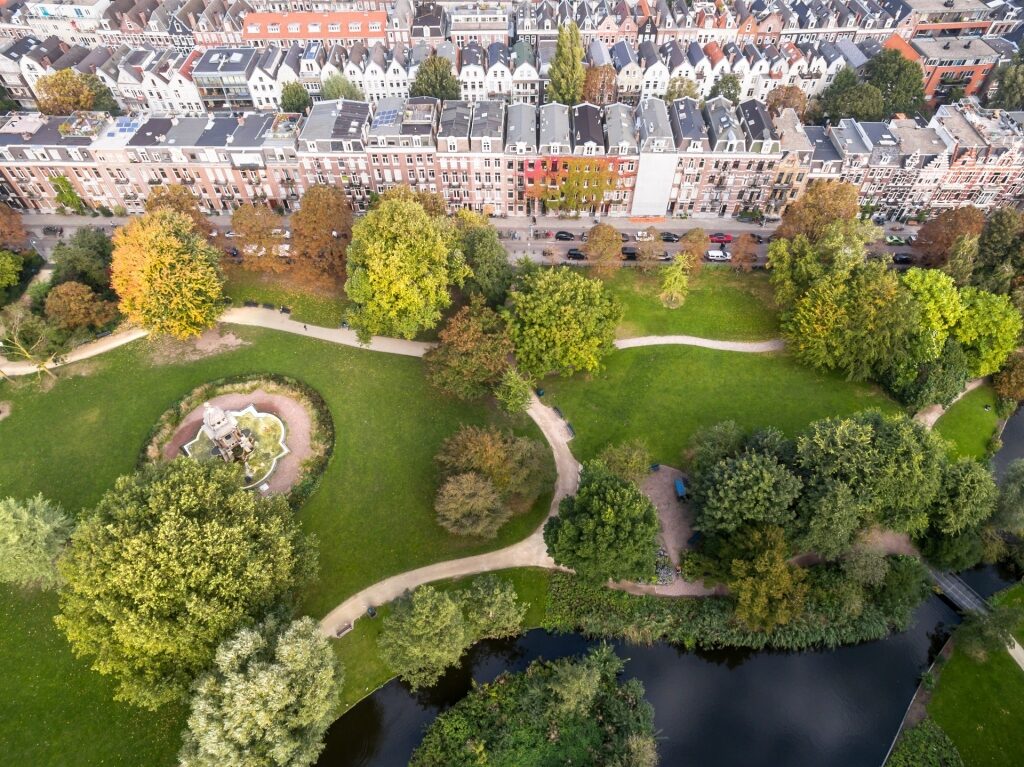
Sarphatipark
Sarphatipark is an English landscape-style garden located at the heart of De Pijp. The Jewish physician after whom it’s named was a pioneer and philanthropist in the field of public health—his monument in the park is a reminder of the working-class roots of this now buzzy, gentrified district.
With a number of the area’s best places to eat situated on its leafy perimeter, its serenity is almost heightened by the fact that it’s practically always surrounded by activity. It’s a great place to absorb the character of De Pijp, grab a coffee, and people-watch: students sketching by the lake, children playing, or locals working out on the gym equipment.
De Dageraad
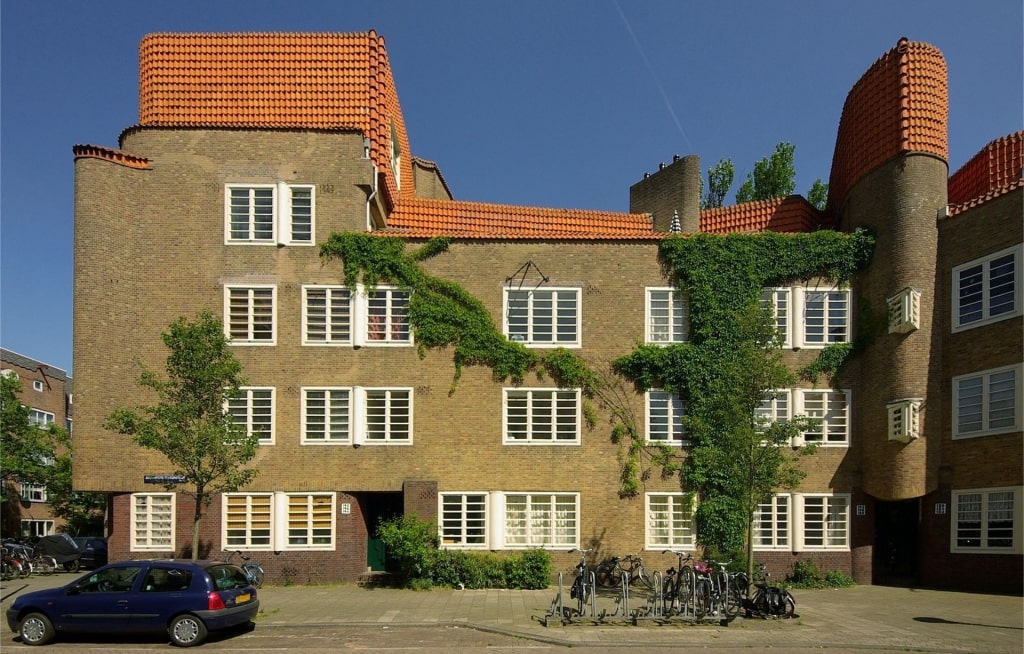
De Dageraad Photo by Janericloebe on Wikimedia Commons, licensed under CC BY 3.0
While Amsterdam is best known for its tall, ornate merchant houses along the UNESCO-listed canals, De Pijp showcases another of the city’s signature architectural styles.
The Amsterdam School was a 20th-century architectural movement that left a number of striking Expressionist buildings, featuring Art Nouveau and Art Deco flourishes, distributed throughout the city. In De Pijp, on P. L. Takstraat, you’ll find one of the purest examples of the style—the wavy facade of De Dageraad or “The Dawn.”
Designed by architects Michel de Klerk and Piet Kramer—two of the leading lights of the Amsterdam School—De Dageraad was intended as a housing complex for the working class. The museum within will shed more light on its pioneering construction, as well as how the movement helped inform urban planning in Amsterdam.
There are also hourly guided tours, in English, to join from Thursday to Sunday.
Rialto Cinema
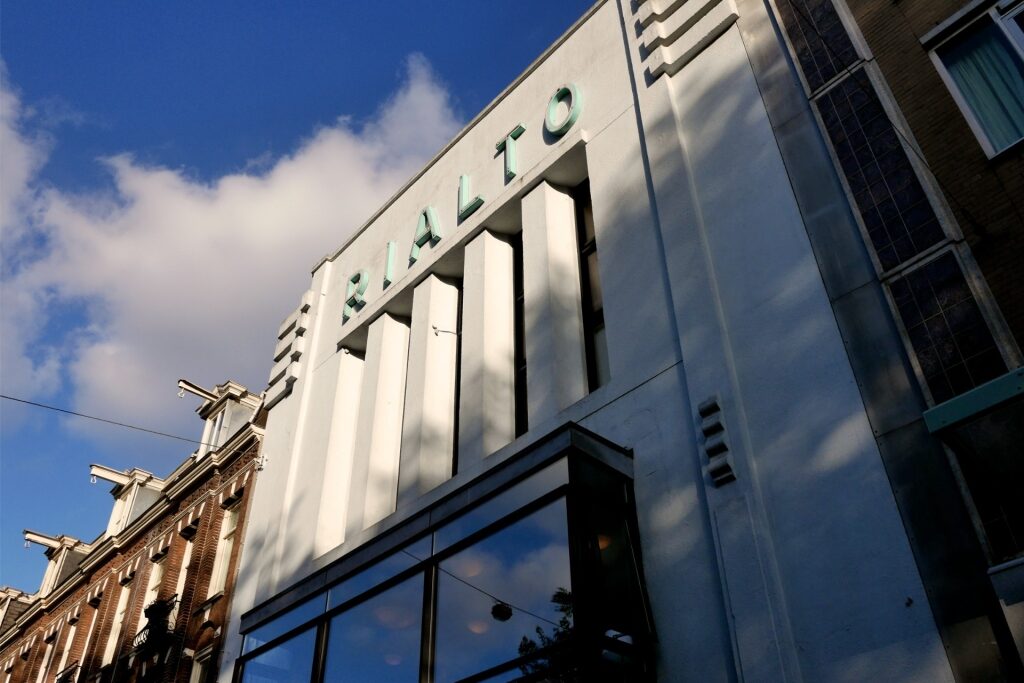
Rialto Cinema Photo by Franklin Heijnen on Flickr, licensed under CC BY-SA 2.0
The Rialto—another of De Pijp’s architectural landmarks—is one of the city’s most famous cinemas. The story of its creation is one of a man following his passion: Anton Pieter du Mée, a chocolate salesman, funded the construction of the Rialto in 1920 to fulfill his dream of owning a cinema.
An Art Deco shrine to international film ever since, the Rialto doubles as an arthouse cinema and one of De Pijp’s cultural hubs. Besides the excellent international films screened within, the Rialto also hosts film festivals, Q&As with directors, and has a cool café stocked with beers on tap, empanadas, and ingot-like Holtkamp cakes.
Van Gogh Museum

Van Gogh Museum
About a five-minute walk from the western edge of the Latin Quarter, the Van Gogh Museum is near enough that it should be included on any De Pijp itinerary.
The Van Gogh Museum is one of the best art museums in Amsterdam. A pilgrimage site for all fans of Van Gogh since 1973, its walls are hung with the world’s largest collection of Van Gogh’s artwork—some 200 paintings, including the iconic Sunflowers.
Besides coming face-to-face with these instantly recognizable artworks, you’ll learn about Van Gogh’s often tumultuous personal life, as well as how he developed his style to evolve into the bold, brilliant works that he made in Provence.
Things to Do in De Pijp
Browse the Albert Cuyp Market
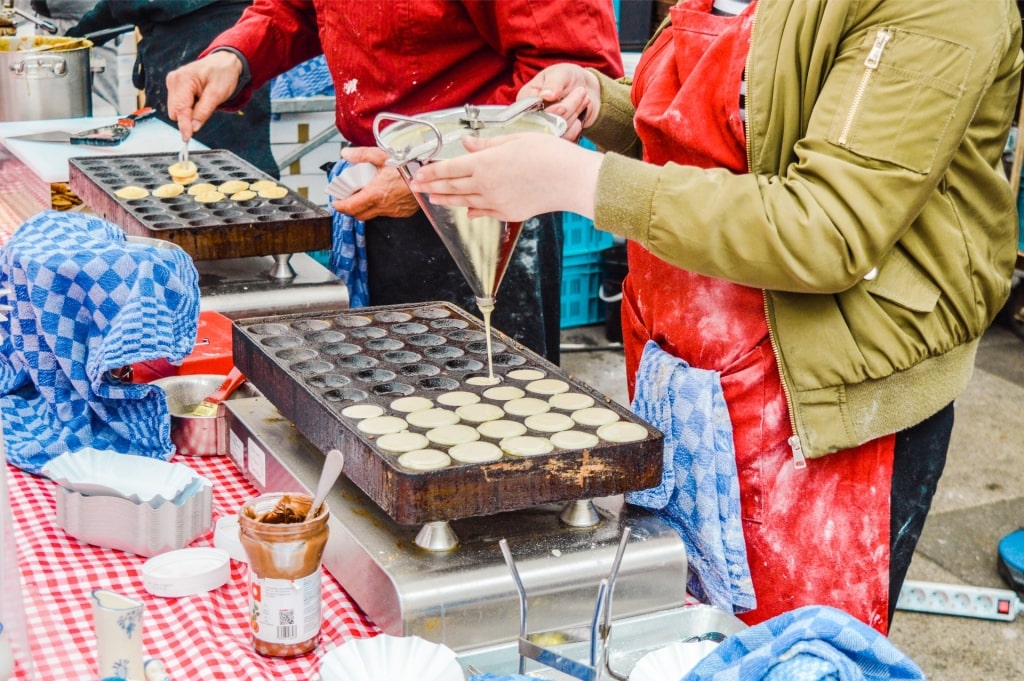
Albert Cuyp Market
De Pijp is home to Amsterdam’s largest street market, the Albert Cuyp. For over a century, a commercial ribbon of stalls has unrolled beside the brownstones of the Albert Cuypstraat, the wide street named for Golden Age painter, Albert Cuyp.
Taking place daily except for Sunday, the market’s scope can be overwhelming, so take it slow. The cosmopolitan nature of Amsterdam is on full show here, with Indonesian satay stalls rubbing shoulders with Dutch artisanal cheese sellers. Locals pop over for lunch, or to shop for herring, herbs, or a new cellphone charger.
Arrive early for finds at the second-hand Delftware stalls. The pitches at the Albert Cuyp Market are often family-run, and the spots in this historic marketplace are often handed down through the generations.
Drink in the Heineken Experience
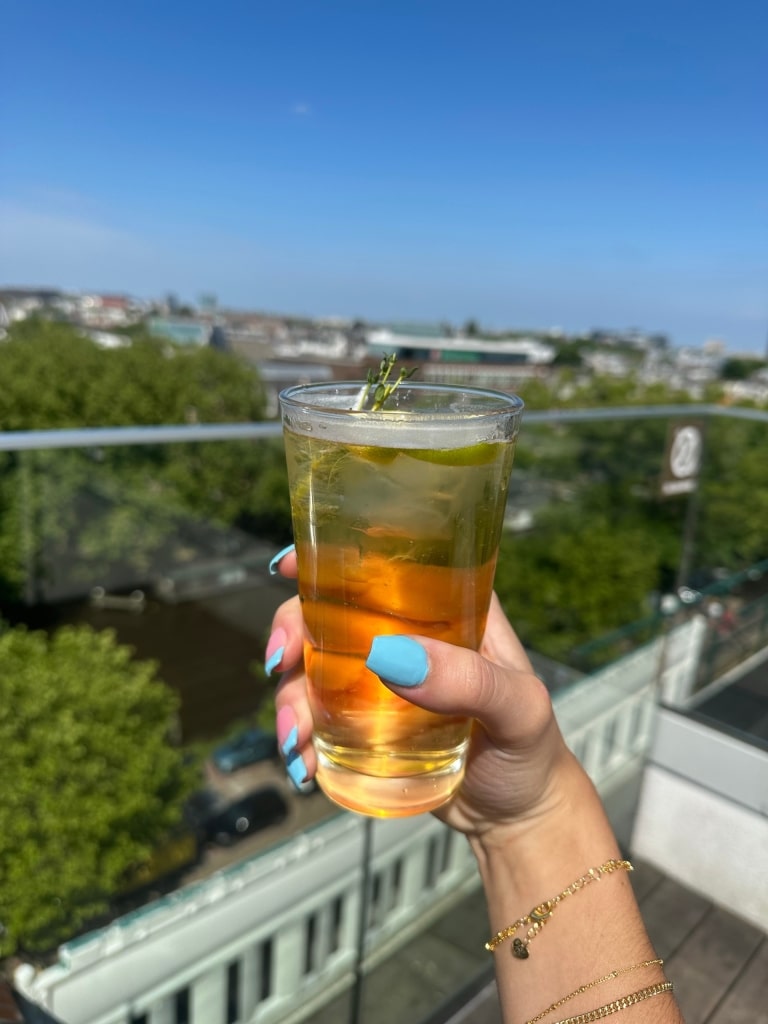
Heineken beer
Amsterdam is known for Heineken, the world-famous lager brand that grew from a brewery based on Stadhouderskade in De Pijp. The original 19th-century industrial edifice remains here to this day. It’s unmissable from street level, with the archaic lettering on its side overshadowed by the instantly recognizable modern branding gleaming on the roof.
Within, it leans more modern brand than old-school style, although some copper vats and other machinery make for handsome props. On a tour, you’ll pass through a host of slick, interactive exhibits that tutor you in Heineken’s global reach and the techniques involved in the brewing process.
It’s a very entertaining tour that can take upwards of two hours. Of course, the exact duration depends on how long it takes you to finish your pint of golden beer at the rooftop bar.
Explore the Amstel River
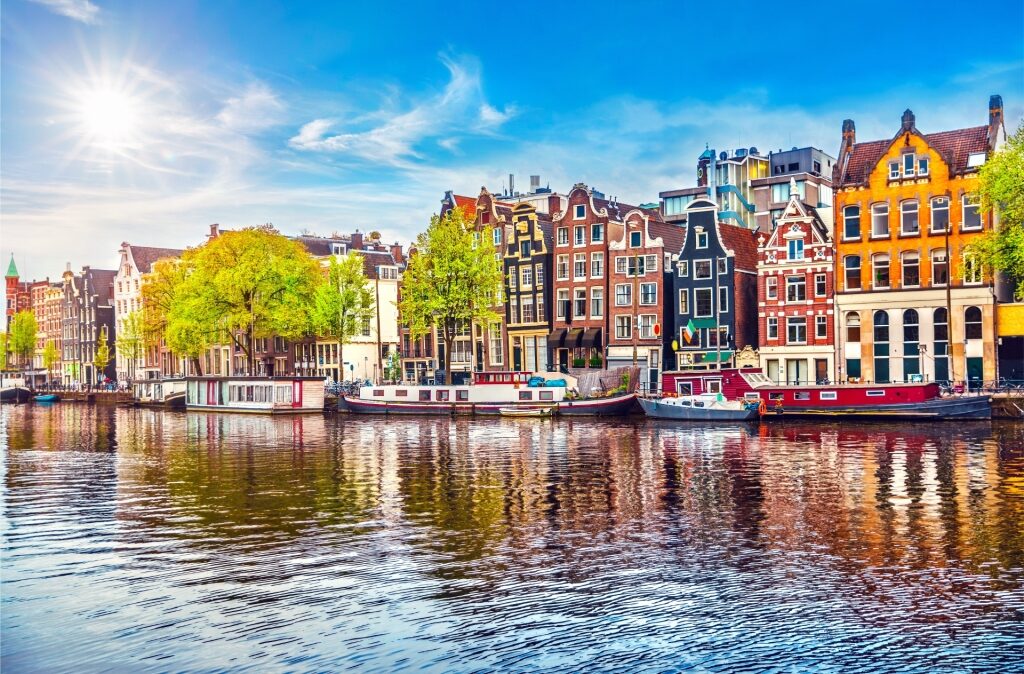
Amstel River
For any drinkers of Amstel-brand lager, it’s important to highlight that the Amstel River is not a novel beer tour, but in fact the river that gave Amsterdam its name as the “Amstel-dam.”
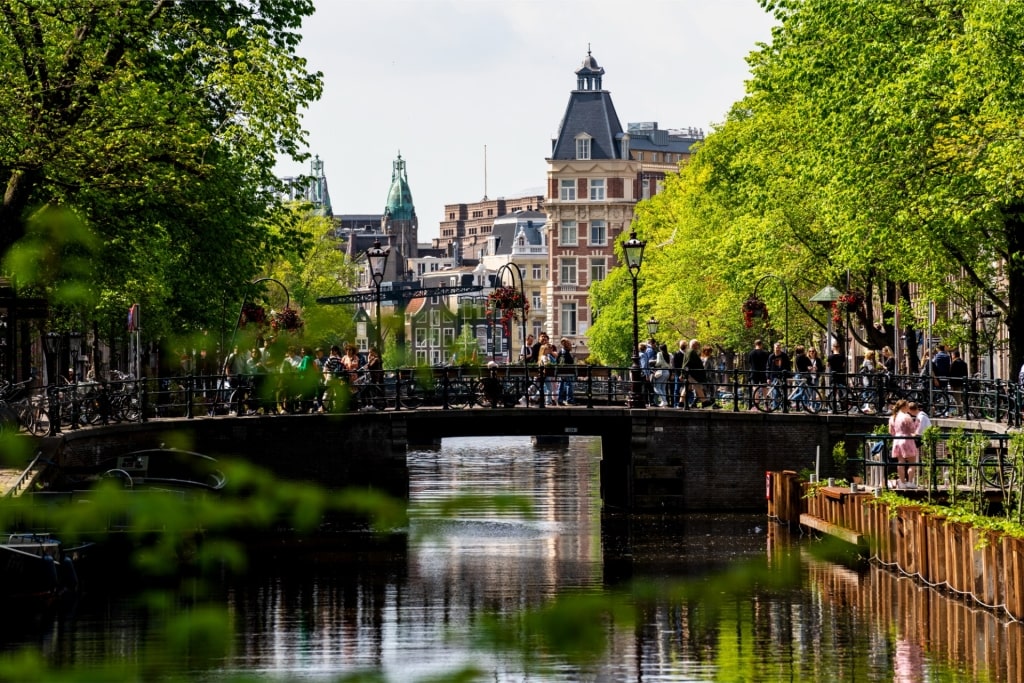
The broad river is lovely to stroll beside, its calm waters slipping past De Pijp’s 17th-century merchant houses and taking you on a walk that showcases the quieter side of the Latin Quarter. If you prefer to take to two wheels, a cycle ride allows you to explore even more of what the Amstel’s broad, often leafy banks have to offer.
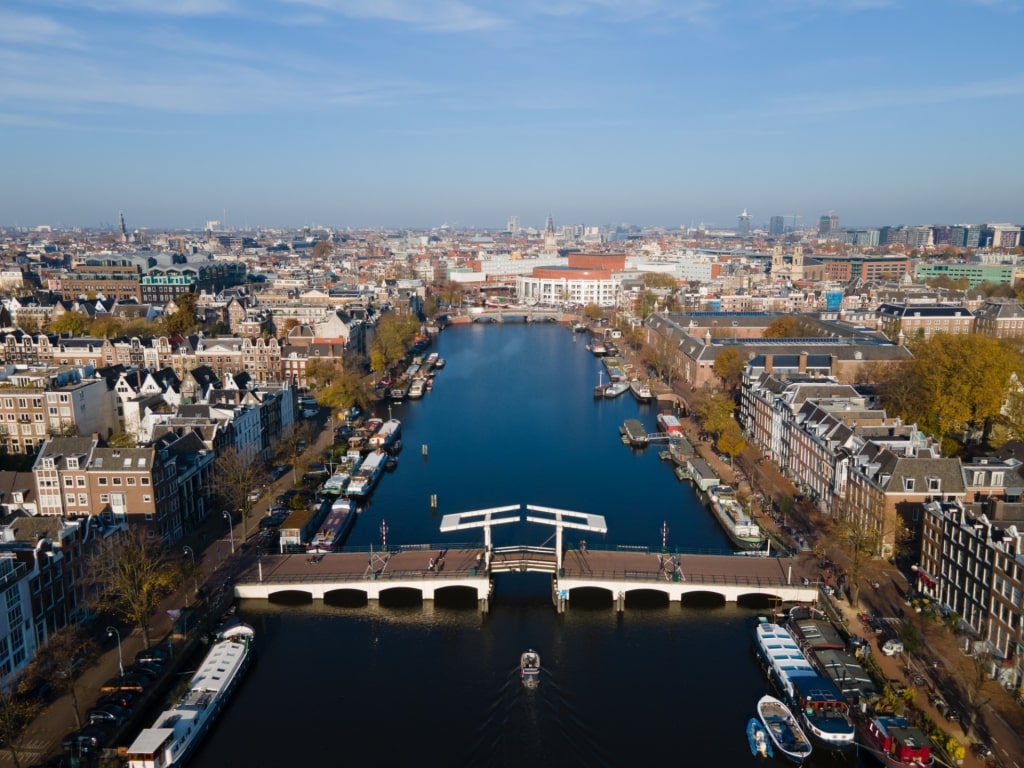
Magere Brug
Head south, across the Berlagebrug, and you’ll soon strike out into peaceful countryside, passing the occasional waterfront café, its pier set out with tables. Turn your handlebars to the north instead, and you’ll soon encounter the striking Magere Brug or “Skinny Bridge.”
Beautifully lit in the evening, the bridge is a 1930s reconstruction of a medieval drawbridge. The legend of its creation was that it was funded by two well-heeled sisters who wished to visit one another more easily.
Shop Gerard Doustraat
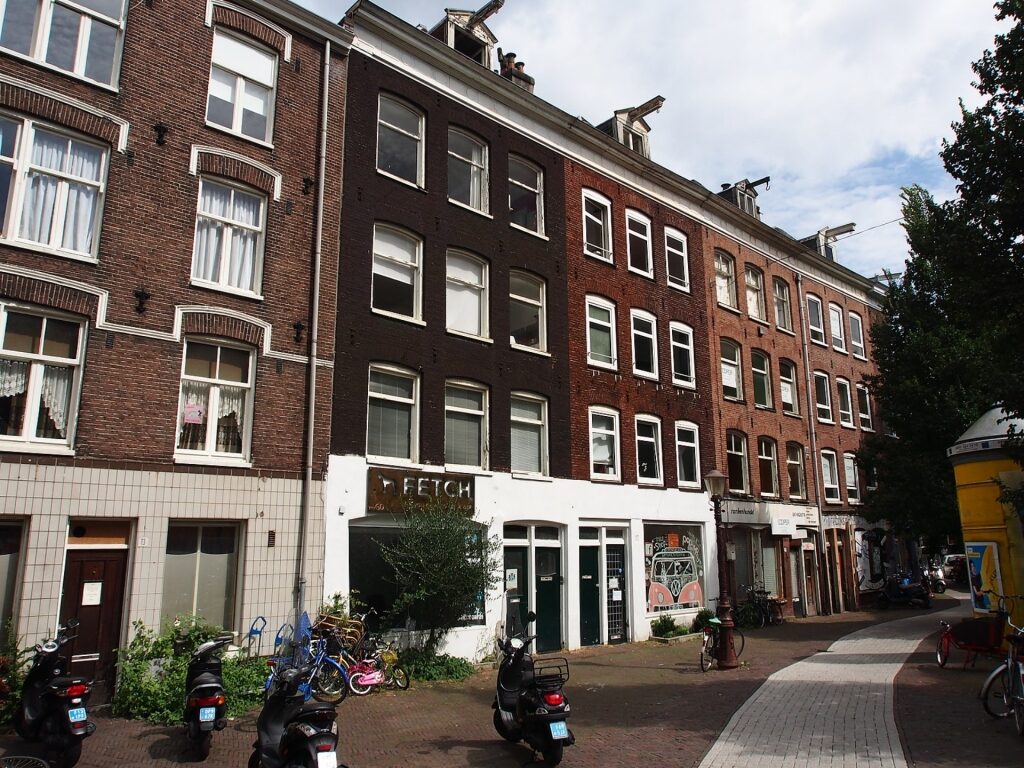
Gerard Doustraat Photo by Alf van Beem on Wikimedia Commons, licensed under CC0 1.0
Streets named for Golden Age painters abound in De Pijp, and one of the most famous is Gerard Doustraat. It’s a corner of the Amsterdam neighborhood that encapsulates De Pijp’s eclectic and bohemian style. Look out for the unprepossessing fabric shops that recall the time when this was a hive of textile workshops.
Today, beneath a rainbow of awnings, you’ll discover a superb selection of shops for browsing, some shops for yearning, and other shops that someone will need to drag you out of. Highlights include Baskèts, with its legendary sneaker selection; the high-end indie labels in Miuse Conceptstore; and the charming home decor and gift shop, Anna + Nina.
With your souvenir and gift shopping complete, grab a French-Flemish bite at Salut, ideally at a table on its self-proclaimed “sexiest terrace in the square.” Afterwards, pop along to Gerard Doustraat 238 for a synagogue that blended in so well with the local architecture that it managed to continue its services during the Nazi occupation.
Detour to the Rijksmuseum
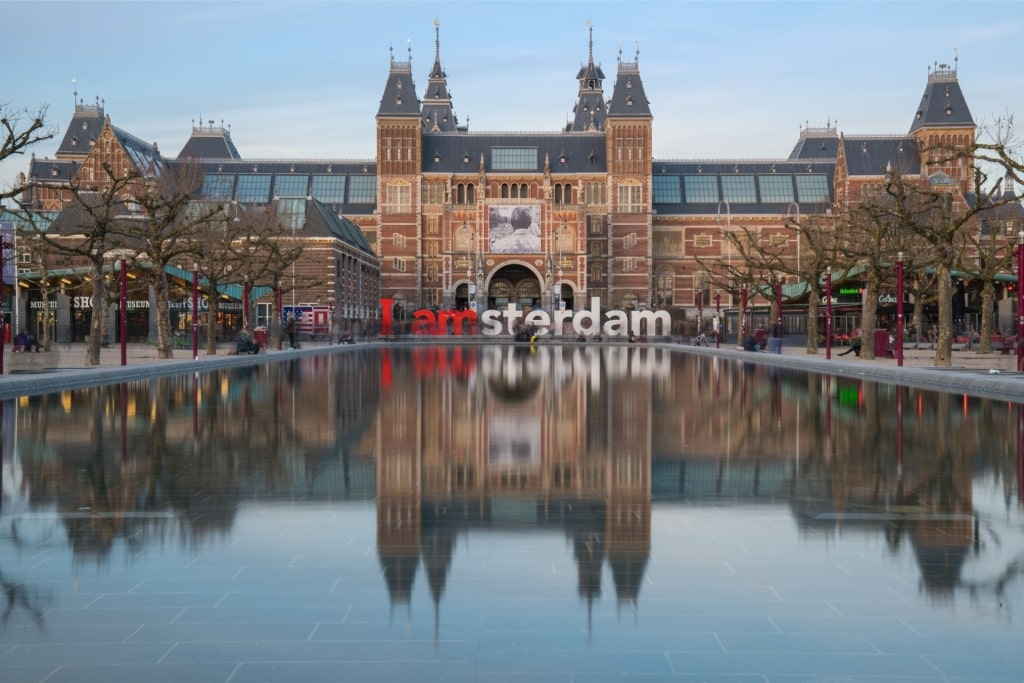
Rijksmuseum
The Rijksmuseum may not officially be within the boundaries of De Pijp, but it’s so close you really have to tie in a visit to the country’s leading art and history museum while in the Latin Quarter.
Walk a few minutes from the northern edge of De Pijp, close to where the top of Albert Cuyp Market meets the Stadhouderskade canal belt, and you’ll soon see the southern entrance of this impressive Neo-Gothic edifice.
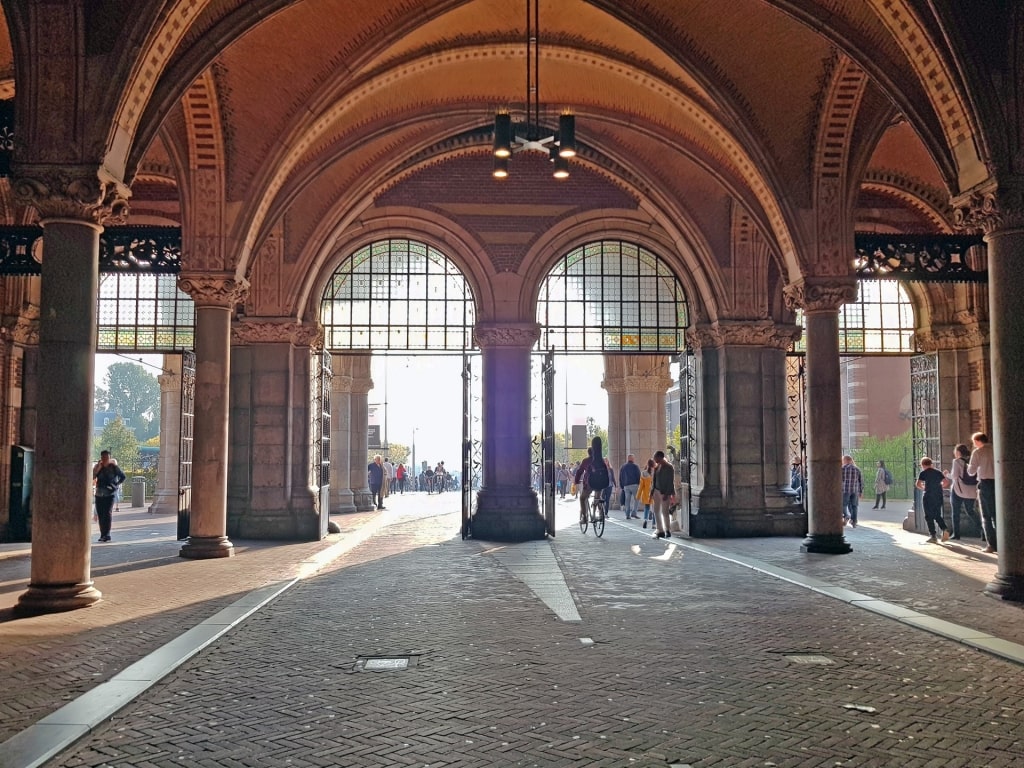
Rijksmuseum
The building looms large, and it needs to be big to comfortably contain its million-plus cultural artifacts. These include its Masterpieces Collection, containing hundreds of the country’s most lauded works of art: Jan Asselijn’s The Threatened Swan, Vincent Van Gogh’s Self-Portrait, and a heap of Rembrandts that includes Night Watch.
It’s possible to take in the highlights of this national heritage site in around two hours, although it’s highly recommended to stay longer. On hand to help you in that endeavor is its in-house Michelin-starred restaurant, RIJKS.
Restaurants
Bakers & Roasters
De Pijp is considered one of Amsterdam’s top brunch destinations and Bakers & Roasters is synonymous with a superlative Latin Quarter brunch experience.
Located near Sarphatipark on Eerste Jacob Van Campenstraat, this cheerful café is pure De Pijp: the ownership is Kiwi-Brazilian, and the menu follows suit with New Zealand or Brazilian-accented brunch favorites.
There’s a “Kiwi” full breakfast if you’re starving, or the beloved banana nut bread French toast served with the house’s homemade banana marmalade.
Little Collins
Another stand-out spot for a delicious, long brunch, Australian-run Little Collins serves up amazing cuisine that looks as good as it tastes.
A great one for people-watching, especially when enclosed within the leafy planters of its streetside seating, Little Collins favors both carnivores and herbivores equally with its creative cuisine.
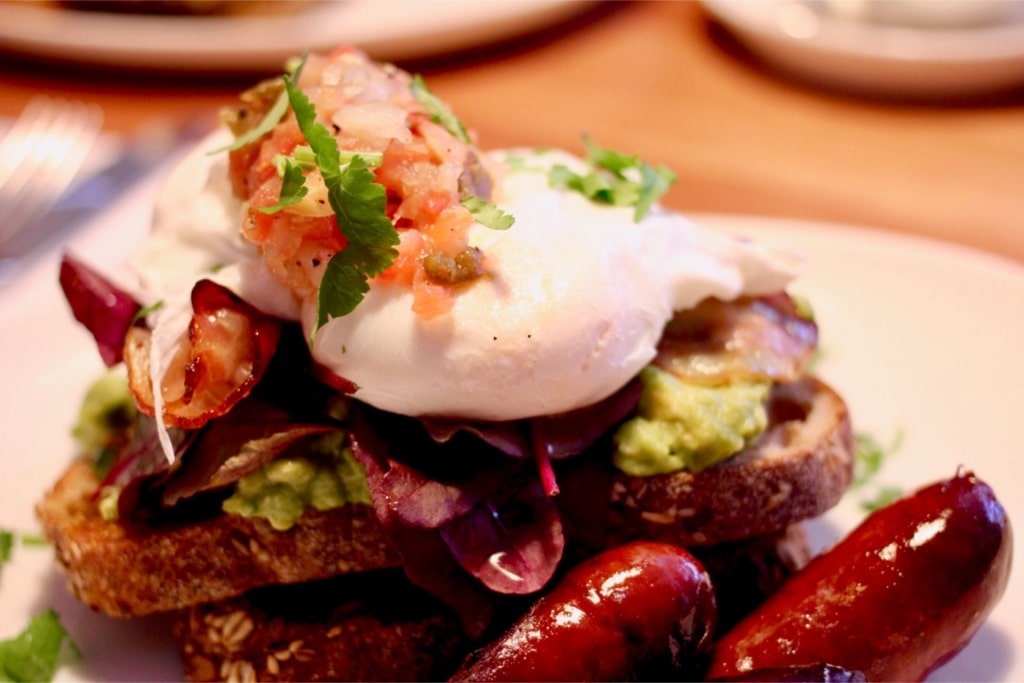
Little Collins Photo by
subherwal on Flickr, licensed under CC BY 2.0
Be tempted by the cauliflower and fennel fritters with jalapeno coconut feta, or select its menu’s mainstay of the 18-hour slow-cooked brisket-stuffed breakfast quesadilla.
It’s walk-in only, so an earlier brunch is encouraged, although there’s usually a seat somewhere to slide into. If you like the food, the owners have an Italian place next door, Brio, that’s popular for dinner.
Samuel’s
A relative newcomer to the De Pijp scene, Samuel’s, overlooking Sarphatipark, is a French-style brasserie with royal blue awnings. Upscale though it may appear, it nevertheless has an easygoing style that fits in with the Latin Quarter’s vibe.
Its early lunch allows for a broader “brunch” menu, serving up everything from roasted cauliflower to smash burgers.
Read: What to Eat in Amsterdam
Travel Tips
De Pijp
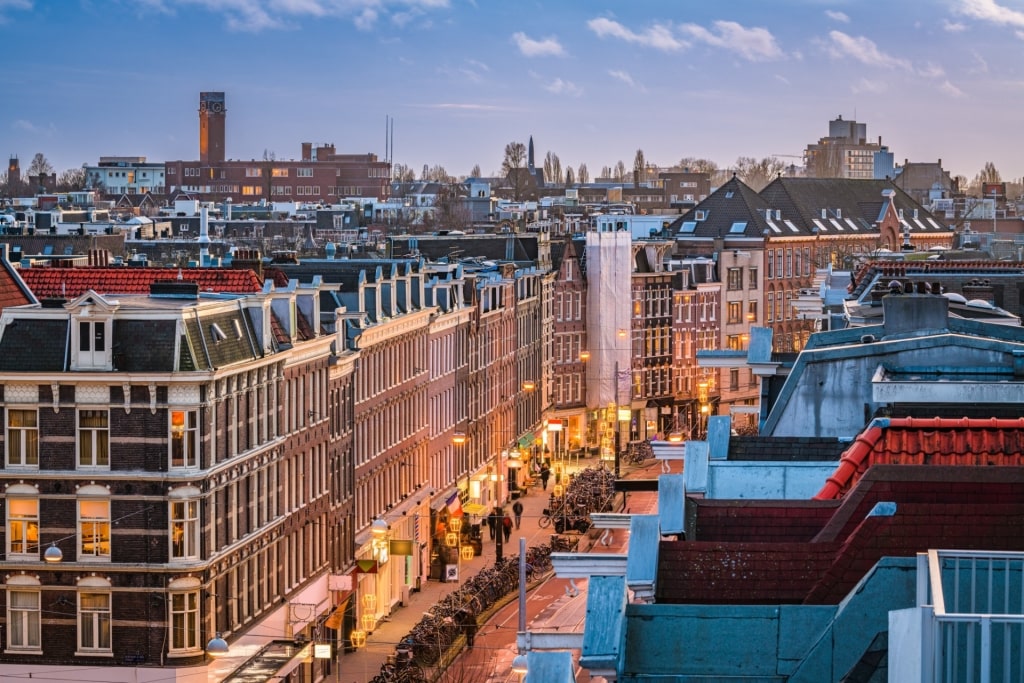
Crossable on foot in around 20 minutes, De Pijp is a compact area that’s best explored without a vehicle. Of course, renting a bike and cycling along the Amstel River—or pedaling out with a tentative bellring from between market stalls—bestows upon you the appearance of a true De Pijpenaar.
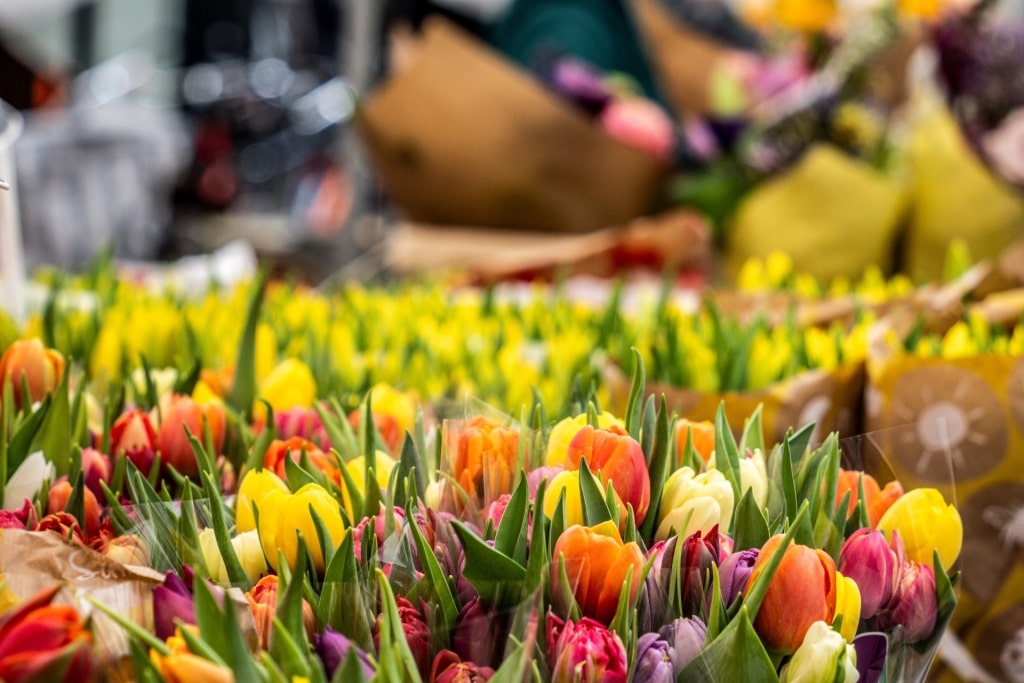
A helpful Amsterdam travel tip is to save your most comfortable shoes for any extended trips to delve into the epic selection at Albert Cuyp Market, bringing a container for your tulip bulbs and Gouda wedges.
Tulips
Although it depends on the time of year that you’re visiting and your propensity for al fresco dining, which De Pijp does encourage, it’s a good idea to carry a light jacket or cardigan to take the edge off any cooler evening temperatures.
When shopping in De Pijp, be sure to bring a voluminous tote bag. You’ll feel the urge to spirit numerous souvenirs home, from Delftware pieces to bags of locally roasted coffee.
De Pijp
Slightly more left-field as a gift option is a jar of Dutch peanut sauce or “pindasaus”—think peanut butter mixed with spicy sambal. The Dutch have it on everything from fries to barbecued chicken, and you’re sure to encounter its zingy, savory profile on starters at any number of De Pijp eateries.
Amsterdam
Experience the De Pijp neighborhood in Amsterdam with its cosmopolitan style and outstanding dining and bar scene. Browse Celebrity’s cruises to Amsterdam and plan your European adventure today.