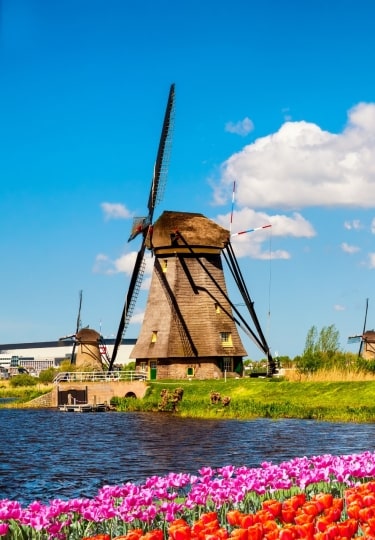
When it comes to the best places to visit in the Netherlands, many will just stop at Amsterdam. And it’s true. The Dutch capital is a total boss of a city that deserves its place as one of the best in Europe—but that would be doing the rest of this compact country a disservice.
From flower fields that burst into life in spring to vast natural wetlands, and medieval harbors to cutting-edge architecture, the rest of the Netherlands is a delight to explore. Whether you’re gliding along a canal in Utrecht, sampling a strong cheese in Gouda, or marveling at a riot of colorful flowers in Keukenhof, you’ll find a country that’s rich in character, full of surprises, and effortlessly easy to explore.
Keukenhof Gardens
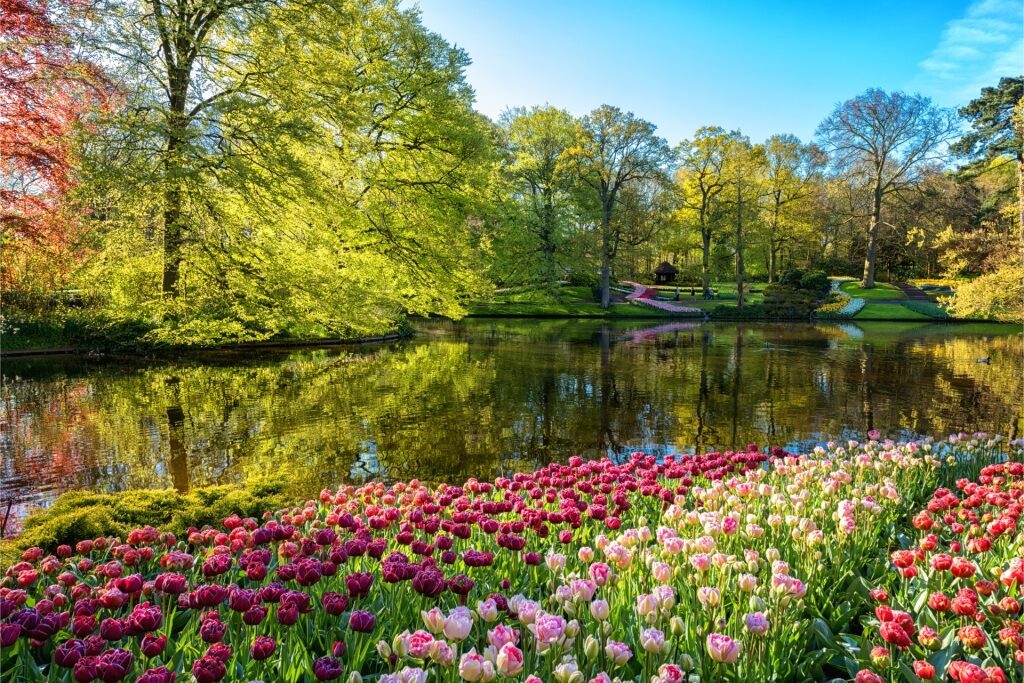
Keukenhof Gardens
Keukenhof actually means “kitchen garden” but there’s much more than a few herbs and some wilted lettuce at this magnificent estate about 40 minutes southwest of Amsterdam.
Formerly part of the 15th-century estate of Countess Jacoba van Beieren, its transformation into one of the best places to visit in the Netherlands and one of the best flower gardens in the world began in 1949. It was then that a group of flower growers used the grounds to showcase their spring-flowering bulbs and the estate has not looked back since.
Now, some seven million bulbs are planted each year to provide an incredible variety of tulips, hyacinths, daffodils, and more in a riot of colors. While the show only lasts a couple of months, it’s one of the Netherlands’ must-dos, to the point where shuttle buses run regularly from all the nearby major cities to take visitors to the show.
Kinderdijk Windmills
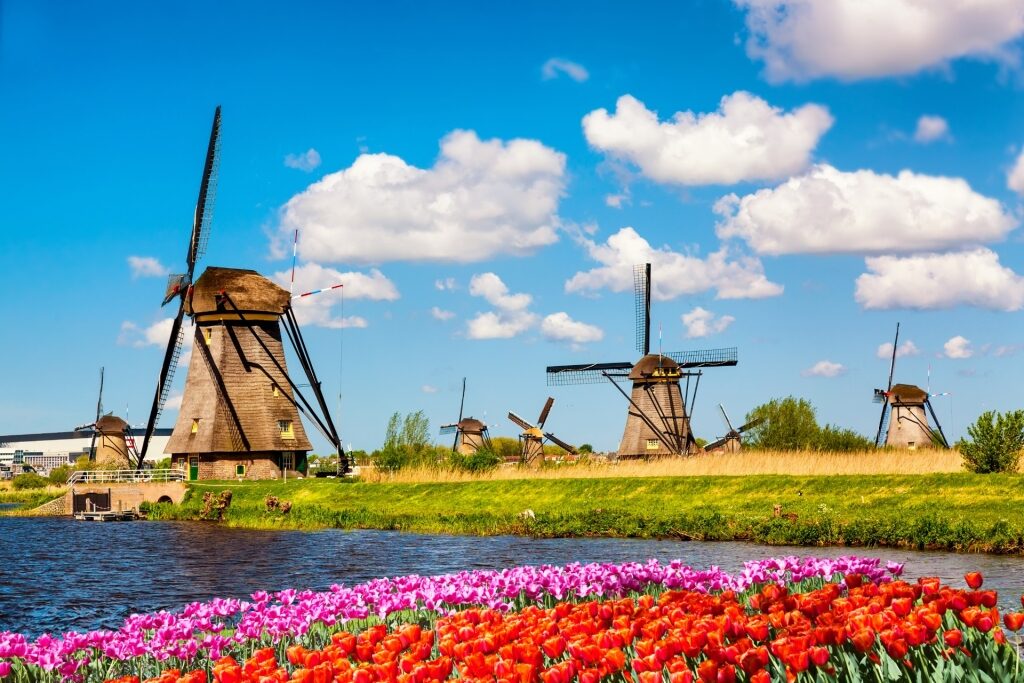
Kinderdijk Windmills
Close your eyes and imagine a typical Dutch scene and your mind will likely capture something akin to Kinderdijk. A UNESCO World Heritage Site some 30 minutes from both Rotterdam and Dordrecht, the village ranks highly as one of the best places to visit in the Netherlands thanks to its network of canals and 19 beautifully preserved windmills.
While today it’s all incredibly photogenic as ducks paddle on the water and fields spread in every direction, the Dutch windmills were originally a case of function over beauty. They were built in the early 18th century to pump water from the low-lying lands between the rivers Lek and Noord.
This was a project that likely saved the area, given that previously, floods had caused mass disasters. If you want the archetypal Dutch experience, the best way to enjoy the area is to rent a bike to cycle around to complete the picture.
Amsterdam Museumplein
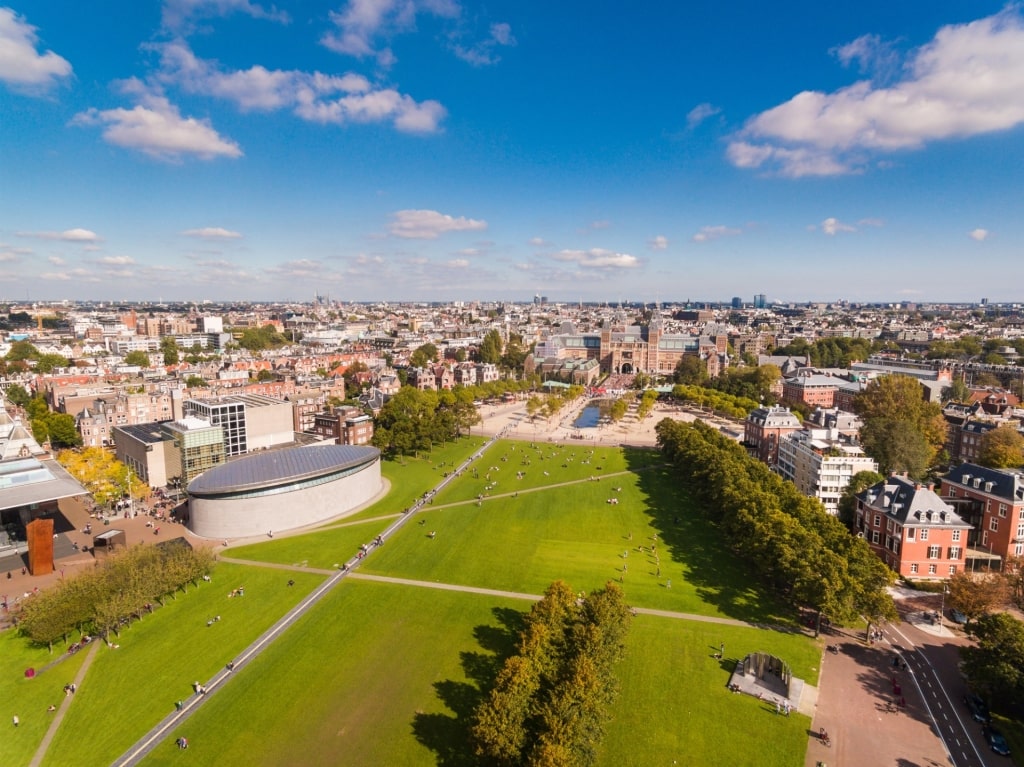
Amsterdam Museumplein
In a city redolent with culture, Museumplein is the crown jewel. This broad, open green space is flanked by three of Europe’s most prestigious museums: the Rijksmuseum, the Van Gogh Museum, and the Stedelijk Museum.
Within a few hundred yards of each other and in potentially the highest concentration of world-class art in Europe, you can view Rembrandt’s The Night Watch, Van Gogh’s Sunflowers, and Andy Warhol’s Ten Portraits of Jews of the Twentieth Century.
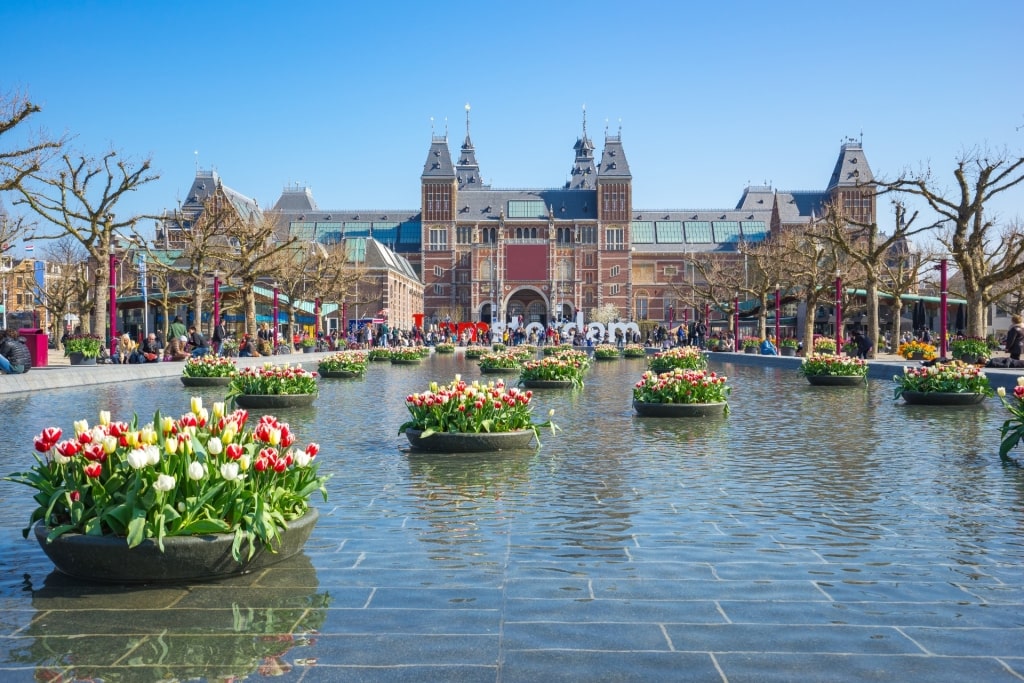
Rijksmuseum
The Rijksmuseum has the biggest collection, the Van Gogh is amazing but dedicated to one artist, and the Stedelijk is packed with modern masters. While all three are definitely worth seeing, the time-pressed might want to choose their favorite and explore that in more detail. If time does allow, all three have great restaurants, and the green space that unites them is usually home to performance artists and buskers.
Zaanse Schans
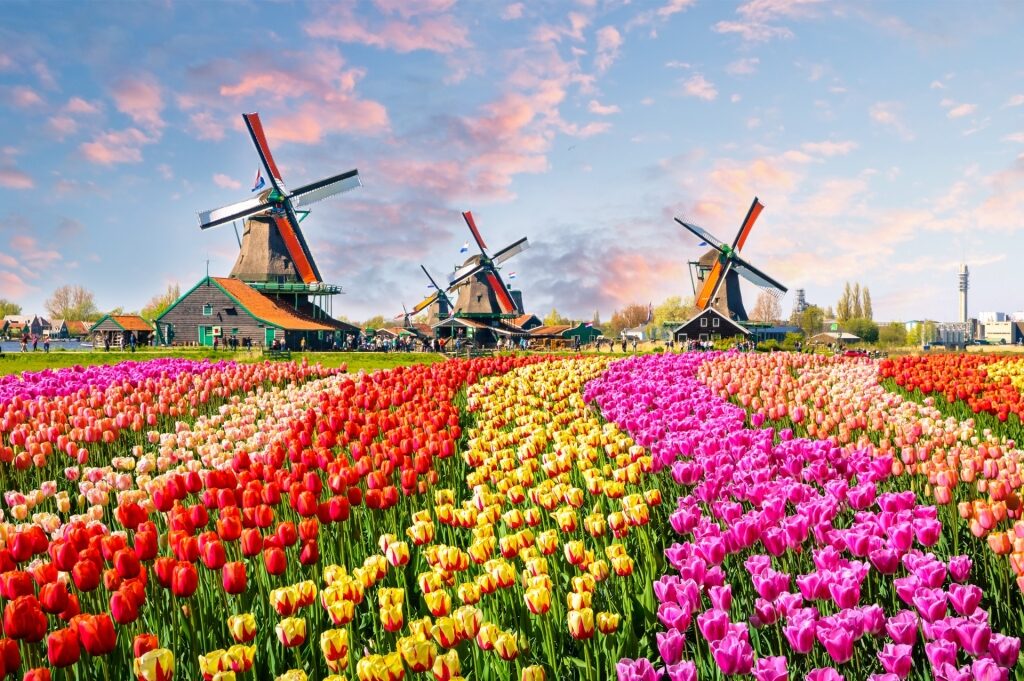
Zaanse Schans
Kinderdijk may be the picture postcard image of the Netherlands, but if you want to go even more Dutch, head to Zaanse Schans, home to one of the best tulip fields in the Netherlands. Around 30 minutes’ drive from Amsterdam, it’s a one-stop shop for local heritage. Windmills turn, clogs are carved, and cheese sliced.
This model-style village was created when a host of 17th-century windmills were relocated here in the mid-20th century in an effort to preserve the area’s industrial heritage. Unlike Kinderdijk, where everything is about the view, here, you can venture inside the windmills and see craftspeople in action as they carve, stir, bake, and more.
Zaanse Schans is the kind of place frequented by children on school trips, but it’s a heap of fun, too. And if you’re looking for a pair of clogs to take home, there’s nowhere better than here to get them.
Den Haag
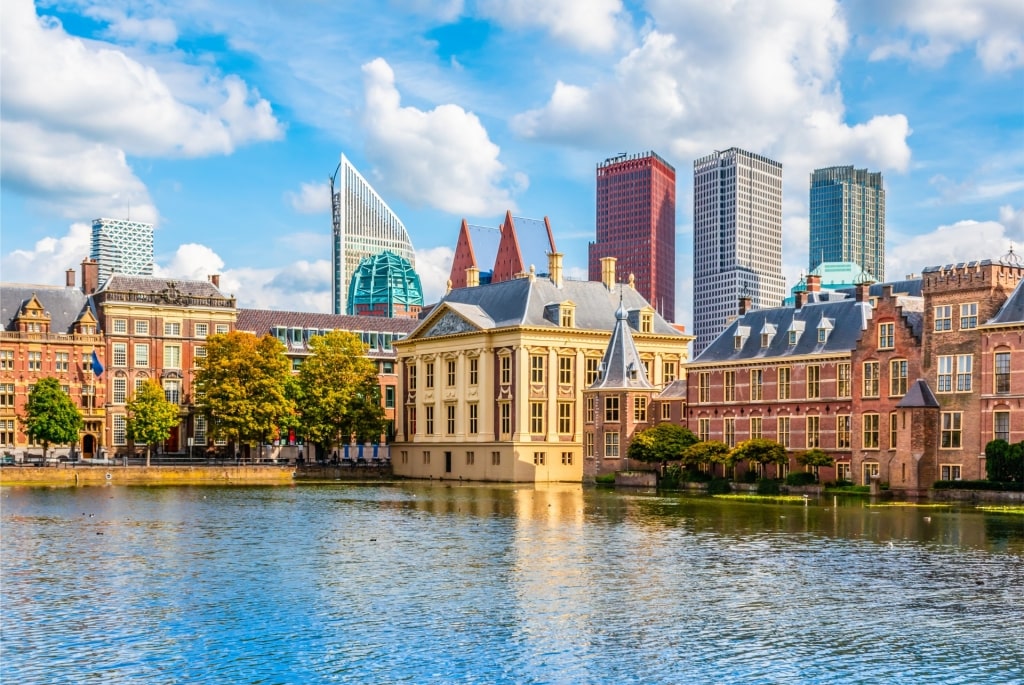
Den Haag
While Amsterdam may be the capital of the Netherlands, Den Haag—The Hague—is the seat of both the government and the Dutch royal family. It’s also home to globally significant institutions such as the International Court of Justice, and so rightly makes it onto any list of the best places to visit in the Netherlands.
At its heart, the city is very grand; thanks to the Binnenhof, a lakeside complex of medieval buildings that form the government buildings and the royal palace Noordeinde. There’s also great culture here for art lovers in the form of the Mauritshuis Museum, which displays works by Dutch Golden Age greats including Vermeer, Rembrandt, and Jan Steen.
If that all seems a little stuffy, there are plenty of places to relax thanks to Scheveningen Beach on the North Sea with its Ferris wheel, beach bars, and a long pier, as well as the landscaped gardens of Clingendael Park.
De Hoge Veluwe National Park
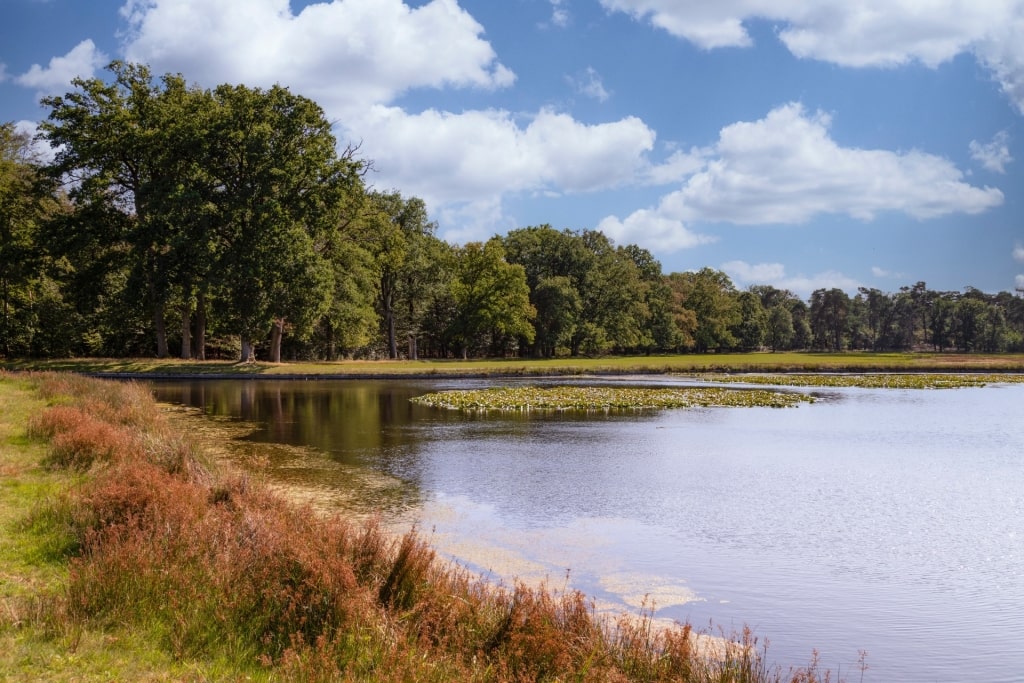
De Hoge Veluwe National Park
When it comes to the best places to visit in the Netherlands, few can be as surprising as De Hoge Veluwe, the largest national park in the country, a 50-minute drive from Arnhem or Nijmegen and covering more than 13,000 acres of forest, heathland, and sand dunes.
There’s much more to a visit here than looking out for wild deer, mouflon, and wild boar. For in the middle of the park lies the Kröller-Müller Museum, home to the second largest collection of works by Van Gogh in the world, as well as pieces by Picasso, Mondrian, Monet, and more.
There’s also a sculpture garden with more than 160 works, including some by Rodin, plus free bicycles to borrow throughout the park.
Utrecht
Utrecht
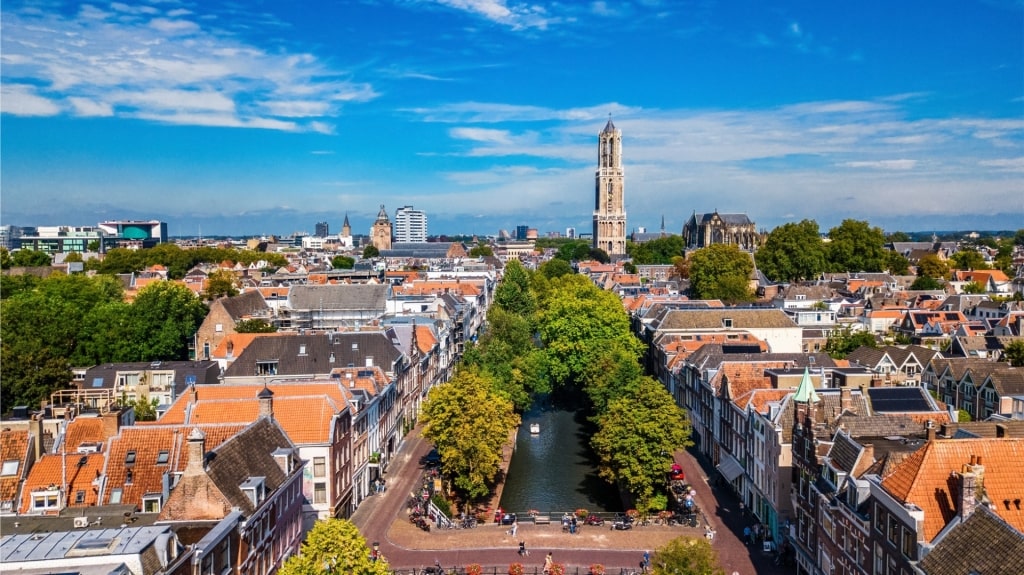
If Amsterdam feels a little too hectic and Den Haag a little too buttoned-up, Utrecht might just be your “Goldilocks” city in the Netherlands—just right. One of the oldest cities in the country, it’s a real medieval beauty with winding canals, towering church spires, quirky museums, and the buzz of a college town.
Handily located in the middle of the country, so easily accessible from other major cities, the fact that Utrecht flies slightly under the radar is massively to its advantage. It has history, charm, and culture in spades but with a little more breathing space.
The city’s canal cafés in converted wharf cellars are a great place to hang out, but if you’re up for something more active, take the 465 steps to the top of Dom Tower for excellent views. Check out Museum Speelklok, too, with its whimsical musical clocks and self-playing organs.
Rotterdam Markthal
Rotterdam Markthal
Unlike other major Dutch cities with their medieval hearts, Rotterdam suffered heavy bombing towards the end of World War II, meaning much of the city has a distinctly modern feel.
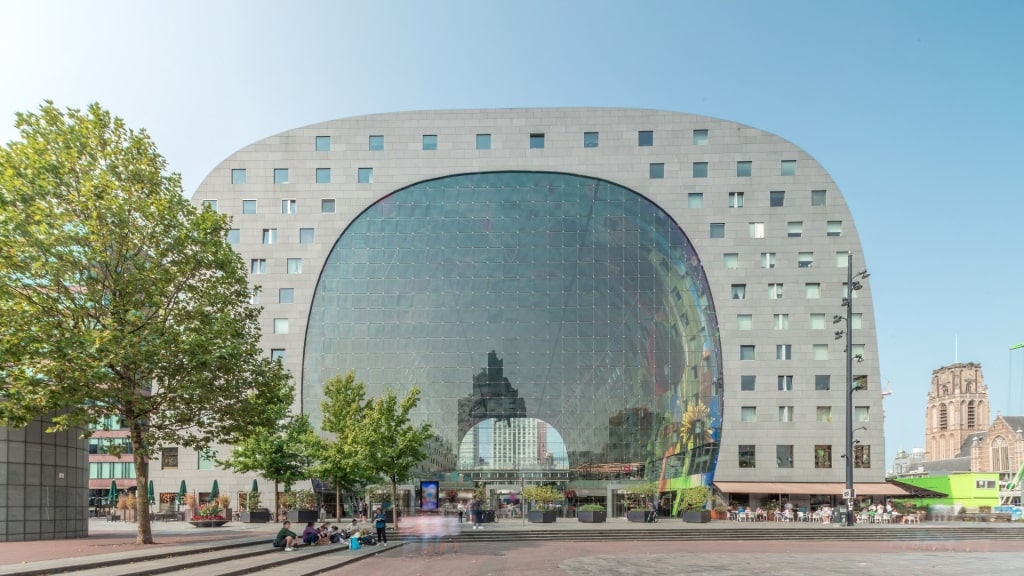
One of the icons of the city’s reconstruction is the 2014 Markthal, a giant, horseshoe-shaped food market and apartment complex, complete with a swirling ceiling of digital art. Underneath that bewitching roof, there are more than 100 food stalls, bars, and bakeries, offering everything from Dutch cheese and Vietnamese pho to artisanal fudge and Moroccan flatbreads.
Once you’ve grazed your way around the market, take a stroll across the road for another modern architectural marvel: the city’s iconic “cube houses”.
John Frost Bridge, Arnhem
John Frost Bridge, Arnhem
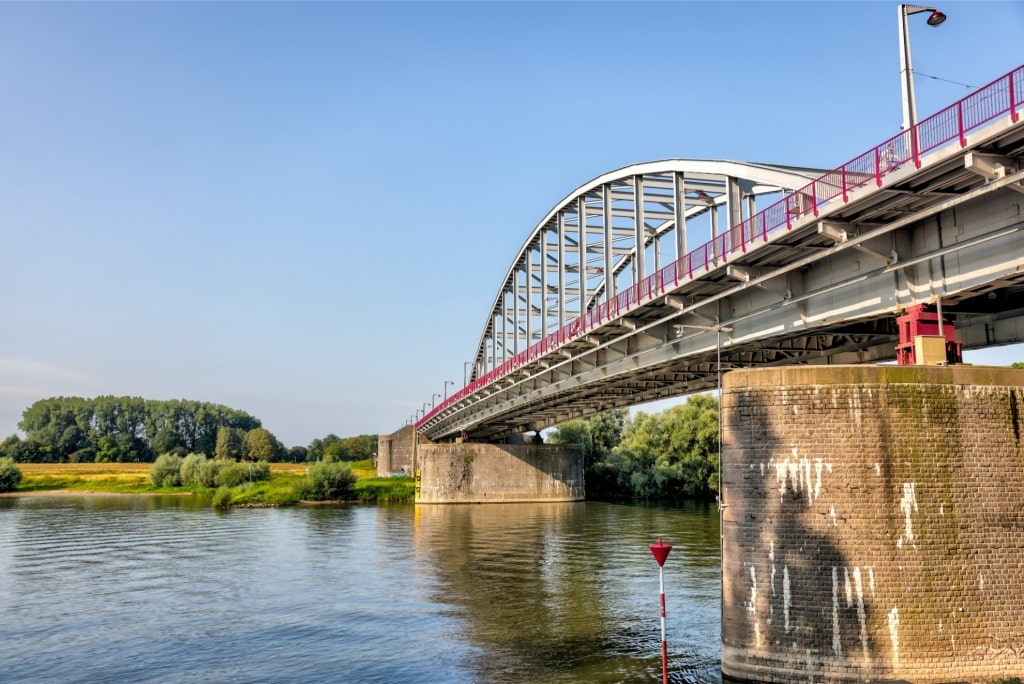
Close to the border with Germany and on the banks of the Nederrijn and Sint-Jansbeek rivers, Arnhem was the site of one of the most daring raids of World War II. During Operation Market Garden in 1944, British paratroopers, led by Major-General John Frost, battled to take Arnhem’s major bridge in an attempt to bring an early end to the war.
While the operation was ultimately unsuccessful thanks to a series of logistical errors, the British forces defended the bridge for four days against superior German numbers.
Their act of heroism has since been immortalized in numerous books and films. The bridge—reconstructed in 1950 and named after Frost in 1978—is now a symbol of their sacrifice and a regular place of homage for British and other Allied servicemen and women who visit to pay their respects.
Gouda
Gouda
The Netherlands is known for its cheese. If you want the full-on experience, Gouda—pronounced how-da, not goo-da—is the place to go.
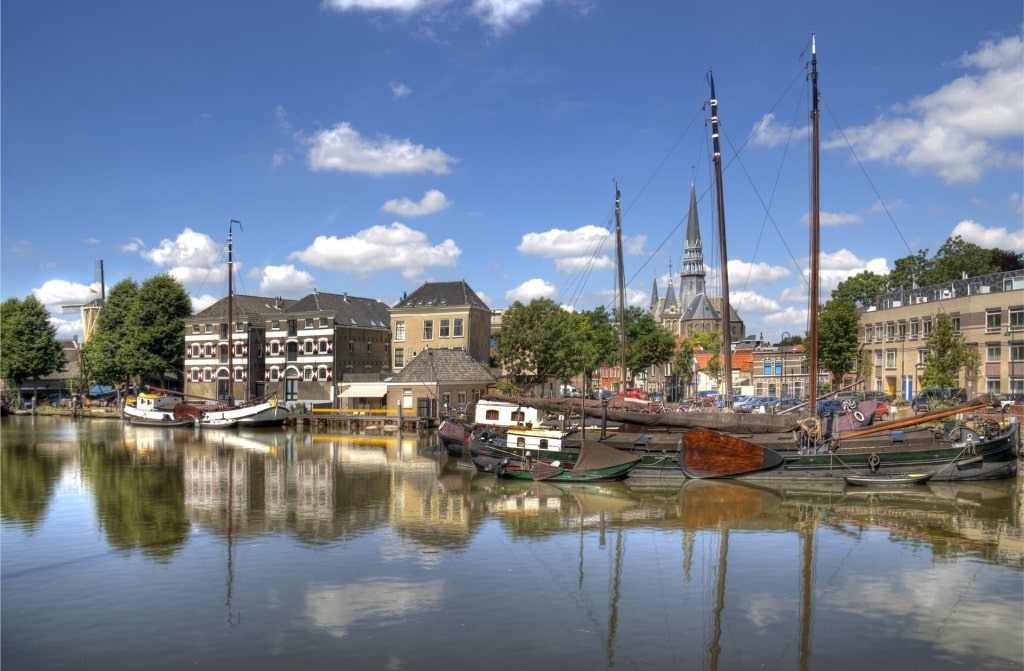
For the world-famous cheese comes from this quintessentially Dutch market town between Utrecht, Amsterdam, and Rotterdam. Cheesy sights include the Cheese Museum & Weigh House and a regular cheese market, but there’s more to see here than the famed bright-yellow truckles.
The town dates from the 13th century when it was granted city rights and at its heart it encapsulates the Dutch experience in miniature. Canals, cobbled streets, Gothic architecture in the old town—Gouda has it all.
Look out when visiting too for St. John’s Church, or Sint Janskerk. The longest church in the country is also home to some incredible 16th-century stained-glass windows.
Middelburg
Middelburg
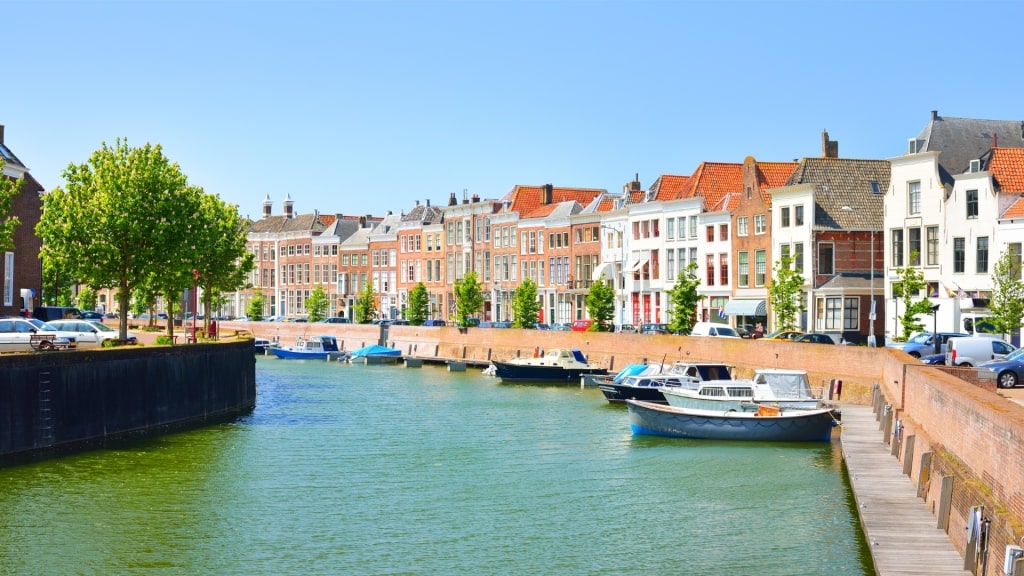
Capital of the Zeeland province, some would say Middelburg is one of the Netherlands’ best-kept secrets. It was once a powerhouse of the Dutch Golden Age thanks to the trading opportunities offered by its proximity to the ports of Veere and Vlissingen, and you can still feel echoes of its prosperous past.
At its heart, it offers another quintessentially Dutch experience: cobbled streets, a grand medieval abbey, independent shops, and cozy cafés, but crowds are fewer here, making the experience feel a little more authentic.
Highlights of a visit include climbing to the 300-foot peak of Lange Jan, the main abbey tower, for sweeping views, and a visit to the Zeeuws Museum. The museum has engaging exhibits on Zeeland’s history, textiles, and art. Collectors and antique lovers, meanwhile, should head to Lange Delft and its side streets for independent shops and unexpected finds.
Biesbosch National Park
Biesbosch National Park
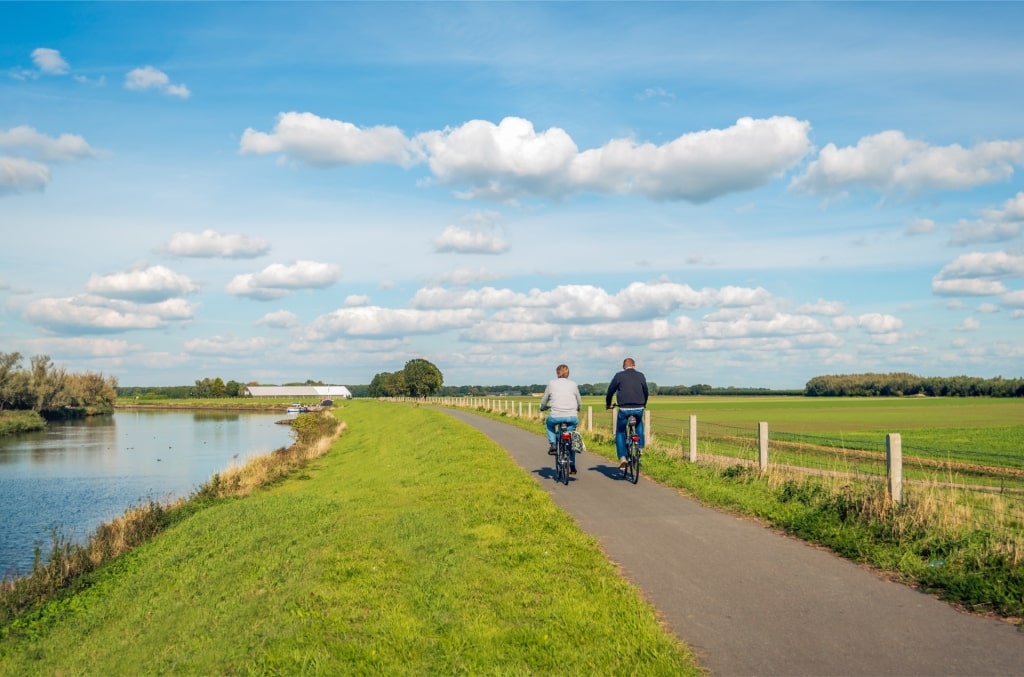
South of Rotterdam, Biesbosch National Park is one of the largest freshwater wetlands in Europe, a maze of rivers, creeks, willow forests, and reed beds. As an alternative to cities, culture, and cheese, it provides a perfect place to birdwatch, kayak, or simply relax against a wildly scenic setting.
It was not always this way, though. Created by flooding in the 15th century, the park has been a hideaway for everyone from smugglers to Allied soldiers in World War II, all taking advantage of the landscape being similar to that of a lush jungle.
Over the years it’s been transformed into a national park that is part natural haven, part buffer against potential future floods. Exploring is a joy here. Rent a canoe or electric whisper boat from the visitor center, or take to one of the many trails that range from one to 13 miles in length.
Dordrecht
Dordrecht
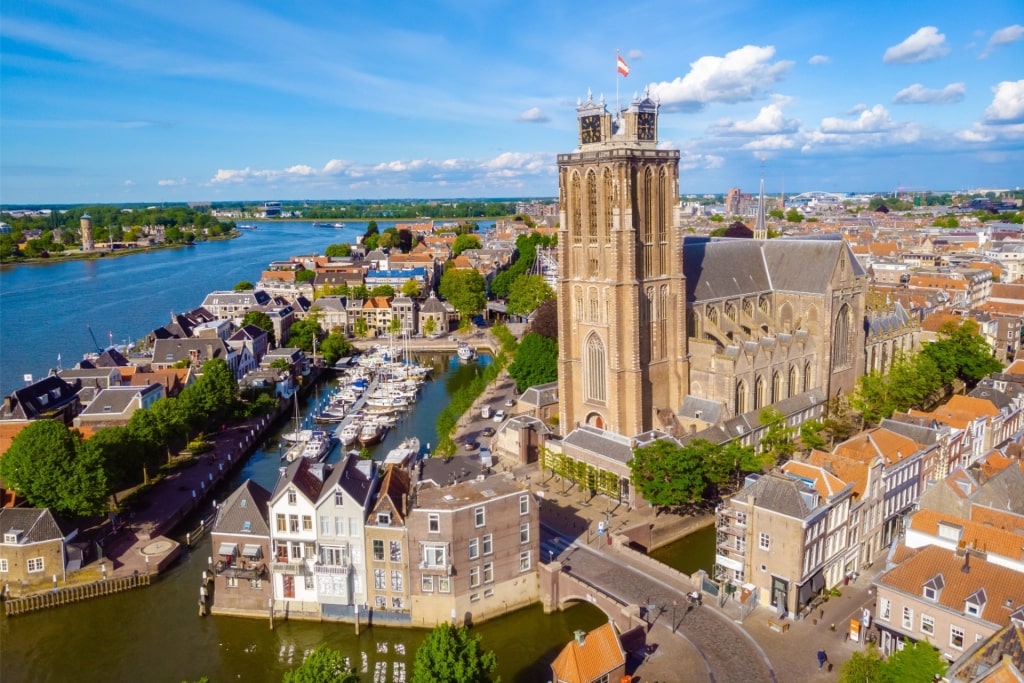
Also known as Dordt or Dort, Dordrecht is one of the oldest cities in the Netherlands, getting its city status way back in 1220. It sits at the confluence of three rivers: the Merwede, the Noord, and the Oude Maas and is famed for the historic harbor at its heart, a legacy from days gone by when it was a key trading port.
Het Drierivierenpunt and Wolwevershaven are the main areas to visit, notable for the stately 17th-century homes, ancient quays, floating wooden walkways, and a series of calm canals. It’s a little like a miniature Amsterdam, without the bachelor parties, and the kind of place where social media image opportunities abound.
The best of these is Groothoofdspoort, a former city gate where the rivers meet and once the ceremonial entrance to the city. If you can catch an image of ships passing, it can be quite stunning. Head, too, to the Dordrechts Museum with its magnificent collection of top-notch Dutch art.
Nijmegen
Nijmegen
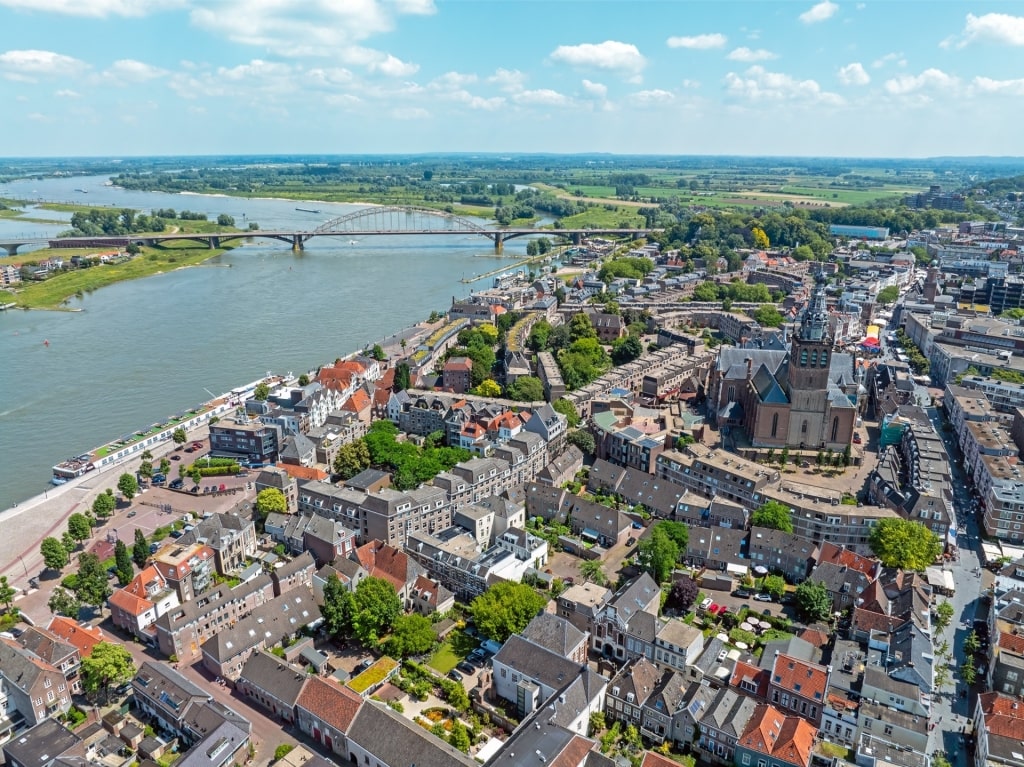
A stone’s throw from the German border and sitting on the River Waal, Nijmegen has been inhabited since around 15 BC when it was inaugurated as a Roman camp.
Since then, it’s led a checkered life. Ransacked and then rebuilt by Vikings, it later became a medieval trade hub, before being mistakenly bombed by the Allies in World War II. That history means there’s much to see here including Roman walls, Gothic towers, and former battle sites, all underpinned by the modern buzz of a college town.
There are few big-ticket sights, but more a relaxed vibe that makes this a lovely place to explore at your own pace. Take a leisurely stroll around mainly car-free streets for antiques, boutiques, barges, and bridges.
Muiden Castle
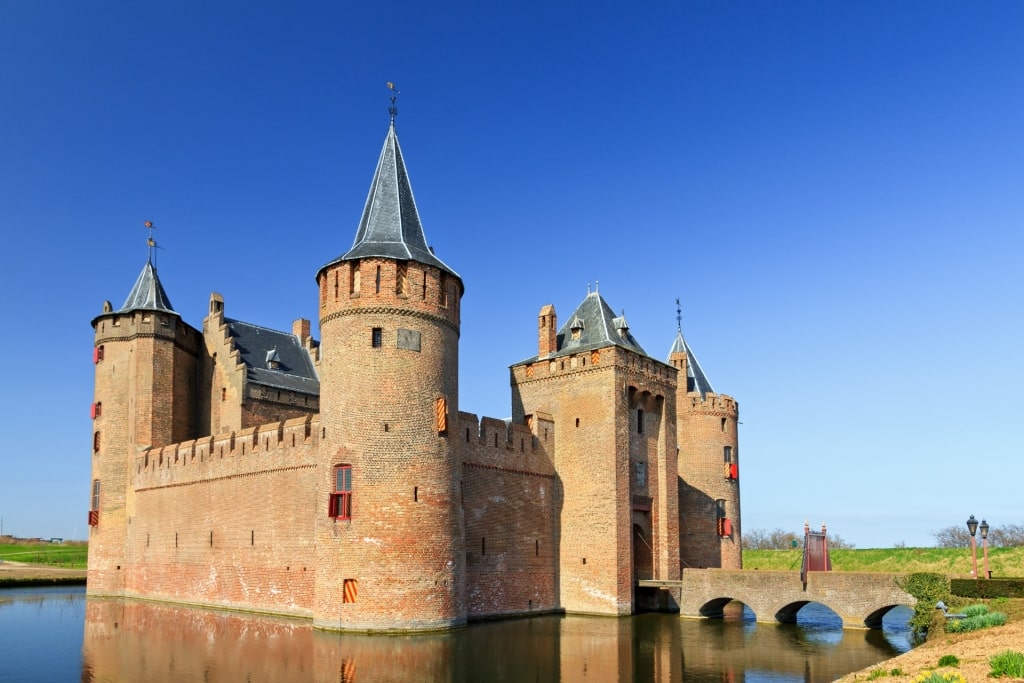
Muiden Castle
Muiden Castle, or Muiderslot, is the country’s most image-worthy castle—a moated medieval fortress straight from a fairytale. Compact and beautifully preserved, it comes complete with towers, drawbridges, and turrets, and enough theater in the storytelling behind it to keep it on the right side of the historic house/theme park divide.
Set less than 30 minutes from Amsterdam where the River Vecht meets Lake Ijssel, the castle was originally built in 1280 for Count Floris V. Used as a rural defense, a prison, and a literary retreat, it fell into disrepair before being restored as a national monument in the 19th century. Rooms are done up in period style, the towers can be climbed for views over the countryside, and there are magnificent gardens to explore.
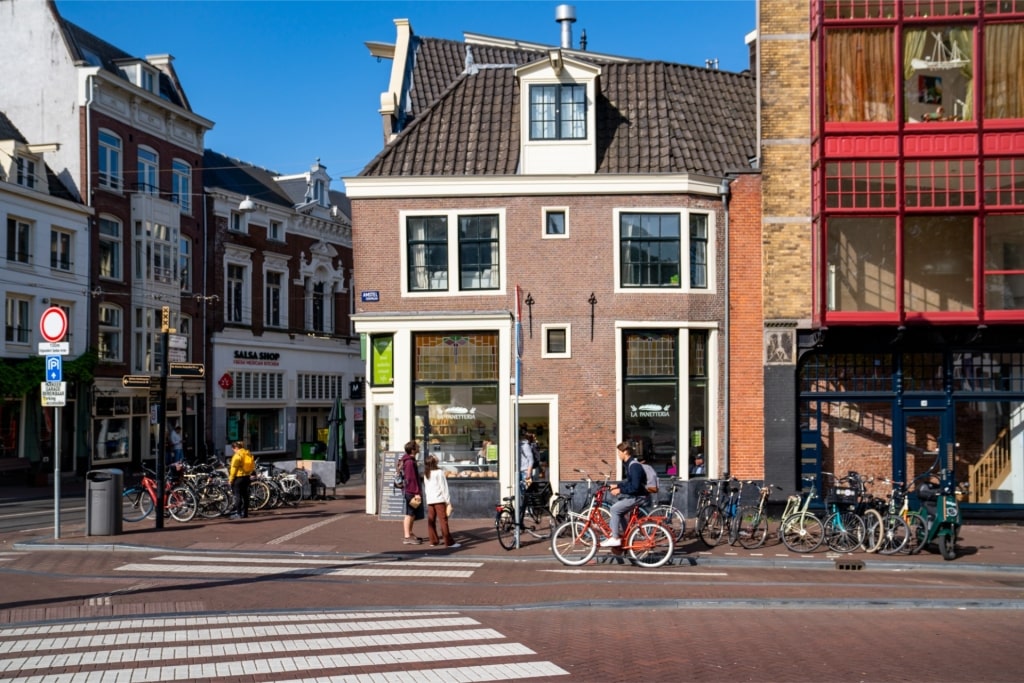
Amsterdam
One of the best ways to explore the Netherlands is on a river cruise. Browse Celebrity’s river cruises and plan your Dutch adventure.