Find a Cruise
Best Of Italy & Croatia Cruise 11 Nights • Ravenna, Italy to Rome (Civitavecchia), Italy • Celebrity Constellation
Itinerary & Excursions
Cruise Overview
Ravenna, Italy
Split, Croatia
Dubrovnik, Croatia
Kotor, Montenegro
Day at Sea
Sicily (Messina), Italy
Amalfi Coast (Salerno), Italy
Day at Sea
Portofino, Italy
Florence/Pisa (Livorno), Italy
Rome (Civitavecchia), Italy
Cruise Overview

Explore the captivating Mediterranean, where sun-drenched coastlines and rich history await. Enjoy days filled with delicious local cuisine, charming towns, and stunning views. Whether you’re wandering through ancient sites or relaxing by the sea, this journey invites you to embrace the relaxed, vibrant atmosphere of the region. Each moment offers a chance to unwind and create lasting memories in this beautiful part of the world.
A cruising experience with us provides access to a range of destinations. Specific ports of call are subject to change due to weather, safety or operational considerations.
Ravenna, Italy
Once you arrive in picturesque Ravenna on an Italy cruise, you have some options: Head north to Venice, west to Bologna, or explore the history and beauty of Ravenna itself. Ravenna is famous for its spectacular mosaics from the 5th and 6th century that are found in cathedrals, palaces, and public buildings everywhere.
In Venice, you’ll find a canal-filled city that is equal parts gritty and romantic, known as a fishermen’s town turned cultural hub. Venice is popular for honeymooners and international tourists alike, filling the elaborate, sinuous system of canals with the buzz of activity. Like Rome and Florence, there’s a magic to the city’s energy that sweeps you up in it, whether you’re exploring St. Mark’s Square on foot or enjoying a gondola ride along the Grand Canal before sailing on one of our cruises from Ravenna.
Bologna, the capital of the Emilia-Romagna region, is considered the gastronomic center of Italy. It’s here that you’ll find some of the world’s best wines, prosciutto, cheese, and balsamic vinegar. Stroll the medieval town’s many photogenic porticoes until you arrive at Piazza Maggiore, the huge and charming public square where you can stop for a gelato or an espresso and people watch.
Split, Croatia
Split, Croatia
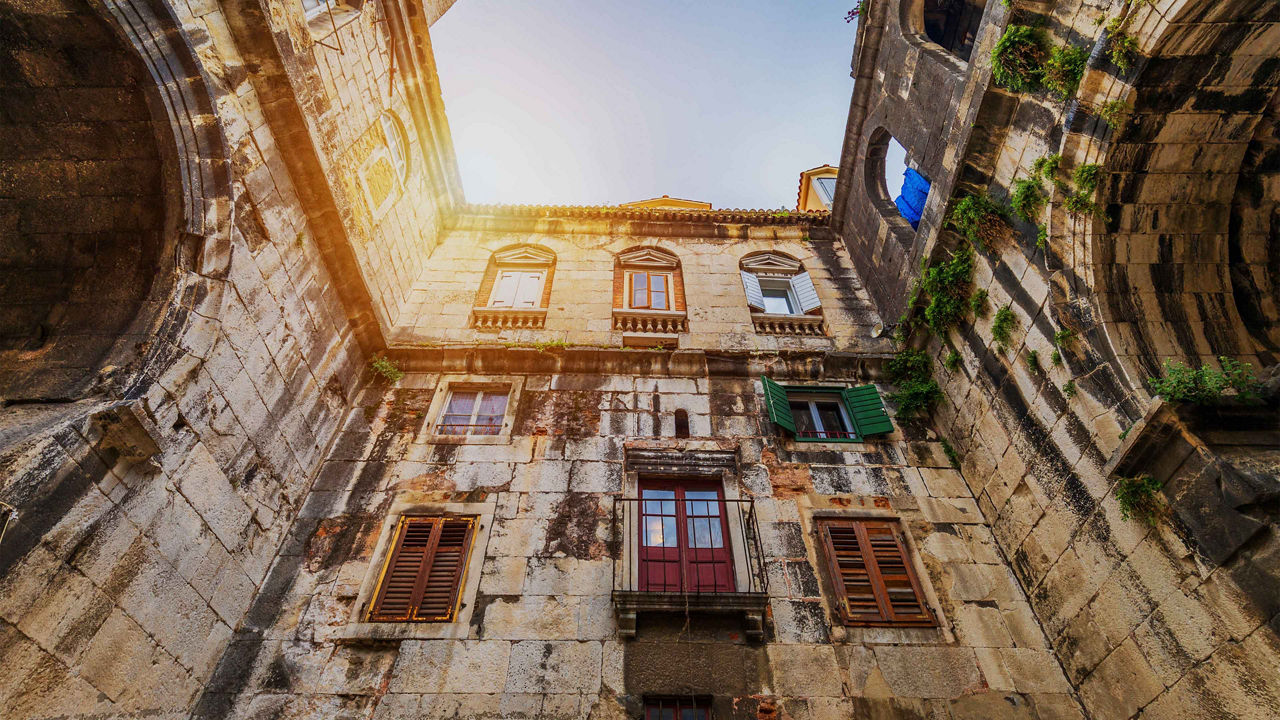
Lined with palm trees, this Adriatic seaside town is also a cultural mecca. Within the walls of the Diocletian Palace, you'll discover historical buildings, numerous museums, the National Theatre and a collection of old churches. Culture, beauty, natural wonder – your Split cruise has it all. The mixture of old and new is very pronounced here. Everywhere there are signs and evidence left behind from the city’s previous conquerors namely the Romans and Austro-Hungarians and there is no better place to view them than in Split’s Old City. The Old City is so otherworldly that it’s been dedicated a World Heritage Site by UNESCO and you’ll encounter the most imposing Roman ruins left on Earth, including the Diocletian’s Palace which was built facing the harbor in 4 A.D. for the Roman Emperor. This sprawling, expansive structure was built to be an all-in-one fortress/imperial residence/fortified town. The Cathedral of St. Domnius stands as one of the most pristine and preserved examples of ancient Roman architecture in the world. And for a breathtaking, all-encompassing view of Split you won’t soon forget, head to Marajan Hill which is just 10 minutes outside the city.
Lined with palm trees, this Adriatic seaside town is also a cultural mecca. Within the walls of the Diocletian Palace, you'll discover historical buildings, numerous museums, the National Theatre and a collection of old churches. Culture, beauty, natural wonder – your Split cruise has it all. The mixture of old and new is very pronounced here. Everywhere there are signs and evidence left behind from the city’s previous conquerors namely the Romans and Austro-Hungarians and there is no better place to view them than in Split’s Old City. The Old City is so otherworldly that it’s been dedicated a World Heritage Site by UNESCO and you’ll encounter the most imposing Roman ruins left on Earth, including the Diocletian’s Palace which was built facing the harbor in 4 A.D. for the Roman Emperor. This sprawling, expansive structure was built to be an all-in-one fortress/imperial residence/fortified town. The Cathedral of St. Domnius stands as one of the most pristine and preserved examples of ancient Roman architecture in the world. And for a breathtaking, all-encompassing view of Split you won’t soon forget, head to Marajan Hill which is just 10 minutes outside the city.
Travel Tips
1
Very few cars are allowed in Split’s Old Town center, which makes it pretty safe and convenient for pedestrians to get around. There’s public transportation as well as taxis to get you around the city as well.2
You can find necessities at a market down the street from the Split cruise port, including basics like beach items and little souvenirs to bring back home. Otherwise, the more glamorous cafes, restaurants, and shopping is best found in Old Town, so head directly there to make the most of a short amount of time.3
The official currency of Croatia is the kuna. Though credit cards are widely accepted here, carrying a little cash is recommended. Smaller mom-and-pop establishments still run on cash, so it’s good to have options. American Express is less frequently accepted of the major credit card providers.Dubrovnik, Croatia
Established 1,300 years ago on the far southern tip of the Dalmatian Coast, this city once rivaled Venice in terms of its importance. Take a walking tour to the Dominican Monastery and marvel at the finest collection of Renaissance paintings, including a painting by Titian. Prepare to be riveted when first laying eyes on the old walled city on your cruise to Dubrovnik. This land has had many invaders including the Greeks, Romans, Slavs, Romans, Hungarians, and French, to name a few, and it has resulted in a fiercely independent citizenry with dynamic cultural influences. The views of the Adriatic from its rooftops are truly awe-inspiring. If beach-going is on the agenda, make sure to wear appropriate footwear as the beaches here tend to be of the pebbly variety. That said, the beautiful emerald green waters and coves make the slight inconvenience more than worthwhile. And, there’s plenty of seafood, specifically mussels and oysters, deliciously prepared in authentic regional styles on offer at restaurants throughout town.
Travel Tips
1
Within the city walls, the only way to get around is on foot, as almost the entire area is car-free. Transportation options to head further afield includes public buses that run to and from Gruz Port, where ships dock, or taxi, of which there are many. Ferries to Lokrum depart from the Old Town Port, and the cable car to Mount Srd is just inland of the Old Town, around 10 minutes’ walk from the Pile or Ploče Gates.2
There’s no shortage of shops in Dubrovnik. Things to buy include traditional Konavle jewelry, Croatian wines, products made from local lavender, silk ties, and locally made footwear. Entire shops are dedicated to merchandise related to the many movies and TV shows shot here. For something more authentic, visit the Pharmacy in the Franciscan Church, where the products are hand made; the delicate orange blossom face cream, for example, is exquisite.3
The official currency of Croatia is the Kuna (HRK), although you will see prices in Euros as well. It’s a good idea to familiarize yourself with the exchange rate before going shopping. Most places accept credit cards, although you will need cash for shopping in markets. There are plenty of ATMs in the city. There is a tipping culture in Croatia, but not a big one. Tip 10% for good service in a restaurant, and the equivalent of 5 or 10 Euros to a good tour guide.Kotor, Montenegro
Kotor, Montenegro- A cruise to Kotor, Montenegro offers up some of the most well-preserved architecture in all the Adriatic coast, with landmarks such as the Cathedral of Saint Tryphon. Built in 1166, there are frescoes dating back hundreds of years, and much of the gold and silver relief work done by the city's master craftsmen of that time are held for safe keeping within its walls. Tucked at the secluded tip of a tranquil bay and watched over for millennia by the surrounding mountains, Kotor is a UNESCO World Heritage treasure.
The town’s history dates back before the epic age of Homer, but it’s the medieval wonders in Old Kotor that draw acclaim today. Marbled avenues meander with no apparent order, and, even for locals, it’s quite common to get turned around. The good news is, few places are more fun to get lost in than Kotor. Cruises to Montenegro would not be complete without sampling the local cuisine. Fresh seafood is always on the menu and the “domestic fish thick soup” is a tradition not to be missed. Old churches, shops, and bars line the avenues, and don’t be surprised to wander upon a charming piazza right out of the blue. Come summer, the lavish yachts of the ultra-rich fill the marina, presenting a striking contrast to the rustic romance and ancient beauty of Kotor.
The town’s history dates back before the epic age of Homer, but it’s the medieval wonders in Old Kotor that draw acclaim today. Marbled avenues meander with no apparent order, and, even for locals, it’s quite common to get turned around. The good news is, few places are more fun to get lost in than Kotor. Cruises to Montenegro would not be complete without sampling the local cuisine. Fresh seafood is always on the menu and the “domestic fish thick soup” is a tradition not to be missed. Old churches, shops, and bars line the avenues, and don’t be surprised to wander upon a charming piazza right out of the blue. Come summer, the lavish yachts of the ultra-rich fill the marina, presenting a striking contrast to the rustic romance and ancient beauty of Kotor.
Travel Tips
1
On a Kotor, Montenegro cruise, you’ll find taxis lined outside the port gate to pick you up and take you into the center of town. Local buses are available too to get to from point A to point B. Ridesharing isn’t yet big in Croatia, so you won’t see Uber or Lyft on the ground here. Most transportation is already included in any guided tours or shore excursions you book, taking you directly from the cruise port to your destination.2
The Port of Kotor isn’t as heavily built up as other Adriatic ports, so your best bet for shopping is once you’re in Kotor’s Old Town, where hole-in-the-wall shops and boutiques are plentiful. Note that shops tend to be closed on Sundays. Antique shops and jewelry stores are Kotor’s bread-and-butter, and the morning bazaar is a great place to grab local goods, fresh bread, and produce.3
The Euro is widely accepted in Kotor. The main square has ATMs available for you to get some extra cash once you stop on your cruise to Kotor, Montenegro. Credit cards aren’t uncommon since the area attracts so many tourists, but you’re better off using a credit card for larger purchases. Know that service charges aren’t generally already stipulated on your bill at bars and restaurants. Leaving a 10% tip for your server or bartender is polite. Taxi drivers don’t expect a tip, but leaving one for excellent or above-and-beyond service is appreciated.Day at Sea
A friendly reminder
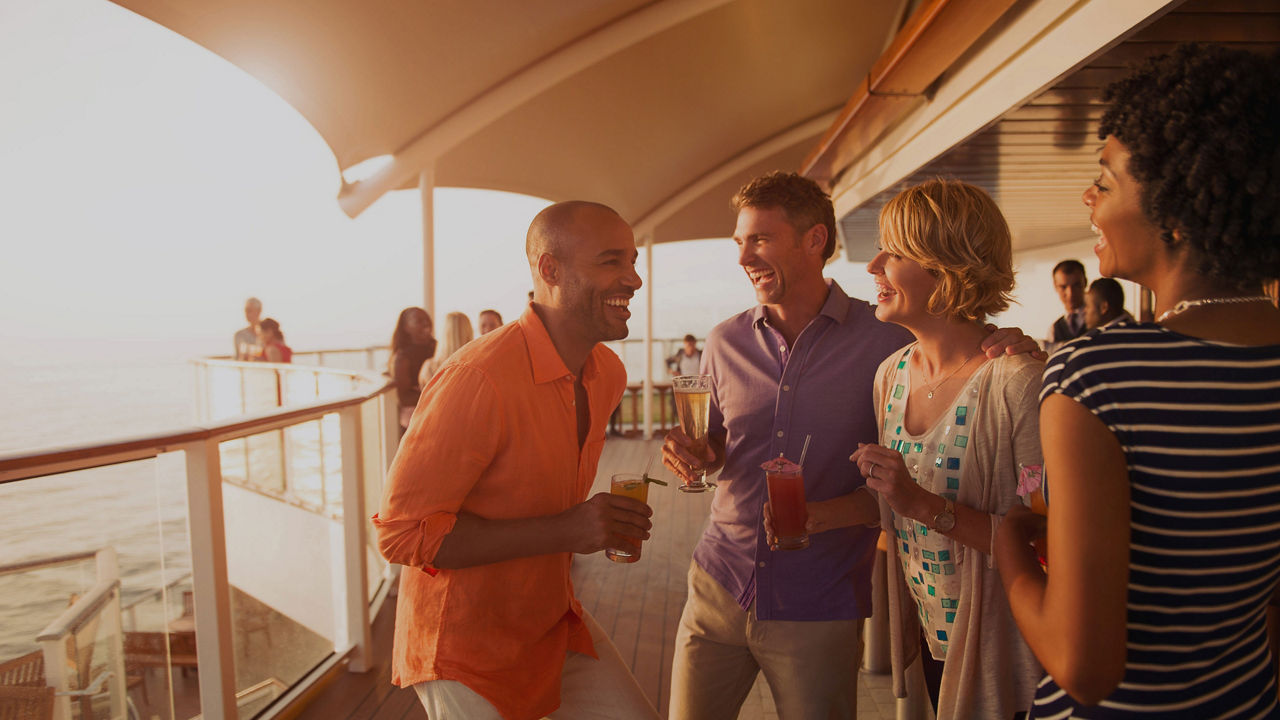
Make the most of your day at sea by enjoying our Wi-Fi, beverage, and Specialty Dining Packages. These services are available at an additional costWhile at sea, indulge in some well-deserved relaxation before your next adventure. Unwind by the pool, pamper yourself at the spa, savor exquisite cuisine, or discover the unique venues on board. Your next incredible destination awaits.
Learn more about the shipDay at Sea Highlights
Sicily (Messina), Italy
Located in northeastern Sicily on the slopes of the Peloritani Mountains, Messina is an ancient place with a fascinating history. Walk by the ruins of the Santa Maria Alemanna Church, built in 1220 A.D. You'll also want to see the Duomo, a Romanesque and Norman cathedral that includes a display of artifacts in its treasury.
Travel Tips
1
After your ship docks at the Port of Messina, it’s easy to walk to major attractions and sights in this part of Sicily. A little under a mile’s walk away is a train station, which is frequently used by locals to get to neighboring towns. There’s also a hop-on, hop-off sightseeing bus you can take to see as much of the area as possible. Otherwise, taxis can be hailed from the Messina cruise port.2
Most of the shopping and eateries will be found in town rather than near the Messina cruise port. Neighboring Taormina has many of the area’s shopping outlets, while the weekend markets in Messina attract a lot of local buzz. The popular Piazza Cairoli is full of designer fashions and artisanal boutiques.3
When traveling on cruises to Messina, you’ll use the euro as the official currency. It’s recommended you carry a bit of cash whenever you’re in Italy, because some merchants prefer it and won’t accept credit cards. Having enough euros to buy a meal or a coffee during your travels is considered best practice. There are plenty of ATMs, called bancomats, scattered around here.Amalfi Coast (Salerno), Italy
Framed by Mount Vesuvius along a dramatic skyline, the 2,800 year-old port city of Naples is chock full of historical sites, churches, and museums that make it an incredible place for you to explore. And in the region where pizza was first invented, you know the food is going to be incredible. Just 35 miles down the coast, Salerno offers you a rich history but also boasts a marvelous collection of parks, natural wonders, and unique vantage points to take in the beauty of the Tyrrhenian Sea. Two cities. One incredible stretch of Italian coastline.
Travel Tips
1
The towns of the Amalfi Coast and beyond stretch along the Sorrentine Peninsula from Salerno. A particularly fun and scenic way to get around is on the fast ferries that serve the cities and towns of the Amalfi Coast from Salerno. Ferries depart near the Salerno cruise port and take you to Amalfi and Positano, as well as some of the smaller villages. Journey times are short; for example, Salerno to Amalfi takes around 35 minutes. The crossing to Capri takes up to two hours, so time your return carefully if you have to be back the same day. There’s also a bus service running along the exceptionally beautiful coastal road. Taxis are also available.2
There’s no end of stylish souvenirs to pick up around Salerno and the Amalfi Coast. Bottles of limoncello, lemon-fragranced soaps, handmade leather sandals, stylish beachwear, ceramics, handmade paper, and local wine all make great mementos of your trip. Positano is the spot for unique artisan goods, while Sorrento is the overall hub for shopping. For designer fashion, you can’t go wrong on Capri, where you’ll find everything from Gucci to Louis Vuitton and Dior. For shopping in Salerno, stroll along Corso Vittorio Emanuele, the main street, where you’ll find everything from high street names to high-end fashion.3
The currency in Italy is the euro. ATMs are located around Salerno and the other main cities and towns of the Amalfi Coast. Most businesses accept credit cards. Tipping isn’t expected in Italy, though a small tip of a couple of euros per person is appreciated for great service. If “servizio” is mentioned on the check, you’re not expected to add an additional tip. If you see the word “coperto,” that’s a cover charge for bread, not a tip for the staff.Day at Sea
A friendly reminder
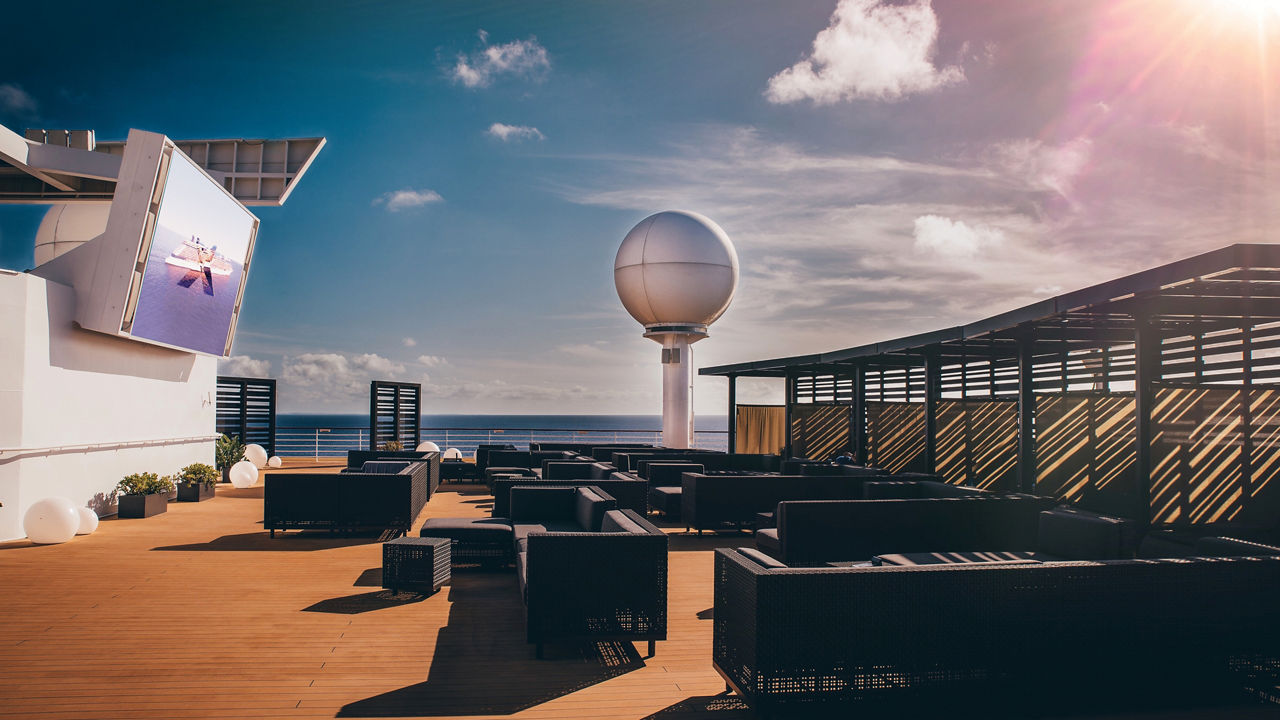
Make the most of your day at sea by enjoying our Wi-Fi, beverage, and Specialty Dining Packages. These services are available at an additional costWhile at sea, indulge in some well-deserved relaxation before your next adventure. Unwind by the pool, pamper yourself at the spa, savor exquisite cuisine, or discover the unique venues on board. Your next incredible destination awaits.
Learn more about the shipDay at Sea Highlights
Portofino, Italy
Stroll tiny Portofino, a perfectly poised pastel village taking refuge on its own secluded peninsula. Stop at a charming café to get a bite and watch the yachts bobbing in the harbor. Explore the seductive boutiques and art galleries that line the harbor and narrow streets. Discover historic sites like the Church of St. Martin and the Castello Brown fortress. Just down the Italian Rivera awaits Cinque Terre National Park, a seascape of fishing villages carved from the cliffs. Hike through the park on 15th-century footpaths winding through olive groves and vineyards, overlooking the sparkling Mediterranean.
Travel Tips
1
Your best bet for getting around Portofino is on two feet or taking a taxi to sites that are farther away. Part of the fun of a cruise to Portofino, Italy is ambling through town and along the riviera that promises views of boats in the harbor and tiny cafes along the waterfront. Hopping on a water taxi is also a great way to see the beauty of the town.2
From Luxury designer boutiques lining up neatly Portofino's cobbled alleys to the small shops of local artisans, passing through the iconic souvenir shops. Portofino is the ideal place for an unforgettable shopping experience in full Italian style.3
Use the Euro when traveling in Italy. You’ll find ATMs readily available throughout Portofino, and many establishments will take credit cards like Visa and Mastercard. It’s always helpful to carry some cash, however, in the event you want to buy a coffee or a slice of pizza from a small neighborhood joint. Tipping tends to be included in most restaurant bills, so be sure to look and see if a servicio is already on your bill for dinner. When taking a taxi, leave behind a euro or round up.Florence/Pisa (Livorno), Italy
The beautiful Italian seaport of Livorno is your gateway to Florence, Pisa, and Tuscany's vast wine country. Pisa is most noted for its famous marble bell tower, the Leaning Tower of Pisa, which has tilted 14 feet since 1370.
Located in central Italy and the capital of the Tuscany region, Florence is the birthplace of history’s most important cultural and intellectual awakening--the Renaissance. There’s so much to see and appreciate on your cruise to Florence. Whether standing in awe of Brunelleschi's red cathedral dome on Piazza del Duomo or contemplating Michelangelo’s sublime hand in any of his masterworks, you will know that you are in the presence of one of the world’s great cities. The breathtaking scenery and all the romance conjured by the city’s streets, bridges, and buildings will not disappoint.
Neighboring Pisa is also worth some investigation outside of its notorious architectural faux paux, Leaning Tower of Pisa. This former maritime power boasts a vibrant university population that fuels the busy café and bar scene here. You’ll also find much in the way of Gothic architecture here, such as the Battistero, the place where Galileo was baptized. Head to the Museo Nazionale di San Matteo for paintings, sculptures, and artifacts spanning some 300 years with a special emphasis on the artists of the Tuscan school.
Travel Tips
1
To Get to Livorno’s City Center In Livorno it’s fairly easy to get around on foot or via public transport. But, if you’re looking to visit to surrounding areas, public transport or a taxi are your best bet. For those going to Pisa, Lucca, Florence, Cinque Terre, Chianti area, Siena or San Gimignano, it’s easy. You can book an organized tour to get you there. To Get to Florence There are several options available to get from Livorno to Florence: Public Transport: There are 1-3 trains per hour from Livorno. Public transportation ranges from €10–€40 per person. While the train may be the cheapest option, you will have to travel from the ship to the Livorno Centrale train station. Take a 10-minute taxi ride to avoid an unwalkable path. Private car/taxi (transfer only): €40–€170 per person (90 minutes) and Shore excursion To Get to Pisa There are trains every half hour from Livorno to Pisa Centrale station. Once there, you can also take a bus (“Torre”) to get to the Tower of Pisa.2
Looking for souvenirs? Livorno has shops of all varieties and price points near Via Grande, which crosses the historical center of town and is accessible via shuttle bus from the port. Find even more shopping in neighboring Florence or Pisa, where designer leather goods, silk scarves and ties, glass arts, and more gifts are widely available.3
Italy’s currency is the Euro, and while credit cards tend to be accepted in most places, carry a little cash to cover a meal, a coffee, or a taxi ride should you need it. Tipping is not required at restaurants in Italy. Instead, there will be a 1-3 euro charge automatically added to your check called a “coperto,” which covers the tablecloth, silverware, and bread. Tipping cab drivers or hotel porters is not typical, but appreciated.Rome (Civitavecchia), Italy
Rome, Italy: Civitavecchia was settled in 108 A.D. by the Emperor Trajan and has since served faithfully as a gateway to Rome, the capital of Italy. Once the center of the Ancient World from which emperors ruled over nearly all of western civilization, Rome is still a cultural mecca. Only a few cities in the world can boast such a well-preserved level of architecture, art, and religious iconography. There’s an enormous wealth of culture and history to discover on a cruise to Rome. Visit the ancient halls of the 50,000-seat Colosseum, gaze upon the ceilings of Sistine Chapel in Vatican City, and stroll the Capitoline Museum. Roman culinary prowess is well respected and beloved the world over. Experience authentic pizza, hearty bowls of fresh pasta, excellent cheeses, wines, seafood, and delightful desserts like tiramisu and gelato at family-run trattorias that have been preparing these traditional dishes for centuries. Walk the cobblestoned piazzas making your way to narrow side streets where you’re sure to find craftsman shops and beautiful boutiques filled with gorgeous handmade accessories and homewares for keepsakes and souvenirs.
Travel Tips
1
You have plenty of options. Rome’s metro system is reliable and easy to use since it only has three lines that intersect at Rome’s main rail terminal: Termini. You can get single journey tickets or day passes. More than 300 bus routes will get you close to most of the attractions, but you may still have to walk, particularly near the historic center as buses don’t travel down its narrow streets. Official taxis in Rome are yellow and have a taxi sign atop the roof. Note that taxis often charge extra for baggage and rates may increase on holidays, Sundays, and late at night. If you call for a taxi, the fare may begin from the telephone request, not from the point of origin, so double check before reserving. Rome has two international airports: Leonardo da Vinci International Airport, also referred to as Fiumicino, located 18 miles southwest of Rome; and Ciampino International Airport, located nine miles southeast of Rome.2
If you find yourself back in Civitavecchia after your time in Rome and need some more souvenirs, you’re in luck. There is plenty of shopping located near the cruise port. Just cross Via Garibaldi, which runs parallel to the sea promenade, and you’ll find several shops to browse. Head a little bit further into town and you’ll come to Corso Centocelle, which has even more stores and is a pleasant area to shop since it is a pedestrian-only zone. If you have even more time to spare and don’t mind a longer walk or short taxi drive, you can find over two dozen specialty shops at La Scaglia, a shopping center located about a 25-minute walk from the port.3
Italy’s currency is the Euro. For cruises from Rome, travelers should have a supply of cash. Most places in Rome take credit cards, though cash may be preferred in markets or small, mom-and-pop style restaurants. It’s especially important to double-check if a card is accepted if you’re not planning on paying with cash. To exchange cash for Euros, look for cash exchange offices or simply use the many ATMs around the city, although you may incur bank charges for exchanging cash in these. An ATM is called a bancomat in Rome. Tipping in Italy often isn’t necessary. A service charge is usually already included in the bill, so double-check if that’s the case; feel free to tip more for stellar service, though know it’s not expected. It’s also recommended to tip in cash as opposed to on a credit card if you want to make sure it’s the server who gets the tip.Celebrity Constellation
Celebrity Constellation® is the perfect complement to the destinations you’ll explore on your vacation. With restaurants like Tuscan Grille and Sushi on Five, and one-of-kind culinary experiences like Le Petit ChefTM, good taste has no limits here. Indulge in next-level treatments at The Spa or some retail therapy at our boutiques. Kick back by the pool or at our adults-only Solarium. And with live entertainment all around the ship, from performances at Rendezvous Lounge to the talented flair bartenders of the Martini Bar, showtime can happen anytime.
After all this, you need a home away from home where you can restore, so we offer a wide array of stateroom experiences. Soak up the ever-changing views from your private, spacious veranda. Enjoy the thoughtful details of Concierge Class or the spa-inspired extras of AquaClass®. And then, there’s The Retreat®, where the suite life is elevated with personal butler service, private dining, and access to an exclusive lounge.
Need to stay connected while you disconnect? Starlink high-speed has you covered. Celebrity Constellation is ready to be your new favorite way to explore the world.
Inaugural dateMay 12, 2002
Occupancy2184
Refurbish date2024