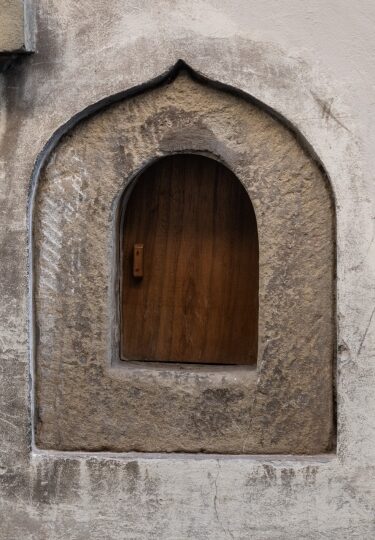
Rewind to 2018, and the wine windows in Florence rarely featured in visitors’ itineraries. Nearly all had been shuttered for centuries, their original purpose served. Then, in 2019, one of these handy, cute hatches reopened with a buzz, quickly followed by a wine window craze that bloomed during the pandemic.
Nowadays, wine windows have started popping up across the globe. Partly fueled by their newfound social media status in Italy and by bar owners keen to please, an almost-forgotten aspect of Tuscan culture is now receiving worldwide attention. Yet the wine windows of Florence weren’t dreamed up for adorable photos or necessarily even easier vino access. Historically, they served much more practical financial and health-focused purposes.
What Are Wine Windows?
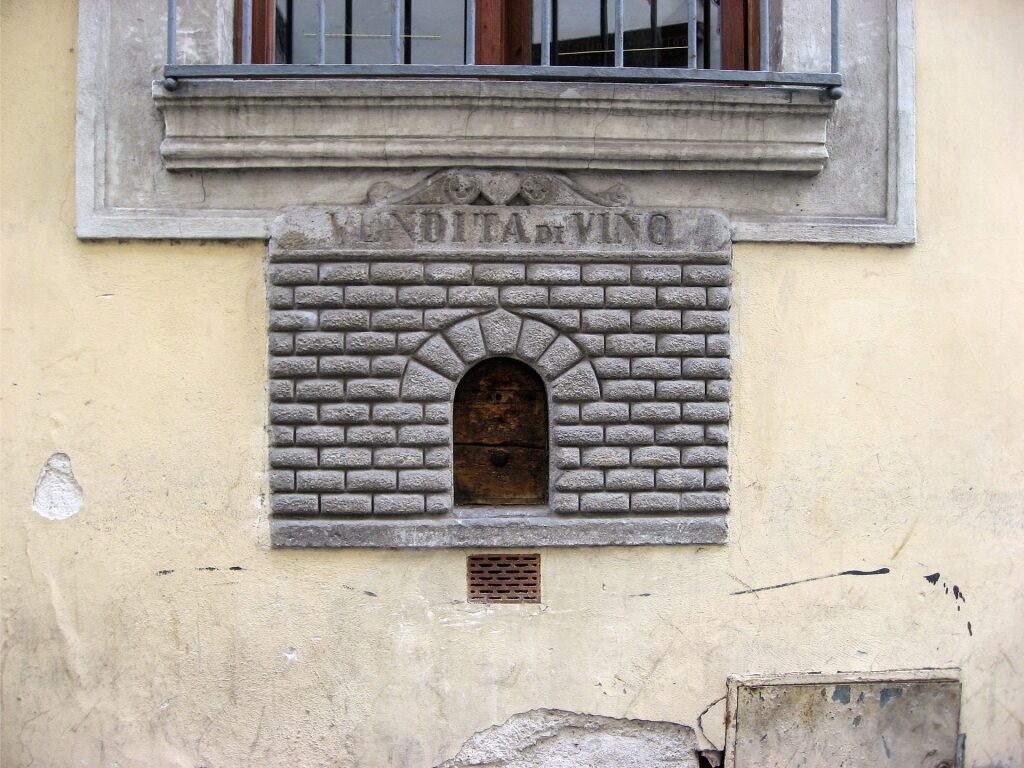
Wine window in Florence
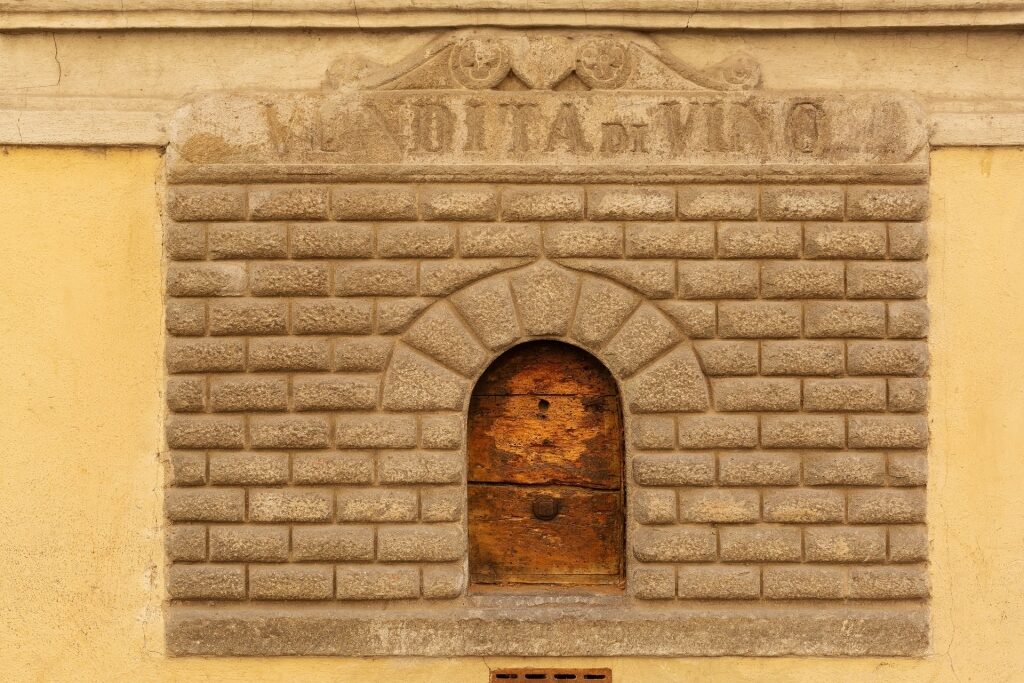
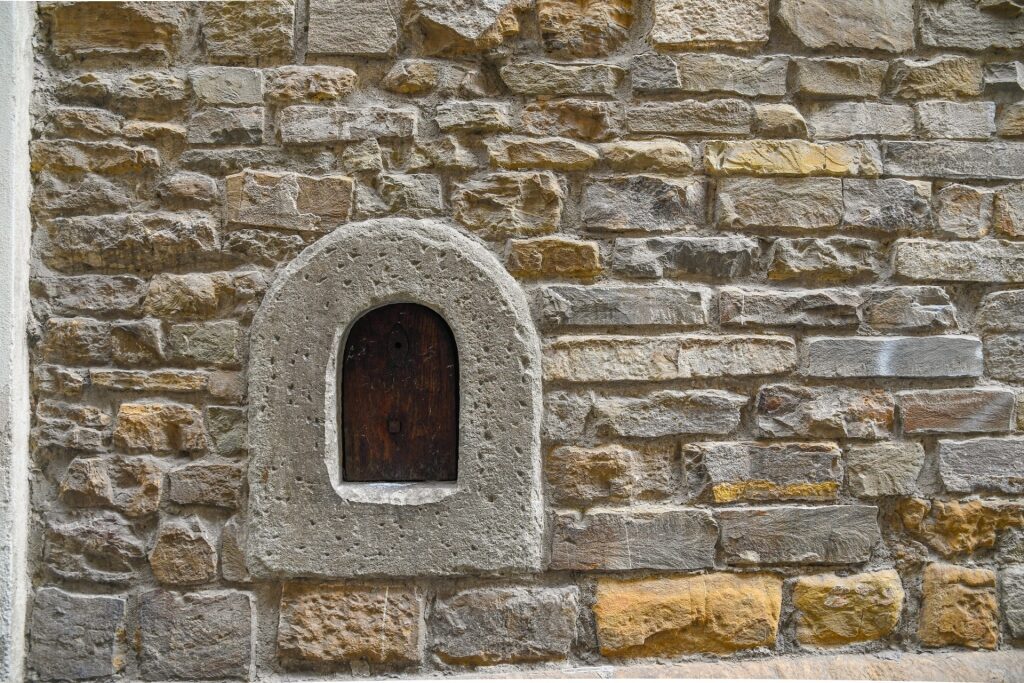
Florence’s buchette del vino, or buchetta for singular, literally translates to “wine hole.” These small wine windows do precisely what the name implies: provide an opening in a building to serve wine directly to patrons on the street.
Every wine window is unique to its building, though all historic windows are large enough to pass a bottle of wine and have some form of shutter. They are typically stone-framed hatches built directly in walls, though less commonly, they are cut into thick wooden doorways, similar to the one I first spotted in Faenza.
You’ll find variations of these wine windows in different parts of Italy. However, these were often established for various reasons and in other periods than the original, most famous wine windows in Florence. As such, wine windows are predominantly found in Florence—where over 180 historical buchette have been documented—and in other towns in Tuscany.
The History of Florence’s Wine Windows
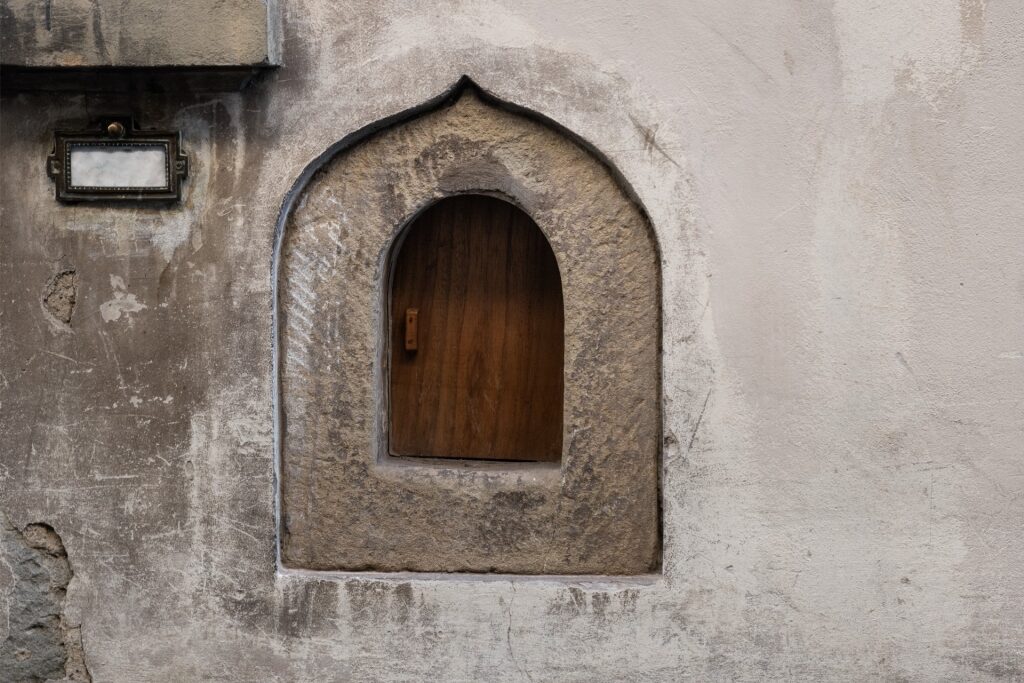
Wine window in Florence
Florence wine windows date back to the 1500s. Between the 15th and 18th centuries, Florence and Tuscany were ruled by the House of Medici, a politically and financially powerful family that became one of Italy’s most important dynasties.
During the Medici rule, it was decreed that affluent Florentine landowners and nobles could sell their excess bottled wine directly to the public through small holes in their buildings, the buchette.
These windows weren’t just practical; they were also financially beneficial. Wine retailed through these windows wasn’t subject to tax and cut out the middleman, increasing profits for the estate’s owners.
For this reason, many Renaissance palazzi, grand palatial homes once occupied by influential families, have wine windows.
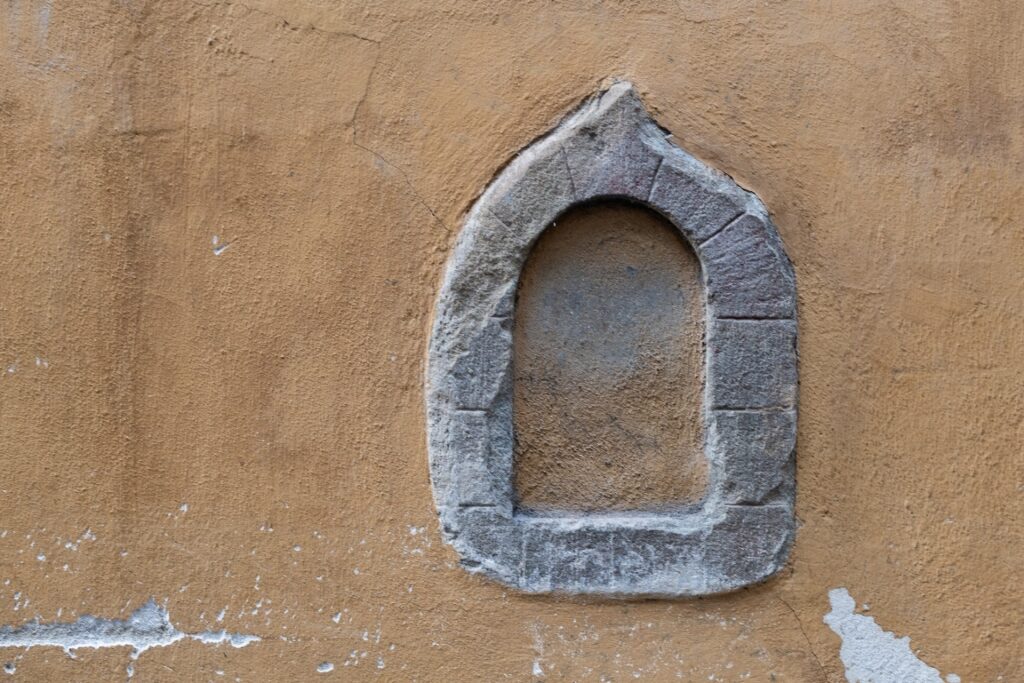
Wine window in Florence
In 1629, when the Italian bubonic plague swept through northern and central Italy, the wine windows found another purpose: minimizing human contact. Some windows remained in use for centuries, though they generally fell out of fashion as the world modernized.
While the first wine window to reignite this tradition reopened in 2019, it was during the subsequent pandemic years that the trend really took off again, providing a socially distanced retail option once more.
Still, credit for the documentation and the rise in popularity of wine windows should go to the Buchette del Vino association. Founded in 2015 by three Florentine residents, the group set out to conduct a census and document all of the city’s wine windows, now considered the definitive, expert list of every window, whether they are operating or not, within the city limits and beyond.
How Wine Windows Work Today
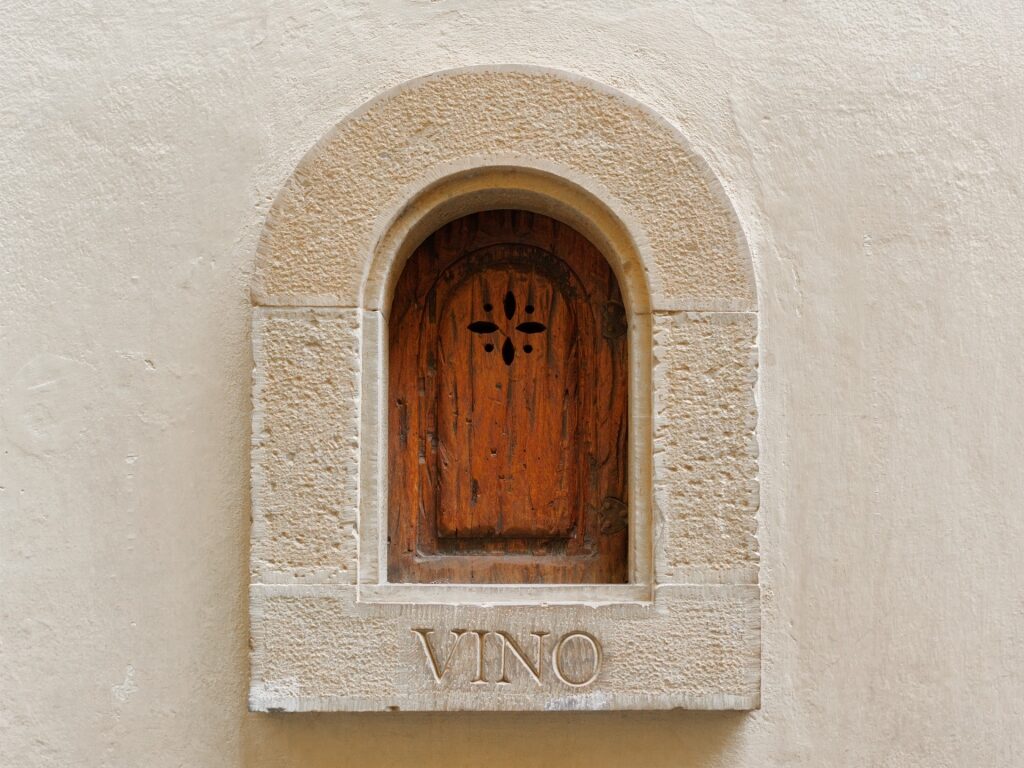
Wine window in Florence
Today’s wine windows in Florence aren’t just reserved for vino. While many stay true to their original purposes, these serving holes can be found handing out anything from espresso to snacks and Aperol spritz.
Still, they all remain true to their original purpose of serving patrons directly on the street, even though the majority are now attached to indoor sit-down restaurants and bars, rather than serving as windows into private residences.
Ordering from a wine window often entails a little patience, due to their newfound popularity. Be prepared to wait in a single-file line—the tiny hatches can’t accommodate more than one customer at a time—and use the time to select your drink or item from the menu. This is usually posted to the side.
In some instances, you might need to ring a bell or use a knocker to announce your arrival at the alcove. However, at establishments with a steady business, chances are that the hatch is already propped open, which can detract a little from the experience.
Wine
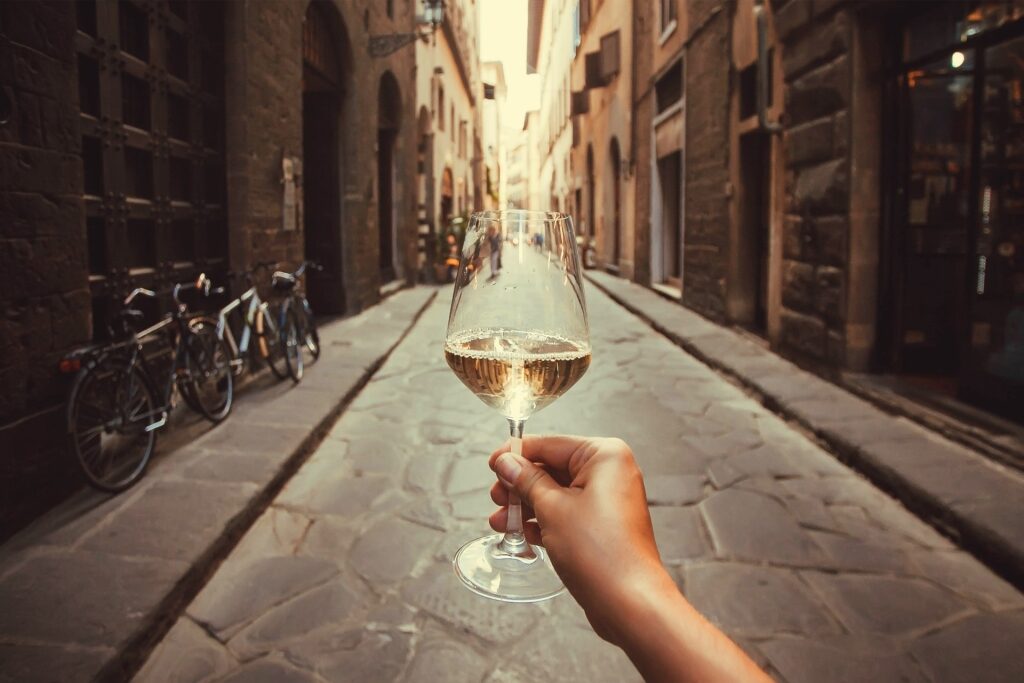
After paying, you’ll be handed your drinks through the window, which you can then enjoy al fresco. In some spots, outdoor seating is provided, while in others, you’ll need to enjoy your treat standing on the sidewalk.
Best Wine Windows to Visit in Florence
Babae
Babae
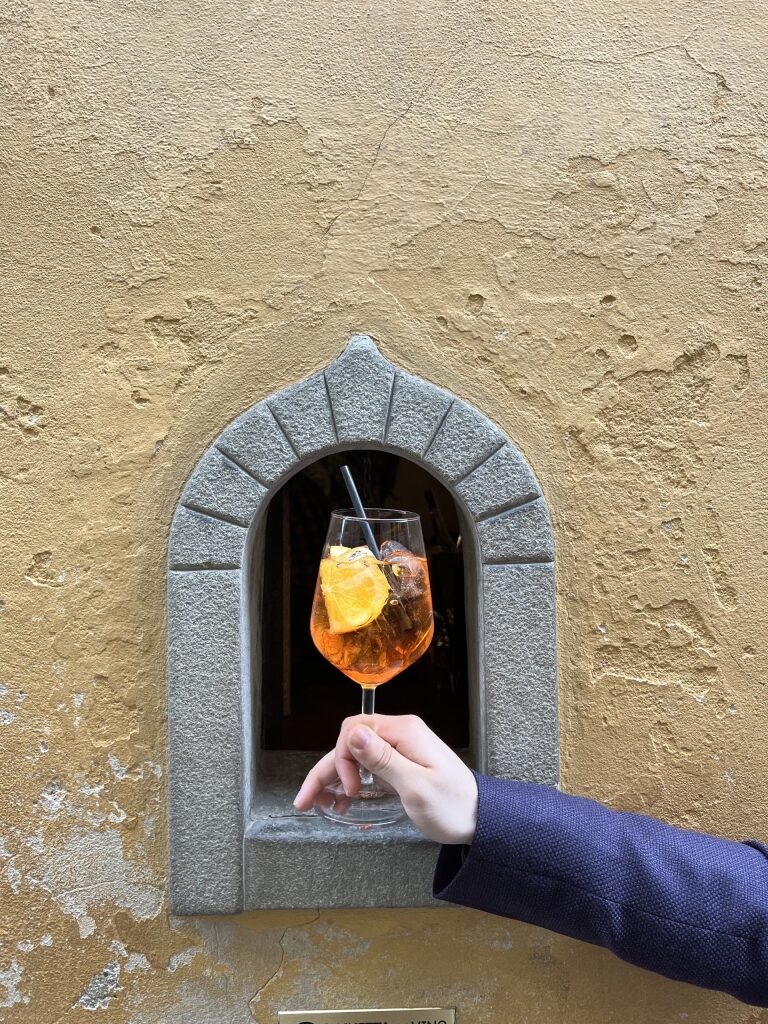
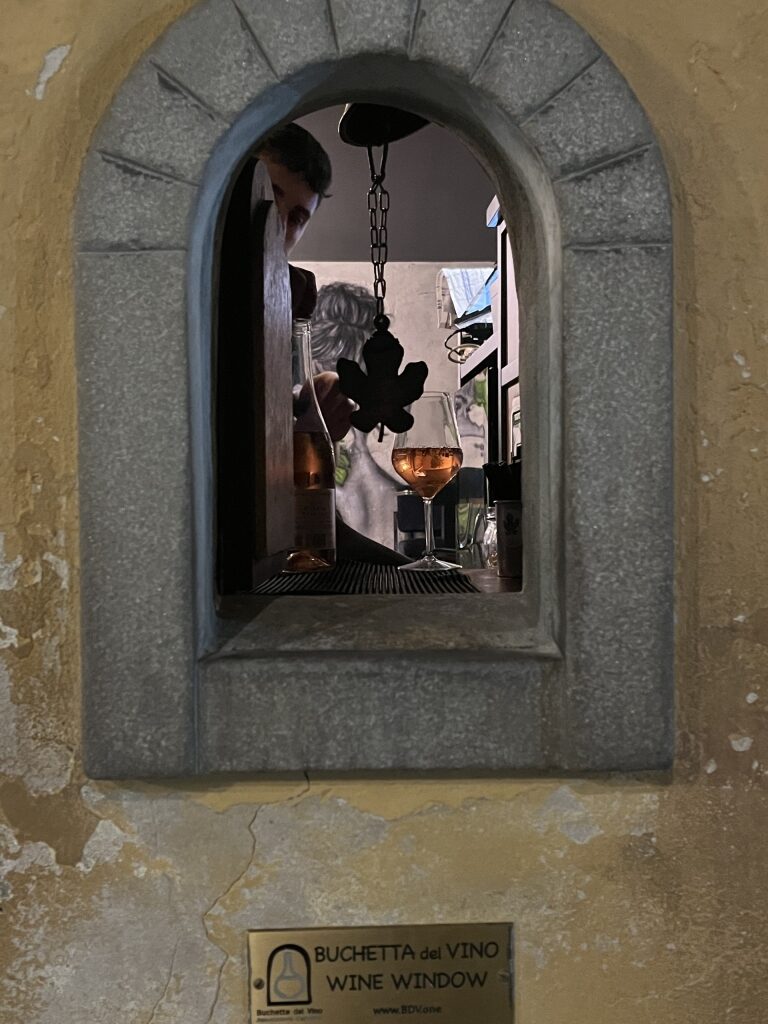
On the left bank of the Arno River, in the characterful Oltrarno district, you’ll find Babae, the restaurant credited with bringing Florence’s wine windows back to life. In 2019, the window reopened, and once again, Florence’s age-old tradition of hatch-served wine was restored.
There are handful of different wine styles on sale from the stone-edged window, plus spritzes, alongside a rotating wine of the day. While there’s no proper outside terrace, the crumbling, pastel-mustard facade of the building makes this one of the prettier spots to sip a Chianti or orange wine.
Osteria San Fiorenzo
At Osteria San Fiorenzo, your wine comes with a view. Just off Piazza di Santa Croce, on Borgo dei Greci, the row of tables outside this traditional restaurant has a partial view of the Basilica where the tombs of Michelangelo and other famed Italian artists rest.
The friendly team won’t make you feel rushed, whether you’re ordering a local Tuscan red or a cocktail. They might even offer to take and print a photo of you from the server side of the window as a memento.
Il Latini
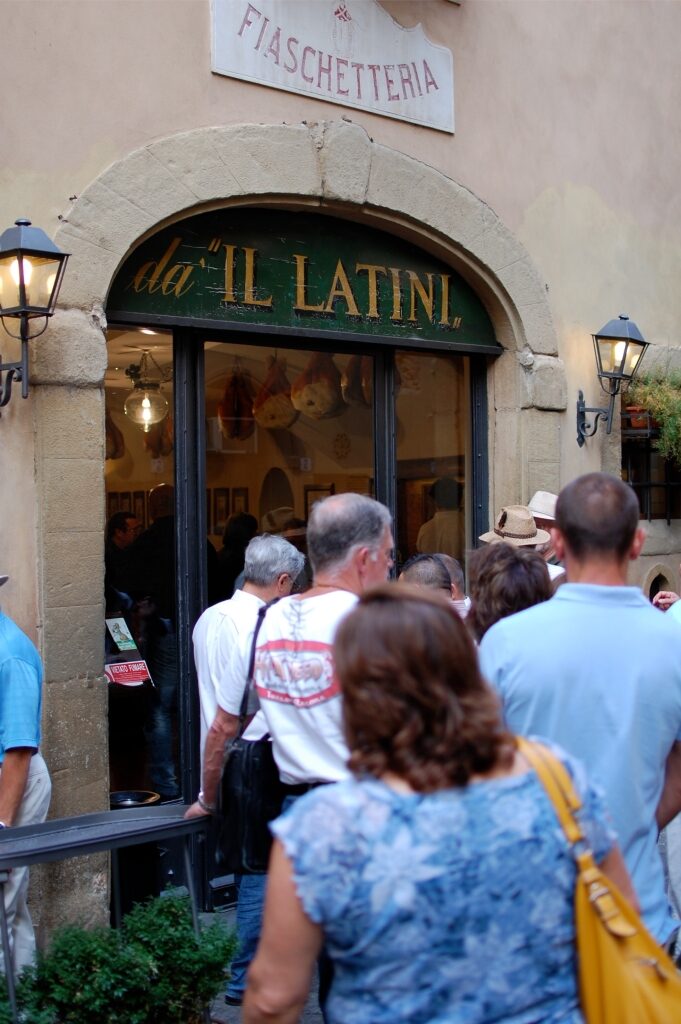
Il Latini Photo by hiro kobashi on Flickr, licensed under CC BY 2.0
The interior of Il Latini is adorable, with typical wooden chairs, monochrome photos on the walls, and a homely atmosphere, and that feeling extends to the wine window. There are a few high tables outside too, so there’s somewhere to pop your glass between sips.
Fiaschetteria Fantappiè
It’s not only the oblong hatch with a proper hanging bell that makes Fiaschetteria Fantappiè such a fantastic wine window, but the fact that it’s also a wine shop, so after sampling your Tuscan wine, you can pop inside to pick up a souvenir bottle. The street isn’t pedestrian-only, but if there’s space at the tables inside, you’ll have somewhere to sit.
Caffè Duomo
In the rear shadow of Florence’s landmark Duomo, this central spot pours Tuscan wines from its wooden wine window—just tap the heavy knocker to call for service. If you’re also planning to eat a light lunch or snack, it’s possible to then sit at one of the terrace tables.
Café Odeon
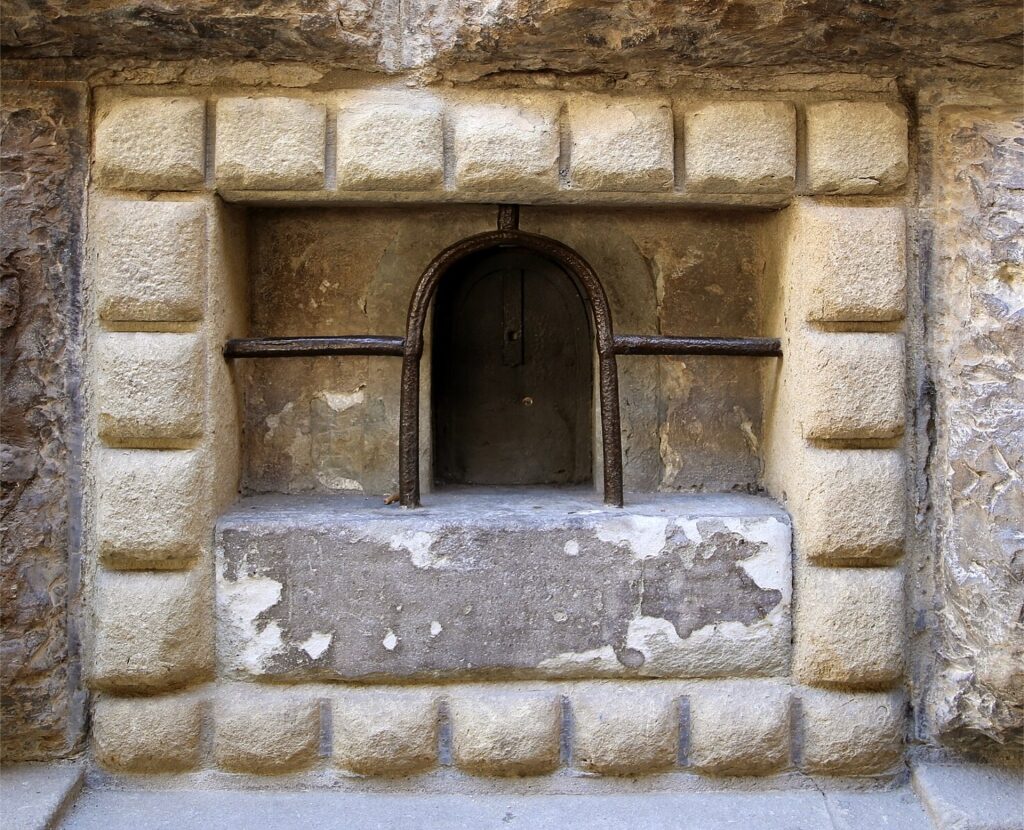
Café Odeon Photo by Sailko on Wikimedia Commons, licensed under CC BY 3.0
Head around the side of this century-old Art Nouveau theater-turned-cinema and ring the bell at the adorable wine window for a glass of vino or classic aperitivo. With its weathered brickwork and iron bars, it’s one of the oldest-looking wine windows in the Italian city.
Osteria Belle Donne
You’ll need to hunch a little to order your wine, cocktail, or beer from this slightly over-the-top flower-framed wine window on a quiet street, which is every bit as photogenic as you’d imagine. Inside is equally adorable, and a great spot to then have lunch if you want to try a bistecca alla Fiorentina steak.
De’ Bardi Ristorante
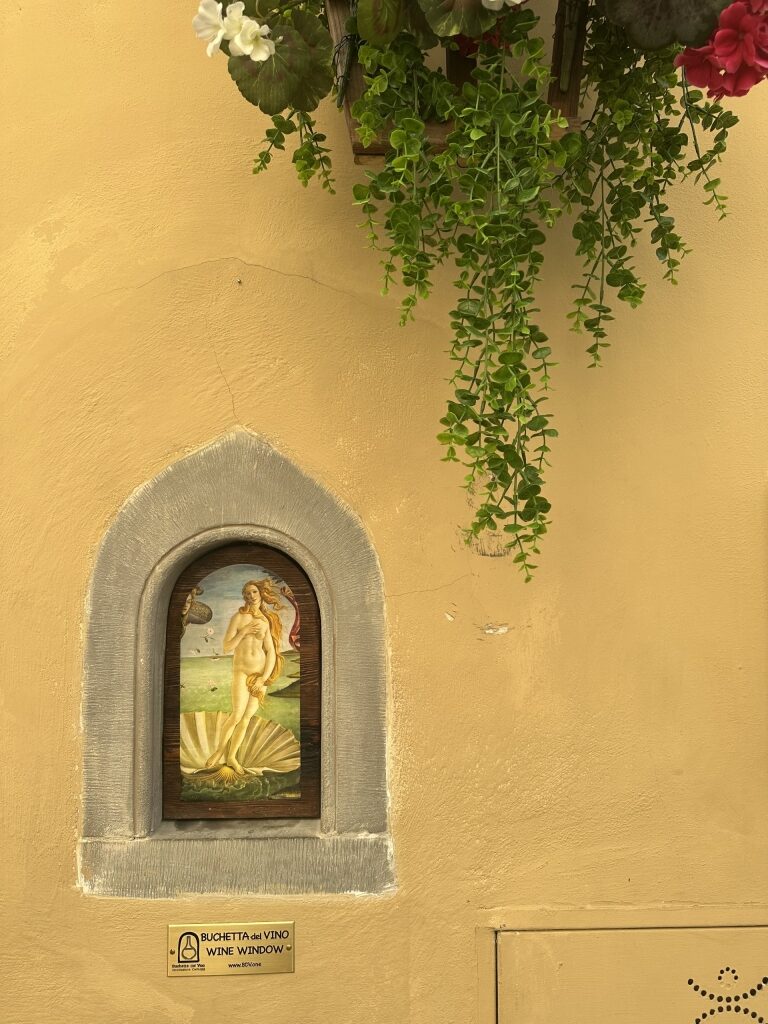
De’ Bardi Ristorante
A short stroll from the Ponte Vecchio—one of the prettiest bridges of Florence—this cute wine window is decorated with a painting replicating Botticelli’s Venus. Ring the bell beside it, and in no time, you’ll be ordering. While there are a few local wines available, you can also choose from prosecco or a few different cocktails.
Cantina dei Pucci
Where better to sample Florence’s wine window history than outside the fabulous 15th-century Palazzo Pucci? While you can’t enter to see the opulently frescoed rooms inside—it’s also a wedding venue—you can enjoy a delicious glass of Tuscan red from the hatch. If you’re lucky, you’ll snag one of the few tables on the teeny terrace.
Vivoli Gelateria
Rather than wine, order gelato from the window of Vivoli. This famous gelateria is renowned for its affogatos, gelato drenched in espresso, including its popular pistachio option. Since Vivoli started using its admittedly very cute window once more in 2019, the shot of the perfect affogato perched on the stone ledge has become an internet sensation.
Tips for Visiting Wine Windows in Florence
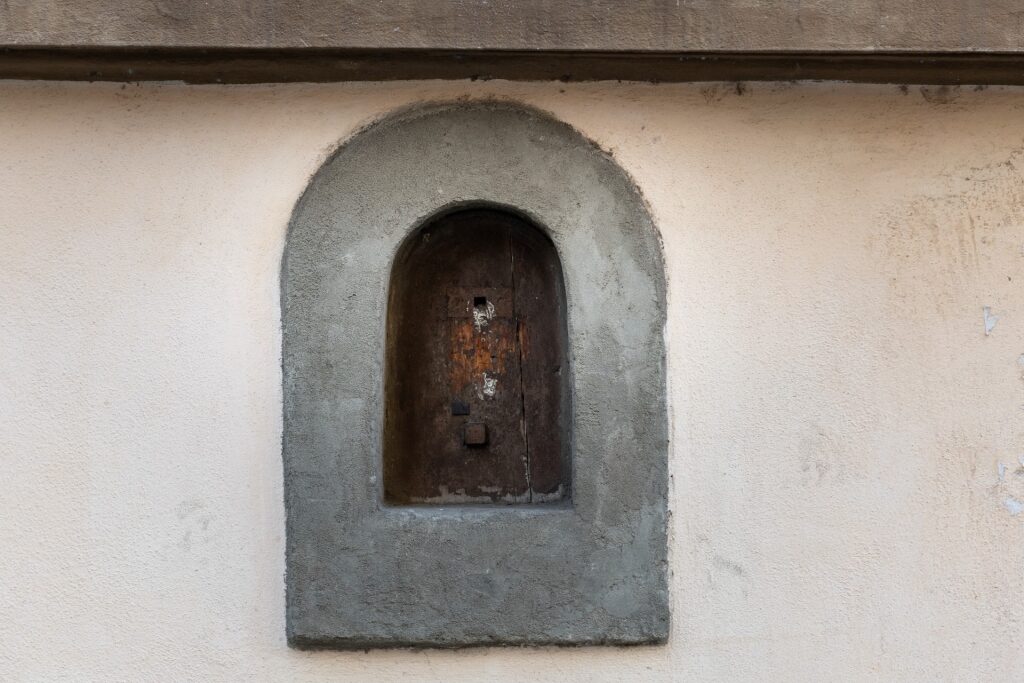
Wine window in Florence
If it’s your first time visiting one of the wine windows in Florence, be sure to do your research to ensure it’s suitable for your needs. For example, do you want to sit down and enjoy your wine, or are you happy to stand on the sidewalk?
Most wine windows accept contactless payments, though a few are cash only. As with most of Italy, it’s advisable to carry some euros anyway, as some smaller, family-run businesses tend not to accept card payments.
If you want to take more than a quick photo at the wine window, or avoid long lines, it’s advisable to come first thing when opening, or in the quieter hours between lunchtime and aperitivo, usually around 4 p.m. Many wine windows also switch to only plastic glasses later in the evening.
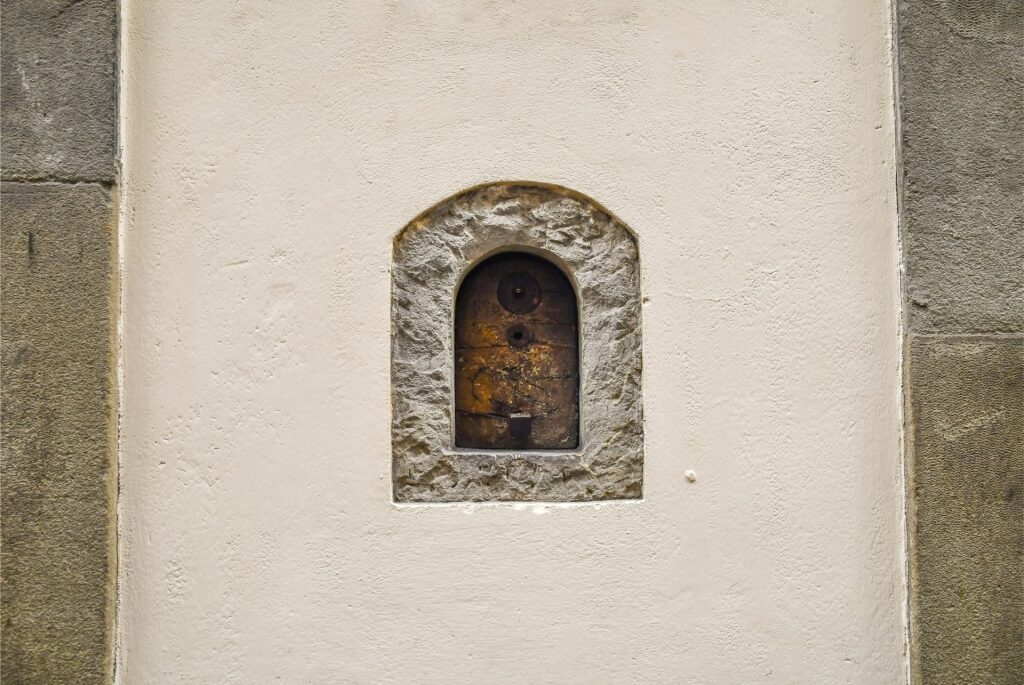
Wine window in Florence
While you can always snap a quick photo, the small windows can accommodate only one customer at a time, so you are expected to move to the side quickly after being served if there is a line. Just don’t stray too far; if you’re found drinking in front of another business, you may fall afoul of local ordinance.
Not all of the wine windows in Florence have reopened for business. In fact, the majority remain sealed, serving as a snapshot of history. Joining a guided tour to see these historic windows can be fascinating, but be mindful that some are outside locals’ homes, so be respectful of the residents.
Read: Best Things to Do in Florence at Night
FAQs
Why were wine windows created?
Wine window in Florence
Florence wine windows were created in the 16th century for affluent families to retail their wine directly to the public without paying taxes or a middleman. While this was their original purpose, they have also served an essential role in social distancing during epidemics.
Where can I find wine windows in Florence?
Wine window in Florence
You’ll find wine windows all over Florence’s historical center. There are at least 150 different windows, mainly in former palatial buildings, though most remain historic relics, rather than having reopened to serve the public. The Buchette del Vino association maintains a list of all open and closed windows.
How much is it to purchase from a wine window?
Babae
The cost of purchasing an item from a Florence wine window varies. While there is no fee for the usage of the window, prices differ both between businesses and also their purpose, for example, wine or gelato. Expect to pay a slight premium to use a wine window, above what a typical bar may charge for the same product.
How to order from a wine window?

Wine window in Florence
After lining up to wait for your turn to order from a wine window, either knock or ring the bell if the hatch is shut to place your order. There’s usually a small menu next to the alcove, which is generally much shorter than what’s available inside. After paying, you’ll be handed your wine to enjoy al fresco.

Florence
Ready to enjoy a glass of vino from a buchetta? Browse Celebrity’s cruises to Florence to start planning your perfect Italian vacation.