It can be tempting to skip lunch in the Big Easy to squeeze in another museum or street performance, but knowing what to eat in New Orleans can make your trip even more memorable. The city’s cuisine reflects Creole and Cajun traditions as well as the culinary cultures of France, Spain, and Africa.
The good news is that many of New Orleans’ most popular foods are easy to enjoy on the go. This means you can savor beignets, po-boys, or a muffuletta sandwich while exploring the city, experiencing its flavors alongside its music, architecture, and vibrant street life.
Gumbo
Gumbo
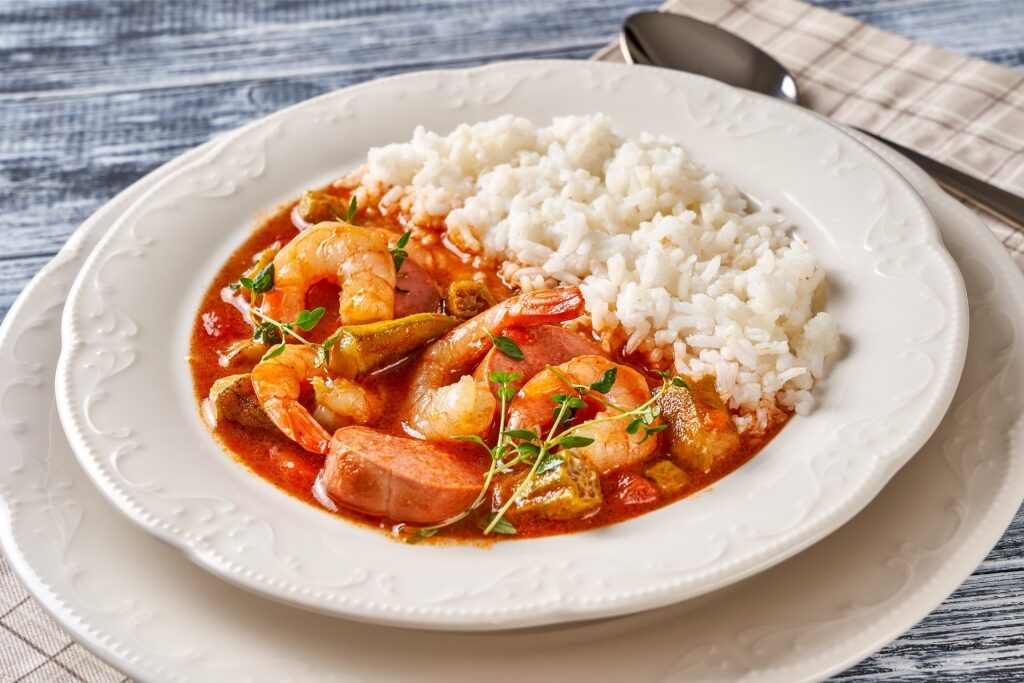
Perhaps the most famous of New Orleans dishes, gumbo is a rich, flavorful stew rooted in French, West African, and Native American traditions. In West African culture, the word “gumbo” refers to okra, a vegetable often used in the dish. The technique of using flour and butter to thicken the stew came from France, while Native Americans added ground sassafras, known as filé powder, as a natural thickener.
The unique thing about gumbo is that there’s no single recipe, which means every bowl has its own flavor and consistency. Some gumbos feature fresh seafood like crab, oysters, or shrimp, while others call for smoked sausage or chicken.
Some ingredients remain constant, however. Onion, celery, and bell pepper are often called the “holy trinity” of Louisiana cooking. Gumbo is usually served over rice for extra texture and heartiness.
Jambalaya
Jambalaya
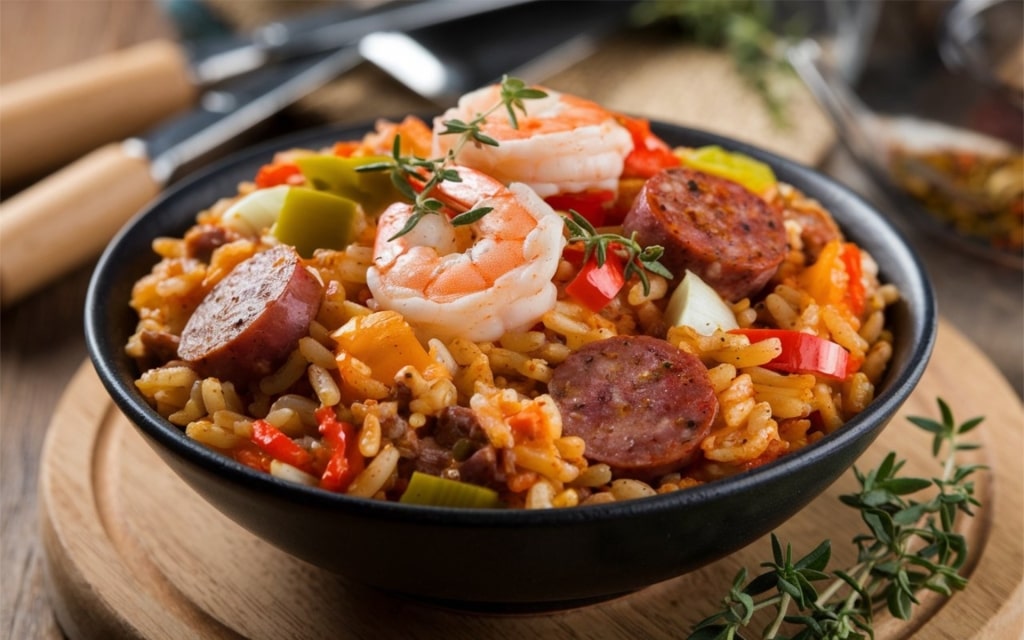
Next in line for iconic New Orleans dishes is jambalaya. If you’ve ever tried paella in Spain, jambalaya will feel familiar, as it’s a one-pot rice dish featuring a variety of ingredients. Like gumbo, jambalaya is rooted in French, Spanish, and African traditions and is a good representation of the cultural “melting pot” that defines New Orleans.
Depending on where you order jambalaya, your dish may include spicy pork sausage, chicken, or seafood such as shrimp or crawfish. Garlic, paprika, and cayenne are usually added during the cooking process so that the rice absorbs all the flavors.
Beignets

Beignets
When it comes to things to eat in New Orleans, beignets are high on the list. Brought to New Orleans by French colonists in the 18th century, the square-shaped beignet is one of the city’s most recognizable sweet treats.
Beignets may look simple, but the art lies in frying the dough until it’s fluffy and golden, then generously dusting it with powdered sugar. Typical recipes call for yeast, although some places offer no-yeast versions.
The most famous place to try beignets in New Orleans is Café du Monde in the French Quarter, though it’s almost always crowded. Its main location tends to be the busiest, so consider visiting one of the satellite cafés if you’re short on time.
Po-Boys
Po-Boys
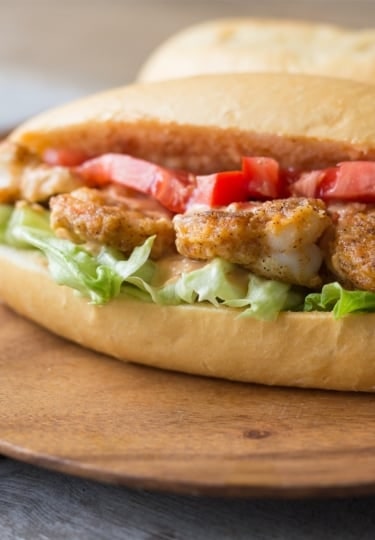
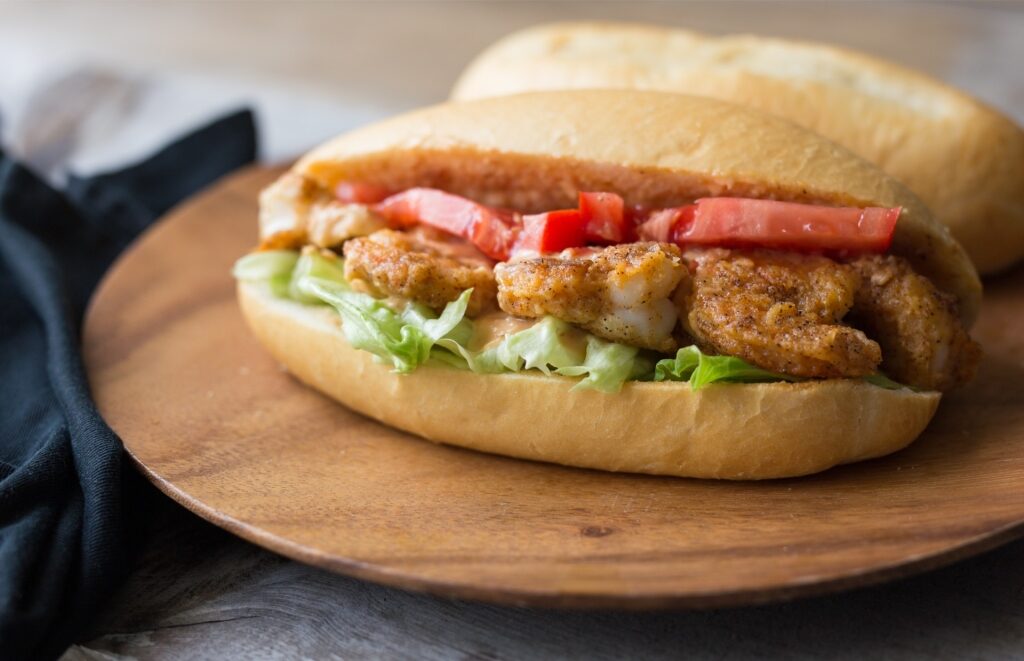
This famous sandwich first hit the New Orleans food scene in the 1920s during a streetcar strike. Local restaurant owners served free sandwiches to out-of-work “poor boys,” and the name stuck. Today, the po-boy is one of the most popular dishes to try in the city.
One thing that helps po-boys stand out among other sandwiches is the crusty French bread, which gives them a crispy texture. Fillings vary widely, with some po-boys made with fried shrimp or oysters and others with roast beef. Most are piled with lettuce, tomato, pickles, and mayonnaise, with other toppings available upon request.
Crawfish Étouffée
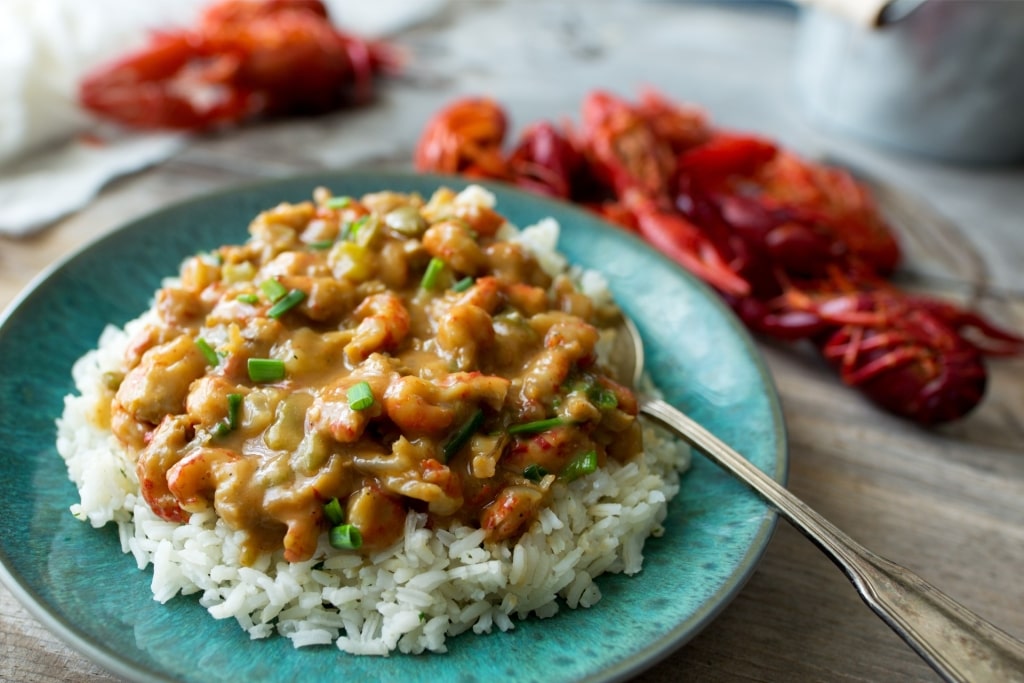
Crawfish étouffée
A quintessential Louisiana dish and definitely among the things to eat in New Orleans, crawfish étouffée is a Creole and Cajun favorite that dates back to the mid-20th century. The dish is heavily influenced by French cooking and showcases the bold flavors of Louisiana cuisine.
To make étouffée, which comes from the French word meaning “to smother,” chefs first cook crawfish tails in a rich sauce made with flour and butter, creating a light golden roux. They then add onions, celery, bell peppers, and spices to build flavor.
Creole versions usually include tomato, while Cajun-style étouffées typically do not. Most restaurants serve crawfish étouffée over rice, making it a hearty and filling dish.
Red Beans and Rice
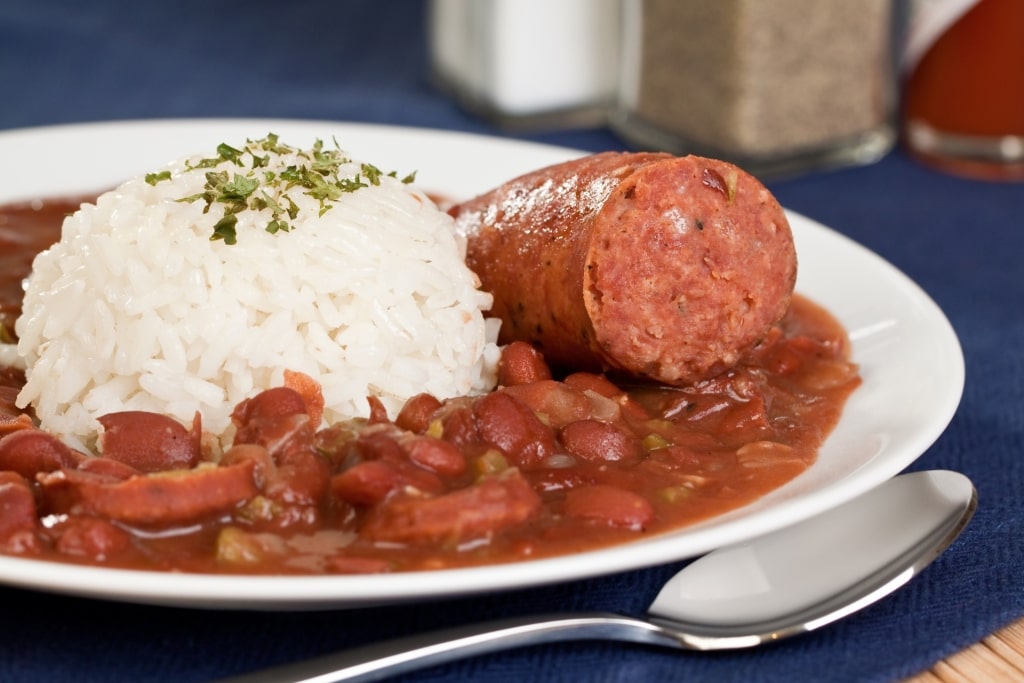
Red beans and rice
If your trip happens to fall on a Monday, do as the locals do and order red beans and rice. In the 19th century, Monday was laundry day for many families, so they needed a meal that was simple and could simmer unattended. The result was a dish of slow-cooked beans, spices, onions, bell peppers, celery, and leftover meat such as ham or sausage.
While Monday is the traditional day to eat red beans and rice, it is a staple on most New Orleans menus, so you can enjoy it any day of the week. It is hearty and filling, often enough to keep you satisfied until dinner.
Muffuletta Sandwich
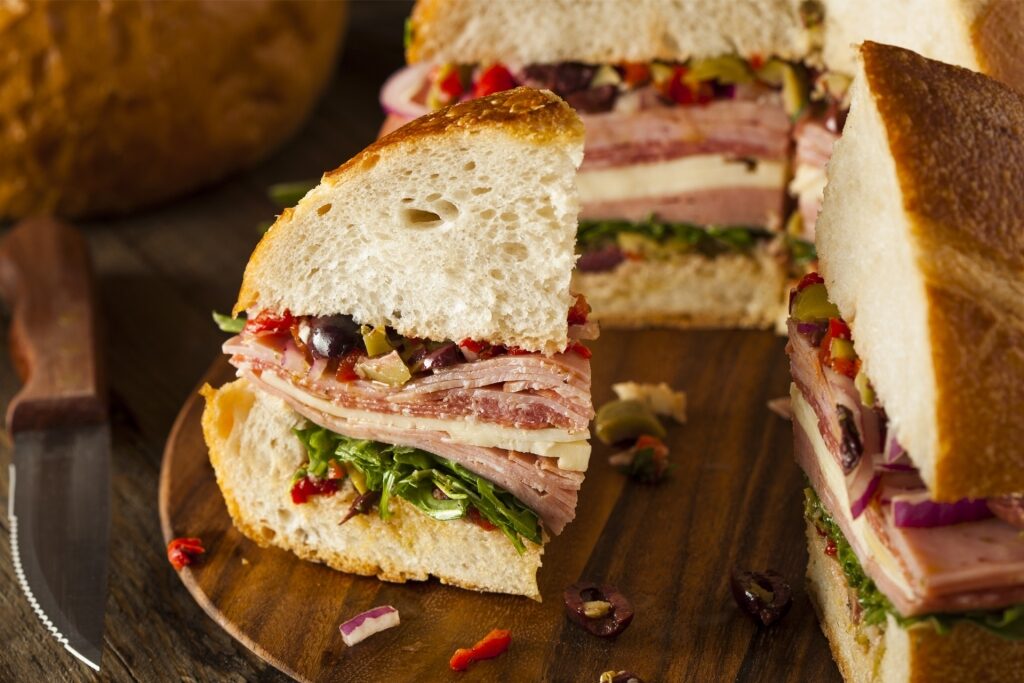
Muffuletta sandwich
The muffuletta sandwich gained traction in the late 19th and early 20th centuries, when Italian immigrants, especially Sicilians, settled in New Orleans’ French Quarter. The first place to serve it was Central Grocery, which still makes the original today.
Recipes vary, but muffulettas are almost always built on round Italian loaves of bread, topped with sesame seeds, and layered with cured meats like mortadella, ham, or salami, as well as cheeses such as provolone or mozzarella. The defining feature is the olive salad, a briny mix of green and black olives, garlic, and pickled vegetables. Muffulettas are typically served cold, though some restaurants toast them.
Oysters
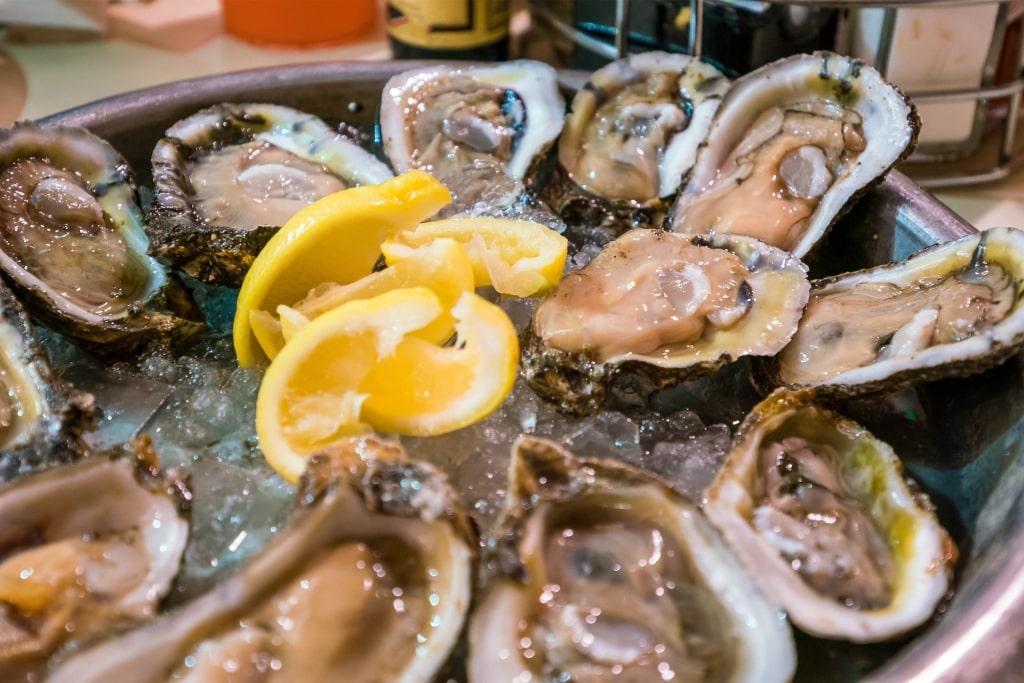
Oysters
While you can find oysters around the world, the ones in New Orleans are something special. Here, oysters are available year-round and are especially popular in the colder months, when they are at their peak.
Depending on your preference, you can enjoy oysters raw on the half shell with lemon and cocktail sauce, order a platter of fried oysters to share, or try chargrilled oysters cooked over an open flame. Chargrilled versions are typically topped with butter, garlic, and cheese, resulting in a smoky, indulgent flavor.
Bananas Foster
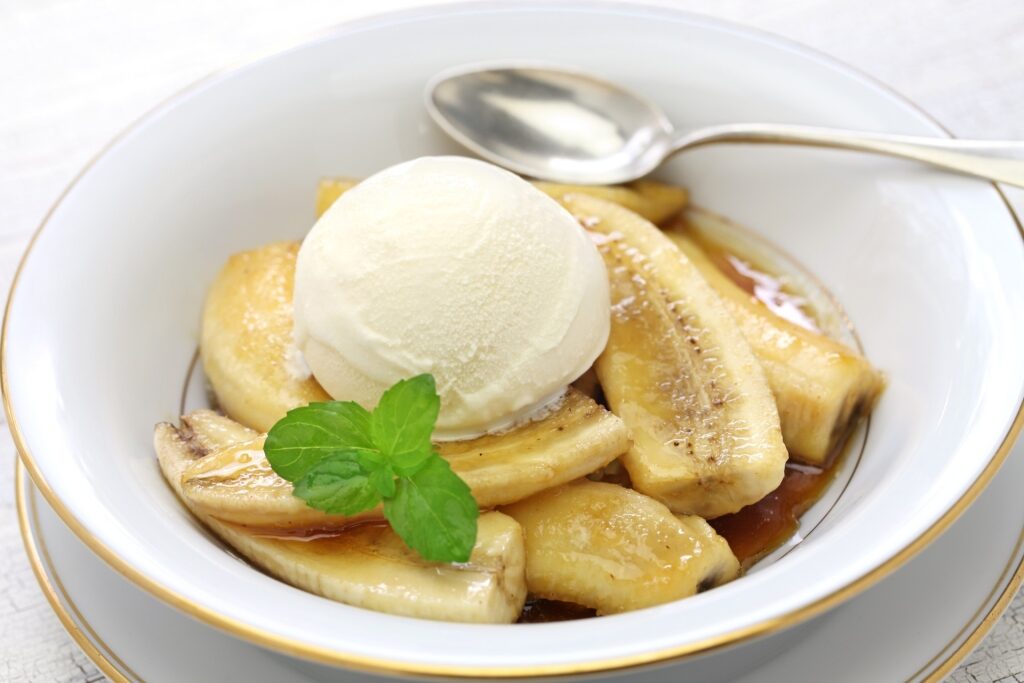
Bananas foster
First created at Brennan’s Restaurant in the 1950s, Bananas Foster is a classic dessert you will find on menus throughout the city and is one of the most delicious things to eat in New Orleans. In fact, many travelers order Bananas Foster just to experience the dramatic tableside preparation.
To make this classic dessert item, ripe bananas are sautéed in butter, brown sugar, and cinnamon before being flambéed with rum or banana liqueur. The flaming sauce is then poured over vanilla ice cream, creating a warm, boozy, and unforgettable treat.
Read: Best Things to Do in New Orleans With Kids
Pralines
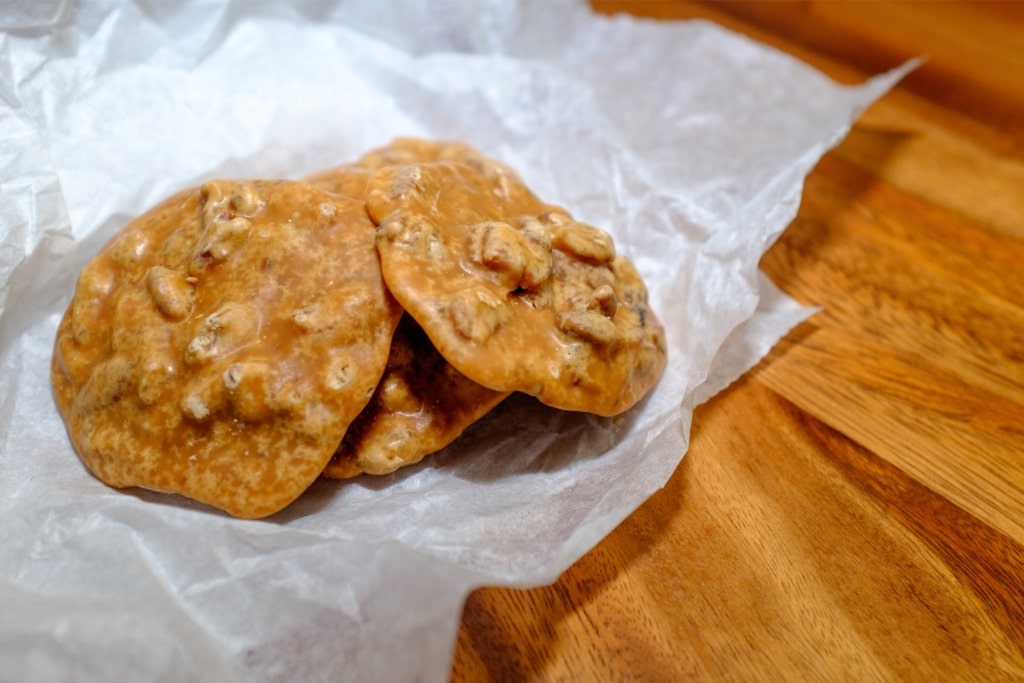
Pralines
Like beignets, French settlers brought the tradition of pralines to New Orleans in the 18th century. While the original French version used almonds, Louisiana recipes use pecans instead, since they were more readily available. New Orleans pralines also include milk or cream, which gives them a soft, fudge-like texture, in contrast to the harder consistency of French pralines.
Turtle Soup
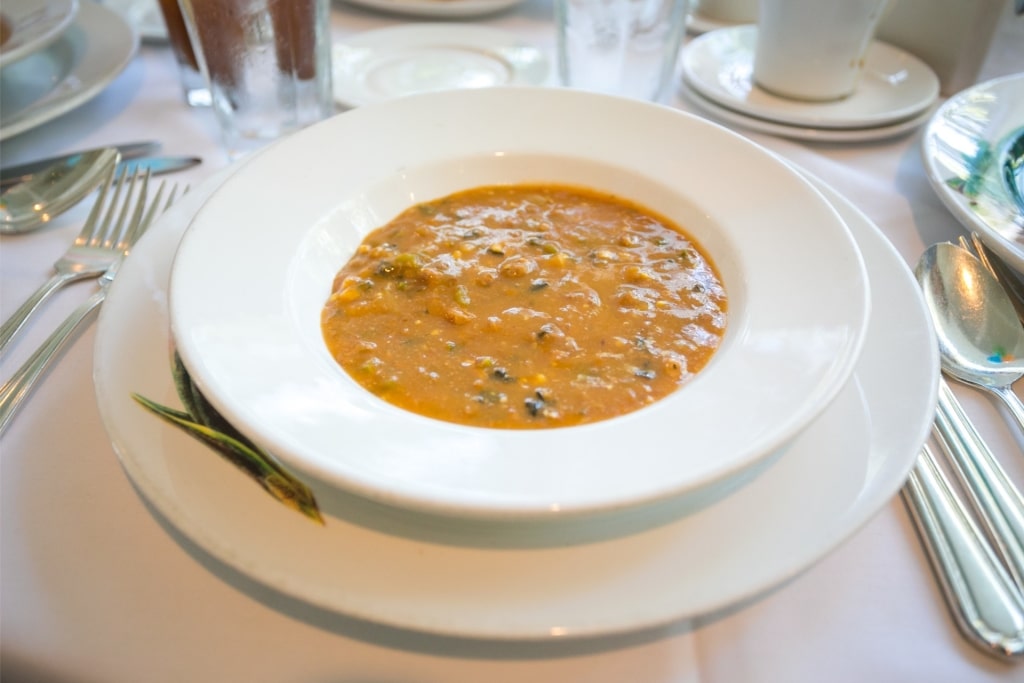
Turtle soup Photo by City Foodsters on Flickr, licensed under CC BY 2.0
A bit like gumbo in that it is a hearty dish, turtle soup first appeared in New Orleans in the 19th century and has both French and English roots. As its name suggests, turtle soup is made using turtle meat, which was considered a rare delicacy at the time.
Even today, turtle meat is uncommon and is sometimes substituted with veal or other meats. Other ingredients typically include tomatoes, vegetables, sherry, and a roux to thicken the soup and deepen its flavor.
New Orleans King Cake
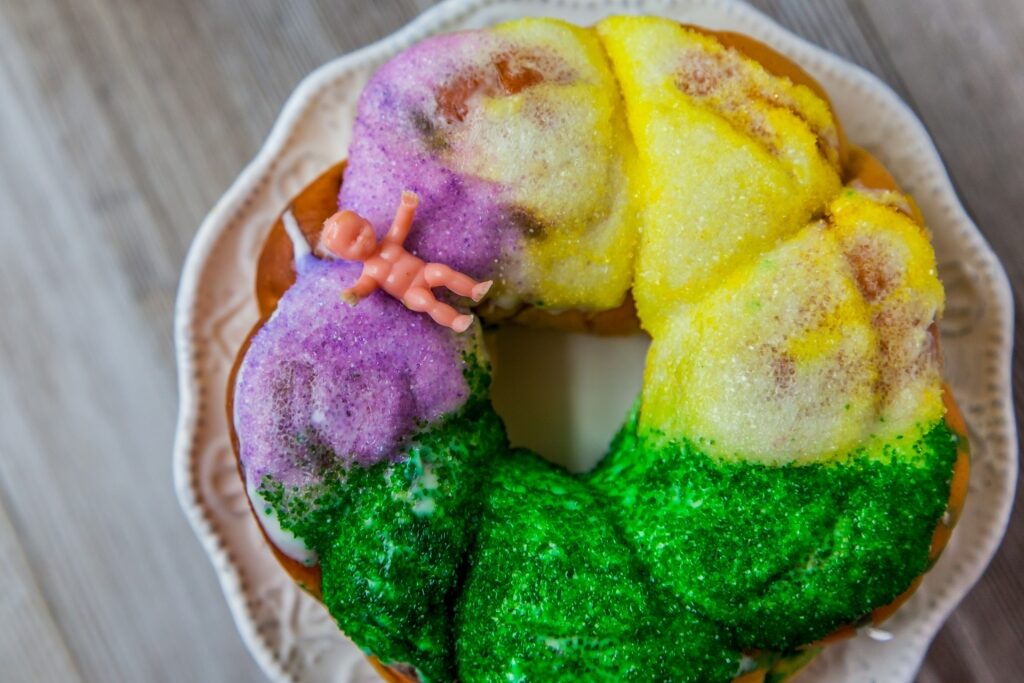
New Orleans King Cake
If you’re wondering what to eat in New Orleans to get in the Mardi Gras mood, try King Cake. This delicious dessert is deeply tied to the city’s famous Mardi Gras season and is easy to spot: look for a round or oval-shaped brioche decorated with purple, green, and gold icing or sugar.
French settlers brought the King Cake tradition to Louisiana. The cake was originally baked in celebration of Epiphany, which marks the manifestation of Jesus to the world in Christian tradition. Hidden inside the cake is typically a plastic baby or bean symbolizing the baby Jesus, and whoever finds it is said to have good luck.
FAQs
Is New Orleans a good food city?

French Quarter
Whether you are craving sweet treats like beignets or pralines or are in the mood for something savory, New Orleans does not disappoint. In many ways, food serves as its own tour guide through the city, influenced by French, Spanish, African, Caribbean, and Native American traditions.
The French Quarter is home to both upscale restaurants and hole-in-the-wall spots, serving everything from a hearty bowl of gumbo to creative fine-dining meals. In spring 2025, New Orleans was added to the new Michelin Guide American South, further cementing its reputation as a world-class food destination. That said, one of the best things about the city is that you can have great-tasting meals regardless of your budget.
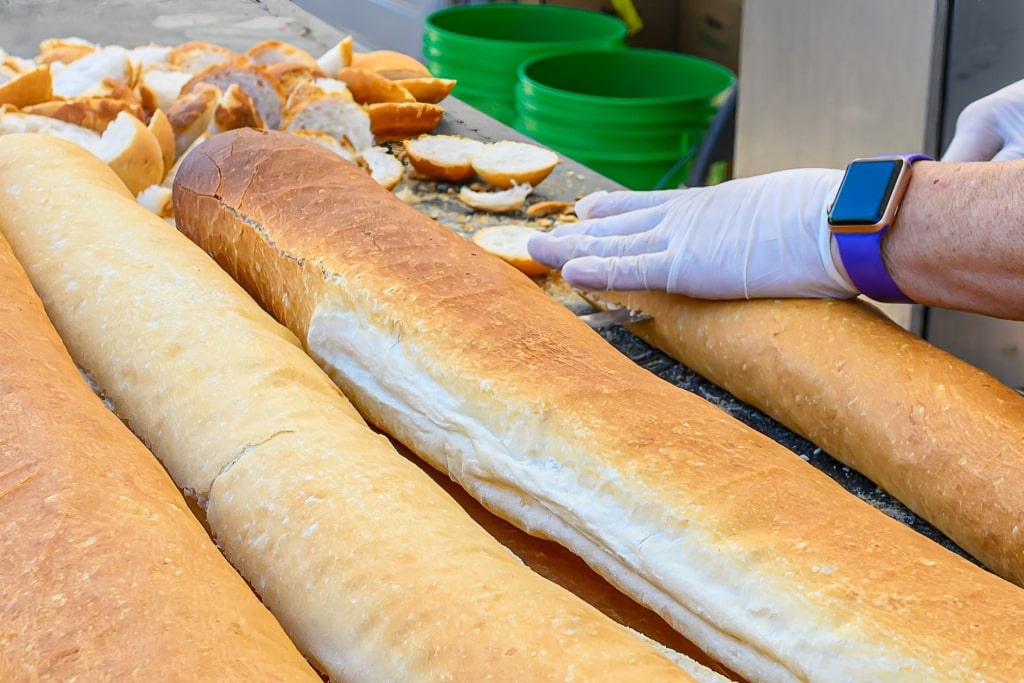
Po-Boy Festival
While white tablecloth restaurants do offer a plush dining experience, there are plenty of food stalls and to-go spots where you can enjoy bite-sized snacks as you walk. Food festivals are another great opportunity to sample a variety of dishes.
The New Orleans Jazz & Heritage Festival, the French Quarter Festival, and the Oak Street Po-Boy Festival are packed with delicious foods, plus live music and a friendly atmosphere.
What dish is New Orleans most famous for?
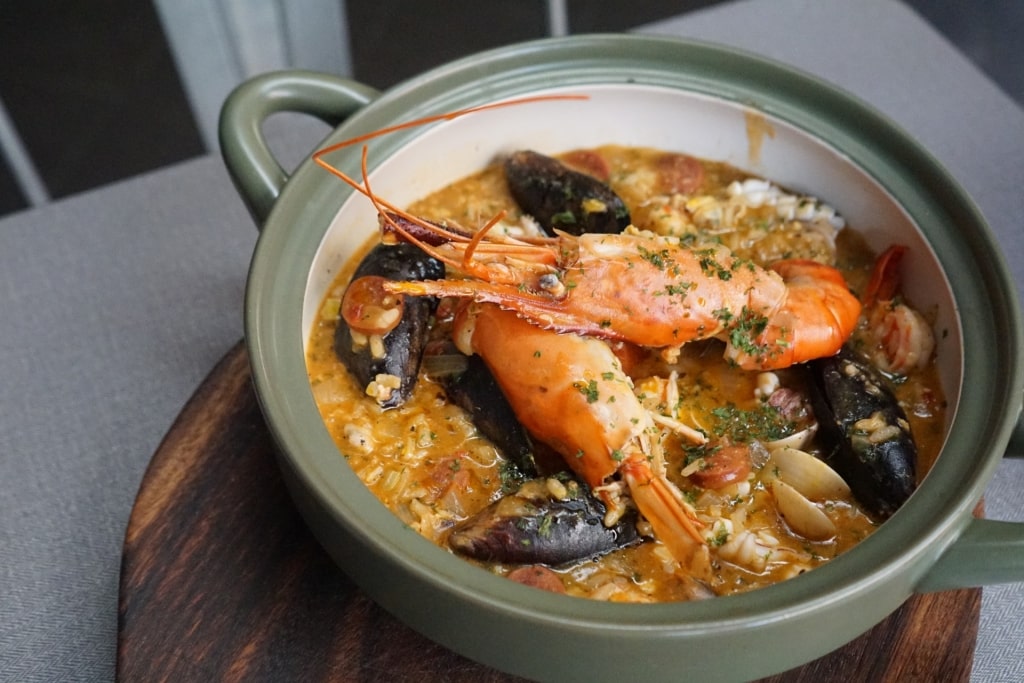
Seafood gumbo
It is hard to choose just one dish New Orleans is most famous for, but gumbo is widely considered the city’s signature dish. This hearty stew reflects its diverse cultural influences. With so many variations featuring seafood, sausage, okra, or filé, it often feels like you are trying a new dish every time.
Po-boys are another local favorite, known for their crunchy French bread and generous fillings. Some are made with fried shrimp, while others feature roast beef or oysters, so it is easy to find one that matches whatever you are craving.
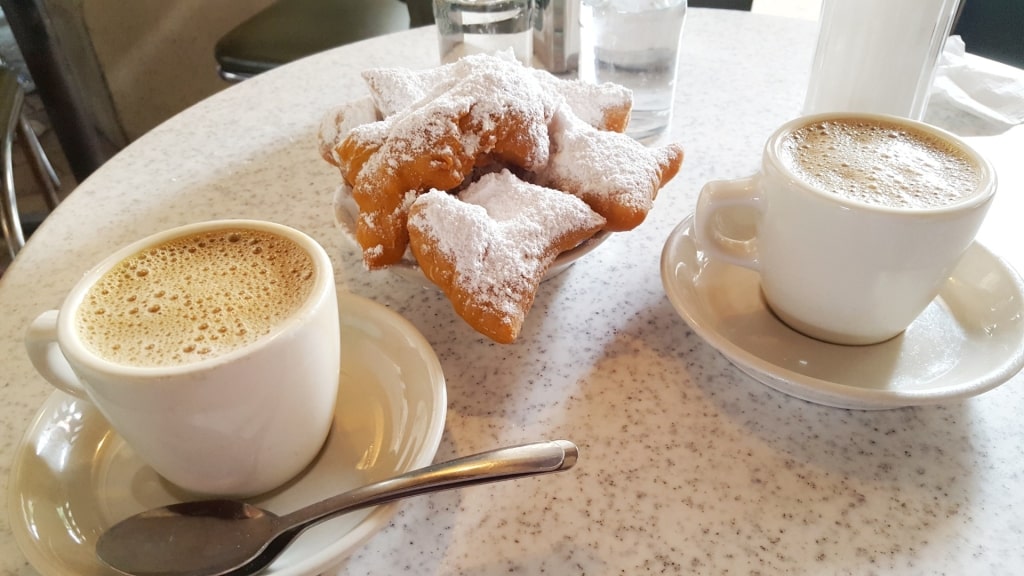
Beignets
No visit to New Orleans is complete without trying the city’s famous beignets at Café du Monde. The powdered sugar may get a little messy, but that is all part of the fun.
Are there any food customs I should know about?
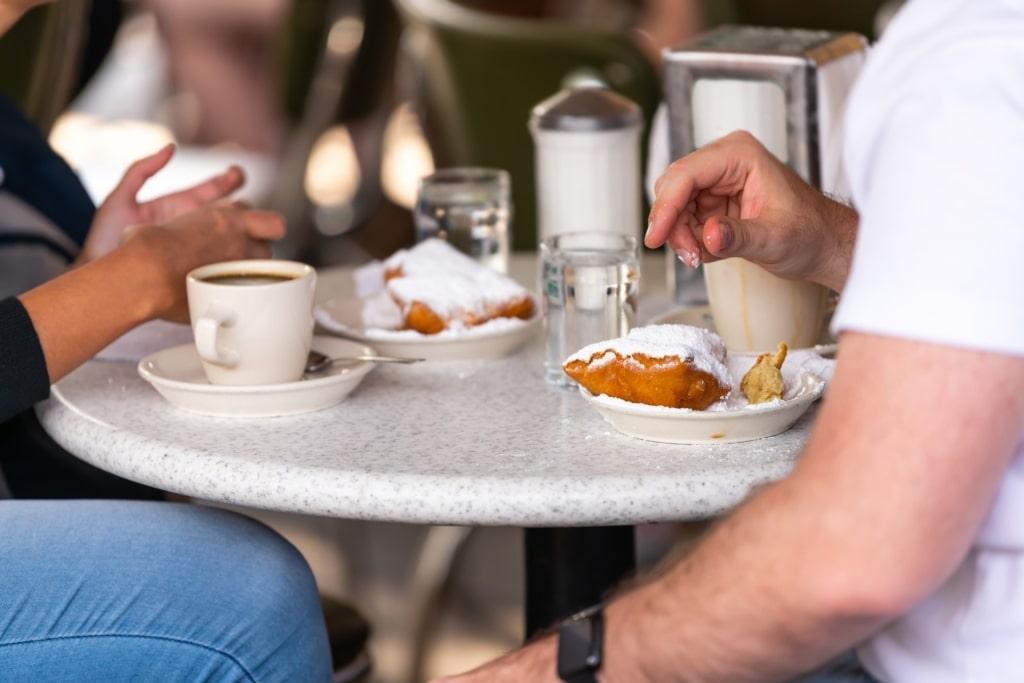
Café du Monde
In New Orleans, food is more than just a way to satisfy hunger. Meals are treated as a time to slow down, to connect with those around you. Sharing meals is another way friends, family, and communities connect, whether celebrating at someone’s home or at a restaurant.
Although tipping is in no way exclusive to New Orleans, it’s still worth mentioning. The standard restaurant tip is 18 to 20 percent of the bill before tax is applied, and more if your server really went above and beyond. When ordering drinks at a bar, plan to tip one to two dollars per drink.

New Orleans
Ready to sample the culinary wares of the Big Easy for yourself? Browse Celebrity’s cruises to New Orleans and book your gourmet adventure today.