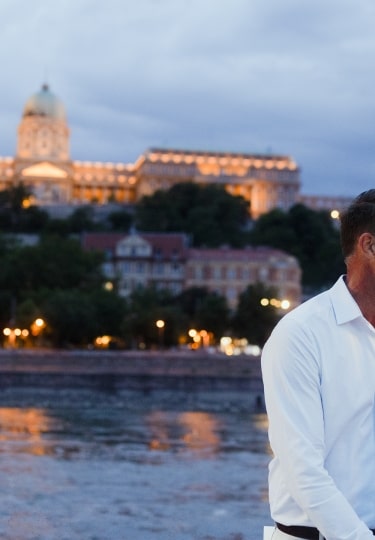
The first thing I remember about sailing the Danube was how quickly the scenery changed from one day to the next. One afternoon, I was roaming through Vienna’s grand imperial streets and sitting in historic coffeehouses. The next morning, vineyard-covered hillsides and tiny riverside villages drifted past the ship as we cruised through Austria’s Wachau Valley.
That’s what makes a Danube River cruise so memorable. You move through multiple countries, cultures, and landscapes without constantly packing, unpacking, or rushing between hotels. One day might include palace tours and pastries in Vienna, while another might have you soaking in Budapest’s thermal baths.
The Danube links some of Europe’s most fascinating cities, including Budapest, Bratislava, Vienna, and Passau. And with Celebrity’s Before and After Stays, guests can extend the journey in select cities before or after sailing.
From grand capitals to hidden gems along the riverbanks, this guide explores the best things to do on the Danube River and how a Before and After Stay can make your journey even more memorable.
What Is a Danube River Cruise?
A Danube River cruise sails through some of Europe’s most historic and culturally rich regions. The Danube flows through 10 countries and connects major cities, including Budapest, Bratislava, Vienna, and Passau, creating an itinerary that blends multiple cultures, cuisines, and landscapes into one trip.
Most Danube itineraries focus on Hungary, Slovakia, Austria, and Germany, though some journeys continue farther east into the Balkans, allowing you to experience multiple countries while unpacking only once, without constantly changing hotels.
Unlike ocean cruising, river cruising places guests directly in the heart of each destination. Ships dock steps from historic centers, allowing you to walk straight to cafés, museums, and markets. The pace is very different from an ocean cruise — more relaxed. If you don’t wake in a new port, you’ll enjoy scenic cruising past castle ruins rising above the hillsides, vineyard terraces climbing steep riverbanks, or church spires appearing around a bend in the river.
Many travelers also extend their vacation before or after their cruise, especially when sailing through some of Europe’s most interesting locations. Celebrity’s Before and After Stays give guests the option to begin or end select river cruise itineraries with more time in cities such as Budapest and Prague.
Before and After Stays on the Danube River
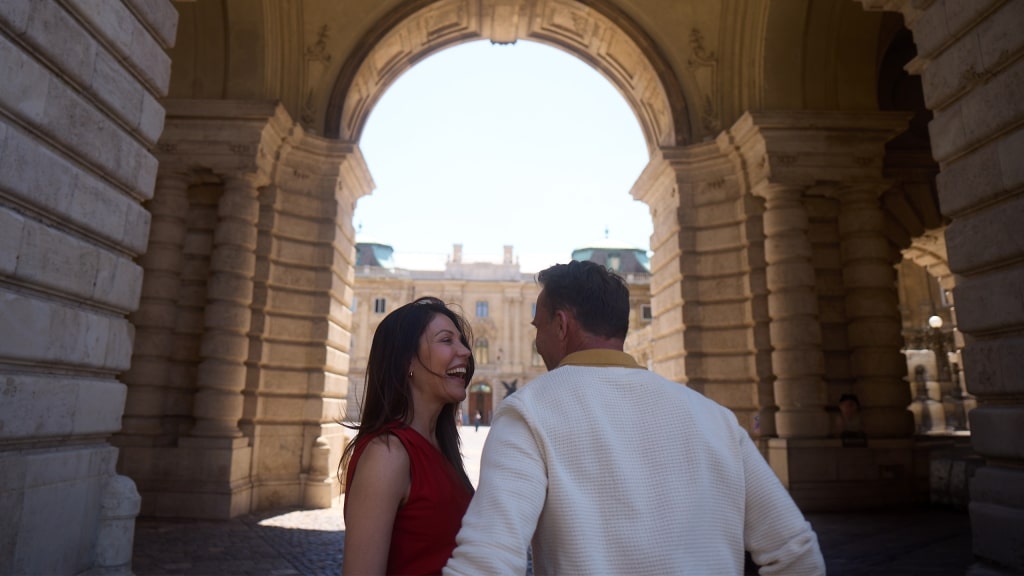
A couple shares a joyful laugh framed by a majestic stone archway in Budapest.
One of the best ways to experience more of Central Europe is by extending your trip before or after your cruise. Budapest sits directly on the Danube, while Prague pairs naturally with select Danube itineraries that begin or end in Vilshofen. Both cities reward extra time, especially when you can arrive early or stay longer without building every detail from scratch.
Celebrity’s Before and After Stays are two- or three-night land experiences designed to make the transition between city and ship feel effortless. Depending on the destination, guests can choose from Premium or Ultra Premium hotels in the heart of the city, with daily breakfast included each morning. The experience also includes hotel-to-ship transfers, one daily excursion led by a Local Storyteller℠, and exclusive Destination Insider℠ experiences curated by local experts.
In Budapest, that extra time might mean easing into the day at a grand café, exploring Central Market Hall, lingering along the Danube promenade, or seeing the city’s thermal bath culture beyond a single afternoon. In Prague, it could mean more time for castle views, Gothic spires, historic breweries, cobbled streets, and local stories that unfold well beyond the usual landmarks.
Optional premium excursions and transfers are also available for an added cost, giving guests even more flexibility to shape the land portion of the journey. The result feels less like adding extra nights onto a cruise and more like giving the trip a natural beginning or ending on land.
Best Things To Do on the Danube River
A Danube sailing combines iconic experiences that are famous for a reason. These are some of the highlights you can expect along the river.
1. Soak in Budapest’s Thermal Baths
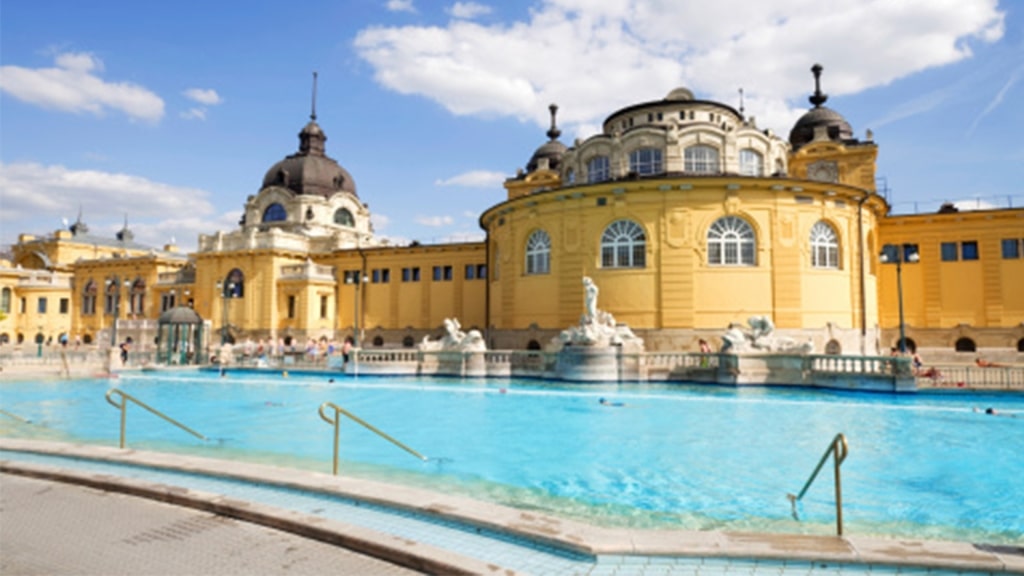
Outdoor thermal pools of a historic Budapest bathhouse.
Budapest is one of the Danube’s standout cities, and its thermal bath culture is part of what makes the Hungarian capital so distinctive. Natural hot springs have been a part of life here for centuries, dating back to Roman and Ottoman times.
Many visitors head straight to Széchenyi Thermal Bath, where outdoor pools steam year-round beneath bright yellow Neo-Baroque architecture. Others prefer the quieter atmosphere and Art Nouveau interiors of Gellért Baths.
After a busy day roaming Budapest’s streets, a visit to the baths offers a completely different side of the city. It’s part sightseeing, part local tradition, and part excuse to slow down for a few hours.
Budapest is also one of the most natural places to linger before or after a Danube River cruise. With a Before and After Stay, guests have more time to experience the city beyond a single port day — from Central Market Hall and grand cafés to evening walks along the riverbanks, where Parliament, Chain Bridge, and Buda Castle turn the Danube into part of the city’s atmosphere.
2. Visit Vienna’s Imperial Palaces and Coffeehouses
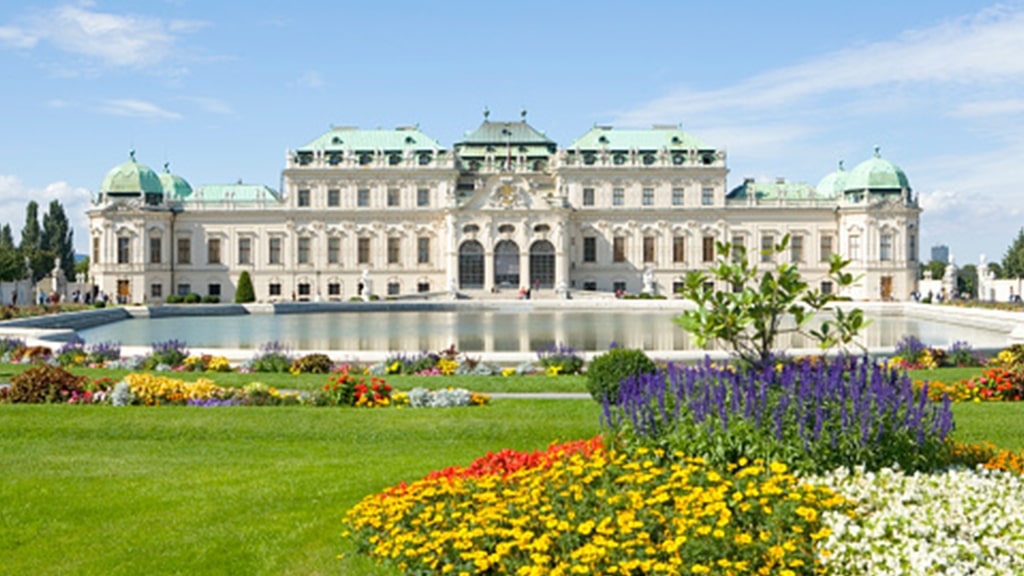
The magnificent Belvedere Palace
Vienna’s imperial history is on full display, with awe-inspiring architecture lining the Ringstrasse, a symbol of the centuries when the Habsburg Empire shaped much of Europe.
Many travelers visit Schönbrunn Palace, the former summer residence of the Habsburgs, to tour its lavish rooms and sprawling grounds. Others head to the Belvedere Palace, where manicured gardens frame one of the city’s most beautiful Baroque landmarks and Klimt’s gold-leafed masterpieces are a highlight.
Then there are the cafés. Visiting a coffeehouse and lingering over a slice of sachertorte, a chocolate cake layered with apricot jam, becomes part of the experience itself.
3. Walk Through Bratislava’s Old Town
Bratislava is one of the Danube’s easiest capitals to explore on foot. Its compact Old Town is filled with stone-paved streets, pastel-colored buildings, sidewalk cafés, and hidden courtyards that feel especially relaxed compared to Europe’s busier capitals.
Above the city, Bratislava Castle offers sweeping views into Slovakia, Austria, and even Hungary on clear days. Down below, the city is relaxed with side streets filled with wine bars and restaurants serving traditional Slovak dishes like bryndzové halušky, potato dumplings topped with sharp cheese and bacon. Along the way, you’ll stumble across quirky bronze statues tucked into corners, bringing a playful side to your visit.
For many guests, Bratislava becomes one of the Danube’s most pleasant surprises.
4. Tour Historic Abbeys and Cathedrals
The Danube passes through regions shaped by centuries of religious influence, and some of the river’s most striking landmarks are its abbeys, monasteries, and cathedrals.
One not to be missed is Austria’s Melk Abbey. Perched high above the river in the Wachau Valley, the massive Baroque complex contains ornate gold interiors, ceiling frescoes, and a famous library packed with medieval manuscripts.
Even smaller towns along the Danube often reveal impressive churches and monastery buildings of their own that reflect the river’s long importance as a cultural and trading route through Europe.
5. Taste Regional Wines Along the River
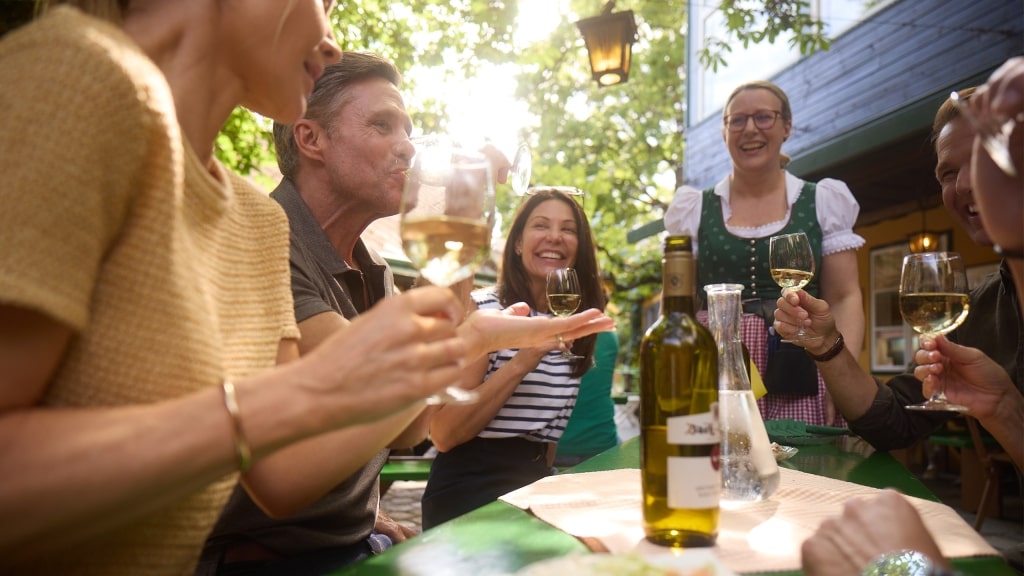
Smiling friends enjoying a glass of white wine.
One cannot sail along the Danube without enjoying the various wines that thrive in its valleys, particularly in Austria and Hungary. Vineyards line the hillsides above the river, especially in Austria’s Wachau Valley, one of the Danube’s most scenic stretches and a UNESCO World Heritage Site.
The area is especially known for Grüner Veltliner and Riesling wines, which pair naturally with the region’s cuisine and river views.
Many itineraries include vineyard visits or tastings in local wine taverns, where guests can sample regional wines while learning how generations of families have shaped the surrounding landscape.
6. Explore Fairytale Towns in Bavaria
Germany’s smaller Bavarian towns on the Upper Danube feel completely different from the grand capitals. Places like Passau and Regensburg date back to medieval times and are filled with traditional beer halls, a combination that feels straight out of a storybook.
These towns move at a slower pace. Guests can spend time walking river promenades, browsing local bakeries, or enjoying outdoor beer gardens surrounded by centuries-old architecture.
The contrast between Bavaria’s smaller towns and larger cities like Vienna and Budapest adds variety to the overall Danube experience.
7. See Budapest Illuminated at Night
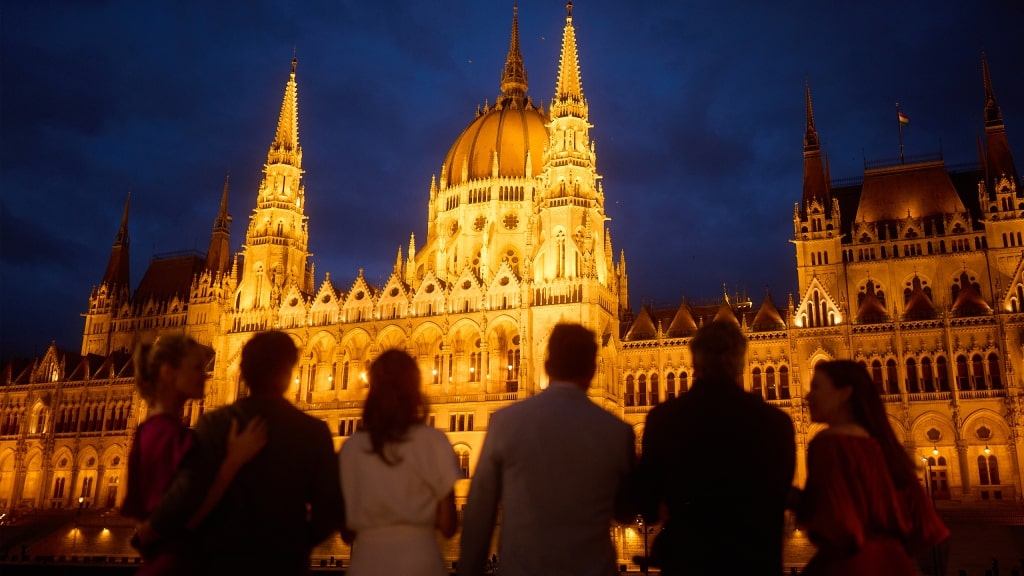
A group of friends sharing a nighttime walk overlooking the illuminated Hungarian Parliament in Budapest.
Few moments on a Danube cruise rival sailing through Budapest after dark. With many of the city’s most important landmarks sitting along the river, guests gather on deck, cameras and cocktails in hand, to see them illuminated. Sites like the Hungarian Parliament, Chain Bridge, Fisherman’s Bastion, and Buda Castle glow against the skyline, turning the city into a stage.
For guests spending extra time in Budapest before or after their cruise, a Destination Insider can help shape the evening around the city’s best after-dark views. That might mean knowing where to pause along the riverfront, when to see the bridges at their most atmospheric, or how to pair a nighttime walk with a café, market hall, or neighborhood stop that makes the city feel more personal.
8. Bike Along the Danube Through Riverside Villages
The Danube is home to some of Europe’s most scenic cycling routes, particularly through Austria’s Wachau Valley. Flat riverside trails connect vineyards, villages, orchards, and historic towns, making cycling reachable even for casual riders.
Many guided excursions allow guests to bike between ports while stopping at wineries, cafés, and scenic overlooks along the way. I was able to ride 25 miles through the Wachau Valley and “catch up” to my ship in a different port. While biking, travelers can stop in vineyards for a tasting, grab lunch in a village, or simply enjoy an ice cream break overlooking the river.
It’s also one of the best ways to experience the quieter side of the Danube beyond the major capitals.
9. Shop Christmas Markets
Danube Christmas market sailings transform many of the river’s cities into winter destinations filled with lights, music, and seasonal traditions, and it is one of the most popular times to cruise on the river.
Markets in Vienna, Budapest, and Bratislava are especially popular, with wooden stalls selling ornaments, mulled wine, gingerbread, handmade gifts, and regional foods.
Even travelers who don’t typically plan vacations around the holidays often find themselves drawn into the atmosphere. Historic squares, cathedral backdrops, and cold-weather comfort foods make these sailings feel especially festive.
10. Step Inside Medieval Castles
Castle ruins and hilltop fortresses appear throughout many stretches of the Danube, particularly in Austria and Germany.
Some excursions allow guests to climb towers, walk fortress walls, and look out over the river valleys that were once guarded by medieval rulers. Others simply provide the chance to admire these landmarks from the ship itself as the scenery changes throughout the day.
Sailing past castles, abbeys, vineyards, and riverside villages, the Danube feels like an immersive, open-air history lesson, in the best possible way.
FAQs About Danube River Cruises
What countries does the Danube River flow through?
The Danube flows through 10 countries: Germany, Austria, Slovakia, Hungary, Croatia, Serbia, Romania, Bulgaria, Moldova, and Ukraine.
What is the best time to take a Danube River cruise?
Spring and early summer are the best times to visit for green vistas and fewer crowds, while fall is perfect for wine lovers seeking to experience harvest season. Christmas market sailings during late November and December are especially popular for the holiday atmosphere.
How long is a typical Danube River cruise?
Celebrity River Cruise itineraries typically last seven nights.
Can you extend a Danube River cruise before or after the sailing?
Yes. Many travelers add hotel stays and guided experiences in cities such as Prague and Budapest before or after their sailing through Celebrity’s Before and After Stays.
What should you pack for a Danube River cruise?
Comfortable walking shoes are essential for cobblestone streets and city tours. Layered clothing works well throughout much of the year, along with smart-casual attire for dinners and evenings on board.
Are Danube River cruises good for first-time cruisers?
Absolutely. Danube itineraries are especially appealing for first-time river cruisers because they feel easy and immersive from the start. You can visit multiple countries and cities without constantly changing hotels or dealing with complicated travel plans, allowing for a more relaxed pace.
Why a Danube River Cruise Belongs on Your Travel List
A Danube River cruise combines many of Europe’s most memorable experiences into one journey. You can soak in Budapest’s thermal baths, sip wine in the Wachau Valley, wander medieval streets in Bratislava, admire Vienna’s imperial palaces, and sail past illuminated castles and city skylines, all without constantly repacking or changing hotels.
What makes the Danube so rewarding is how much is packed into a single itinerary. And with Before and After Stays, guests can add even more time on land pre- or post-cruise.
Somewhere between the famous landmarks, scenic sailing, and extra days to explore, the Danube has a way of slowing everything down. You spend less time focused on planning and more time experiencing the places around you.
Explore Danube River Cruises and add a Before and After Stay to experience even more of Europe before or after you sail.