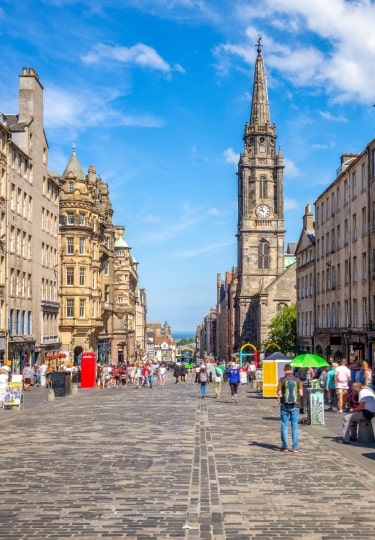
There is a lot to think about when you’re planning a trip to Ireland and Scotland, simply because there’s so much to see.
A trip to Scotland and Ireland may involve three, rather than two countries, as Ireland is still divided by a border. Northern Ireland is part of the United Kingdom, along with Scotland, while Ireland won its independence in 1922 and is part of the European Union.
You’ll see the differences in simple things such as currency: the pound in Scotland and the euro in Ireland. But all three share a warmth of hospitality, beautiful countryside, and characterful cities.
Think About What You Want to See
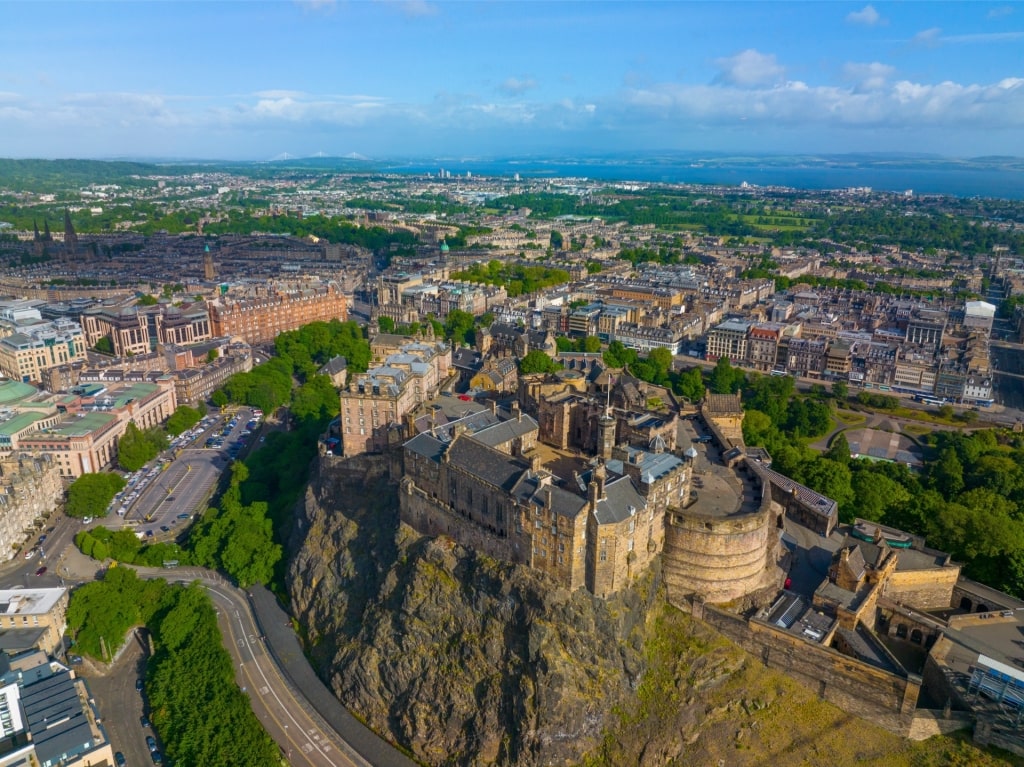
Edinburgh, Scotland
Both Scotland and Ireland are full of sights you’ll recognize from film and TV. Their major cities, picturesque castles, and green hills will seem instantly familiar.
In Scotland, Edinburgh is famous for its imposing castle and the tartan shopping along the Royal Mile. Holyrood Palace, and scenic Arthur’s Seat are also must-sees.
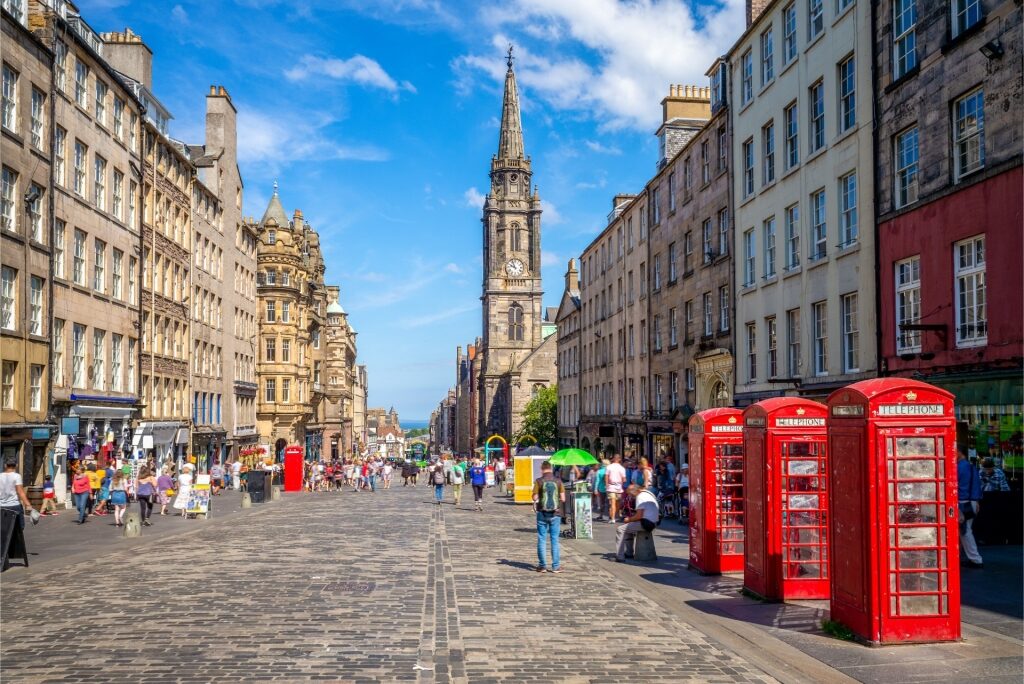
Royal Mile in Edinburgh, Scotland
Golfers may want to take in the historic links at St Andrews. The 15th-century Rosslyn Chapel is a popular sight for fans of The Da Vinci Code.
Glasgow is a great base for visiting Loch Lomond and The Trossachs. This is a gateway to the Highlands, with the picturesque scenery of Balloch and Luss.
Also nearby is Stirling Castle, the Wallace Monument, and Bannockburn battlefield. At New Lanark, you can visit a UNESCO-listed 18th-century cotton mill village that has been beautifully preserved.
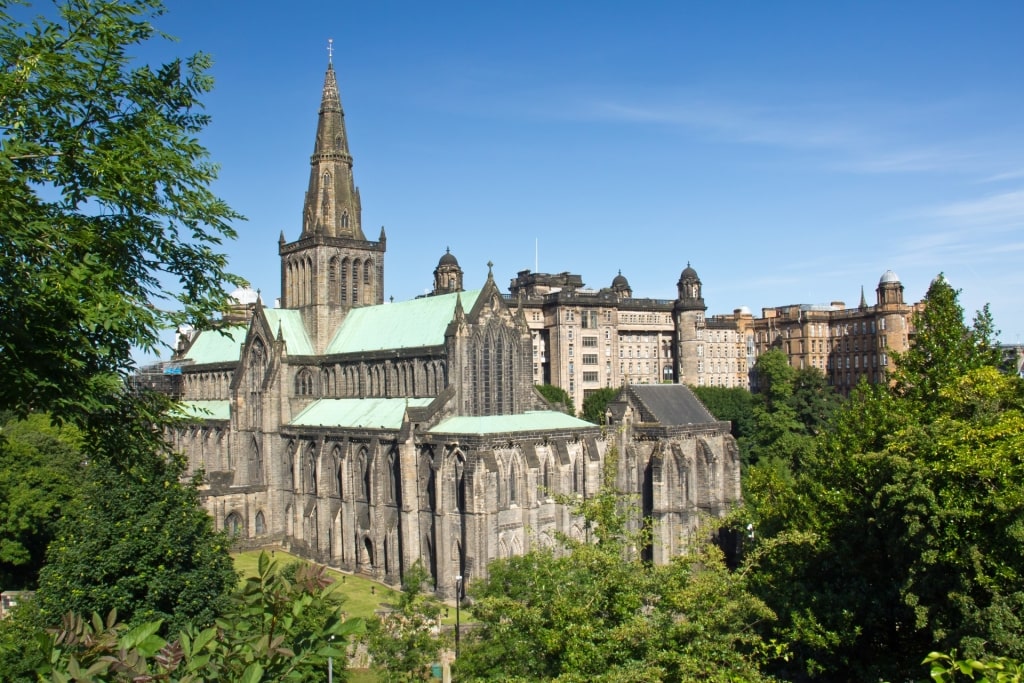
Glasgow Cathedral, Scotland
In Glasgow itself, you might want to spend time in Kelvingrove Art Gallery & Museum, Glasgow Cathedral, or George Square. The architecture of Charles Rennie Mackintosh and the city’s street art are also key attractions.
Inverness is a base for exploring Lough Ness, maybe in hope of seeing its elusive monster. Sail the Caledonian Canal and see ancient castles such as Cawdor or Dunrobin.
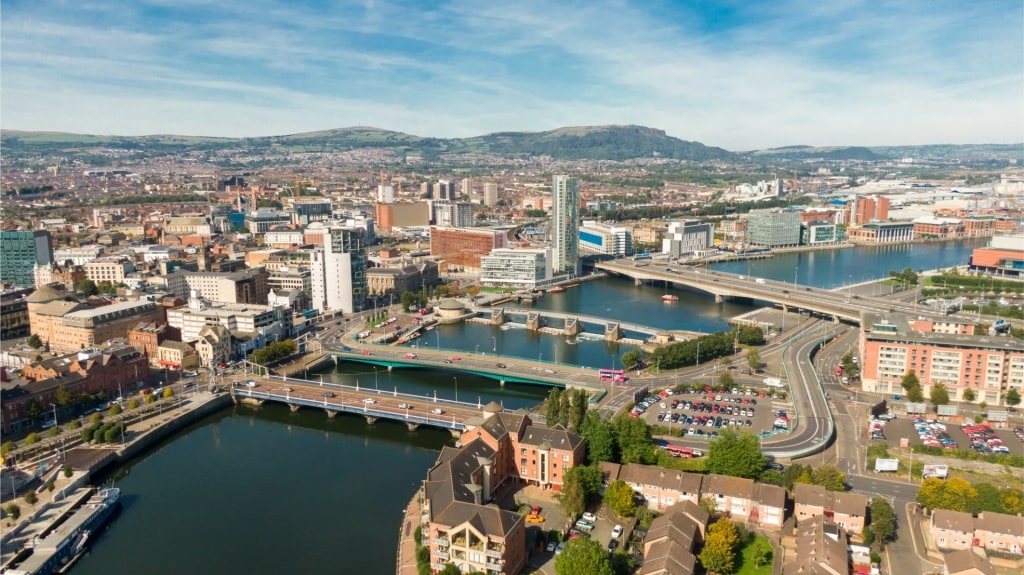
Belfast, Northern Ireland
The island of Ireland is split between Northern Ireland and the Republic of Ireland. Their respective capitals are Belfast in the north, while Dublin is the Irish capital.
One of the best things to do in Belfast is to visit the Titanic Belfast, an immersive experience facing the slipway where the ill-fated liner was launched. At Crumlin Road Gaol, or on a political murals tour, you can learn about Northern Ireland’s troubled history.
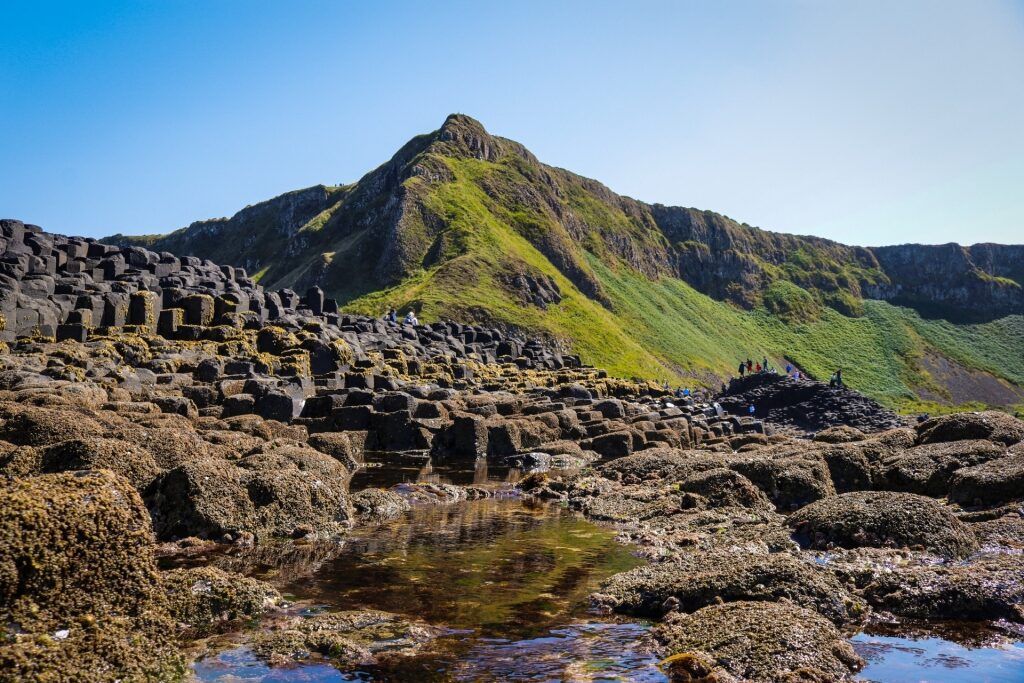
Giant’s Causeway, Northern Ireland
A day trip out of Belfast will let you explore the beautiful Causeway Coast. It’s named for the amazing Giant’s Causeway, with its thousands of basalt columns.
Nearby is the town of Bushmills, home to the world’s oldest whisky distillery. Carrick-a-Rede Rope Bridge, and Dunluce Castle are two more photogenic sights on this dramatic coastline
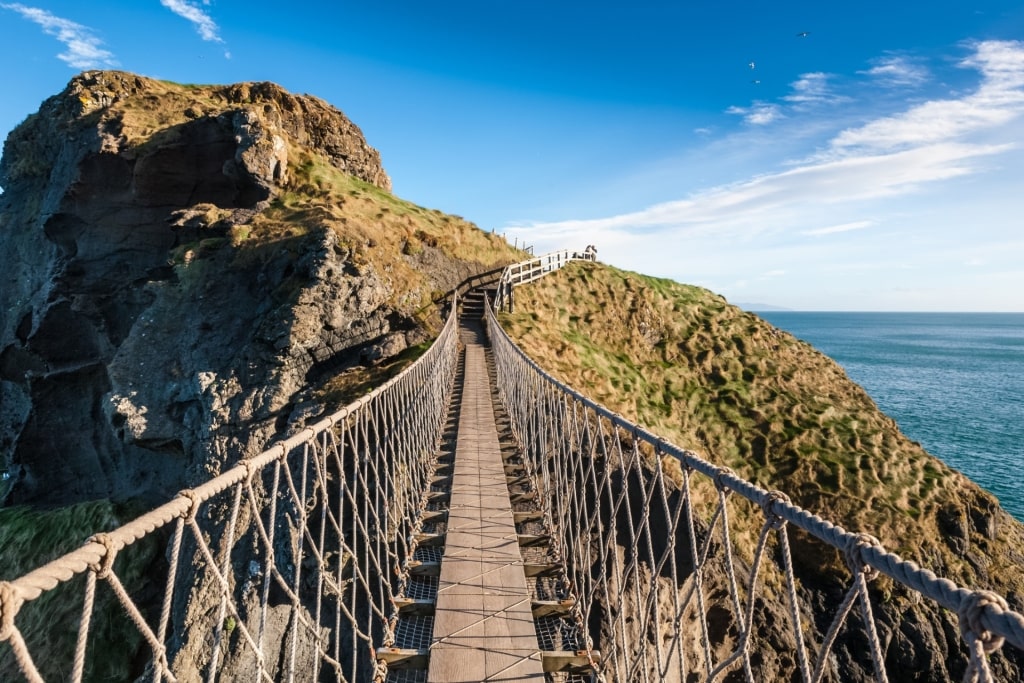
Carrick-a-Rede Rope Bridge, Northern Ireland
In Ireland, Dublin has sights such as the National Gallery of Ireland, St. Patrick’s Cathedral, and Phoenix Park. Dublin Castle and Trinity College, for the Book of Kells, should also be on your itinerary.
Some of the best things to do in Cork include visiting the English Market, St. Fin Barre’s Cathedral, and Cork City Gaol. Nearby is Blarney Castle, where you can kiss the Blarney Stone if you dare.

Blarney Castle in Cork, Ireland
The city’s port is Cobh, where you can photograph its towering cathedral and colourful houses. At Spike Island, tour what was once the world’s largest convict prison depot, now an award-winning heritage centre.
Nearby Kinsale, a pretty harbor town, is the official start of the Wild Atlantic Way. This dramatic coastal road runs around Ireland’s south and west coasts, through Galway and up to Donegal.
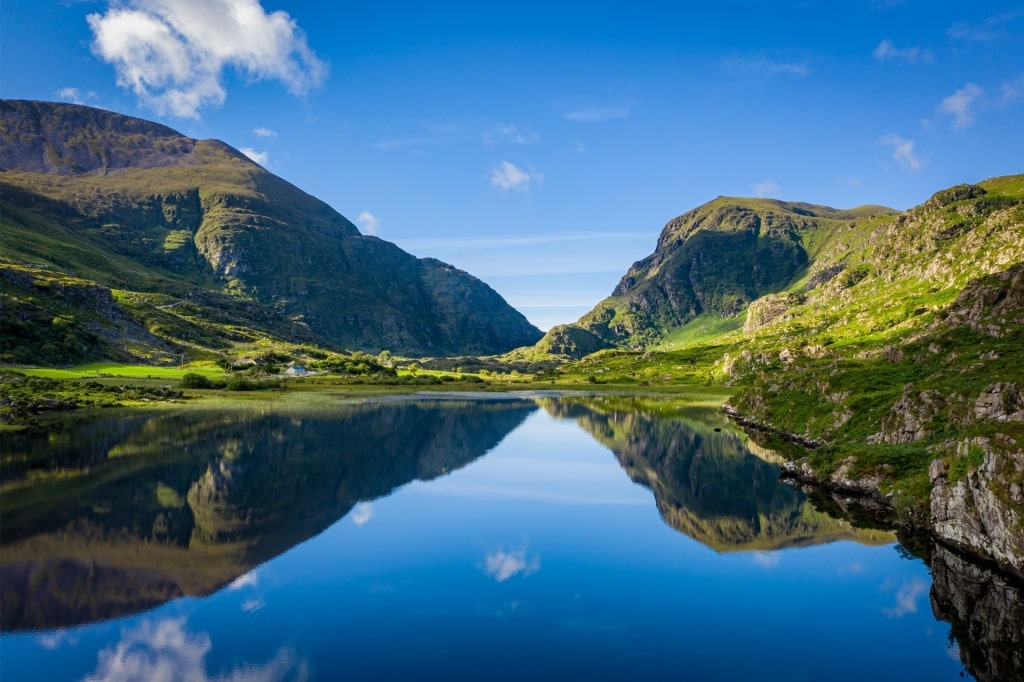
Killarney National Park, Ireland
Enjoy a taste of it by driving the scenic Ring of Kerry, centered on the charming town of Killarney where you can’t miss seeing Killarney National Park, one of the best places to visit in Ireland. Another sight to take in is Mizen Head Signal Station, Ireland’s most south-westerly point.
In Waterford, the Treasures Museums, Reginald’s Tower, and the Viking Triangle are key sights. This will help immerse you in Ireland’s Viking and medieval history.
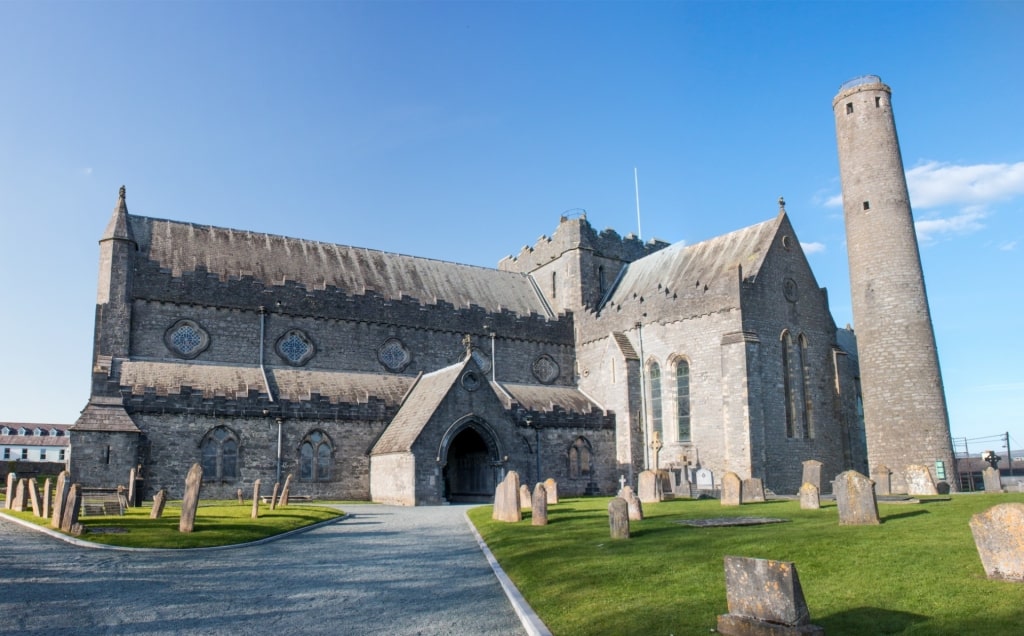
St. Canice’s Cathedral in Kilkenny, Ireland
From here, you can visit Kilkenny, with its magnificent castle, and St. Canice’s Cathedral & Round Tower. The Copper Coast Geopark has dramatic cliffs, pretty coves, and fascinating mining heritage.
Include the Scottish Islands
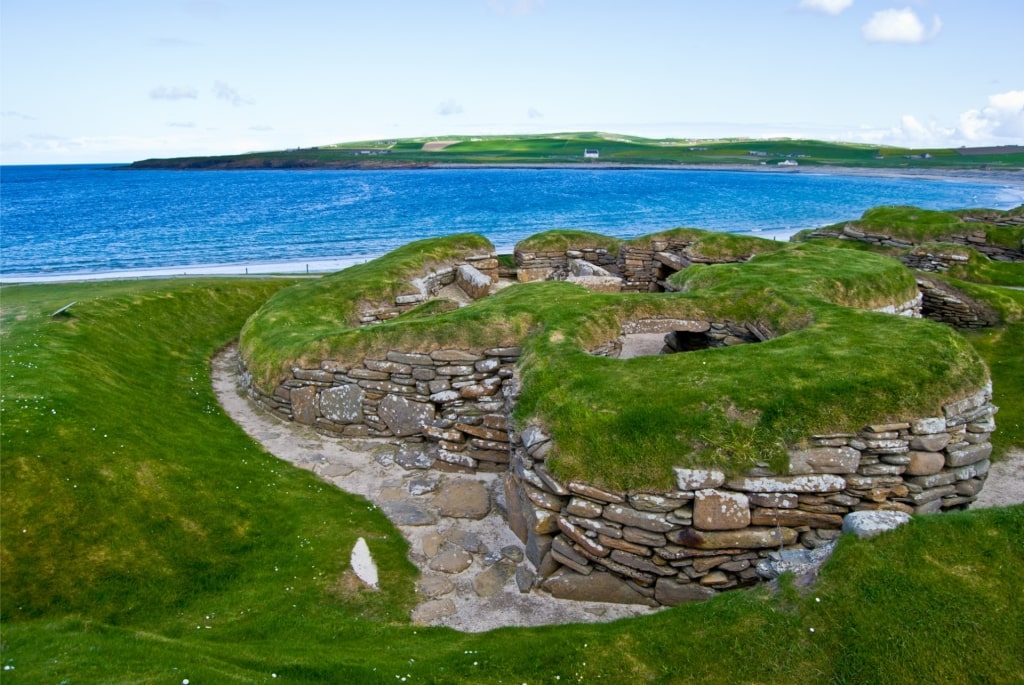
Skara Brae, Scotland
It means adding time to your itinerary but the Scottish islands bring a very different feel to any trip to Scotland and Ireland. While Orkney is very green and Scottish, wilder Shetland has deep links to its Norse past.
Orkney’s Neolithic heritage comes to life at Skara Brae, making Kirkwall Old Town look relatively young. St. Magnus Cathedral, The Earl’s Palace, and the historic harbor of Scapa Flow also have their own stories to tell.
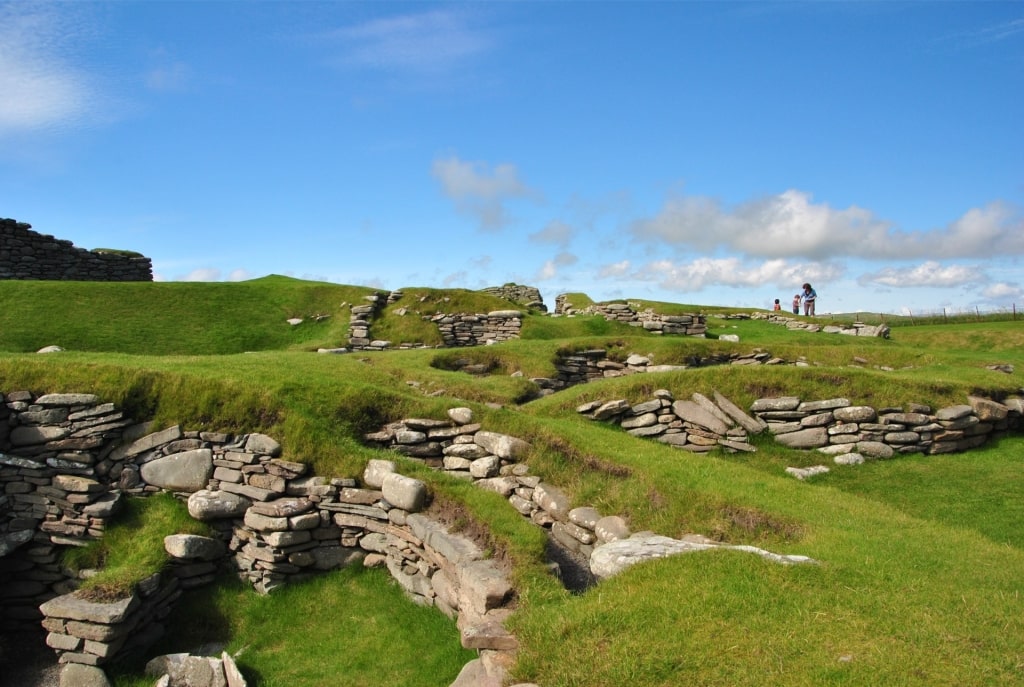
Jarlshof Prehistoric & Norse Settlement, Scotland
In Lerwick, visit the historic waterfront, Fort Charlotte, and the Shetland Museum & Archives for insights into Shetland’s history. The Jarlshof Prehistoric & Norse Settlement is an archaeological site spanning 4,000 years.
At Sumburgh Head, bird lovers will be in their element, while the dramatic cliffs and lighthouse enchant photographers. The uninhabited Mousa Island has a 2,000-year old round stone tower with spectacular views.
Pick the Right Season
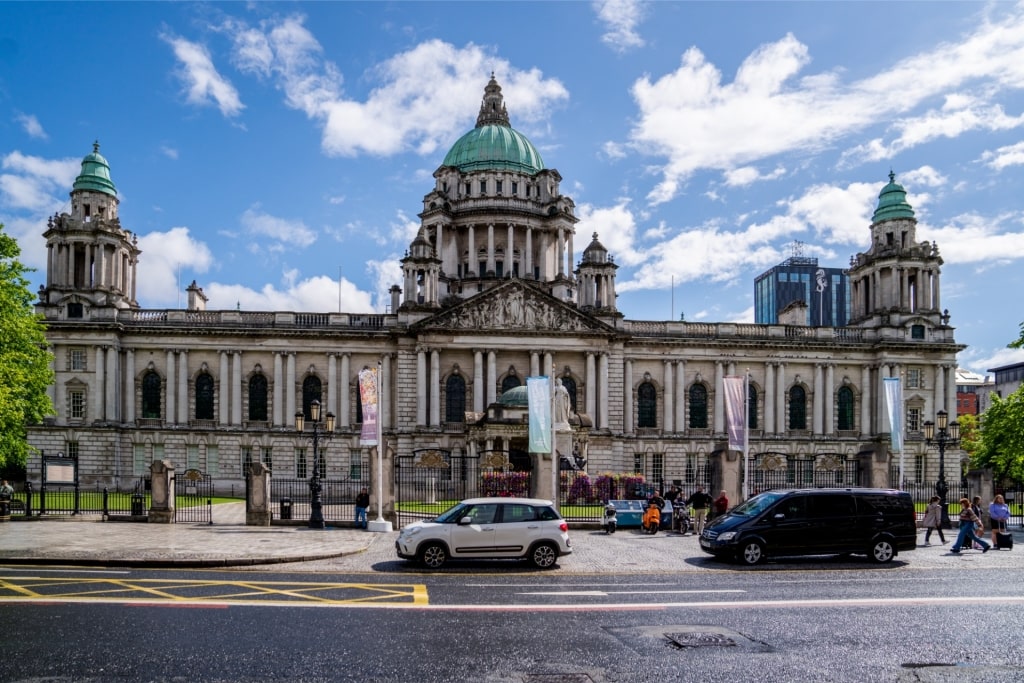
Belfast, Northern Ireland
When planning a trip to Scotland and Ireland, bear in mind that peak season is June through August. This is when you can expect the warmest weather—54 to 68°F—with long daylight hours.
The shoulder seasons in May and from September to early October see fewer visitors and mild weather. The beautiful colors of autumn or the blooming flowers of spring also bring the countryside to life.
The off-season is November through April, when you can expect short, rainy, and cold days. It’s the best time to visit Ireland and Scotland for misty Celtic atmosphere and lingering in a cozy pub.
Embrace Your Roots
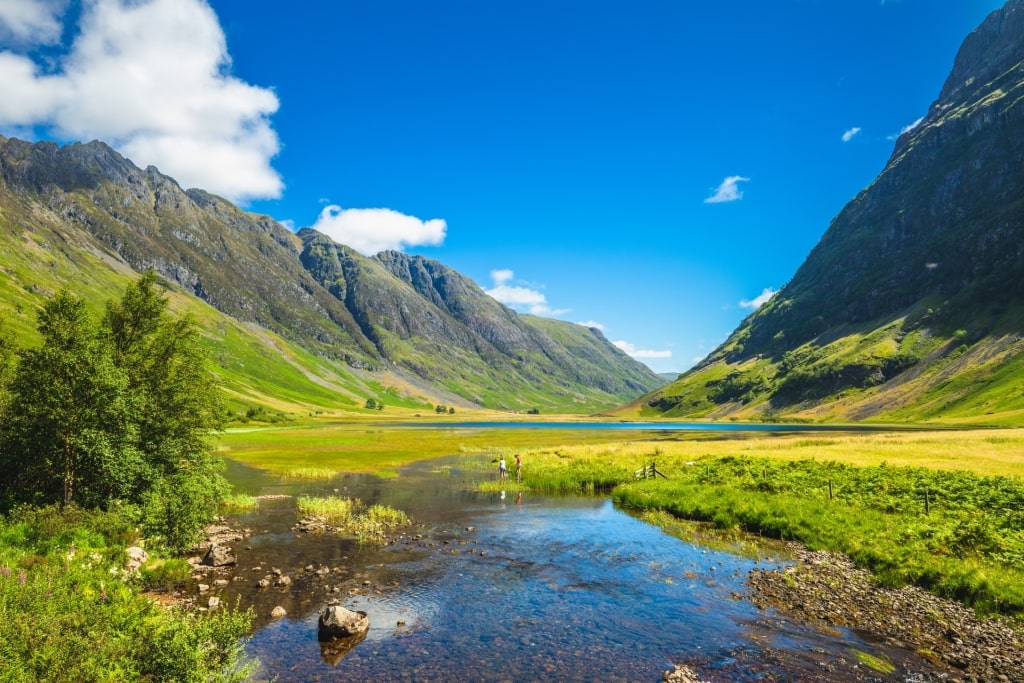
Glen Coe, Scotland
If you’re tracing any Celtic roots in Scotland and/or Ireland, there are many places that bring history to life. You can find help in tracing specific family names, or more generally discover how your ancestors might have lived.
Scotland is known for its rugged Highlands, which are still deeply connected to its ancient culture. Glen Coe and the area around Fort William in particular have deep clan histories and fascinating archaeological sites.
Many Highland towns and villages have heritage centers that trace family lines. In Edinburgh, you can buy specific clan tartans and find out more about the culture.
In Ireland, the west coast is full of mythic Celtic romance. On the Ring of Kerry, you’ll find ancient stone forts, ogham stones, and the evocative ruins of old cottages.
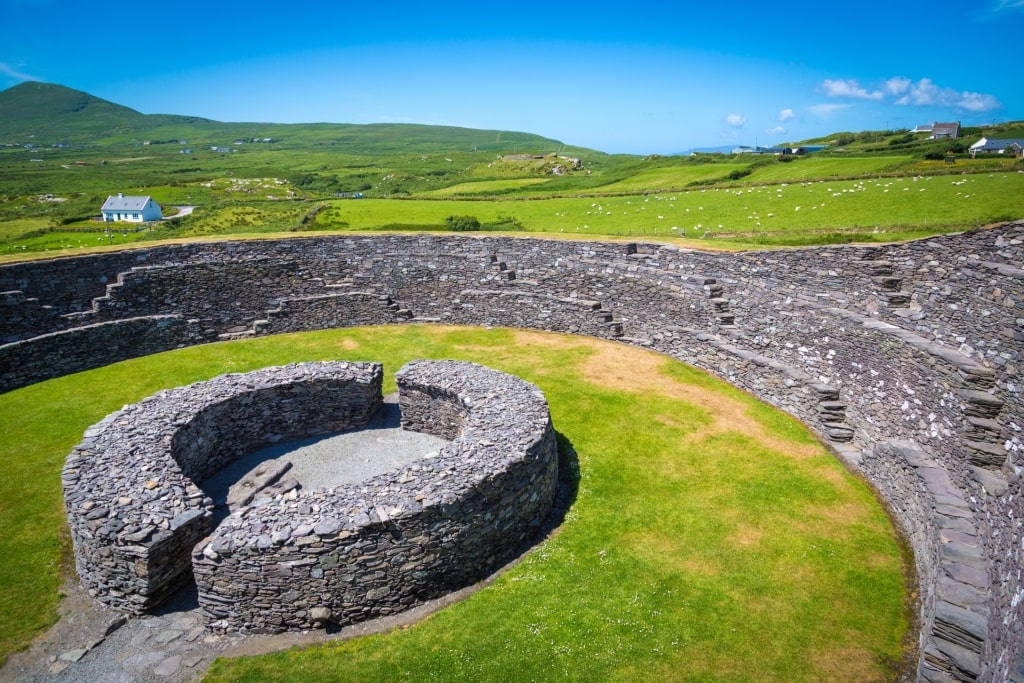
Cahergall Stone Fort, Ireland
The National Archives in Dublin and the General Register Office have plenty of genealogy resources. Many Irish counties also have their heritage centers to help in family research.
The EPIC Irish Emigration Museum in Dublin offers an interactive look at the Irish diaspora. It can help you with genealogical research if you book ahead.
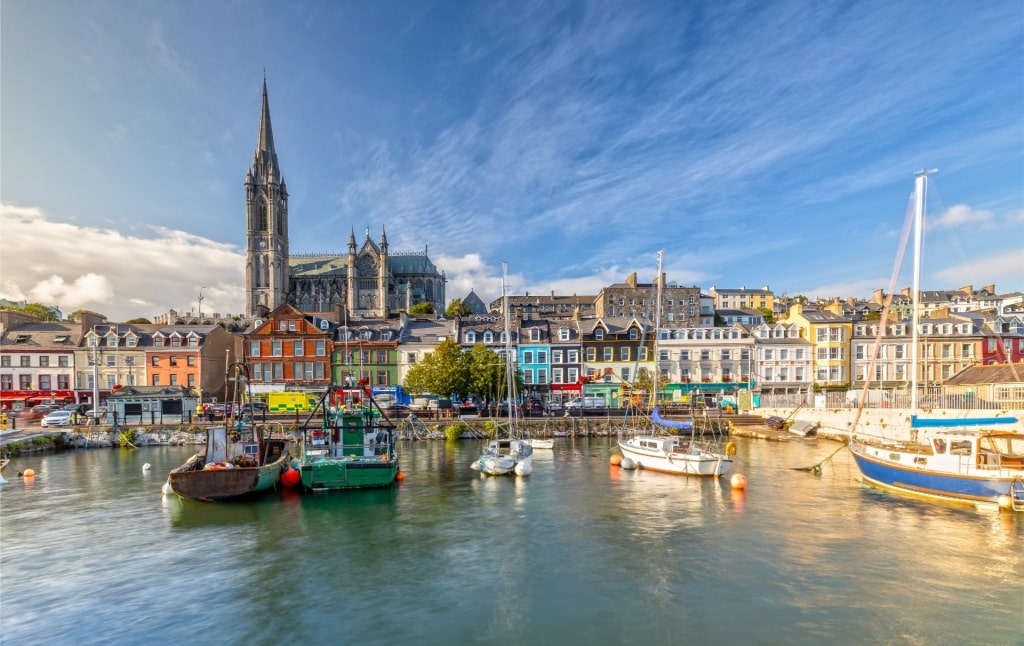
Cobh, Ireland
The port of Cobh near Cork was the last call for the Titanic and for millions of Irish emigrants. Cobb Heritage Centre brings the experience to life with exhibits such as heartbreaking farewell letters.
In Northern Ireland, the Ulster American Folk Park in Omagh focuses on the Ulster-Scots experience. Many Northern Irish Protestants emigrated to Appalachia and 17 US presidents had Ulster-Scots roots.
Read: Ireland Travel Tips
Expect Four Seasons in a Day
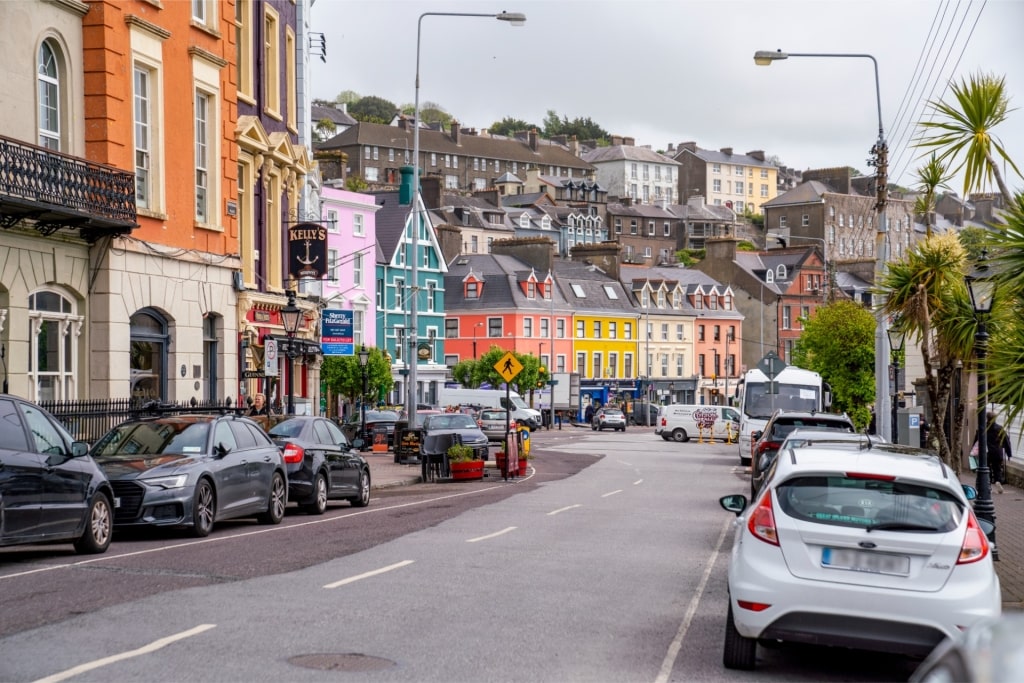
Cork, Ireland
Whether it’s summer or winter, you could feel rain on any day in Scotland or Ireland. As the old saying goes: “You know it’s summer when the rain is warm.”
Equally, you might have days of glorious sunshine when you least expect it. The only solution when planning a trip to Ireland and Scotland is to bring layers, with a good jacket that’s both waterproof and wind-proof.
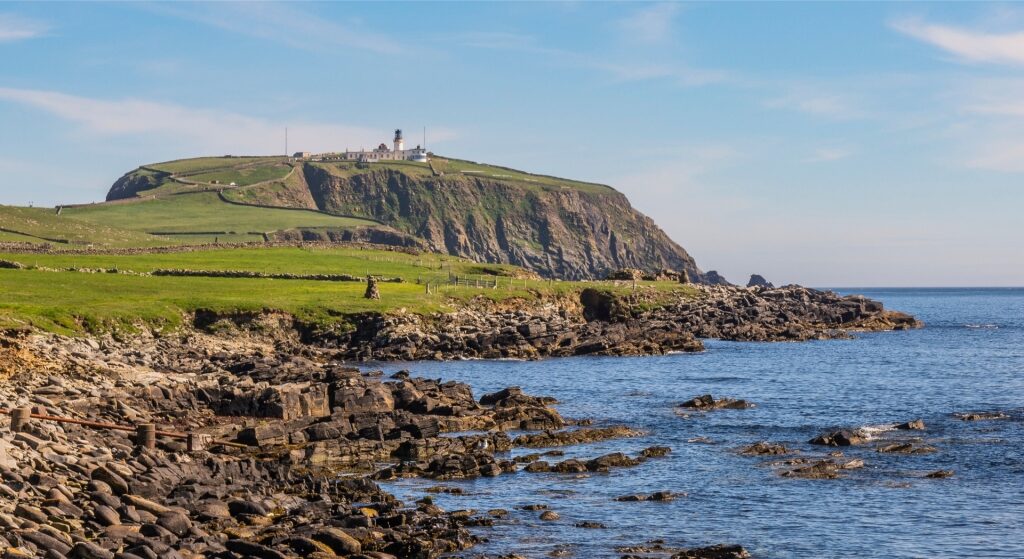
Sumburgh Head, Scotland
In Scotland, midge repellent is essential in the Highlands from May to September. Despite the cold temperatures, sea swimming is very popular in both countries, so pack a swimsuit in case you’re tempted to brave it yourself.
Visit the National Museums
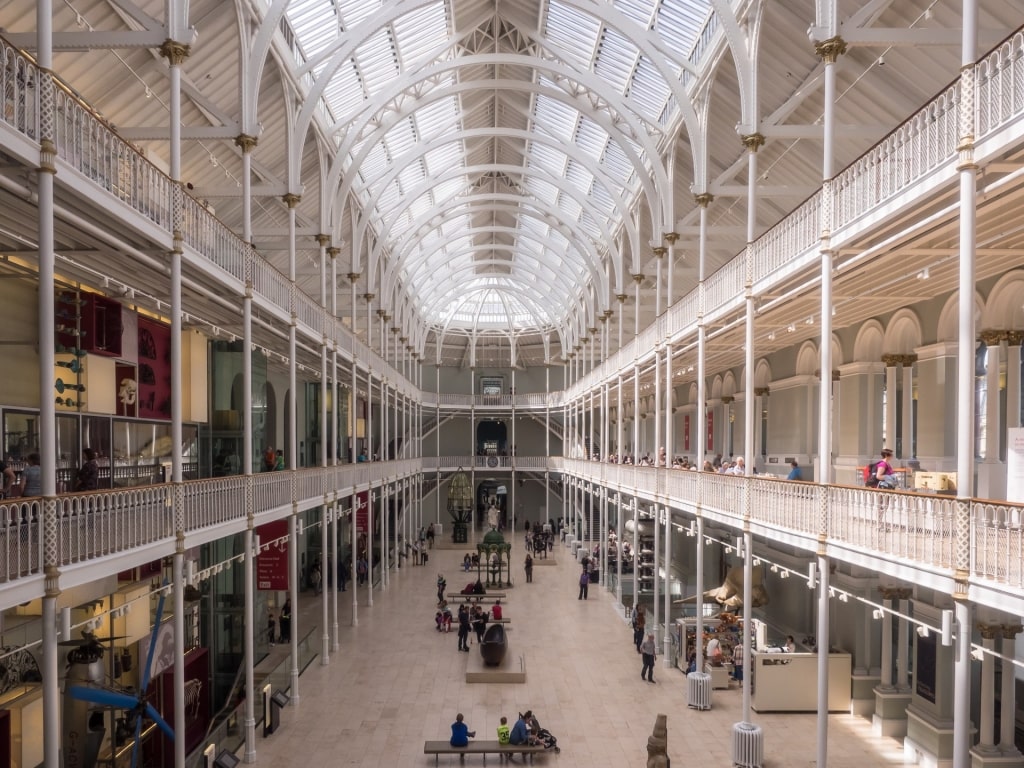
National Museum of Scotland in Edinburgh, Scotland
For an overview of the roots of Scottish and Irish culture, a good place to start is a museum. Edinburgh has the National Museum of Scotland, while Inverness hosts the Museum of the Highlands.
Between them, they cover Scottish history from prehistoric times through the Viking Age to the emergence of the Highland clans. Covering folklore and culture, they also bring you into the age of Scottish pop music.
In Dublin, the National Museum of Ireland is most famous for its bog bodies and Celtic gold finds. Belfast’s Ulster Museum also covers Irish history from the Bronze Age to the “Troubles” of the 1960s onward.
Read: Scotland vs Ireland: Which Should You Visit?
Make Time for the Food
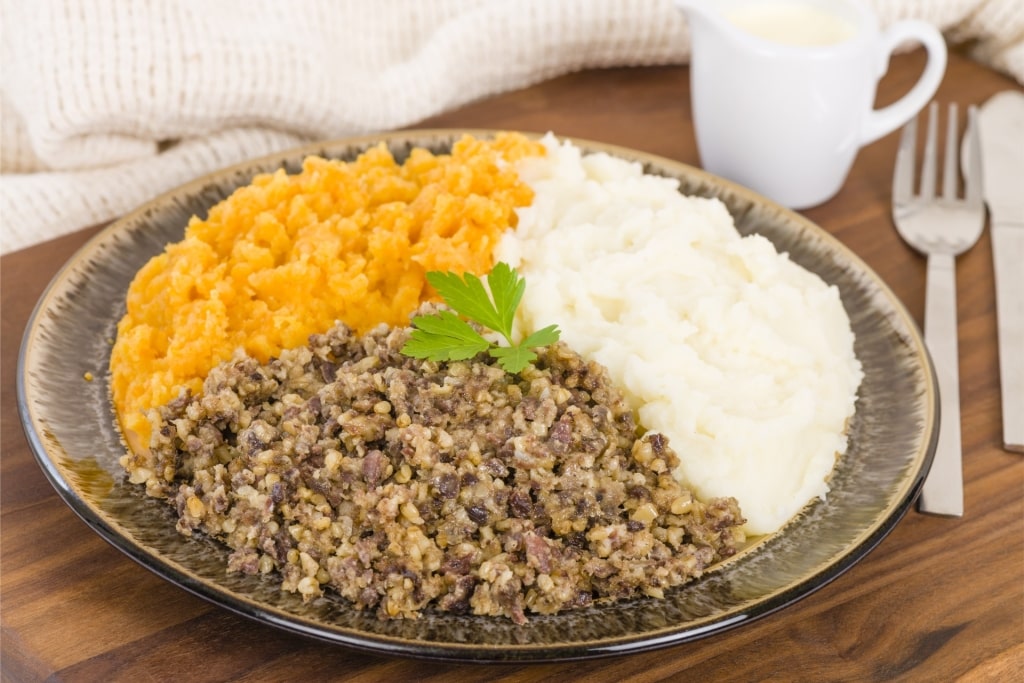
Haggis
Both Scotland and Ireland have their own distinct dishes you might want to try. While not everyday fare, they are found regularly on restaurant menus.
You can’t go to Scotland without tasting Haggis, a classic Scottish dish traditionally served with neeps and tatties, mashed swede or turnip and potatoes. Cullen skink, a smoky fish soup, and Aberdeen Angus beef might feel like safer ground.
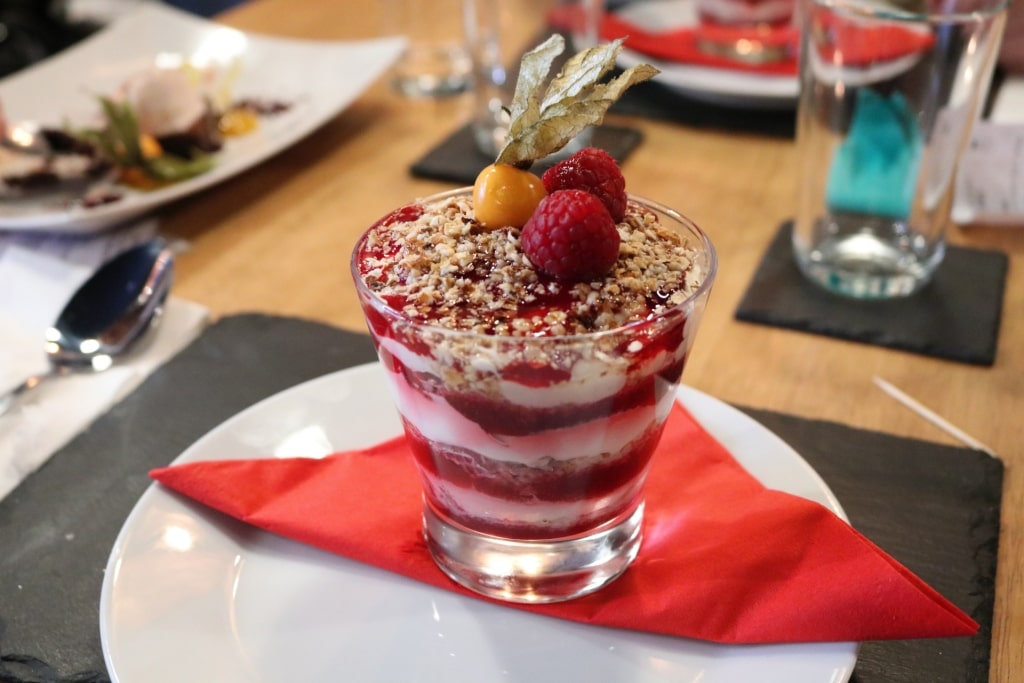
Cranachan
Scottish shortbread is an essential souvenir to take home and savor. Cranachan, a whisky and oats dessert, is more of an eat-now proposition.
For Scotch whisky, you can tour distilleries such as Talisker or Glenfiddich. Even simpler is to just find a good pub and try some of the many brands on offer.

Irish stew
In Ireland, Irish stew is a must-try, along with soda bread, boxty or potato pancake, and fish & chips. You’ll want to search out fresh oysters in Kerry, and the apple pie everywhere.
Guinness needs no introduction, and neither does the whisky Ireland is famous for. The two big names to put on your itinerary are Jameson in Dublin and Waterford, and Bushmills in Northern Ireland.
Ireland & Scotland Trip Planning FAQs
How many days do you need to see Ireland and Scotland?
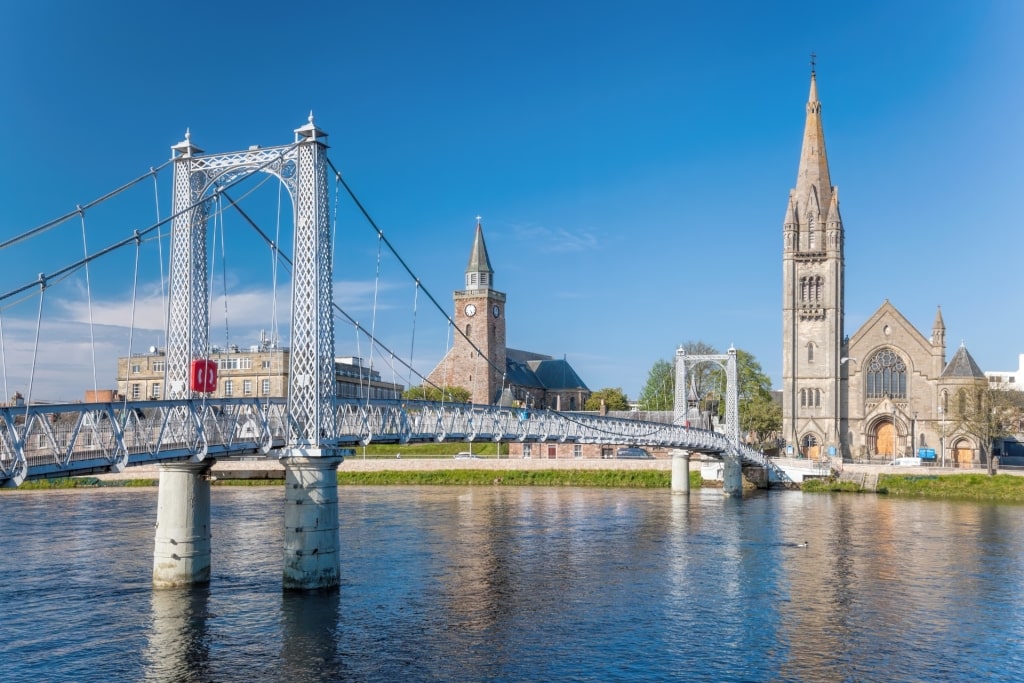
Inverness, Scotland
You could spend a lifetime discovering all there is to see in Scotland and Ireland. However, both countries are small and the highlights can be seen in a week or less.
A good compromise if time is short is to spend a day each in some of the major cities. That will give you a good overview for a longer return trip to delve deeper into anywhere that interests you.
What is the best month to visit Ireland and Scotland?
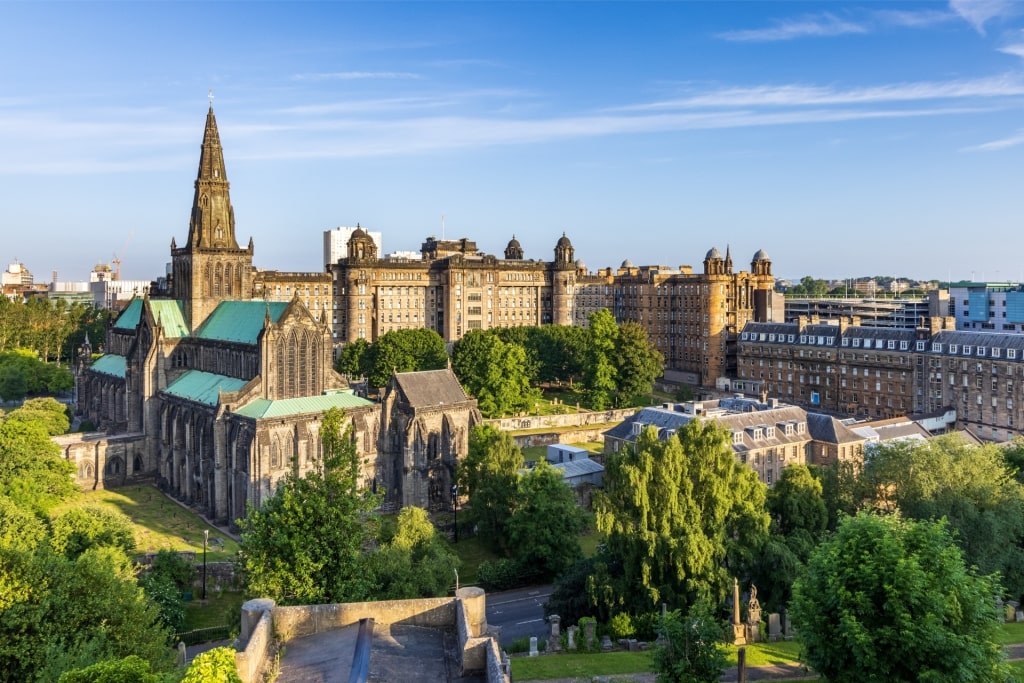
Glasgow, Scotland
August is the height of summer, when you have the best chance of good weather. However, September sees local schools return, meaning fewer crowds at key attractions, while weather is often still very mild.
Should I visit Ireland and Scotland together?
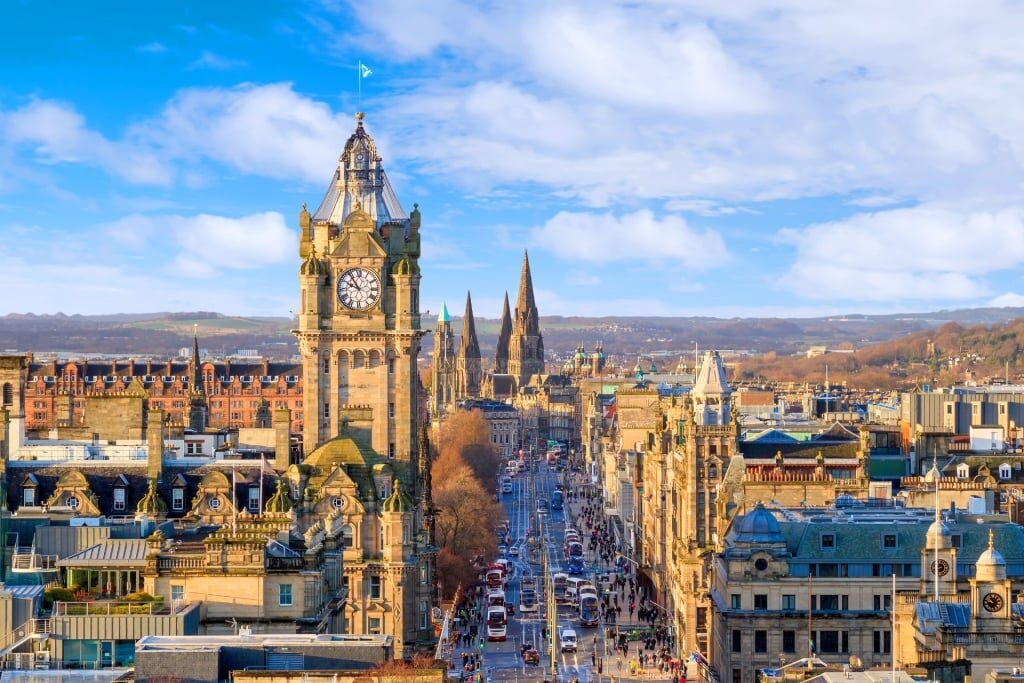
Edinburgh, Scotland
It’s very possible to see the highlights of both countries in a short visit. Edinburgh, Glasgow, Belfast, Waterford, and Cork are compact cities but will really need a day each to explore fully.
While they have a shared Celtic culture, both Ireland and Scotland have their own distinct landscapes and different history. It’s good to compare the two on one trip to see which—if not both—you’ll be tempted to come back to.
What are the must-see places in Ireland and Scotland?
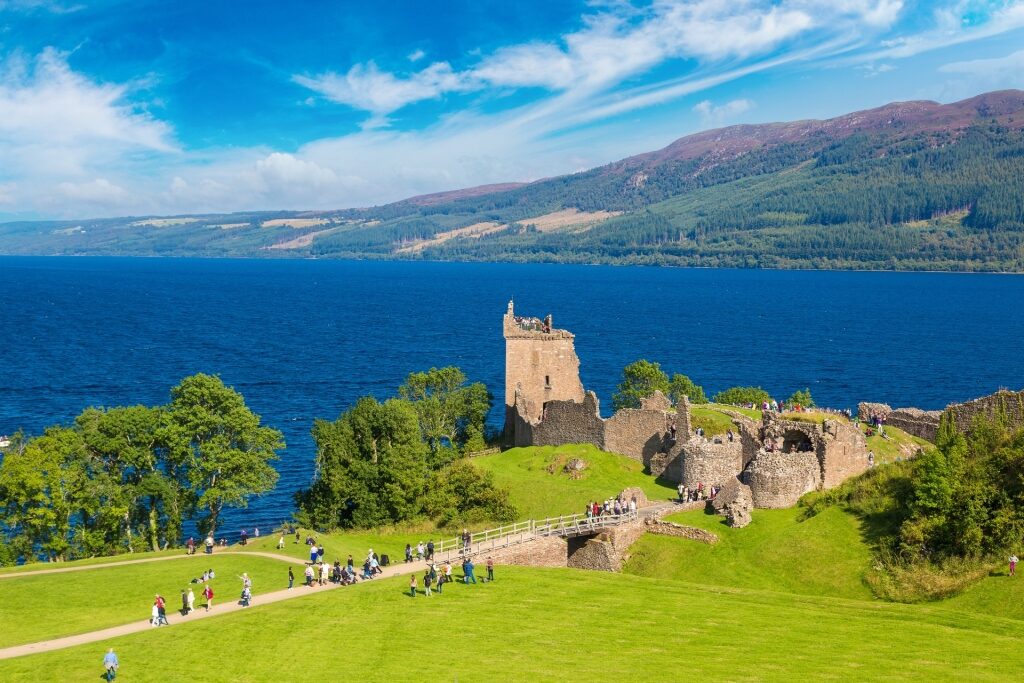
Loch Ness, Scotland
In Scotland, Edinburgh’s Old Town and Arthur’s Seat are major sights. The Highlands, particularly Glencoe and Loch Ness, and castles such as Stirling are also essentials.
In Ireland, you’ll want to see Dublin’s Book of Kells and the Ring of Kerry. In Northern Ireland, the Giant’s Causeway and Belfast’s Titanic Museum are key sights.
What should I pack?
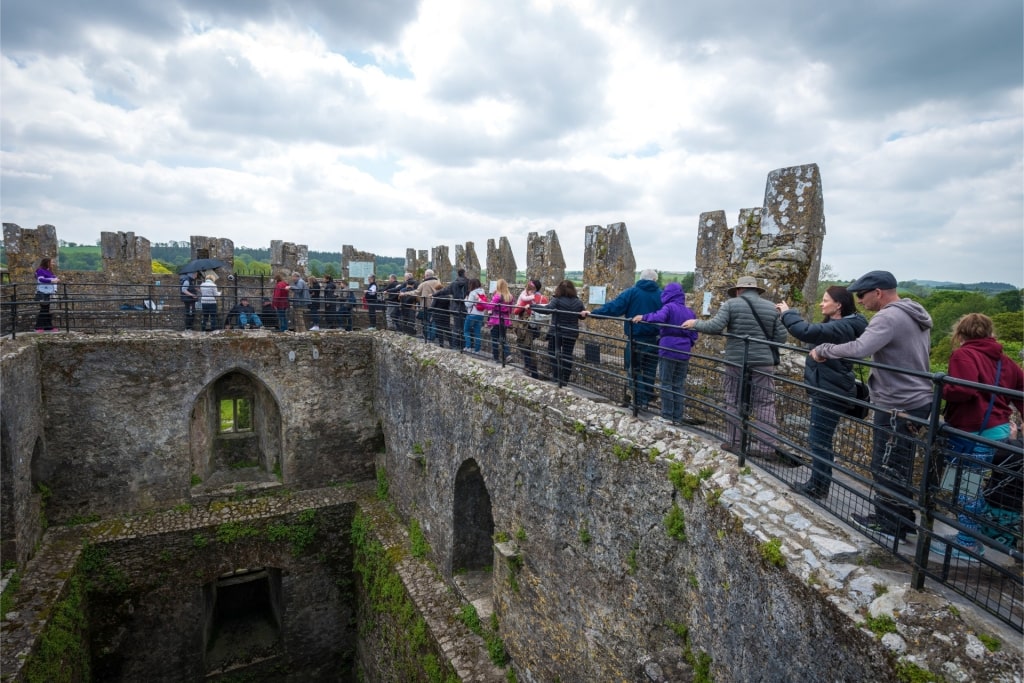
Blarney Castle in Cork, Ireland
Besides good waterproof jackets and warm layers, you’ll want to pack comfortable shoes when planning a trip to Ireland and Scotland. You’ll do a lot of walking, perhaps on cobblestone streets or worn castle walkways.
Both pubs and restaurants tend to be very informal, so there’s no need for smart clothing when going out. While Celtic design is certainly a thing, everyday wear is more about being comfortable in changeable weather than being stylish.
What about tipping?
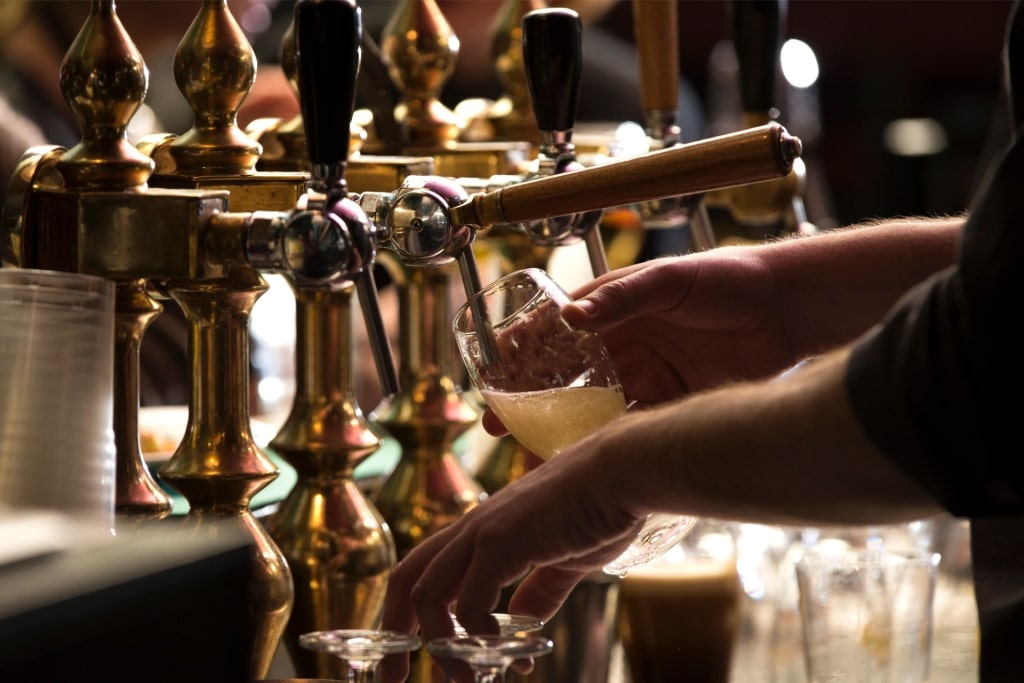
Irish pub
Restaurants may add a service charge, but otherwise, a ten to 15% tip is always appreciated. Tipping is not the norm in pubs and most now prefer paying by card as the efficiency helps busy bar staff.
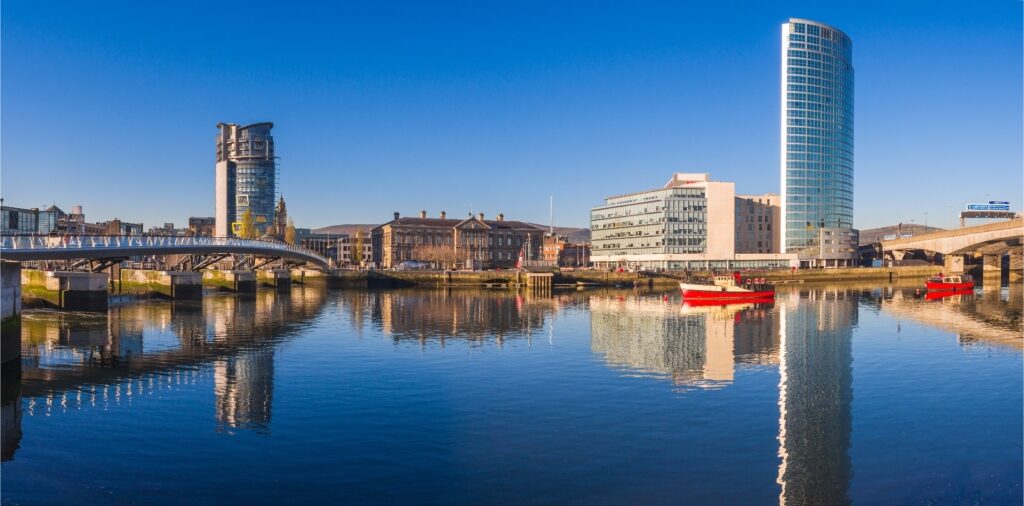
Belfast, Northern Ireland
Are you tempted to discover these fascinating countries for yourself? Browse Celebrity’s cruises to Scotland and Ireland and find your dream vacation.