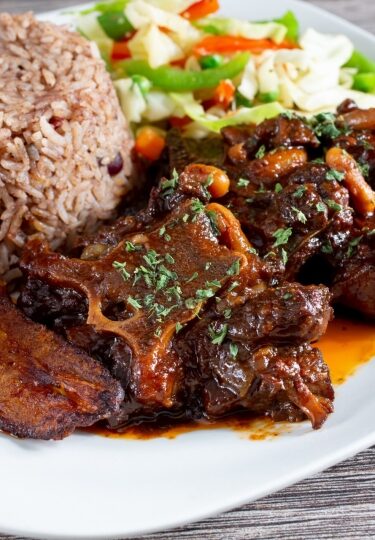
Food in Bonaire is an adventure all on its own–whether grabbing a fresh pastechi on your way to the beach or sitting down for a hearty bowl of Baka Stobá, you’ll find that every dish in Bonaire is made with heart and soul.
Part of what makes Bonaire a wonderful food destination is the mix of culinary influences present in its most traditional dishes. Bonaire, together with Curaçao and Aruba, comprises the ABC Islands and forms a unique melting pot of cultures. Many dishes are a blend of Dutch, African, Caribbean, and even Spanish and South American cuisines.
Whether you’re visiting Bonaire for the first time or planning a trip to one of the other ABC islands, here are some of the best dishes to keep in mind when you’re deciding on what to eat in Bonaire.
Pastechi
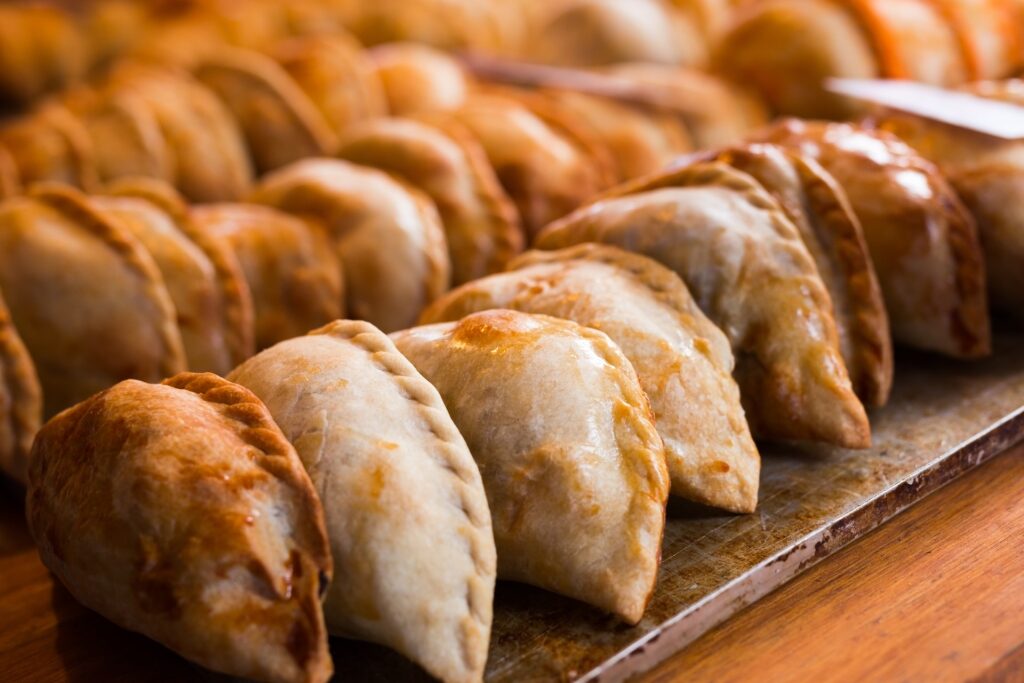
Pastechi
If you’ve ever had an empanada while traveling through South America, you’ll find that pastechis look similar. Just like the popular Latin treat, pastechis are half-moon-shaped and filled with ingredients like ground beef, chicken, cheese, and other savory fillings. Unlike empanadas, however, pastechis are usually made with plain flour or pastry dough, which gives them a slightly sweeter taste and a softer texture.
Since pastechis are easy to hold in your hand, they make for great snacks at any time of day. You can find this on-the-go treat all over the island, from food trucks serving them up fresh to supermarkets and local bakeries. There are many different fillings to choose from, including tuna and other freshly caught fish.
Piska Kriyoyo, or Creole-Style Fish
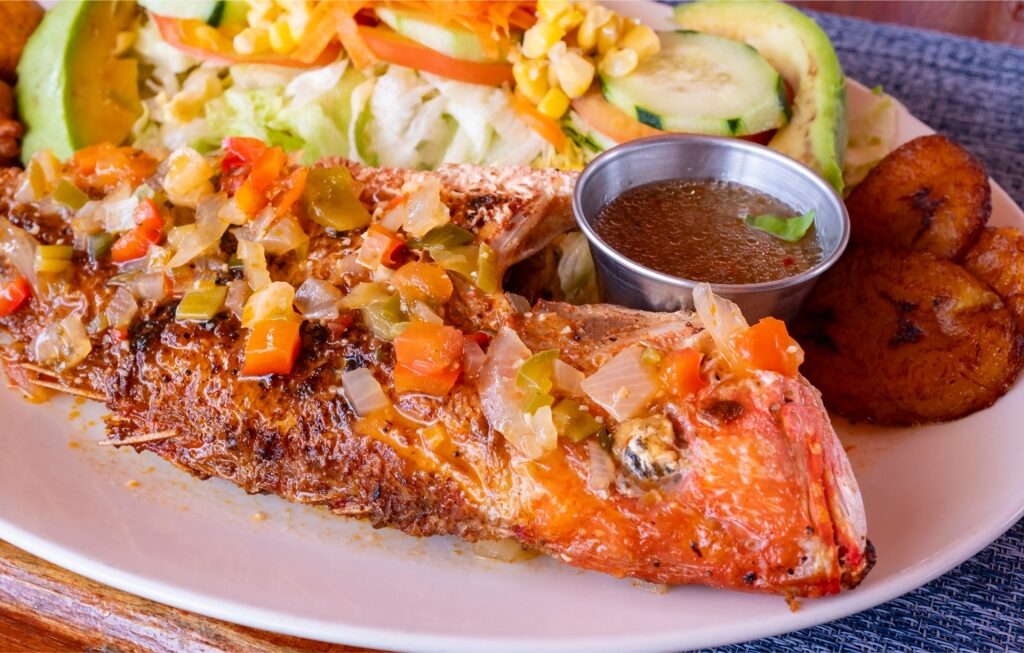
Creole-style fish
Another common dish you’ll see on the menu at most restaurants in Bonaire is Piska Kriyoyo. Piska means “fish” in Papiamentu, and Kriyoyo stands for “traditional.” To make this classic fish dish, chefs typically pan-fry or grill a piece of freshly caught, local fish and then top it with a tomato-based sauce.
The sauce is usually mildly to moderately spicy, which I personally love, but might not be for everyone. Of course, if you’re not a fan of too much spice, you can always ask the restaurant to make it milder. Either way, this is a must-try when pondering what to eat in Bonaire.
Sopi Piska, or Fish Soup
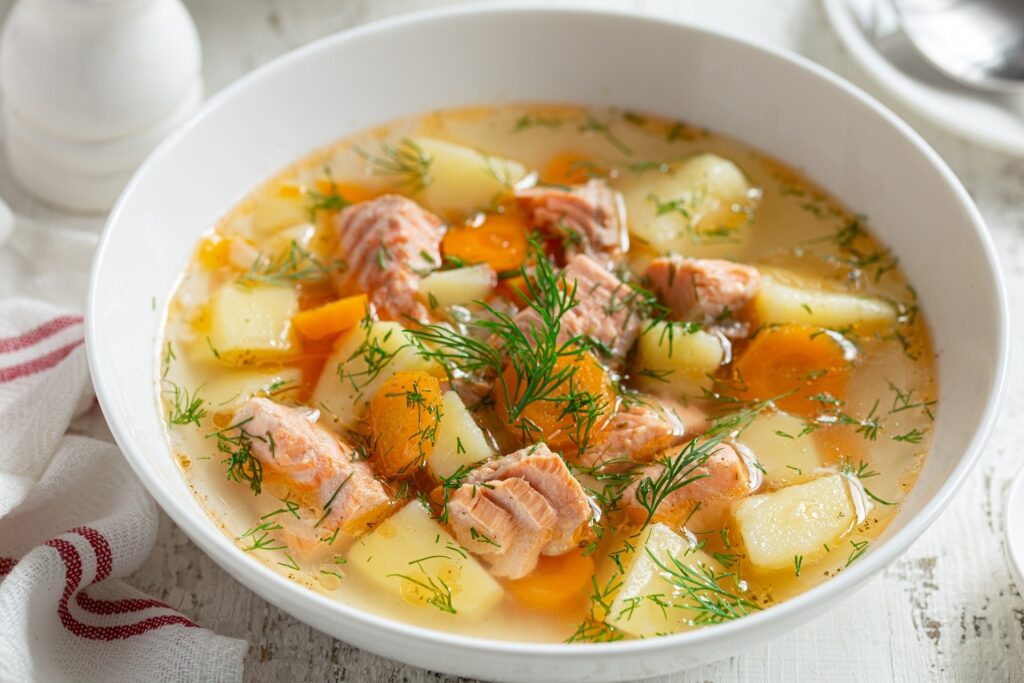
Fish soup
Chicken noodle soup might be the go-to comfort food for most Americans, but in Bonaire, it’s all about Sopi Piska.
Every recipe is a little different, but you can count on staple ingredients like fresh fish, vegetables, and a sprinkling of herbs. This traditional Caribbean fish soup is usually served as either a starter and a main course, depending on how hungry you are and how large the portions are at the restaurant where you’re dining.
Read: Best Beaches in Bonaire
Cabritu Stobá, or Goat Stew
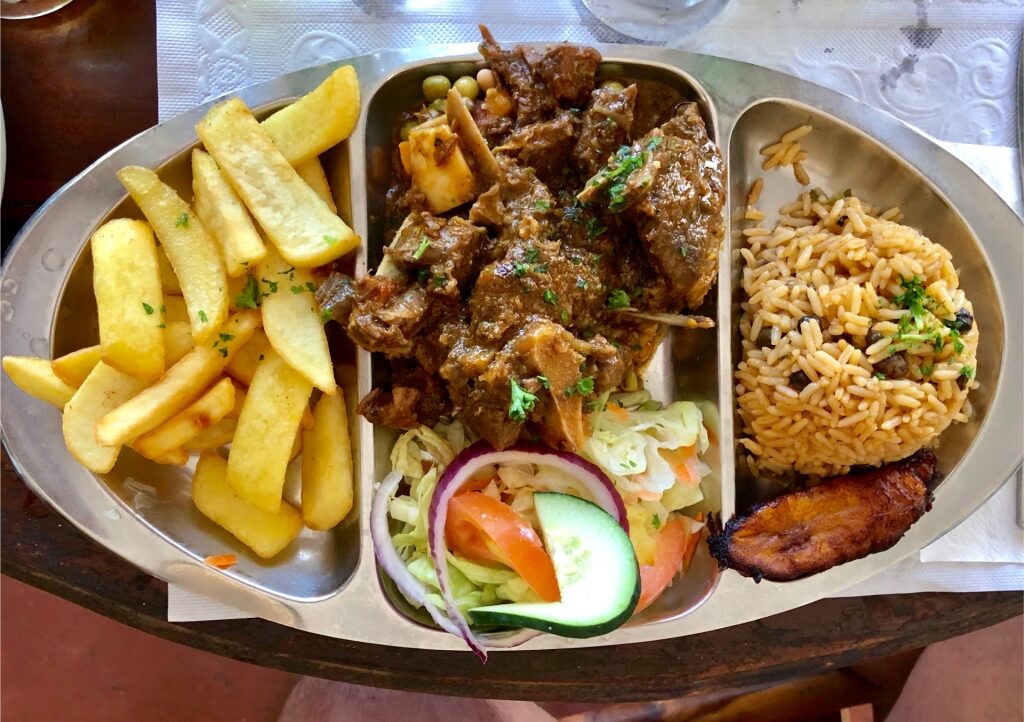
Goat stew
Another popular comfort food served on the island is Cabritu Stobá, or goat stew. The first step in preparing this dish is slow-cooking the goat meat. Aromatic ingredients such as tomatoes, garlic, and onions, along with spices like cumin and thyme, are also added to the pot.
Once the meat is tender, the remaining ingredients are added, including white vinegar and lime juice. Some recipes call for brandy while others focus more on adding hearty vegetables into the mix. Just as for Sopi Piska, definitely order this dish when you’ve worked up an appetite.
Baka Stobá, or Beef Stew
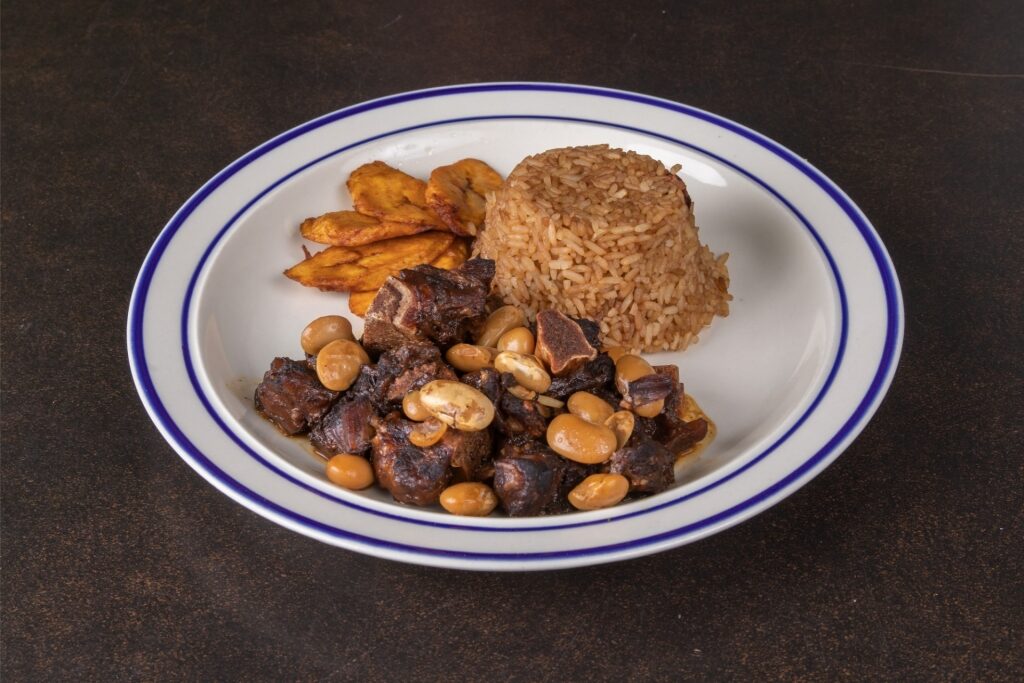
Beef stew
Another type of stew to try in Bonaire is Baka Stobá. As with many Caribbean stews, you’ll find this dish—also sometimes written as Karni Stobá—in all three of the ABC islands, including Bonaire. Slow-cooked, tenderized beef is the main ingredient, with onions, garlic, and bell peppers adding flavor and texture.
This is a stew with some fire and spice: some recipes call for cumin, while others use Scotch Bonnet peppers for an extra kick. Often served alongside rice, it’s the perfect way to refuel after an action-packed land or sea adventure.
Keshi Yena, or Stuffed Cheese
Also found throughout the ABC islands, Keshi Yena was first created by enslaved people during the Dutch colonial era. At the time, they would take the rinds of large cheese wheels that had been hollowed out and fill the shells with scraps of meat and whatever other ingredients they had at their disposal that day.
Fillings vary just as much now as they did back then. Still, many recipes feature seasoned meat, vegetables, and maybe capers or olives. This dish is a great example of the creativity and history behind food in Bonaire and the ABC islands.
Guiambo, or Okra Soup
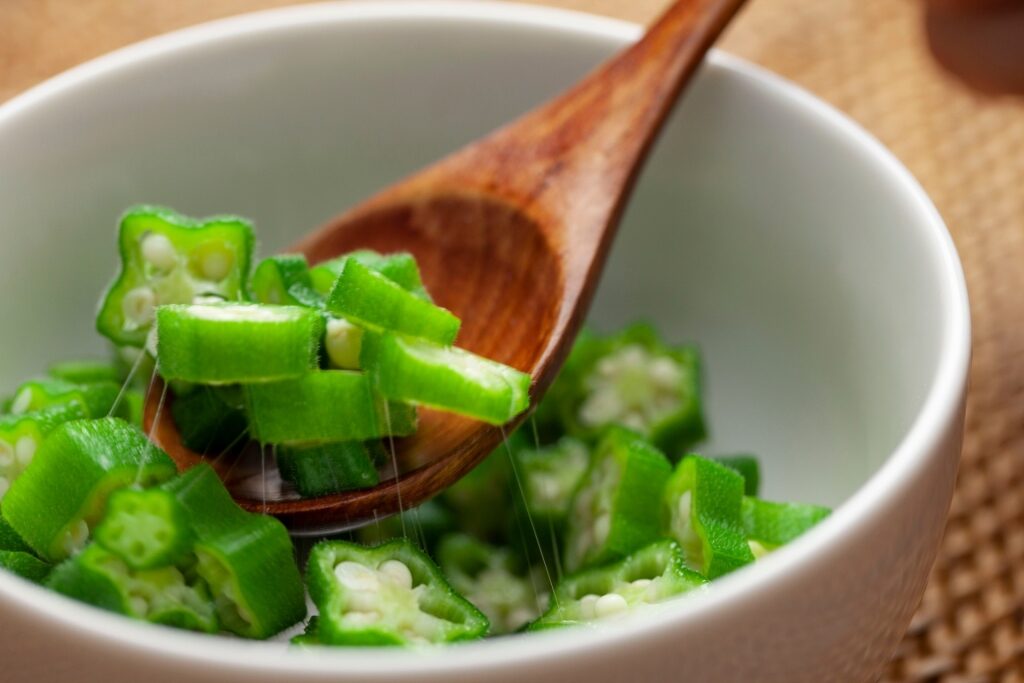
Okra
Guiambo, or okra soup, is another traditional dish to try in Bonaire, and can be enjoyed as both a starter or a main course. Okra is the main ingredient for the soup, with Caribbean seafood there to provide a bit of protein. As with many other soups you’ll find on restaurant menus in Bonaire, chefs typically add ingredients like garlic, onions, and spices for added flavor and character. Thanks to the large amount of okra in the recipe, Guiambo usually has a greenish hue.
Pika Siboyo, or Spicy Relish
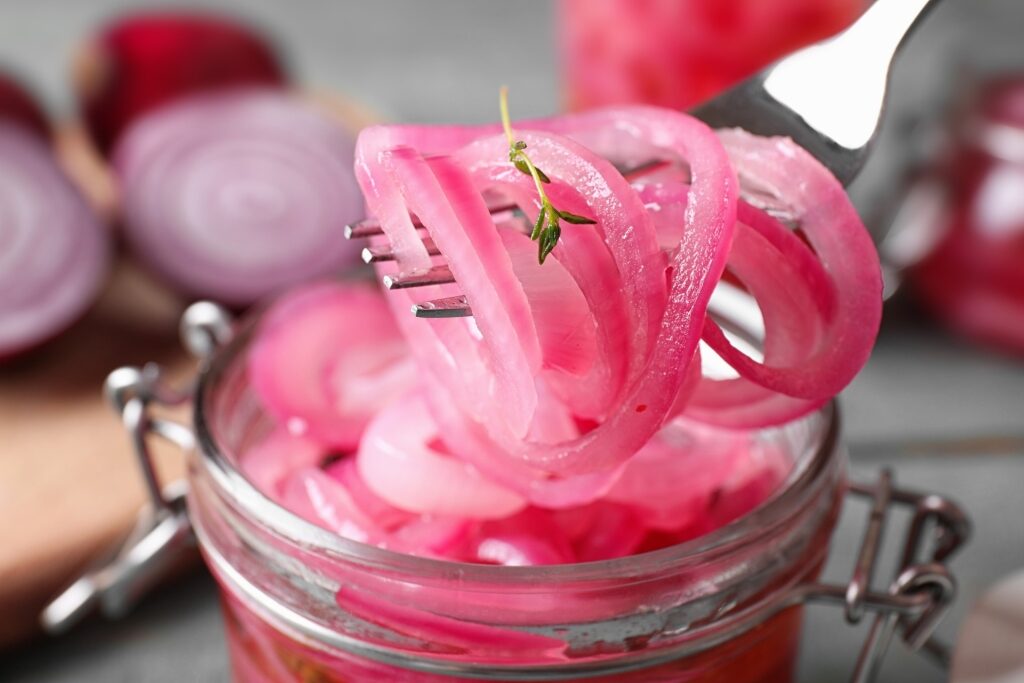
Onions
When it comes to condiments in Bonaire, Pika Siboyo is one you’ll be very familiar with by the end of your trip. To give it its spicy flavor, onions are marinated in vinegar and peppers, then served as a relish with meals.
When I tried Pika Siboyo for the first time, I started with just a small portion to make sure I was ready for the extra kick. The vinegar flavor stood out the most, but overall, it was a delicious condiment for most of the fish dishes I ordered.
Cocada, or Coconut Candy
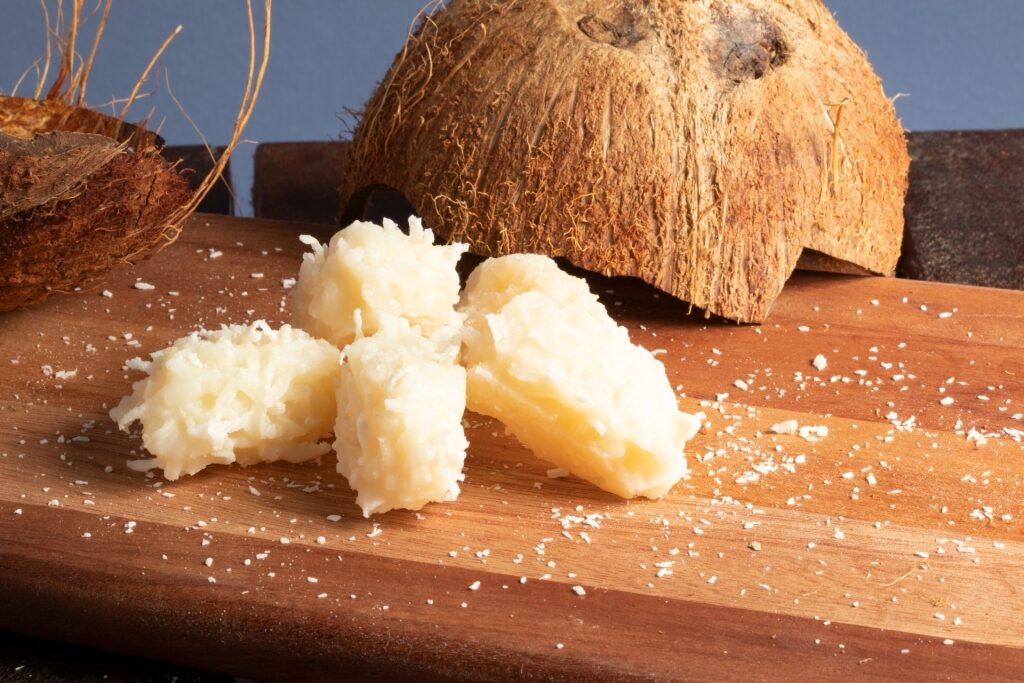
Coconut candy
If you’re craving a sweet treat, Cocada—also spelled Kokada—is a must-try while in Bonaire. To make a Cocada, you only need three ingredients: coconut, sugar, and condensed milk. The mixture is heated on the stove and stirred so that nothing sticks to the pan.
After about half an hour, the thickened mixture is poured onto a baking sheet in small circular shapes, similar to baking cookies. Once the Cocadas cool, they’re ready to pop in your mouth and enjoy.
Funchi, or Cornmeal
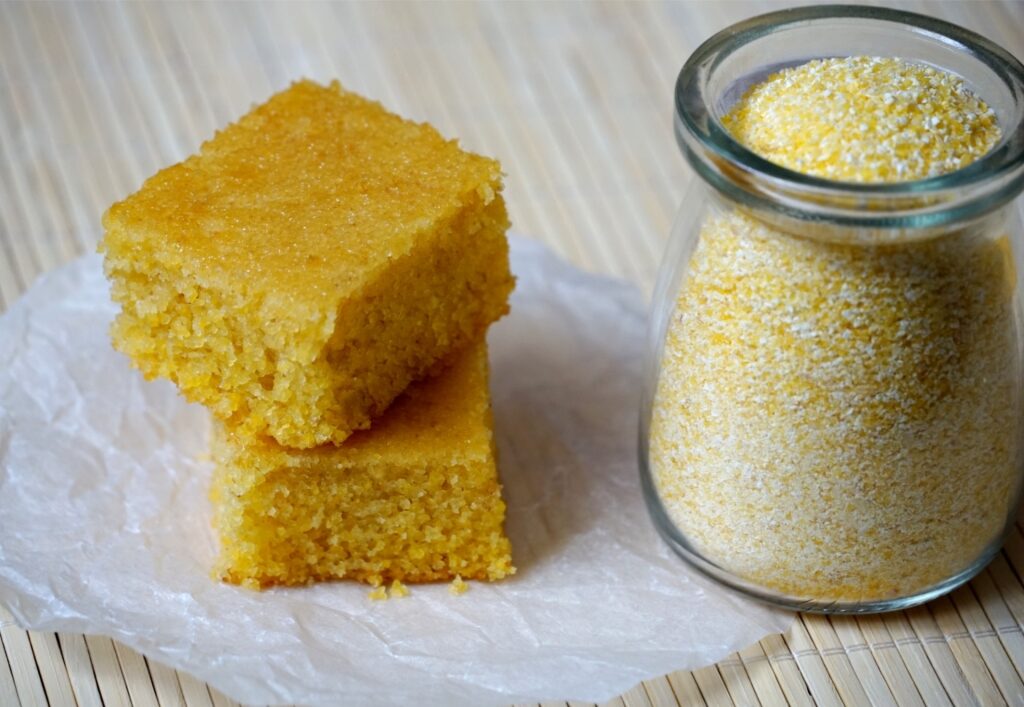
Cornmeal cake
This cornmeal side dish is a staple across the ABC islands and is a fun dish to share at the table. The first time I tried Funchi, I remember thinking that it looked a lot like polenta or other cornmeal-based dishes in the Caribbean, like coo-coo.
In terms of ingredients, it’s a simple recipe: cornmeal, water, salt, and butter or oil. The consistency is thick, almost like a pudding, and the cornmeal gives it its yellow hue. You can eat Funchi on its own, but many locals treat it as a side dish for their meals. After eating it a few times myself, I understood why Funchi is such a go-to comfort food in Bonaire.
Kaasbal, or Cheese Ball
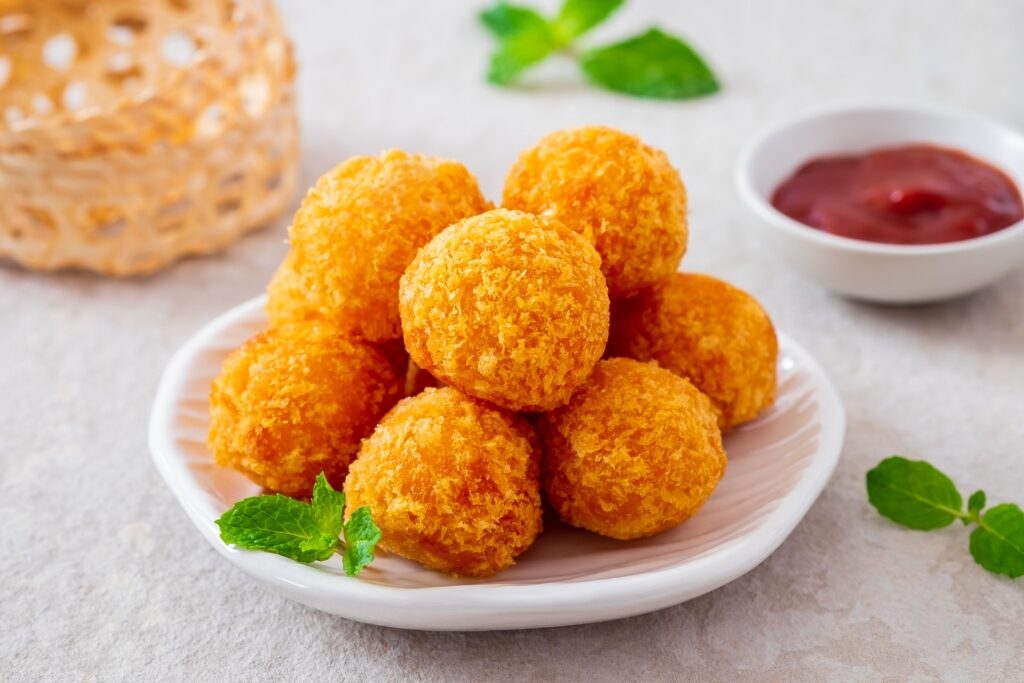
Cheese balls
One of the best snacks I tried in Bonaire is one you can find across the ABC islands. Translating to “cheese ball” in Dutch, Kaasbal is exactly what it sounds like: a deep-fried ball of cheese.
Grated Gouda is the most common cheese used for Kaasbal, giving the cheese balls an intense, concentrated flavor. Enjoy these bite-sized snacks on their own or dip them in garlic mayonnaise or a sauce of your choice.
Sopi Kadushi, or Cactus Soup
A soup made with cactus might not sound like the most appealing thing on the menu, but don’t knock it before you try it. I remember being hesitant to try this soup when I visited the ABC islands for the first time, but it quickly became one of my favorite local dishes. What many travelers may not know is that landscapes in some parts of Bonaire are very desert-like and arid, and the Kadushi cactus can therefore grow and thrive on the island.
The soup is made from cactus pulp and mixed with other local ingredients, such as seafood, vegetables, and a blend of spices. Of course, to get to the cactus pulp, chefs first have to spend time removing the spines and the skin. It’s a labor-intensive job, but the result is a flavorful soup.
FAQs
Is Bonaire a good food destination?
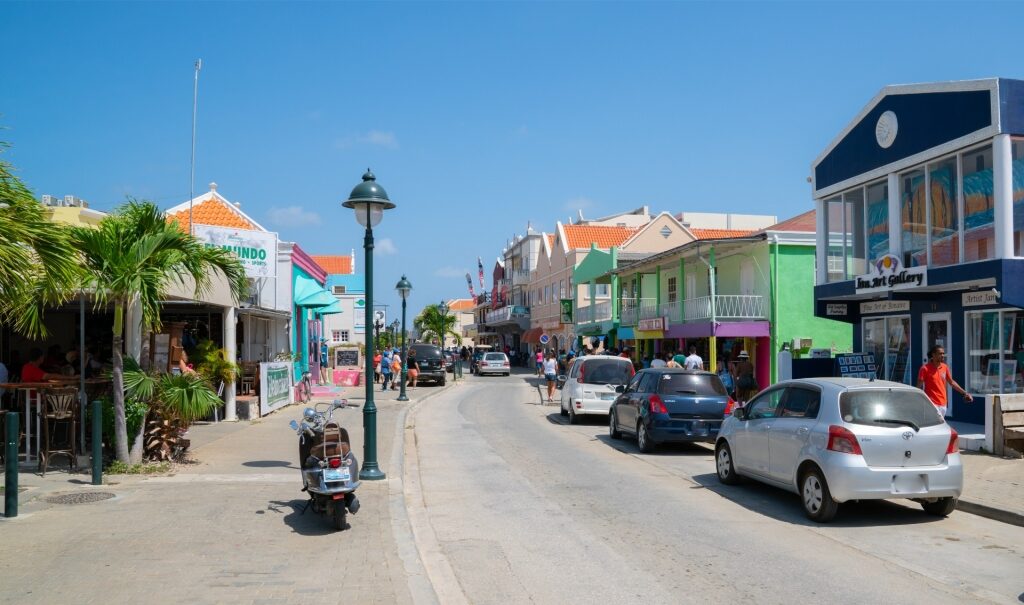
Bonaire
Whether you’re wondering what to eat for a decadent meal in Bonaire or just looking for a tasty snack, you’re in for a real culinary treat. Bonaire is a great food destination, especially for travelers who enjoy going outside their comfort zone and ordering some of the more traditional dishes.
There’s a definite focus on local fish and Creole flavors, which shine through in long-simmered comfort dishes like stews and soups. There are also Dutch culinary influences in Bonaire cuisine, such as Gouda cheese, a common ingredient in dishes like Keshi Yena.
What dish is Bonaire most famous for?
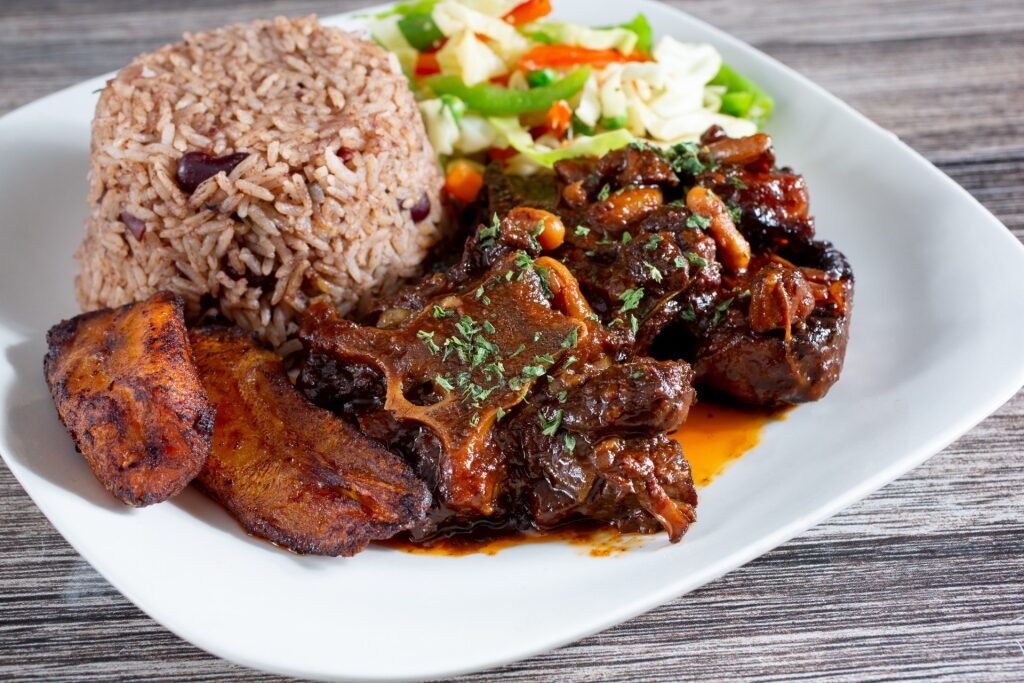
Beef stew
Although it’s hard to pinpoint just one dish that Bonaire is most known for, their stews are high on the list. Kabritu Stobá, or goat stew, and Baka Stobá, or beef stew, are comfort foods most locals have grown up enjoying.
Since Pastechis are quick to order and easy to eat on the go, you’ll also see plenty of islanders and visitors eating these throughout the day.
What time does dinner typically start in Bonaire?
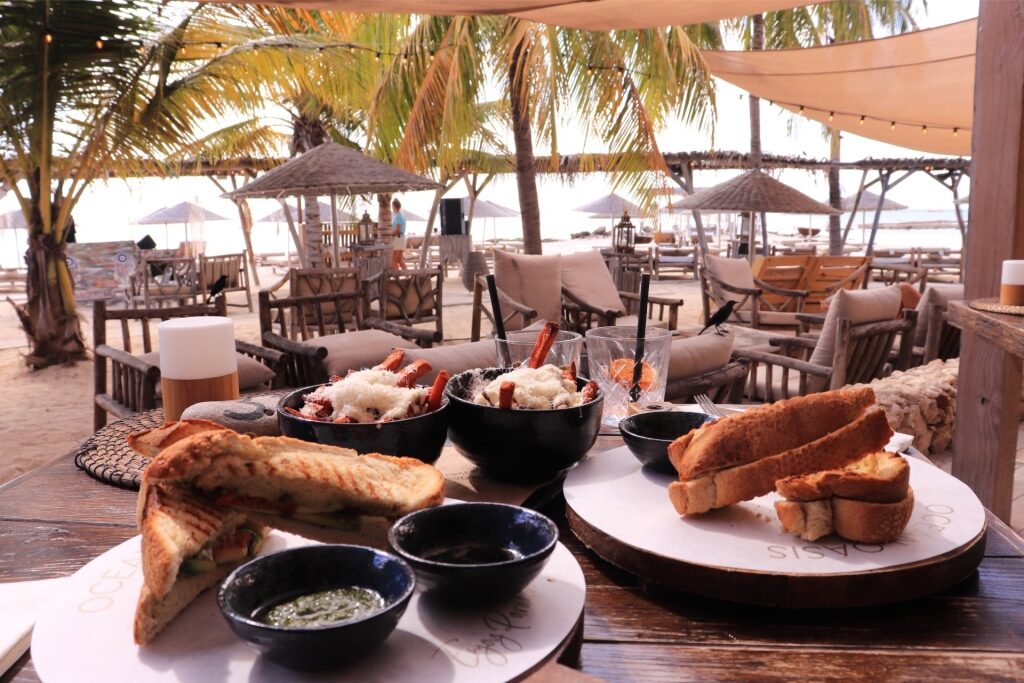
Restaurant in Bonaire
After a day of ticking off your list of things to do in Bonaire, settling in for a sit-down dinner is the perfect way to recap the day’s adventures. In general, dinner starts as early as 5:30 p.m. at most restaurants on the island. If you’re heading to a waterfront restaurant, keep in mind that sunset is peak dinner time, as everyone hopes to take in the views. Whenever possible, make a reservation in advance to secure your table.
Are there any food customs I should know about?
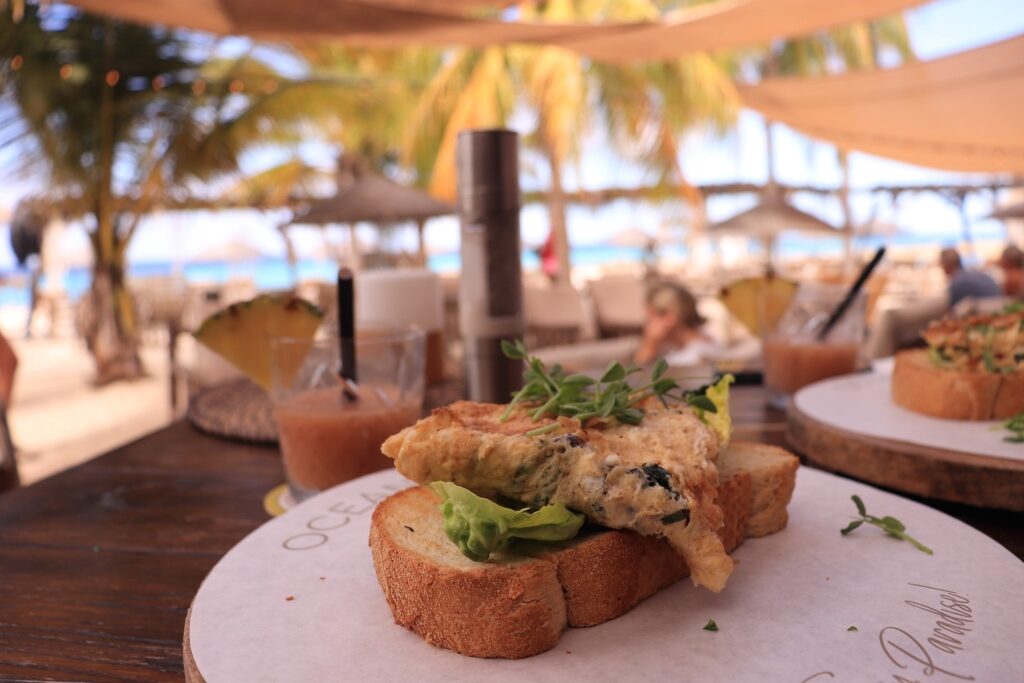
Restaurant in Bonaire
Whenever visiting a new place, brushing up on the existing customs is a good way to show respect to the local community.
For the most part, Bonaire has a fairly relaxed dining culture, and you’ll find that most things are flexible or on “island time.” If you’re not in a rush, plan a bit more time at each restaurant than usual. On the other hand, reservations are encouraged, especially at some of the more upscale restaurants on the island.
As for tipping, the service charge is sometimes added to the bill, but more often than not, it’s at your discretion. Most travelers stick to a 10–15% tip as a standard, and go above that for outstanding service. Credit cards are widely accepted; however, you’re better off paying in cash at food trucks and smaller establishments.
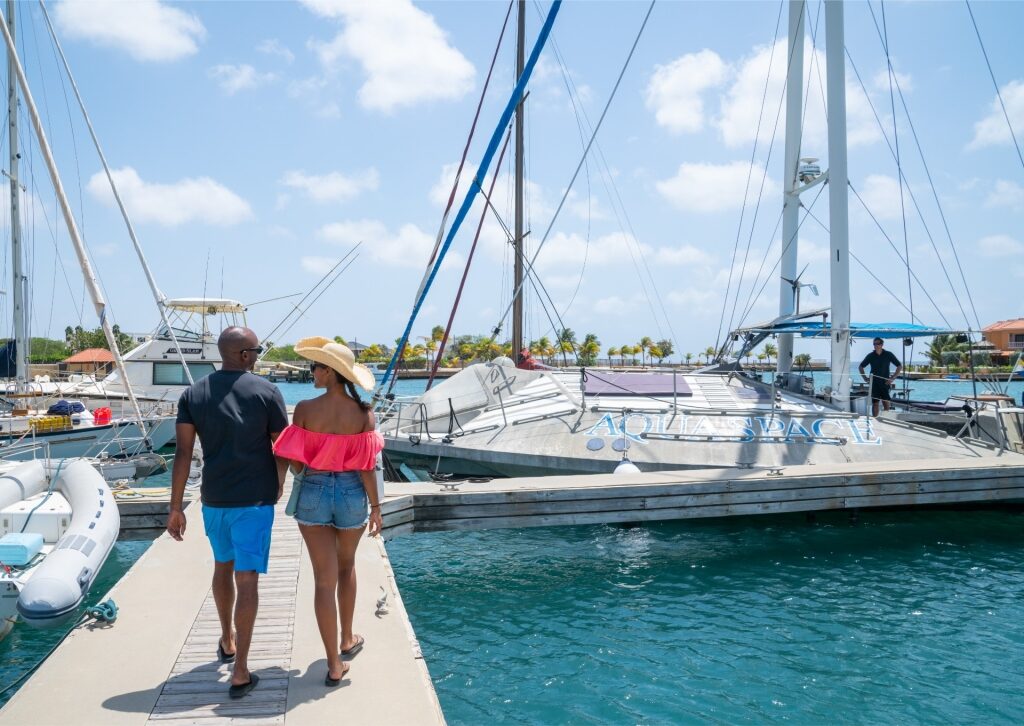
Bonaire
Experience authentic Caribbean dishes on a cruise vacation to Bonaire and beyond–browse Celebrity’s Bonaire cruise itineraries today and plan your gourmet adventure.