
Before you head off on your vacation, learning some Costa Rica travel tips can ensure you’re ready for whatever adventure comes your way, whether it’s hiking through dense rainforest at Manuel Antonio National Park or catching some waves at Playa Espadilla.
Packing for Costa Rica is just the start. Once you’re on the ground, you’ll want to know the best hiking trails, where and when to spot some of Costa Rica’s most beloved wildlife, like sleepy sloths and squirrel monkeys, and which Spanish words and phrases to brush up on.
Here are essential tips to help you enjoy your Costa Rican adventure to the fullest.
Pack for Rain and Shine
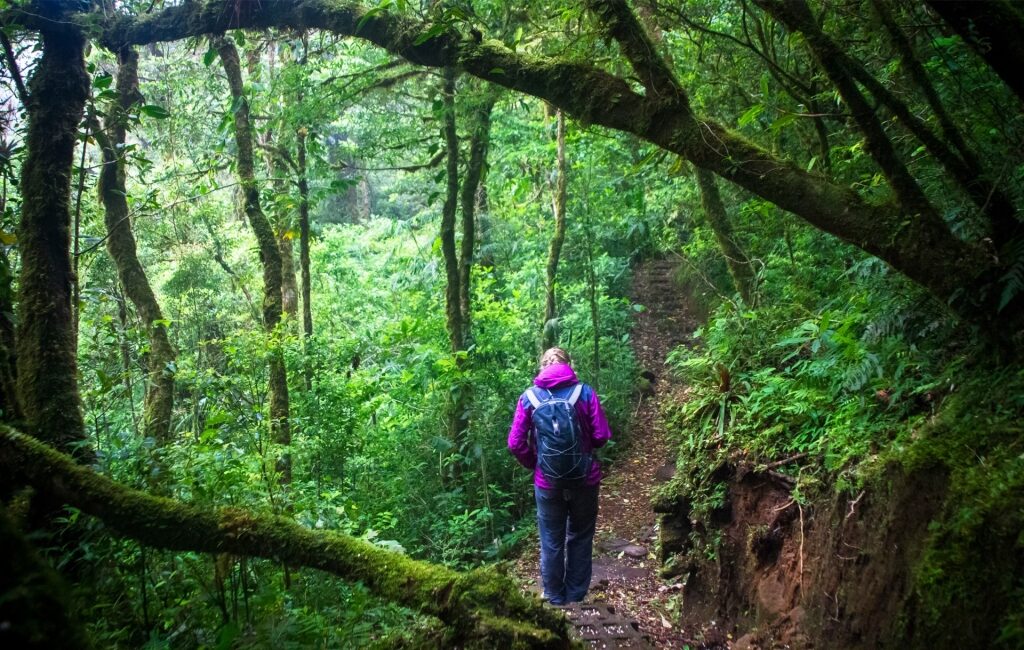
Monteverde Cloud Forest
Although Costa Rica technically has just two seasons—a dry season that runs from December through April and a rainy season from May through November—its many microclimates can make packing tricky. For example, the rainforest tends to be hot and humid. After a lot of rain, the trails can get really muddy, which also affects the type of shoes you pack. The cloud forest can be surprisingly cool, so you should consider light layers for this.
To make things simple, assume you will encounter some rain, even in the dry season. Pack a rain jacket or poncho, waterproof shoes, and a dry bag to protect your valuables. Then, pack some warm-weather items, like T-shirts, shorts, and flip-flops for sunny, dry weather.
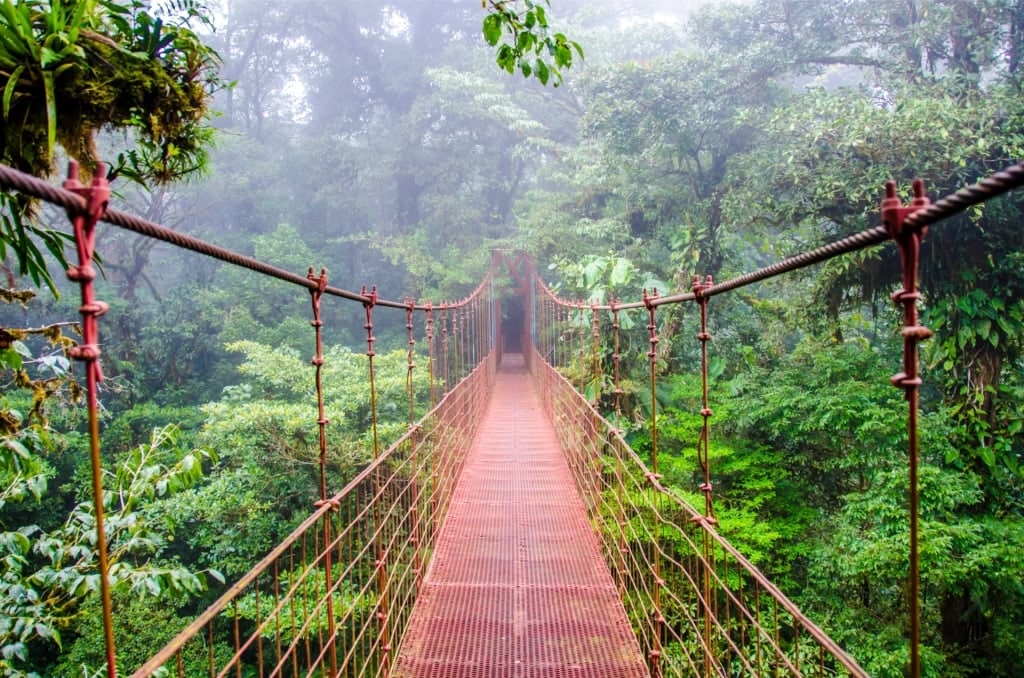
Monteverde Cloud Forest
Don’t forget to pack sunscreen, a hat, and bug spray. While these items are easy to purchase in Costa Rica, they’re usually priced higher than they would be at your local store back home.
Read: How to Experience Costa Rica’s Nature
Learn Some Spanish
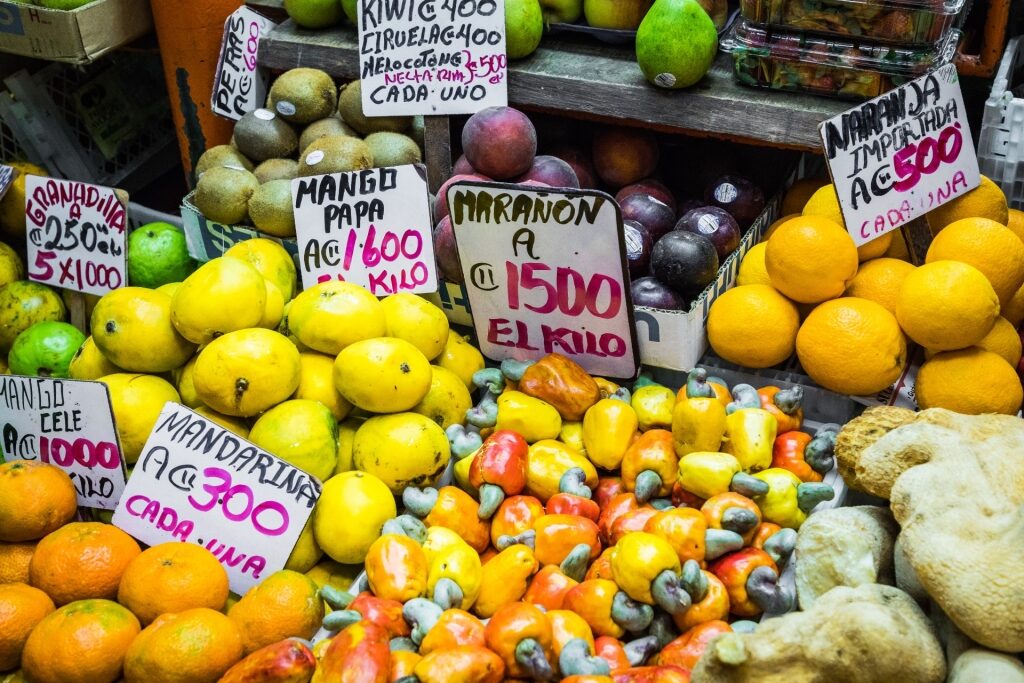
Market in Costa Rica
Tourism is a major industry in Costa Rica, so the majority of tour guides speak English fluently. That said, it’s always a good idea to learn some basic phrases before your trip. It not only shows appreciation for the local culture, but it makes everyday situations like locating the nearest bathroom or buying a bottle of water much easier.
Remember that Spanish differs across the Spanish-speaking world, so some of the vocabulary you’ve learned in books or online classes might not be the ones Costa Ricans commonly use. However, terms like “baño” for bathroom, “por favor” for please, and “gracias” for thank you are universal.
If you hear people referring to “Ticos”, they’re talking about Costa Ricans. “Tico” is the way locals refer to themselves and other Costa Rican people.
Allow for Travel Time

Puntarenas
Most people in Costa Rica travel by car, which is convenient but does mean that traffic can be unpredictable at times. It’s helpful to plan ahead whenever you can, and to arrange reliable car transport for excursions you can’t reach on your own.
Another important Costa Rica travel tip to consider is the distance between places. Costa Rica may look small on the map, but many of the roads are winding, narrow, and only allow for a single lane of traffic. Rain and other inclement weather will add further delays. Mudslides, for example, are common and can block roads.
If you’re up for making the drive yourself, definitely rent a 4×4 vehicle to account for rural areas and wet conditions. Wi-Fi can also be spotty in certain areas, so make sure to download an offline map, like Google Maps, ahead of your journey.
Keep Some Cash on Hand

When traveling in Costa Rica, it’s smart to have both a credit card on hand as well as small bills for tipping and in case of emergencies.
While it’s true that many restaurants and even attractions accept contactless payments, cash is still widely used in many areas of the country. You may also find that even if a restaurant or street vendor does have a credit card machine, they will prefer cash to avoid additional fees on their end.
Having cash on hand ensures that you’re covered no matter what comes your way. The local currency is the Colon, although U.S. dollar bills are widely accepted.
Choose Your Adventure

Manuel Antonio National Park
If you’re making a list of things to know before going to Costa Rica, keep in mind that it’s the ultimate “choose your own adventure” destination. From hiking to surfing to ATV rides through rugged terrain, there’s no shortage of adrenaline-pumping activities to choose from.
Manuel Antonio National Park is always worth a visit and can serve as a great introduction to the country’s wildlife. The park is located on the Pacific coast, which makes it ideal for spotting wildlife within the rainforest and also for enjoying the surf at nearby Playa Espadilla. Hike through the lush foliage to search for sloths, monkeys, toucans, and tree frogs, or head to the beaches to swim, sunbathe, or snorkel.
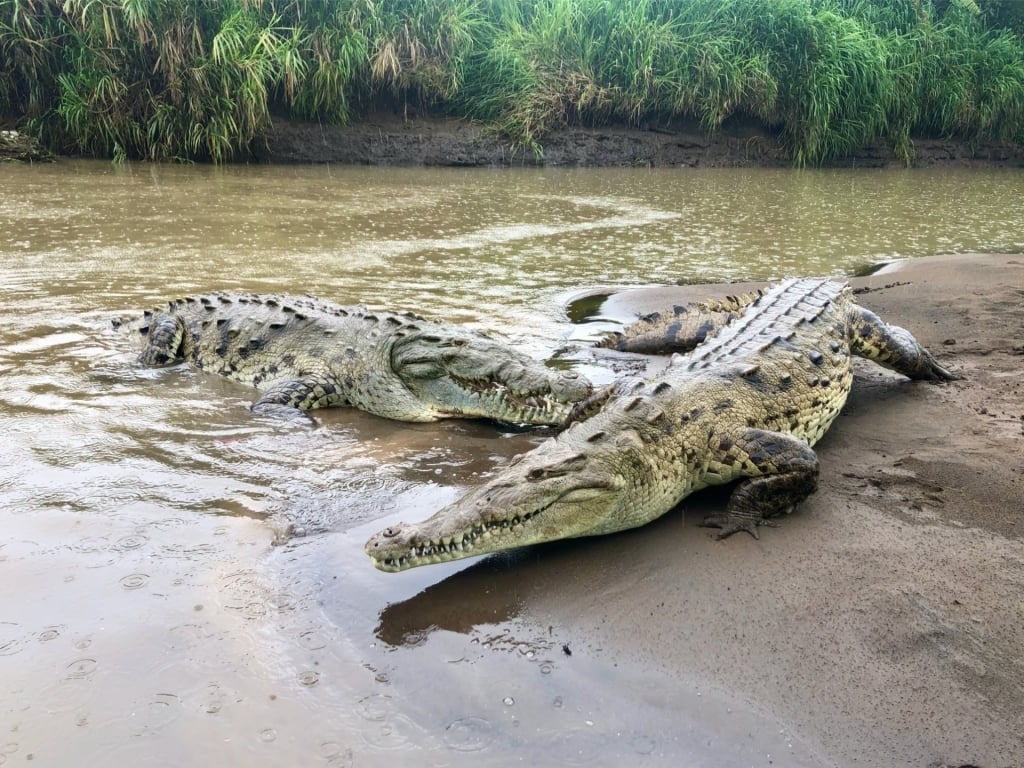
Tarcoles River
One of the more unique experiences in Costa Rica is a jungle crocodile safari along Hacienda Nosavar, near the Tárcoles River. Besides the crocodiles that bask on the riverbanks, you’re likely to spot other wildlife like native birds and monkeys.
Costa Rica is also known for its coffee industry. There are several coffee plantations spread throughout the country, most notably in the Central Valley near San José. The Espiritu Santo Coffee Tour gives visitors an inside look at how coffee goes from bean to cup and provides insight into sustainable farming practices.
Embrace the “Pura Vida” Lifestyle

While in Costa Rica, you’re sure to hear locals saying “Pura Vida” as a friendly greeting or even in passing.
The phrase translates to “pure life” or “simple life” in Spanish, and “Pura Vida” is really an approach to life. People like to greet each other with this phrase, and it serves as a reminder to relax, enjoy the moment, and appreciate what you have. One of the best Costa Rica travel tips is to embrace the “Pura Vida” mindset, which should have you feeling less stressed, more relaxed, and appreciative of the present moment.
Another way to think about “Pura Vida” is to consider it a practice of patience. Things move more slowly in Costa Rica, which lends itself better to flexible schedules rather than rigid itineraries. Instead, add some buffer time for transit or simply for chit-chat with the locals you encounter along the way.
Respect the Wildlife

Toucan
Costa Rica is home to about five percent of the world’s biodiversity, which might not sound like much, but when you consider just how small the country is, it’s quite a feat. Depending on what areas you visit, you may encounter monkeys, sloths, toucans, sea turtles, and tropical birds.
Costa Ricans take great pride in their wildlife, and education on its protection is even included in school curricula. While many animals in Costa Rica look cute and cuddly, don’t feed or touch them. When hiking, stick to trails that are clearly marked rather than venturing off-track to get closer to animals in their natural habitats.
Don’t take bags containing food to the beach, or you could find raccoons enjoying a picnic when you return from your swim. For water-based activities, opt for reef-safe sunscreen and DEET-free bug spray. This helps protect the ocean’s ecosystems, which are already delicate.
Pack a Dry Bag
Dry bag
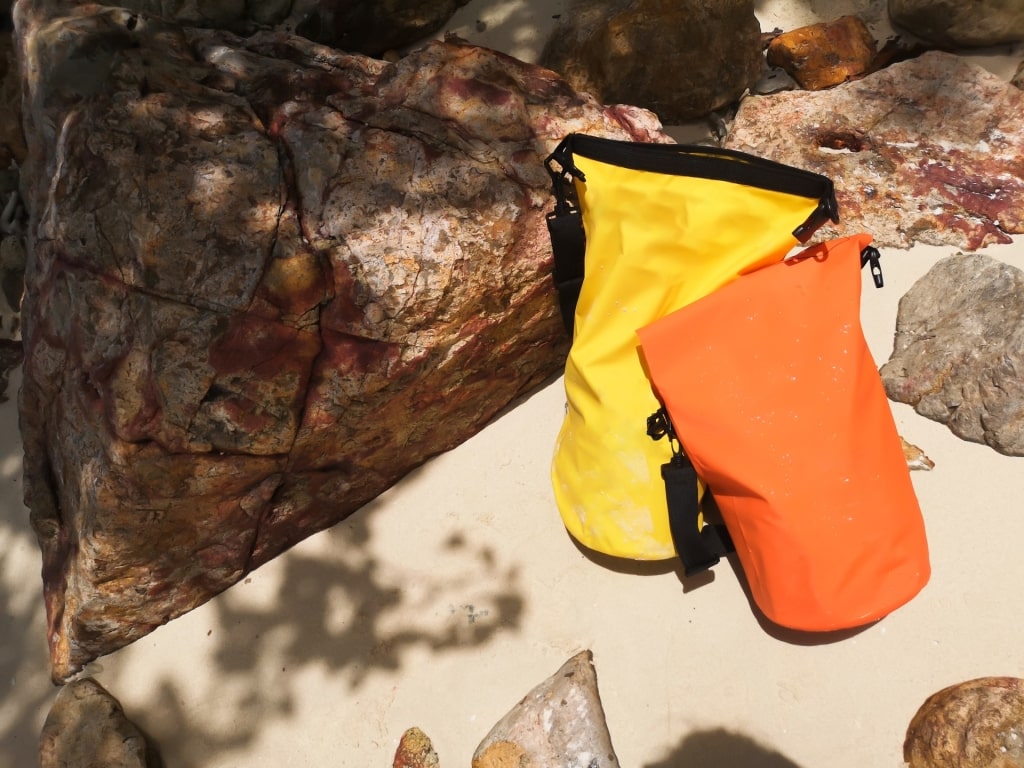
Costa Rica is an outdoor adventurer’s dream destination. Packing a dry bag ensures that your phone, wallet, and other personal items stay dry and dirt-free during your excursion. Roll-top dry bags are ideal because they are lightweight and can be worn as a backpack. You’ll be surprised how roomy these bags are, as well.
Since the weather in Costa Rica is unpredictable, packing a poncho in your dry bag is wise. When you’re finished with your land- or ocean-based adventure, swap everything out into your regular bag and roll up the dry bag to fit inside.
Support the Local Community
Monteverde Cloud Forest
Tourism is vital to Costa Rica’s economy and every dollar you spend makes a real impact on the daily lives of locals. Try to support local businesses to ensure that your money goes directly into their pockets so they can provide for their families and better their communities.
Aside from tipping local guides and drivers, other ways to show your appreciation are to eat at local restaurants rather than big chains, buy handcrafted souvenirs instead of mass-produced ones, and respect local customs.
Invest in the Appropriate Travel Insurance
Monteverde Cloud Forest
Travel insurance is always a good idea before any international trip, and especially for destinations as action-packed as Costa Rica.
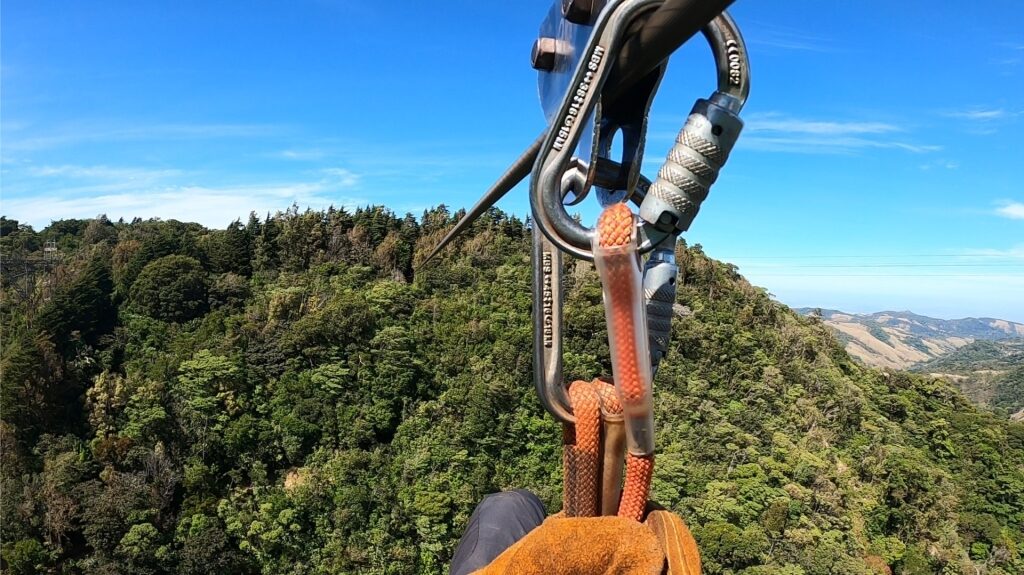
If you’re planning on doing any sports while on your trip—whether surfing, hiking, scuba diving, or zip-lining—make sure your insurance will cover those activities. If you’re not sure, call the provider directly to get clarity. Not all policies cover adventure sports.
Read: Puerto Rico vs. Costa Rica: Which Should You Visit?
Costa Rica Travel FAQs
What do I need to know before traveling to Costa Rica?

Before heading to Costa Rica, you’ll want to make sure your passport is up to date and has at least six months before expiration. Also, check the visa requirements for your country, if applicable. Research travel insurance plans, too, and find one that suits your budget and itinerary.
What should I pack for a trip to Costa Rica?

Insect repellent
Since the weather varies depending on the region and microclimate, the safest approach is to pack a bit of everything. Lightweight, breathable fabrics are best for hot days, while a rain jacket and other waterproof items come in handy on muddy trails. Insect repellent, reef-safe sunscreen, and a waterproof bag are also must-pack items.
Wi-Fi can be spotty in rural areas, so consider bringing along a portable hotspot or a power bank to charge your electronics on the go.
Is Costa Rica safe for tourists?

Beach in Puntarenas
Costa Rica is regarded as being very safe for tourists. Serious crime is rare. Petty crime like pickpocketing or bag-snatching is always a possibility in crowded areas and around popular attractions but no more so than in any other part of the world.
As with any destination, use your best judgment and be aware of your surroundings. Carry only what you need, like cash for meals, entrance fees, and tipping, but not large amounts at once. Exercise caution if you’re trying out new adventures; don’t snorkel without a buddy, for example.
Can I drink tap water in Costa Rica?
Refillable water bottle
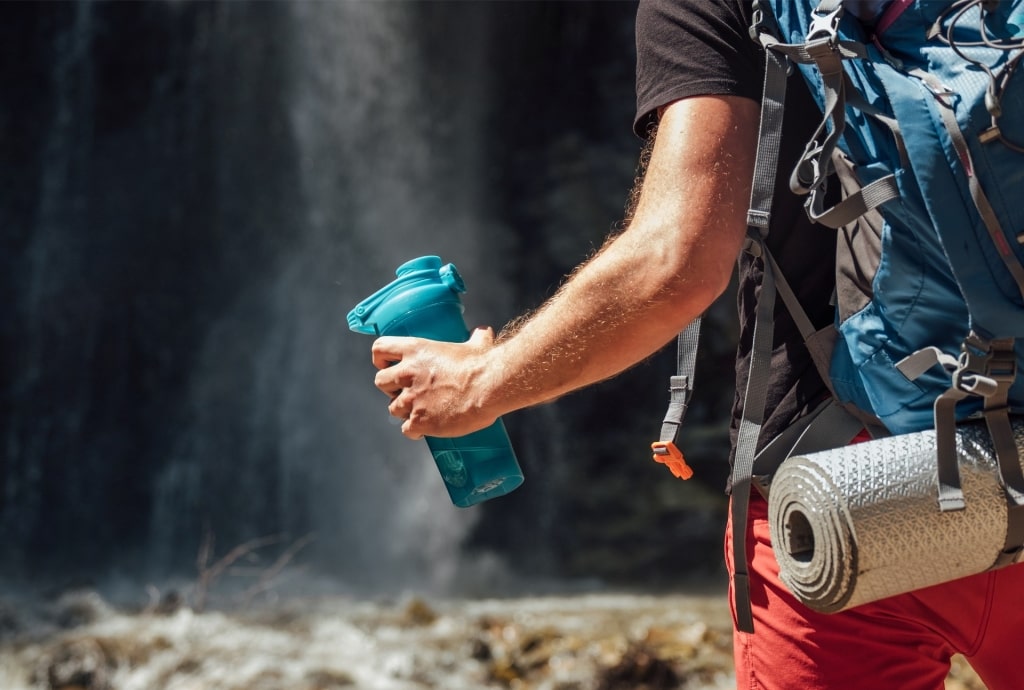
Contrary to popular belief, tap water is generally safe to drink in most urban areas of Costa Rica. Carry a refillable water bottle so you can stay hydrated and cut down on plastic waste at the same time.
The exception might be rural areas, where sticking to bottled or filtered water is safer.
How much should I tip in Costa Rica?
Costa Rica
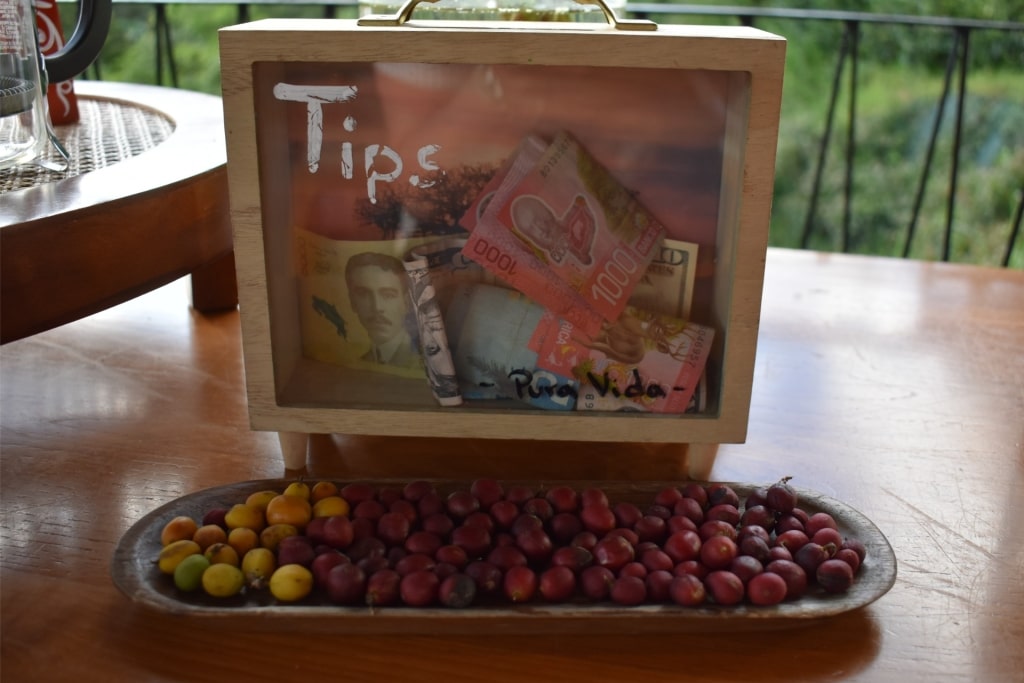
Costa Rica doesn’t have the same tipping culture as the U.S., but leaving 10% after a meal is standard. Many restaurants, especially in tourist areas, now include a 10% service charge on the bill, which means no additional tip is necessary unless you had exceptional service or want to leave extra.
Tipping is less common but appreciated by taxi drivers and tour guides. A good rule of thumb is 10–15% of the cost of the tour for a good guide, and a couple of dollars’ worth of Colones in taxis. U.S. dollars are widely accepted, making tipping easier to calculate, although drivers and wait staff in rural areas would probably appreciate Colon, to avoid making a trip to the bank to change the dollar bills.

Puntarenas
Experience Pura Vida for yourself. Browse Celebrity’s cruises to Costa Rica and book your dream vacation today.