
The small and proud Alsace wine region lies in northeastern France, bordering Germany and Switzerland and stretching along the Rhine River Plain. Long a disputed territory alternating ownership between Germany and France, Alsace is shaped like a long, narrow strip, protected by the Vosges Mountains to the west and compressed by the Rhine Plain to the east. Its sunny climate grants prime wine-growing conditions.
Here you’ll find Germanic influence unlike anywhere else in France, from storybook villages to half-timbered houses to Gothic masterpieces like the Notre-Dame of Strasbourg cathedral. The vineyard belt in Alsace is known for its sunny, dry slopes, prestigious Grand Cru vineyards, and vibrant white wines.
History
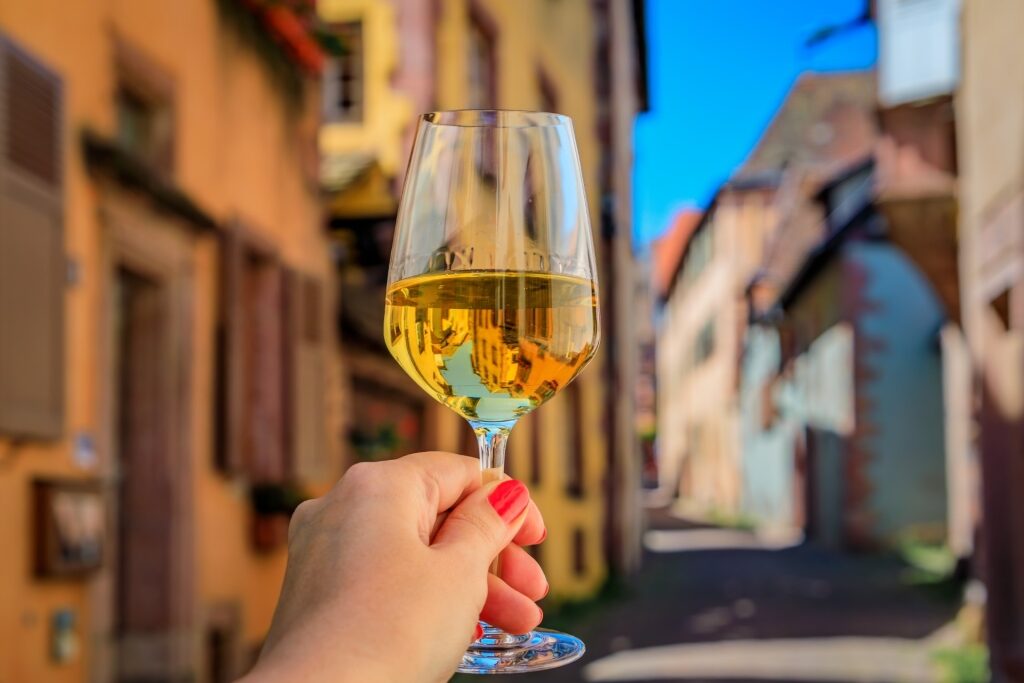
Alsace wine
Alsatian wine-making goes back to the Roman Empire, and viticulture practices in the region were refined during the medieval Merovingian and Carolingian dynasties in the Frankish reign. Alsace’s wines became the most expensive and prized in Europe during the Middle Ages, benefiting from the Rhine River as a trade route.
The back-and-forth between French and German rule in Alsace meant each country’s wine-making techniques and traditions left marks on Alsatian vineyard culture. After WWII, Alsace pulled ahead of its German neighbor as a region recognized for its wines’ finesse and quality control.
What Makes Alsatian Wine Unique?
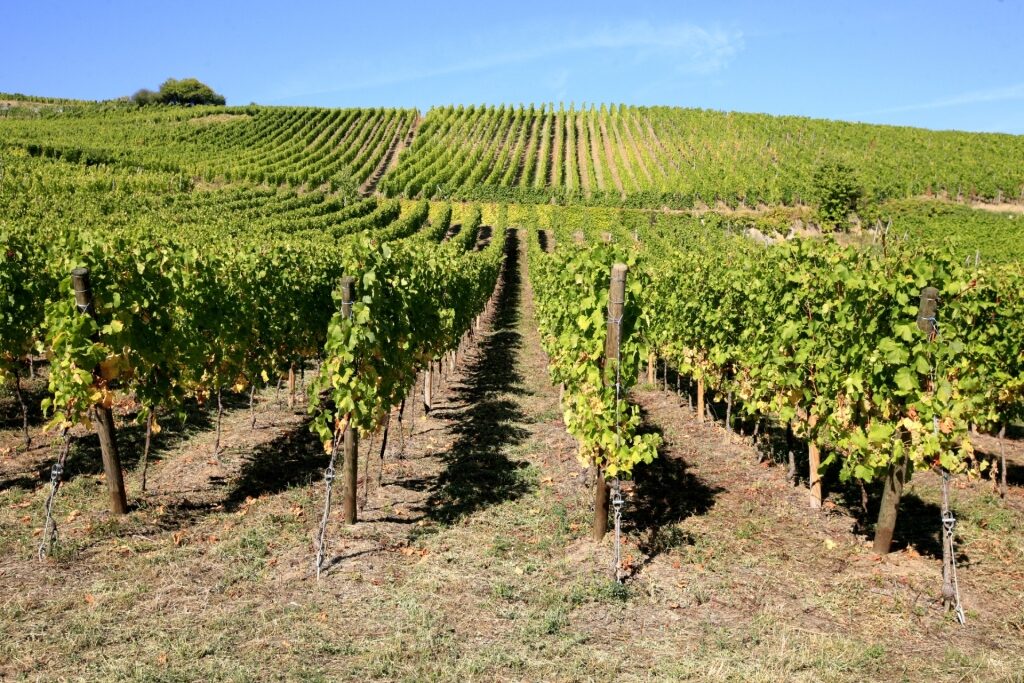
Vineyard in Alsace
Although Alsace as a whole is a region with a semi-continental climate, meaning its winters are cold and dry while its summers are hot and sunny, the Vosges mountains protect much of Alsace’s wine-making region from precipitation. This grants it one of the driest, sunniest climates in France, perfect for cultivating ripe, aromatic white wine grapes, with vibrant acidity and a clean, concentrated taste.
The terroir of Alsace wines varies across several geologies, from limestone to granite to volcanic and schist soils, giving rise to single-vineyard wines driven by terroir specialties, with a whopping 51 recognized as Grand Crus.

Gewürztraminer
Compared to similar wines in neighboring Germany, Alsatian white wines tend to be drier and more balanced, intended to accompany meals. Alsatian viticulture does carry one helpful tradition from its German days, which is clear labeling of bottles by grape variety, making its wines especially approachable and transparent for those new to the wines of Alsace.
Besides dry, aromatic wines, Alsace is also known for several late-harvest varietals with a lush, complex palate and for botrytized wines prized for their rarity and intense sweetness. In recent years, sparkling Alsatian wine known as crémant d’Alsace has become a popular bubbly option rivaling Champagne among French wine aficionados.
The Noble Grapes of Alsace
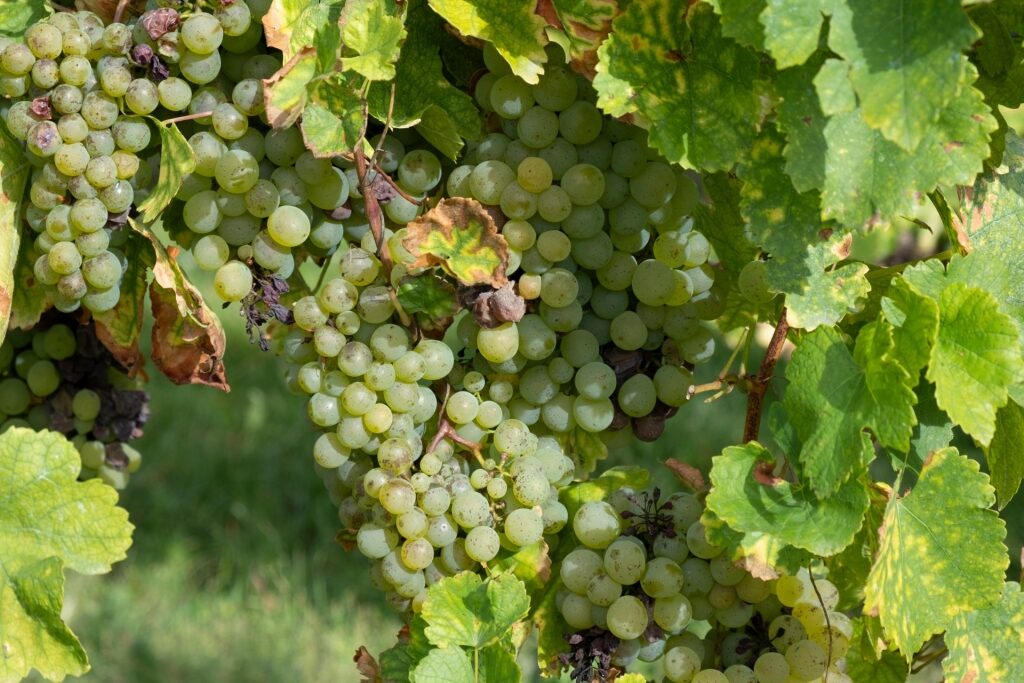
Riesling grapes
“Noble grapes” was a label created after Alsace’s return to France in the 20th century to help local vineyards denote grapes of exceptional quality. Four grape varietals qualify as Alsatian noble grapes: Gewürztraminer, Riesling, Muscat, and Pinot Gris.
Gewürztraminer
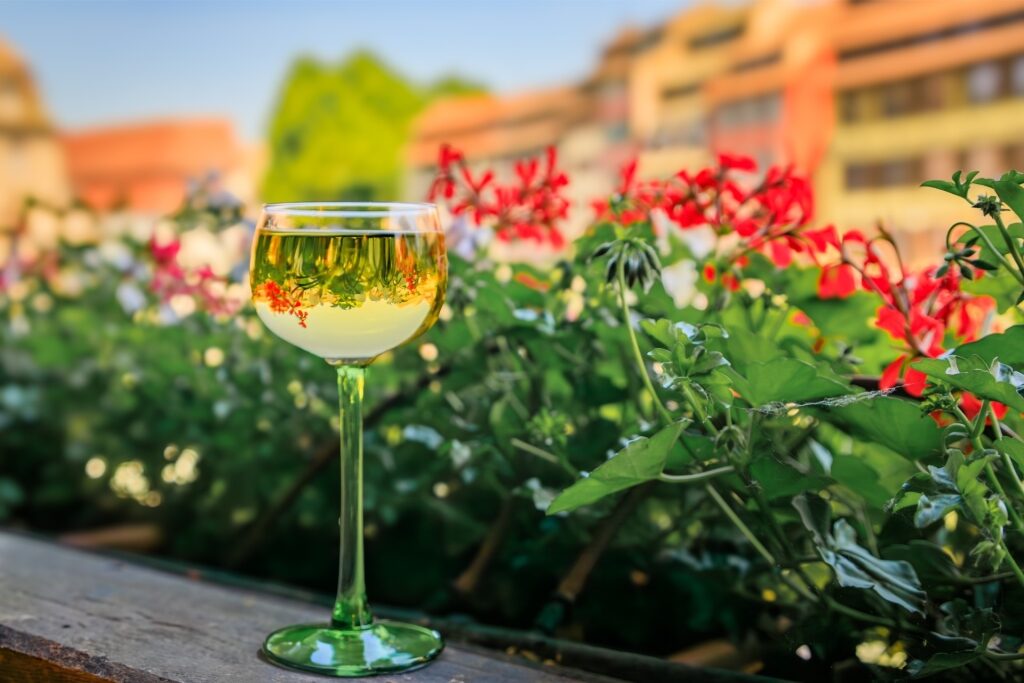
Gewürztraminer
Alsatian Gewürztraminer is a rich golden yellow in color and has a complex, fruity bouquet and notes of rose. It is full-bodied yet delicate, often associated with aromas of lychee and other tropical fruits.
This opulent and voluptuous wine is the most expressive of the Alsatian noble grapes. It straddles the line between dry and off-dry, and pairs well with assertive dishes such as foie gras, tagines, and spicy dishes.
Riesling
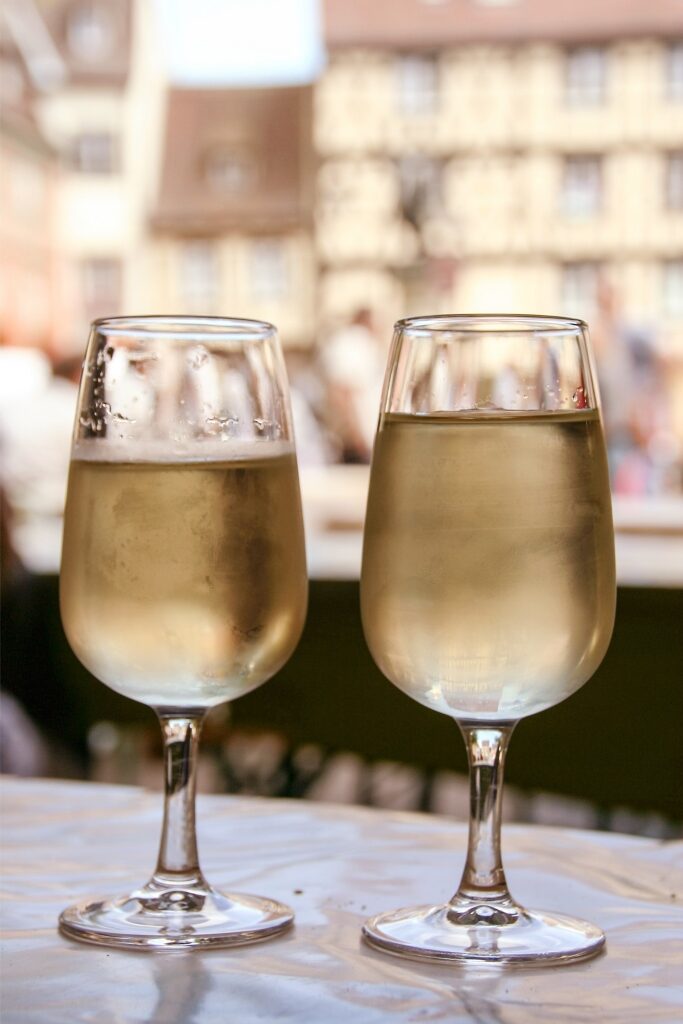
Riesling
Unlike German Rieslings, which tend to be sweeter, Alsatian Riesling is structured and dry, with strong minerality and hints of citrus, peach, and white blossoms.
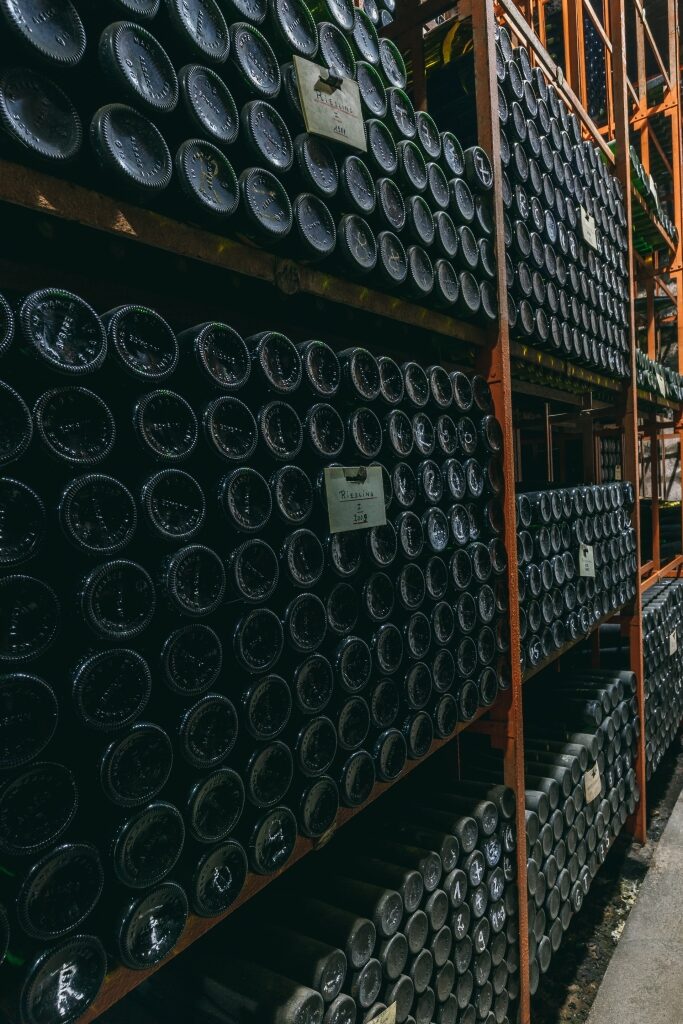
Riesling from Alsace is famous for its clarity and potential for aging, with bottles maturing over decades. A vintage Riesling can develop notes of honey, petrol, salinity, and spice.
Muscat
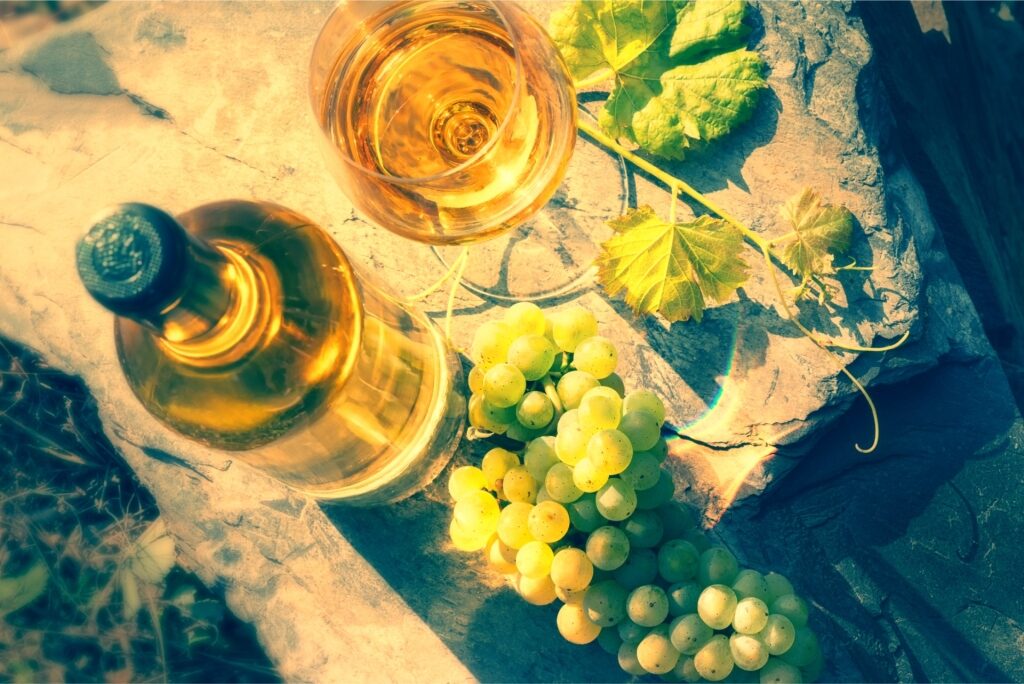
Muscat
While Muscat is known for its sweetness in southern France, here in Alsace, it is bright and dry, with the dominant fragrance of fresh, crunchy grapes. Its fruity aroma might promise an intensely sweet wine, but on the palate, it reveals itself as a bone-dry, clean, and delicate white wine.
Pinot Gris

Pinot gris
This full-bodied white wine is rich and smoky, with notes of beeswax, apricot, and gingerbread. Compared to its Italian cousin, Pinot Grigio, Alsatian Pinot Gris is generously complex, and some bottles carry autumnal notes of baked pear and apple.
Pinot Gris from Alsace ages beautifully, developing notes of truffle and dried fruit. Its texture is velvety and silky, making it a great accompaniment for stews and wintry meals.
Exploring the Alsace Wine Route
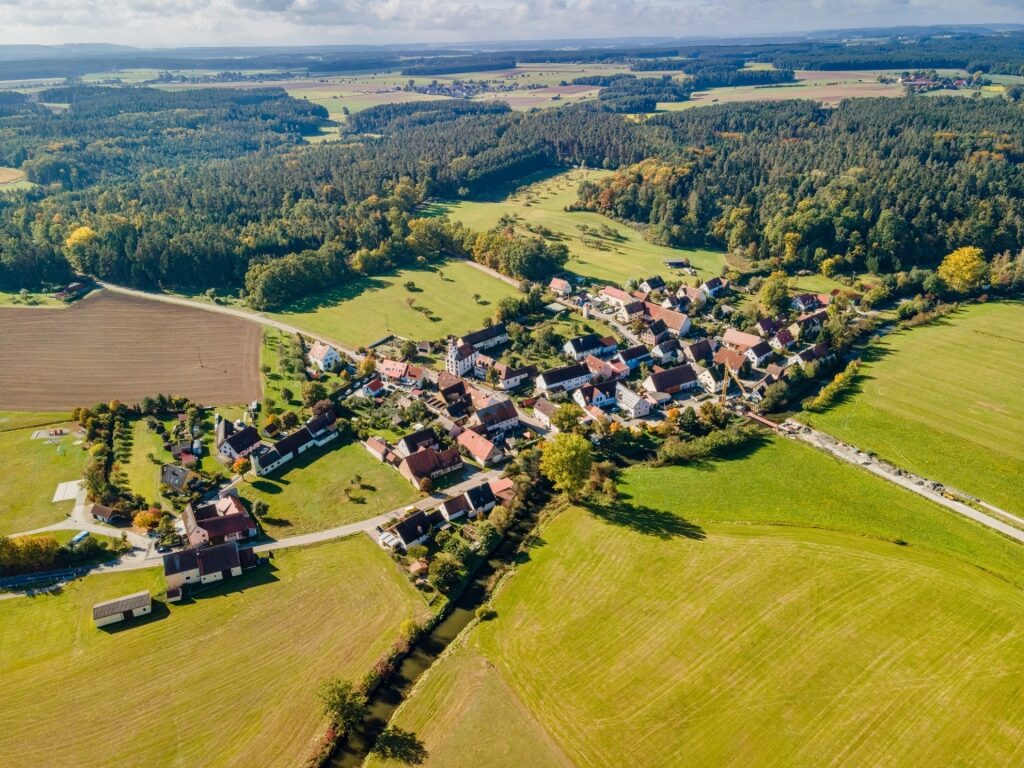
Thann
The roughly 110-mile-long Alsace wine route crosses 63 communes north-to-south along the Alsatian vineyard belt, offering breathtaking scenery of the Vosges foothills, half-timbered villages, and immersion in Alsace’s Franco-German cultural heritage.
You can begin or end your journey in Marlenheim, near Strasbourg, and explore all the way down the route to Thann. The route will take you through over 50 Grand Crus sites.
Many visitors base their wine route tour out of the charming town of Colmar, with its Venetian canals, fairytale timber architecture, and Gothic churches. A great density of excellent vineyards and producers is concentrated along the route extending from here, and the city is especially well known for its spectacular Christmas market and annual wine festivals.
What to Eat with Alsace Wines
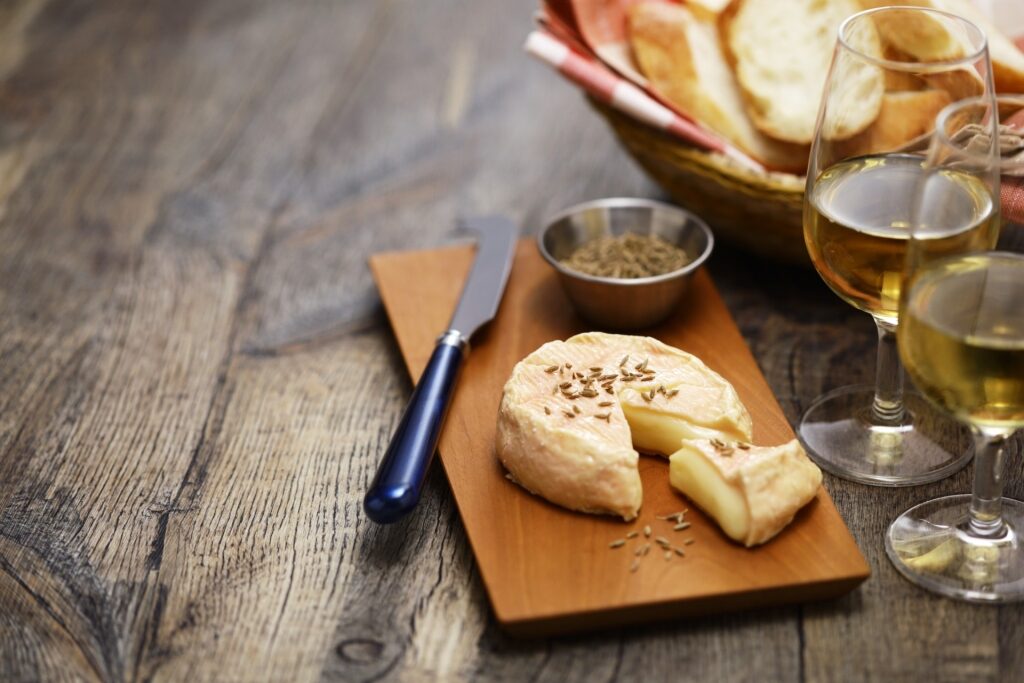
Munster cheese
Alsatian wines were refined over centuries with their role as a food accompaniment in mind; no wonder they are notable for their superb enhancement of the local cuisine.
Off-dry, fruit-forward Gewürztraminer, with its lychee and tropical aromas, goes well with roasted meats and game. The classic Alsatian pairing you shouldn’t miss is Gewürztraminer and the pungent, earthy Munster cheese, perfectly mellowed out by the wine’s strong aromatics.
Structured, crisp Riesling goes well with seafood such as shellfish and oysters, as well as a local specialty: choucroute, as sauerkraut is known in Alsace. The acidity of the wine complements the fermentation of the cabbage, bringing out its salinity.
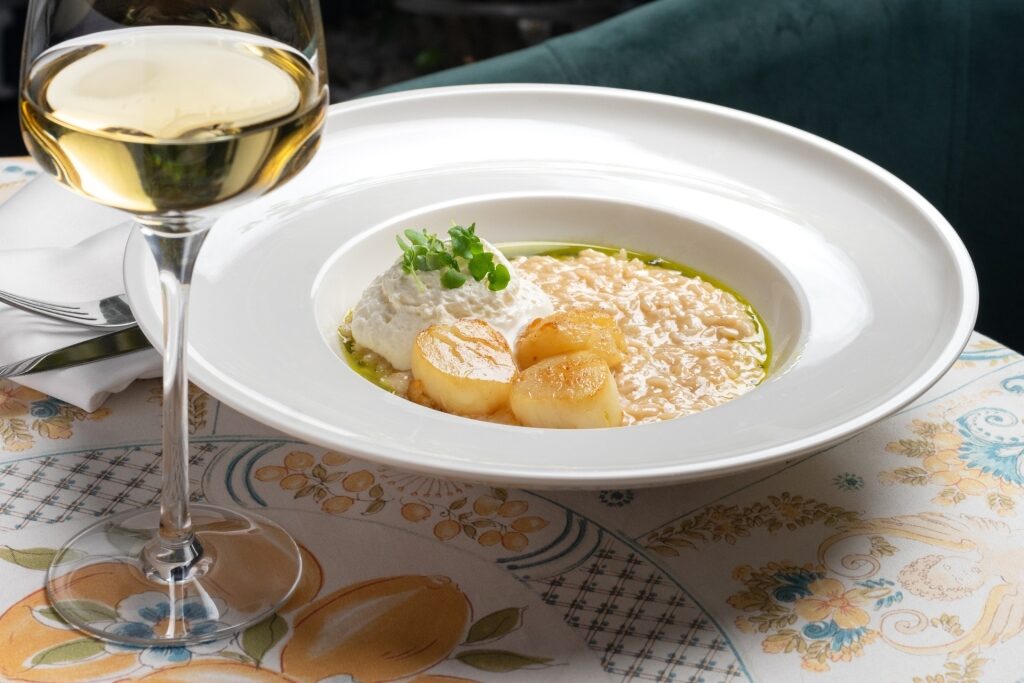
Risotto
Ripe, full-bodied Pinot Gris is a friendly pairing for richer, more rustic dishes: think roasted poultry and game like pheasant, stews, risottos, and autumn soups with squash or chestnut.
Muscat, with its delicacy and grape-forward freshness, goes well with bright and citrusy salads, herbal dishes, poached fish, and fresh green vegetables such as asparagus. A sparkling crémant d’Alsace is usually opened for apéritifs—think mild cheeses, smoked salmon, and small bites—or dessert. Intensely botrytized wines like the late-harvest vendanges tardives will complement the pungency of Roquefort and Stilton cheeses.
Read: Insider’s Guide to French Food Culture
Top Wineries to Visit
Domaine Weinbach
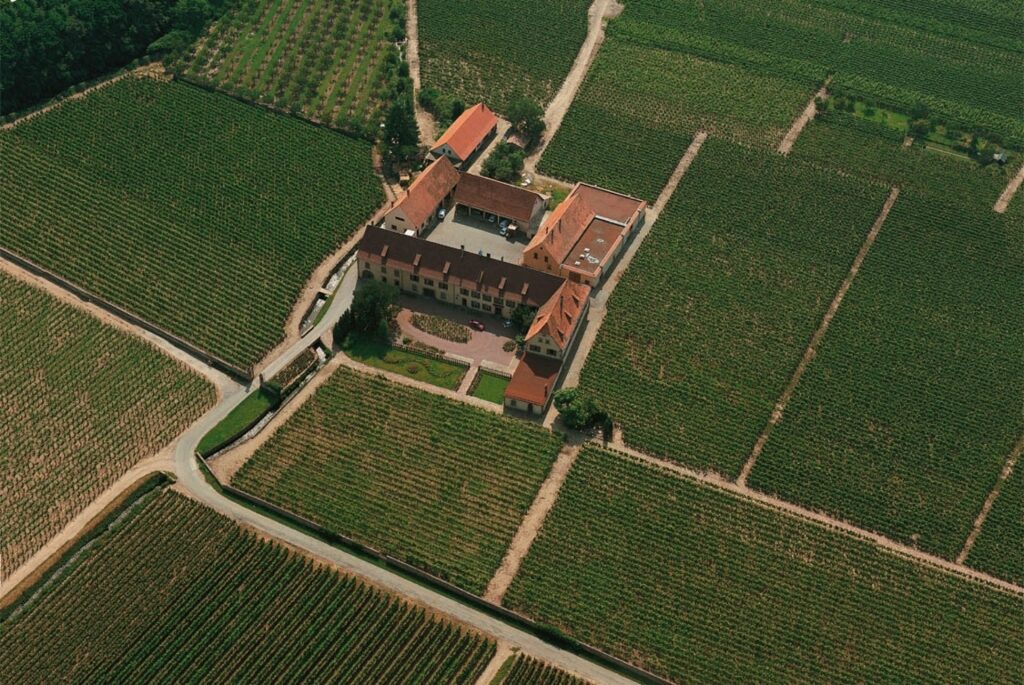
Domaine Weinbach Photo by Edouard Laffenetre on Wikimedia Commons, licensed under CC BY-SA 4.0
Founded in 1612, this Kaysersberg Valley winery is housed in a former convent overlooking 30 hectares of pristine vineyards. The oldest vine plantations here date back to the 9th century, rightfully giving Domaine Weinbach its reputation as an iconic Alsatian winery.
This domaine respects biodynamic viticulture ethics and produces wines under several Grand Crus labels, including Schlossberg and Furstentum. Its 2004 Domaine Weinbach Riesling Schlossberg Cuvee d’Or Quintessence de Grains Nobles, priced at $793 a bottle, is one of the most delectable wines to try while visiting the winery. Be sure to make reservations ahead of your visit.
Maison Trimbach
Maison Trimbach
The Trimbach estate, nestled on gentle slopes striped with vines and recognizable by its pyramidal roofs and timbered facades, was founded in 1626 by Jean Trimbach. Twelve generations later, the venerable winery is still family-run and recognized worldwide for its mineral Rieslings. The Clos Sainte Hune Riesling is a rare treasure prized by wine connoisseurs; with only 8,000 bottles produced a year, one bottle will set you back over $400.
There is much more to Maison Trimbach than Riesling, however; the winery also produces fine Sylvaner, an herbaceous and fresh white wine, and luscious “noble rot” dessert wines.
Domaine Pierre Frick
Helmed by Jean-Pierre Frick, a 13th-generation winemaker, this winery is located in Pfaffenheim and is devoted to pioneering biodynamic practices. This means there is little to no chemical intervention in the wine fermentation process, including a near absence of sulfites.
This rustic winery offers a hands-on, personal tour where visitors often interact with the winemaker directly, admire wild tulips growing among the vines, and sample Sylvaners and Rieslings of unforgettable character.
Domaine Marcel Deiss
This renowned estate is famous for safeguarding the ancestral winemaking method of “complantation,” when grape varietals are mixed and preserved in the same parcel of land, giving the terroir an increasingly defined character corresponding to the commingling of the vines.
The spirit of Domaine Marcel Deiss is one of innovating on tradition and respecting the biodynamics of the terroir. Its finest success is l’Altenberg Grand Cru 2016, which mixes a dozen grape varietals and delivers a fruity, concentrated, yet perfectly balanced palate.
Tips
Book Reservations Ahead for Wine Tastings
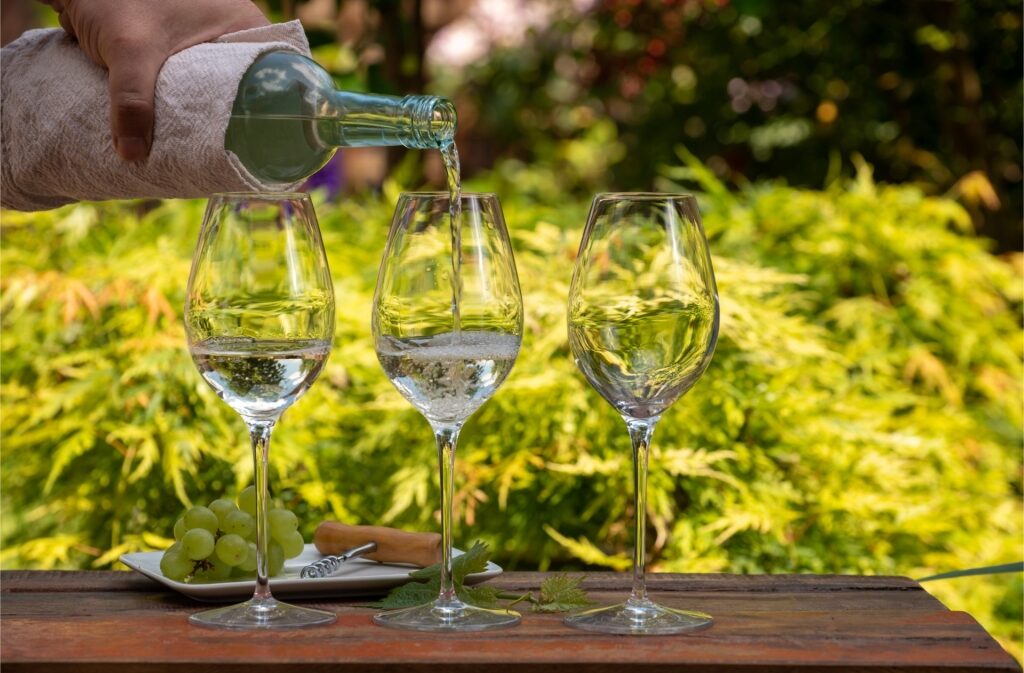
Wine tasting
As tempting as it may be to cycle past a scenic village and stop by an alluring estate for a taste from the cellars, preparation and planning will be your friends while visiting the Alsatian wine region. Many wineries here are small, family-run affairs where the wine-maker and owner of the estate will be the person answering the door and taking you on a comprehensive tasting journey of precious vintages: understandably, they like to know when to expect guests.
Other, more prestigious estates, such as Weinbach, simply require reservations for entry.
Pick the Best Season
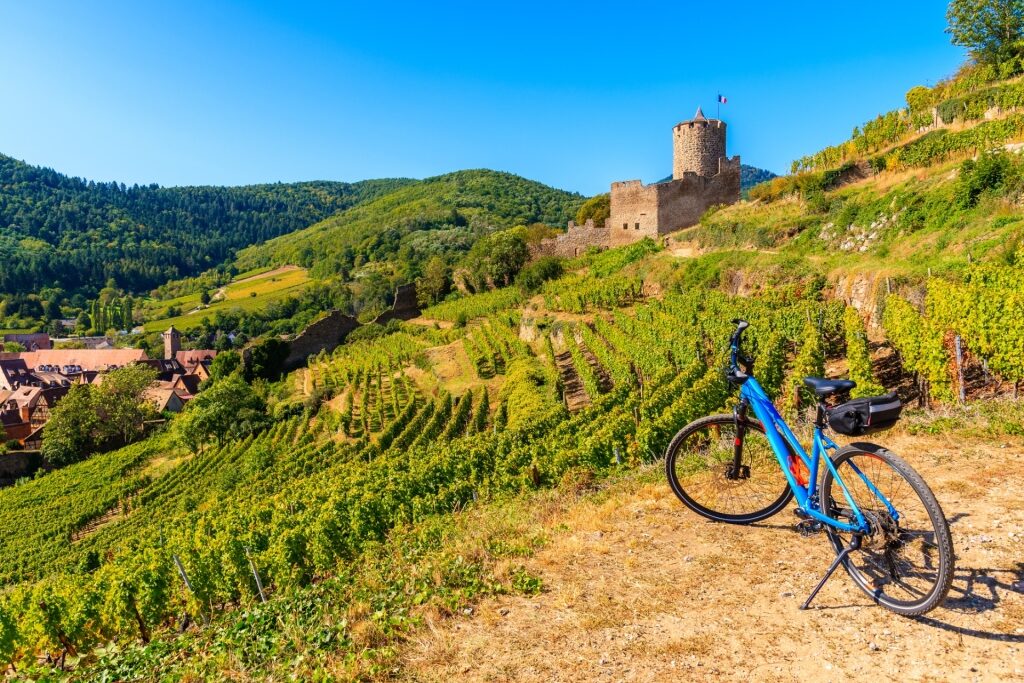
Kaysersberg Valley
Spring and autumn are ideal times to visit the Alsace wine country. There are fewer crowds, wild flowers in bloom during springtime, and fiery fall foliage in autumn. Harvest season ranges from September to October and will bring the most crowds. If those don’t faze you, then you’re in for an exciting array of wine festivals.
Wintertime is simply magical in a different way–Alsatian towns are reputed for their fairytale aesthetics and legendary Christmas markets.
Get Cozy at a Winstub
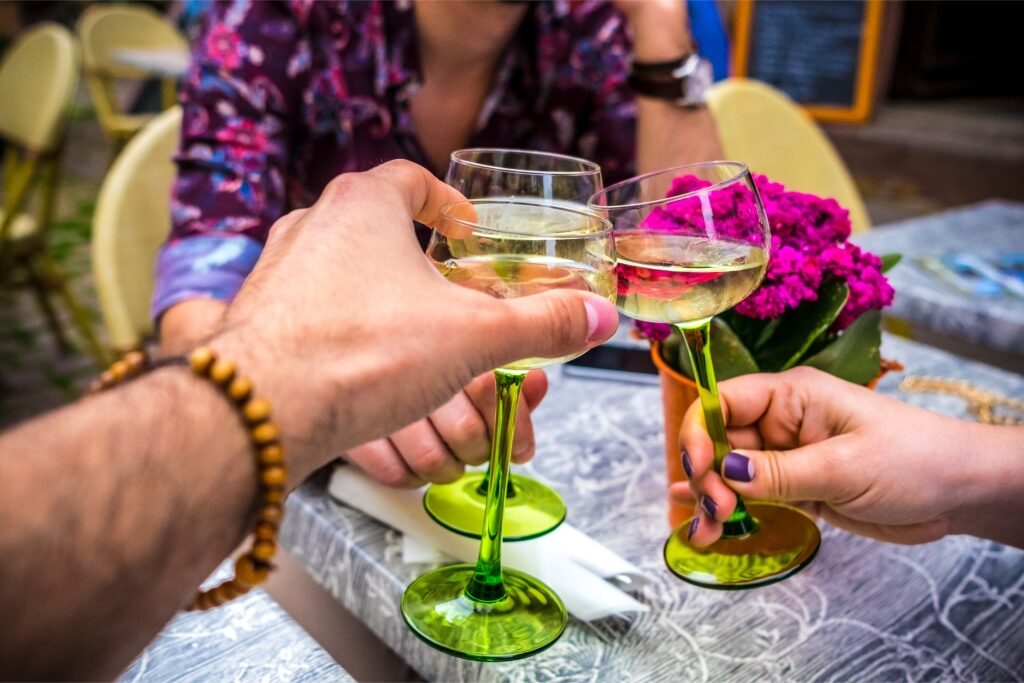
Alsace wine
Just like in neighboring Germany, Alsace has a tradition of convivial gatherings in winstubs, which are local wine taverns and restaurants. Alsatian wine is, after all, meant to be enjoyed with food, and many winstubs in Alsace will offer tastings of local wines poured by the trio.
For the most typical hearty Alsatian dishes, order a choucroute, tarte flambée, or baeckeoffe, a slow-cooked casserole of meat and potatoes.
Read: Best Things to Do in Strasbourg
FAQs
What wines is Alsace famous for?
Gewürztraminer
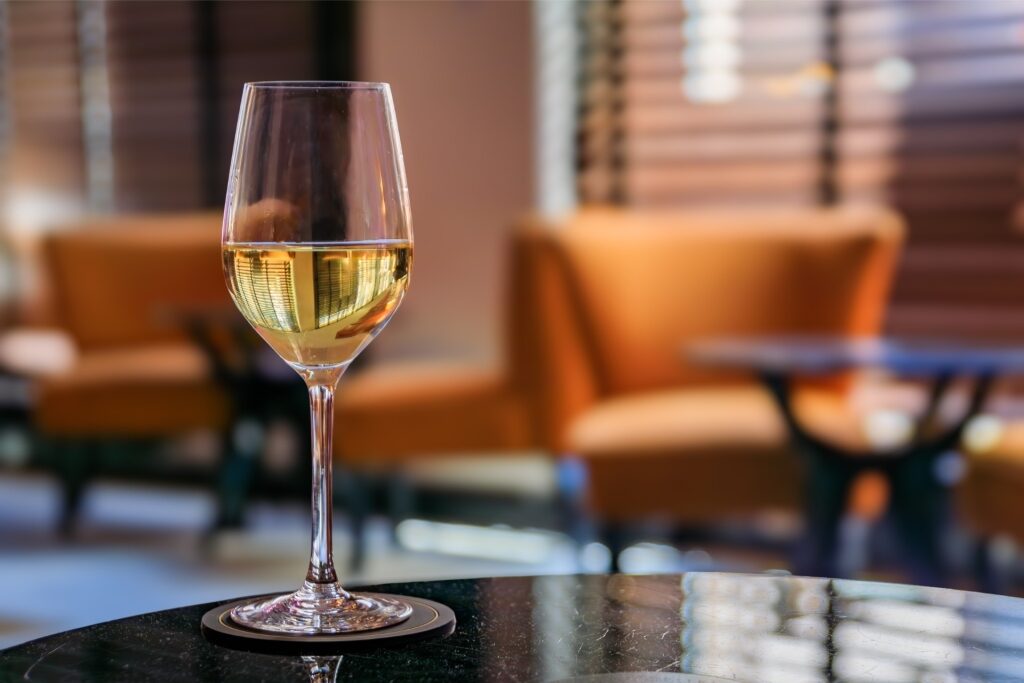
The most famous Alsatian wines are its four white “noble grapes” varietals: Gewürztraminer, Riesling, Pinot Gris, and Muscat. Though the region is less known for red wines, some wineries produce excellent pinot noir.
Other renowned Alsatian wines are Sylvaner, a crisp, subtle white wine; crémant d’Alsace, a sparkling wine rivaling fine Champagnes; and late-harvest wines, which are complex and concentrated, offering a rich, off-dry flavor.
Alsace also produces excellent dessert wines known as Sélection de Grains Nobles, or Selection of Noble Berries, prized for their intensity and notes of honey, marmalade, and spice.
Is Alsace wine French or German?
White wine
Alsatian wine is officially French, regulated by French viticulture standards and appellations, and governed by the French system of AOC, or controlled appellation of origin. Historically, however, winemaking in Alsace has undoubtedly been influenced by German traditions, especially during the periods the region was under German control.
Grapes used for Alsatian wine are often associated with German grape varietals, including Riesling, Gewürztraminer, Muscat, and Pinot Gris. Many Alsace wines are also presented in the “Rhine”-style design of sleek bottles with thin, elongated necks.
Is Alsace wine sweet or dry?
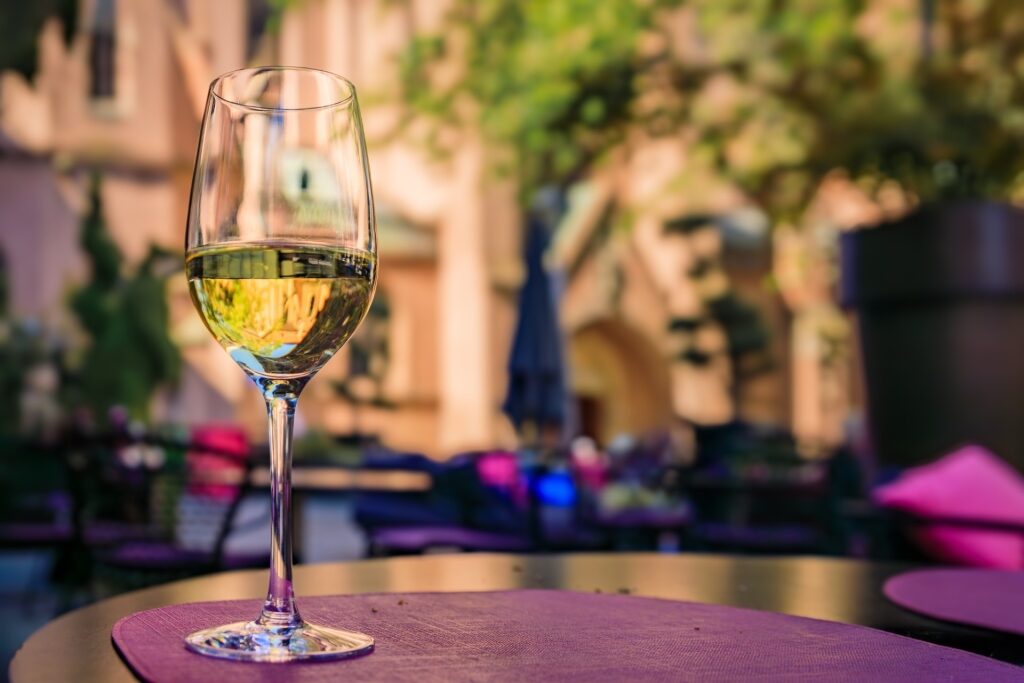
Gewürztraminer
Alsace wines tend to be drier than their German counterparts, intended to accompany meals rather than to be sipped on their own. While Gewürztraminer can range from dry to off-dry, Alsatian Riesling is resoundingly drier than German Riesling, and the region’s Muscat is singular for its extremely dry palate, despite offering a bouquet of intensely fruit-forward scents.
What’s the best Alsace wine for beginners?
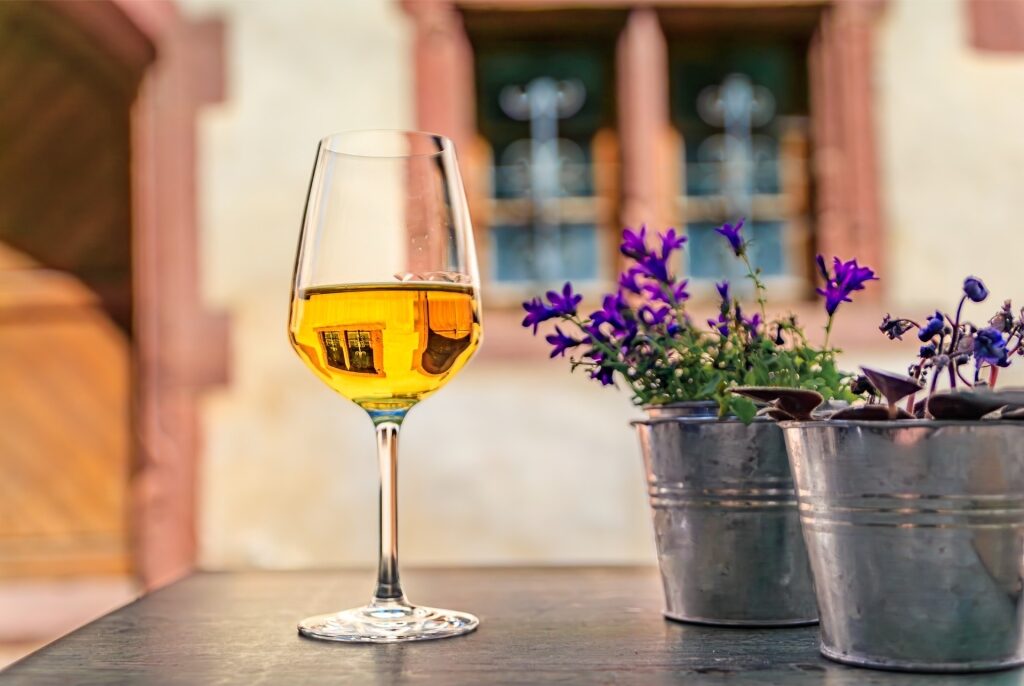
Alsace wine
Most Alsatian wines are bottled with the German wine labeling tradition, foregrounding the grape varietal and making it easy for beginners to understand the wine’s provenance and composition at a glance.
Alsace Riesling is probably the most friendly wine for beginners to taste, as it is crisp, fresh, and easy-going, with notes of citrus and apple that pair well with food. Grand Crus will tend to be more intense in their flavor profile, so look for “classic” or “reserve” if you want to begin with a smooth, more straightforward Riesling.
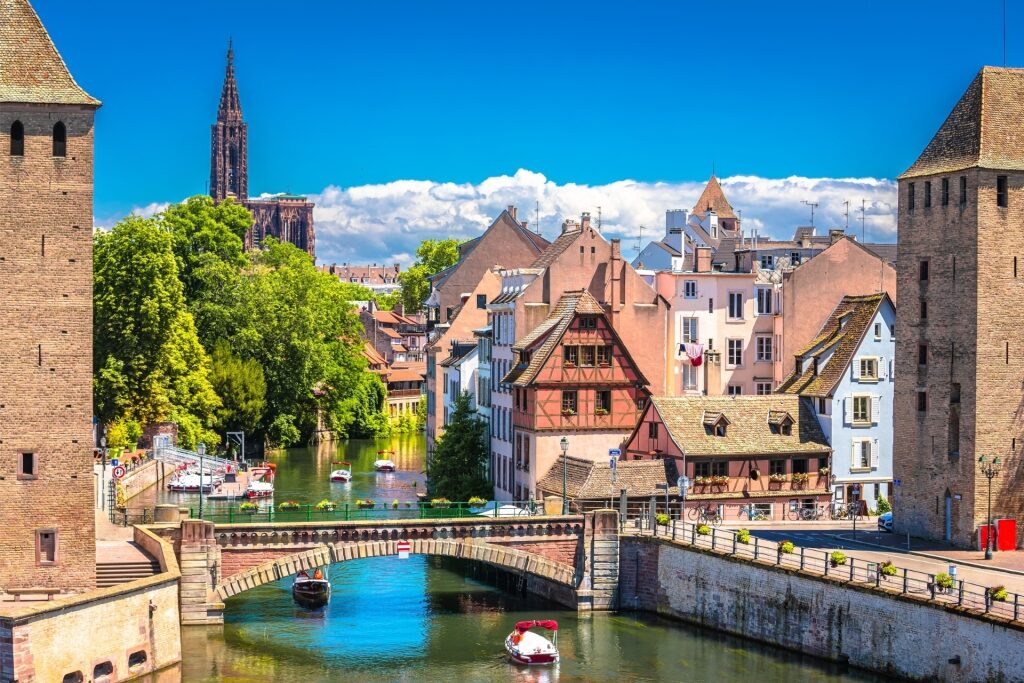
Strasbourg
Discover Alsace’s remarkable wine offerings, storybook landscapes, and abundance of venerable estates for yourself. Browse Celebrity’s Rhine cruises and book your gourmet adventure.