Discover traditional Dutch food as you explore the Netherlands, from stroopwafels and bitterballen to stamppot, herring, and poffertjes. Learn the history behind these must-try dishes, snacks, sweets, and seasonal foods, along with local tips on where to try them during your Rhine River cruise.
Dutch Cuisine at a Glance
Rhine River cruises from Amsterdam, or those sailing into the Rotterdam river cruise port, tempt foodies with local markets, cozy pubs, and generations-old family-owned eateries. Dutch cuisine is comforting, practical, and closely tied to the country’s seasons, waterways, farms, and café culture.
- Dutch ingredients: Seasonal produce, dairy, seafood, and regional specialties shape many of the country’s most familiar dishes.
- Craveworthy comfort food: Rich, filling meals reflect the warmth and practicality of Dutch home cooking.
- Pub snacks: Savory bites are part of borrel, the Dutch after-work happy hour, and pair well with evenings in a cozy bruine kroeg, or brown café.
- Sweet treats and pastries: Bakeries serve everything from syrup-filled waffles to apple pie and holiday breads.
- Market snacks: Grab-and-go foods fuel long days of wandering through Amsterdam, Rotterdam, and other Dutch cities.
- Hollandsche pot: Traditional Dutch home cooking warms the belly and soul during crisp autumn and chilly winter days.
- Holiday hallmarks: Seasonal foods are part of Dutch celebrations, from Sinterklaas sweets to Christmas breads and New Year’s treats.
Traditional Dutch Meals
Traditional Dutch food, even when enjoyed in restaurants or cafes, often focuses on the hearty, practical dishes associated with Dutch home cooking. Dutch cuisine is shaped by the Netherlands’ climate, agriculture, dairy culture, seafood access, and everyday comfort-food traditions. Rhine River cruises offer an excellent opportunity to step off the ship into the flavors of the land, nourishing noshes, and tastes that are simply satisfying.
Stamppot

Seared sausages crown a plate of traditional stamppot mashed potatoes mixed with cabbage and carrots, garnished with fresh parsley.
A favorite dish when the air turns crisp, stamppot appears on many café menus as a classic winter meal. This rustic dish combines mashed potatoes with vegetables such as kale, carrots, onions, or sauerkraut, and is often served with rookworst, a smoked sausage, as well as gravy or meat.
The one-pot dish has humble origins dating back to the 1600s, when farmers and workers needed a dense, filling meal to fuel long days. Parsnips were historically used in place of potatoes, then boiled over open hearths before being mashed with carrots and kale. For many Dutch diners, stamppot remains the quintessential home meal of childhood.
Erwtensoep
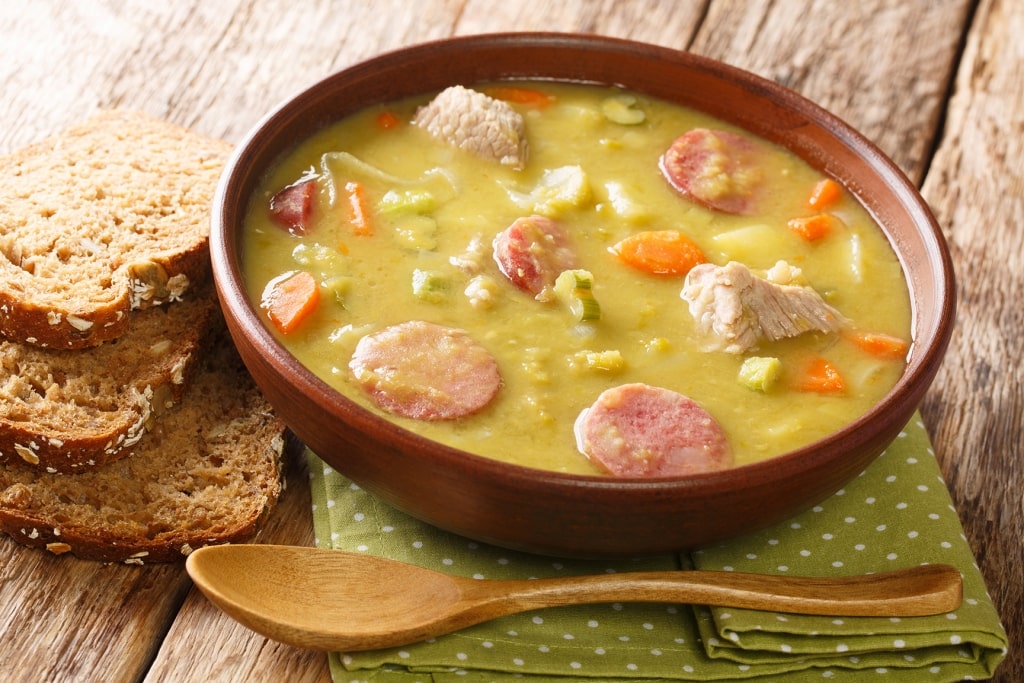
A rustic bowl of thick Dutch split pea soup filled with sliced sausage and vegetables rests alongside slices of dense rye bread.
Erwtensoep is a thick Dutch split pea soup traditionally prepared with root vegetables such as celery root, leeks, and carrots, then finished with slices of pork or smoked sausage. It dates back to the Middle Ages, when split peas were easy to acquire and store, and is often served with dark roggebrood, a rye bread, and bacon.
Dutch cooks famously prepare this hearty soup so thick that a wooden spoon can stand upright in the pot. Also known as snert, it’s often even better on the second day, once the smoky flavors have deepened. This traditional New Year’s Day soup is especially popular after winter walks, skating along frozen canals, or coastal polar plunges to mark the new year.
Dutch Snacks and Street Foods
Casual foods abound at markets, food stalls, cafés, snack bars, and brown cafés. Sampling street foods in Amsterdam is as integral to the charming city as bobbing tulip heads, canals, and bustling bike lanes. Navigating the many unfamiliar options can be overwhelming, but here are a few traditional Dutch food favorites for first-time visitors.
Bitterballen
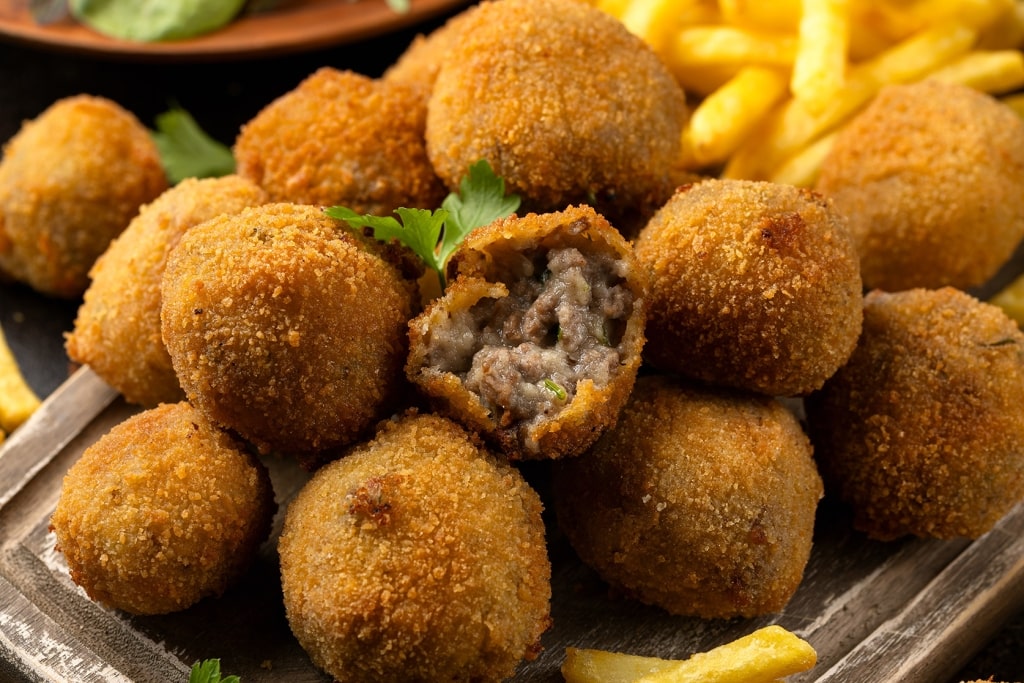
Crispy golden-brown Dutch bitterballen break open to reveal a rich, savory beef filling, served with french fries on a wooden board.
These addictive snacks are a social connector at borrels, as friends dip into hot shared baskets of the small, crunchy, deep-fried bites and toast to the end of a workday. These breaded balls are filled with a thick, creamy meat ragout and are excellent with a sharp mustard. The name refers to the accompanying herbal drinks or beers enjoyed with the snack, so don’t be put off assuming the flavor will be bitter.
Kroketten
Kroketten are larger, log-shaped croquettes with a filling similar to bitterballen, though modern versions may include goulash, chicken satay, shrimp, or vegetarian flavors. What they all share is the contrast between a crisp, double-breaded exterior and a silky-soft filling.
Adopted from a French favorite, kroketten became a practical way to use leftover meats in working kitchens and have grown into one of the Netherlands’ most popular snacks. Try them from corner snack bars or FEBO vending machines, which are famous for serving hot, fresh bites from wall-mounted compartments.
Patat
One of the most familiar traditional Dutch foods to find while exploring the Rhine River ports is patat, a serving of thick-cut Dutch fries, typically served with mayonnaise, warm peanut satay sauce, or curry ketchup. For a more indulgent version, try patatje oorlog, sometimes translated as “war fries.” This snack is usually topped with a combination of mayonnaise, peanut sauce or curry ketchup, and onions, creating a messy but memorable street-food favorite.
Hollandse Nieuwe Herring
More than a meal, the annual herring catch launch is met with celebration in the streets. Herring is fished between May and July, plumped up by plankton for an extremely high fat content.
I learned this firsthand in my previous career on a dolphin care team at a marine research institute. Whenever I had to medicate or add vitamins for my dolphins, I would slip the pills into the gills of a raw herring, a rare treat they went crazy over, so rich and fatty we called it dolphin-Häagen-Dazs.
The traditional Dutch melt-in-your-mouth, rich raw herring snack is commonly served with onions and pickles. Eat it like a local, standing in the street and holding it up by the tail.
Kibbeling
If raw herring feels like a stretch, kibbeling is a more approachable way to enjoy the Netherlands’ seafood traditions. These golden, battered pieces of fried white fish are found at fish stalls and markets, typically served with a rich garlic sauce or remoulade.
Once a way to use scraps or cod cheeks, kibbeling has become a staple of Dutch street food. It’s crisp, savory, easy to share, and especially satisfying during a day of exploring.
Dutch Sweets and Bakery Treats
Even on a Rhine River cruise with one day in Amsterdam, sampling the sweet offerings is a must. These popular desserts, baked goods, and sweets are easy to find in bakeries, markets, cafés, and supermarkets throughout the city.
Stroopwafels
A freshly baked Dutch appeltaart features a golden-brown lattice crust and rich apple filling, served on a ceramic plate alongside a warm cup of tea.
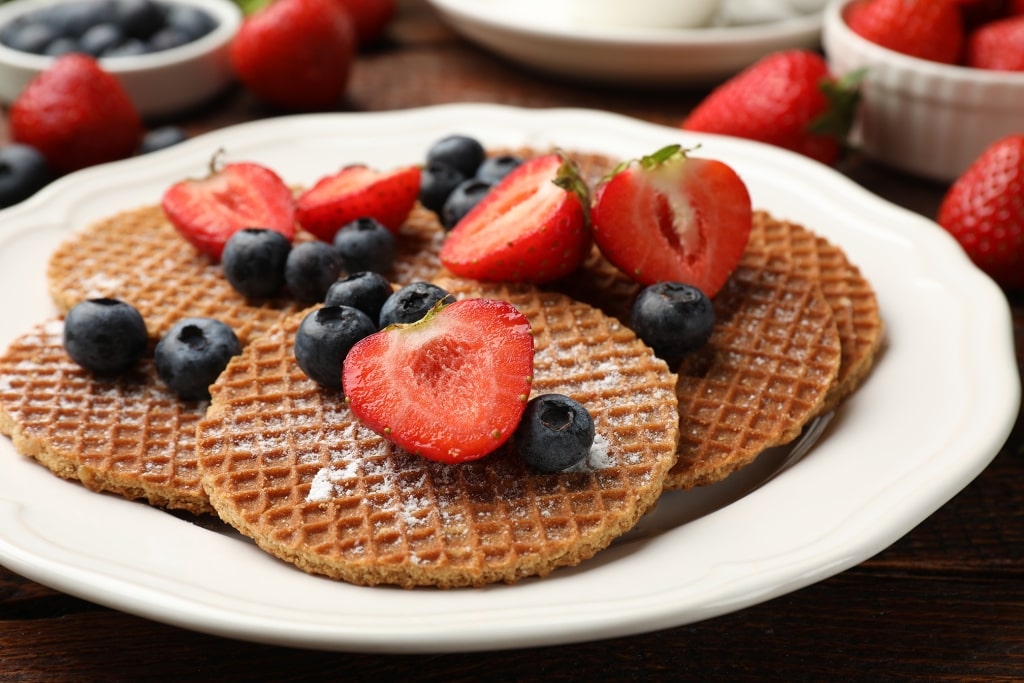
Try authentic stroopwafels in Amsterdam, sometimes griddled right in front of you, with two thin waffle cookies held together by a caramel-like syrup filling. For the perfect texture, place one over a mug of hot coffee or tea so the filling softens. They also make an easy gift to bring home for friends and family.
Poffertjes
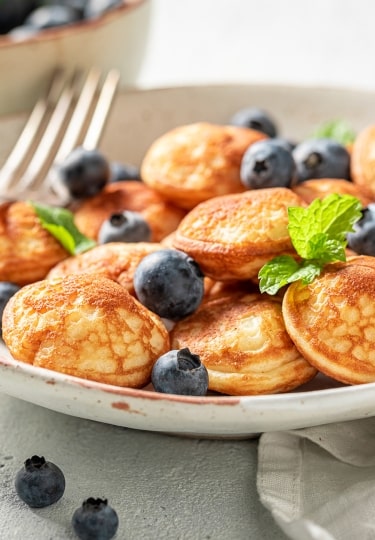
These tiny puffy pancakes don’t need any topping other than the butter and powdered sugar they are served with at markets, fairs, and seasonal events. These are true silver-dollar-sized treats and are dangerously poppable, especially when enjoyed warm.
Appeltaart
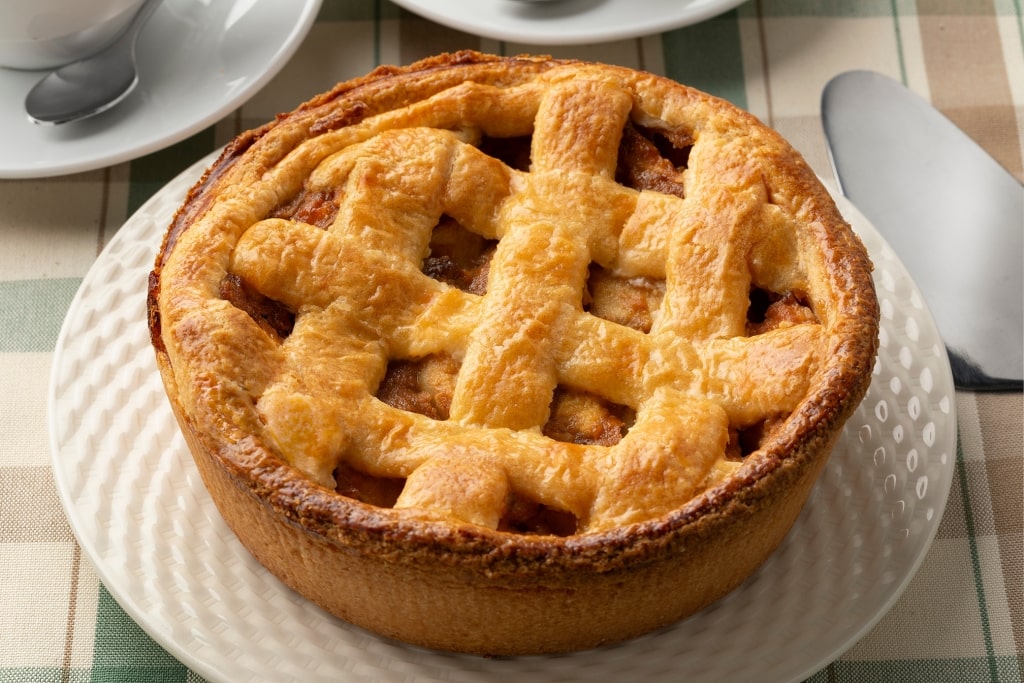
A close-up of a plate featuring a fresh, homemade baked apple pie.
For a classic café pick-me-up, try Dutch appeltaart. This apple pie is typically made with a thick crust, spiced apple filling, and a generous dollop of freshly whipped cream. Pair it with coffee for one of the Netherlands’ most comforting afternoon treats.
Hagelslag
Hagelslag are chocolate sprinkles traditionally eaten on buttered bread, where they soften slightly as they melt. This common breakfast or lunch treat is nostalgic for many Dutch adults, who grew up eating it at home. Although hagelslag may look like ordinary cake sprinkles, the Dutch version is usually richer and more chocolate-forward.
Seasonal Dutch Specialties
Certain foods are associated with the weather, holidays, festivals, and specific travel seasons. When we lived in the Netherlands, my son couldn’t wait for Sinterklaas season for solid chocolate letters signifying a child’s initial and little wax bags of coin-sized pepernoten spice cookies made with cinnamon, cloves, nutmeg, cardamom, and a pinch of black pepper or anise. Here are a few other seasonal snacks to try.
- Tulip season: Market snacks such as fresh stroopwafels, cheeses, and poffertjes.
- Christmas: Kerststol, a holiday bread filled with raisins, currants, citrus peel, and almond paste, is often served with coffee or tea leading up to Christmas.
- New Year’s: Oliebollen, a fried dough ball filled with raisins or apples and dusted with powdered sugar, is a holiday favorite served fresh from snack carts.
What to Drink With Traditional Dutch Food
Drink pairings are part of Amsterdam’s café, pub, and dining culture. Different drinks complement savory snacks, hearty meals, and sweets, whether you’re settling into a brown café or pausing for coffee and cake during a day of sightseeing.
- Dutch beer: Pair crisp lagers or pilsners with fried and salty foods such as bitterballen, kroketten, patat, and kibbeling. Darker or maltier beers can work well with richer dishes such as stamppot and erwtensoep.
- Genever: This is a traditional Dutch spirit and an important part of the country’s drinking culture. Pair it with savory bar snacks such as bitterballen, aged Dutch cheese, pickles, or herring. Genever may be served neat and should be approached as a tasting experience rather than a drink with every course.
- Coffee: Pair coffee with Dutch sweets and bakery treats such as stroopwafels, appeltaart, poffertjes, and pastries. Enjoy a relaxed café stop for coffee and cake on a day of sightseeing.
Buurt Favorieten: Where to Try Dutch Favorites
Once you know what to order, the next question is where to find it. Keep these suggestions in mind as you explore:
- Stamppot: Look for it at traditional restaurants and brown cafés, particularly during the cooler autumn and winter months.
- Bitterballen: Try these at brown cafés, bars, and restaurants during borrel, the Dutch tradition of gathering for drinks and snacks.
- Hollandse Nieuwe herring: Head to fish stalls and markets, especially when the new-season catch arrives.
- Kibbeling: Look for this fried fish favorite at fish stalls and waterfront markets, including those in Rotterdam.
- Stroopwafels: Markets, bakeries, and street-food stalls are good places to find them, with freshly made versions especially worth seeking out.
- Poffertjes: These small pancakes are commonly found at markets, fairs, and seasonal events.
- Appeltaart: Order a slice at a café, where it’s often served with coffee and whipped cream.
Before and After Stays: Dutch Dining in Amsterdam
Extend the journey beyond your sailing with Celebrity River Cruises℠ Before and After Stays in Amsterdam.
The experience includes hotel accommodations at Clayton Amsterdam or Mandarin Oriental Amsterdam, daily breakfast, transfers between the airport, hotel, and ship, and one daily excursion, giving guests more time to explore. Follow a Local Storyteller℠ or Destination Insider℠ around the city to discover its best-kept secrets and bring home the most authentic tastes of Amsterdam, plus traditional Dutch souvenirs.
FAQs
What traditional Dutch foods should first-time visitors try?
Visitors without adventurous palates will heartily enjoy the oliebollen, patat, kibbeling, stroopwafels, appeltaart, poffertjes, and kroketten.
Where can you find traditional Dutch food in Amsterdam and along Rhine River cruise routes?
You can find traditional Dutch foods in markets, corner snackbars, street food stalls, generations-old family-owned bakeries, brown cafes, holiday festivals, Michelin-starred restaurants, and pubs. There is something for every taste.
Is Dutch food worth trying on a Netherlands river cruise?
Dutch food is not only delicious but also a reflection of the land, sea, culture, and history of the local people. It is a highlight of any Rhine River cruise.
Discover Dutch Delicacies on Your Rhine River Cruise
Rhine River cruises offer a tantalizing taste of local life through the cuisine and food-focused social experiences in both Amsterdam and Dutch ports along the journey. Step into the story of the Netherlands’ traditional food favorites for deeper insight into community, culture, and local experience that bursts through every bite.
Explore the traditional Dutch foods on a Rhine River cruise to Amsterdam. Wind through the heart of this intriguing landscape on European river cruises past castles, vineyards, and scenic historical wonders.