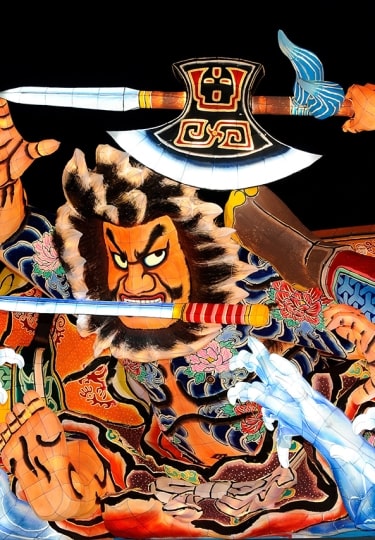
When the heat sets in across Aomori City, northern Japan puts on a show. In one of the snowiest parts of the world, summer is both precious and demanding for its farmers. Fatigue may strike, but the locals revive the city with a second wind: the Nebuta Festival—one of Japan’s most famous summer festivals that carries through the first week of August.
Lantern-lit floats parade through the streets, dancers leap and shout in unison, and the energy throughout the city vibrates with a radiance you can feel as much as you see. It’s a lively celebration that renews farmers’ strength before Aomori Prefecture’s demanding harvest work.
One of the best ways to witness it is to embark on a Celebrity Cruises® sailing that overlaps one of the six days of processions. The Nebuta Festival is built on centuries of tradition, waiting to be experienced—even in just one port day.
Things To Know About Nebuta Festival
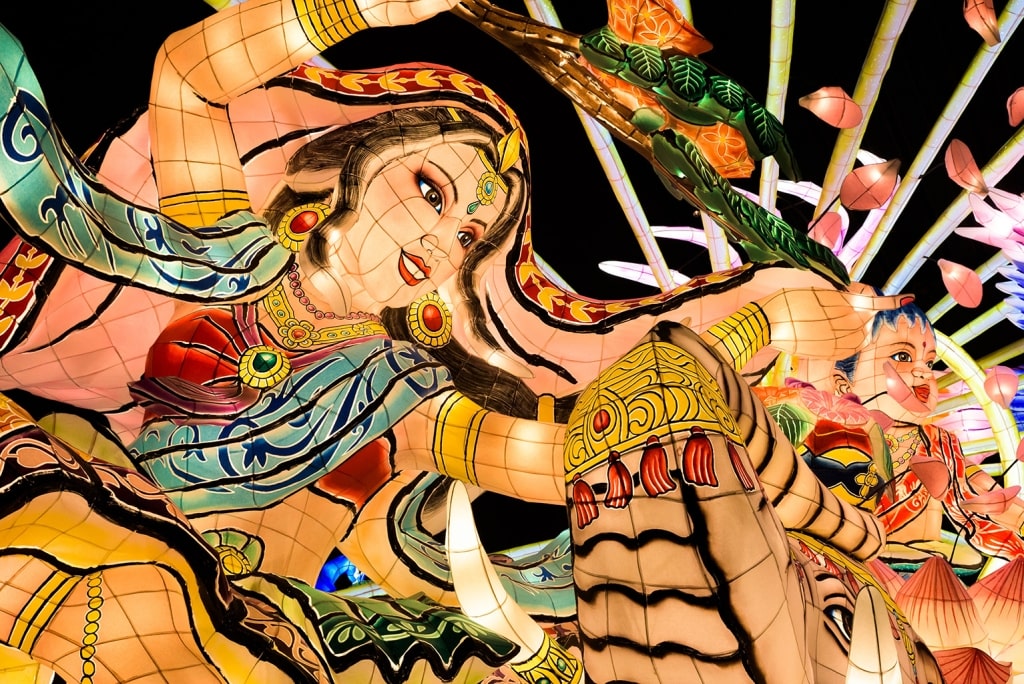
An intricately crafted, brightly illuminated lantern float depicting traditional figures during the annual Aomori Nebuta Festival.
Nebuta Festival has a jam-packed schedule that leads to a fireworks grand finale. From the musical performances to the route it travels, these are the details that’ll shape your experience once you’ve arrived.
What Is the Nebuta Festival?
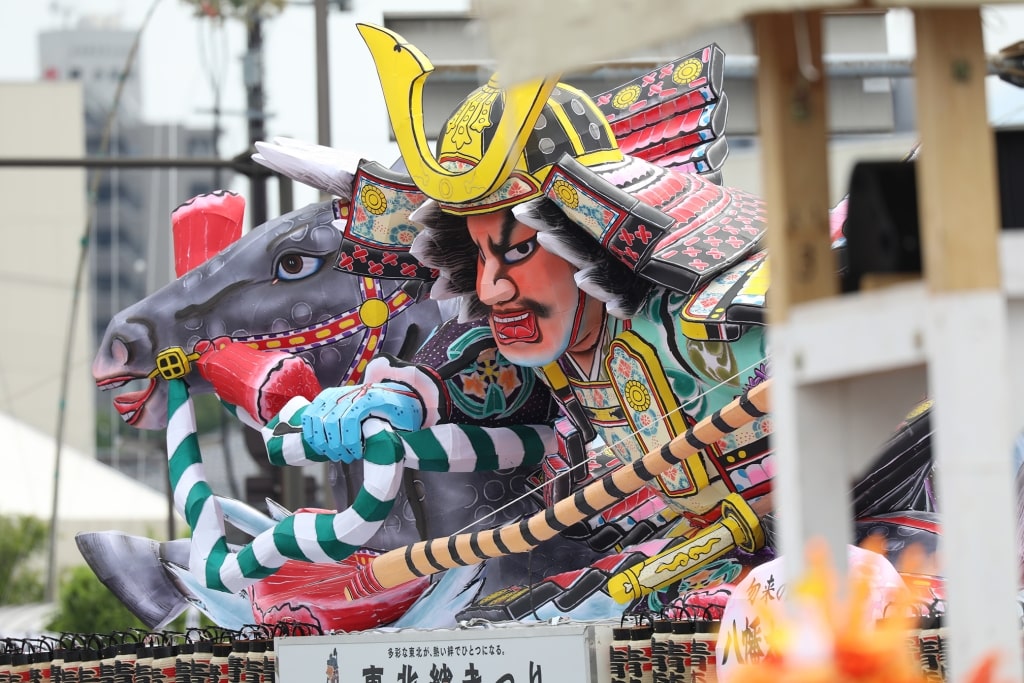
A massive, hand-painted float depicting a samurai warrior on horseback during the famous annual Aomori Nebuta Festival in Aomori City.
The Nebuta Festival is a six-day event at the beginning of August that is meant to ward off the sleepiness farmers may feel in the middle of the summer heat. Larger-than-life illuminated lanterns, chants, dances, and an overall sense of community are what make this one of the best-known events during Japan’s summer season.
At a glance:
- Who: Anyone is welcome to observe the festival on the public route for free.
- What: It’s a six-day festival to help farmers’ resilience through the summer heat.
- Where: It’s about a 10-minute walk from JR Aomori Station.
- When: The festival takes place in the first week of August.
- Japanese name: Nebuta Matsuri
The Nebuta Festival Schedule
The Nebuta Festival happens between August 2 and August 7; however, the eve of the festival kicks off the summer event, starting around 5:00 p.m. at Nebuta Rasse Land. The lantern-lit floats will typically be on display for close-up viewing, and the artisans who designed the floats often make an official introduction accompanied by musical performances.
Between August 2 and August 7, children’s nebutas, large nebutas, and award-winning nebutas parade down the street. Taiko drums, cymbals, and flutes fill the air with traditional song and dance. Haneto dancers frolic between the floats and entertain the crowds. These dancers keep up the energy after dark as the illuminated floats glow—except on August 7, when the floats are seen in broad daylight.
The biggest difference between each day is their start times. Here’s a quick breakdown of when festivities ordinarily begin:
- August 2-3: 7:00 p.m.
- August 4-6: 6:45 p.m.
- August 7: 1:00 p.m.
On August 7, the processions end around 7:15 p.m. Then, the marine processions and a fireworks display take off for the grand finale at Aomori Port, from Tsutsumi Wharf to Hakkodamaru. Guests can watch the nebutas on boats as they are ferried around Aomori Bay. The skies light up with colorful fireworks and unbelievable designs to conclude the week-long event.
Nebuta Festival Floats
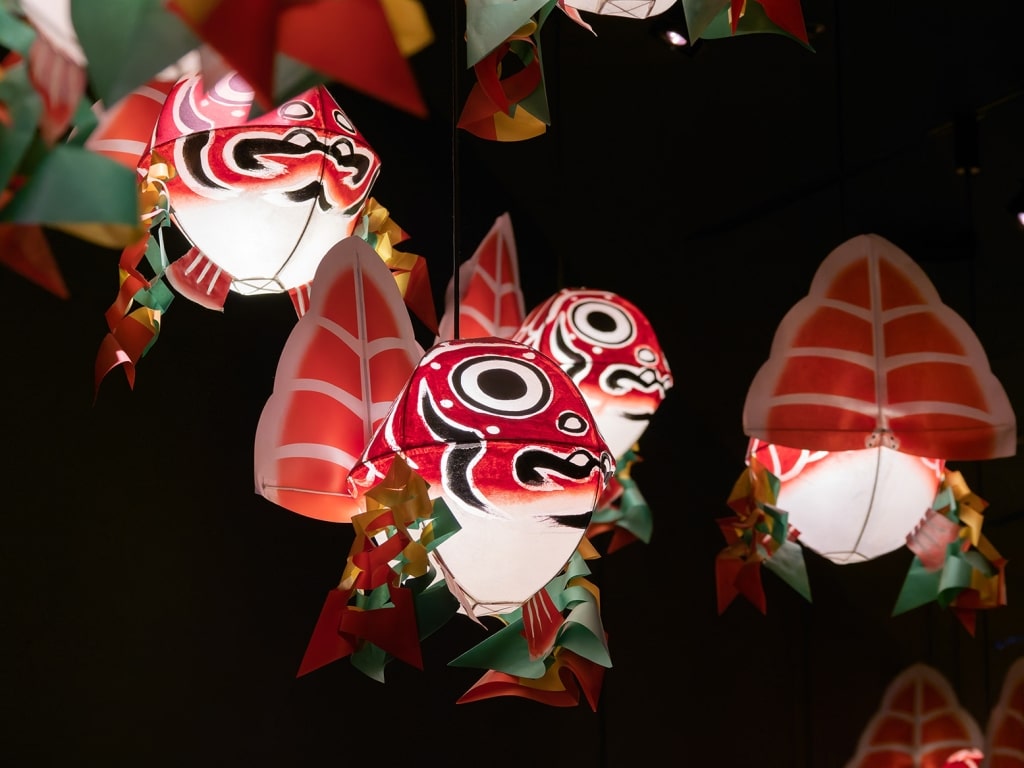
Handcrafted red and white Kingyo Nebuta (goldfish lanterns) glowing softly against a dark background, reflecting the traditional artistry of Aomori’s Nebuta Festival.
The lantern-lit floats in the festival are called Nebuta—hence the name. They often take the shape of Japanese warriors, though many also depict Kabuki actors, gods, or figures pulled from Japanese folklore. Each one is built similarly to a hanging lantern in front of local stores—wire frames shape washi paper hand-painted by artists known as nebuta-shi. Nebuta-shi need to be certified to construct them, and only a small number are.
Each float encloses hundreds of LED lights that make the figures come to life after dark. The largest float can stretch up to 30 feet wide and more than 15 feet tall, weighing up to four tons, so it can take months to bring to life. On the night of the festival, a team hiding beneath the Nebuta operates it, spinning the floats toward both sides of the crowd so everyone can get a full view of each one.
Headlining Haneto Dancers
The Nebuta Festival is a massive community effort. Not only are the floats operated by the people, but there is also live local entertainment. The main performances are done by Haneto dancers, who leap and bounce alongside the floats. The signature move includes two hops on one foot and two on the other, timed to the beat of taiko drums and flutes. Often, you’ll hear them chant “Rassera, Rassera!” which is believed to be a welcoming call, inviting the crowd to join in.
They wear a triangular, flower-covered straw hat called hanagasa, a white kimono draped over blue or pink bottoms, and a bright sash at the waist. There are also small tin cups around their waists, known as gagashiko, for water or sake to cool off once the dance gets intense. Suzu, pink or red cords with bells, are attached to their costumes to produce added noise when jumping.
Haneto dancers aren’t just part of the procession for entertainment; they play an intricate role to keep the energy alive between each nebuta. It’s an opportunity for anyone to get involved and dance as a Haneto, even visitors.
A quick tip for traveling to Japan: If you’d like to be a Haneto dancer during the festival, all you need is the proper costume, which you can rent from shops near Aomori Station. No registration or experience required—just show up, suit up, and start jumping.
Nebuta’s Noteworthy Atmosphere
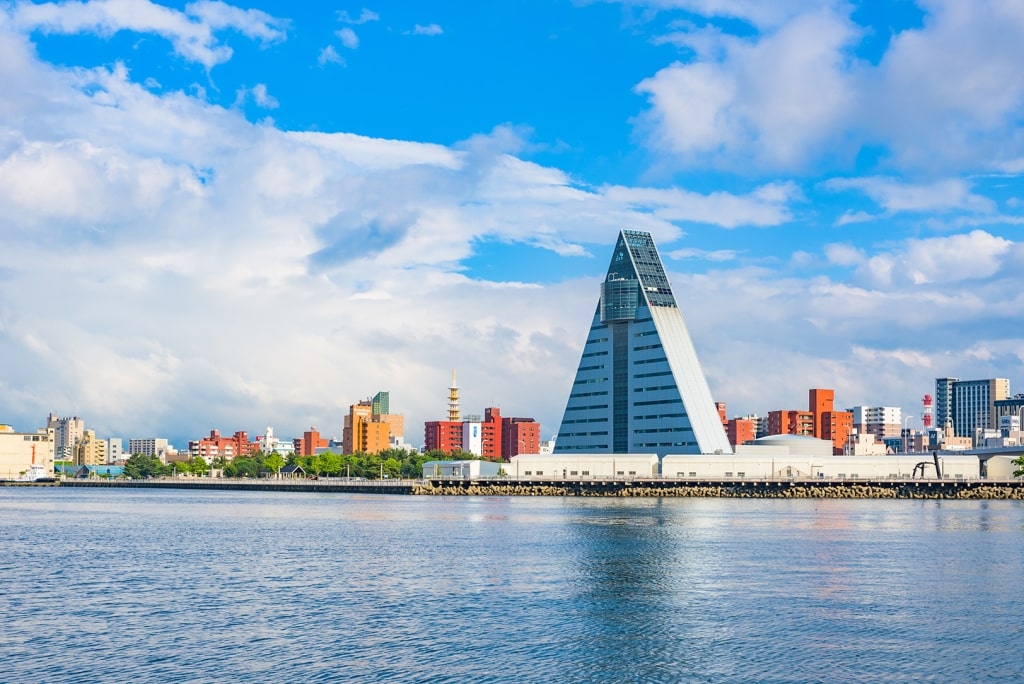
The iconic triangular Aomori Prefecture Tourist Center (ASPAM) building stands along the waterfront of Mutsu Bay in Aomori City.
One of the best places to visit in Japan for first-timers has to be Aomori City at the start of August.
The streets fill with excited crowds anticipating the views of bright nebutas being carried down the routes to the sounds of taiko drums, flutes, and hand cymbals. Haneto dancers chanting “Rassera, Rassera” keep the vibes high as the sun sets and night falls. The smell of Japanese street food fills your nostrils, along with the hum of thousands of voices alongside the music. The rise and fall of sounds, varying smells, and unique sights are a sensory overload in the best way—one you feel in your chest before you even see the first float turn the corner.
The parade winds through a roughly two-mile loop in the heart of downtown Aomori, just a short walk from JR Aomori Station. Free viewing spots line the entire route, but wider areas draw the biggest crowds because they offer the clearest views as floats pivot and spin for the audience.
While the nightly parades run August 2 through 6, the festival saves its biggest moment for last. On August 7, viewers can see the floats in broad daylight as they head to Aomori Port for the grand finale. The award-winning nebutas are loaded onto boats that sail across Aomori Bay so guests can see them from a more fantasy-like perspective. The evening is capped off by a fireworks display lighting up the water and sky together.
The celebration doesn’t end in August. The Nebuta Museum Wa Rasse, also just steps from Aomori Station, displays four full-sized floats year-round from the most recent festival, so you can see what was shown during the last festival no matter when you visit.
Nebuta Festival FAQs
What is the Nebuta Festival?
The Nebuta Festival is a six-day event where large lantern-lit floats, called nebuta, are paraded down the street to the sound of musical instruments and live performances from Haneto dancers.
The festival aims to encourage farmers to persevere through the summer heat.
Where does the Nebuta Festival take place?
The Nebuta Festival takes place in the center of Aomori City. It’s held in the first week of August, making it one of the best times to visit Japan.
Can visitors participate in the Nebuta Festival?
Visitors can participate in the festival as audience members, or they can join the Haneto dancers with the proper attire.
How can the festival fit into a broader Japan trip?
Guests can take a Celebrity Cruises sailing departing from Tokyo with an itinerary that goes to Aomori and overlaps with the Nebuta Festival.
Arrive in Aomori
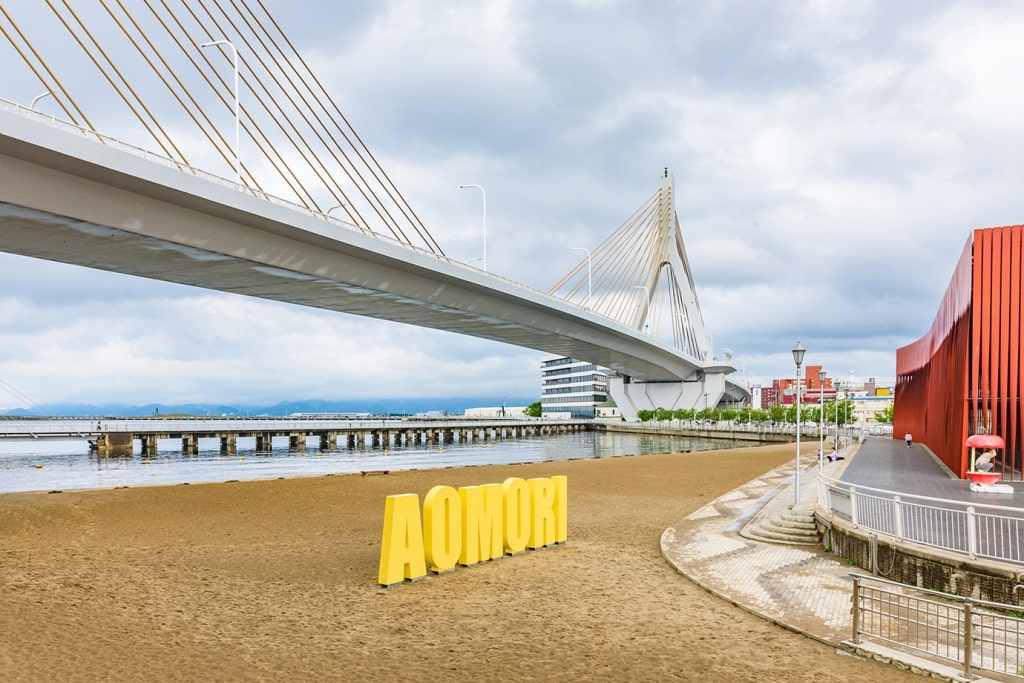
The yellow AOMORI letter monument on Aomori Beach, with the cable-stayed Aomori Bay Bridge and Nebuta Museum WA-RASSE along the waterfront in Aomori City.
From towering illuminated floats to Haneto dancers leaping through the streets, the Nebuta Festival brings centuries of tradition to life across six unforgettable days. The best day for a port day in Aomori would be August 7, the last day of the festival. The processions begin in the afternoon, giving you all day to view the nebuta and stick around for the grand finale in the evening.
Spend your morning exploring the port, trying local restaurants, and visiting the museum to see what was on display the previous year. Then, find a place in the public viewing area to get a front-row view of the route, ready for the action to begin—the floats, the dancers, the music, the palpable energy.
For guests ready to cruise to Japan, the best place to start is planning a sailing that puts Aomori—and the Nebuta Festival—as a priority destination, especially in August.