Few cities in the world carry the weight of history quite like London. From medieval fortresses and royal palaces to world-class museums and lively neighborhood markets, the British capital feels both timeless and constantly evolving.
I first visited London in 2000 and have returned regularly ever since. You might walk past Roman ruins or royal parks, then turn a corner and find a packed restaurant or tiny gallery showcasing a new artist.
For many travelers arriving in England, particularly those extending a cruise from nearby ports such as Southampton, London becomes an essential gateway to the country’s history and culture. Read on for the places that define a first visit to London and the experiences that make the city unforgettable.
Why London Is Not to Be Missed
A visit to the British Isles is not complete without a stay in London. The city has been the historic capital of England for nearly a millennium, and you’ll find history everywhere, from Norman castles and Gothic cathedrals to Georgian townhouses and contemporary skyscrapers. Its museums hold artifacts from nearly every civilization, its dining scene spans the globe, and its theater district rivals Broadway.
One of the things that continues to impress me after decades of visiting is how compact many of London’s highlights actually are. You can walk from Westminster Abbey to Buckingham Palace, wander through St. James’s Park, and reach Trafalgar Square all within a single afternoon.
Must-See Places in London, England
London is packed with famous landmarks, but what makes the city memorable is how many different sides of it you can experience in a short time. Below are the places that belong on nearly every London itinerary, particularly when cruising in England.
Royal and Historic Landmarks
1. Buckingham Palace
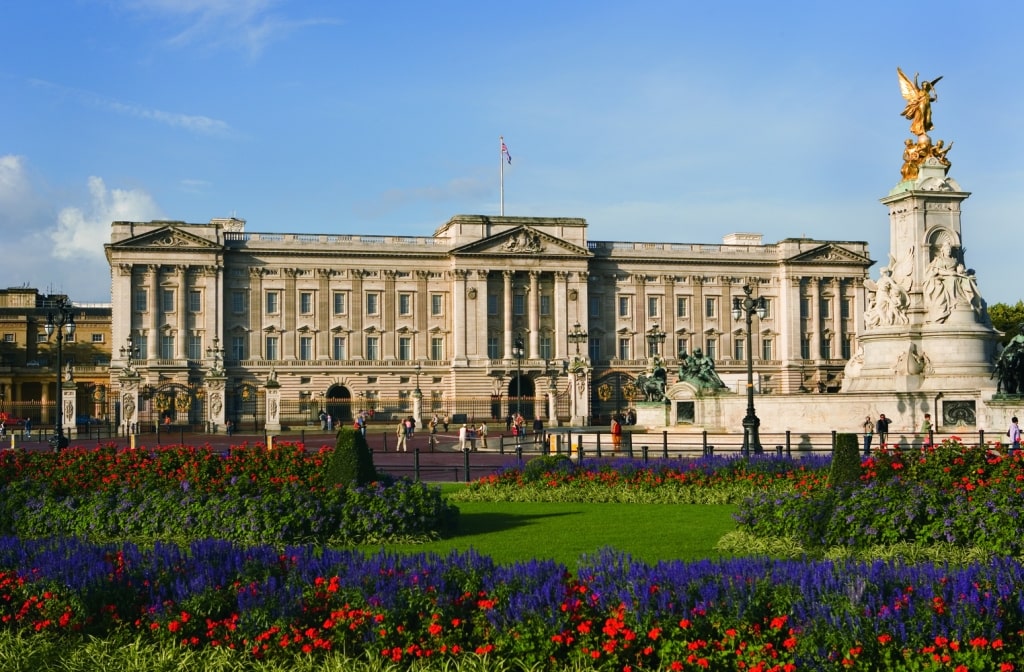
Buckingham Palace has served as the official London residence of the British monarch since the reign of Queen Victoria in the 19th century. Today, it is one of the city’s most famous landmarks. The Changing of the Guard ceremony takes place outside the palace gates several times a week, when soldiers in scarlet uniforms and bearskin hats march across the forecourt in a tradition that dates back centuries.
2. Westminster Abbey
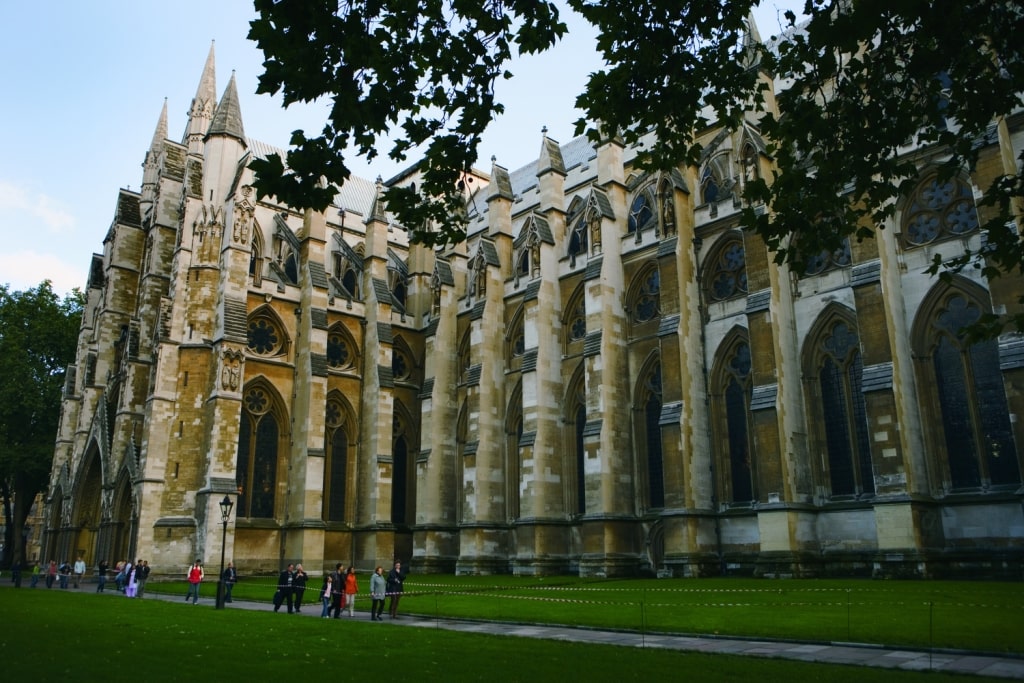
Nearly every British monarch since 1066 has been crowned at Westminster Abbey, host to royal weddings, state funerals, and historic ceremonies. Walking inside feels like stepping back through time. Kings, queens, poets, scientists, and political figures are buried or memorialized here, including Charles Darwin, Isaac Newton, and Geoffrey Chaucer. Just outside the abbey are two of London’s most recognizable landmarks: Big Ben and the Houses of Parliament.
3. Tower of London
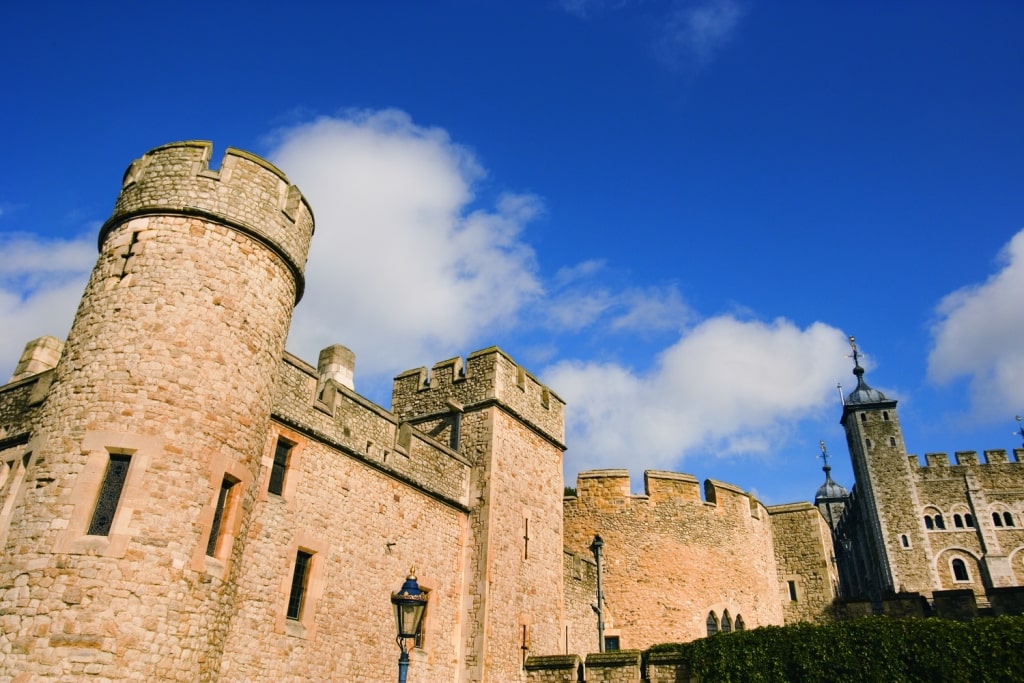
The Tower of London is one of the city’s oldest and most fascinating sites. Built in the 11th century by William the Conqueror, the fortress has served as a royal palace, prison, treasury, and armory. Now visitors come to see the Crown Jewels and hear stories from the Yeoman Warders—better known as Beefeaters—who guide guests through the tower’s long and sometimes dark history.
4. Tower Bridge
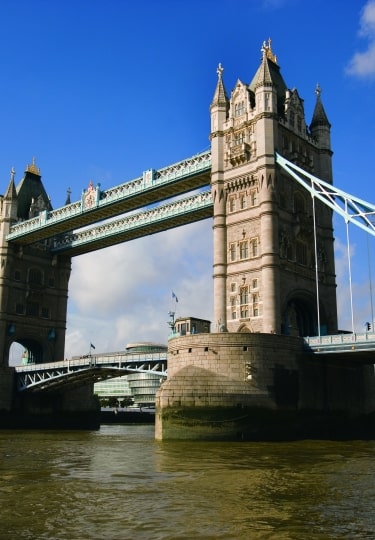
Tower Bridge is often mistaken for London Bridge but it’s arguably the city’s most iconic bridge. Completed in 1894, its distinctive twin towers and bascule design allow it to lift open for passing ships along the Thames. Visit to walk across the glass floor of its upper-level walkway for sweeping views of the river.
5. St. Paul’s Cathedral
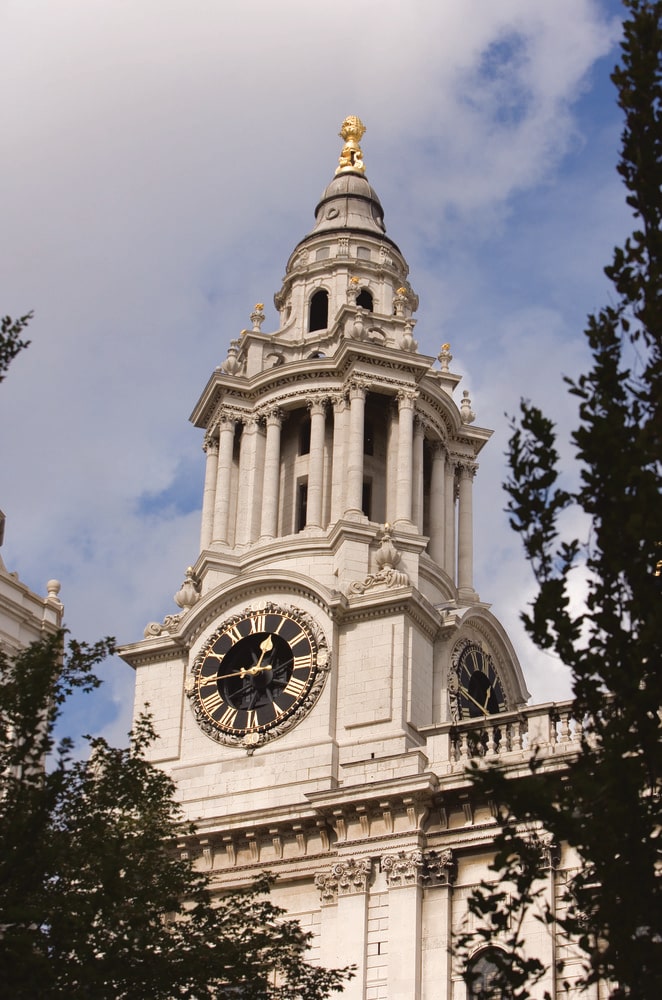
St. Paul’s Cathedral dominates London’s skyline with its magnificent dome, designed by Sir Christopher Wren. Inside, the cathedral’s Whispering Gallery offers visitors an acoustic effect where even a quiet voice carries across the circular space. Climbing to the top rewards visitors with one of the most spectacular panoramic views of the city.
Famous Museums and Cultural Attractions
6. The British Museum
The British Museum houses one of the world’s most important collections of artifacts, spanning thousands of years of human history. Highlights include the Rosetta Stone, Egyptian mummies, Greek sculptures from the Parthenon, and countless objects from ancient civilizations. Even better: admission to the museum is free.
7. The Natural History Museum
Families often consider the Natural History Museum one of London’s most entertaining cultural stops. The museum’s grand Victorian architecture is impressive on its own, but inside you’ll find enormous dinosaur skeletons, rare gemstones, and interactive exhibits that bring the natural world to life.
8. The National Gallery
Located on Trafalgar Square, the National Gallery holds one of Europe’s greatest collections of paintings. Its galleries feature masterpieces by artists including Van Gogh, Rembrandt, Monet, and Leonardo da Vinci.
The Best Views of London
9. London Eye
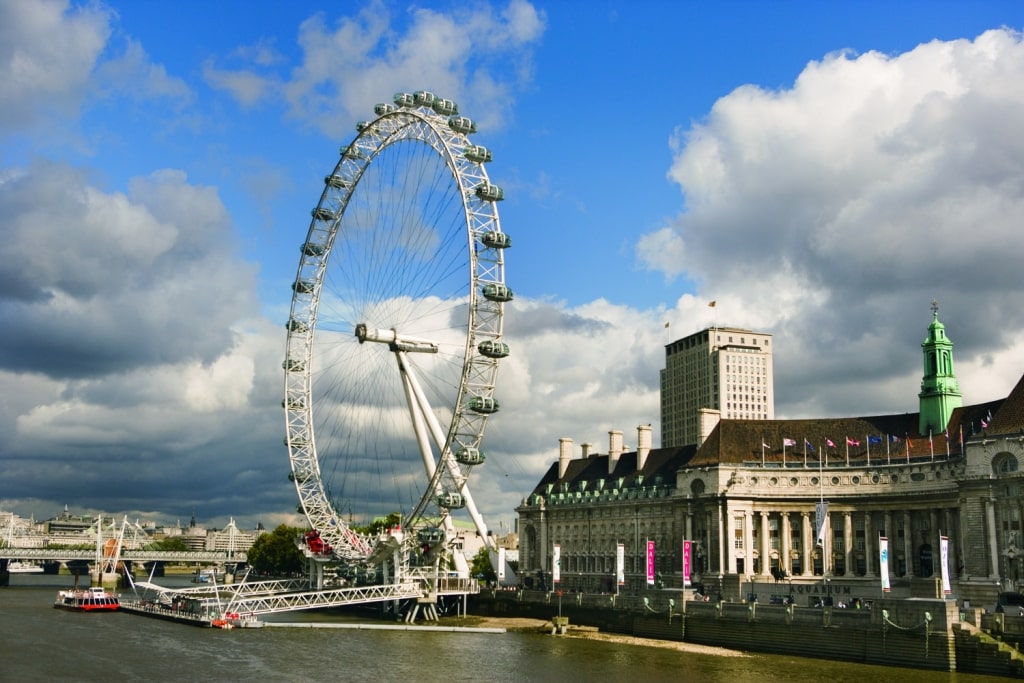
The London Eye has become one of the city’s most recognizable attractions since opening in 2000. The giant observation wheel rises 443 feet above the River Thames and offers sweeping views of Central London.
10. The Shard
Standing more than 1,000 feet tall, The Shard is the tallest building in the United Kingdom. Its observation decks provide views of London’s skyline that stretches up to 40 miles on a clear day.
Classic London Experiences
11. Afternoon Tea
Afternoon tea is one of Britain’s most beloved traditions, typically served with delicate finger sandwiches, freshly baked scones with clotted cream, and elegant pastries. Classic venues include Claridge’s, The Ritz, and Fortnum & Mason, while themed teas for children may feature Alice in Wonderland or Paddington Bear.
12. River Thames Cruise
The River Thames winds through the center of London, and seeing the city from the water offers a completely different perspective. Many cruises travel between Westminster and Greenwich, passing historic landmarks such as Tower Bridge and the Tower of London.
13. West End Theatre Show
London’s West End is one of the world’s premier theater districts. Long-running productions such as Les Misérables and The Phantom of the Opera draw audiences from around the globe.
Neighborhoods and Places Worth Exploring
14. Covent Garden
One of the most energetic places in the city, Covent Garden blends historic market halls with boutiques, restaurants, and lively street performances. Day or night, the area is always buzzing with activity.
15. Notting Hill
Notting Hill is famous for its colorful houses and the bustling Portobello Road Market. The neighborhood is especially lively on weekends when antique dealers and vintage shops fill the streets.
16. Hyde Park
Hyde Park offers a welcome escape from the city’s energy. Visitors can walk along tree-lined paths, rent paddleboats on the Serpentine Lake, or simply relax on the lawns during warmer months.
Worth Visiting
17. WB Studio Tour London
The Warner Bros. Studio Tour is a must for Harry Potter fans. Located just outside of central London, the experience takes visitors behind the scenes of the film series, showcasing original sets, costumes, and props.
18. Daytrips to Oxford and Bath
London also serves as an ideal base for visiting some of England’s most historic towns. Oxford is famous for its centuries-old university colleges, while Bath is known for its Roman baths and elegant Georgian architecture. Both destinations can easily be reached by train.
19. Windsor Castle
Windsor Castle is the largest inhabited royal palace in the world and remains one of the official residences of the British monarch. Located just outside London, it offers a fascinating glimpse into royal life, and the surrounding village is fun to explore.
20. Wimbledon
Each summer, the Wimbledon Championships transforms southwest London into the center of the tennis world. Outside the tournament season, visitors can tour the Wimbledon Lawn Tennis Museum.
Planning Tips for Visiting London
With its vast size and plenitude of things to see and do, a little preparation can make a huge difference.
How Many Days Do You Need in London?
London deserves at least several days. With only one day visiting England, focus on Westminster landmarks such as Buckingham Palace, Big Ben, and Westminster Abbey. Two to three days allow time for major museums and neighborhoods. Four days or more let you explore markets, parks, and day trips beyond the city.
Best Time to Visit London
Don’t let London’s reputation for rain dissuade you. In all of my visits over the years, I’ve only ever experienced a mild drizzle or rain just a few times. Spring and early fall often offer the most pleasant weather and fewer crowds, while summer brings festivals and outdoor events but also the highest number of visitors.
Booking Popular Attractions
Many of London’s most famous sites require advance tickets, especially during peak travel seasons. Plan ahead and book in advance.
Extending a Cruise With Time in London
London is often the starting point for discovering England. Travelers frequently combine time in the city with a broader journey through the countryside or along the coast. One of the most memorable ways to experience the region is by pairing a London stay with a cruise through the British Isles.
To begin planning your journey, you can explore cruises to England that connect the country’s most historic ports.
FAQs
What should we not miss in London?
Buckingham Palace, Westminster Abbey, the Tower of London, and the British Museum rank among the most essential stops.
What are the top places to visit in London?
Major highlights include the Tower Bridge, St. Paul’s Cathedral, the London Eye, and the National Gallery.
What should I see in London for the first time?
First-time visitors often focus on Westminster landmarks, the Tower of London, and a Thames cruise.
What places can you visit in London for free?
Many museums, including the British Museum and the National Gallery, offer free admission.
What is the prettiest area of London?
Notting Hill, Kensington, and the neighborhoods around Hyde Park are often considered among the most beautiful.
When was Big Ben built?
Big Ben, officially named the Great Bell of the Elizabeth Tower, was completed in 1859. It refers to the bell and not the clock.
Where is Big Ben located in London?
Next to the Houses of Parliament in Westminster.
How tall is Big Ben?
The Elizabeth Tower stands about 316 feet tall.
When was Buckingham Palace built?
The palace was originally built in 1703 and later expanded into the royal residences we see today.
Can you tour Buckingham Palace?
Yes. The palace’s State Rooms are open to visitors during the summer months.