Stepping into one of Iceland’s ice caves is one of the world’s great natural travel experiences. Whether a cavern formed inside a glacier itself, or a volcanic cave that’s frozen over, the shimmering blue walls, streaks of volcanic ash, and steady drip of meltwater create a world totally different from the one outside.
The journey to reach your cave of choice can be equally memorable: rumbling across volcanic plains in a super jeep, strapping on crampons at a glacier’s edge, and listening to the tall tales of guides who know both the science and the folklore.
What Is an Ice Cave?
Katla Ice Cave
In a land packed with natural wonders from geothermal springs to raging waterfalls and huge volcanoes, Iceland’s ice caves are a curiously unique and incredibly spectacular phenomenon.
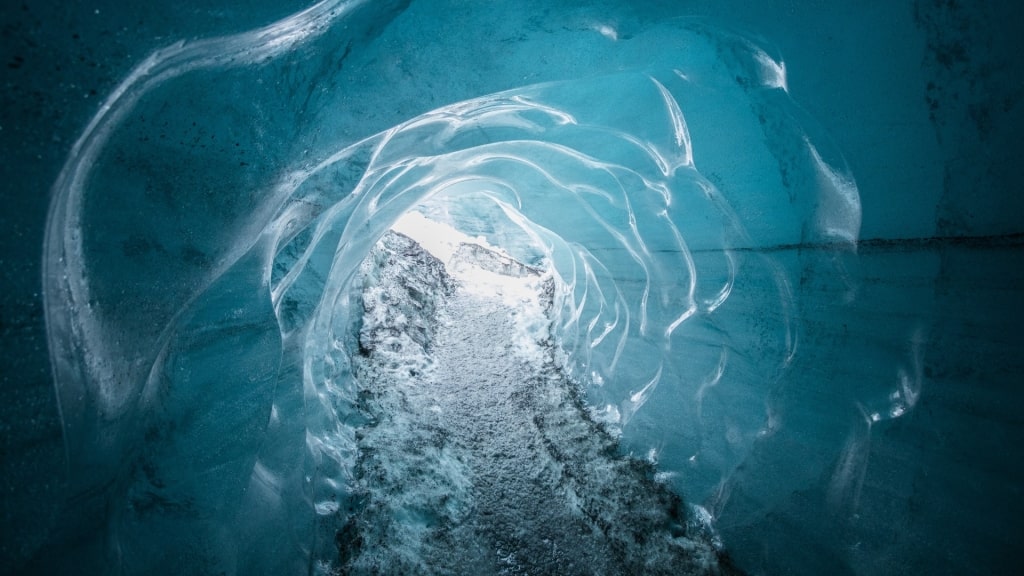
There are two main types of ice cave. The most famous consist of natural caverns of ice that are formed inside actual glaciers. Meltwater or geothermal heat carves out tunnels and chambers with walls that shimmer in shades of blue, a result of the glacier’s immense pressure compressing the ice and forcing out any air bubbles.
Once inside, visitors are faced with yet another otherworldly landscape to go with the many others seen in Iceland. Frozen formations look like sculptures, each step taken altering the view to fire your imagination.
Lofthellir Ice Cave
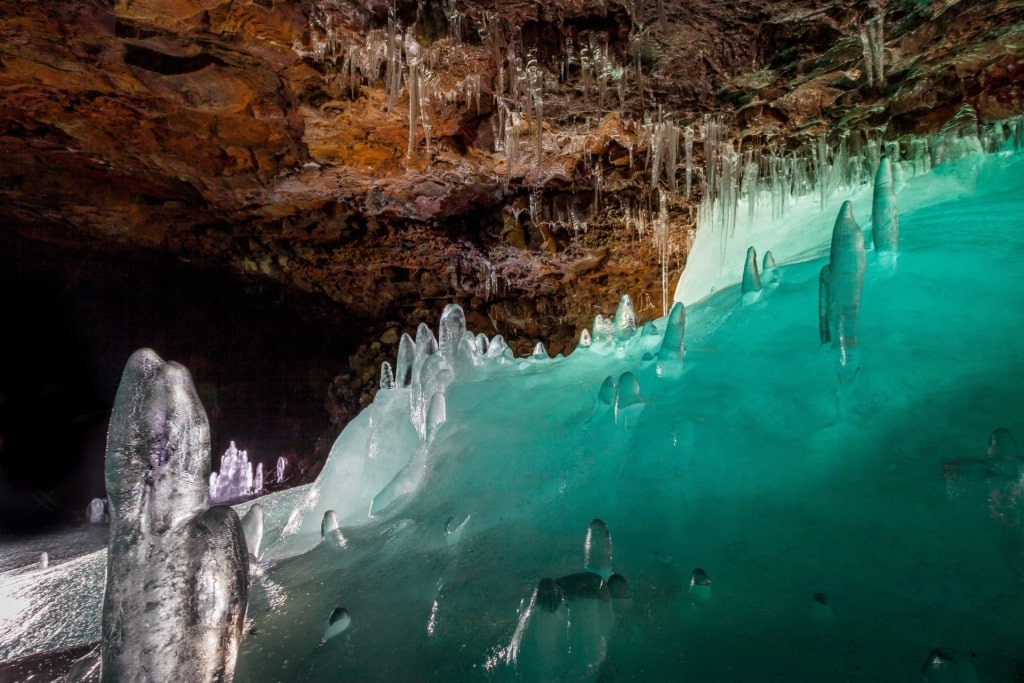
The second type of ice cave consists of lava tubes from the island’s many volcanoes or caves in rock, covered in ice due to low temperatures. They can feature ice versions of stalactites and stalagmites that create incredible formations.
What makes Iceland ice caves so special is that they are mostly in a constant state of flux, with both time and temperature changes. For glacier ice caves, this is even more pronounced as glacier ice is constantly moving, albeit very slowly. From visit to visit, the caves can grow, shrink and, on rare occasions, even vanish altogether.
For travelers with more than a sense of just geographical curiosity, ice caves offer a unique opportunity to step inside a millennia-old glacier and be surrounded totally by ice.
What to Expect on an Ice Cave Tour
Katla Ice Cave
Touring Iceland’s ice caves is no ordinary experience. You don’t just show up, pay an entrance fee and have a look around. It’s more part adventure/part geology lesson.
First, you must get to the cave itself. For most tours this involves a journey by super-jeep or specially equipped bus, both of which can handle the rugged and icy terrain.
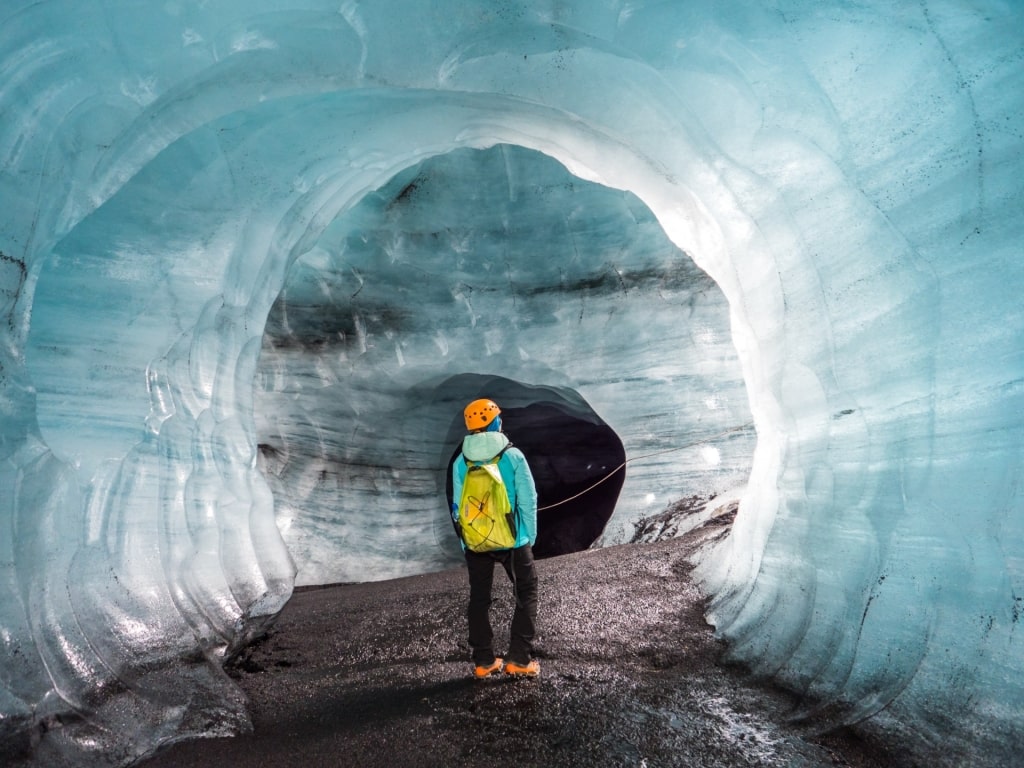
Some tours may also then feature a hike to the cave entrance where safety gear like harnesses, helmets, and crampons are distributed. The crampons are especially important, as conditions underfoot are often uneven and slippery. From here, guides lead small groups on foot across the glacier or through carved tunnels into the cave.
Katla Ice Cave
Inside, the experience is surreal, to say the least, thanks to glittering walls of compressed ice, changing shades of blue, and the quiet drip of meltwater. The tour pace once inside tends to be unhurried, allowing plenty of time to take photos, enjoy the silence, and marvel at the surrounding natural wonder.
Tours are carefully timed to ensure the caves are stable and safe, and guides will often point out how the structures formed, adding a scientific layer to the incredible spectacle.
Things to Do on Ice Cave Tours
Langjökull Ice Cave
Visiting ice caves in Iceland is more than just gazing at walls of blue ice. It’s about how you experience them. Here are a few dos and don’ts to make the most of a visit.
Do take your time when visiting. Find a spot, stand still, and soak it all in. The hushed atmosphere inside is quite unlike anything else you are likely to experience.
Do bring a camera but also look up and around with your own eyes—light can change from minute to minute, and your camera may not do the experience justice.
Katla Ice Cave
Do listen to the guide. Icelanders love to tell a tale. Sometimes they can be as tall as tales get, but they are also great fun.
Don’t wander off. The caves can be fragile and constantly changing. Your guide is there to not only keep you informed but also keep you safe, so stay with them.
Katla Ice Cave
Don’t underestimate the cold. Even if it’s been warm outside, temperatures inside are around freezing point, 32°F. You’re in the heart of a glacier or deep in a frozen rock cave, after all.
Don’t rush. The magic of ice caves can lie in their details. Look out for ripples in the ice that can fire the imagination and listen carefully, not only to your guide, but to the ice itself. A drip here, a slight creak there—it all helps build the experience.
Top Ice Caves in Iceland
Langjökull Ice Cave
Langjökull Ice Cave
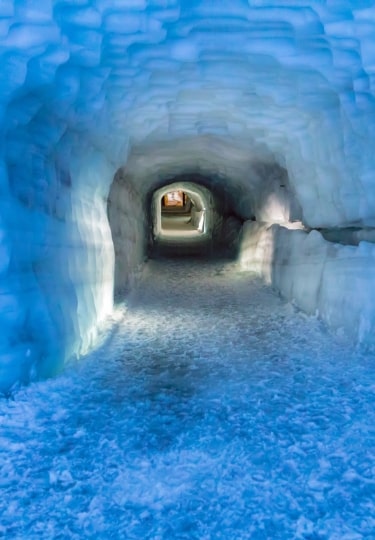
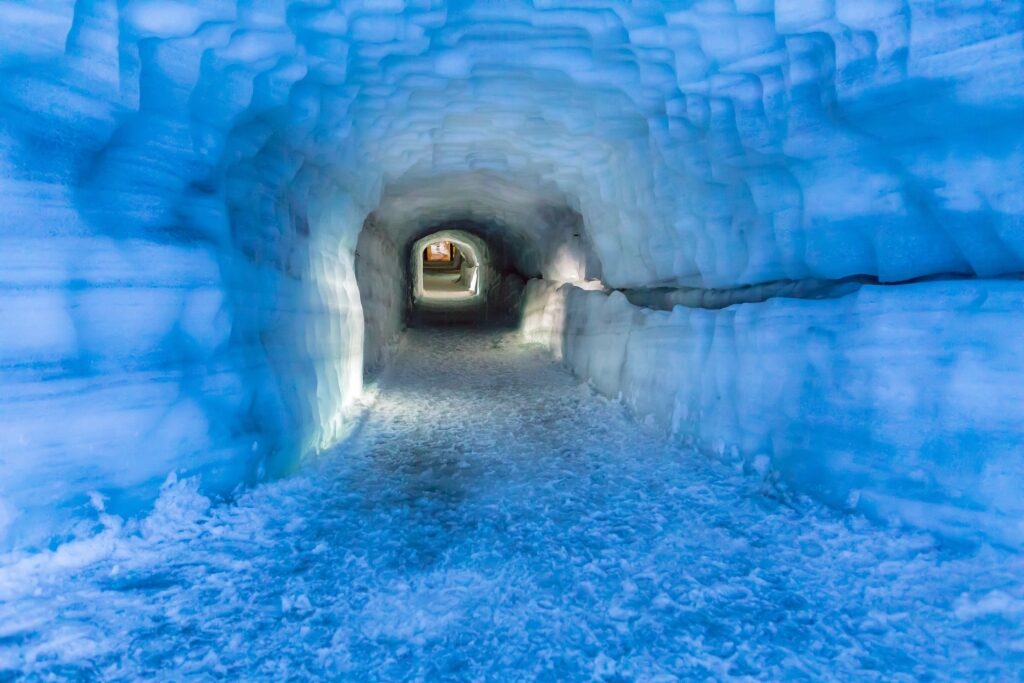
The Langjökull Ice Cave is one of the most beautiful places in Iceland. Located around 90 minutes northeast of Reykjavík, it is so large it can even host events like weddings, birthdays, and other parties.
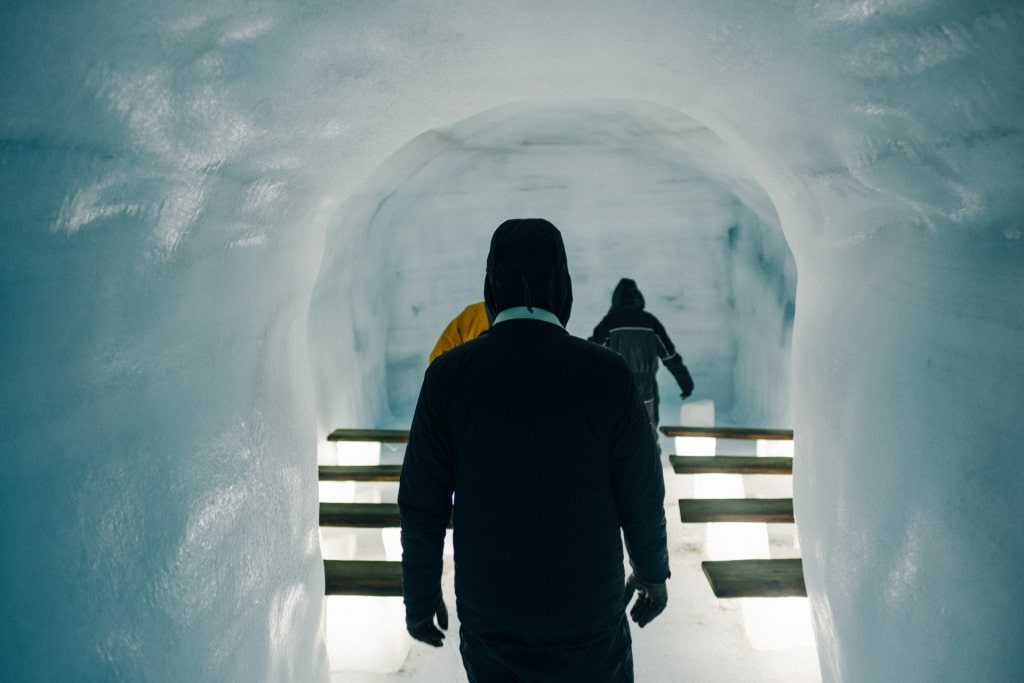
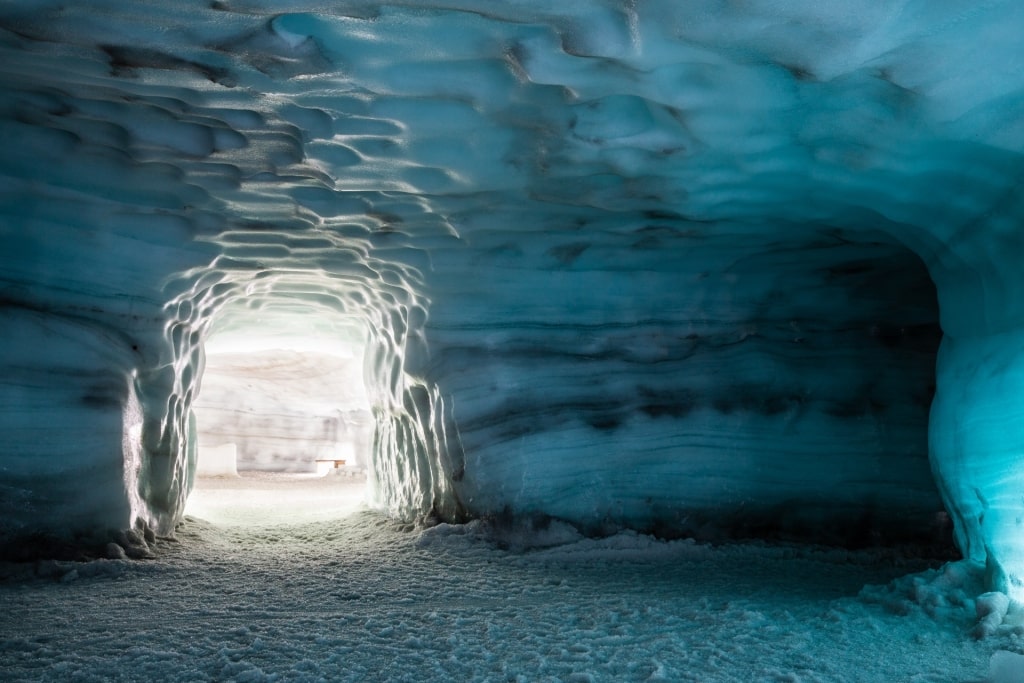
Set in the country’s second largest glacier, it’s so huge because it’s actually man-made—a remarkable feat of engineering. The tunnel stretches for almost 550 yards, opening up into wide chambers and corridors, the walkways of which seem to shimmer with almost every shade of blue. Lights are embedded every so often to help light up the chambers, but the effect is subtle rather than blasting them with artificial lights.
Langjökull Ice Cave
Visitors travel to the glacier via coach and monster truck. From the entrance, the tunnels and chambers are navigated with a guide as you wander through ice dating back over the millennia.
As the cave is man-made, it’s stable and accessible all year. Its sheer size and scale, combined with the chance to walk inside what feels like a glacier museum make it one of Iceland’s stand-out ice cave experiences.
Katla Ice Cave
Katla Ice Cave
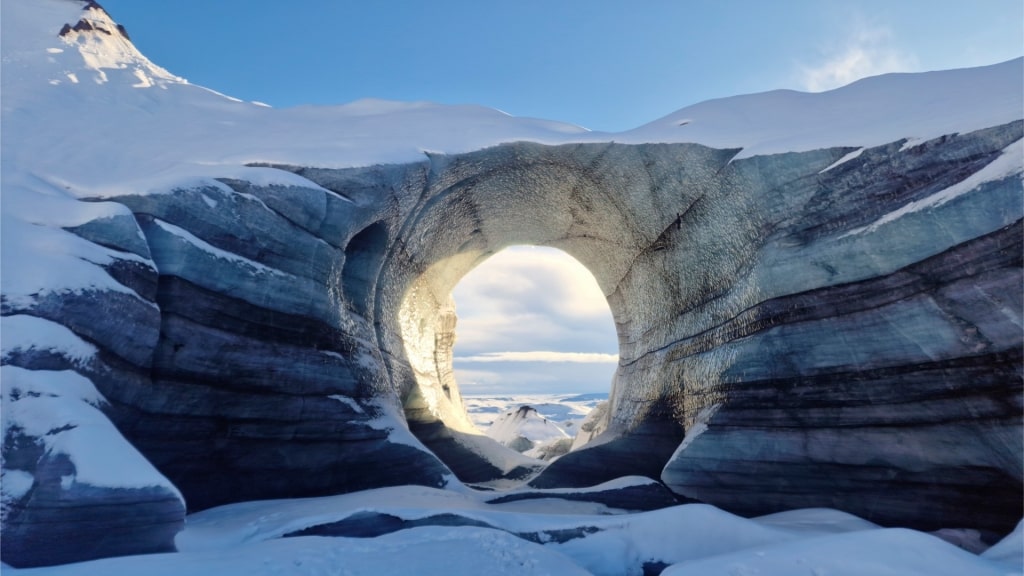
When it comes to which is the most dramatic of Iceland’s ice caves, Katla, south of Reykjavík near the village of Vík, comes pretty close to topping any list.
Taking its name from the mighty Katla volcano and buried beneath the Mýrdalsjökull glacier, this is truly a landscape carved by fire and ice.
Katla Ice Cave
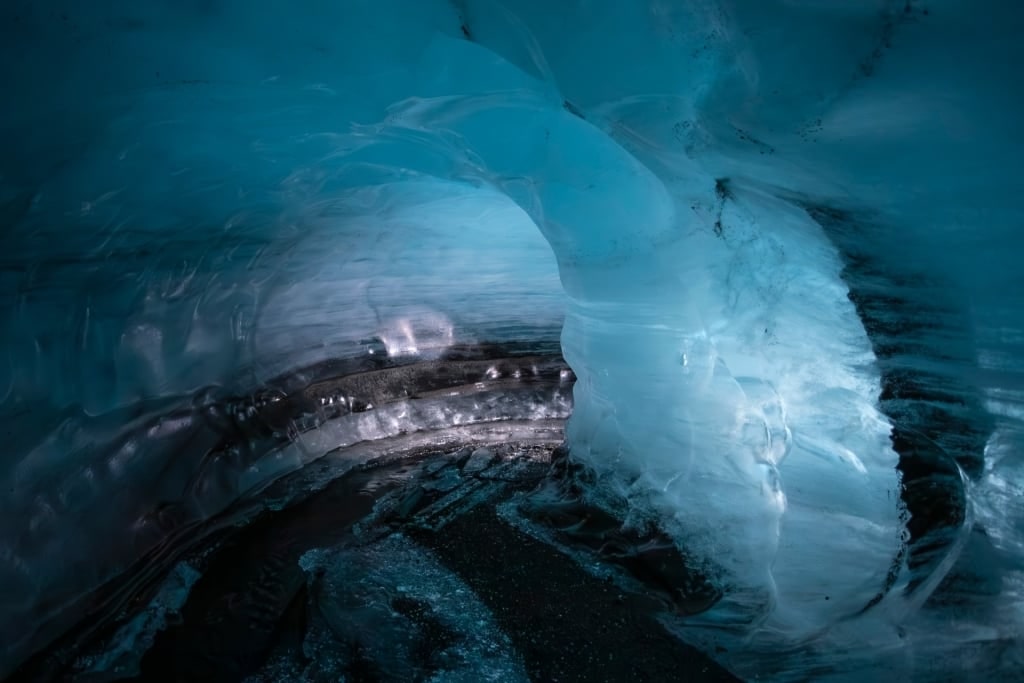
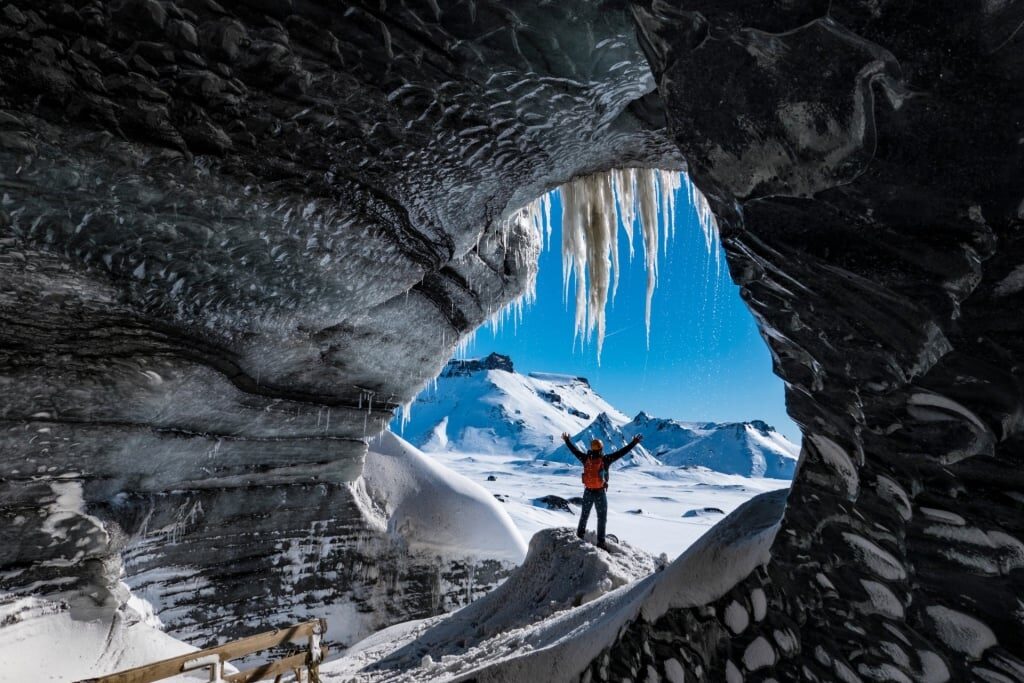
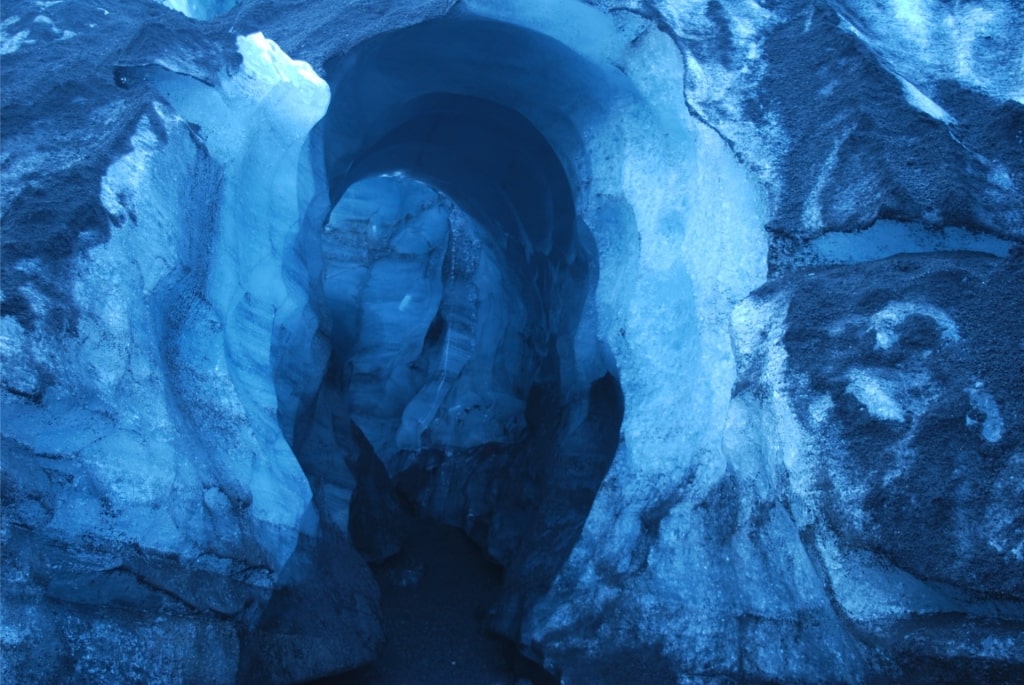
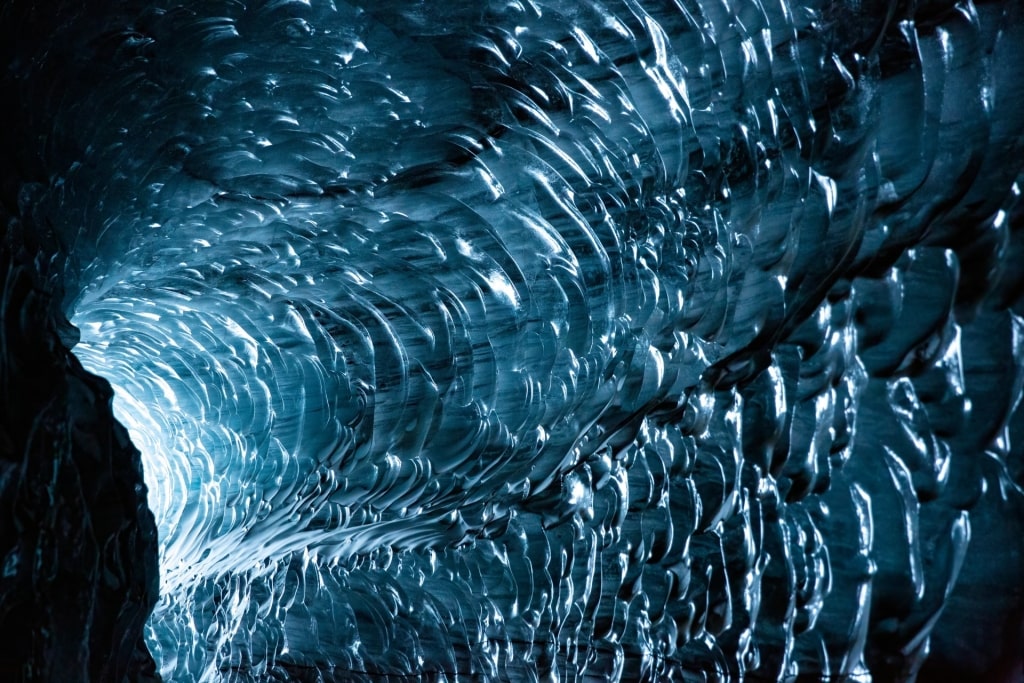
Unlike Langjökull, the caves here are natural and formed where meltwater carves tunnels in the glacier. The blue of other ice caves is not as evident here. Katla’s walls are also streaked with black volcanic ash, creating blue and black bands that make it one of the most photogenic caves.
The route to the cave is also pretty spectacular. Starting on the famous Route 1 ring road that circumnavigates the country, the turn to the cave sees the super-jeep enter what feels like a no man’s land of rugged tracks, huge mountains, and creeping glaciers before coming to a halt close to the cave entrance.
Askur Ice Cave
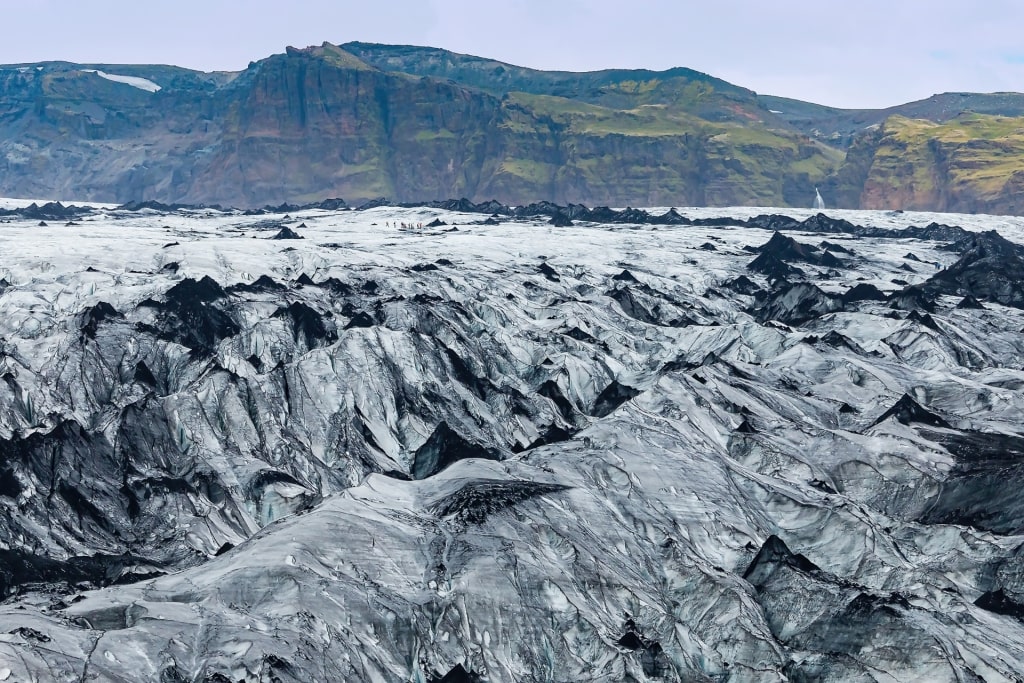
Mýrdalsjökull Glacier
Also on the Mýrdalsjökull glacier, Askur is quite different from Katla. A relative newcomer to ice caves that are open to the public and one of the closest to the capital, Reykjavík, it is easy to access, making it a good option for those who may be a little less mobile.
Chambers tend to be broader and walkways flatter. The volcanic element is less evident here as the ash mixed into the ice is a little grayer, but it’s still a fantastic experience.
Lofthellir Ice Cave
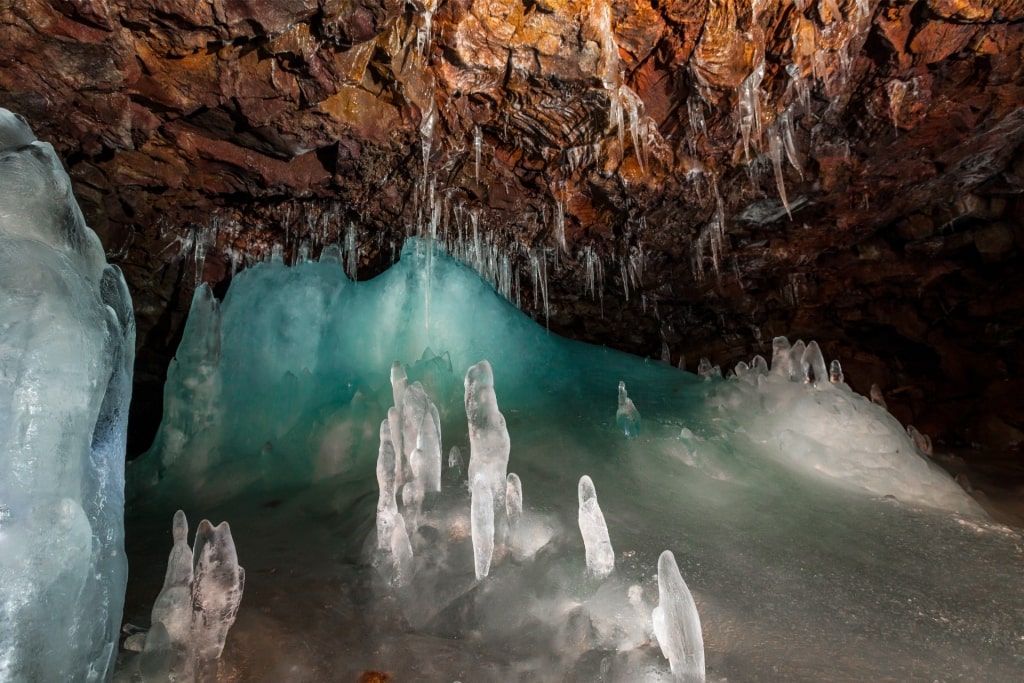
Lofthellir Ice Cave
Unlike most of Iceland’s ice caves that are formed in glaciers, Lofthellir is actually a lava tube that was formed by a volcanic eruption around 3,500 years ago. Since then, it’s filled with spectacular natural ice sculptures that take your breath away.
Lying east of the town of Akureyri and near the volcanic Lake Mývatn region, the cave stretches for nearly half a mile underground, though only part of it is open to visitors.
Small-group guided tours take people across rugged lava fields before descending into the cave itself. The entrance is quite narrow and requires a little scramble to get in, but that adds to the adventure. Once inside, the ice formations are quite extraordinary with stalagmites, stalactites, and even delicate sheets of ice clinging to the walls.
At times the guide may ask everyone to dim their head torches to add to the eerie feeling of being inside a frozen lava tube. Because of the scrambling involved, this cave is best suited to those with a reasonable level of fitness.
Other Glaciers to Visit
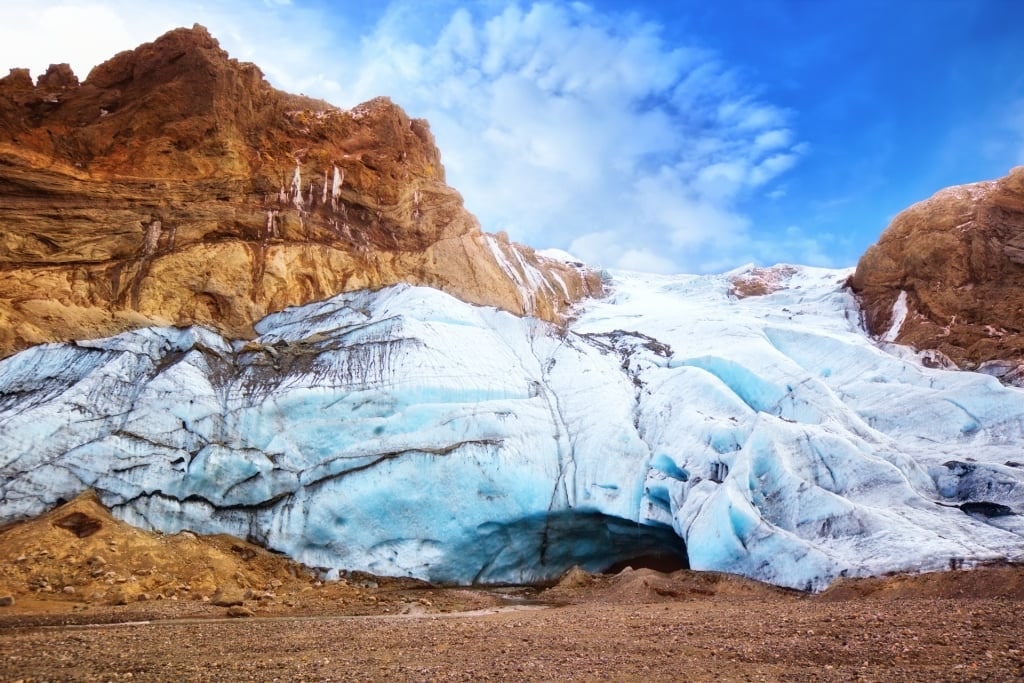
Eyjafjallajökull
Not every glacier in Iceland hides an ice cave that’s easily accessible, but several glaciers are worth visiting for their scenery and sense of scale.
Anyone who remembers the 2010 volcanic eruption that grounded flights worldwide thanks to a giant ash cloud will be familiar with Eyjafjallajökull. This still-active volcano is covered with a huge sheet of ice and there are guided hikes for those who want to stand on the volcano that dominated global headlines and caused mass disruption to travel plans.
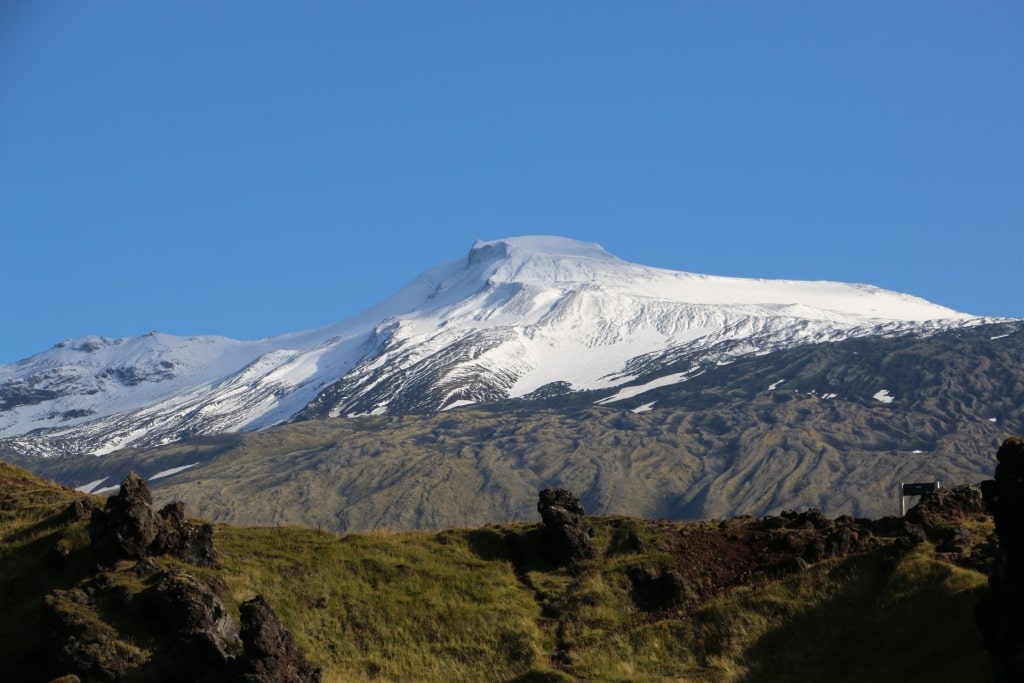
Snæfellsjökull
Snæfellsjökull is another ice-capped volcano, around an hour from Grundarfjördur and said to be around 700,000 years old. Visitors can also hike here on organized tours that trek around the foothills or to the summit.
Other Caves Worth Visiting
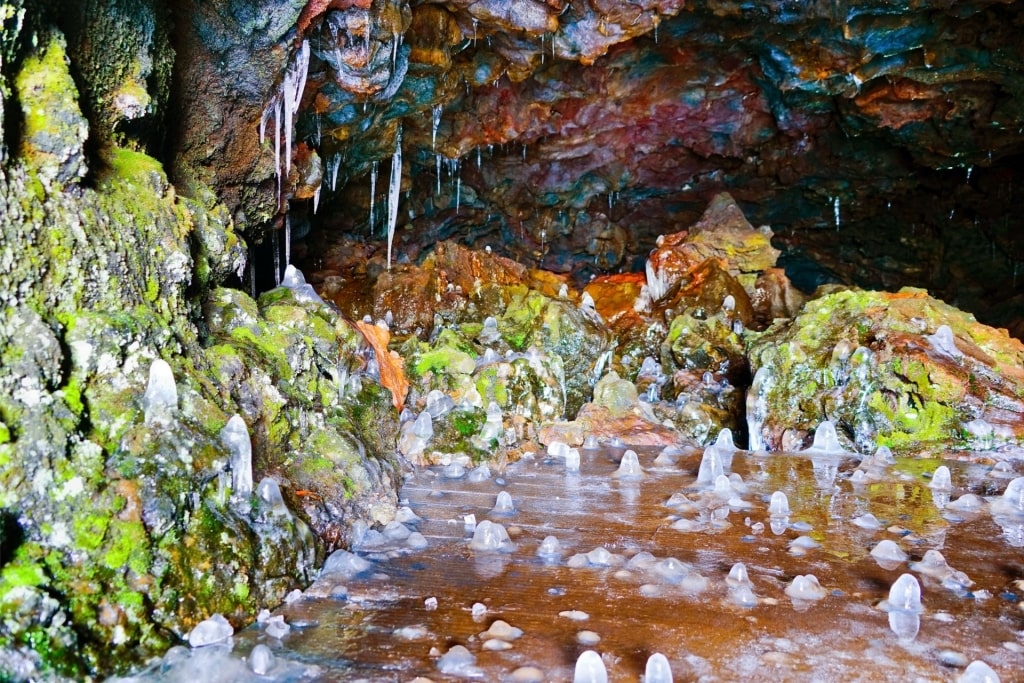
Vatnshellir Lava Cave
Ice caves are not the only subterranean adventures to be had here. There are several lava caves within easy reach of Reykjavík and the Snæfellsnes Peninsula. While not traditional ice caves, they may have icicles or frozen formations at certain times of year, depending on the weather.
On Snæfellsnes, Vatnshellir Lava Cave is one of the most accessible. Visitors descend a spiral staircase into a huge tunnel of red and black rock that was formed by an explosion 8,000 years ago.
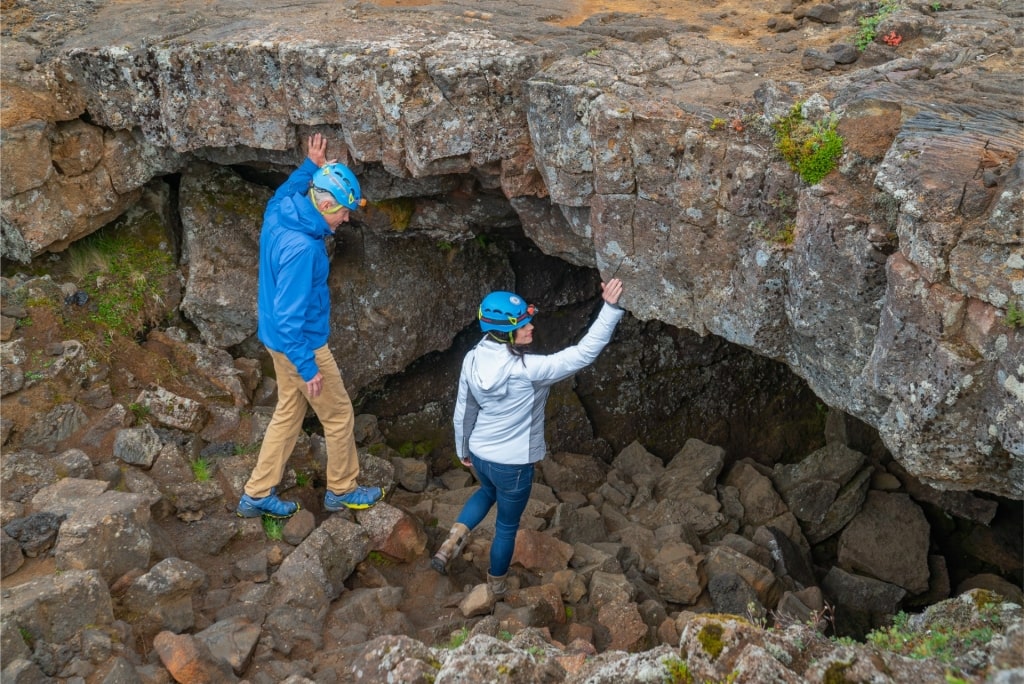
Gjábakkahellir
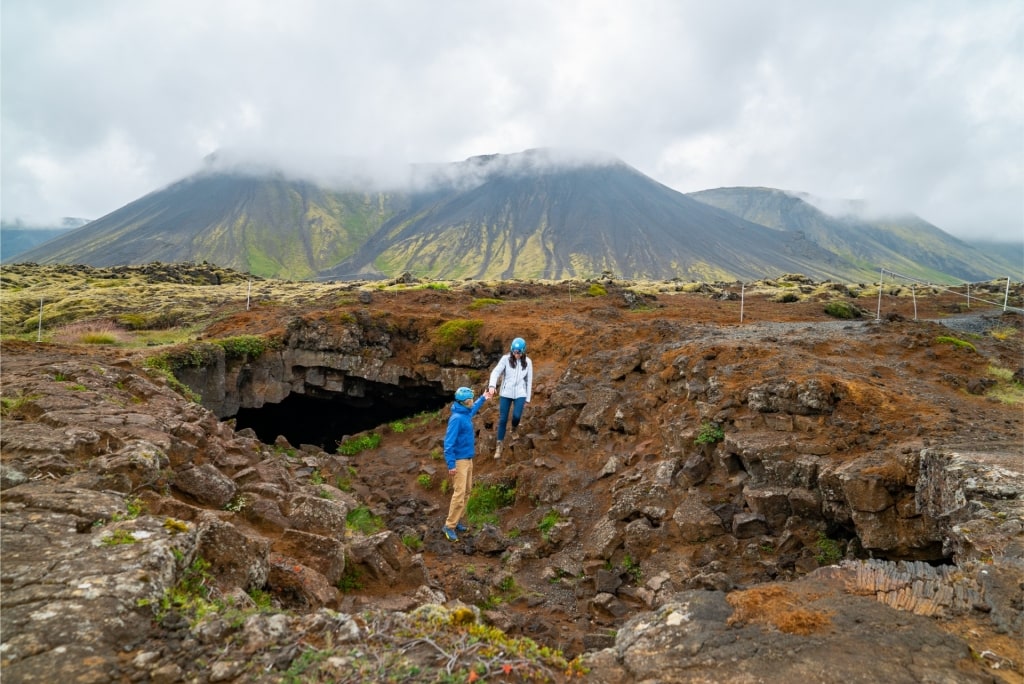
Closer to the capital, Leidarendi Lava Cave sits in the Bláfjöll mountains. It’s known for its colorful mineral walls and occasional winter ice formations. Gjábakkahellir, meanwhile, lies in Þingvellir National Park and offers dramatic skylights where daylight filters through collapsed sections.
Tips for Visiting Iceland’s Ice Caves
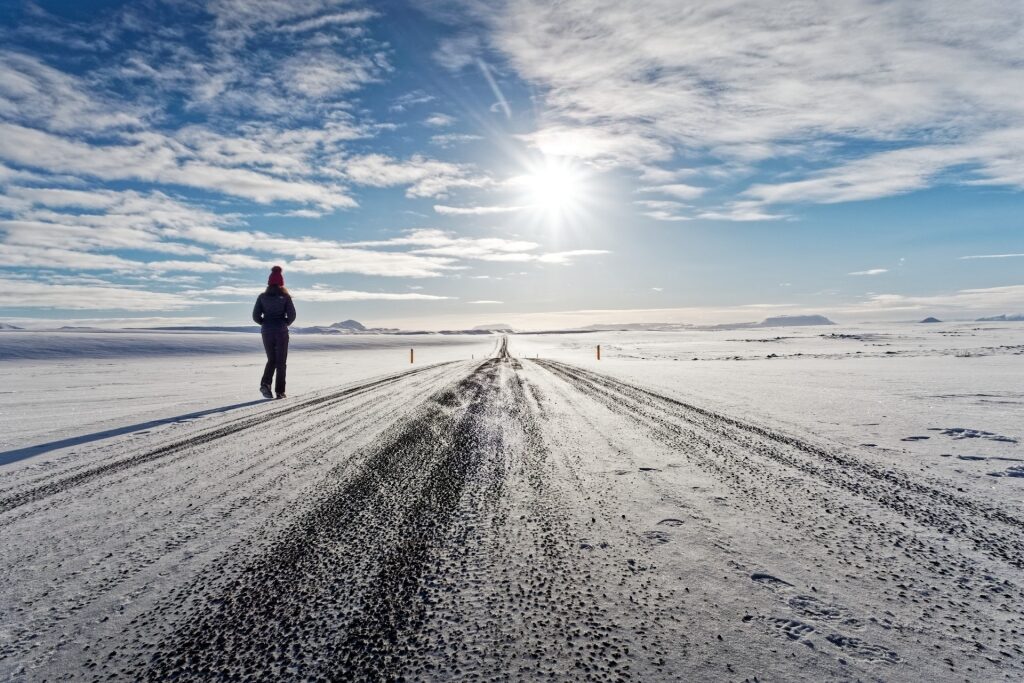
Lofthellir
Dressing for the elements is key to enjoying a trip. Waterproof layers, warm gloves, and sturdy boots are essential. Tour operators provide specialist kit like crampons, helmets, and head torches.
Seeing an ice cave in Iceland is a highlight of a visit. There are tours for all levels of fitness and mobility, from the artificial ice cave at Perlan to the scrambling needed to access Lofthellir. All offer great experiences, so choose the tour that best suits your abilities.
Read: Iceland Travel Tips
Best Time to Visit
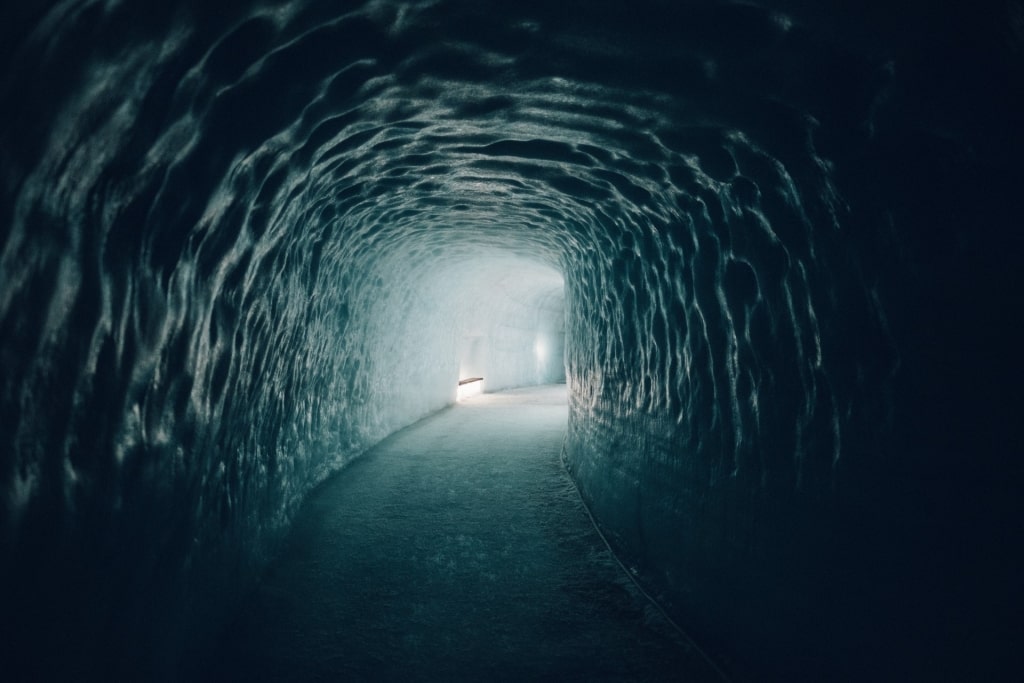
Langjökull Ice Cave
Unlike many natural attractions that are strictly seasonal, many of Iceland’s ice caves can be visited year-round. Man-made sites like the Langjökull tunnel and the indoor cave at Reykjavík’s Perlan are always open, providing safe access in any season. Even natural caves such as Katla are open through the summer in Iceland.
For those visiting in the brighter months of summer, they bring their own rewards. Longer daylight hours allow more time on the glacier, and the sunlight filtering through the ice can give the caves a softer, more luminous quality.
FAQs
Can I visit an ice cave on my own?
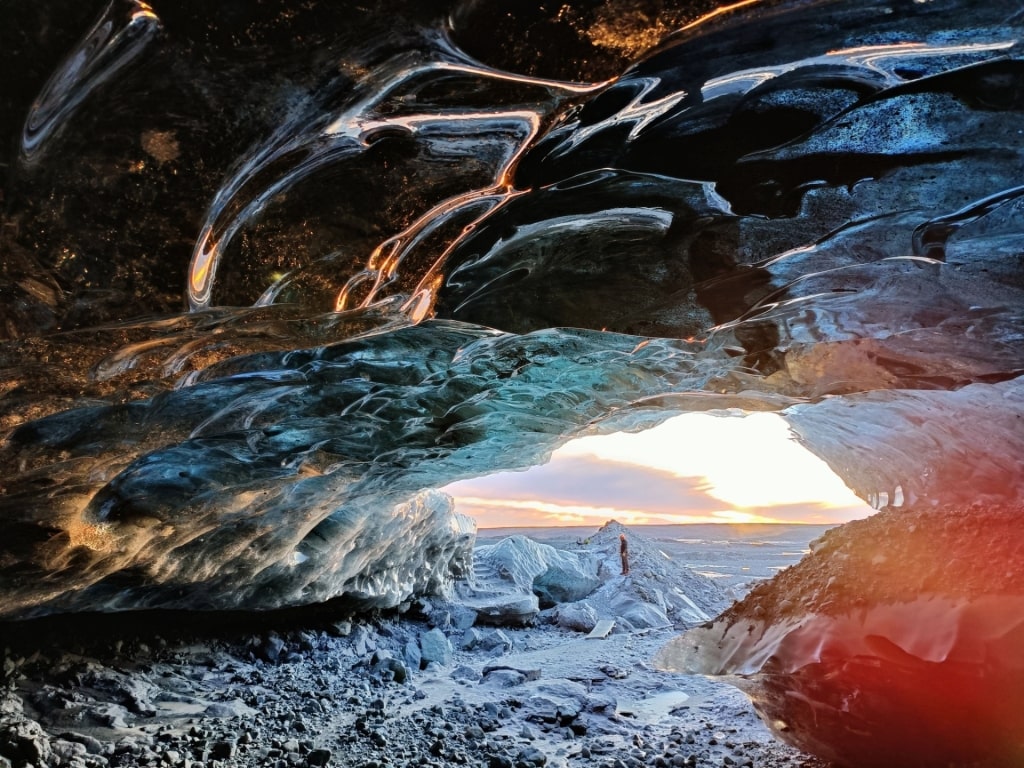
Katla Ice Cave
You can often drive yourself to the meeting point for an ice cave tour, but access to the caves themselves is strictly regulated. Licensed operators provide the necessary equipment, give safety briefings, and guide visitors along approved routes.
This is not just about convenience, but about safety too. Glaciers can shift constantly and underfoot conditions can be slippery. Going with a guide is the only safe way to explore Iceland’s ice caves.
Are ice caves dangerous?
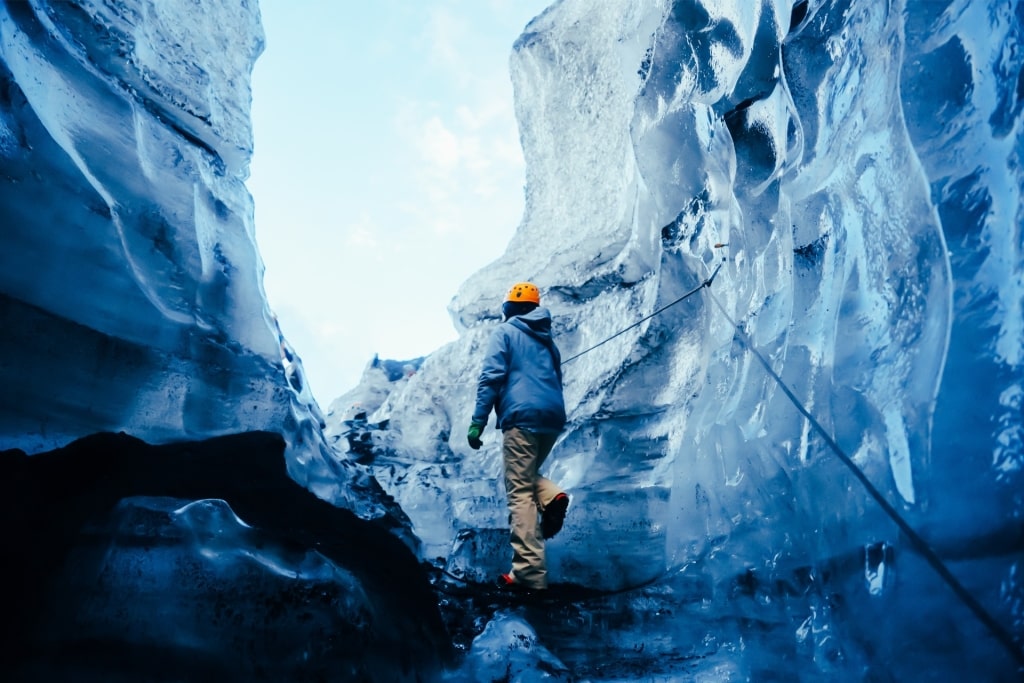
Katla Ice Cave
Iceland’s ice caves are remarkable but come with natural challenges. They’re often in remote locations, reached in freezing conditions, and the floors inside can be uneven or slippery.
Licensed tour operators take every precaution to manage these risks—their reputation depends on it. With the right equipment and expert guidance, visiting an ice cave is considered safe, but exploring without a guide is not advised, or allowed.
Can I take children to an ice cave?
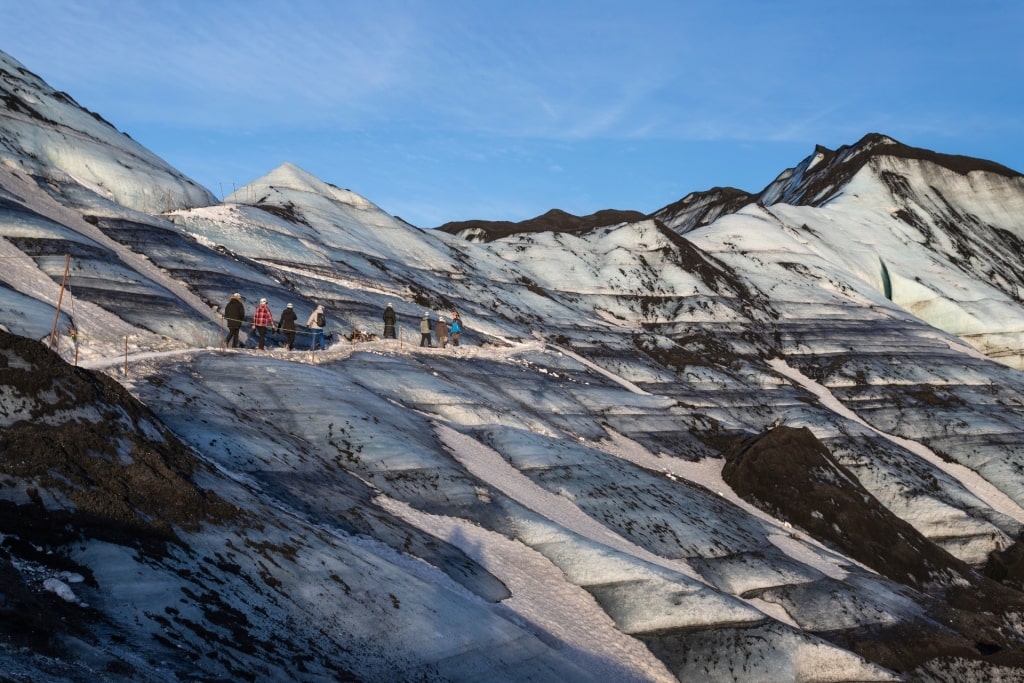
Katla Glacier
Many ice cave tours welcome children, but it depends on the cave. Check age limits with your tour operator before booking.
Will I get a cellphone signal inside a glacier?
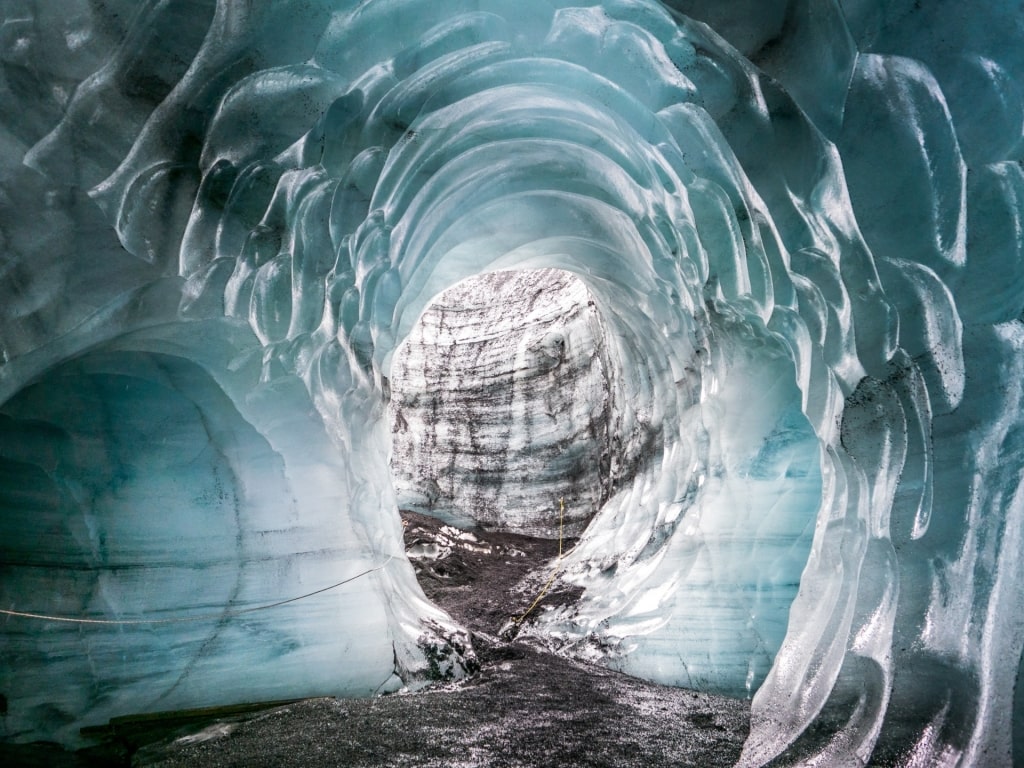
Katla Ice Cave
You might, but don’t count on it. Because ice caves shift and change, cell reception may be patchy—it may work in some spots and vanish in others. Wi-Fi definitely isn’t available.
Thingvellir National Park
Discover the thrill of exploring an ice cave for yourself with Celebrity Cruises. Browse cruises to Iceland and plan your adventure in the Land of Fire and Ice.