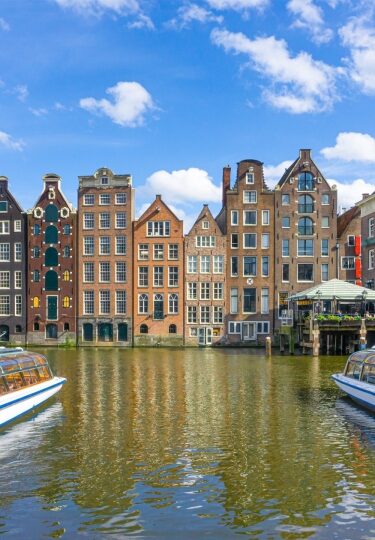
Holland vs the Netherlands—believe it or not, they’re not the same place, and their differences may surprise you.
There’s a widespread misconception that they’re identical, which raises many questions: “The Netherlands or Holland—which term is correct?” and “Why do both names exist?”
Before you travel to the Netherlands, understanding what exactly comprises Holland, as well as the areas outside of it, will deepen your experiences within Dutch culture. This context will also help you decide which regions to visit.
Here’s what you need to know about Holland, and what comprises the area—this can also be a little confusing—and, of course, what sets apart Holland vs the Netherlands proper.
What’s the Difference Between Holland vs. the Netherlands?
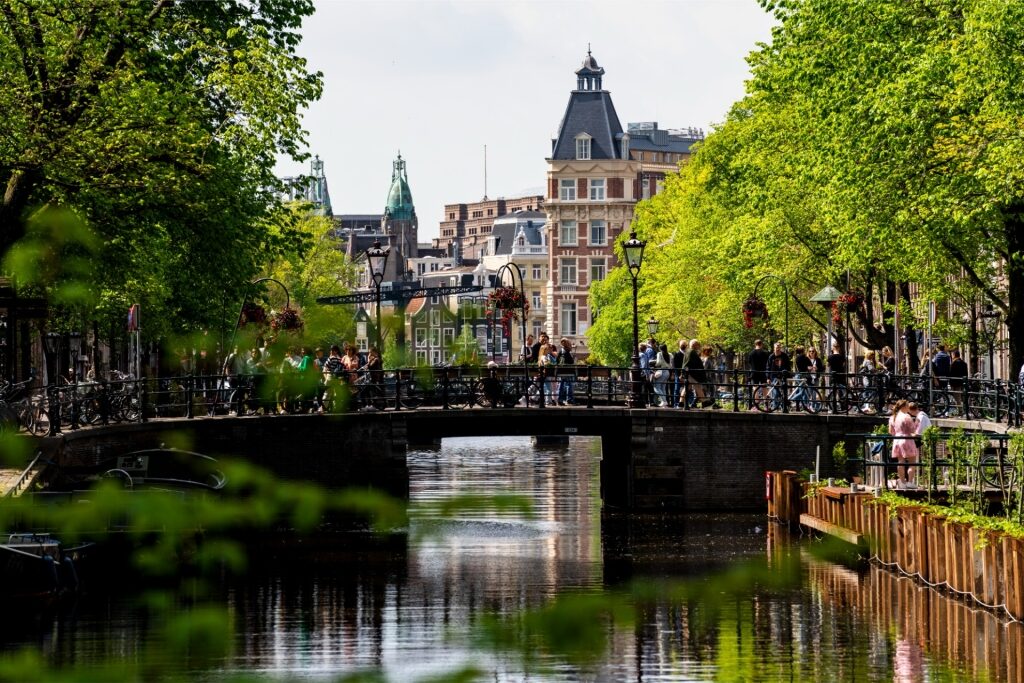
Amsterdam
Though “Holland” and “the Netherlands” are commonly, and often inaccurately, interchanged, the difference is clear: Holland is the name of a region within the Netherlands, and not a correct, synonymous name for the country as a whole.
Simply put, when speaking about the Dutch country as a whole, refer to it as the Netherlands, and never as Holland. Though it may seem like an easy mistake to avoid, it’s a surprisingly simple mistake to make—especially when Dutch people themselves have previously been officially encouraged to use both terms interchangeably in English.
This has changed, though, and knowing the distinction between Holland vs the Netherlands is becoming a sign of civic pride and cultural awareness. People living in the Netherlands outside of Holland are also becoming increasingly vocal about their individual provinces being overlooked—a sentiment which mislabeling the entire country as “Holland” reinforces, even if inadvertently.
Where is Holland in the Netherlands?
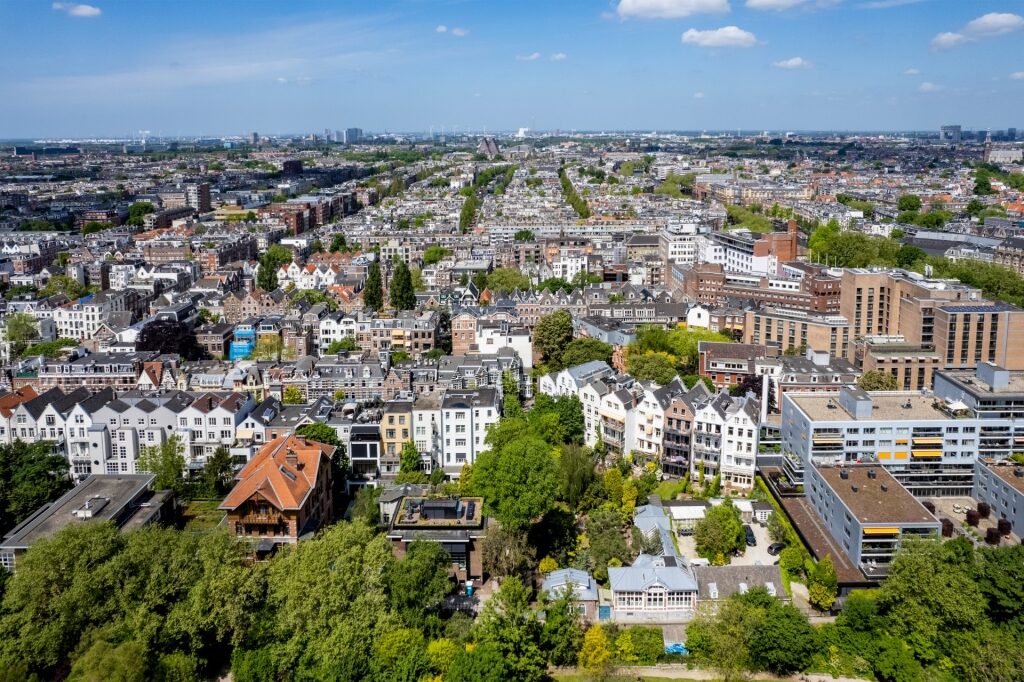
Amsterdam
Holland is a singular region in the Netherlands, but it’s actually comprised of two provinces. Holland refers specifically to the Dutch provinces of North Holland and South Holland, or Noord-Holland and Zuid-Holland, respectively.
Geographically, Holland is located along the western coast of the Netherlands. Despite sharing a name and border, both North and South could not be more different. South Holland is larger by land area than its northern counterpart. It is also the most populated province in the Netherlands, while North Holland is only the third-largest.
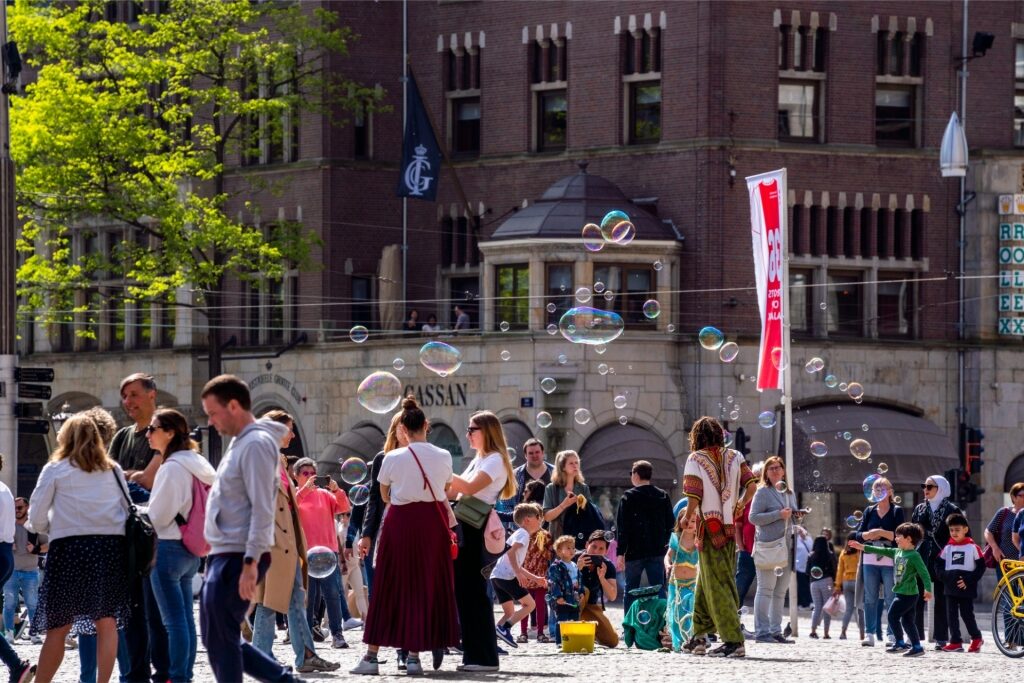
Amsterdam
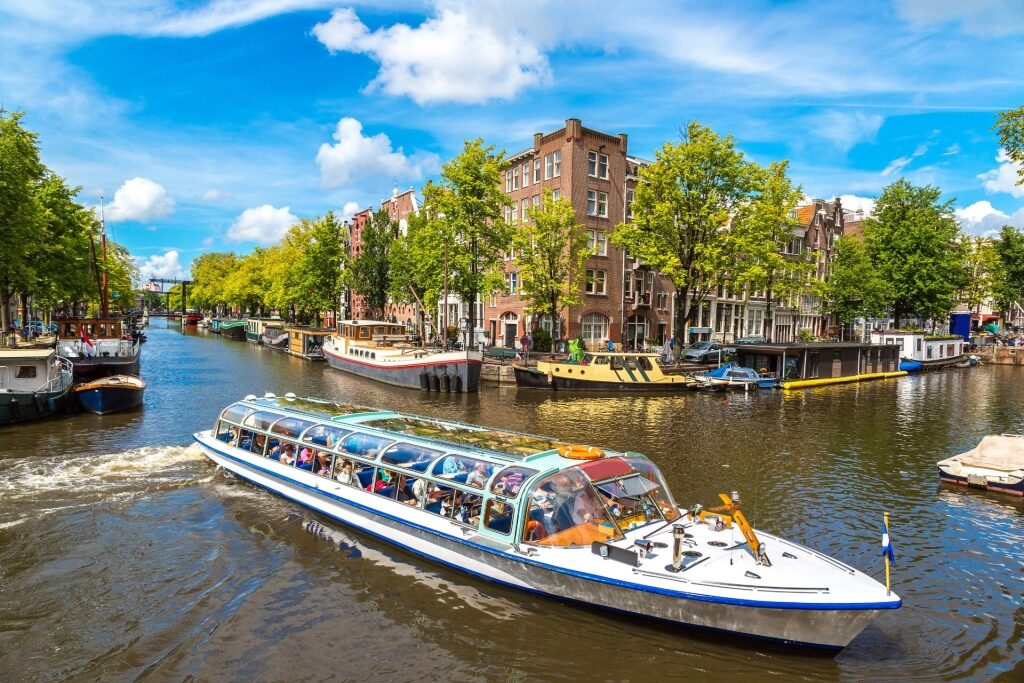
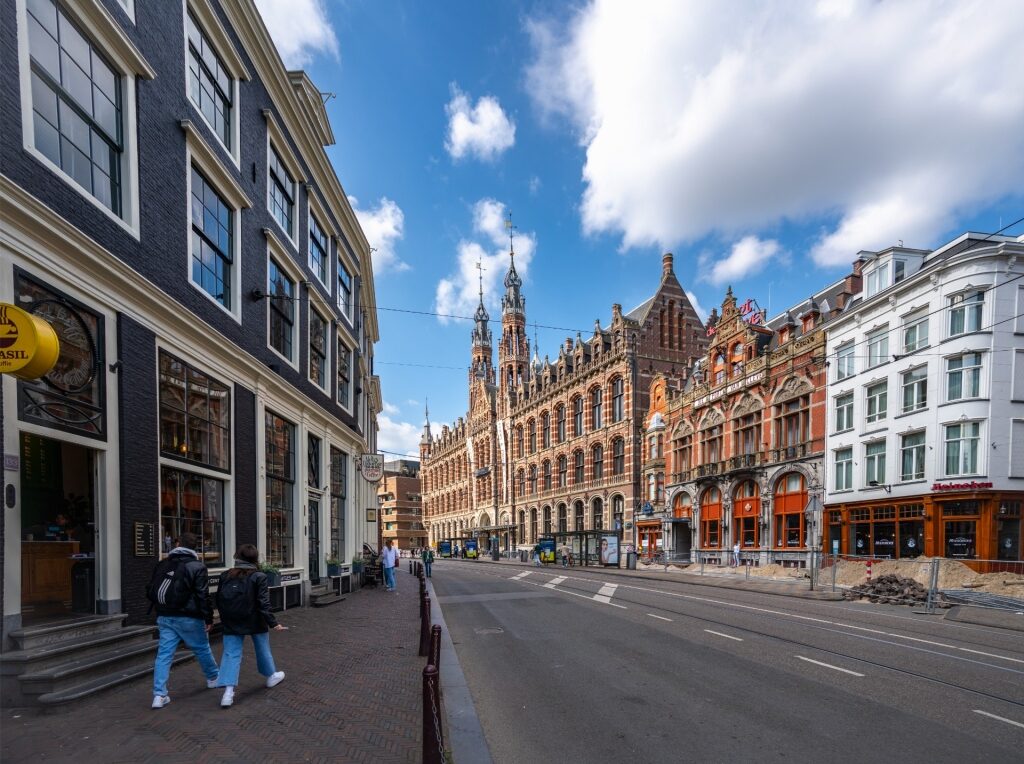
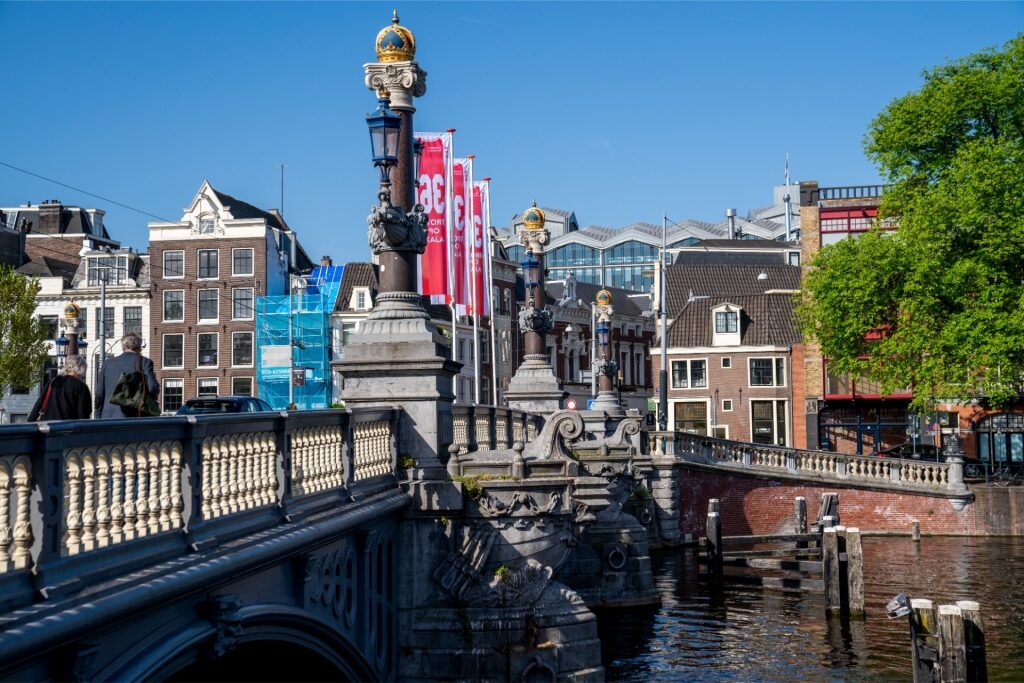
Conversely, North Holland is the most popular travel destination in the Netherlands, and is more internationally recognized than South Holland by a long shot. This glory almost solely comes from Amsterdam, one of Europe’s most visited capital cities and beloved cultural centers.
The rest of North Holland seems quiet and even isolated in comparison, with its green countryside—think dairy farms and industrial heritage buildings like the quintessential Dutch windmills—and the North Sea coast. The windswept, remote-feeling Wadden island of Texel is the perfect example; though only 60 miles from Amsterdam, its beaches are relatively unknown by international travelers.
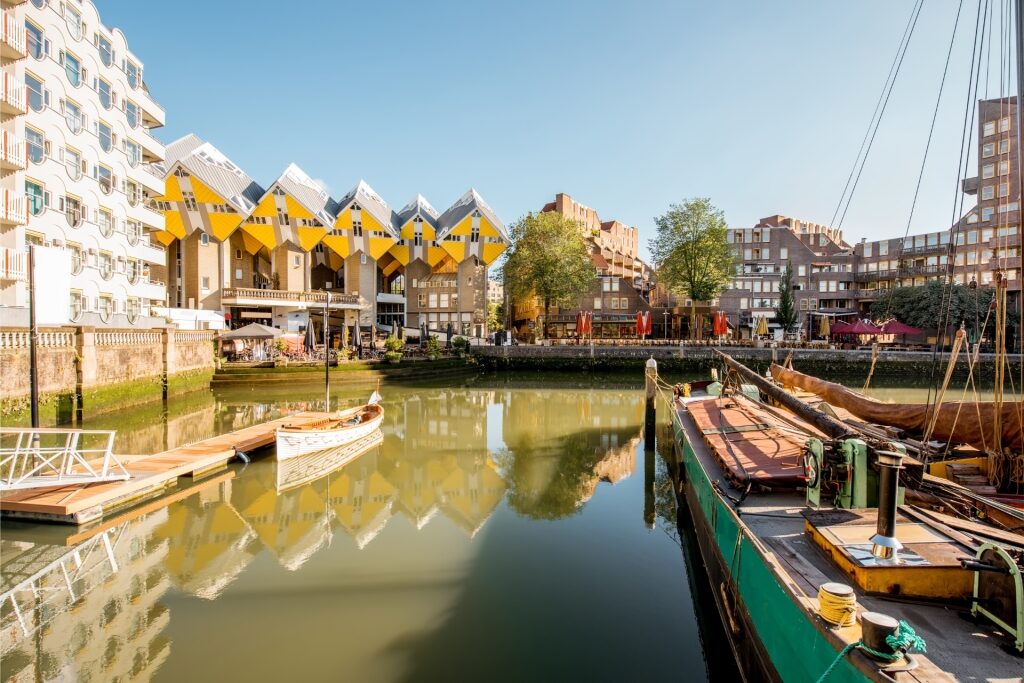
Rotterdam
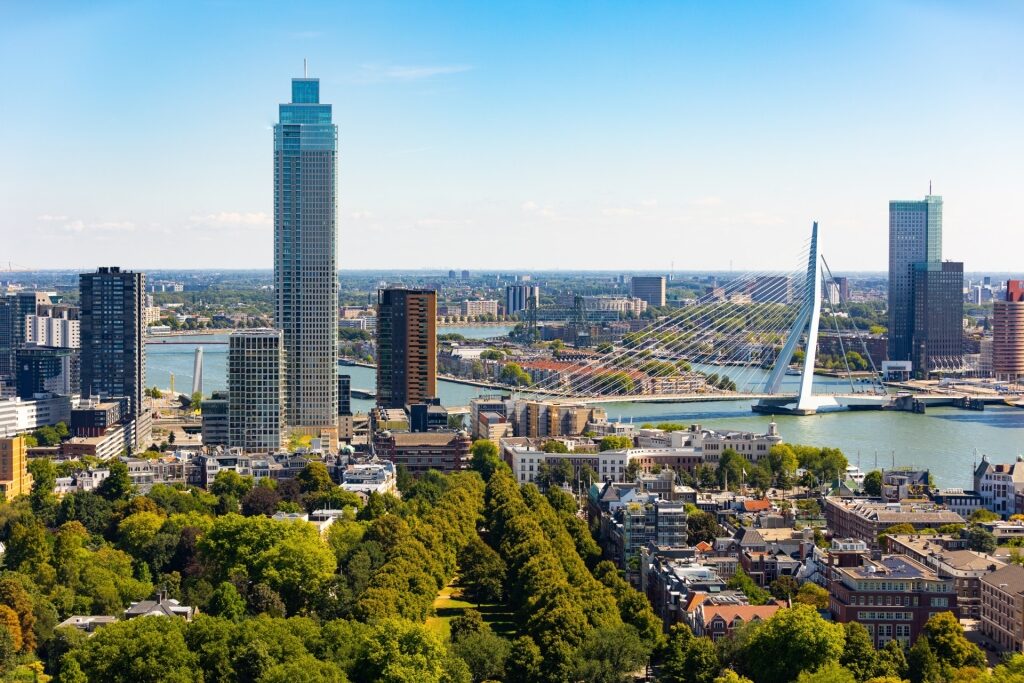
Meanwhile, South Holland is much more urban. Small- and medium-sized cities dot the region, connected by sprinter trains often covering commutes in 15 minutes or less. The two main urban centers, Rotterdam and Den Haag, are the second and third-largest cities in the Netherlands after Amsterdam.
Each has its own claim to fame—the former, Europe’s largest port, boasting some of the continent’s most futuristic-looking, innovative architecture. Meanwhile, Den Haag, the prestigious “International City of Peace and Justice,” is where world leaders meet to talk peace diplomacy.
Smaller South Holland cities might not have the star power of Amsterdam, but they still radiate charm. Delft’s famous for its ceramics, Leiden for its scientific inventions, and Gouda for its cheese, to name a few.
Read: Amsterdam Travel Tips
Holland or the Netherlands: A Brief History
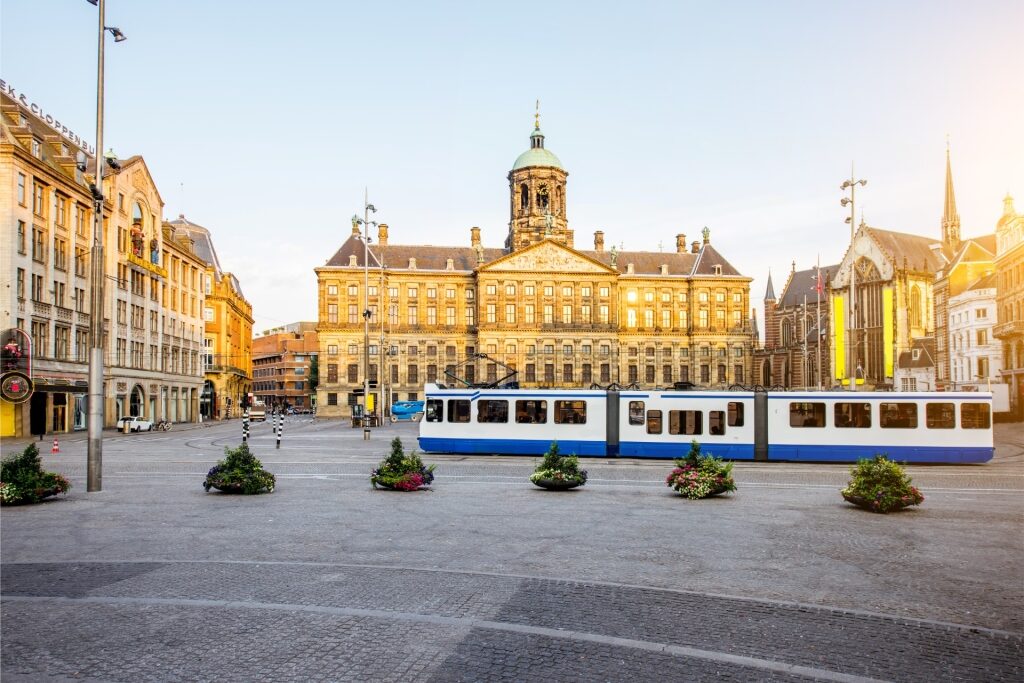
Royal Palace, Amsterdam
The Netherlands might be known as one of the world’s most progressive liberal societies now, but once upon a time, its history was rife with Game of Thrones-worthy violence. Its prime location along the North Sea coast—a welcoming gateway to the heart of Europe—meant these lands were highly sought after and subject to changes in rulership.
The Netherlands’ history of sovereign rule is, admittedly, quite dizzying. In the Middle Ages, coastal regions—including parts of what is now North Holland—shifted among the Counts of Holland, the Bishopric of Utrecht, and various Frisian leaders. By the late medieval period, much of the so-called “Low Countries” had been absorbed into the expanding Burgundian empire.
In the 16th century, the territory passed to the Spanish Habsburgs, triggering the Eighty Years’ War and ultimately the Dutch struggle for independence. Meanwhile, the southern provinces were long contested among Spanish, Austrian, and French rulers and later became part of the newly formed Belgium in the 19th century.
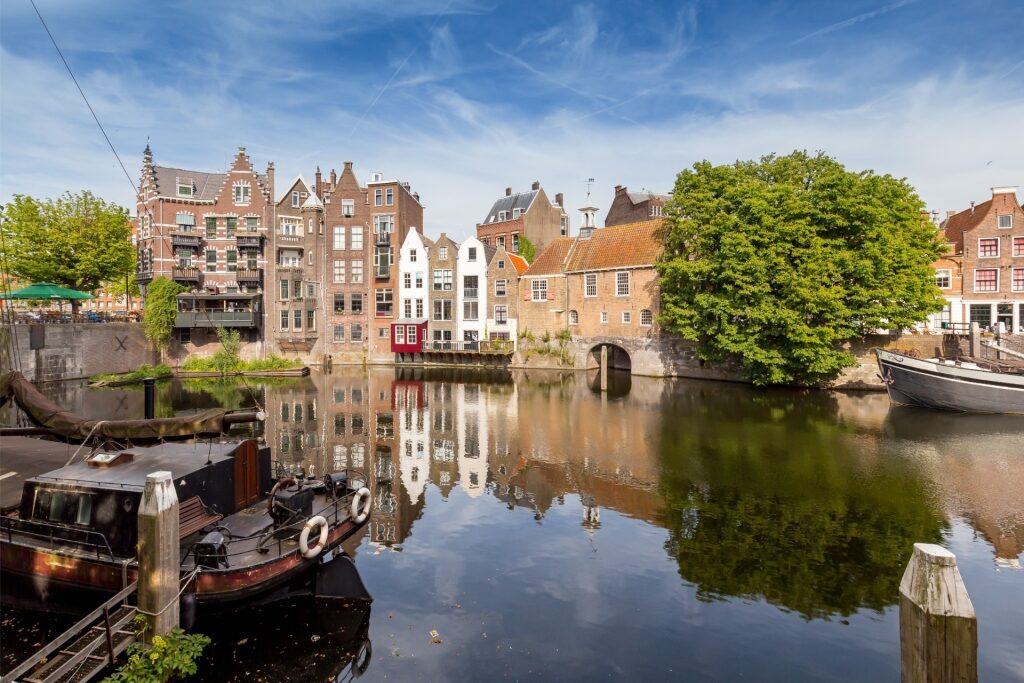
Rotterdam
The most pivotal historical moment for Holland was when the French Revolutionary Army invaded the Dutch Republic—officially, the Republic of the Seven United Netherlands, of which Holland was a part—in 1795 and established the Batavian Republic, a French-aligned state. Eventually, Napoleon Bonaparte would rename the country the Kingdom of Holland, install his brother Louis as king, and cement the division of North Holland and South Holland to weaken the state’s concentrated economic power.
Of course, French control over the Dutch territories eventually ended, but the division between North Holland and South Holland would remain permanent. Ultimately, this was due to administrative reasons, but also the overarching reality that both regions had already gone on to develop their own separate regional and cultural identities.
Why the Country Is Officially Called the Netherlands
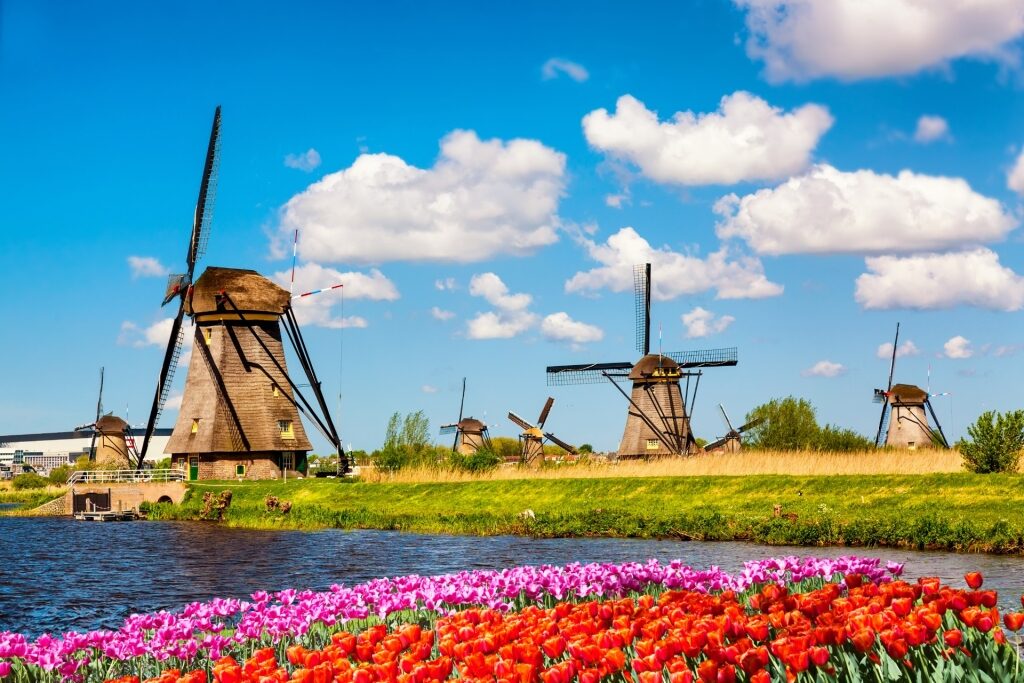
Kinderdijk
In 1813, the Netherlands reclaimed its independence from Napoleon’s troops. Willem Frederik, Prince of Orange-Nassau—ancestor of the current royal family—assumed the title Sovereign Prince of the newly united nation, which would become today’s Kingdom of the Netherlands.
The name “the Netherlands” itself comes from the Dutch word “Nederland,” or “low land”. During the Middle Ages, the modern-day parts of the Netherlands, Belgium, and Luxembourg were known collectively as the “Low Lands.”
Indeed, “the Netherlands” is a name that enduringly fits the country and its polder landscape perfectly. Nowhere else in the world has the struggle of reclaiming land from water so profoundly shaped a nation’s people and history.
Provinces of the Netherlands Explained
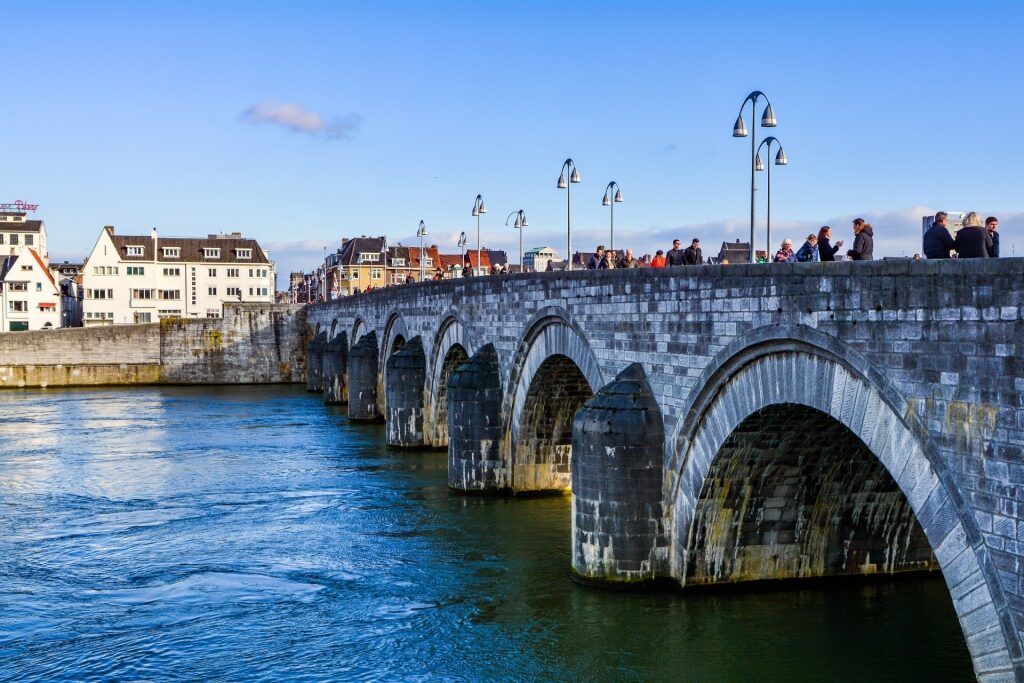
Maastricht
Today, there are 12 provinces in what’s officially known as The Kingdom of the Netherlands. Each one of these 12 provinces is truly unique—their differences run the gamut from religion to cuisine, dialect, and cultural traditions. Of course, the aforementioned influences of history and regional geography underpin these differences, too.
Coastal provinces like Friesland and Zeeland, for instance, were never under Holland’s direct rule and were largely untouched by its political dominance due to factors like separate rulers and geographic distance.
The Netherlands’ southern provinces offer a clear example of how history distinctly shapes separate regional identities today: Limburg and Noord-Brabant, once part of the Holy Roman Empire, have a strong Catholic heritage, enthusiastically retained via vibrant traditions, ranging from food to year-round festivals.
Dutch Culture: Why the Name Confusion Happens
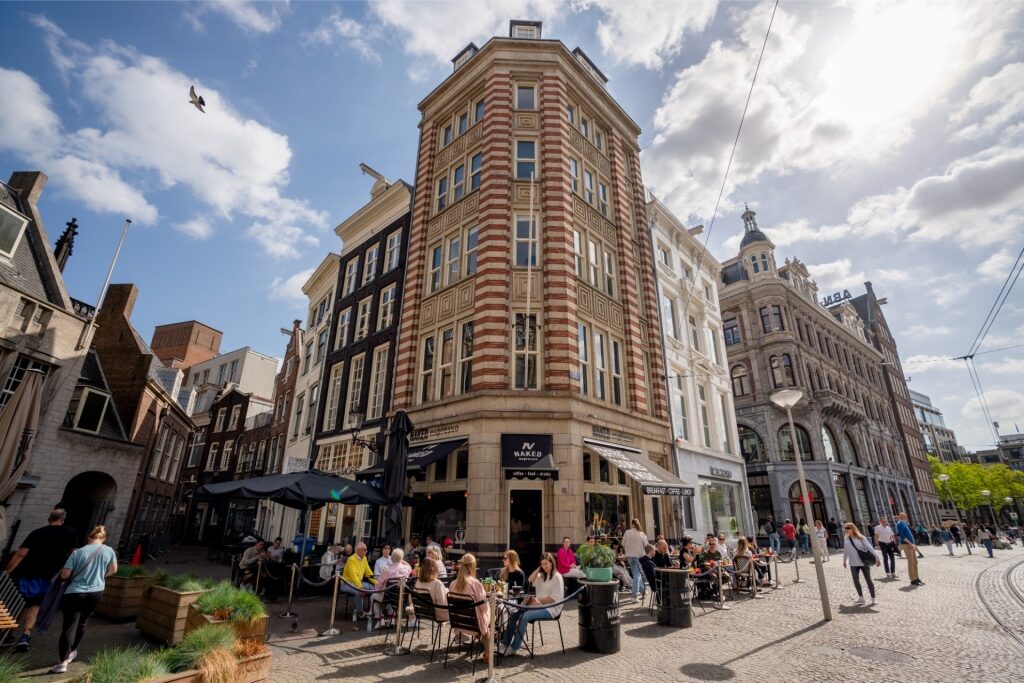
Amsterdam
The names of the Netherlands and Holland are used interchangeably for a few reasons, which are all firmly tied to Holland as a historical economic and political powerhouse.
During the 17th century, Amsterdam and Holland amassed incredible wealth and world influence, becoming the dominant Dutch Republic. As a result, foreigners who traded with local merchants only came to know of Amsterdam, Holland, or the Dutch—all considered significantly easier to pronounce than “the Netherlands.” For the same reason, “Holland” became a standardized name among everyone from map-drawing cartographers to diplomats quoted in news articles.
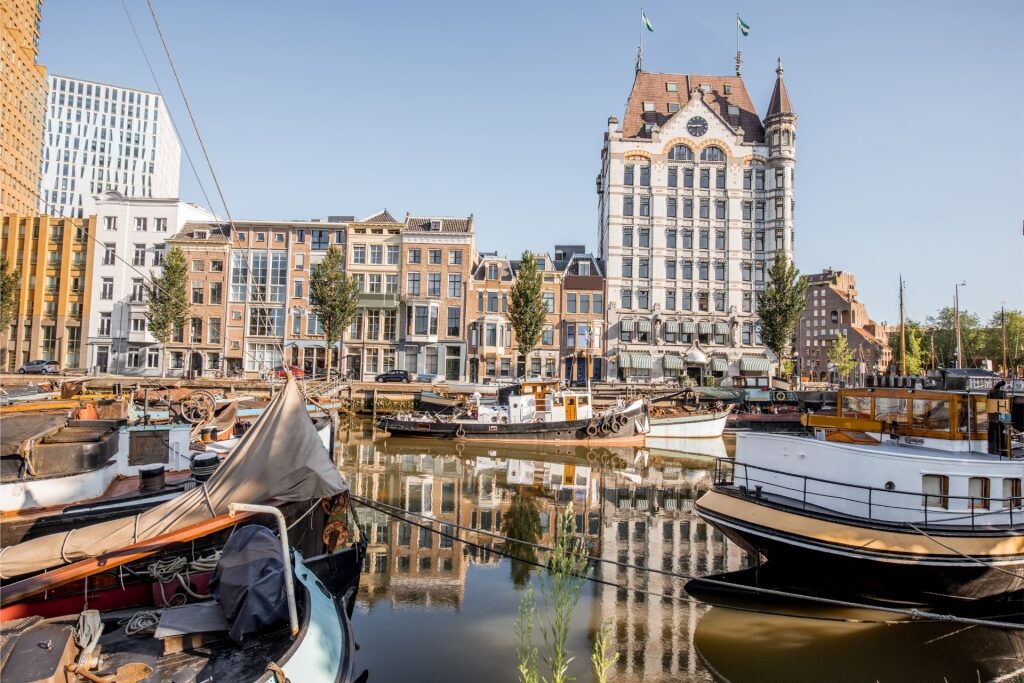
Rotterdam
Such name, power, and prominence could only lead to a feeling of overshadowment for the other provinces as the nation entered its modern era and became the Kingdom of Holland. In the 1950s to 1980s, the Netherlands even advertised the name “Holland,” going along with the name recognition.
Importantly, those days are over. Referring to the Netherlands as Holland is not only considered incorrect, but the hangover of an outdated perception that Holland is “more important” than the rest of the country.
In 2020, Dutch tourism officials phased out the use of ‘Holland’ in global branding, emphasizing the diversity of all regions and encouraging visitors outside of Holland to relieve the pressure of overtourism in Amsterdam.
When to Use Holland vs. the Netherlands in Travel
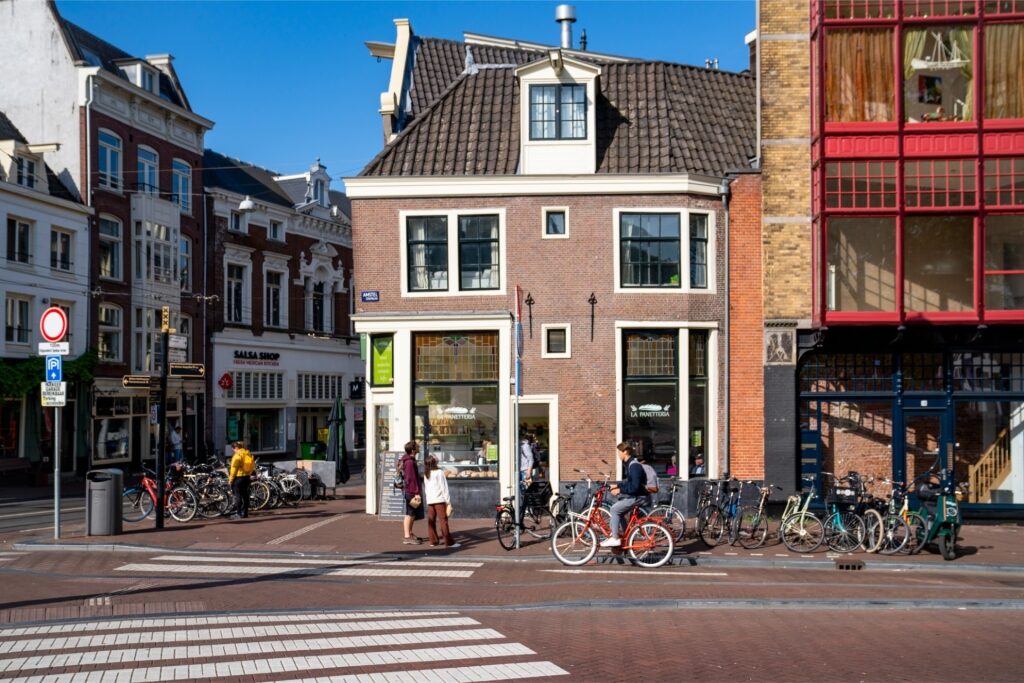
Amsterdam
In Holland, you might still hear locals casually referring to their region or even the country as Holland—for example, in old sayings or sports chants.
When traveling outside of Holland, referring to these provinces by their correct names goes a long way in showing cultural respect.
Read: Best Places to Visit in the Netherlands
FAQs
Are Holland and the Netherlands the same?
Amsterdam
No, Holland is a region of the Netherlands. Holland is made up of two provinces: North Holland and South Holland. The Netherlands is the official name of the country in Europe.
What do the Dutch call themselves?
People from the Netherlands call themselves “Nederlanders” in Dutch. In English, the term translates to “Dutch”.
Which provinces make up Holland?
Rotterdam
In the Netherlands, two provinces make up Holland: North Holland and South Holland.
What does “Dutch” mean in relation to Holland and the Netherlands?
“Dutch” refers to the Netherlands and its citizens. This includes Holland and the rest of the Netherlands, totaling 12 provinces. The term has its origins in the old Germanic word “Deutsch,” meaning “people” or “folk”.
What languages are spoken in Holland vs. the Netherlands?
Amsterdam
Dutch, the official national language of the Netherlands, is spoken across the entire country and all 12 of the Dutch provinces.
Most everywhere you go in the Netherlands, you’ll find there are local dialects, too. Rich linguistic Dutch diversity spans from Frisian in northern Friesland, to Limburgish spoken in Limburg along the Germany-Belgium border. In Holland, there are also several distinct, enduring dialects, including Haags, spoken in Den Haag, and Amsterdam’s “mokum” slang.
Meanwhile, English is widely spoken across the country. Though not an official language, it could almost be. In Amsterdam—Europe’s de facto startup capital and one of the world’s leading enterprise hubs—and Den Haag, the seat of global governance, don’t be surprised if you hear English on the streets more than Dutch.
Amsterdam
Ready to discover the Netherlands, from the provinces of Holland and beyond? Plan your journey by browsing Celebrity’s river cruises to Amsterdam.