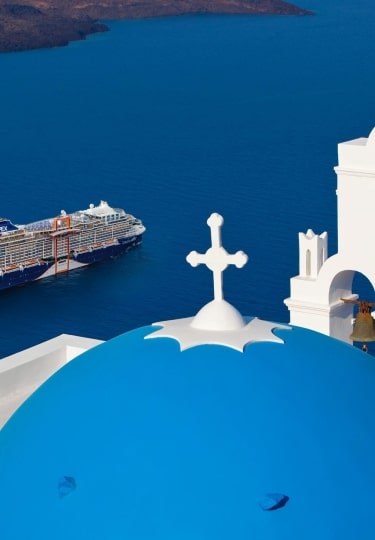
The Mediterranean has no shortage of unforgettable places to explore, but Eastern and Western Mediterranean cruises offer two distinct ways to experience the region. Western Mediterranean itineraries often bring guests to iconic cities, artistic treasures, local restaurants, and historic landmarks across Spain, France, and Italy. Eastern Mediterranean cruises take a closer look at Greek islands, ancient ruins, charming coastal towns, and the laid-back pace of destinations across Greece, Turkey, Croatia, and beyond.
The best choice comes down to the experiences you want most, from exploring centuries-old streets and famous cultural sites to enjoying seaside views and island scenery. We’re taking a closer look at the differences between Eastern and Western Mediterranean cruises to help you find the right itinerary for your travel style.
Eastern vs. Western Mediterranean Cruises at a Glance
Before choosing an itinerary, it helps to understand how each side of the Mediterranean shapes the day-to-day experience. Western Mediterranean cruises tend to center around celebrated cities, culinary traditions, and cultural icons, while Eastern Mediterranean cruises often highlight island scenery, archaeological sites, and coastal escapes.
Here’s a quick comparison of the two:
- Best for: Western Mediterranean cruises appeal to guests who enjoy art, cuisine, architecture, and exploring some of Europe’s most famous cities. Eastern Mediterranean cruises are well suited to guests drawn to island scenery, ancient history, seaside villages, and coastal landscapes.
- Typical destinations: Western itineraries commonly visit Spain, France, and Italy, while Eastern itineraries explore Greece, Turkey, Croatia, and other destinations along the Eastern Mediterranean.
- Example ports: Western Mediterranean cruises may call on Barcelona, Rome via Civitavecchia, Naples, La Spezia, and ports along the French Riviera. Eastern itineraries may include Athens, Santorini, Mykonos, Dubrovnik, and Kuşadası.
- Overall feel: Western itineraries tend to feel more urban and culture-focused, with plenty of opportunities to discover local traditions. Eastern itineraries often combine history with the natural beauty and scenery of the coast.
- Excursion style: In the Western Mediterranean, days ashore might include museums, historic neighborhoods, local cuisine, architecture, and landmark sightseeing. In the Eastern Mediterranean, guests can explore ancient ruins, archaeological sites, island villages, beaches, and waterfront towns.
- History focus: Western destinations offer connections to Roman heritage, Renaissance art, and centuries of European history. Eastern destinations bring guests closer to Classical Greece, mythology, ancient civilizations, and archaeological treasures.
- Beach appeal: Western itineraries offer Mediterranean beaches near coastal cities and port destinations. Eastern routes are particularly known for island beaches, hidden coves, and seaside villages.
- Pace: Western Mediterranean days often center around full days of city sightseeing and cultural exploration. Eastern itineraries may offer more opportunities to combine sightseeing with island time, coastal scenery, and smaller destinations.
Western Mediterranean Cruises Highlight Iconic Cities, Culture, and Cuisine
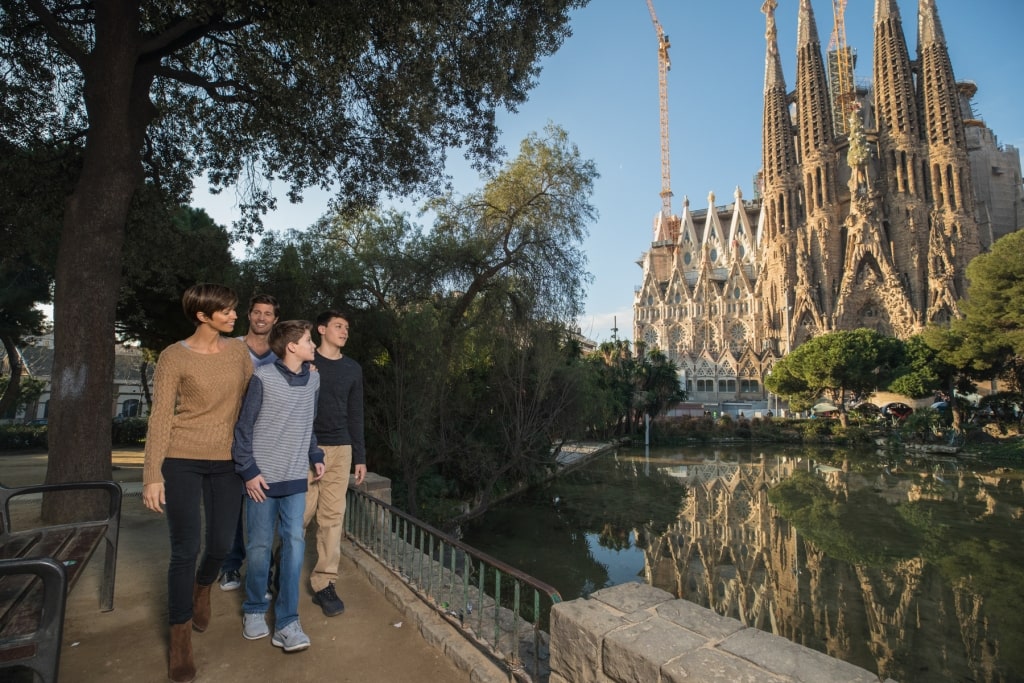
Basking in the golden sunlight of Barcelona, Antoni Gaudí’s awe-inspiring Basílica de la Sagrada Família creates a breathtaking backdrop for an unforgettable family stroll.
There’s a reason the Western Mediterranean continues to draw travelers back. A single itinerary can bring together Spain’s lively city streets, Italy’s Renaissance masterpieces, and France’s coastal towns, offering a well-rounded look at some of Europe’s most beloved destinations:
- In Barcelona, guests can explore historic neighborhoods, admire striking architecture, and sample the city’s celebrated cuisine.
- Italian ports reveal layers of history through ancient sites, Renaissance masterpieces, and regional dishes that vary from one destination to the next.
- Along the French Riviera, coastal cities offer a chance to take in waterfront views, charming streets, and the distinctive character of the Mediterranean coast.
For travelers visiting Europe for the first time, a Western Mediterranean cruise offers a classic introduction to the region. Some ports, such as Civitavecchia for Rome or La Spezia for Florence, are outside the city centers, so checking travel times ahead of your visit can help you plan your day.
Eastern Mediterranean Cruises Connect Guests With Islands, Ruins, and Coastal Landscapes
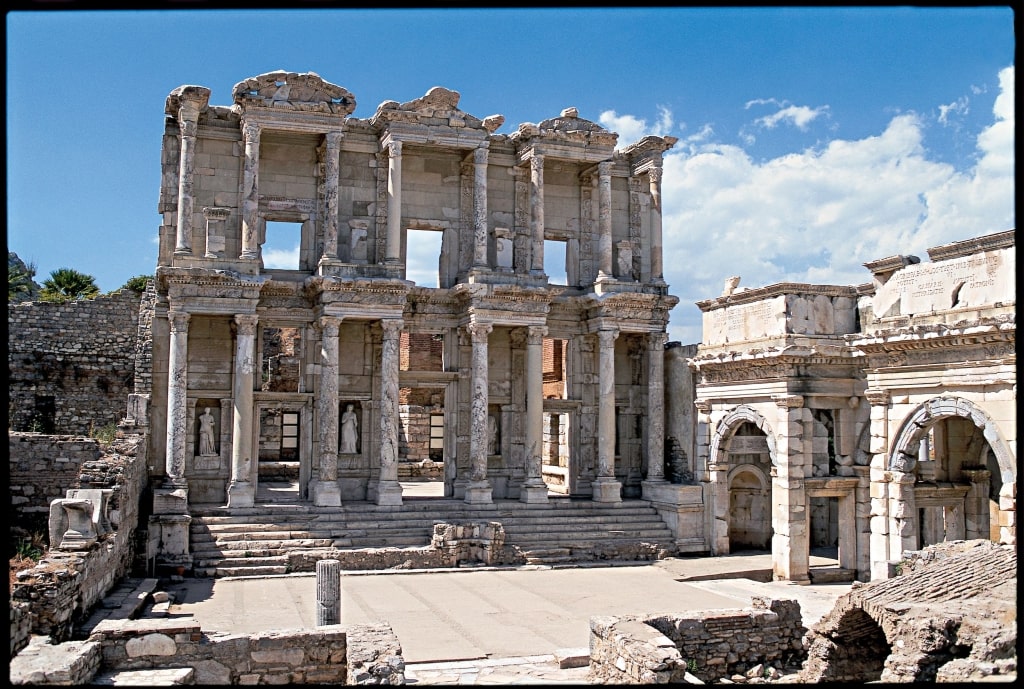
Standing as a magnificent testament to antiquity, the grand facade of the Library of Celsus in ancient Ephesus transports visitors straight into the heart of Greco-Roman history.
There’s something special about discovering the Eastern Mediterranean one coastline at a time. These itineraries bring guests closer to places where ancient history, island traditions, and seaside scenery are woven into everyday life across Greece, Turkey, Croatia, and beyond:
- A day in Greece might mean exploring an archaeological site in the morning, then strolling through a charming island village or enjoying views of the Aegean Sea later in the afternoon.
- In Turkey, coastal ports open the door to remarkable ruins and stories from civilizations that came before.
- Croatia and other Mediterranean destinations add their own character with historic waterfront towns, scenic shorelines, and local experiences.
Compared with itineraries centered on major European cities, some Eastern Mediterranean routes offer more opportunities to balance sightseeing with time along the coast. Depending on the itinerary, ports may also involve tender service or transportation to attractions farther inland, so reviewing excursion options before setting out can help you make the most of your day.
The Best Mediterranean Cruise Depends on Your Travel Style
Choosing between an Eastern and Western Mediterranean cruise often comes down to how you like to experience a destination. Some travelers enjoy having a full itinerary of iconic sights, local restaurants, and historic neighborhoods to explore. Others prefer a little more room to slow down, take in the scenery, and let the character of each coastal stop unfold.
Both routes offer a mix of sightseeing and relaxation. The difference is in the type of moments that make the journey memorable.
For First-Time European Travelers
A Western Mediterranean cruise can be an ideal introduction to Europe for guests who want to experience several of the region’s most recognizable destinations in one itinerary. Stops in cities like Barcelona, Rome, and Florence offer a chance to:
- See famous landmarks, from Barcelona’s Sagrada Família to Rome’s Colosseum.
- Explore historic districts, such as Rome’s Trastevere or Florence’s winding streets around the Duomo.
- Experience the art, architecture, and cuisine that often define a first visit to Europe, from Gaudí’s distinctive designs to handmade pasta and regional wines.
For many travelers, it’s a way to get a broad sense of the region and discover where they might want to return.
An Eastern Mediterranean cruise may be a better fit for first-time visitors whose European wish list includes:
- Island views, from Santorini’s whitewashed buildings and caldera vistas to the clear waters surrounding the Greek islands.
- Ancient history, including archaeological sites that date back thousands of years.
- Coastal villages, where waterfront cafés, local shops, and everyday life unfold at an easy pace.
For Couples
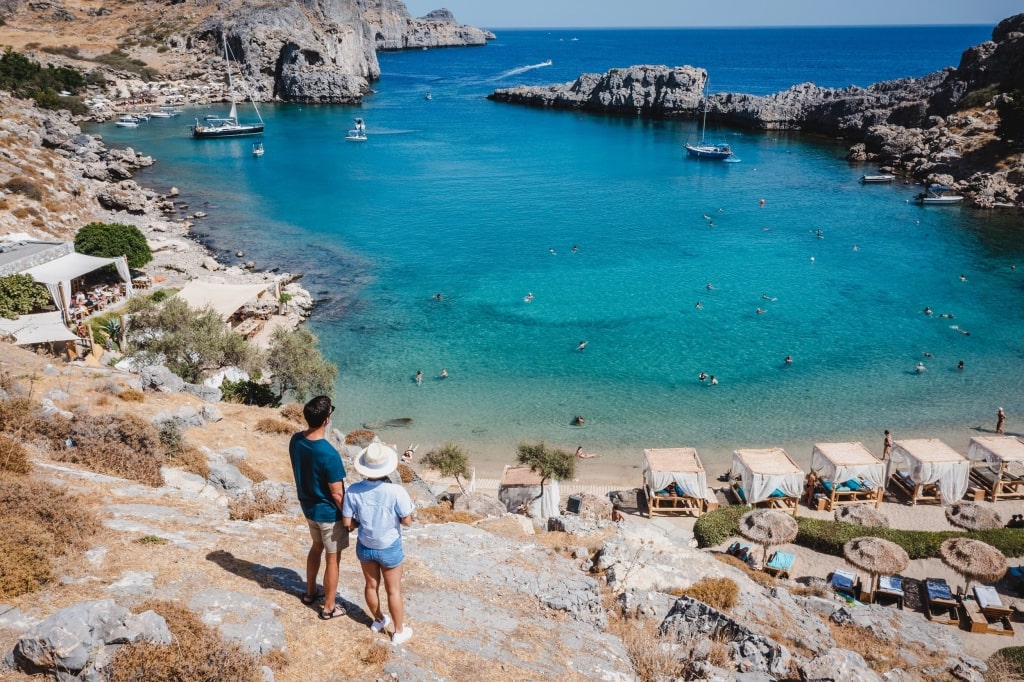
Framed by rugged coastal cliffs and crystal-clear turquoise waters, the idyllic shores of St. Paul’s Bay in Rhodes offer a sun-drenched sanctuary along the Mediterranean.
The Mediterranean naturally lends itself to shared experiences, from discovering a new destination together to lingering over a meal with a view.
Eastern Mediterranean itineraries can appeal to couples looking for a more relaxed pace, with opportunities to:
- Explore island villages, wandering whitewashed streets and stopping at a café for a coffee or local pastry.
- Browse local shops, looking for handmade ceramics, textiles, or other regional finds.
- Enjoy waterfront dining, with fresh seafood and a view of the harbor.
- Spend time surrounded by coastal landscapes, from rugged cliffs to clear blue water and hillside villages.
Western Mediterranean cruises may be a great match for couples who enjoy the energy of a city day. Guests can turn a port visit into a collection of small moments worth remembering by:
- Exploring a museum, from Barcelona’s art collections to Florence’s Renaissance masterpieces.
- Walking through historic neighborhoods, stopping for coffee, people-watching, or a gelato along the way.
- Discovering a local restaurant, where regional specialties offer another way to experience the destination.
Both regions offer a balance of discovery and downtime, giving couples plenty of ways to fill the day before slowing down over dinner.
For History and Ruins
For history enthusiasts, the Mediterranean is filled with destinations that bring the past into focus.
Eastern Mediterranean cruises often stand out for their connections to ancient civilizations, offering opportunities to explore:
- Archaeological sites, from ancient ruins to excavated cities that reveal how people lived centuries ago.
- Locations tied to Greek mythology, from ancient sanctuaries to landscapes associated with familiar legends.
- Coastal cities where centuries of history remain visible in temples, fortifications, and streets shaped by generations of residents.
Western Mediterranean cruises offer a different perspective, highlighting Roman heritage, Renaissance art, and historic European cities. Guests can:
- Discover Roman amphitheaters, forums, and other landmarks that reveal the scale of the Roman Empire.
- Explore artistic masterpieces in museums, churches, and public squares.
- See how architecture has evolved across generations, from Roman ruins and medieval streets to Renaissance palaces and grand civic buildings.
For Beaches and Island Time
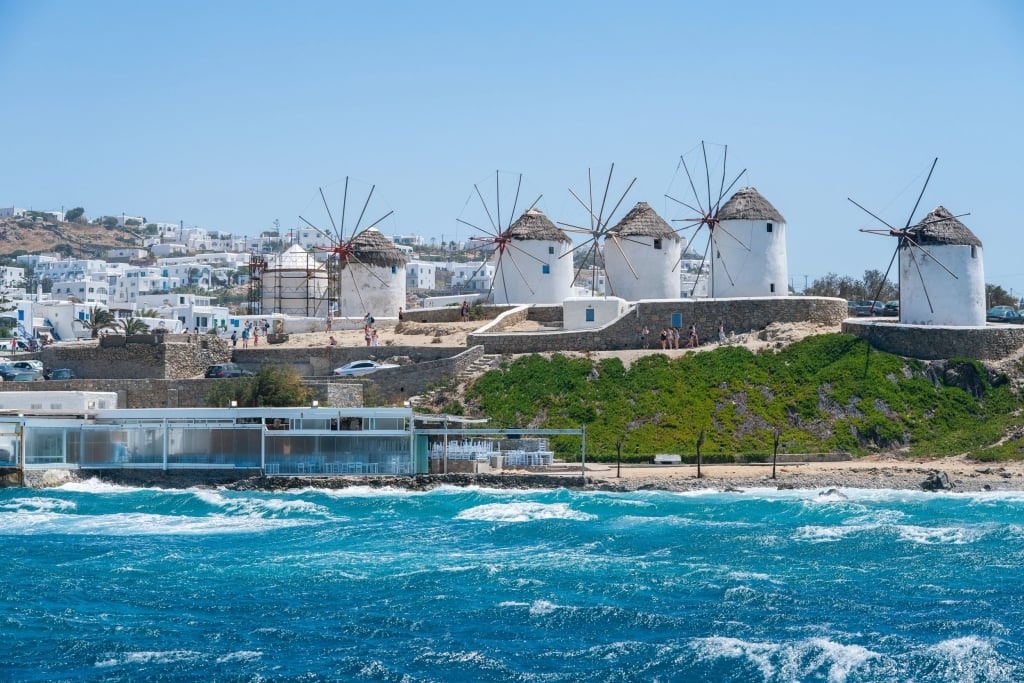
Perched on a ridge above churning Aegean waters, the iconic 16th-century Windmills of Mykonos stand as timeless sentinels of Greece’s Cycladic heritage.
Guests hoping to spend more time near the water may find some Eastern Mediterranean itineraries especially appealing. Routes that include Greek islands and coastal destinations can offer opportunities to enjoy beaches, seaside villages, and views across the Aegean or Adriatic.
Western Mediterranean cruises also offer plenty of coastal experiences, often alongside cultural sightseeing. A port day might include a waterfront stroll, a visit to a historic landmark, and a chance to sample local flavors in the same stop. For travelers who enjoy combining coastal scenery with city exploration, that mix can be a highlight of the itinerary.
Weather and Timing Can Influence Your Mediterranean Cruise Choice
Because the Mediterranean stretches across so many coastlines, the weather, crowds, and pace of each destination can change throughout the year. Choosing the right season for a Mediterranean cruise can help you get more out of the experiences that matter most to you.
Summer is ideal for guests who enjoy long, sunny days and plenty of time outdoors. Warmer temperatures create opportunities to:
- Linger along waterfronts.
- Explore coastal towns.
- Visit historic sites.
- Enjoy the scenery that makes the Mediterranean so memorable.
It’s also one of the busiest times to visit popular destinations, so guests may want to plan ahead for well-known attractions and excursions.
Spring and fall, particularly April, May, September, and October, often appeal to travelers looking for milder temperatures and a more relaxed sightseeing experience. Comfortable conditions can make it easier to spend the day walking through historic neighborhoods in cities like Barcelona or exploring archaeological sites in destinations like Greece and Turkey.
With fewer peak-season crowds in some locations, these months can offer more time to appreciate local culture, cuisine, and scenery at a leisurely pace.
Is September a Good Time for an Eastern or Western Mediterranean Cruise?
September is a popular month for both Eastern and Western Mediterranean cruises, with warm temperatures and conditions that remain inviting in many destinations. Summer crowds also begin to thin as the month progresses.
In the Western Mediterranean, the weather can make long days of walking through cities like Barcelona and Rome more manageable. In the Eastern Mediterranean, guests can enjoy Greek islands and coastal destinations while the sea remains warm for swimming.
Conditions vary by destination, so check the specific itinerary when deciding where and when to sail.
Logistics Can Shape Your Mediterranean Cruise Experience

A couple admires the view as the cradle of the Renaissance reveals its timeless majesty—where Brunelleschi’s grand Duomo and the historic Arno River shape Florence into an eternal mas terpiece.
The cradle of the Renaissance reveals its timeless majesty—where Brunelleschi’s grand Duomo and the historic Arno River shape Florence into an eternal masterpiece.Where a port sits in relation to the places you want to see can shape how you spend your day on shore. Both Eastern and Western Mediterranean itineraries can include ports where the main attractions are farther from the ship, so it’s worth looking at transportation and timing before you go.
- Western Mediterranean cruises: Ports such as Civitavecchia for Rome and La Spezia for Florence can require transportation beyond the port. If you want to see several sights in one day, check travel times and plan accordingly.
- Eastern Mediterranean cruises: Island and coastal ports can have different logistics, including tender service at some destinations. For sites farther inland, such as Ephesus from Kuşadası, allow time for transportation when planning your day.
Reviewing the port locations and available shore excursion options before your cruise can help you decide how much sightseeing you want to fit into each stop.
What To Consider When Choosing an Eastern vs. Western Mediterranean Cruise
There’s no single Mediterranean cruise itinerary that’s right for every traveler. Before choosing between Eastern and Western routes, consider what you want your days on shore to look like:
- The experiences you want most: Think about whether you’re drawn to renowned museums and architecture, ancient ruins, local cuisine, beaches, or coastal scenery.
- The pace you enjoy: If you like packing a port day with sightseeing, look at itineraries with easy access to major attractions. If you prefer time to wander, consider destinations where you can explore closer to the port.
- The season you plan to travel: Summer brings long, warm days, while spring and fall can offer milder conditions for walking, sightseeing, and exploring outdoor attractions.
- How much time you want to spend getting around: Check the distance between each port and the places you want to visit. A landmark may be a highlight of the itinerary, but getting there can be part of the day’s planning, too.
Choosing between an Eastern and Western Mediterranean cruise ultimately comes down to the experiences you want most from your time ashore.
- An Eastern Mediterranean cruise can be a strong fit for guests drawn to ancient history, island scenery, coastal villages, and destinations where archaeological sites and everyday life often share the same landscape.
- A Western Mediterranean cruise can suit guests who want to explore some of Europe’s best-known cities and cultural landmarks, from historic neighborhoods and museums to regional cuisine and centuries of architecture.
Both offer opportunities to explore and restore. The better fit depends on which destinations, experiences, and pace appeal most to you.
Eastern vs. Western Mediterranean Cruise FAQ
What is the difference between an Eastern and Western Mediterranean cruise?
Western Mediterranean cruises often focus on iconic cities, cultural landmarks, cuisine, and historic neighborhoods across Spain, France, and Italy. Eastern Mediterranean itineraries often feature Greek islands, ancient ruins, coastal towns, and destinations across Greece, Turkey, Croatia, and beyond.
Is the Eastern or Western Mediterranean better?
The better Mediterranean cruise depends on your interests. Western itineraries suit guests drawn to cities, museums, architecture, and cuisine, while Eastern cruises appeal to those interested in island scenery, ancient history, beaches, and coastal towns.
Which Mediterranean cruise is better in September?
September is a popular month for both regions, with warm weather and fewer peak summer crowds in many destinations. Western itineraries are well suited to city sightseeing, while Eastern cruises offer coastal days and island scenery.
What’s the best time of year for an Eastern or Western Mediterranean cruise?
The best time depends on your destinations and plans. Summer brings warm weather and long days, while spring and fall offer milder temperatures for sightseeing, walking tours, and exploring Mediterranean cities and coastal destinations.
How many days do you need for an Eastern or Western Mediterranean cruise?
A weeklong cruise can cover many Mediterranean highlights, while longer itineraries allow more time to explore additional ports. The ideal length depends on how many destinations you want to visit and the pace you prefer.
Two Routes, Endless Ways To Experience the Mediterranean
Eastern and Western Mediterranean cruises offer different ways to experience the region. One itinerary might lead to ancient ruins and island villages, while another brings you into the heart of historic cities, museums, and renowned culinary destinations.
Celebrity Cruises® offers Mediterranean itineraries across both regions, with opportunities to explore historic cities, island destinations, coastal scenery, and spend more time ashore.
Explore European cruises to find your ideal Mediterranean itinerary.