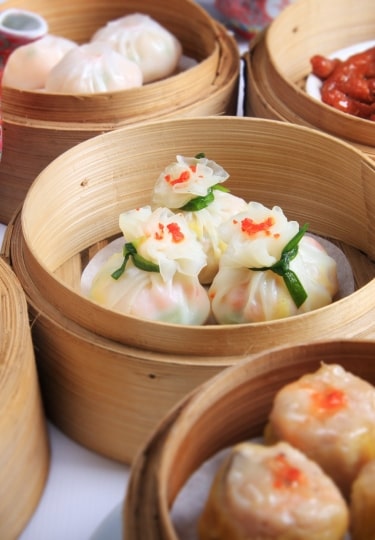
Having dim sum in Hong Kong is one culinary experience everyone should enjoy at least once in their lifetime. Yum cha, or the act of enjoying a procession of small, artfully made dishes, is truly one of the loveliest possible ways to spend a morning or early afternoon. It’s easy to while away the hours nibbling cheung fun and har gow.
At the best restaurants in Hong Kong, dim sum are painstakingly made by hand. Many of these dumplings are as stunning to look at as they are to eat. At fancier establishments, you might find buns shaped like pigs or bears or stuffed pastry fashioned into phoenixes. Here are just a few of the things to do know before you
What Is Dim Sum?
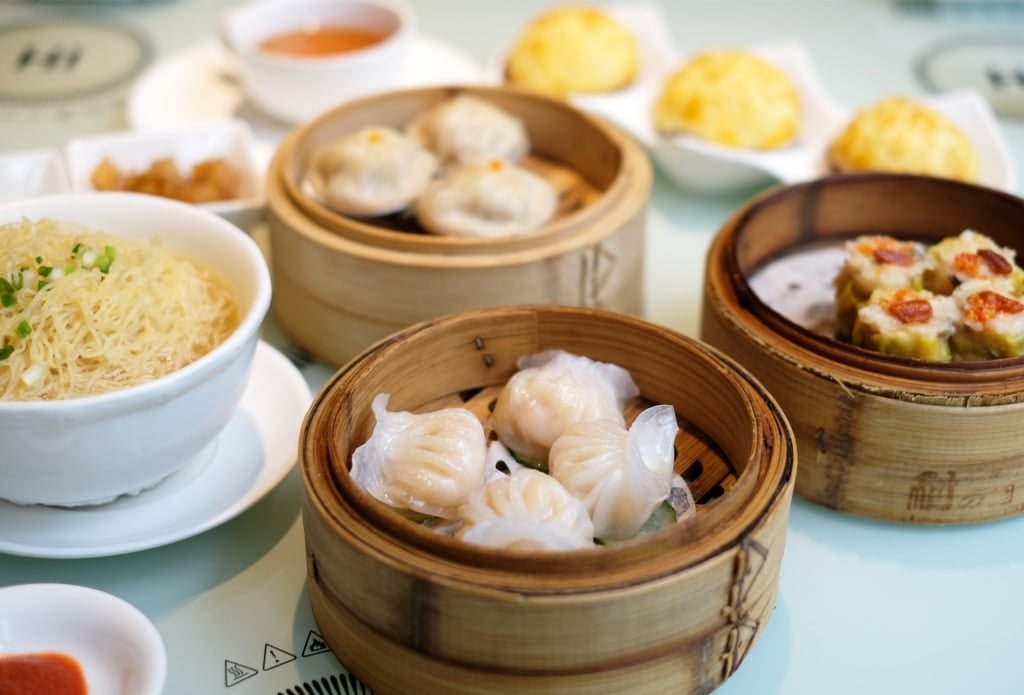
Dim sum
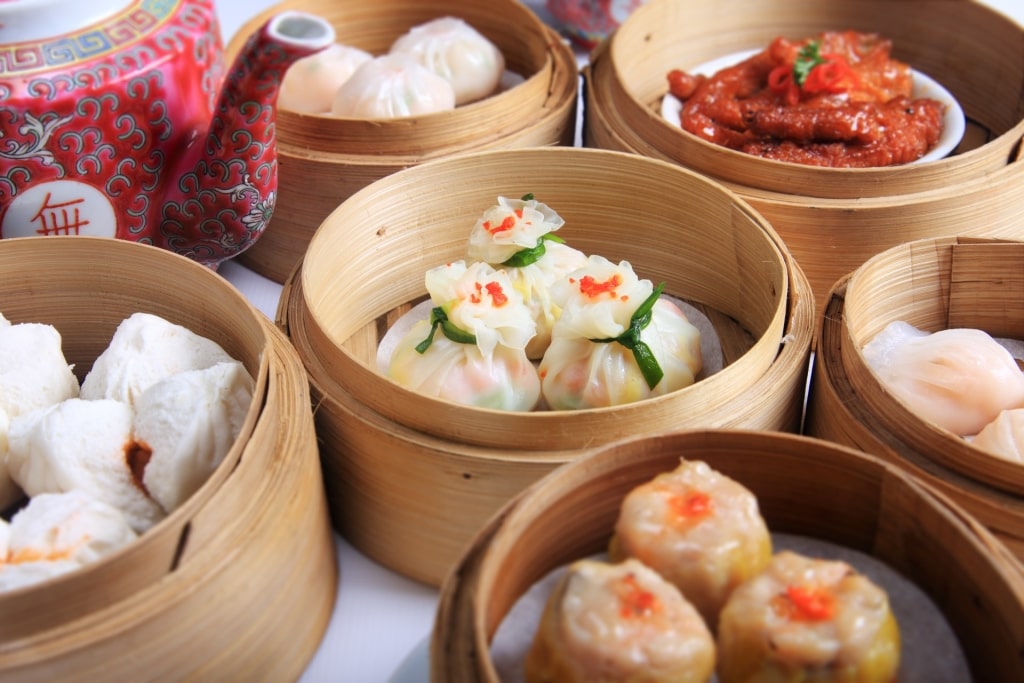
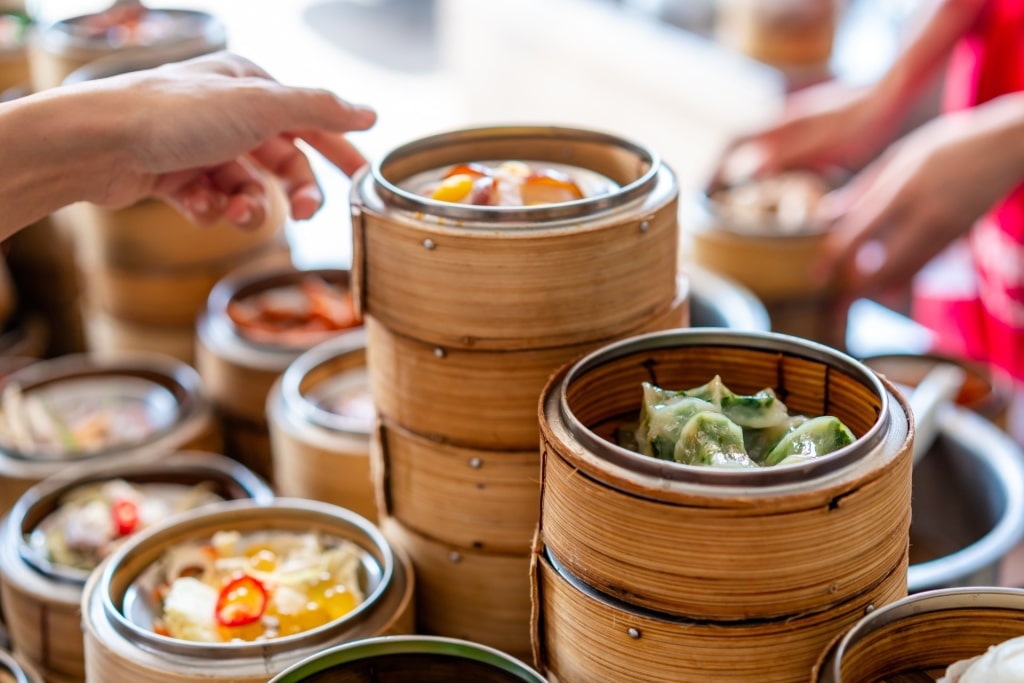
Dim sum is essentially a Cantonese feast of small dishes served around lunchtime and accompanied by copious pots of tea. Common dishes include steamed or pan-fried dumplings, buns, rice rolls, and meatballs, among many, many others. Dim sum in Hong Kong is always ordered family-style, often from carts stacked high with bamboo steamers.
History of Dim Sum
Dim sum
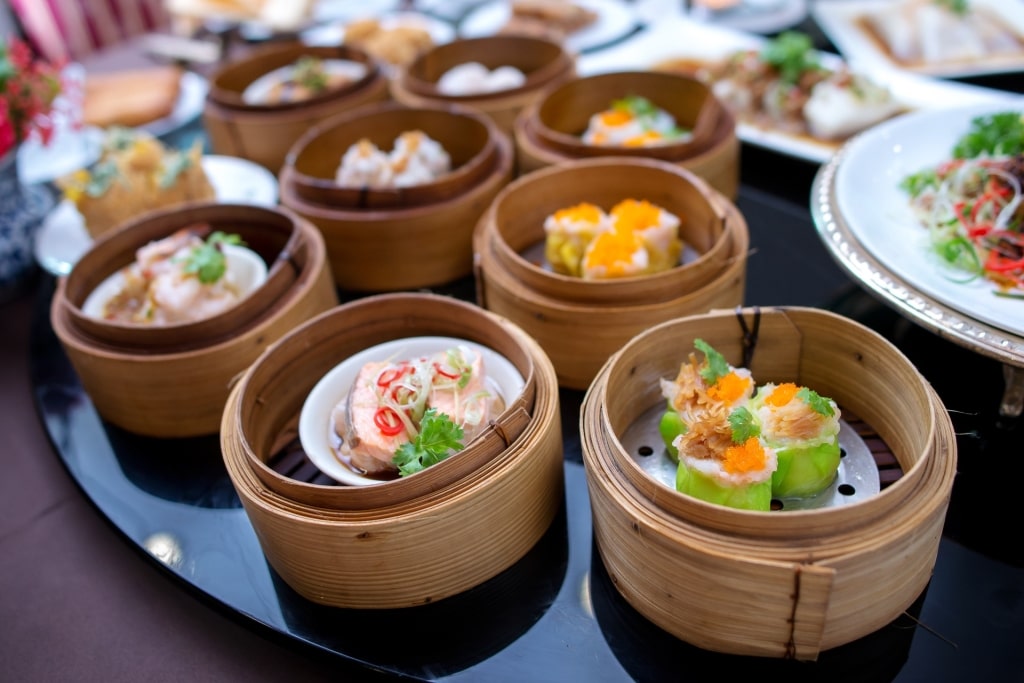
Dim sum, which roughly translates as “touch the heart” or “so close to the heart, stems from the tradition of yum cha, or a series of small plates served at teahouses. No one quite knows who invented the tradition, but historians believe it goes back to the days of the ancient Silk Road. Cantonese dim sum culture as we know it arose around the mid-1800s in Guangzhou. Over the centuries, the tradition evolved and the dishes grew increasingly sophisticated.
As the Chinese Civil War raged on the mainland from 1927 to 1949, many of the country’s finest dim sum chefs fled and settled down in Hong Kong. Today, dim sum can be found in many places around the world where there are sizable Cantonese diasporas.
Although Hong Kong’s dim sum scene comes with the weight of a great deal of history, it has never been static. Chefs continue to craft new, innovative varieties of dim sum to this day. By some estimates, there are as many as 2,000 varieties of dim sum—one of the many reasons Hong Kong is considered one of the best places to travel for food.
Cultural Significance
Dim sum
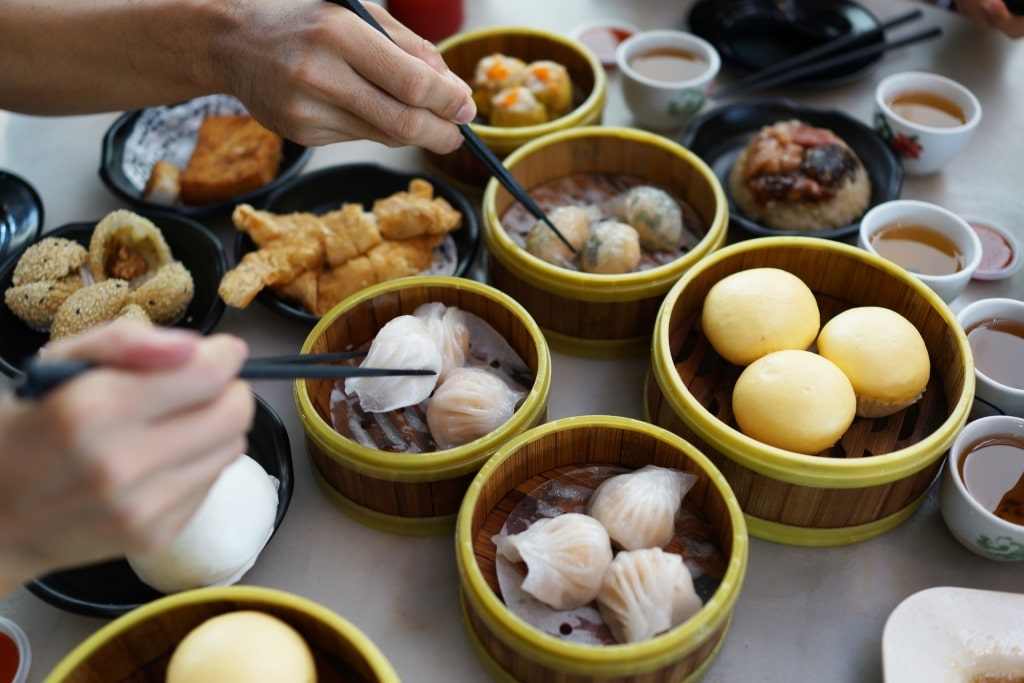
In Hong Kong, dim sum is a ritual that extends back through generations. Virtually everyone who grew up in the Special Administrative Region has fond memories of sharing dim sum with family members. Although dim sum is not unique to Hong Kong, it is very much a point of local pride.
This is one kind of meal that is essentially impossible to enjoy alone or in a rush. The whole purpose is to spend a long, languid morning or early afternoon with your family or loved ones. Dim sum is all about pouring tea for your neighbors and offering up the best bites to the elders. It’s about good conversation and taking time to enjoy dozens of different exquisite little bites.
What to Expect at a Dim Sum Restaurant
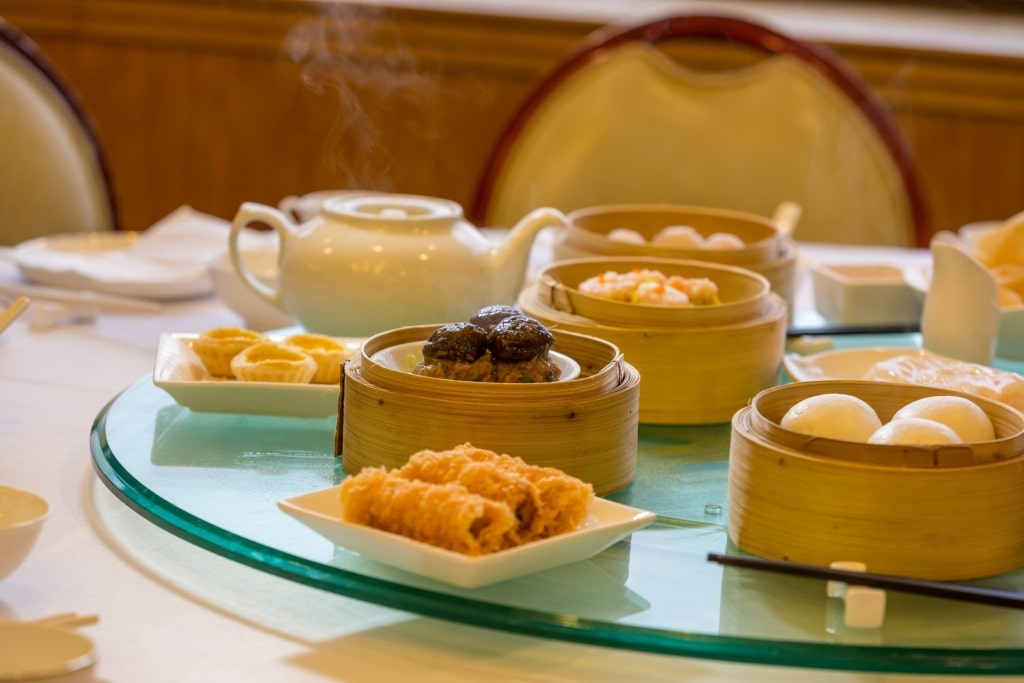
Restaurant in Hong Kong
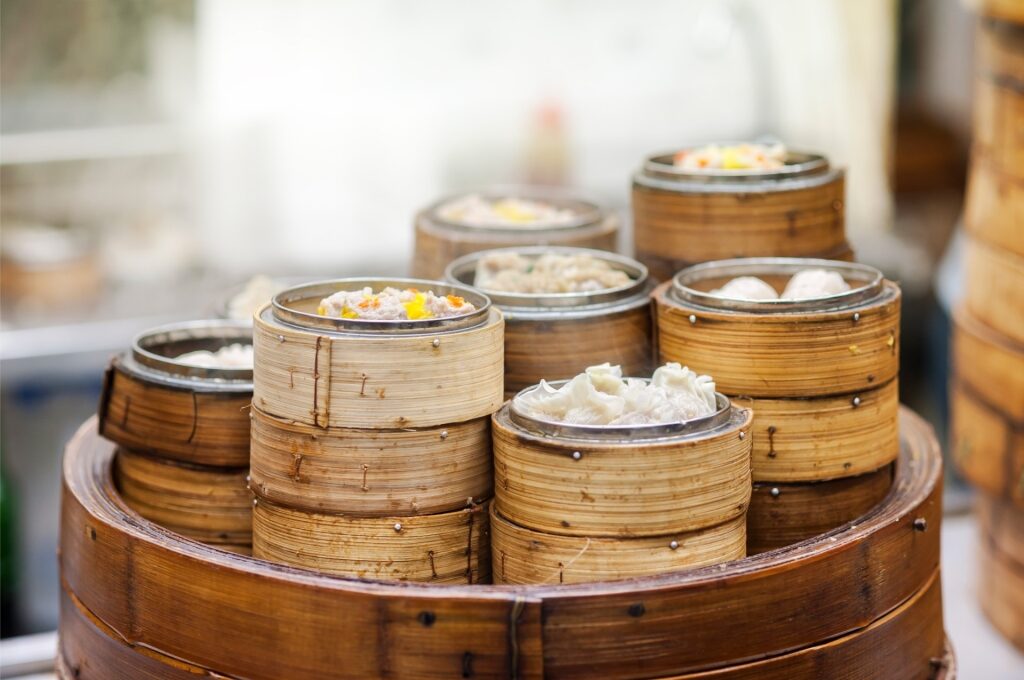
Your dim sum dining experience depends heavily on which kind of restaurant you visit. If you head to a more traditional dim sum establishment, you’ll be greeted by the sight of roving carts piled high with bamboo steamers.
The system here is reasonably straightforward. Servers will approach you with a wide array of offerings. Politely point to whatever dish you would like. At the end of the meal, a server will tally everything up.
These days a number of Hong Kong’s eateries have dispensed with the traditional carts. In these cases, you’ll usually receive a paper order form at the start of the meal. Simply write down how many of each item you would like—remember that you’re ordering for the whole table here.
Must-Try Dim Sum Dishes
Dim sum
Hong Kong’s finest dim sum parlors serve dozens upon dozens of dumplings, rice rolls, buns, and other small bites. Many contemporary dim sum restaurants pride themselves on their innovative, one-of-a-kind creations. The following is by no means a comprehensive list of standout classics, but rather an excellent starting point.
Har Gow, or Shrimp Dumplings
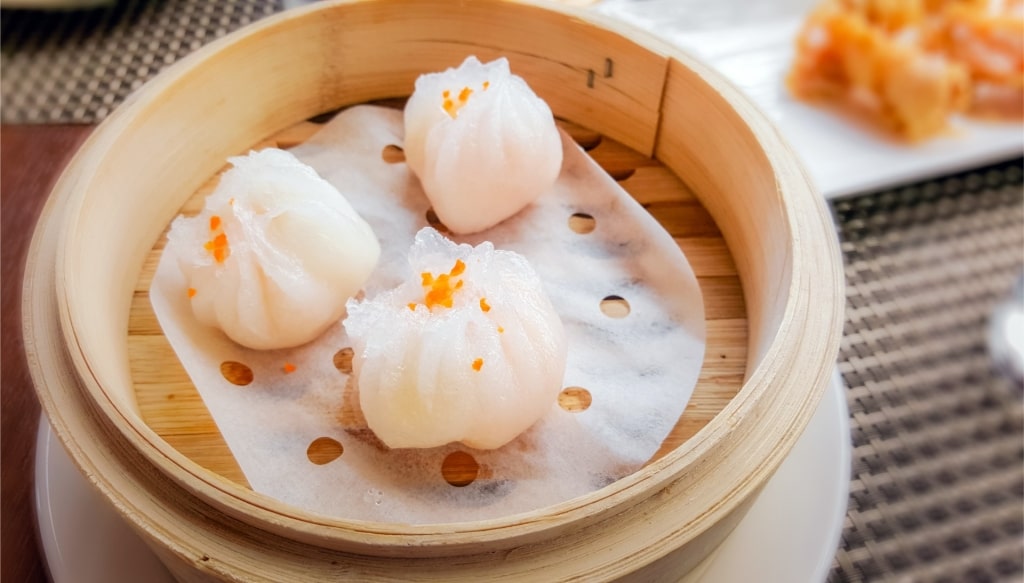
Har gow
Sometimes translated as “crystal shrimp dumplings,” these are one of the most classic varieties of dim sum. The nickname comes from the translucent wrapper, which has a bouncy texture that beautifully mirrors the just-cooked shrimp inside. The secret is that the dough relies on a mix of wheat and tapioca starches rather than wheat flour.
Siu Mai, or Pork and Shrimp Dumplings
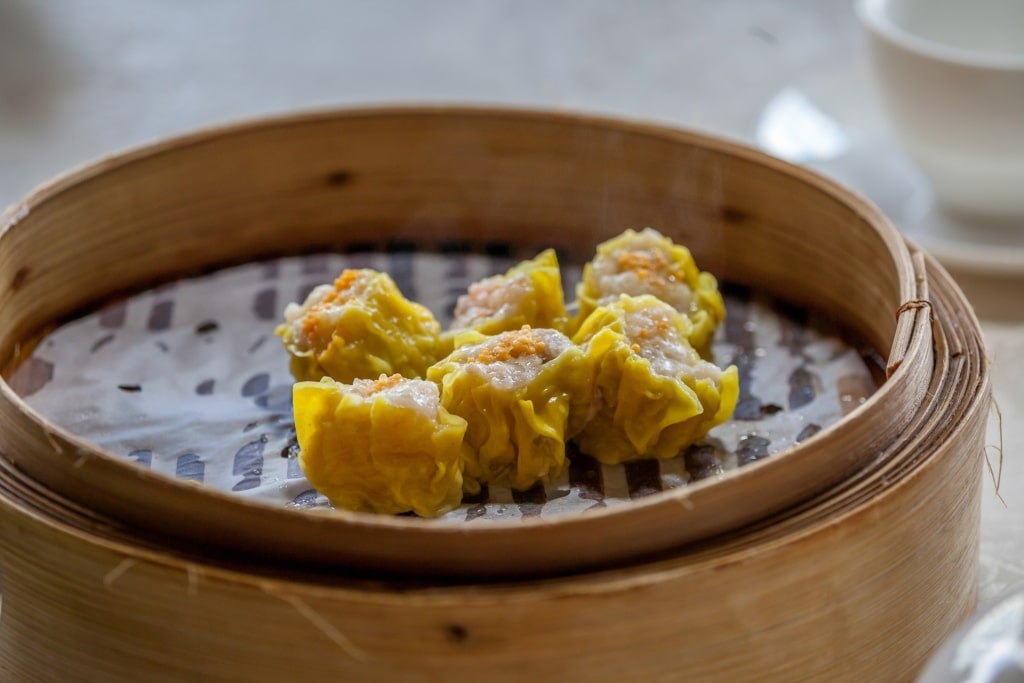
Siu mai
Next to har gow, siu mai or shu mai are one of the most popular varieties of dim sum. They’re made with a thin, yellow lye water dough that’s open at the top. Ground pork with mushrooms is the most common filling, but dozens of regional variations exist.
Char Siu Bao, or Steamed BBQ Pork Buns
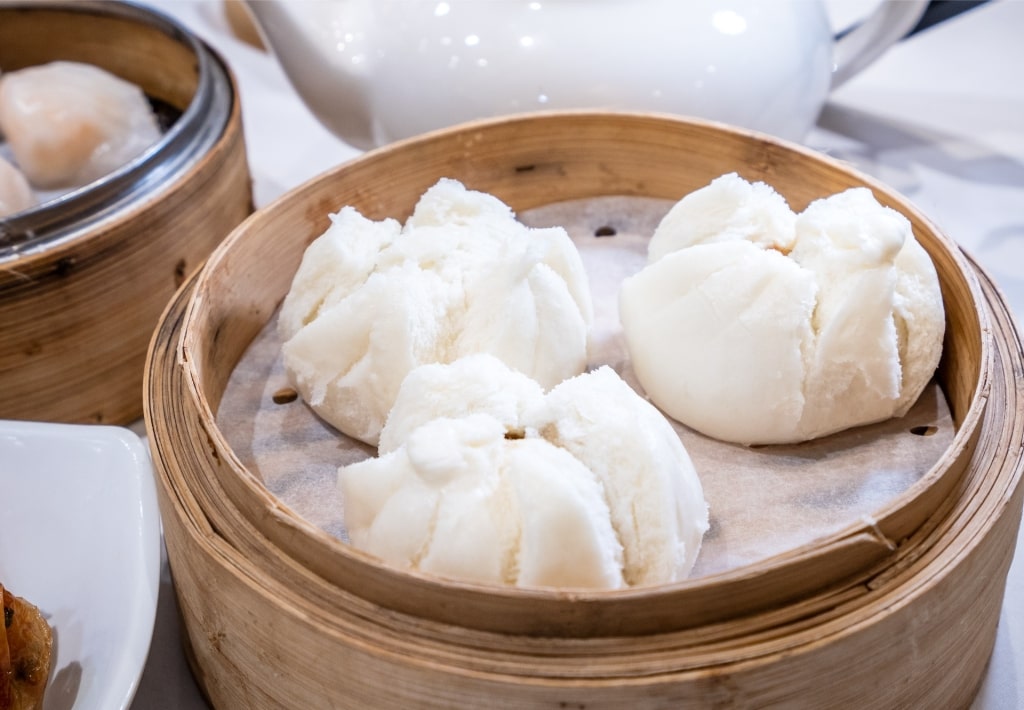
Char siu bao
No dim sum spread is complete without these fluffy buns stuffed with sweet roast pork, or char siu. The traditional version is steamed, although some contemporary iterations swap out the wrapper for baked pastry.
Dan Taat, or Egg Tarts
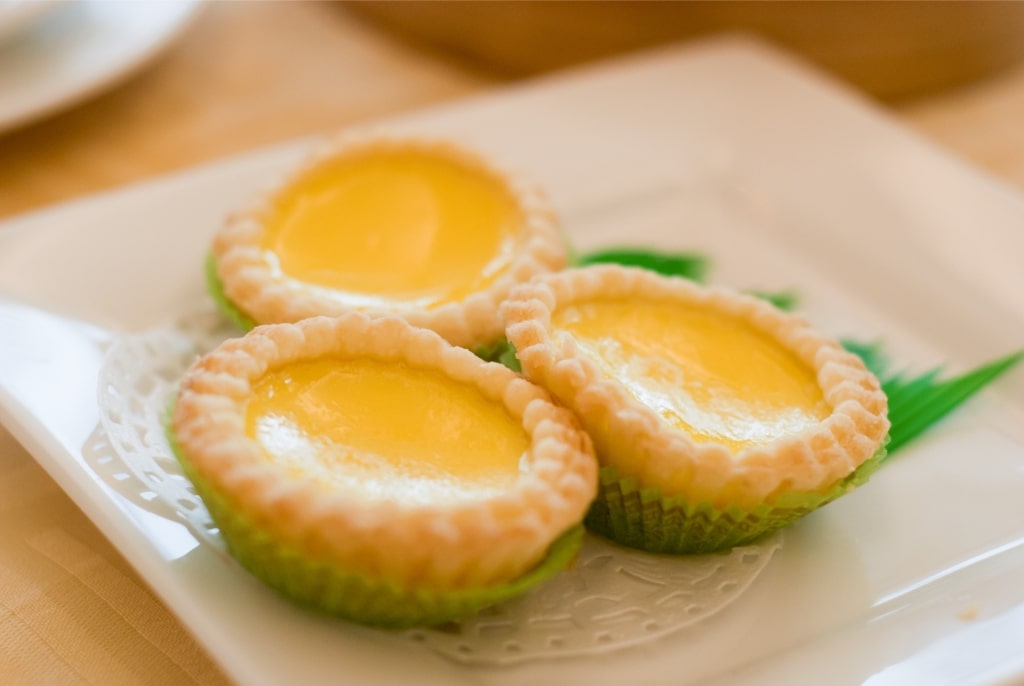
Dan taat
Centuries ago, Portuguese merchants brought pastéis de nata, or egg custard tarts, with them to Hong Kong and Macau. They’re now utterly beloved here and often a lovely coda to a dim sum feast.
Hong Kong’s egg tarts tend to have a crumbly, cookie-like crust in lieu of the flaky, Portuguese version. They’re also less sweet, with a luxuriously silky custard interior.
Liu Sha Bao, or Custard Lava Buns
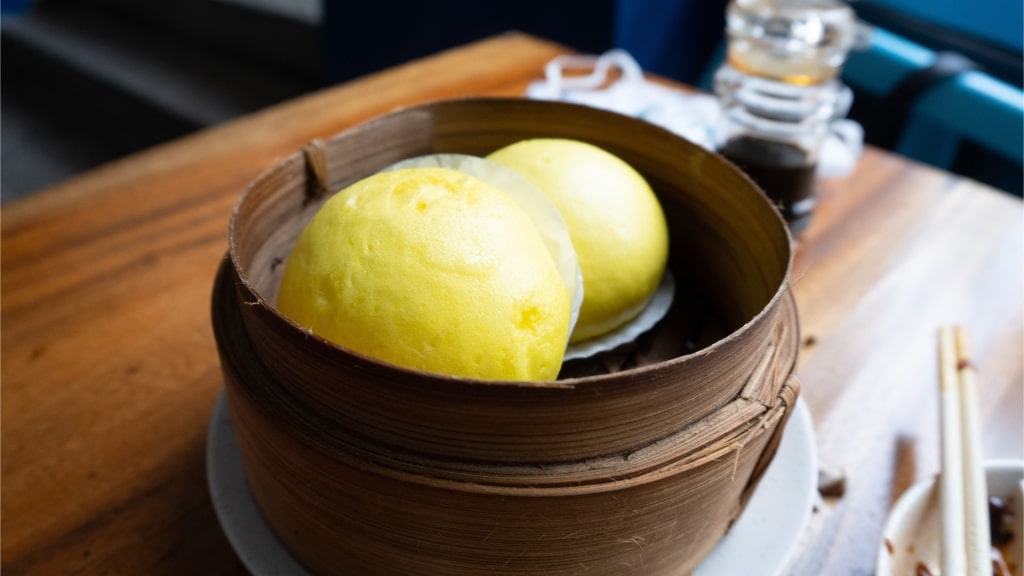
Liu sha bao
Easily one of the most dramatic dim sum, these gloriously messy buns ooze sweet-salty, yolk-yellow custard as soon as you bite into them. They’re traditionally made with duck eggs for even more richness.
Read: Singapore vs. Hong Kong
Xiao Long Bao, or Soup Dumplings
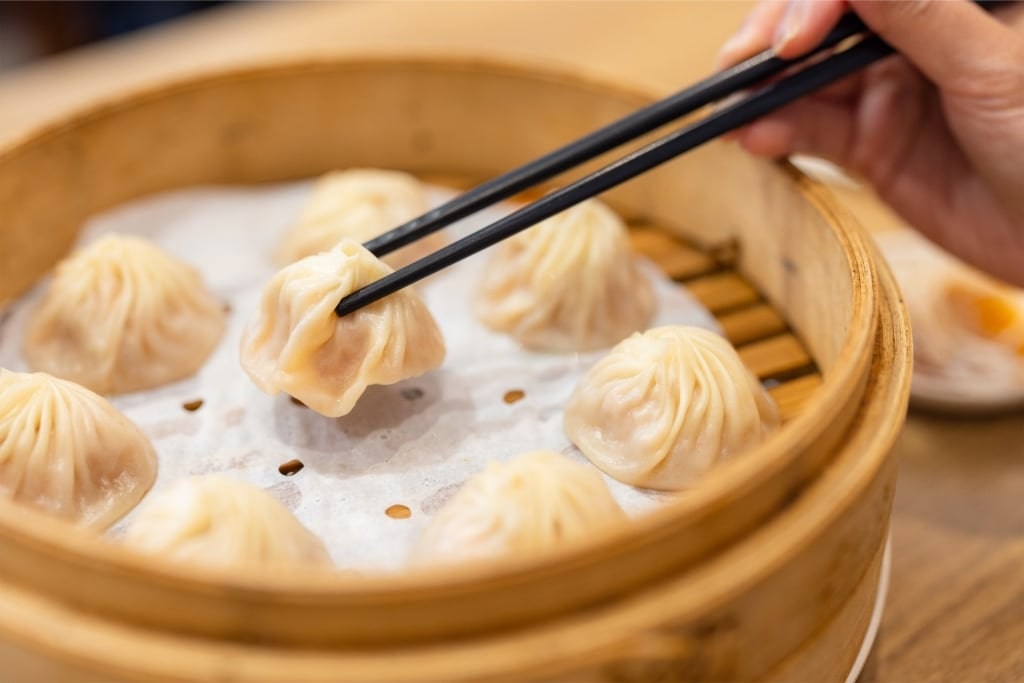
Xiao long bao
Although not Cantonese in origin, xiao long bao are a fairly common staple at dim sum parlors. The success of these dumplings hinges on a kind of culinary sleight of hand. Cooks simmer bones down into a gelatin-loaded aspic, which is then sliced and tucked inside the wrappers.
As they steam, the stock liquifies into the “soup” part of soup dumplings. Take care not to bite into the whole thing at once and risk burning your mouth.
Cheung Fun, or Rice Noodle Rolls
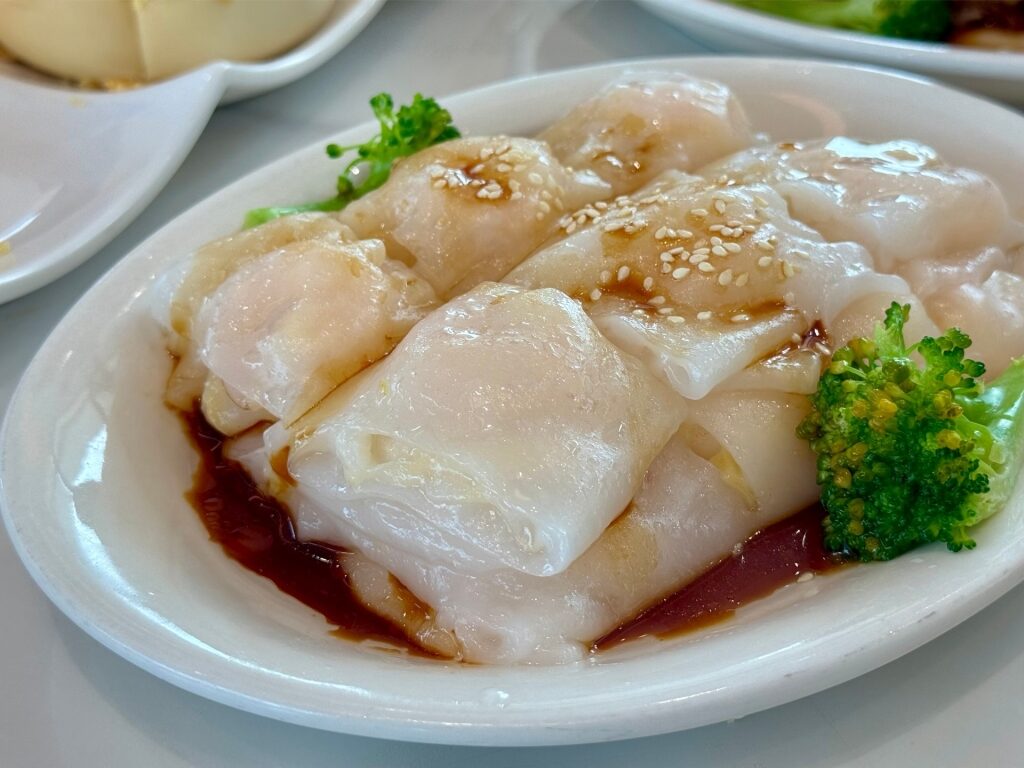
Cheung fun
Made with slippery, steamed rice flour noodles, cheung fun is a pleasure to eat. Making the delicate noodles is a real art, which requires precise timing to get the texture just right. Once set, they can be rolled around all sorts of fillings. Fresh or dried shrimp, beef, and char siu—roast pork—are all especially common, but dozens of other variations exist.
Bo Lo Bao, or Pineapple Buns
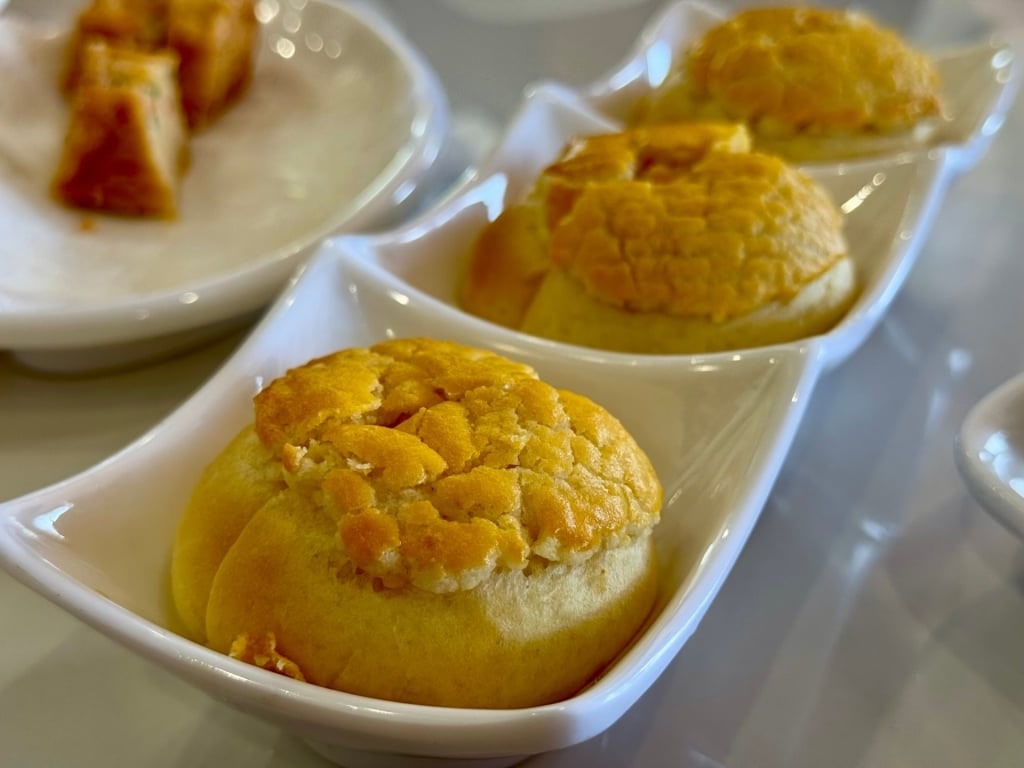
Bo lo bao
Don’t let the name fool you—there’s no pineapple in these buns. Rather, their golden exterior is thought to very loosely resemble the tropical fruit. The best part is the crackly, almost cookie-like topping made from margarine, butter, or lard, flour, eggs, and sugar.
Bo lo bao first became popular in Hong Kong around the 1940s. They can be served plain or stuffed with roast pork, sweet custard, or other fillings.
Best Places to Eat Dim Sum in Hong Kong
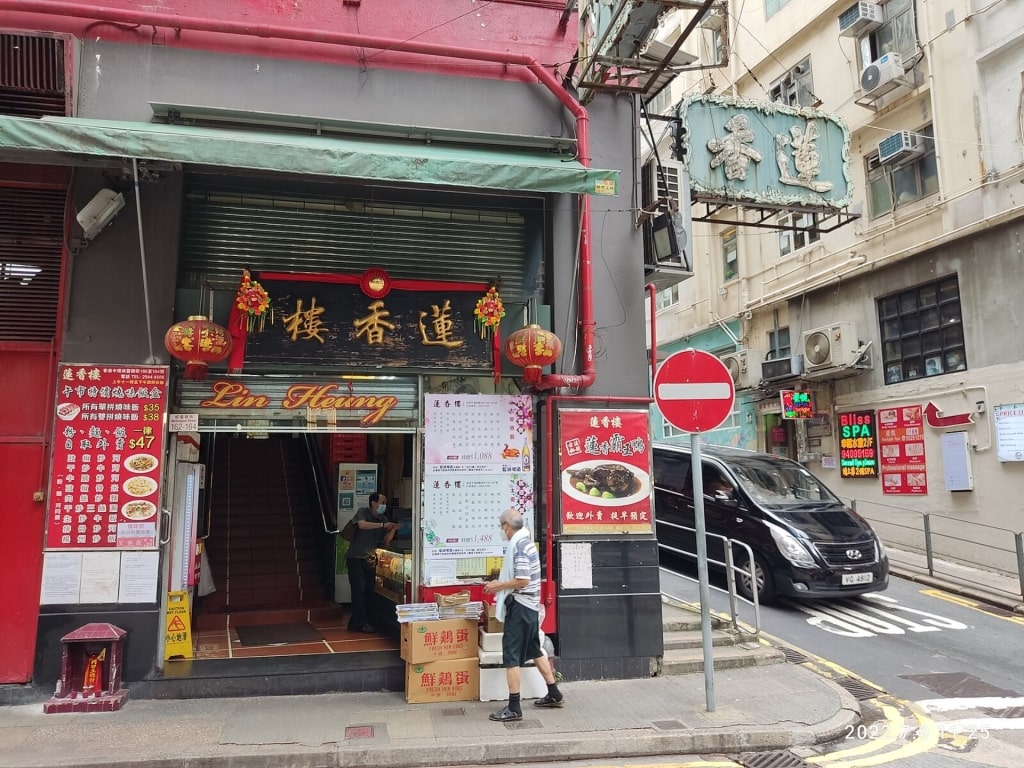
Lin Heung Tea House Photo by Darifengm 092 Shtiah on Wikimedia Commons, licensed under CC BY-SA 4.0
Deciding which of Hong Kong’s many dim sum restaurants to visit depends largely on what type of experience you’re craving. For a truly old-school vibe, head to Lin Heung Tea House, which has a history stretching back to the 1800s. Here, you’ll be greeted by the sight of towers of bamboo steamers, which you’ll have to carry back to your table yourself. Another classic is Fook Lam Moon, which has been slinging siu mai since 1948.
Maxim’s Palace, which opened in 1980, is slightly grander, with crisp, white tablecloths and chandeliers. It has a well-deserved reputation for quality, not to mention an absolutely staggering selection of dim sum. Luk Yu Tea House is another lovely spot, with three whole floors and vintage decor.
Read: Three Days in Hong Kong
Dim Sum Etiquette
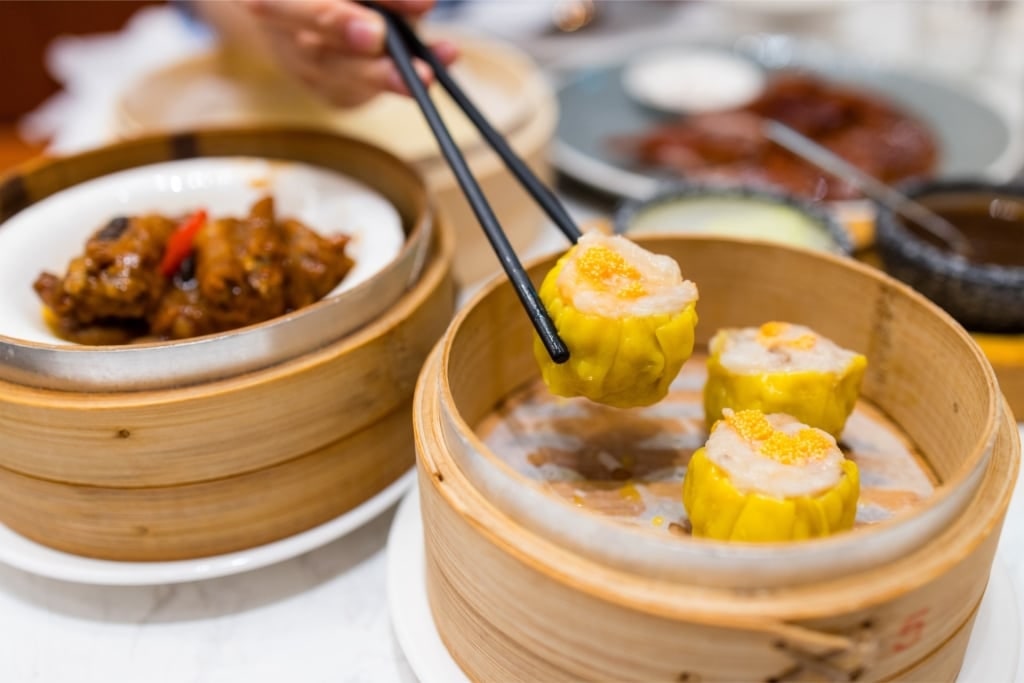
Siu mai
Dim sum is a fundamentally communal experience, which means it’s important to abide by the rules for the sake of your fellow diners. Many of these are common sense: don’t double-dip your dumplings in multiple sauces, don’t hog all of a coveted dish, and don’t lunge across the table.
Never approach dim sum with a scarcity mindset; there’s guaranteed to be an abundance of food and if you want more of a particular item, you can always order it.
Take a modest amount of food on your individual plate at a time and take small bites. If there’s one dumpling left, offer it to your dining companions first instead of scarfing it down. Don’t yell or chase down carts, as the servers will always circle back around to you.
Dim sum
A few of the etiquette rules are less intuitive to dim sum novices. For starters, never eat directly from the communal steamers or platters. Remove your chosen item using the back end of your chopsticks, then place it on your own plate first.
The idea is never to be poking around the communal serving vessel with the end of your chopsticks that were in your mouth. Also, never point your chopsticks at other diners or leave them sticking vertically upright in your rice bowl. The latter is thought to resemble incense sticks at a funeral and is generally considered bad luck.
Tea
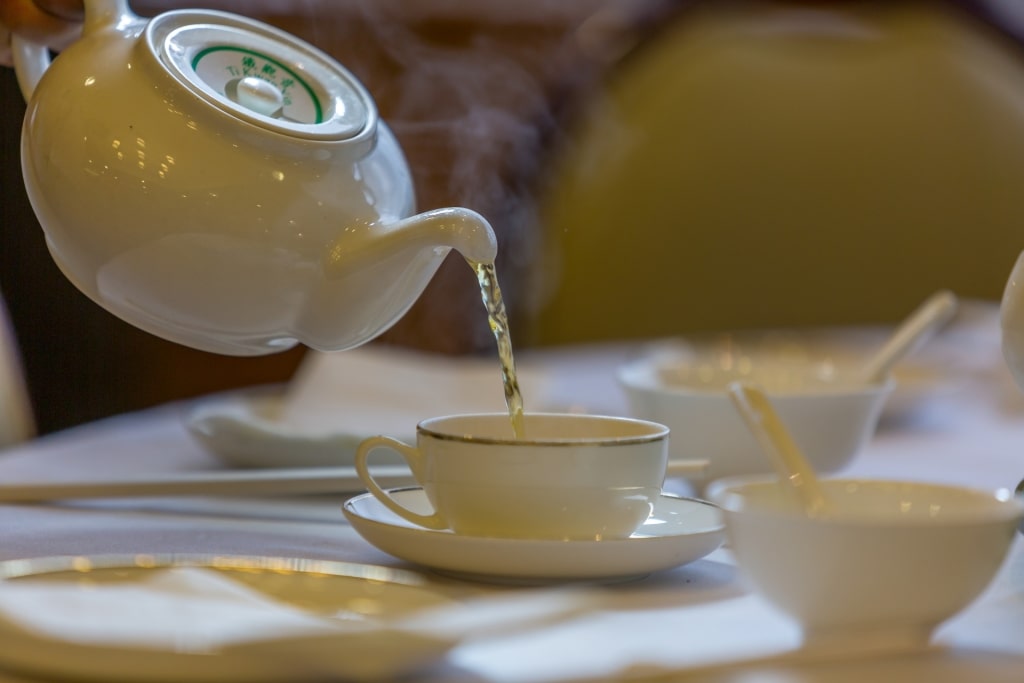
Tea is as central to the ritual of dim sum as the food itself. Always be sure to pour tea for those next to you rather than for yourself. While it isn’t a strict rule, if elders are present at the table, be sure to pour for them first. You can thank your servers, as well others for pouring tea, by gently tapping your index and middle finger on the table twice.
Dim Sum FAQs
Why is dim sum so popular in Hong Kong?
Dim sum
Setting aside dim sum’s long, proud history in Cantonese culture, it’s a wonderful way to dine with friends and family. There are few more enjoyable ways to spend a leisurely morning than pouring tea and nibbling on an endless parade of exquisite little bites.
A sense of generosity and graciousness is central to the whole experience. If you’re doing it right, you’ll pour tea for your loved ones and offer them particularly tasty dumplings.
The ritual is one that transcends class and price points. Dim sum can entail a no-frills meal in Kowloon or a ritzy Michelin-starred restaurant in Central. You’ll find delicious local food and can easily have an excellent meal at both.
Is dim sum served all day in Hong Kong?
Dim sum
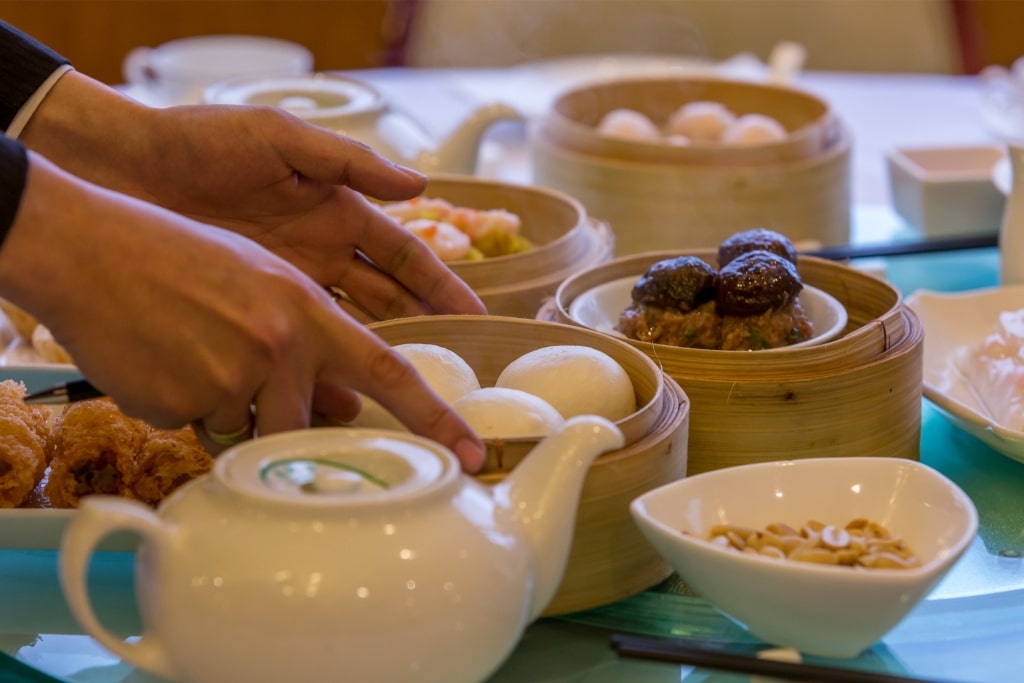
Traditionally, dim sum is meant to be enjoyed in the morning and early afternoon. It’s often wise to book on the earlier side, as some restaurants run out of popular items towards the end. There are restaurants serving dim sum at dinner in Hong Kong, but these tend to cater to foreigners.
How is dim sum served in Hong Kong?
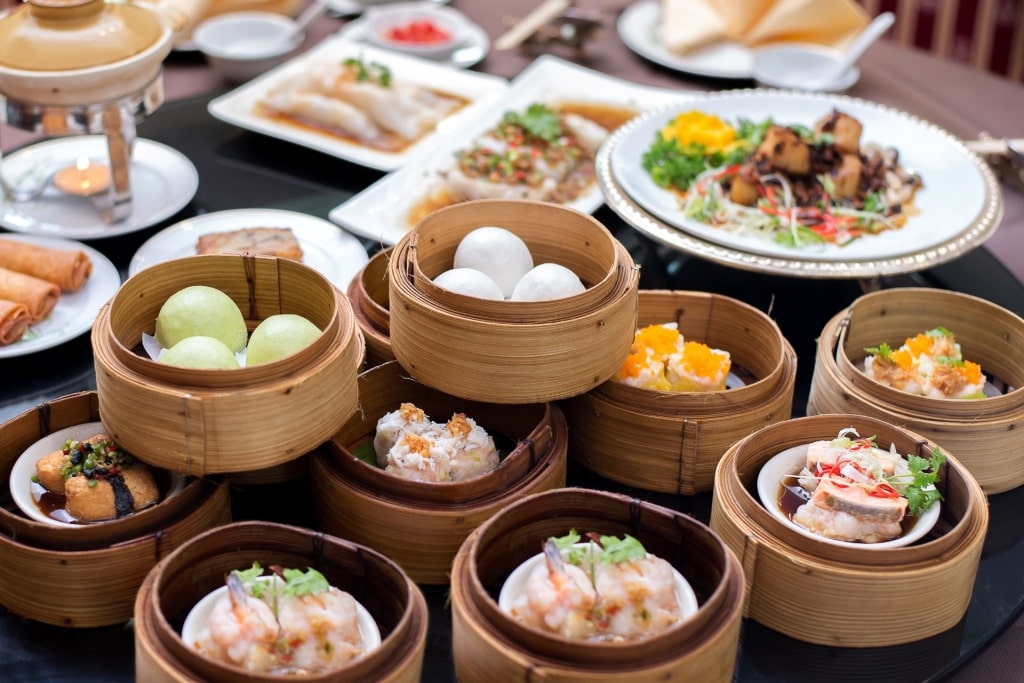
Dim sum
Dim sum is traditionally served in roving carts piled with bamboo steamers. Nowadays, some restaurants in Hong Kong opt for a more sedate ordering system at the table. Either way, it’s absolutely meant to be shared.
Can I find vegetarian dim sum in Hong Kong?
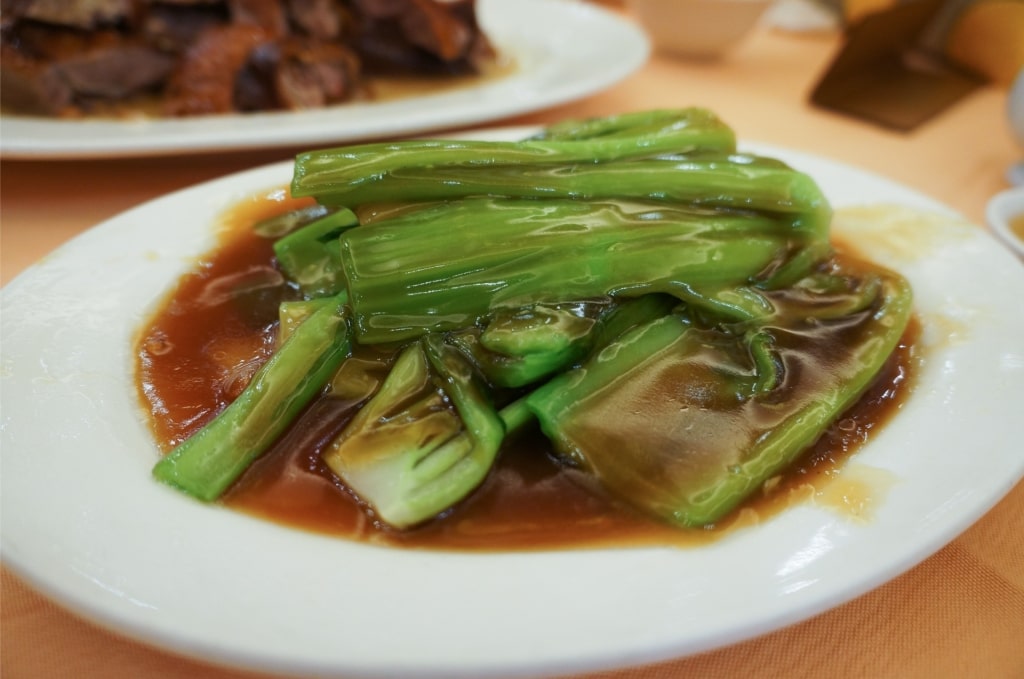
Chinese broccoli
Yes, although your options may be somewhat limited at a traditional dim sum restaurant, as shrimp and pork feature prominently in many dim sum staples. Nevertheless, vegetarians can always find some options at the table, including steamed gai lan, or Chinese broccoli. In a pinch, there are always sweet options, including the sumptuous custard lava buns.
If you or one of your dining companions is a vegetarian, it’s worth doing a little advance research to find a dim sum restaurant that caters to plant-based diets. Upscale dim sum restaurants are also often happy to accommodate dietary restrictions with advance notice.
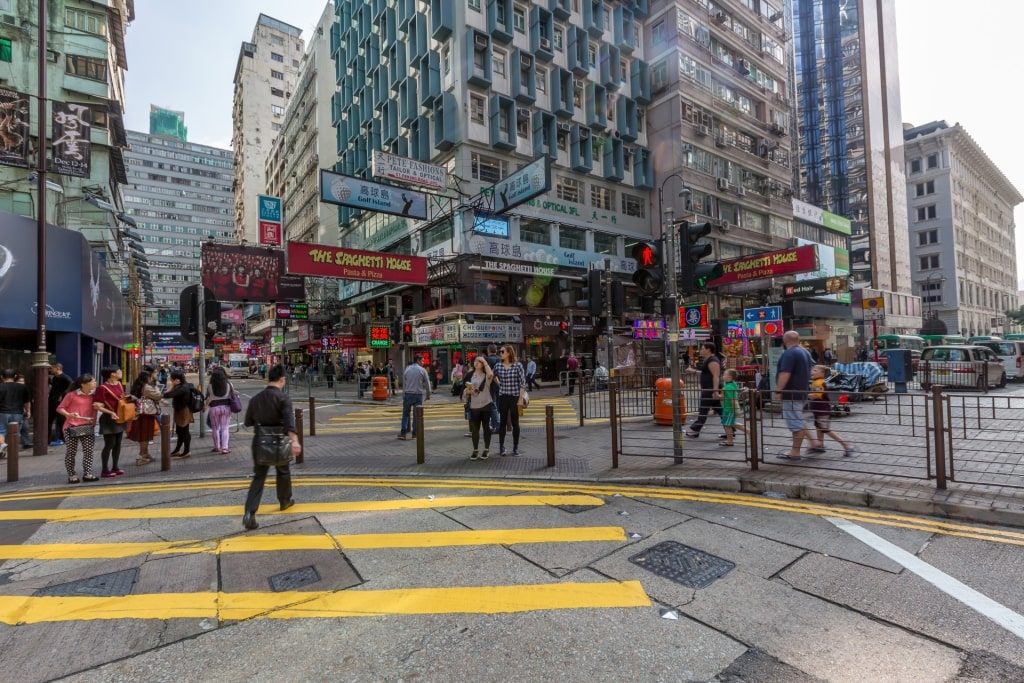
Hong Kong
Discover all of these culinary marvels as part of a cruise with Celebrity. Browse upcoming cruises to Hong Kong and book your dream voyage today.