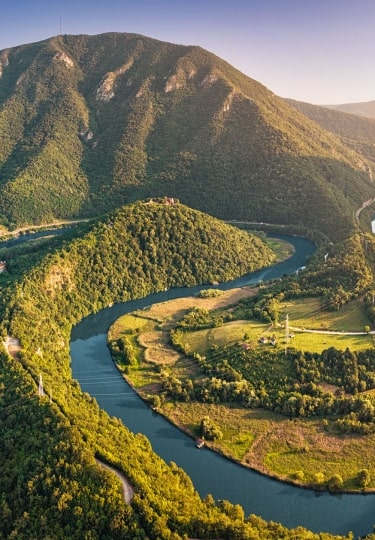
Belgrade has been the subject of over 115 battles, but one it hasn’t yet settled is the 95-degree heat on a late July afternoon. To see Serbia at its most photogenic and inviting, come in the shoulder seasons: May, long after the snowmelt, or September, when summer relinquishes its grip.
This guide explores everything you need to know about Serbia throughout the seasons, as well as the best times to visit depending on what prime European river cruising means to you.
Why Timing Matters for a Serbia Vacation
Serbia is a destination of four seasons in full swing. From the snow-cloaked pines on a wintry day in the central south to sweltering mid-summer city outings, choosing a season that matches your thermostat is a matter of consideration. If you like options, you’re in luck.
Warm weather and seasonal festivals draw tourism and much of the Serbian diaspora back home during the summertime. Cold, white winters attract skiing crowds to the Central and Southern mountains that press into the Bulgarian borders. That leaves the sweet-spot shoulder seasons, with vibrant riverside landscapes and fewer crowds.
Here are the main factors that influence guests’ ideal timing to cruise Serbia down the Danube:
- Weather: Those who love extremes can easily travel in winter or summer, but fall and spring provide a much milder, more accommodating climate for outdoor exploration.
- Festivals: Locals take advantage of the summer months between July and August to celebrate in the outdoor warmth. You’ll find the EXIT Festival, the Guča Trumpet Festival, Belgrade Beer Fest, Roštiljijada barbecue week, and the Lovefest all held during these months.
- Crowd levels: Serbia’s at its most heavily foot-trafficked during the height of summer and winter.
- Cruise season: Late spring to early autumn is the sweet spot for sailing down the Danube, with May and September being the most inviting months.
Best Season To Visit Serbia
The best season to visit Serbia depends on whether you prefer cold weather and glistening wintry vistas, or long, languid Mediterranean afternoons dining alfresco riverside. The country has a lot to offer year-round, with sights often reflecting diverse regions across Europe. Unlike river cruising in more temperate climates, you can expect the seasonal offerings to shift with the months.
Here’s what you need to know about Serbia’s seasons, so you can align the timing of your Danube river cruise with your comfort levels and preferred activities.
Serbian Spring
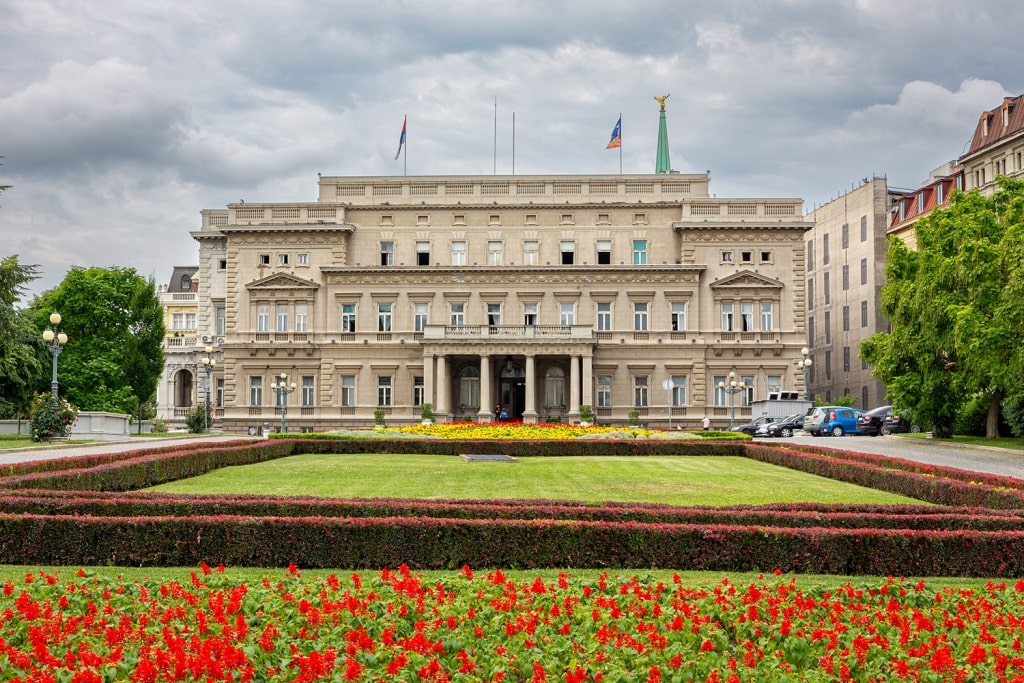
Novi Dvor (New Palace) in Belgrade, Serbia, residence of the President of Serbia during springtime
Late March begins a transition to warmer days, with temperatures still sitting between 50 and 60°F as winter begins to recede. Nights and early mornings are still brisk, sometimes dropping to near freezing, and occasional rain showers clear closer to June. As you’re packing for your river cruise, include light-to-warm layers for spring.
By May, the days warm to around 68°F and flora begins to bloom in the cities and countryside as conditions become more predictable. Belgrade and Novi Sad in the north experience a continental climate, ideal for hiking in the low-altitude plains and wetlands.
This is an excellent time for city explorations in Belgrade, as people flock outdoors for the revival of open-air terraced cafes, verdant green spaces, and floating river clubs and restaurants, locally known as “splavovi.” As you wander the city, you’ll notice cultural events, such as the Belgrade Dance Festival and lively street music adorning the roads.
Summertime in Serbia
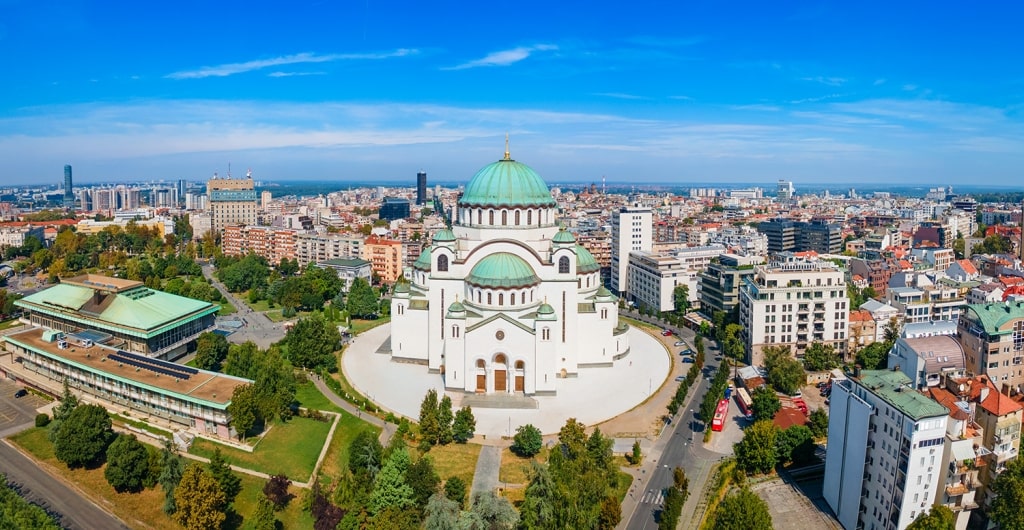
Aerial panorama of a golden summer day, showcasing the iconic Belgrade’s Church of Saint Sava
Summer is when Belgrade and Novi Sad bounce back to life, running full steam ahead with a lineup of festivals, outdoor activities, and consistent seasonal heat. Expect more tourists and locals alike to flood the cities, especially during July and August. Various music, food, and dance festivals dominate city schedules, including the highly acclaimed EXIT Festival in Novi Sad.
Temperatures average in the 80s, but have been known to climb well into the 90s throughout the season. You can expect packed pedestrian zones, floating river clubs and restaurants operating at full throttle, and plenty of alfresco dining with local produce like summer squash and stone fruits delivered fresh from surrounding family farms.
The Serbian Fall
During fall, heat shimmers disappear from the roads and the Danube riverbanks return to an amber, sun-ripened haze. Surrounding deciduous foliage and extensive grape vines turn to rich crimson and marigold as they begin to crisp, making fall one of the most photogenic moments of the year.
From Belgrade, this is a ripe opportunity to duck out and experience the Šumadija wine district, locally known as the “Serbian Tuscany,” with rich green rolling hills and low-lying mountains on the horizon. It’s also a great time to taste ajvar (a roasted red pepper relish) from the seasonal harvest.
September temperatures start in the mid-70s and drop over the months, while crowds gradually dissipate from late August. This is the moment to visit for travelers who love an extended golden hour outdoors and mellow pacing.
Serbia in Winter
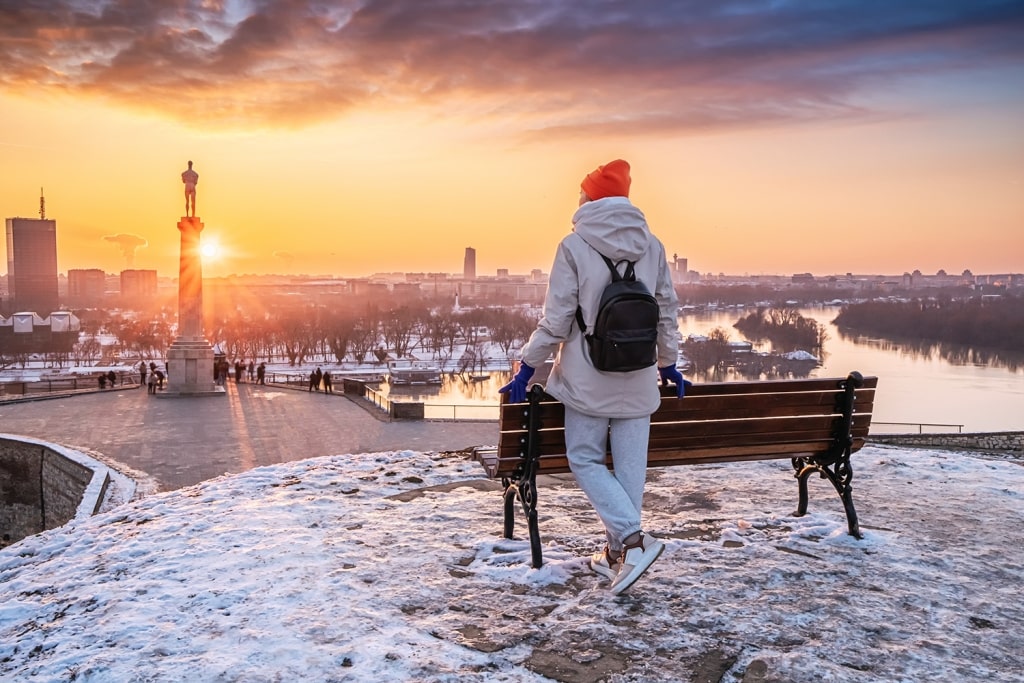
From the heights of Belgrade’s Kalemegdan Fortress, a woman gazes out as the sun dips below the horizon, silhouetting the Pobednik monument and the shimmering river
Winter in Serbia draws crowds, albeit highly specific ones. As the weather cools to the mid-30s in the north and the mid-20s in the southern alpine regions, ski season attracts travelers focused on winter sports and mountain experiences.
Due to the cooler temperatures, this season is less ideal for outdoor sightseeing on a winter cruise. However, you will find brightly lit, bauble-filled Christmas markets offering local delicacies and artisan crafts throughout Belgrade. These generally run from early December, extending past the holiday season to encompass the Serbian Orthodox Christmas on January 7th.
Best Time for a River Cruise in Serbia
Some sights you can only see from the water, and Serbia has more than its share. May through September is prime sailing season along the Danube, with May and September themselves crowning the best cruising months. Ambient temperatures make it warm enough to enjoy the riverbank fortresses and the spectacular Iron Gates Gorge, yet cool enough to remain outdoors and soak it all up.
In Belgrade, you’re welcomed by the Kalemegdan Fortress peering down over the confluence of the Sava and Danube. The fairytale fortress’s skyline was built over 1,700 years by five civilizations, including the Romans, Byzantines, Serbs, Ottomans, and Austrians.
Further north, Novi Sad’s Petrovaradin Fortress does the same trick from a limestone bluff locals know as “Gibraltar on the Danube.” Past Golubac and its ten-tower medieval fortress, the Danube begins to gradually narrow as you reach the Iron Gates. Here, the cliffs close in to under 650 feet apart, and the riverbed drops to 262 feet deep. Both shoulder seasons are a prime time for not just wandering through the Danube River’s historic fortresses and natural marvels, but hiring a bicycle or setting out on foot to explore its banks at your leisure.
Best Months To Visit Serbia Based on Your Travel Interests
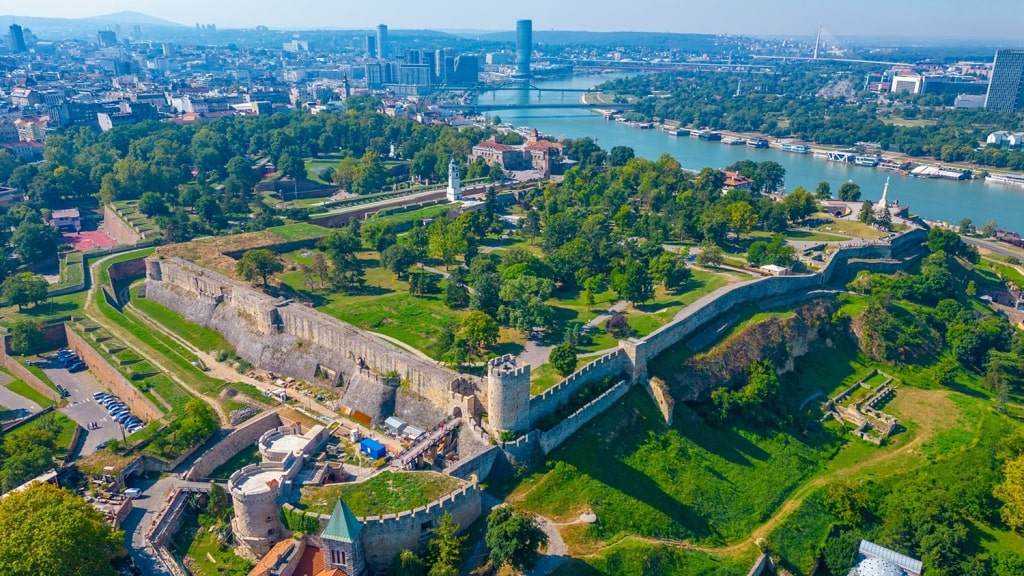
Aerial panorama of the historic Kalemegdan Fortress and the surrounding parklands in Belgrade, Serbia
Every traveler is looking for something slightly different, and Serbia serves up variety year-round. Here are the best times to set sail on a river cruise through Serbia, depending on your ideal travel itinerary:
Sightseeing and Outdoors
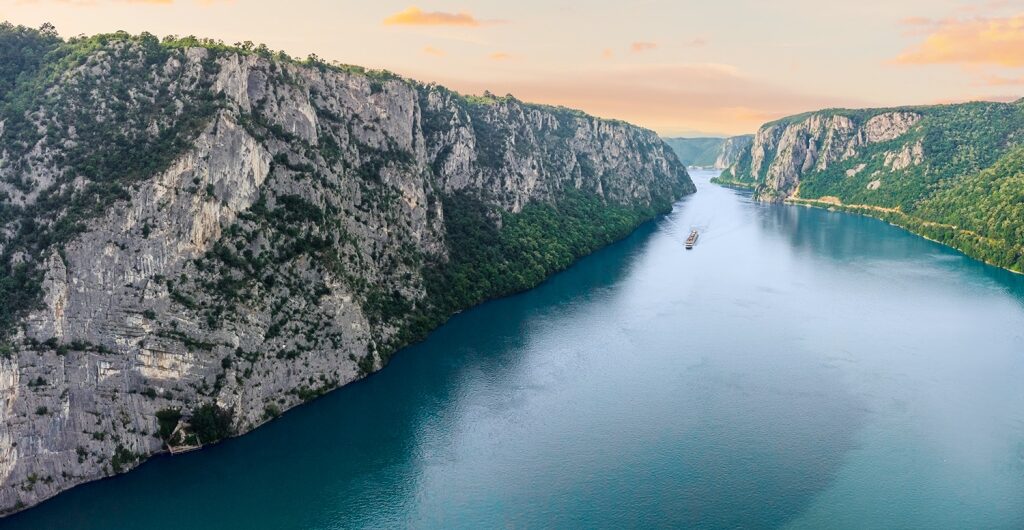
Panoramic perspective of a river ship navigating the dramatic, vertical bluffs of the Iron Gates Gorge
June through early September provides the longest, steadiest days for getting outside to cycle along the EuroVelo 6 near the Iron Gates, hike Fruška Gora outside Novi Sad, or visit the Serbian wine country.
Cultural Highlights
Novi Sad’s EXIT Festival takes over Petrovaradin Fortress every July, and Belgrade’s outdoor markets are liveliest through summer. You’ll find various music and dance festivals between July and August, including the Lovefest and Belgrade’s Beer Festival, both falling in August.
A Slower Pace
September is ideal for unwinding, especially as it carries warmth from the late summer sun. Indulge in peaceful riverside walks in Golubac or a slow stroll through Belgrade’s bohemian quarter, Skadarlija—without having to share the pathways.
History and Heritage
Build in time for Viminacium, an excavated Roman capital still being unearthed today. Pair it with Belgrade’s Kalemegdan and Novi Sad’s Petrovaradin for a more complete look at over 2,000 years of Serbian history. May and September complement these sites with moderate temperatures and either budding or russeting riverside foliage.
FAQs: Best Time To Visit Serbia
Is summer a good time to visit Serbia?
Summer is a lovely time to visit, but it can feel overheated and draw heavy foot traffic through the cities. May and September deliver the same sights with milder days and significantly more breathing room.
When is the best time to visit Belgrade and Novi Sad?
Late spring or early fall is a great time to visit Novi Sad and Belgrade. Both cities hit their stride with mild temperatures and lovely urban spaces. If you’re visiting for the festivals, cruise in July or August.
When is the best time for a Danube river cruise in Serbia?
May and September are the sweet spots in terms of weather in Serbia and crowds. They’re warm enough to spend full days on deck, and calm enough for smooth sailing through the Iron Gates.
What's the best time of the year to visit Serbia for first-time travelers to the Balkans?
If it’s your first time in the Balkans, come in May or September. You’ll enjoy comfortable weather and enough variety to build an impression of the country’s culture, history, and natural highlights.
What's the best month to visit Belgrade and Novi Sad?
September is the best month to visit Belgrade, with warm days, thinning crowds, and lively city squares without the late-summer bustle from festival-goers.
How many days in Serbia is enough?
A handful of days in Serbia is enough to cover key urban highlights, including Belgrade, Golubac, and Novi Sad, as well as its stunning landscapes, like the Iron Gates.
Set Sail for Serbia
Serbia makes a compelling case for a slow river cruise year-round, but May and September are when local scenery and culture really shine. From fortress skylines to gorges carved out by the Danube itself, there’s a lot of ground to cover—and no better way to cover it than by water.
View Celebrity River Cruises℠ to Serbia and start planning your Balkan journey.